

20 Positive Reinforcement Ideas for Better Behavior
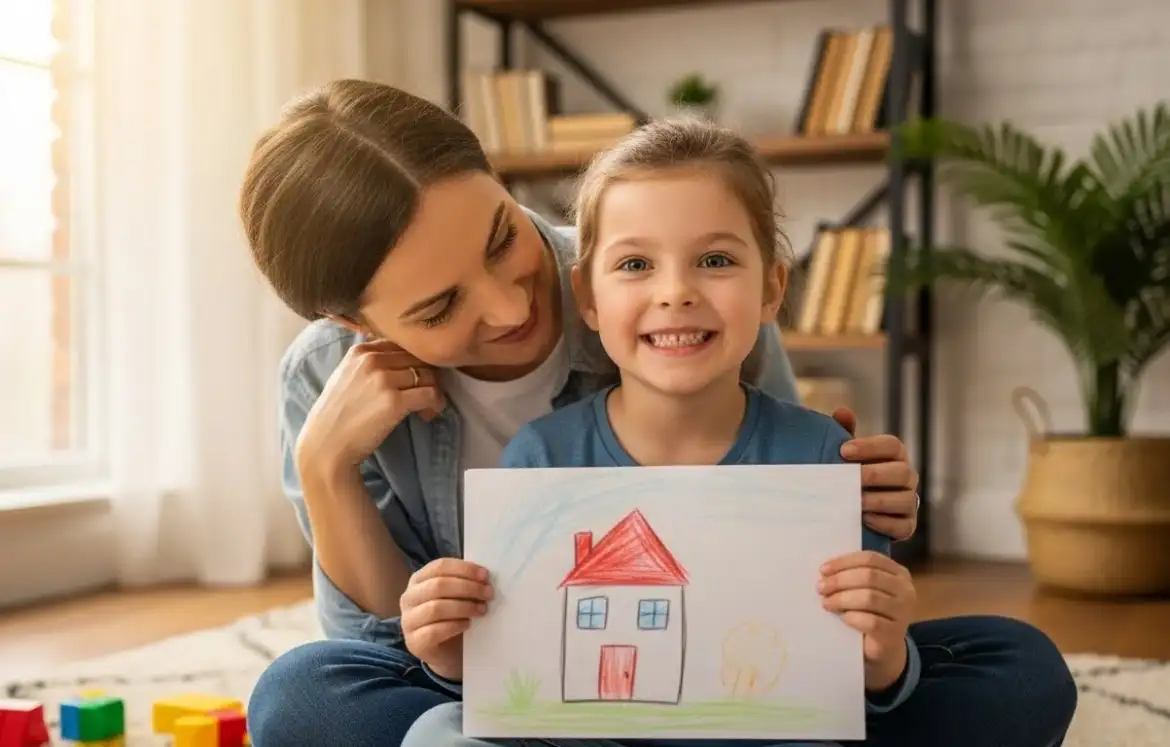
Positive reinforcemnt helps kids repeat helpful actions because they feel seen and appreciated. Simple praise, practical rewards, and small daily rituals can shape easier behaviour without added stress. These ideas work in real homes, on tight budgets, and with kids of different ages. Each one keeps things light, doable, and rooted in everyday moments parents already have.
- Verbal Appreciation Moments
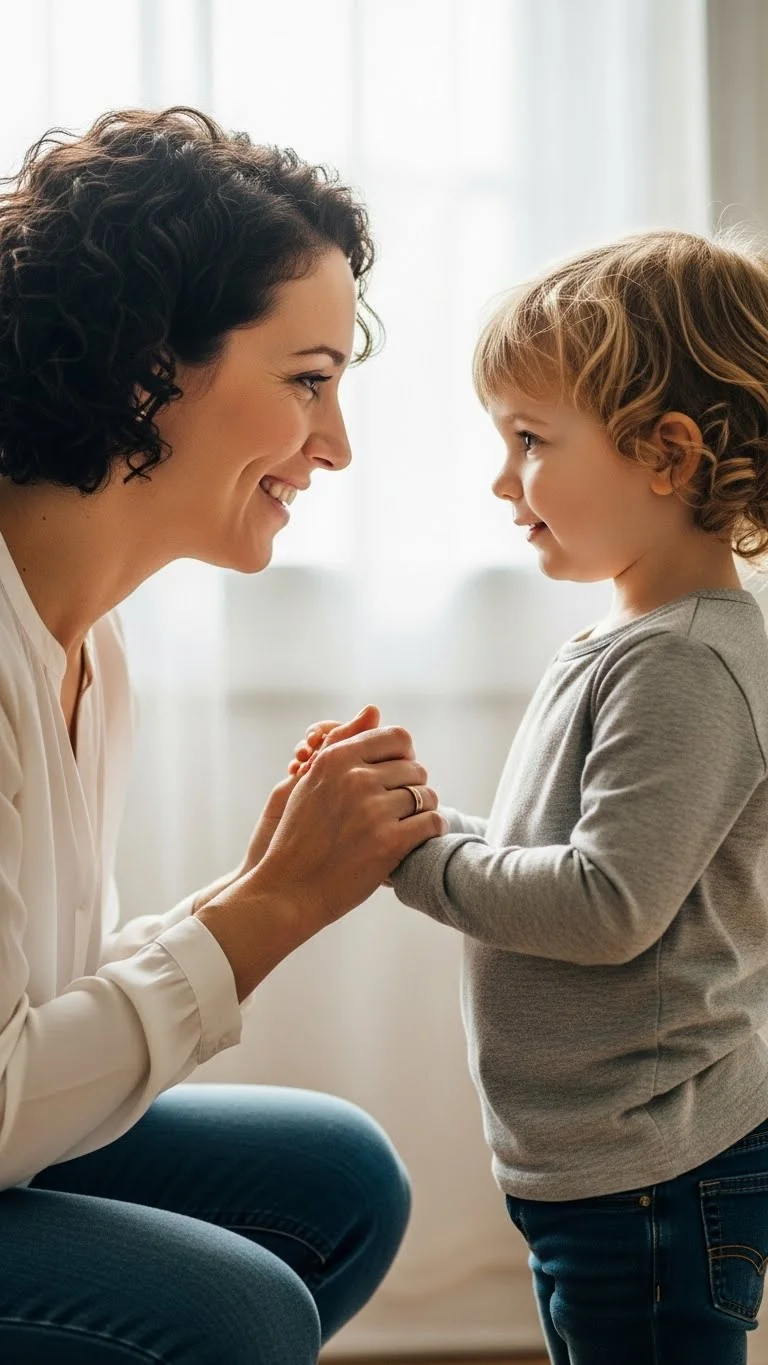
Verbal appreciation can shape behaviour with almost no setup. Keep praise short and specific. Tell kids exactly what you liked, such as “You shared your toys so kindly.” Avoid long speeches. Kids respond better when praise feels simple and genuine. You don’t need anything fancy—your voice is enough. To make it easier, build tiny moments into your day where you pause and acknowledge something positive. It could be during breakfast, after school, or before bedtime. If you want a reminder, place a small sticky note near the kitchen sink or coffee station. It nudges you to notice helpful moments. Kids learn from your tone and presence, not big gestures. Make your voice warm and your message clear. Over time, these quick affirmations help kids feel confident and more willing to repeat good choices.
- Sticker Tokens for Small Wins
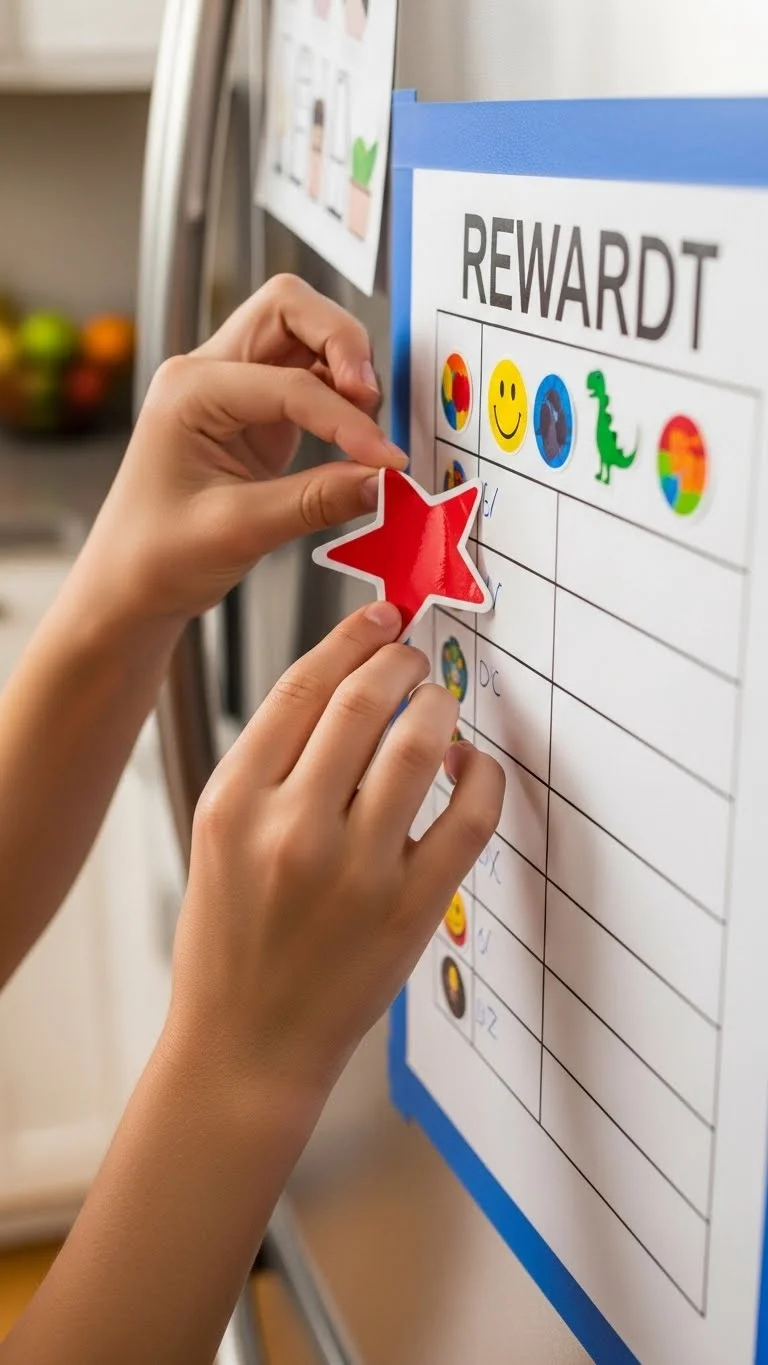
Sticker tokens turn small accomplishments into visual progress. Create a simple chart using plain paper or recycled cardboard. Kids love placing their own stickers, so keep the designs fun but inexpensive. Set small goals like “put away shoes” or “speak kindly.” Avoid long lists; pick two or three behaviours so it stays manageable. Stickers from discount stores work great. When the chart fills up, offer a small treat like extra playtime or choosing a family activity. This system works best when used casually—no pressure, no perfection. The visual cues help kids feel proud of their progress. Hang the chart at their eye level so they stay involved. Keep it light and fun, so they enjoy every sticker moment.
- High-Five Celebrations
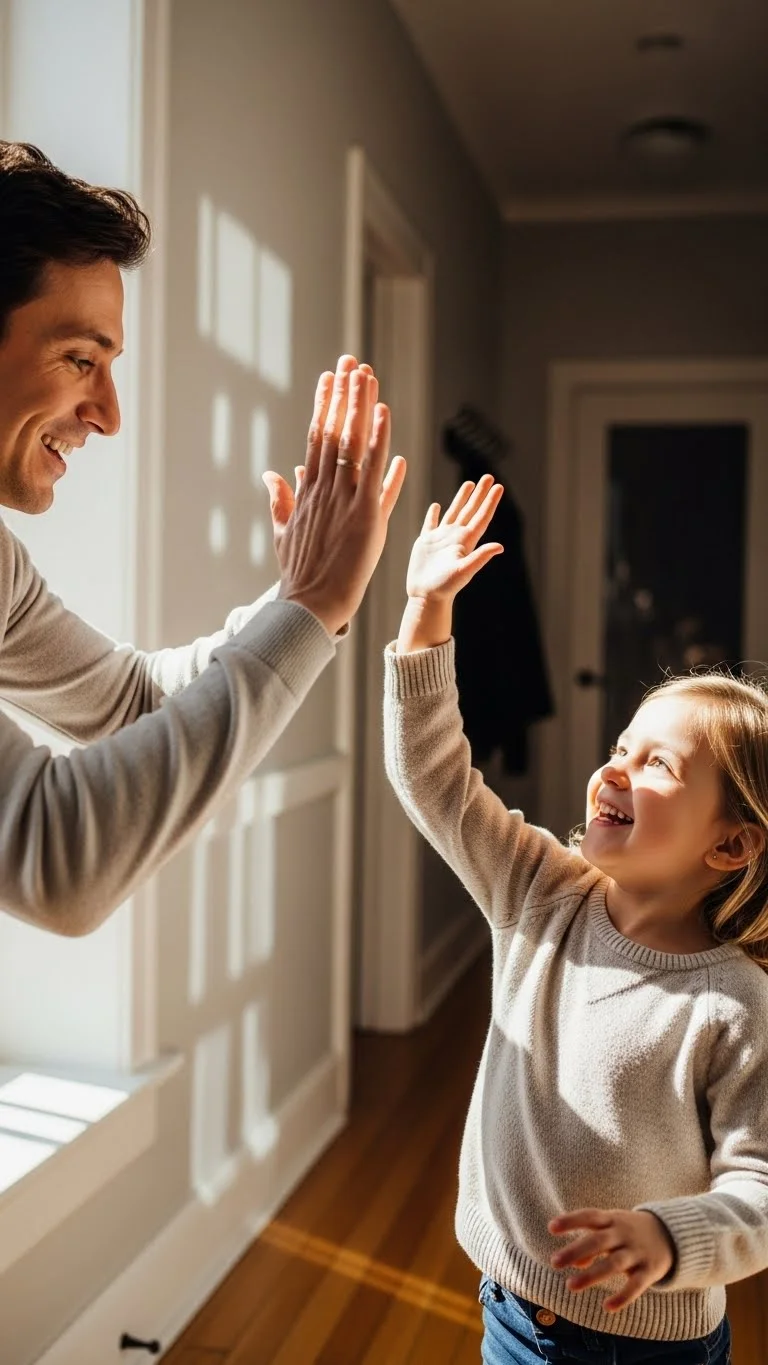
High-fives create instant positive energy. Use them when kids follow directions quickly, finish a chore, or show patience. This tiny gesture feels fun and keeps things upbeat. You don’t need to overthink it—just celebrate the moment. Some families create “double high-fives” or “spin high-fives” for added excitement, all without spending anything. Kids love physical acknowledgement because it feels playful and immediate. You can pair a high-five with a short phrase like “Great teamwork!” Keep it short and cheerful. This method works well for quick transitions like getting dressed, brushing teeth, or leaving the house. It reinforces behaviour without adding chores, charts, or complicated steps.
- Choice-Based Rewards
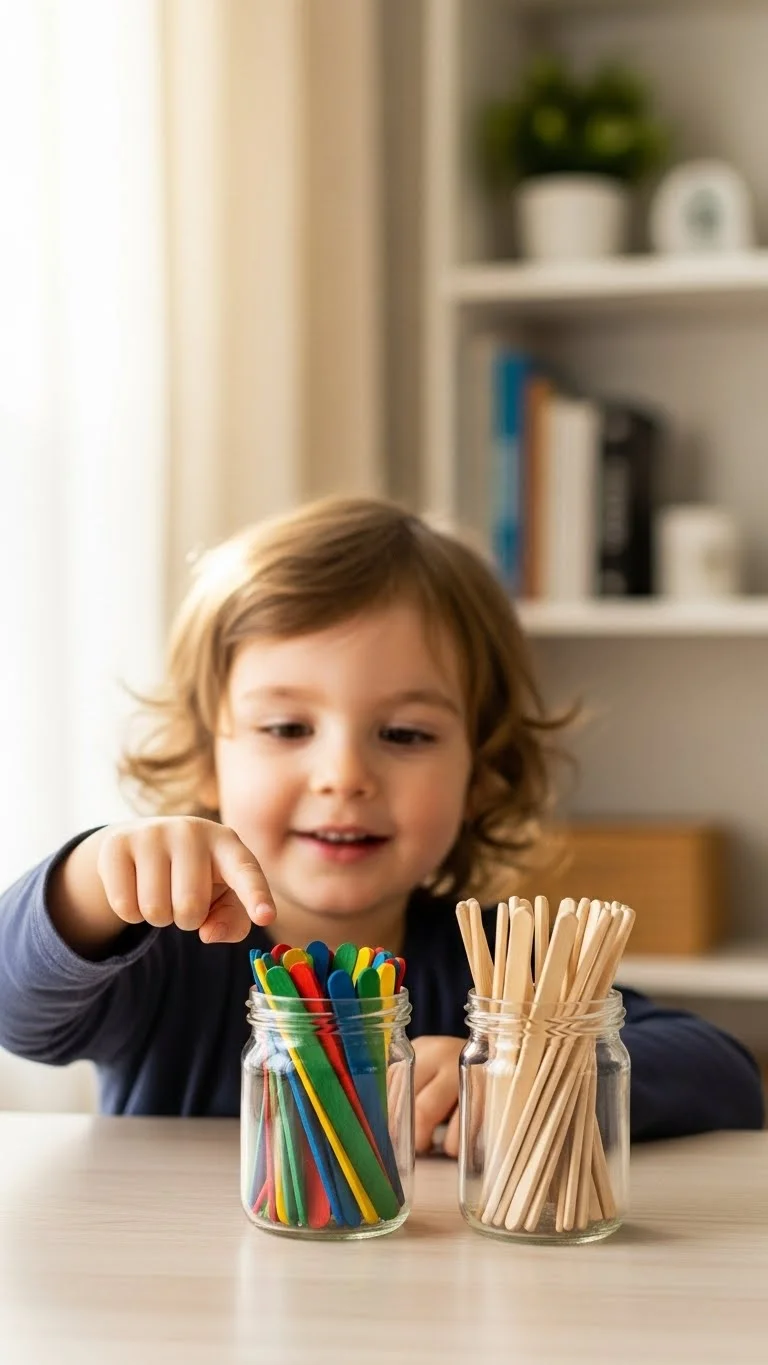
Choice-based rewards help kids feel in control. Create a “choice jar” filled with small, no-cost options like picking the bedtime story, choosing a snack, or selecting the next game. Use colored sticks or folded paper scraps you already have at home. When kids follow directions or handle a tough moment well, let them pick from the jar. Keep the rewards small,l so they stay sustainable. You can freshen the jar by adding new choices every week using simple household activities. Kids enjoy the freedom of picking something themselves, and the jar becomes a fun visual tool. This approach keeps reinforcement light, playful, and easy to manage.
- Special Time Coupons
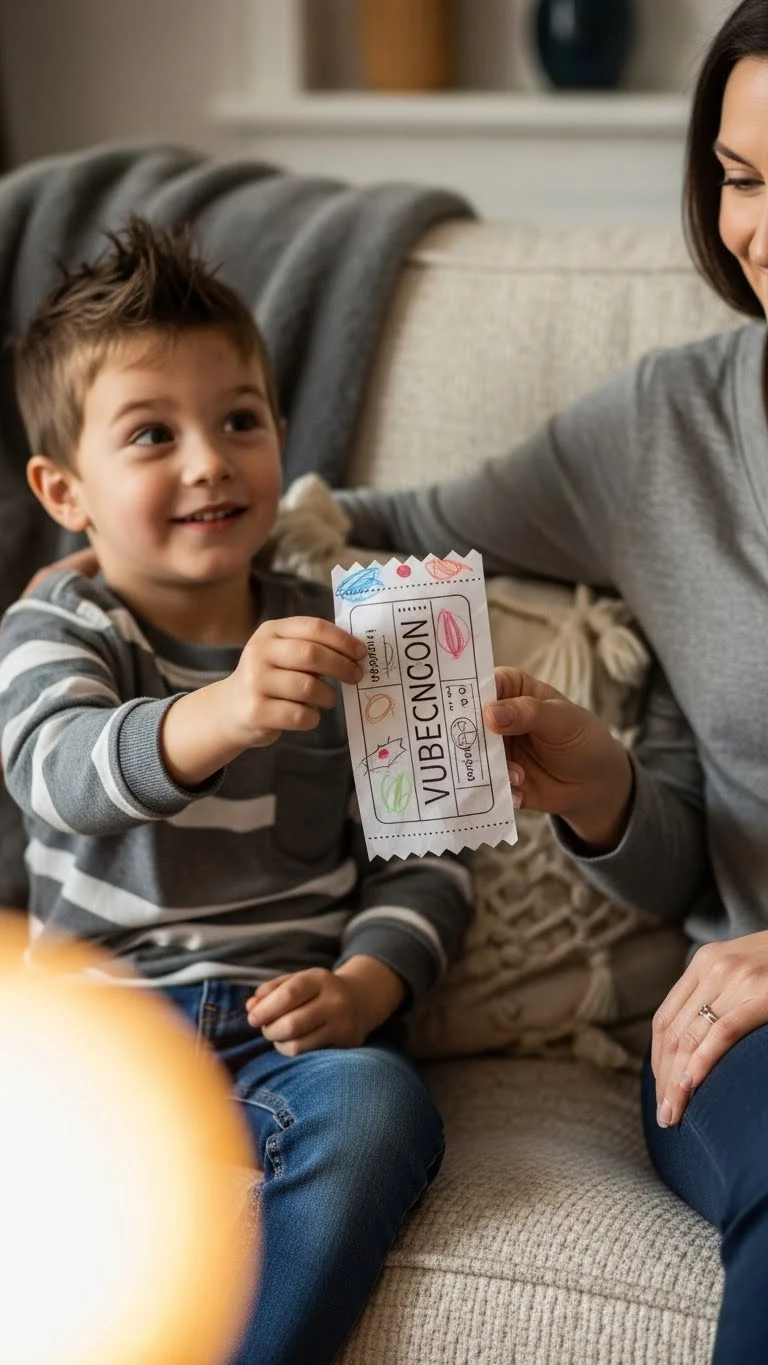
Make simple “special time coupons” using scrap paper or old notebook pages. Write short activities like drawing together, five minutes of silly dance time, or a backyard walk. Kids earn these coupons when they show helpful behaviour or handle frustration calmly. The activities cost nothing and fit into busy schedules. Store the coupons in a small envelope or jar. When kids redeem one, stop what they’re doing for a few minutes to connect. These short moments feel meaningful and help kids link positive behaviour with shared time. Keep the coupons easy and realistic so you can follow through without stress.
- Extra Playtime Minutes
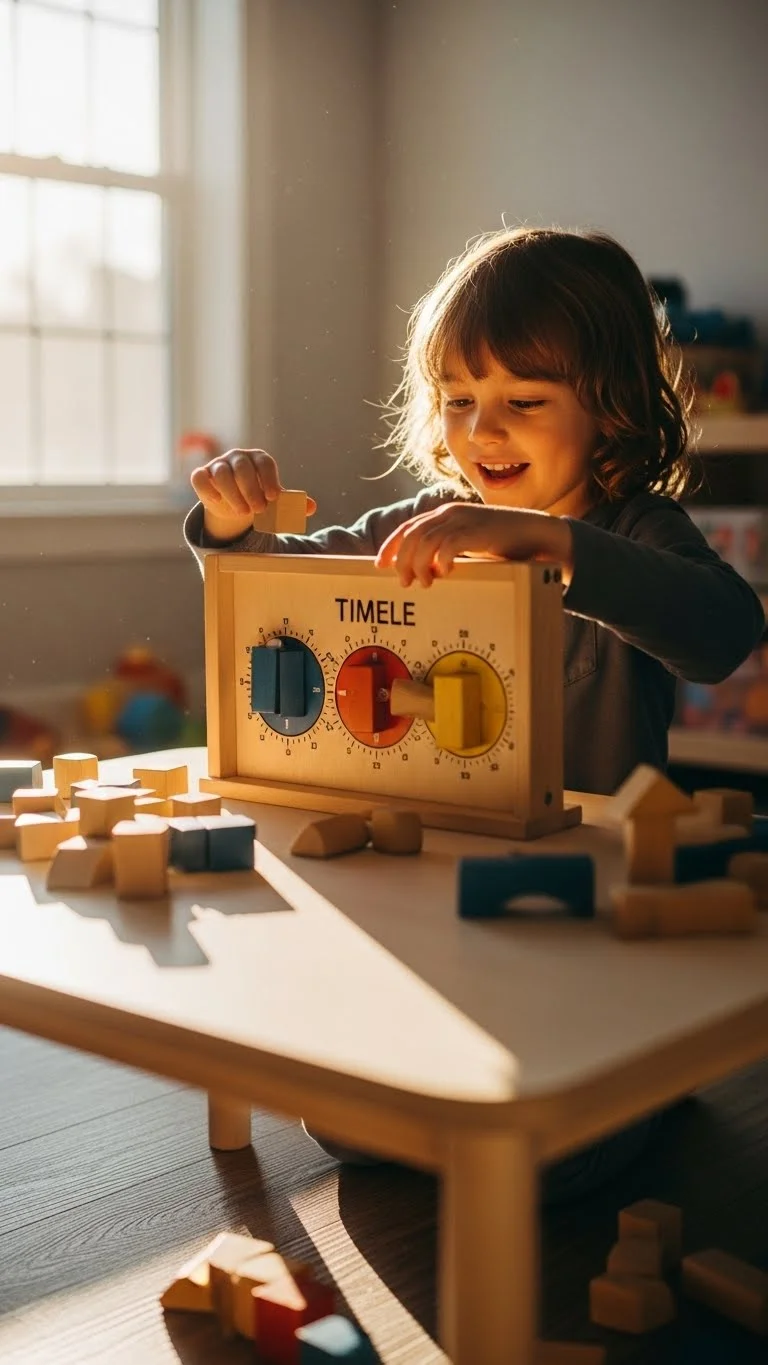
Extra playtime is an easy reward that doesn’t require buying anything. When kids follow routines smoothly or show kindness, give them a few extra minutes of their favourite activity. You can use a simple kitchen timer or a phone alarm. Start with small increments—two to five minutes. The key is consistency and keeping the reward immediate. If you want a visual aid, draw a small “playtime meter” on paper and let kids add a mark each time they earn more minutes. This keeps things fun without pressure. Kids appreciate feeling recognised through extra play, and the routine stays doable for parents.
- Personal Responsibility Badges
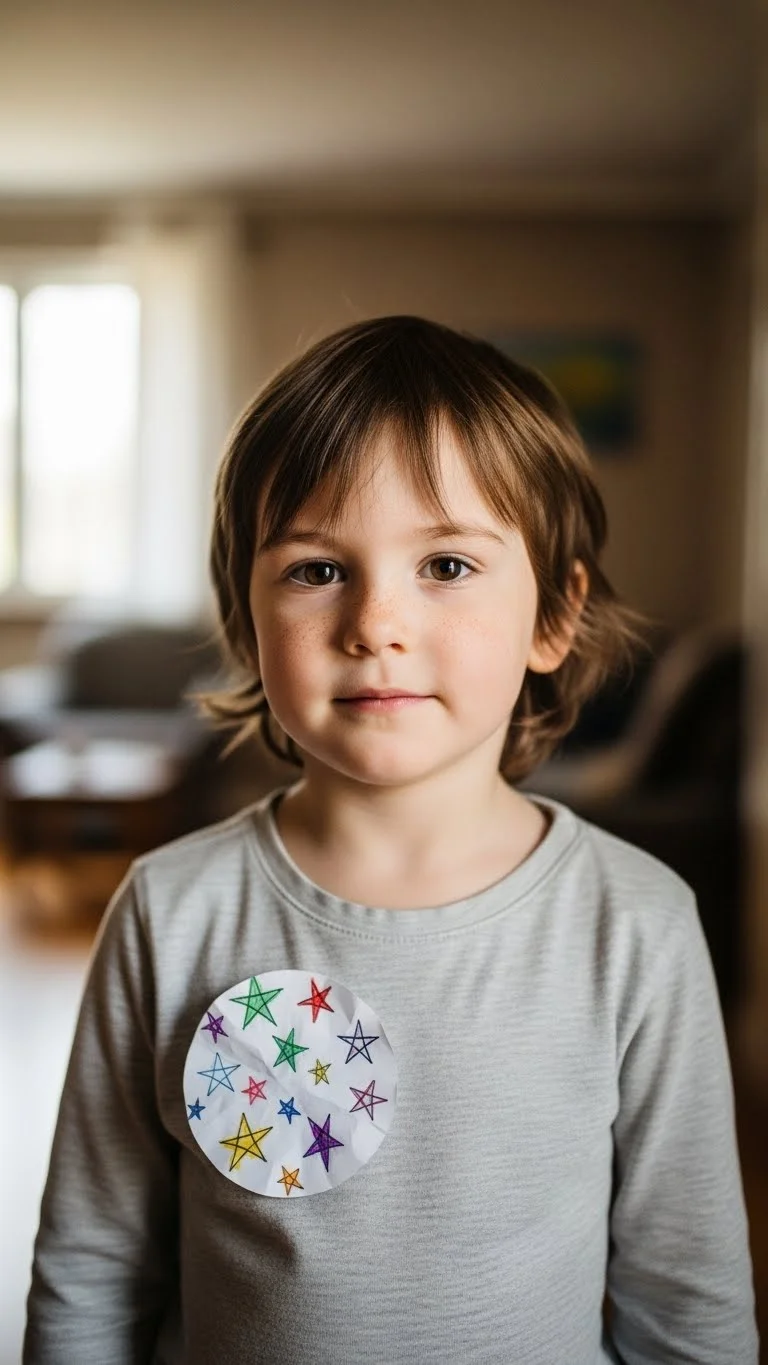
Create homemade badges using paper circles or cardboard scraps. Kids can decorate them with crayons or markers. Award a badge when they complete personal responsibilities, like folding clothes or speaking respectfully. The badges don’t need glue or glitter—simple shapes work best. Clip them to clothing with clothespins or tape them lightly. Kids enjoy the feeling of being recognized, and the creative element makes it even more fun. You can store badges in a small box so kids can look back at their efforts. This low-cost idea builds confidence while keeping things playful.
- Calm Corner Access
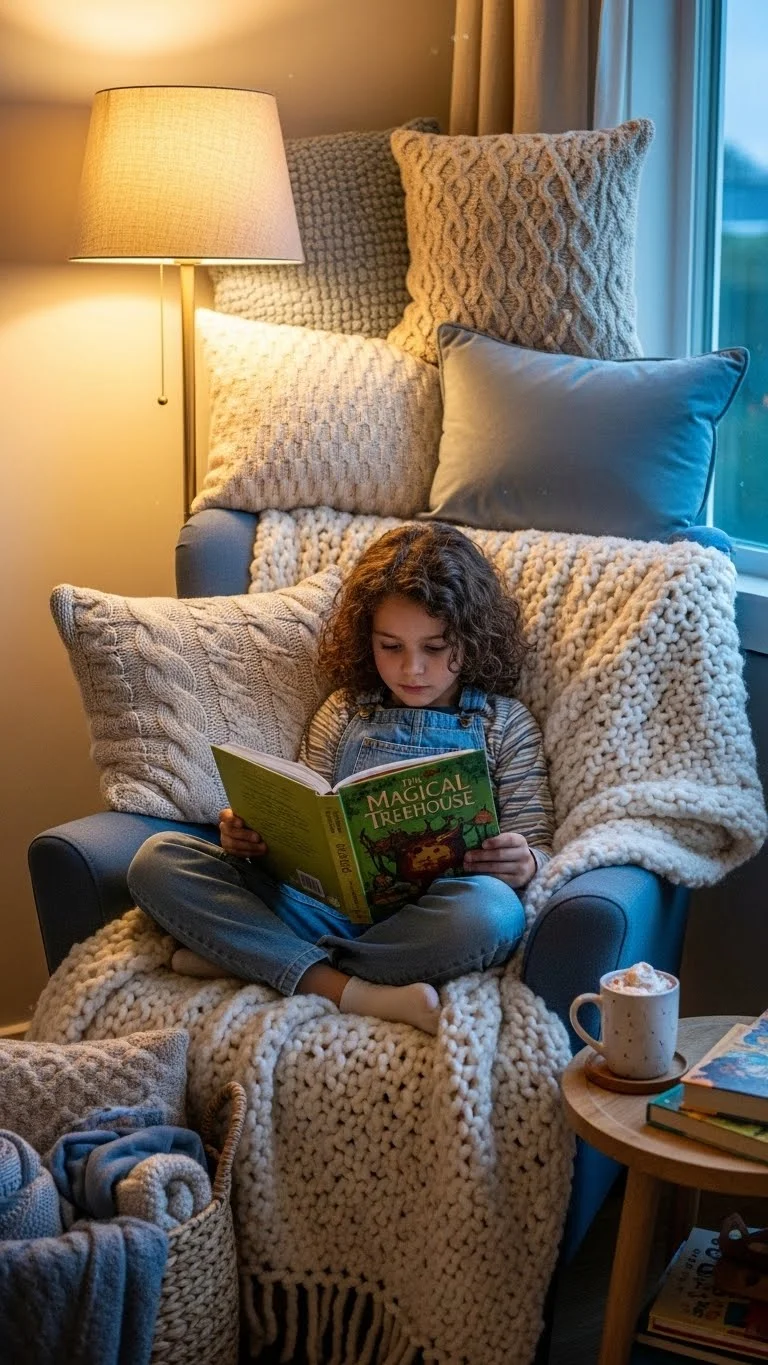
Create a “calm corner” in your home using items you already have—pillows, a blanket, or a small basket of books. When kids handle emotions well or use thoughtful words, invite them to enjoy a few minutes in the calm area as a reward. This space isn’t a timeout. It’s a peaceful spot that they earn through positive behaviour. Kids love cozy spaces, and you don’t need to buy special furniture. A cardboard box lined with a cushion can work. Keep the area simple and welcoming. This idea helps reinforce self-regulation and peaceful behaviour.
- Art Display Moments
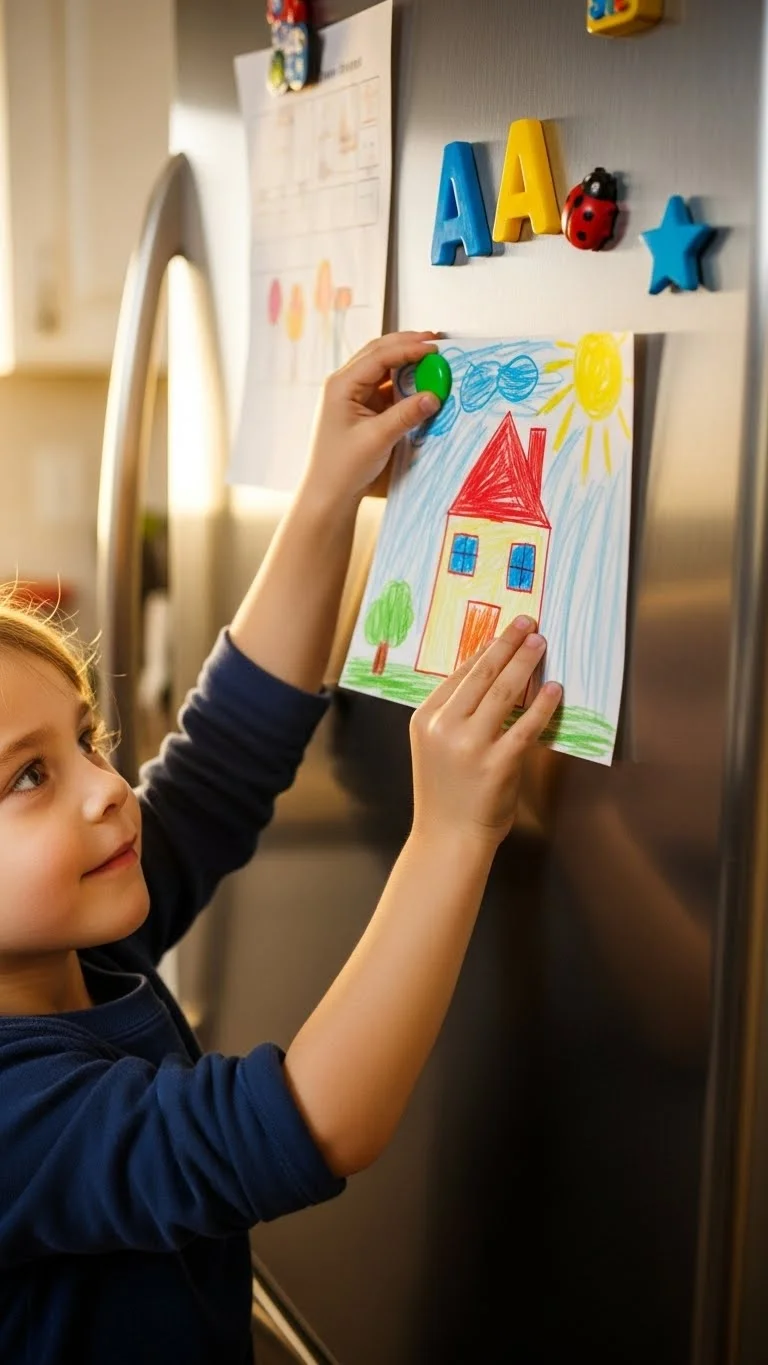
Displaying kids’ artwork creates meaningful recognition. When kids behave kindly or follow directions without reminders, let them choose one piece of art to display. Use clothespins and string, a fridge magnet, or a small wall space. This simple method helps kids feel proud. It also builds a routine where positive behaviour earns creative exposure. You don’t need new supplies—string, tape, or magnets already at home work fine. Keep the display fresh by rotating pieces weekly. Kids enjoy seeing their work framed by family attention.
- Music Time Rewards
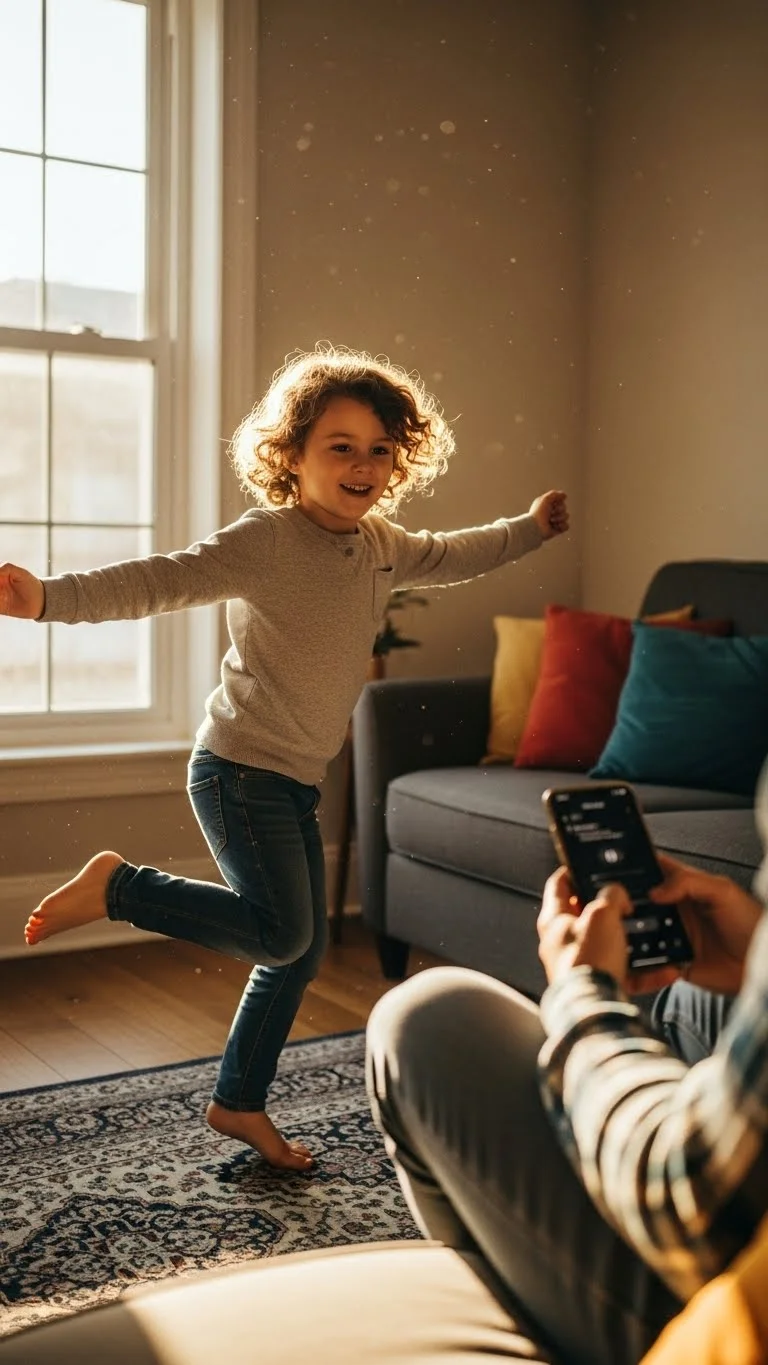
Music can turn positive reinforcement into fun movement. Build a playlist of kid-friendly songs. When kids cooperate or act kindly, play a “reward song” for a short dance break. This takes one or two minutes and adds excitement. No extra equipment needed—just a phone or small speaker. You can let kids choose the song as part of the reward. Keep it upbeat, but not overwhelming. These tiny dance breaks release energy and add joy to your home routines.
- Helping Pick Family Activities
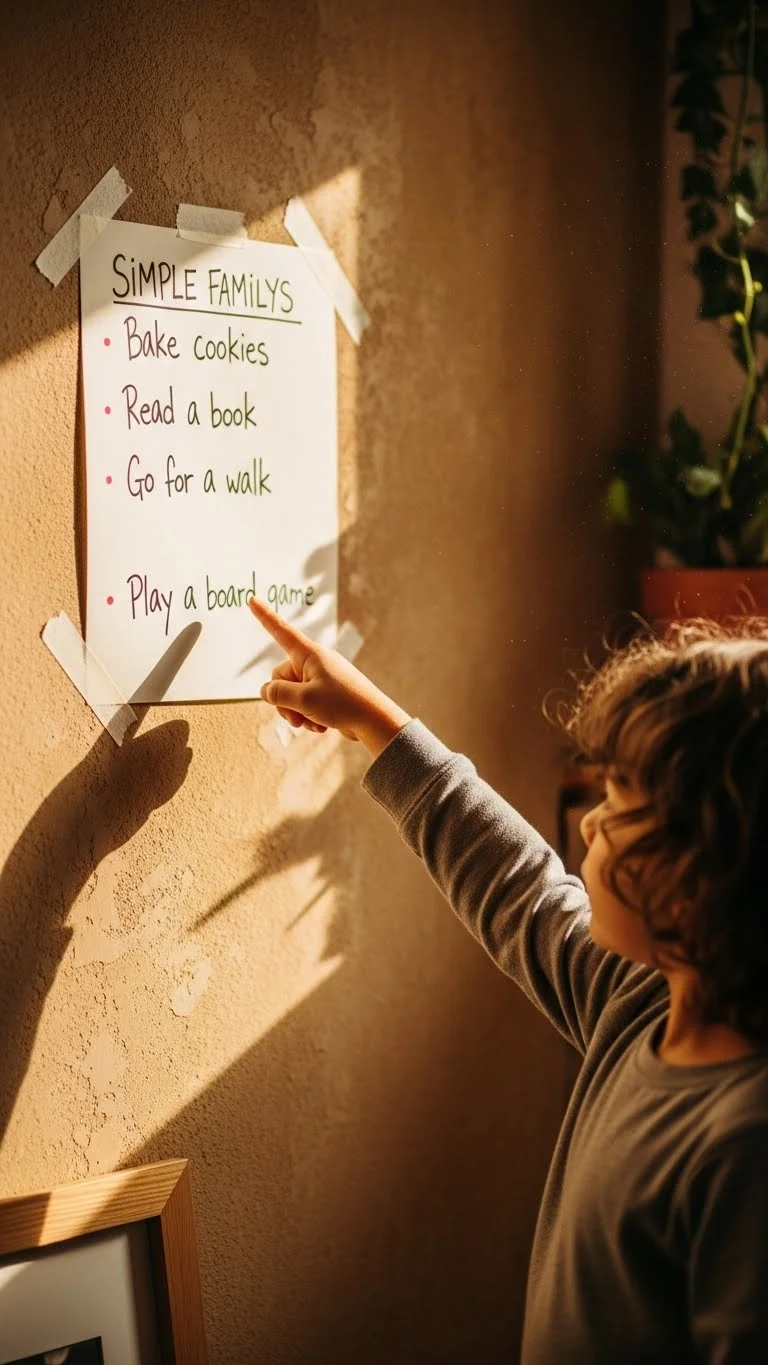
Kids love feeling involved in family planning. Keep a simple list of activities on the fridge—board games, a walk, craft time, or a short movie. When kids show positive behaviour, give them the chance to pick from the list. These activities should be simple and affordable. Use a marker and plain paper; no fancy materials needed. This builds decision-making while reinforcing helpful behaviour. Keep the list short so choices feel meaningful. Kids enjoy influencing small parts of the day.
- “Caught Being Kind” Notes
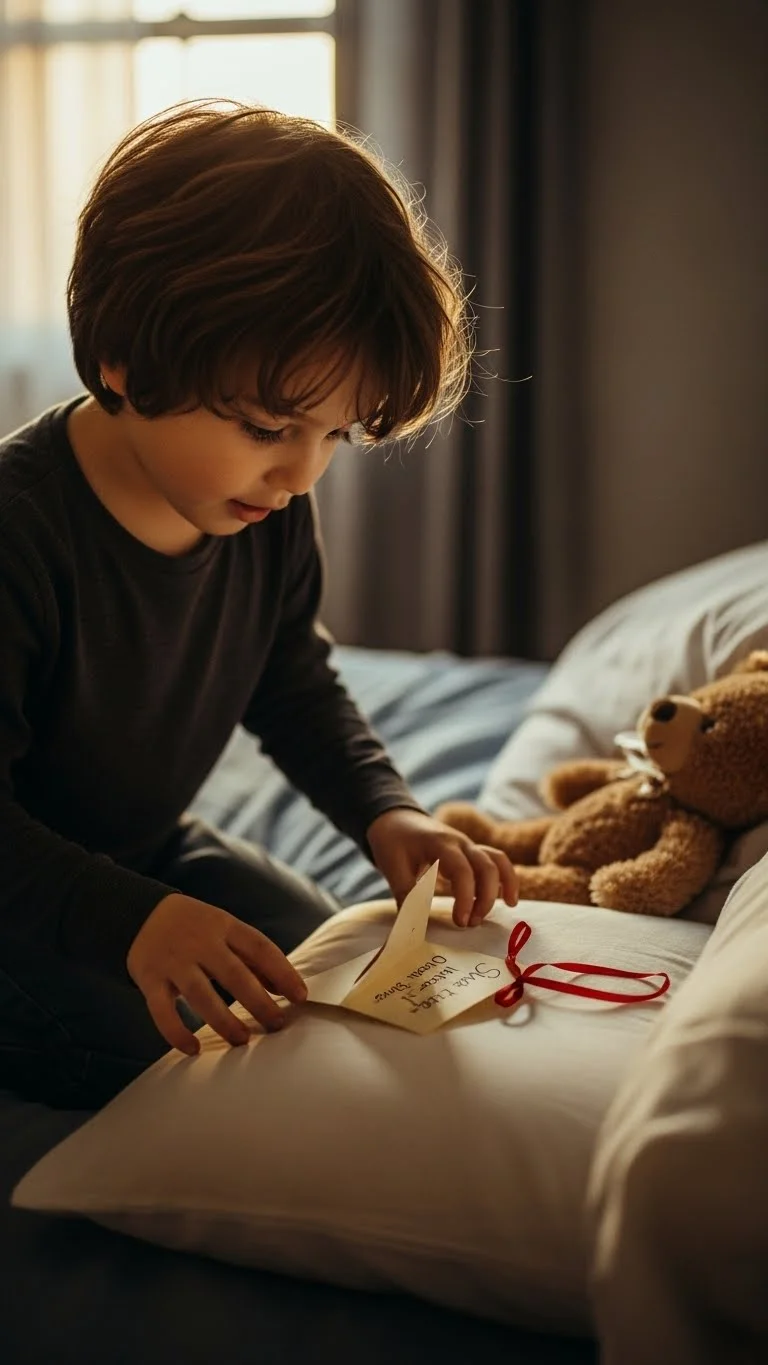
Write quick notes when you spot acts of kindness. Keep them short—“I loved how you helped today.” Use scrap paper or old sticky notes. Place the notes in surprising spots like their pillow, backpack, or lunchbox. Kids enjoy the tiny surprise element. This method costs nothing and works for all ages. These notes encourage kindness and reinforce quiet, positive moments that might otherwise go unnoticed.
- Special Helper Roles
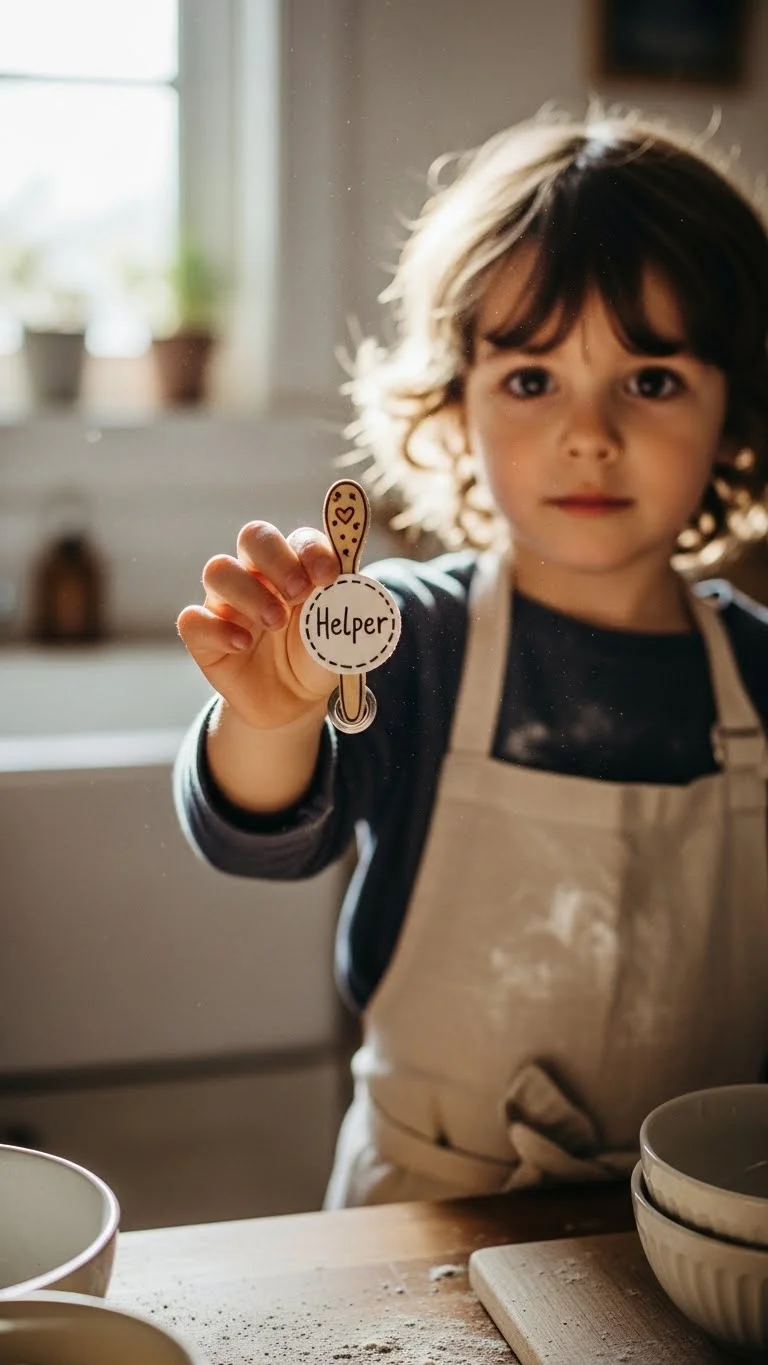
Give kids small helper roles they earn through positive behaviour. Roles can include “table helper,” “plant helper,” or “story picker.” You can create role markers using household items—a decorated clothespin, a paper bracelet, or a small wooden spoon. These roles make kids feel responsible. Keep tasks small, so they don’t become chores. Kids appreciate the recognition and enjoy the pride of having a special job for the day.
- Reward Jars with Simple Items
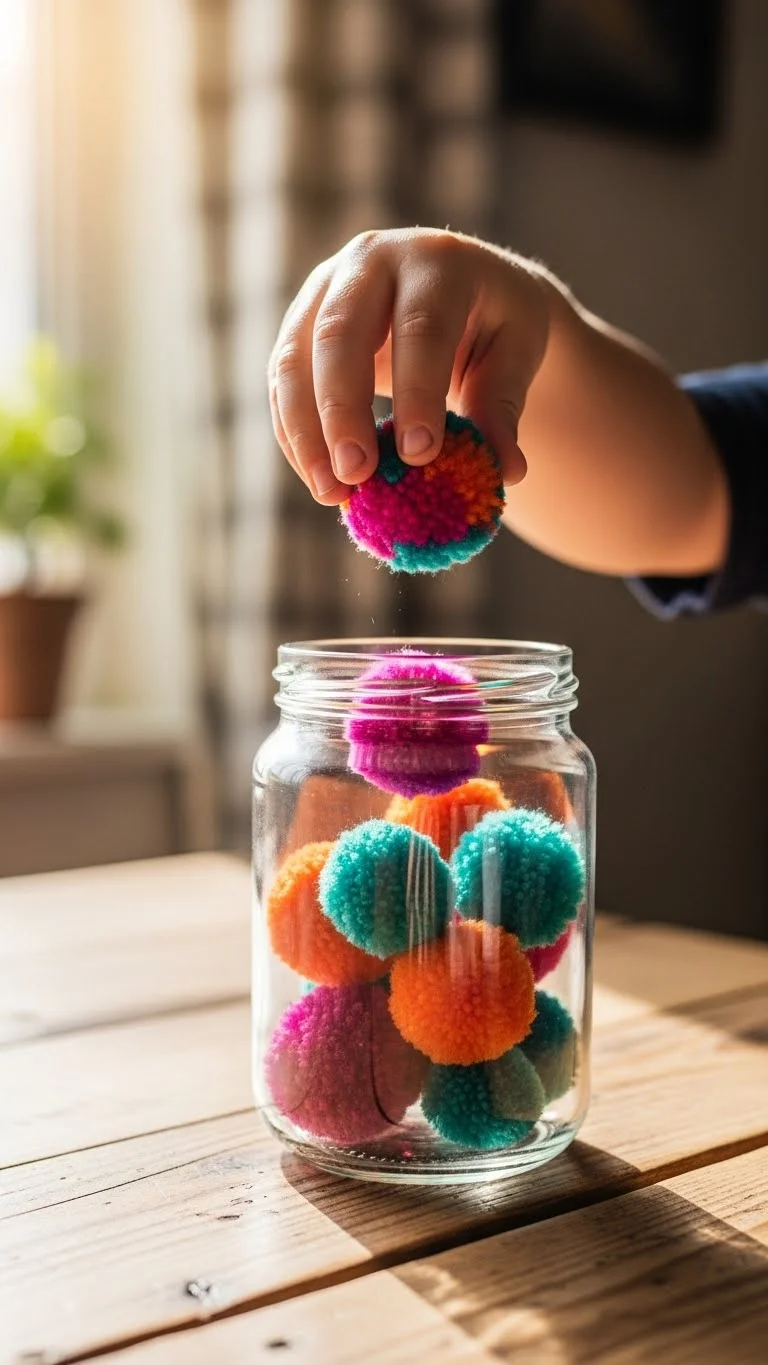
Reward jars are easy and visual. Use a recycled jar and fill it with pom-poms, buttons, or paper balls. Kids earn an item when they show positive behaviour. When the jar reaches a certain level, offer a simple reward like a family game night or choosing dinner. You don’t need expensive supplies—old craft scraps work great. Keep the jar reachable so kids stay engaged. This visual cue makes progress feel exciting.
- Handwritten Certificates
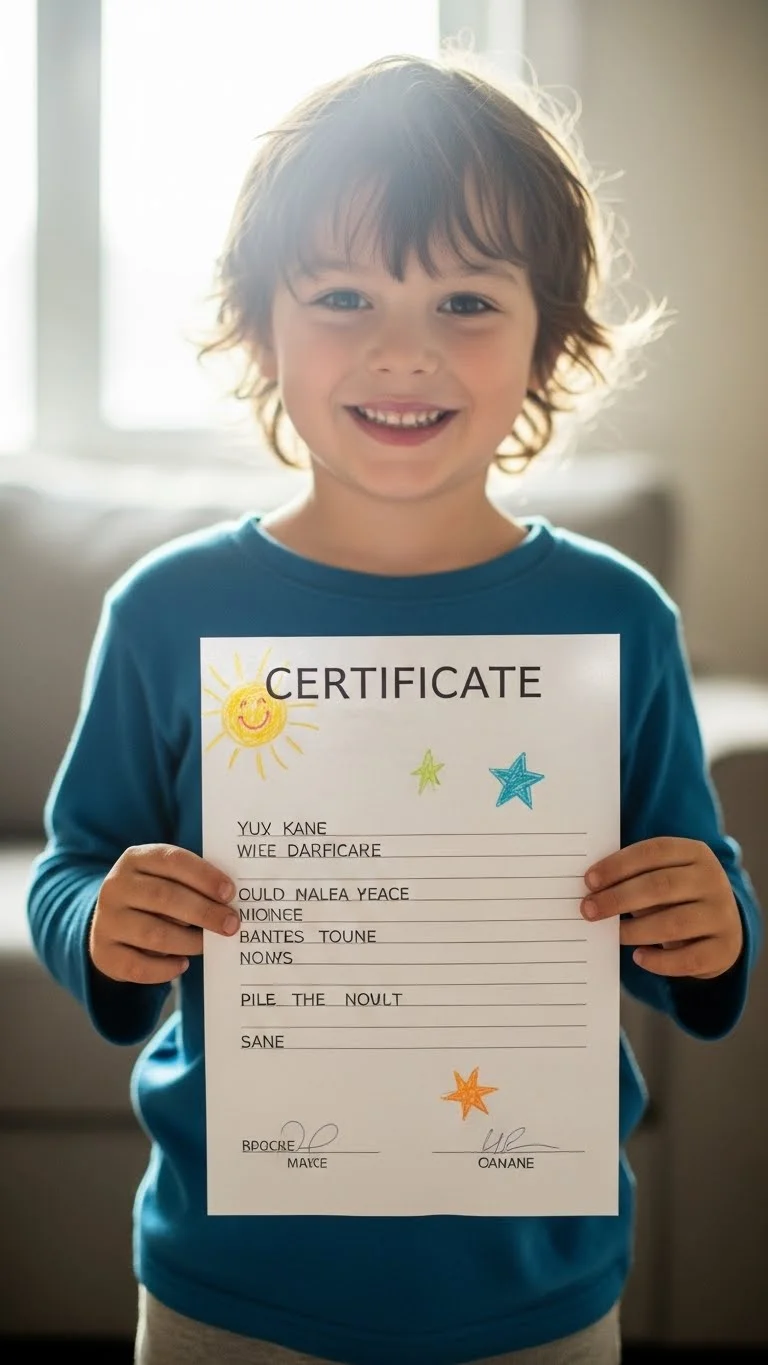
Make simple certificates for behaviours you want to reinforce—patience, sharing, or helping. Use plain paper and markers. Keep the design basic. Give certificates during calm moments, not rushed ones. Kids love the personal touch and the chance to show their certificate to family members. Store them in a small folder so kids can revisit past accomplishments. This low-cost idea adds a special touch to reinforcement.
- Weekend Choice Rewards
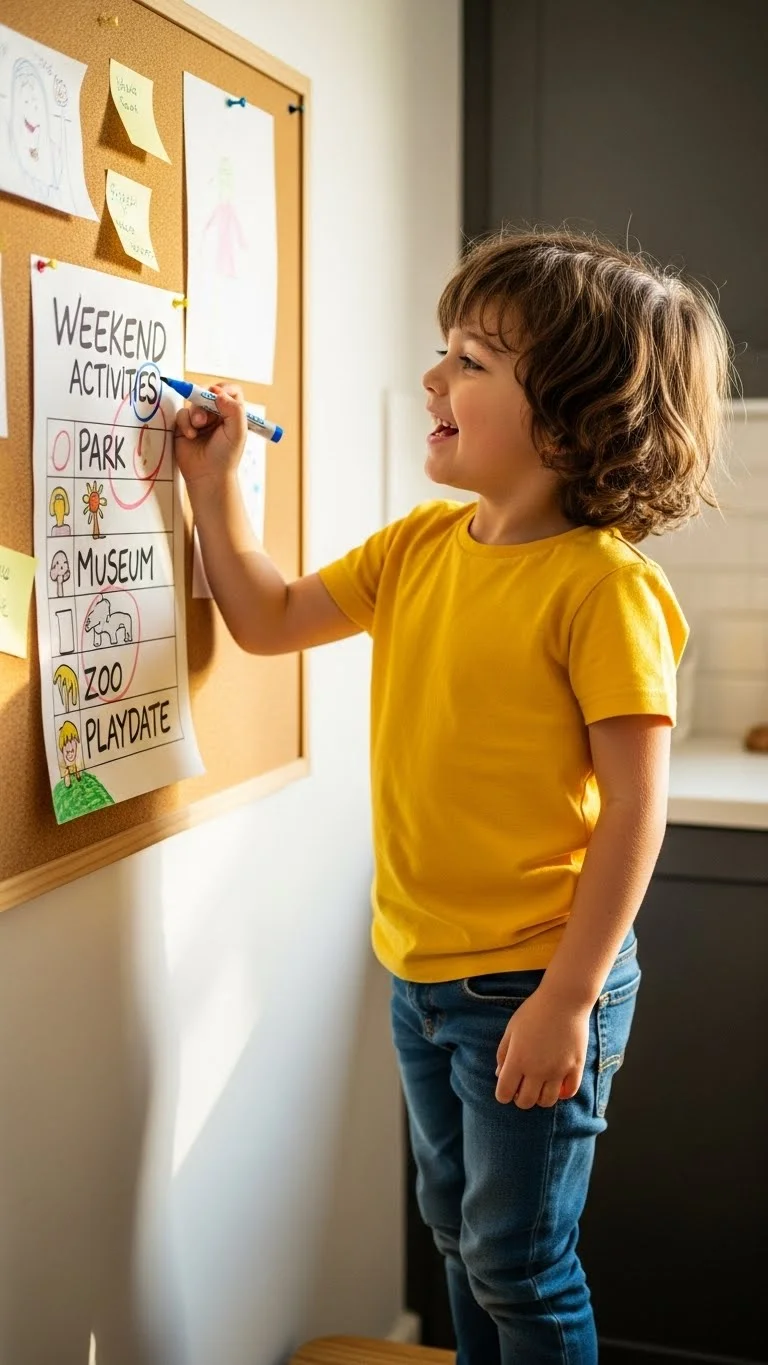
Create a small weekend reward board with simple options—park visit, extra screen time, baking together, or picking a snack. When kids show consistent positive behaviour, let them pick a weekend activity from the board. Use paper or cardboard scraps to create the board. Rotate the choices so it stays exciting. This helps kids connect their weekday behaviour with enjoyable weekend experiences without adding cost.
- DIY Prize Box
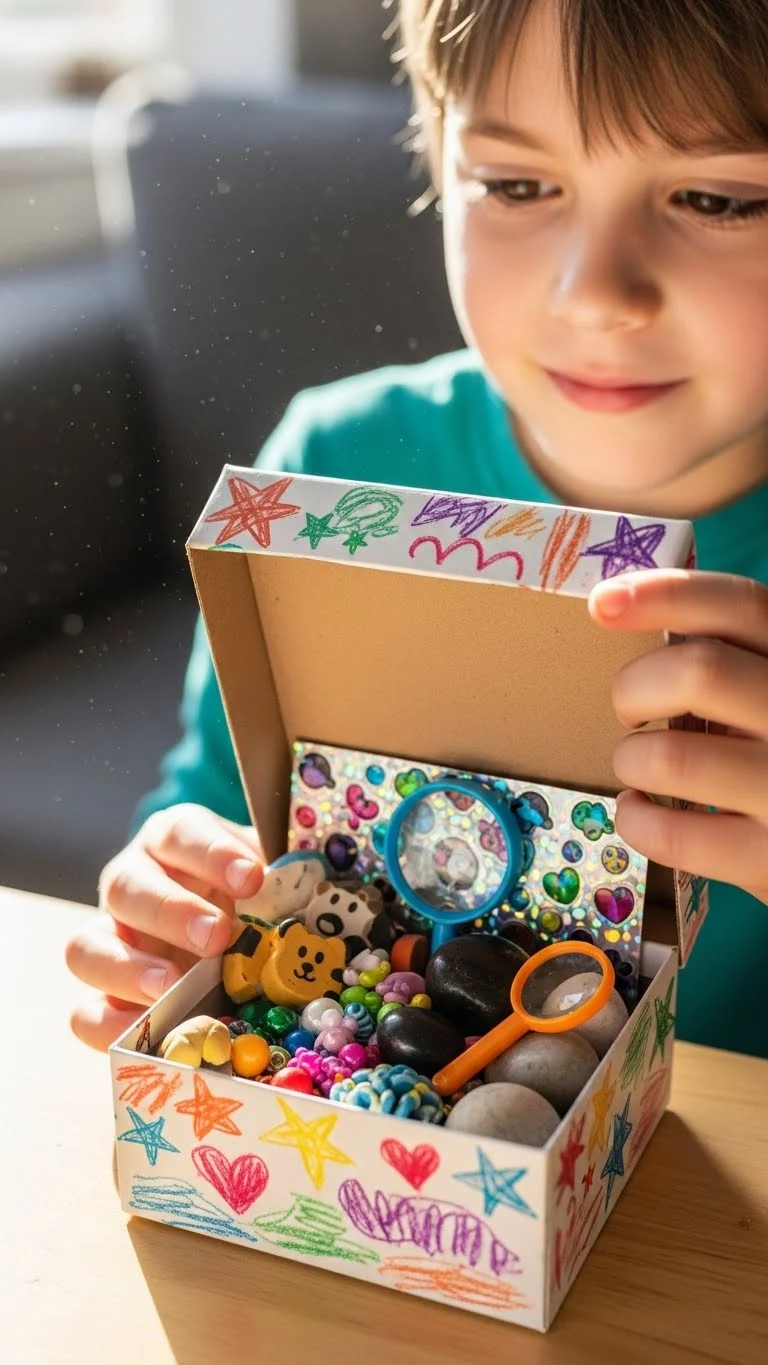
Create a prize box using an old shoebox. Fill it with low-cost items like stickers, tiny erasers, or craft scraps. Kids can pick something when they show strong positive behaviour. Keep items inexpensive—dollar stores or leftover party supplies work well. You don’t need to refill often; a few small items go a long way. Kids enjoy the mystery and excitement of the box.
- Positive Behaviour Bracelets
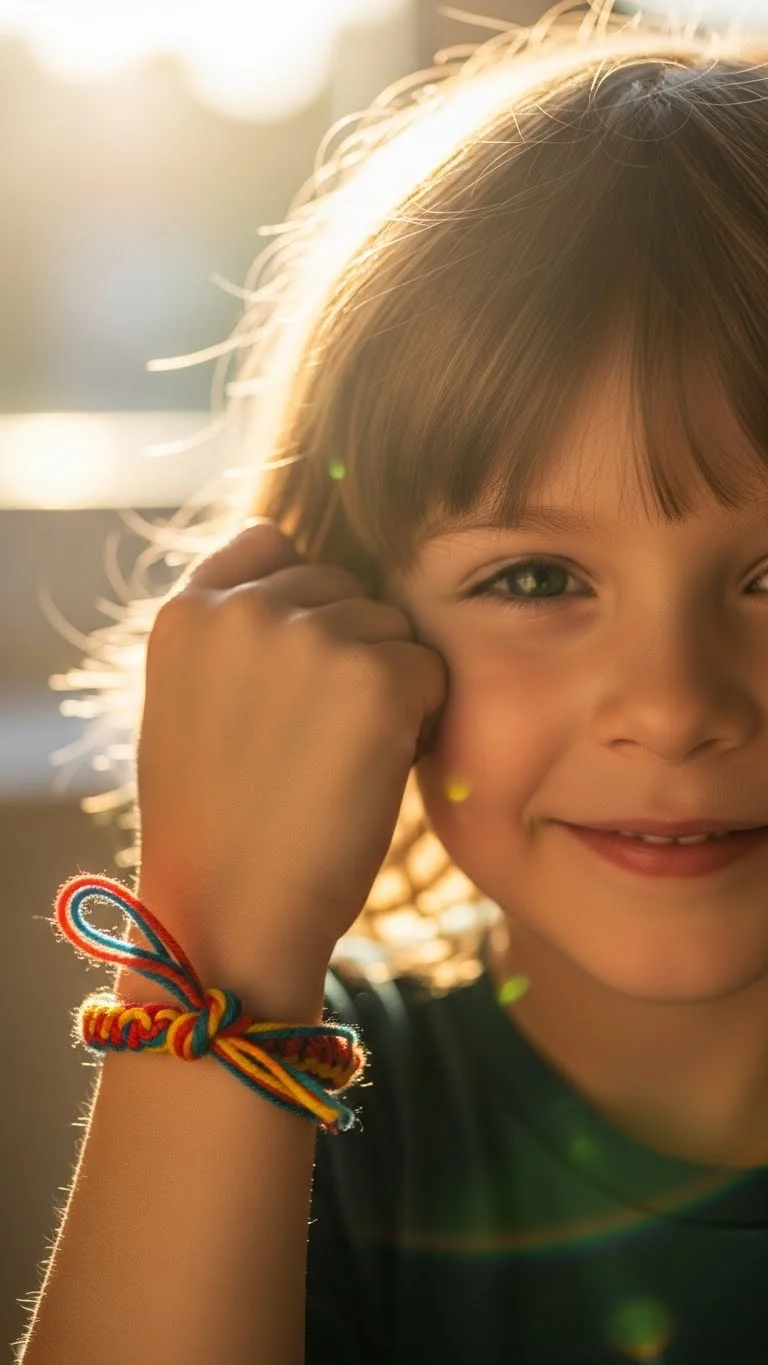
Make simple bracelets using yarn or string. Kids earn a bracelet for actions like listening well or staying calm during tough moments. These little bracelets feel meaningful and cost almost nothing. Let kids choose their colour. If they collect several, turn it into a small celebration day. This idea reinforces consistency and patience.
- Appreciation Announcements
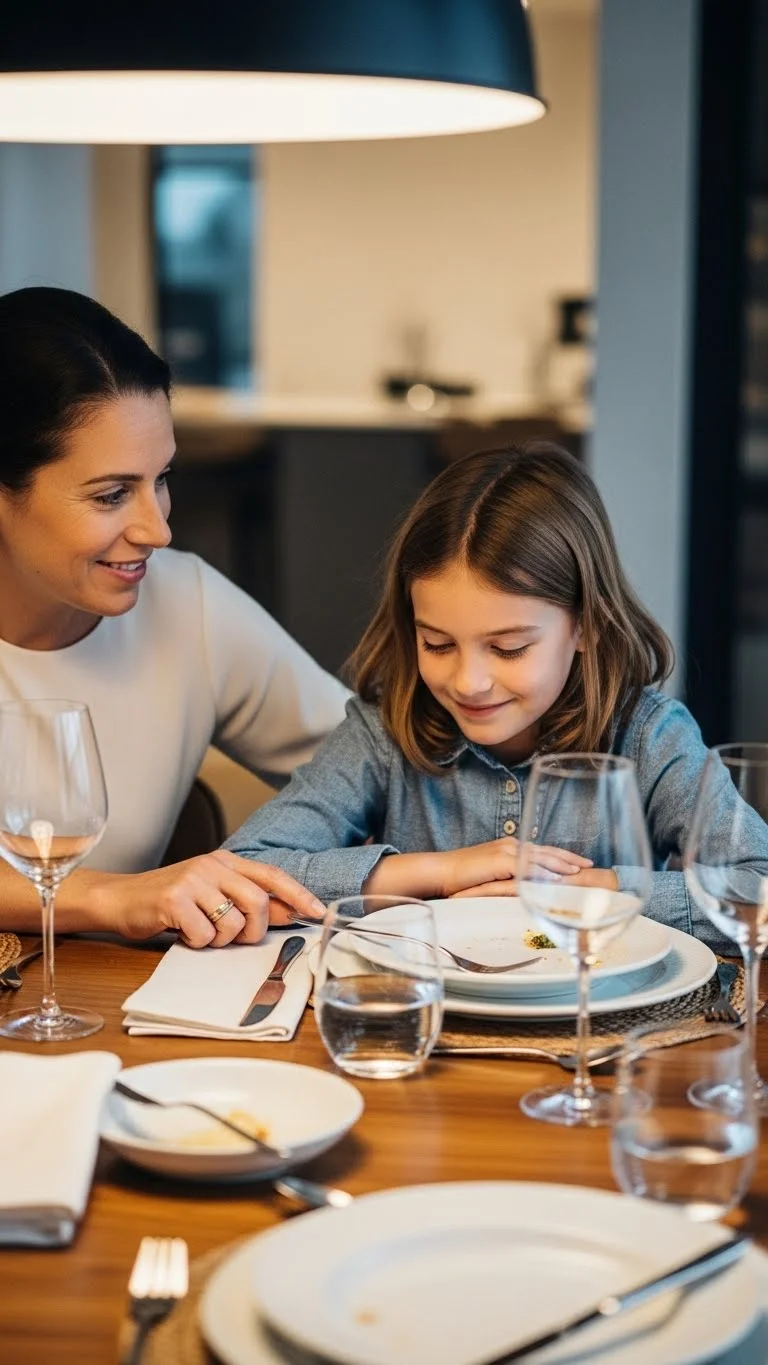
Use dinner time for quick appreciation moments. Share one thing your child did well that day. Keep the tone light and positive. Kids enjoy being acknowledged in front of family. It builds confidence and creates a warm atmosphere. No props needed—just your words and attention. These short announcements help reinforce behaviour naturally.
- Mini Milestone Boards
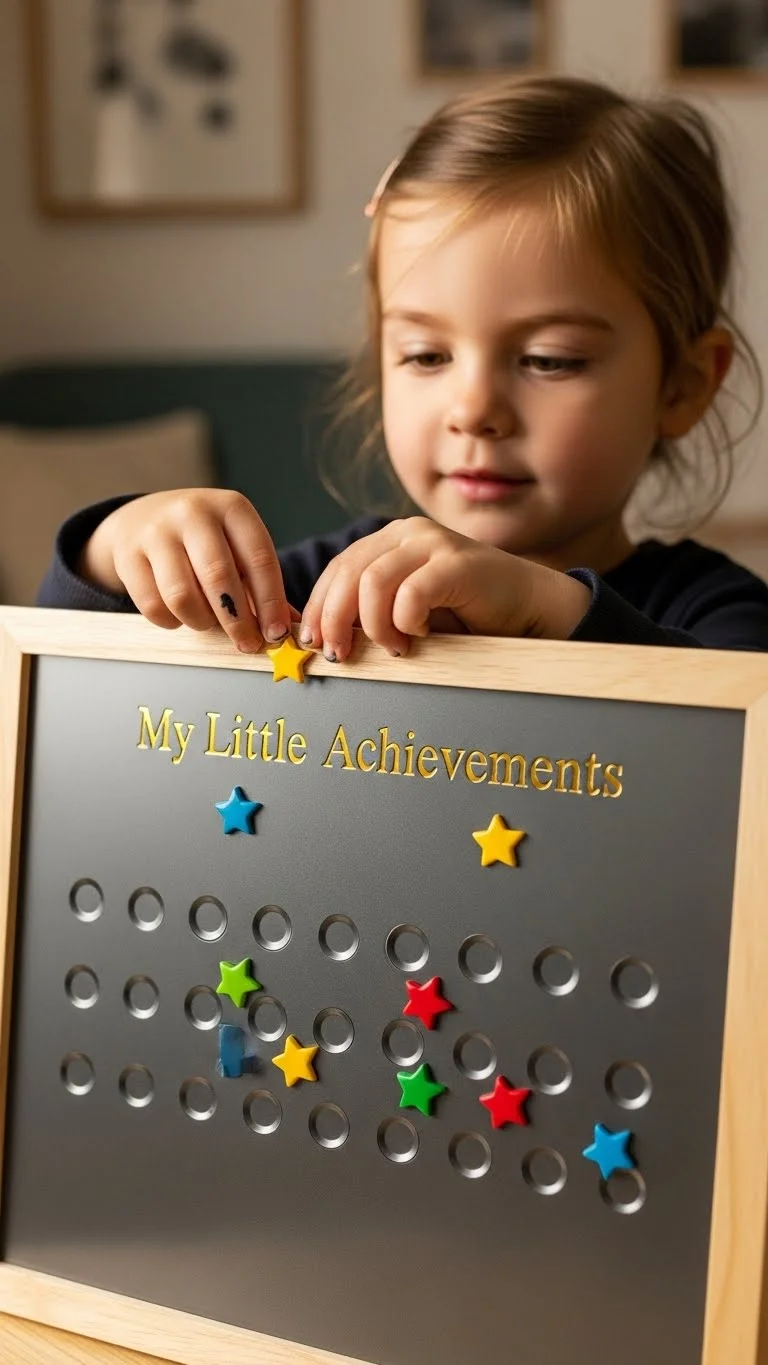
Create a milestone board with magnets or stickers. Each magnet represents a small action—sharing, listening, or cleaning up. When kids meet enough milestones, offer a reward like choosing the next meal or picking a family movie. Use inexpensive supplies or things you already have. Keep the board simple and at kid height. This keeps reinforcement visual and exciting.
Conclusion
Positive reinforcement doesn’t need fancy tools or complicated systems. Small, consistent actions create big shifts in behaviour. Pick a few ideas that fit your home and keep them fun and flexible. Kids respond best when recognition feels warm, simple, and connected to everyday life. Over time, these moments build confidence, cooperation, and a calmer rhythm for everyone.
