

21 Independent Play Ideas for More Free Parent Time
Parents often look for simple ways to keep little ones busy without screens or constant supervision. Independent play can help kids explore while you get a moment to breathe. The ideas below are easy to set up, budget-friendly, and work for different ages. Each activity gives your child something interesting to do while giving you pockets of extra time during the day.
- Basket of Treasure Items
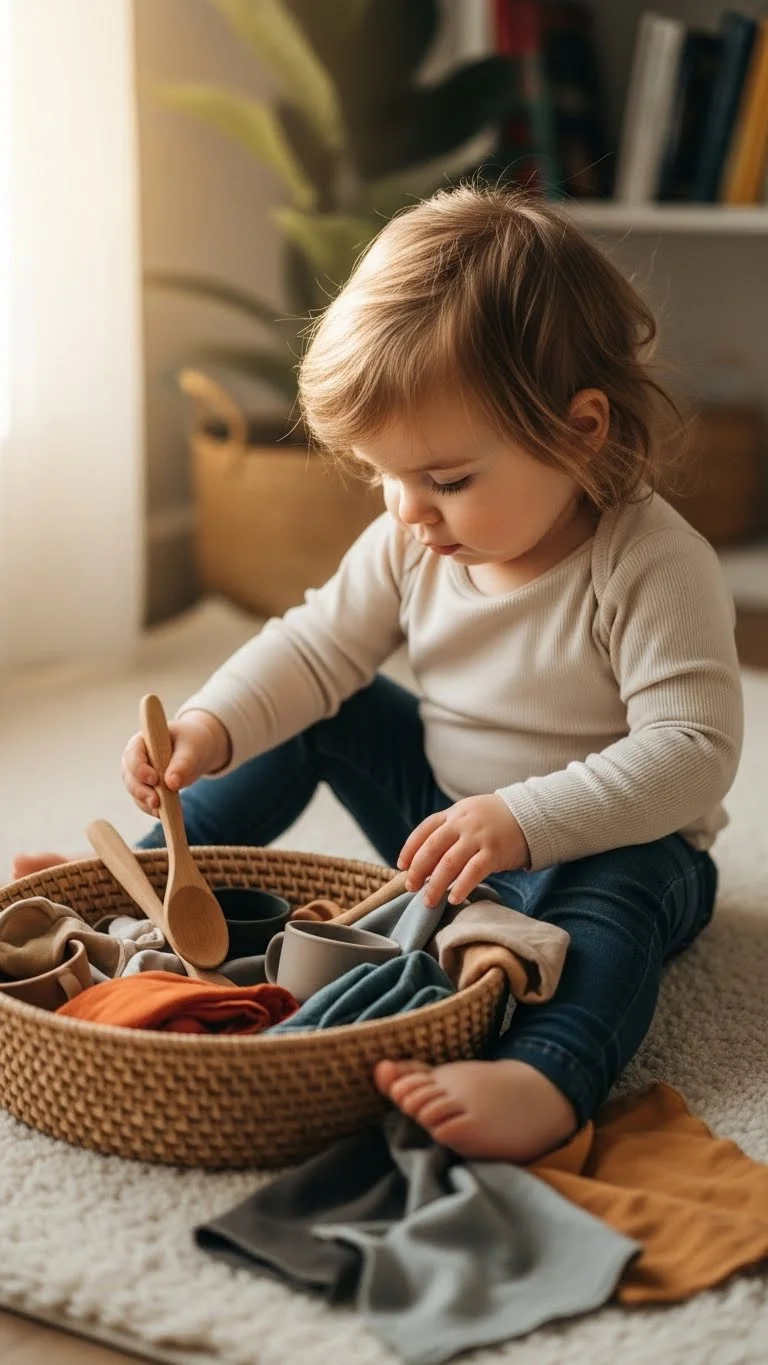
A treasure basket is one of the simplest ways to keep young kids busy. Fill a small basket with safe objects from around the house. Add wooden spoons, soft cloths, silicone cups, or a small whisk. Keep everything large enough so nothing fits in the mouth. Kids explore textures, shapes, and sounds at their own pace. Rotate items every few days so the basket stays interesting. Use things you already have to avoid spending extra. You can keep a few backup baskets ready and swap them when your child loses interest. This setup takes less than two minutes, and kids often stay focused longer than you expect. Place the basket on the floor where your child can reach it easily. Sit nearby at first so they feel comfortable. Once they settle into the activity, you can step back and handle small tasks while still keeping an eye on them.
- Simple Sticker Station
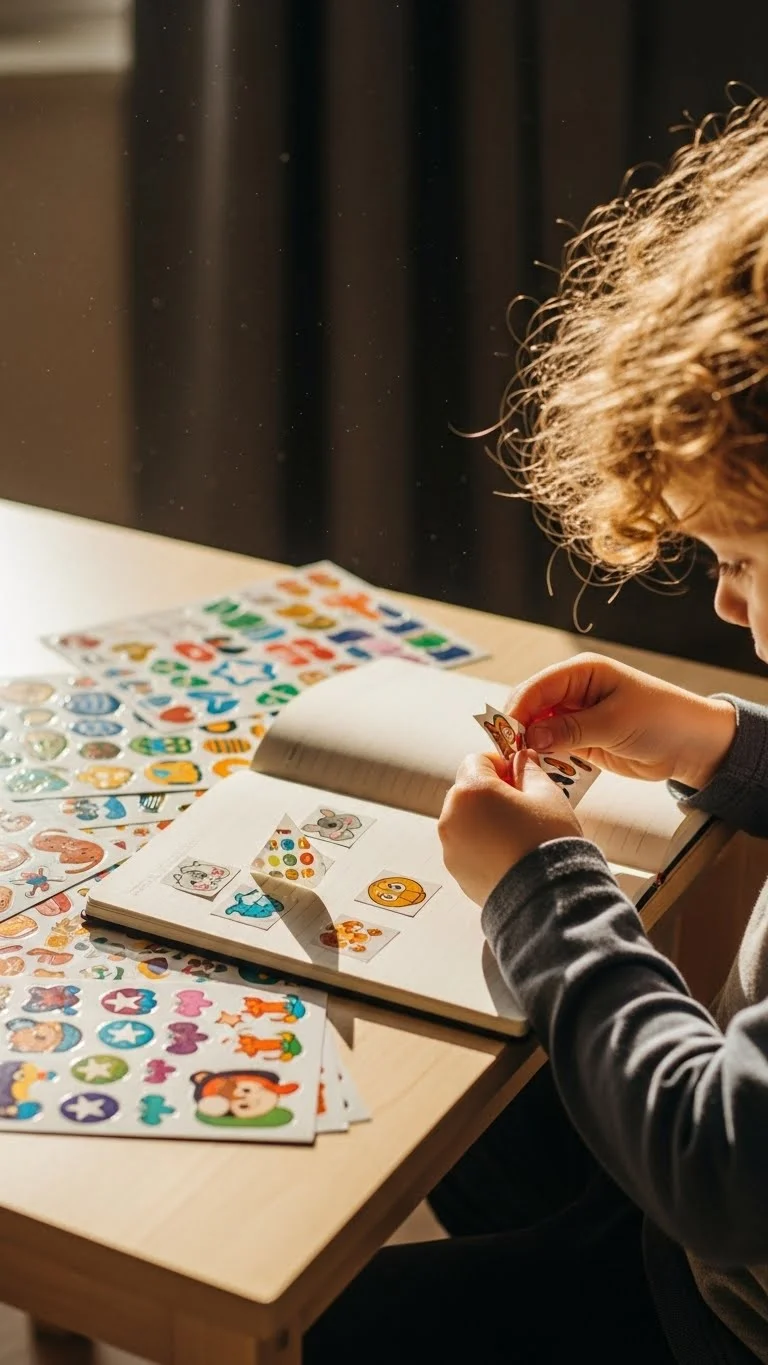
A sticker station keeps kids occupied with very little setup. Use a notebook or extra printer paper. Add a sheet of inexpensive stickers. Let your child stick, peel, place, and rearrange. Keep everything within reach so they feel in control. You can buy stickers in bulk at discount stores or online to save money. Place the notebook in a shallow tray to keep the area tidy. Kids enjoy creating simple patterns or filling a page with shapes. The quiet focus this activity brings gives you a few minutes to drink water, answer a message, or finish a small chore. If you want to add variety, rotate sticker themes like animals, shapes, or nature. Avoid giving too many sheets at once; limit choices so the task feels manageable for young kids. This setup encourages calm, hands-on fun without any complicated materials.
- Sensory Rice Bin
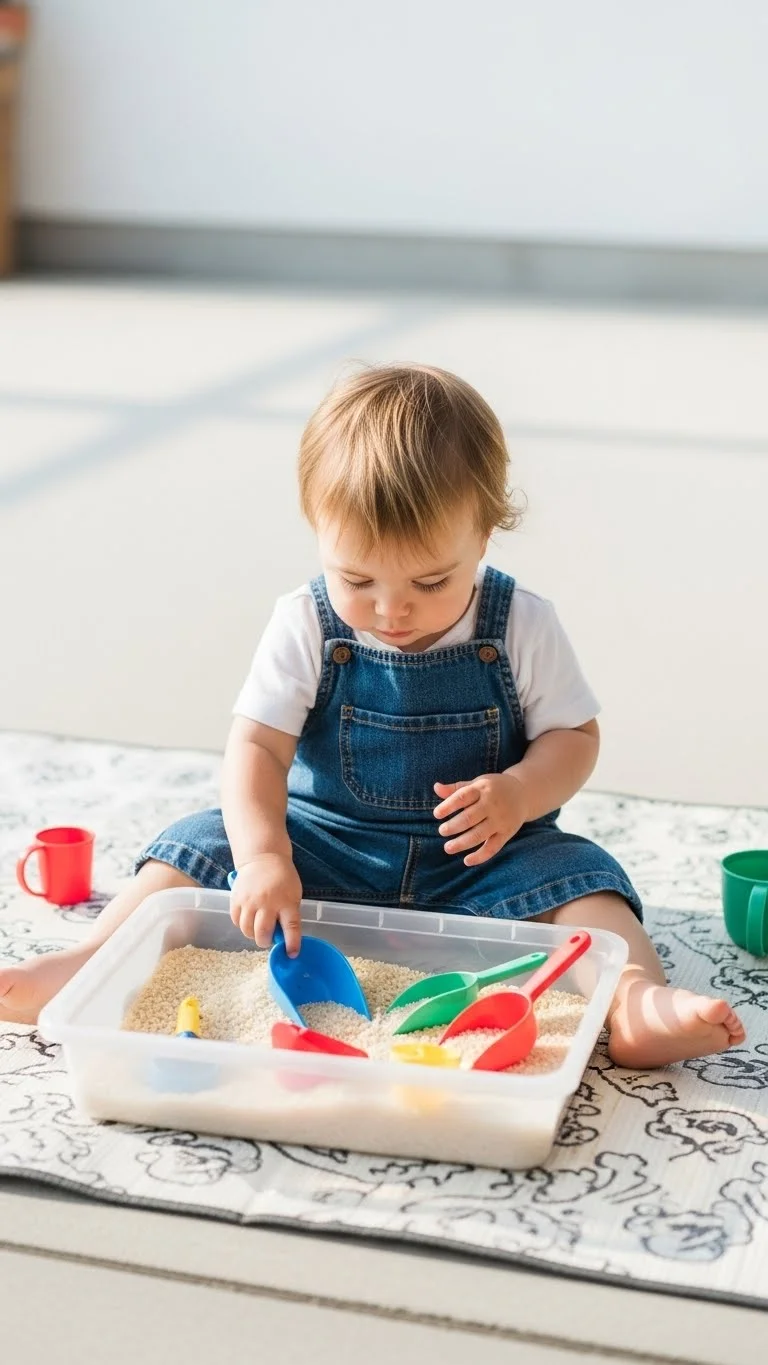
A sensory rice bin works well for long stretches of focused play. Fill a shallow tub with dry rice. Add scoops, small containers, or a funnel. Keep the bin on a sheet or old towel for easy cleanup. Kids enjoy pouring, scooping, and pretending to cook. You can dye rice with food colouring, but plain rice works just as well. Store the bin in a sealed container and reuse it many times. Add new tools occasionally to keep it interesting. This activity encourages calm movements and quiet curiosity. Sit nearby during the first few minutes, then step back once your child settles in. If you want a quieter setup, use dry pasta instead of rice. Include only a few tools to avoid overwhelm. This simple bin often becomes a go-to independent play choice during busy afternoons.
- Build-With-Blocks Corner
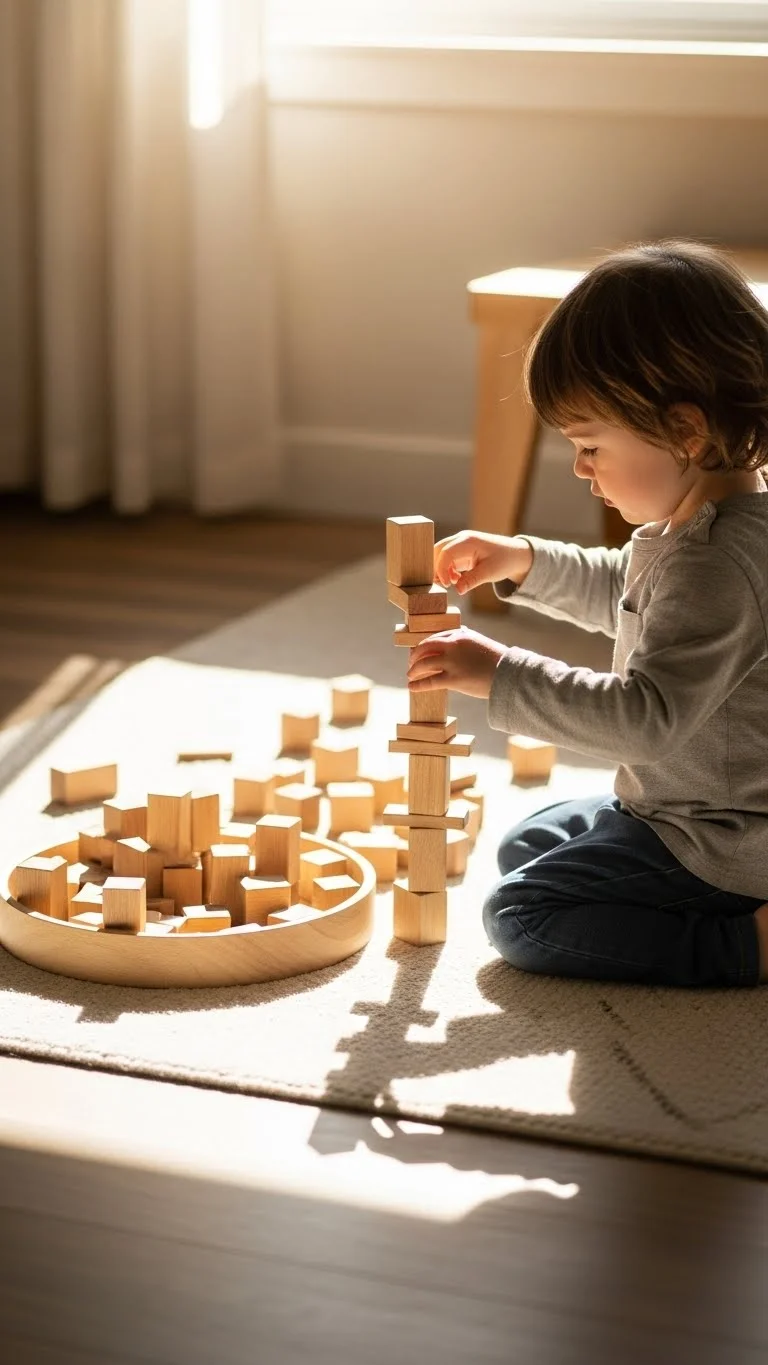
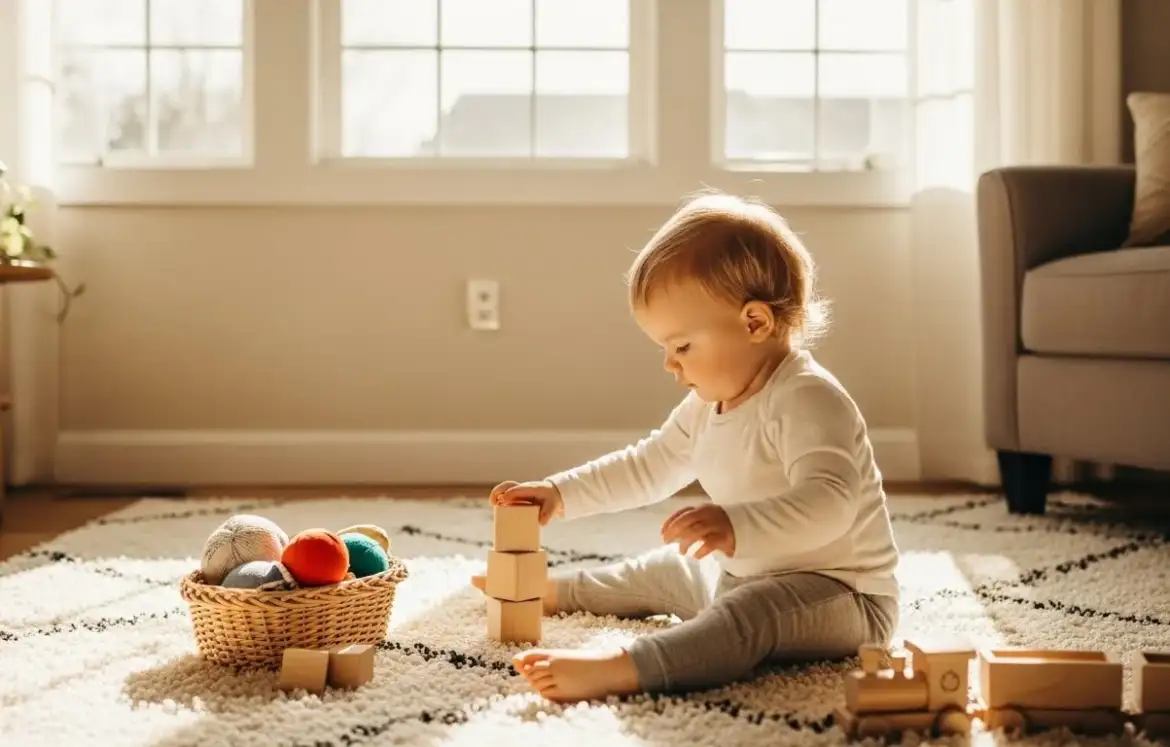
A small block corner can keep kids busy without any effort from you. Gather wooden blocks, cardboard blocks, or plastic stacking cups. Place them in a shallow basket. Clear a small floor space so building feels easy. Kids enjoy stacking, knocking down towers, and creating tiny worlds. Rotate block shapes every week to keep things fun. Use old boxes or cut cardboard pieces if you want a zero-cost option. You can also add empty oatmeal cans as “giant blocks.” When the area is tidy and simple, kids stay focused longer. The goal is not big structures, but calm exploration. This activity gives you pockets of quiet time while your child plays safely nearby.
- Water Painting on the Patio
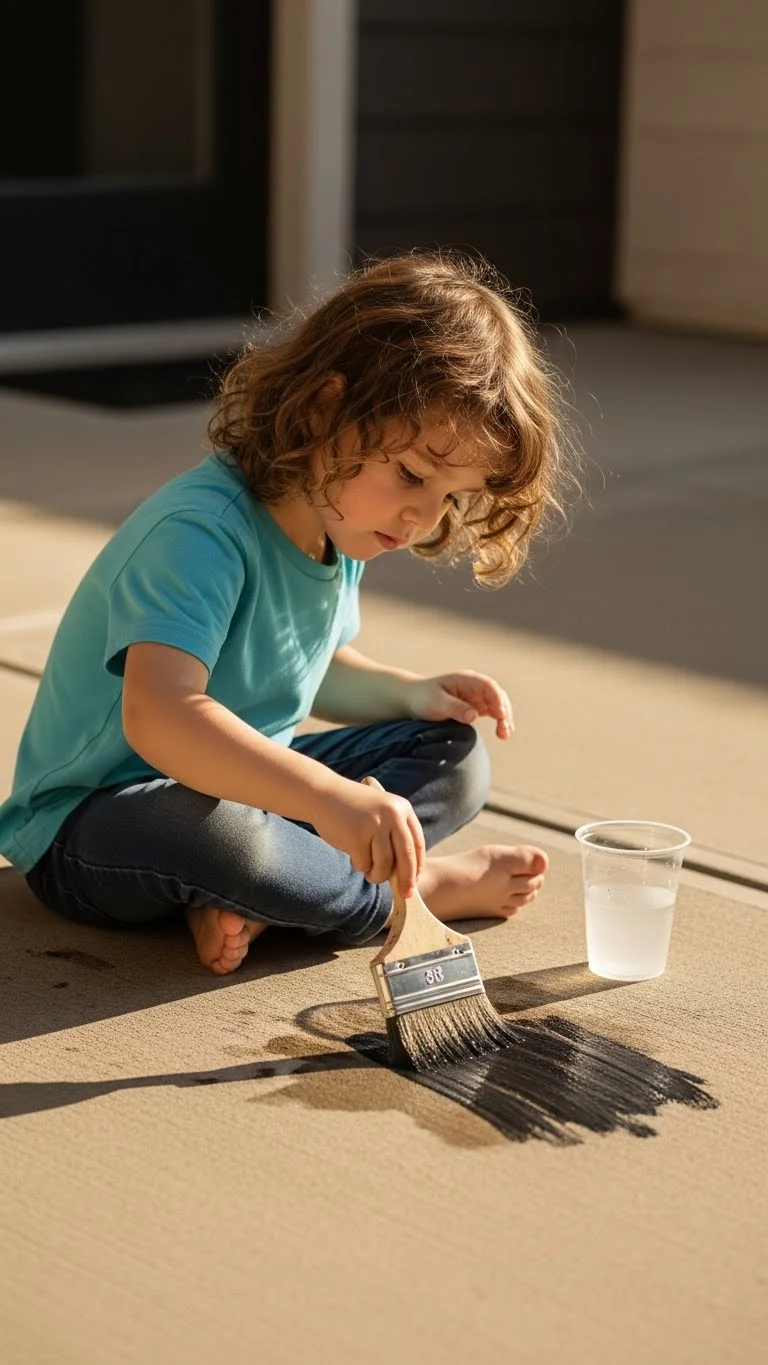
Water painting is perfect when you want a mess-free setup. Give your child a cup of water and a chunky brush. Let them “paint” the patio, wall, or pavement. The marks fade as they dry, so kids stay curious and repeat the activity. If you don’t have outdoor space, use a tray with a wet sponge and a dark chalkboard. This costs almost nothing—just water and a brush. Keep a small towel nearby so spills feel manageable. Kids enjoy drawing lines, covering wide areas, or pretending to clean. The calm back-and-forth strokes help them settle into their own rhythm. Once they get absorbed, you can step away for a few minutes. This activity works well for toddlers and preschoolers and can last surprisingly long on warm days.
- Pom-Pom Drop Tube
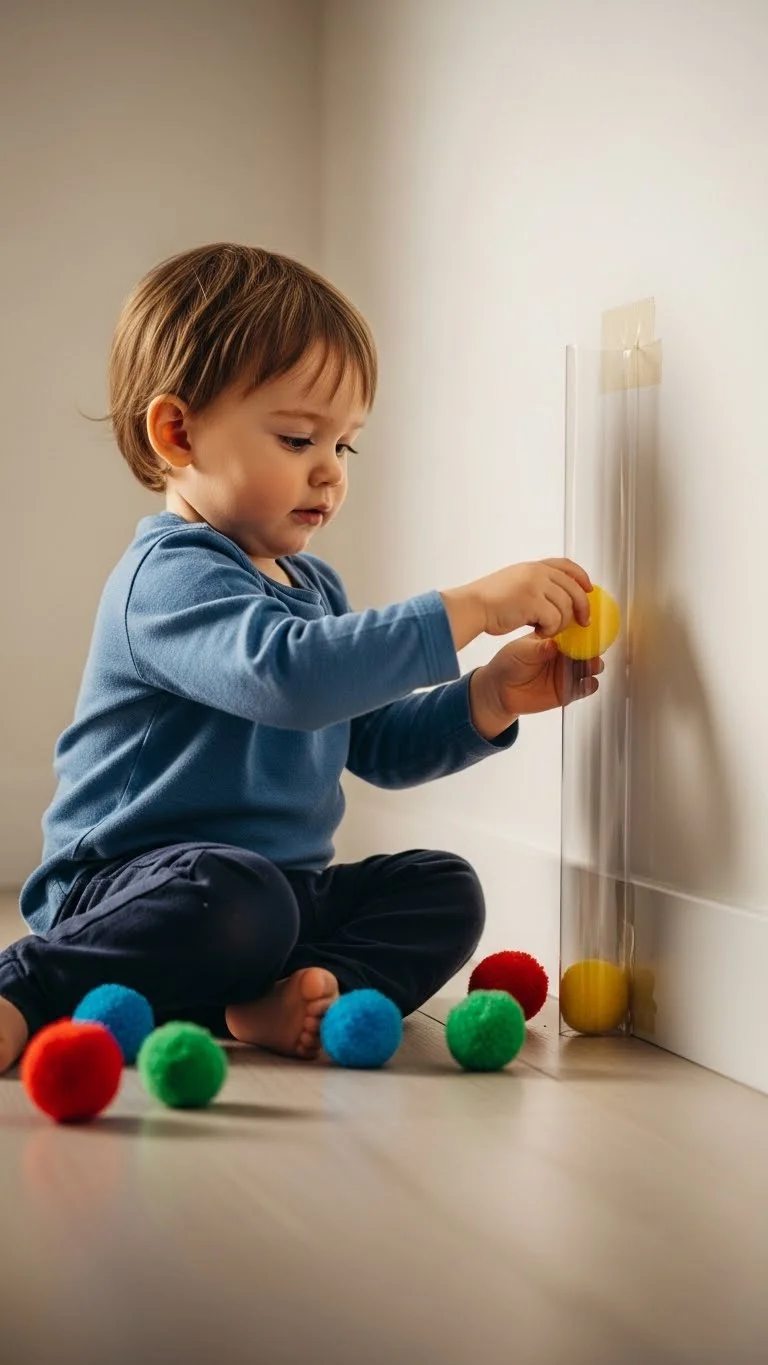
A pom-pom drop tube is simple and fun. Tape an empty paper towel tube to a wall or cabinet. Place a bowl of large pom-poms nearby. Kids love pushing them through the tube and watching them pop out the other end. Use only large pom-poms to keep everything safe. Add a second tube for extra fun. You can paint or wrap the tubes with leftover paper for a quick refresh. If you don’t have pom-poms, use balled-up foil or soft cotton pieces. This activity encourages quiet repetition, which helps kids stay focused. Put the setup at your child’s height so they can reach it easily. Keep a small basket underneath to catch the falling items. This tiny project costs almost nothing and can keep little ones busy long enough for you to finish a task or take a short break.
- Puzzle Tray Setup
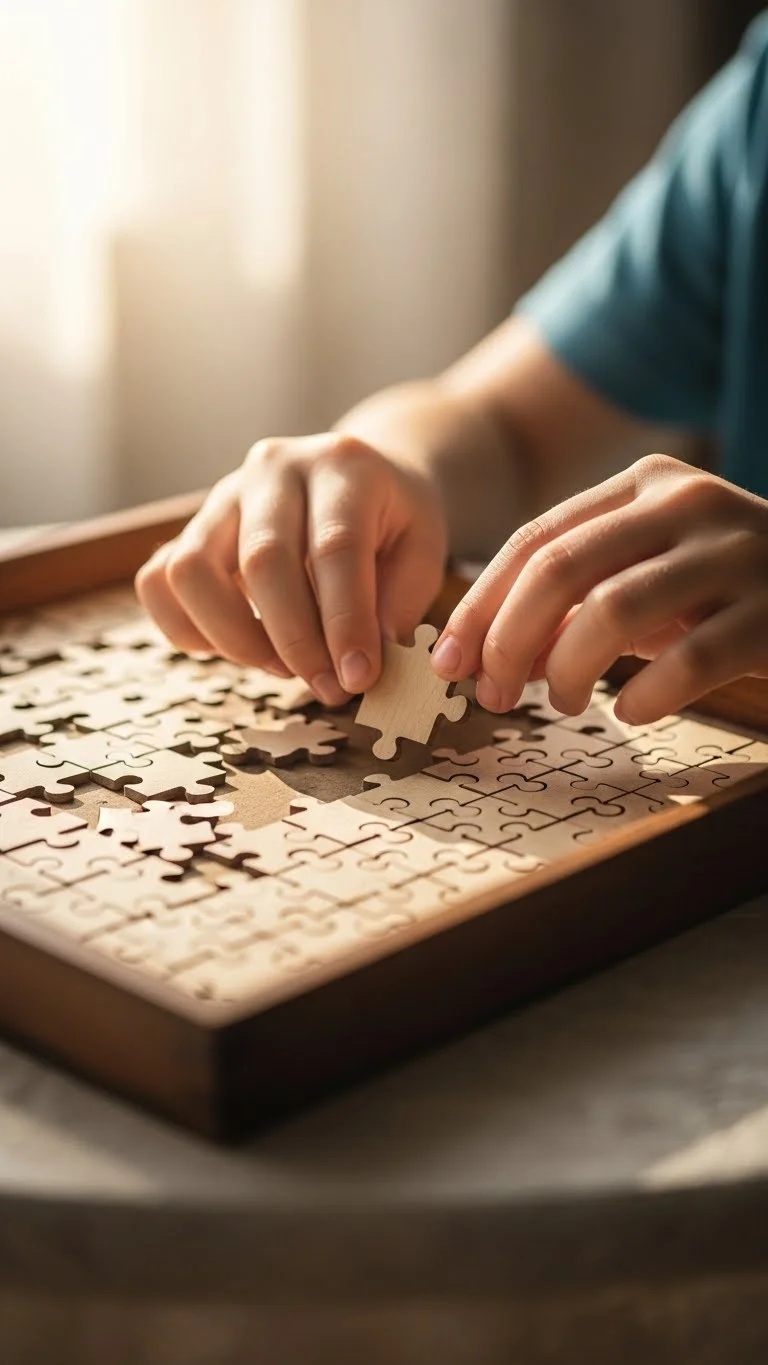
A puzzle tray helps kids stay engaged without wandering off. Use a tray to hold one puzzle at a time. This keeps the activity clear and calm. Choose simple puzzles for younger kids and switch them as they improve. You don’t need many. Rotate two or three to keep things fresh. If puzzles feel too easy, mix two sets and let your child sort them out. You can find low-cost puzzles at thrift shops. Trays also help contain the pieces, so cleanup stays quick. Kids often stay focused longer when the space feels neat. Sit nearby at first, then let them explore on their own. This setup works well during quiet moments or when you need time to handle small chores.
- Play Silks for Simple Pretend Play
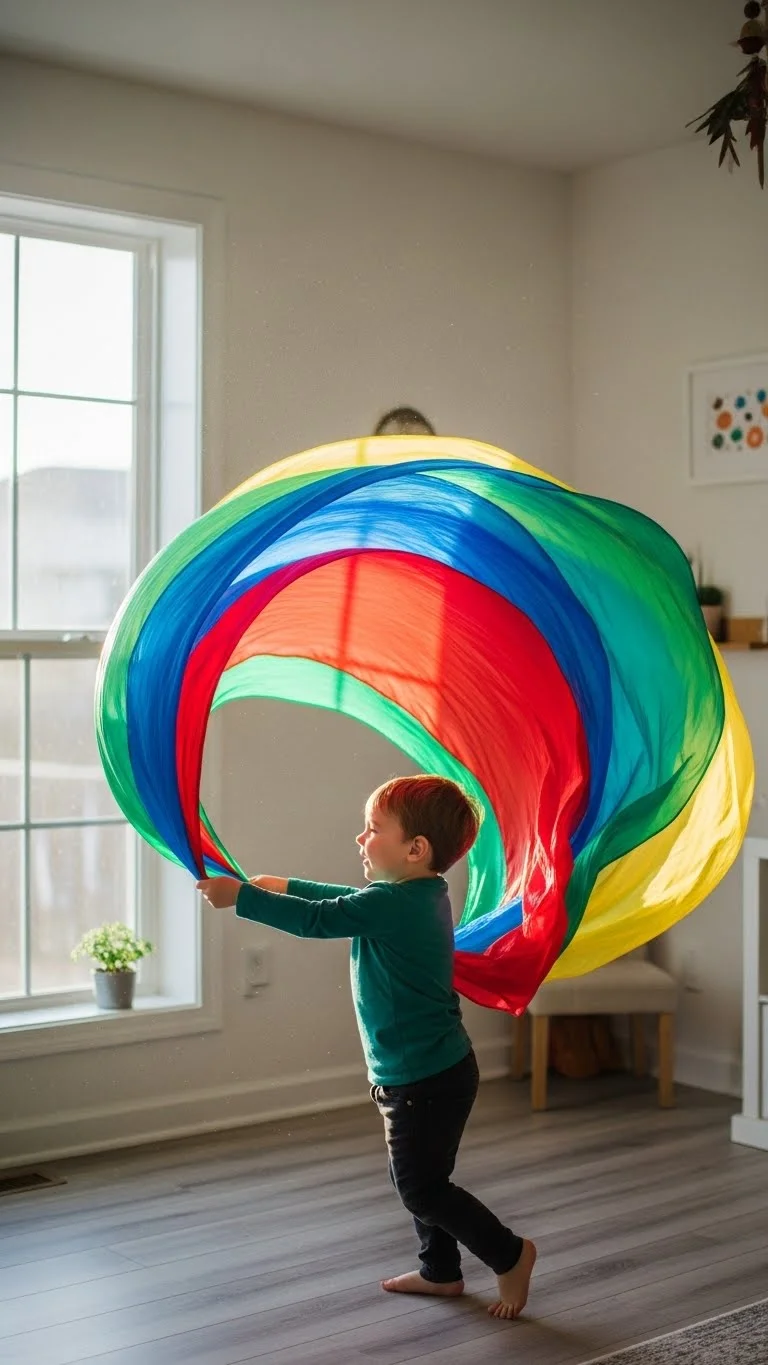
Play silks give kids endless ways to explore on their own. They can use them as capes, blankets, rivers, or pretend food. You don’t need expensive silks—use lightweight scarves or old fabric squares. Keep a small basket with three or four pieces so your child doesn’t get overwhelmed. The flowing movement encourages imagination without needing setup. Kids often create their own stories while you get a few minutes to breathe. Add a few items like wooden spoons or toy animals to spark ideas. Rotate colours weekly for variety. This low-cost idea works well for toddlers who enjoy open-ended play and helps them stay busy while you manage quick tasks.
- Washable Crayon Wall Sheet
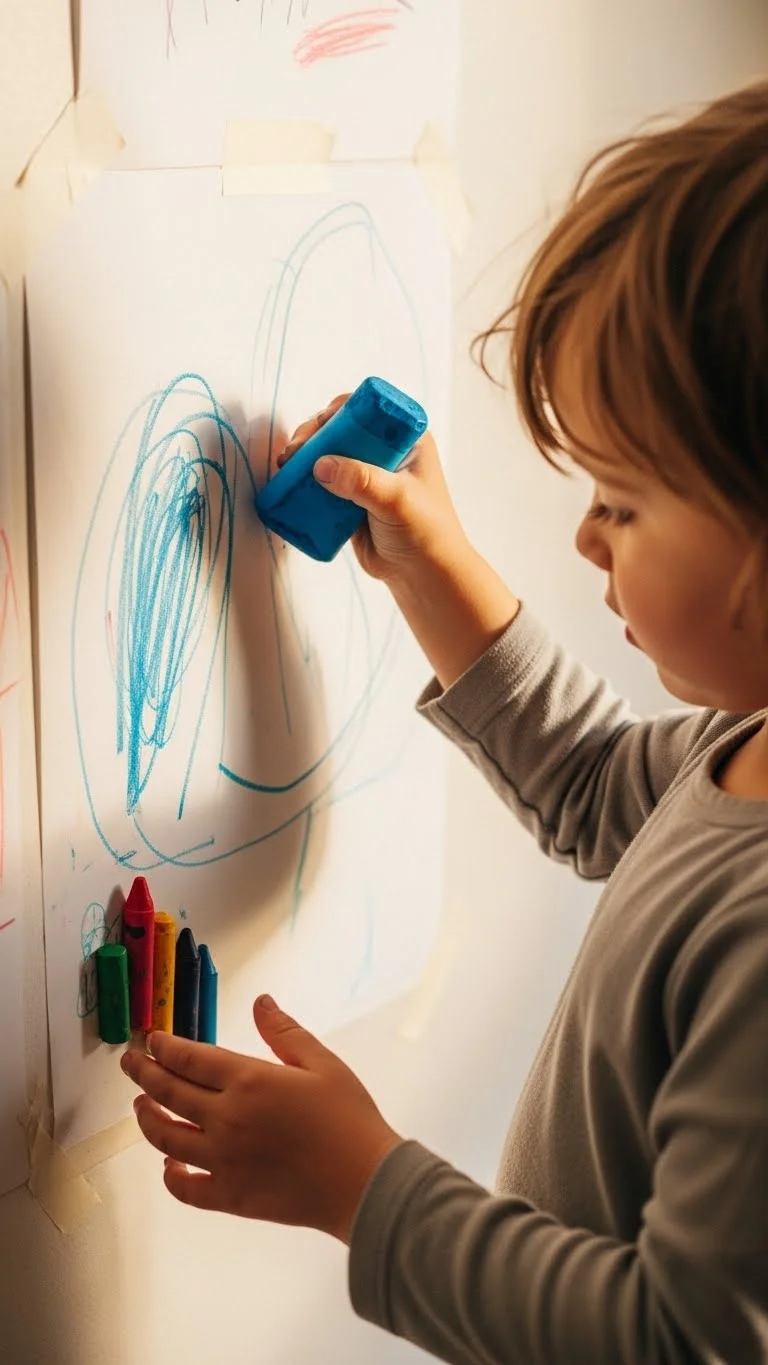
A wall sheet encourages kids to stay in one spot while drawing. Tape kraft paper or any large sheet to a wall. Add washable crayons or markers. The vertical surface feels exciting compared to a table, so kids often stay interested longer. Use tape at the top and bottom to prevent slipping. Keep only a few crayons available to limit distraction. You can reuse the same spot daily by layering fresh sheets. This setup gives your child a chance to scribble freely while you do something nearby. It costs almost nothing and creates a space that feels special to them.
- Magnetic Tray Play
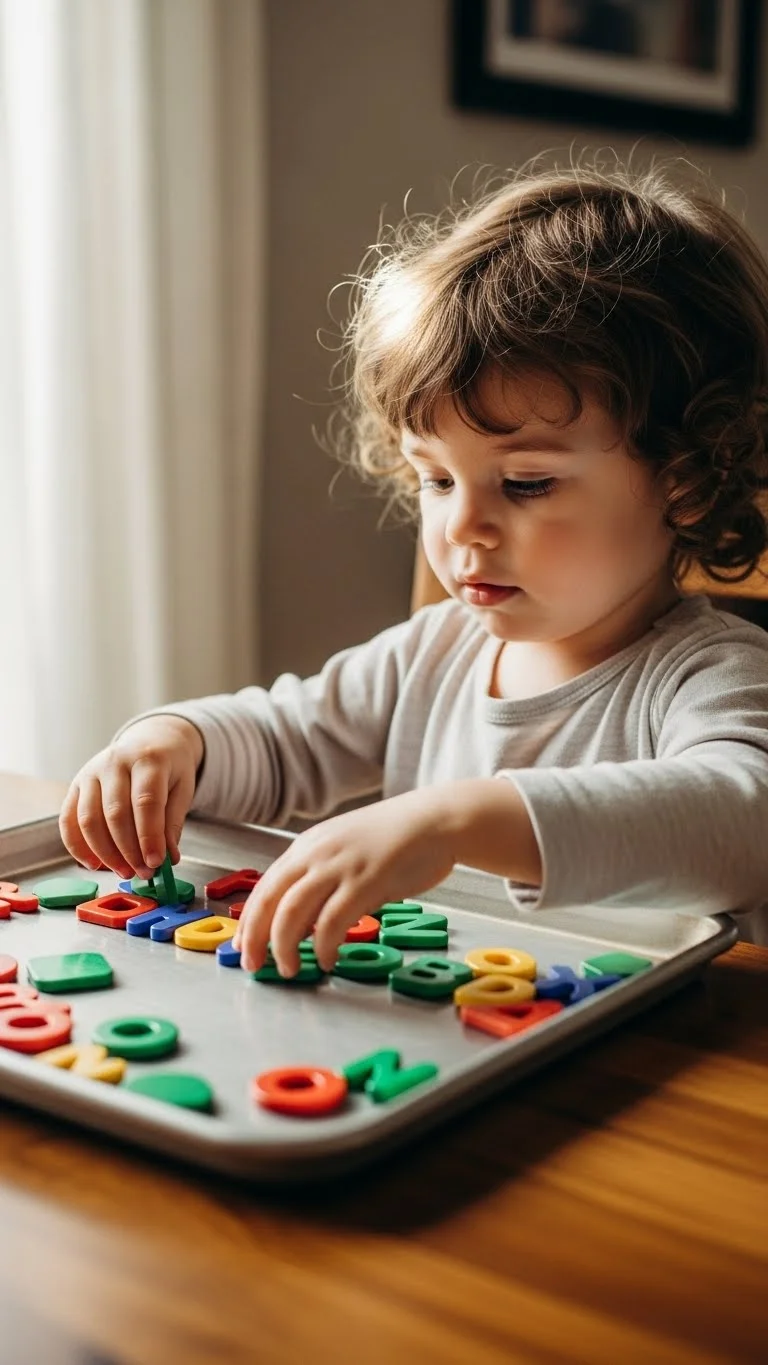
A magnetic tray is great for quiet, contained play. Use a metal baking sheet and a few magnetic pieces. Letters, shapes, and simple picture magnets all work well. Kids enjoy sliding them around, making lines, or matching colours. Keep the tray on a small table or floor mat. You can switch out magnets every few days to keep play interesting. If you don’t have magnets, glue small magnets to bottle caps for a low-cost version. Trays keep everything together and make cleanup easier. This activity works well when you need a peaceful moment.
- Sock Matching Basket
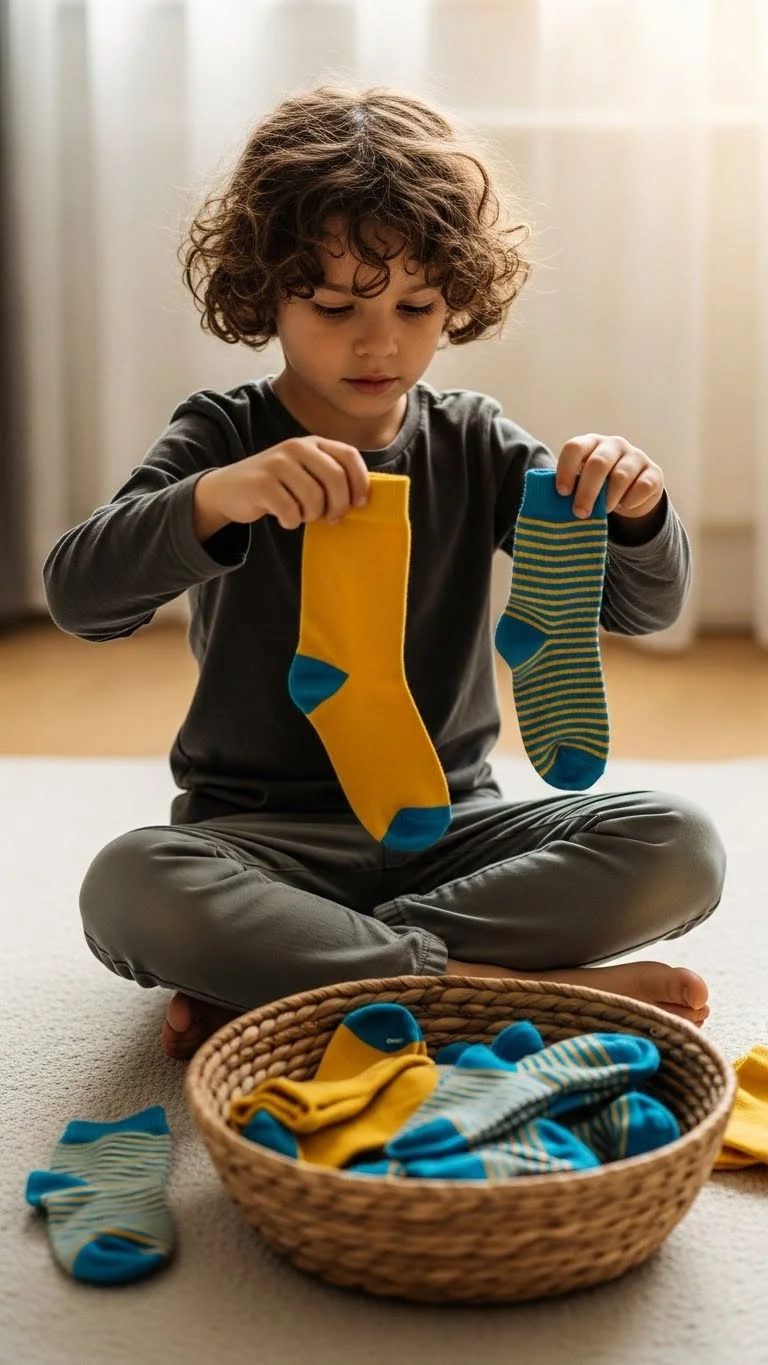
A sock matching basket turns laundry into play. Gather clean socks in bright colours or patterns. Mix them in a small basket. Ask your child to match pairs. Kids enjoy the hunt for patterns and colours. Use only a handful of socks at first to avoid overwhelm. Rotate patterns weekly. This activity costs nothing and keeps kids busy while teaching simple sorting. Keep the basket on the floor where it’s easy to reach. Kids often repeat the task on their own once they understand it. It’s a simple way to keep them occupied while you fold clothes or cook.
- Car Ramp with Cardboard
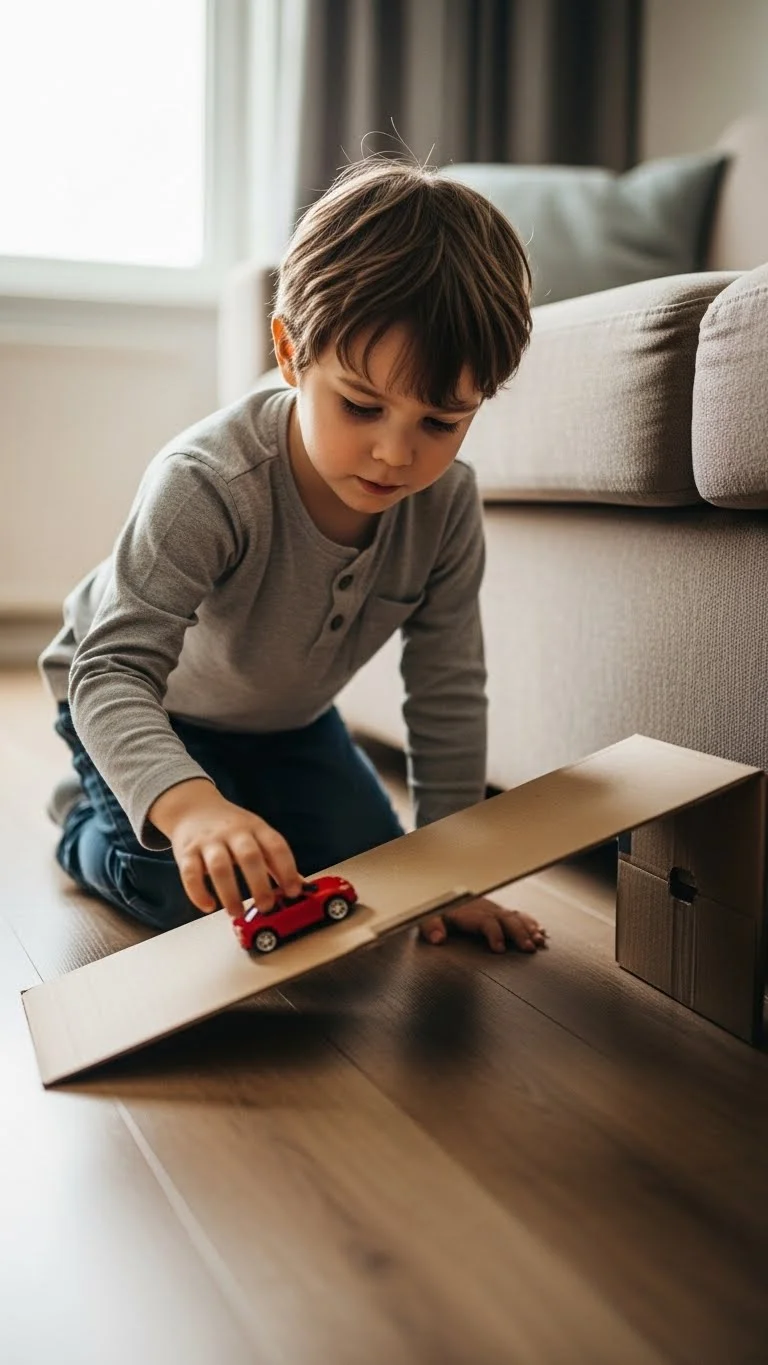
A cardboard car ramp is quick to set up and fun for all ages. Use a long piece of cardboard and lean it on a couch or stool. Roll toy cars down and watch them zoom. Kids love testing different angles. If you want variety, cut two ramps and race cars side-by-side. Add tape lines to mark start and finish spots. This activity uses materials you already have, so it’s budget-friendly. Keep a small bin of cars nearby to make cleanup easy. Kids stay focused while rolling, racing, and adjusting the ramp.
- Quiet Book Basket
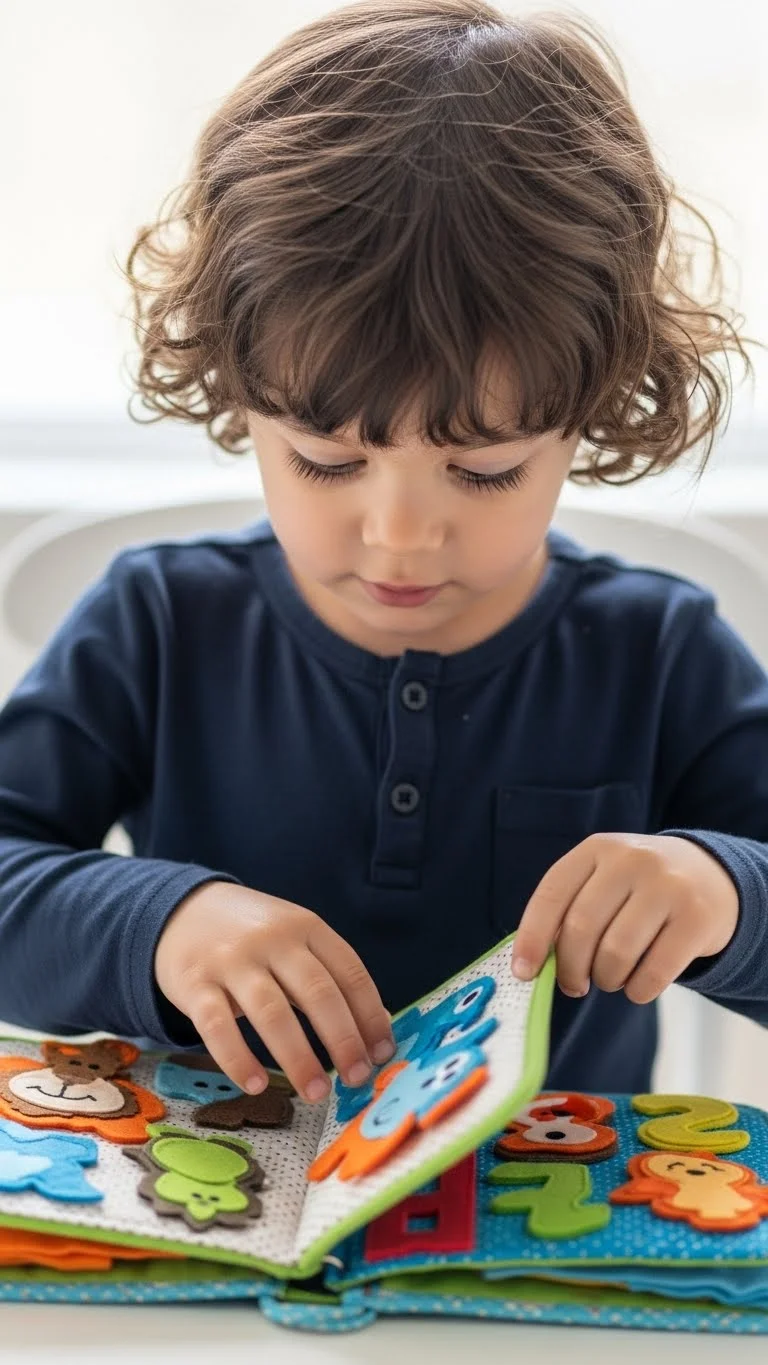
A quiet book basket helps toddlers stay busy during calm moments. You don’t need fancy books. Look for simple fabric or felt books with flaps, shapes, or textures. Keep two or three in a basket. Rotate them weekly. Kids enjoy turning pages and exploring each section. If you want a DIY option, glue felt shapes onto cardstock and tie them together with ribbon. This activity encourages slow, hands-on play while giving you a moment to rest. Place the basket in a cozy corner so your child feels drawn to it.
- Sorting Station with Muffin Tin
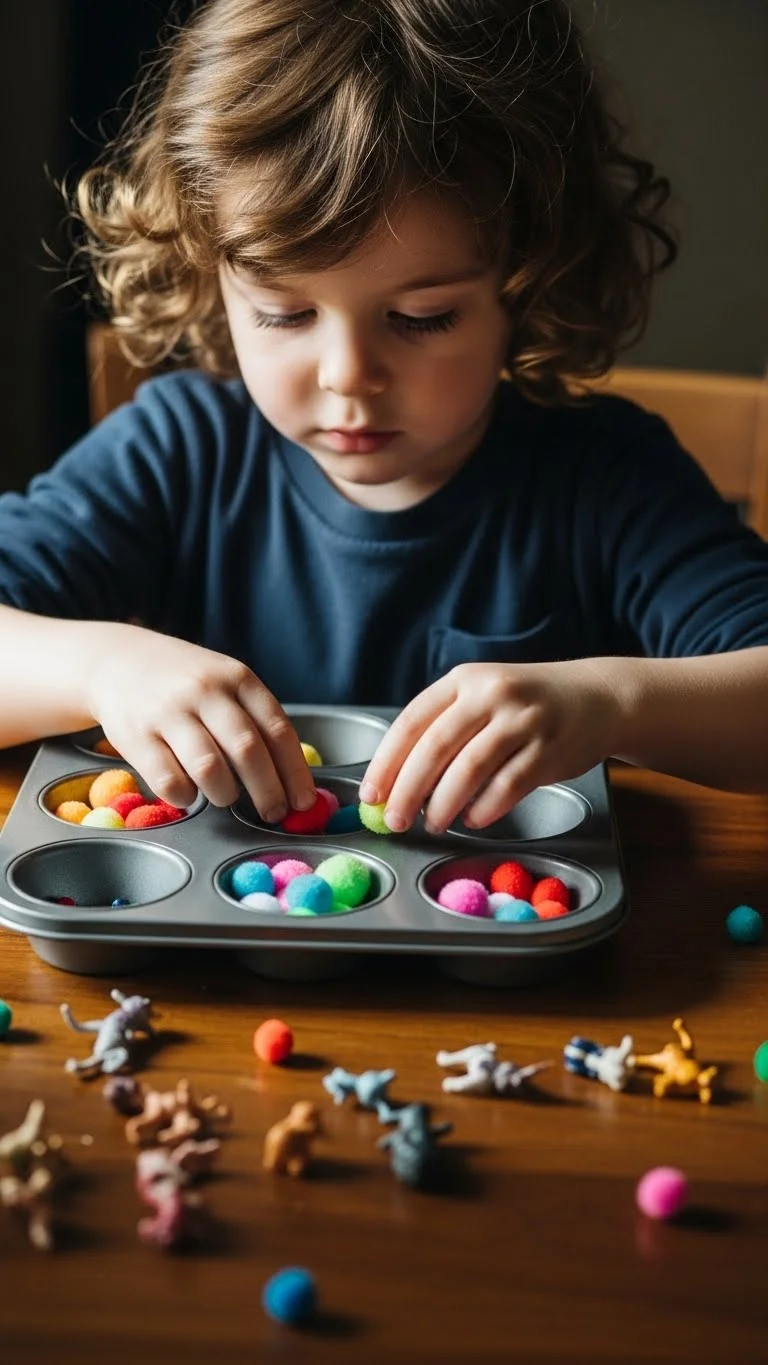
A sorting station works well for toddlers who love organizing small objects. Use a muffin tin and a handful of items like pom-poms, snack cups, or blocks. Encourage your child to sort by size, colour, or type. Keep it simple by offering only a few items at a time. This low-cost activity builds focus and encourages quiet, repetitive play. Place everything on a tray to contain spills. Rotate items often to keep your child interested. This setup takes seconds and can keep kids busy long enough for you to finish small tasks.
- Indoor Obstacle Path
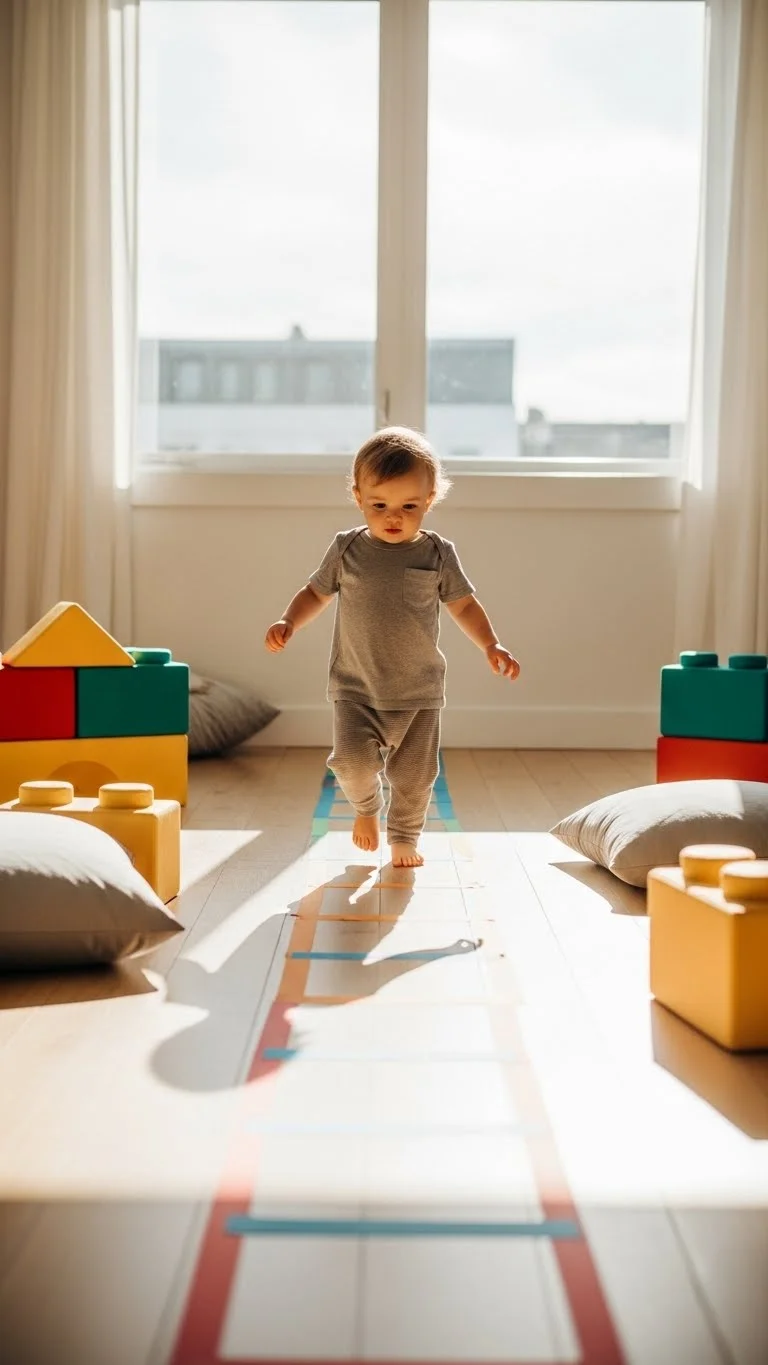
An indoor obstacle path burns energy while keeping kids busy. Use pillows, tape lines, and soft items you already have. Create a path to step over, crawl under, or balance on. Keep it simple so your child can repeat it on their own. Avoid anything tall or unstable. Kids enjoy going through the path again and again. You can refresh it daily by moving a few pieces. This activity helps kids stay active while you handle small tasks close by.
- Nature Tray Explorer
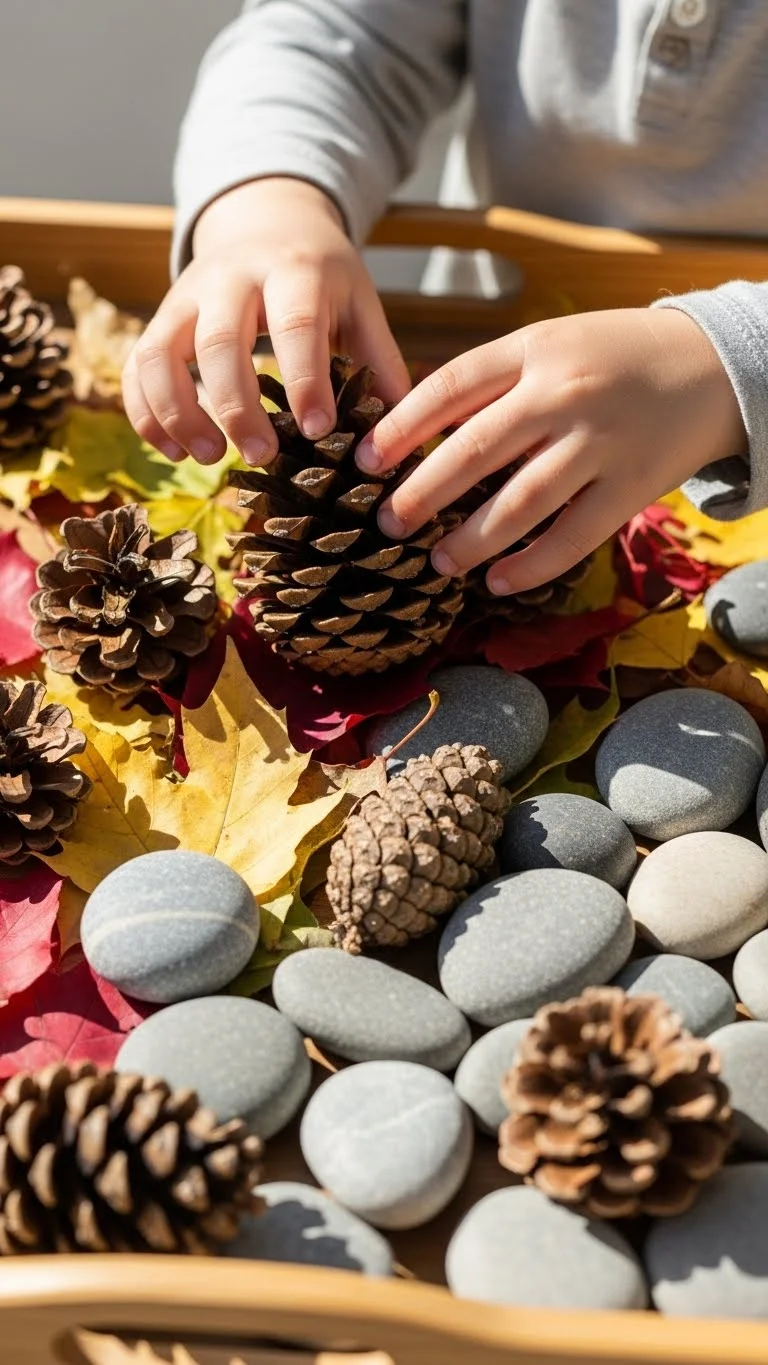
A nature tray gives kids something real and interesting to explore. Collect leaves, stones, flowers, or pinecones during a walk. Place them in a low tray. Kids enjoy touching and moving them around. Add a magnifying glass if you have one. Keep the tray simple so it doesn’t feel cluttered. Replace items when they dry out. This activity costs nothing and brings outdoor interest indoors. Kids often return to the tray throughout the day.
- Simple Play-Doh Setup
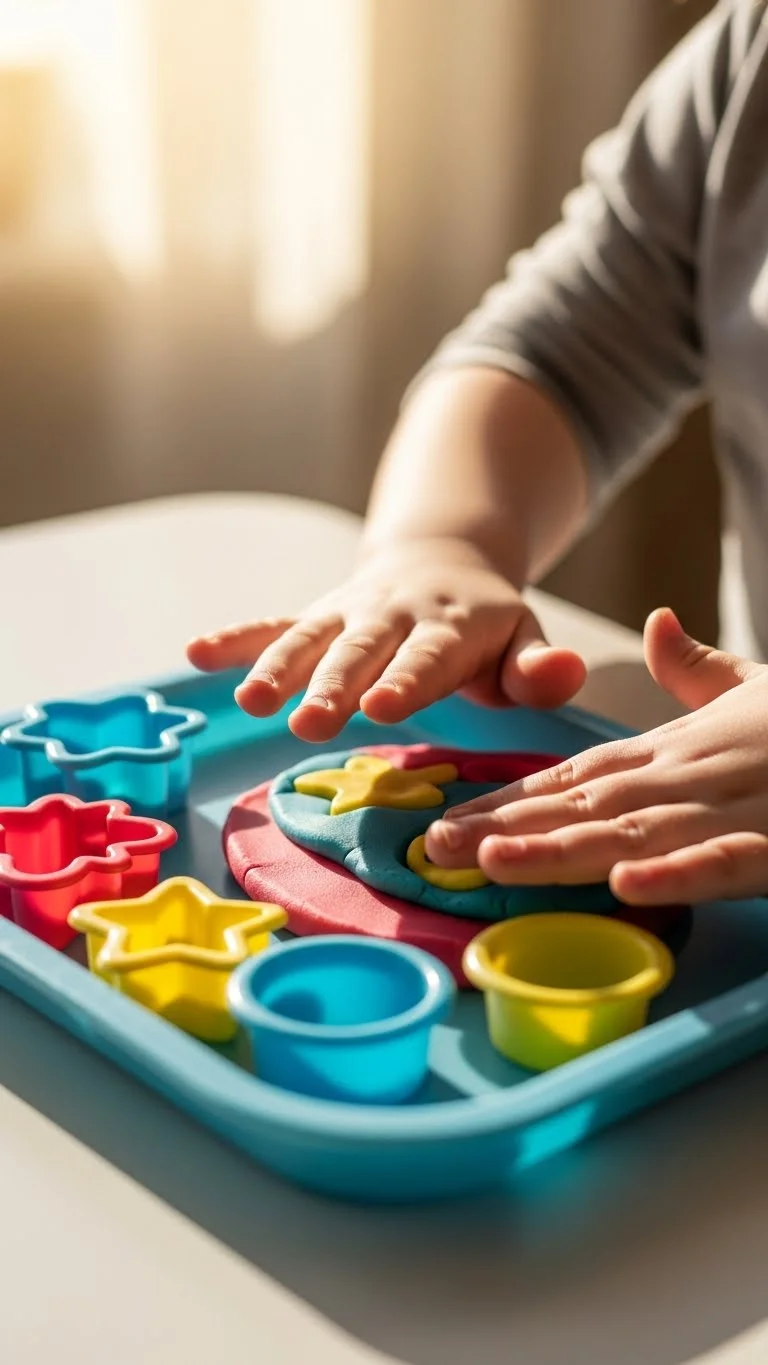
Play-dough is a classic independent activity. Use store-bought dough or make your own with flour, salt, and water. Keep only a few tools nearby: a roller, a lid, or cookie cutters. Too many options can overwhelm kids. A simple tray helps keep everything contained. Kids press, roll, squish, and shape the dough while you get a short break. Store dough in an airtight container so it lasts longer. Add a new colour or tool occasionally to keep things fun.
- Quiet Reading Nook
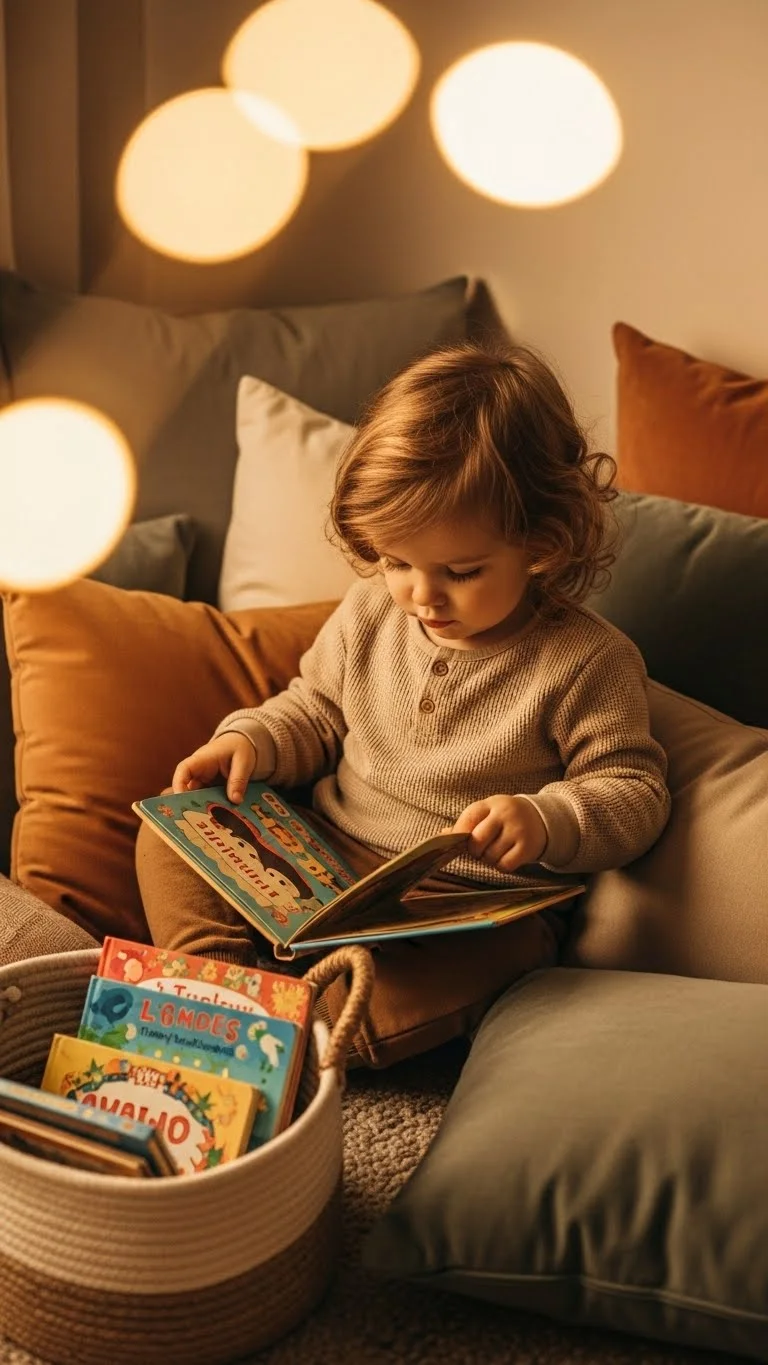
A small reading nook gives your child a calm space to sit and explore books. Use pillows, a blanket, and a small basket of board books. Keep only a few books out at a time to avoid clutter. Rotate weekly. Kids enjoy flipping pages, pointing at pictures, and “reading” to themselves. This space doesn’t require your help once they get used to it. It’s great for quiet mornings or pre-nap downtime.
- Mini Kitchen Setup
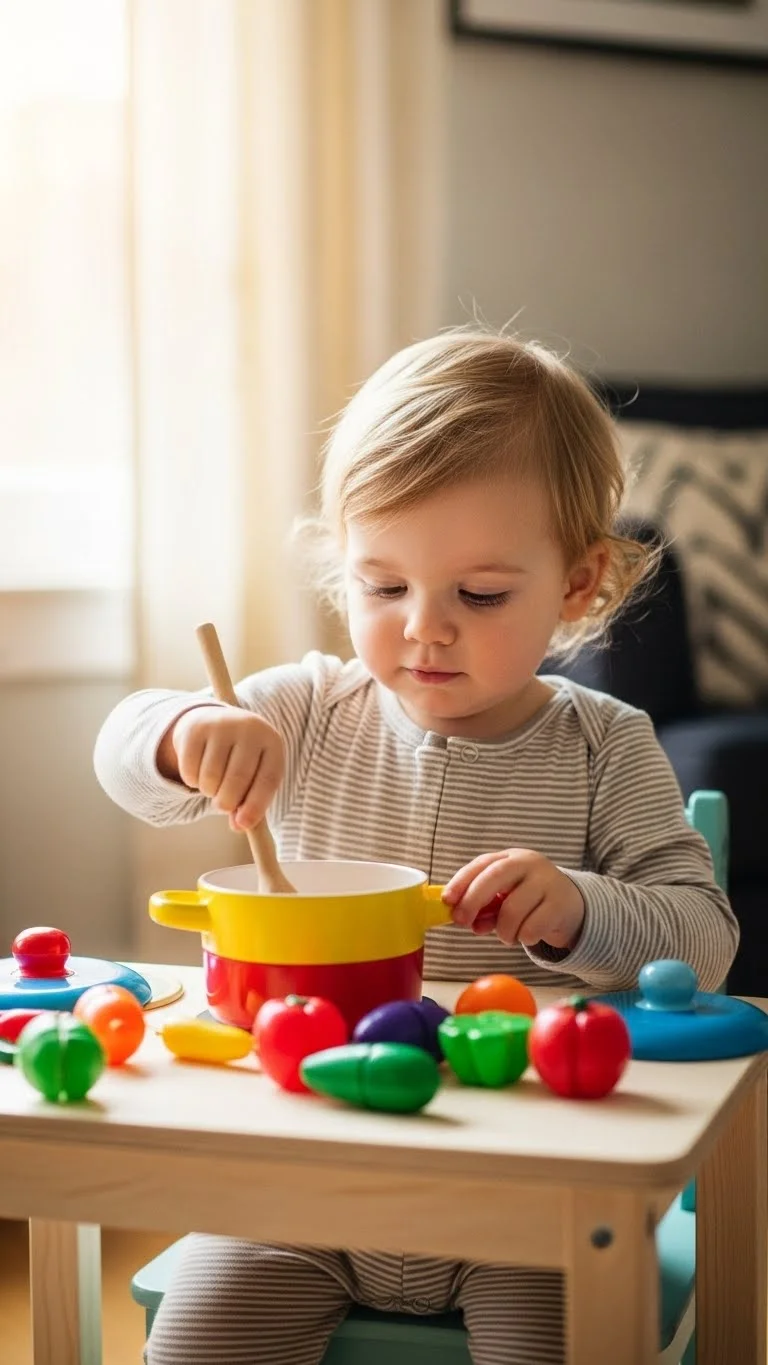
A mini kitchen helps kids pretend and explore while you work nearby. You don’t need an expensive set. Use plastic bowls, spoons, and containers from your own kitchen. Add dry pasta to a jar for pretend cooking. Kids love mixing, pouring, and serving imaginary meals. Keep the setup small so cleanup stays simple. Rotate tools weekly. This pretend play holds attention longer than you expect and gives you space to complete quick tasks.
- Foam Shape Build-and-Stack
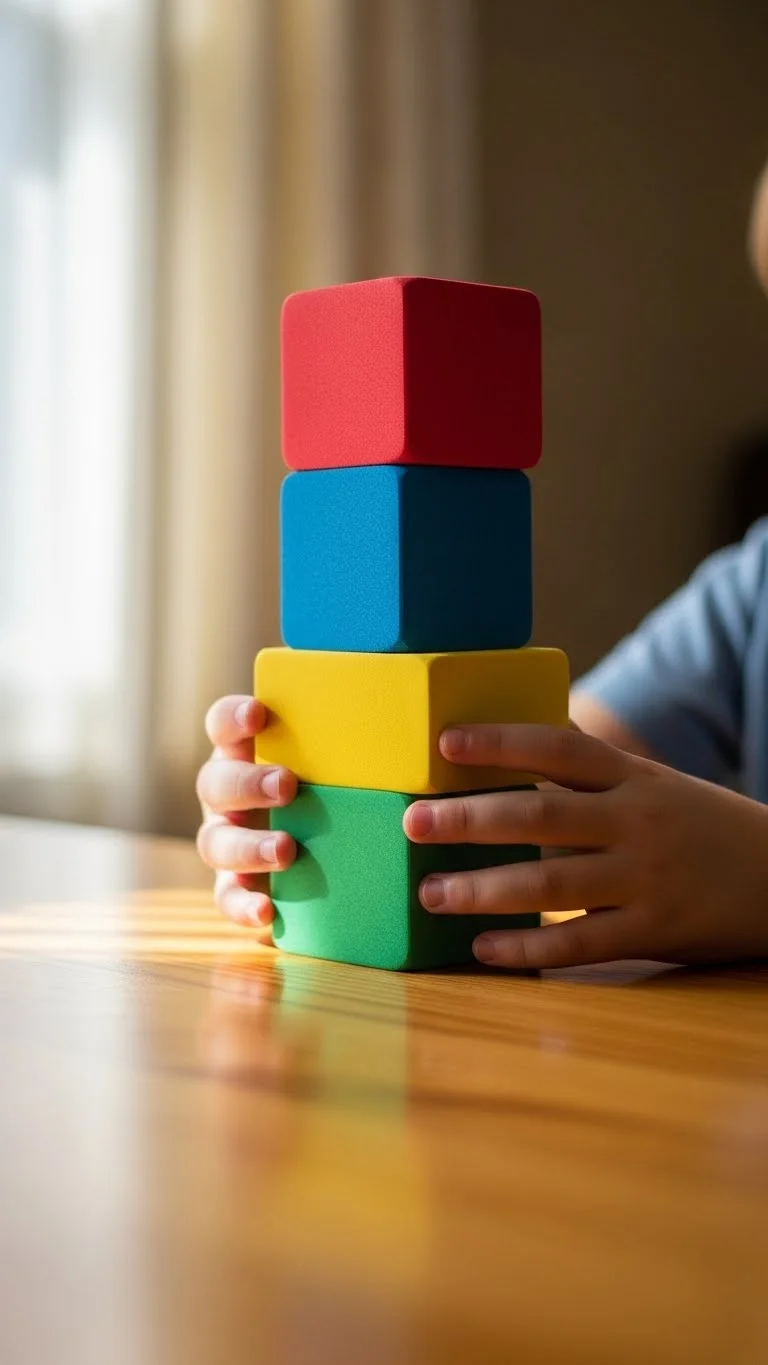
Foam shapes are quiet, light, and easy for kids to handle. Use foam blocks or cut shapes from craft foam sheets. Kids can stack, line up, or build flat pictures. Keep a small tray of pieces ready so they can play anytime. Swap out colours or add new shapes to keep it interesting. Foam is cheap and safe, making it perfect for relaxed play while you catch up on tasks.
- Small Animal Play Scene
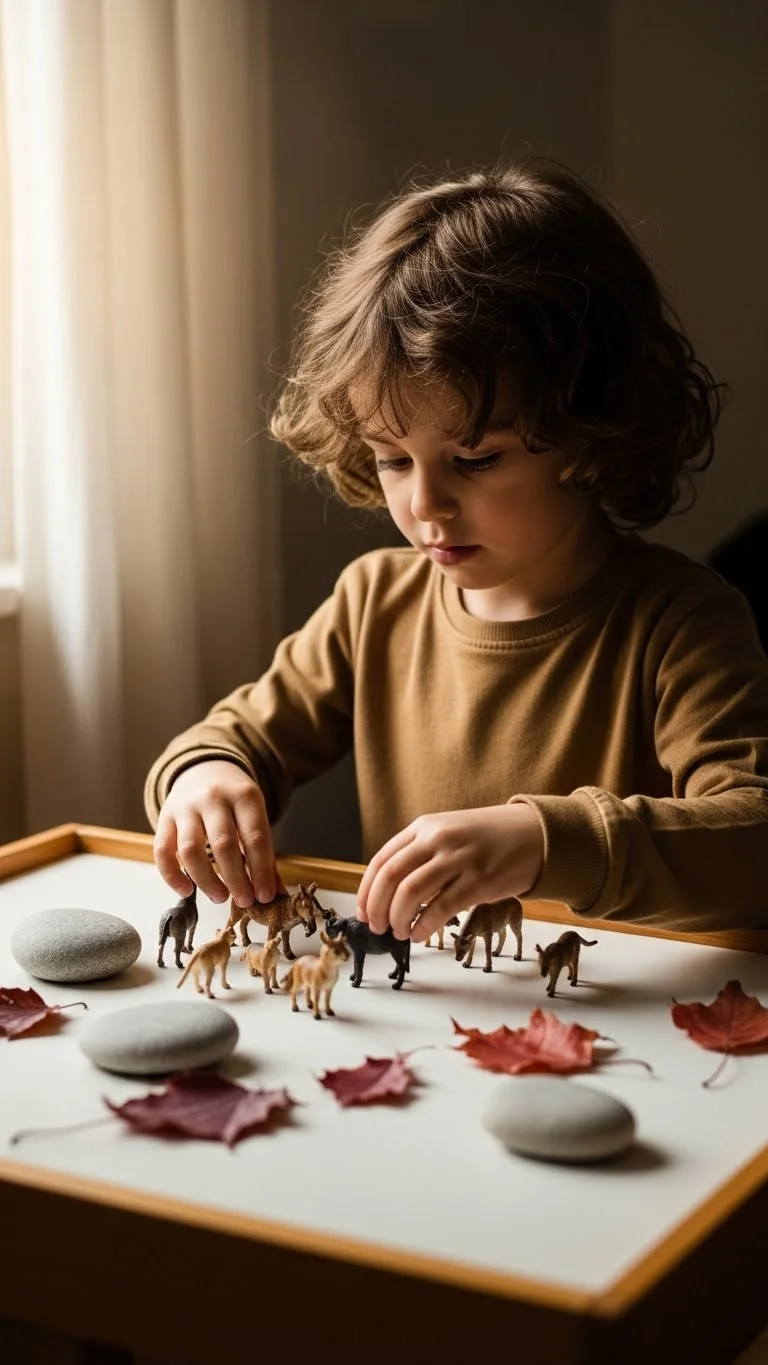
A small animal play scene encourages storytelling and quiet exploration. Use a few toy animals and place them on a tray with simple items like stones, leaves, or fabric scraps. Kids move the animals around and create their own little scenes. Keep only a handful of items so the activity stays calm. You can refresh the tray by changing the natural materials. This small setup offers long periods of focused play.
Conclusion
Independent play doesn’t have to be complicated or expensive. A few simple setups can keep kids engaged while giving you short breaks throughout the day. Start with one or two ideas and see which ones your child enjoys most. Rotate materials often, keep spaces tidy, and let your child explore at their own pace. With small, consistent setups, you’ll create a home where independent play feels natural for both you and your child.
