

21 Positive Discipline Tips for Respectful Kids
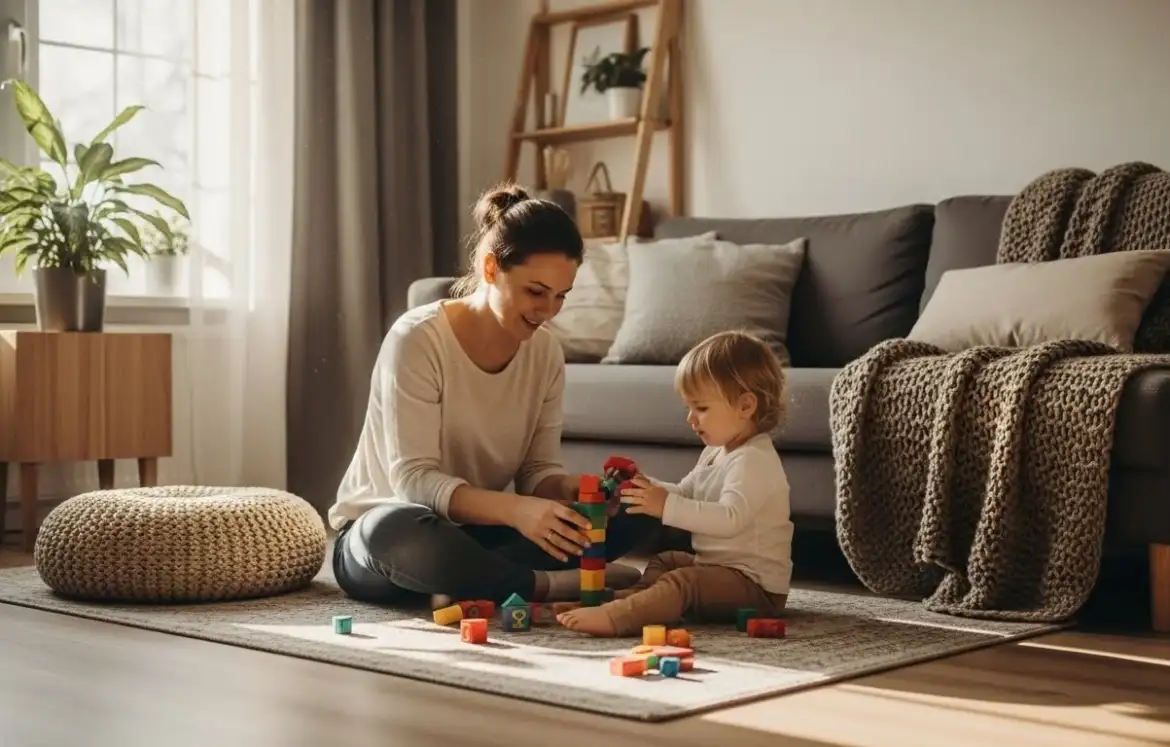
Positive discipline helps kids learn respect through calm guidance, clear limits, and connection. Parents want tools that actually work in real homes—with real mess, big feelings, and busy days. These tips keep things gentle, practical, and easy to repeat. Each one is simple enough to start today and affordable enough for any family. With steady routines and warm communication, kids learn cooperation without fear or pressure.
- Use Clear, Short Instructions
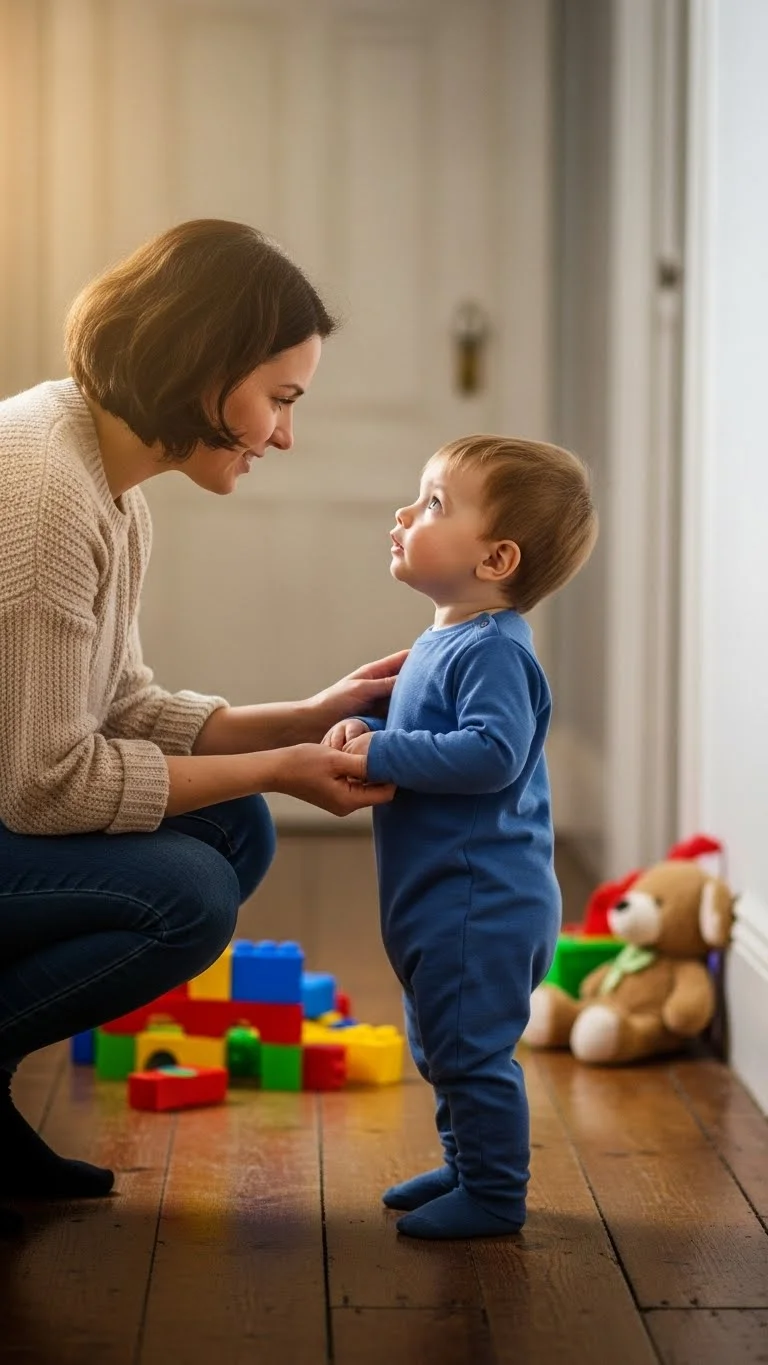
Short, simple directions help kids follow through without confusion. Long explanations can overwhelm them, especially when emotions are high. Try one step at a time. Keep your tone calm and steady. Instead of “Clean your whole room,” say, “Put your blocks in the basket.”
Use familiar words your child already knows. If your child is young, point or show what you mean. Make it easier by reducing clutter. Use cheap bins, baskets, or even repurposed shoe boxes to sort toys. Place labels with pictures if your child can’t read yet. Clear instructions remove tension and help kids feel capable. Repeat the same phrases daily so your child learns what to expect. Consistency builds understanding without pressure.
- Offer Two Simple Choices

Kids feel more cooperative when they have a sense of control. Offering two clear choices keeps them focused without overwhelming them. Say, “Red cup or blue cup?” or “Brush teeth now or in two minutes?” Keep the options simple. Avoid giving choices you can’t follow through on.
Use household items you already have, so you’re not buying anything extra. Choices reduce arguments because they shift power from conflict to cooperation. You stay in charge of the options, but your child feels included. Use this approach during routines like getting dressed, picking snacks, or choosing a book. The more consistent you are, the easier it becomes for your child to respond calmly.
- Connect Before Correcting

Kids respond better when they feel seen and safe. Pause before correcting. Sit near your child, see a warm tone, and speak slowly. A simple “I’m here” or “Let’s work on this together” can calm the moment. Connection doesn’t take long and costs nothing. Build it into your daily routines by offering small touches—like a hand squeeze or soft smile. Once your child feels understood, they’re more open to hearing guidance. It shifts the focus from punishment to partnership. This is one of the simplest ways to reduce power struggles at home.
- Stay Calm During Big Emotions
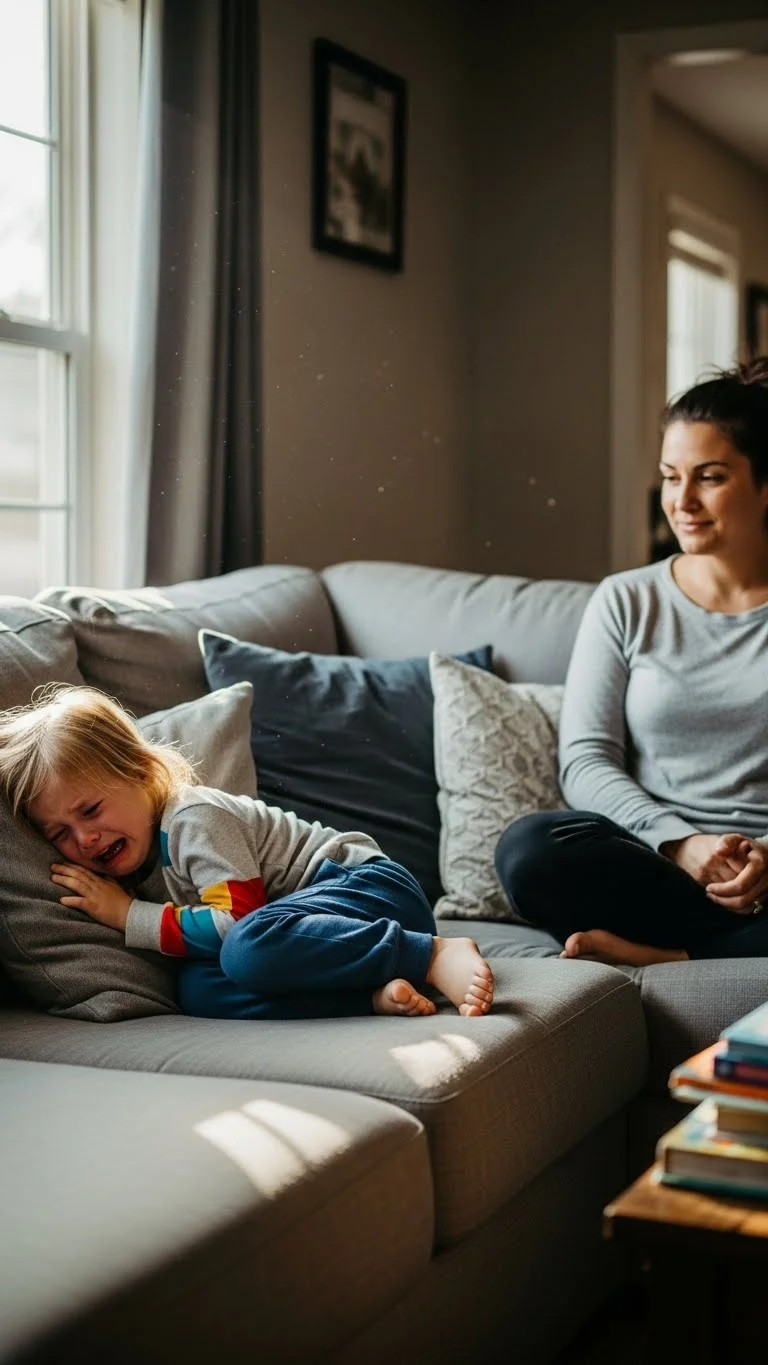
Your calmness helps your child settle. Kids watch your face, tone, and body language. When you stay grounded, they feel safer. Take a slow breath before responding. Sit down instead of hovering. Keep your voice soft. If needed, step aside for a brief moment so you can respond thoughtfully. You don’t need fancy tools—just patience and practice. Use a simple phrase like “Let’s breathe together.” Children eventually learn to mirror your calm behaviour, especially when they see it consistently. This approach helps discipline feel supportive instead of scary.
- Use Positive Language
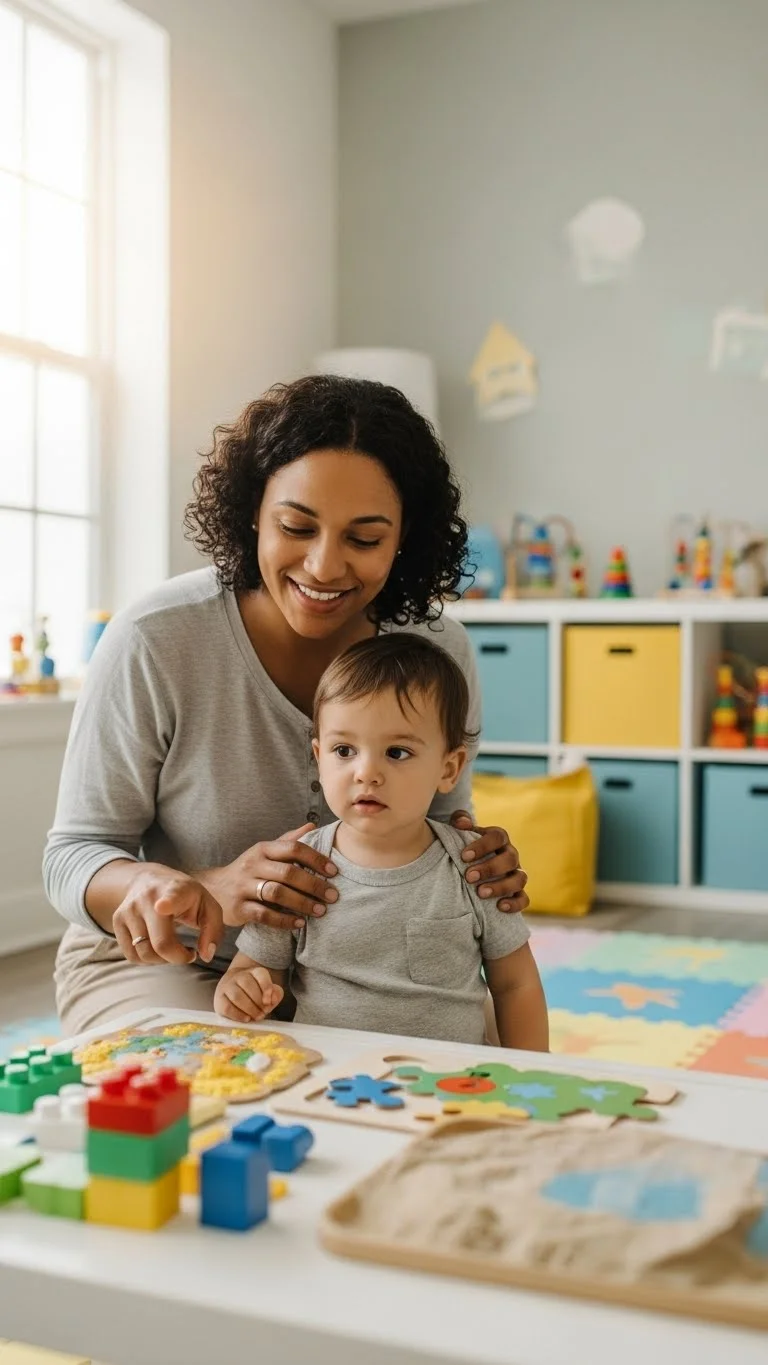
Positive phrasing helps kids understand what to do instead of what not to do. Instead of “Don’t run,” try “Walk next to me.” This makes expectations clearer. Kids respond better when the message is simple and direct. Create visual reminders if needed—cheap sticky notes or hand-drawn pictures. Repeating positive phrasing helps your child form new habits. It keeps moments light and easier to manage. Over time, this approach encourages cooperation without fear or shame.
- Set Clear Boundaries
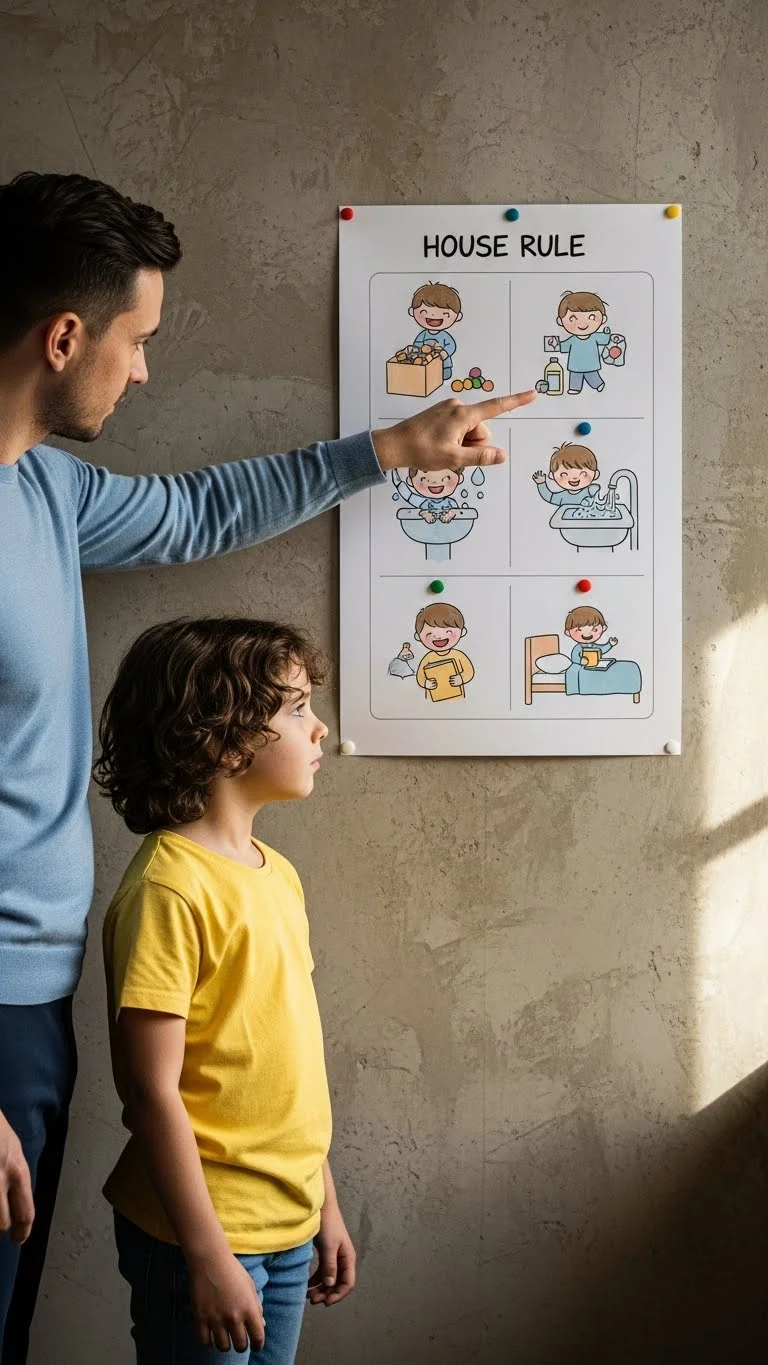
Boundaries help kids feel safe. They’re not meant to be harsh; they’re meant to guide. Keep them simple—three to five household rules are enough. Use plain language like “Hands are gentle” or “Toys stay on the floor.” Create a basic chart with markers or crayons. Hang it where your child can see it. Review the rules daily. Kids need repetition to remember what’s expected. Clear boundaries leave less room for confusion and help kids feel confident about their behaviour.
- Model Respectful Behaviour

Kids watch everything. Your tone, posture, and reactions shape how they communicate. Use polite phrases like “please,” “thank you,” and “excuse me.” Speak gently even when you’re upset. Show patience during everyday moments. You don’t need perfection—just awareness. Let your child hear you apologise when needed. This shows that respect isn’t about power; it’s about kindness. The more they see respectful behaviour, the easier it becomes for them to follow.
- Stick to Simple Routines

Predictable routines help kids feel steady. They know what comes next, which reduces arguments. Keep routines short and realistic. Use basic tools: a cheap kitchen timer, a handwritten checklist, or a picture schedule. Daily rhythm makes discipline easier because expectations stay the same. Routines work best when they’re repeated gently and consistently. Kids feel more confident when they know what to expect.
- Use Natural Consequences
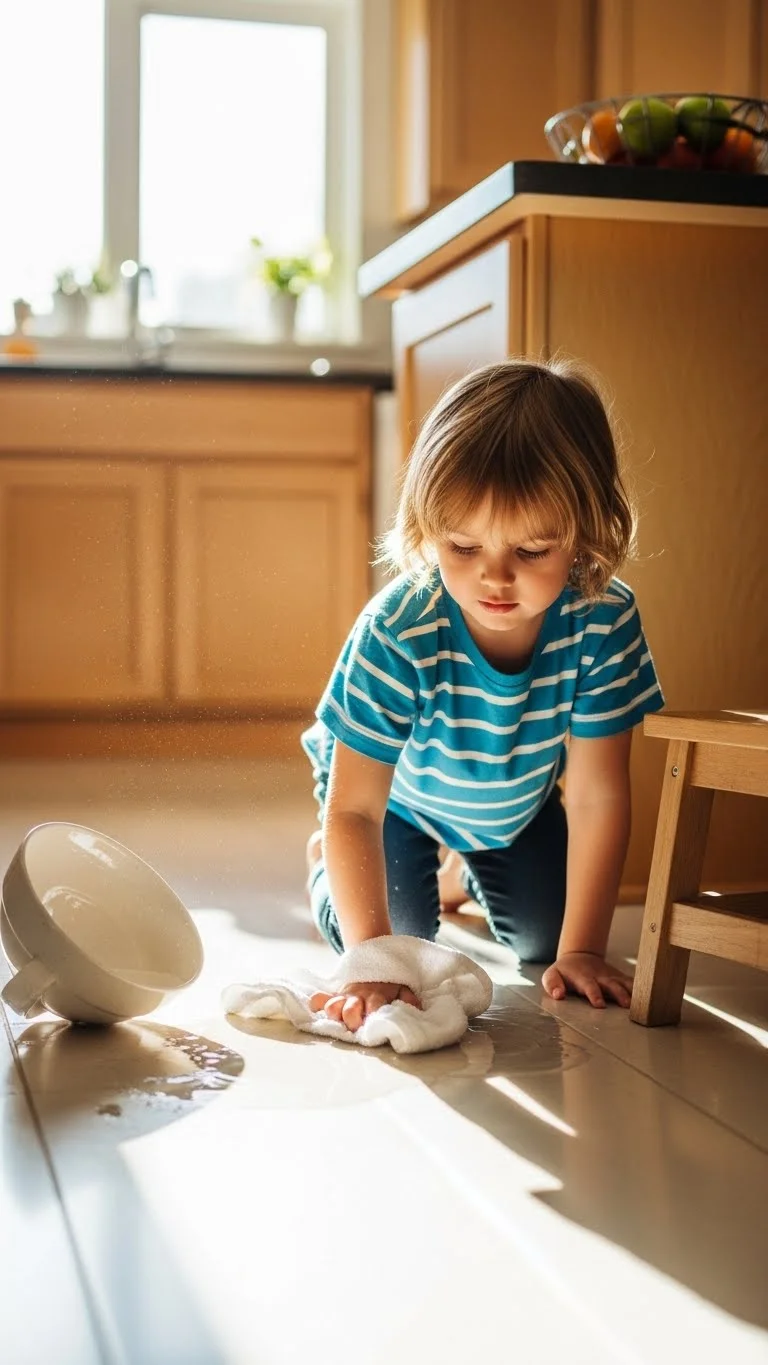
Natural consequences help kids learn without punishment. If a toy is thrown, it gets put away for a short time. If water spills, the child helps wipe it up. This teaches responsibility through real-life experience. Keep consequences short and kind. Avoid lecturing. Use simple language like “Let’s fix it together.” This approach teaches problem-solving and respect for belongings.
- Praise Effort, Not Perfection
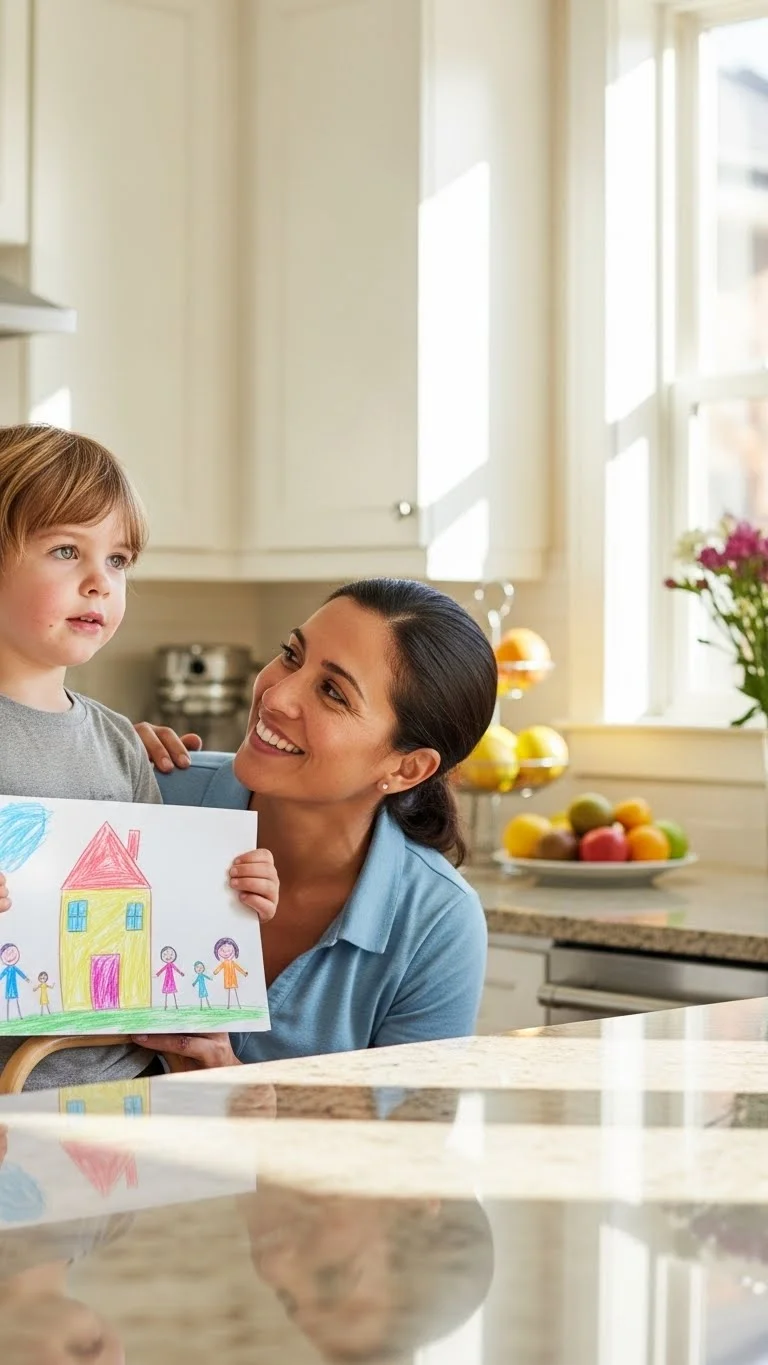
Kids feel motivated when their effort is noticed. Say things like “You worked hard on that” or “I saw you try again.” Keep it genuine and specific. Avoid overpraising or comparing. You don’t need rewards or charts—your attention is enough. Kids learn that progress matters more than flawless results. This builds confidence and encourages respectful communication in return.
- Use Soft Touches for Connection
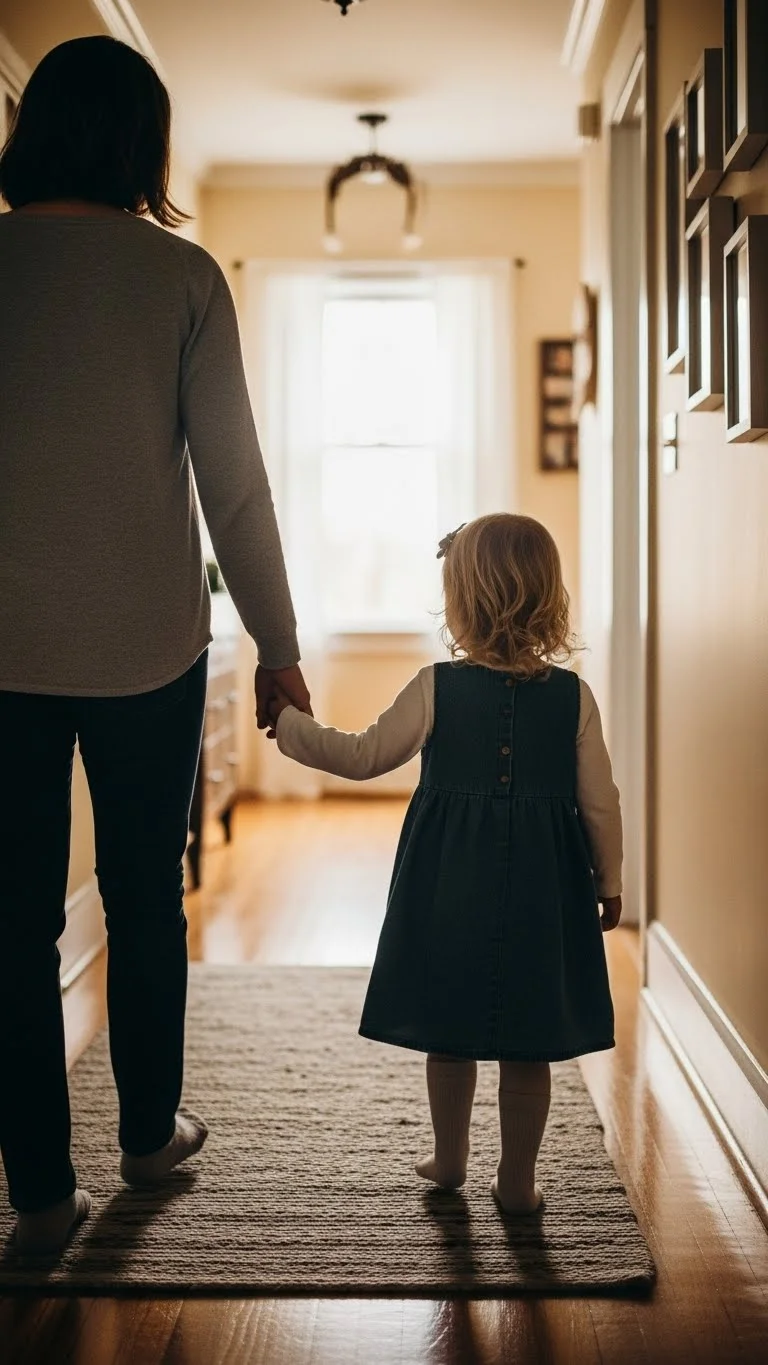
Gentle touches can calm a tense moment quickly. A hand on the shoulder or a soft hug helps kids feel supported. These gestures signal safety. Touch is a powerful tool that doesn’t require extra time or money. Use it during routines, transitions, or moments of frustration. It strengthens your bond and helps discipline feel warm instead of harsh.
- Teach Problem-Solving Skills
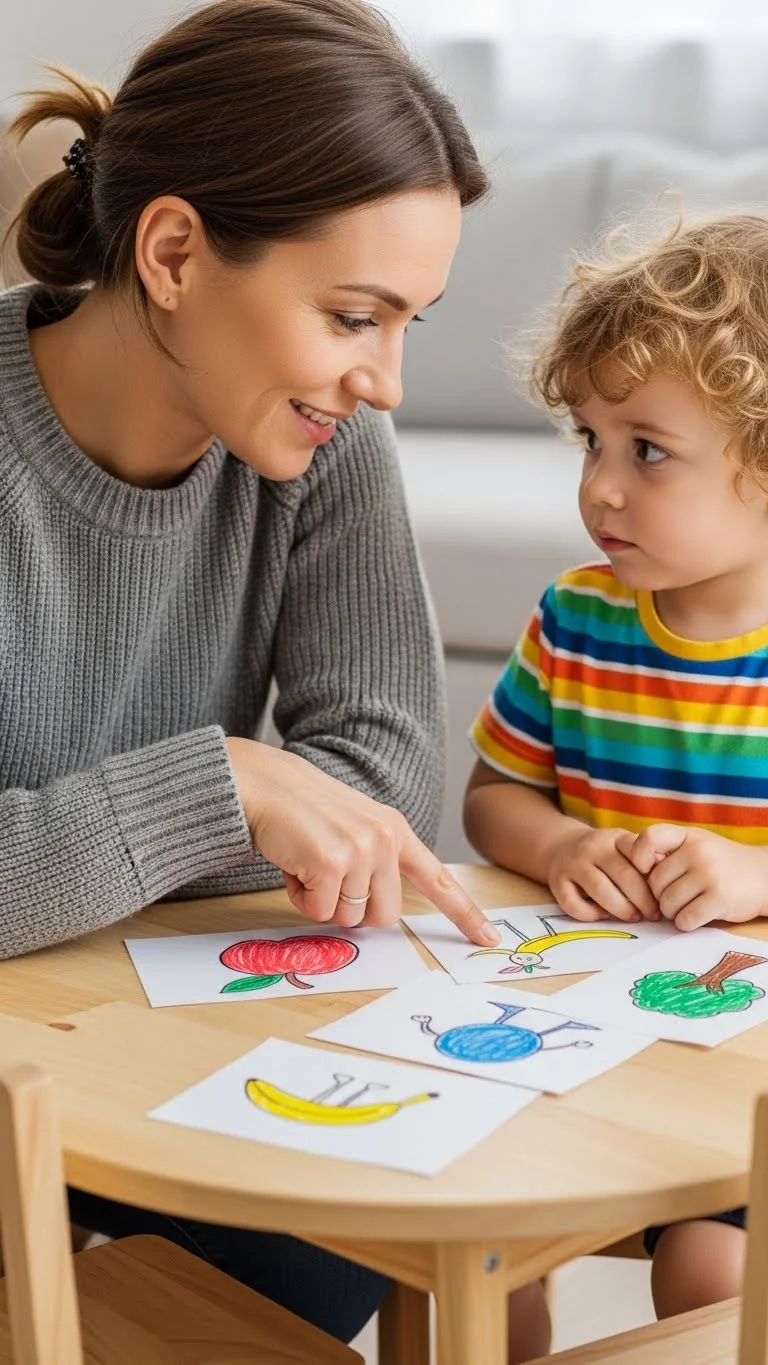
Kids often act out because they don’t know what else to do. Teach them small problem-solving steps. Ask simple questions like “What can we try?” Draw options on paper if your child is young. Keep it playful. Practice during calm moments, not during meltdowns. This gives your child tools they can use later. It also reduces frustration for both of you.
- Stay Consistent
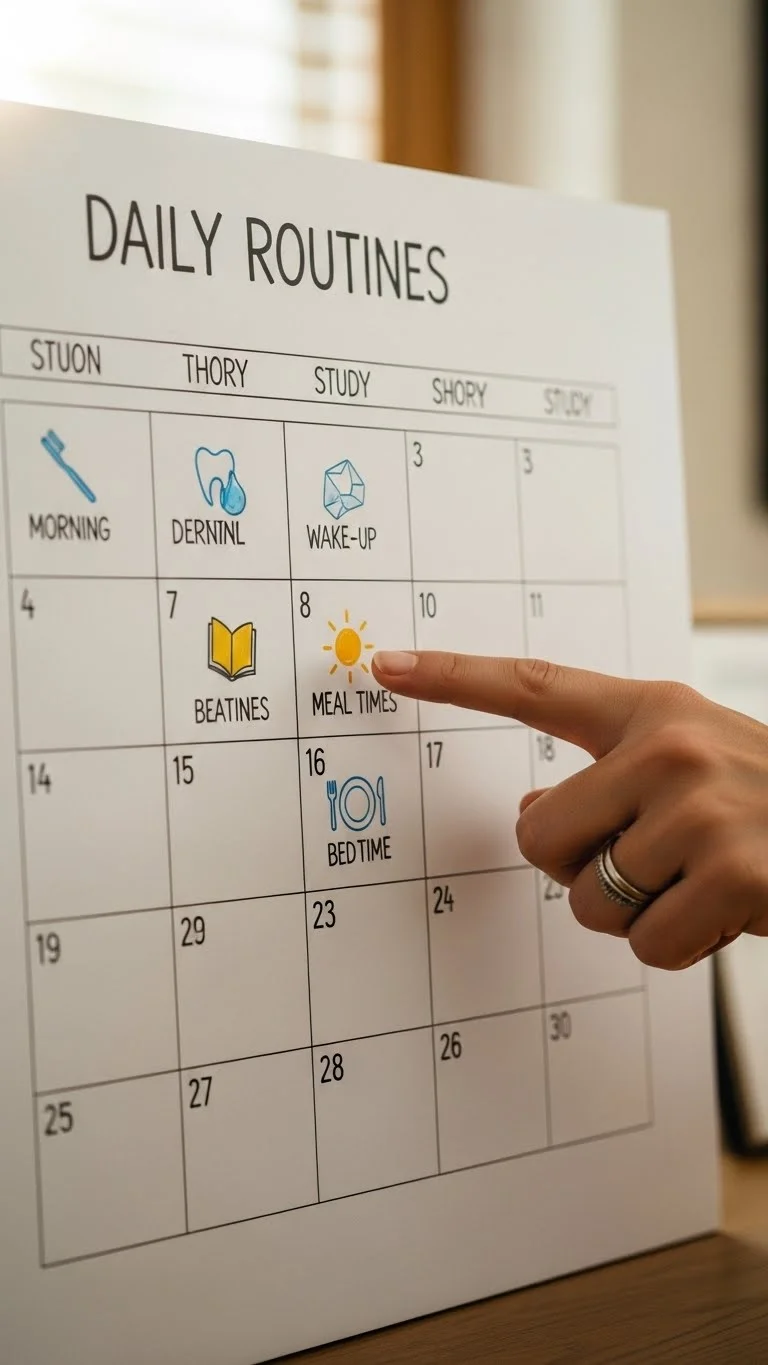
Consistency helps kids learn faster. When expectations change daily, kids feel confused. Keep your responses similar each time. Use the same phrases for certain behaviours. Use small visual reminders like sticky notes or simple signs. Consistency doesn’t mean rigidity—it just keeps things clear. Your child feels steadier when your guidance stays the same.
- Use Calm Time Instead of a Timeout

Calm time gives kids space to reset without shame. Create a small corner with soft pillows, a cheap blanket, or a favourite toy. Sit with your child if they want company. The goal isn’t isolation—it’s comfort. Teach your child that calm time is a safe pause, not punishment. This gentle approach encourages emotional regulation.
- Explain the Why (Briefly)
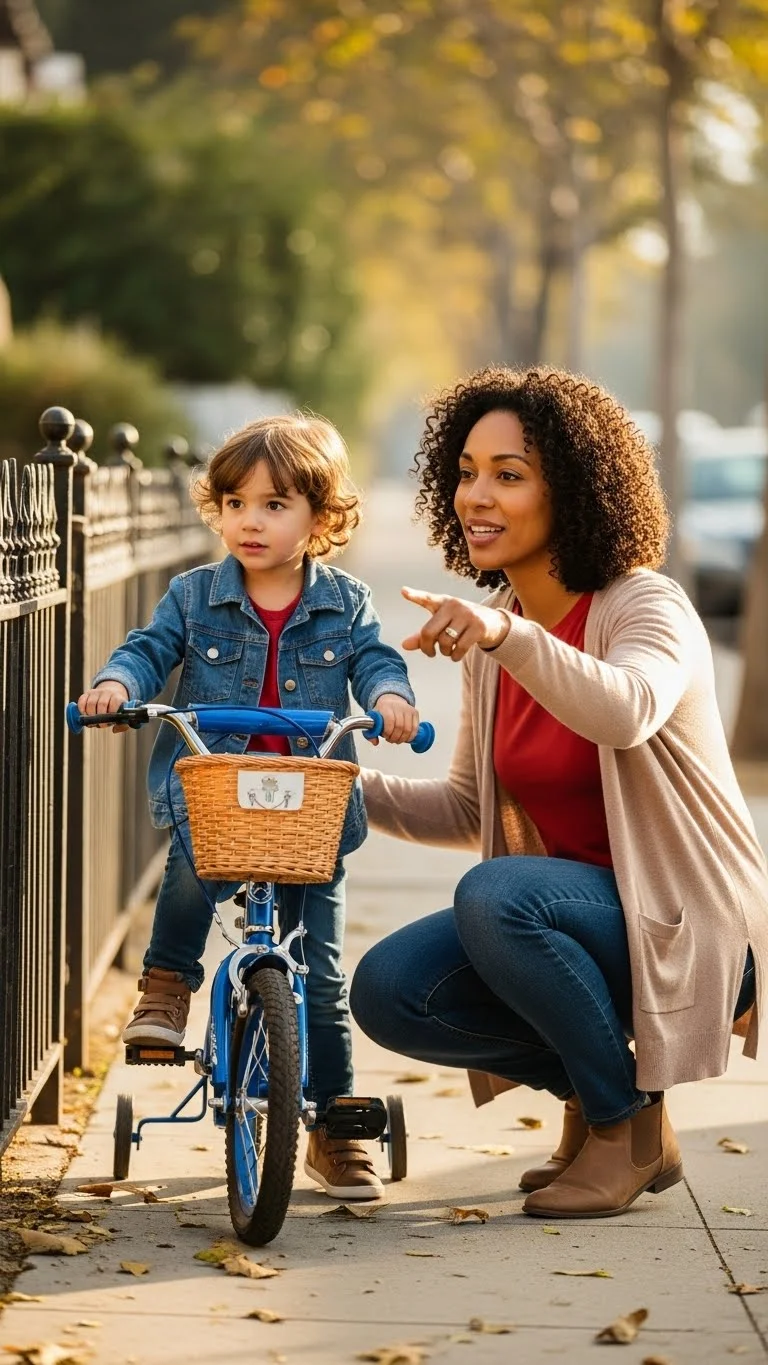
Kids follow rules more easily when they understand the reason. Keep explanations short. Say, “We hold hands so cars can see us.” Use everyday moments to teach simple logic. You don’t need big speeches—just clear, honest statements. Kids feel respected when you share the reason behind a boundary.
- Encourage Independence
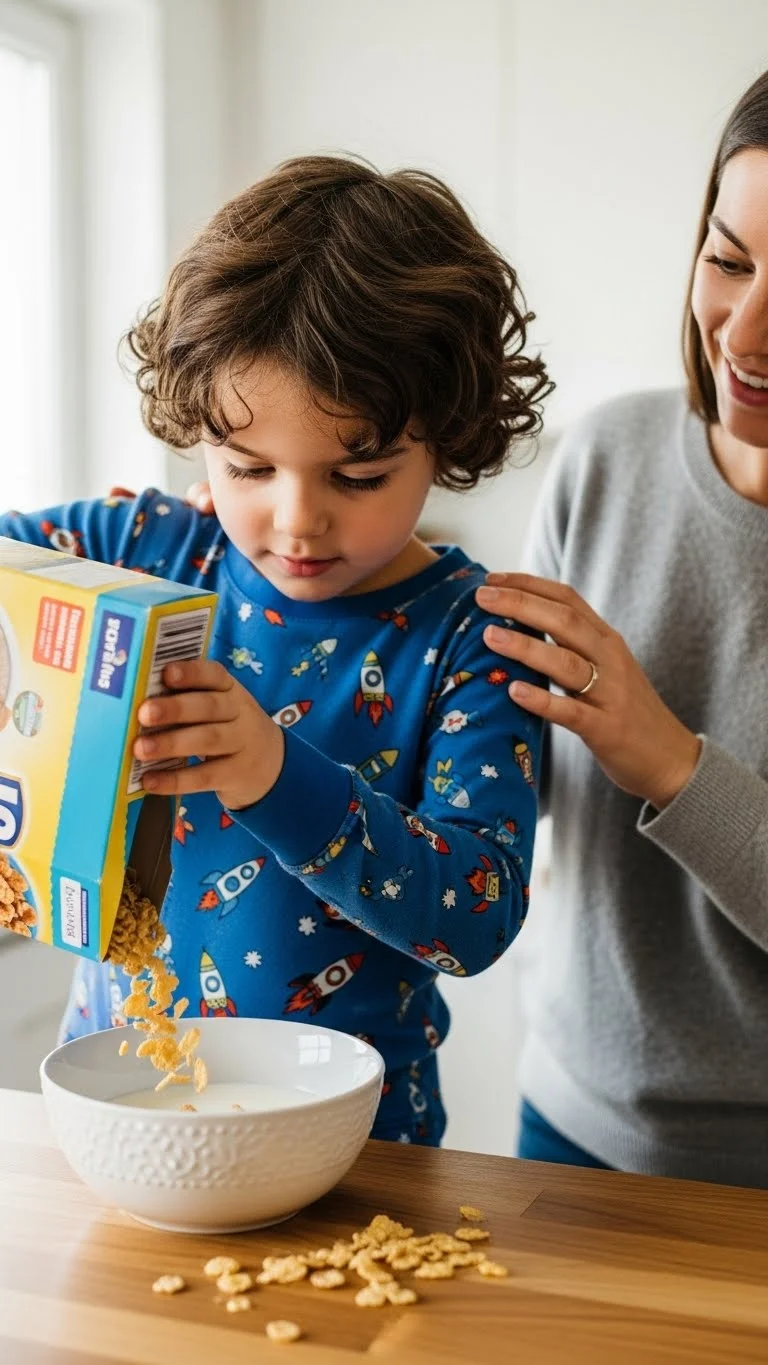
Give kids small tasks they can handle. Pouring cereal, choosing clothes, or helping clean up builds confidence. Use child-size tools you already own or repurpose containers. Independence reduces power struggles because your child feels capable. Start small and add more responsibility gradually.
- Redirect Instead of Arguing
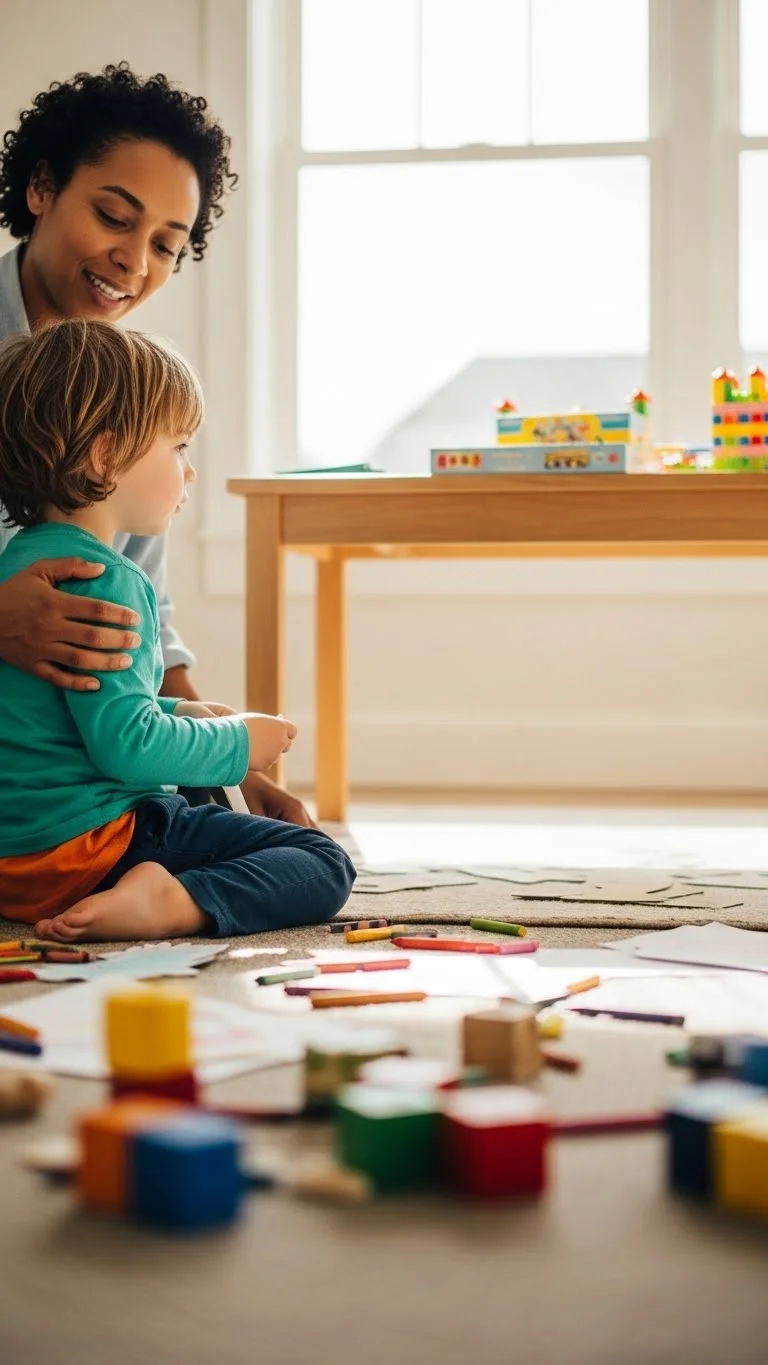
Redirection stops many conflicts before they escalate. Instead of arguing, guide your child toward a safer or calmer activity. Offer something hands-on like colouring, blocks, or a simple craft. This approach keeps things peaceful and avoids unnecessary stress. It’s an easy way to shift focus without punishment.
- Use Visual Schedules
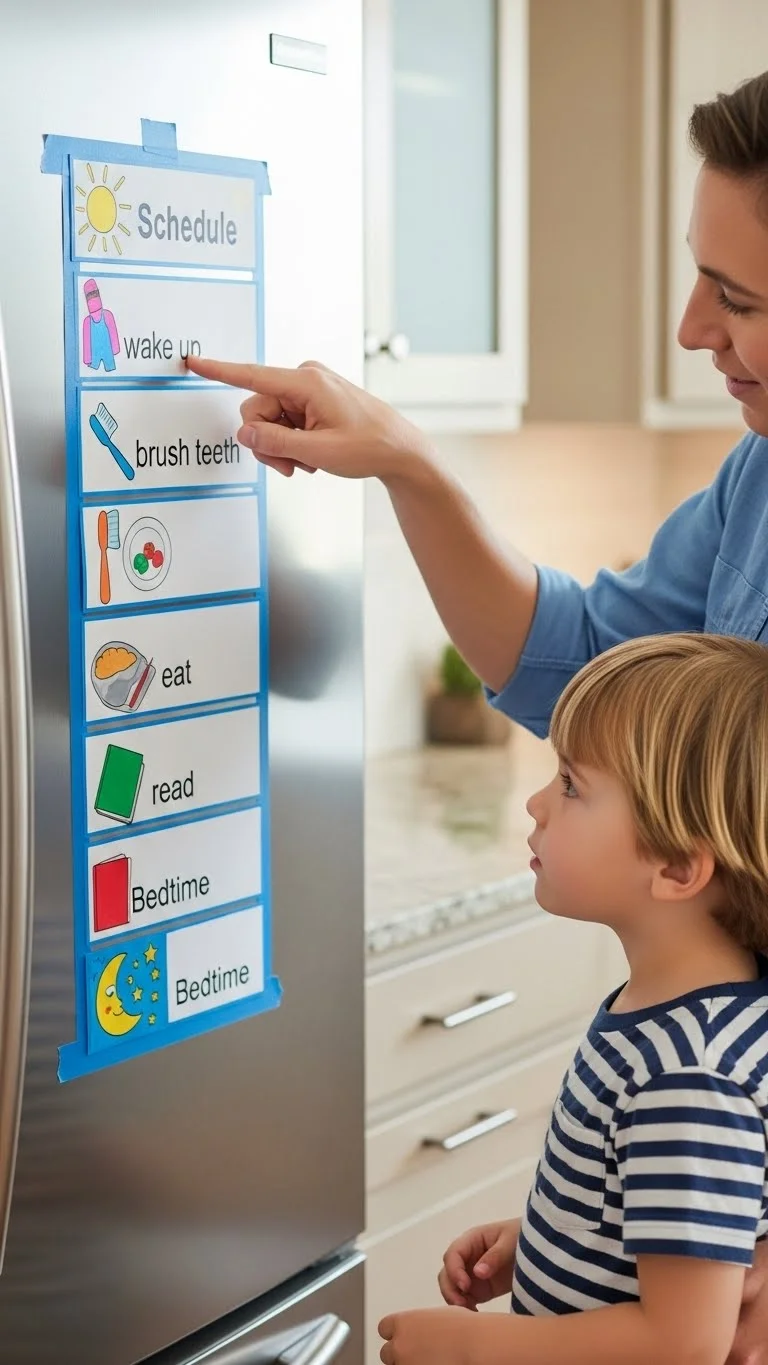
Kids respond well to pictures. Draw simple images or print free icons. Tape them to the wall or fridge. Use them for routines like morning prep, bedtime, or chores. Visual schedules reduce confusion and encourage independence. They cost almost nothing to make and work well for all ages.
- Speak Softly

Raising your voice often creates more tension. Speaking softly encourages your child to pay attention. It brings the energy in the room down quickly. Kids feel safer and more willing to listen. Soft communication invites cooperation instead of fear.
- Give Transition Warnings

Transitions are tough for kids. A warning helps them prepare. Say, “Five more minutes, then clean up.” Use a cheap kitchen timer or your fingers to count down. This small step prevents sudden frustration. Kids handle change better when they know it’s coming.
- Celebrate Small Wins
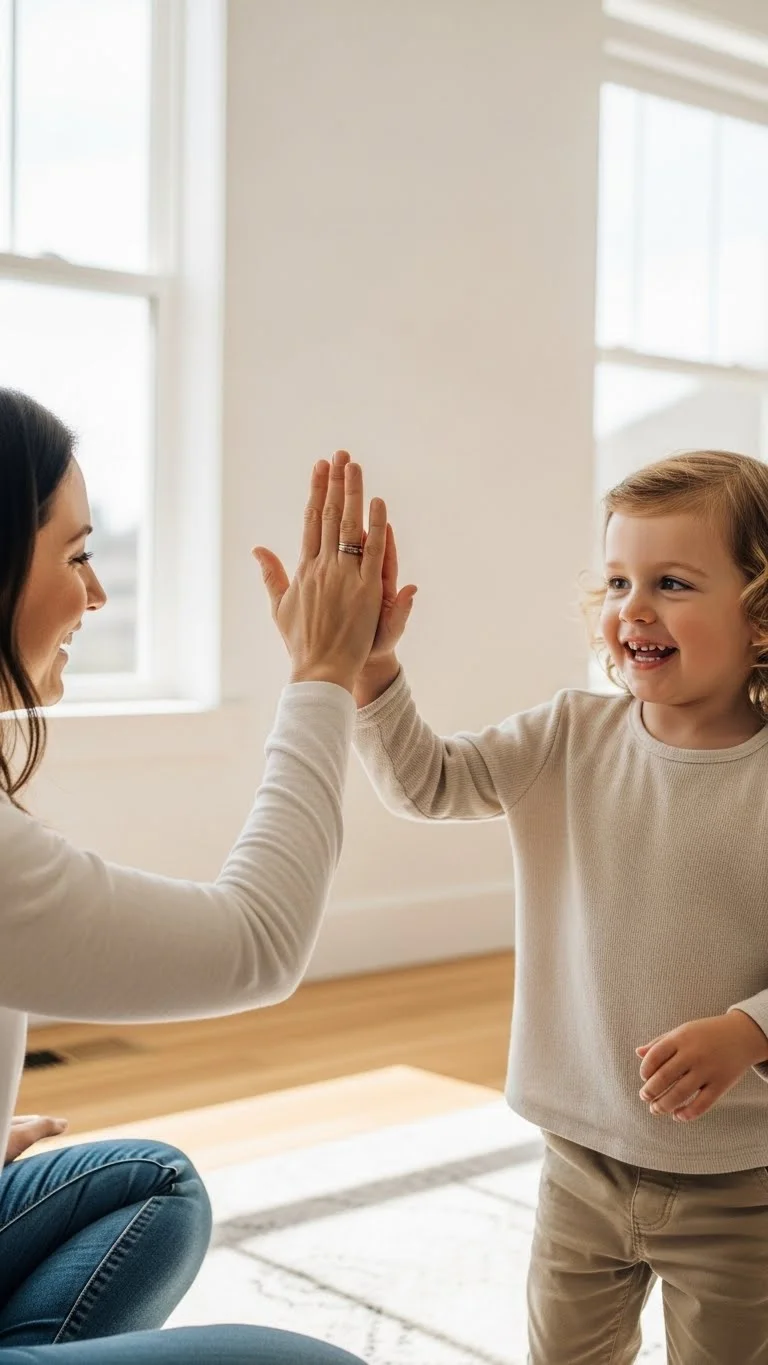
Celebrate the little steps. If your child tries again after a mistake, acknowledge it. Say, “You kept going—that shows courage.” Use smiles, hugs, or high-fives. No stickers or expensive rewards needed. Small wins build confidence and encourage respectful behaviour over time.
Conclusion
Positive discipline works best when it’s calm, simple, and consistent. Kids learn respect through connection, clear boundaries, and steady routines—not pressure or fear. Start with a few tips from this list and practice them daily. Each small step helps create a home where kindness, cooperation, and understanding grow naturally.
