

22 Family Bonding Activities for Stronger Connections

Building strong family connections doesn’t always call for big plans or pricey outings. Simple activities can bring everyone closer when they’re easy to start and enjoyable for all ages. The ideas below help families share time, talk more, and create small traditions that feel good to return to. Each activity stays practical, low-cost, and friendly for busy schedules. Pick a few to try this week and watch the household feel more connected.
- Backyard Picnic Night
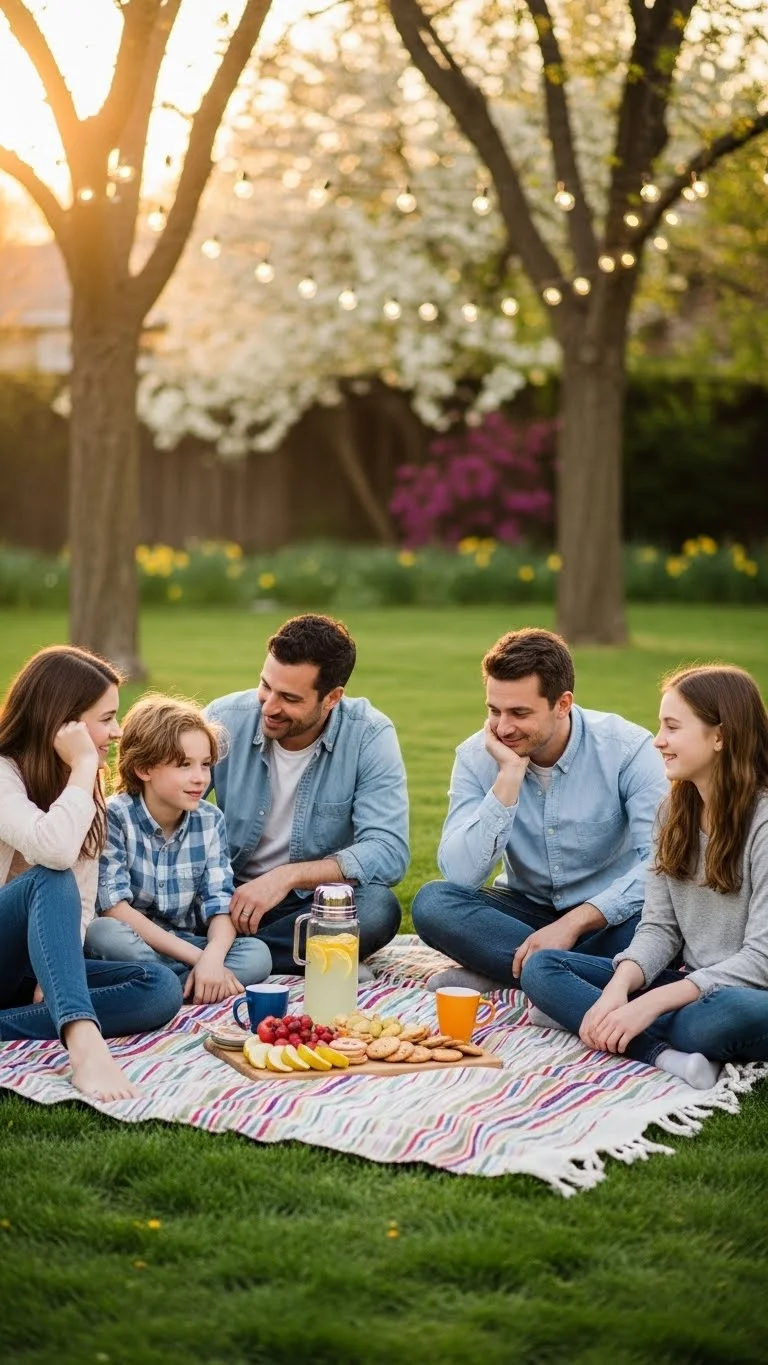
Create a quick picnic right at home. Lay out a blanket, grab sandwiches, fruit, or leftovers, and keep things relaxed. Kids often enjoy choosing their own picnic items, so let them pick a snack or help pack a small basket. If bugs worry you, add citronella candles or sit near a door for easy in-and-out access. Keep toys close for younger kids who need movement. Light conversation works well here—ask each person to share a fun moment from the day. If you want to add something extra, bring a small speaker and play calm music. Use mismatched plates and cups to save money. Reuse things you already have instead of preparing something fancy. A picnic like this encourages everyone to slow down without leaving the house. You might repeat it weekly to create a simple tradition. Even on busy days, spending 30 minutes outside together shifts the mood and brings everyone closer. The goal is comfort, not perfection.
- Family Game Rotation
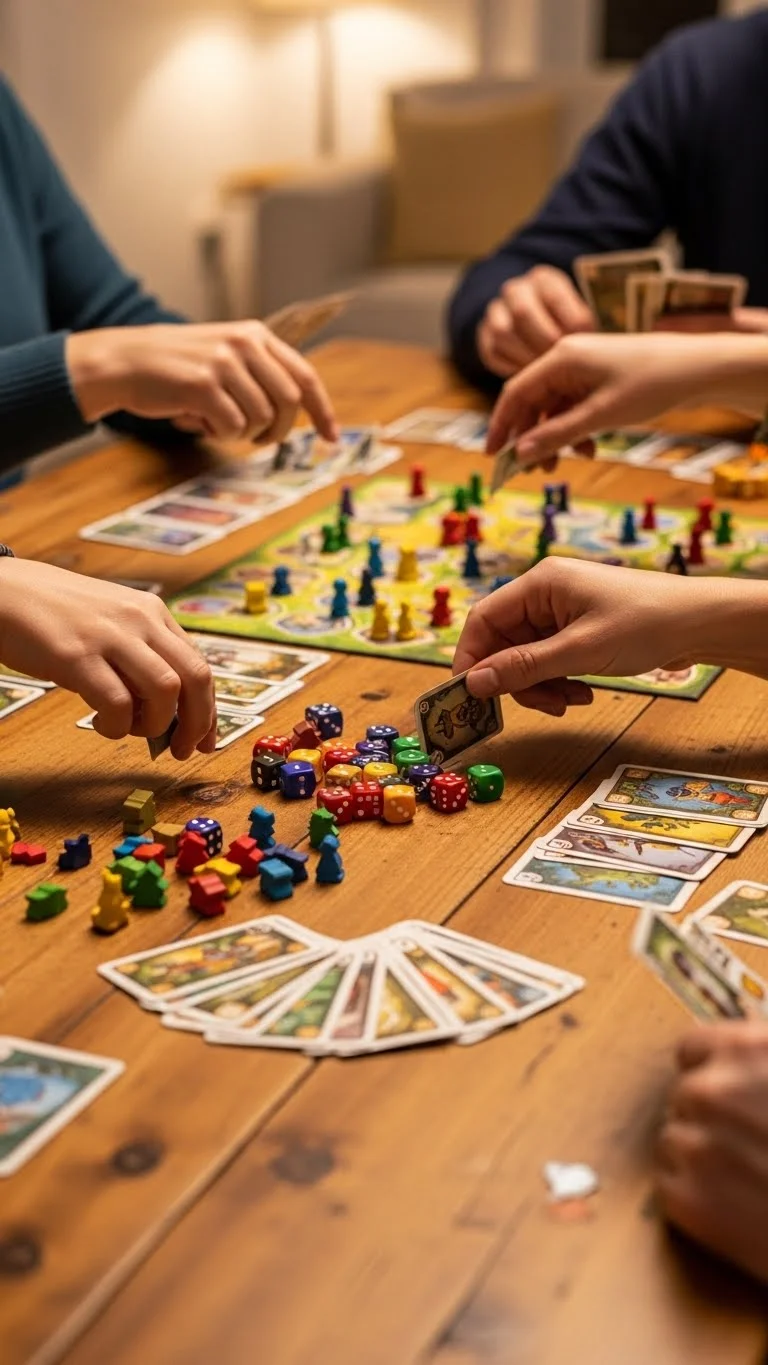
Pick three or four games and rotate them each week. Short games work best when everyone has different attention levels. Choose simple options like Uno, Jenga, or a homemade trivia deck. Make your own trivia by writing questions on scrap paper—topics like favorite movies, family memories, or silly “what would you do if…” prompts. Keep a small basket just for games so setup stays easy. Snacks help keep the mood light, and popcorn is cheap and quick. If competition stresses anyone, switch to cooperative games where everyone works toward the same goal. For tight budgets, search your home for forgotten puzzles or card decks. You can even invent a game using coins, buttons, or blocks. Consistency matters, not the cost of the game. A rotation keeps things interesting while giving everyone something to look forward to. It becomes a simple way to laugh together after busy days.
- DIY Mini Movie Theater
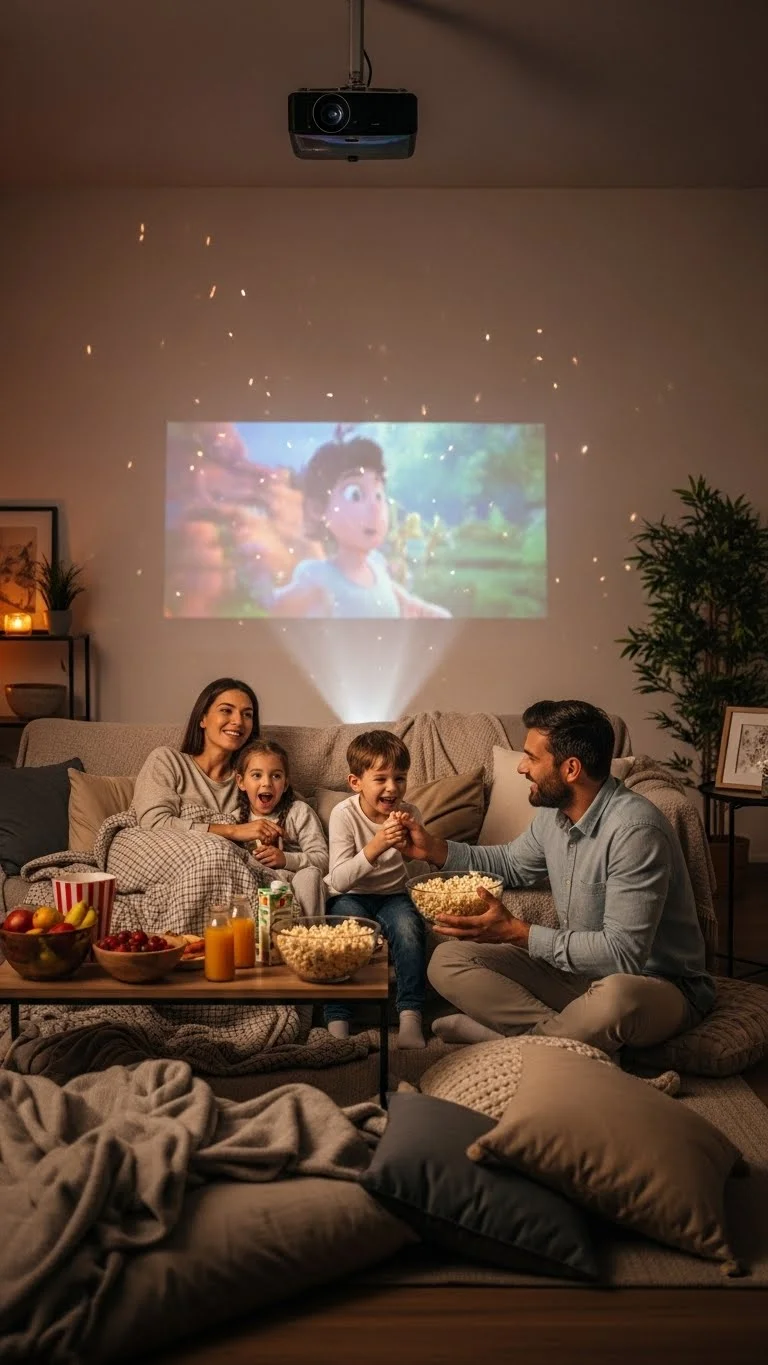
Turn your living room into a tiny theater. Gather pillows, switch off harsh lights, and plug in any screen you already own. Instead of buying snacks, pop a big batch of homemade popcorn and split it into bowls. Let each person choose one short film, clip, or cartoon so nobody feels left out. If you want to create an “atmosphere,” drape a bedsheet over chairs for a DIY canopy. Kids love it, and it costs nothing. You can even make pretend “tickets” on torn paper for fun. Keep the movie short when attention spans vary. Try a double-feature of two 30-minute options instead of a long film. If tech frustrates you, skip projectors—your regular TV works well. The point is sitting together and sharing reactions. Ask everyone afterward what moment they liked most. These small talks help families connect gently without pressure.
- Night Walk Around the Block

A short night walk brings a calm feeling after busy days. Pick a simple route near home and keep the pace slow so everyone can talk. Bring a flashlight for kids—they enjoy leading the way. If weather worries you, choose a shorter loop or walk earlier before it gets too cold. Keep shoes by the door so getting ready stays quick. On clear nights, stop for a minute to look at the moon or listen for crickets. These tiny pauses help conversations flow naturally. Ask each person one gentle question, like “What should we do this weekend?” or “What made you smile today?” You don’t need to plan much. The walk itself creates a shared pocket of peace. Even ten minutes can reset the household tone. It’s free, simple, and surprisingly grounding.
- Cook-One-Thing-Together Night

Pick one easy recipe to cook as a team. It could be pasta, a simple stir fry, or baked potatoes. Lower the pressure by skipping complex dishes. Assign tiny tasks so everyone joins in—kids rinse veggies, teens stir sauce, adults handle heat. If ingredients are pricey, swap in store-brand items or use whatever’s already in your pantry. Cooking together encourages small conversations as you work side-by-side. Keep cleanup simple by using one pan when possible. Make it fun by adding a “chef of the night” rotation where one person chooses the dish. If you want to stretch the budget, plan meals that turn leftovers into lunch. Cooking doesn’t need perfection. The shared task creates a warm energy that helps everyone feel connected.
- Story Circle Hour
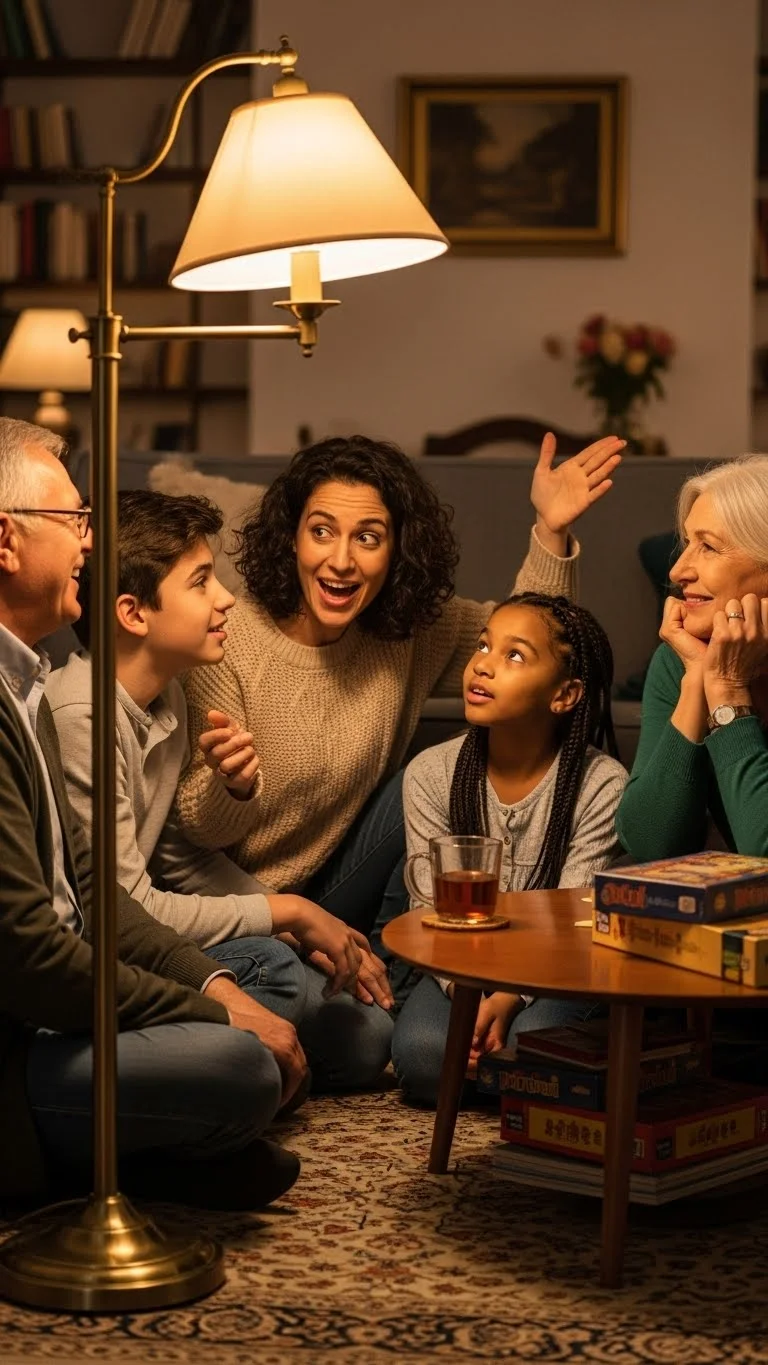
Sit together and take turns telling short stories. They don’t need to be true—kids love inventing silly characters. To make it easier, pick prompts from a jar filled with handwritten ideas like “a lost hat,” “a funny animal,” or “a surprise visitor.” Encourage simple, quick storytelling so nobody feels pressured. If some family members feel shy, they can draw instead of speak. Keep the atmosphere calm with dim lighting or soft background music. This activity costs nothing and works for any age. Stories help everyone learn more about each other’s imagination and humor. You can record the stories on your phone and listen later for fun. Over time, these circles turn into small family traditions that bring joy.
- Indoor Tent or Fort Building
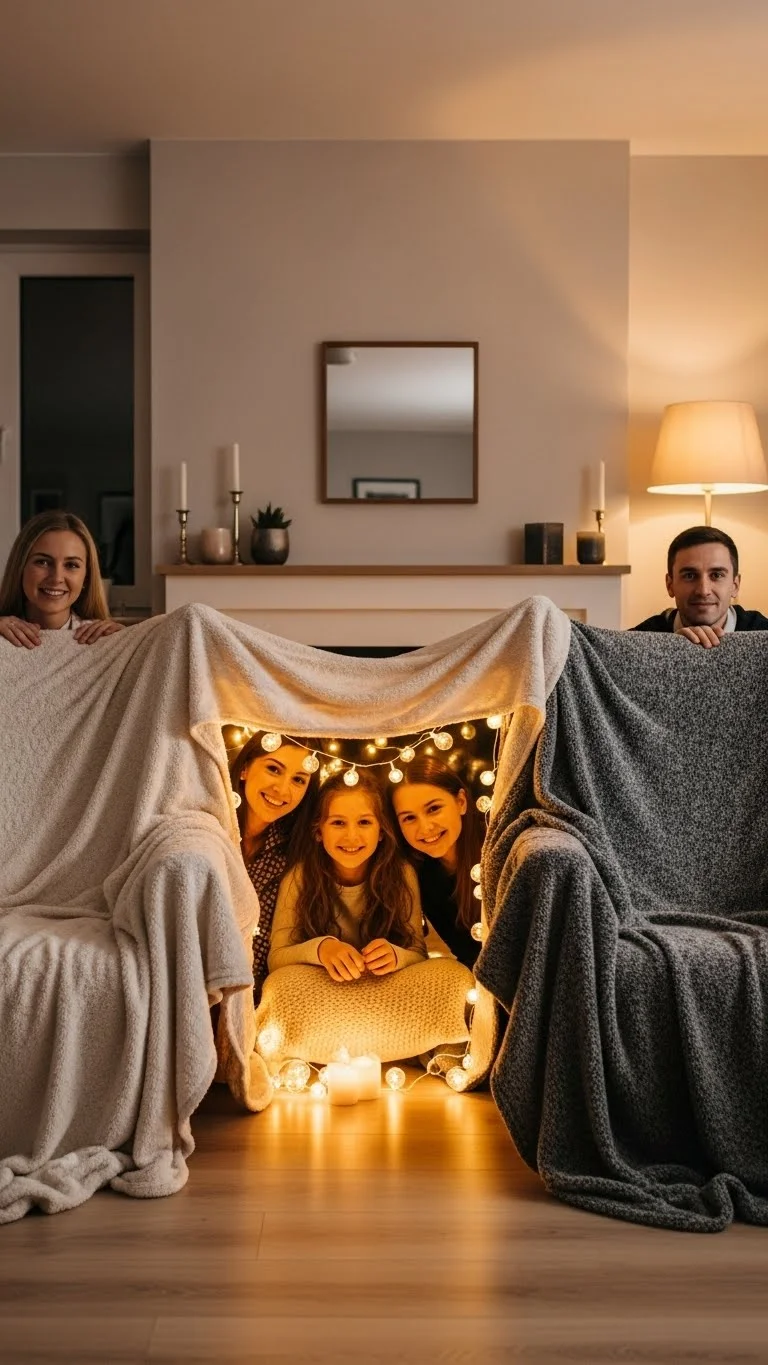
Use blankets, pillows, and chairs to make a simple indoor tent. Kids love being “in charge” of placing cushions. Keep things safe by avoiding tall stacks or heavy items. Once the fort stands, bring in storybooks, snacks, or a small flashlight. If blankets slide, secure them with clothespins or chip clips—cheap and easy. Adults can join inside or sit nearby with tea. The point is creating a cozy shared space away from the usual routine. This works especially well on rainy days when outdoor plans fall through. Afterward, take a quick photo to remember the moment. Clean-up stays simple when you limit the fort to one area. These forts make ordinary days feel special.
- Family Art Table
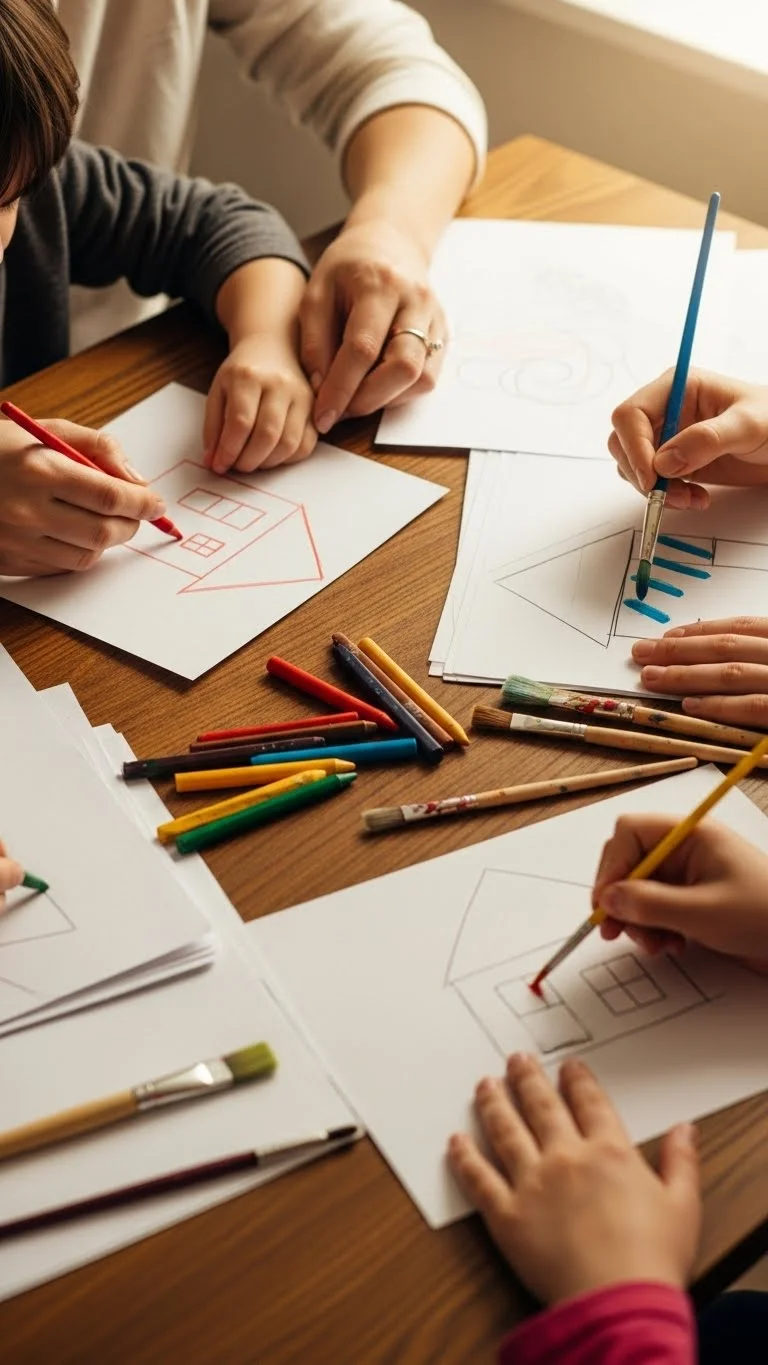
Set up a small art table using materials you already have: crayons, markers, scrap paper, or old notebooks. Encourage each person to draw anything they want—no pressure to be “good.” For low-cost options, use junk mail envelopes as drawing paper. Draw side by side and talk about your day while scribbling. Try quick prompts like “draw your mood” or “draw a happy place.” Kids often share more when their hands are busy. If mess worries you, stick to crayons and avoid paint. Keep clean-up supplies nearby so the end stays stress-free. At the end, place all drawings in a shoebox to create a simple family memory box. Art time gives everyone room to express themselves quietly together.
- Weekly Snack Creation
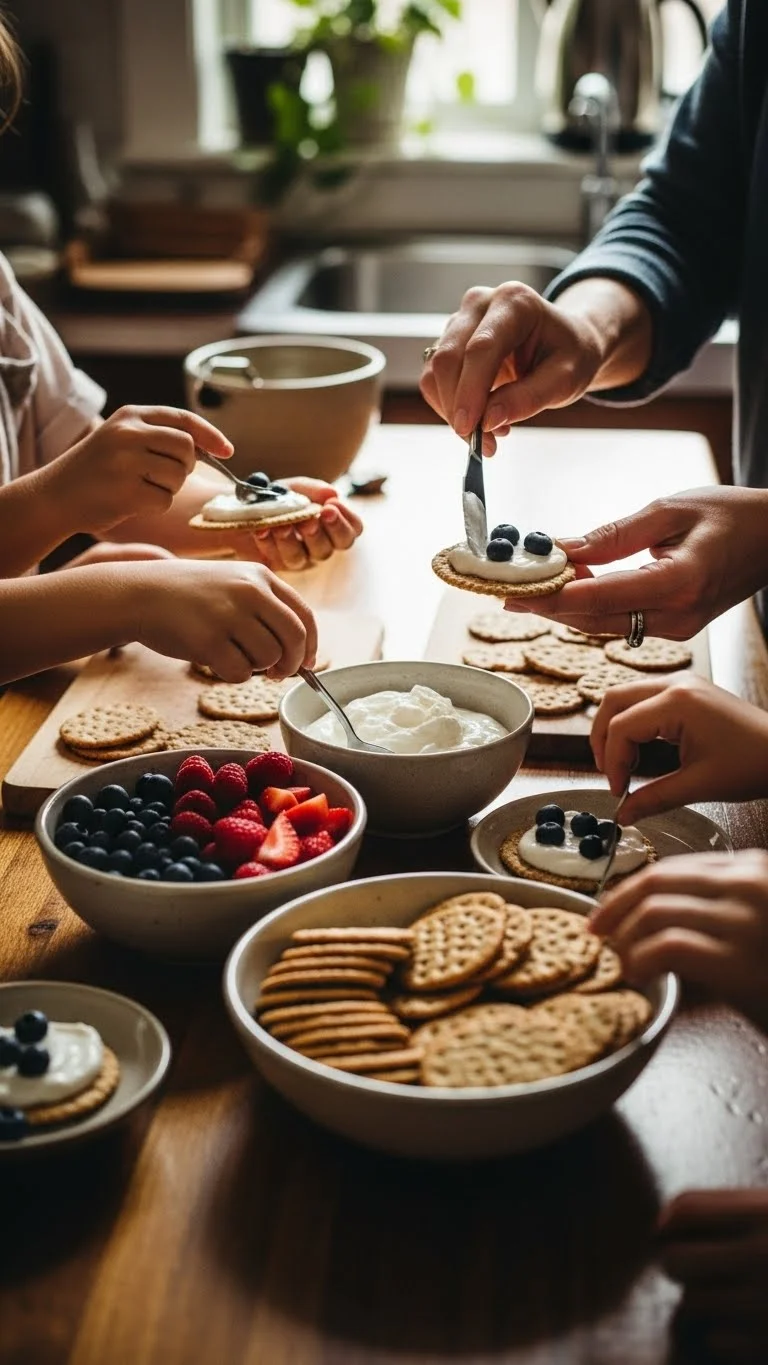
Choose one night each week to make snacks together. Keep it simple—fruit bowls, yogurt parfaits, veggie sticks with dip, or crackers with cheese. Let kids arrange their own plates to feel included. If produce is pricey, buy seasonal items or use frozen fruit. Turn it into a fun challenge by making “the most colorful snack plate.” Snacks are quick, so this activity fits busy schedules. Use small bowls to limit mess. While prepping, talk about weekend plans or share small highlights. Family snack time becomes a light, fun moment that’s easy to repeat.
- Photo Walk Adventure

Grab any camera or phone and go for a photo walk. Pick a simple theme like “circles,” “shadows,” or “things that look funny.” Kids enjoy spotting items that match the theme. You don’t need fancy equipment—your regular phone works well. This turns a normal walk into something playful. Stop occasionally to compare photos and share laughs. If you want a free keepsake, create a folder on your device just for family photo walks. Over time, it becomes a digital scrapbook. These walks help everyone notice their surroundings and share small discoveries together.
- Simple Garden Project
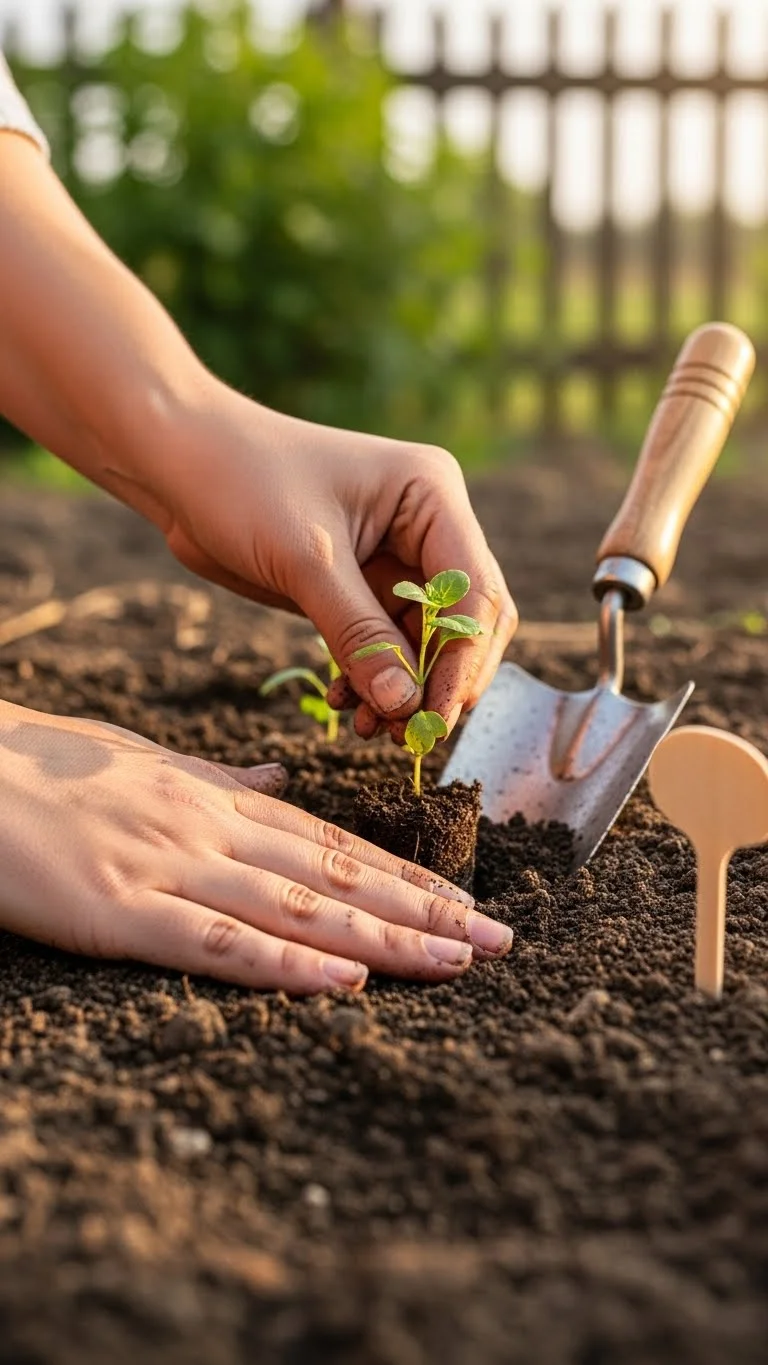
Start a tiny garden—just one pot is enough. Plant herbs like basil or mint because they grow fast and cost little. Use containers you already own, such as yogurt cups or old jars with holes poked in the bottom. Let kids scoop soil or water the pots. Keep the project small so it stays fun, not stressful. Check the plants together once a week and celebrate new leaves. If space is tight, grow green onions from kitchen scraps. Gardening teaches patience and gives everyone something to care for together.
- Puzzle Night
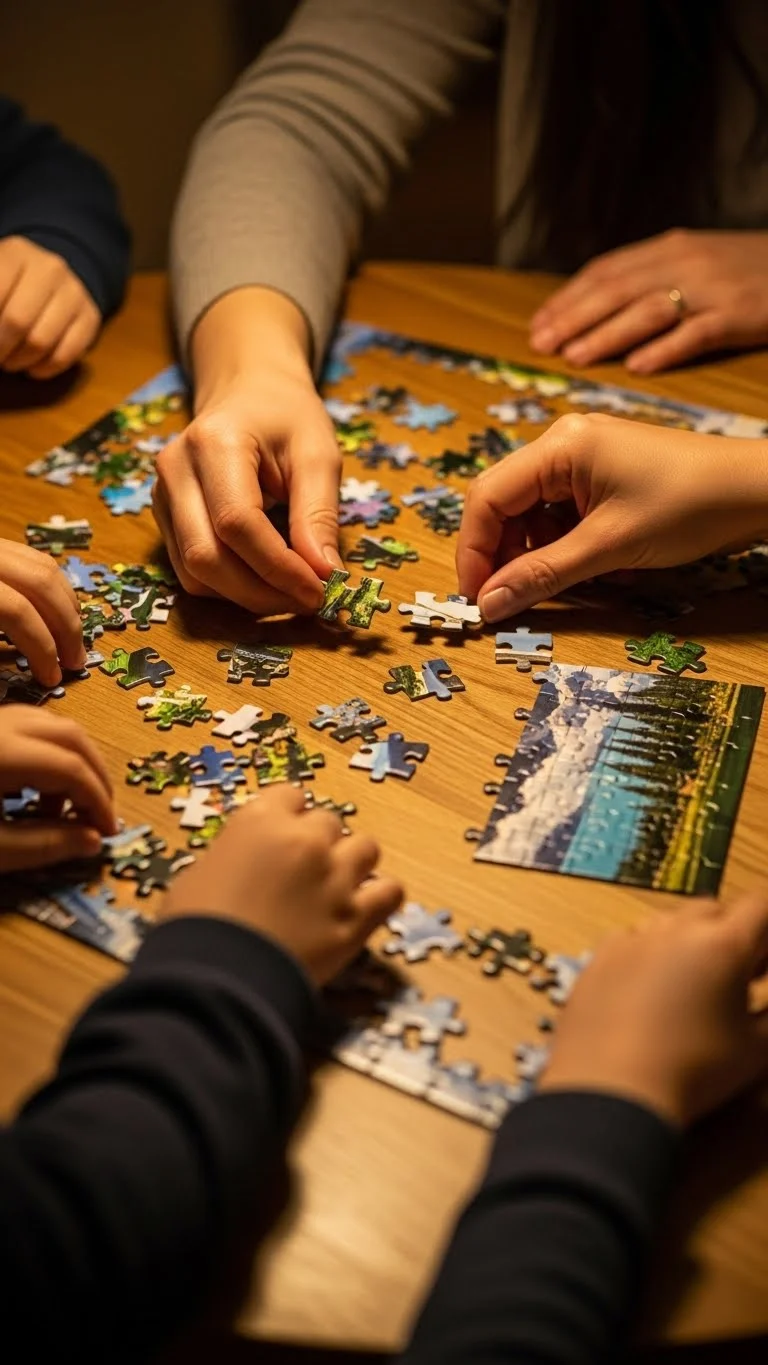
Choose an easy puzzle so nobody feels overwhelmed. Start with 100–300 pieces depending on attention levels. Spread the puzzle on a table and work on it a little at a time. If you want a budget-friendly option, buy a puzzle from a secondhand store. Play calm music while working and talk casually about your day. When someone finds a matching piece, celebrate the small win. Leave the puzzle out for a few days so everyone can add pieces whenever they pass by. It becomes a shared project with no pressure.
- Music Sharing Hour

Sit together and take turns picking songs. Choose music that brings good memories or simply makes you smile. Keep volumes soft so conversation can flow. If you worry about costs, use free playlists or radio stations. Ask each person what they like about their chosen song. This helps everyone learn more about each other’s tastes. Add simple movement—like clapping or gentle dancing—for younger kids. Music sharing opens small windows into each other’s personalities and sparks easy conversation.
- Family Chore Sprint
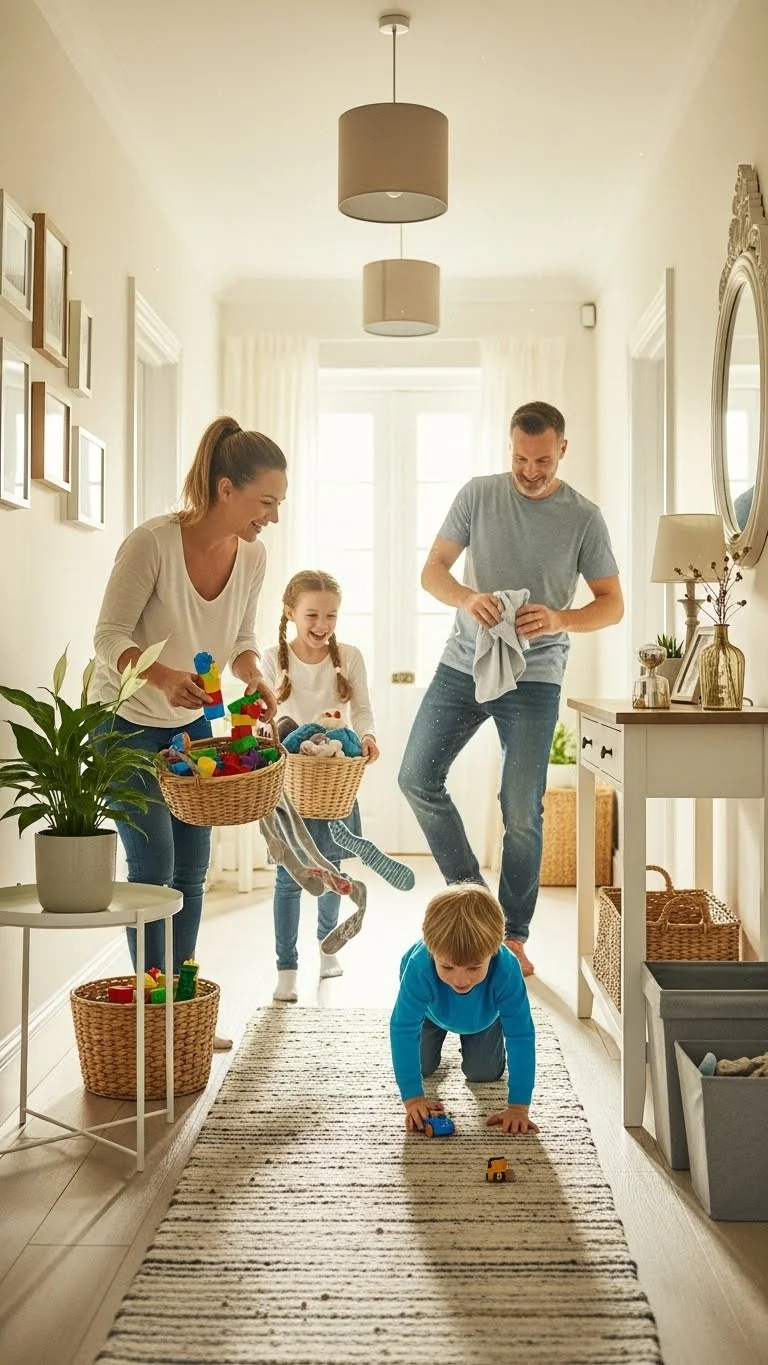
Turn chores into a quick group sprint. Set a timer for ten minutes and choose one task: picking up the living room, folding laundry, or wiping counters. Keep the pace light, not stressful. Put on upbeat music and work together. Kids enjoy being “in charge” of small jobs like sock matching. This activity keeps the house tidy while giving everyone a shared goal. Use baskets to collect loose items quickly. After the timer ends, stop immediately—even if the task isn’t finished. The point is working together, not perfection.
- Backyard Stargazing

Lay out blankets and look at the sky together. You don’t need to identify every star—just enjoy the quiet. Ask each person to choose a star and give it a name or imagine a story behind it. If light pollution makes stars hard to see, use a small app on your phone, but keep screens dim. Warm drinks like tea or cocoa add comfort. Stargazing creates a slow moment where conversations happen naturally. Even ten minutes feels special.
- Simple Science Fun
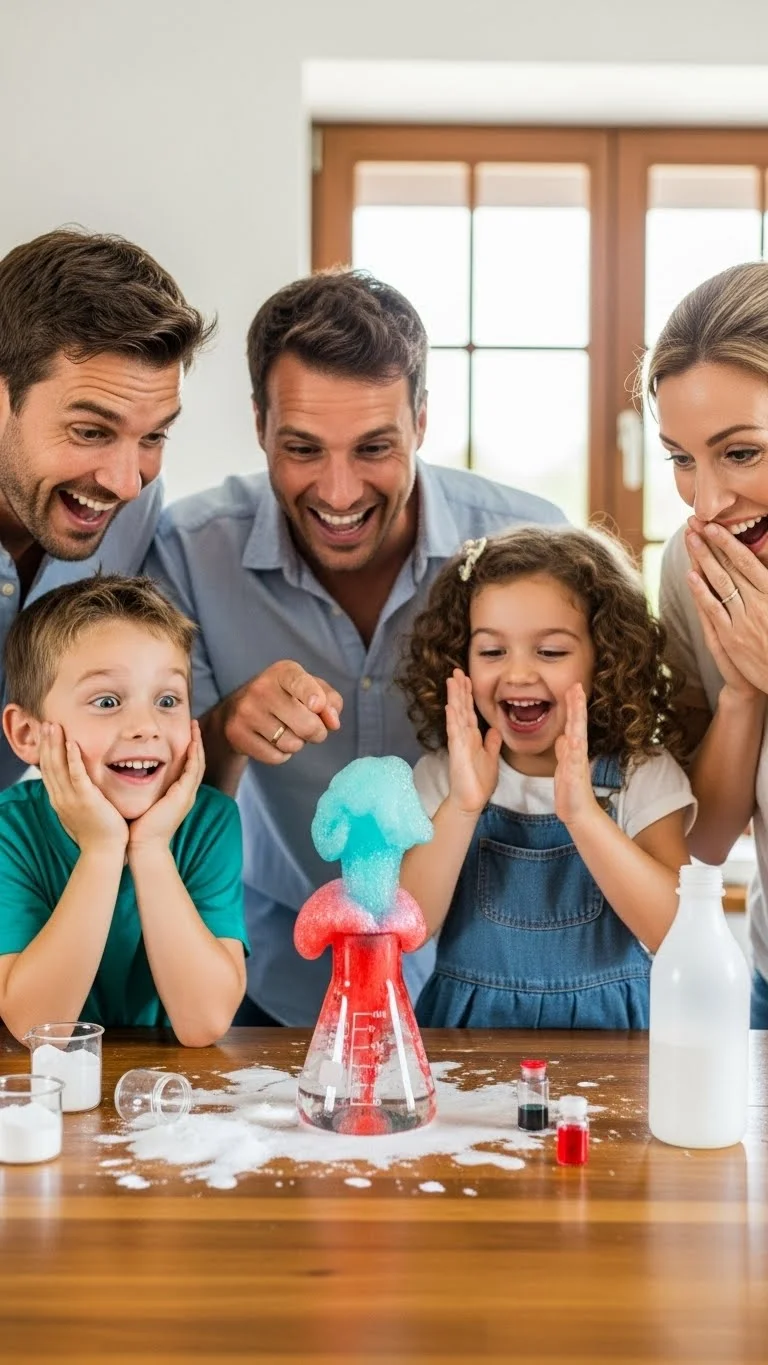
Do tiny science activities using items you already have. Baking soda and vinegar make easy fizzy reactions. Mix a little coloring for fun. Keep mess small by doing it in a tray or pan. Kids love watching reactions and asking questions. Adults can join in by guessing what will happen next. These experiments cost little and take only minutes. Afterward, talk about your favorite part. The activity brings curiosity and shared laughter without needing complicated supplies.
- Memory Box Crafting
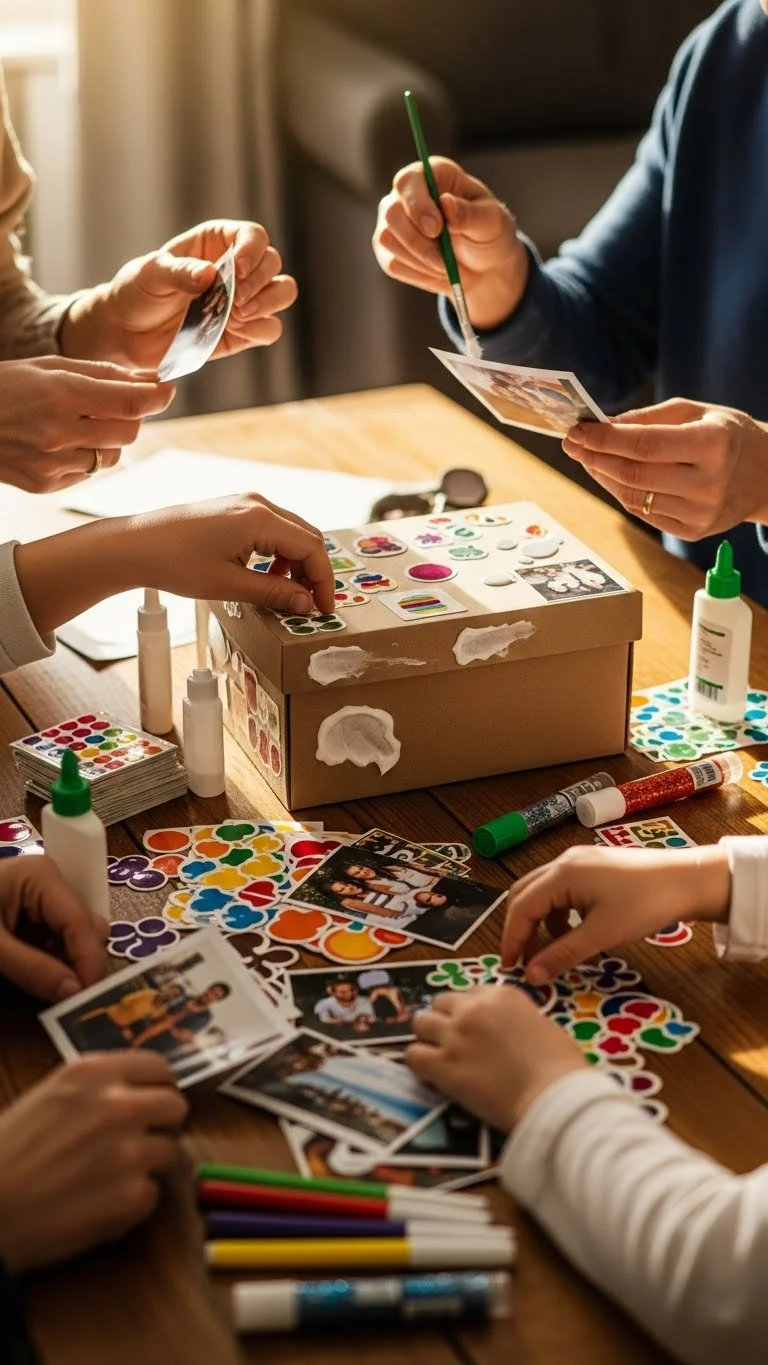
Grab an old shoebox and decorate it with paper scraps, stickers, or drawings. This becomes your family memory box. Everyone adds small items: ticket stubs, notes, drawings, or tiny objects that matter to them. You don’t need fancy craft tools—glue, tape, and markers work fine. Kids enjoy choosing what to include. Check the box together once a month and talk about the memories. It becomes a simple habit that keeps family stories alive without spending money.
- DIY Scavenger Hunt
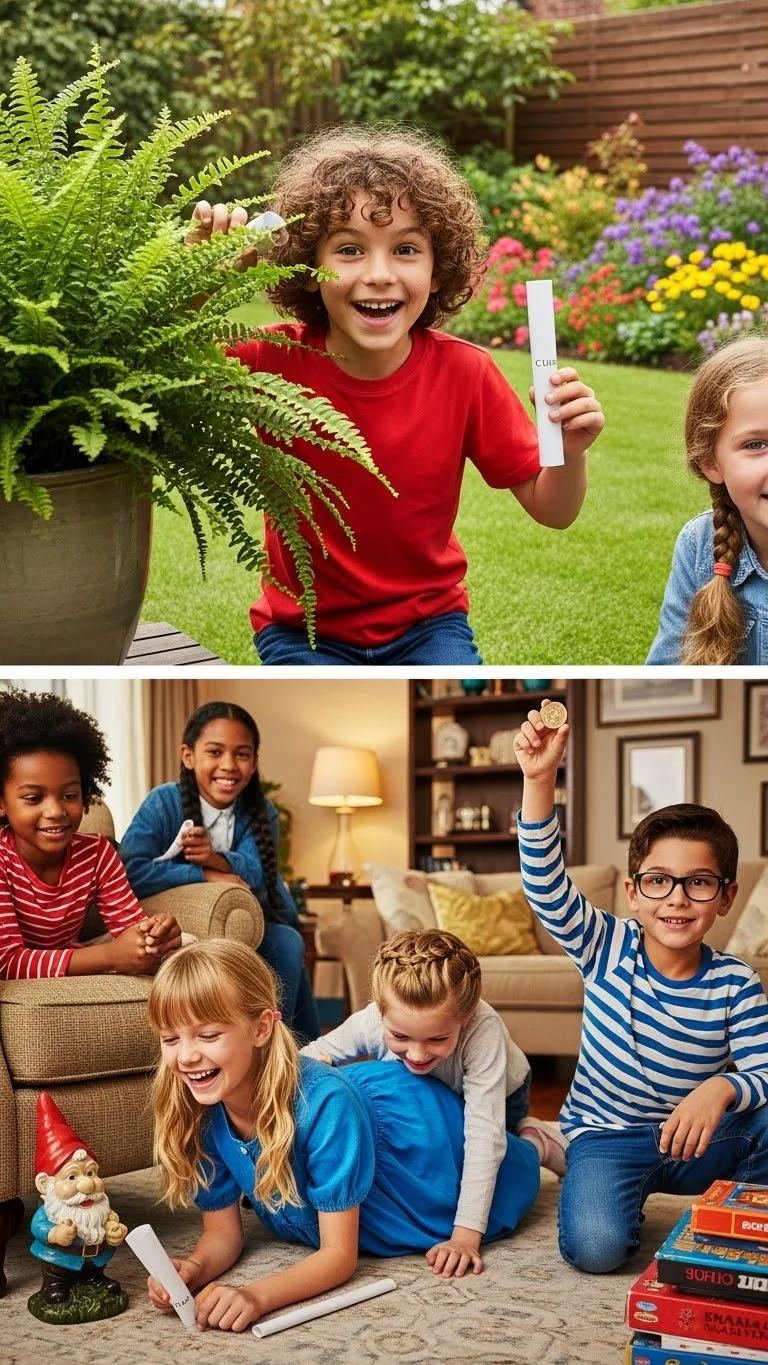
Create a scavenger hunt using handwritten clues. Keep clues simple: “Find something red,” “Find something soft,” or “Look where shoes sleep.” Choose a small prize like picking dessert or choosing tomorrow’s activity. Hunts work indoors or outdoors, depending on weather. They take only a few minutes to set up but create lots of laughter. Younger kids can pair with adults. Adjust difficulty so nobody feels stuck. This activity turns regular spaces into an adventure.
- Write-a-Card Night

Sit together and write cards or notes to friends, relatives, or neighbours. Cards can be simple—folded paper works fine. Encourage short messages: “Thinking of you” or “Hope your week is going well.” Kids can draw instead of writing. Deliver cards by hand or leave them in mailboxes. Writing together helps everyone think about others in a warm way. Keeping supplies in a small box makes this easy to repeat anytime.
- Living Room Dance Break
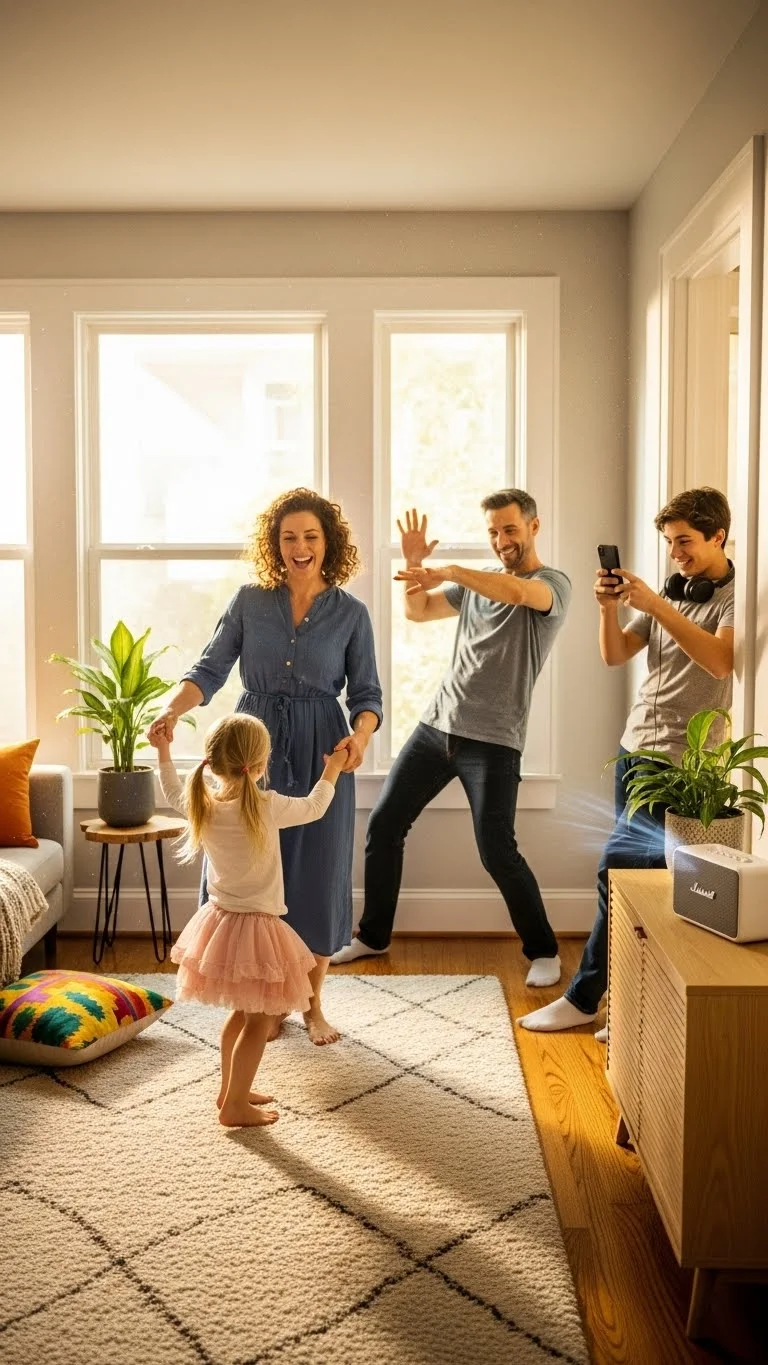
Play a few upbeat songs and dance together. You don’t need fancy moves—just let loose and have fun. Kids love leading the dance. If space is tight, go for small movements like shoulder shakes or clapping routines. Use free playlists and keep it short, around ten minutes. Dancing lifts the mood quickly and helps everyone feel more connected. You can even create a “song of the week” and play it every time someone needs a quick break.
- Read-Aloud Corner
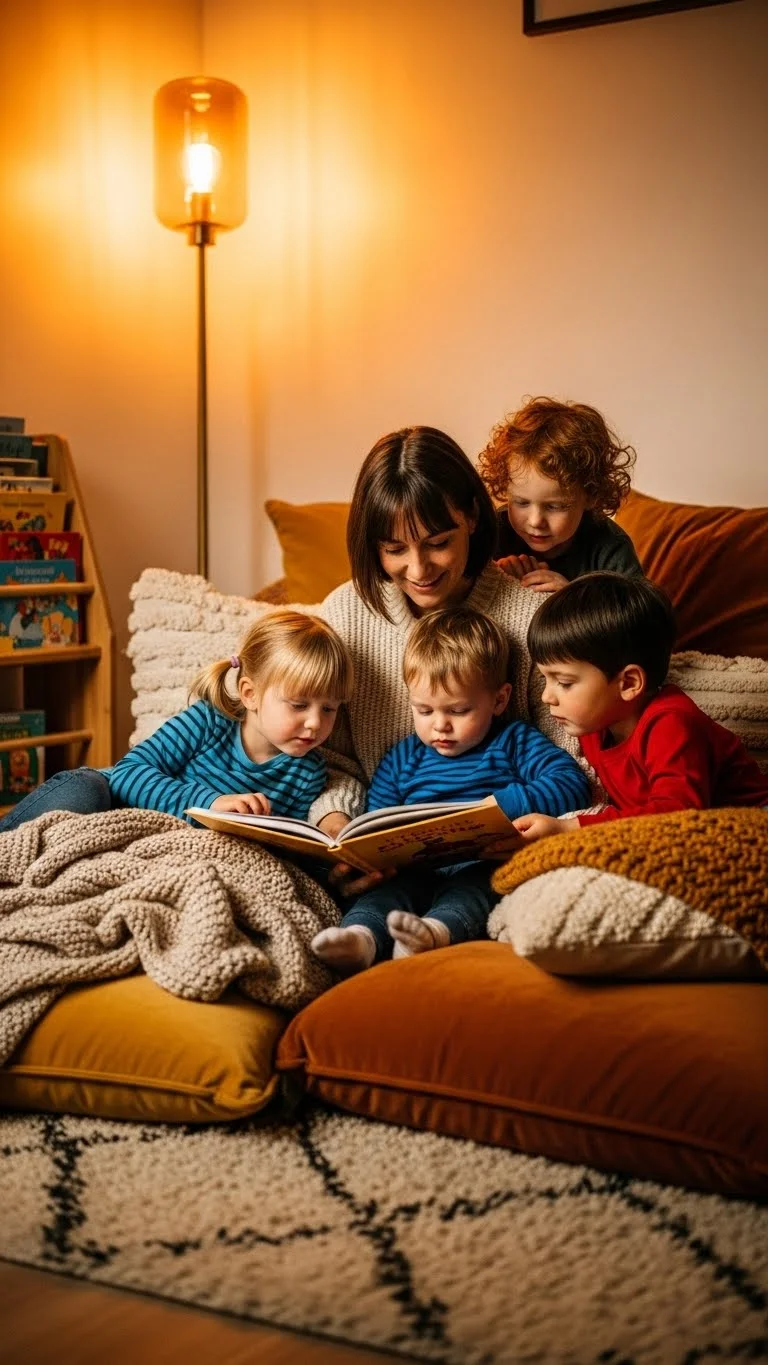
[Image Prompt: A cozy reading nook with pillows and a parent reading a book aloud while kids listen closely. No text.]
Choose a short story or chapter and read it out loud. Keep the tone relaxed so everyone feels comfortable. Kids can doodle or play quietly while listening. Pick books you already own or borrow from the library to save money. Switch readers if someone else wants a turn. After each reading, talk about your favourite moment. Read-aloud time creates a shared pause in the day and encourages togetherness.
- Simple Craft Swap
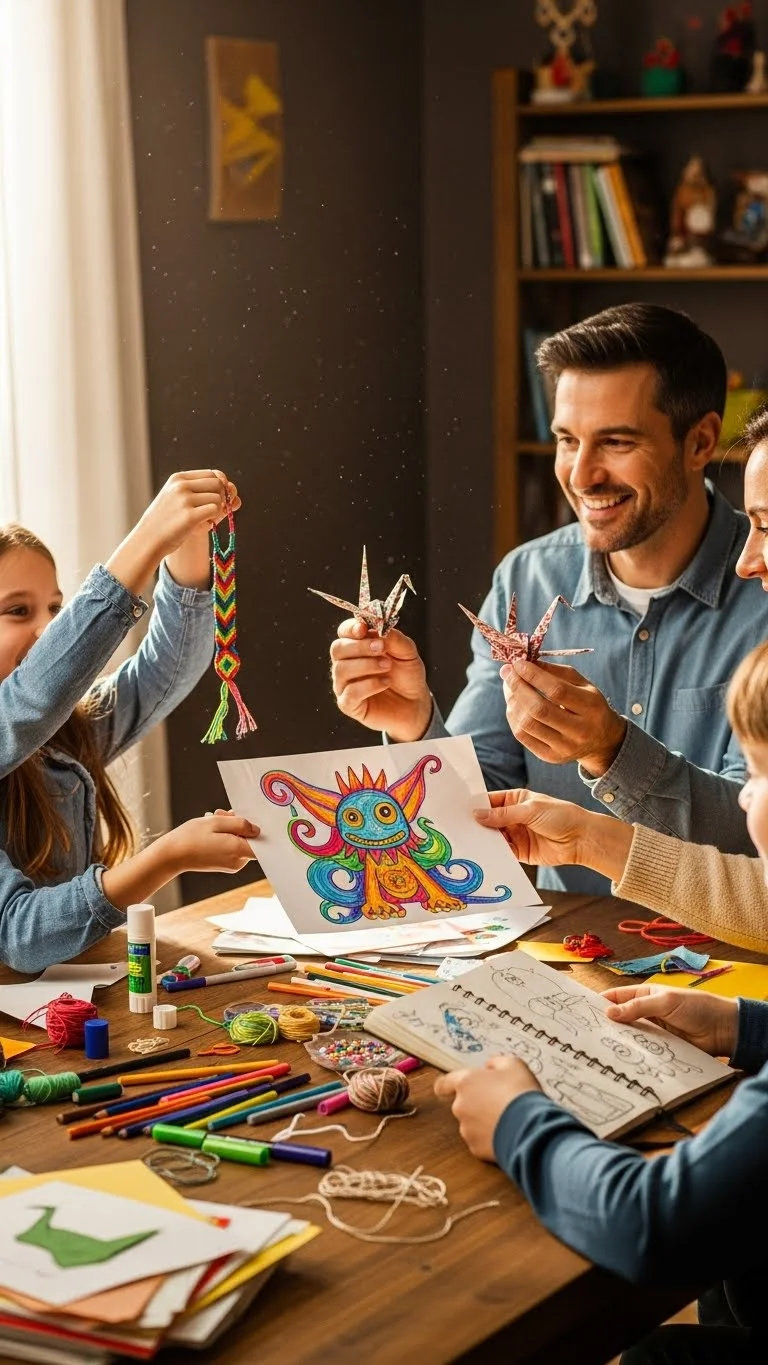
Make small crafts using items around the house—paper chains, bead bracelets, or folded notes. After finishing, trade crafts with each other. The swap adds a fun twist and helps everyone feel appreciated. Use recycled items like buttons, yarn scraps, or cereal boxes for low-cost materials. Keep crafts easy so nobody gets frustrated. This activity adds a creative spark to family time and gives everyone a little keepsake from each other.
Conclusion
Family bonding doesn’t need big plans or costly supplies. Small, simple moments create the strongest connections. Pick one or two activities from this list and try them this week. Enjoy the shared laughter, calm conversations, and new traditions that grow from doing things together. Each activity brings the family closer in everyday, natural ways.
