

22 Learning Games for Kids to Boost Smarts Fast
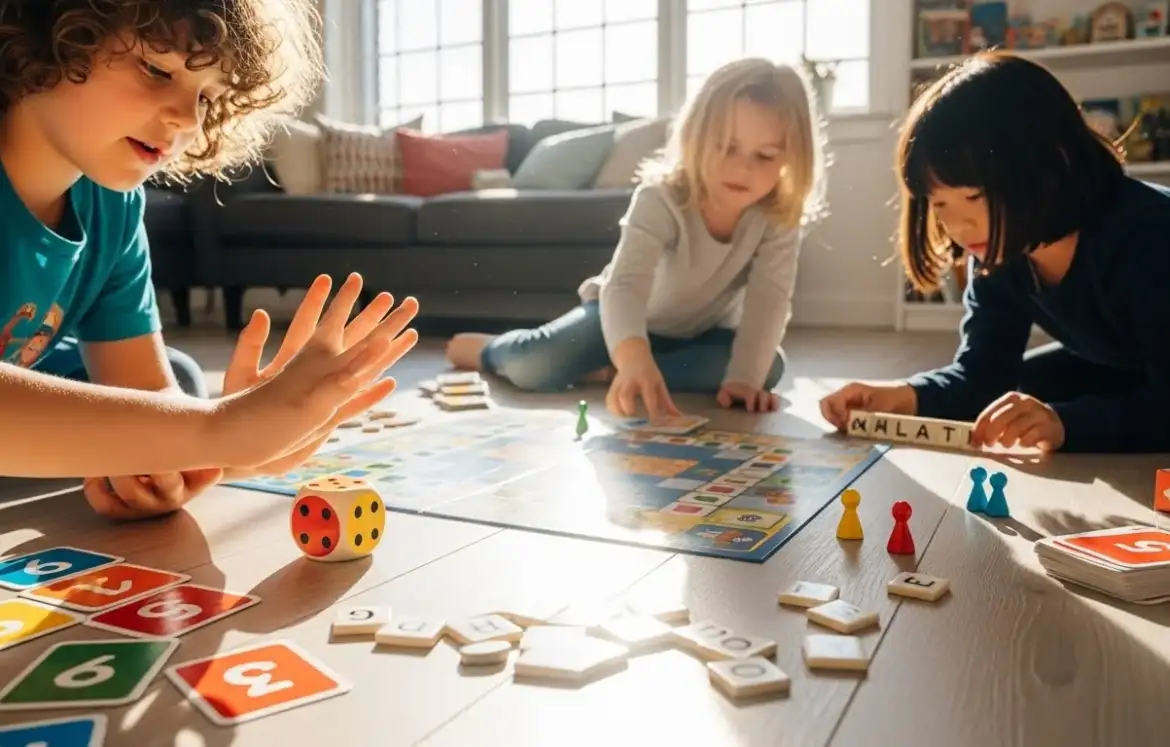
Kids learn best through play. Simple learning games sharpen memory, math, problem-solving, and language skills without feeling like homework. You don’t need fancy tools. Most of these ideas use paper, toys you already have, or items from the kitchen. These games are perfect for after school, weekends, or slow afternoons when kids want fun but parents want something productive. Choose activities that match your kid’s age, switch them weekly, and watch how playtime turns into learning time.
- Math Card Race
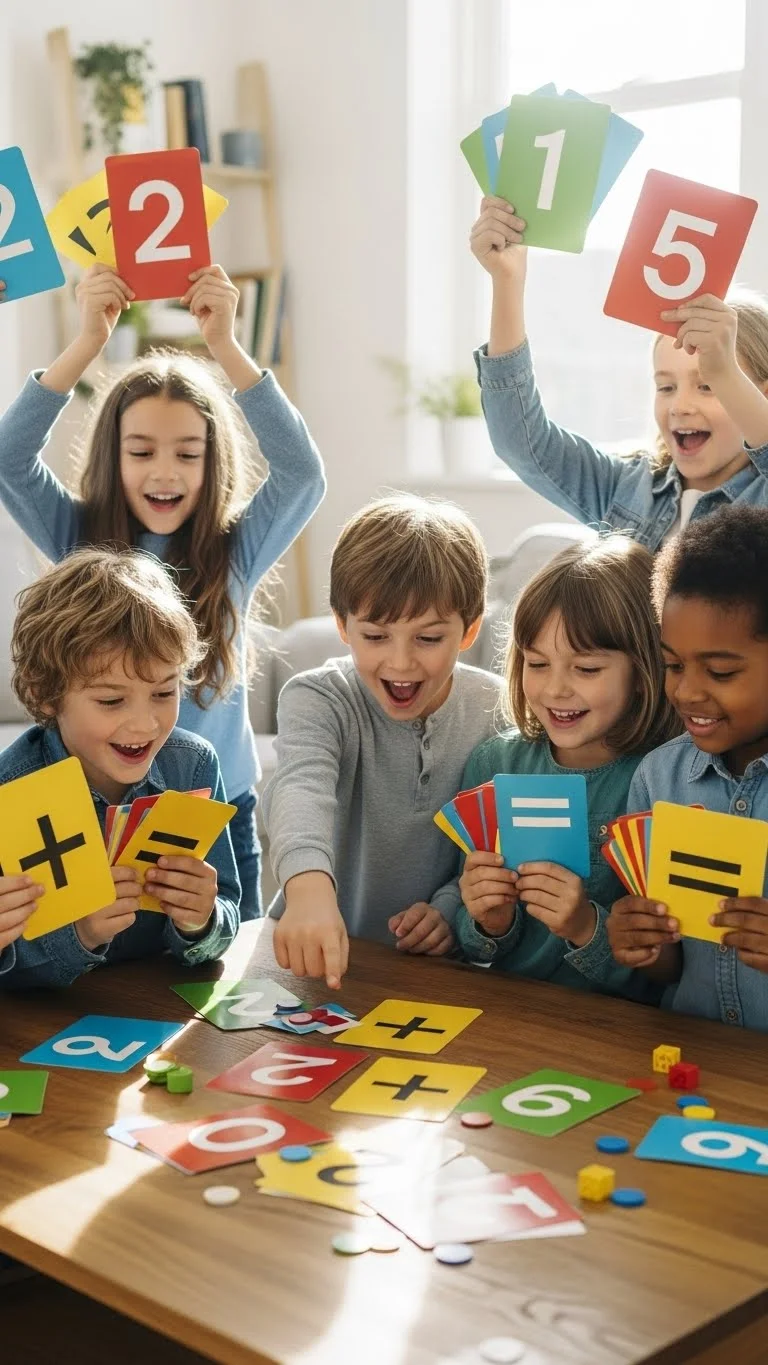
Grab a deck of playing cards. Remove face cards so only numbers remain. Place five cards down. Ask kids to add, subtract, or multiply pairs as fast as they can. Shout results out loud for excitement. Set a one-minute timer and see how many equations they solve. Switch roles so your child picks problems for you, too. Keep score with tallies on paper. You can create homemade number cards from cardboard if needed. Try variations like “make 20” or “odd number only.” This builds thinking quickness while still keeping play fun. Turn the game into a sibling challenge or a solo brain warm-up before homework. Keep rounds short to maintain energy. You can even introduce rewards like stickers or choosing the next game. Repeat weekly, changing the difficulty as your child grows.
- Word Treasure Hunt
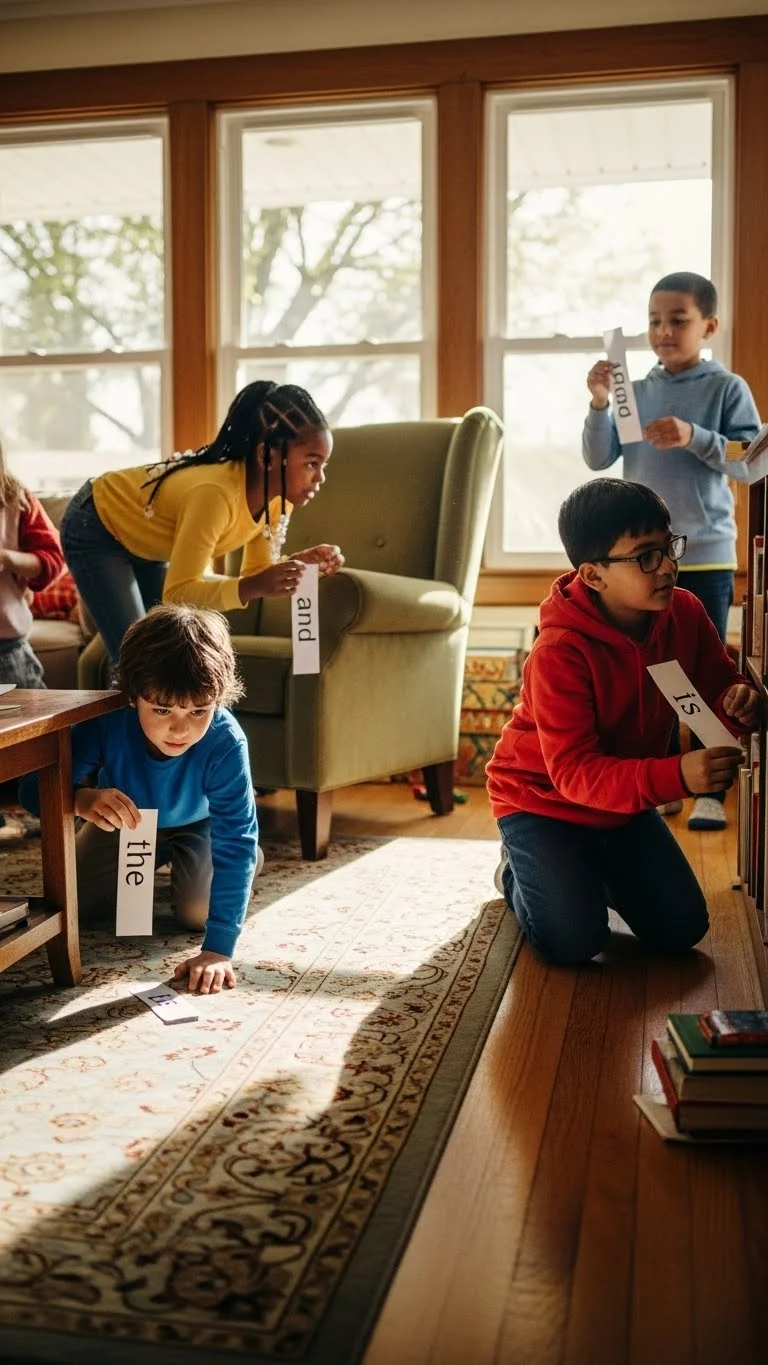
Write age-friendly words on small pieces of paper. Hide them around the house like treasure. Give clues or riddles for location hints. Kids find each one, read it aloud, and use it in a sentence. This builds vocabulary naturally. For younger kids, use picture clues. For older kids, hide synonyms and ask them to match pairs. You can make “word missions” such as find three animal-related words. Use colored markers to categorise themes like food, nature, verbs, etc. No cost involved—just paper and pencil. Keep hunts short and cheerful. If multiple children play, create teams and take turns hiding words next time. This game keeps them moving, thinking, and speaking confidently.
- DIY Spelling Tiles
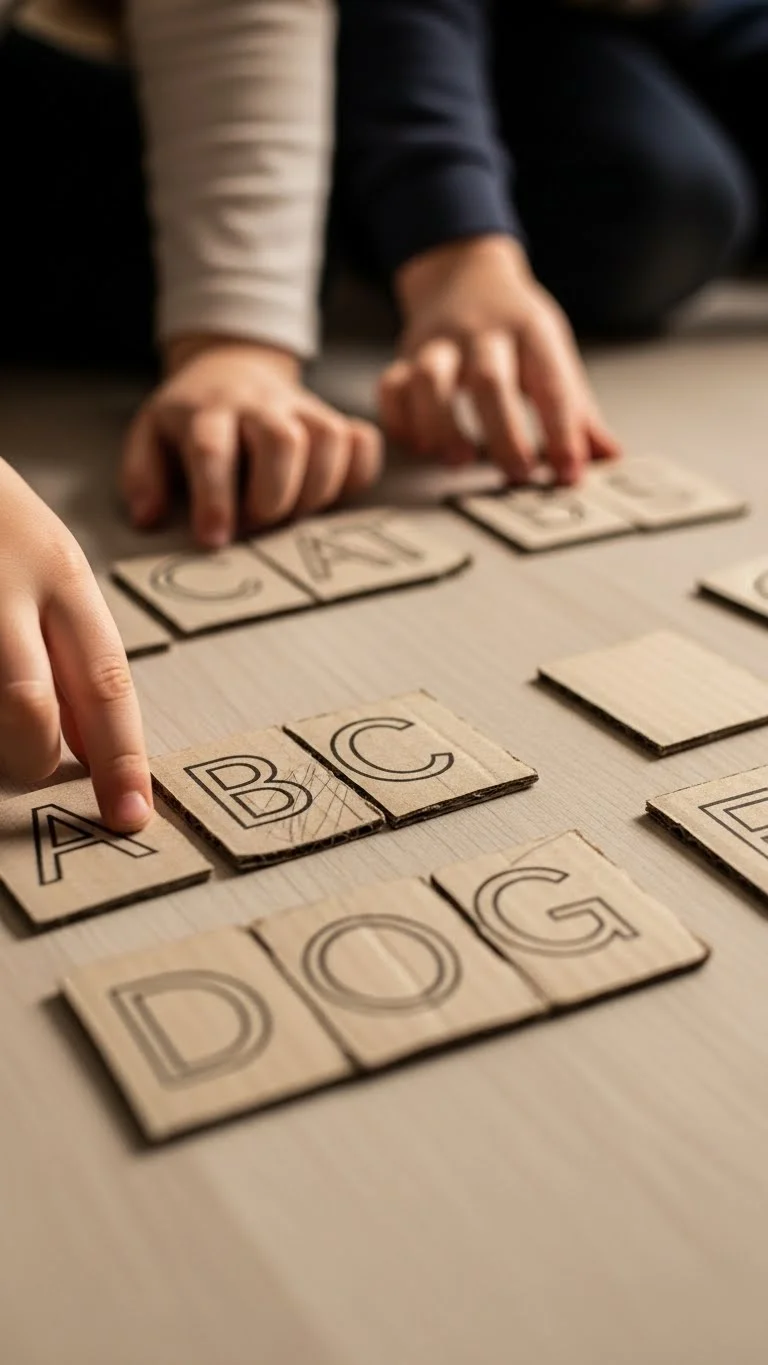
Cut cardboard squares and write letters on each. Spread them out and ask kids to form words. Start with easy ones like cat, sun, and play. Then level up to long words or even spelling puzzles. Mix in bonus letters that make it tricky. Store tiles in a small container for reuse. Add point systems—two-letter words get one point, bigger words get more. Turn it into a timed challenge or partner play. This encourages letter recognition and spelling without worksheets. If you want to expand, add digraph tiles like SH, CH, TH. You can even theme words by season, animals, or hobbies. Keep sessions short so kids stay interested. Let them create their own tiles, too, so ownership increases engagement.
- Lego Math Towers
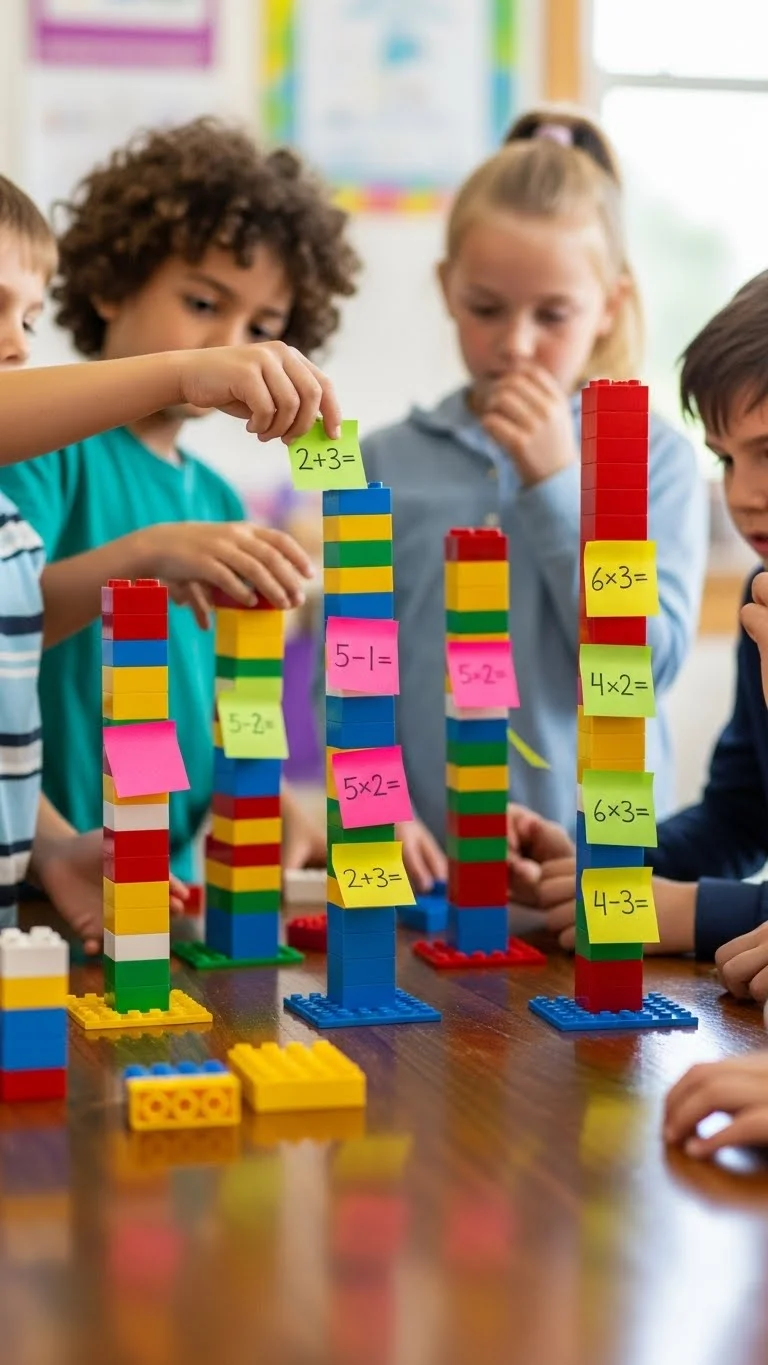
Write numbers on sticky notes and place them beside Lego bricks. Kids solve problems and build a tower with the number of bricks matching the answer. Bigger sums create taller towers, making math visual. Challenge them to beat previous heights. Use it for skip counting, multiplication, or even fractions by colour-coding blocks. This game works well for hands-on learners. If Legos aren’t available, use bottle caps or buttons. Add mini missions like “build the 7 tower fastest” or “make three towers that equal 10.” Rotate problems each day. Kids learn numbers while moving and building creatively.
- Story Dice Adventure
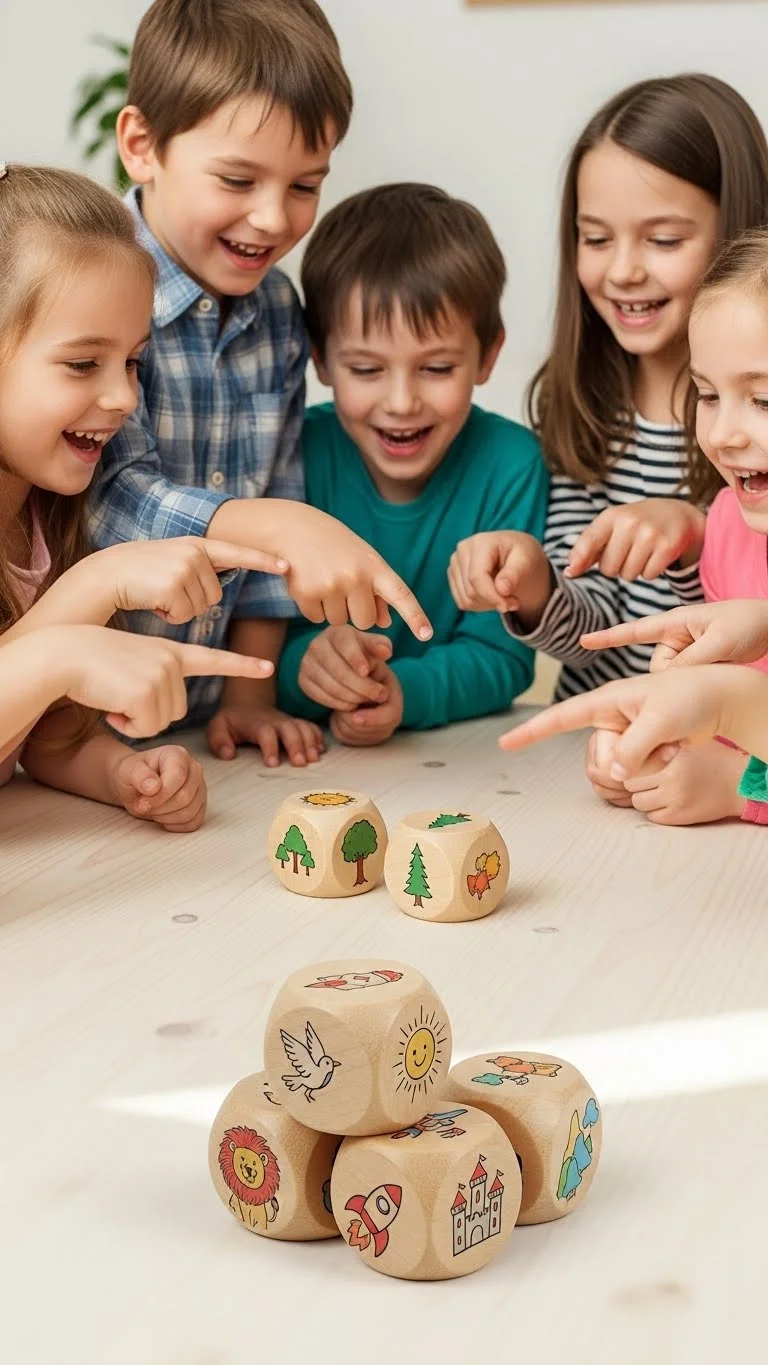
Draw icons on dice—sun, cat, boat, tree, star. Roll them and tell a story using all the pictures. Kids take turns adding sentences. The sillier the better. This game improves imagination and sentence building. You can make dice from paper cubes or use store-bought blank dice. Add a rule: each sentence must include a new rolled icon. Write stories down later and let kids illustrate pages. Perfect for bedtime or quiet afternoons. Store dice in a small bag for quick access.
- Kitchen Fraction Fun
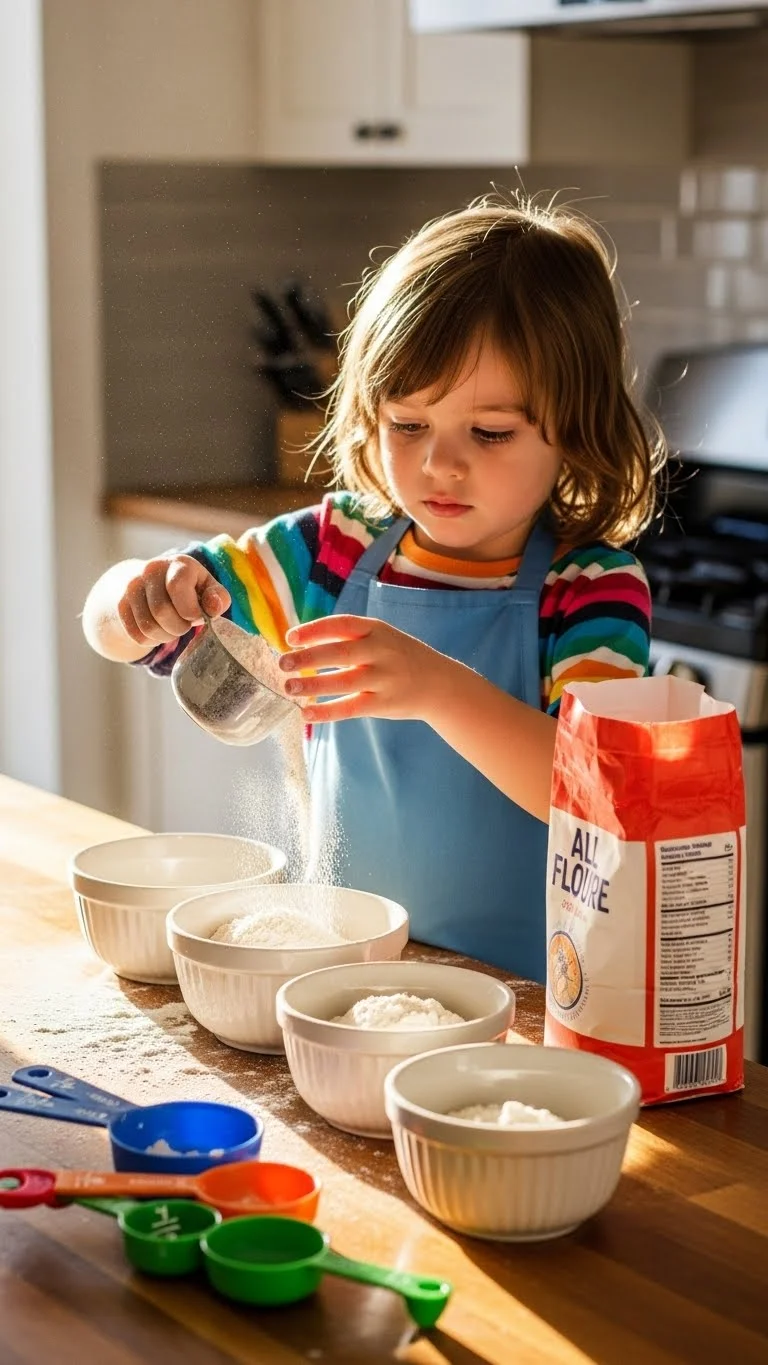
Cooking teaches math naturally. Ask your child to measure half cups, quarter spoons, or double a recipe. Let them scoop and mix. Simple snacks like pancakes or lemonade work great. For playful twists, guess which bowl holds more and compare. Use apples or sandwiches to show halves and quarters. Track results on a whiteboard. Kids learn math while making food they enjoy.
- Alphabet Relay Race
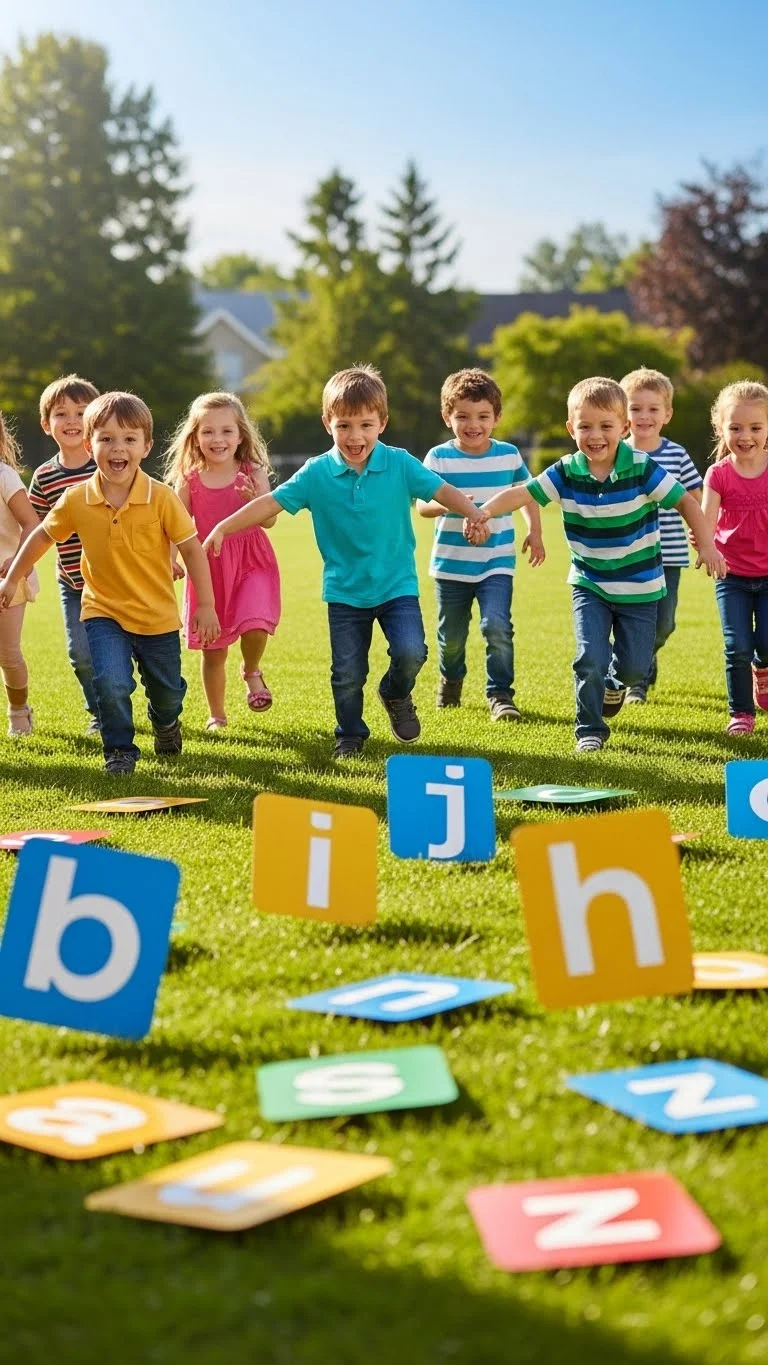
Place alphabet cards around the room or yard. Call a letter, and kids race to find it. Add rules like “bring a letter that starts with animal names.” This boosts phonics quickly. Indoors works too. Use paper if cards aren’t handy. Make round two harder by forming full words. Keep it active and joyful.
- Shape Hunt Challenge
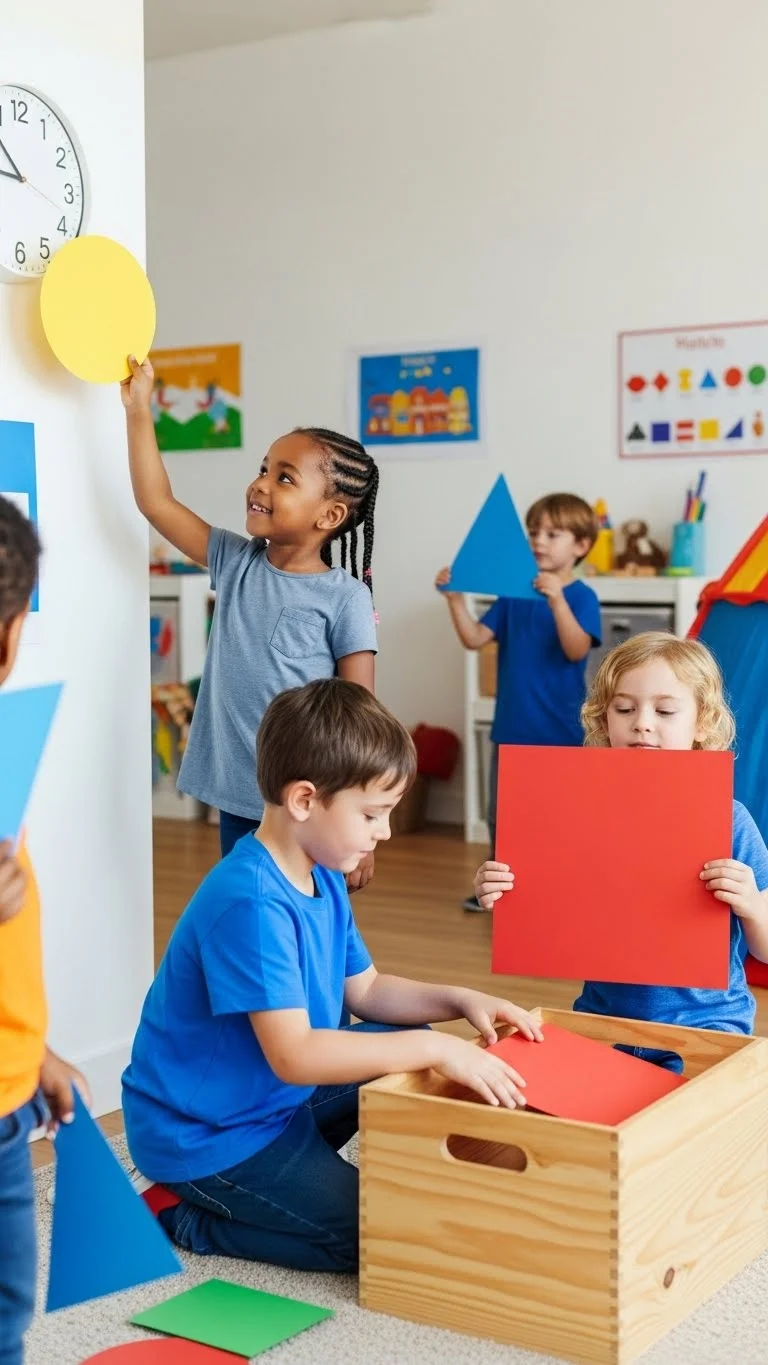
Cut out shapes from cardboard—circle, square, triangle. Kids walk around the house, matching shapes with objects. They learn geometry through movement. Add clues like “find something round in the kitchen.” Create a chart and record findings. Works well for younger learners. Rotate new shapes weekly, like an oval or a hexagon.
- Memory Tray Game
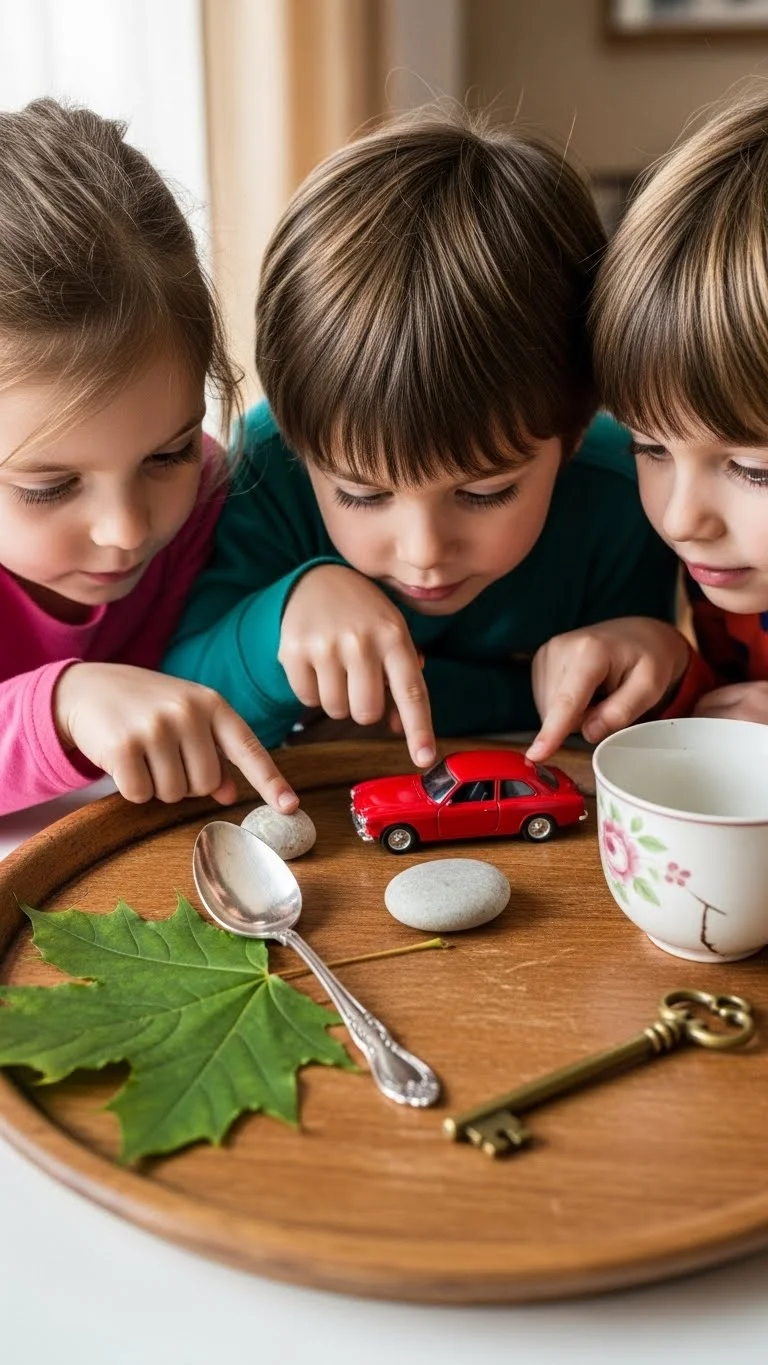
Place 10 small objects on a tray. Let kids observe for 20 seconds, then cover it. Ask them to list what they remember. Add or remove objects to vary the difficulty. Play as a team or solo. Use themed trays like kitchen tools or nature items. Improves visual recall while staying playful.
- Skip Count Jump Game
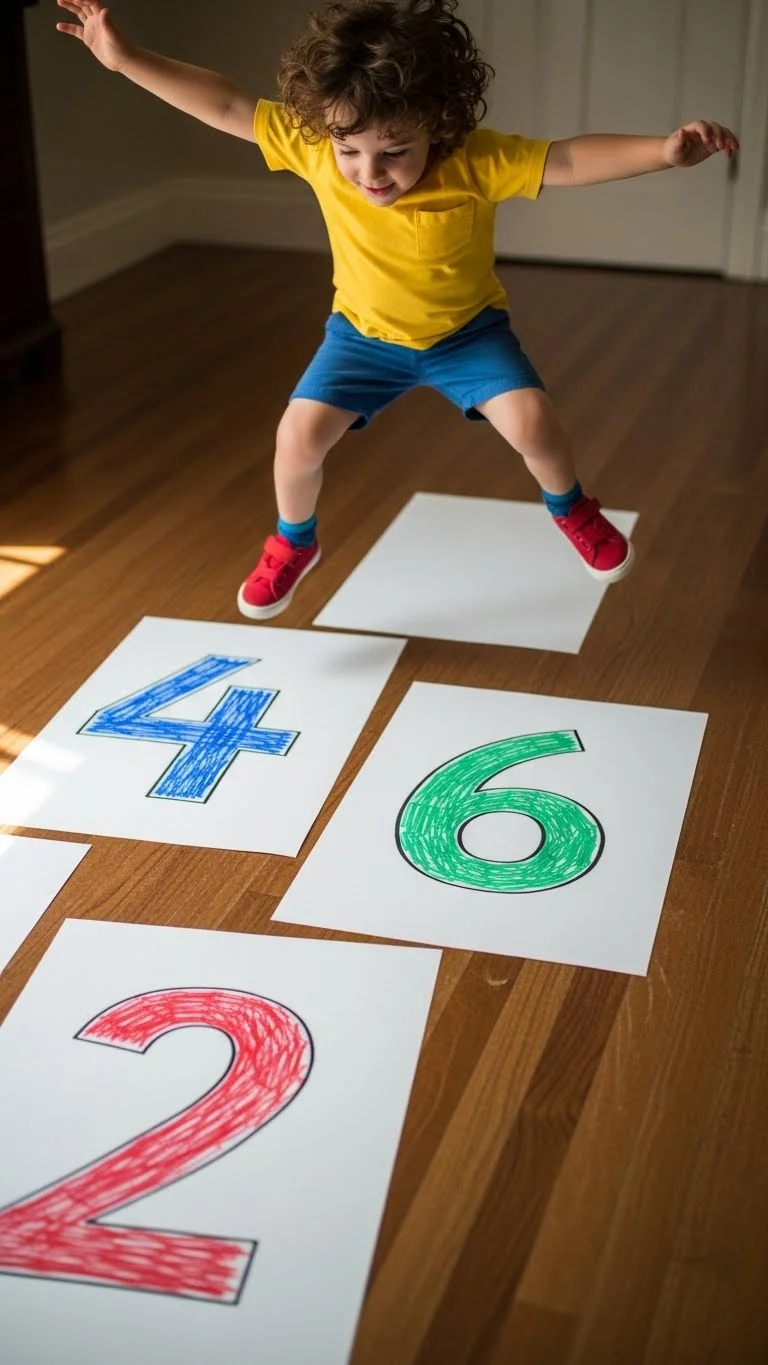
Write numbers on the floor papers spaced apart. Call a sequence—skip count by 2s or 5s. Kids jump on the correct numbers. This makes math physical, perfect for high-energy kids. Try reverse counting or odd numbers only. Works indoors or outdoors. Paper and a marker are all you need.
- Puzzle Swap
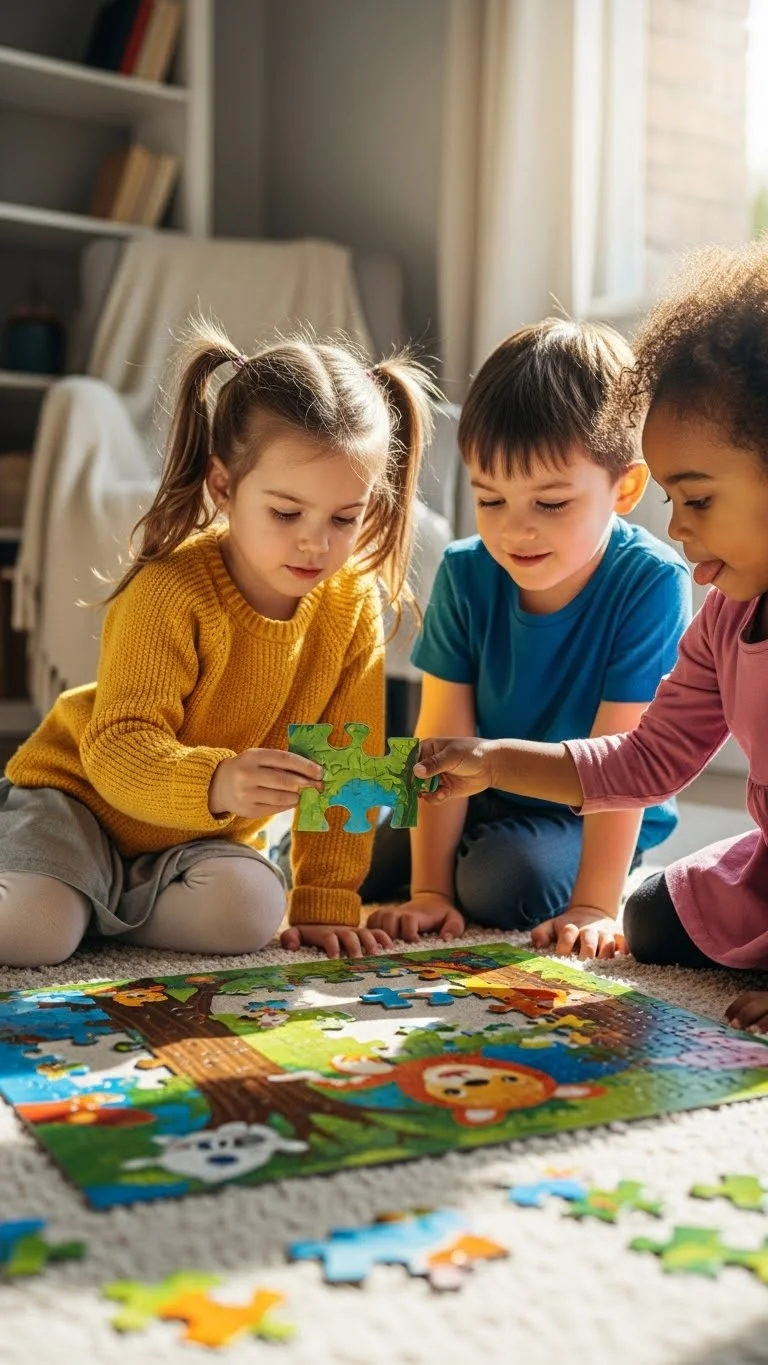
Puzzles build patience and shape recognition. If puzzles feel boring, swap pieces between two puzzles and race to fix them. Add a time limit. You can also create your own by cutting a photo into puzzle shapes. Rotate weekly so interest stays high.
- DIY Flashlight Reading
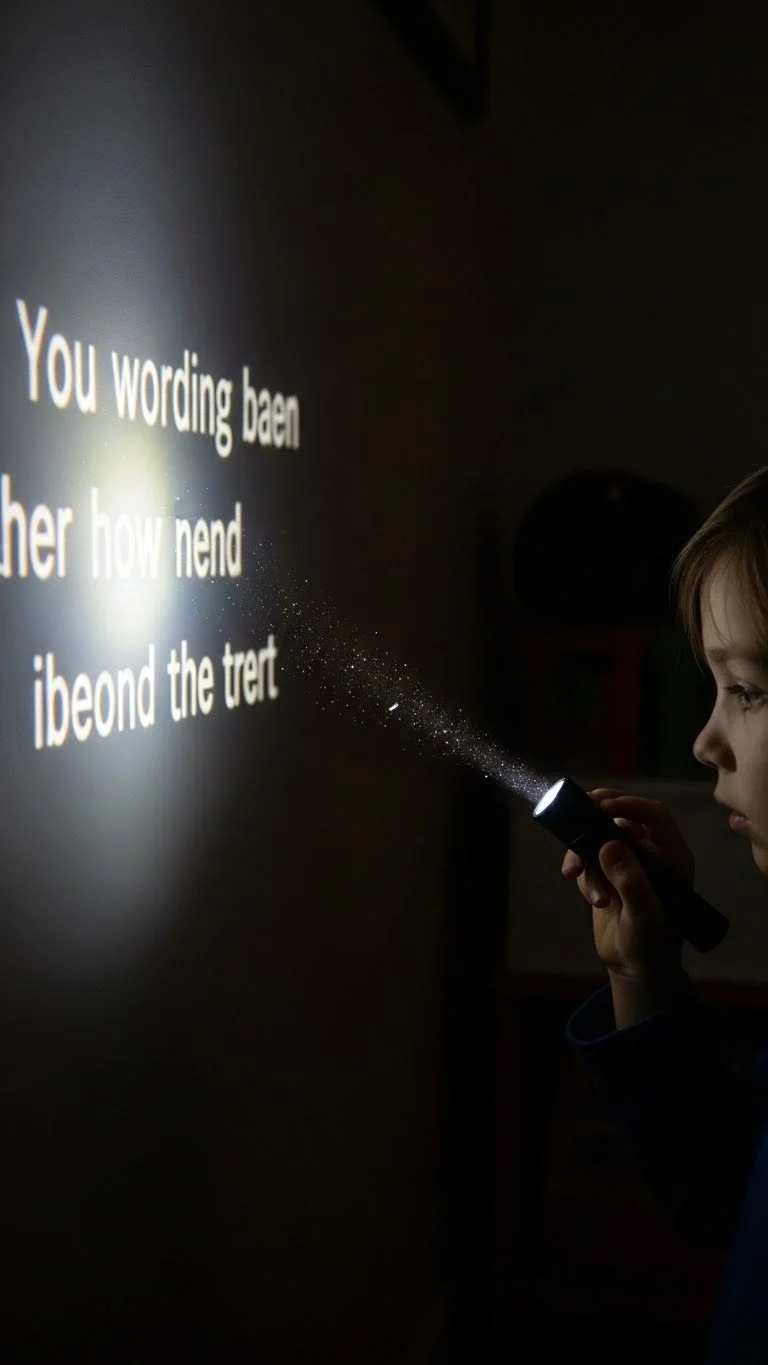
Turn off the lights and tape words around the room. Kids use a flashlight to find and read them aloud. Add missions like “find 3 animal words.” For math, hide simple equations instead. This turns reading time into an adventure. Works great at night before bed.
- Science Sink or Float
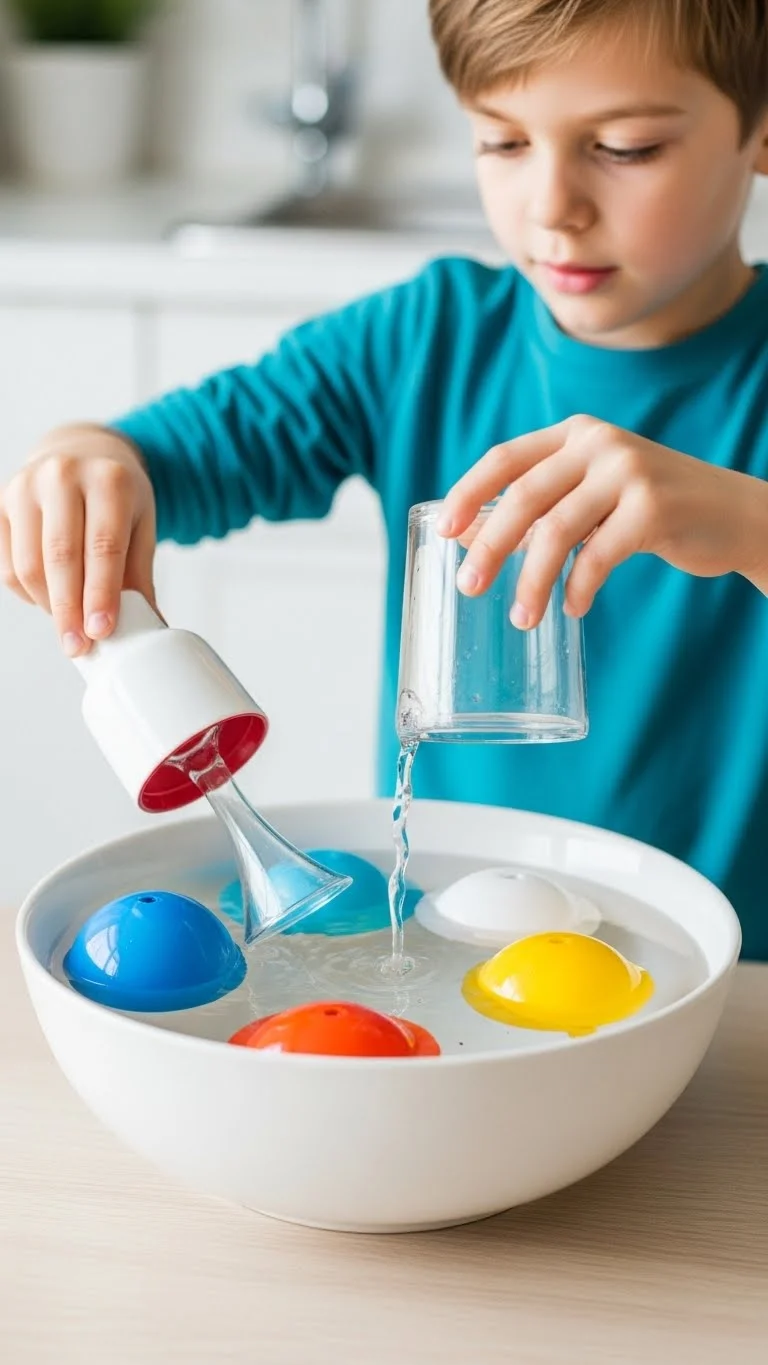
Fill a bowl with water. Gather spoons, leaves, keys, and toy blocks. Ask kids to guess sink or float. Then test. Track results on paper. Add food colouring for visual fun. Encourage them to find more items to test. Super easy setup.
- Word Ladder Brain Game
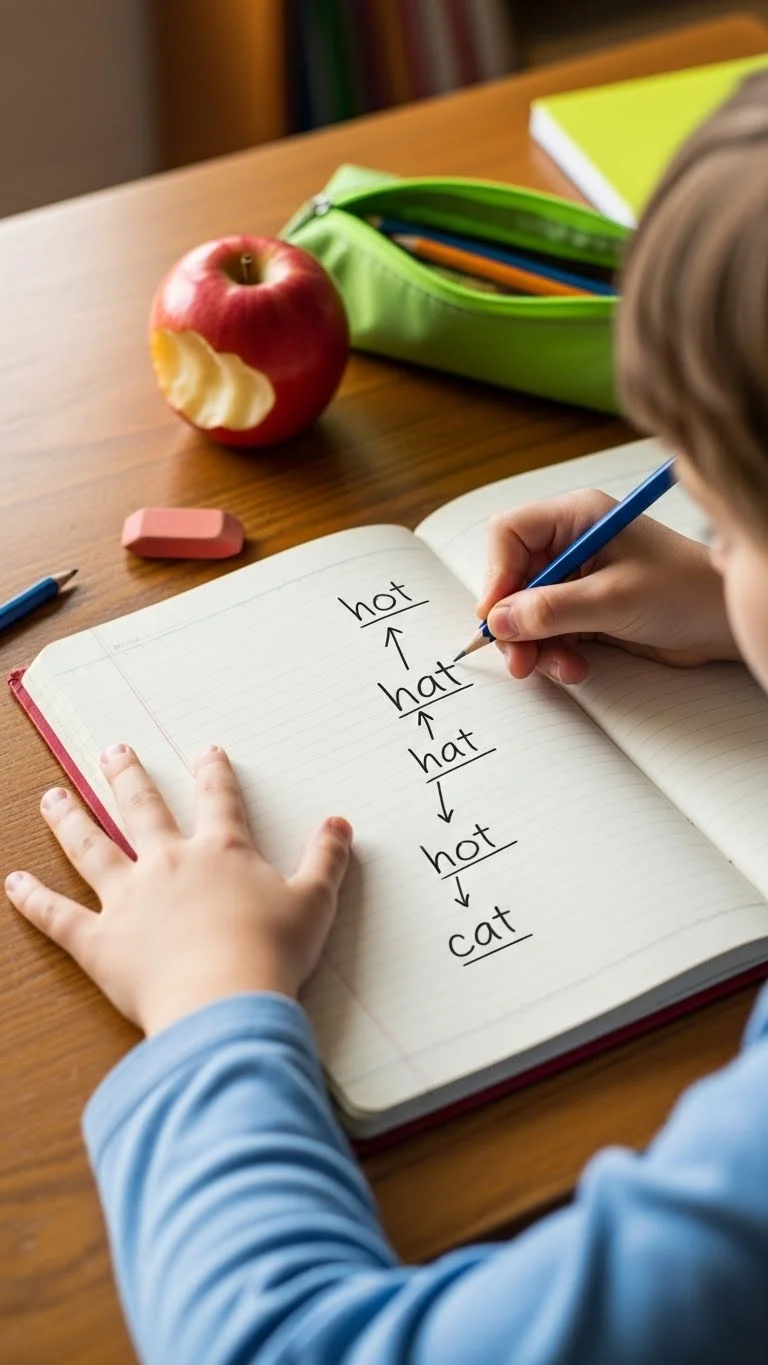
Write one word like CAT. Kids change one letter to make new words—HAT, HOT, DOT. See how long the chain growFor an aora challenge, add a theme or time limit. Great spelling workout with minimal materials.
- Coin Sorting Market
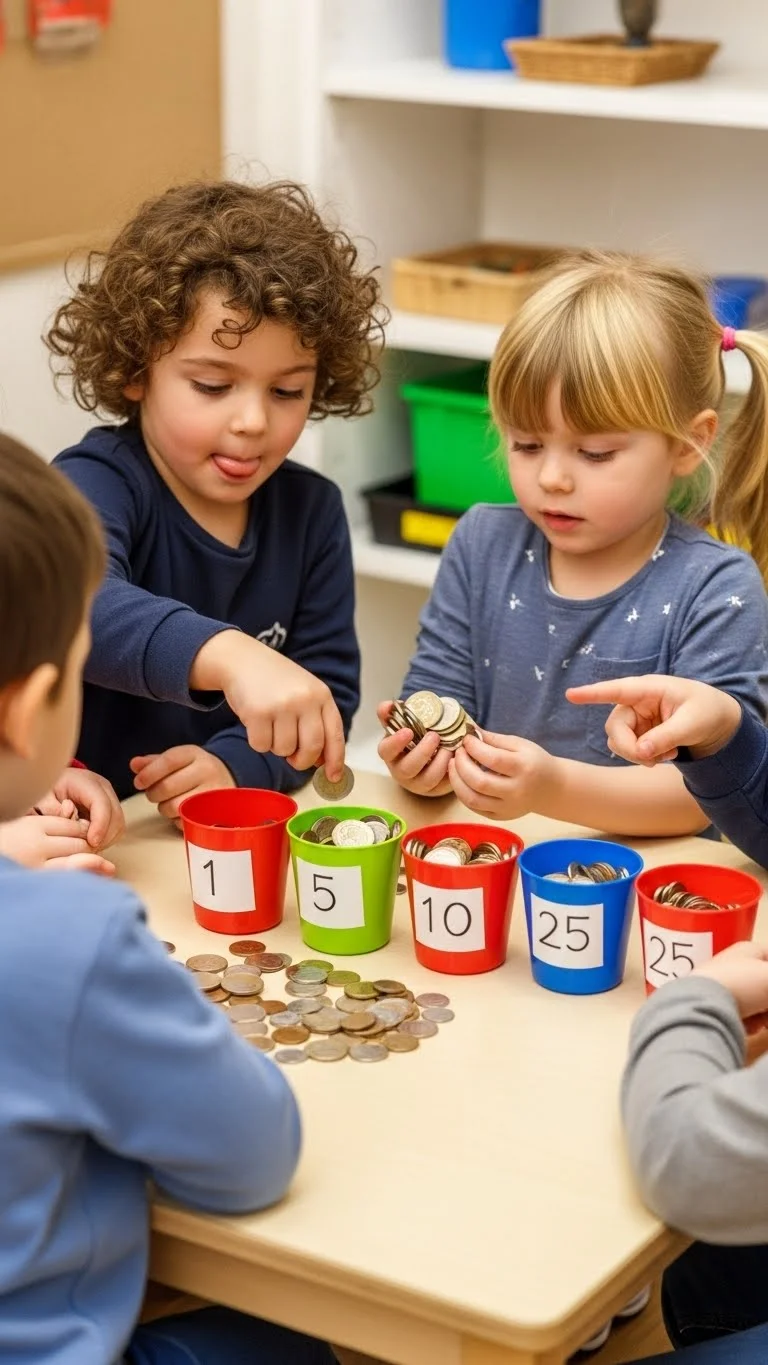
Give kids coins and cups. Let them “shop” for toys using correct coins. They learn value, counting, and simple budgeting. You can use buttons or cardboard coins if real coins aren’t available. Add price tags to favourite toys.
- Map Treasure Trail
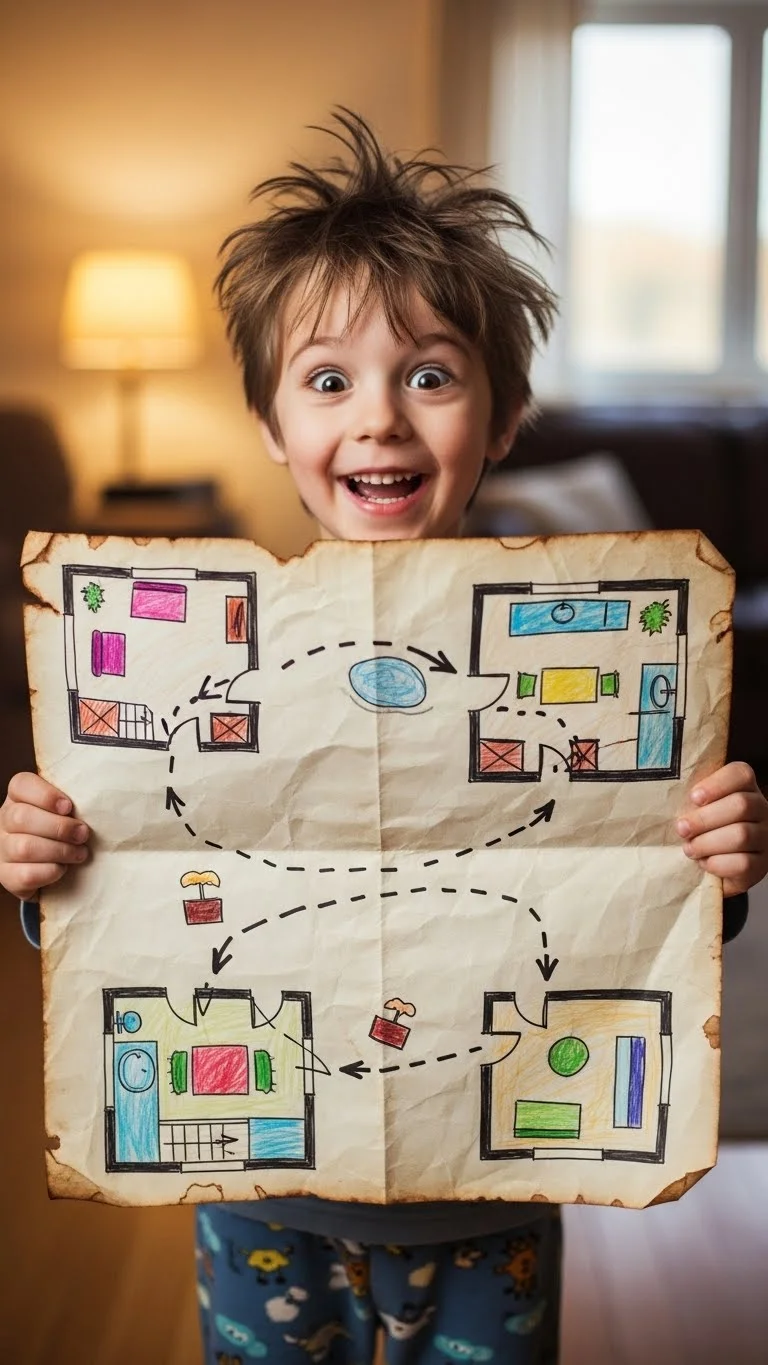
Draw a map of your house and hide a small prize. Kids follow clues, count steps, and solve hints. Introduce directions like left/right. Add riddles for older ones. Reuse maps with new hide spots.
- Balloon Phonics Pop
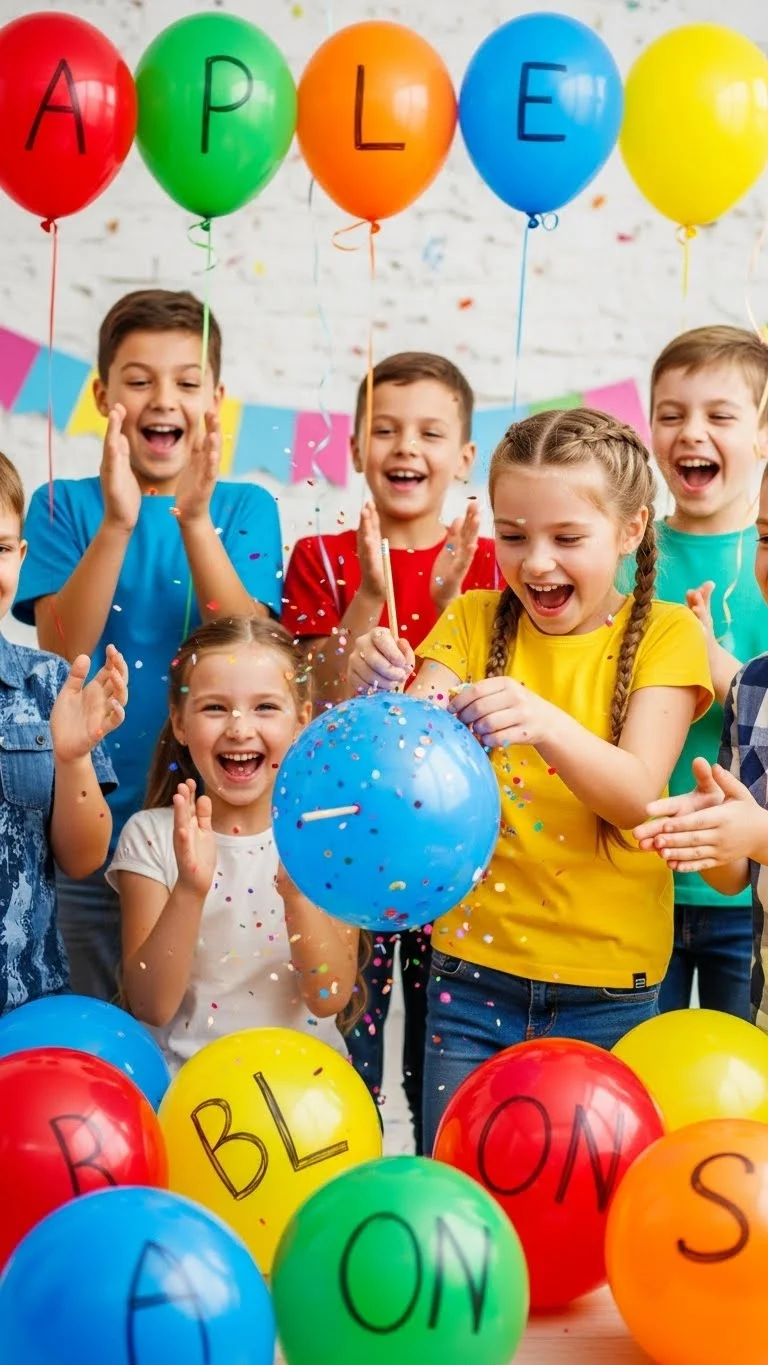
Write letters on balloons. Call a sound, and kids pop the correct balloon. Keep pieces safe. You can also write simple math facts and pop answers. Exciting, low-cost play.
- Build a Zoo
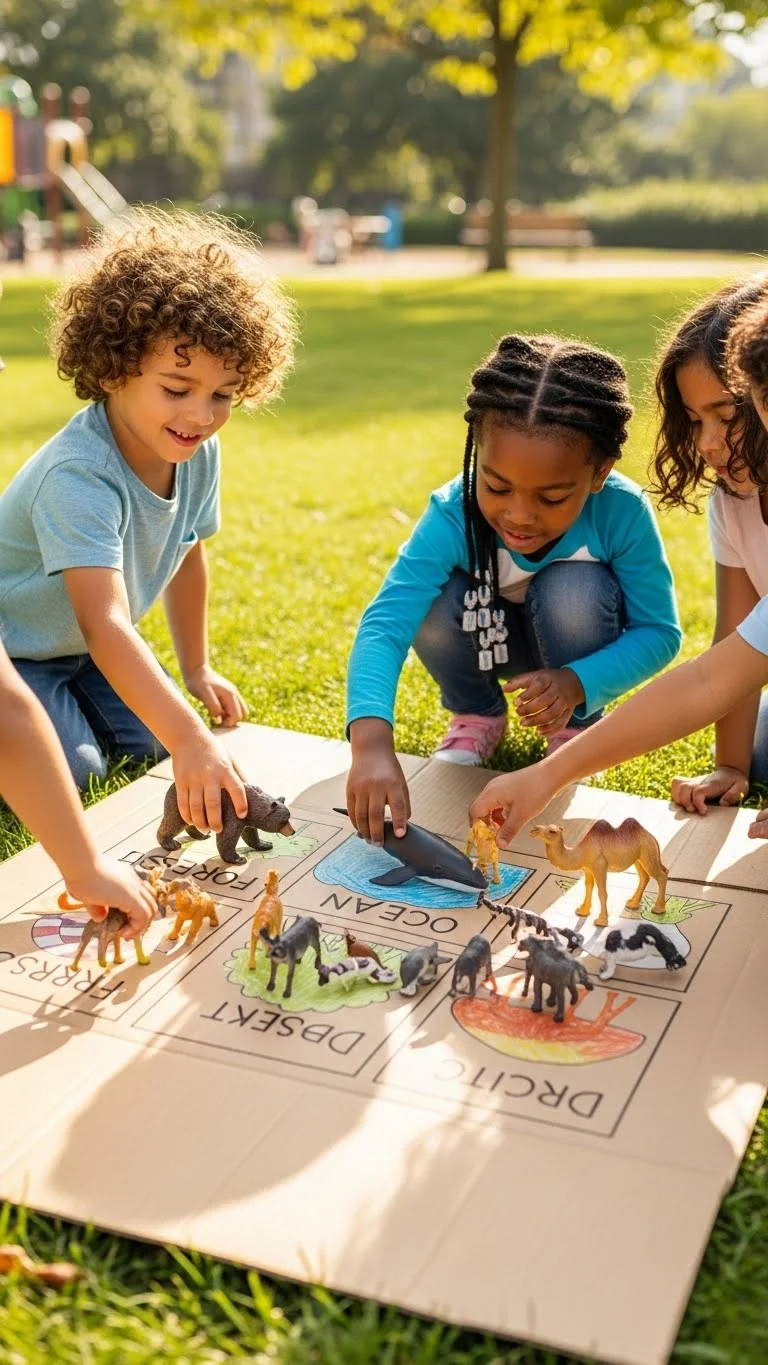
Lay out paper cards labelled Jungle, Ocean, Farm. Kids sort toy animals into zones. Discuss habitats and facts. If no toys, draw animals on paper. Add food, shelter drawings. Simple introduction to biology.
- Timer Cleanup Sprint
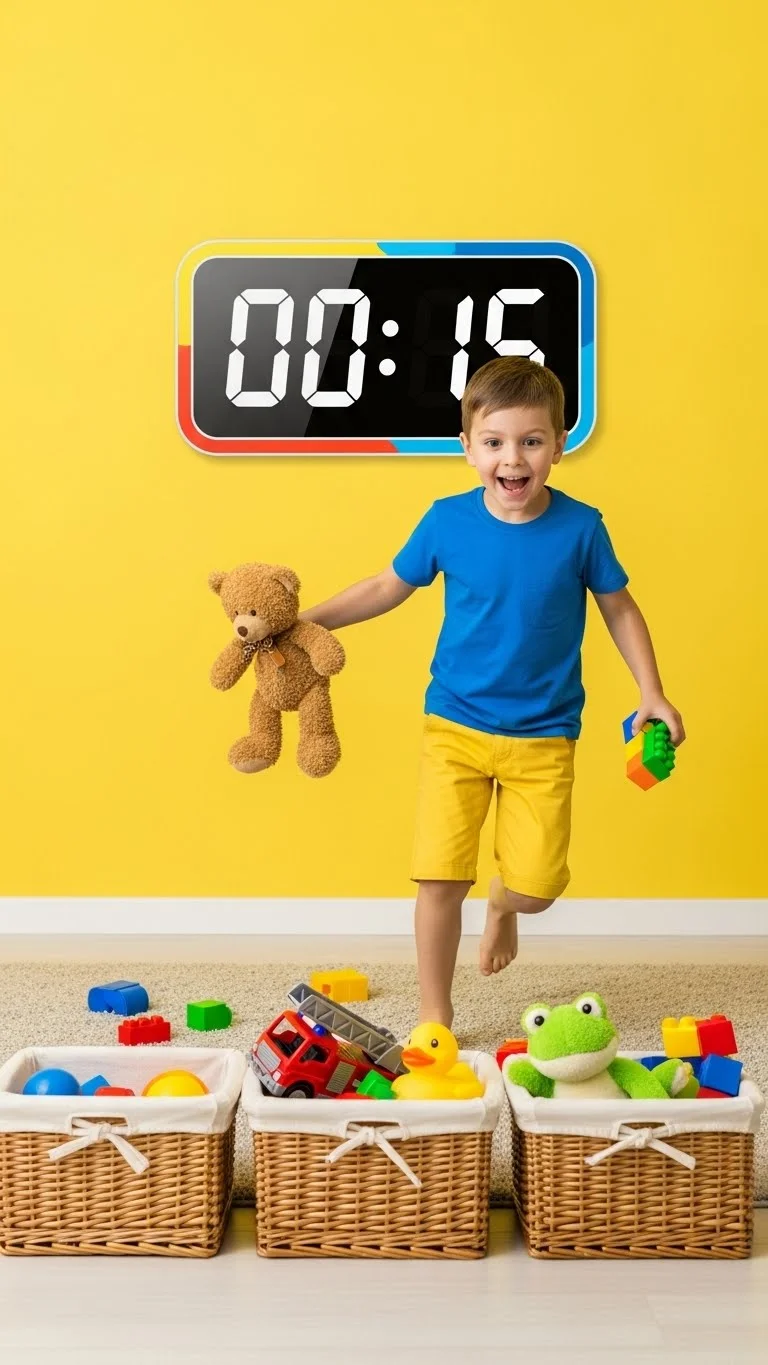
Set a timer for two minutes and call tasks: sort cars, stack books, and place blocks by size. Turns cleaning into a brain game. Kids practice sorting and decision-making while the room gets tidy.
- Domino Math Train
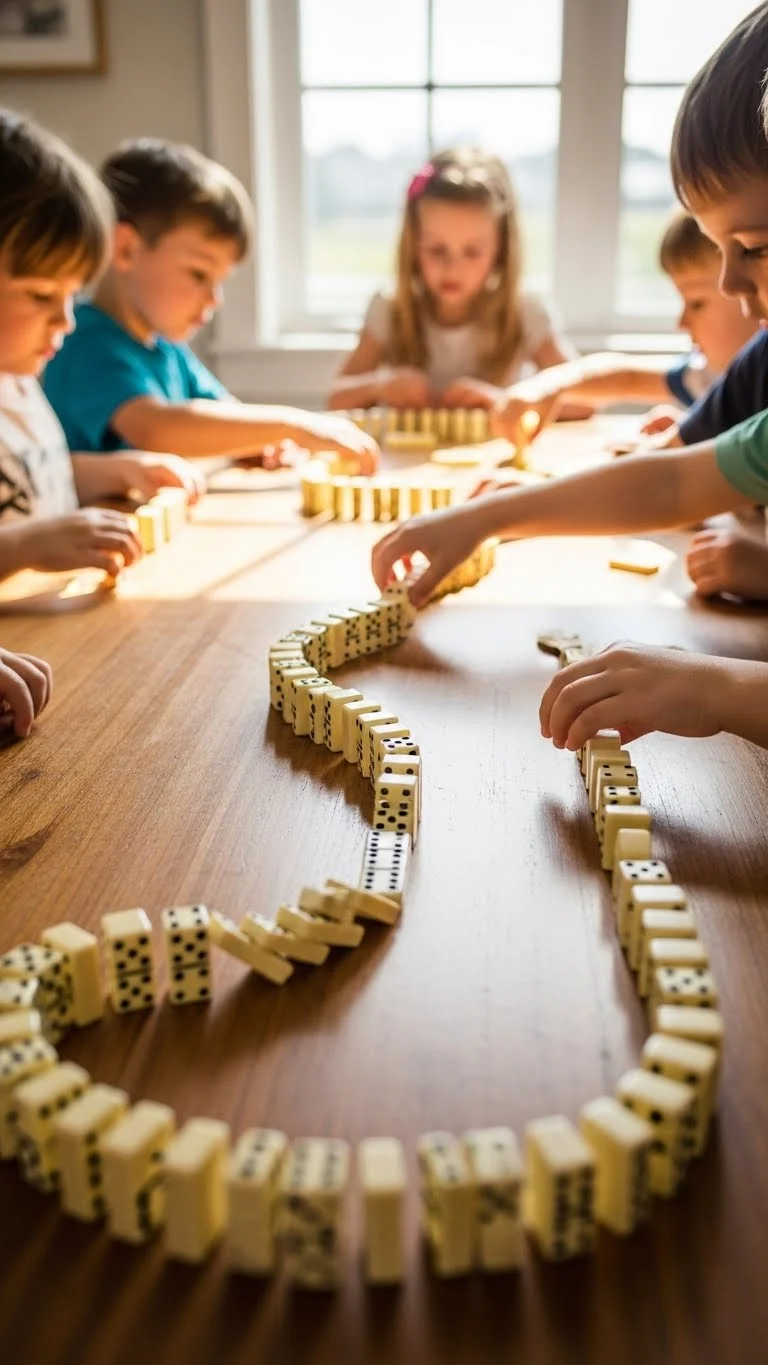
Use dominoes to match dots and build trains. Encourage counting each piece. Add tasks like “find a domino that makes 10 with this one.” Homemade domino cards work too.
- Silly Sentence Builder
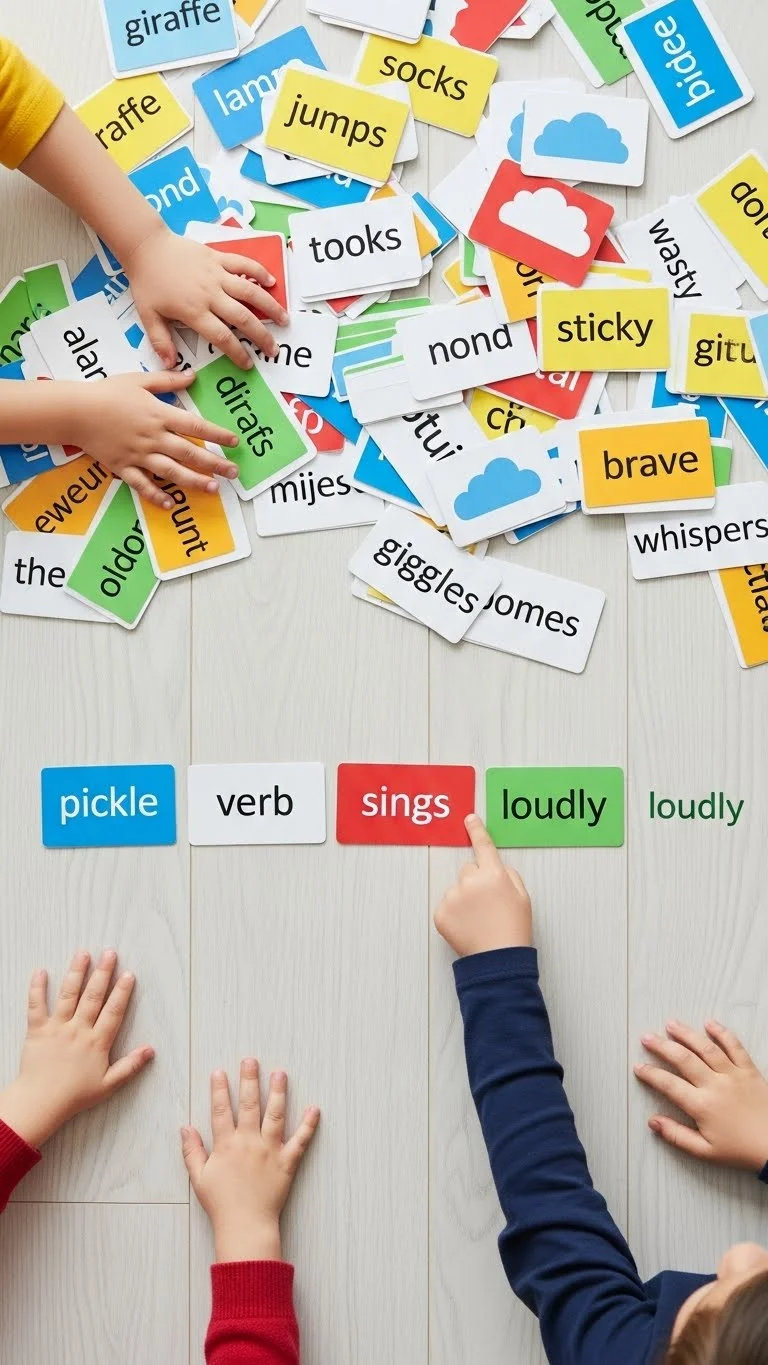
Write nouns, verbs, and adjectives separately. Kids pick one from each pile and build silly sentences. They learn grammar through laughter. Add drawing bonus—each sentence becomes a comic strip.
- Art Symmetry Game
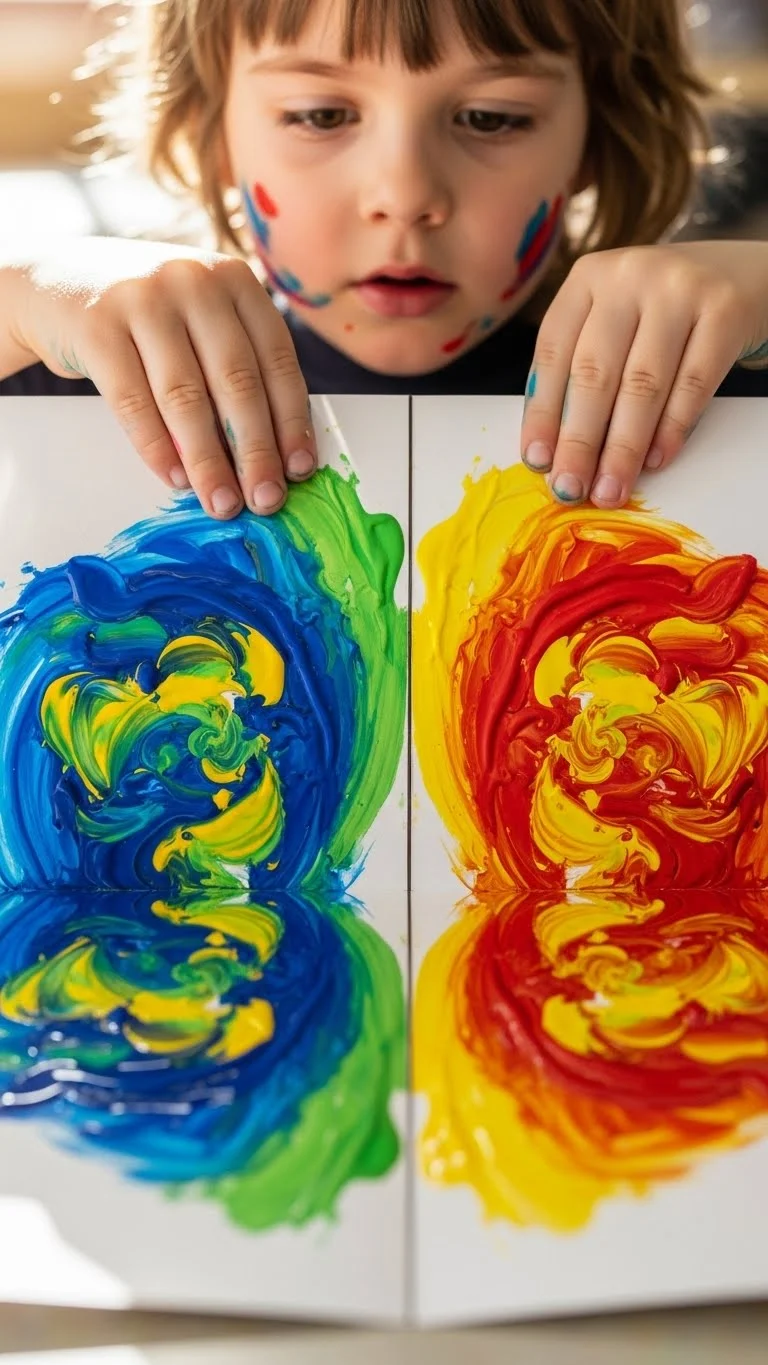
Fold paper, paint on one side, and press to transfer the mirror art. Kids see symmetry visually. Use washable paint for easy cleanup. Ask them to name objects that have symmetry, like butterflies and leaves. Display art on walls proudly.
Conclusion
Games make learning easier to absorb and fun to repeat. Kids stay curious when activities feel like play instead of work. You don’t need expensive tools—papers, dice, coins, blocks, and imagination are enough. Try one or two activities this week, rotate them often, and watch confidence grow through simple daily play. Learning becomes joyful when it feels like a game.
