

22 Montessori Activities for Independent Little Learners
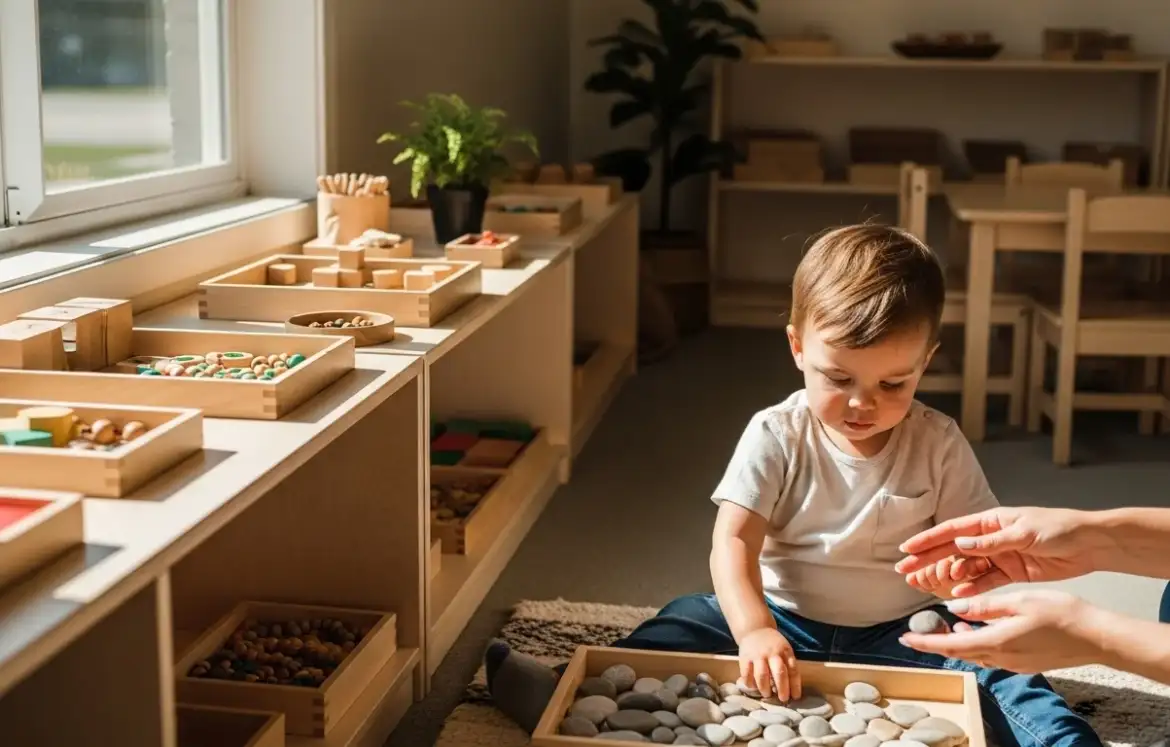
Montessori activities help young children explore with confidence through simple materials, predictable steps, and hands-on practice. These setups encourage focus and calm movement, and families appreciate how easy it is to create them at home without costly supplies. The ideas below help children practice everyday skills while enjoying the freedom to try things on their own.
- Practical Life Pouring Station
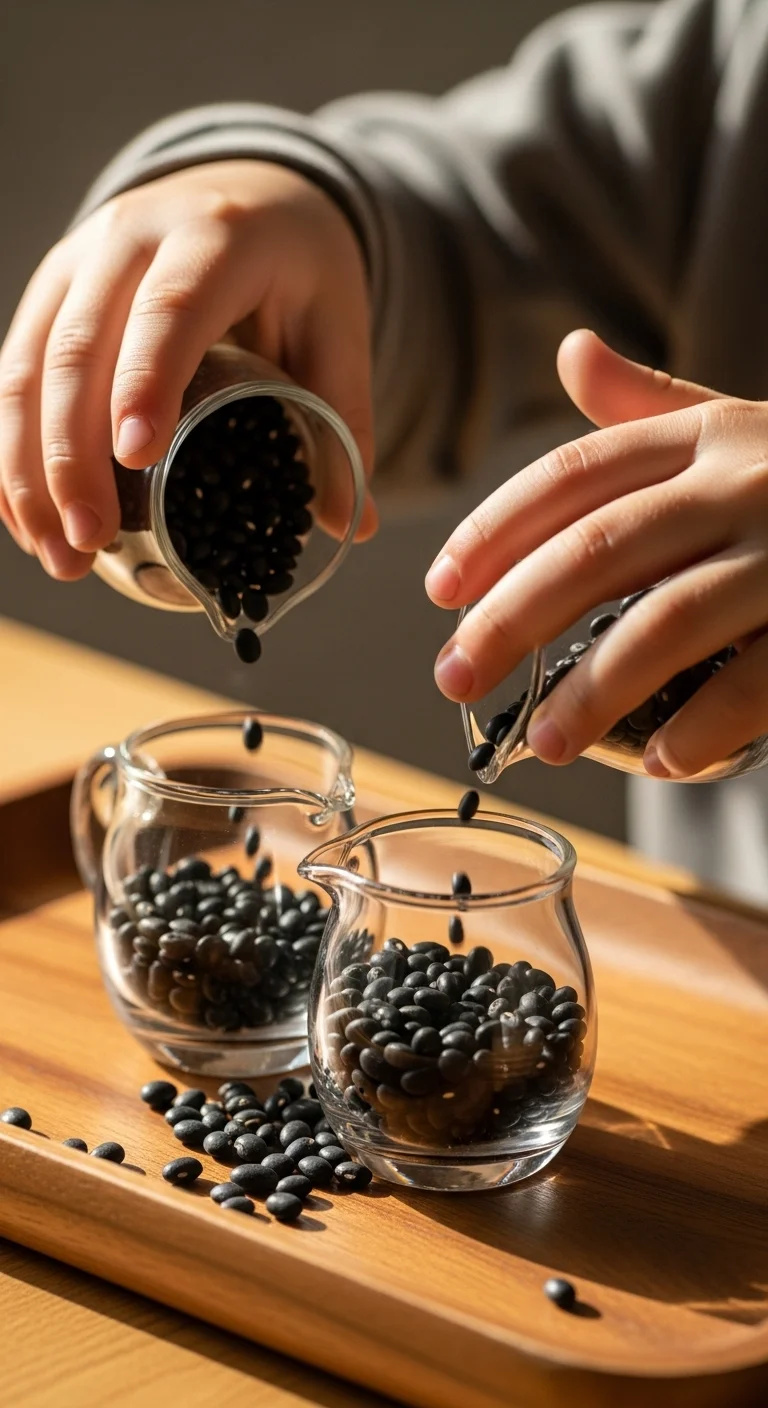
Set up two small pitchers on a tray and add dry beans, rice, or lentils so your child can pour back and forth. Keep a small towel nearby so they can clean spills, and choose sturdy pitchers found at thrift stores or dollar shops. If glass feels risky, stainless steel creamers are a good alternative. Could you show the motion once, then let them explore? This activity encourages careful hand control and calm repetition, and you can refresh interest by changing the material every few days.
- Spoon Transfer Work
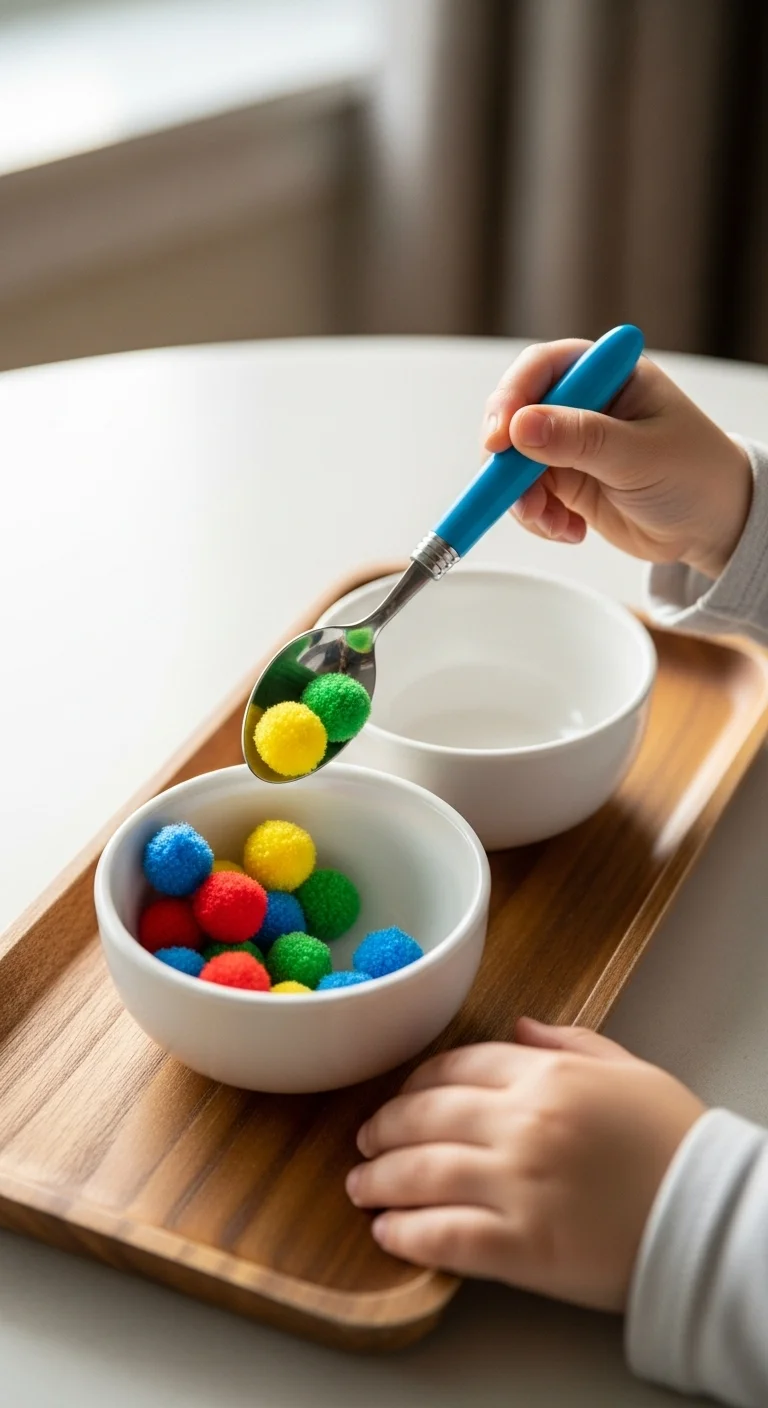
Place two bowls on a tray and fill one with cotton balls, pompoms, or pasta shapes. Then, offer a metal spoon and demonstrate how to scoop and place each item into the empty bowl. Children often repeat this quietly for long stretches. Keep materials simple and affordable by using muffin tins, egg cartons, or snack bowls, and rotate items so your child stays engaged without feeling overwhelmed.
- Water Transfer with a Sponge
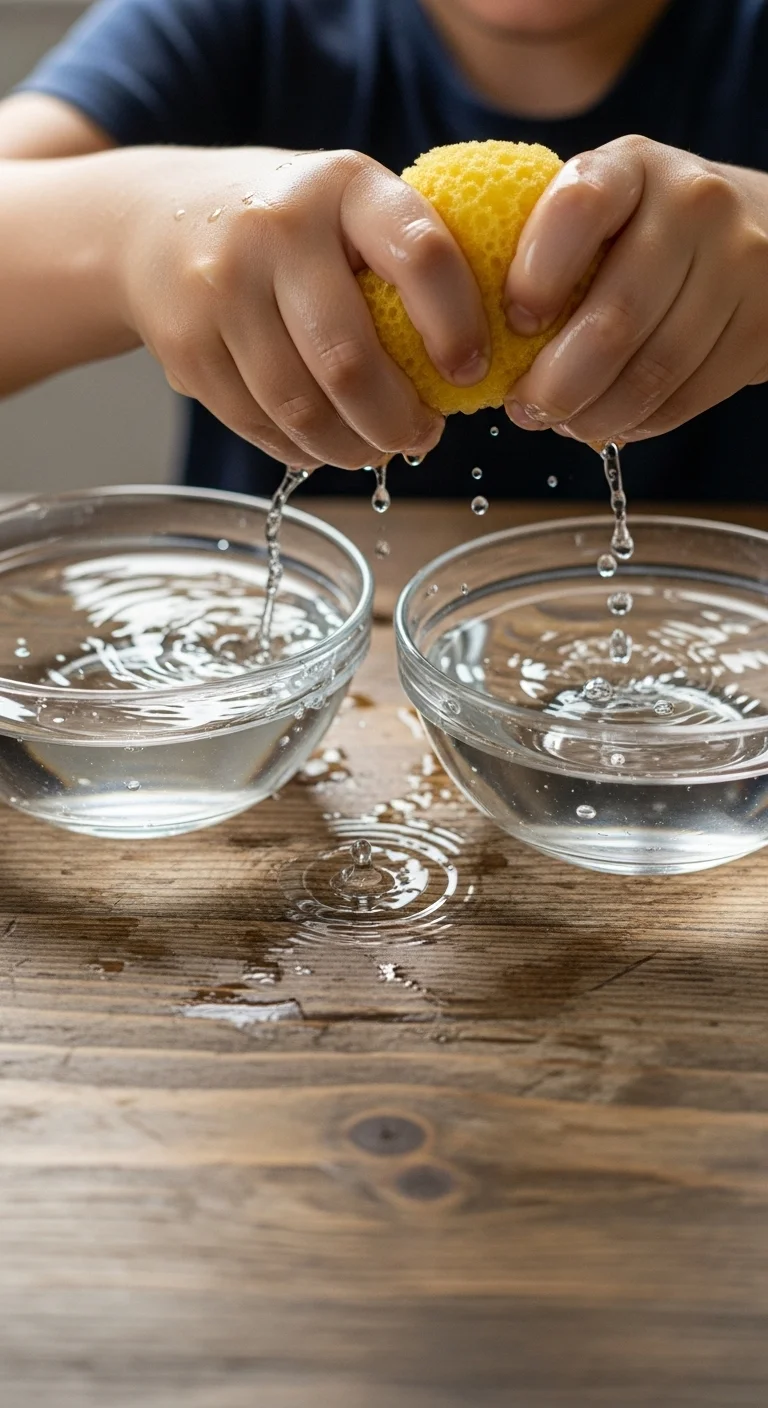
Use two shallow bowls, fill one with water, and show your child how to dip the sponge and squeeze water into the empty bowl. Keep towels handy because children enjoy watching the water move. This simple task builds strength in small hands. To save money, cut a regular kitchen sponge into smaller pieces, place everything on a tray or baking sheet, and let your child repeat until both bowls switch roles.
- Simple Buttoning Frame
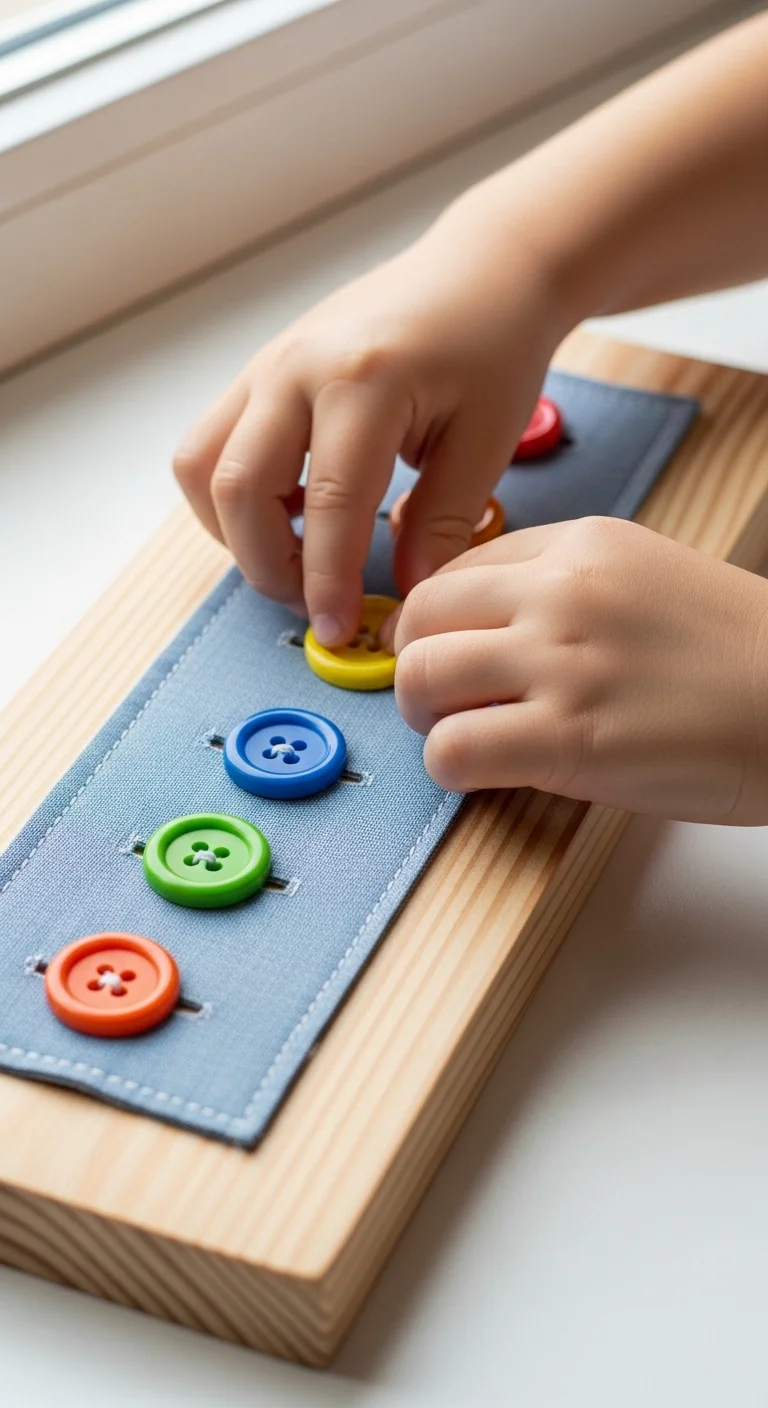
Create a buttoning frame using scrap fabric and large buttons by stretching the fabric across a reused picture frame or embroidery hoop and adding simple buttonholes. Show how to push each button through, and let your child enjoy the slow rhythm. Start with oversized buttons for easier success. This DIY idea saves money and lets you choose fun fabric, and you can rotate with zippers or snaps when your child is ready.
- Matching Socks Basket
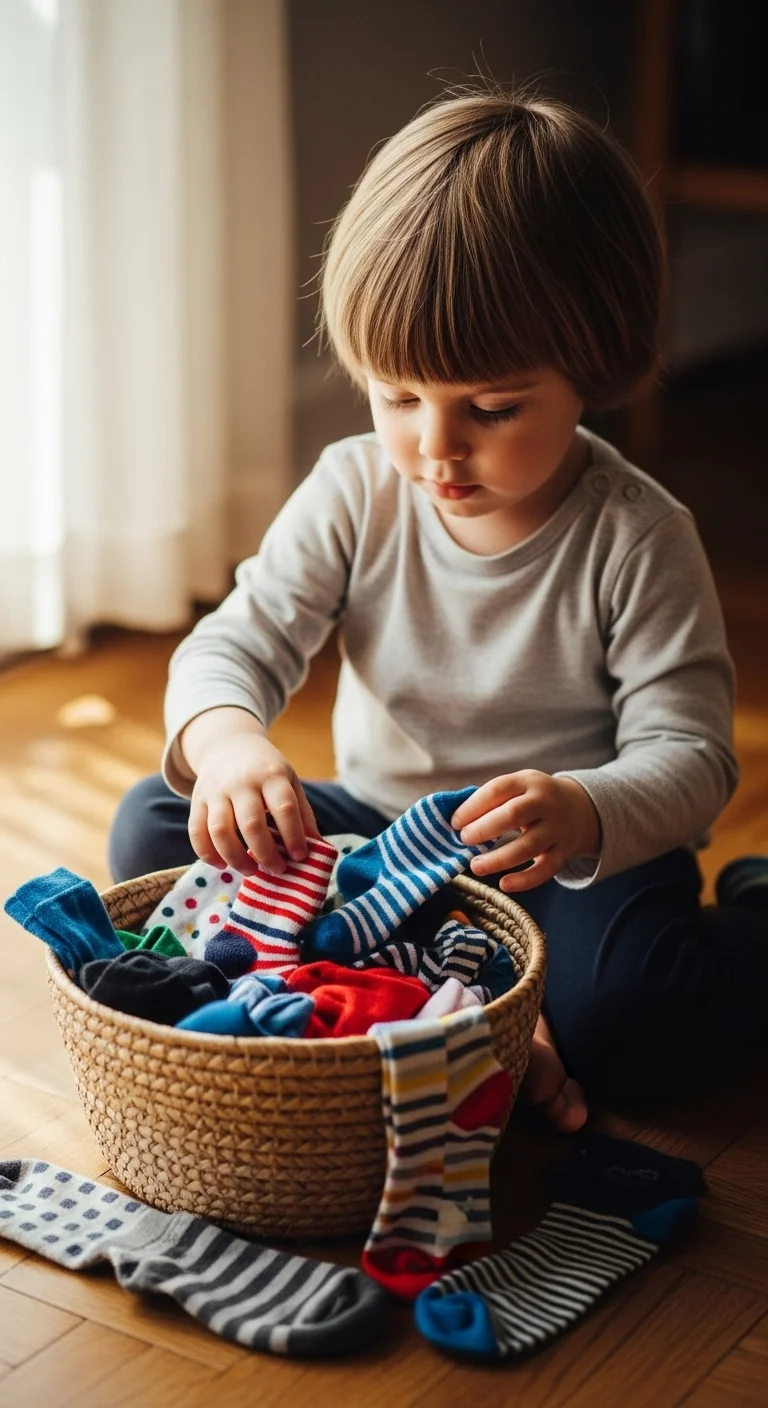
Gather clean socks in a basket, mix them up, and invite your child to find pairs. Children enjoy the challenge, especially with bold patterns or bright colors. Later, try solid socks for a more careful comparison. This simple task feels like play but supports real household habits. Keep sessions short so interest stays strong.
- Leaf Sorting Adventure
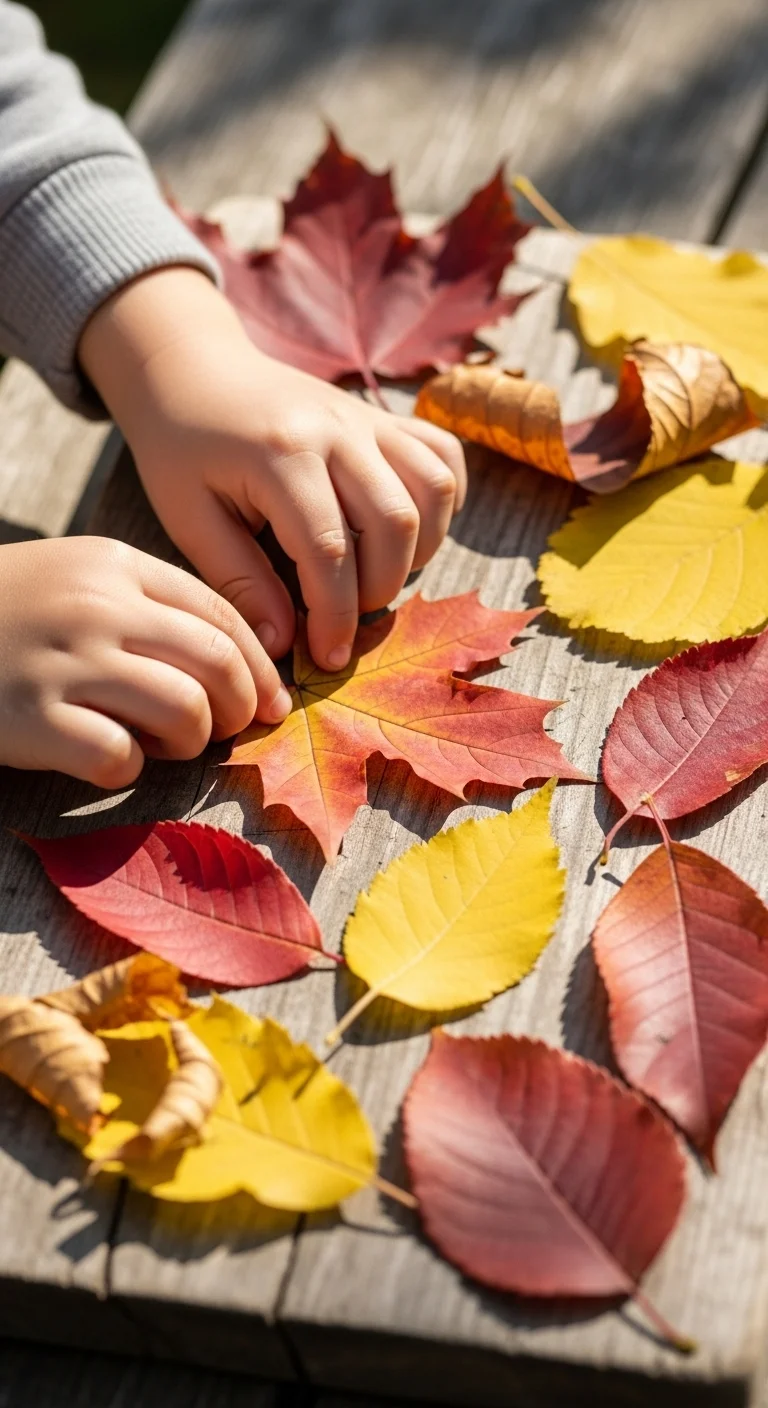
Collect leaves during a walk, bring them home, and place them on a tray for sorting by shape, size, or color in a relaxed and playful way. The textures spark curiosity, and a simple magnifier can add extra interest. Keep costs low by collecting freely available nature items and rotating with pinecones, stones, or flowers. Let your child choose how long to explore.
- Threading Beads on a Lace
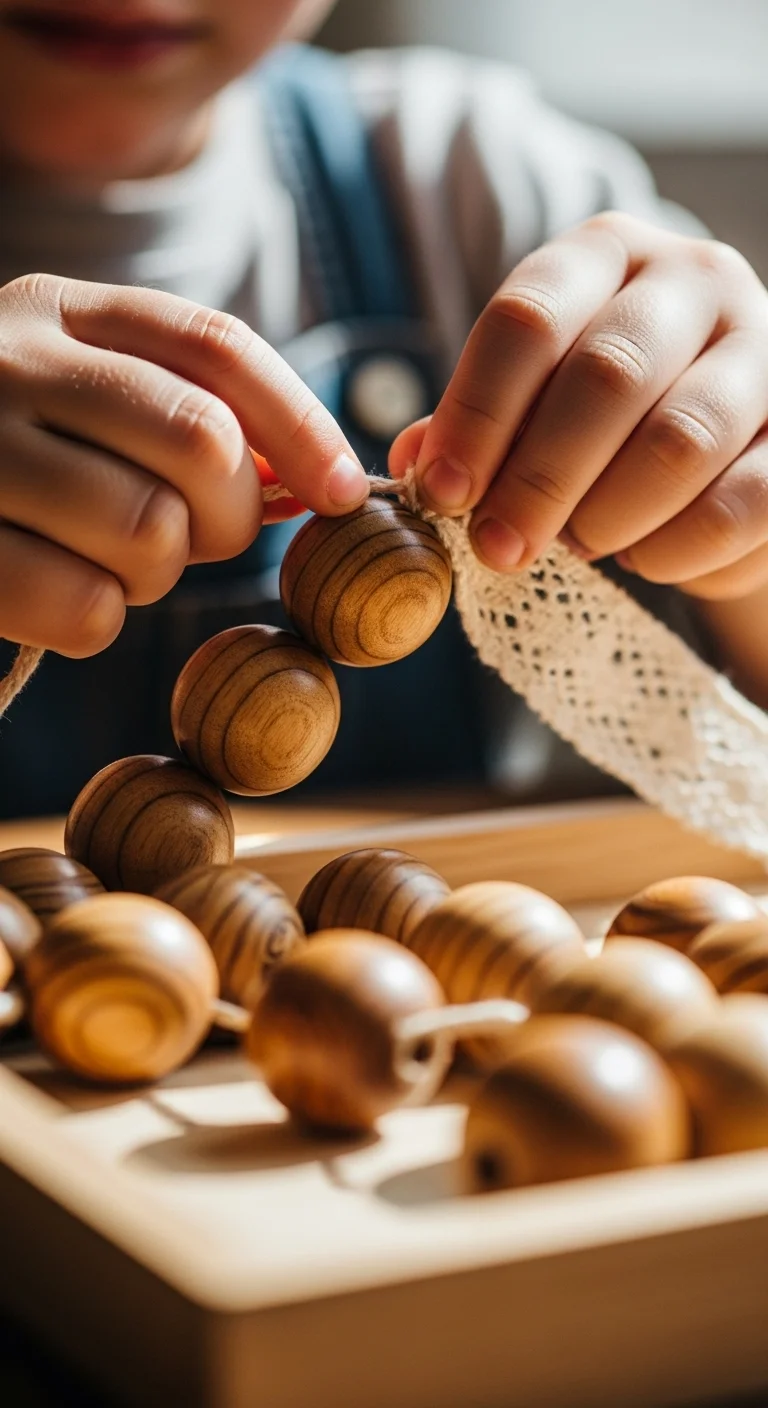
Offer large wooden beads and a cotton lace, tying one end so beads don’t fall off, and show slow threading so your child can settle into quiet work. You can find beads cheaply at craft stores or use macaroni instead. Change bead colors or shapes to refresh interest and store everything in a small drawstring bag for quick setup.
- Simple Washing Station
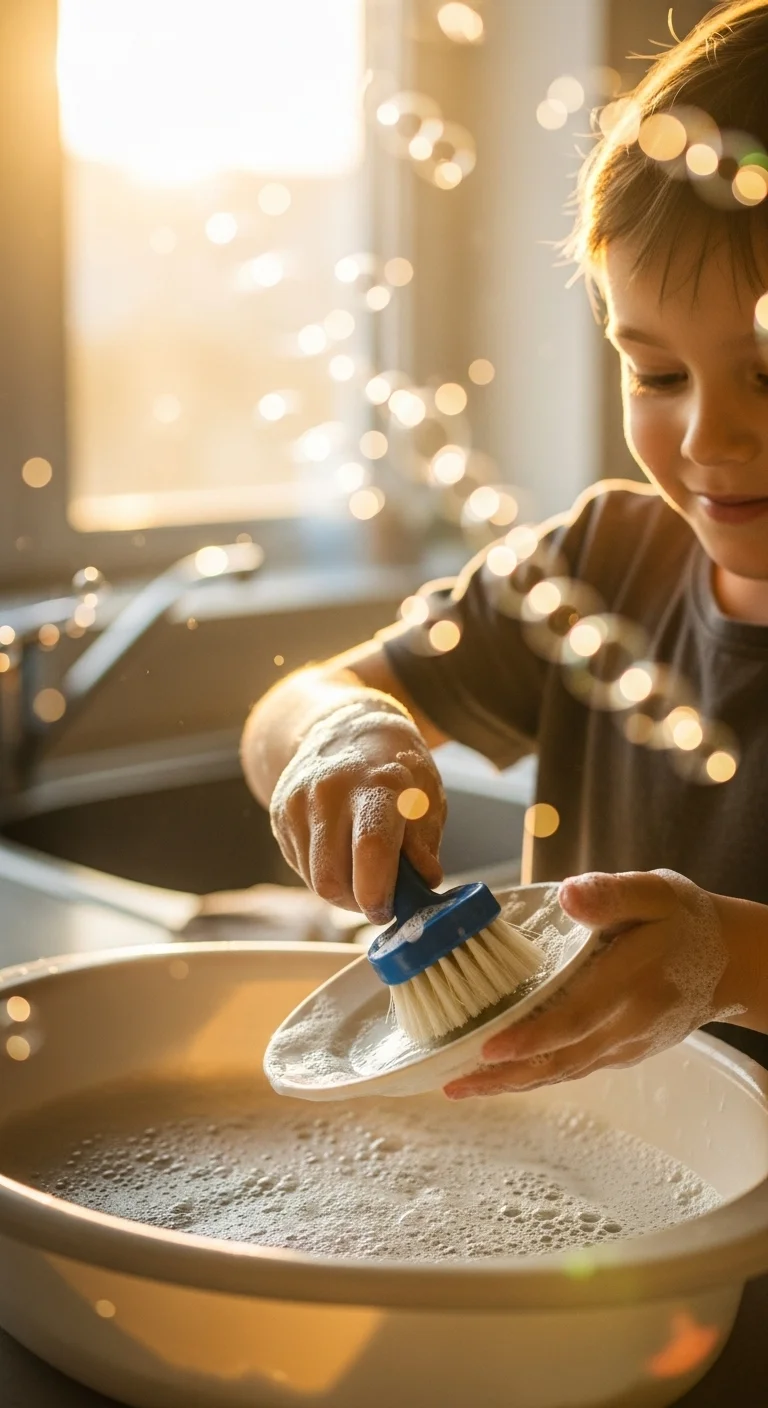
Use a small basin, sponge, and gentle soap, and choose one object—like a plastic animal or cup—to wash. Show dipping, scrubbing, and rinsing while keeping towels nearby. Kids enjoy bubbles and the repeated motions. A thrifted basin or large food container works well, and your child can repeat the cycle until it feels complete.
- Sweeping Corner
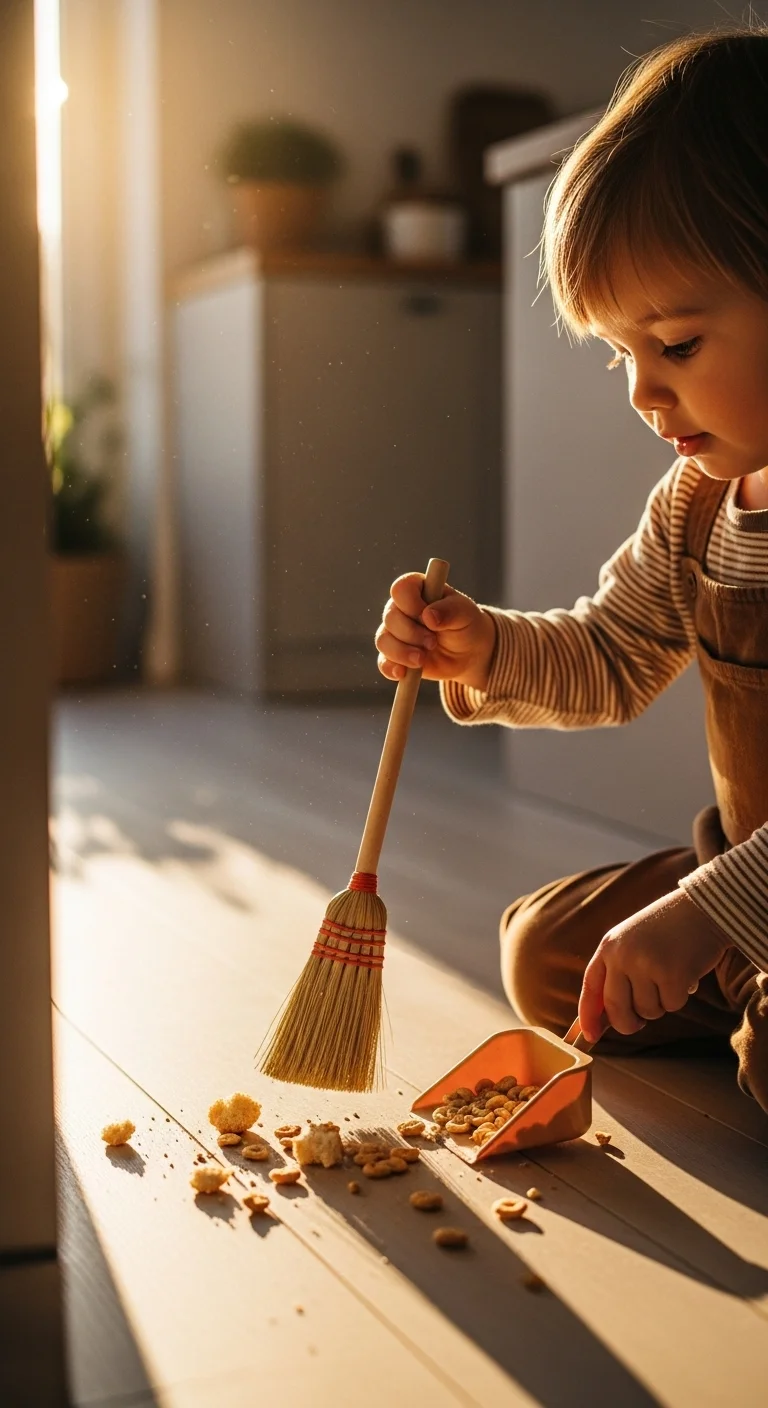
Set up a small broom and dustpan and scatter a pinch of rice for practice. Show slow sweeping strokes and let your child copy the motion with pride. This supports care for shared spaces. Mini brooms are easy to find at dollar shops, and you can use a tray to collect crumbs during cleanup.
- Pegging Clothes on a Line
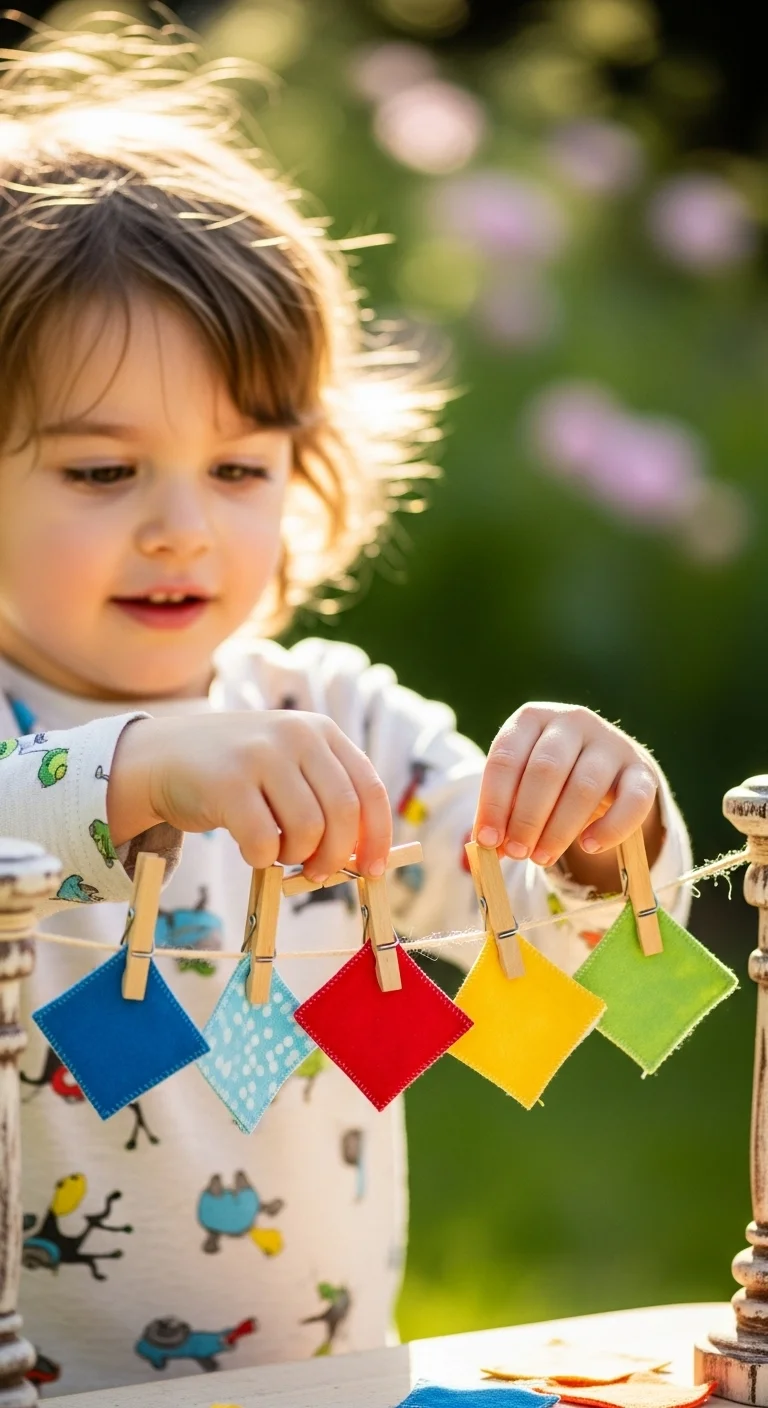
Hang a short string between two chairs and provide small clothespins along with fabric squares or socks. Show how to press the pin and attach the item so your child can practice the tiny challenge. Clothespins cost little and last long, making this a simple activity your child can repeat many times.
- Rolling Mats
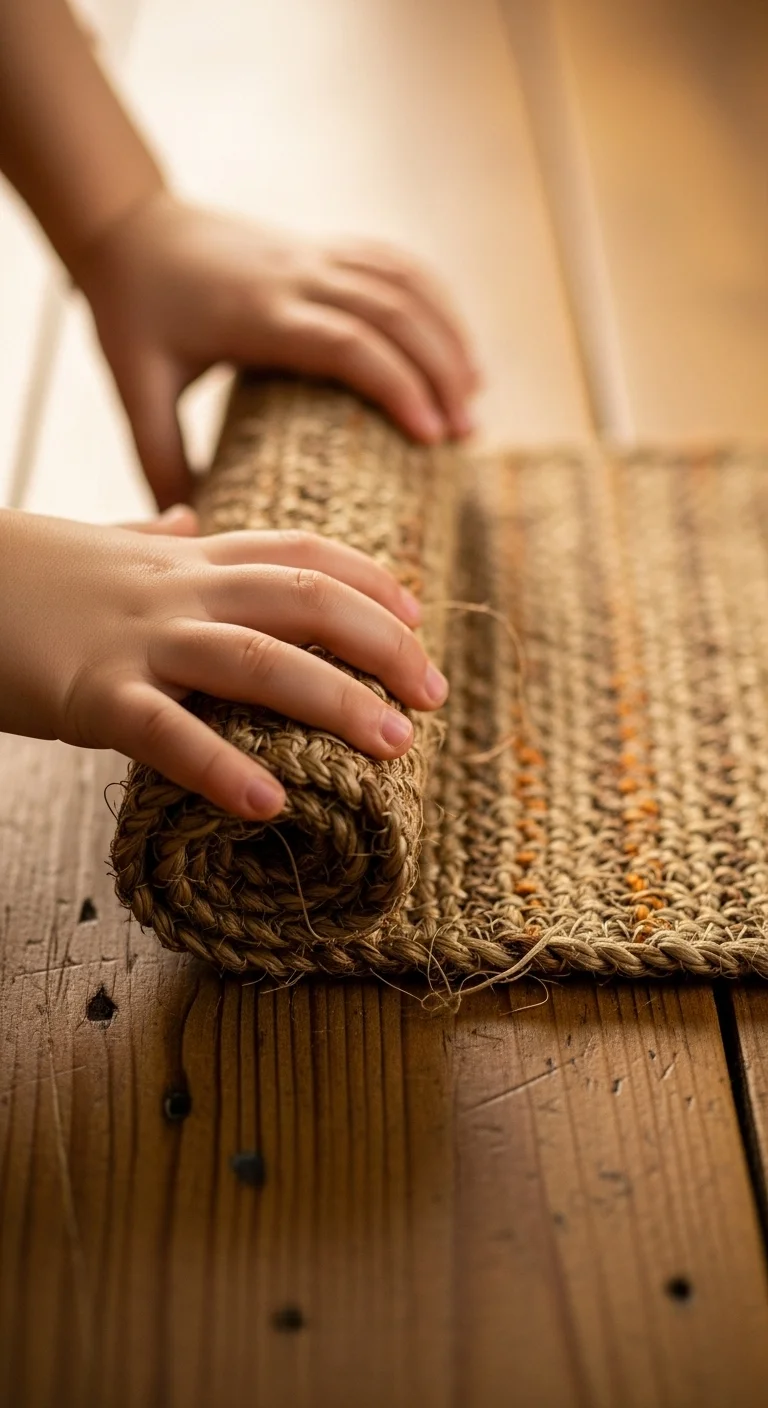
Give your child a small woven mat and show how to roll it tightly before unrolling it again. This encourages slow, steady motions. You can use thrifted placemats to save money, and storing mats in a basket lets your child choose one independently.
- Sorting Buttons by Color
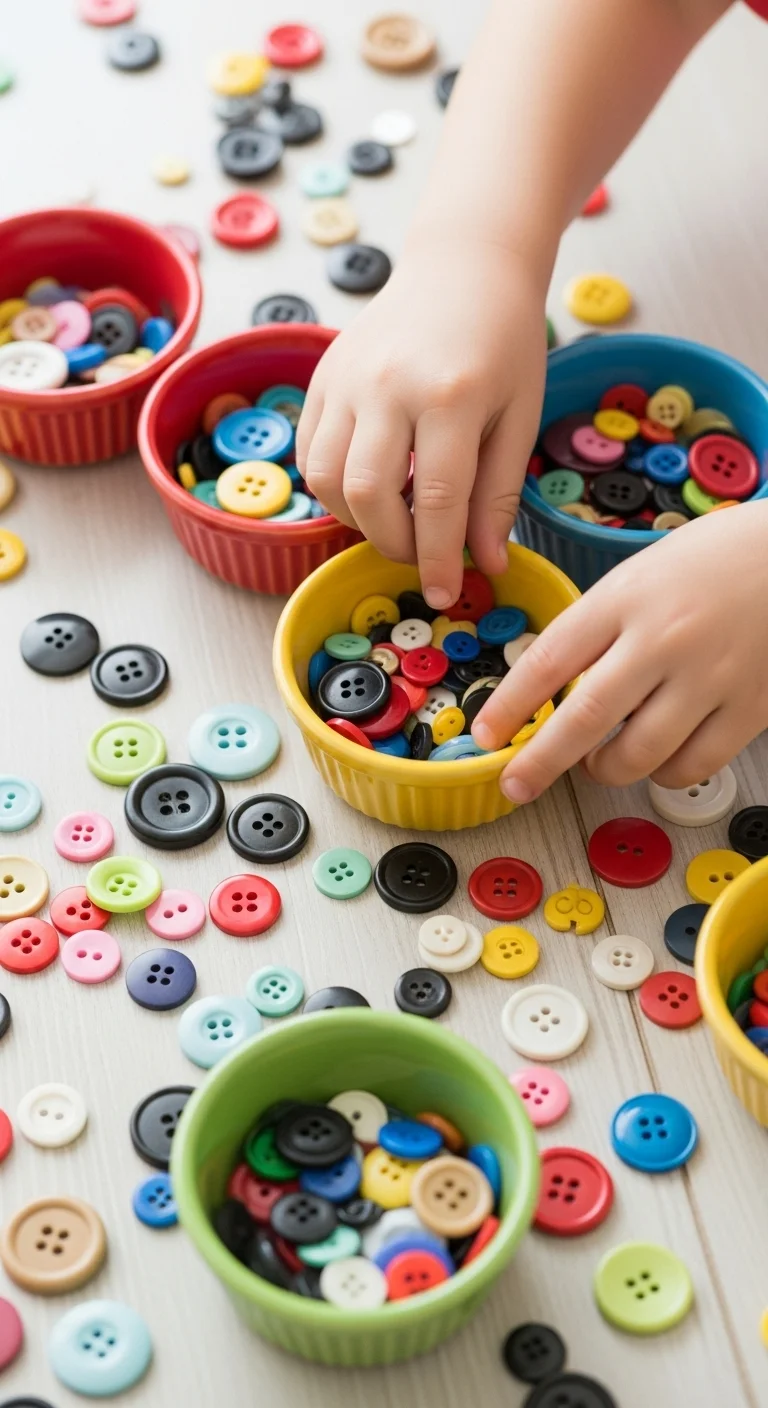
Place assorted buttons in a bowl and offer small containers for sorting by color, shine, or size. Buttons are affordable, easy to collect, and fun for little hands. Muffin tins can provide extra sections if needed. Observe quietly while your child explores patterns without rushing the process.
- Nature Pour Station (Pebbles or Sand)
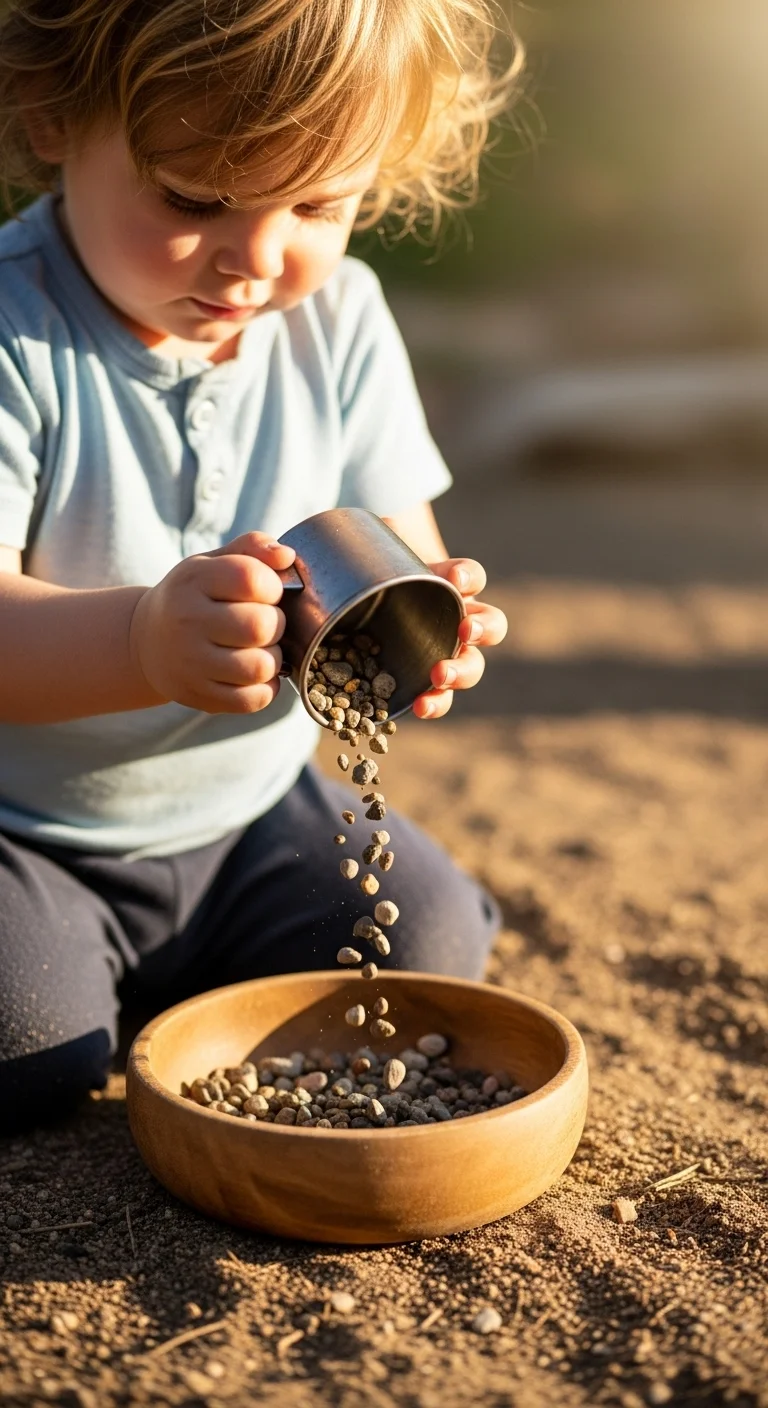
Use small cups and bowls outdoors and fill one with pebbles, dry dirt, or sand. Show gentle pouring so your child can enjoy fewer indoor spills. Recycled containers keep the setup affordable, and natural materials add pleasant sensory experiences.
- DIY Sensory Bottles
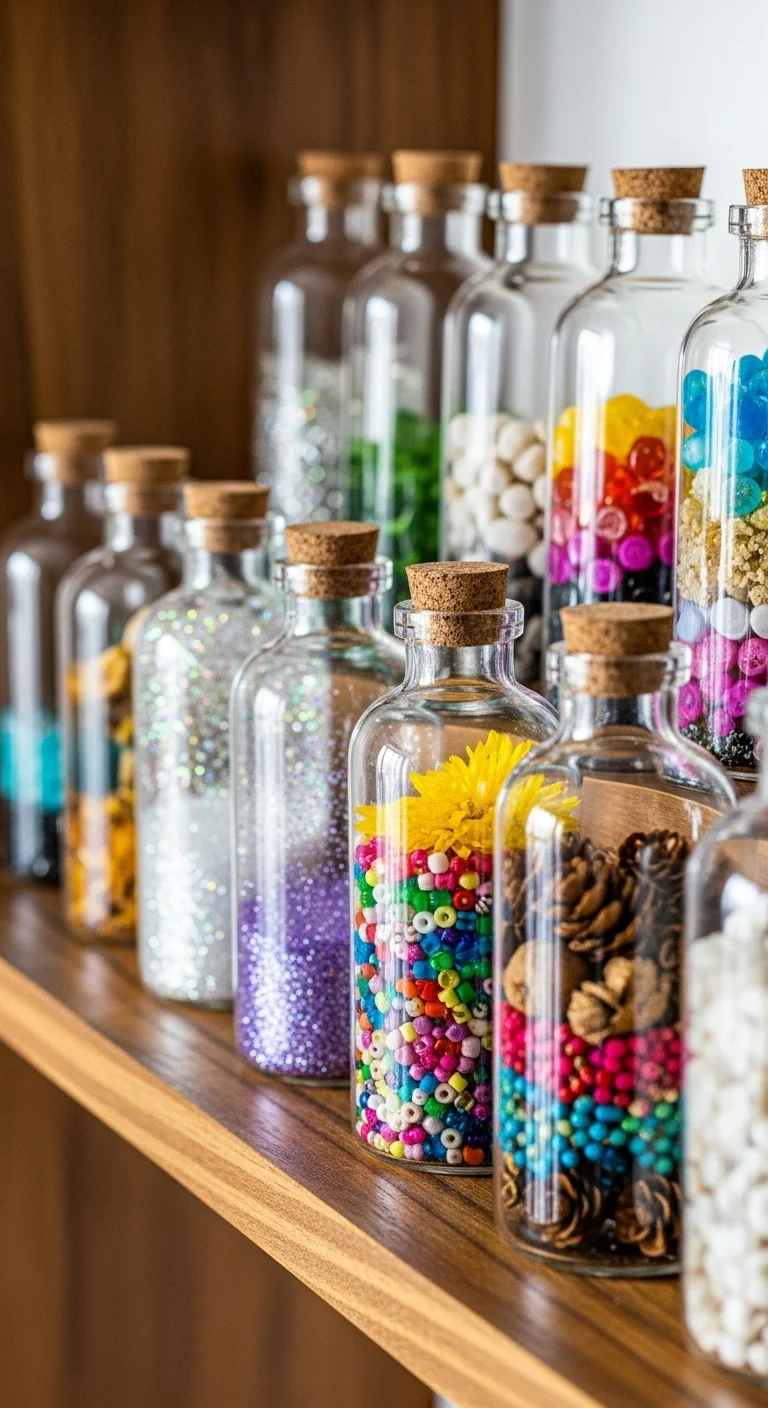
Use empty plastic bottles filled with water, beads, rice, or oil, then seal them with tape. Children enjoy shaking them and watching items settle. Keep materials simple by using dried herbs, tiny stones, or leftover craft supplies. Store the bottles upright in a basket for easy access.
- Seed Scooping Work
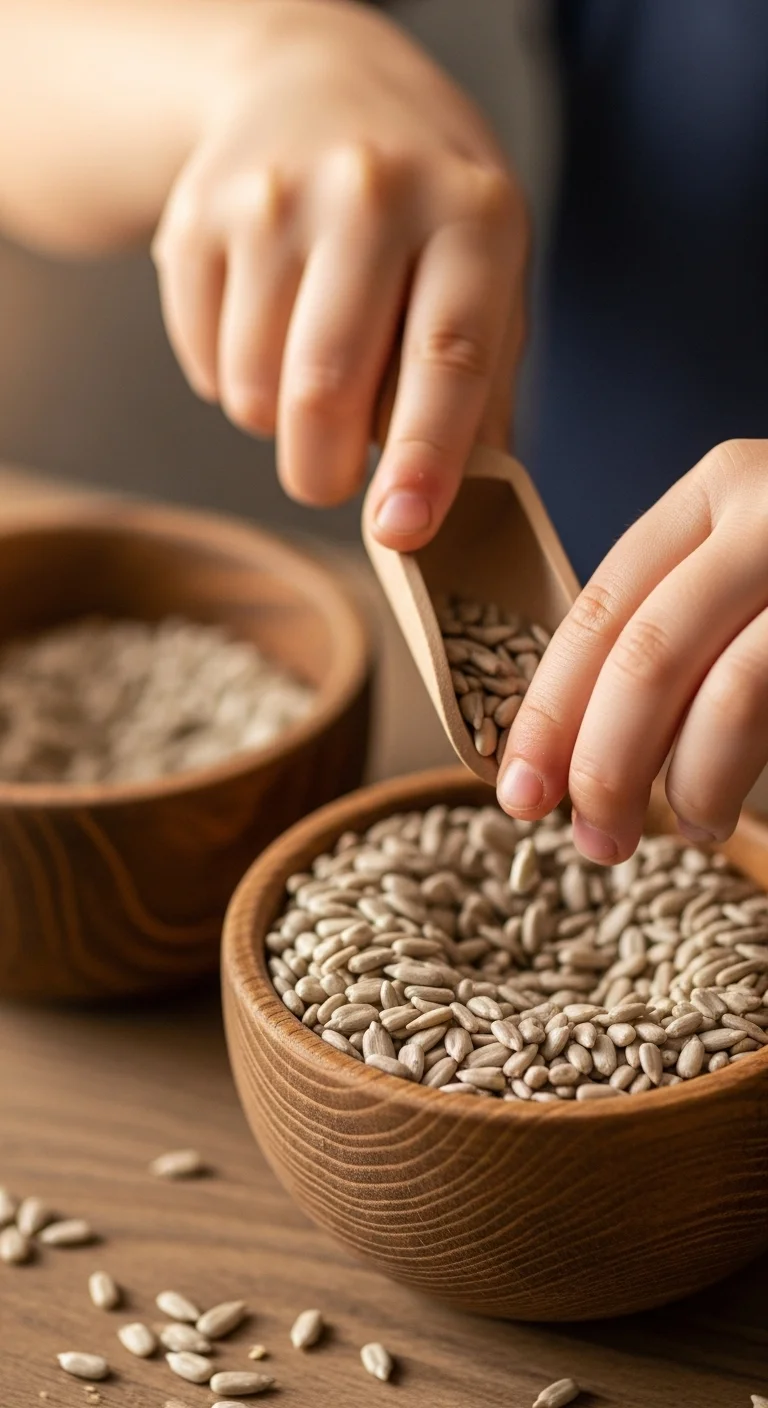
Place sunflower seeds or similar materials in a bowl, offer a scoop or small spoon, and show slow movements as seeds transfer to another bowl. A tray underneath helps contain spills. Seeds feel pleasant to handle, and using birdseed is a budget-friendly option. Rotate materials to keep curiosity alive.
- Simple Watering Activity
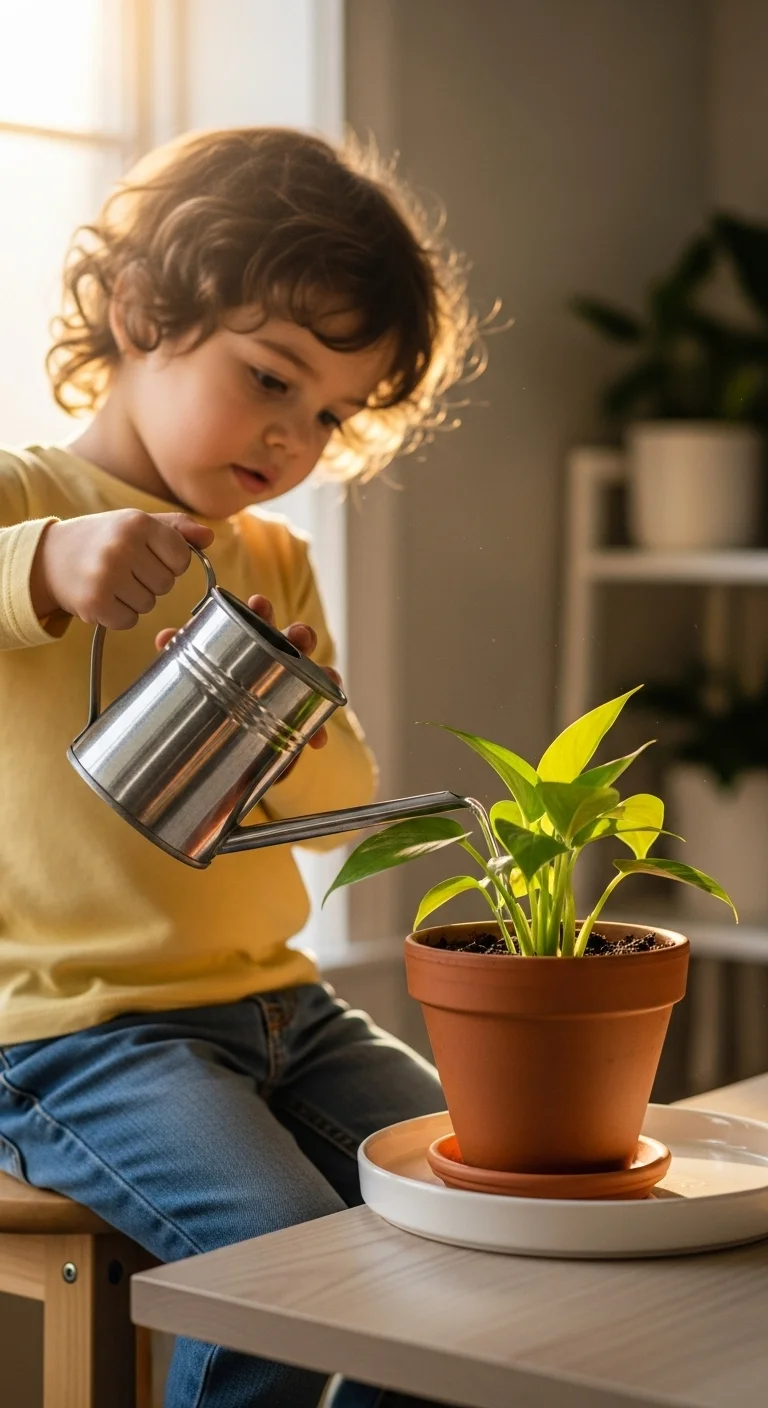
Give your child one small plant and a tiny watering can, then show how to pour a little water near the soil. Keep a towel near the pot to manage drips. Children enjoy caring for a living thing. Affordable plants like herbs or small succulents work well.
- Opening and Closing Containers
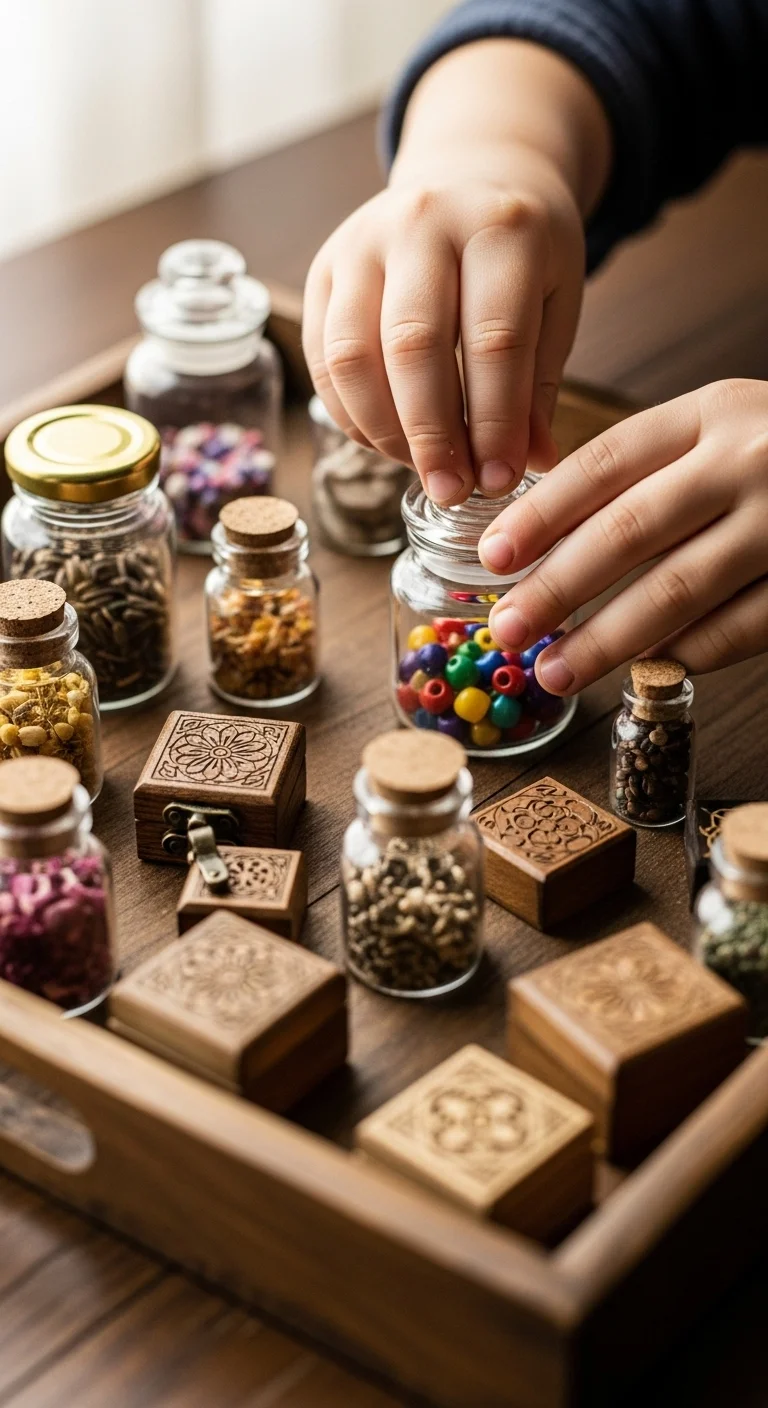
Collect small jars, tins, and boxes and place them on a tray so your child can practice opening and closing each one. Children enjoy exploring lids and discovering different motions. Recycled food containers help keep costs low, and rotating the selection each week keeps the experience fresh.
- Simple Food Preparation
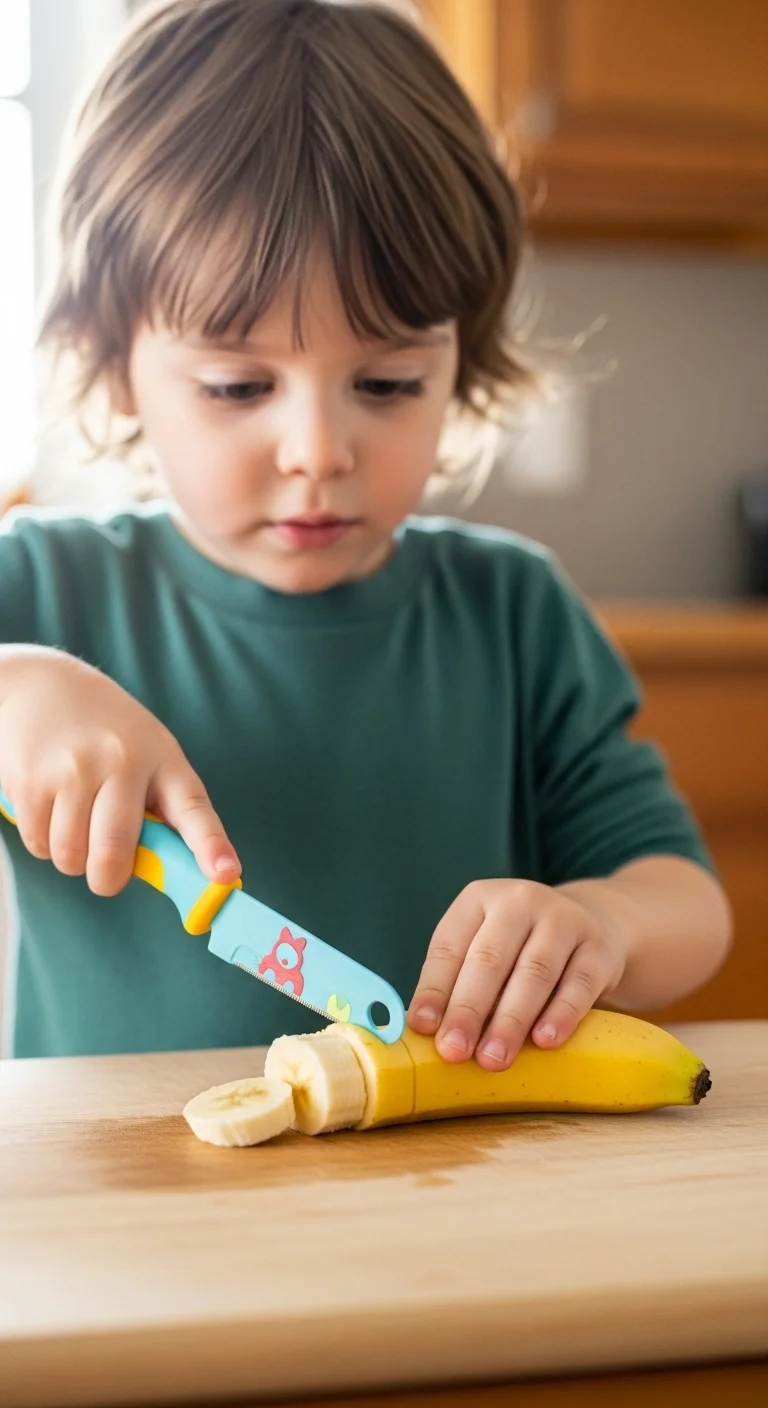
Offer a banana or soft fruit with a child-safe knife and show slow cutting motions so your child can help with snacks. Provide a small board and bowl to contain the pieces, and choose affordable fruits or cooked vegetables for repeated practice.
- Color Grading Paint Chips
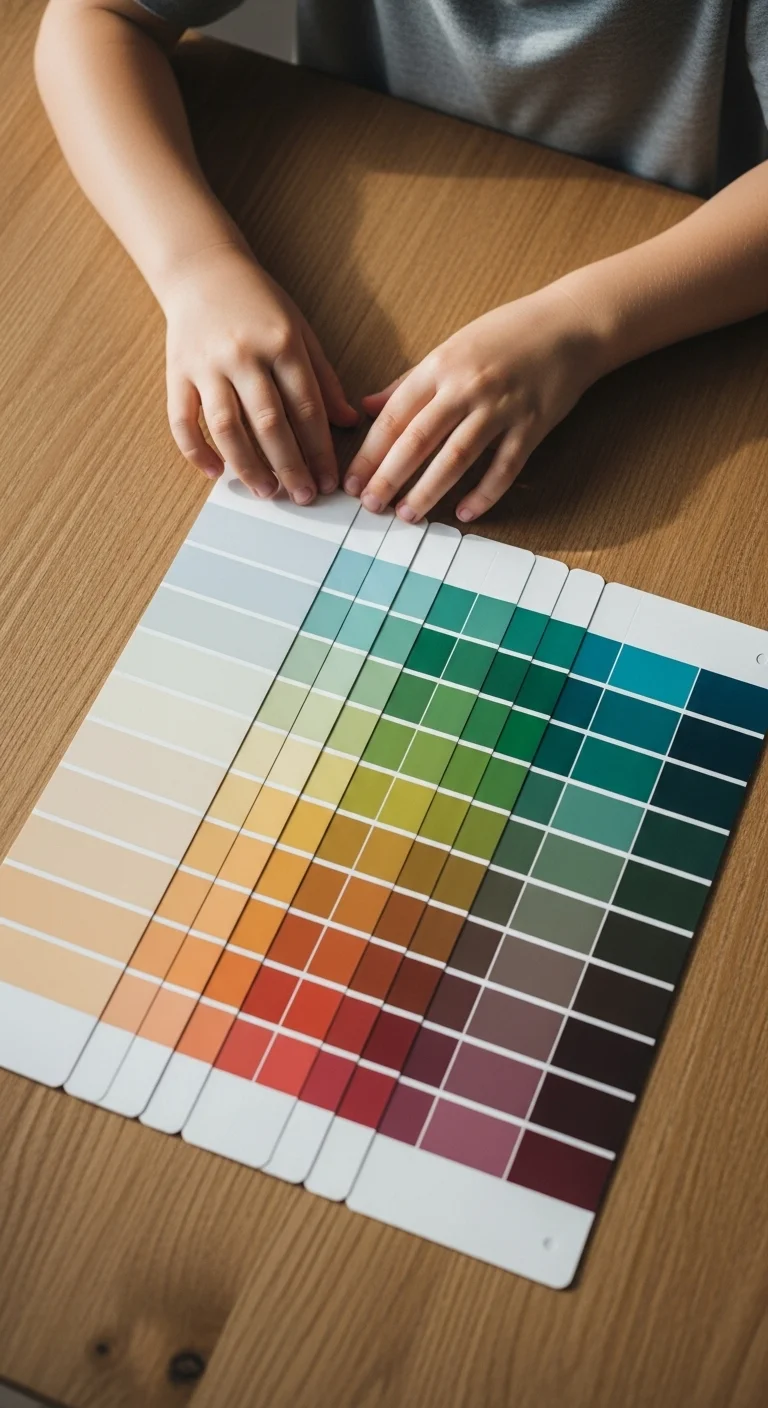
Collect free paint chips from hardware stores, cut them into small squares, and invite your child to arrange them from light to dark. Children enjoy comparing shades, and storing the chips in envelopes makes cleanup simple.
- Threading Pasta onto Pipe Cleaners
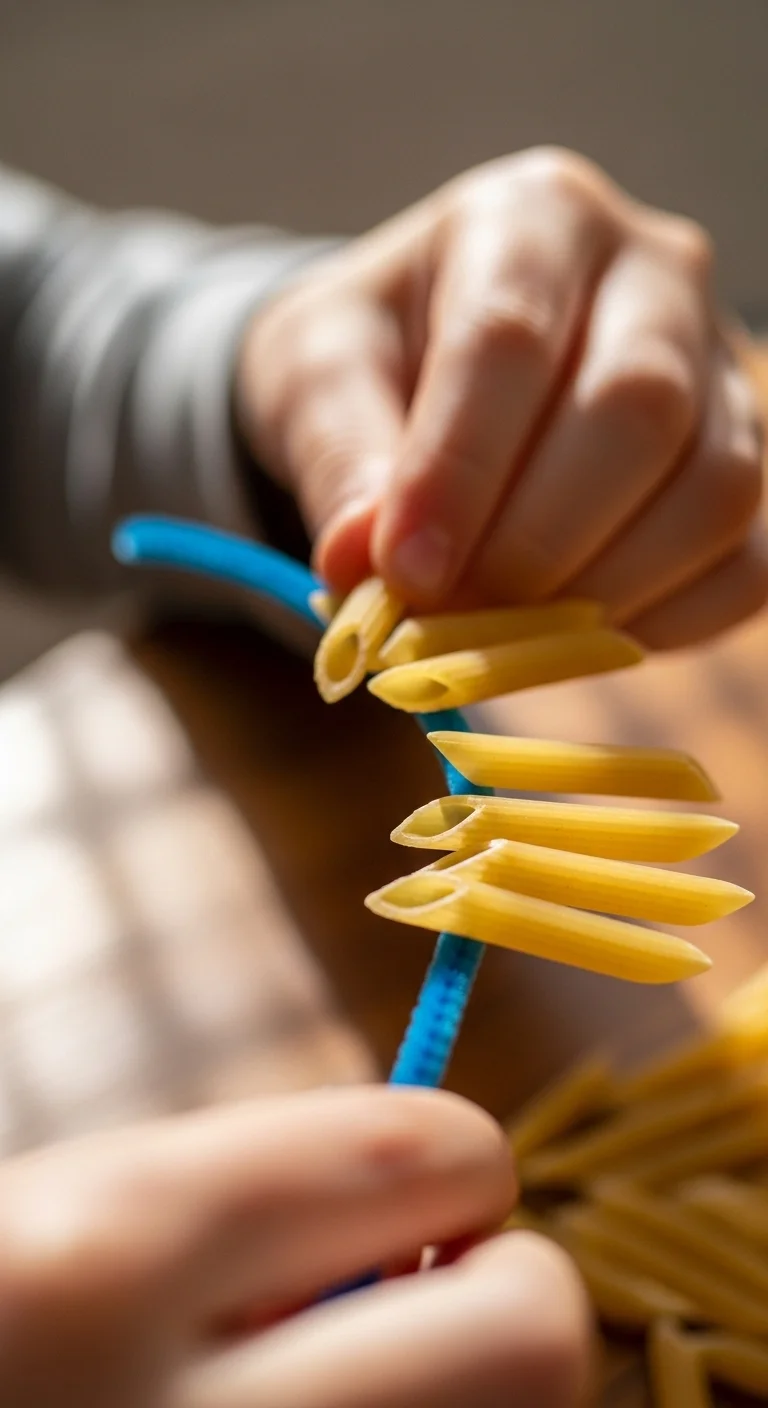
Offer pipe cleaners and dry pasta and show how to thread each piece. Children enjoy the texture and sound, and this is an affordable activity using pantry items. When finished, the pipe cleaner can be twisted into fun shapes.
- Simple Pattern Trays
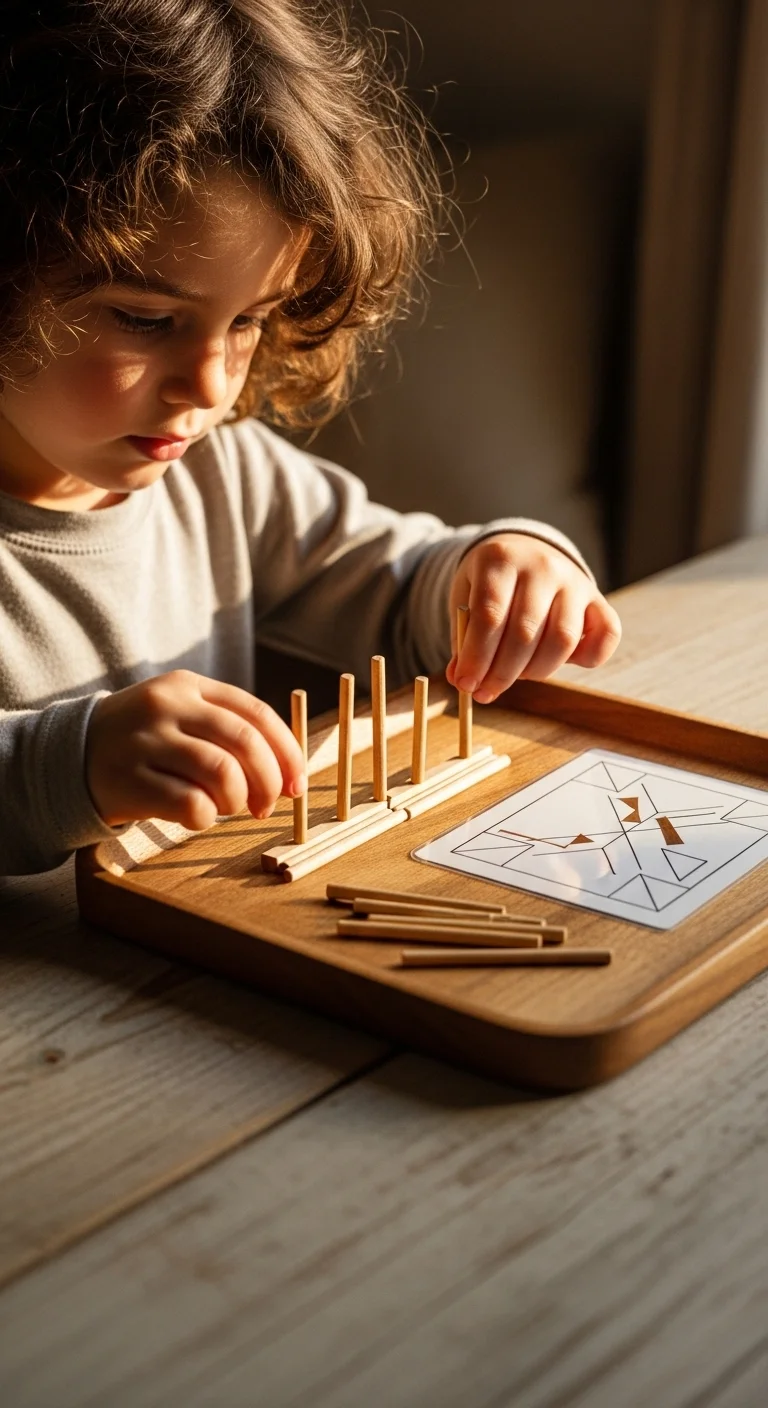
Place popsicle sticks on a tray and draw simple patterns on index cards so your child can copy the layout. Keep patterns clear and short to encourage thoughtful placement. Using recycled sticks helps keep the activity low-cost.
- Object-to-Picture Matching
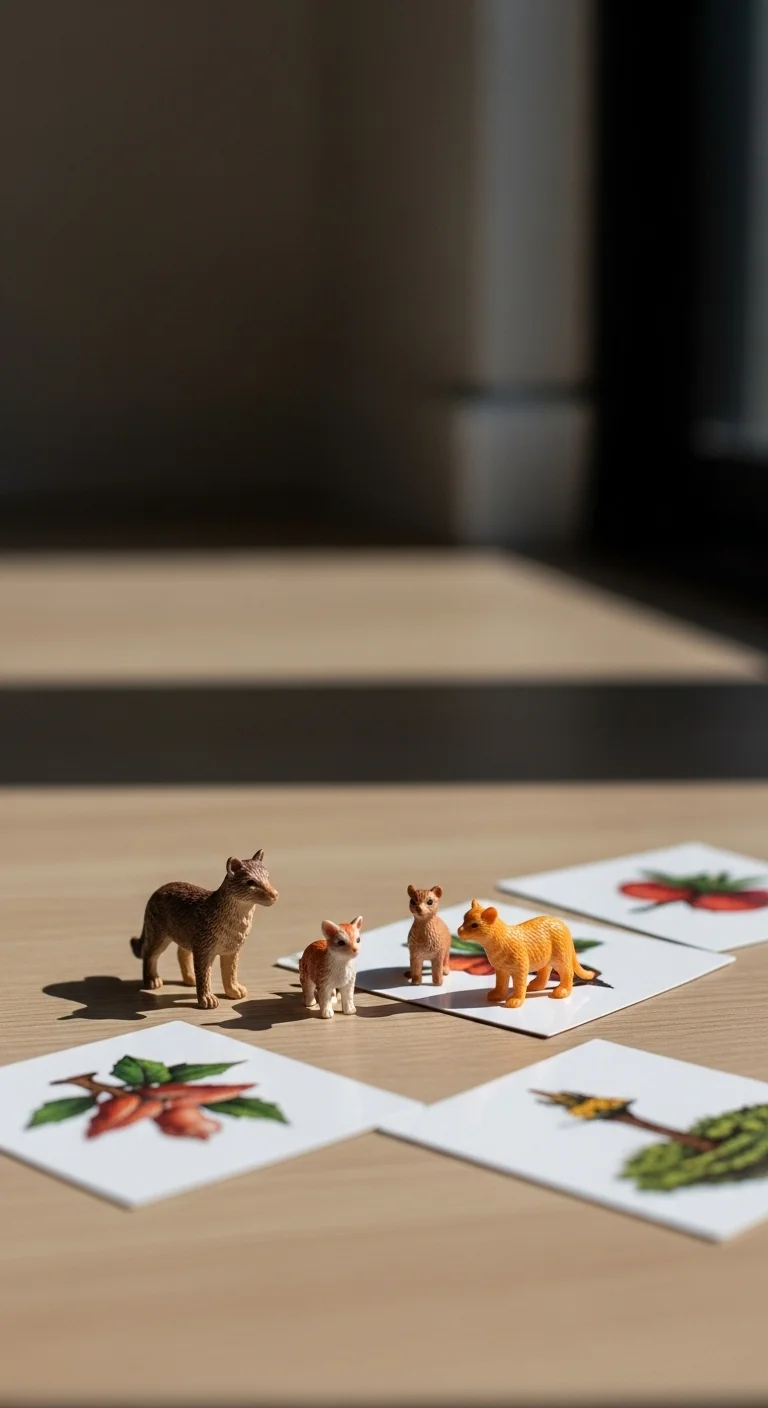
Print simple cards with animals or household items and gather matching objects so your child can pair each object with its photo. Start with a small number of choices to keep it manageable, and laminated cards last longer for repeat use.
Conclusion
These Montessori activities offer simple ways for young children to practice everyday skills with calm hands and steady focus. You don’t need expensive materials; small trays, recycled containers, and natural items work well. Pick a few activities and rotate them through the week. With a bit of consistency, your child can enjoy working independently while building practical abilities one small step at a time.
