

22 Parenting Self-Care Tips to Avoid Burnout

Parenting can feel nonstop, and it’s easy to push yourself aside without realizing it. Small daily habits make a big difference when you’re running low on energy. Self-care doesn’t have to cost money or take hours. Simple routines, quiet pauses, and tiny changes can help you feel more balanced. These tips focus on realistic actions you can start today, even with a busy home and very little free time.
- Create a Five-Minute Morning Reset

A short morning reset helps ground you before the day begins. Sit quietly with a warm drink and breathe for a moment. You don’t need a long routine. Just five minutes gives your mind a soft start. Keep a small notepad handy to jot down one simple goal for the day. Use whatever cup, chair, or quiet spot you already have. This tiny pause helps you feel steadier before kids start asking for things. Try keeping your mug and notebook together on the counter so it’s easy to grab. The trick is consistency rather than perfection. Even if you get only two minutes, take them. These tiny moments help your day feel gentler.
- Schedule Mini Breaks Throughout the Day

Mini breaks can reset your energy without rearranging your entire schedule. Take one minute to stretch, sip water, or breathe slowly. Set a phone reminder if needed. Breaks don’t have to look fancy. Sit on the floor. Step outside for a breath of fresh air. Lean against the counter while the kids play. These small pauses help your body relax little by little. Keep a short list of quick break ideas on your fridge: sip water, step outside, stretch shoulders, unclench jaw, or close eyes for a moment. Over time, these tiny actions help ease tension and make long days feel less heavy.
- Make a No-Phone Window

A no-phone window gives your mind space to breathe. Pick one hour a day to set your phone aside. Leave it in a drawer or face down on a shelf. Use that time for simple activities: sipping tea, folding laundry calmly, or talking with your kids without distraction. You don’t need anything fancy—just a clear boundary. This small break from constant notifications helps your thoughts slow down. Try starting with 15 minutes if an hour feels long. Build up gradually. You’ll feel more present and less overwhelmed.
- Keep a Low-Stress To-Do List
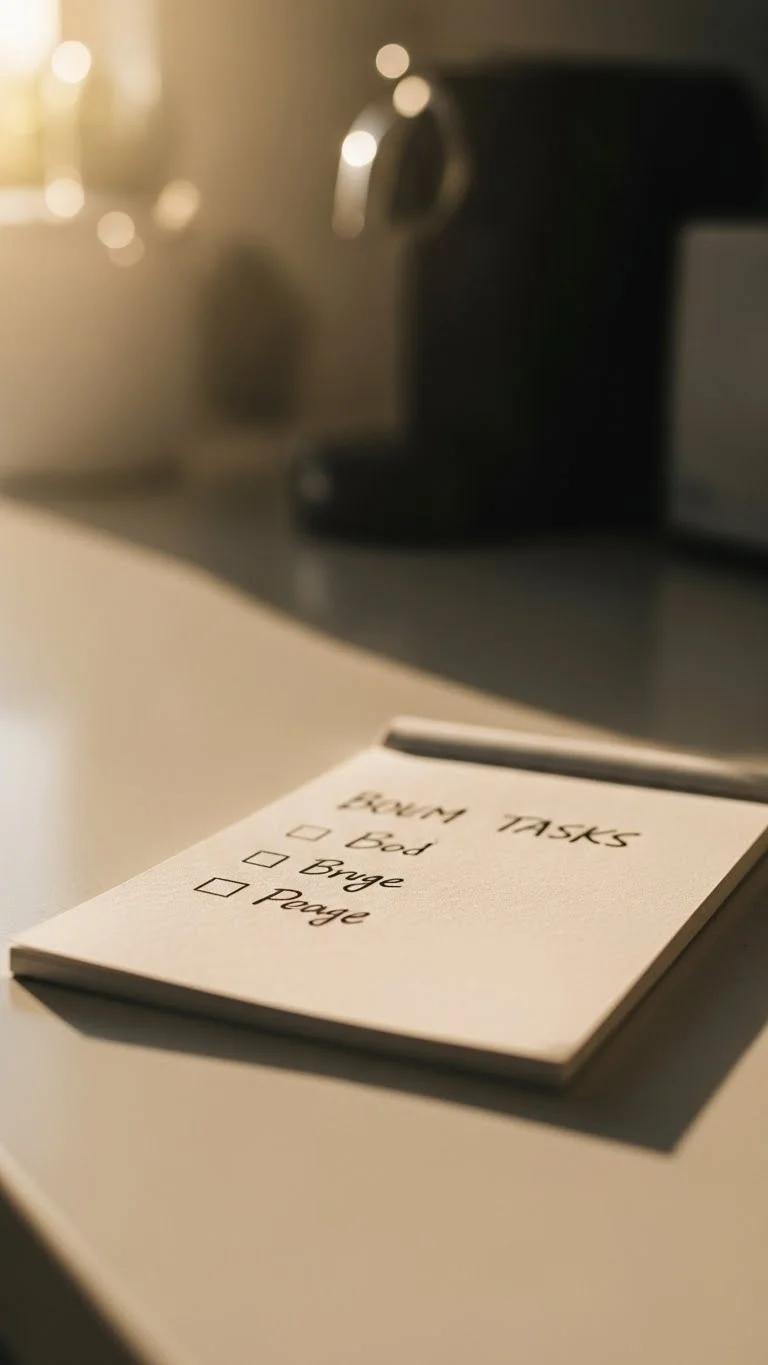
A long to-do list creates pressure you don’t need. Switch to a tiny list with only three tasks each day. Choose small actions: wash one load, prep snacks, or clear a counter. Keep the list where you can see it. When you finish something, cross it off and let that be enough. If you have extra energy, add one more task. If not, you still did what mattered. This simple list helps you feel organized without feeling overwhelmed.
- Drink Water Before You Feel Tired

Water is often overlooked when life feels busy. Keep a bottle where you spend most of your time—kitchen counter, desk, or diaper bag. Take small sips throughout the day. Add lemon slices or mint if you prefer the flavour. This basic habit helps your body stay steady. You don’t need fancy bottles or tracking apps. Just place water within reach. Small sips can make long afternoons feel a little easier.
- Prepare a Simple Snack Box for Yourself
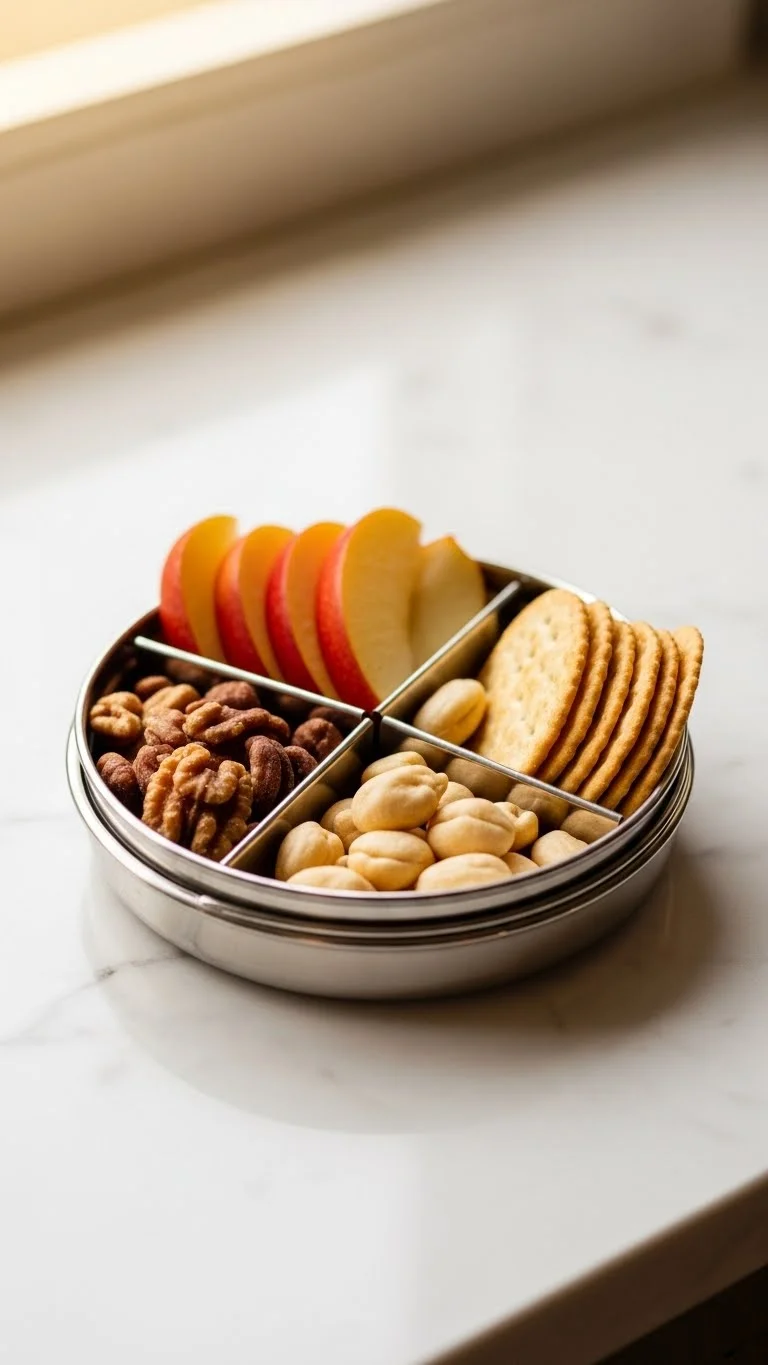
Parents often prepare snacks for kids but forget themselves. Make a small snack box just for you. Add easy items: nuts, crackers, fruit pieces, or yoghurt. Keep it in the fridge where you can grab it quickly. This stops you from skipping food during busy moments. Use any leftover containers you already have. Prep two boxes at a time so you always have one ready. Eating small, balanced snacks helps keep your energy steady during chaotic days.
- Create a Cozy Spot Just for You
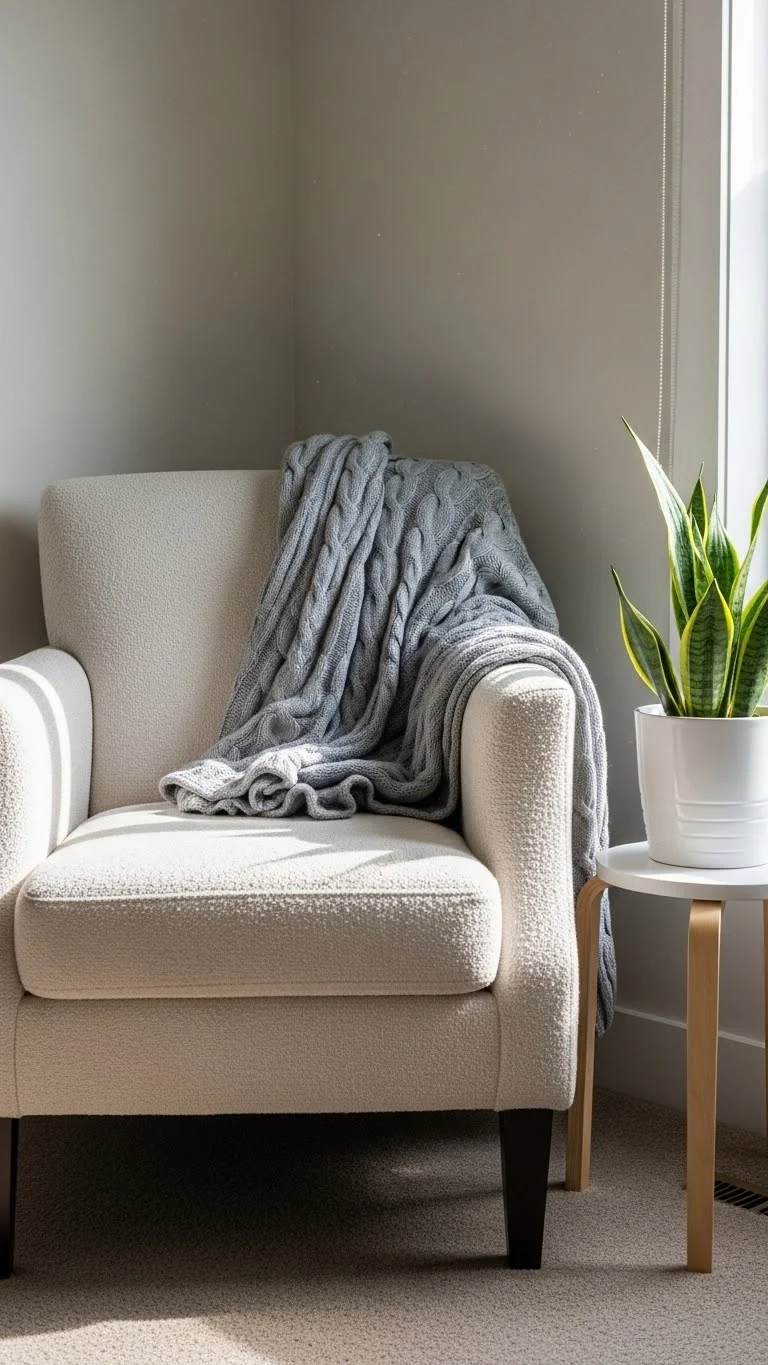
A personal corner gives you a place to exhale. Pick a chair, pillow, or corner of your bedroom. Add a blanket or candle if you like. This doesn’t need to be fancy. Just a spot that feels calm when you sit down. Use it for reading, sipping tea, or taking a quick breather. Even two minutes in your cozy spot can help settle your mind. Keep it tidy so it feels inviting every time.
- Practice Saying “I Need a Moment”

It’s okay to step back when you feel overwhelmed. Practice saying, “I need a moment,” in a calm voice. Kids learn from your example. Step into another room, breathe, and return when you feel steady. This doesn’t require special tools—just a simple phrase you use regularly. Keep it short and consistent. Over time, your family will recognize when you need space. This tiny habit helps prevent frustration from building up.
- Do a Two-Minute Breathing Pause

Two minutes of slow breathing can help your body reset. Sit comfortably. Inhale slowly. Exhale longer than you inhale. Repeat. You can do this anywhere—on the sofa, in your car, or beside the crib. No special mat or device needed. Set a 2-minute timer if it helps. These short pauses gently calm your mind during a busy day. Practicing once or twice daily can make stressful moments feel easier to handle.
- Go Outside for a Quick Reset

Stepping outside can change your mood in seconds. Even 30 seconds helps. Feel the air, look at the sky, or listen to birds. Let your shoulders drop. You don’t need a park—just step onto a porch, yard, or open window. If kids are busy, step out alone. If they’re not, bring them along for a tiny walk. Fresh air helps shift the energy in your day.
- Delegate Small Tasks Without Guilt

You don’t have to do everything alone. Delegate tiny tasks: handing off dishes, asking someone to watch the kids for ten minutes, or letting an older child help with simple chores. Start small so it feels manageable. This isn’t about perfection—it’s about giving yourself space. When others share tasks, your workload feels lighter. Use clear, simple requests. Over time, sharing responsibilities becomes routine.
- Keep a “Quiet Play” Bin for Breaks
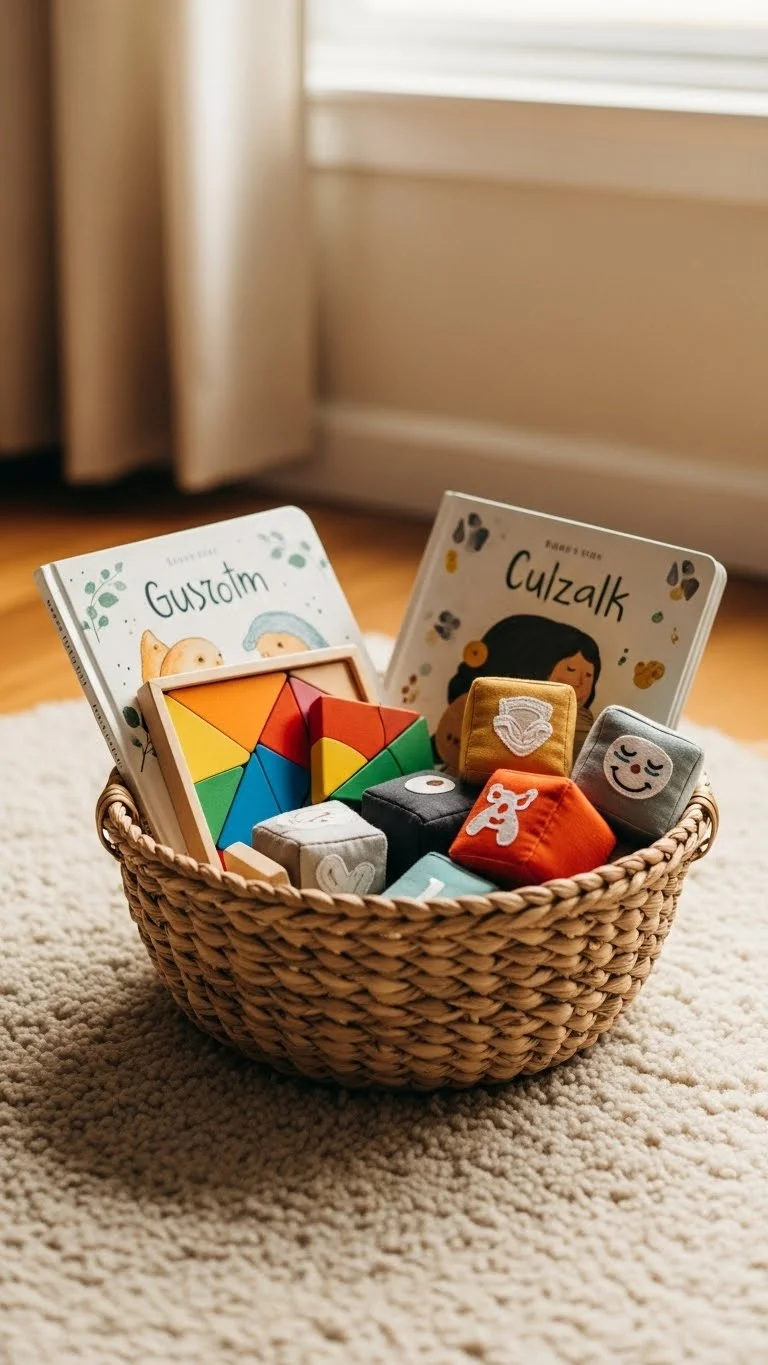
A quiet play bin lets kids stay busy while you recharge. Fill a basket with items they only see during your break: puzzles, blocks, silk scarves, or books. Rotate items every week. Keep the bin in a reachable spot. When you need space, take it out and let your child explore. This small system gives you a pocket of calm without screens or stress.
- Simplify Household Routines
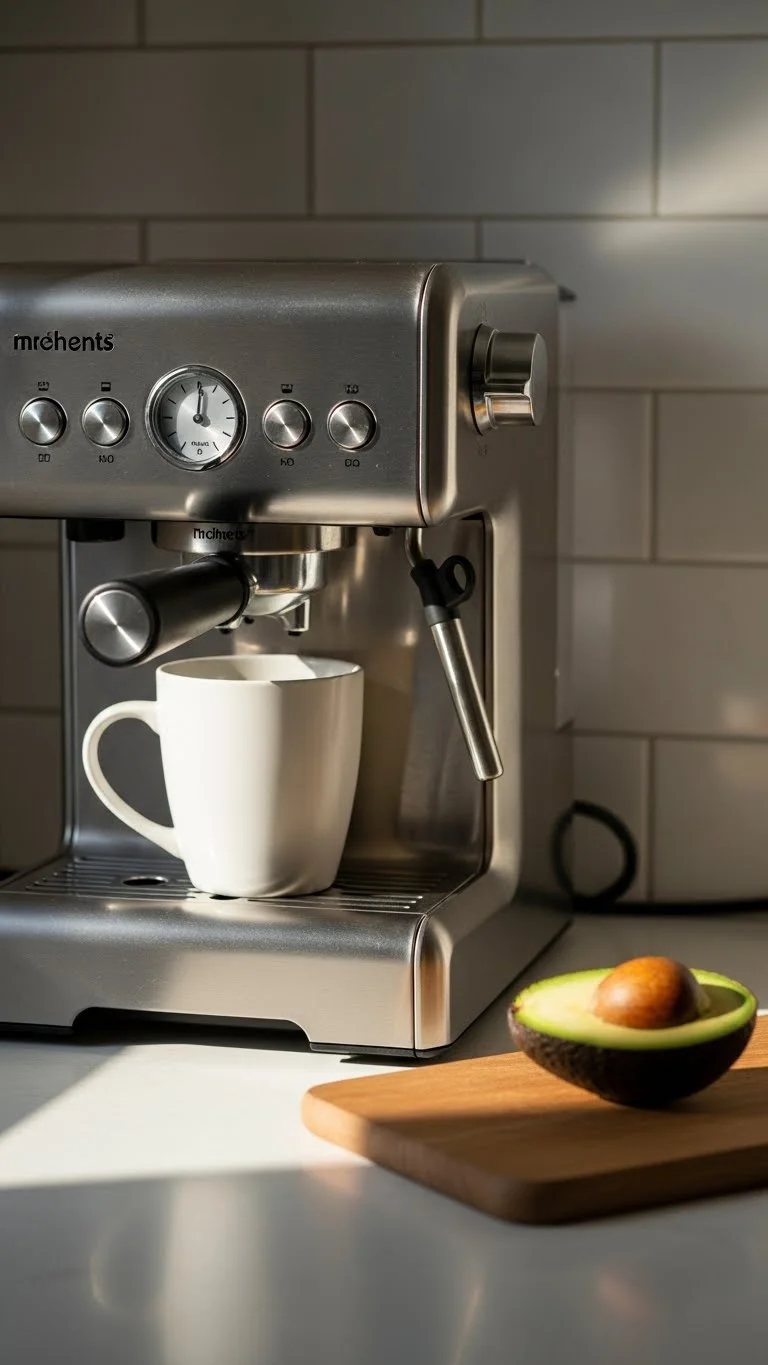
Simplify routines so your day feels lighter. Shorten meal prep using pre-cut produce or simple recipes. Keep fewer toys out to reduce cleanup. Use baskets to collect clutter quickly. These small changes make daily tasks easier. You don’t need to reorganize your entire home—just simplify one area each week. A calmer home flow creates more breathing room for you.
- Move Your Body in Small Ways

Movement doesn’t have to be a full workout. Stretch while the water boils. Do shoulder rolls in the hallway. Walk around your home during a phone call. These small movements help release tension and increase energy. Use comfortable clothes you already have. You don’t need expensive equipment or long sessions. Keep it simple and repeat small movements throughout the day.
- Start a “One Thing at a Time” Habit

Doing one thing at a time reduces stress. Instead of juggling tasks, pick one small job and finish it. This keeps your mind calmer. Fold laundry without checking your phone. Wash dishes without answering messages. Focus on the present moment. This habit helps reduce chaos in your day. Start with just five minutes. The more you practice, the easier it feels.
- Use Audio for Relaxation

Audio can soothe your mind quickly. Listen to calming music, nature sounds, or gently spoken stories. Use free playlists online or apps you already have. Keep earbuds or headphones in a drawer where they’re easy to grab. Let audio play while you fold clothes, cook, or rest. This small shift adds peace to your routine without costing anything.
- Set Simple Boundaries at Home

Clear boundaries protect your energy. Keep them simple: “I’m talking right now,” or “I’ll help after I finish this.” Repeat calmly. Your tone matters more than long explanations. Kids adapt faster than you think. Boundaries help reduce overwhelm and make your day flow more smoothly. Practice one boundary at a time and stay consistent.
- Permit Yourself to Rest

Rest is not a luxury. It’s part of staying steady. Let yourself nap, sit down, or pause without guilt. Set aside even five minutes to lie down. Use a pillow, blanket, or quiet corner. Rest helps your body recover from long parenting days. Listen to your energy and honour it. Small moments of rest can make a big difference.
- Keep a Low-Effort Comfort Ritual

A comfort ritual brings warmth to your day. Sip tea at the same time daily. Light a candle in the evening. Use a soft blanket during quiet moments. Pick something simple that relaxes you. Repeat it until it becomes part of your routine. This small ritual signals your brain that it’s time to slow down, even if life feels busy.
- Clean One Corner, Not the Whole House
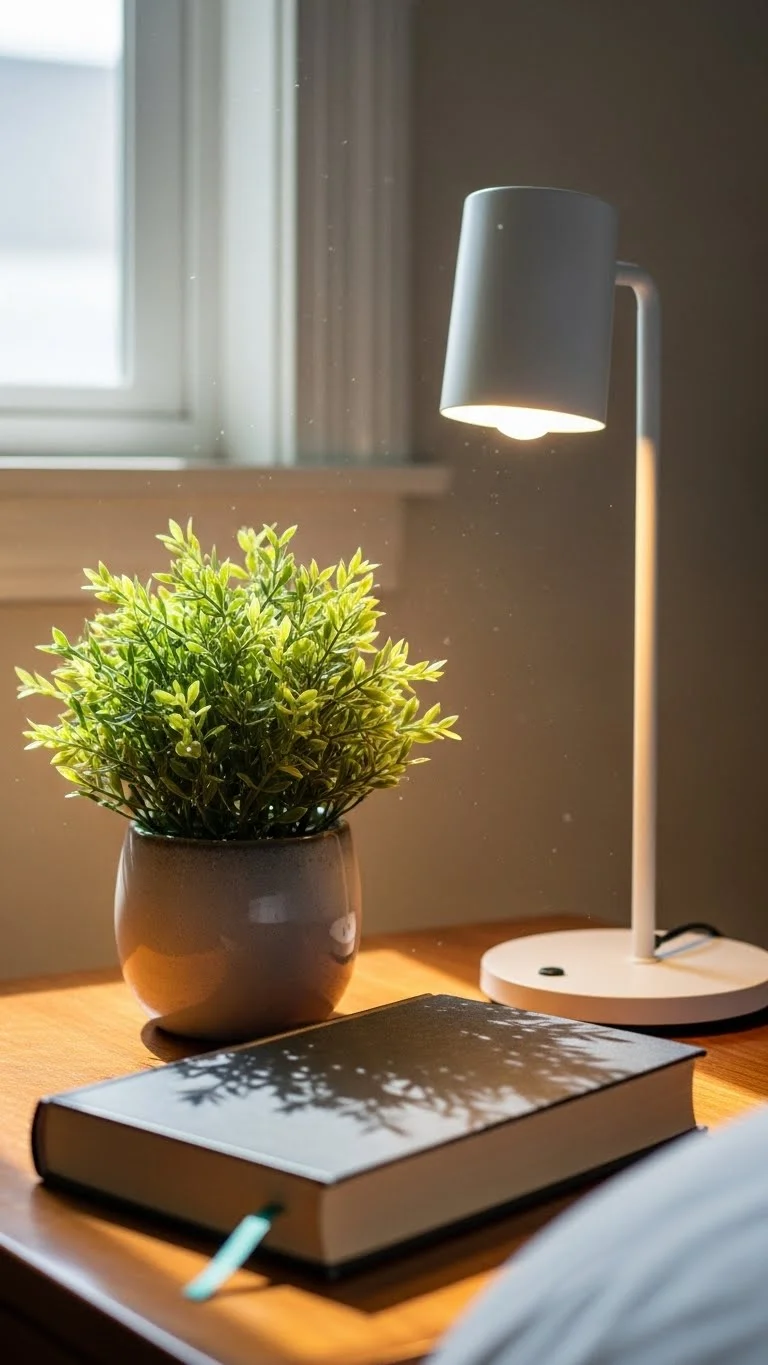
Cleaning one corner gives you a quick sense of calm without draining your energy. Tidy a nightstand, bathroom counter, or kitchen corner. Keep it tiny so you don’t feel pressured. These small wins help the space around you feel lighter. Use baskets for quick cleanup and donate what you no longer use. A clean corner can shift your mood even on hectic days.
- Talk to Another Adult Regularly

Connection helps you feel supported. Talk to a friend, partner, or adult family member. Share a small story from your day. Text someone if you don’t have time for a call. These simple check-ins remind you that you’re not alone. You don’t need long conversations—just regular contact. A few minutes of adult connection can help lift heavy feelings.
- End Each Day with a Small Gratitude Moment

Gratitude moments help shift your focus. Write down one thing that made your day lighter: a hug, a laugh, or a quiet minute. Keep a small notebook by your bed. You don’t need long entries. Just one line is enough. This small habit helps you close the day with calm thoughts and begin the next with a lighter outlook.
Conclusion
Self-care doesn’t have to feel distant or complicated. Small, repeatable habits can help you feel more grounded and less overwhelmed. Start with one or two tips and build from there. Permit yourself to take up space, find small pauses, and protect your energy. Consistent, simple actions can make parenting feel more balanced and gentler on your mind and body.
