

23 Brilliant Positive Parenting Ideas for Happier Kids

Positive parenting helps children feel secure, confident, and understood. Small habits make home life calmer and strengthen family connections. Parents want simple ideas they can use right away, without pressure or expensive tools. These practical tips offer easy ways to bring more peace, cooperation, and warmth into everyday routines. Each idea focuses on building trust, reducing friction, and keeping communication open. Try a few today and see how they shift the mood in your home.
- Create Mini Connection Rituals
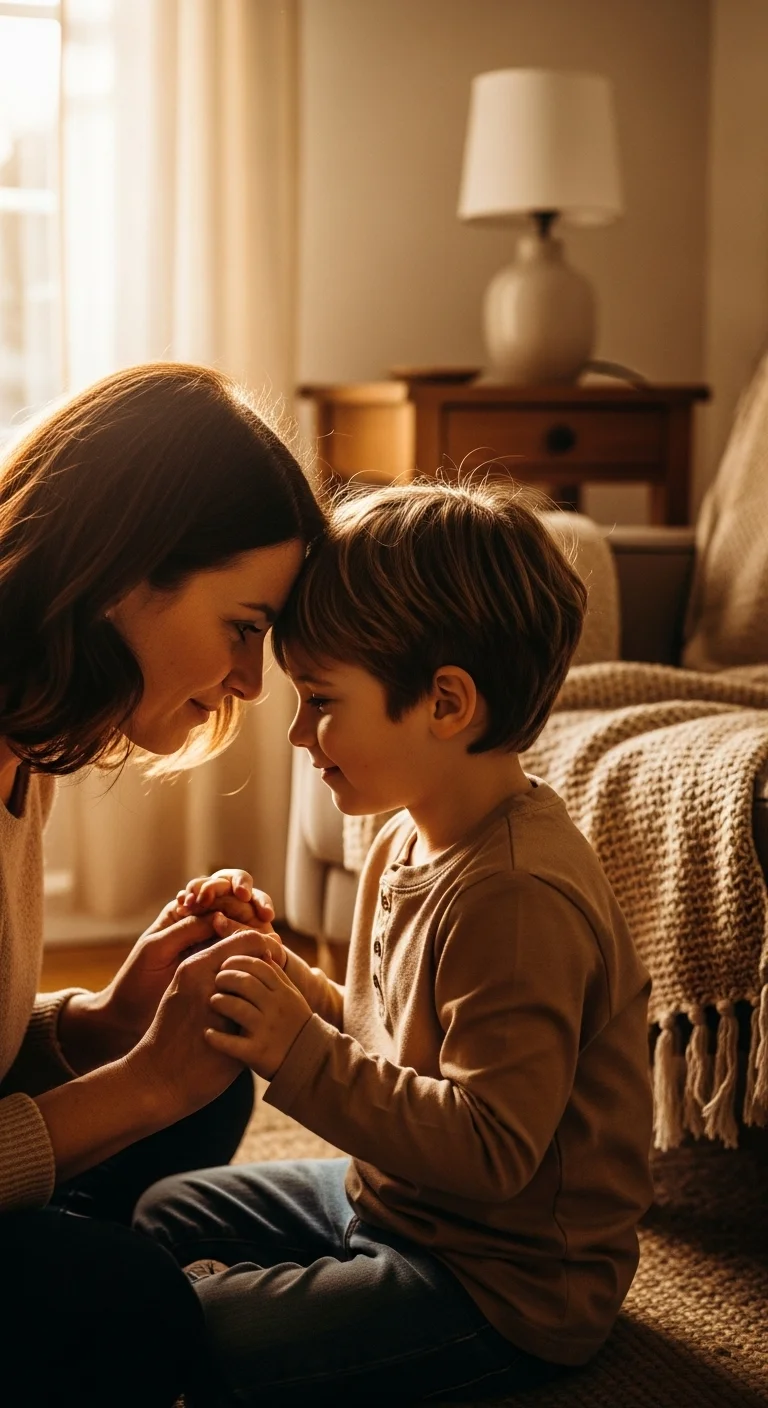
Mini rituals help children feel seen. They work best when kept simple and consistent. A forehead tap, a hand squeeze, or a special phrase feels grounding. You can add them to daily moments like waking up or saying goodnight. These small habits take seconds and cost nothing. Children respond well to cues that feel personal. A consistent ritual becomes something they look forward to. DIY ideas include drawing a tiny symbol on a sticky note and placing it near their bed, or creating a fun “secret” gesture that only you share. These moments help settle anxiety and prepare them for smoother days. A consistent connection builds trust and makes cooperation easier.
- Use Gentle Instructions

Short instructions help children stay focused. Long sentences feel overwhelming. Try simple lines like “Shoes on” or “Let’s go.” The calmer your tone, the easier they follow. When possible, crouch to eye level. This removes pressure and makes children feel respected. You can also draw quick picture cues on paper to help younger kids understand the steps. These simple visuals work well during hectic mornings. For a budget option, use index cards and draw basic stick figures. Keep them near the door or in your child’s room. Gentle instructions reduce friction and help your child shift tasks more smoothly.
- Give Kids Time to Process
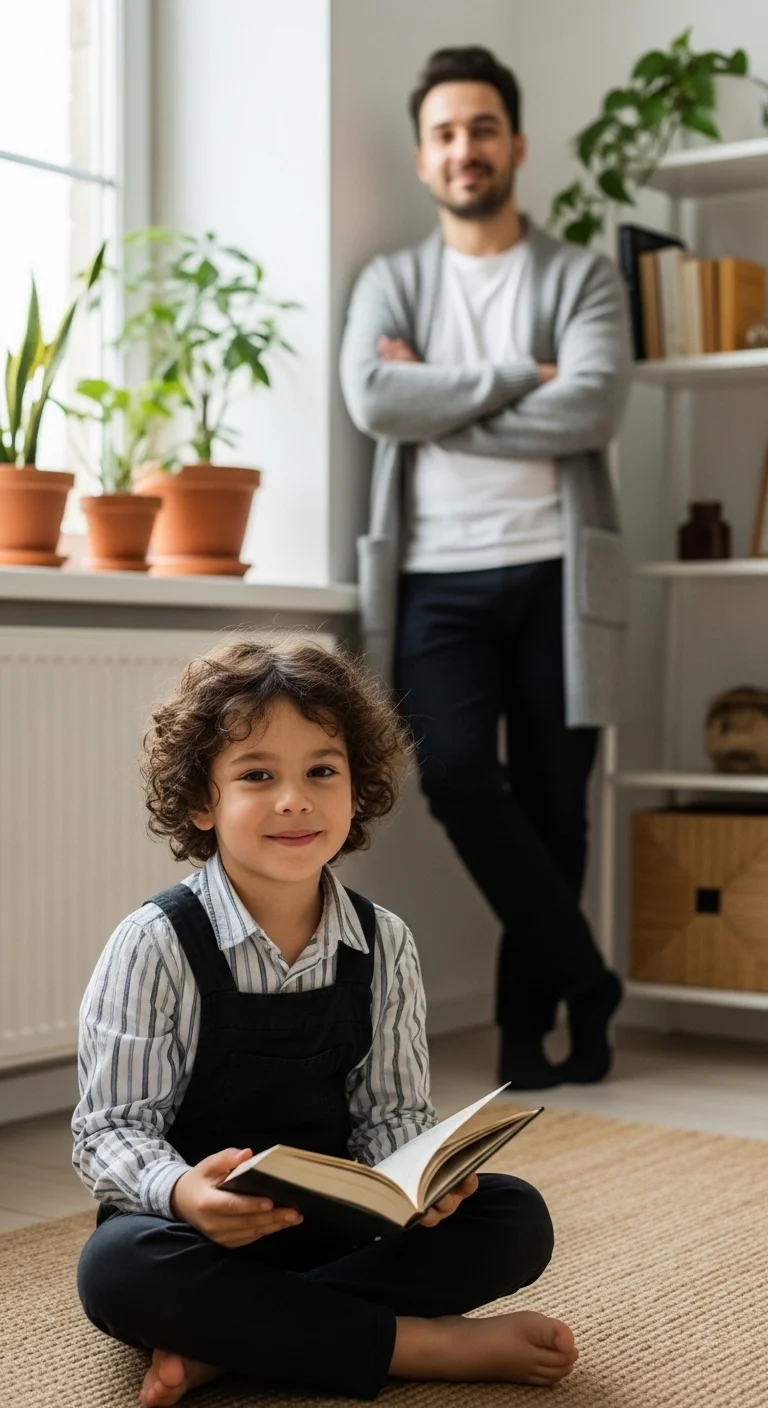
Kids often need more time than adults to switch tasks or respond. Silence can feel uncomfortable at first, but it works. After giving an instruction, pause and wait. Avoid repeating yourself too quickly. This gives them space to think. For younger kids, set a small kitchen timer from a discount store to help them understand the moment. The gentle tick helps them feel the rhythm without pressure. Giving processing time removes rushing and reduces tension. Over time, kids learn to respond sooner because they don’t feel pushed.
- Keep a Calm Voice

Your voice sets the tone. Staying calm helps the child shift from stress to comfort. Speak slowly and softly. This helps them settle even during tough moments. Practice whisper conversations during relaxed times so your child knows the pattern. They learn to match your energy. This works especially well in public settings where overstimulation builds quickly. A gentle voice brings the moment back under control and supports your child without adding tension.
- Use the Two-Choice Method
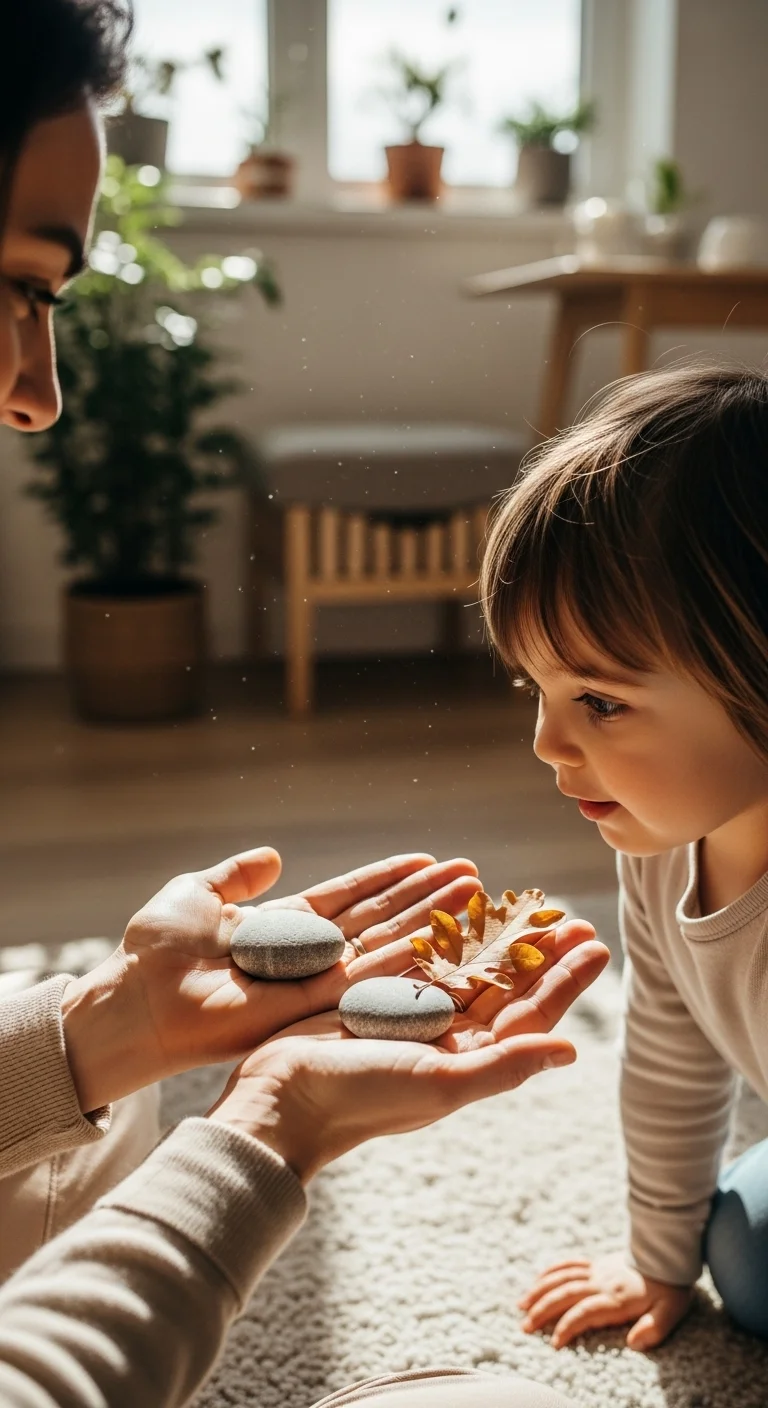
Choices help children feel part of the moment. Offer two simple options: “Red cup or blue cup?” “Book A or Book B?” This empowers them without overwhelming them. Keep items basic and avoid too many choices. For an affordable setup, use small containers from dollar shops to create choice bins for snacks or toys. This reduces conflicts and gives kids a sense of ownership. It also works during tricky routines like bedtime or cleanup. The key is keeping everything simple and predictable.
- Build a Cozy Comfort Corner
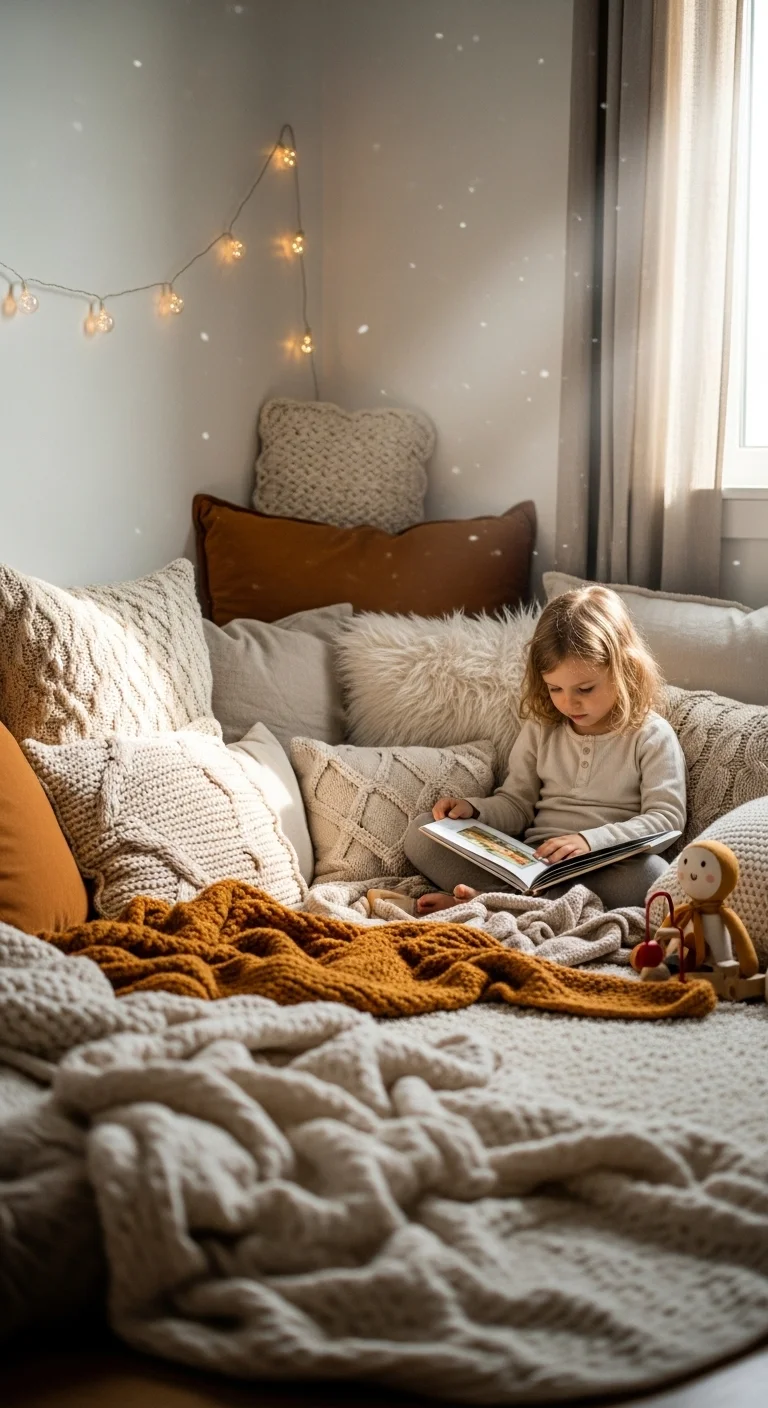
A comfort corner gives children a safe place to reset. You don’t need fancy equipment. Use a few pillows, a blanket, and soft light from a small lamp. Add items like stuffed toys, squishy objects, or colouring supplies. Introduce the space when everyone is calm so the child sees it as supportive, not corrective. You can let them help decorate the corner using paper art or stickers. This helps them feel ownership of the space. When big feelings appear, the comfort corner becomes a helpful tool.
- Practice Emotion Words
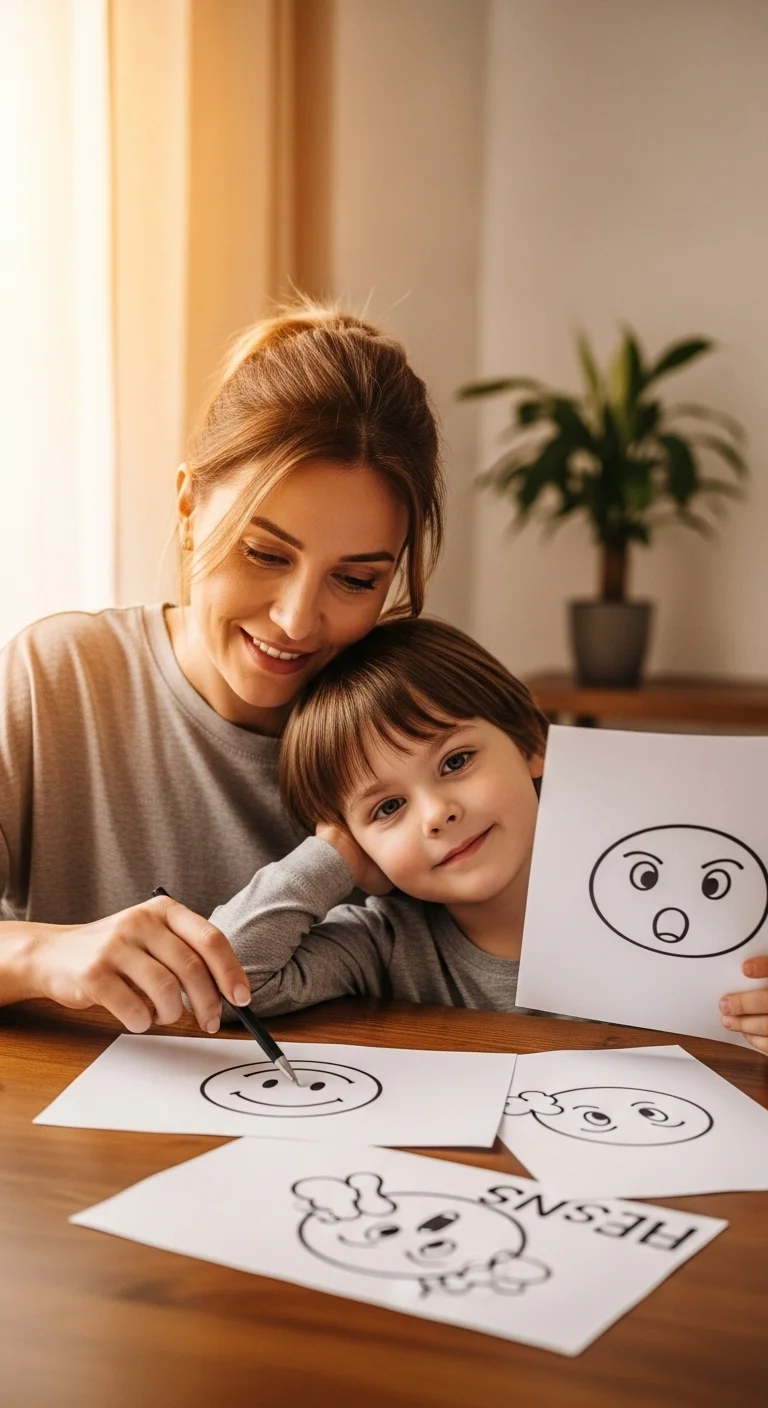
Kids behave better when they understand their emotions. Use simple words like “mad,” “sad,” or “worried.” Create DIY emotion cards using paper and markers. Keep them on the fridge or a wall. Point to them when your child struggles to speak. This normalises feeling expression. You can also act out faces together during playtime. When emotions feel understood, children respond with more calm. This reduces outbursts and helps communication feel easier.
- Prep for Transitions Early
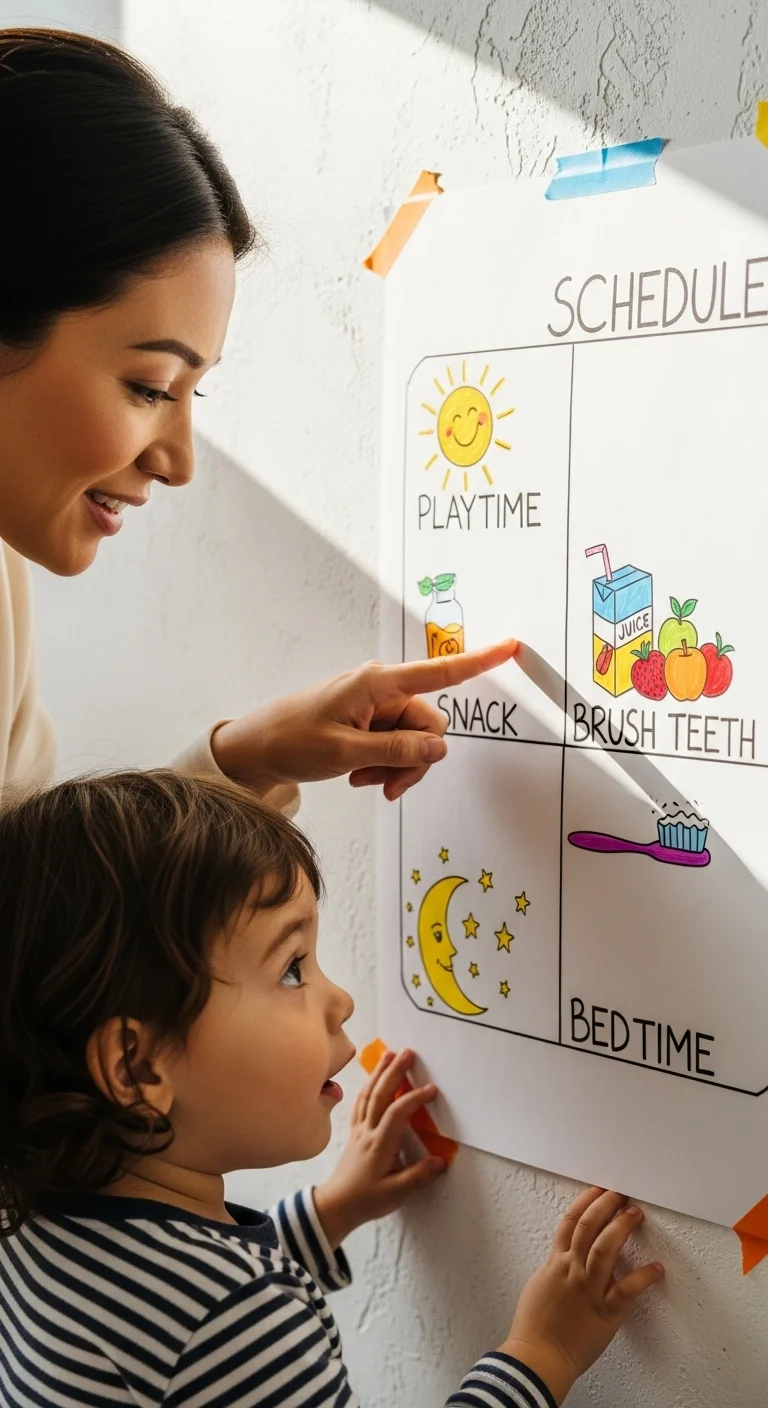
Transitions are tough for kids. Preparing ahead helps them shift without resistance. Use simple warnings like “Two minutes left” or show a picture schedule. Create DIY visual charts with sketches or magazine cutouts. Tape them somewhere visible. Let your child move a clip along the chart to mark progress. This creates predictability. It keeps mornings smoother and evenings calmer. Children feel steadier when they know what’s coming next.
- Celebrate Effort, Not Perfection

Kids thrive when their effort is noticed. Instead of praising results, recognise the work they put in. Say things like “You worked hard on that.” It teaches resilience and encourages them to try again. Use dollar-store frames or clipboards to display their creations at home. This turns everyday effort into a moment of pride. It builds confidence and helps kids stay motivated without pressure.
- Use Daily “Check-In” Moments

Small check-ins help children feel heard. Ask simple questions like “How’s your heart today?” Keep it light so they don’t feel overwhelmed. These moments work best during calm parts of the day—after breakfast or before bedtime. You can keep a small notebook where they can draw their feelings if talking feels hard. These check-ins help build trust and open communication over time.
- Model Calm Behaviour
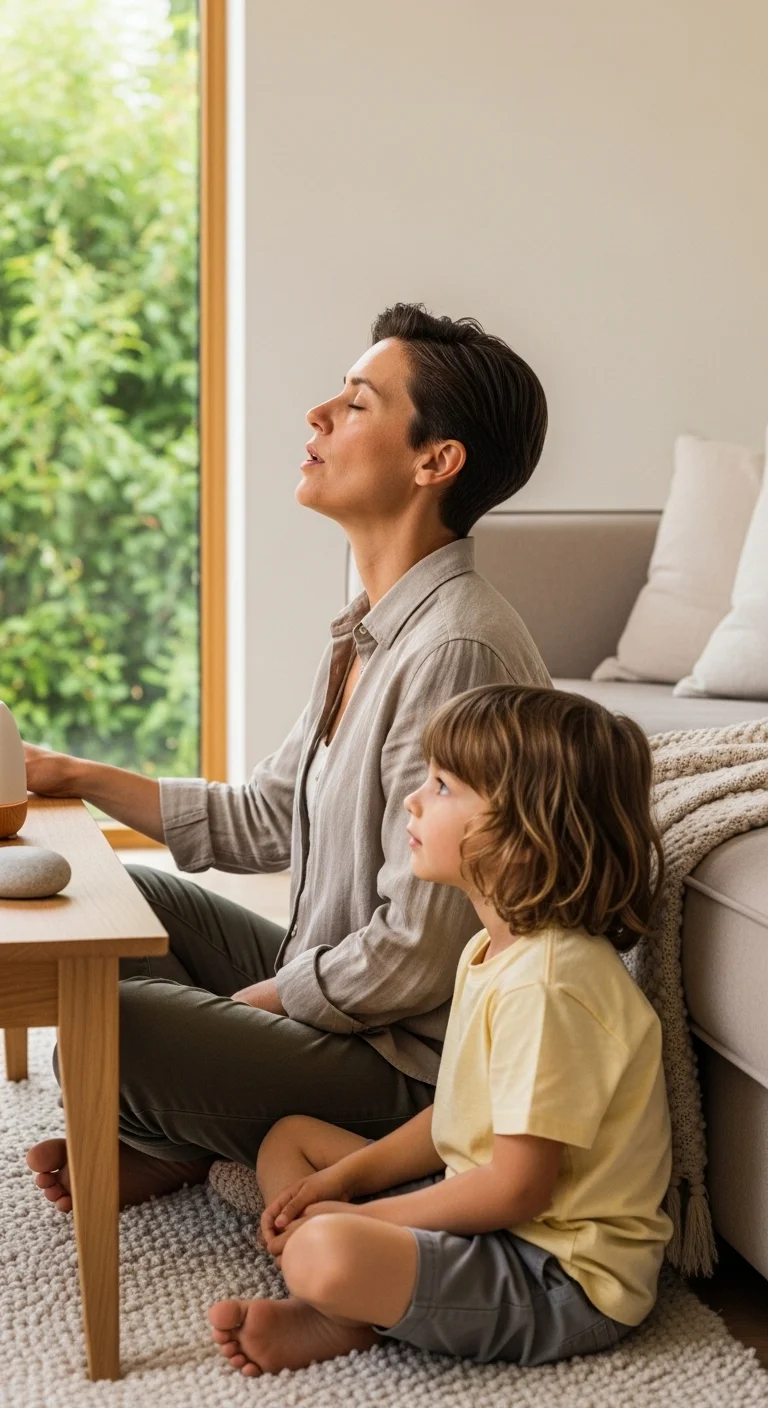
Kids learn by watching. If they see you stay calm, they’re more likely to follow. Practice slow breathing when things feel chaotic. You can also use simple hand motions like tracing a square while breathing in and out. Teach them during peaceful moments so they remember during tough ones. This habit gives them a tool they can copy anytime.
- Make Space for Independent Play
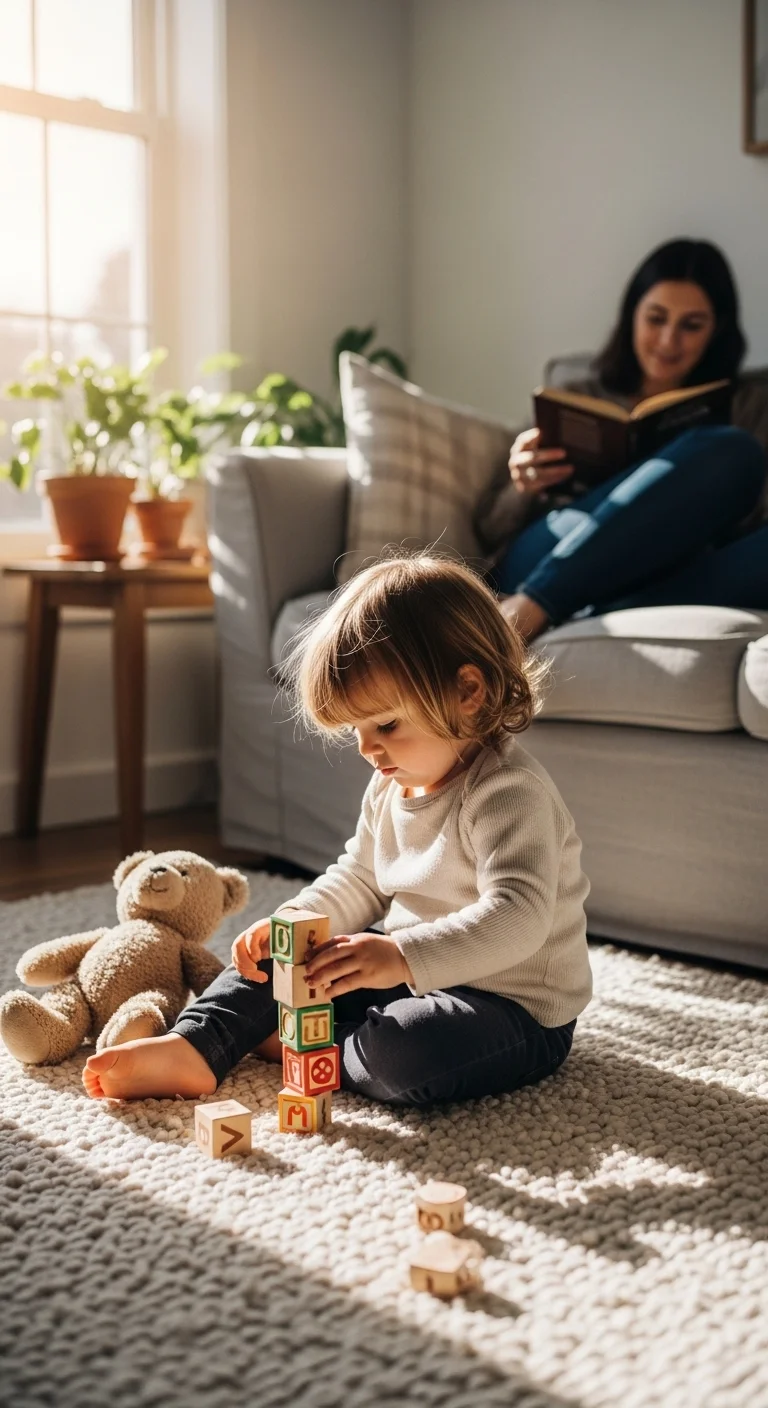
Independent play builds confidence. You don’t need expensive toys. Rotating small sets of blocks, books, or puzzles works well. Place a few items in bins and switch them weekly. This keeps the play fresh without clutter. Sit nearby but avoid directing the game. The child learns to explore on their own. This supports creativity and gives you small pockets of rest.
- Create “Yes Zones”
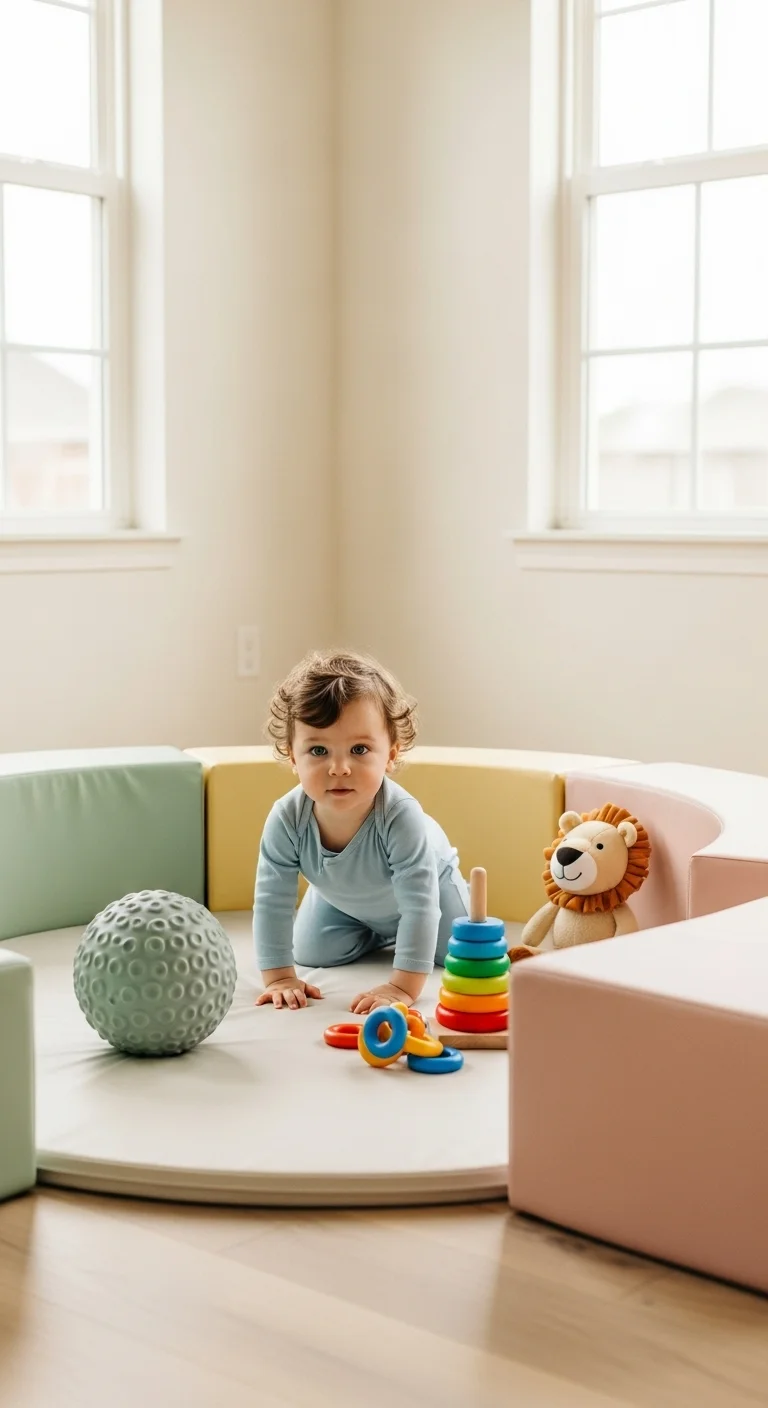
A yes zone is a space where the child can move freely without constant correction. Use soft rugs, low shelves, and safe toys. Rearrange the area so they can explore without worry. This reduces stress for both of you. For cheap additions, use plastic storage bins, washable mats, or thrifted baskets. Kids feel more relaxed when they don’t hear “no” all day.
- Encourage Simple Problem-Solving
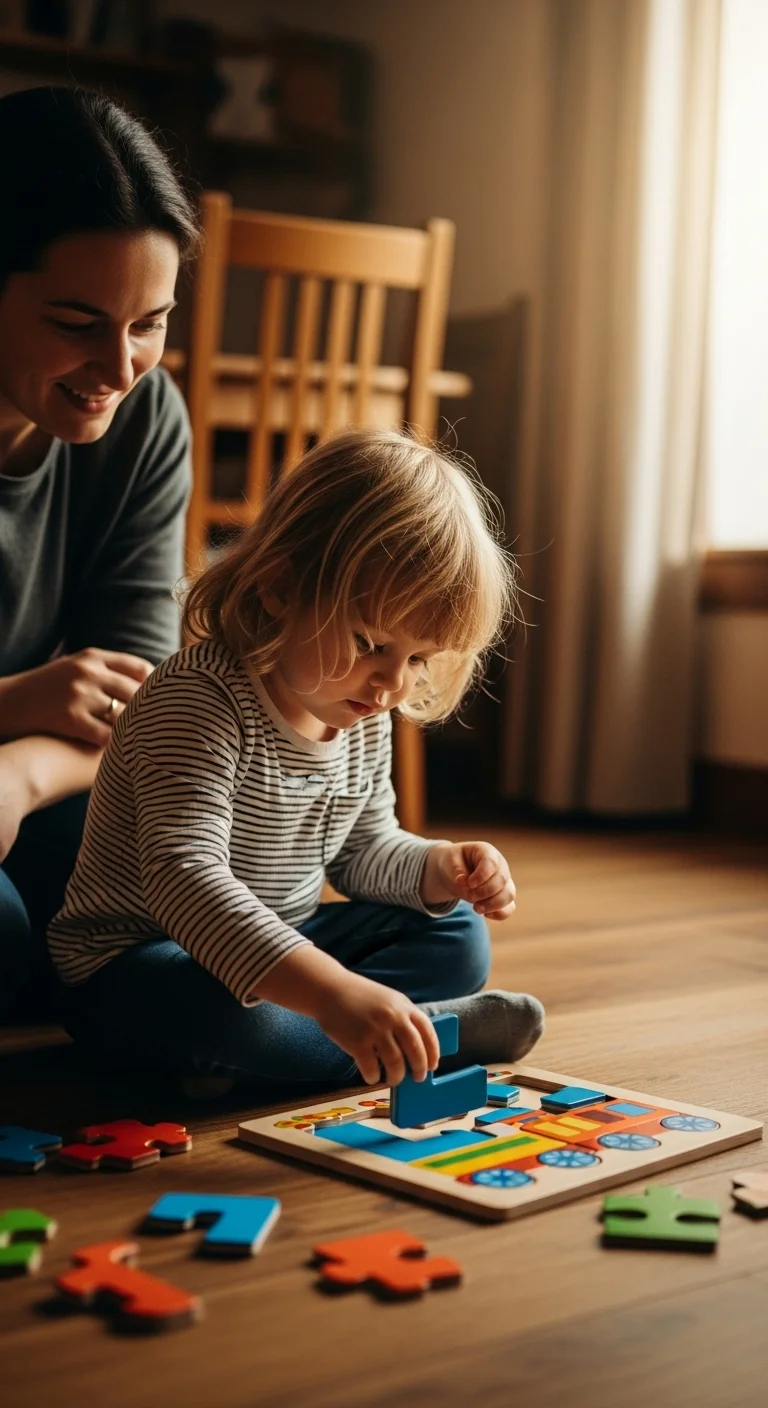
Kids feel stronger when they try solving small problems on their own. Before stepping in, pause and ask, “What could you try next?” Keep the tone gentle. Offer hints instead of taking over. You can use dollar-store puzzles or simple household items for practice. This helps build patience and confidence.
- Slow Down Routines
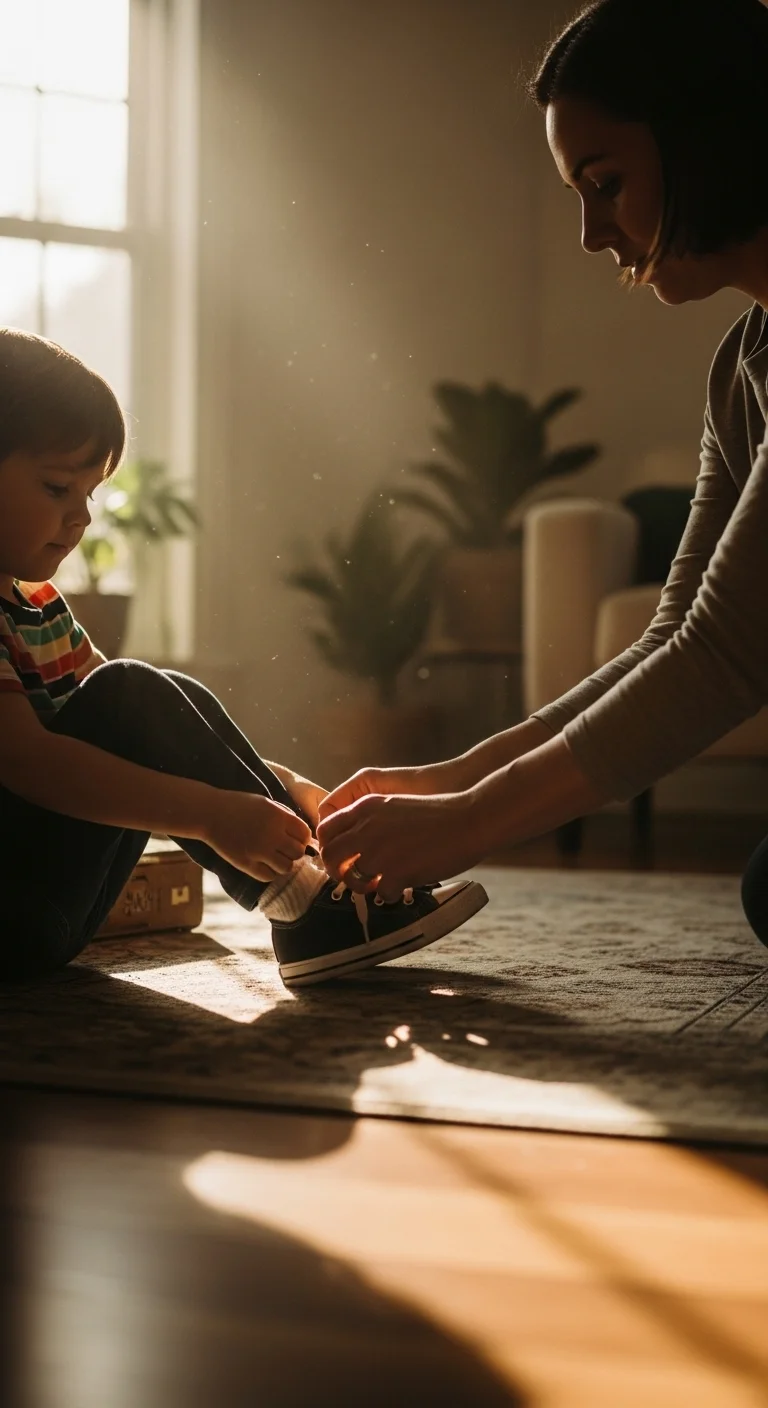
Rushing makes kids reactive. Try adding a few extra minutes to routines like getting dressed or preparing for bed. This keeps moods steady. Create tiny timers or visual steps to guide them. Write steps on sticky notes and place them where they can see them. Slower routines help the child stay calm and cooperative.
- Teach the “Try Again” Moment
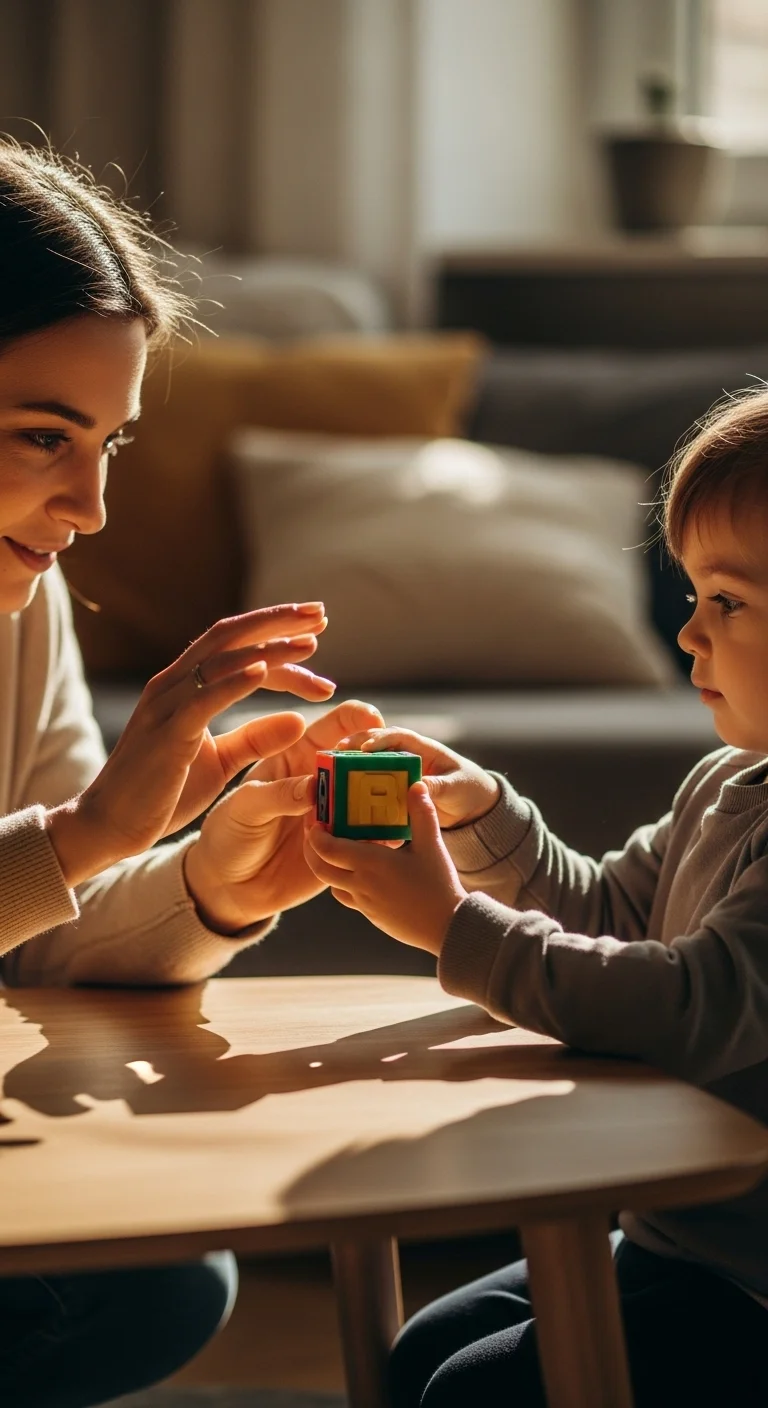
Instead of punishment, ask the child to try again with a calmer approach. If they shout, ask them to repeat with a softer tone. If they snatch, guide them to hand something gently. This helps them practice without shame. Over time, they learn what respectful behaviour looks like. This method helps correct actions while keeping the connection strong.
- Offer Predictable Choices for Meals
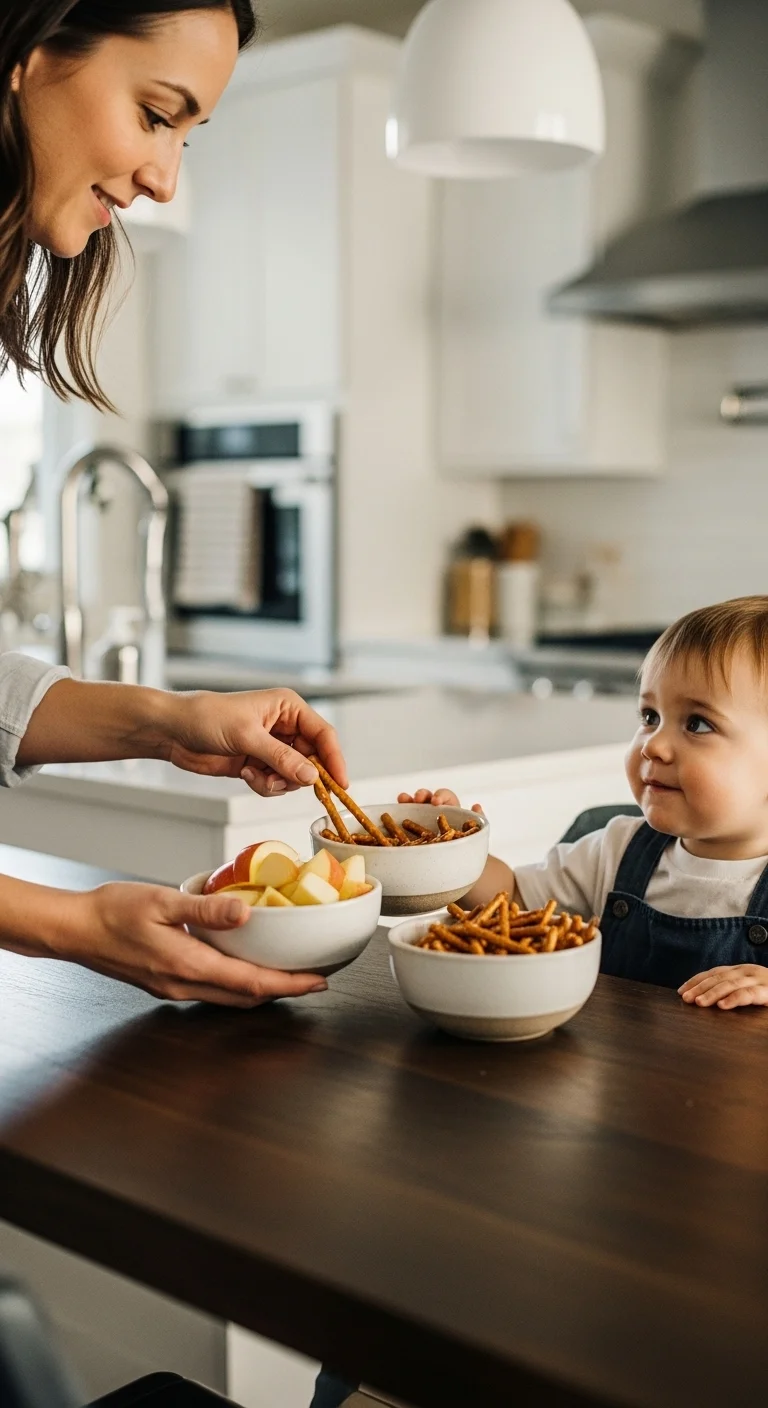
Meal conflicts fade when choices stay predictable. Offer two healthy options instead of asking open-ended questions. Use small bowls or plates to keep portions simple. Rotate affordable snacks like fruit slices, crackers, or yogurt. This keeps mealtime smoother and helps the child feel involved without stress.
- Use Humour to Diffuse Tension

Humour helps children relax. A funny voice or playful move can shift a heavy moment. Keep it simple so it doesn’t overstimulate. You can use a silly hat, a puppet made from a sock, or a quick rhyme. These tiny gestures help break tension and turn resistance into cooperation.
- Keep a Small Calm Kit
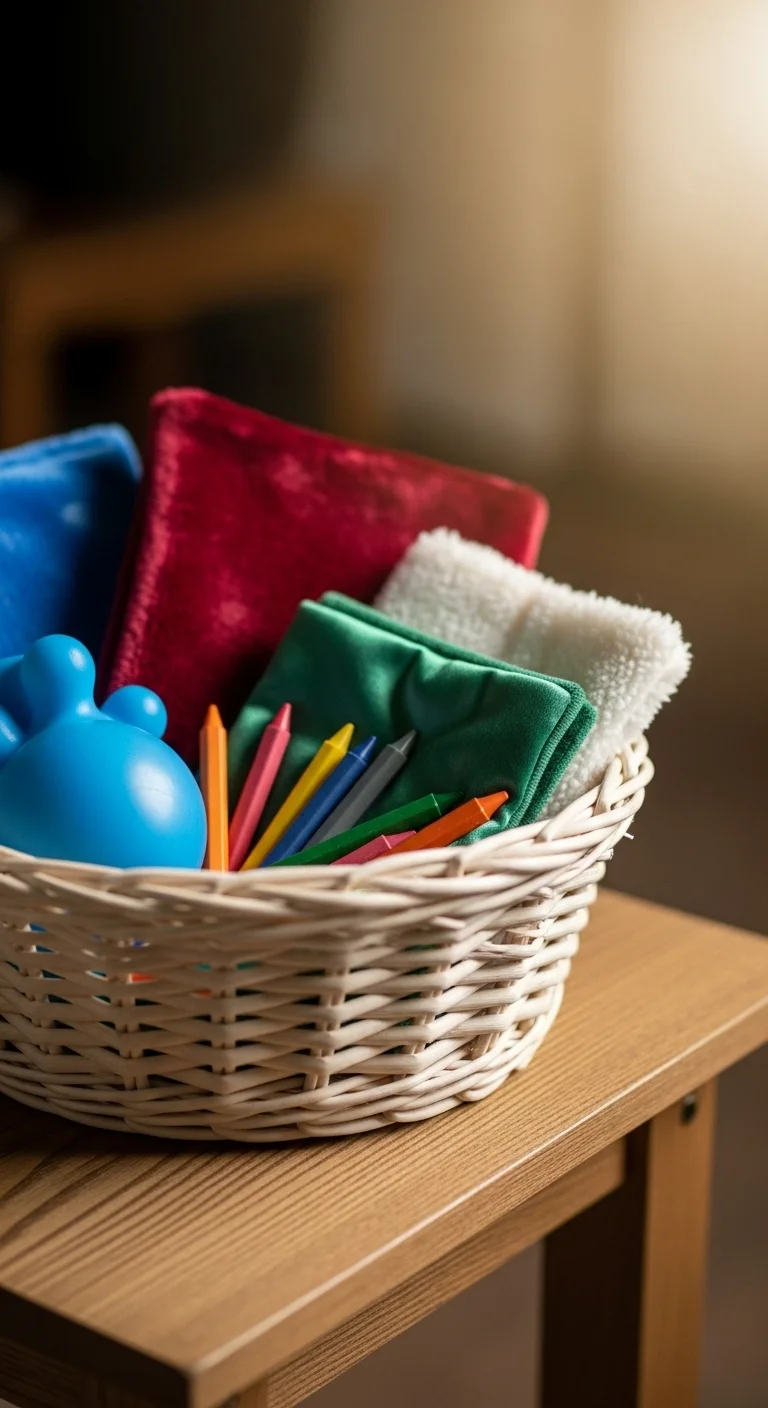
A calm kit helps during tough moments. Fill a small basket with sensory items like soft cloths, squishy toys, or simple crafts. Rotate items each week to keep interest high. Keep the kit reachable so your child can grab it when overwhelmed. It’s a low-cost tool that brings comfort quickly.
- Use Gentle Physical Touch

Kids often settle when they feel physical reassurance. A hand on the back or a light hug can change the moment. Use touch only if your child enjoys it. If they don’t, sit close instead. These small gestures offer steady support. They help the child feel grounded and understood.
- Offer Calm Breaks, Not Time-Outs
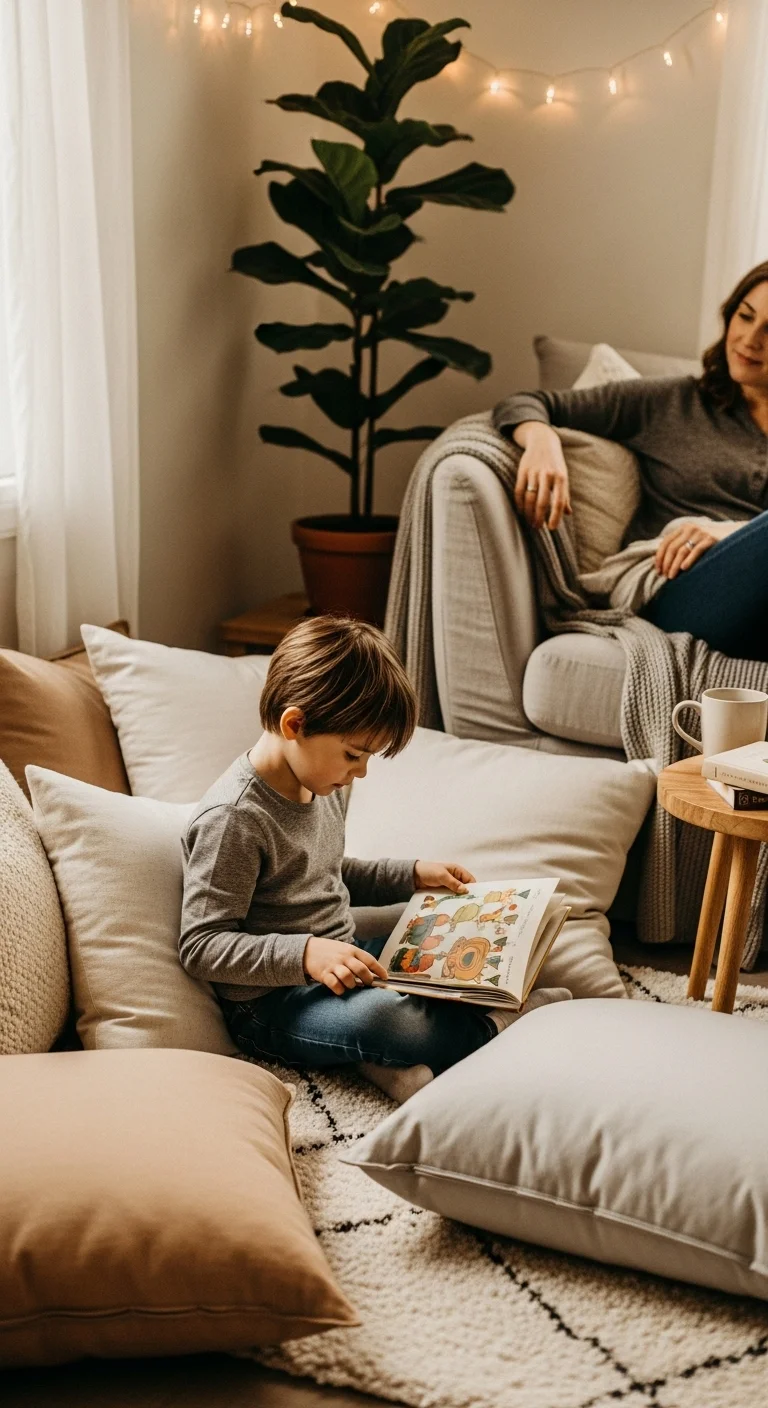
Calm breaks help kids reset without shame. Guide them to a quiet spot and stay close if needed. Give them soft objects, colouring tools, or a book. The goal isn’t isolation but comfort. This approach helps them learn emotional regulation gently.
- Acknowledge Their Feelings Briefly

Simple validation goes far. Say short phrases like “You’re angry” or “That was hard.” No long speeches. Just recognition. Kids relax when they feel heard. Validation helps them move past big emotions faster.
- End the Day With a Gentle Ritual

Evening rituals help kids wind down. Read a book, hum a soft tune, or talk about the best part of the day. Keep it light and predictable. You don’t need fancy tools. Warm lighting and quiet time send a clear signal that the day is ending. These moments strengthen your bond and help the child feel safe before sleep.
Conclusion
Positive parenting works best when kept simple and consistent. These ideas fit easily into real homes with busy schedules and tight budgets. Try one or two today and watch how they shape the mood in your home. Small changes create steady progress. With time, these habits help your child feel calmer, more confident, and more connected to you.
