

23 Child Anxiety Tips for Calmer, Happier Kids

Children often feel overwhelmed by worries they can’t explain. Caring adults just want simple ways to help them feel calmer and more confident. The tips below offer small, practical steps that fit into real family life. Nothing fancy. Nothing expensive. Just everyday habits that make home feel safer, lighter, and easier for young minds.
- Create Predictable Routines
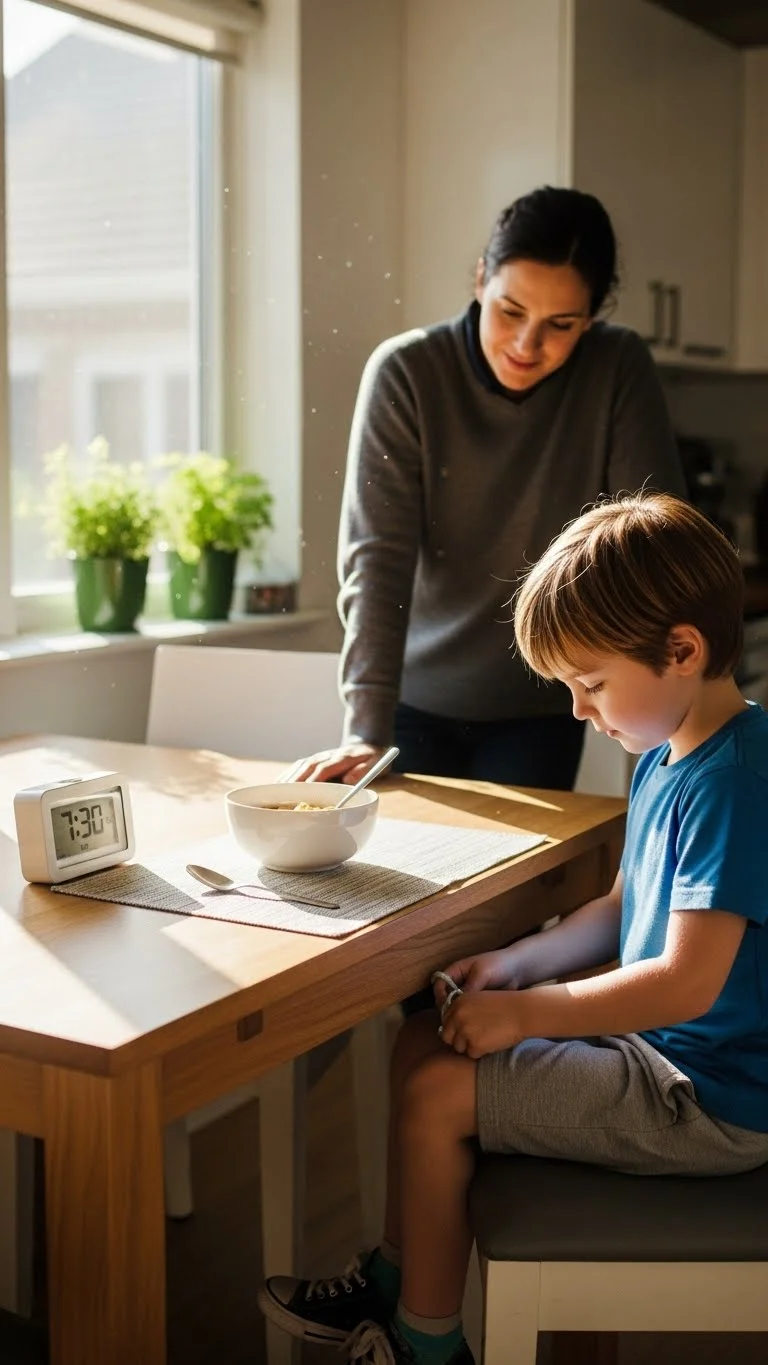
Keep mornings and evenings steady. Kids relax when they know what comes next. You don’t need a rigid schedule. Just repeat the same few steps. For example, morning might be breakfast, teeth brushing, backpack check, and out the door. Even a handwritten checklist taped to the fridge helps. Use timers if you like simple reminders. Keep everything clear and doable. When kids follow the same rhythm every day, their worries often settle. It also cuts down on last-minute rushing, which sets a calmer tone. Try prepping lunches or clothes the night before to make mornings smoother. Small routines bring a sense of safety without much effort or cost.
- Practice Slow Breathing Together

Slow breathing helps the body settle. Sit with your child and breathe in for four counts and out for four. Keep it simple. No fancy apps required. Just your calm presence. You can make it fun by placing a stuffed toy on their belly and watching it rise and fall. Turn it into a small game. Do this once or twice a day so it becomes familiar. When kids learn this during quiet moments, they can use it when they feel tense. Breathing slowly sends a message to the brain that the moment is safe. Some families do “breathing breaks” in the car before school. Others use it before bedtime. Try different spots until it feels natural.
- Turn Big Feelings Into Simple Words

Kids get less tense when they can label what’s happening inside. Ask gentle questions like “Is your stomach tight?” or “Does it feel like butterflies?” This helps your child feel understood. Keep your language simple. Avoid long explanations. The point is connection, not problem-solving. You can even draw faces on paper and let them point to the one that fits. When kids learn to describe feelings, the feelings often shrink a bit. Try doing “emotion check-ins” while driving or during dinner. You don’t need special tools—just time and calm attention.
- Keep Mornings Calm and Unhurried
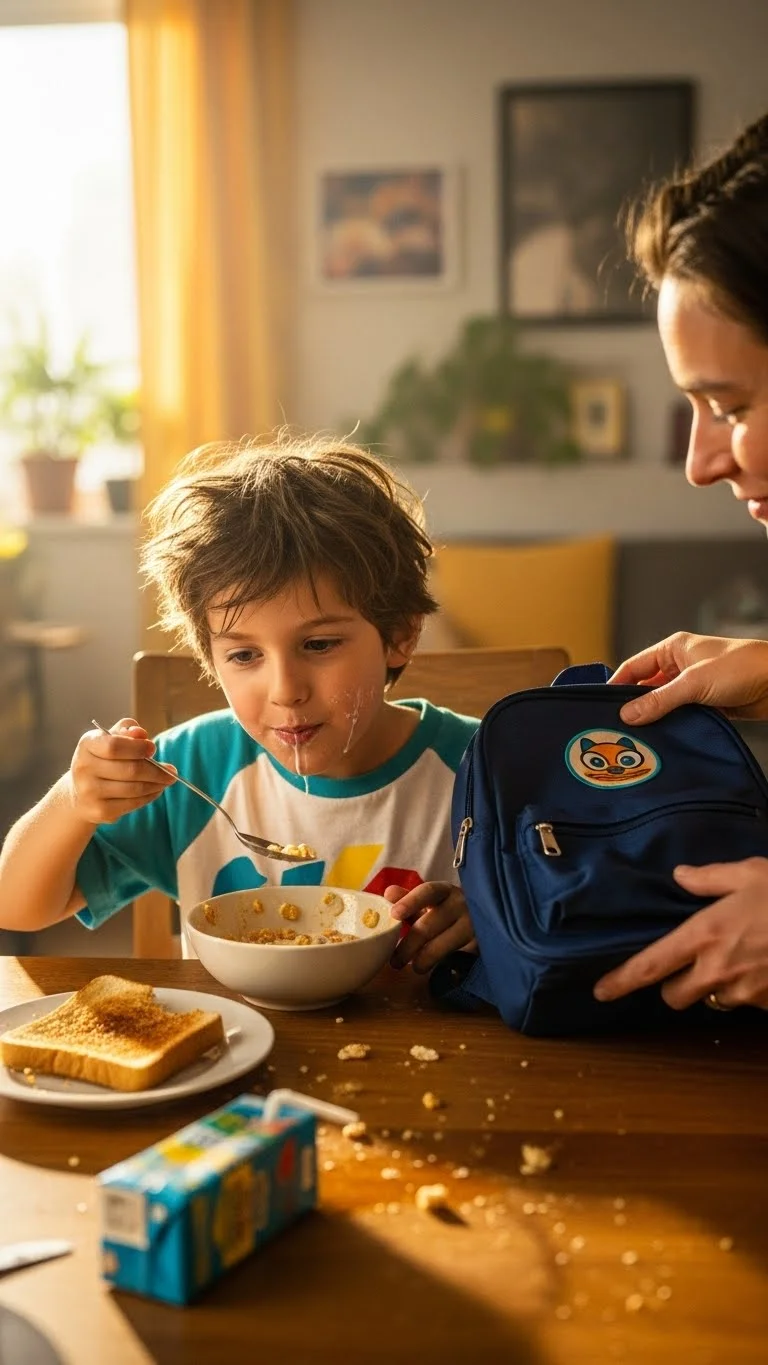
Rushed mornings can make any child tense. Try waking up ten minutes earlier so everything moves slower. Lay out clothes the night before. Keep breakfast simple—fruit, toast, or anything quick. Use a small basket near the door for essentials like shoes and backpacks. This helps avoid frantic searching. A steady morning pace helps your child walk into their day feeling steadier. If your child worries about school, talk while eating instead of during the last minute of leaving. A calm morning often sets up a calmer day.
- Give Choices Instead of Commands
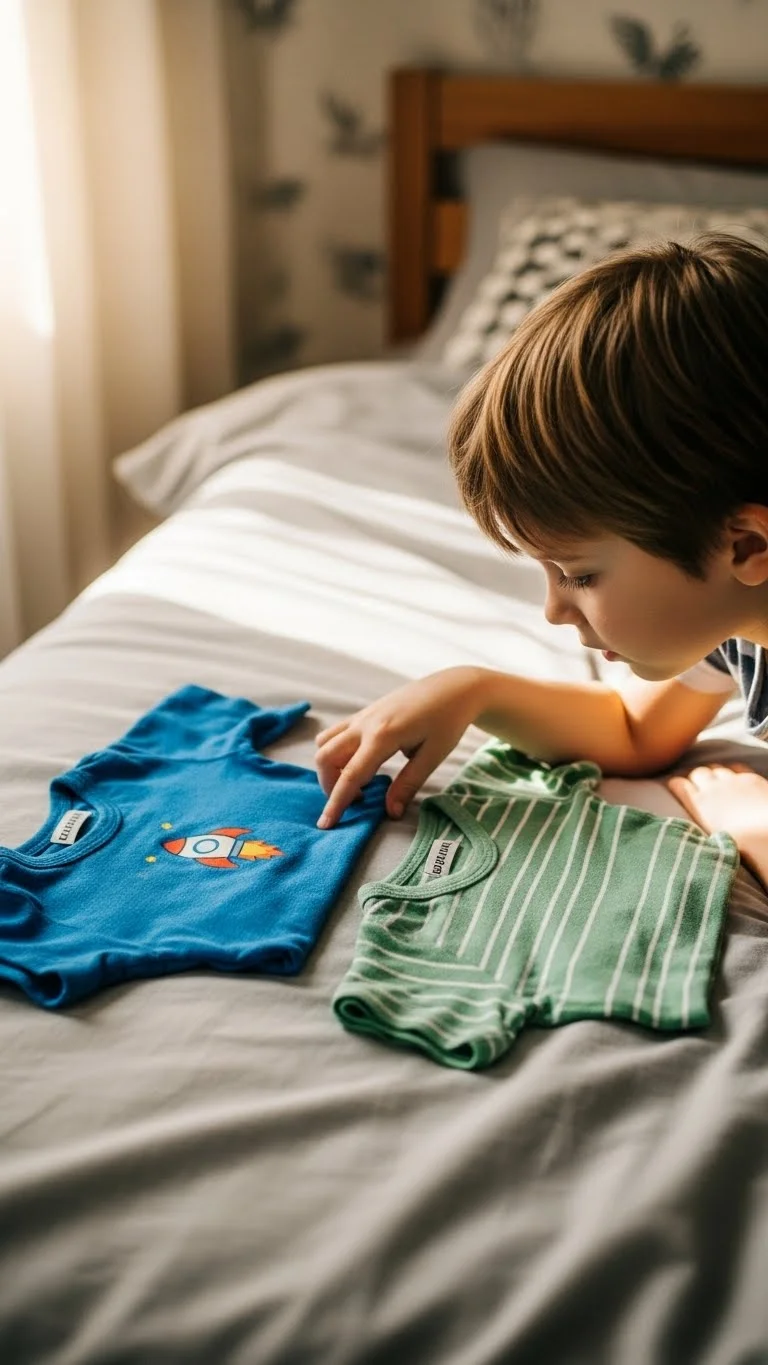
Kids feel more relaxed when they have small control over their world. Offer choices like “red shirt or blue shirt?” or “read a book or draw for ten minutes?” Simple choices help them feel capable. Don’t overwhelm them with too many options. Two is enough. You can use this during tense moments: “Would you like to walk or skip to the car?” This keeps things playful and reduces friction. Over time, these small decisions build confidence. It also makes daily tasks smoother without extra cost or work.
- Use Short, Clear Directions

Anxious kids often get confused by long instructions. Keep your words short. Break tasks into one or two steps. Instead of “Clean your room,” try “Put toys in the bin.” Once done, move to the next step. Praise small wins. This approach keeps kids from feeling overwhelmed. You can even turn instructions into little challenges like “Let’s see how fast you can put the blocks away.” When directions feel manageable, kids stay calmer and more willing to cooperate.
- Create a Cozy Calm Corner
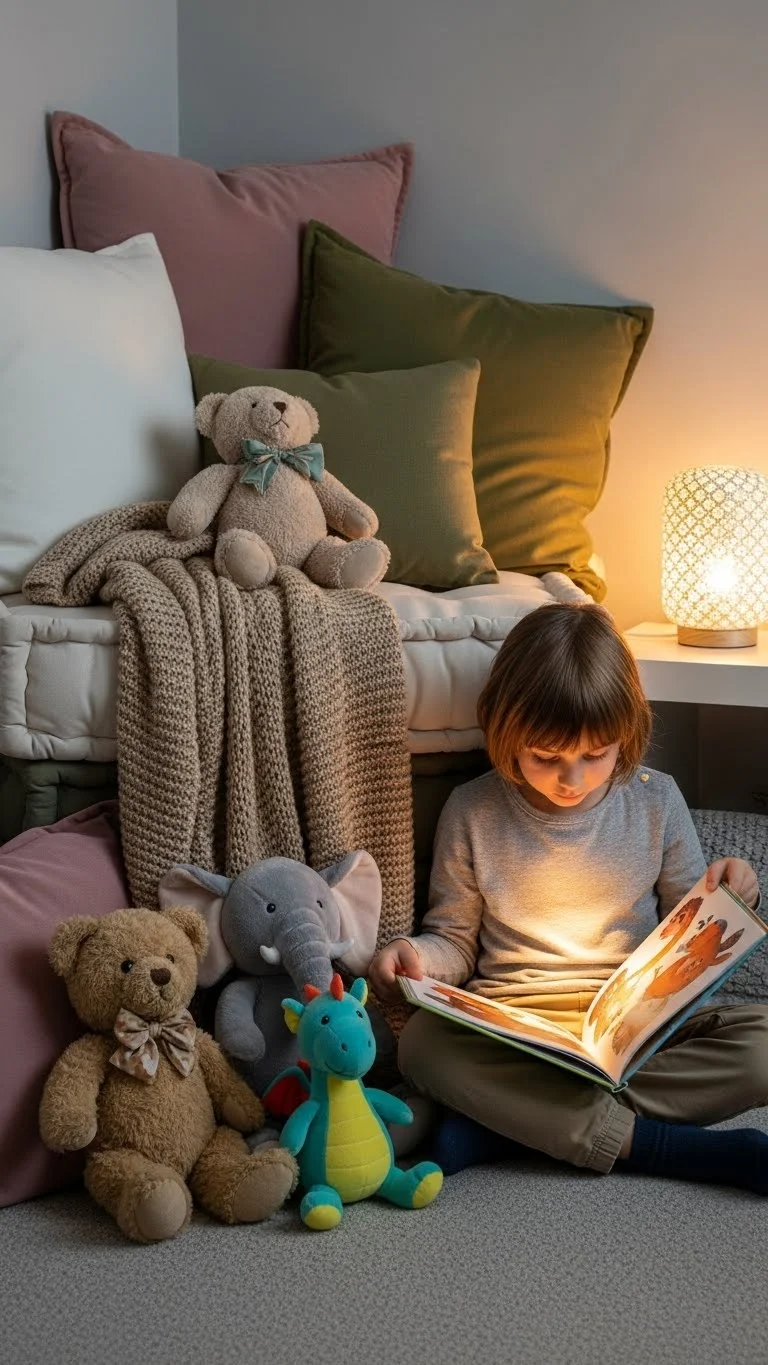
A calm corner is simply a peaceful spot where your child can retreat when everything feels too loud or busy. You don’t need fancy décor. Use a blanket, a pillow, and maybe a soft toy. Add books or a small basket of fidgets from the dollar store. Show your child how to use the space before they’re upset. It’s not a timeout. It’s a comfort zone. Kids often feel relieved having a spot that’s theirs. Some even decorate it themselves, giving it a personal touch.
- Limit Overpacked Schedules
Too many activities leave kids worn out. Try giving them a few open afternoons each week. Let them play freely, draw, rest, or sit outside. Kids handle stress better when they have space to breathe. You don’t need special equipment. A backyard, a living room, or even a quiet corner works. Free time lets kids explore their interests without pressure. Talk to them about which activities they truly enjoy. Dropping just one weekly commitment can make a big difference.
- Practice Problem-Solving With Small Steps
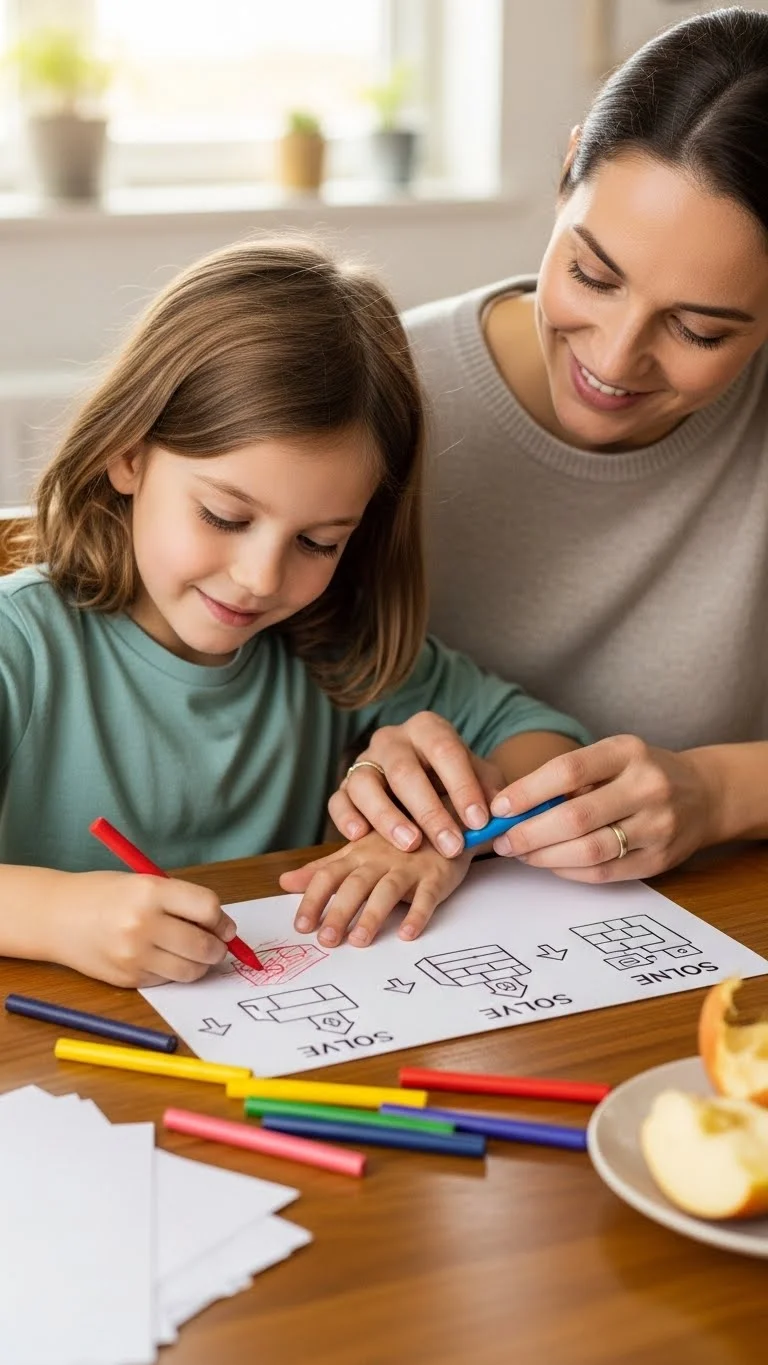
Kids worry less when they can tackle challenges bit by bit. Pick simple problems like organizing a messy drawer. Break it down together: pull things out, sort, pick what stays, then place items back. Celebrate each step. You’re teaching a process, not perfection. Later, they can use this strategy for emotional challenges. The idea is to help them feel capable. This is free, easy, and fits right into everyday routines.
- Predict Transitions Ahead of Time
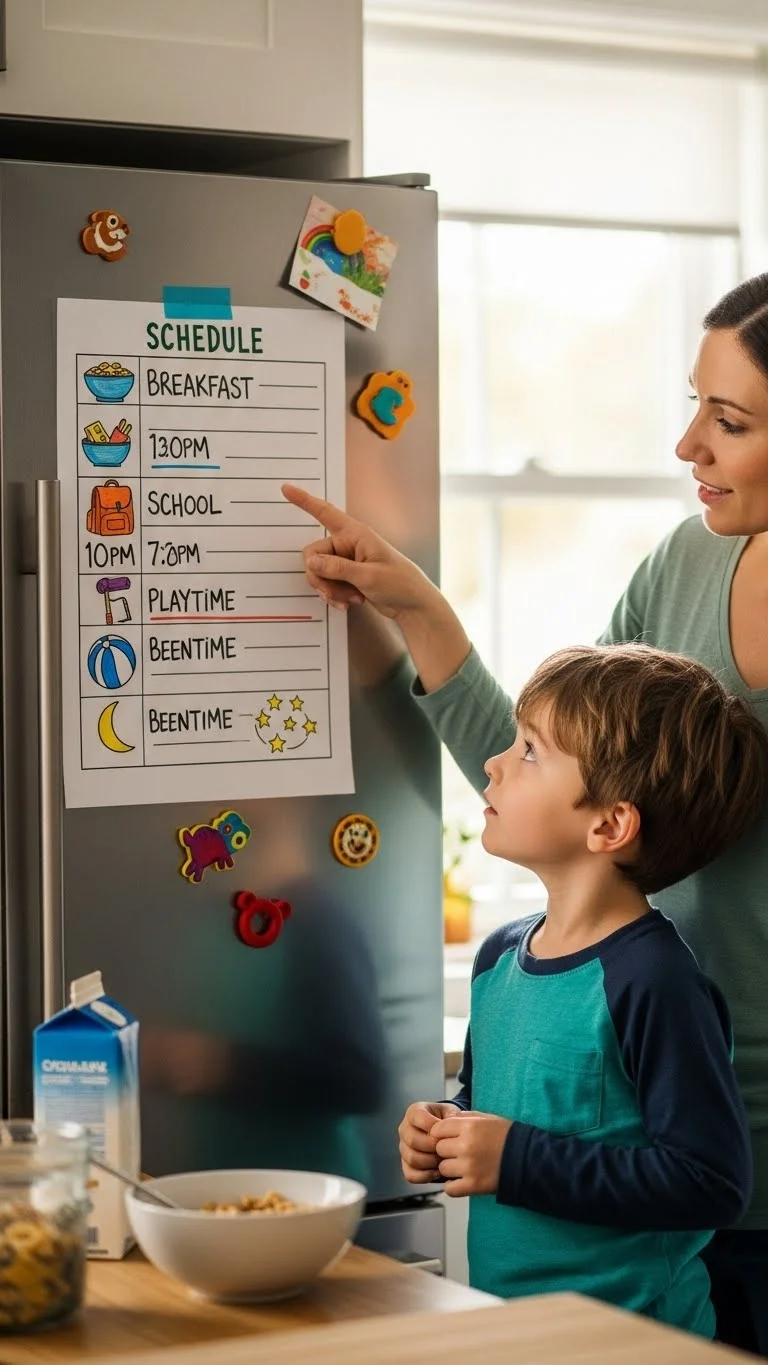
Kids often feel tense when plans change suddenly. Give a heads-up before switching tasks. Say things like “In five minutes, we’re leaving the park.” Use a kitchen timer if it helps. Visual cues work too—draw simple pictures for younger kids. Predictability brings comfort. When kids know what’s coming, they settle quicker and argue less. This makes outings smoother for everyone.
- Use “Worry Jars” for Hard Thoughts
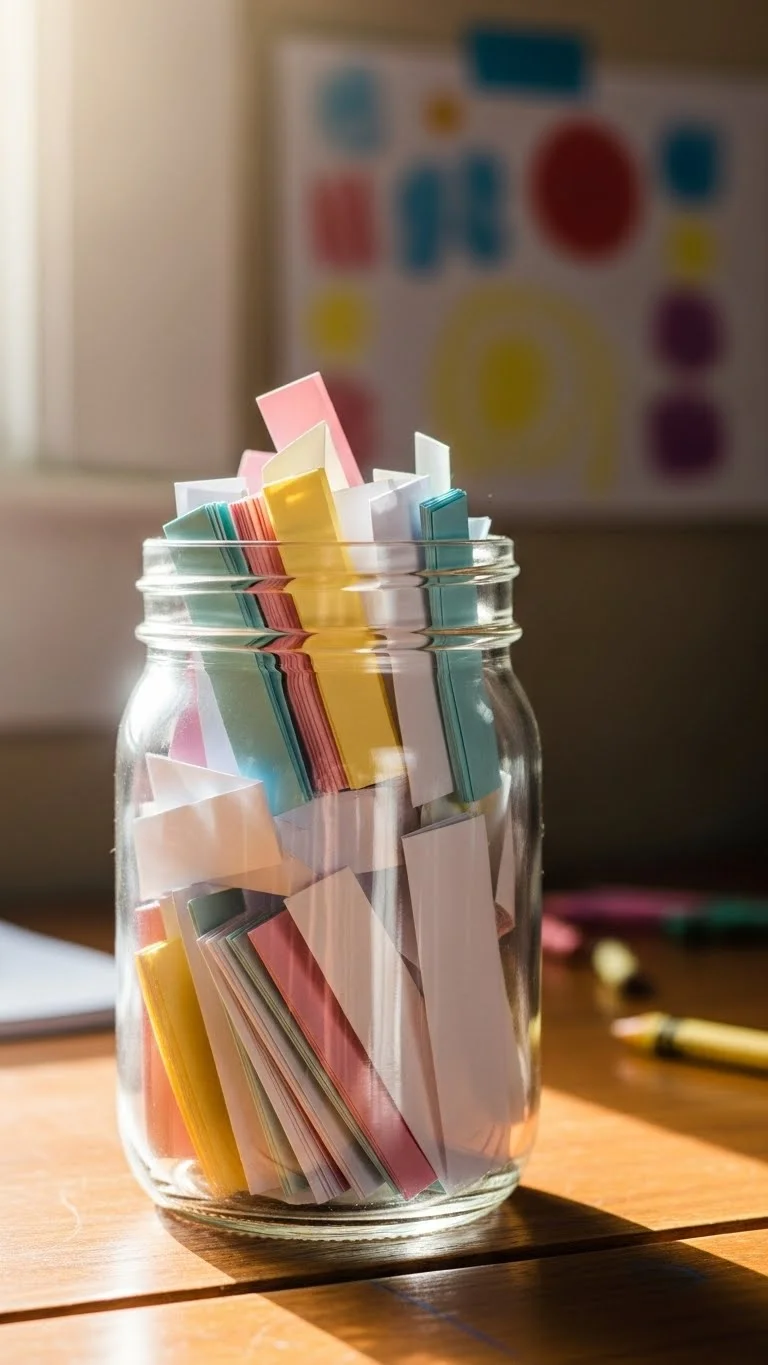
A worry jar gives kids a place to set worries aside. Have your child write or draw their worry on a small piece of paper and drop it in. Explain that the jar will “hold” the worry for them. At the end of the week, you can read and talk about a few together. This simple activity helps kids separate themselves from their thoughts. You only need a jar and scraps of paper—cheap and effective.
- Keep Bedtime Gentle and Predictable
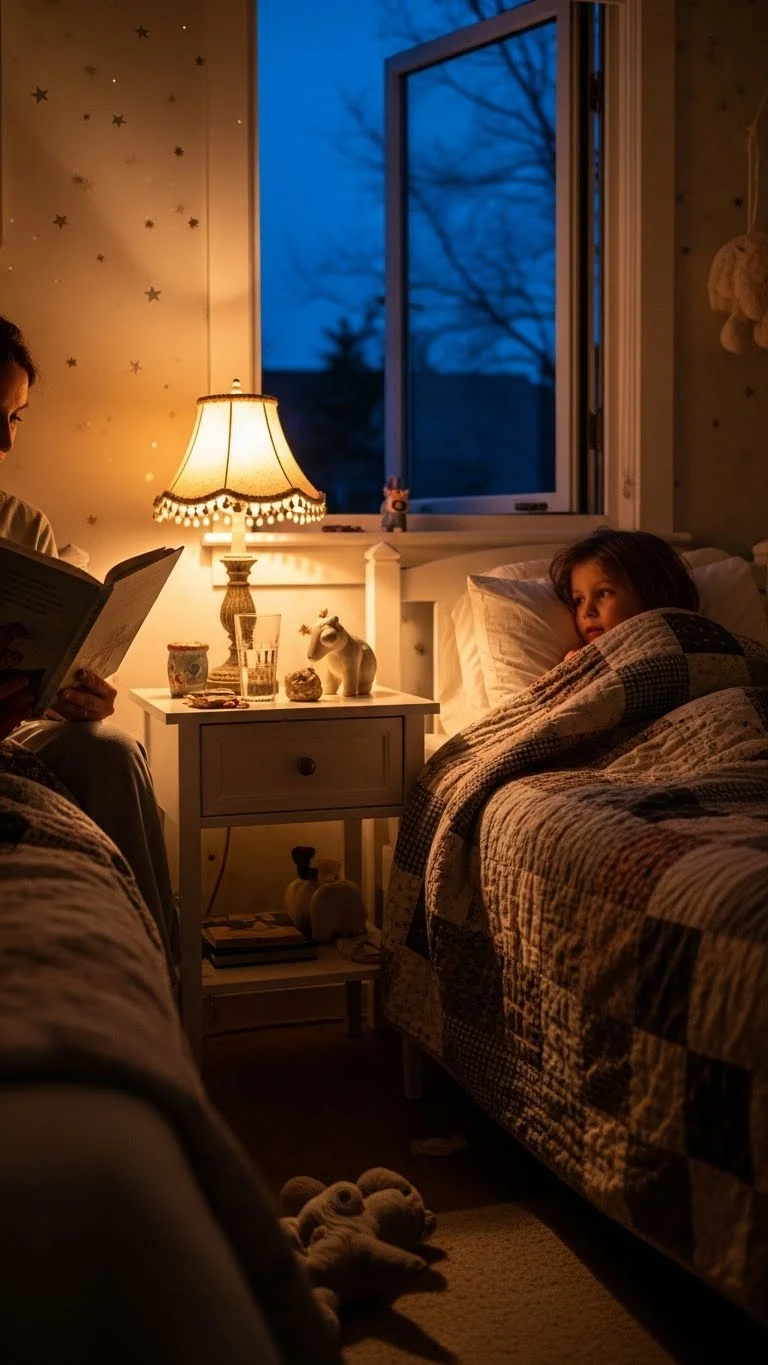
A steady bedtime rhythm helps kids fall asleep easier. Try dim lights, a warm bath, or a short story. Turn off screens at least an hour before bed. Make the room cozy with a favorite stuffed toy or soft blanket. If your child gets worried at night, keep your voice low and calm. Stick to short, consistent steps. This bedtime flow sends a steady signal that the day is ending peacefully.
- Encourage Outdoor Play
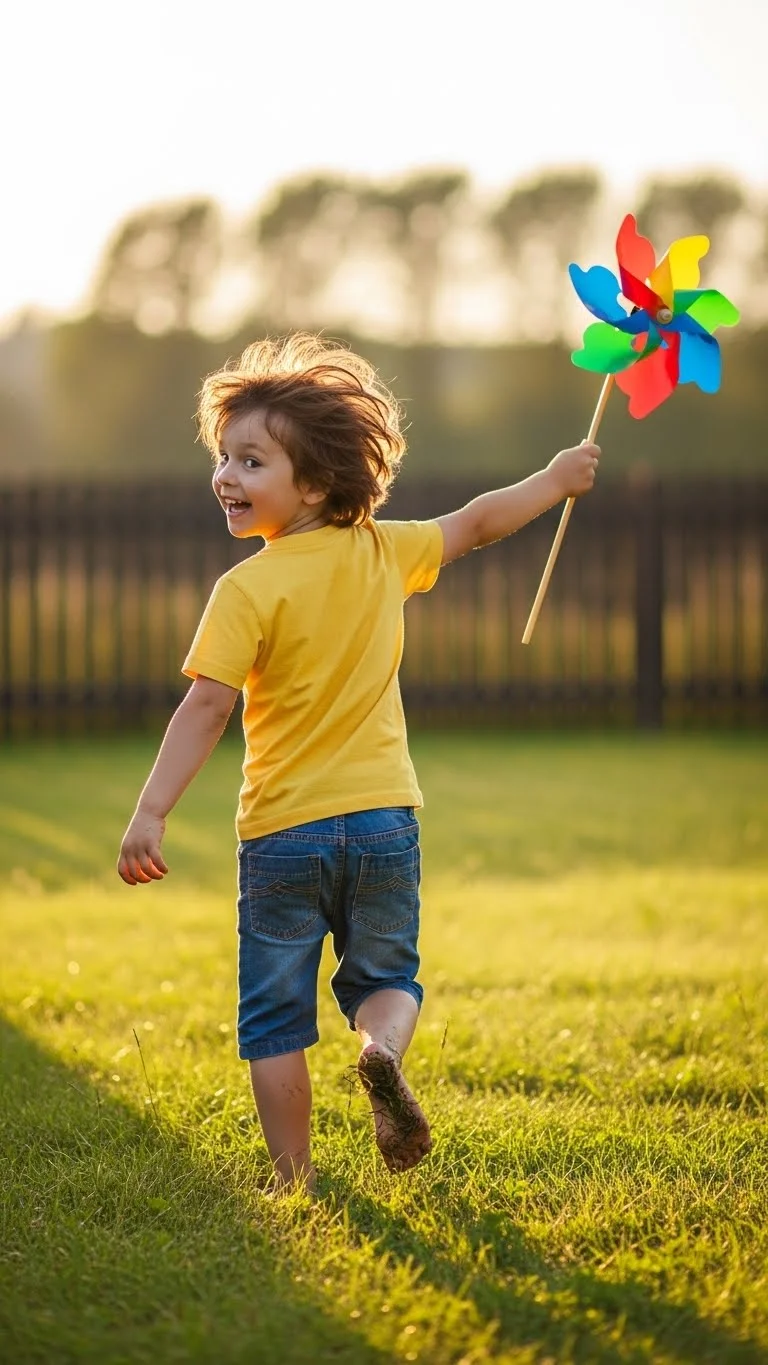
Fresh air settles busy minds. Even ten minutes outside can help. Let your child ride a scooter, water plants, or look for bugs. You don’t need a big yard. A small park, sidewalk chalk, or a walk around the block works too. Sunlight and movement help kids release tension naturally. Make it a habit to step outside after school, even for a few minutes. Keep it loose and fun.
- Use Art to Express Feelings
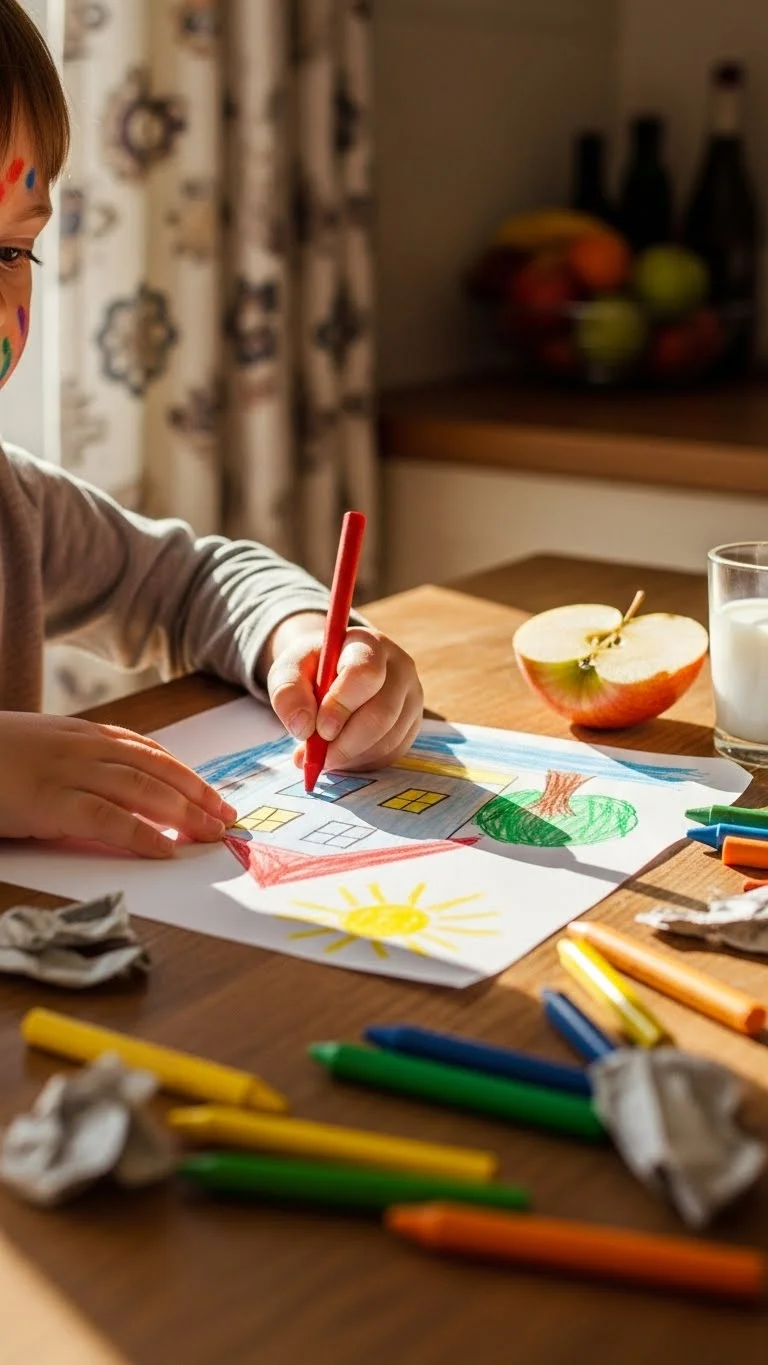
Art gives kids a safe way to express what’s inside. Set out paper, crayons, or clay. Ask them to draw what their day felt like. Let them lead. No judging, no correcting. This helps kids explore emotions without pressure. Art time doesn’t need to be long. Ten minutes is enough. Keep supplies in a small bin so your child can reach them easily.
- Teach Simple Grounding Skills
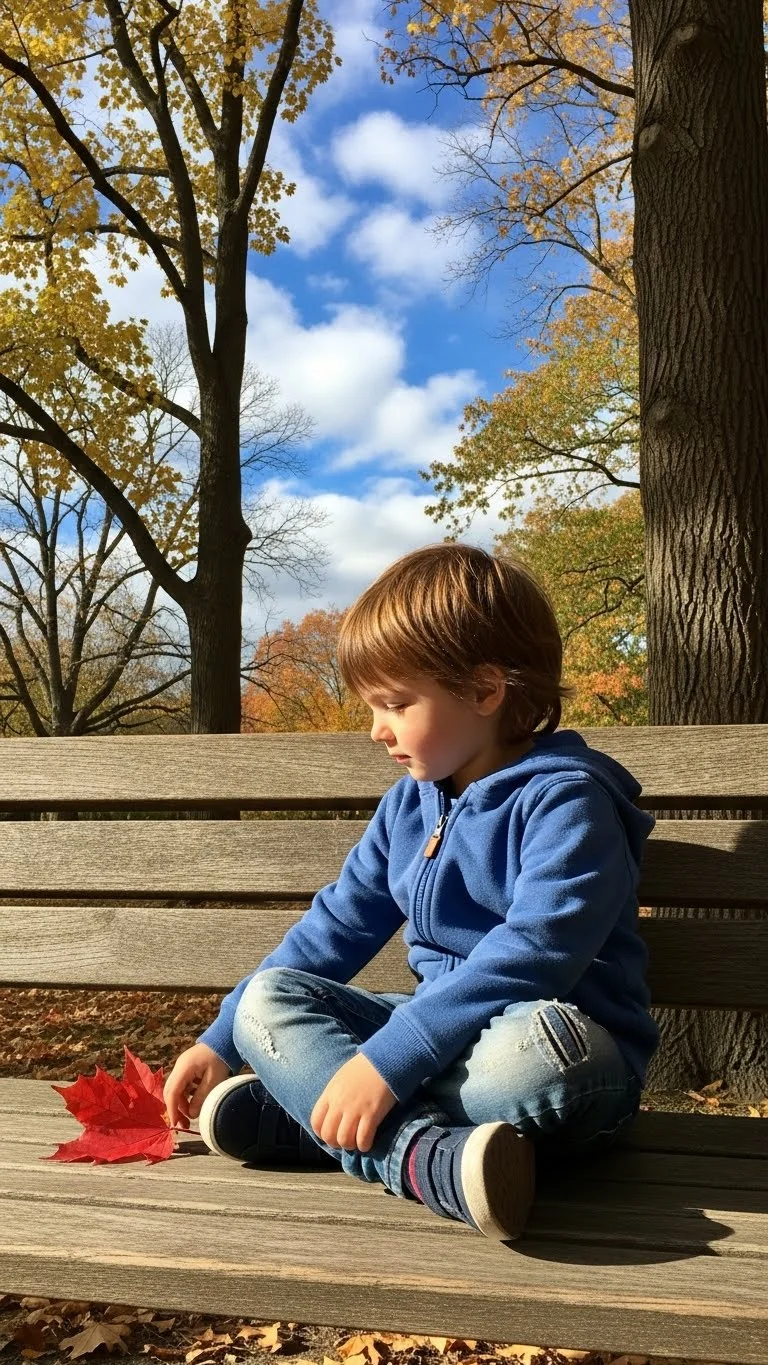
Grounding helps kids reconnect with the present. Try the “5-4-3-2-1” game: name five things you see, four you can touch, three you can hear, two you can smell, and one you can taste. Keep it playful. Use it during walks or while waiting in line. This helps kids shift attention from worries to their senses. It costs nothing and works almost anywhere.
- Replace Pressure With Encouragement
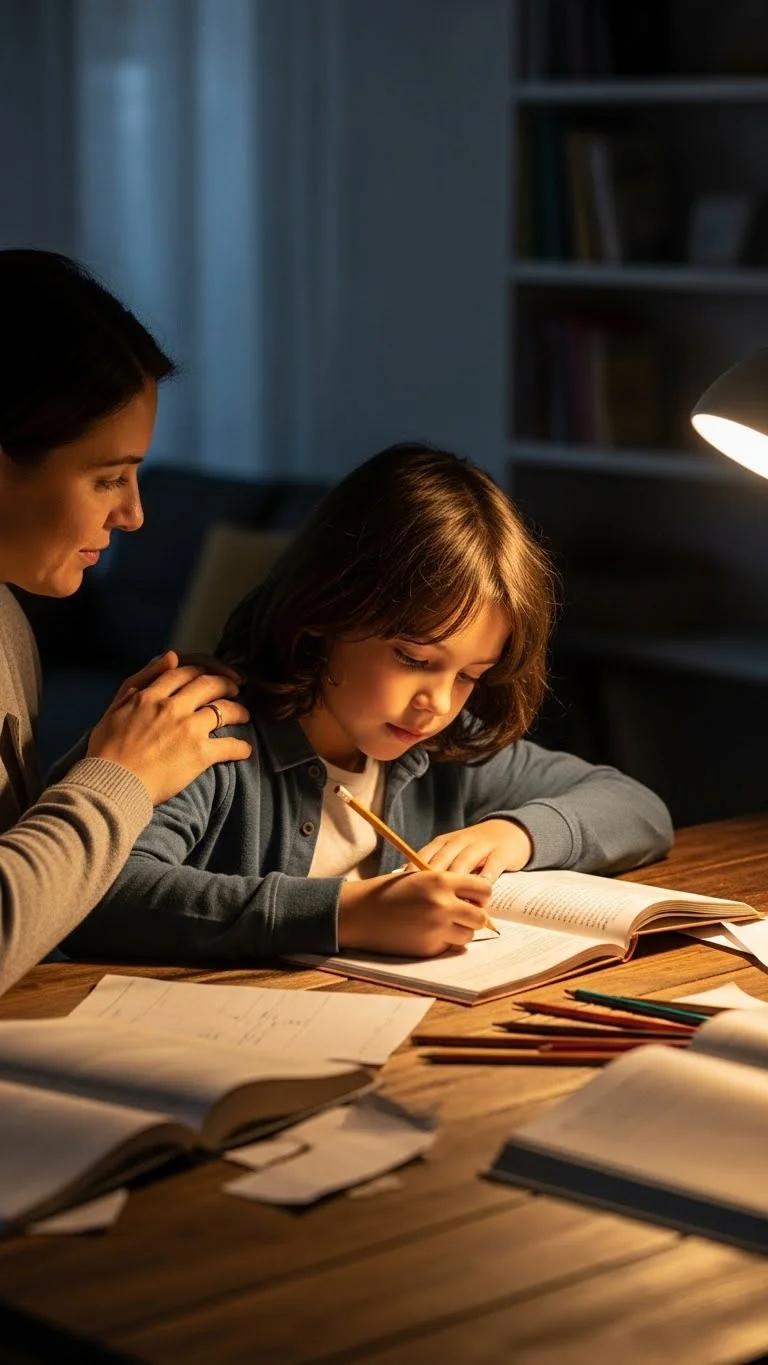
Some kids get tense when they think adults expect too much. Focus on effort, not results. Say things like “You worked hard on that” instead of commenting on outcomes. Keep your tone gentle. Encourage breaks when tasks feel heavy. Let them know mistakes are part of learning. This takes pressure off and builds confidence without pushing too hard.
- Keep Instructions Consistent Between Adults

When adults send mixed signals, kids feel uncertain. Try keeping rules and expectations similar across caregivers. Discuss routines, limits, and responses ahead of time. You don’t need strict rules—just steadiness. When kids hear the same message from adults they trust, they feel more settled. This also reduces conflicts during stressful moments.
- Model Calm Behaviour Yourself

Kids watch adults more than they listen. Show them how you calm yourself. Take slow breaths. Speak gently. Walk away from stress for a moment if needed. Kids learn that it’s okay to pause. Share small statements like “I need a slow breath.” This teaches kids healthy coping through simple example. No special tools needed—just awareness.
- Keep Screen Time Balanced

Too much screen time can make kids edgy. Create simple limits. Maybe screens stay off during meals or evenings. Offer low-cost alternatives like puzzles, drawing, or short walks. Keep the rules steady so your child knows what to expect. Balanced screen use helps kids stay calmer and sleep better. You don’t need fancy apps—just clear boundaries.
- Practice Light, Playful Movement
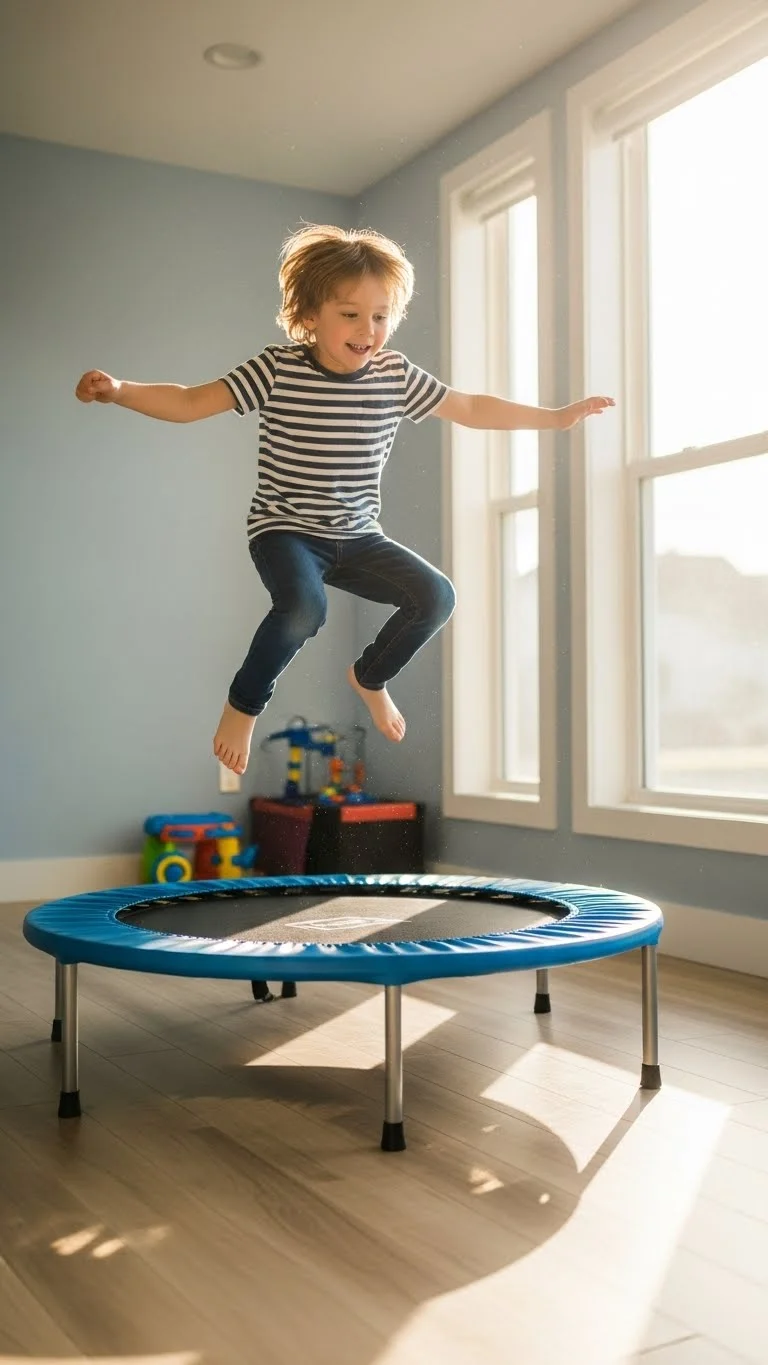
Movement releases tension. Try short bursts of playful activity: jumping jacks, dancing, or a quick game of “freeze.” These tiny sessions break up stressful moments. You don’t need equipment—a hallway or backyard works fine. Make it fun and short. Kids often reset faster after moving their bodies a bit.
- Use Storytelling to Explain Feelings
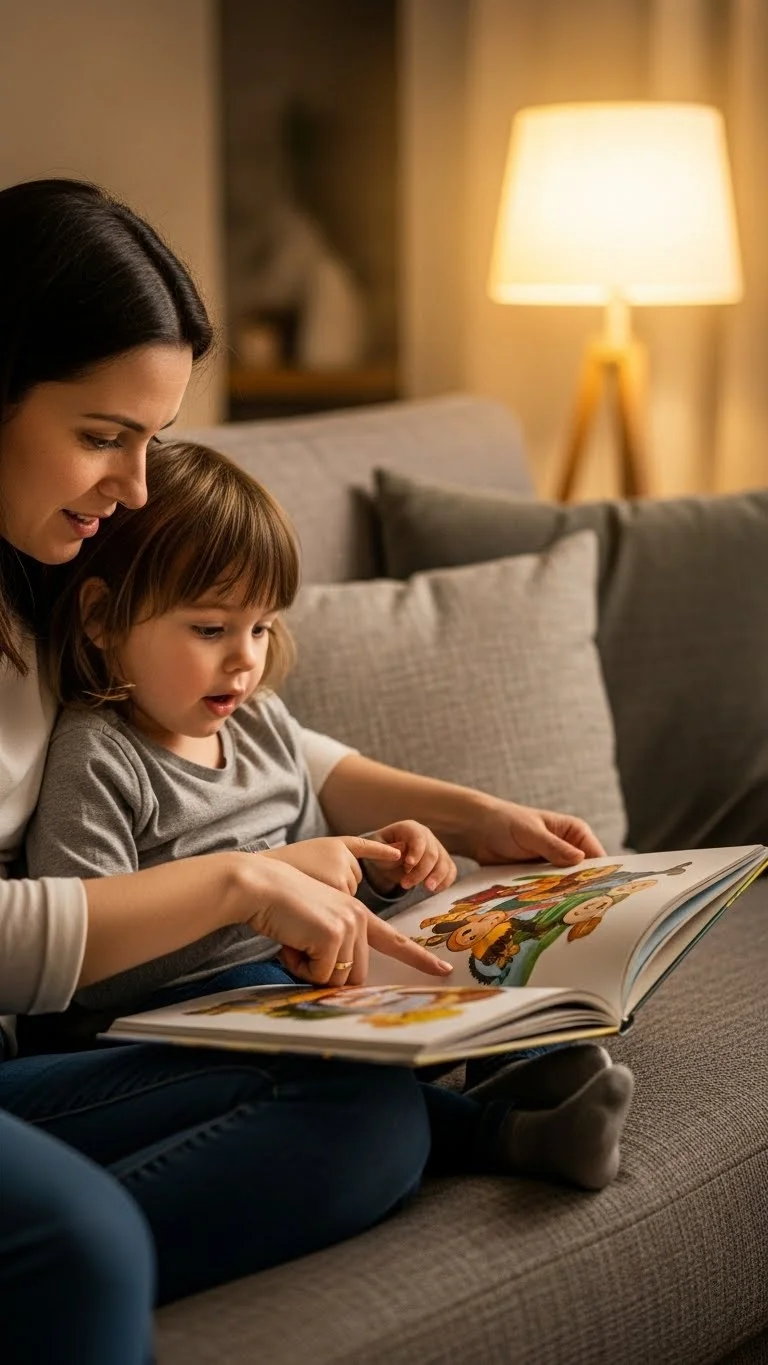
Tell simple stories about characters who feel worried and find calm moments. Kids relate to stories more than lectures. You can even make up tales together. Keep them short and gentle. Let your child finish the story with their own ideas. This teaches emotional awareness in a friendly way. You don’t need to buy books—library visits work perfectly.
- Celebrate Small Wins
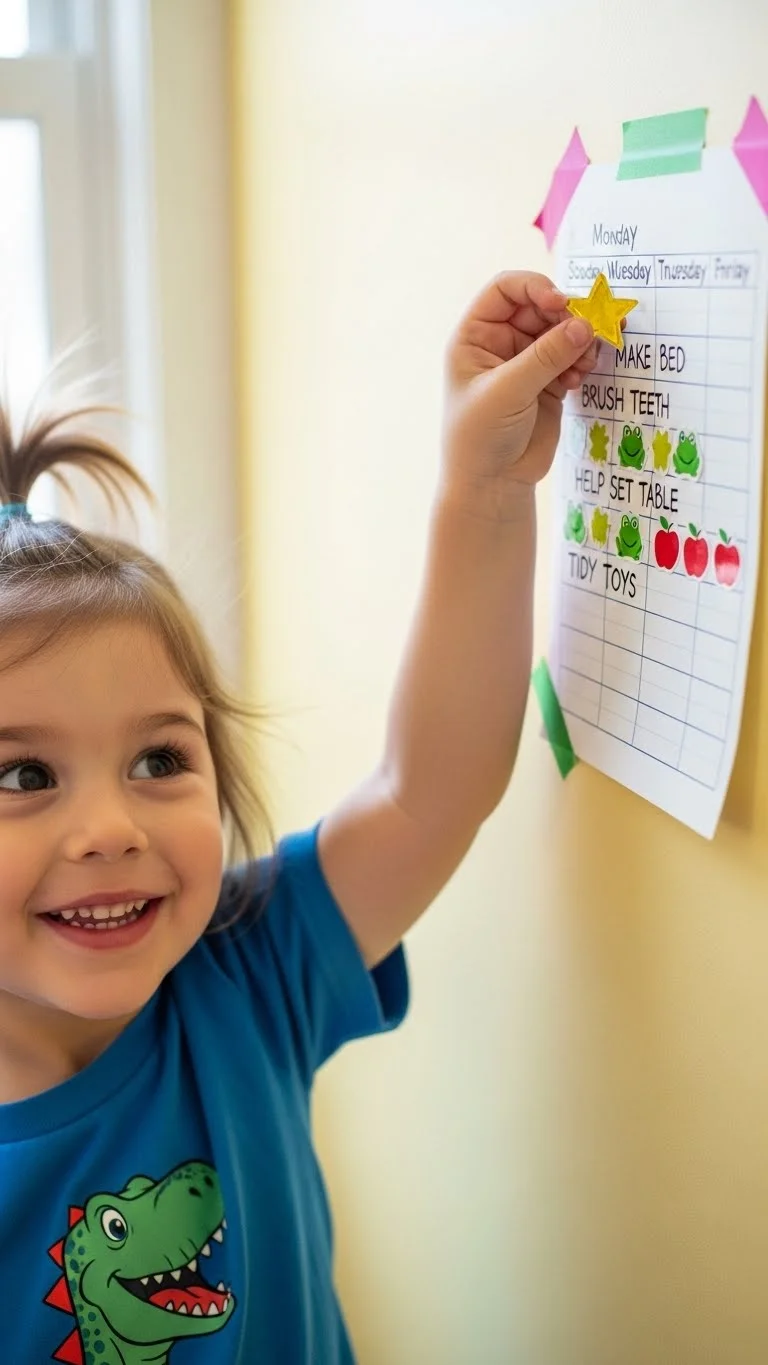
Kids build confidence through small successes. Make a simple sticker chart for daily tasks like brushing teeth or trying slow breathing. Keep goals tiny and realistic. Celebrate with praise or a fun activity like choosing a family movie. This boosts motivation without pressure. You can use scratch paper and dollar-store stickers—easy and cheap.
- Keep Open Conversations About Worries
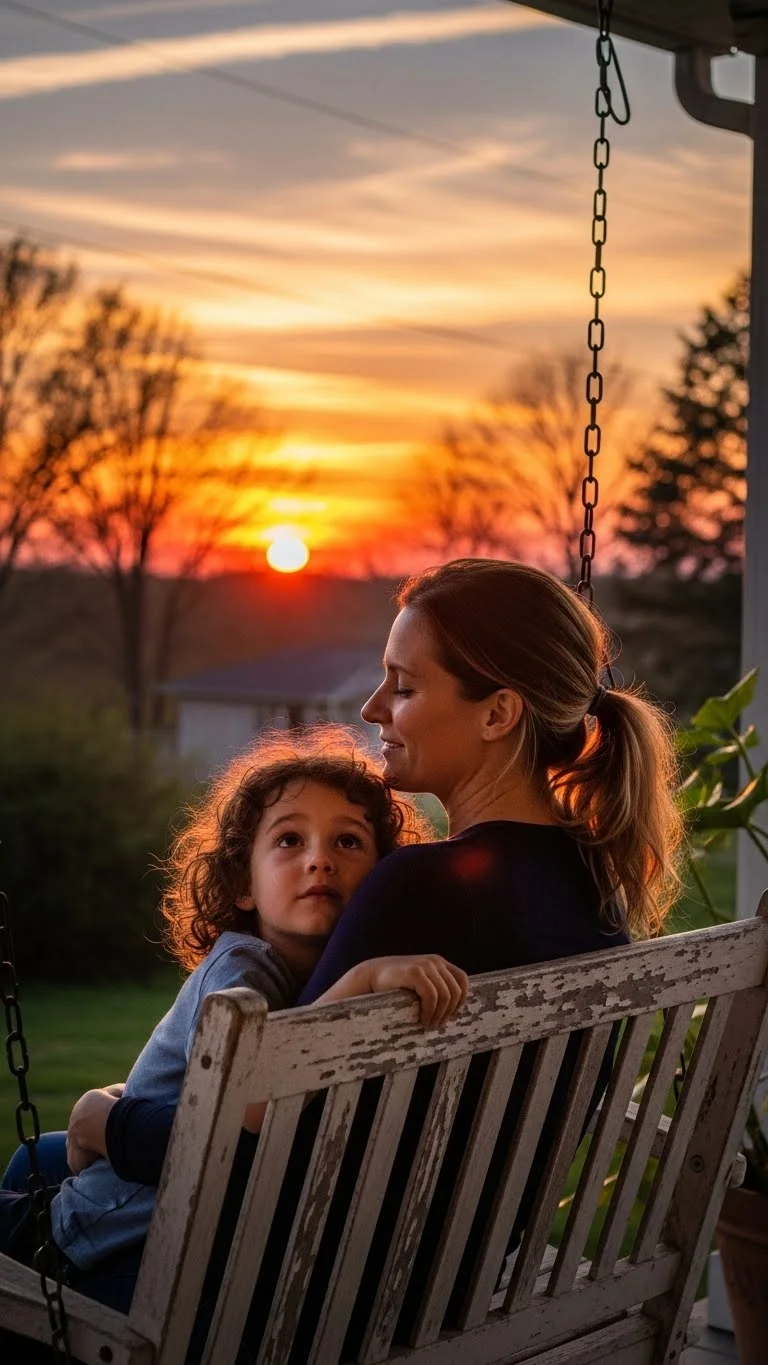
Let your child know you’re available to talk anytime. Keep conversations casual. You don’t need long discussions—just small check-ins. Ask gentle questions like “Anything on your mind today?” Listen without rushing to fix things. When kids feel heard, their tension drops. This steady connection helps them feel safe sharing tough moments.
Conclusion
Helping an anxious child doesn’t require big changes. Small, steady habits make daily life calmer and more supportive. Try a few tips this week and watch what feels right for your family. Each small step brings more confidence, more peace, and a more relaxed home for both you and your child.
