

23 Montessori Toy Ideas to Boost Independent Growth
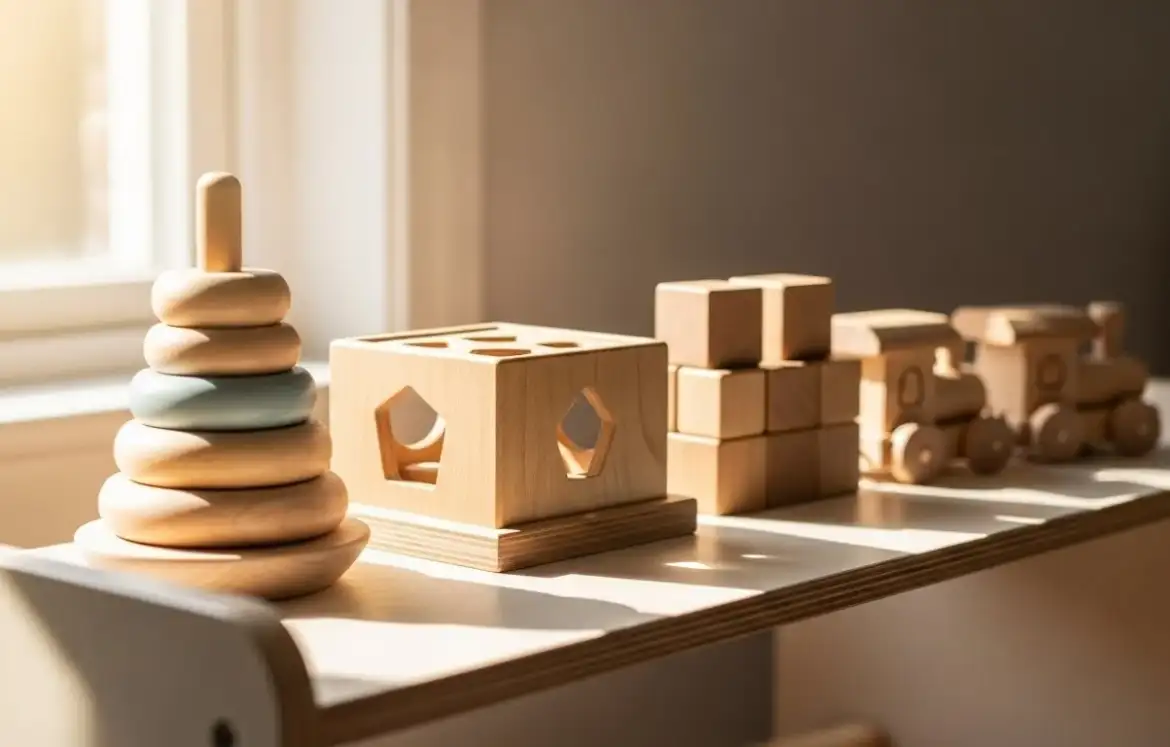
Montessori toys invite kids to explore, try, and repeat at their own pace. Parents often look for ideas that spark independence without cluttering the home or draining the budget. The list below gives simple, practical options—many of which you can DIY with basic household items. Each idea encourages hands-on learning through calm, purposeful play that fits naturally into everyday life.
- Wooden Stacking Rings
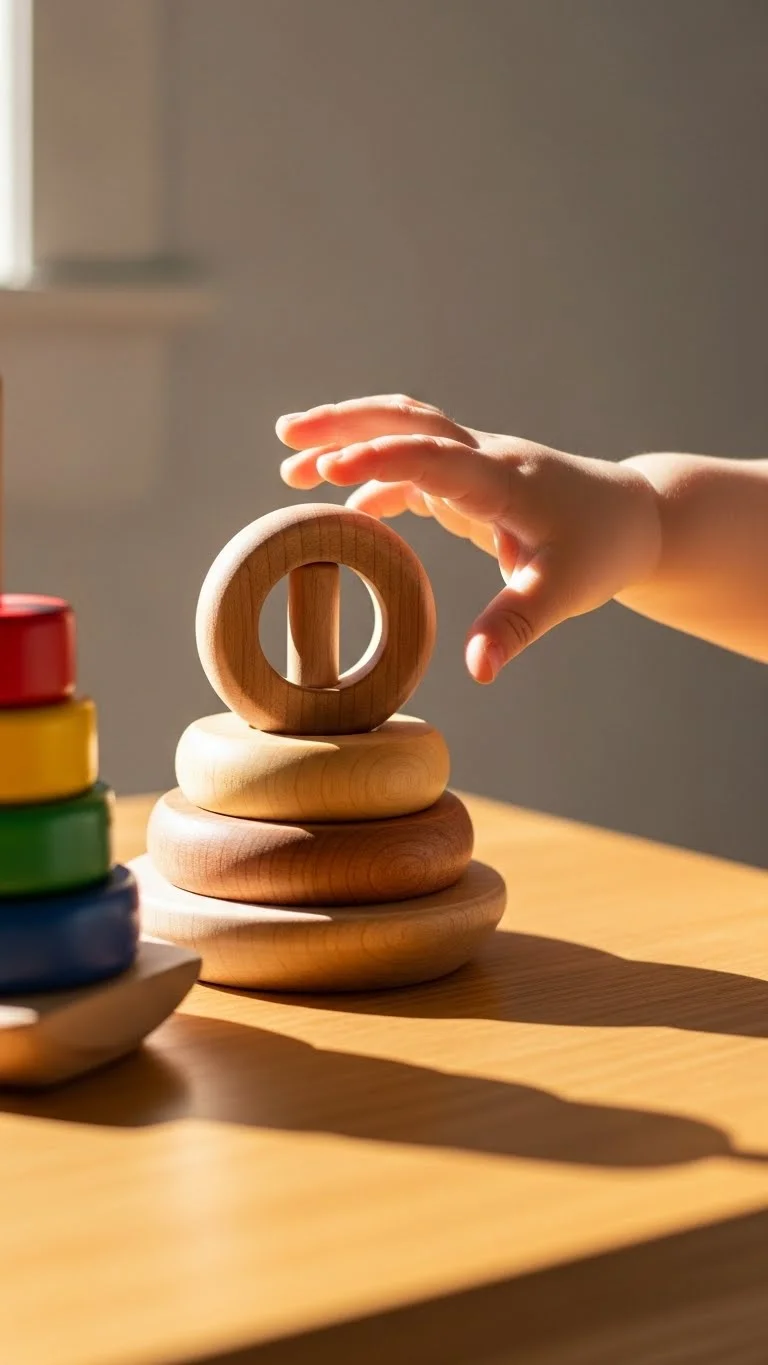
A set of wooden stacking rings gives kids space to explore size, order, and balance. Keep the toy on a low shelf so your child can grab it anytime. If you want a budget-friendly version, sand and restain thrifted rings or make a simple dowel base from scrap wood. Let your child experiment at their own pace. They may stack, sort by color, or roll the rings across the floor. All of these actions help them explore real concepts through movement. Keep the rings in a small tray so cleanup feels doable. Encourage gentle handling rather than rushing to finish the stack. When kids work slowly, they learn more from the process.
- Object Permanence Box
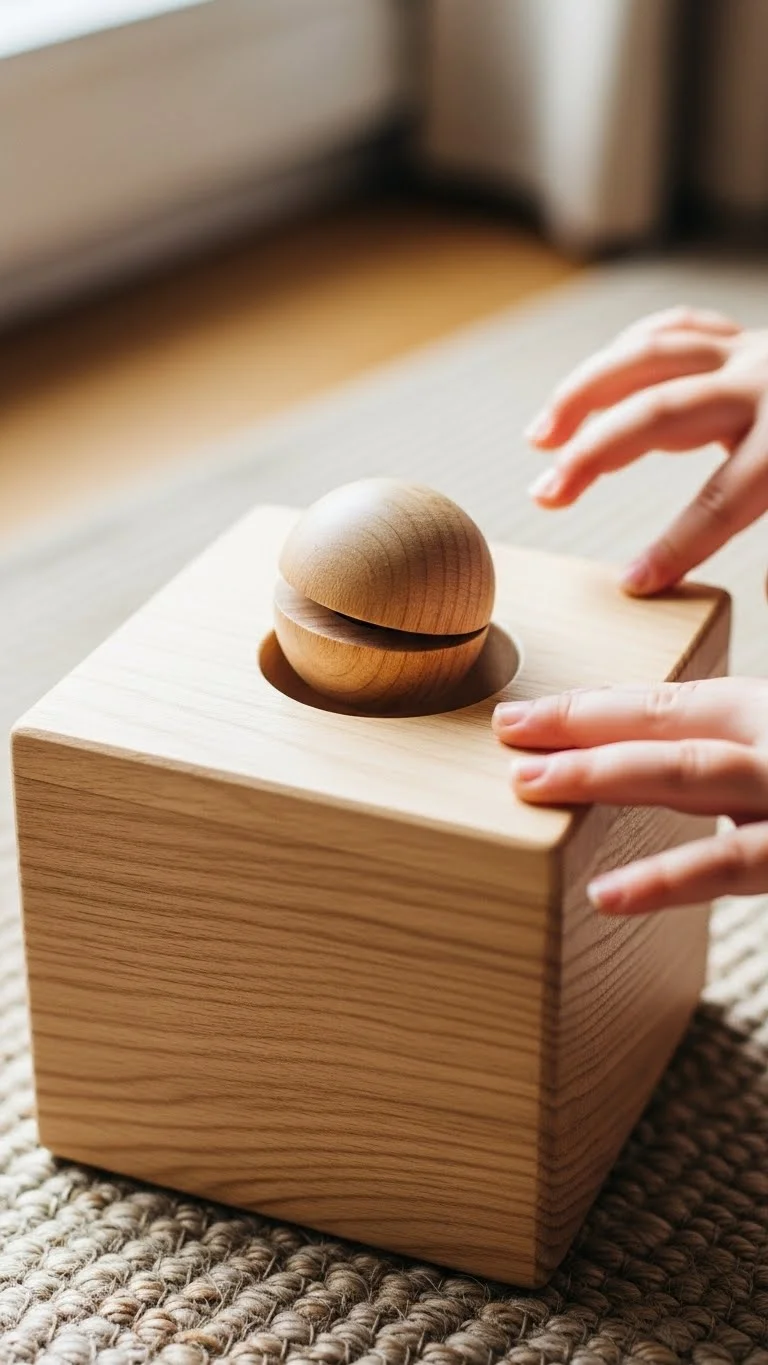
This classic Montessori material shows kids that things still exist even when out of sight. You can buy a wooden box, or make a simple version using a small cardboard box with a cut hole and a clean repurposed drawer. Use lightweight balls so little hands can push and retrieve them easily. Place only one ball at a time to keep the setup calm. Kids love the moment the ball rolls out the front. It builds patience and confidence. If space is tight, keep the box on a tray so it’s easy to pull out and put away. Rotate it every few weeks so it feels new again.
- Nesting Cups
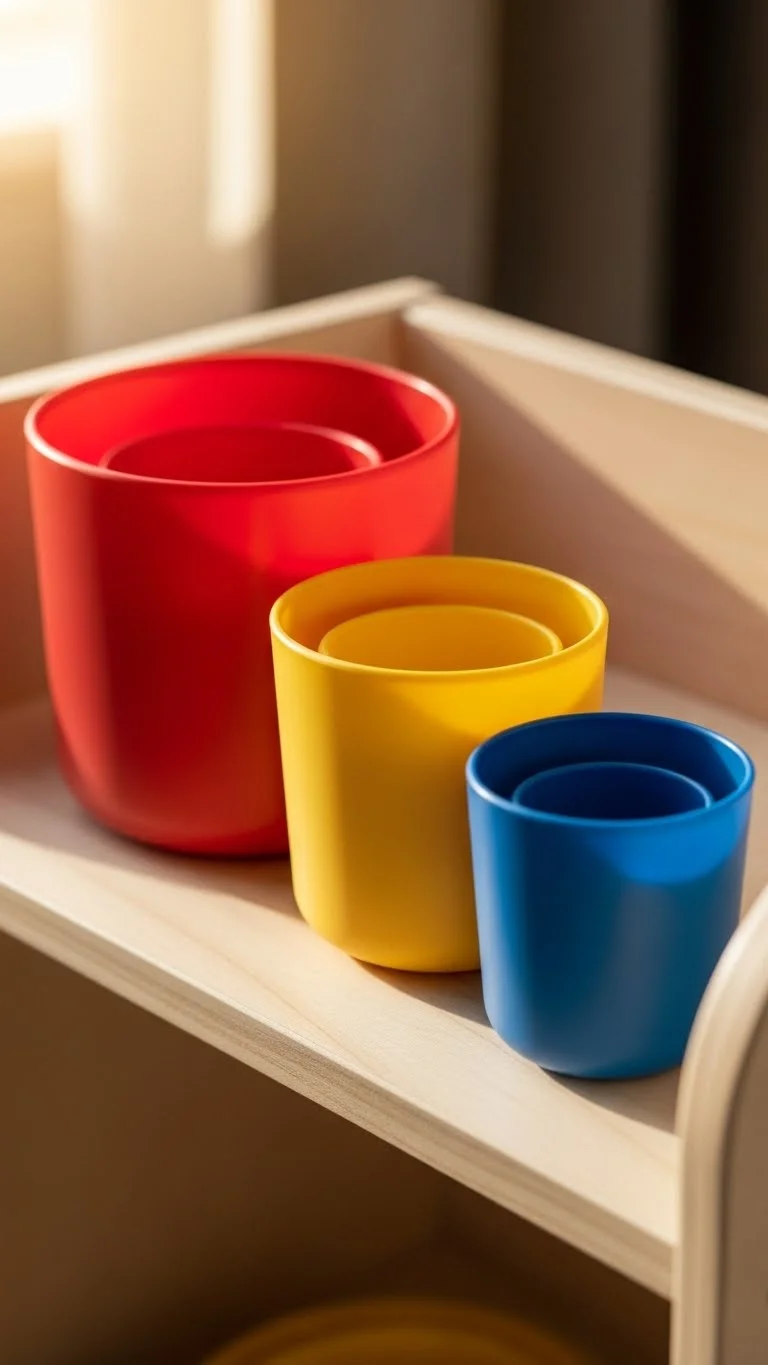
Nesting cups are simple and open-ended. Kids can stack, nest, scoop, and pour with them. Choose sturdy plastic or wooden sets. If you want a low-cost alternative, use metal measuring cups from the dollar aisle. Offer only a few pieces at a time. This helps your child stay focused without feeling overwhelmed. Pair the cups with dry rice or water for extra play value—just supervise closely. Keep a small cloth nearby so your child can wipe spills. This builds confidence and responsibility. Store the cups in a shallow basket so they stay accessible.
- Wooden Puzzle with Knobs
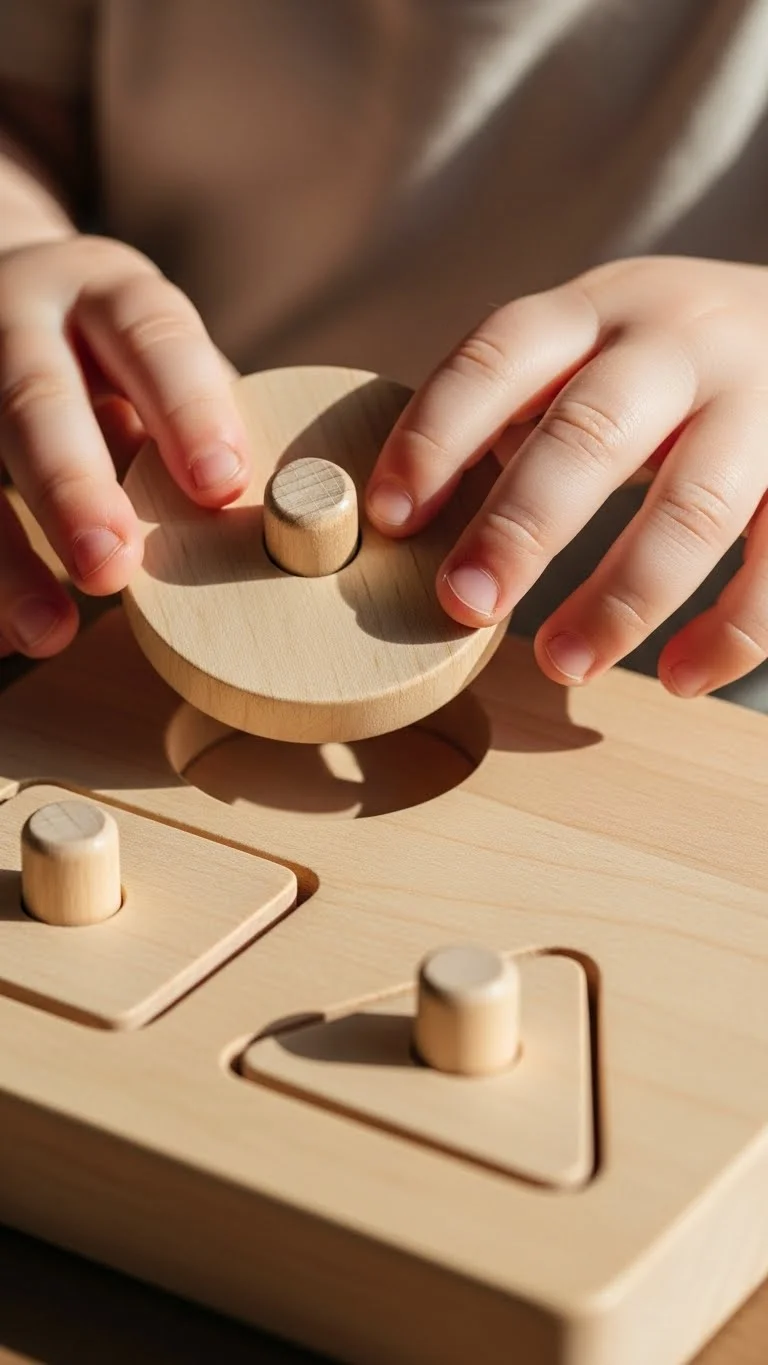
Knobbed puzzles encourage wrist strength, coordination, and matching skills. Start with simple shapes, then move to puzzles with pictures or themes. You can make a quick DIY set by tracing cookie cutters onto thin plywood and adding small wooden knobs from a craft store. Keep pieces in a small tray or zipper pouch so they don’t scatter. Let your child place the pieces without rushing. If a piece doesn’t fit, wait quietly. They’ll usually try again on their own. Rotate puzzles so your child stays interested without needing constant new purchases.
- Sensory Rice Bin
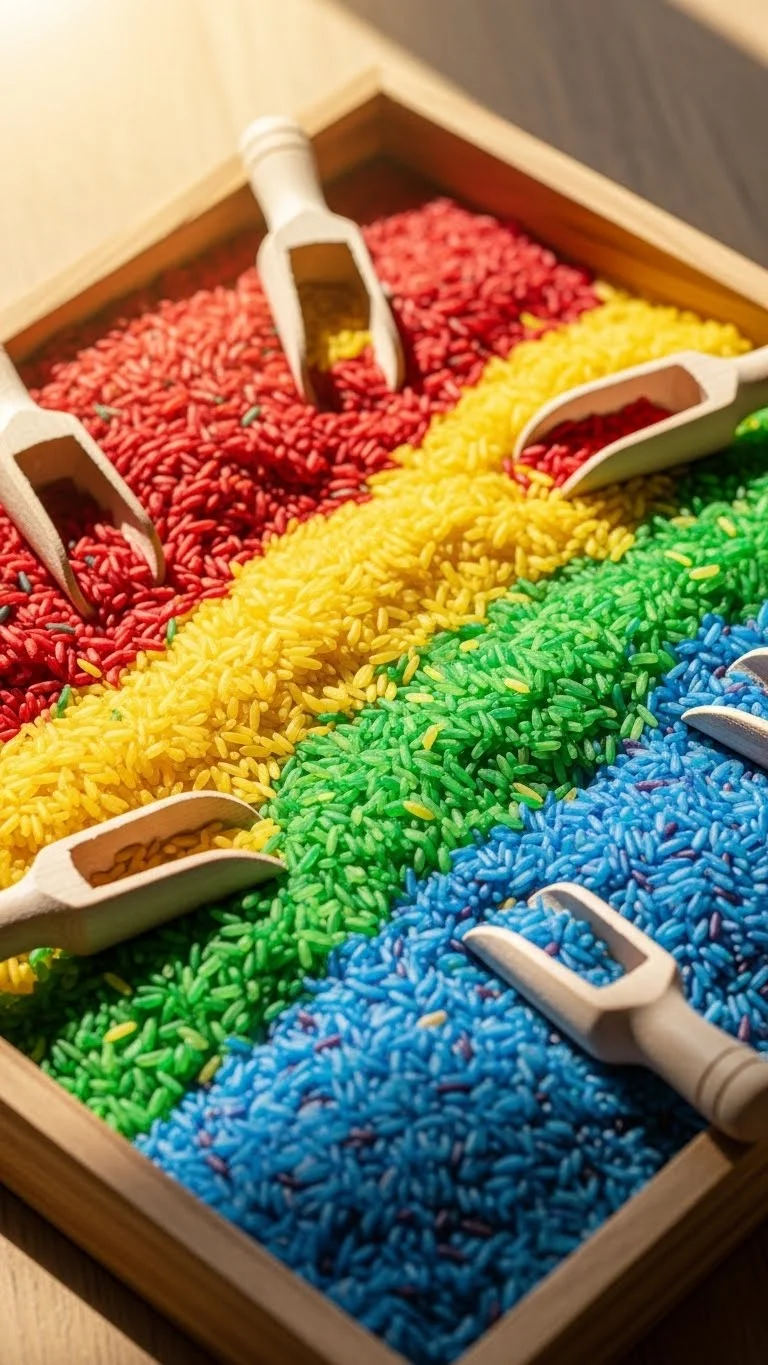
A rice bin offers calm, hands-on exploring. Fill a shallow tray with plain or lightly colored rice. Add scoops, funnels, or spoons from your kitchen drawer. Place a mat under the tray so cleanup stays simple. Kids learn through pouring, transferring, and listening to the sound of rice falling. If you want a thrift-friendly version, repurpose a baking pan. Add just a few items so the bin doesn’t feel cluttered. Keep a small dustpan nearby so your child can help clean up spills.
- Practical Life Pouring Station
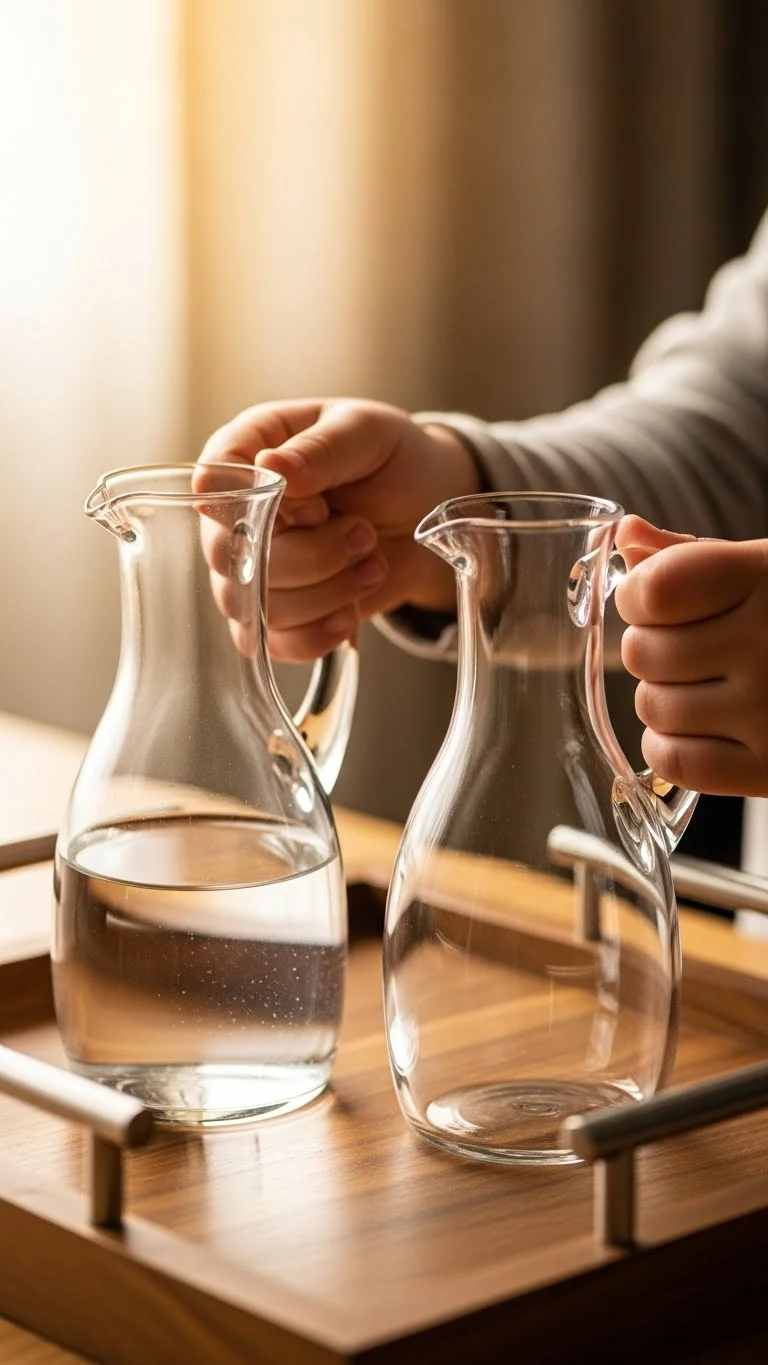
A pouring station teaches careful movements. Use two small pitchers and a tray to catch spills. Start with dry materials like lentils before using water. If money is tight, use small recycled jars with handles. Show your child how to pour slowly, then step back. Kids often enjoy repeating the motion. Keep a tiny sponge or cloth on the tray so they can wipe spills. This builds independence and calm habits.
- Wooden Shape Sorter
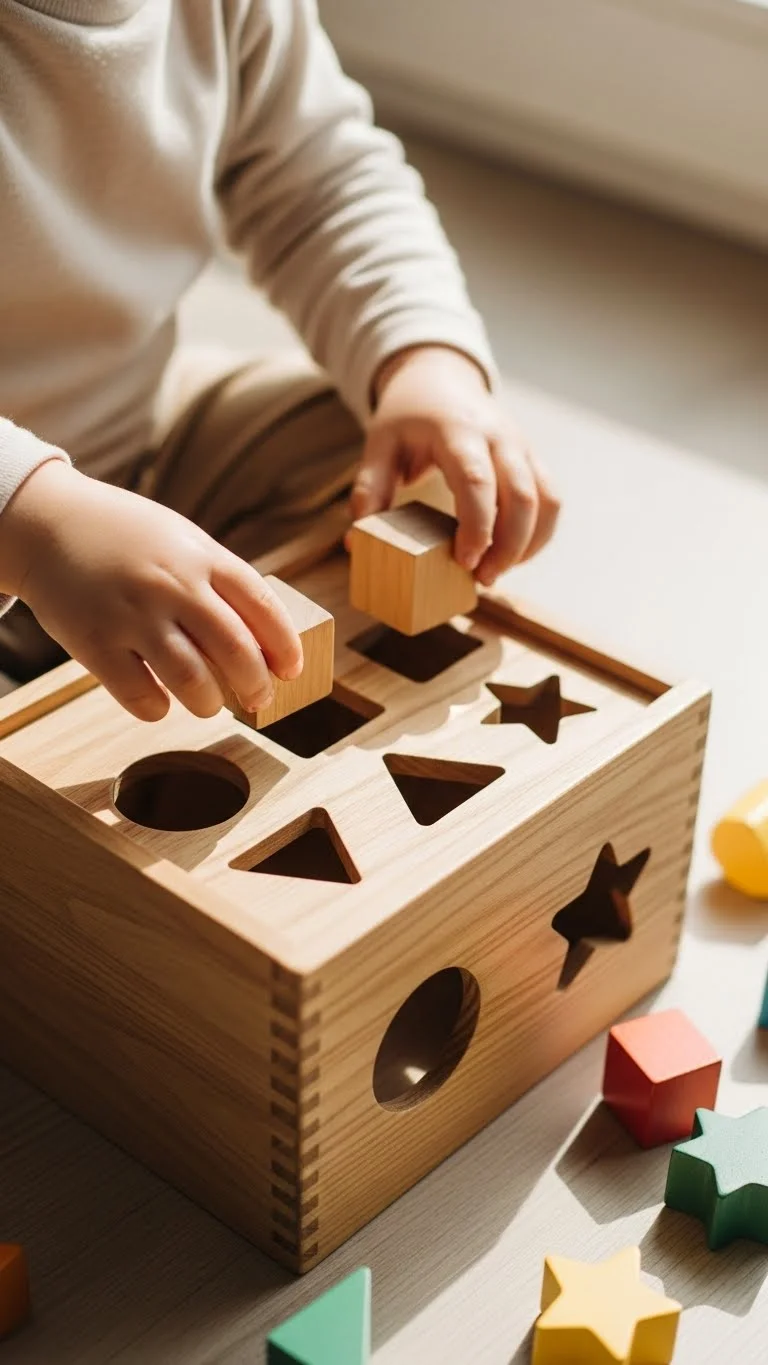
Shape sorters support problem-solving. Choose one with basic shapes and clear openings. A DIY version can be made using a shoebox and cardboard cutouts. Offer only a few blocks at a time to keep things simple. Encourage your child to try different angles. If a piece doesn’t fit, avoid correcting right away. Kids learn through experimenting. Store blocks in a small bowl for easy access.
- Low Shelf Library
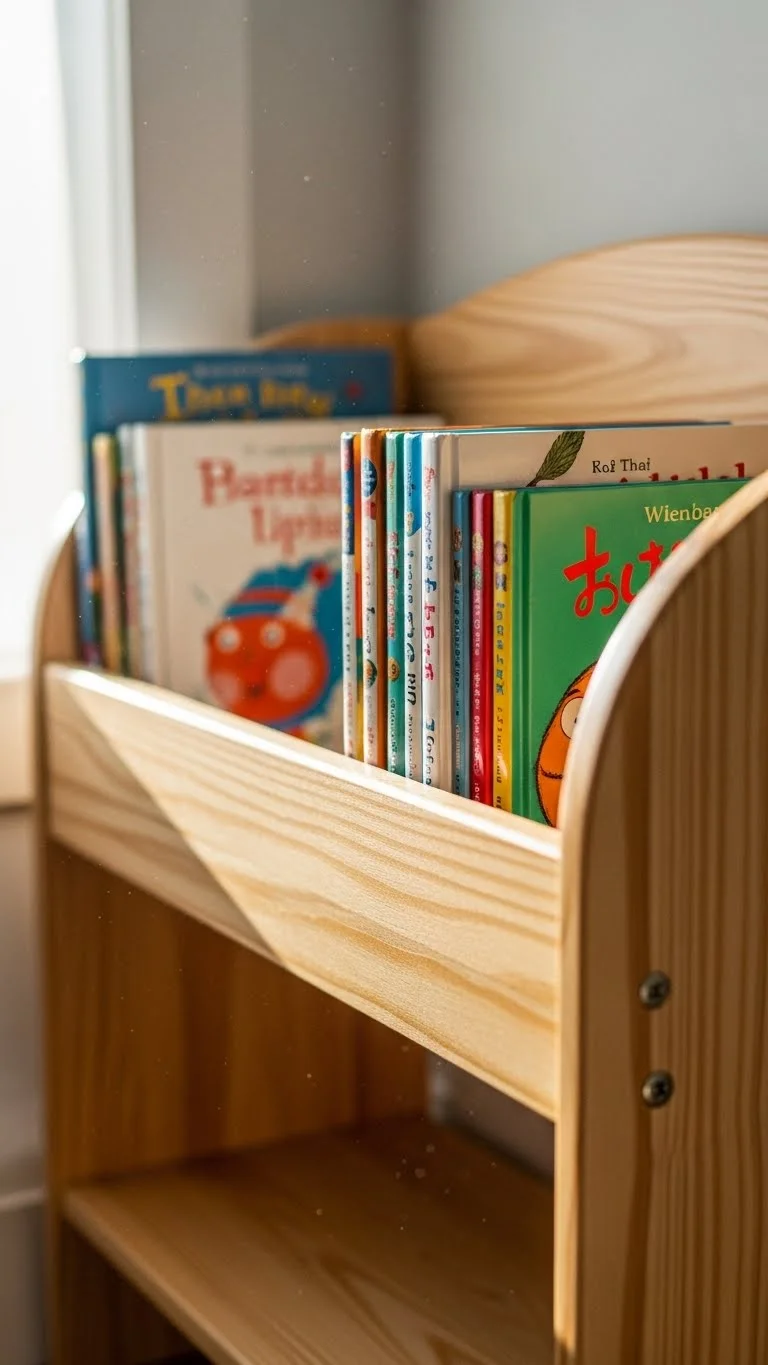
Create a small, inviting book area with a few choices at a time. Forward-facing books help kids pick independently. Rotate titles every couple of weeks. Use thrifted books or library finds for a budget-friendly setup. Add a small floor cushion to make the space cozy. Your child can choose a book, flip pages, and return it to the shelf. This small setup supports focus and calm moments.
- Simple Lacing Cards
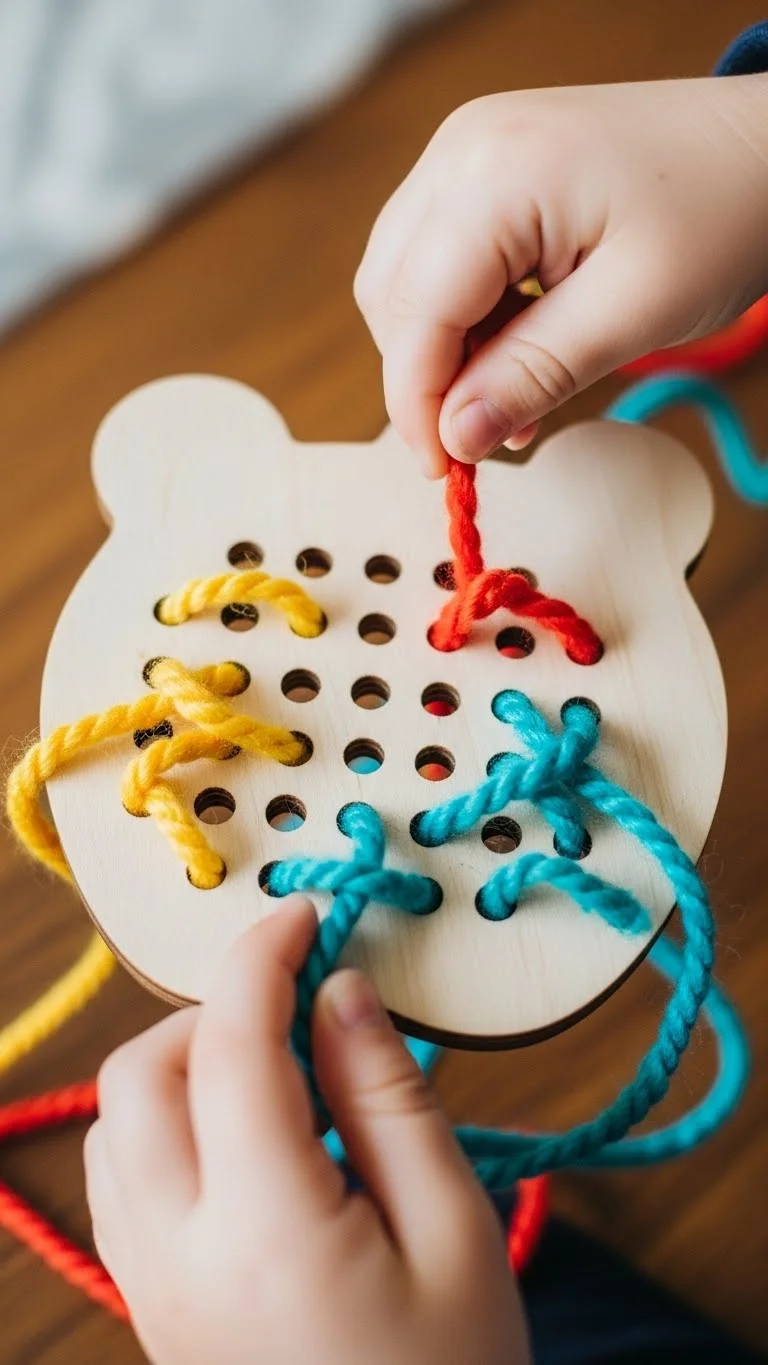
Lacing cards strengthen hands and fingers. You can buy wooden ones or create your own from cardboard shapes and a hole punch. Use thick yarn taped at the end for easy threading. Keep only one card out at a time. Encourage slow movements. Kids love repeating the threading motion. Store the yarn in a small pouch so it doesn’t tangle.
- Sorting Tray with Natural Items
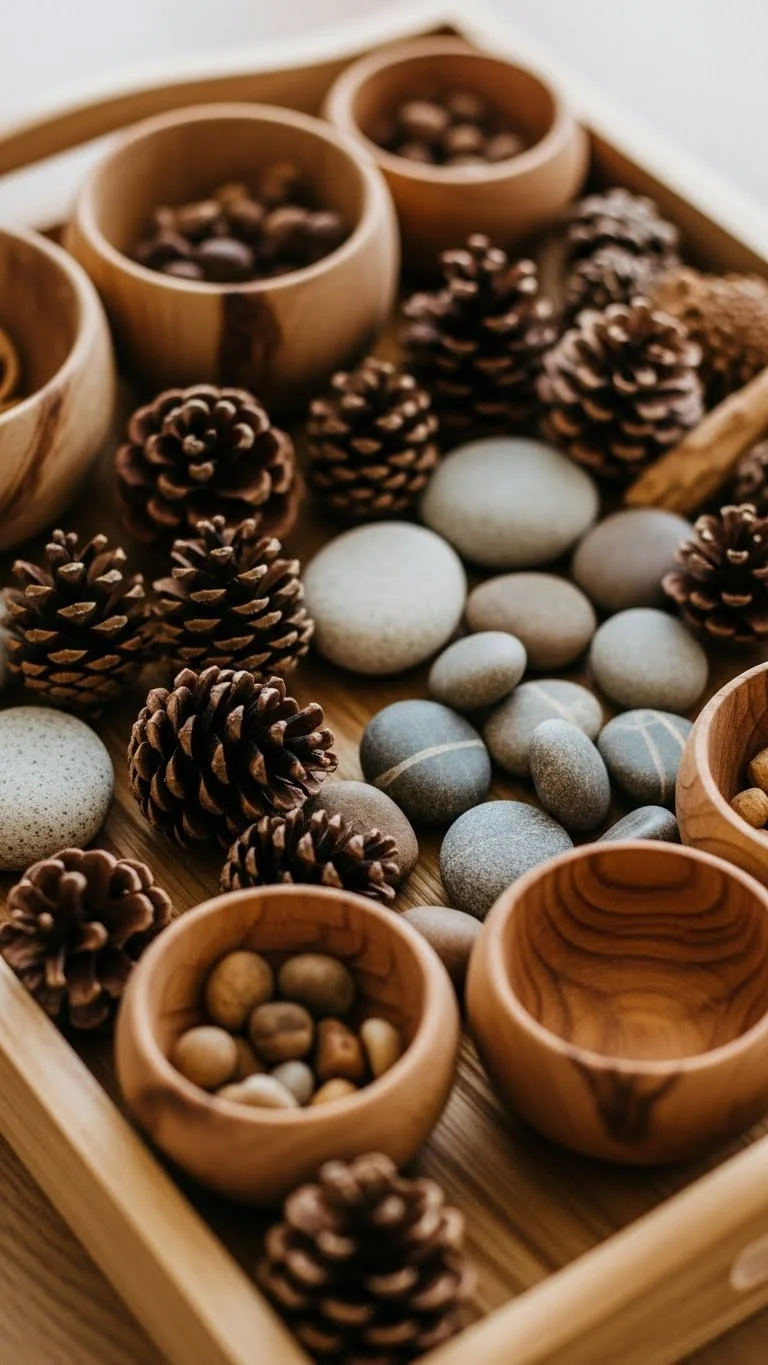
Collect simple natural items—shells, stones, pinecones. Place them in bowls on a tray. Kids sort by size, color, or texture. This activity encourages comparing and categorizing. Use thrifted bowls or repurposed ramekins. Swap items seasonally for variety. Keep the tray uncluttered so your child stays focused.
- Montessori Ball Tracker
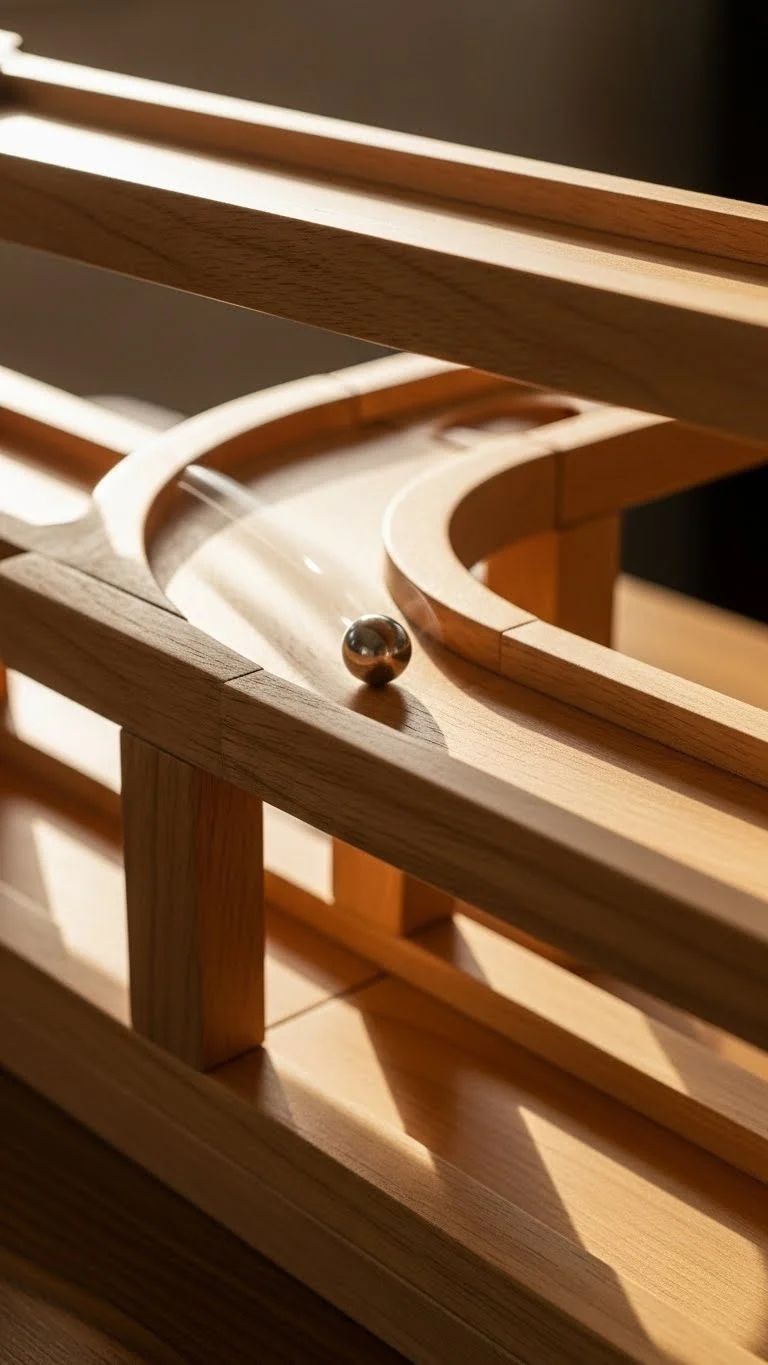
A ball tracker gives kids a calm, repetitive motion to watch. Choose a wooden ramp or make one from cardboard tubes taped onto a board. Offer one ball at a time. Kids drop, watch, repeat. This helps them understand cause and effect. Keep the ramp on a shelf so they can pull it out anytime.
- Simple Matching Cards
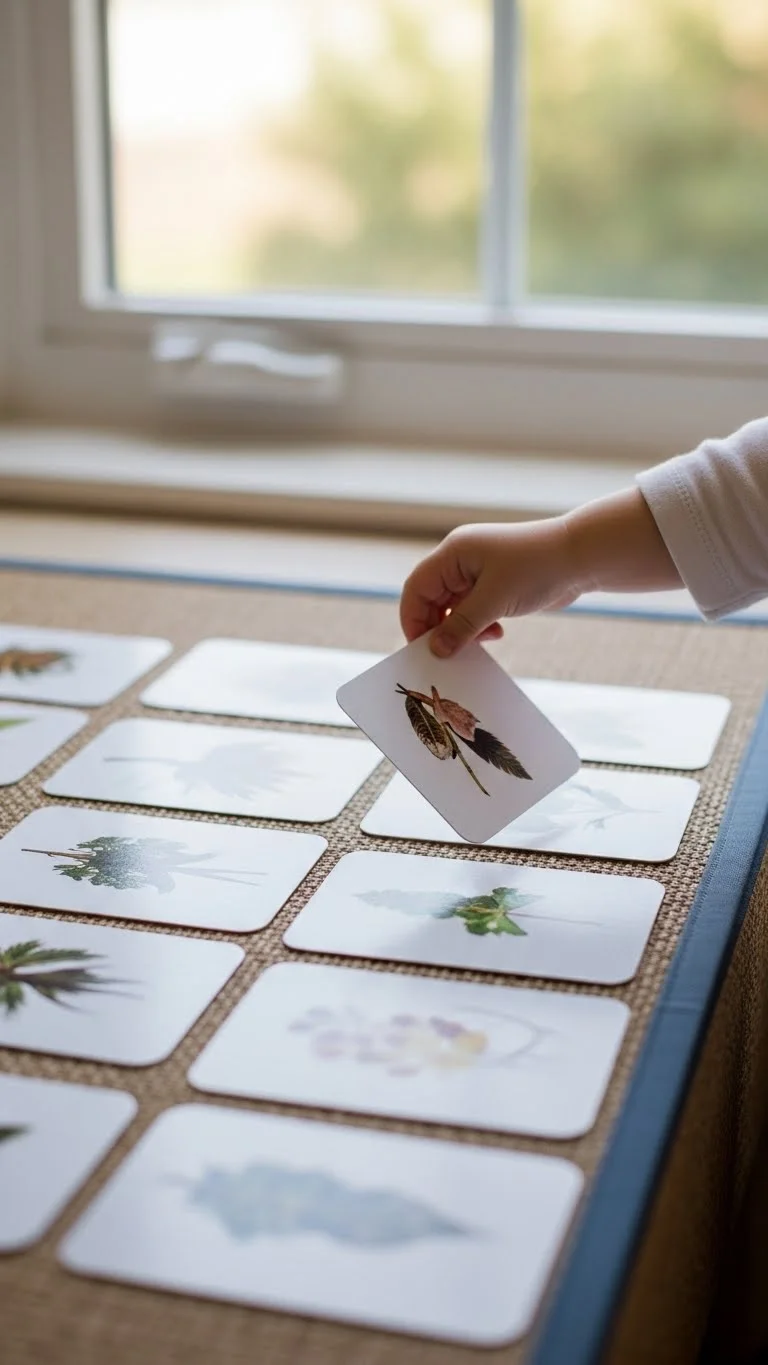
Print or cut images from magazines—animals, fruits, or tools. Laminate if you can, or glue onto cardboard. Offer two sets so your child can match pairs. Keep the set small so it stays manageable. Lay cards on a mat to create a defined workspace. Kids enjoy turning cards, comparing shapes, and making matches.
- Threading Beads
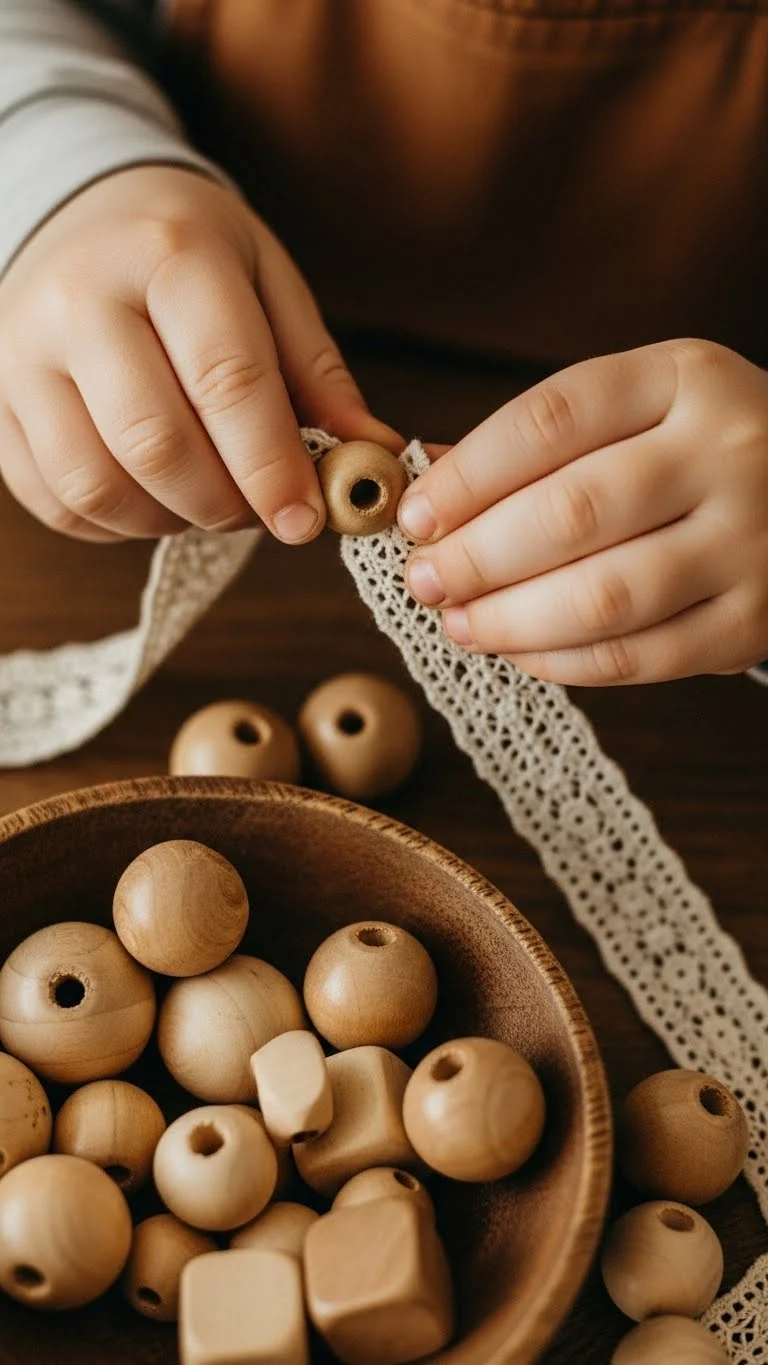
Choose large beads that are easy to grip. Add a thick lace with a taped end. You can find beads at craft stores or repurpose large wooden buttons. Offer just a handful at a time. Kids work slowly, threading bead after bead. This builds steady hand movements. Store everything in a small drawstring bag.
- Fine Motor Tongs Activity
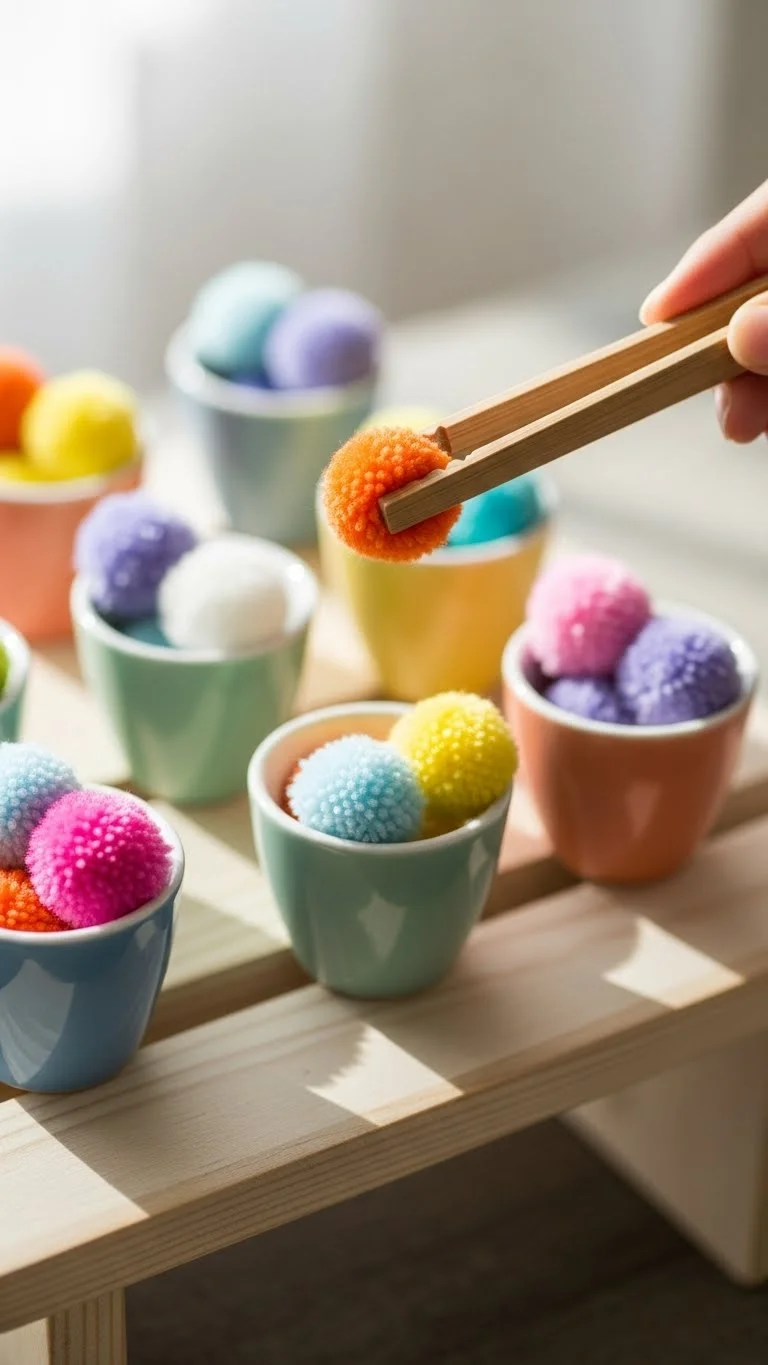
Set out tongs, pom-poms, and bowls. Kids pick up items one by one. Use cotton balls if you want a budget version. This simple action helps strengthen hands. Keep the setup minimal—one tong, two bowls, a small handful of items. Encourage slow, careful movements.
- Sensory Sponges
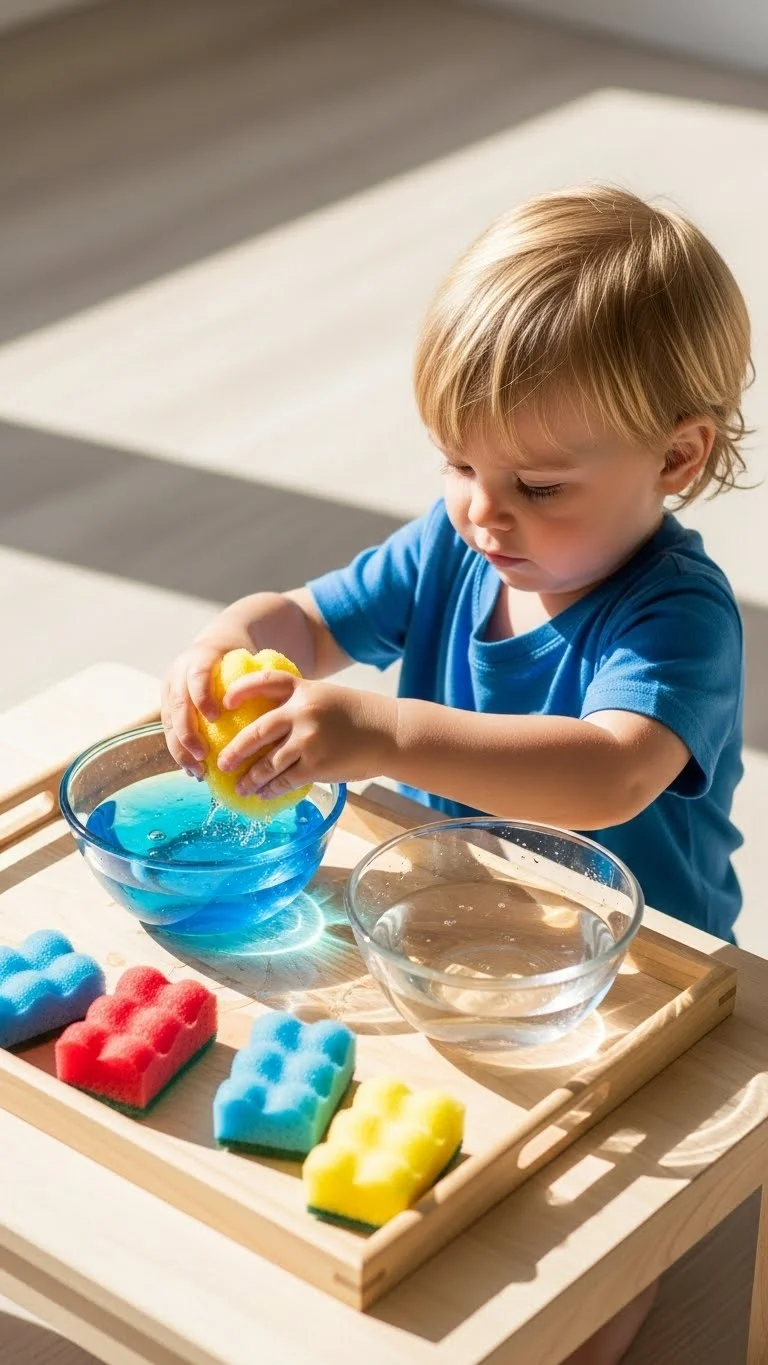
Fill one bowl with water and keep another empty. Add a sponge. Kids transfer water by squeezing. It’s calming and repetitive. Use small sponges cut from a larger one to save money. Keep a cloth nearby so your child can wipe spills.
- Coin Drop Box
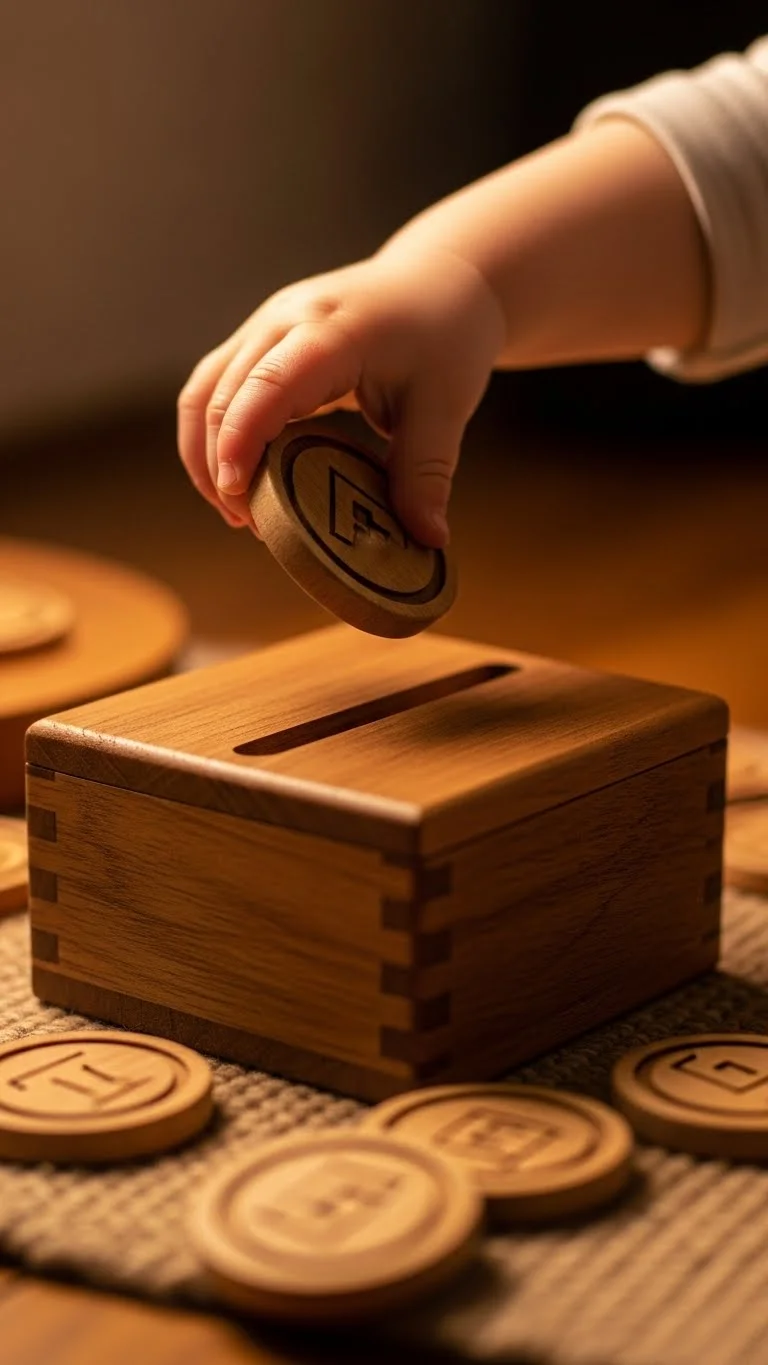
A coin drop box teaches hand control and precision. You can DIY using a small container with a slit cut into the lid. Use thick tokens or wooden coins for safety. Kids drop coins through the slot and open the box to retrieve them. Keep the activity simple—one box, a few coins.
- Felt Button Board
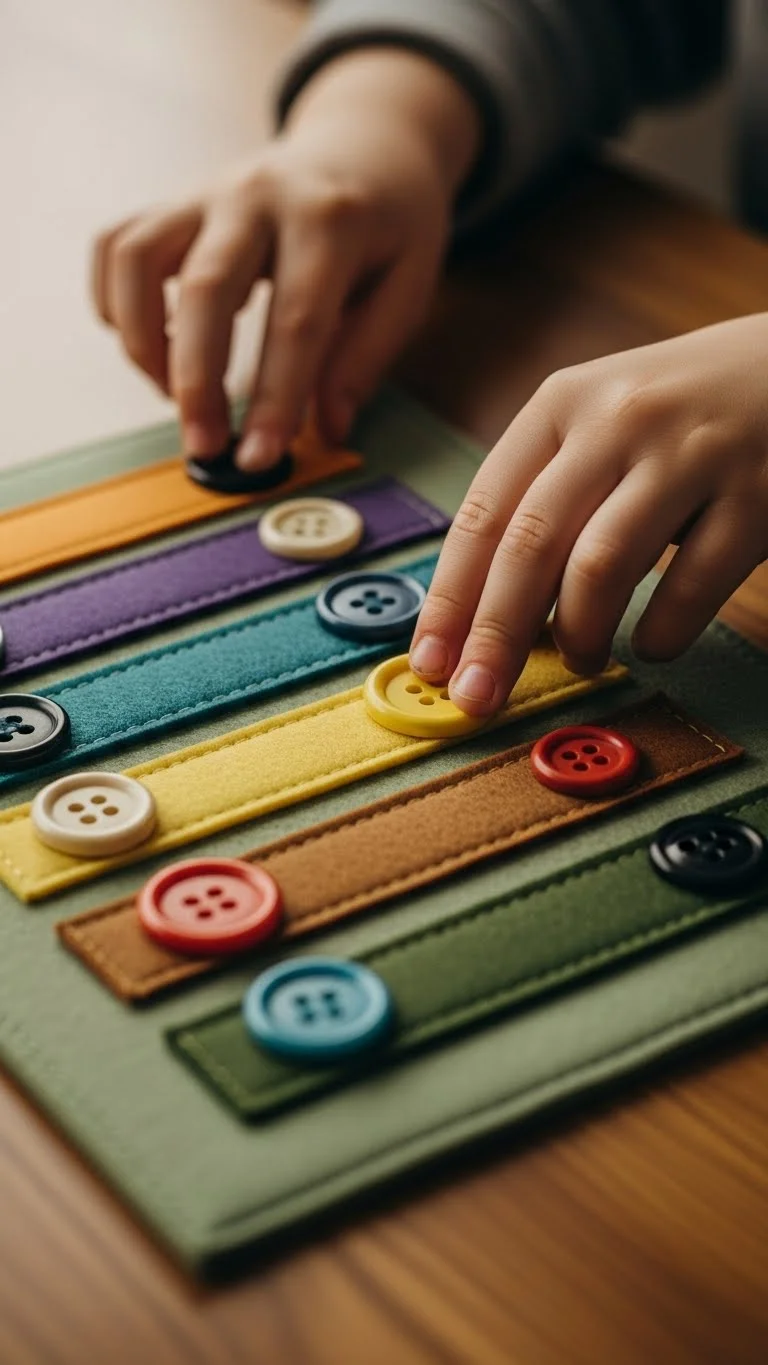
Sew buttons onto felt strips and cut slits for sliding. This helps kids practice buttoning without clothing frustration. Choose large buttons at first. Lay the board flat so it’s easy to work with. Store pieces in a zip pouch.
- Pincer Grasp Tray
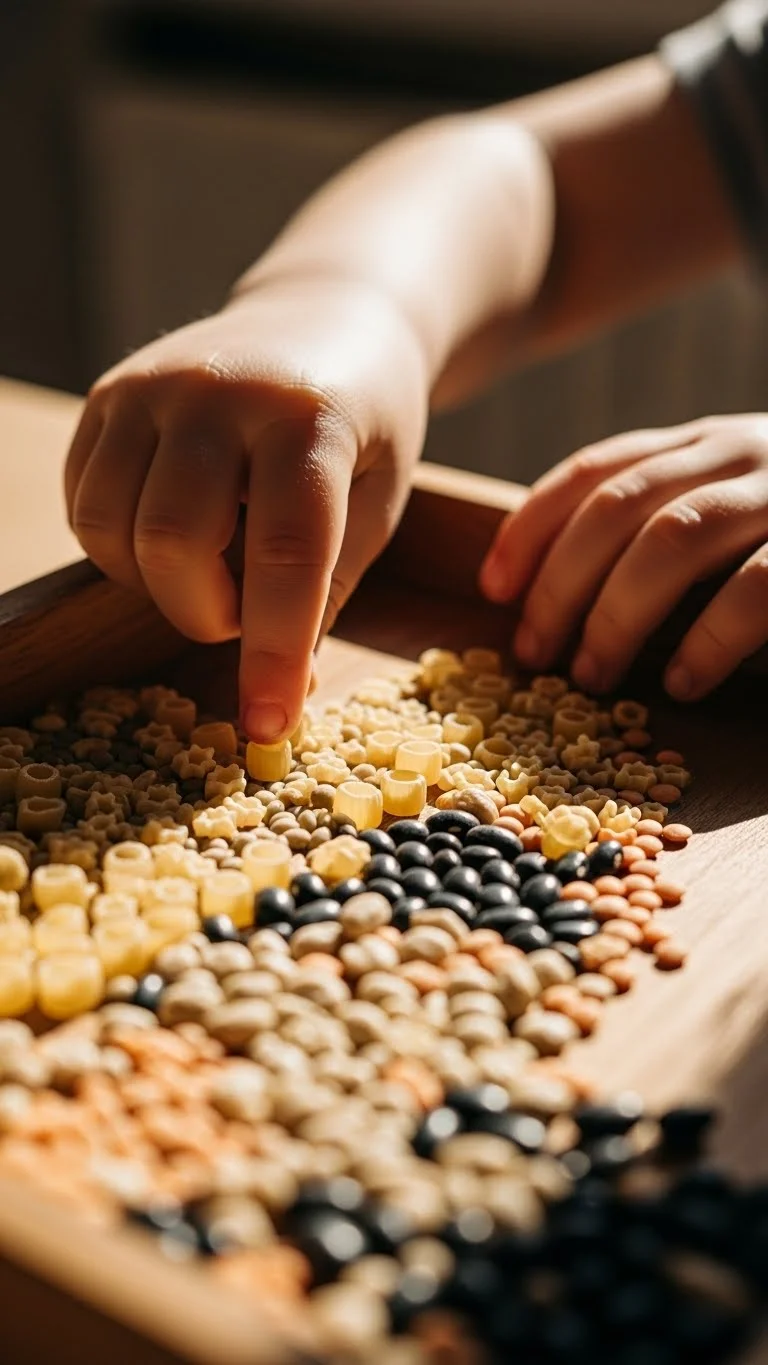
Offer a small bowl of tiny items—beans, pasta, or beads (with close supervision). Kids pick them up one by one and transfer them to another bowl. This strengthens precise finger movements. Keep quantities small so cleanup stays simple.
- Rolling Pin Dough Setup
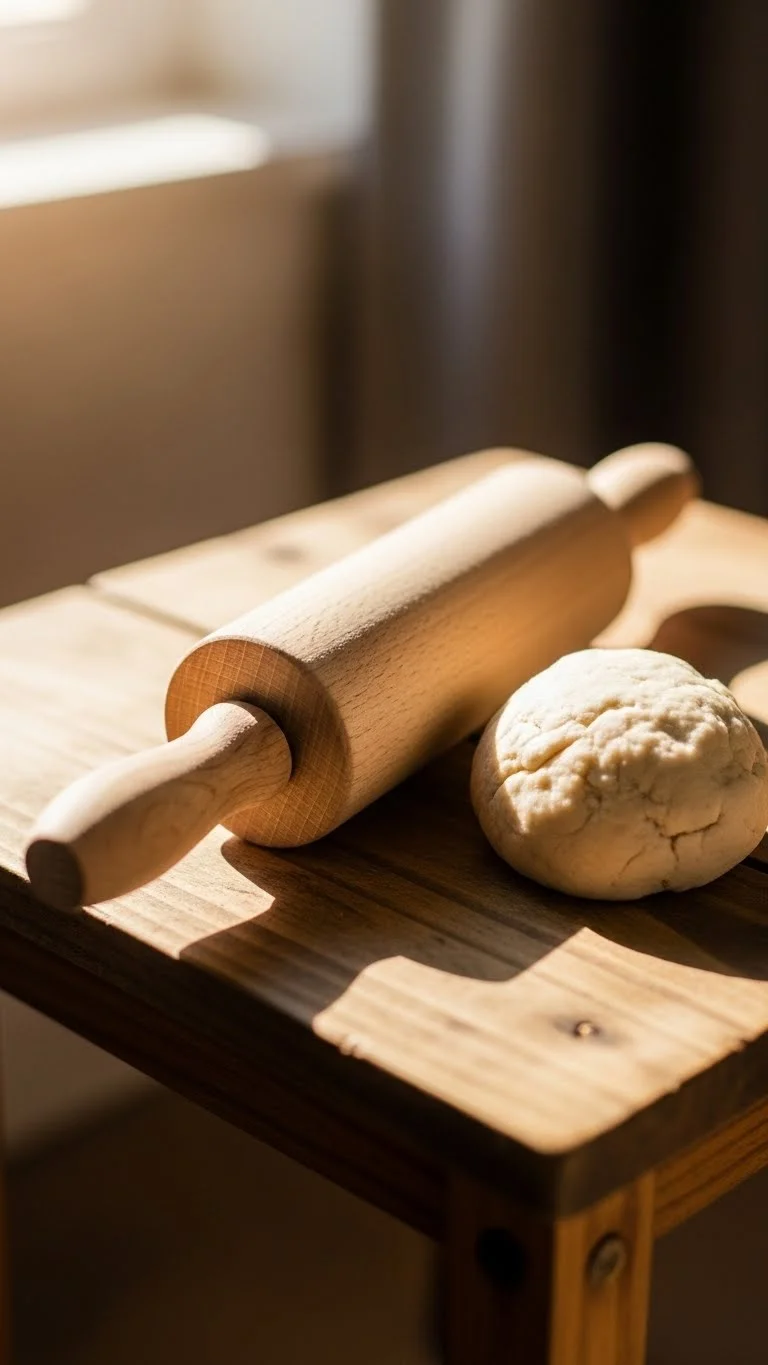
Give your child a small rolling pin and a lump of dough. They can flatten, roll, and redo as many times as they want. Use homemade dough to save money. Add cookie cutters if you want variety. Keep the setup on a tray so crumbs stay contained.
- Lock-and-Key Board
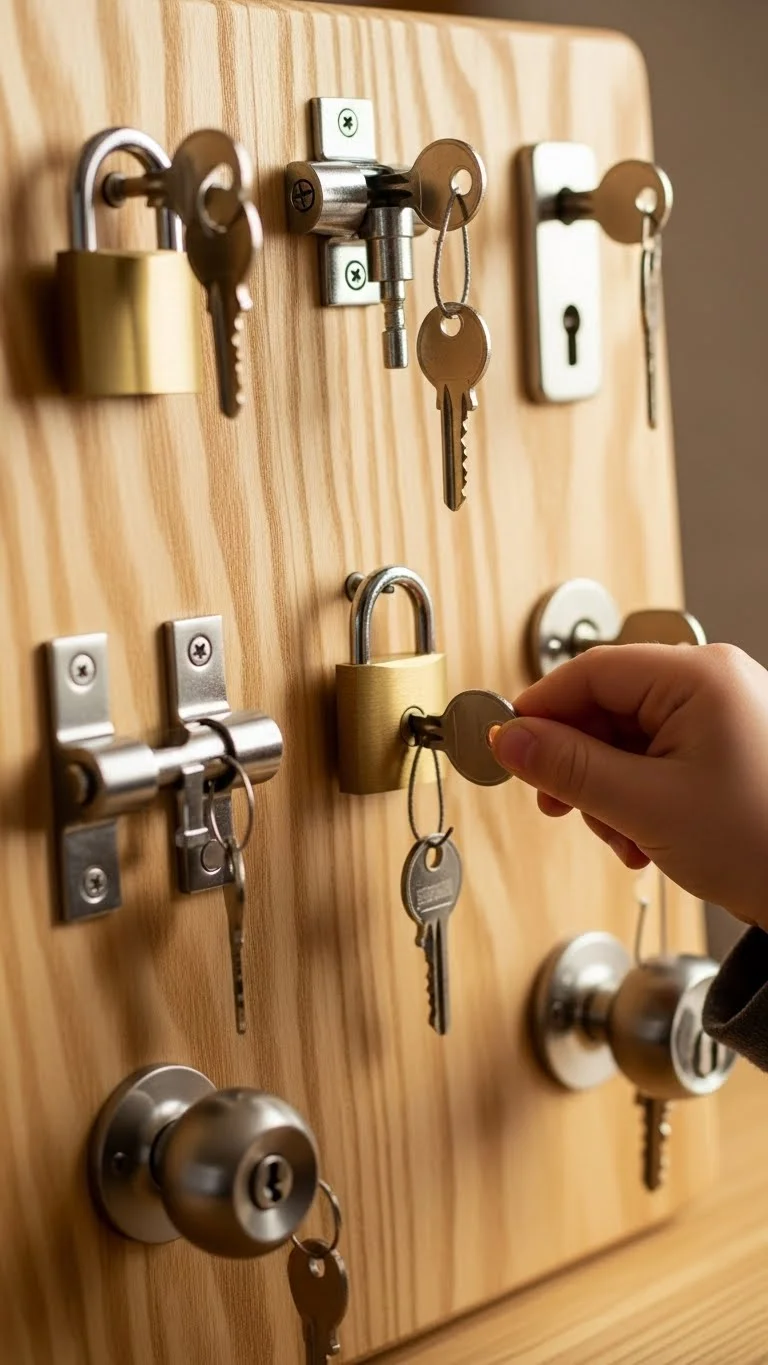
Kids love exploring locks. You can buy a board or create one with thrifted locks screwed onto wood. Offer only one or two keys at a time. Kids turn, twist, and open. This supports problem-solving and careful movements. Supervise closely with metal keys.
- Transfer with a Spoon
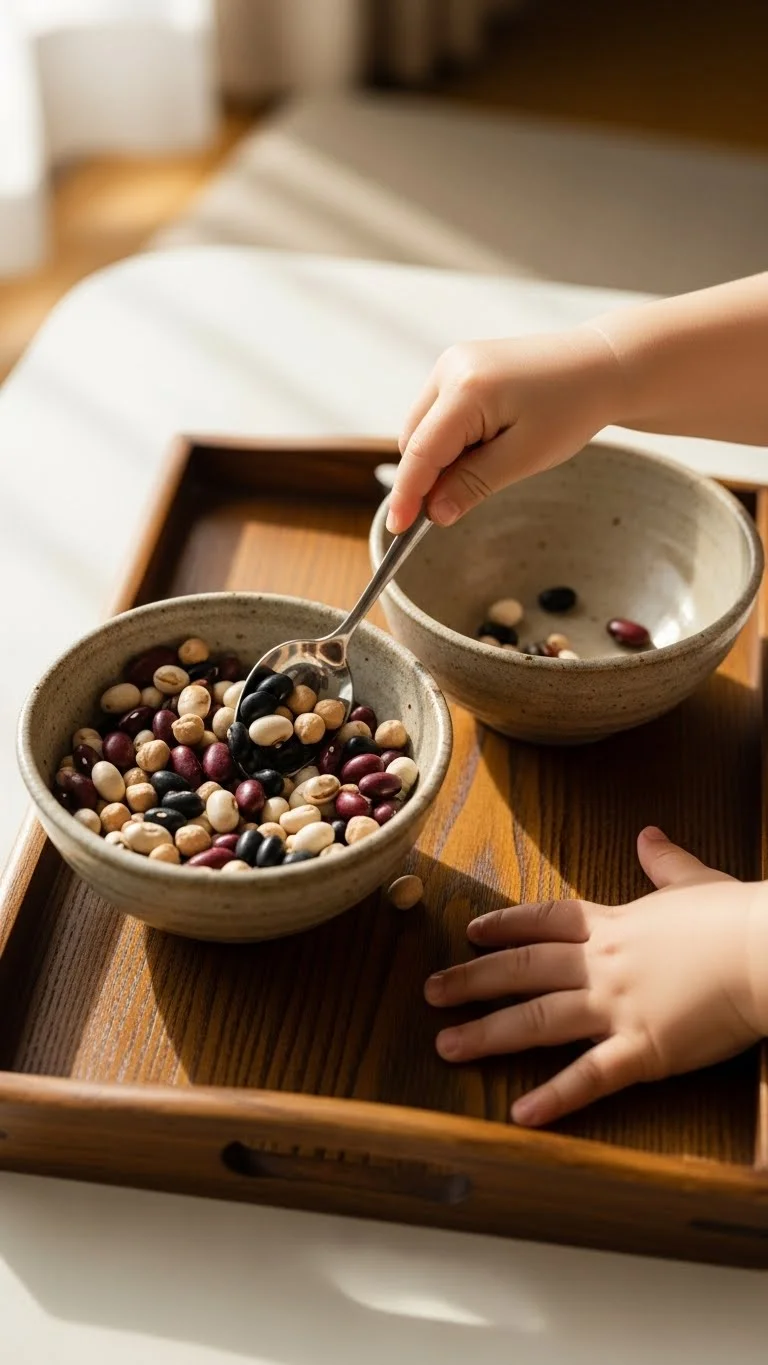
Place two bowls and a spoon on a tray. Fill one bowl with dry beans or peas. Kids scoop and transfer from one bowl to the other. Keep amounts small. This simple motion teaches careful handling and steady wrist control.
- Montessori Pick-Up Basket
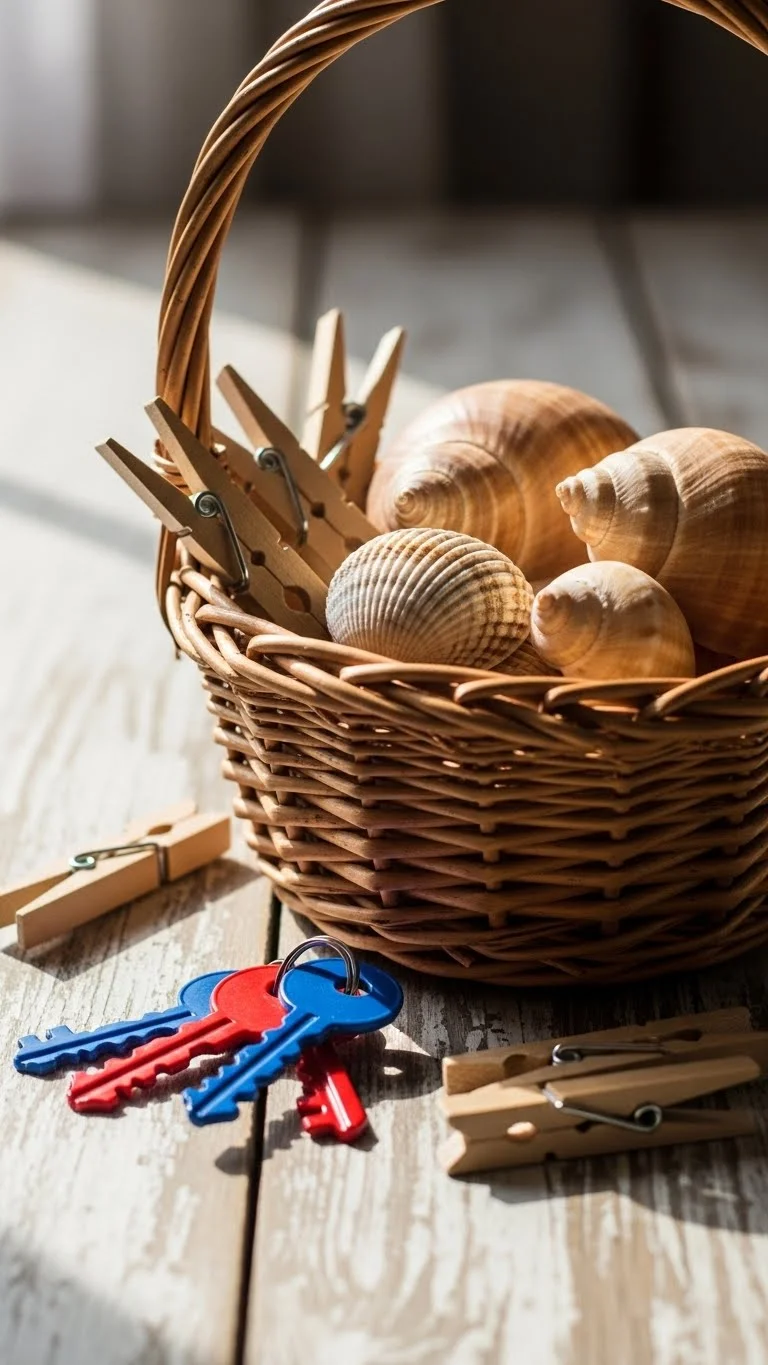
Fill a basket with safe, everyday objects. Kids explore textures, weights, and shapes. Swap items weekly. Use thrifted or repurposed items to save money. Keep the basket small so it doesn’t feel overwhelming.
- Mini Broom and Dustpan
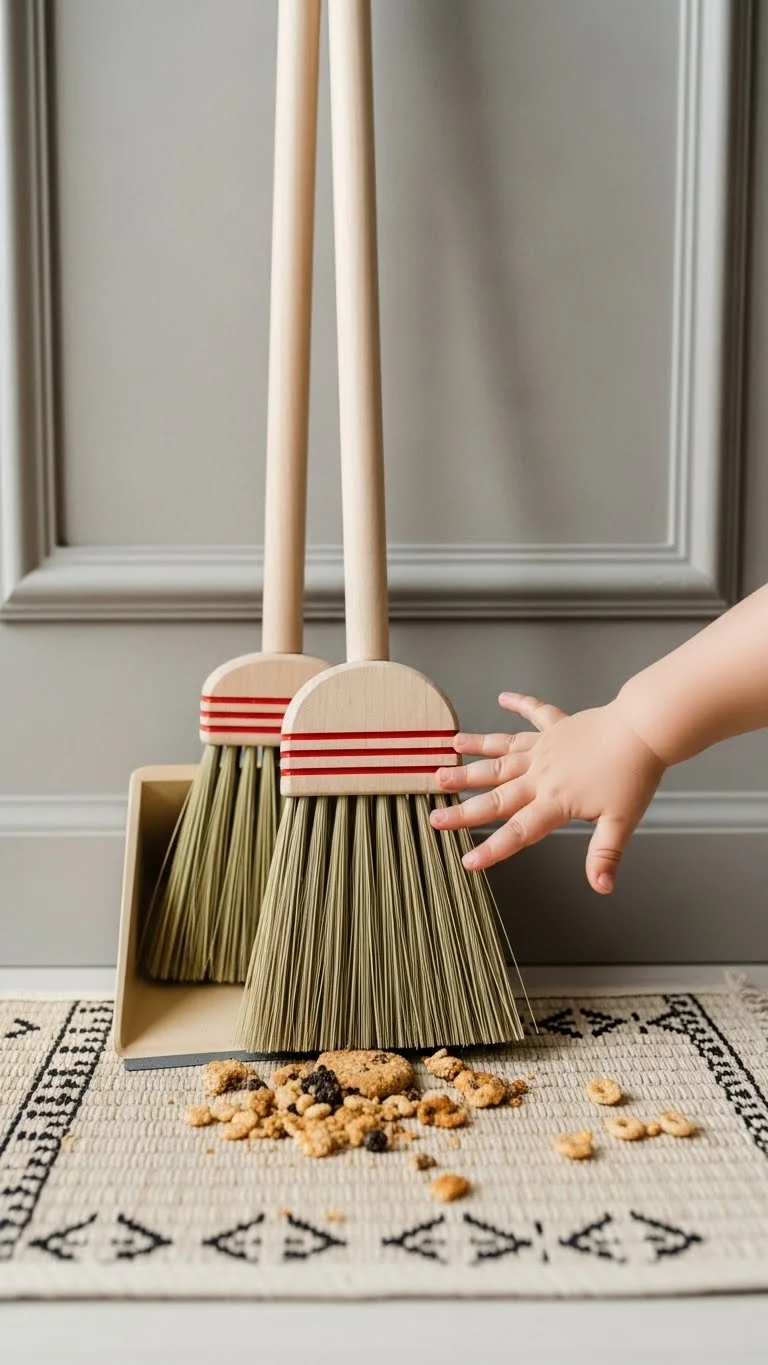
A small broom lets kids help with simple chores. Choose a lightweight set or cut down a thrifted broom. Show your child how to sweep crumbs into a dustpan. Keep a small mat under the set so it has a clear home. Kids enjoy real tasks, and this setup invites calm responsibility.
Conclusion
Montessori toys don’t have to be expensive or complicated. Simple, accessible materials can support confident, self-guided exploring at home. Pick a few ideas from this list, set them out on low shelves, and let your child explore at their own pace. Small, thoughtful setups make everyday play calmer and more meaningful.
