

23 Simple Parenting Schedule Ideas for More Daily Structure
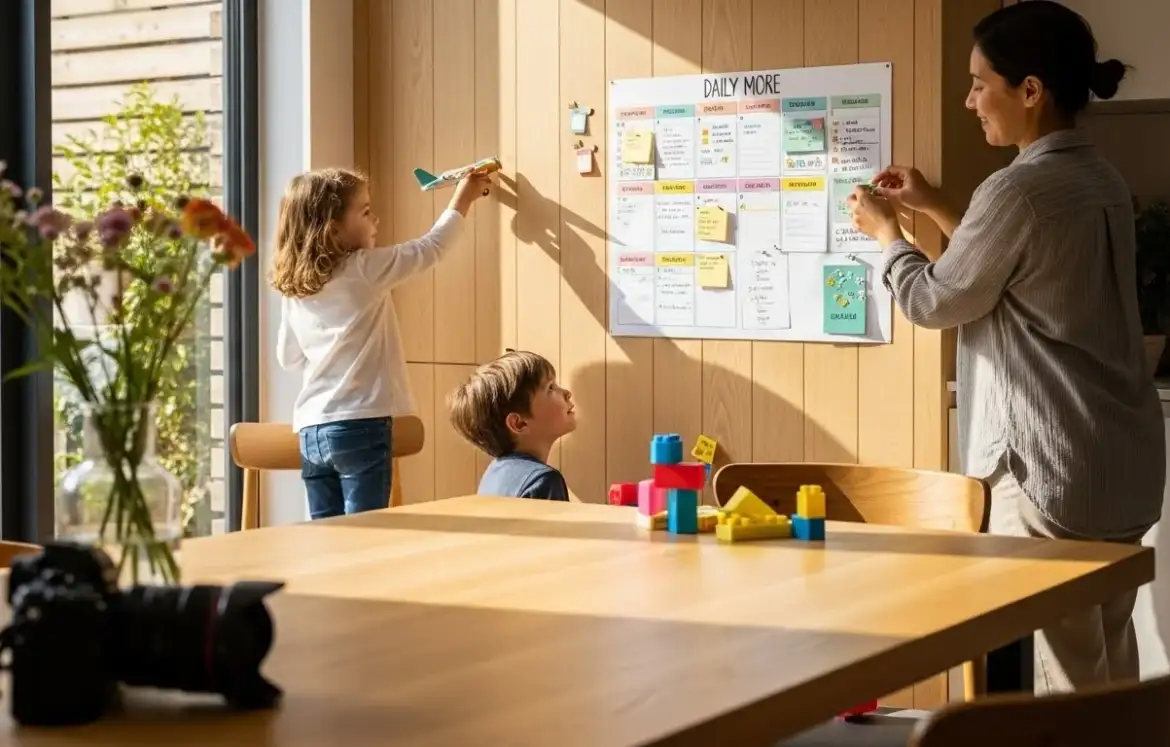
Starting the day without a plan can make the whole household feel scattered. A simple schedule brings calm, helps everyone know what’s next, and cuts down on arguments and rushing. The ideas below offer easy, affordable ways to add structure to busy days. Each one is flexible, practical, and simple to set up, even on tight mornings or tight budgets.
- Morning Rhythm Chart
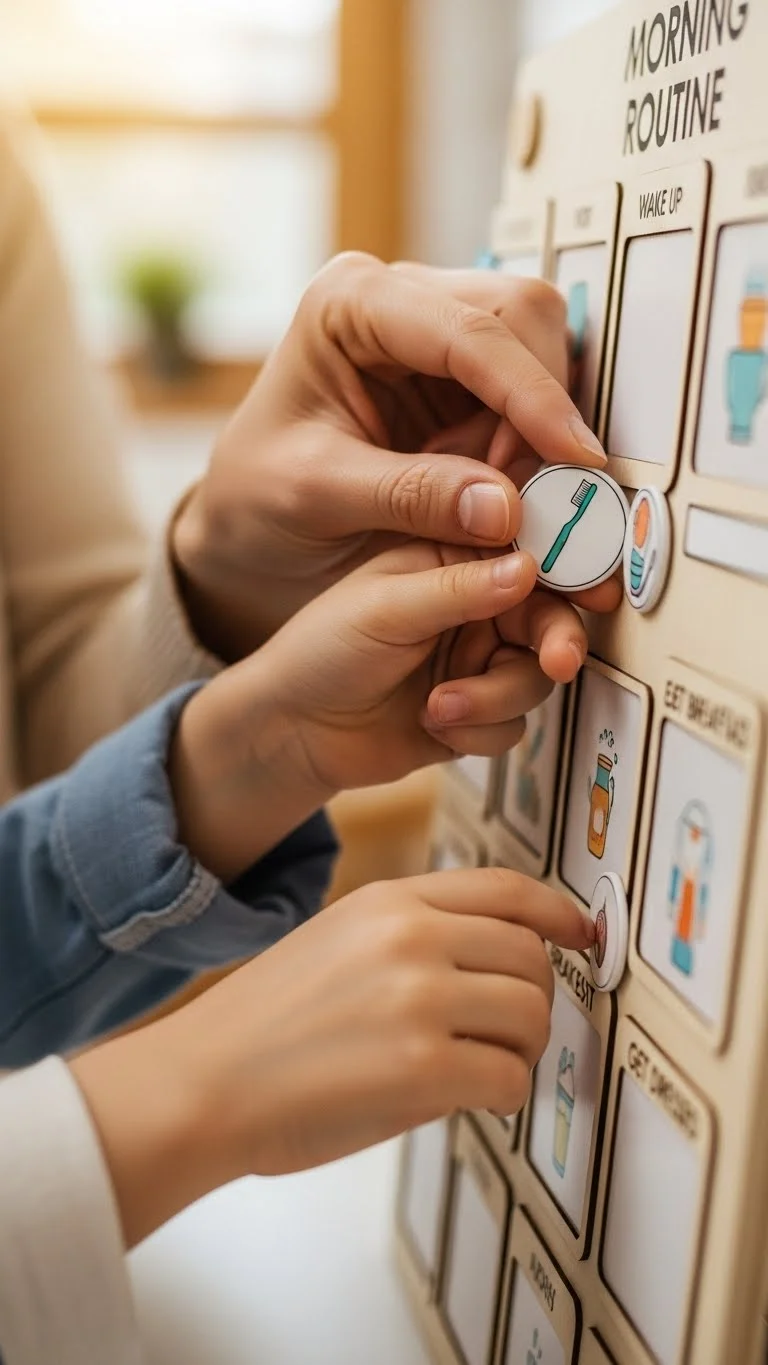
A morning rhythm chart works well for kids who get overwhelmed by long to-do lists. Keep it simple. Add tasks like get dressed, brush teeth, and eat breakfast. Use magnets, clothespins, or small picture cards. You don’t need anything fancy. A baking sheet and printed images work fine. Place it low so kids can reach it. Let them flip or move each task when finished. This gives them a sense of order without extra pressure. Stick to just a few steps so they don’t get frustrated. If your mornings are rushed, prep outfits and lunch the night before. This makes the chart easier to follow. Keep the tone light and use plenty of praise. When kids know what’s coming, mornings feel calmer for everyone.
- After-School Reset Window
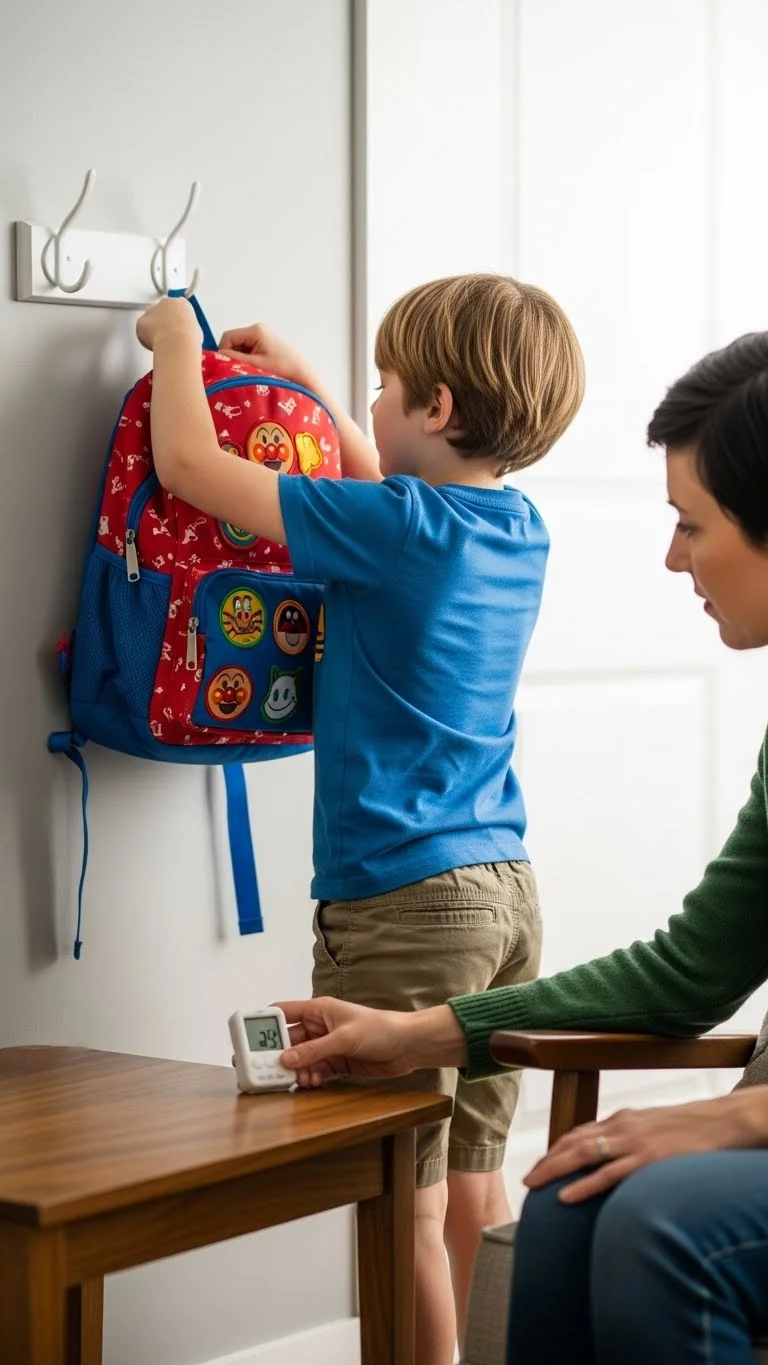
Create a short reset block right after school. Ten to fifteen minutes is enough. Kids can hang backpacks, grab a snack, and settle their minds. This short break helps them shake off the day before you ask anything else of them. Use a bowl for keys, a hook for bags, and a bin for shoes. These simple stations make the routine easy to follow. You can even place a small timer on the counter so kids know when it ends. Let them choose their snack from two options to cut down on debates. Keep the area clutter-free so the routine doesn’t feel like extra work. This reset helps afternoons feel smoother and sets everyone up for homework or free time.
- Homework Power Block
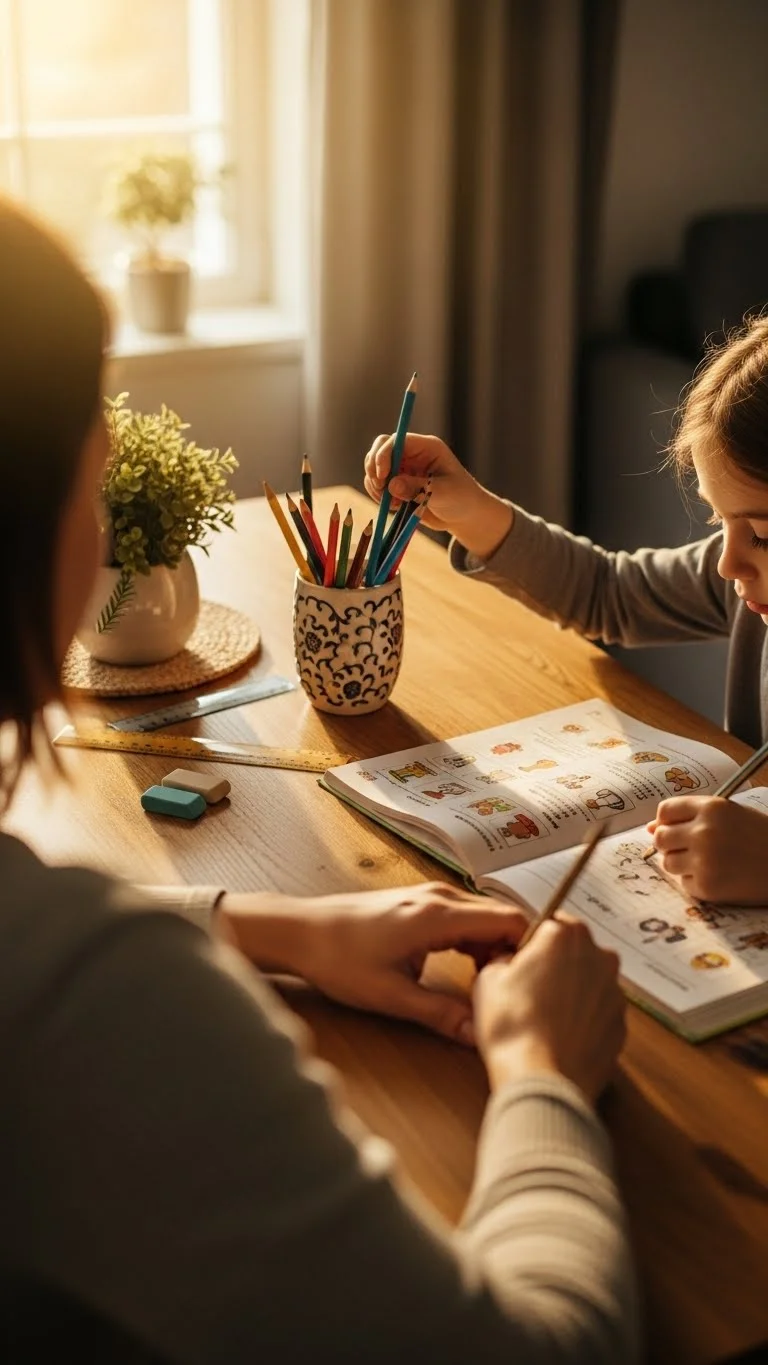
A homework power block takes pressure off busy nights. Pick the same time most days, like 4:00 or 4:30. Keep supplies in a small caddy so you don’t hunt for pencils. Set a calm mood by turning off loud toys or music. If your child gets frustrated, break the work into tiny segments. Five-minute chunks work well. Let them stretch between segments. Use snacks that aren’t messy, like apple slices. This keeps fingers clean for writing. Place a small lamp on the table for steady light. Try not to hover. Check in only when needed. A consistent schedule helps kids settle quickly and finish sooner.
- Color-Coded Week Chart
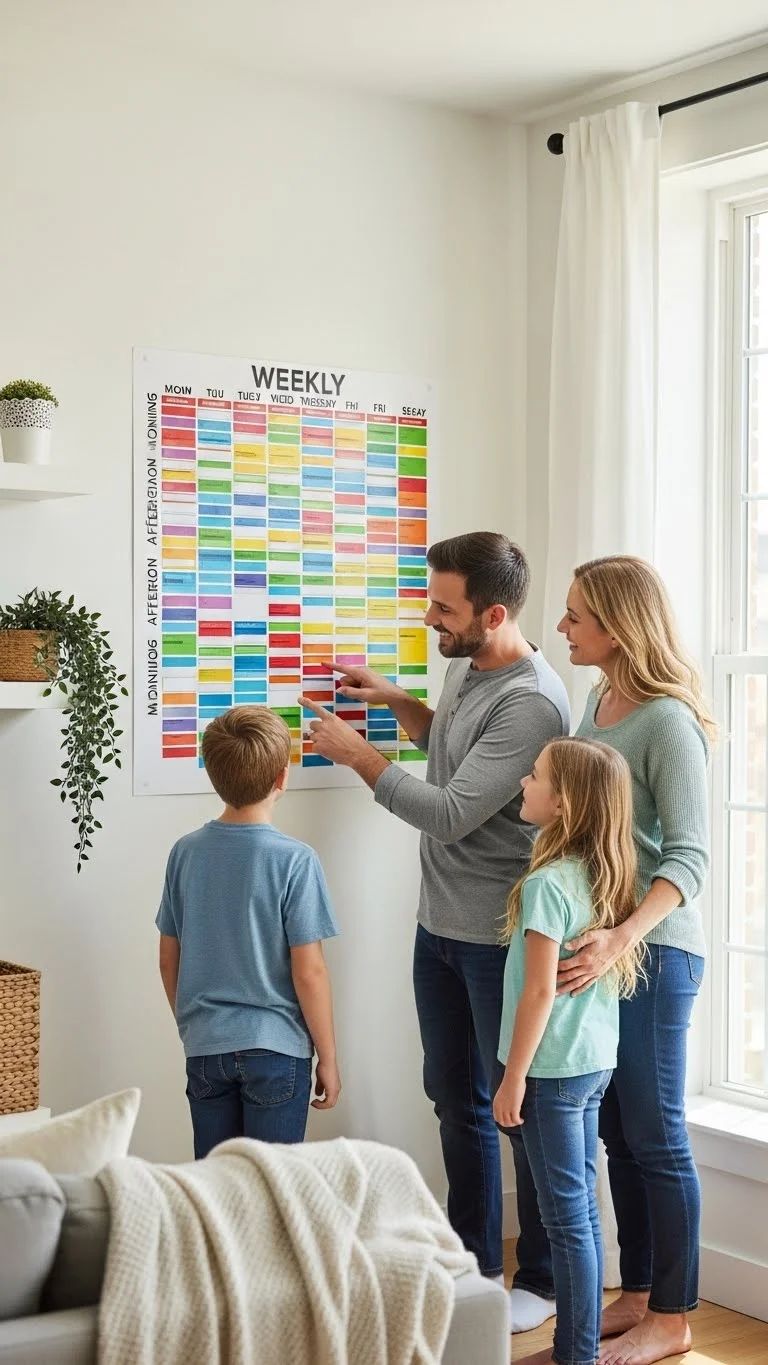
A color-coded week chart helps kids see plans at a glance. Assign each child a color or give each type of activity a color. You don’t need an expensive board. A sheet of poster paper works well. Use markers or sticky notes. Cost stays low, and you can change things easily. Hang the chart in a hallway so everyone passes it often. Add simple icons for young kids who can’t read yet. Keep the layout clean so it doesn’t overwhelm. Review it every Sunday evening together. This helps the whole family prepare for outings, practice, or quiet nights at home.
- Snack and Hydration Station
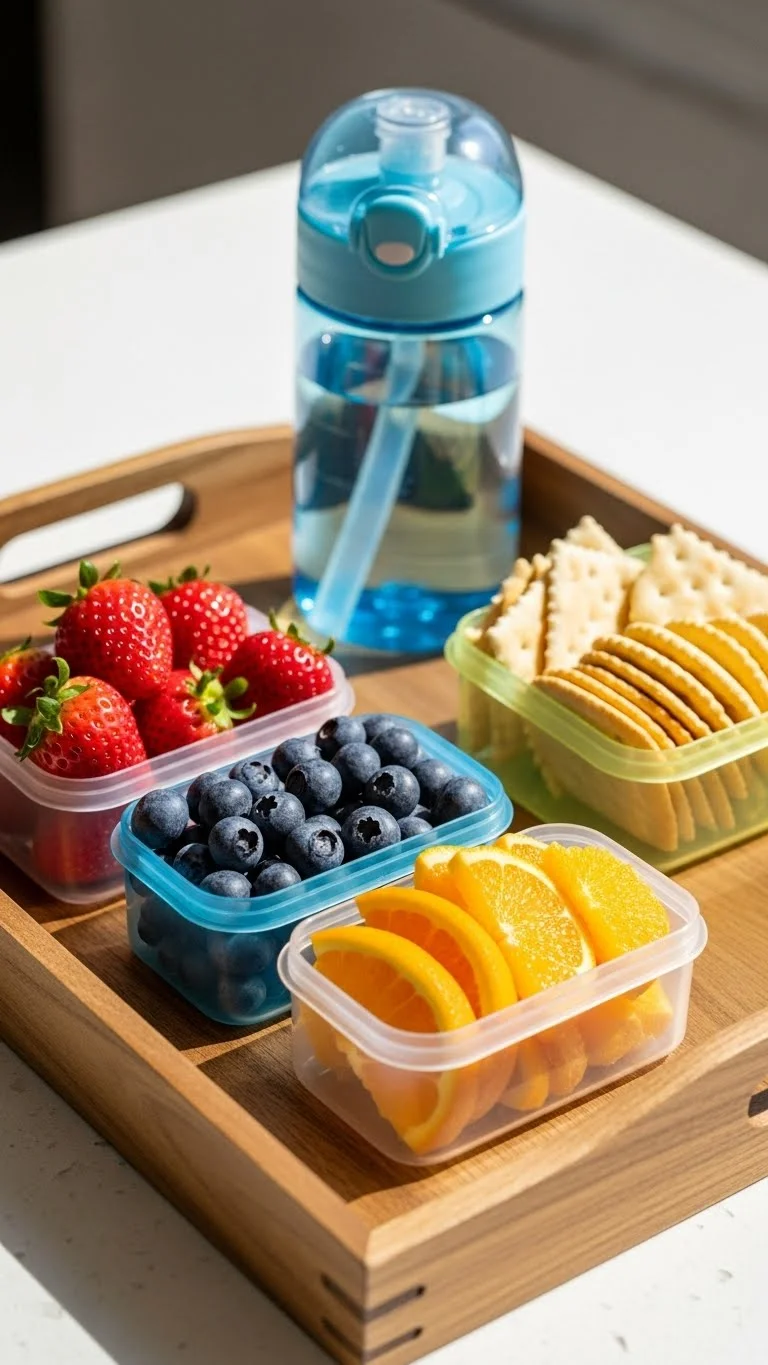
A snack and hydration station keeps kids from asking for food every 20 minutes. Fill small containers with simple snacks in the morning. Use fruits, crackers, or veggies. Set a water bottle for each child on the counter. When they get hungry, they can grab something without interrupting everything you’re doing. This helps afternoons feel calmer. Use dollar-store bins or jars to sort items. Swap options each week so they don’t get bored. Keep the station low, so little ones can reach. You can also place a limit, like two snacks per afternoon, using clothespins or tokens.
- Quiet Time Block
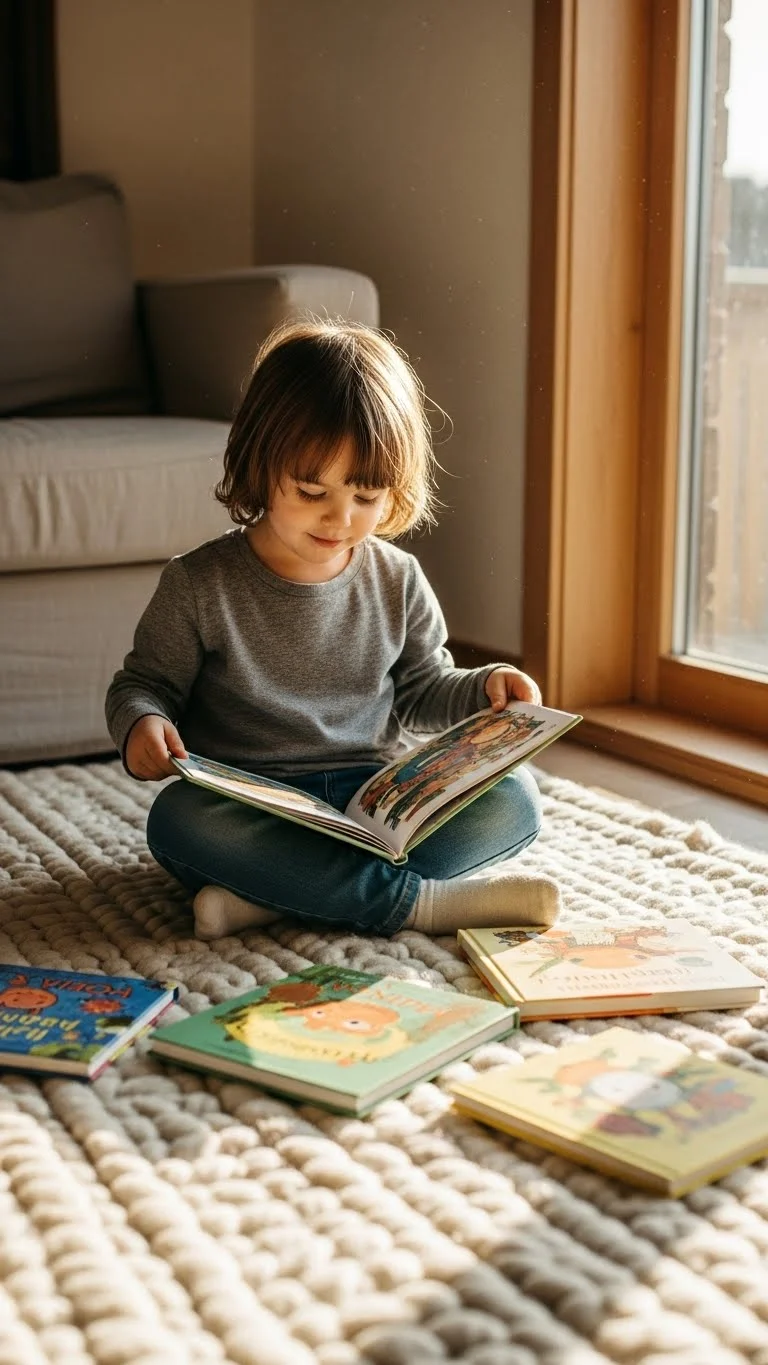
Quiet time doesn’t mean total silence. It’s simply a window where kids engage in calm activities. Books, puzzles, or drawing work well. Keep it short at first. Ten minutes may be enough. Add a small basket of quiet items in each room so you don’t search for materials. If you have younger kids, soft toys or board books help them stay calm. Play gentle background music if your child struggles with silence. This block gives you time to breathe, fold laundry, or prep dinner. Stick to the same time daily so your child knows when it happens.
- The “Out the Door” Tray
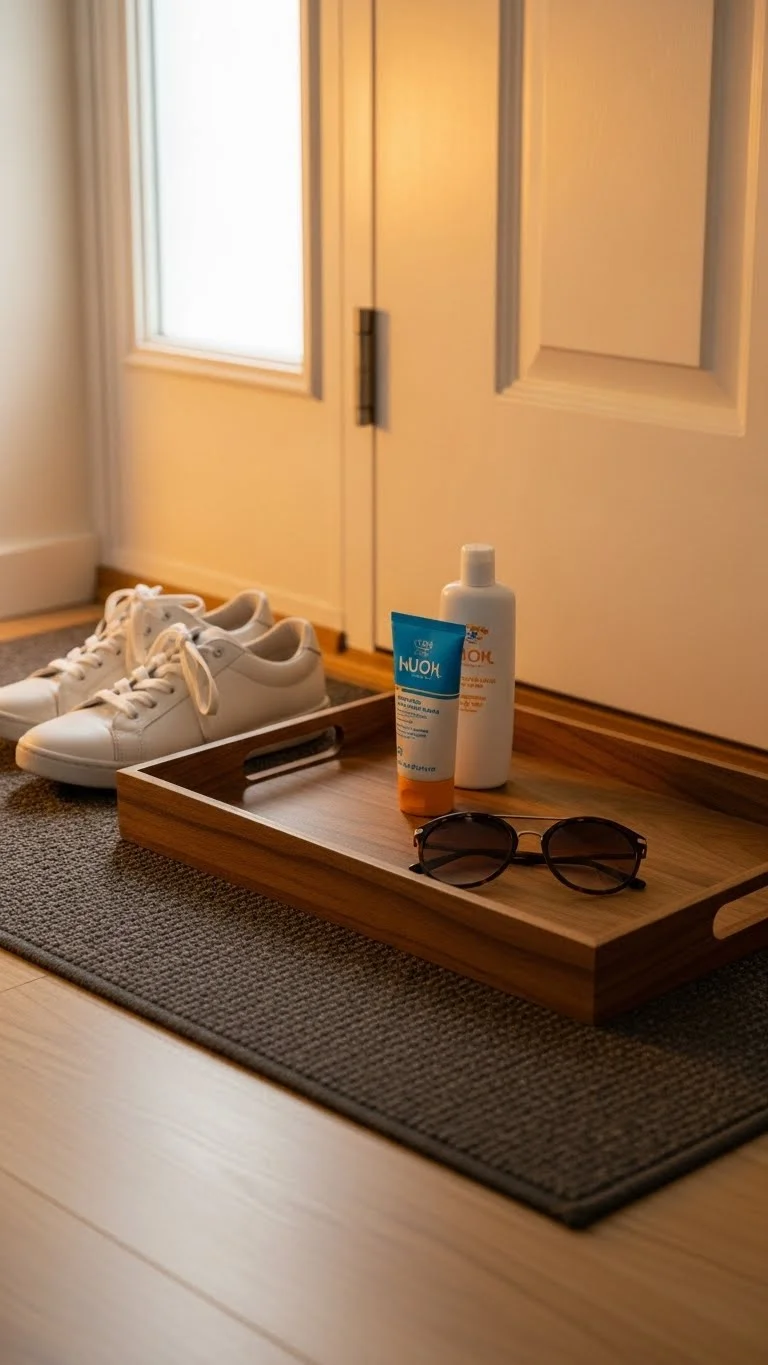
Set up a tray near the door with items you always forget. Sunscreen, hats, socks, or small snacks. This saves time and avoids last-minute panicking. Keep it simple so it doesn’t look cluttered. A thrifted tray works fine. Add a small basket under it for shoes. Label nothing; let the visual setup speak for itself. Refresh the tray every Sunday night. When everything is in one spot, leaving the house feels less chaotic.
- Mini Chore Sprint
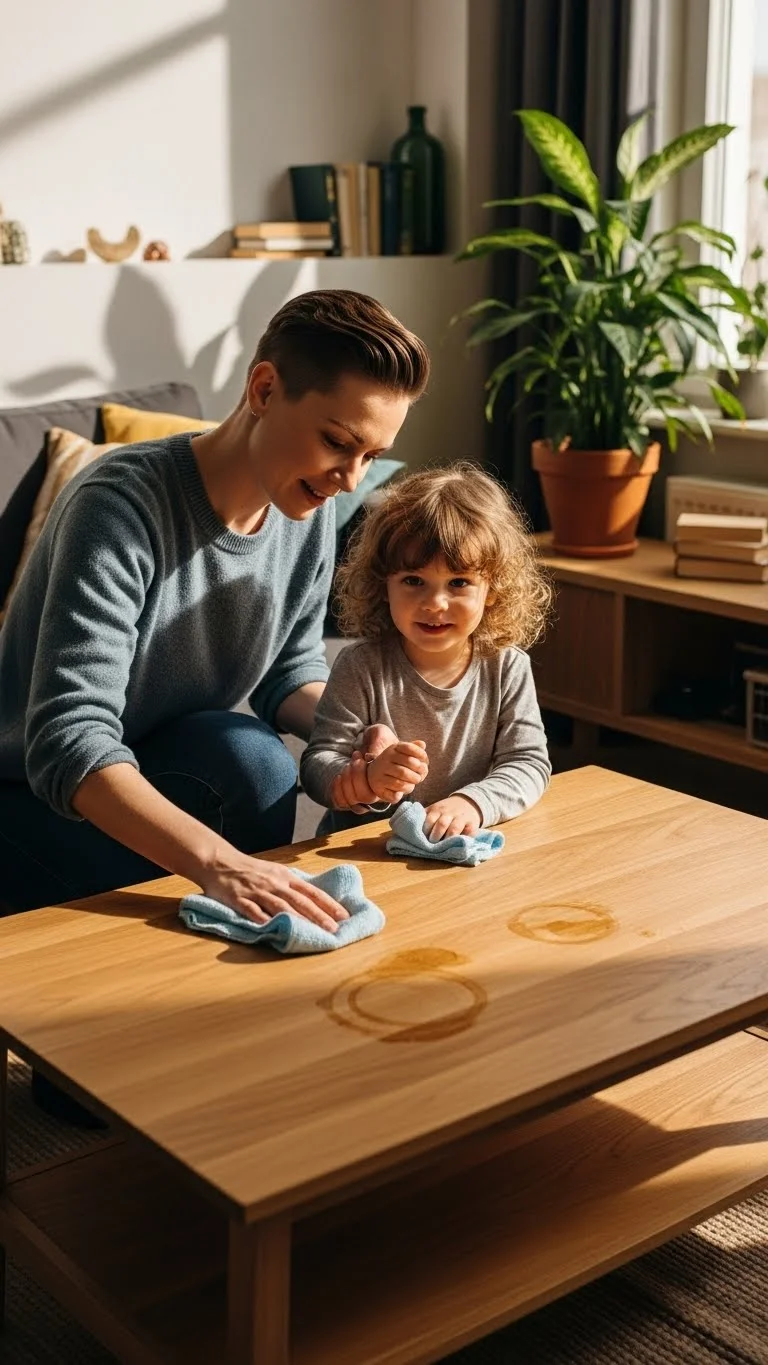
A five-minute chore sprint helps keep the house in shape without draining energy. Pick one tiny task. Wipe a counter. Gather toys. Shake out a rug. Set a short timer and do it together. Kids love racing the countdown. Use old T-shirts as dust cloths. It saves money and reduces waste. Praise effort, not perfection. These little sprints add up and help evenings feel lighter.
- Outdoor Fresh-Air Break

A quick outdoor break can reset moods fast. Ten minutes on scooters, chalk drawing, or kicking a ball works well. You don’t need a fancy yard. A sidewalk or small patio is enough. Keep a basket near the door with simple outdoor toys. This saves time searching. If you’re tired, bring a chair outside and watch while they play. A short break helps kids burn off energy before dinner or homework.
- Dinner Helper Rotation
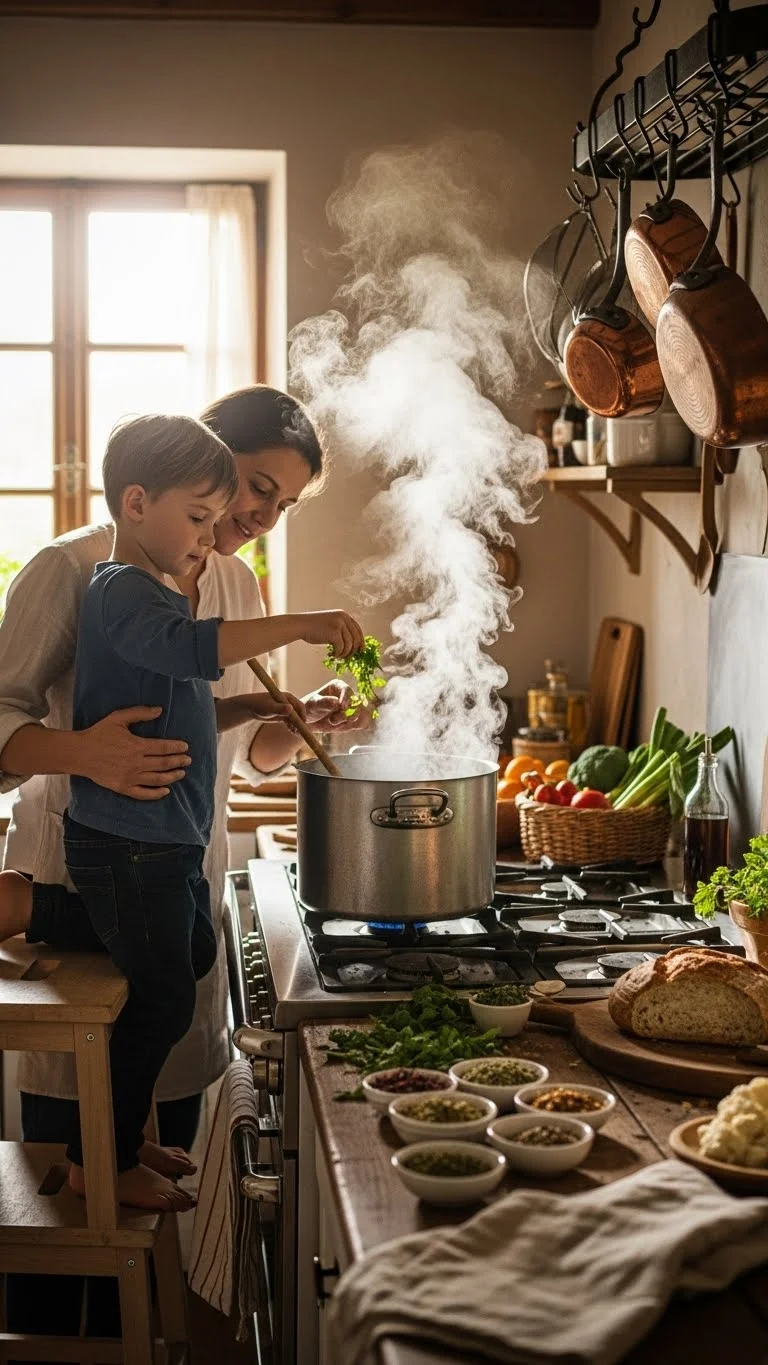
Kids enjoy helping when tasks feel manageable. Create a simple rotation where one child helps each night. They can wash veggies, stir, or set the table. Use a cheap stool so they can reach the counter. Keep knives away and choose tasks that are safe. Stretch the rotation across the week so each child gets predictable turns. This builds routine and reduces arguments over “who helps tonight.”
- Two-Option Dinner Board
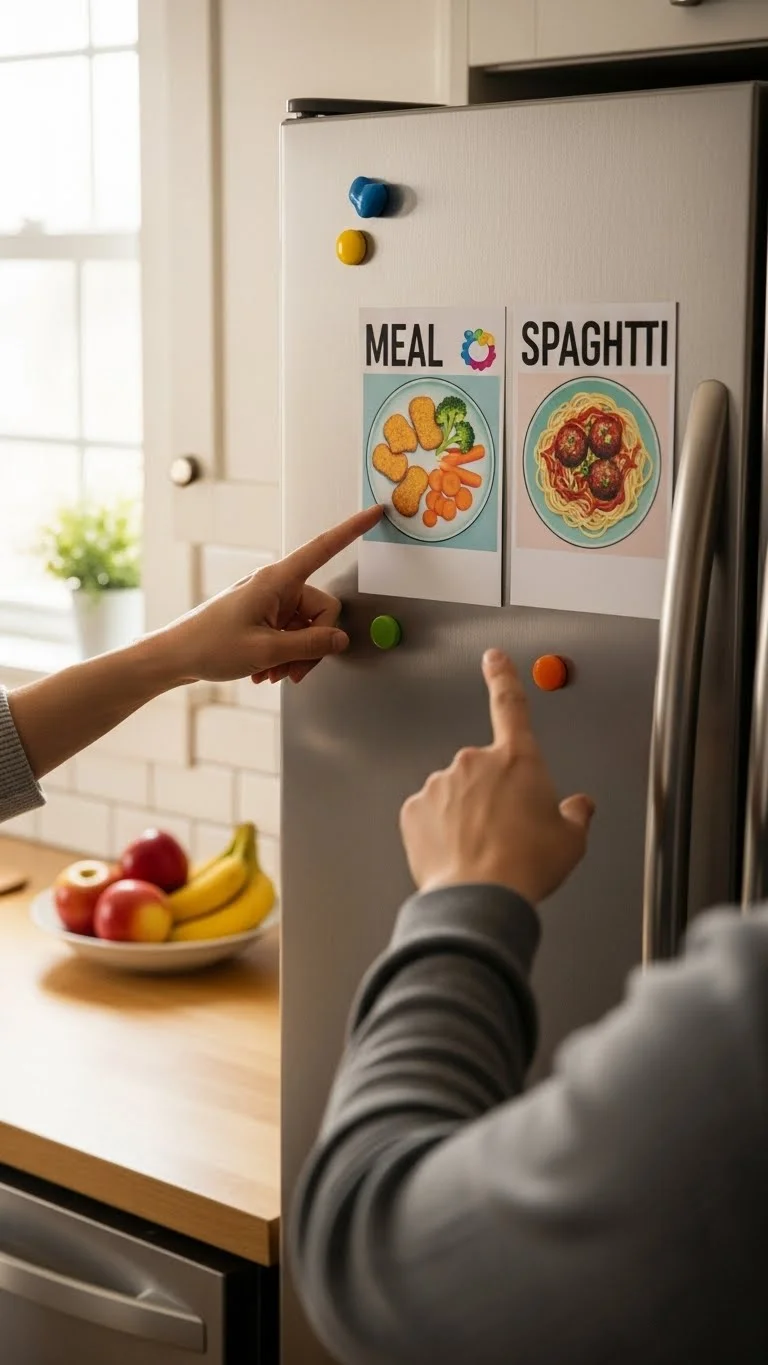
Offer two dinner choices rather than asking open-ended questions. Use picture cards or sticky notes. Stick them to the fridge each morning. This cuts down on complaints at dinnertime. Choose low-cost meals that share ingredients. For example, tacos or quesadillas. Pasta or stir-fry. Kids feel included without overwhelming them. Rotate options weekly to keep things predictable.
- Tub Time Bin
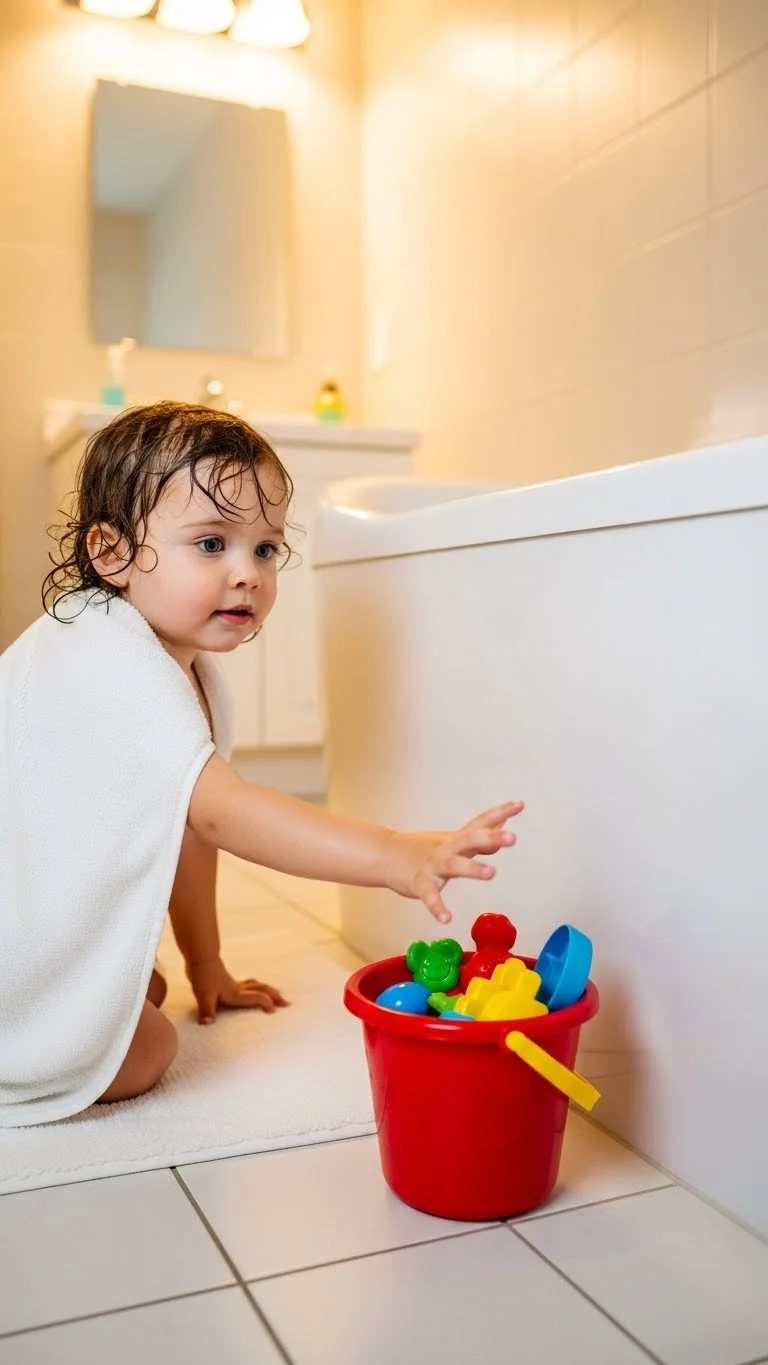
Keep a small bin of bath toys that only come out at bath time. This keeps kids excited without overspending. Rotate toys every few weeks. Use plastic cups, funnels, or sponges—cheap items that work well. Keep bath time short if evenings are rushed. Add a small towel basket nearby so kids can grab their own towel. A simple setup helps bath time run smoothly.
- Bedtime Countdown Lights
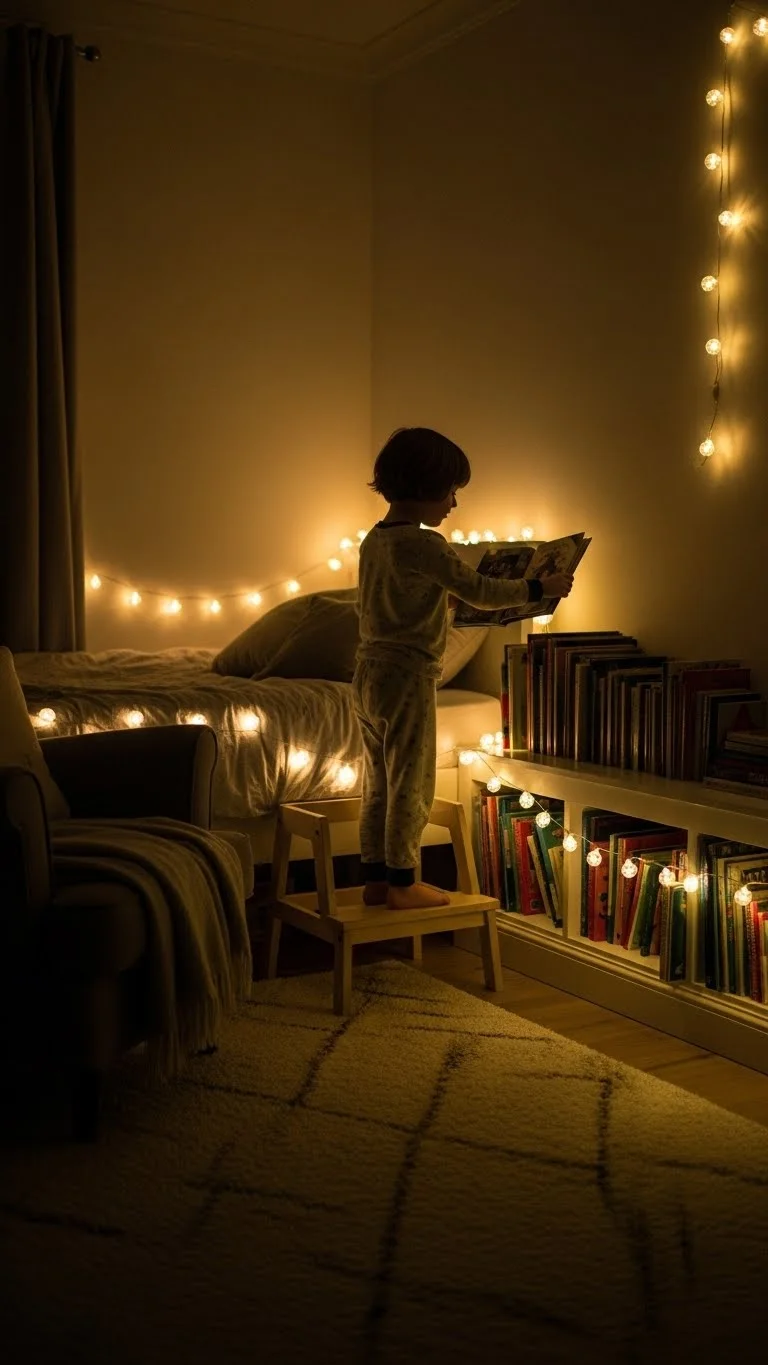
String lights or a small lamp can act as a bedtime signal. Turn them on when the night routine starts. Kids see the cue and know it’s time to wind down. Keep the lights soft and warm. Use battery-powered versions if you want something affordable. Pair the lights with quiet activities like reading or simple puzzles. This small cue helps kids relax without forcing the routine.
- The 3-Book Story Rule
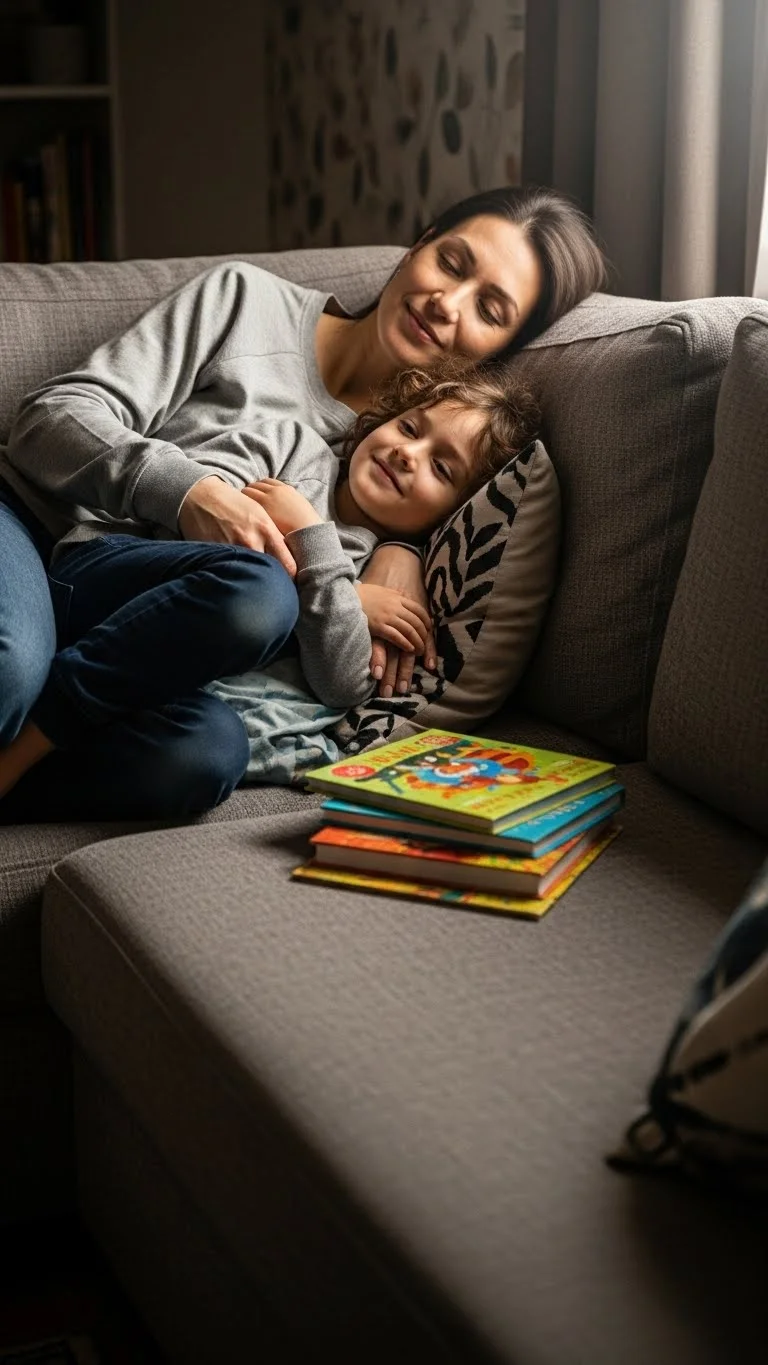
Reading is easier when you keep it structured. Pick three books each night. Kids learn to expect the same number, which reduces arguments over “just one more.” Place books in a small basket near the bed. Swap them weekly. Use library books to save money. Keep pages turning slowly so kids feel settled. This short routine helps them drift toward sleep.
- Clothes-Setout Corner
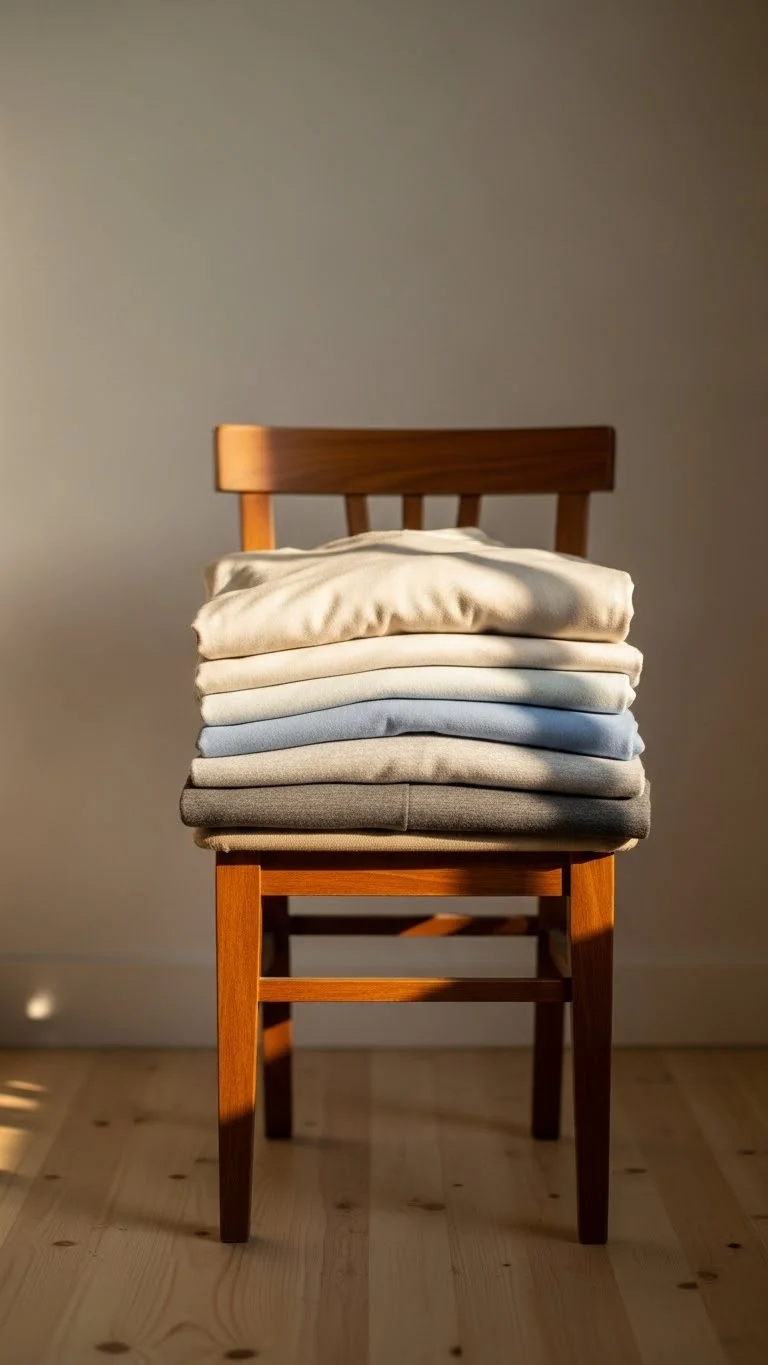
Choose a corner where kids set out their clothes each night. Use a chair, stool, or small shelf. This makes mornings smoother. If your child has sensory preferences, let them pick comfortable fabrics the night before. Add socks and hair items as well. Everything stays in one place. It makes getting dressed faster and reduces arguments.
- Daily “Pick a Play” Card
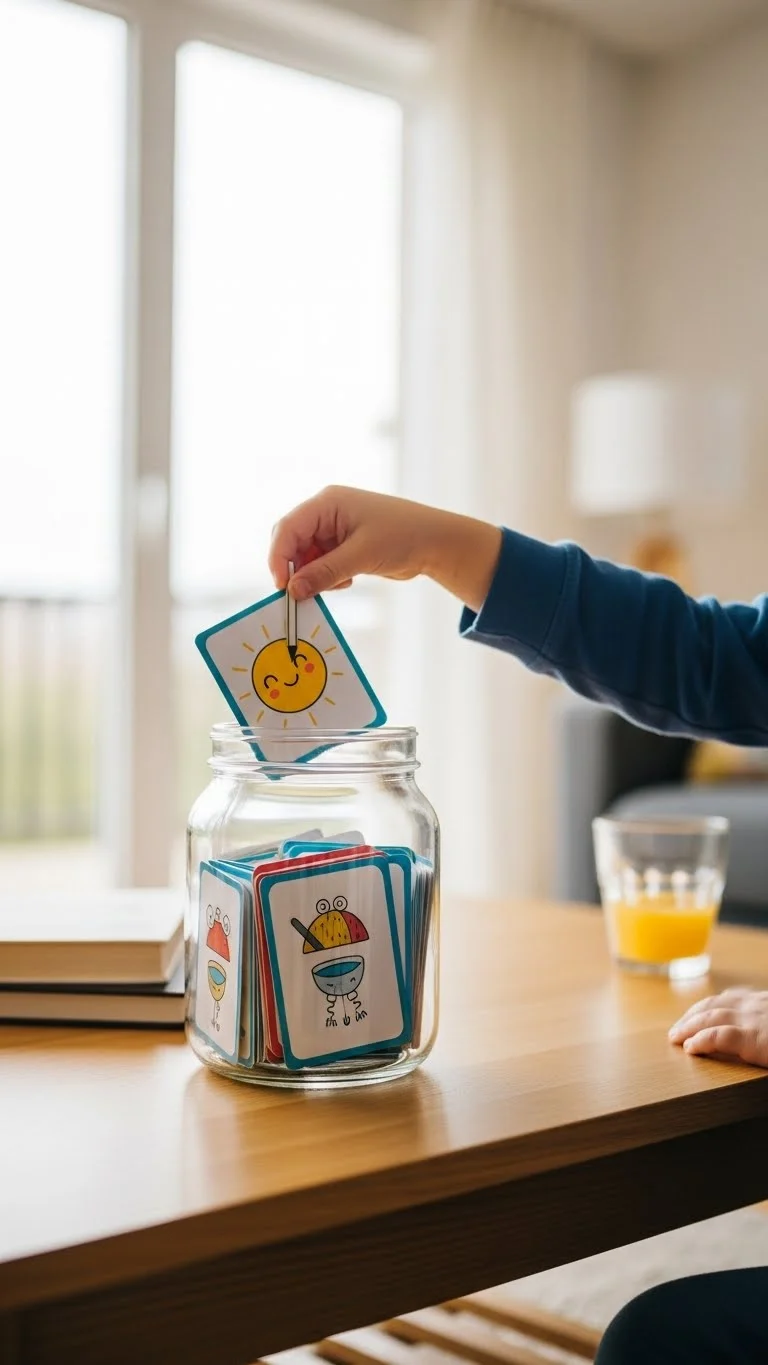
Make a jar filled with simple play ideas. Blocks, coloring, pretend kitchen, stuffed animals. Let kids draw one when they’re bored. Use index cards or cut paper squares. This gives structure without strict rules. Refresh the jar each month. It helps reduce screen time and keeps afternoons balanced.
- Sibling Switch Time
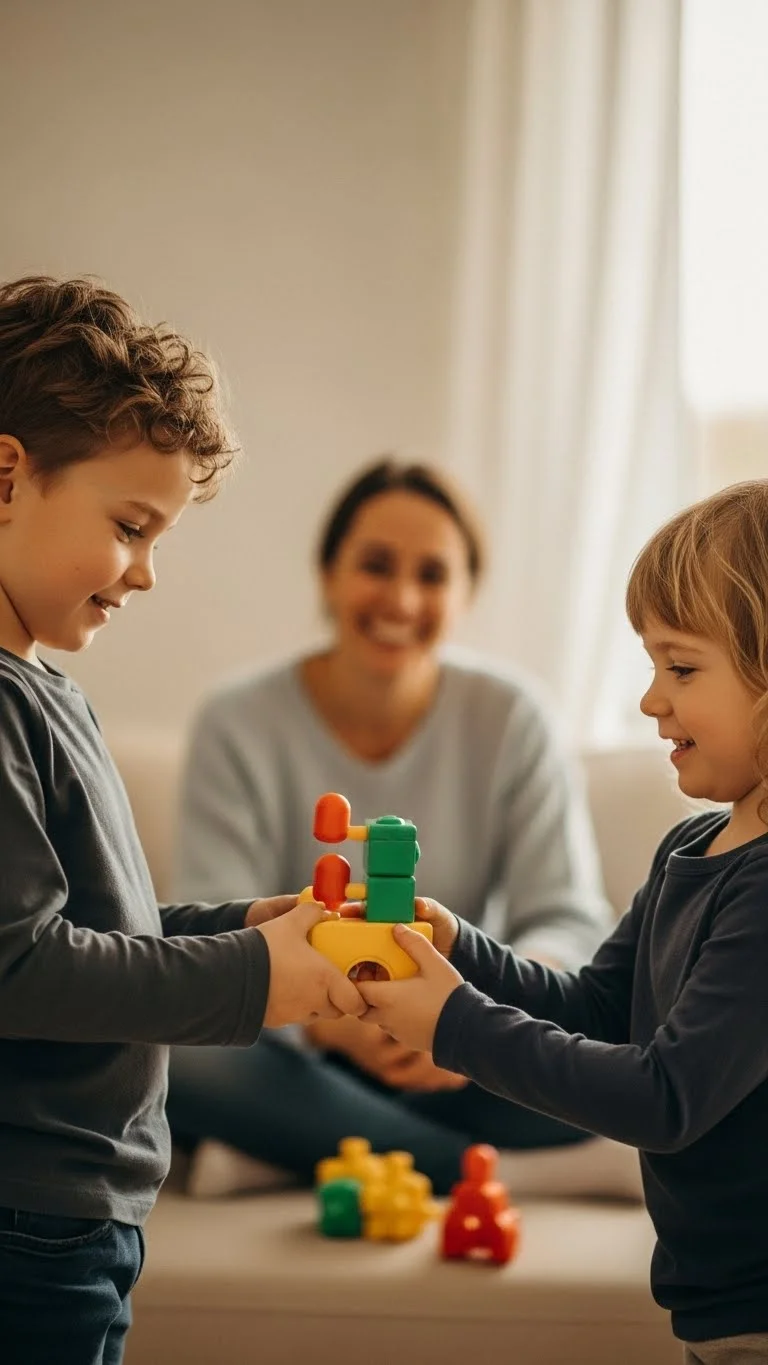
Set 10-minute blocks where siblings swap play spaces or toys. This reduces fighting and encourages sharing. Use a small bell or timer to signal the switch. Keep the toys simple and safe. Rotate bins weekly so things feel new without buying more. Kids enjoy predictable turns. It keeps the home calmer.
- Screen-Time Window

Choose a set window for screens instead of on-demand requests. Maybe after homework or after chores. Keep it short to avoid overstimulation. Use a timer so you don’t argue when it ends. Place the device in a visible spot when the window closes. This helps maintain consistency. Kids adapt quickly when the rules stay steady.
- Weekend Prep Hour

Set aside one hour on the weekend to prep for the week ahead. Fold laundry, pack sports bags, restock snacks. Keep it simple so it doesn’t feel heavy. Play soft music to make it easier. Assign tiny tasks to kids, like sorting socks or gathering toys. It helps weekdays run more smoothly when small tasks are handled early.
- Family Choice Night
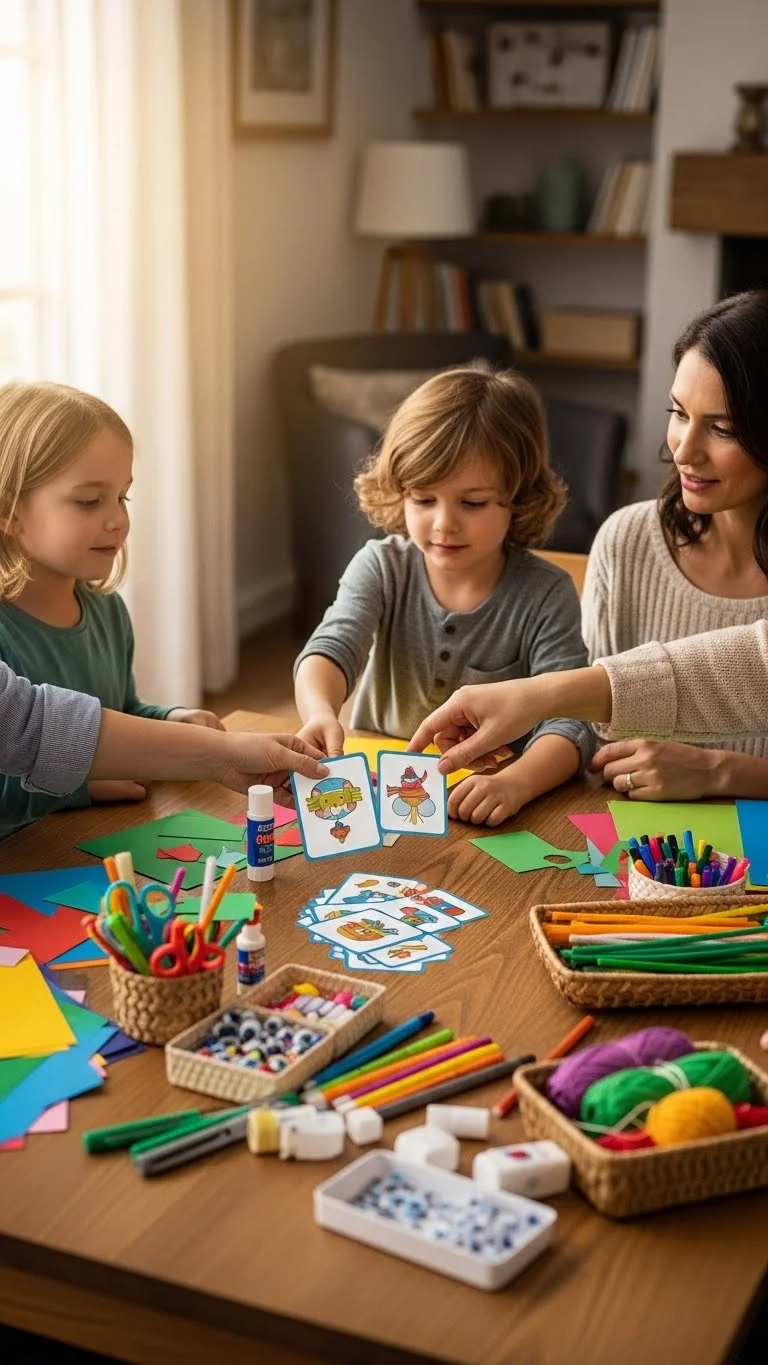
Pick one night each week where the whole family chooses something fun. Crafts, baking, board games, or a walk. Keep costs low by reusing supplies. Rotate who chooses to avoid arguments. A simple jar of ideas works well. This gives kids something to look forward to and strengthens family connections.
- Car-Bag Kit
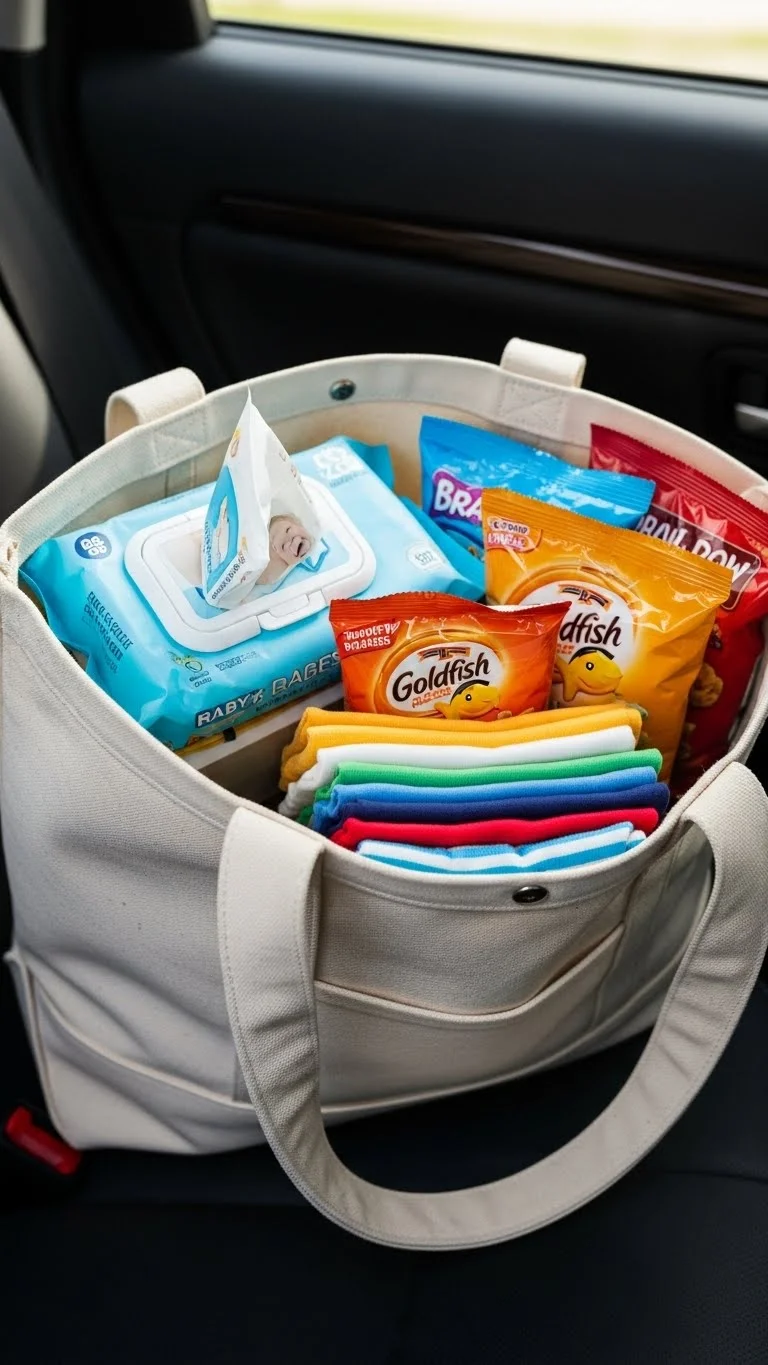
A small car kit saves time on unexpected stops. Pack wipes, a water bottle, small snacks, and extra clothes. Use a cheap tote bag so it’s easy to carry. Refresh it weekly. The kit helps outings feel less stressful, especially when delays happen. Keep it simple so it doesn’t become cluttered.
- The 15-Minute Night Sweep
 A quick nightly sweep helps mornings feel lighter. Spend 15 minutes putting toys in bins, stacking books, and clearing counters. Play upbeat music to keep things moving. Kids can help by gathering items by color or size. Use cheap baskets to sort items. Ending the day with a tidy space helps start the next one calmly.
- Weekly Menu Strip
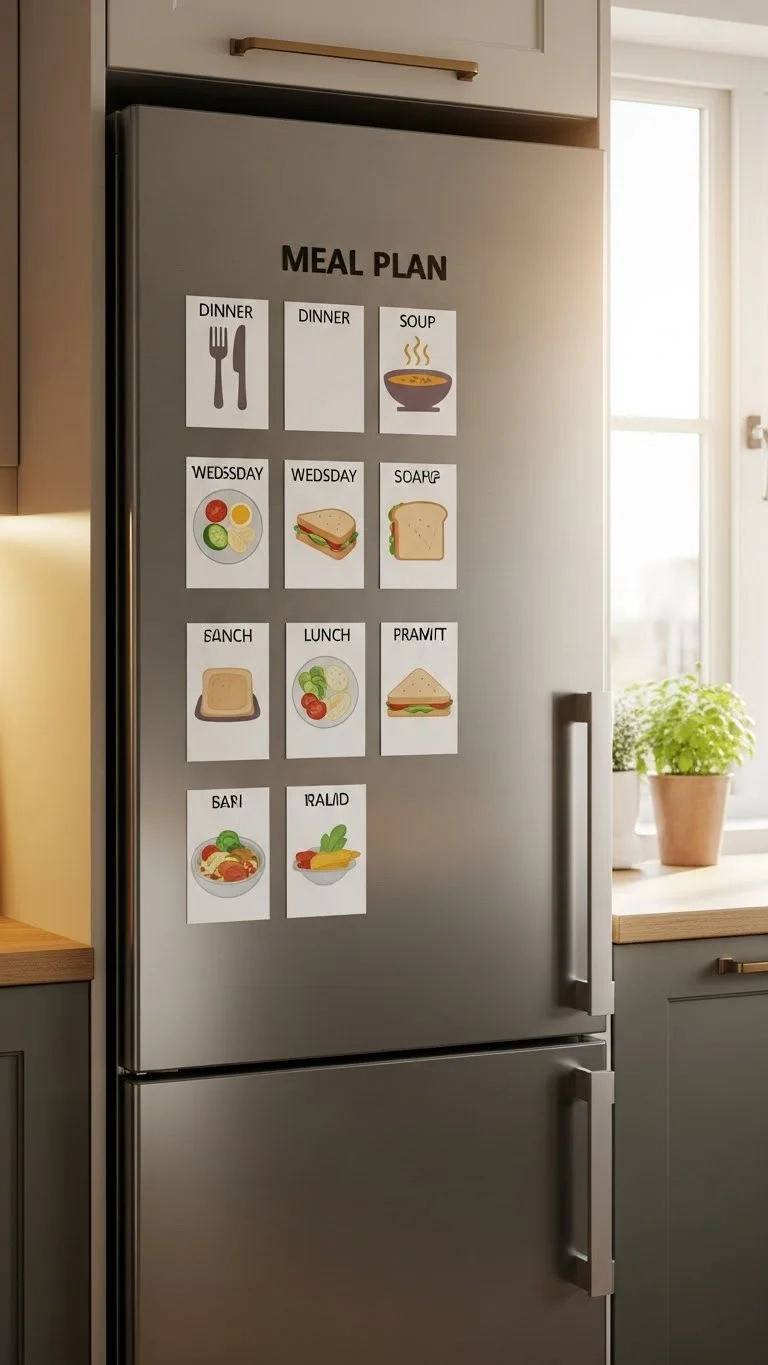
Make a row of simple strips showing meals for the week. Use pictures, not words, for young kids. Stick them on the fridge. This helps cut down on daily dinner stress. Use meals that share ingredients so shopping stays cheap. Change strips every Sunday so the routine stays predictable. Kids enjoy knowing what’s coming, and you save time thinking about dinners every night.
Conclusion
A simple schedule doesn’t require fancy tools or rigid rules. Small, steady routines help the day flow more easily and give kids a sense of comfort. Try a few ideas from this list and adjust them to fit your home. Consistency matters more than perfection. When your days follow a loose rhythm, the whole household feels calmer, more organized, and ready for whatever comes next.
