

24 Homeschool Activity Ideas for Fun Learning
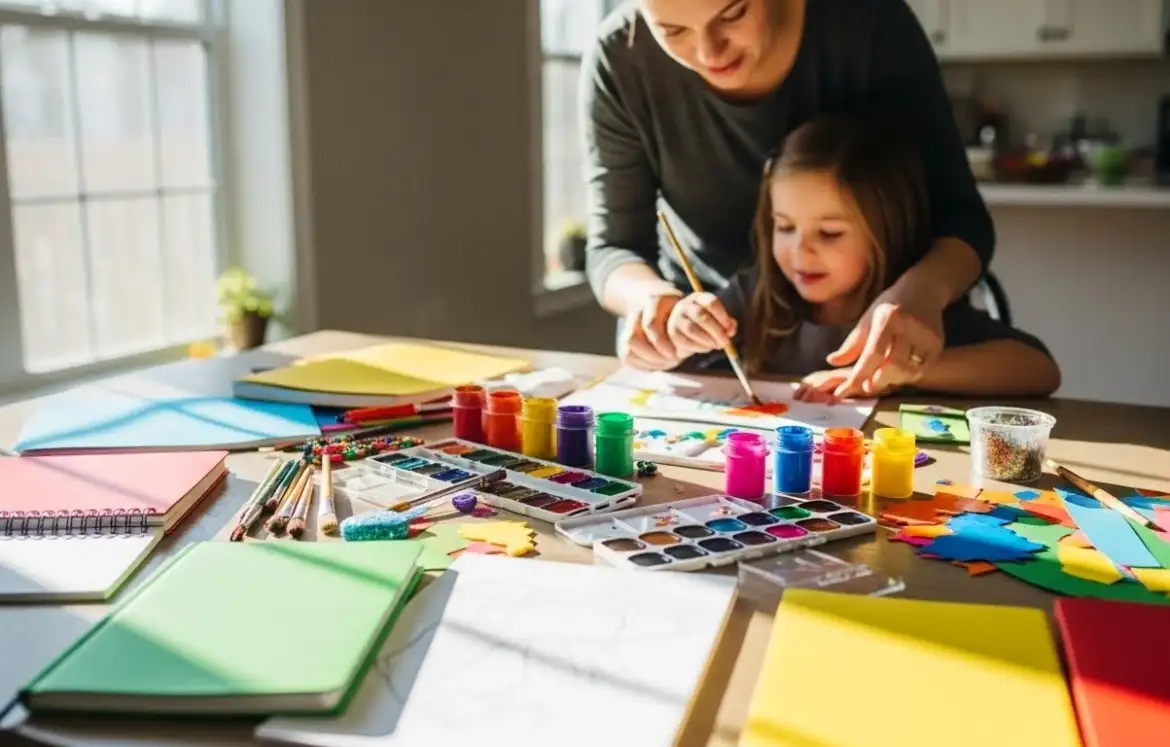
Homeschool days flow better when activities feel simple, hands-on, and fun. The ideas below help families keep learning active without spending much. Each activity uses easy supplies and short steps. You can mix them, repeat them, or adjust them for different ages. The goal is to create calm, doable moments that make each day smoother.
- Nature Scavenger Walk
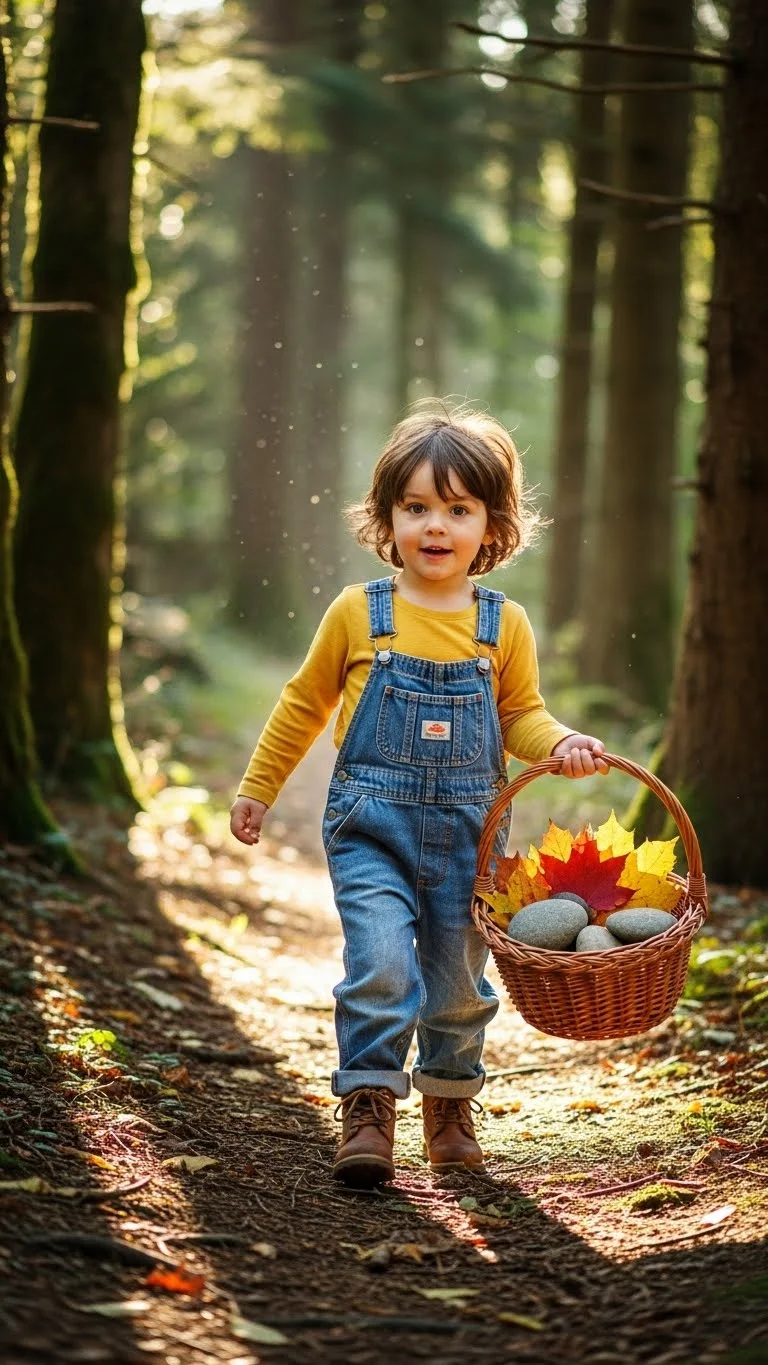
A short walk outside can turn into a relaxed learning moment. Make a quick list of items to find, like smooth stones or round leaves. Keep the list short so everyone stays focused. Bring a small bag or basket to collect items. At home, spread everything out on a table. Talk about colors and shapes. Kids can sketch a few items using scrap paper. Borrow a magnifying glass if you have one. If not, use a phone camera to zoom in on tiny textures. This activity works well on days when you want fresh air and simple tasks. It costs nothing and fits into any schedule.
- DIY Story Cards
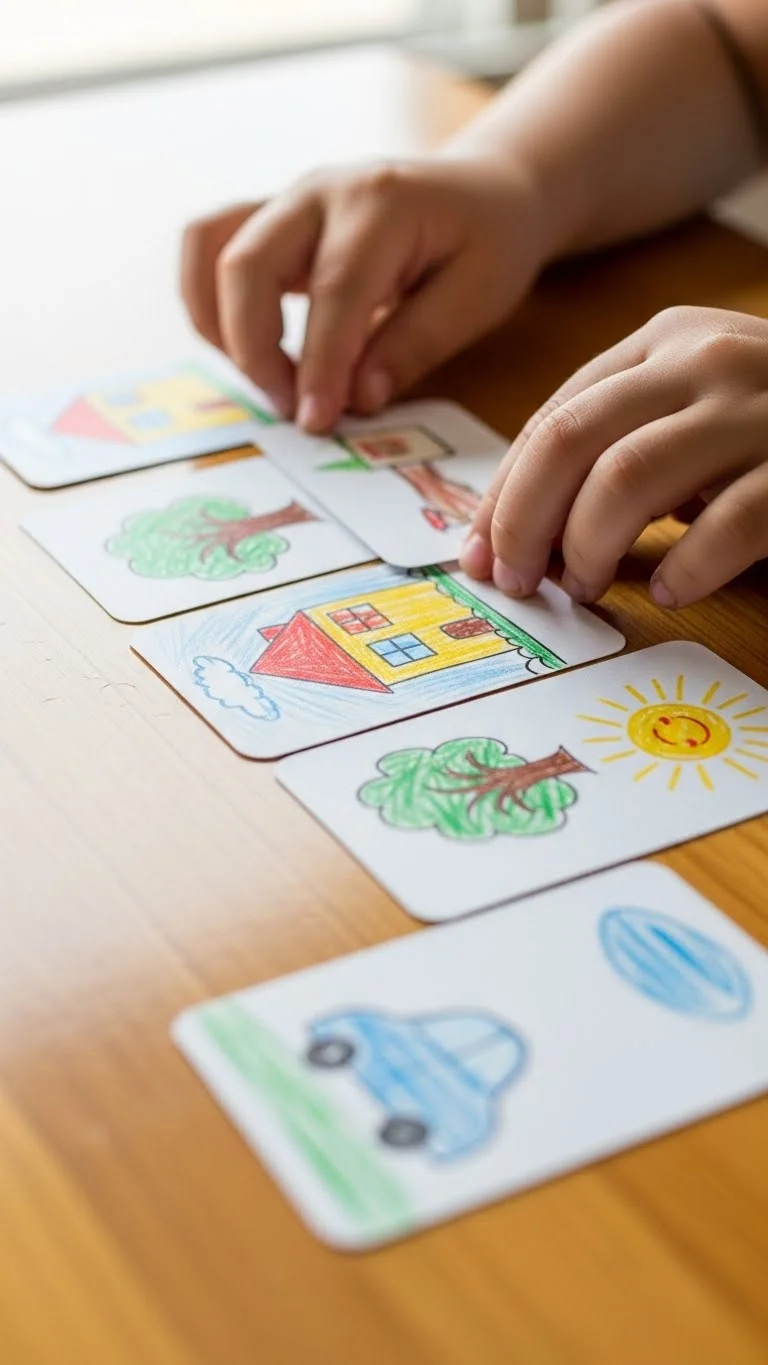
Make quick story cards using index cards or cut-up cereal boxes. Draw small objects like a sun, a boat, or a cat. Keep the drawings simple. Shuffle the cards and pick three at random. Ask your child to create a small story using those images. Write it down or let them act it out. Add more cards over time. Store them in a rubber band so they stay together. This activity sparks imagination without pressure. It also turns scrap materials into something fun.
- Kitchen Science: Sink or Float
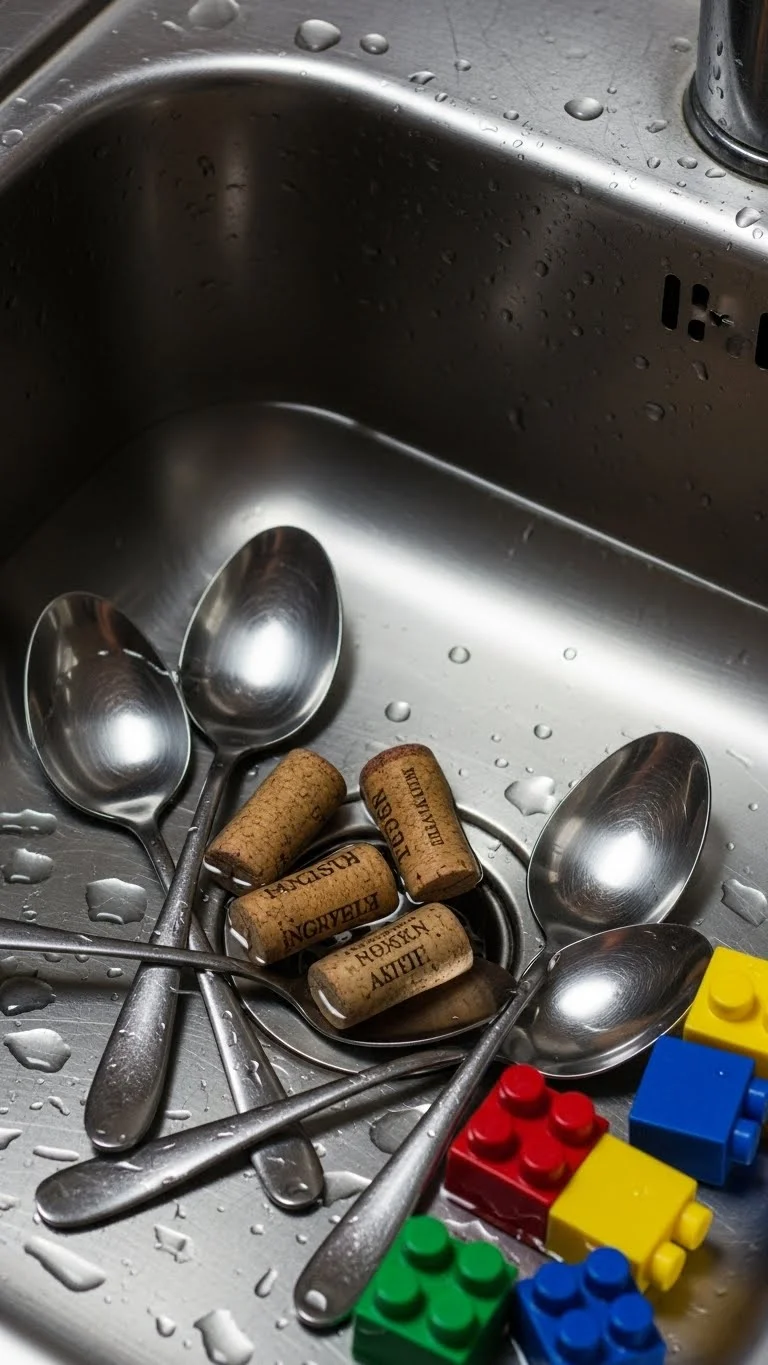
Fill a sink or bowl with water and gather small household items. Ask your child to guess which ones will float. Try one item at a time. Keep guesses short so the pace stays light. Talk about what happened using simple words. Dry everything on a towel afterward. This activity costs nothing and works with items you already have. Kids often repeat it on their own because it feels like play.
- Build-Your-Own Board Game
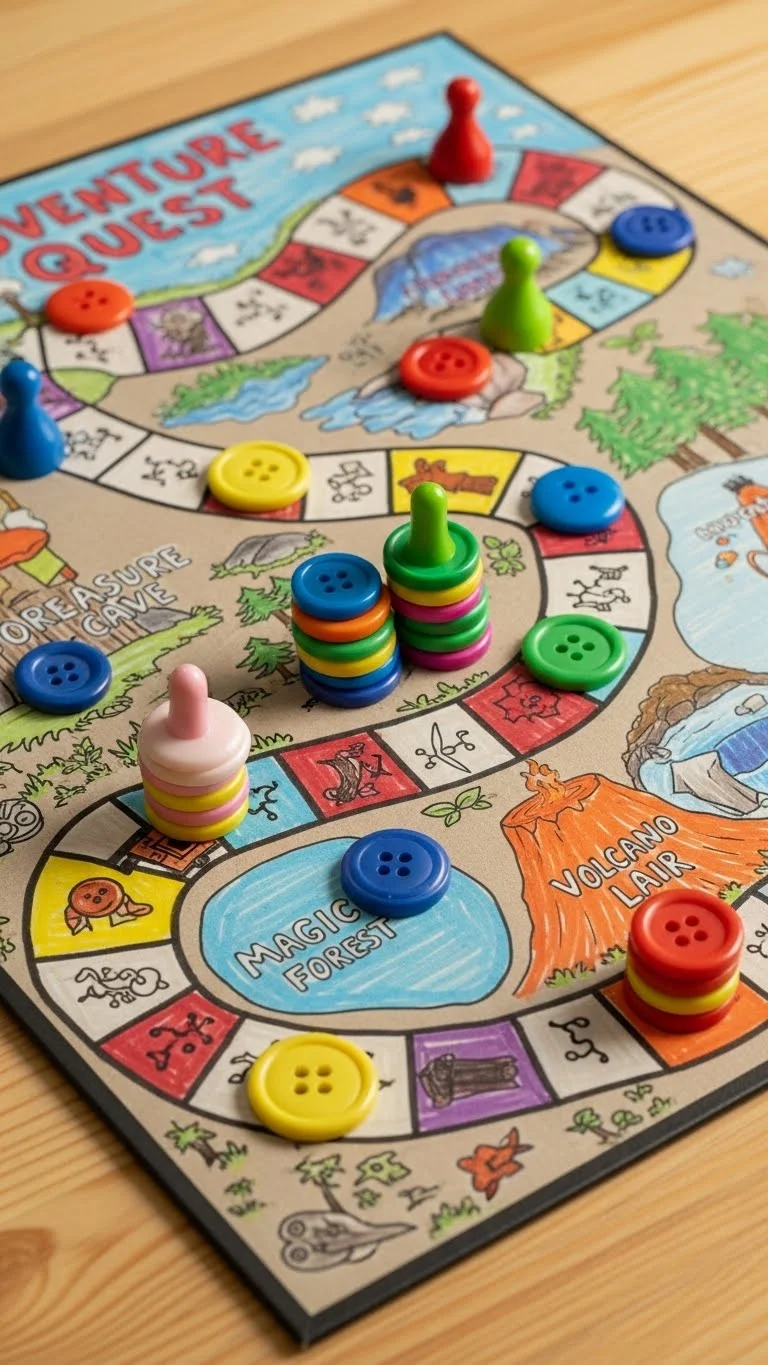
Grab a piece of cardboard and draw a simple path. Add a start and finish. Use buttons or coins as markers. Kids can draw obstacles or silly spaces. Keep rules short so the game stays easy to use. Try the game right away, even if it looks uneven. It can be improved later. This project turns recycled materials into hours of play.
- Backyard Bug Journal
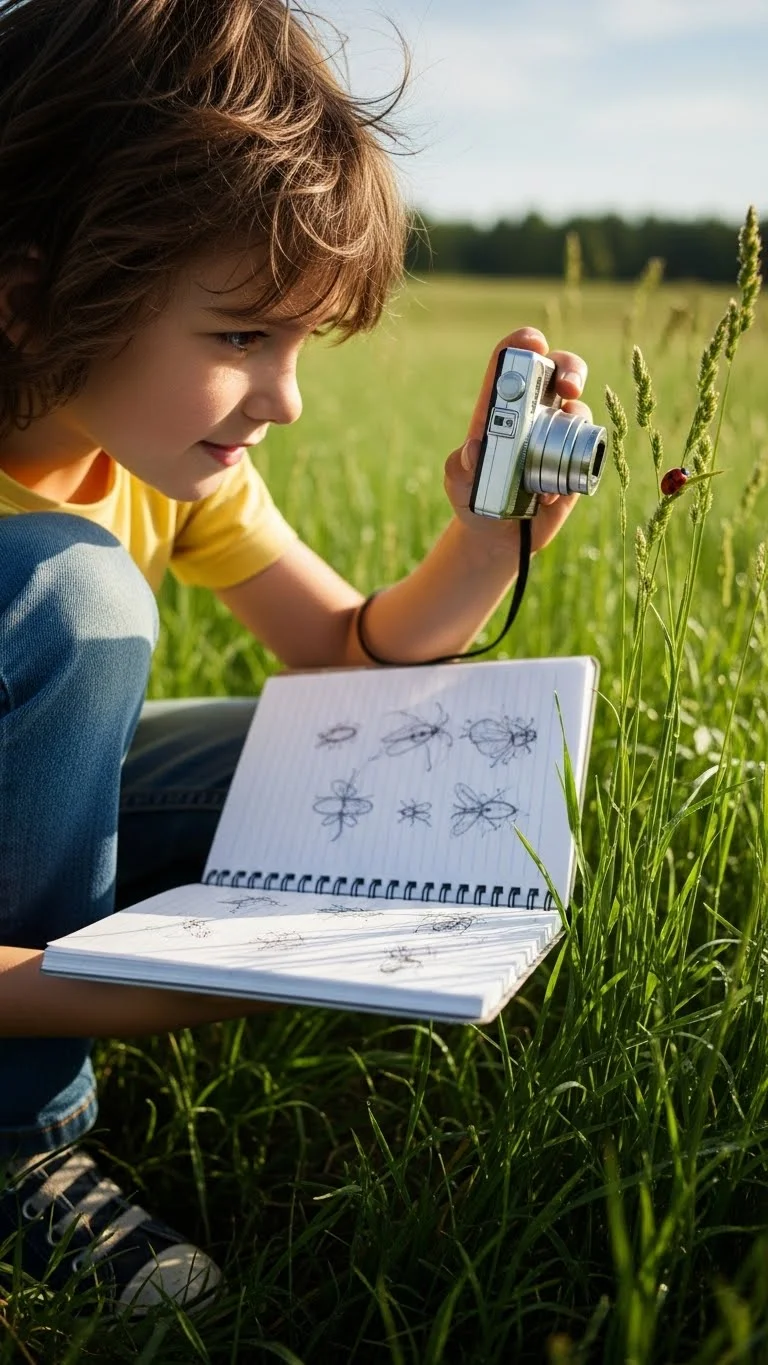
Give your child a pocket notebook and step outside. Look for tiny insects under rocks or leaves. Observe quietly for a few moments. Sketch what you see. Add simple labels like “red legs” or “striped body.” Keep the outing short so it stays relaxed. Use a phone to take close-up photos if your child prefers pictures over drawings. This activity works even in small outdoor spaces.
- Mini Greenhouse in a Jar
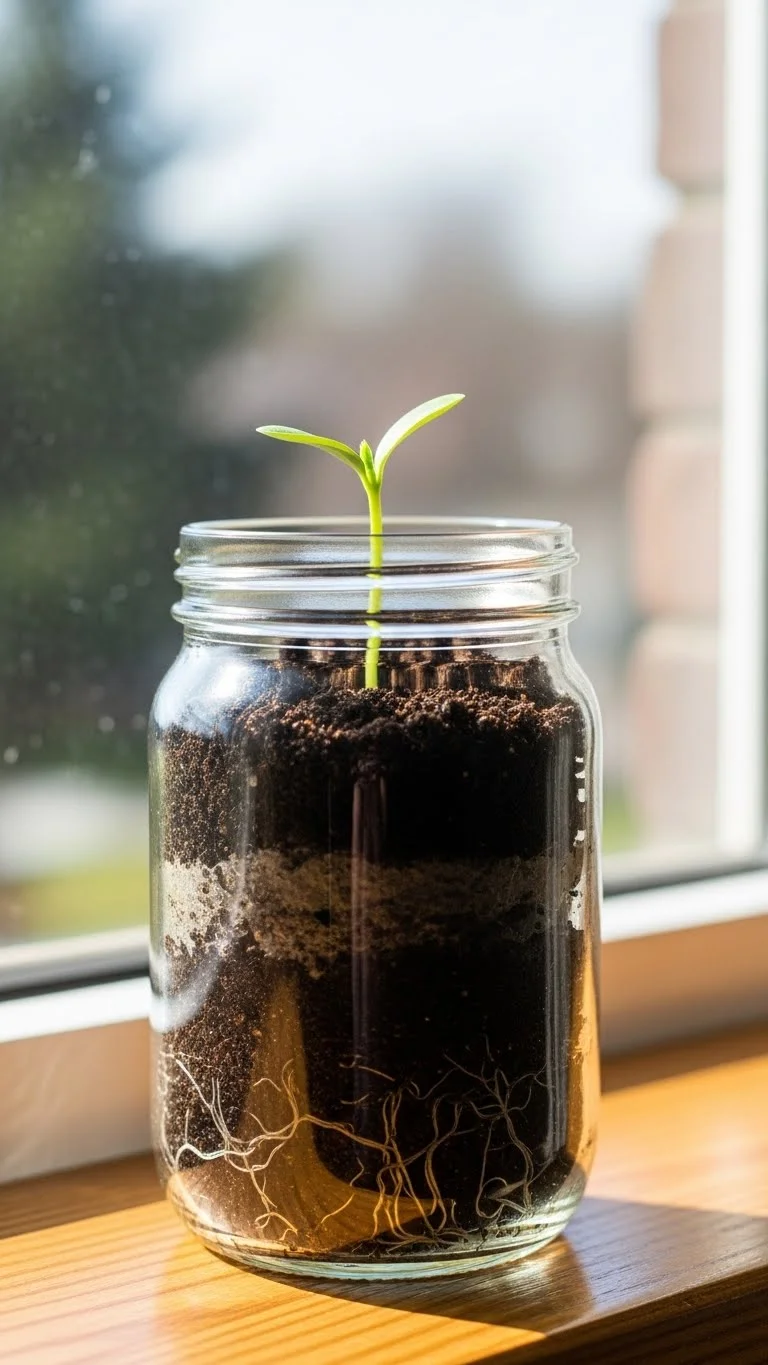
Use a clean jar, a small bit of soil, and a seed from kitchen produce, like a bean or lentil. Add soil, place the seed, and mist with water. Close the lid to trap moisture. Place it near a window. Watch for changes each day. Kids enjoy checking tiny sprouts. It gently teaches patience. This project costs almost nothing and lasts for weeks.
- Homemade Rhythm Shakers
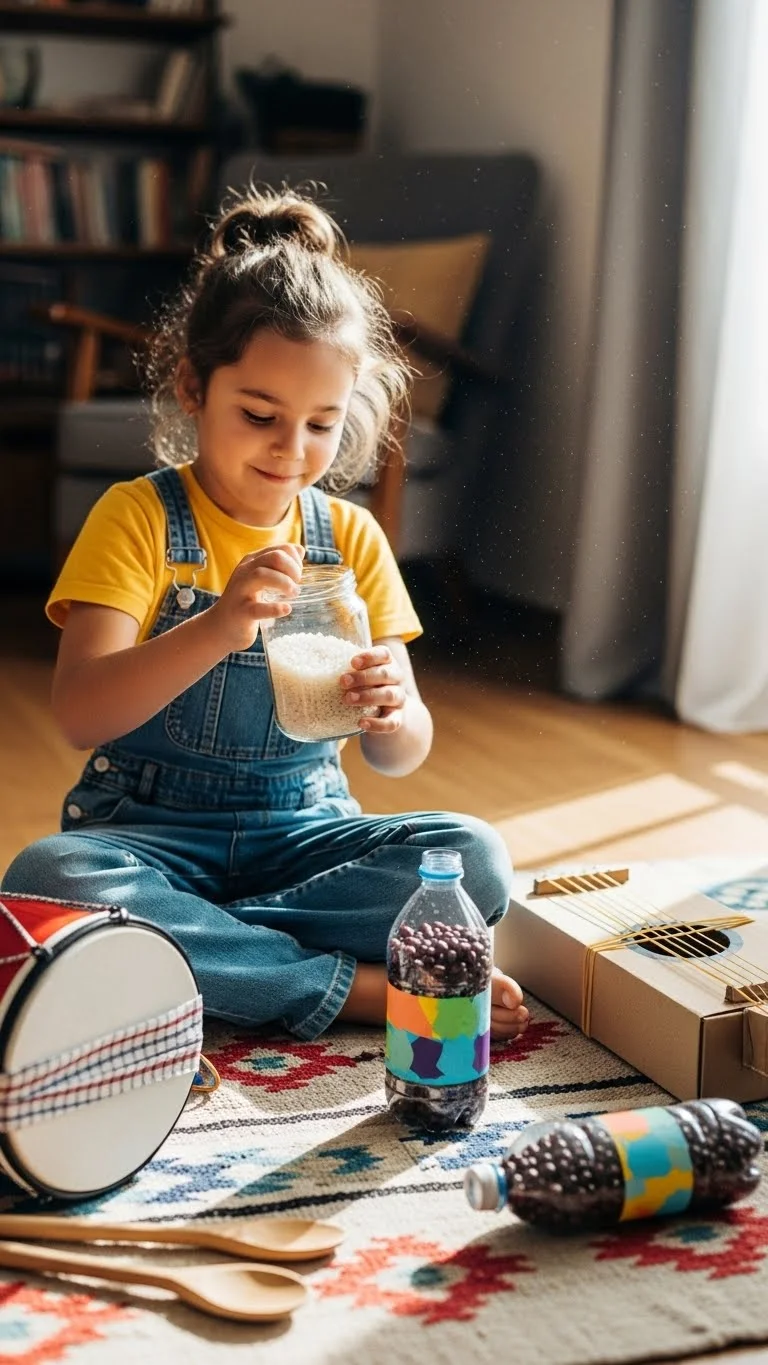
Use empty spice jars or plastic containers. Add rice, pasta, or beans. Tape the lid closed. Let kids decorate with stickers or markers. Shake them to create different sounds. Try slow beats or fast beats. Turn on a favorite song and play along. This activity encourages movement and creativity using items you already have.
- Cardboard City Build
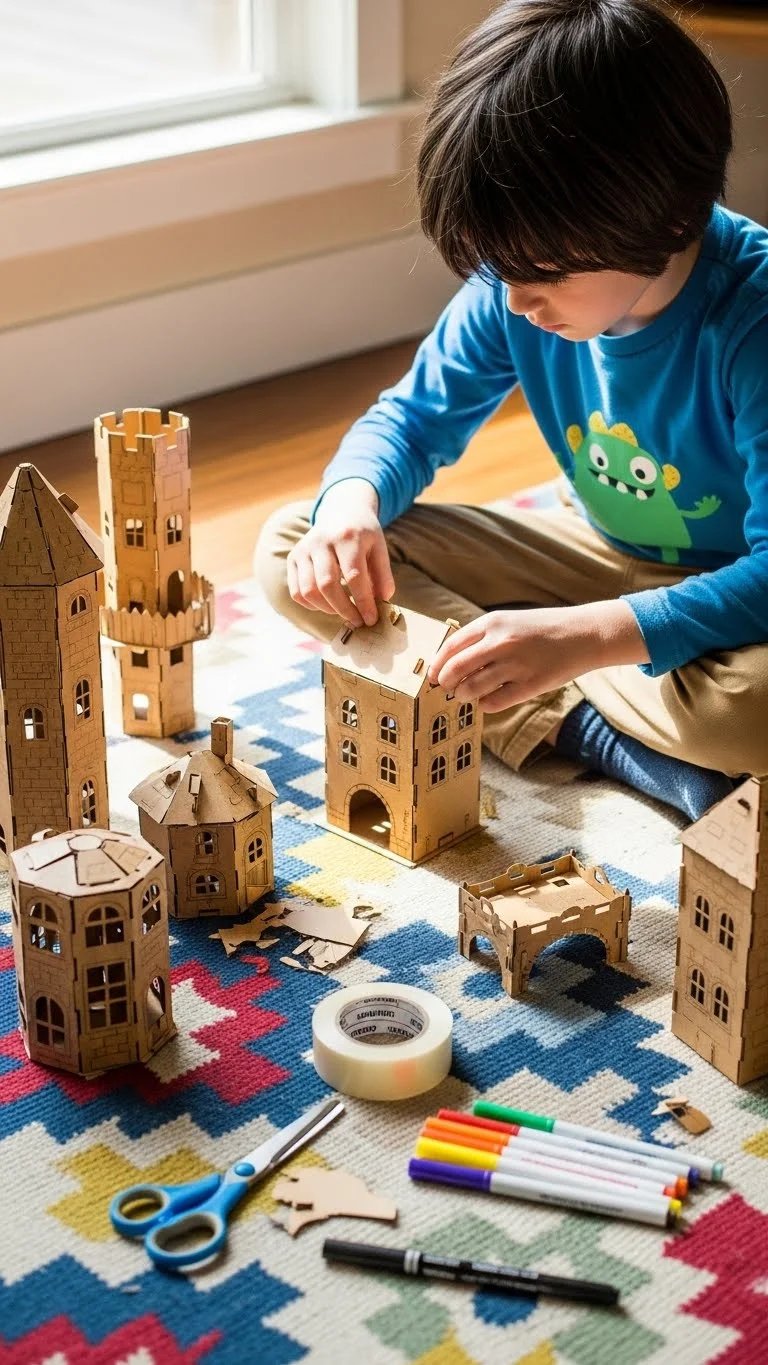
Save small boxes from deliveries. Cut doors and windows. Color or paint the outside. Arrange the buildings on the floor to form a tiny city. Add cars made from folded paper or bottle caps. Kids can rearrange the layout anytime. The project can grow over days without buying anything. It fills slow afternoons with calm, building time.
- Simple Pen-Pal Letters
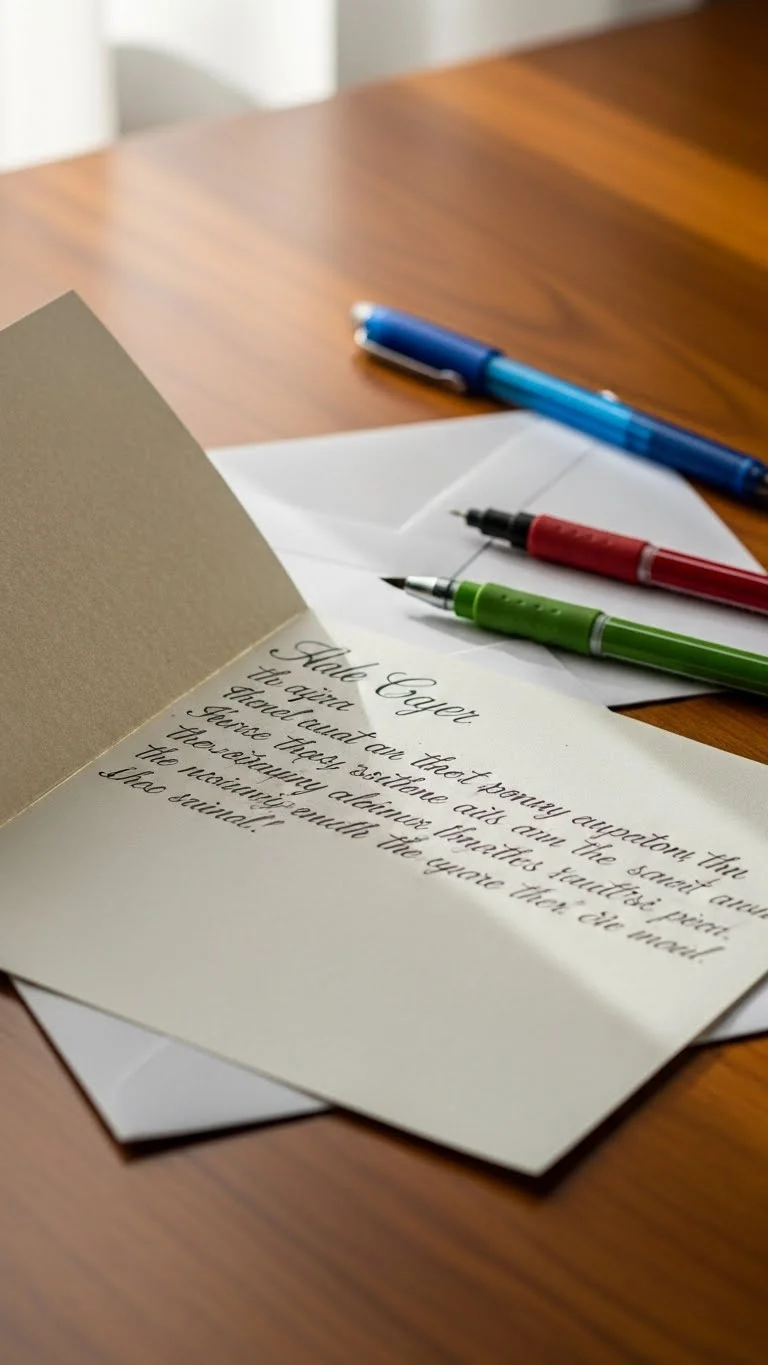
Write short letters to a friend or family member. Keep them light, with simple sentences. Kids can draw a picture if writing feels hard. Use any scrap paper or leftover envelopes. Walk the letter to the mailbox together. If you don’t have someone to write to, exchange letters within your own home. This activity builds connection and routine.
- Kitchen Fraction Snack Plates
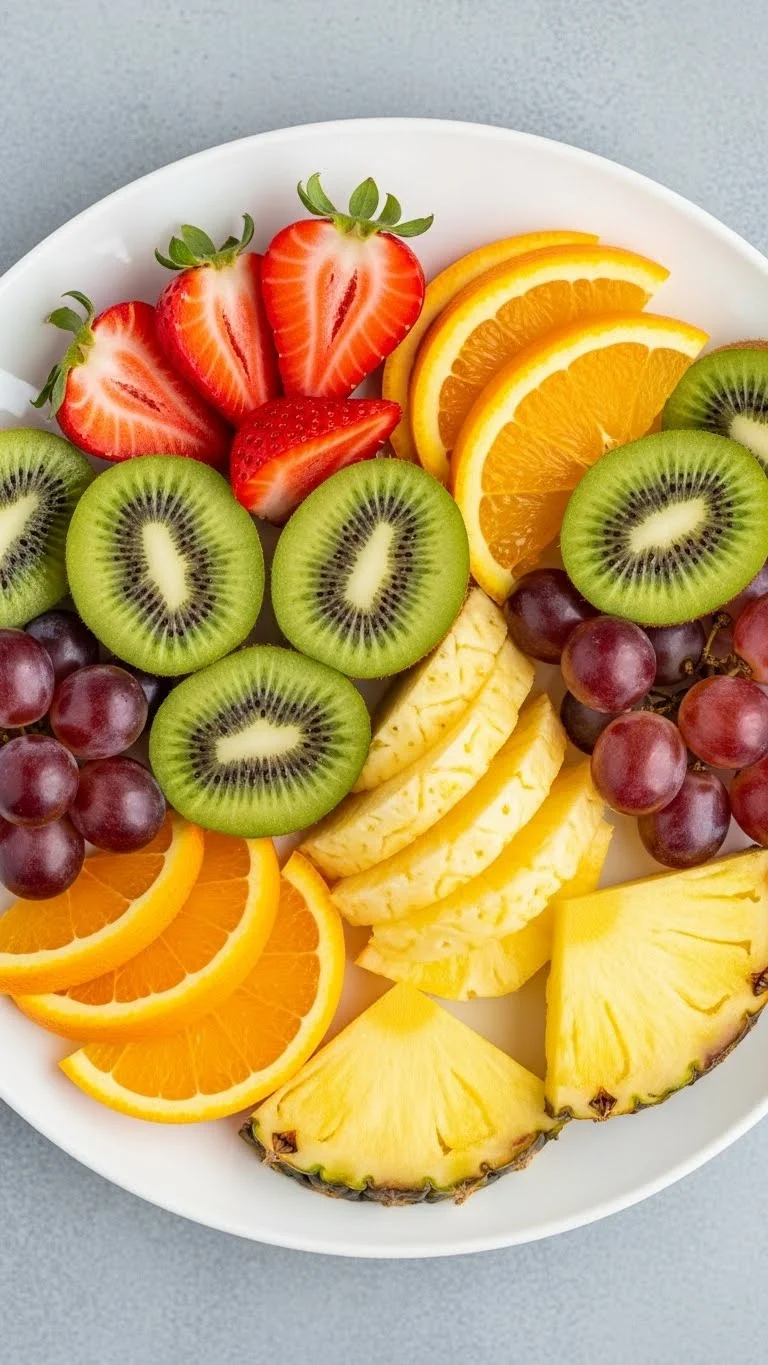
Use snacks like apples, tortillas, or crackers. Cut them into halves or quarters. Show kids how pieces fit together. Let them rearrange the shapes before eating. Keep explanations short. This activity works well during regular snack time and creates a relaxed way to talk about numbers.
- Chalk Number Maze
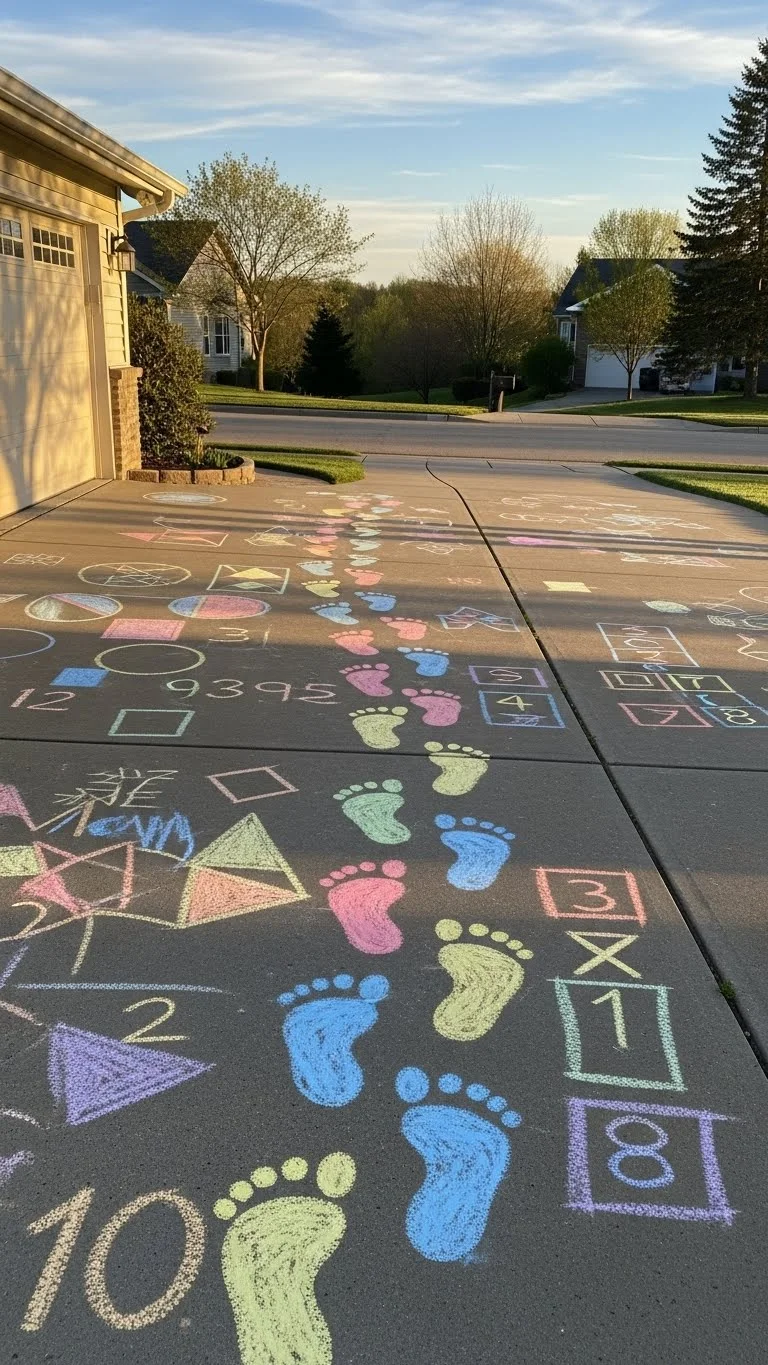
Draw simple shapes or numbers on a sidewalk or driveway. Tell your child to hop to a specific number or color. Keep the maze small. Add new shapes each time. Chalk activities are quick to set up and easy to wash away. They help kids get energy out while staying close to home.
- DIY Puzzle from Old Magazines
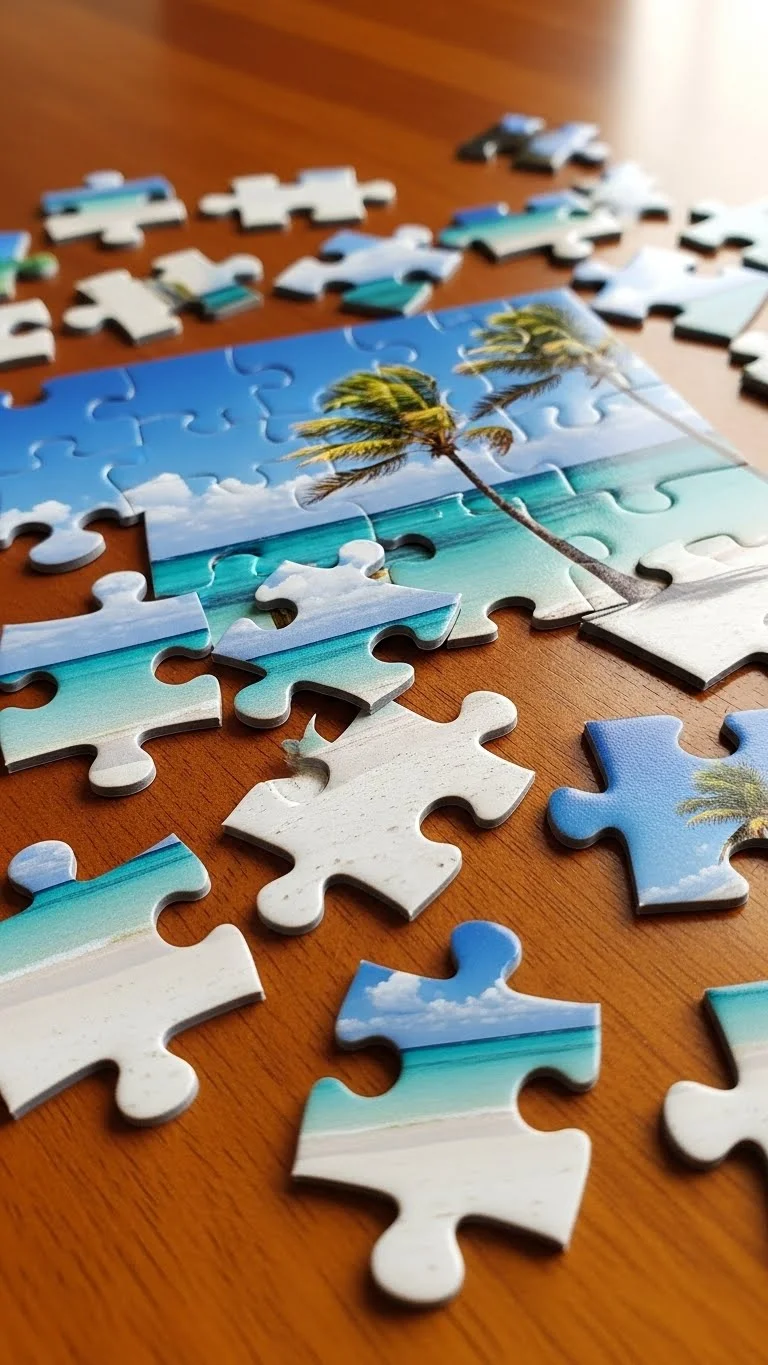
Cut a magazine page and glue it to thin cardboard. Once dry, cut it into puzzle-shaped pieces. Make large pieces for young kids and small ones for older kids. Store puzzles in zip bags. Kids enjoy mixing and matching designs. This activity turns junk mail into calm learning moments.
- Sock Puppet Theater
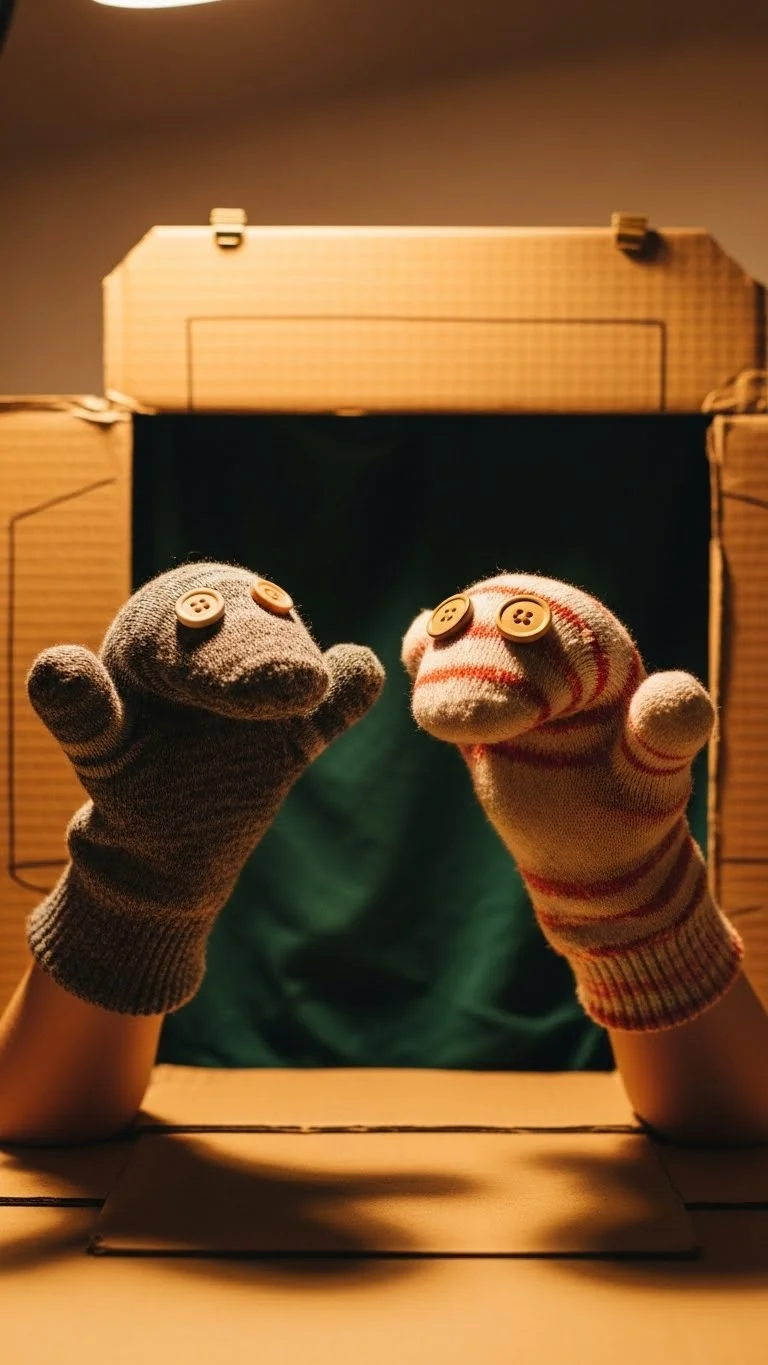
Use clean old socks and leftover buttons or markers. Create simple faces. Make a cardboard box into a puppet stage by cutting out a rectangular opening. Kids can perform short scenes about daily life or silly characters. Keep the stories short so everyone stays engaged. This project sparks imagination without any special supplies.
- Measuring Cup Water Station
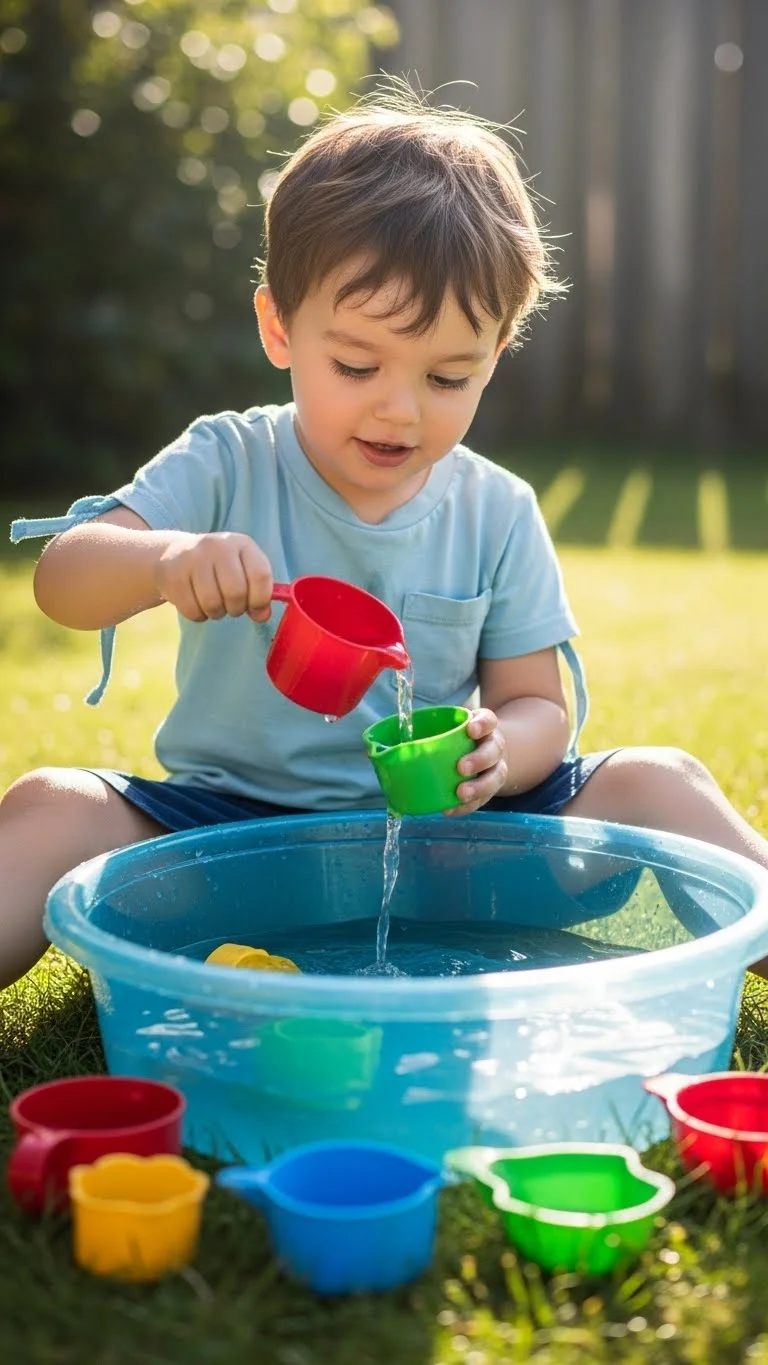
Fill a small tub with water. Add measuring cups, spoons, or empty bottles. Let kids pour and compare. Encourage them to guess which cup holds more. Keep cleanup simple by placing a towel nearby. This activity helps with calm, hands-on practice and works well on warm days.
- DIY Weather Chart
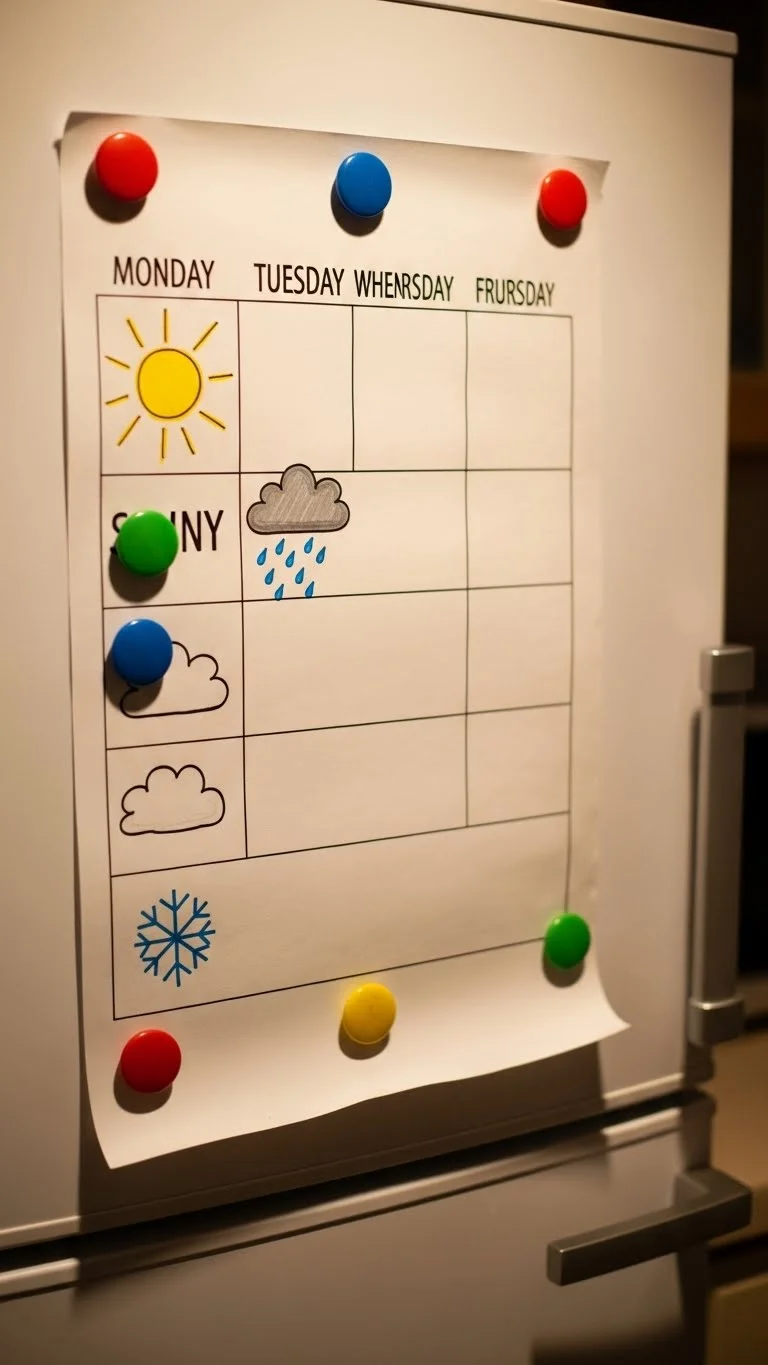
Draw simple weather symbols like clouds, sun, or raindrops. Tape them to cardboard and cut them out. Add magnets to the back. Each morning, ask your child to place the correct symbol on the fridge. Talk about temperature using simple words like “warm” or “chilly.” This creates a steady daily routine.
- Dance-and-Freeze Break
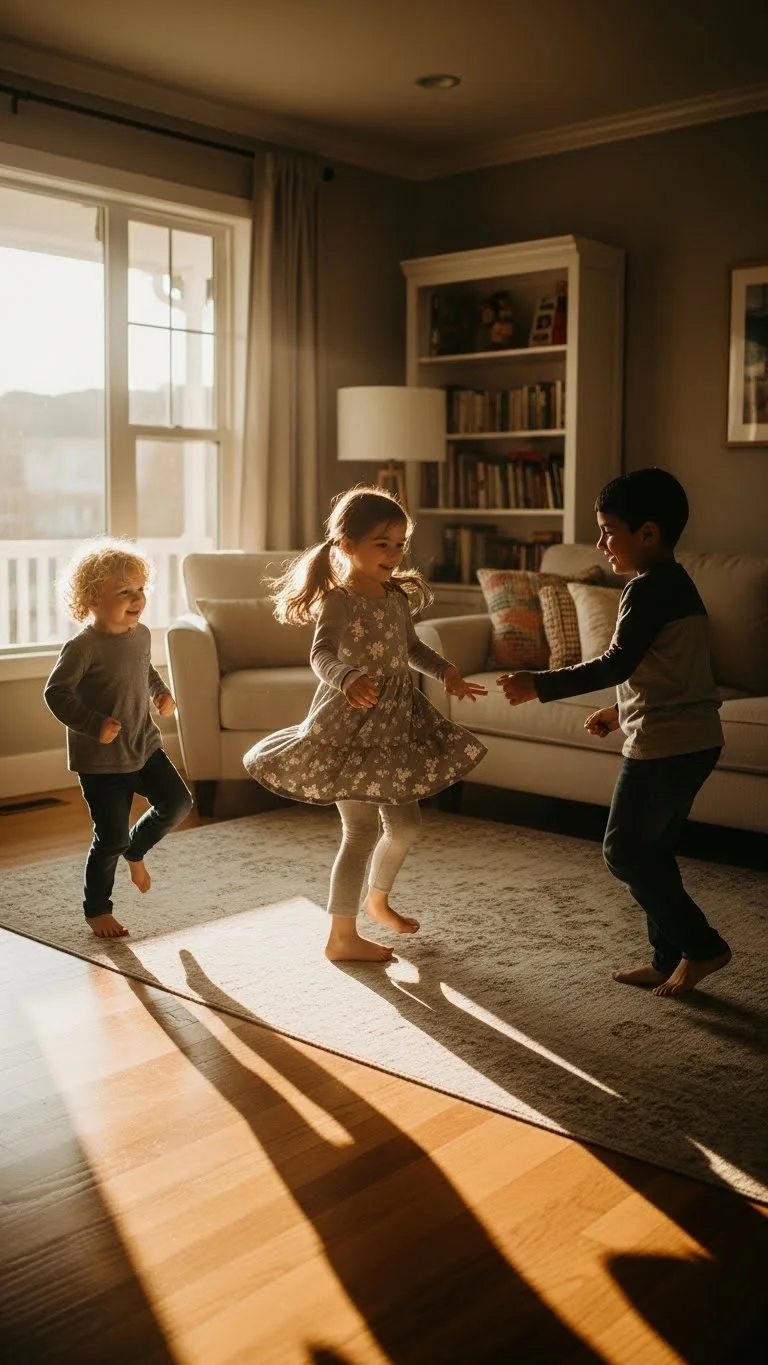
Play a song and dance until you pause it. Everyone freezes in place. Start again when the music resumes. Keep rounds short and silly. This movement break resets energy during long homeschool days. It works in small spaces and needs no supplies.
- Paper Airplane Testing Station
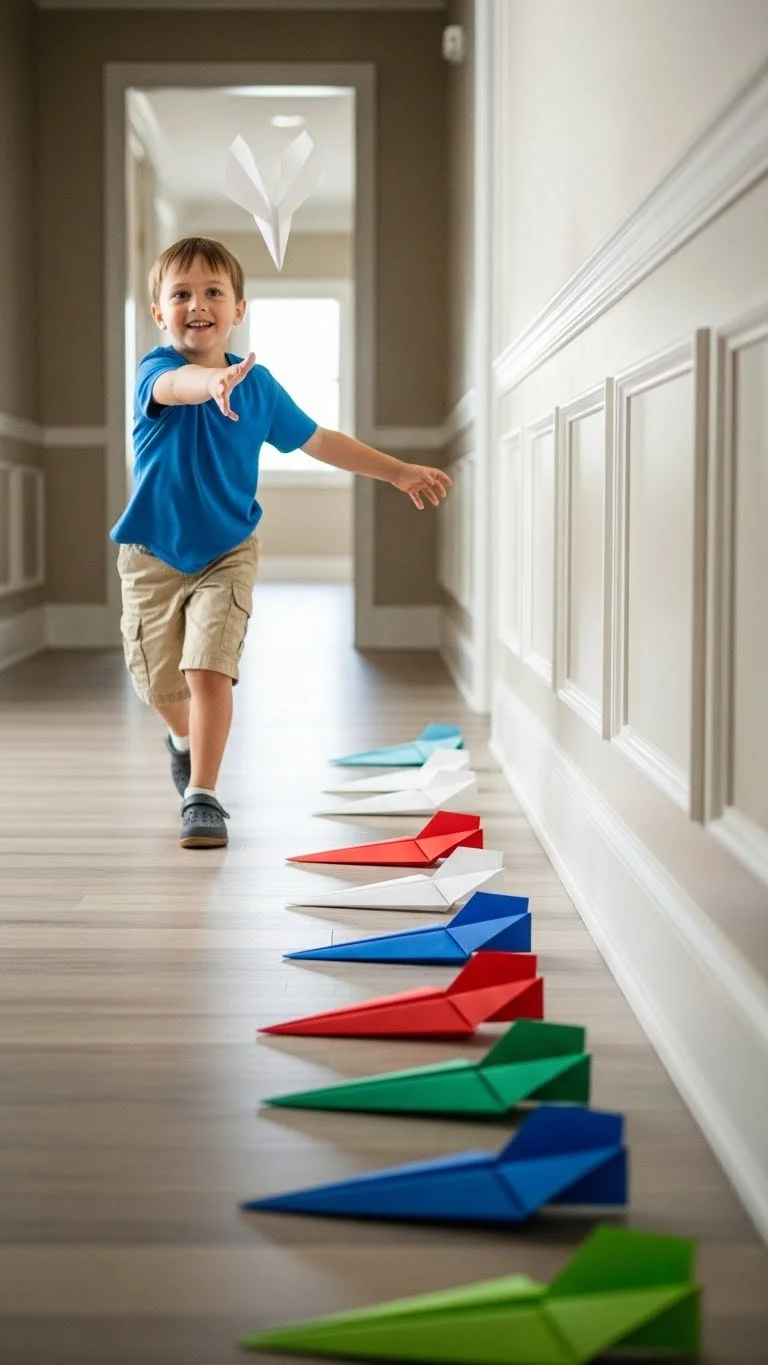
Fold simple paper airplanes. Use different types of paper if you have them. Mark a “start line” with tape. Toss each plane and see how far it flies. Kids can adjust wings and test again. Track distances using small objects as markers. This activity encourages trial and error without pressure.
- Build a Mini Museum Shelf
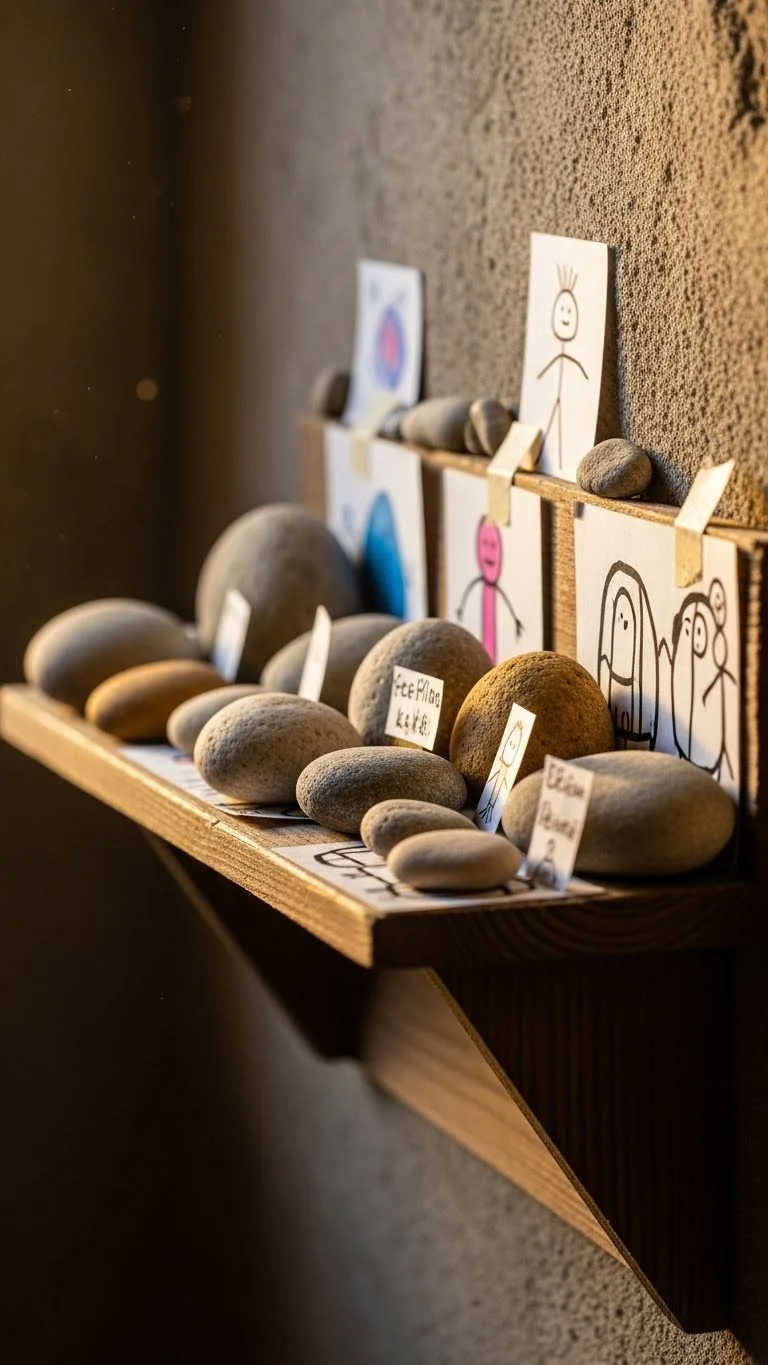
Pick a small shelf or windowsill. Invite your child to display interesting objects like shells, stones, or small crafts. Add tiny labels made from paper scraps. Keep the display simple. Rotate items weekly. This turns everyday objects into a little learning corner.
- Alphabet Hunt Indoors
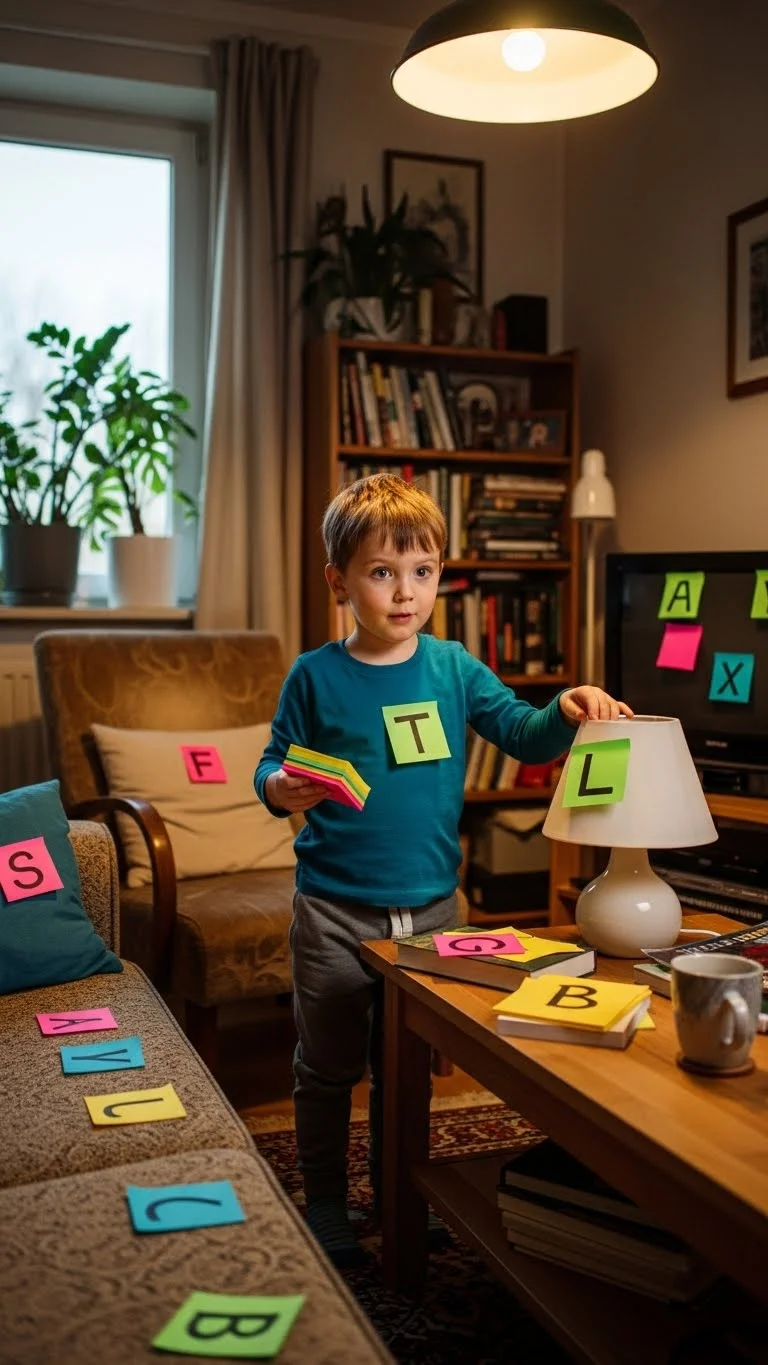
Write letters on sticky notes. Place them around the room. Ask your child to find objects that start with each letter. Keep the game short, maybe five letters at a time. This helps with early reading practice in a relaxed way.
- Balloon Word Toss
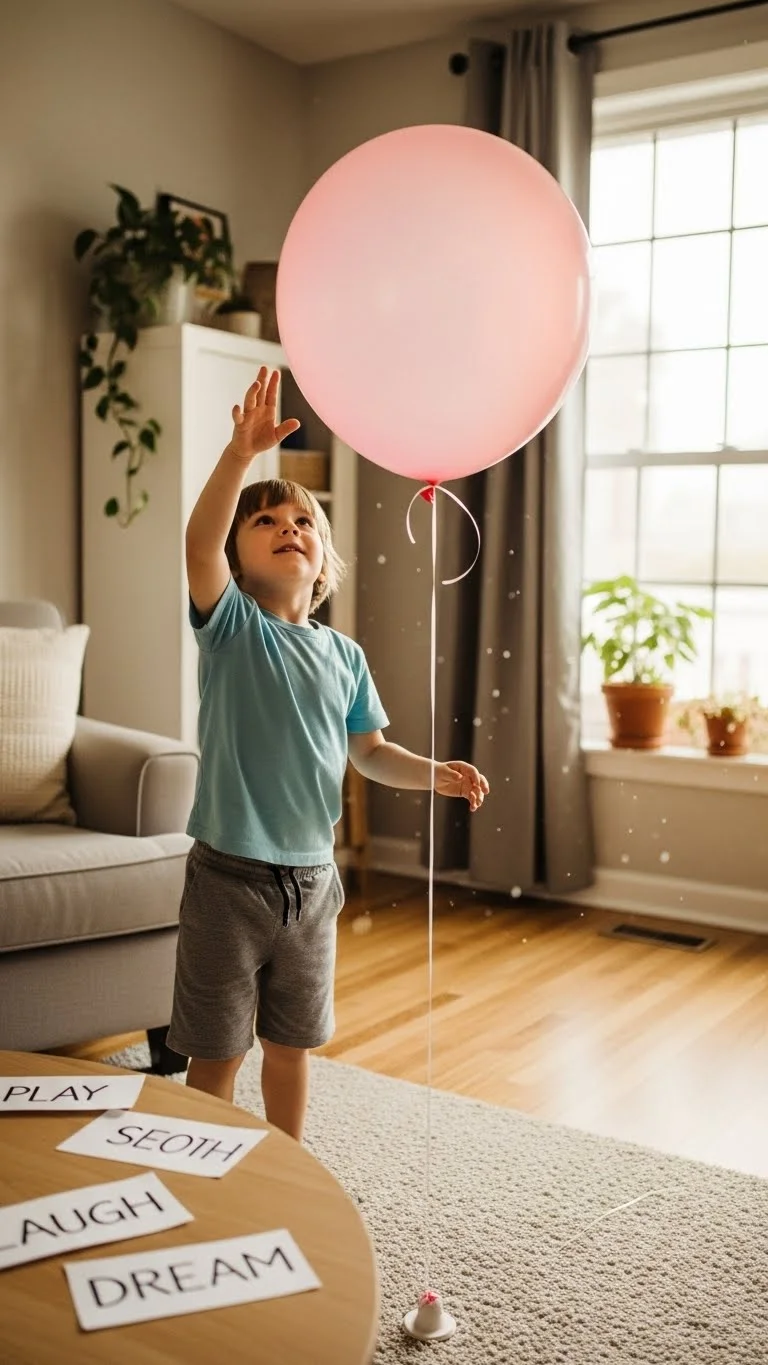
Blow up a balloon. Write a few simple words on small pieces of paper and place them in a bowl. Each time the balloon is tapped, draw a word and read it aloud. Kids can also act out the word. This keeps reading light and active. Balloons are inexpensive and easy to replace.
- Snack Bar Graph
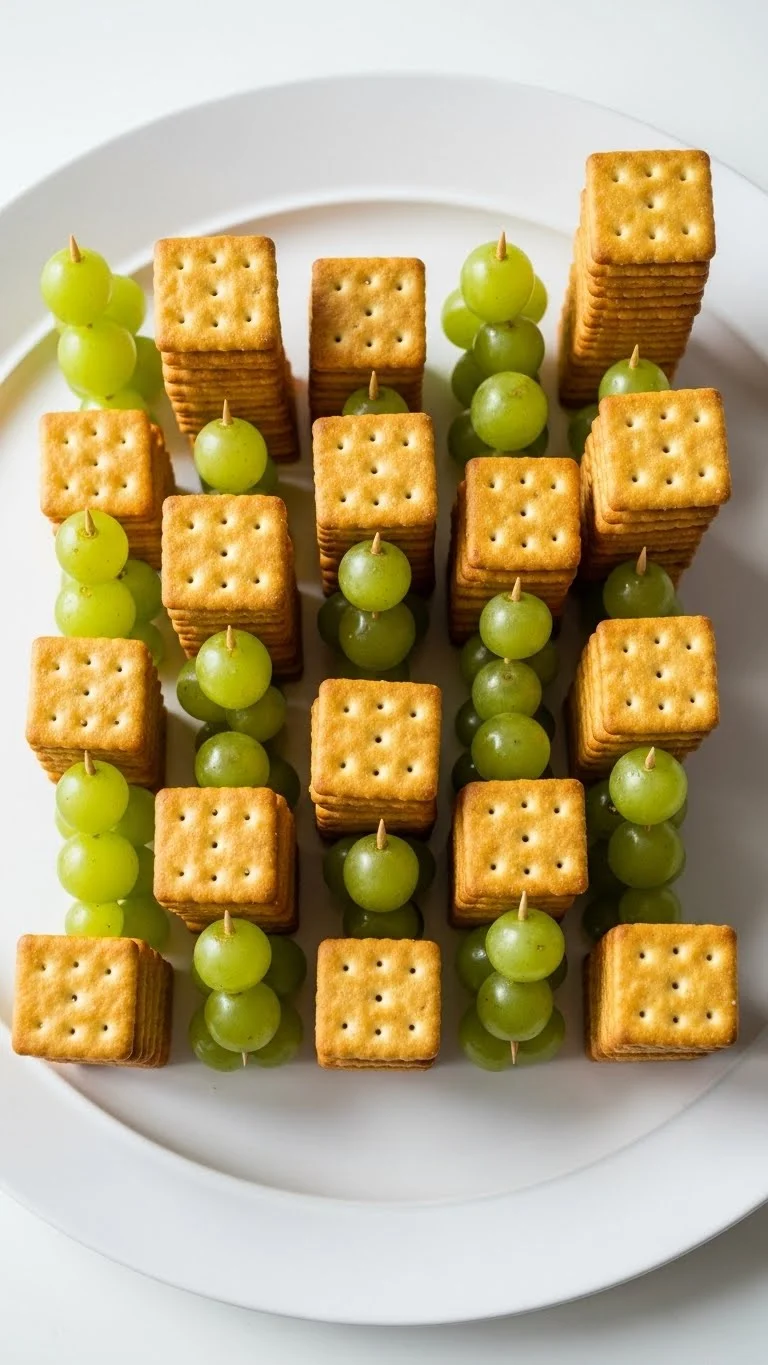
Sort small snacks into categories. Make rows on a plate to compare amounts. Talk about which row is taller or shorter. Eat the snacks afterward. This activity keeps math simple and tasty.
- Recycled Art Collage
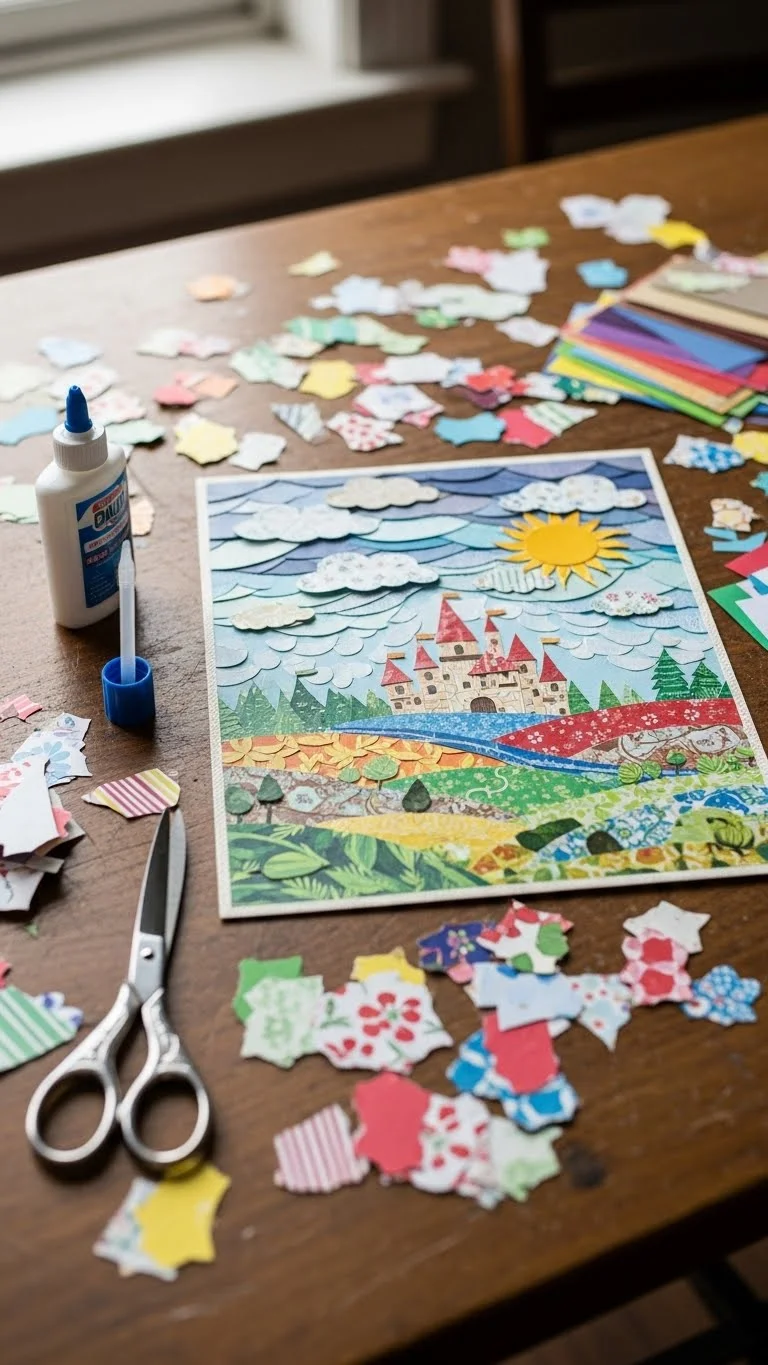
Collect paper scraps from packages or magazines. Cut or tear them into shapes. Glue them onto cardboard to make a collage. Kids can create scenes or abstract shapes. Keep tools simple: glue, tape, and scissors. This uses materials you already have and fills time creatively.
- Shadow Tracing
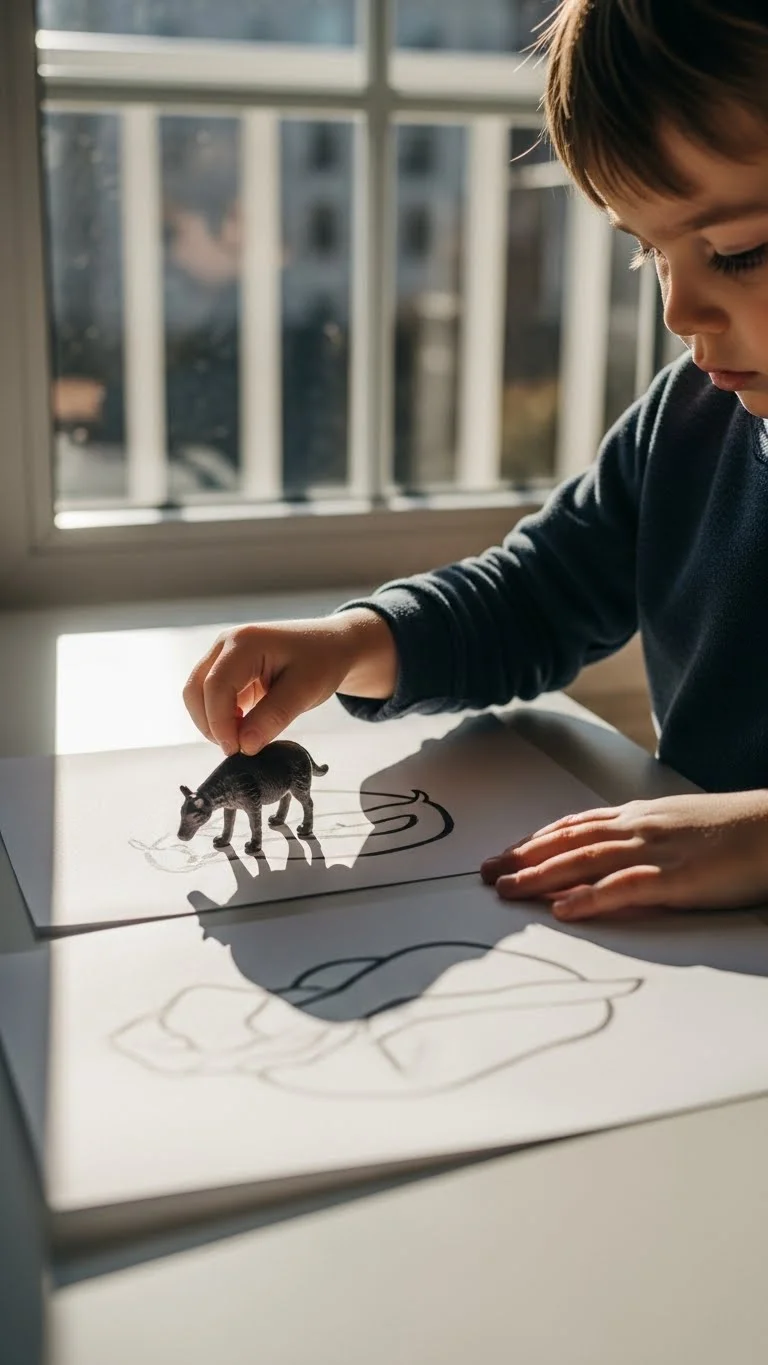
Place a toy near a sunny window. Position paper so the shadow appears clearly. Trace the outline. Kids can color it later. Move the toy and compare new shadows. This works indoors and creates calm drawing time.
- Stick-and-Stone Counting Tray
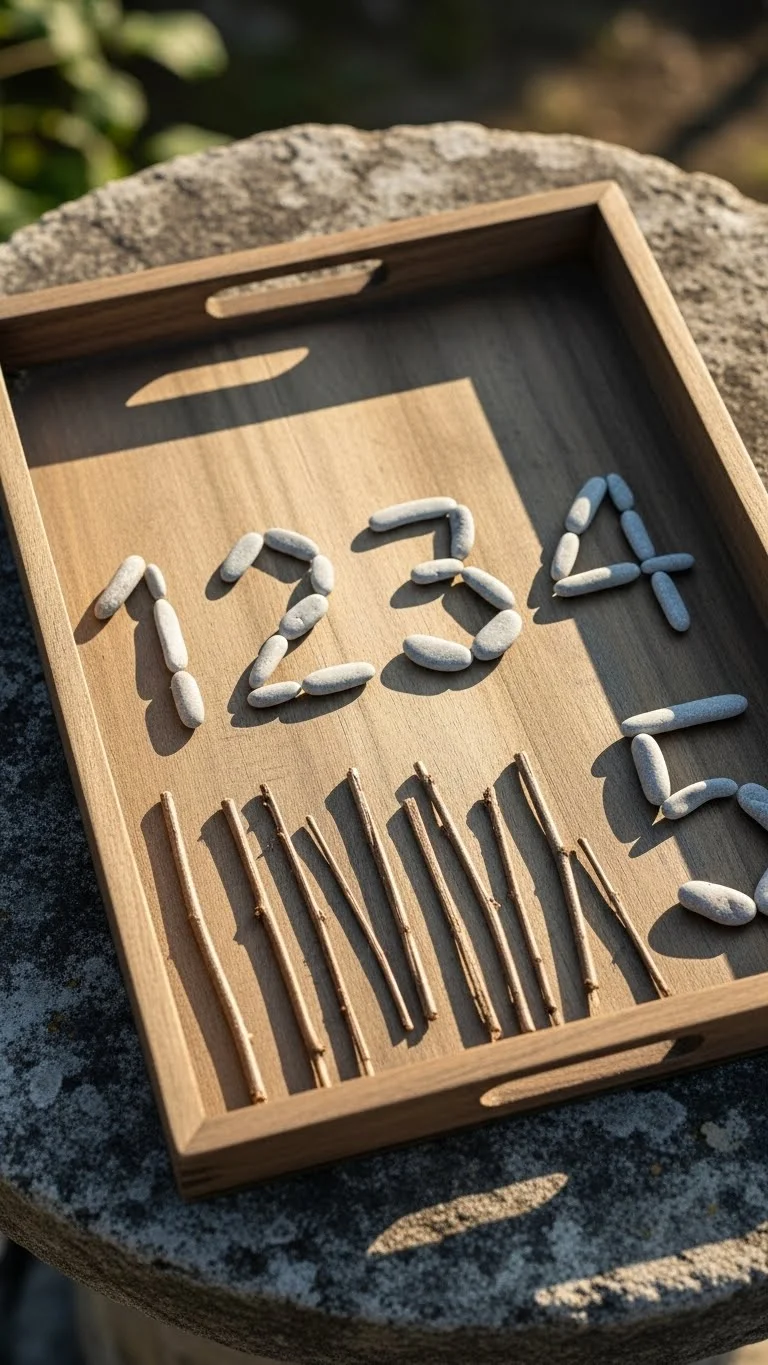
Collect sticks and stones outside. Place them on a tray. Form simple numbers or shapes. Kids can rearrange them into patterns. This activity uses natural materials that cost nothing. It also creates a quiet moment for hands-on practice.
Conclusion
Homeschool days feel easier with simple activities that fit into ordinary moments. These ideas work with household items and short steps, keeping learning light and flexible. Use them whenever you want a calm reset or a quick way to spark curiosity. Small actions add up and help your child enjoy learning at home.
