

24 Nursery Organization Ideas for a Calm Baby Space
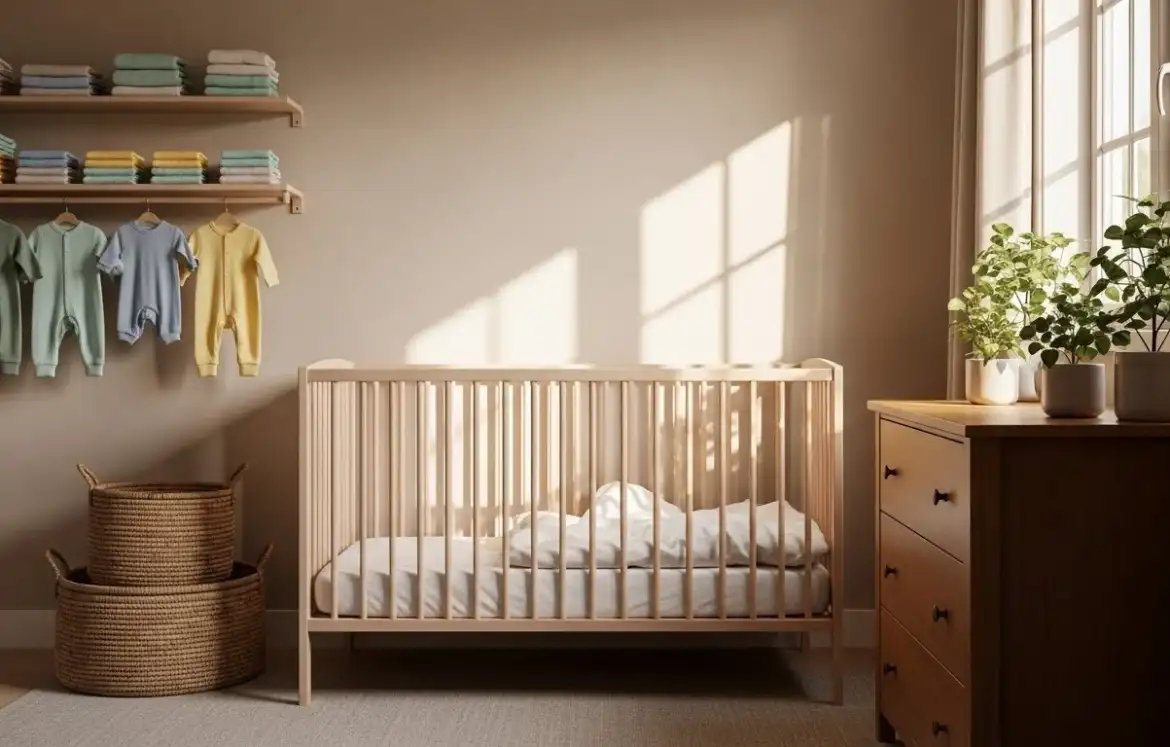
A tidy nursery can make daily routines feel calmer and smoother. Small items pile up fast, and babies come with endless little things that need a home. Simple organization ideas can help you stay relaxed, save time, and keep everything within reach. The best part is that most changes don’t require big spending. A few baskets here, a shelf there, and a little planning can make the nursery feel peaceful and ready for busy days.
- Use Baskets for Quick Cleanups
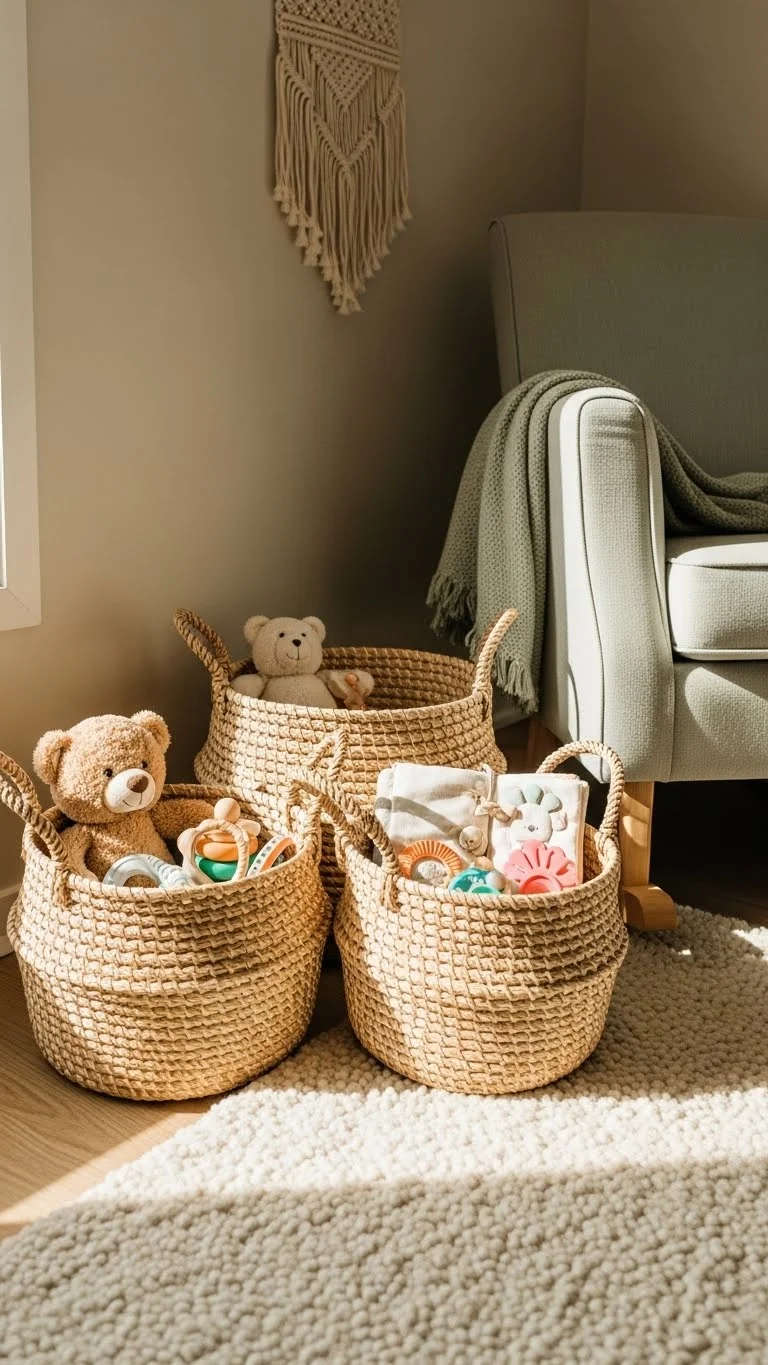
Baskets are the easiest way to keep a nursery tidy without fuss. You can place them under the changing table, next to the crib, or beside the rocking chair. Pick soft, flexible baskets so they’re safe around little hands. They hide clutter and can be carried from room to room without hassle. Use one basket for toys, one for blankets, and another for small laundry. This keeps everything sorted without much thought. If you’re on a budget, grab plain baskets and add simple fabric liners for colour. You can even repurpose baskets you already have. The goal is to create quick drop zones so the room stays calm even on busy days. A few baskets can make cleanup take only seconds.
- Add Floating Shelves for Daily Essentials
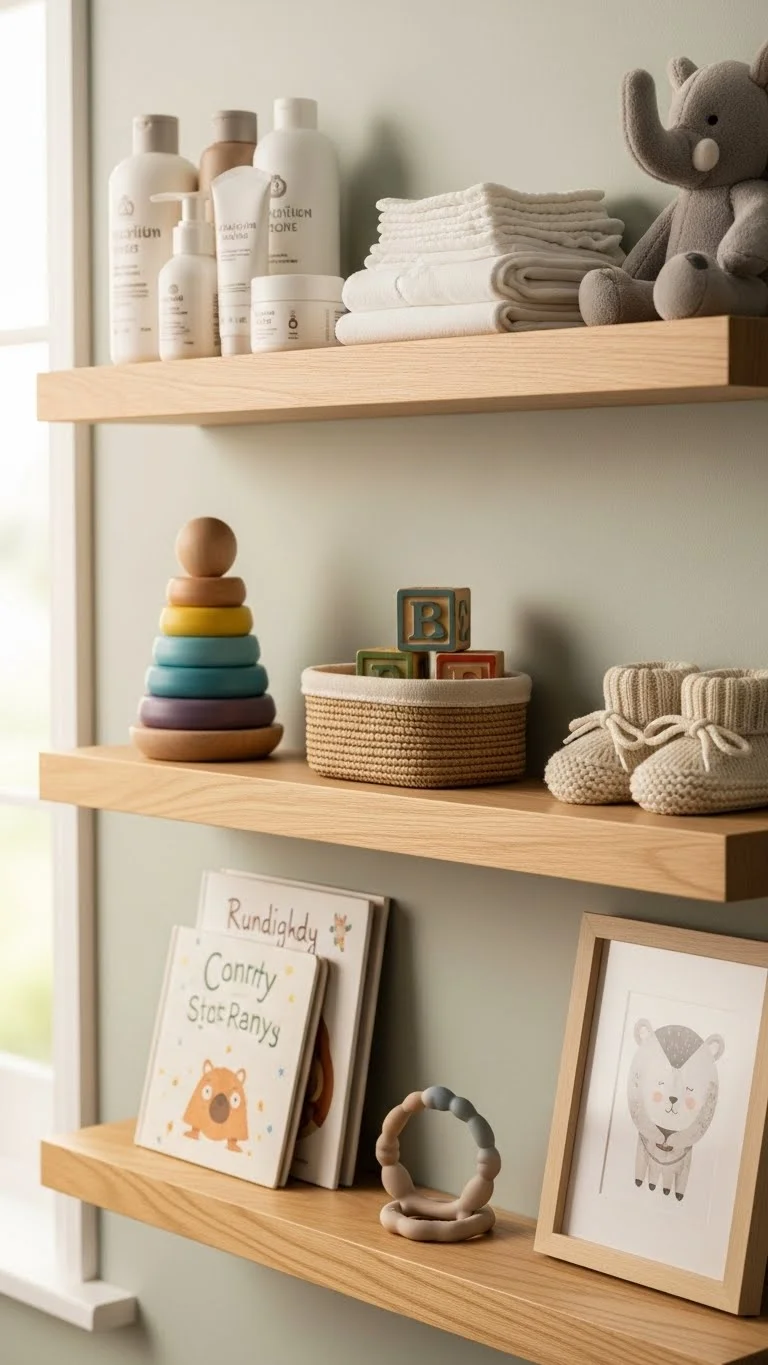
Floating shelves make use of empty wall space while keeping important items within reach. They work well above the changing table or near the feeding spot. Choose sturdy shelves with a simple design so the room doesn’t feel crowded. Use them to store wipes, creams, burp cloths, or small toys. Add a small plant or framed photo to keep the space warm without clutter. If you’re on a budget, you can paint basic wood planks and create your own shelves. Keep heavier objects low and light items higher for safety. Group items in small trays so everything stays neat. This little upgrade keeps your hands free and your mind calmer during busy moments.
- Create a Diaper Station

A dedicated diaper station saves time and avoids frantic searching. Keep diapers, wipes, creams, and spare clothes together in one spot. Use small bins or drawer dividers to keep things from sliding around. Place the station near the changing pad so everything is within reach. Add a roll of small bags for quick disposal. For homes with multiple levels, keep a second mini station in a basket downstairs. If you’re trying to save money, repurpose acrylic kitchen organizers or cardboard boxes wrapped in fabric. The goal is to keep diaper changes quick, quiet, and simple. When everything has a place, you can manage even the busiest moments with less frustration.
- Store Clothes by Size in Clear Bins
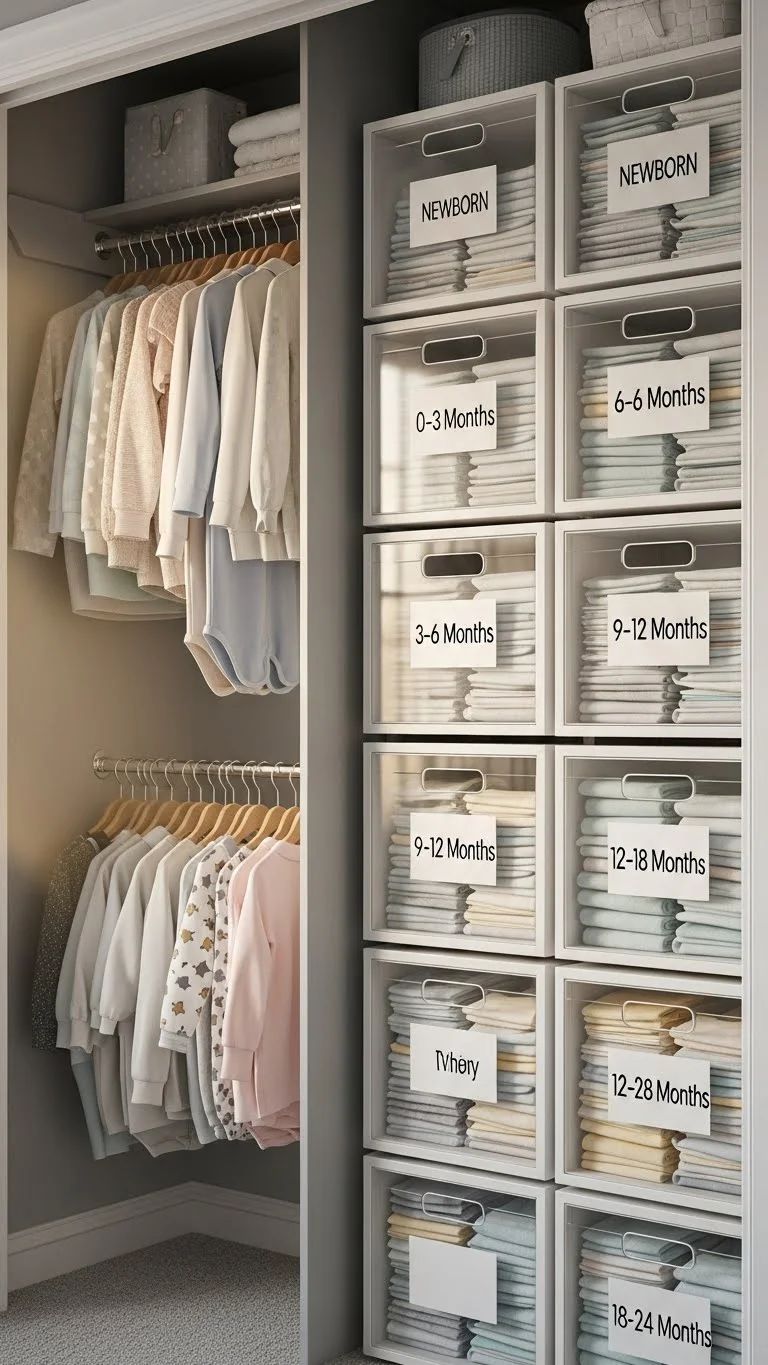
Babies grow fast, and it’s easy to lose track of clothing sizes. Clear bins help you see everything at a glance. Sort clothes into bins labelled “0–3,” “3–6,” and so on. Keep the current size at eye level and future sizes on higher shelves. This helps you avoid buying duplicates or forgetting cute outfits. Use smaller bins for socks, hats, and mittens so tiny pieces don’t disappear. Reuse food storage bins or plastic containers if you want a cheaper option. Fold clothes loosely so they stay unwrinkled and easy to grab. When your baby moves to a new size, simply rotate the bins. This simple setup keeps the closet neat and helps you stay ahead of growth spurts.
- Use a Rolling Cart for Mobile Storage
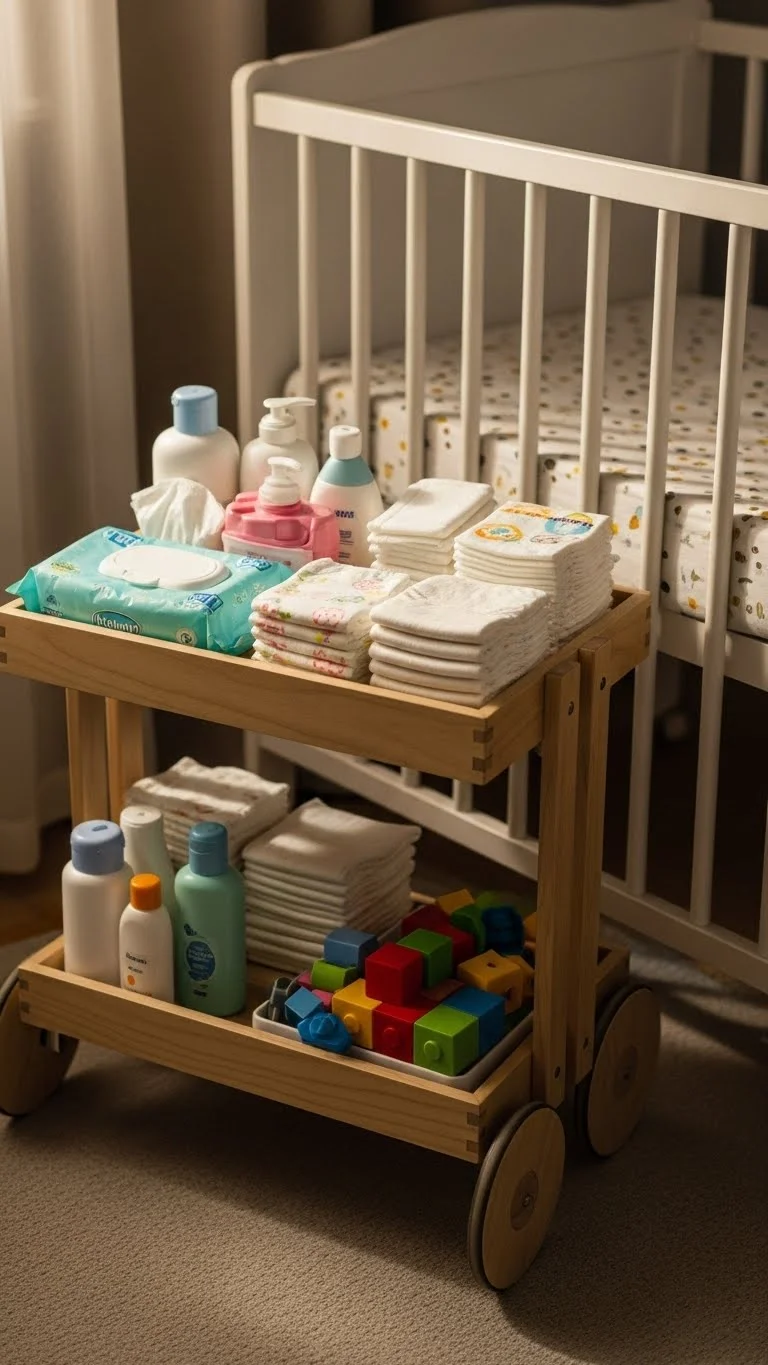
A rolling cart gives you instant storage that you can move anywhere. Keep diapers, wipes, burp cloths, and feeding essentials on different tiers. Roll it from the nursery to the living room or next to the bed at night. This cuts down on extra steps and saves energy during midnight wake-ups. Choose a cart with smooth wheels so it glides quietly. If you’re watching your budget, check for second-hand carts and give them a quick coat of paint. Add small baskets inside the cart to keep bottles or creams upright. This flexible storage helps the whole home stay organized, not just the nursery.
- Add Hooks Behind the Door
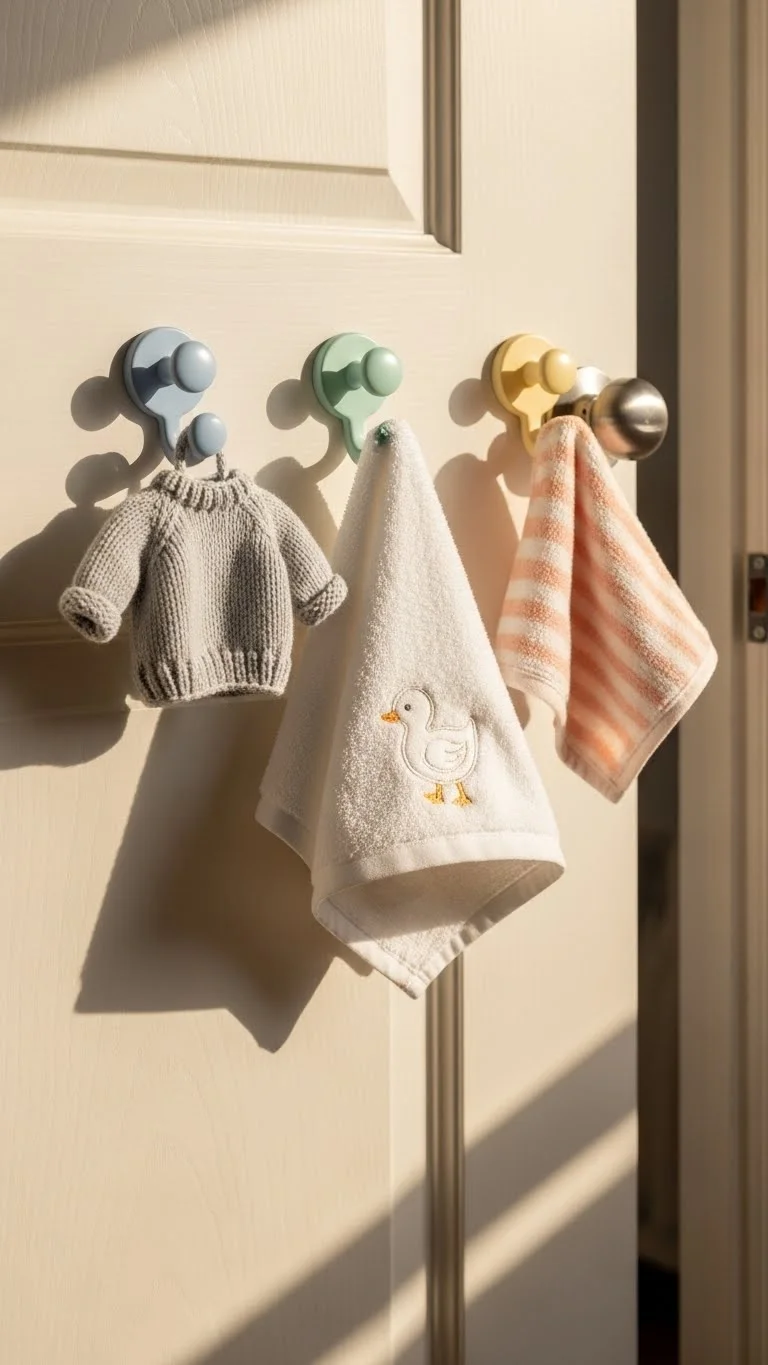
Hooks behind the door create hidden storage without taking up floor space. Hang baby towels, tiny jackets, hats, or diaper bags. Choose soft, rounded hooks so clothes don’t snag. If you want a low-cost option, adhesive hooks work just fine and leave no marks. These hooks help keep the room clear and make grab-and-go moments smoother. Place a couple lower down so toddlers can help as they grow. Use matching hooks to keep the room visually calm. This small change can tidy up clothing clutter in seconds.
- Keep Bedside Essentials in a Nightstand
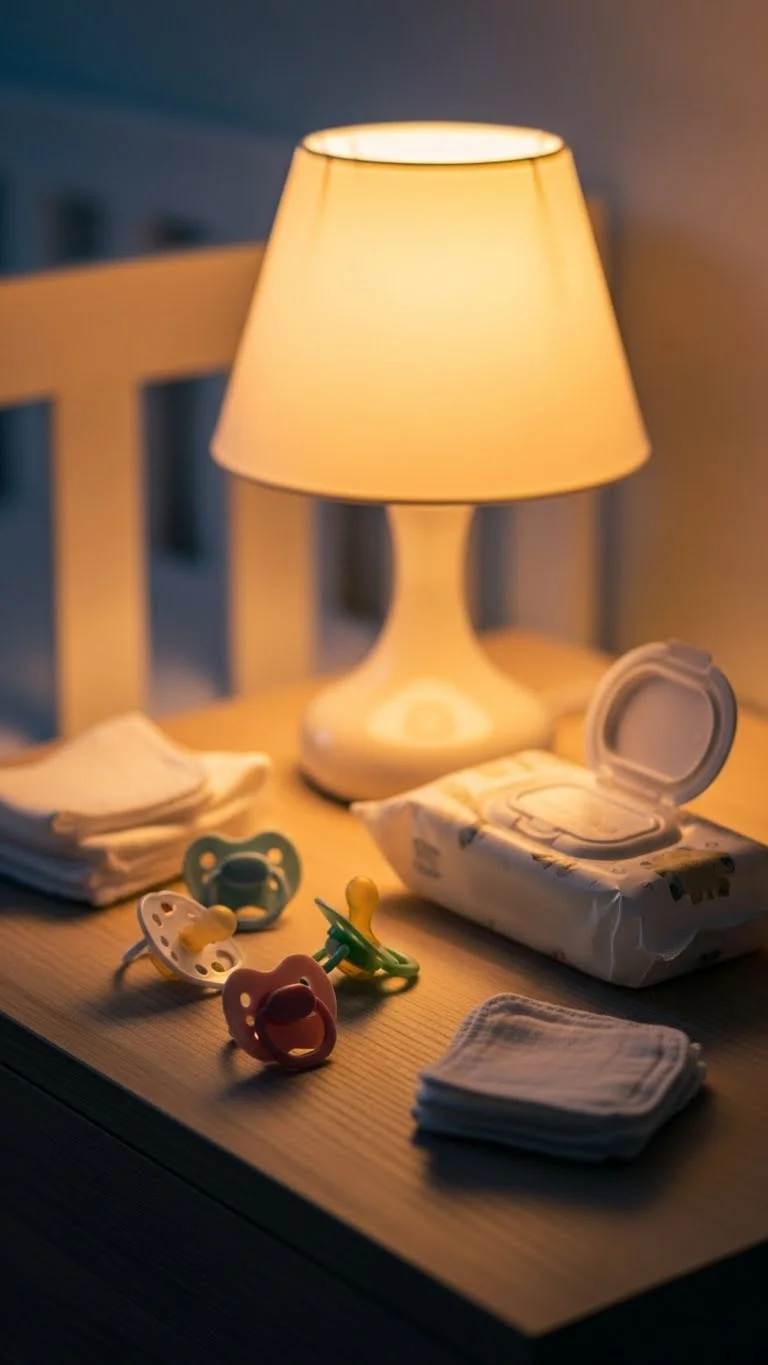
Nighttime routines feel calmer when everything is close by. A small nightstand next to the crib or feeding chair gives you a spot for pacifiers, a water bottle, wipes, and burp cloths. Pick a drawer-style table to keep the top surface clear and uncluttered. If you’re working with a tight budget, look for simple tables that can be easily repainted or decorated with peel-and-stick paper. Place a small basket inside the drawer for tiny items so they don’t shift around. Keep only the basics in this area to avoid crowding the space. A tidy bedside setup can make night feedings smoother and help you settle back to sleep faster.
- Use Drawer Dividers for Tiny Clothes
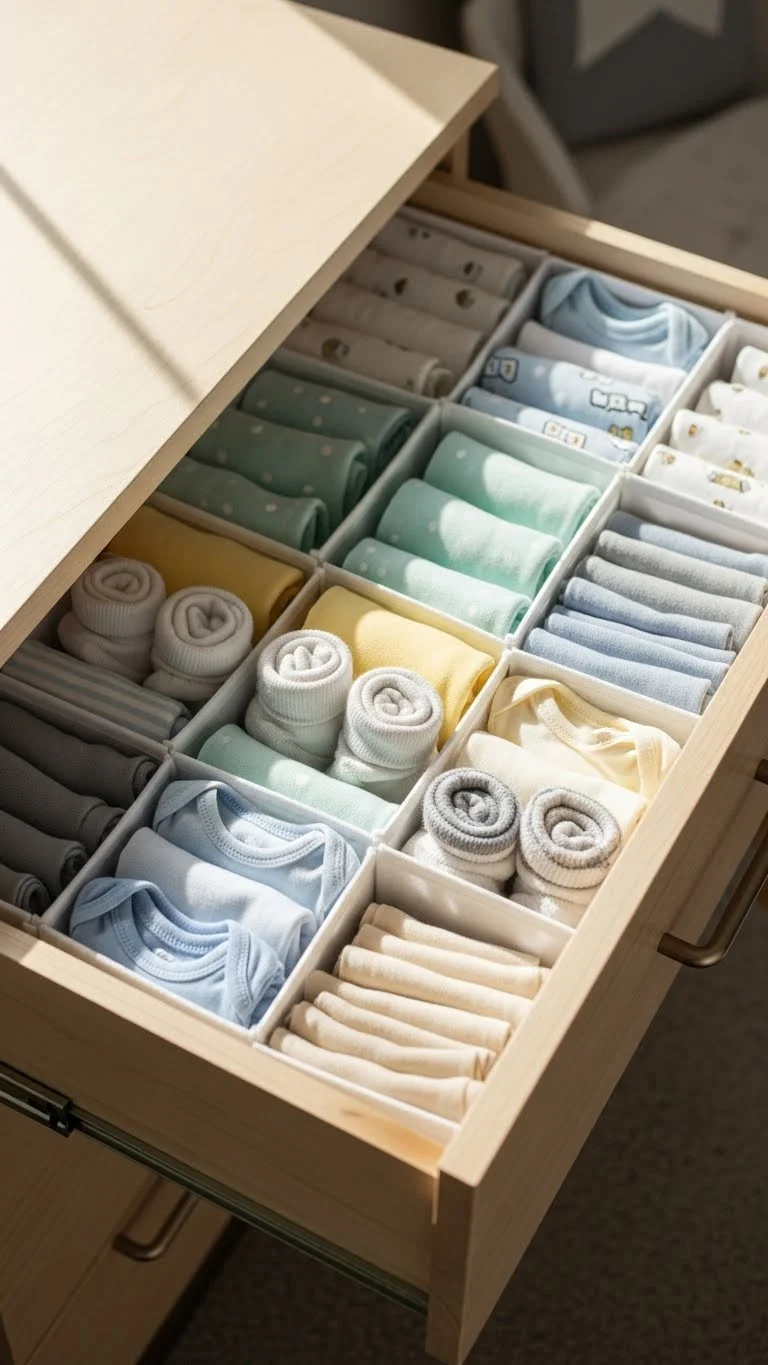
Baby clothes are tiny, and they scatter easily. Drawer dividers help keep onesies, socks, bibs, and pyjamas separated. Choose dividers that can adjust as your baby grows and clothing needs change. You can also create your own dividers using cut cardboard wrapped in fabric. This saves money and lets you pick the colours. Keep each section small so items don’t mix. Fold clothes like small squares and place them upright so you can see everything at once. This approach saves time during morning routines and keeps drawers from overflowing. A few dividers go a long way in keeping everyday items easy to grab.
- Create a Labelling System
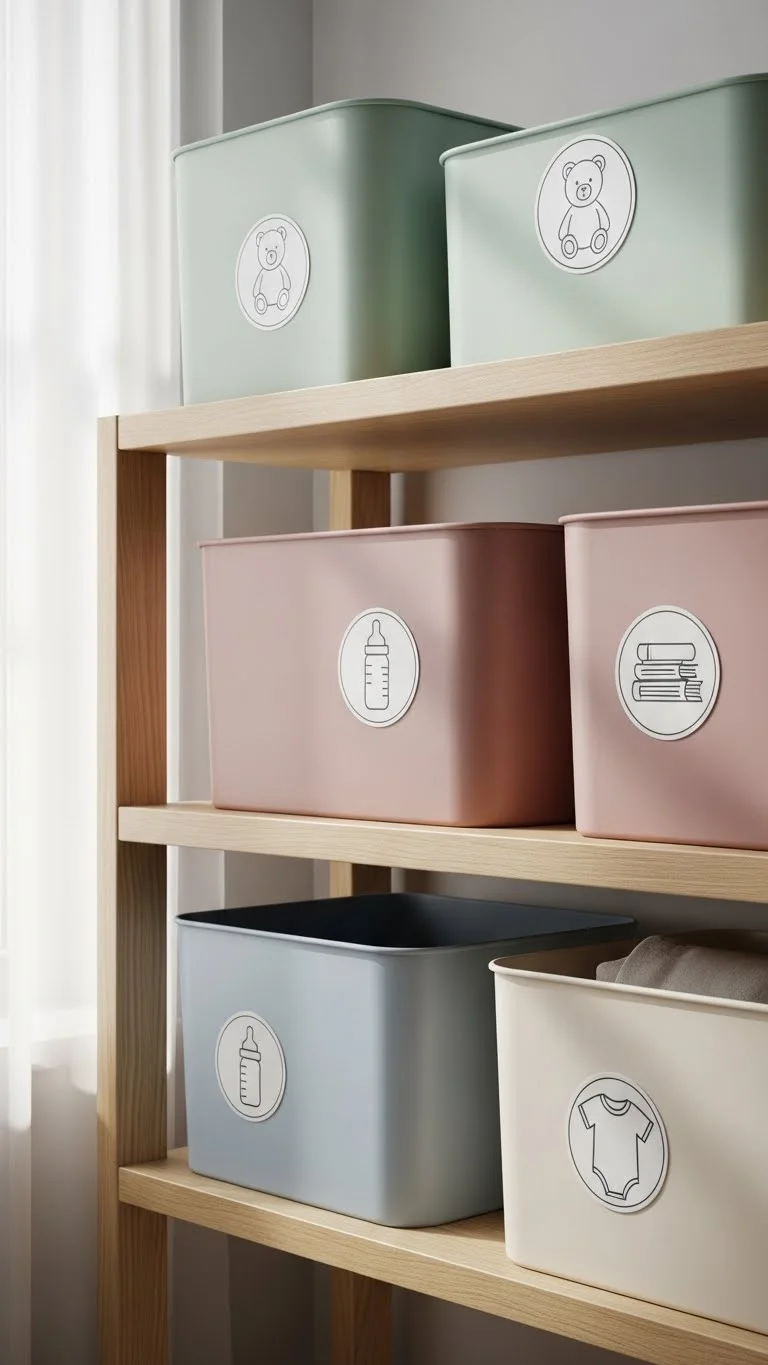
Labels help you stay consistent, especially on busy days. Use simple icon labels or colour-coded tags so everything returns to its right spot. This works well for baskets, closet bins, and drawers. If you’re avoiding extra expenses, print icons on plain paper and tape them on. Stick to calm colours that blend with the room. Label items like blankets, toys, diapers, feeding tools, or seasonal clothes. This helps other caregivers find things easily, too. A tidy, labelled space lowers stress and keeps the nursery from getting messy too quickly. When everything has a clear home, the whole room feels calmer.
- Add Under-Crib Storage
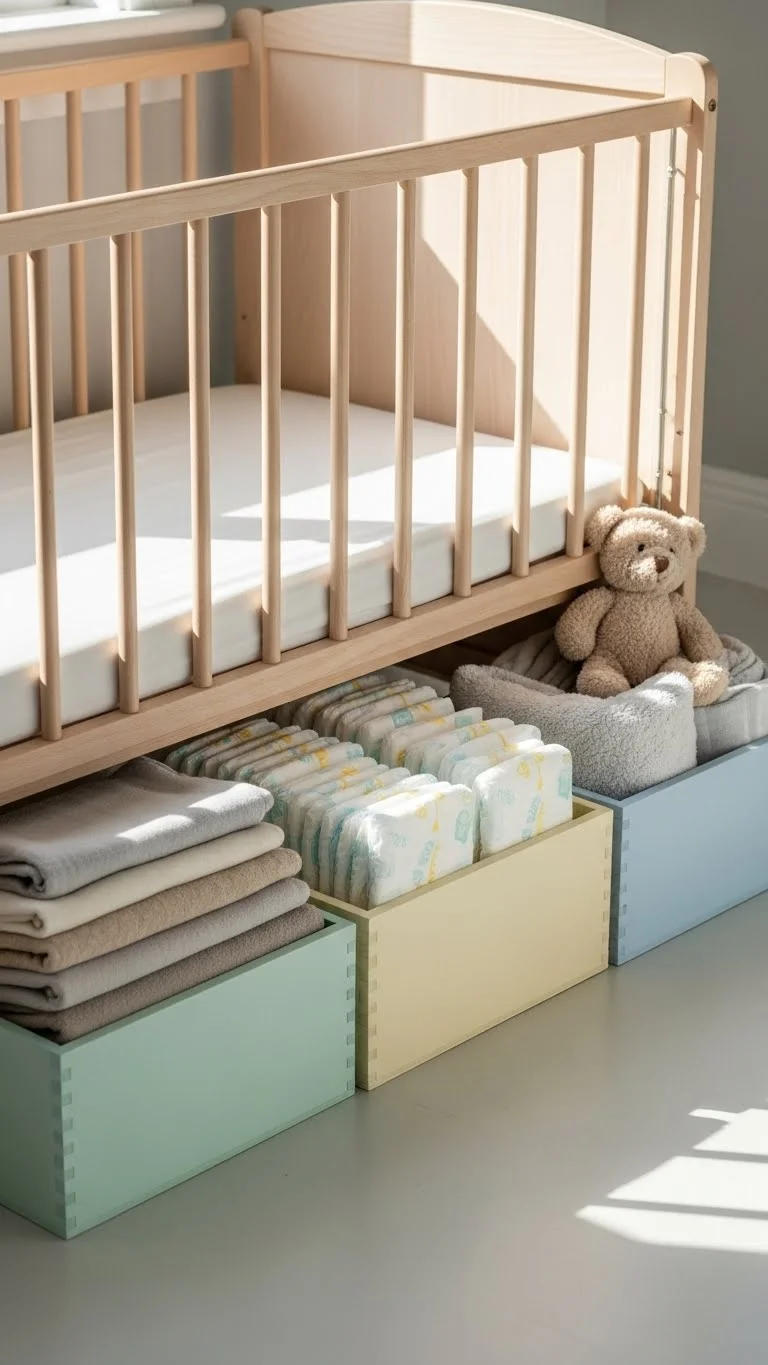
The space under the crib is valuable. Use shallow bins or rolling drawers to store extra blankets, diapers, or future clothes. Choose bins with lids if you want to keep dust out. For a budget option, repurpose long under-bed containers you already own. Keep the most-used items near the front so you don’t have to bend often. This hidden storage keeps the room from feeling crowded. You can rotate items seasonally so everything stays relevant. Once set up, this space helps keep the rest of the nursery feeling open and clear.
- Hang a Peg Rail for Small Items
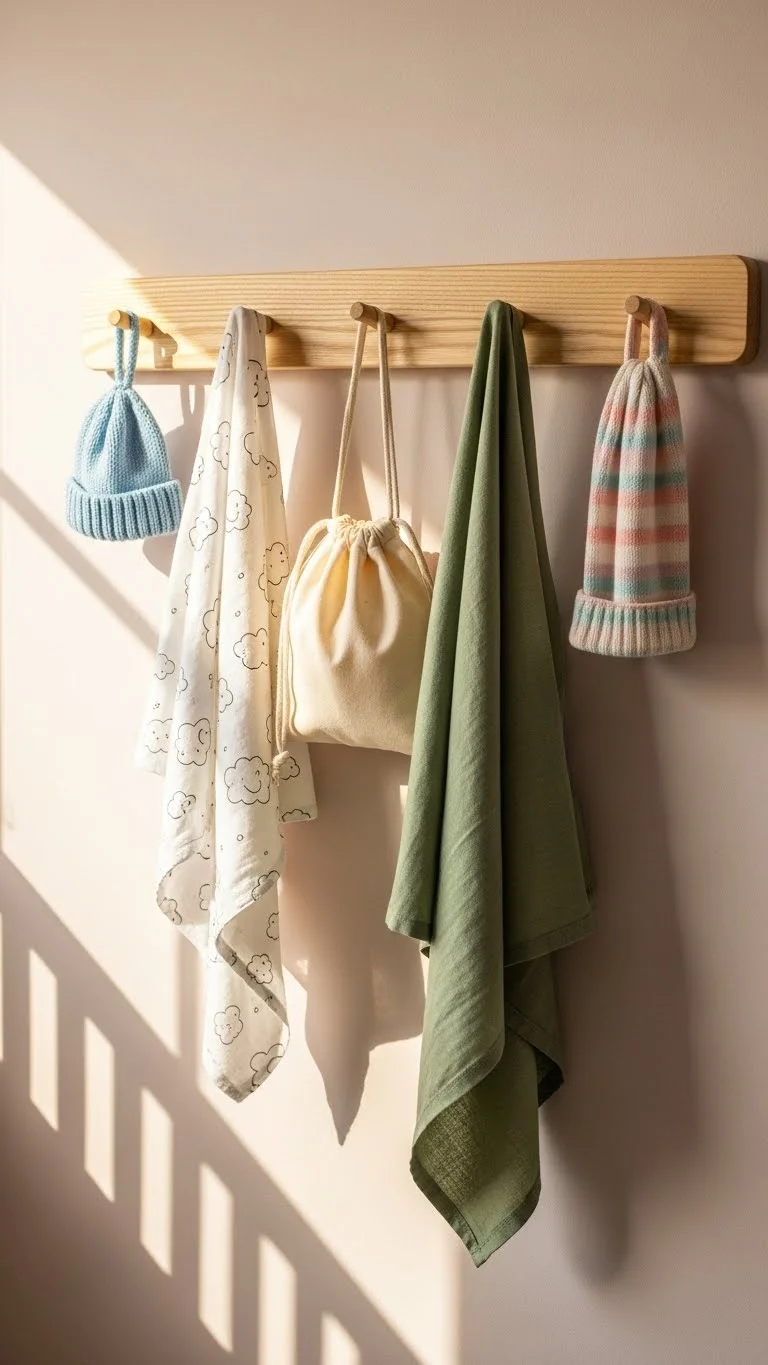
A peg rail adds charm and function at the same time. Hang swaddles, hats, lightweight blankets, or small bags. It works especially well near the door or changing table. Peg rails keep items off the floor while staying easy to reach. If you’re saving money, you can install an inexpensive wooden strip and add hooks. Space the hooks wide enough so items don’t overlap too much. You can also hang a small cloth bag on one peg to hold loose items. Peg rails help the room stay airy while giving you more storage options.
- Use a Laundry Hamper with Dividers
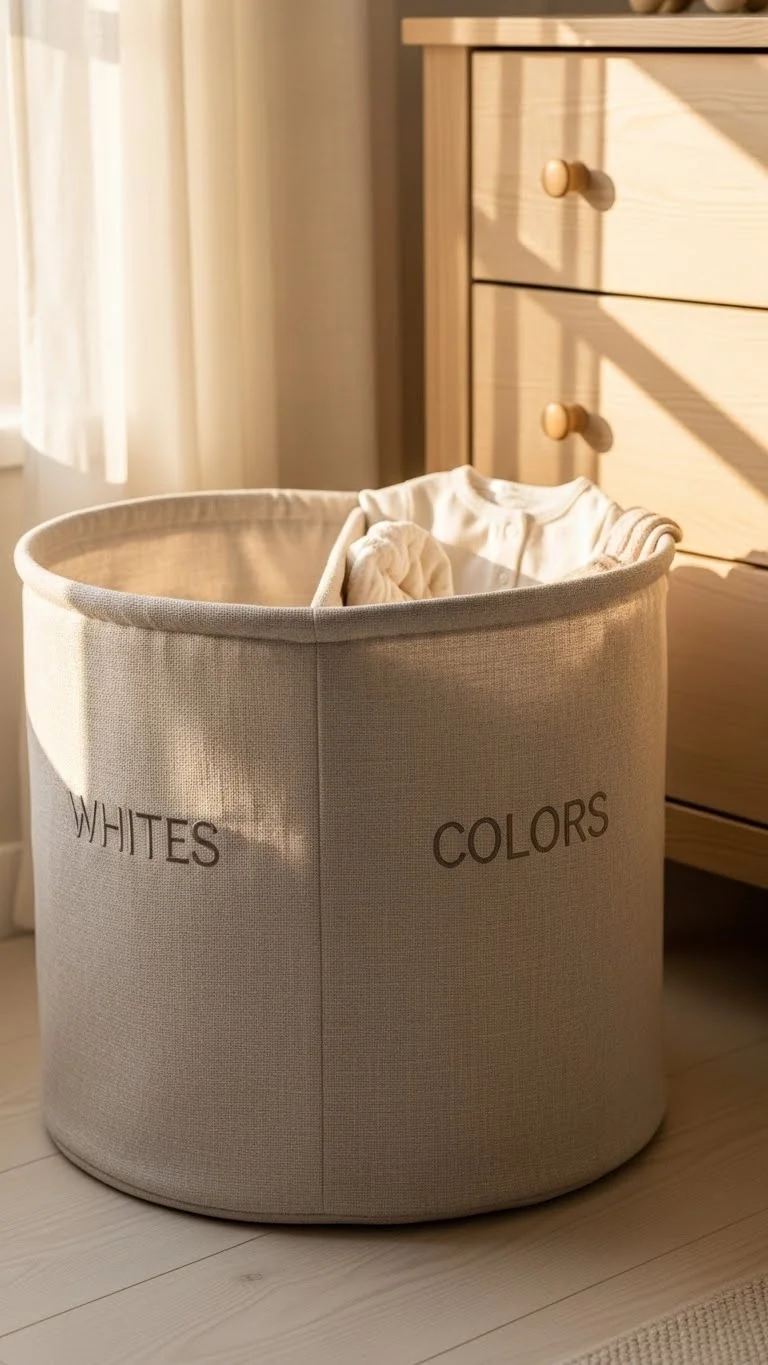
Laundry builds up quickly with a little one. A hamper with dividers saves time on wash day. Keep one side for daily clothes and another for large items like blankets or burp cloths. Choose a hamper with handles so you can carry it easily. A simple cloth hamper is affordable and lightweight. If you prefer a more durable option, choose a mesh or woven bin. Place the hamper near the changing area to cut down on extra steps. This simple setup prevents piles from forming on chairs or floors, keeping the nursery calmer.
- Use Over-the-Crib Storage Pockets
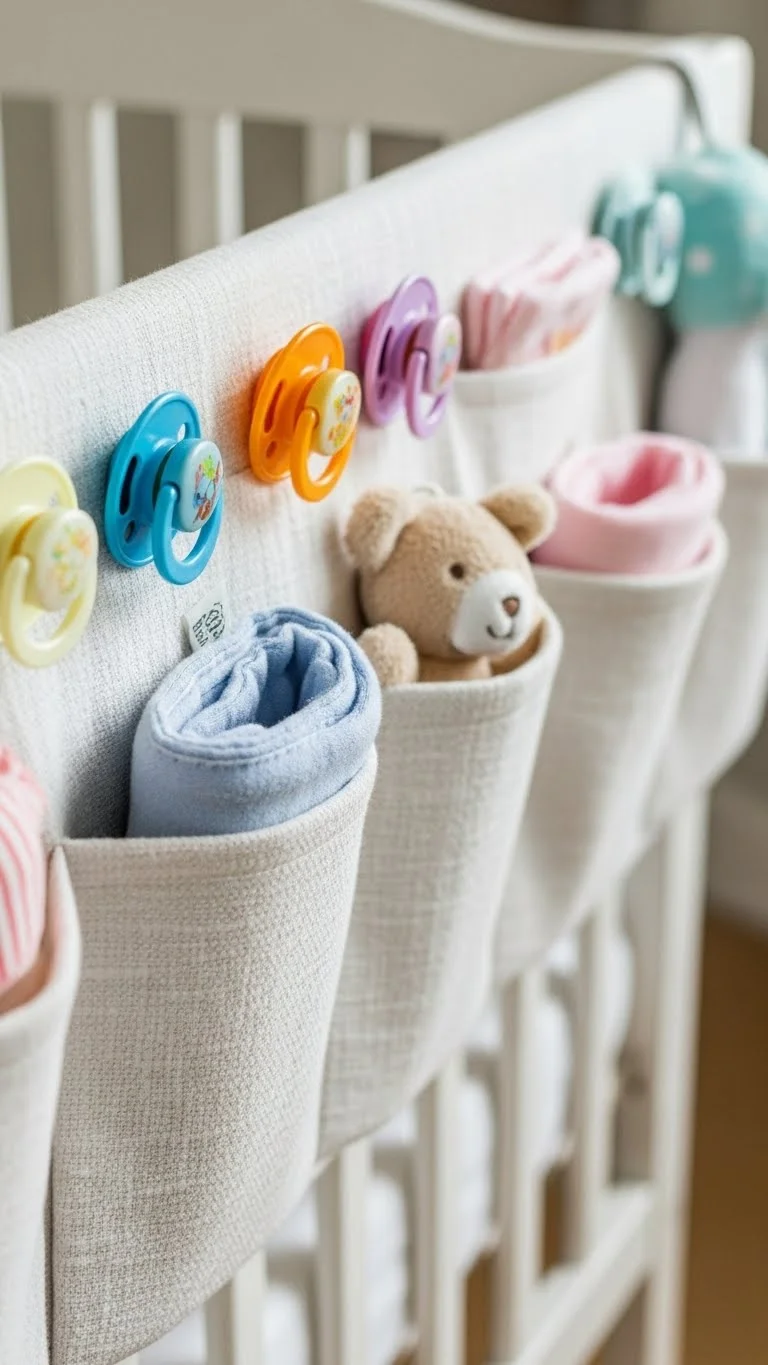
Over-the-crib pockets offer quick access to small items without taking up floor space. Use them for pacifiers, small toys, or comfort cloths. Choose padded pockets so they’re gentle and safe. Stick to calm colours to keep the space visually soft. This helps during quick naptime pickups when you don’t want to search around the room. For a low-cost alternative, sew simple pockets from leftover fabric. Make sure the pockets attach securely and do not hang too low for safety. This easy addition brings order to small items that often get lost.
- Set Up a Feeding Caddy
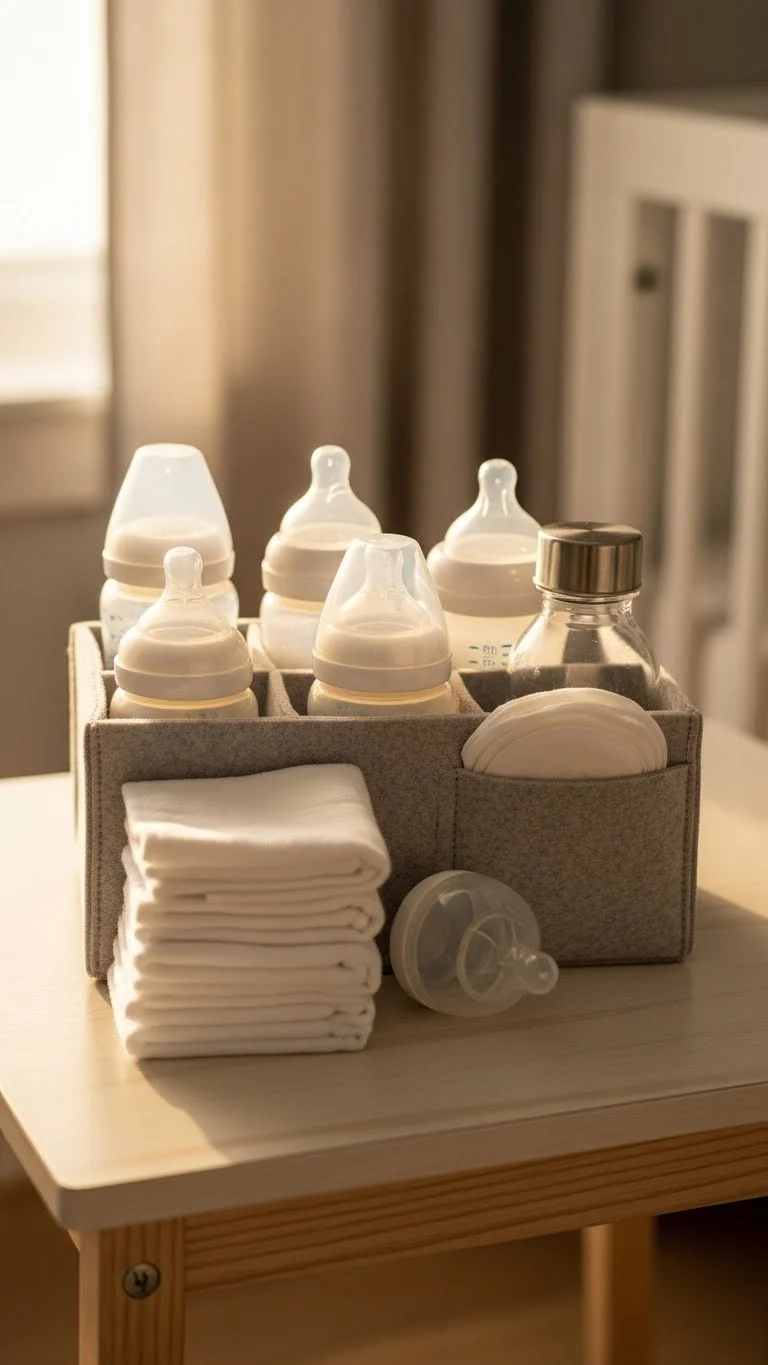
A portable feeding caddy keeps everything you need during feeding sessions in one place. Include burp cloths, bottles or nursing pads, water, and a small snack for yourself. Keep the caddy near the feeding chair so you’re always prepared. A simple plastic or fabric caddy works great without costing much. Use small pockets to stop bottles from tipping over. Restock it every evening so mornings start calmly. This small habit keeps the nursery tidier because everything goes back into one single container.
- Use a Wall-Mounted Book Ledge
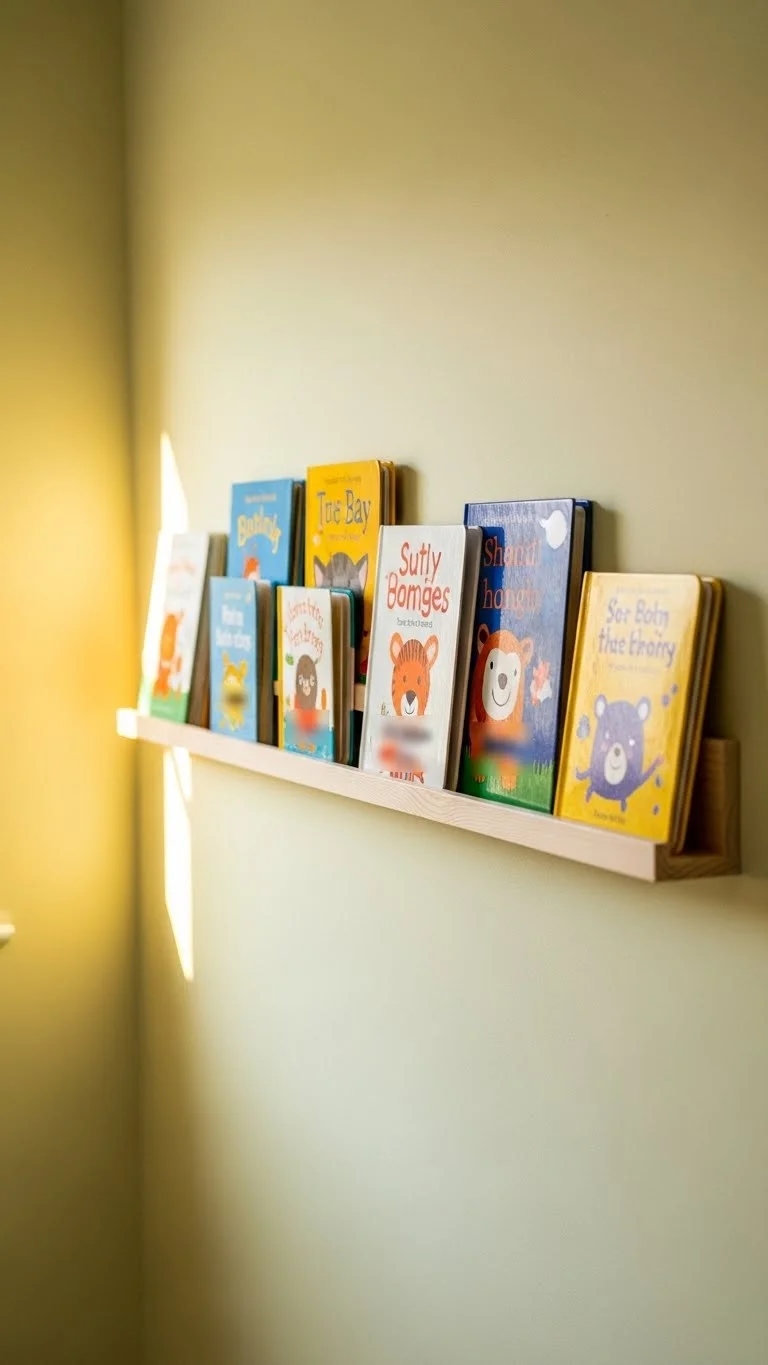
Book ledges display books beautifully while keeping them within reach. Unlike deep shelves, they don’t take up much room. Install one near the rocking chair for bedtime reading. Look for plain wood options if you prefer a natural look. For a budget choice, buy simple moulding strips and mount them as shelves. Face the books outward so the covers are easy to spot. Rotate books weekly to make reading time feel fresh. This setup encourages calm moments and keeps books from piling up in random places.
- Add a Small Toy Rotation Shelf
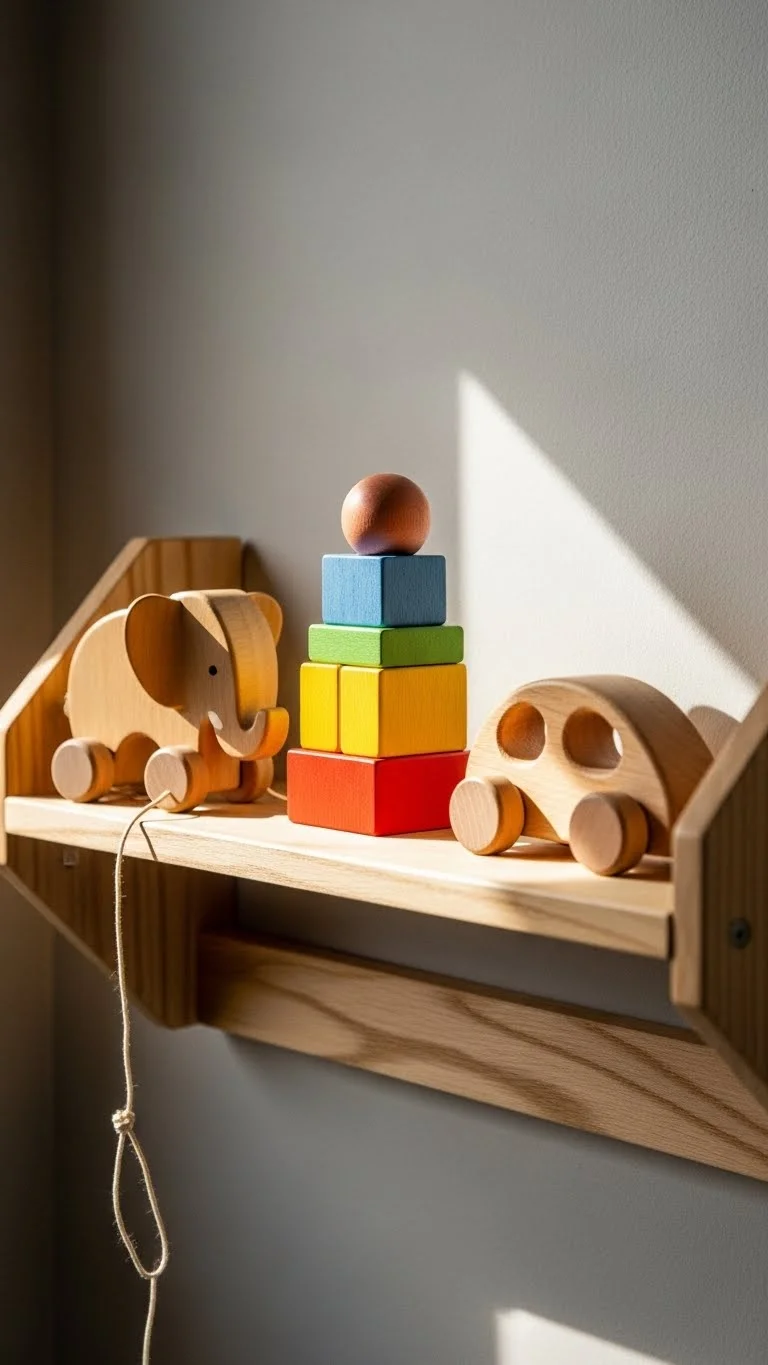
A rotation shelf helps prevent toy clutter. Place only a few toys on display and store the rest elsewhere. This keeps the room peaceful and avoids overstimulating your little one. Choose a low shelf so your baby can access toys easily. Rotate items every week or two to keep interest high. If you’re on a budget, repurpose a small bookshelf or crate turned on its side. Stick to simple toys like stacking cups, rattles, or wooden blocks. This method supports calm play while keeping the floor clear.
- Use Clear Jars for Small Items
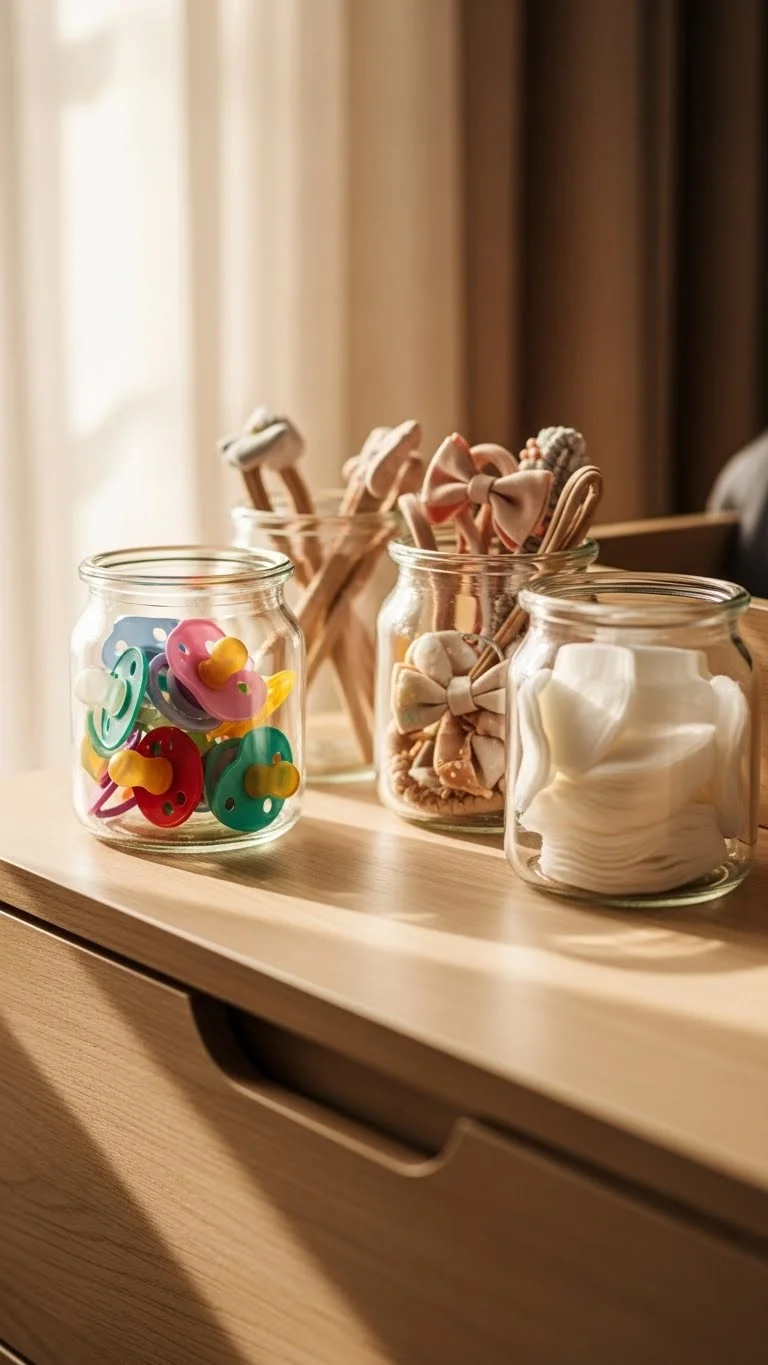
Clear jars make tiny items visible and easy to grab. Use them for pacifiers, hair clips, cotton pads, or nail tools. Choose plastic jars if you want safer, lightweight options. Reuse clean jars from your kitchen to save money. Place them on a small tray on the dresser so the area stays tidy. Keep lids simple to open with one hand. Group jars by purpose so you always know where to look. This makes daily tasks smoother and cuts down on misplaced items.
- Keep a Swaddle Basket Near the Crib
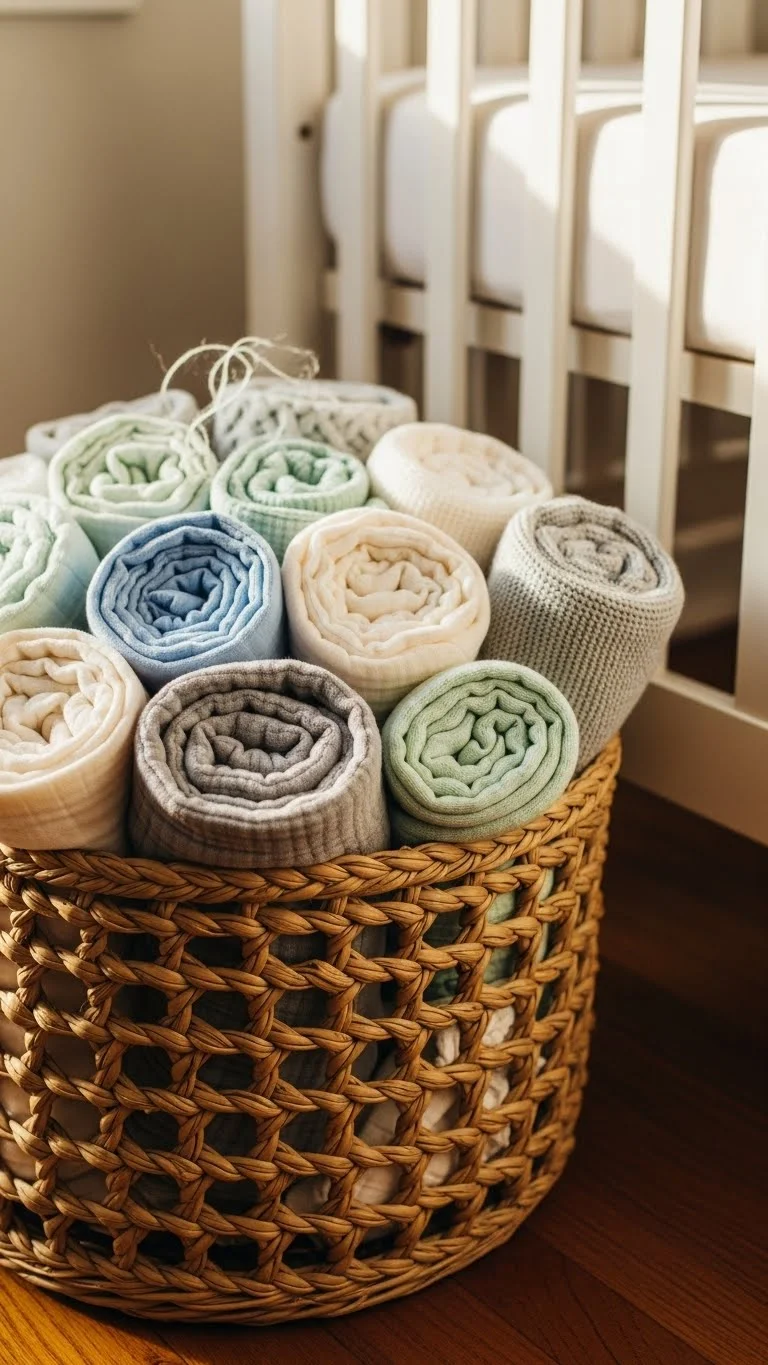
Swaddles are often used, and having them nearby helps during bedtime routines. Keep a small basket filled with neatly rolled swaddles beside the crib. Pick soft baskets that won’t scratch furniture. Roll each swaddle so you can grab one quickly without unfolding the rest. If you’re saving money, use a basket you already own. Swap out swaddles weekly so the basket stays fresh and neat. This tiny setup makes nighttime settling easier and helps keep the room uncluttered.
- Create a Seasonal Clothing Bin
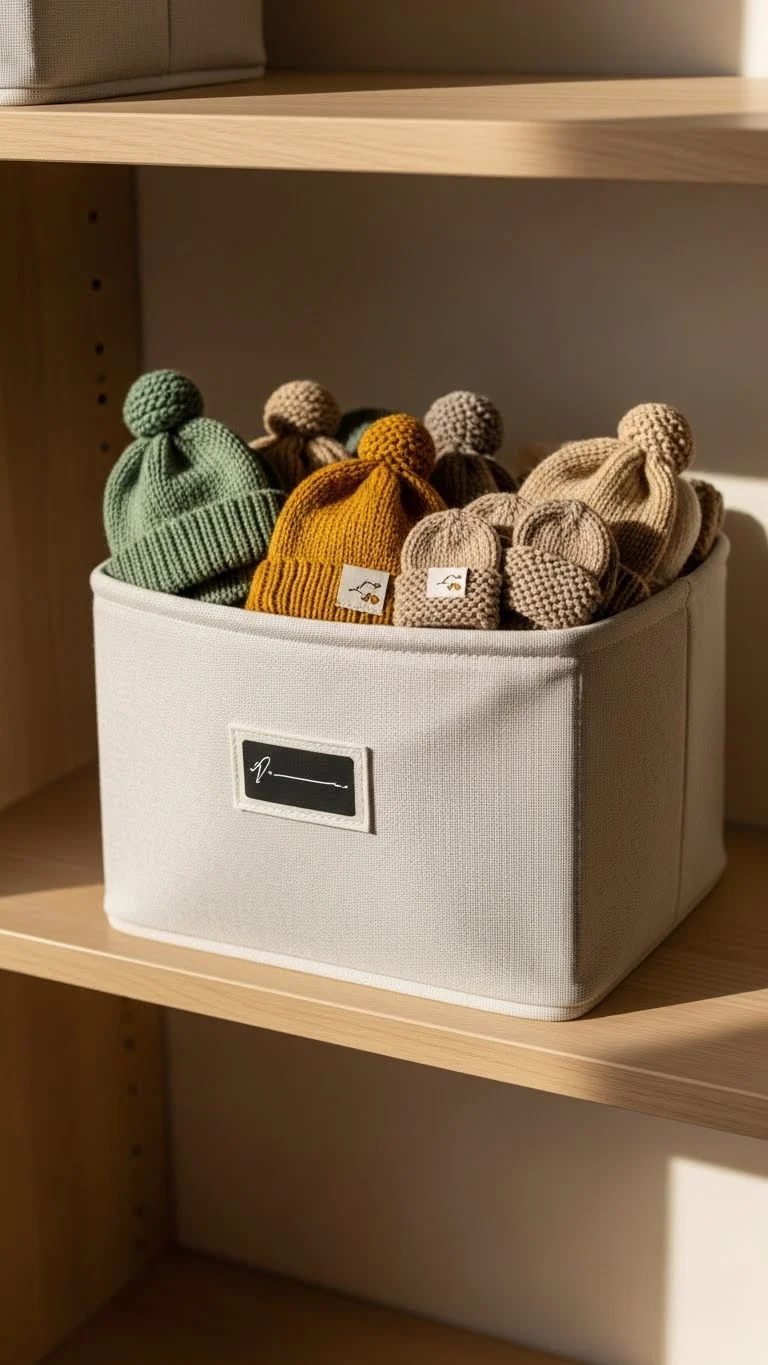
Seasonal items can pile up if they don’t have a clear home. A single seasonal bin keeps everything together—hats, mittens, sun hats, or swimsuits. Keep it on a closet shelf so it stays accessible but out of the way. Use a simple icon label so you can find it quickly. Repurpose a medium storage bin if you want to avoid extra spending. Rotate items based on weather patterns. This keeps the dresser tidy and avoids digging through drawers during morning rushes.
- Use a Shoe Organizer for Small Accessories
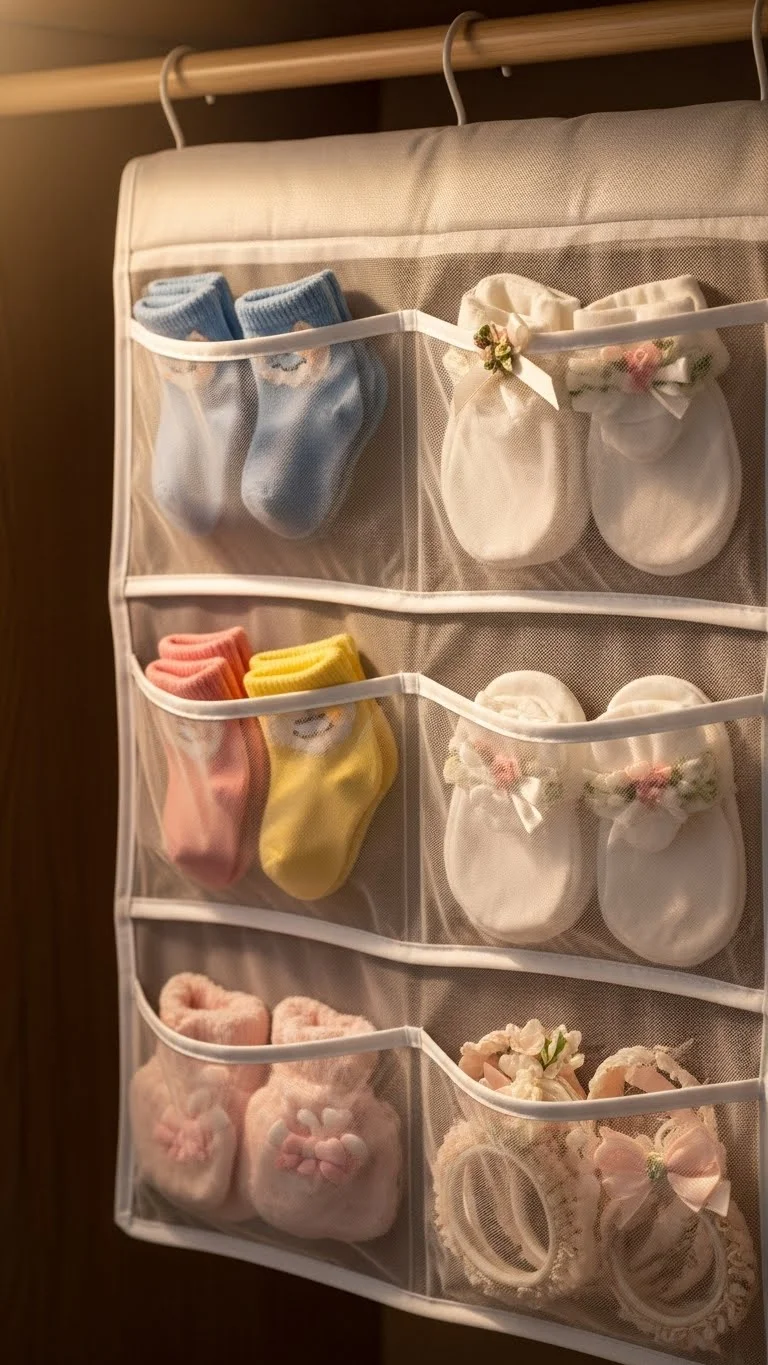
A hanging shoe organizer works beautifully for small baby items. Place it on the closet door and use each pocket for socks, mittens, or small toys. This reduces clutter on shelves and keeps items visible. Choose a fabric organizer if you want a softer look. If you’re watching your budget, this is one of the most affordable organization tools. Group similar items in pockets so nothing gets lost. Keeping accessories off the dresser helps the whole room stay calm and tidy.
- Add a Soft Bin for Stuffed Animals
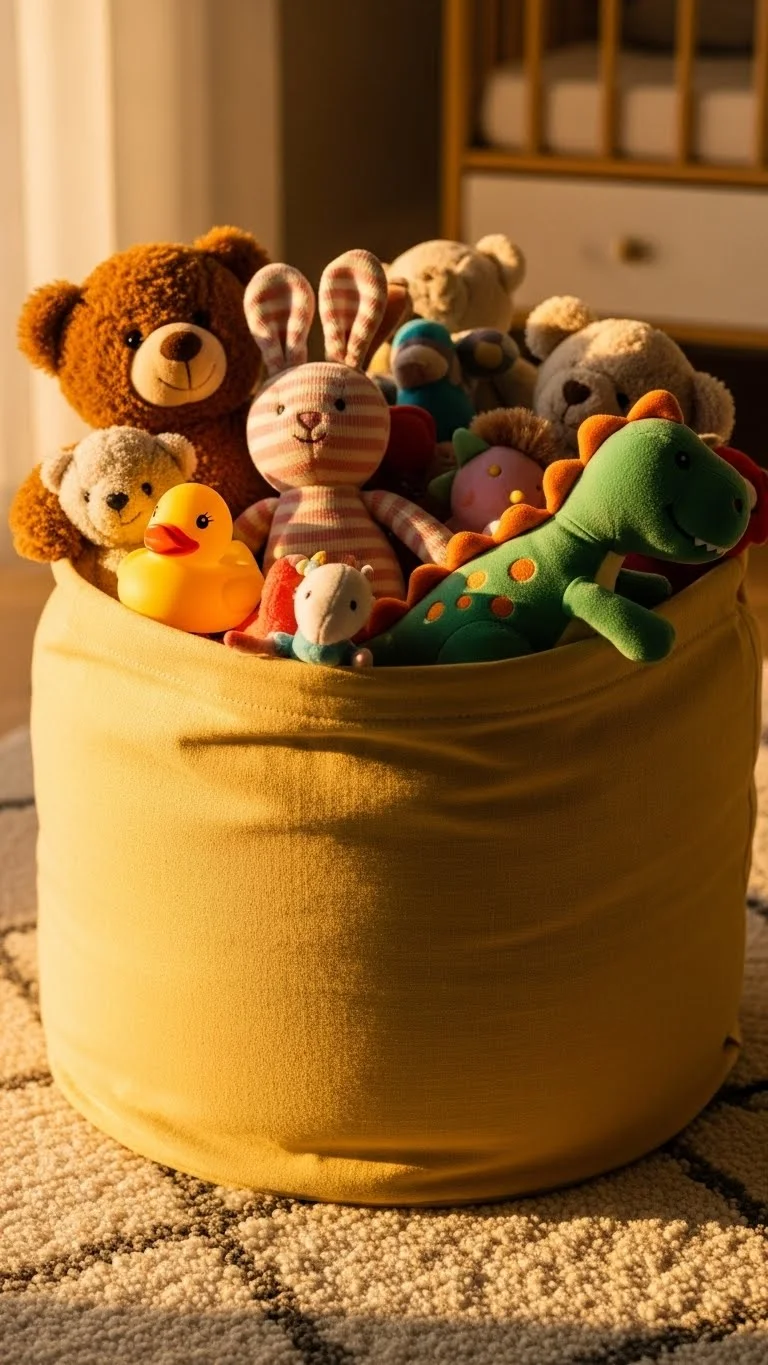
Stuffed animals collect fast and can take over the nursery. A soft bin helps keep them contained while still being easy to access. Choose a bin that’s gentle enough for babies to reach into safely. Place it beside the crib or reading corner. Rotate a few toys in and out of the bin if the pile grows too big. A budget-friendly option is a simple cotton basket or collapsible fabric bin. Keeping plush toys together creates a calmer play space.
- Keep Nursing or Feeding Supplies in a Drawer
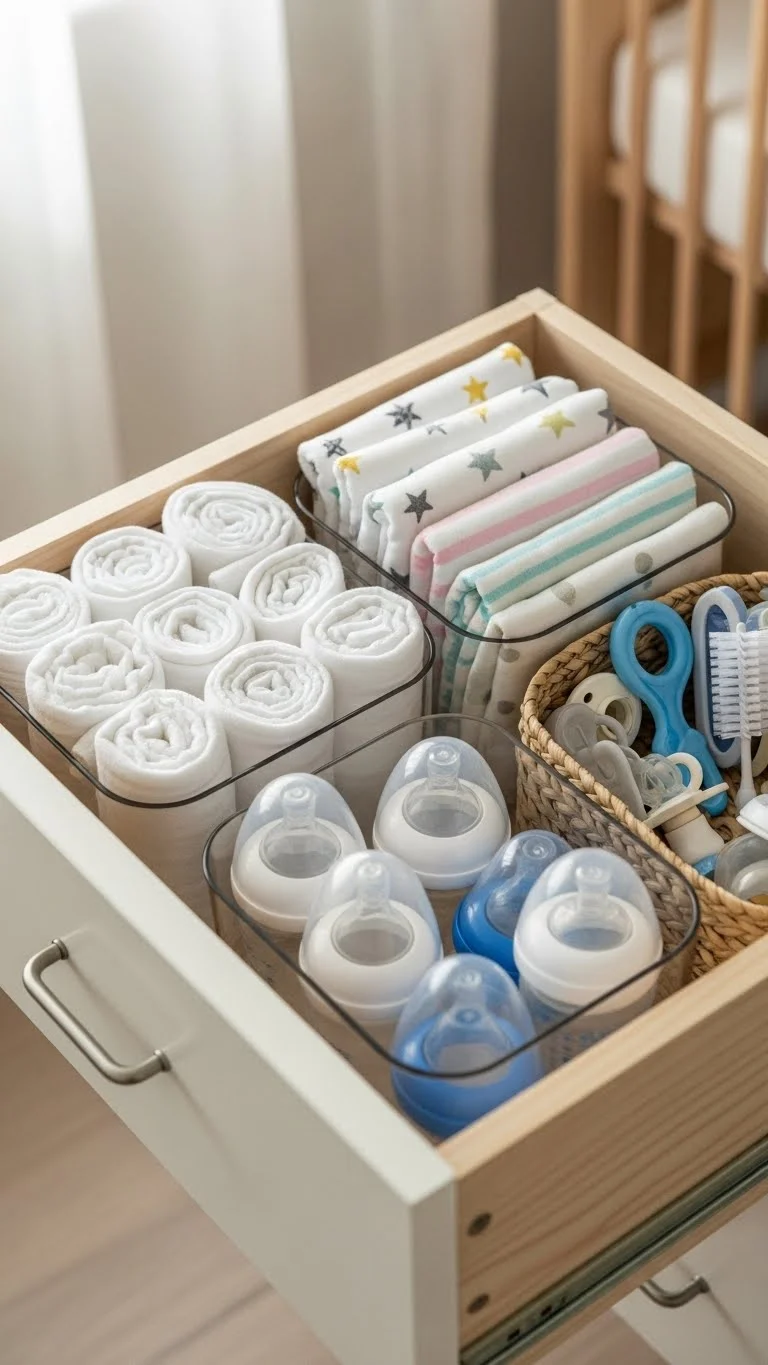
If you prefer a cleaner look, place feeding items inside a drawer instead of leaving them out. Use small containers to separate bottles, pads, and burp cloths. Keep only the essentials in this drawer so it doesn’t get crowded. Choose inexpensive dividers from kitchen sections of stores or repurpose small containers you already have. Having a dedicated feeding drawer keeps surfaces clear and helps the room feel serene. It also makes cleanup after sessions much quicker.
- Organise the Closet with a Hanging Rod Doubler
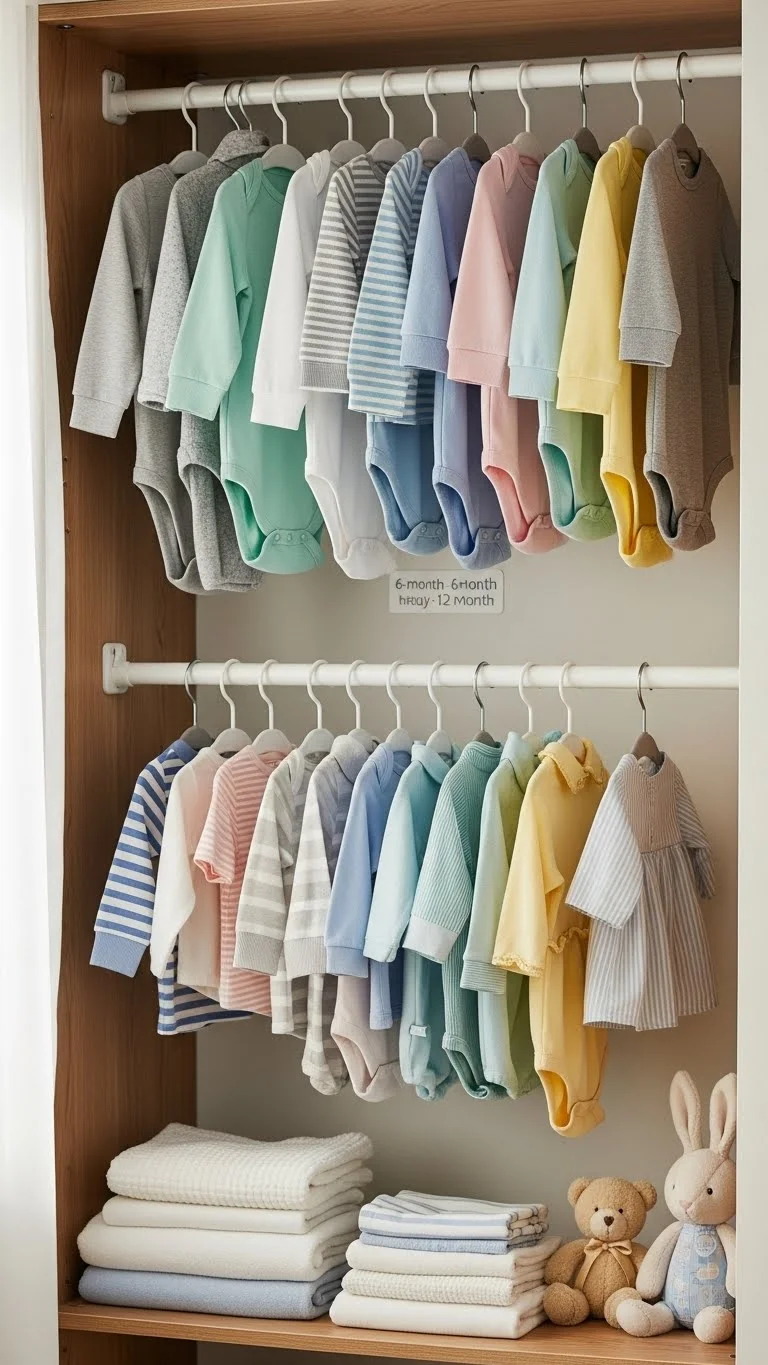
A hanging rod doubler instantly doubles your closet space. Baby clothes are short, so two rows of hangers fit easily. Hang everyday outfits on the lower rod and dressier items higher up. This gives you more room for storage bins on the shelf. If you’re trying to save money, you can create your own rod doubler using sturdy chains or dowels. Colour-code hangers if you like—a soft palette keeps the area visually calm. This setup makes outfit selection faster and keeps the closet tidy.
- Keep Medicine and Grooming Tools in a Lockable Box
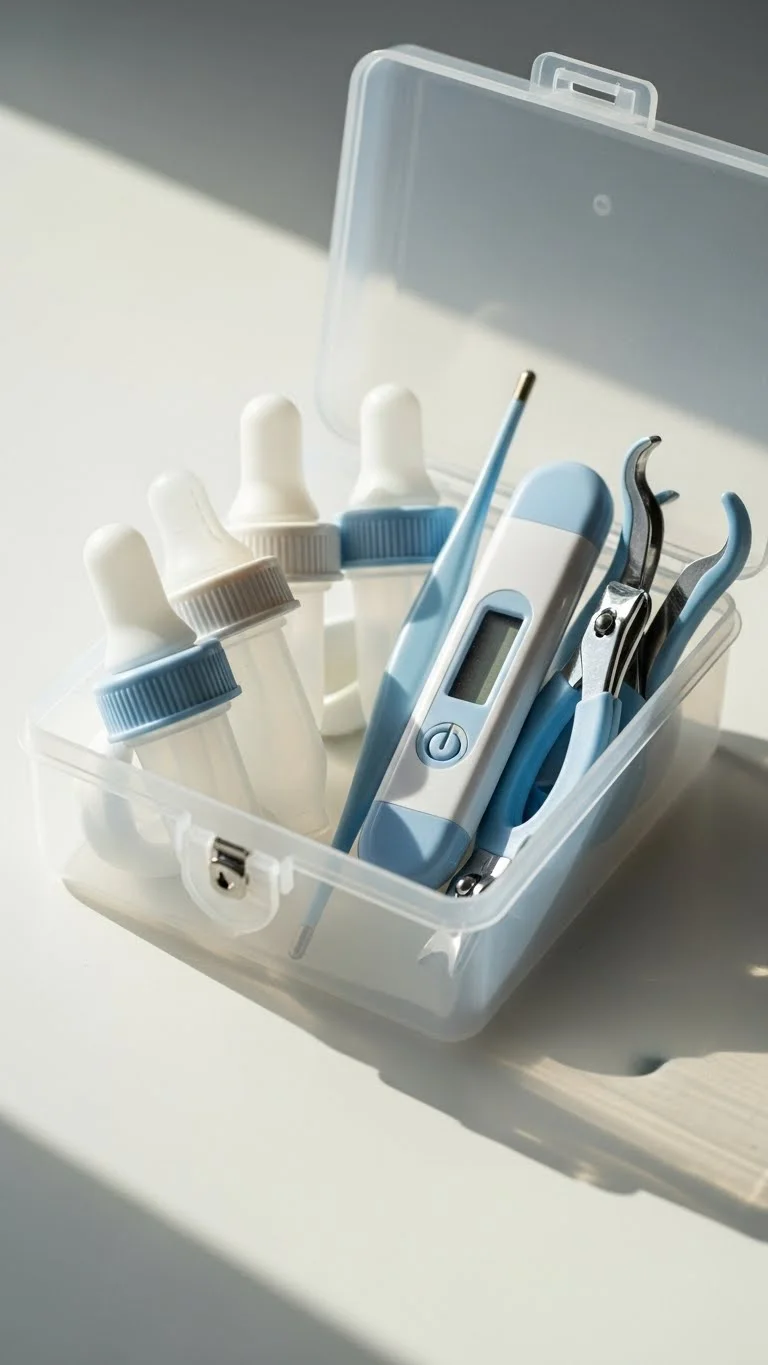
Safety comes first when storing medicine. A small lockable box keeps items secure while staying organized. Use it for thermometers, nail clippers, saline drops, or tiny care tools. Keep the box on a high shelf or inside a drawer. A simple plastic container with a latch is affordable and easy to clean. Use a divider inside to keep small tools from shifting. This keeps everything together during late-night care moments and prevents items from getting lost in drawers.
Conclusion
A calm nursery starts with simple systems that help keep everyday items easy to find. Small changes—like adding baskets, dividers, shelves, or labelled bins—create a peaceful space for both you and your baby. Choose the ideas that fit your home and budget, and build your setup little by little. Even a few shifts can bring more comfort into your daily routine and make the nursery feel warm, organized, and ready for every day ahead.
