

24 Powerful Gentle Parenting Tips for Stress-Free Days
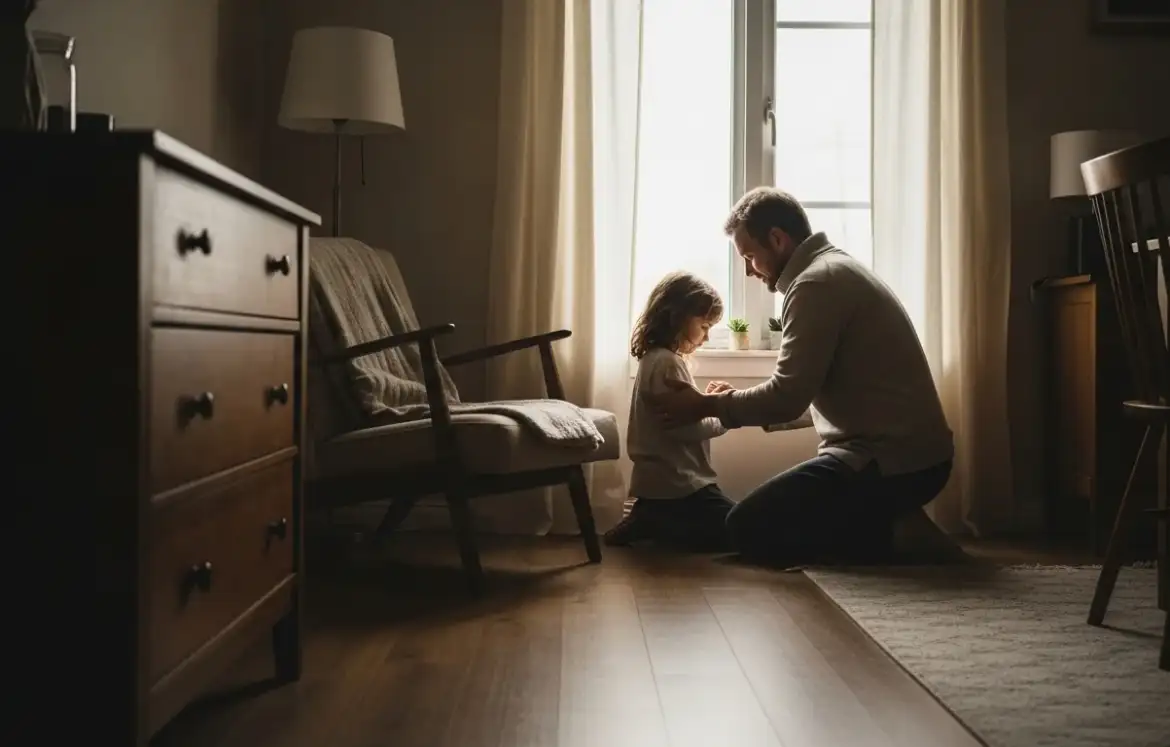
Gentle parenting helps create calmer days and smoother routines without pressure or tension. It focuses on connection, patience, and simple habits that make family life feel lighter. These tips are practical, budget-friendly, and easy to try right away. Each one supports a peaceful rhythm that works for busy homes, tight schedules, and tired parents who just want a softer, more cooperative atmosphere.
- Create a Calm Start to the Morning

A slow morning rhythm can help everyone feel more settled. Try waking kids with soft light instead of loud alarms. Open curtains gently and speak in a quiet tone. Prepare simple tasks the night before, like placing clothes in a small basket or packing bags. This cuts the rush and helps kids feel supported instead of hurried. You can use a homemade checklist drawn on paper or a dollar-store whiteboard to guide the routine. Keep steps short. Add small choices like letting your child pick between two shirts. This gives them a sense of control while keeping your morning smooth. A calm start sets the tone for the rest of the day.
- Offer Choices Instead of Commands
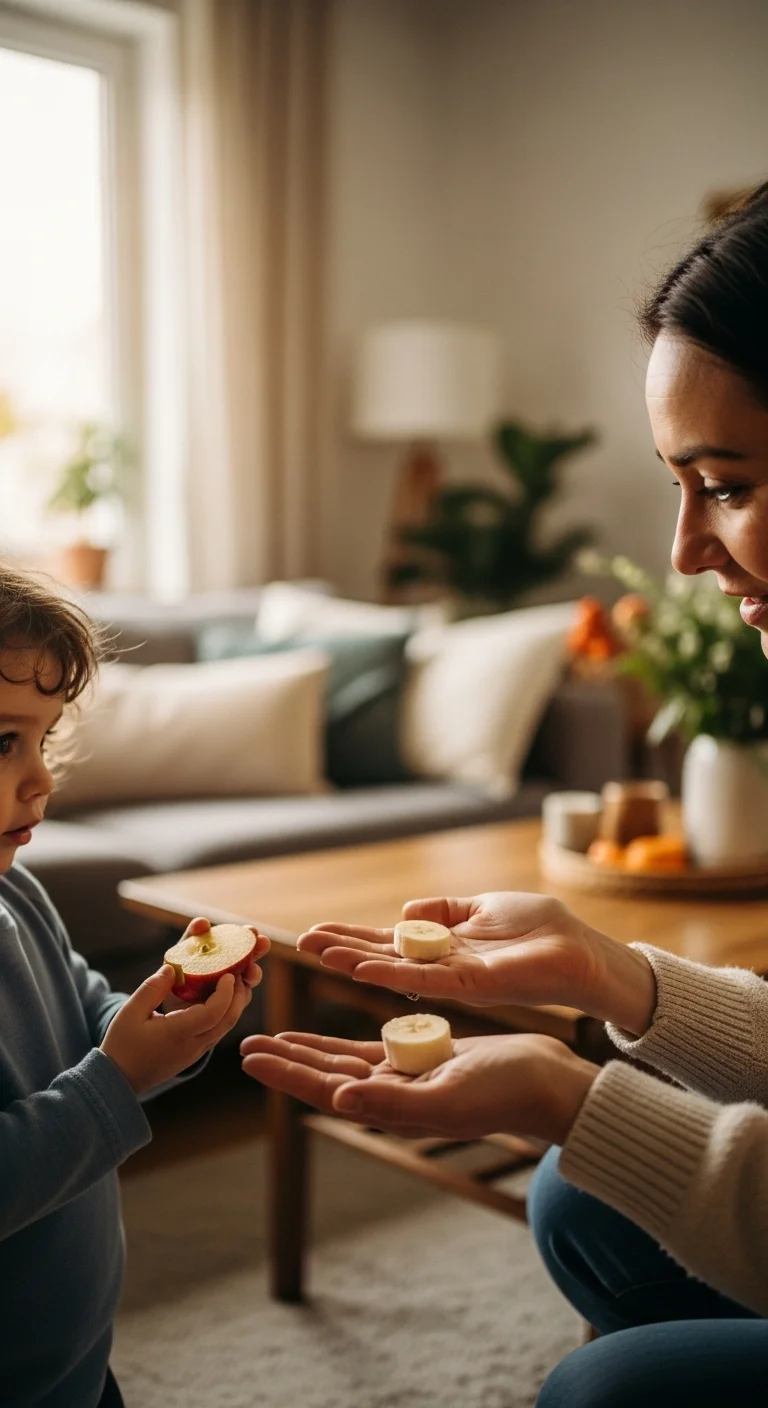
Kids respond better when they feel involved. Instead of giving strict directions, offer two simple options. Make them realistic and easy: two outfits, two snack ideas, or two places to sit during an activity. Choices help reduce arguments because they invite cooperation. Keep options small to avoid overwhelming your child. You can even set up DIY choice baskets using small containers or trays. Label them with colors or drawings instead of words. This keeps everything simple and affordable. Over time, your child learns decision-making without pressure, and your days feel easier.
- Use Soft Tones During Tough Moments

When kids are upset, matching their volume only intensifies emotions. Speaking softly can help calm the space instantly. Move slowly. Get down to their level. Keep your words brief and steady. A soft tone reduces tension and helps children focus on what you’re saying. You can practice slow breathing together to reset the mood. Create a small “calm corner” using pillows, a dollar-store lamp, or a soft blanket, so there’s always a place for peaceful conversations. Kids learn emotional regulation from how you respond.
- Pause Before Reacting

A short pause can change the whole outcome of a stressful moment. When something triggers frustration, take a breath before speaking. This one-second reset helps you respond thoughtfully instead of reacting out of stress. Practice grounding habits like placing your hand on your chest or focusing on one nearby object. These small tricks help you keep your tone steady. You can even teach older kids to pause by using a simple hand signal that means “let’s slow down.” Pausing saves energy, reduces arguments, and keeps things peaceful.
- Use Simple Words Kids Can Process
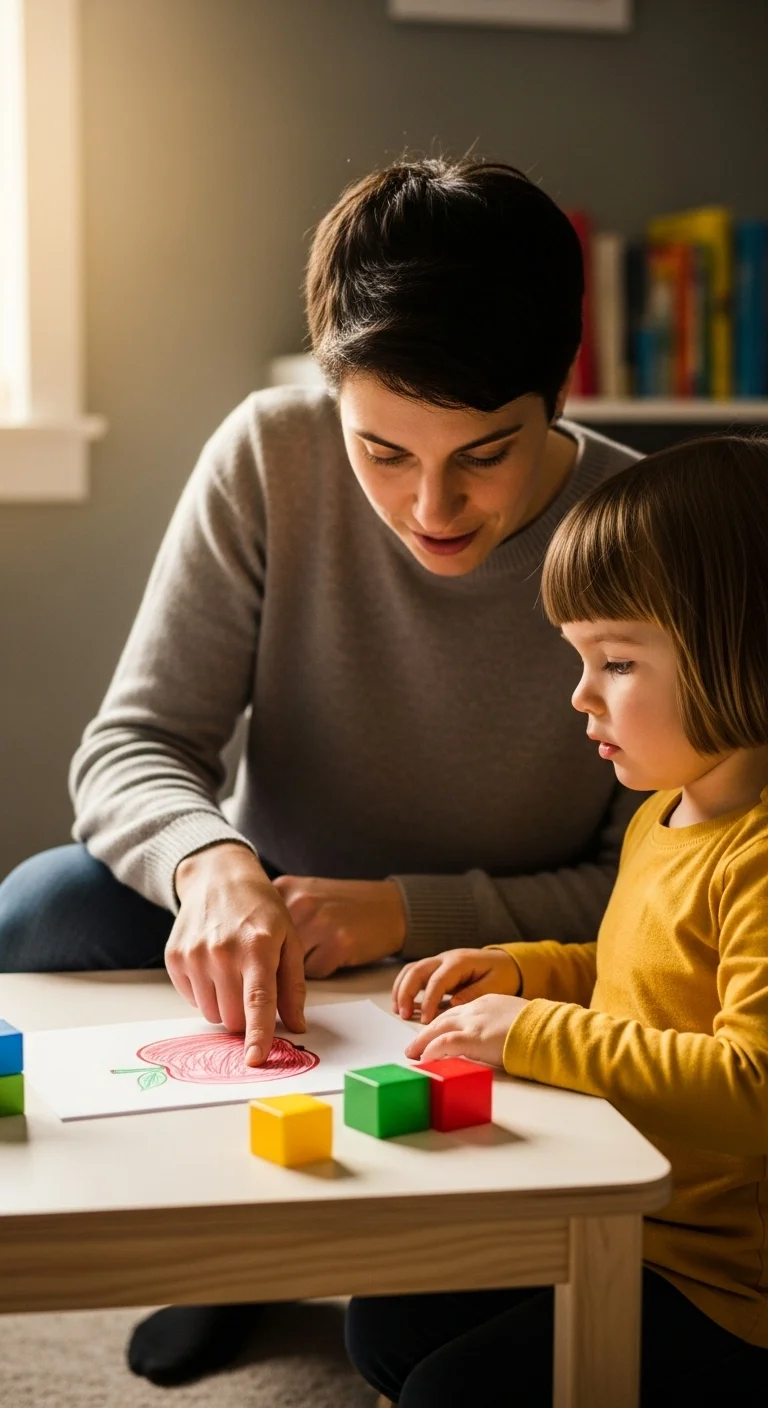
Long explanations overwhelm kids. Short sentences help them understand what’s expected. Use friendly, clear language. Break tasks into steps: “Shoes on.” “Bag on the hook.” “Let’s walk together.” Visual helpers can make things even easier. Draw tiny stick-figure steps on a paper or use dollar-store magnets to represent tasks. Children grasp instructions faster when they’re broken into small pieces. This cuts frustration on both sides and helps your child feel successful with little effort.
- Create Predictable Routines
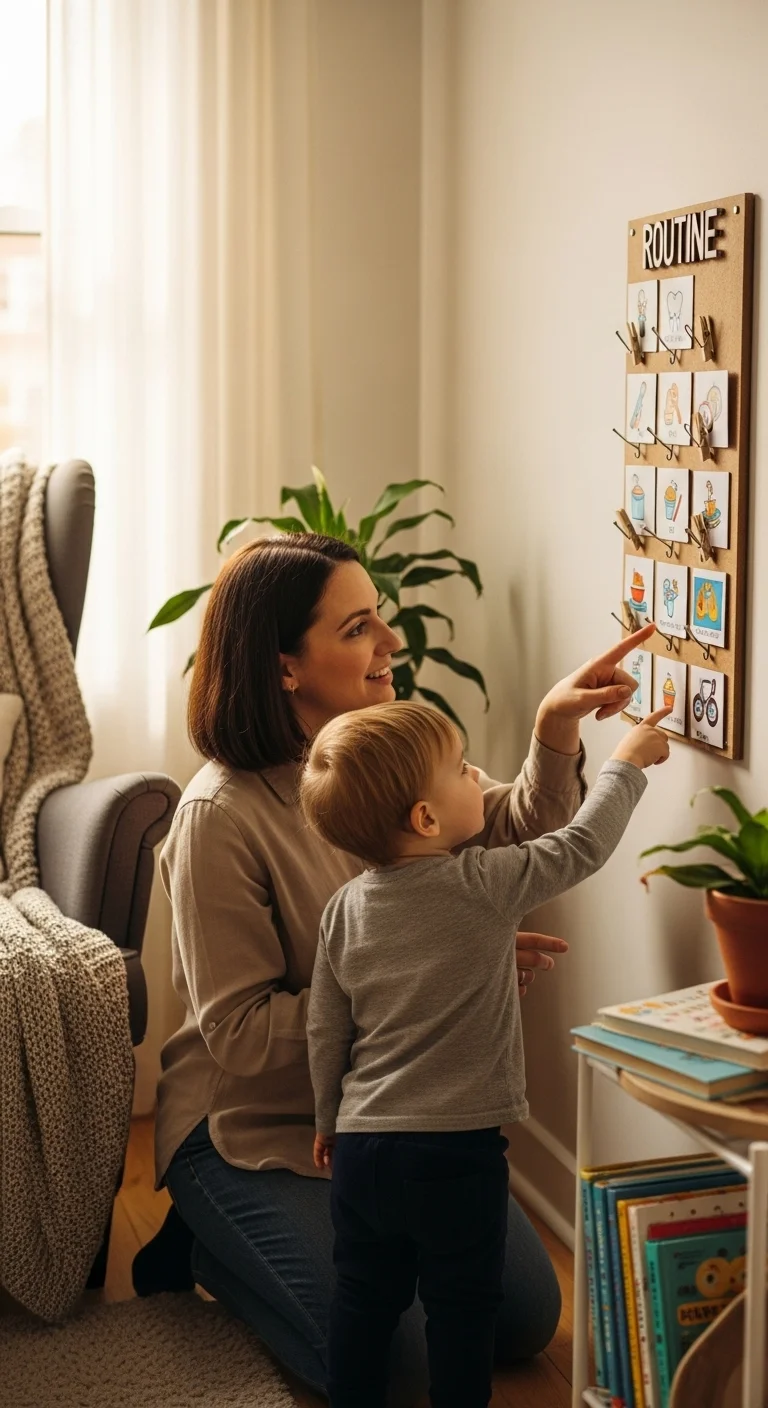
Kids feel safer when they know what comes next. You can build a simple rhythm without rigid rules. Create morning, bedtime, and playtime routines using homemade visuals. All you need is paper, markers, tape, or recycled cardboard. Let kids decorate it so they feel involved. Routines lower stress because they reduce constant instructions. Over time, kids follow the rhythm naturally. This keeps your day smooth and predictable, even during busy seasons.
- Acknowledge Feelings Without Fixing Everything

Kids feel heard when their emotions are recognized. You don’t have to solve every problem immediately. Say things like “You’re upset. I’m here.” Keep it short. Stay present. Offer a soft touch or a comforting gesture. A quiet acknowledgment helps your child move through difficult emotions without feeling dismissed. You can create a “feelings basket” with budget items like small stress balls, crayons, or soft toys. This helps kids express emotions in simple ways.
- Replace Punishment With Teaching Moments
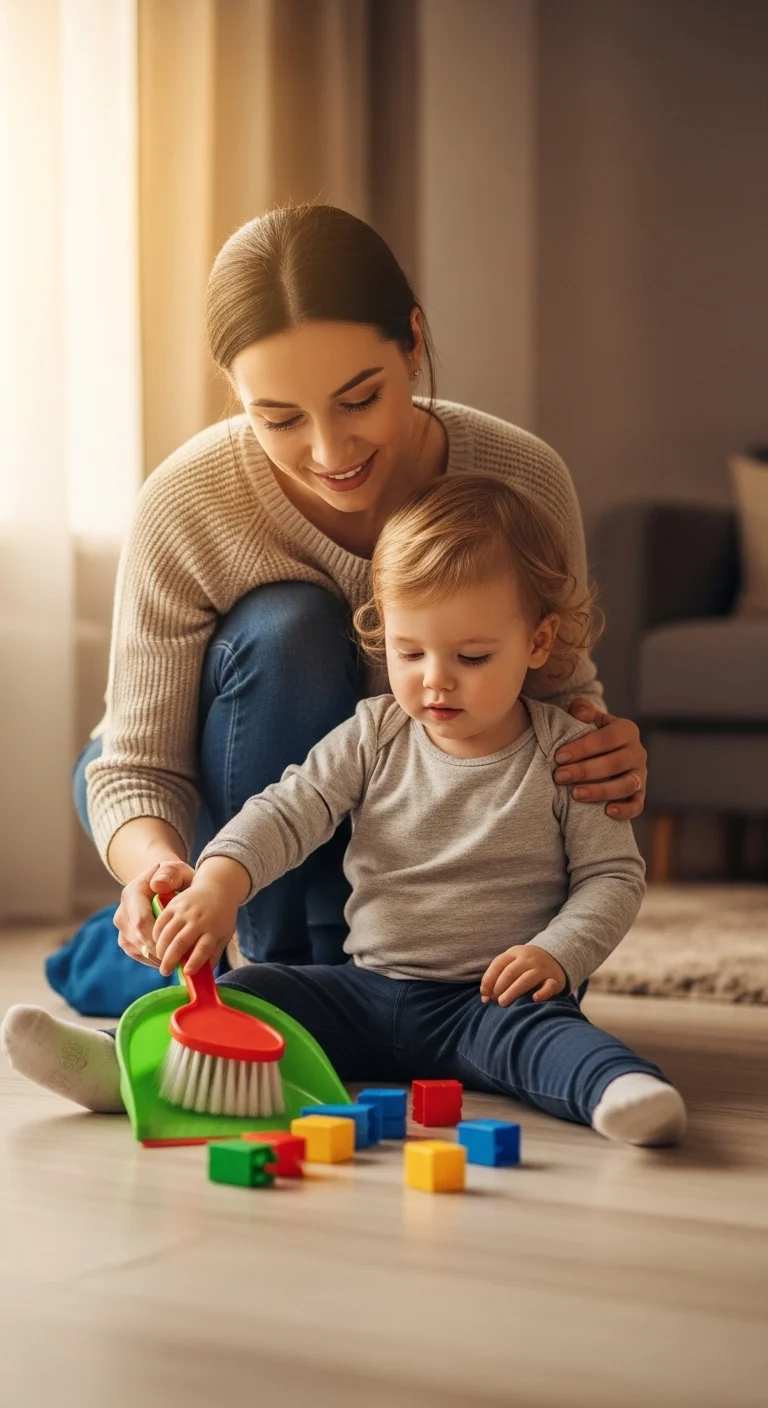
Gentle parenting steers away from punishment and moves toward teaching. Kids learn better through guidance and repetition. If something goes wrong, show them how to correct it. Keep instructions simple. Involve them in fixing the problem. Use hands-on examples like putting blocks back, wiping a spill, or practicing a kinder phrase. You can turn these moments into quick teaching opportunities. With patience, children learn responsibility without fear.
- Set Clear Boundaries With Warmth
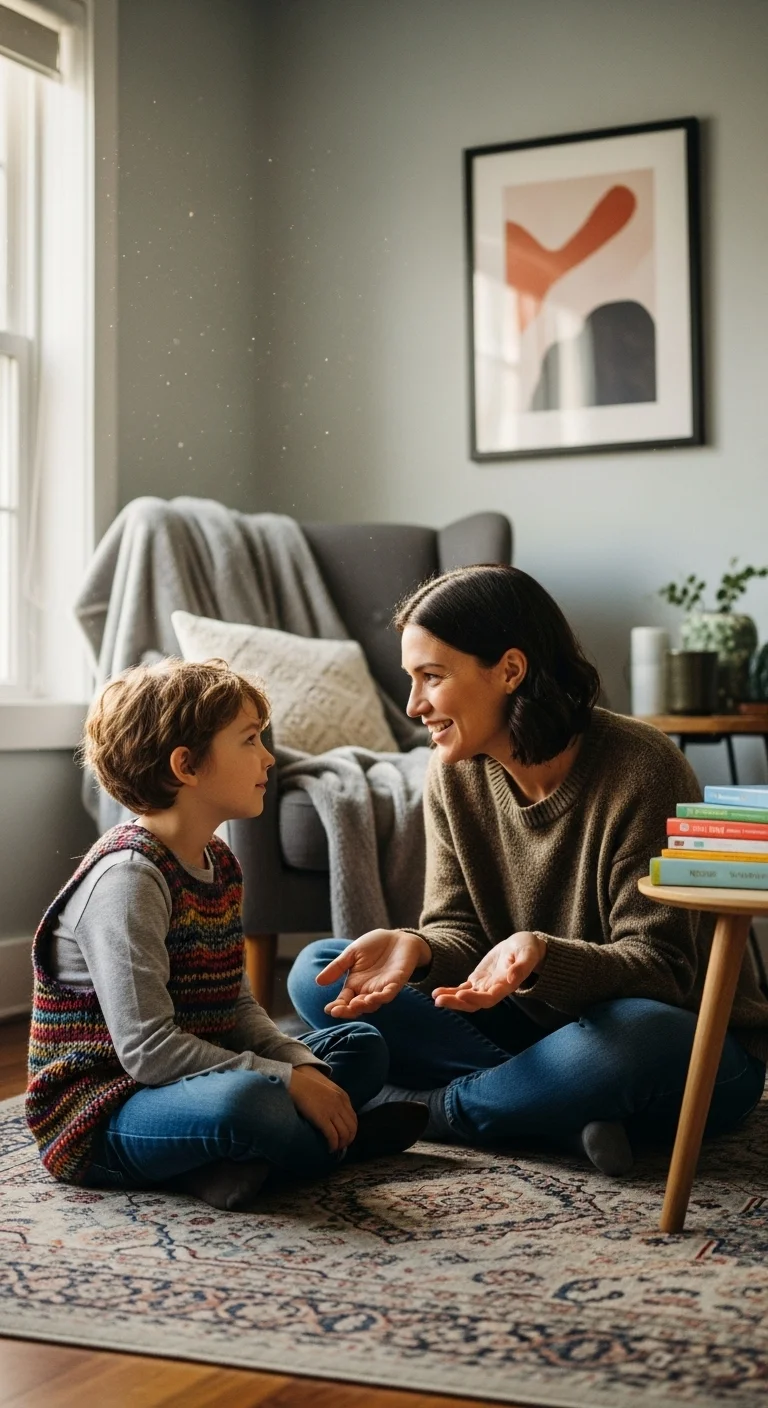
Boundaries are loving when delivered calmly. State them simply: “Hands stay gentle.” “We sit while we eat.” Keep your tone friendly, not harsh. You can use visual cues like a small sign with a drawing or a colored mat to show the play area. Stick to your boundaries kindly. Kids respond well when they sense consistency paired with warmth. This creates respectful habits over time.
- Use Redirection Instead of “Stop”
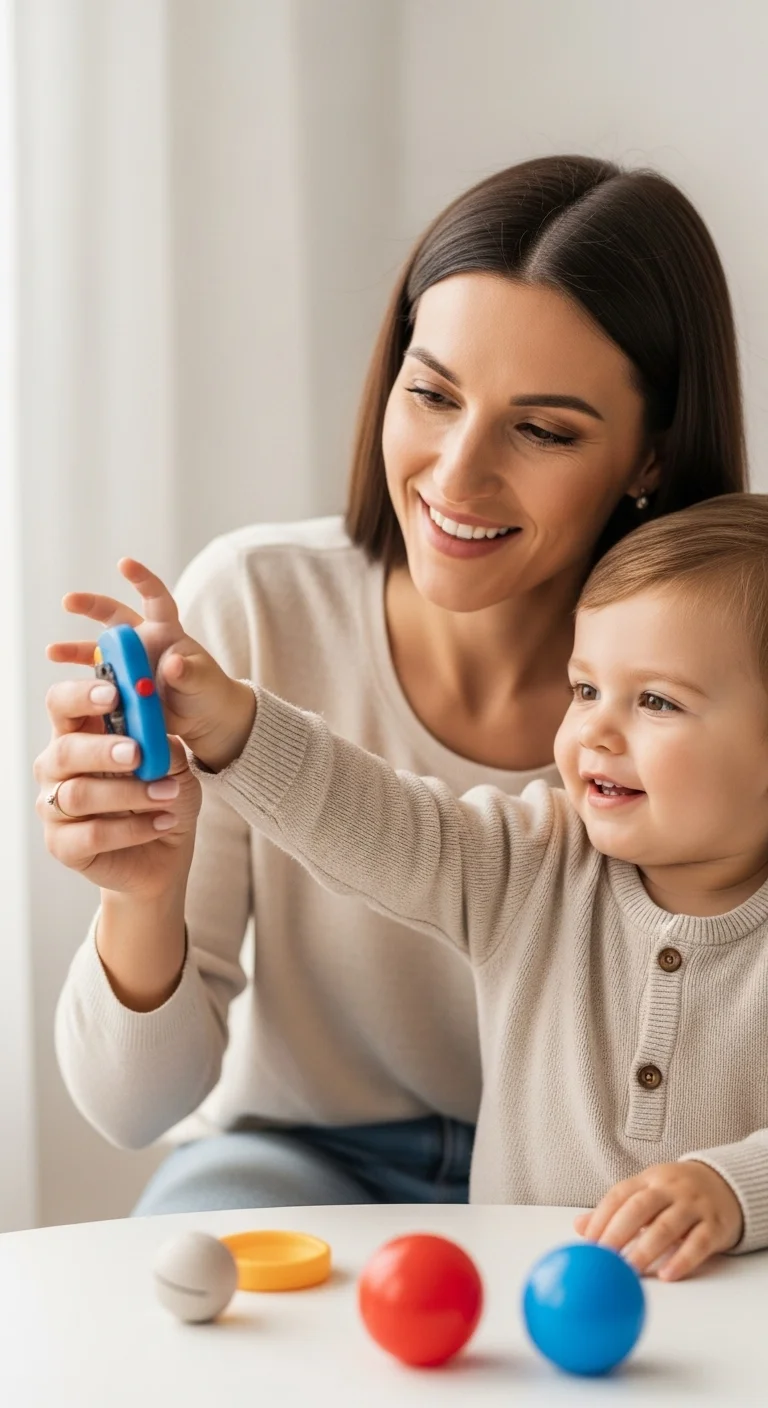
Instead of repeating “stop,” offer an alternative. If a child throws toys, give them a ball to roll. If they grab fragile items, show them something safe to explore. Redirection keeps the moment positive. Keep a small basket of safe, sensory items ready—textures, fidget toys, or soft fabric scraps. These affordable tools help shift attention quickly. Redirection lowers tension and teaches your child what to do, not just what not to do.
- Build Connection Through Small Rituals
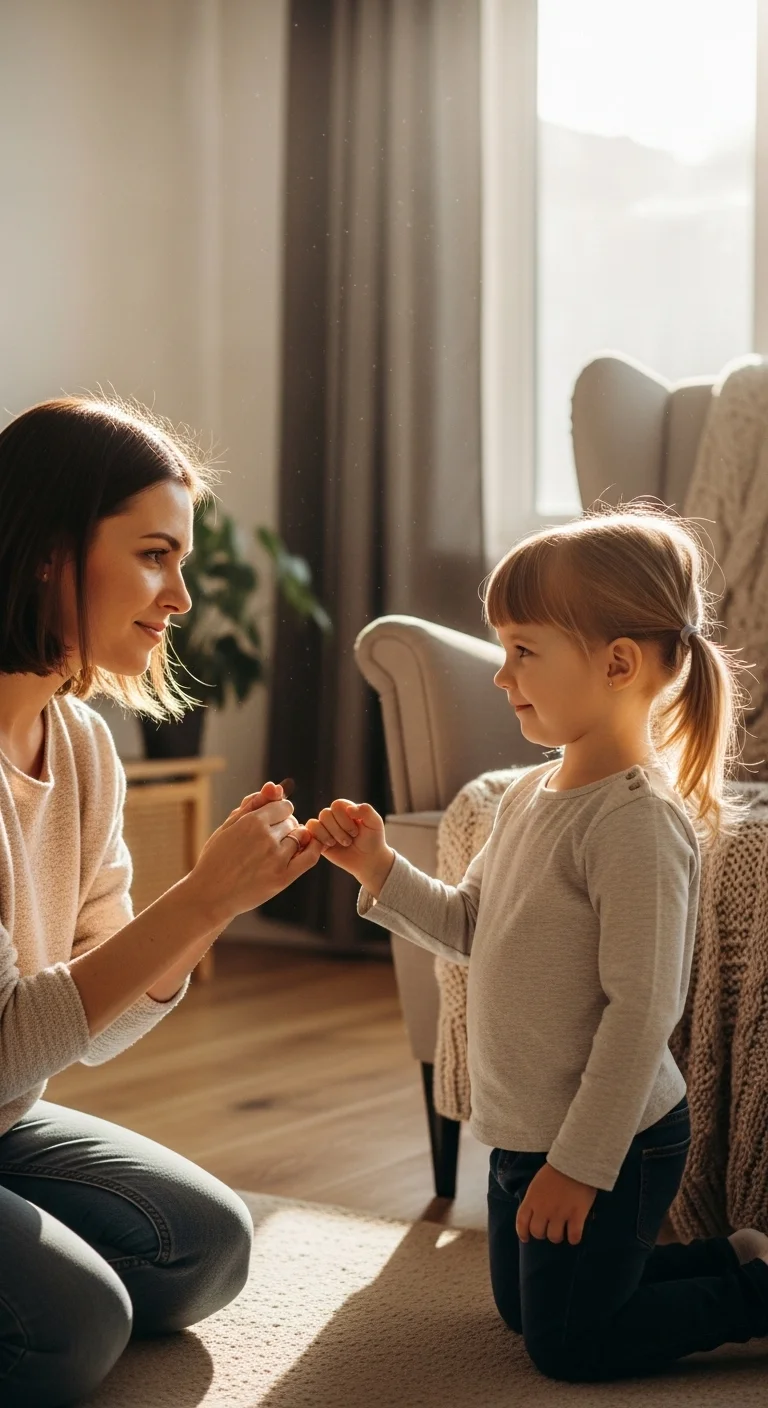
Tiny rituals create strong bonds. Pick one or two simple habits you can repeat daily. A special handshake, a bedtime phrase, or a short morning cuddle can help your child feel grounded. These rituals require no money and little time but leave a big emotional imprint. When kids feel connected, they cooperate more easily. Keep it simple so it fits naturally into your routine.
- Validate Effort Over Results
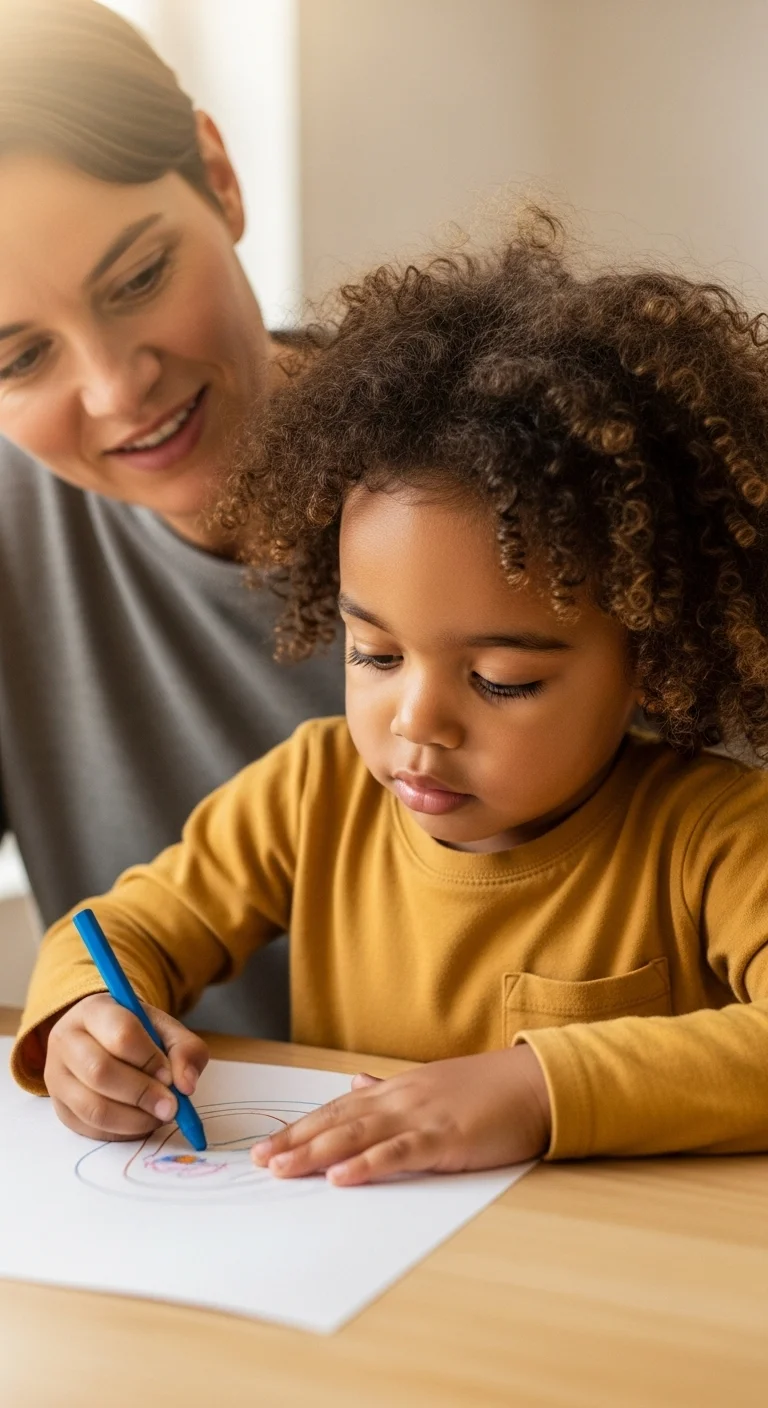
Kids need to feel supported while learning. Praise their effort rather than the end result. Say things like, “You worked hard on that,” or “I saw you kept trying.” This builds resilience and confidence. Use household items to create small practice zones—like a DIY art corner or a sorting tray made from bottle caps. Kids feel proud when their effort is recognized. This builds a calmer, more motivated environment.
- Keep Instructions Short and Predictable
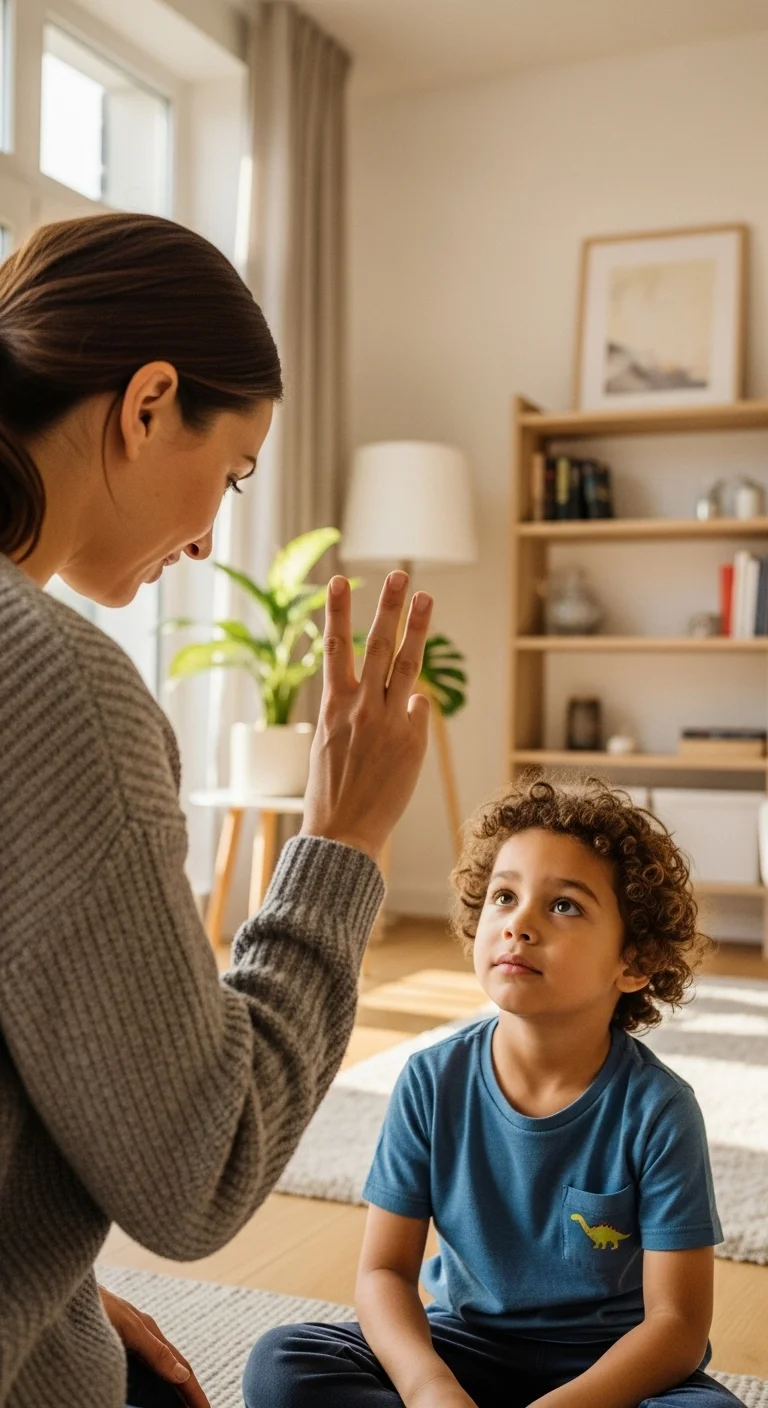
Short instructions help kids succeed. Use two to three steps at a time. Speak slowly and pause between steps. You can use hand gestures or simple drawings to reinforce your words. Keep routines repetitive so kids can memorize them. Predictability reduces frustration and keeps your household running smoothly. Simple scripts work well, especially during transitions like leaving home or getting ready for bed.
- Model the behaviour You Want to See
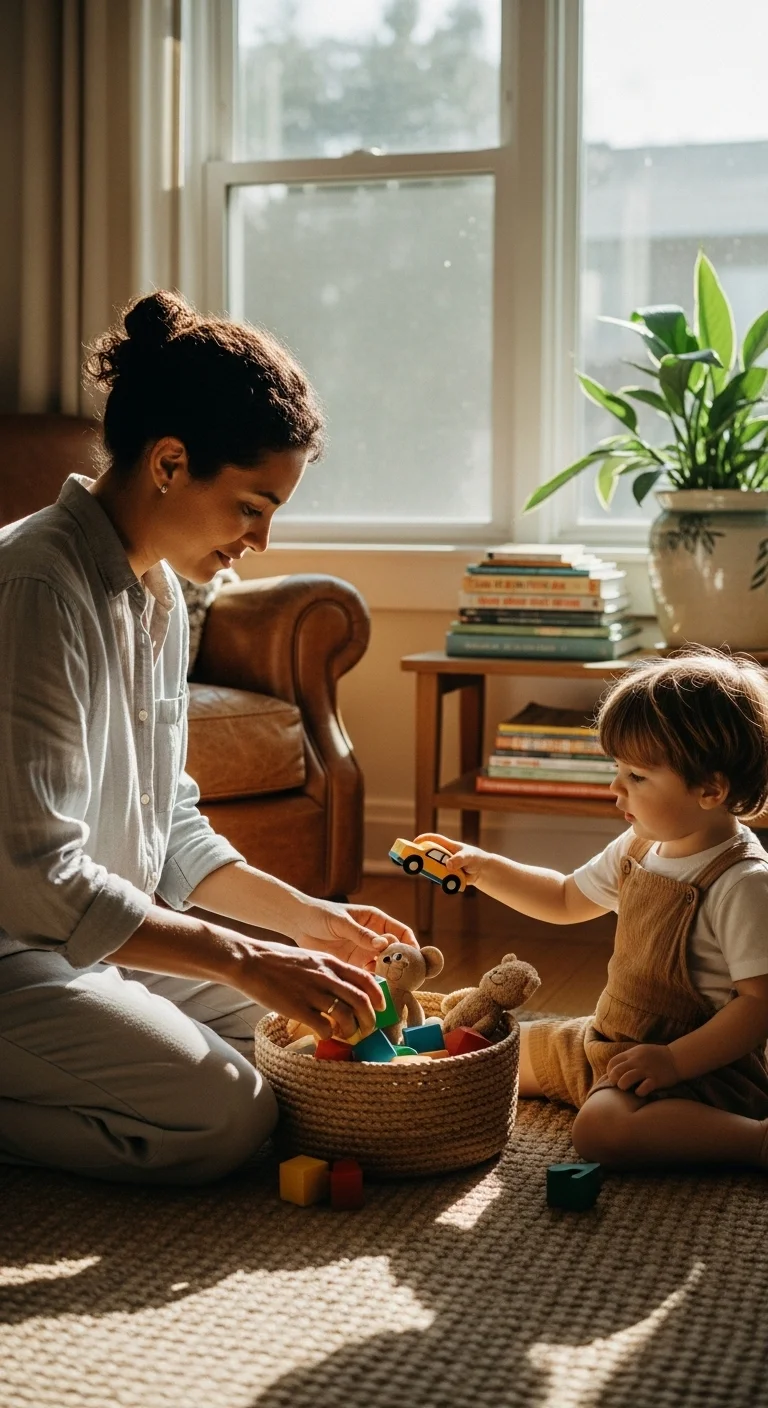
Kids copy what they see. If you want gentle interactions, show them through your actions. Keep your tone steady. Use polite words. Handle items softly. Daily modeling teaches more than lectures. Use real-life moments as examples. Invite your child to help with simple tasks like wiping a table or organizing crayons. These hands-on activities help kids learn naturally.
- Create a Calm-Down Basket
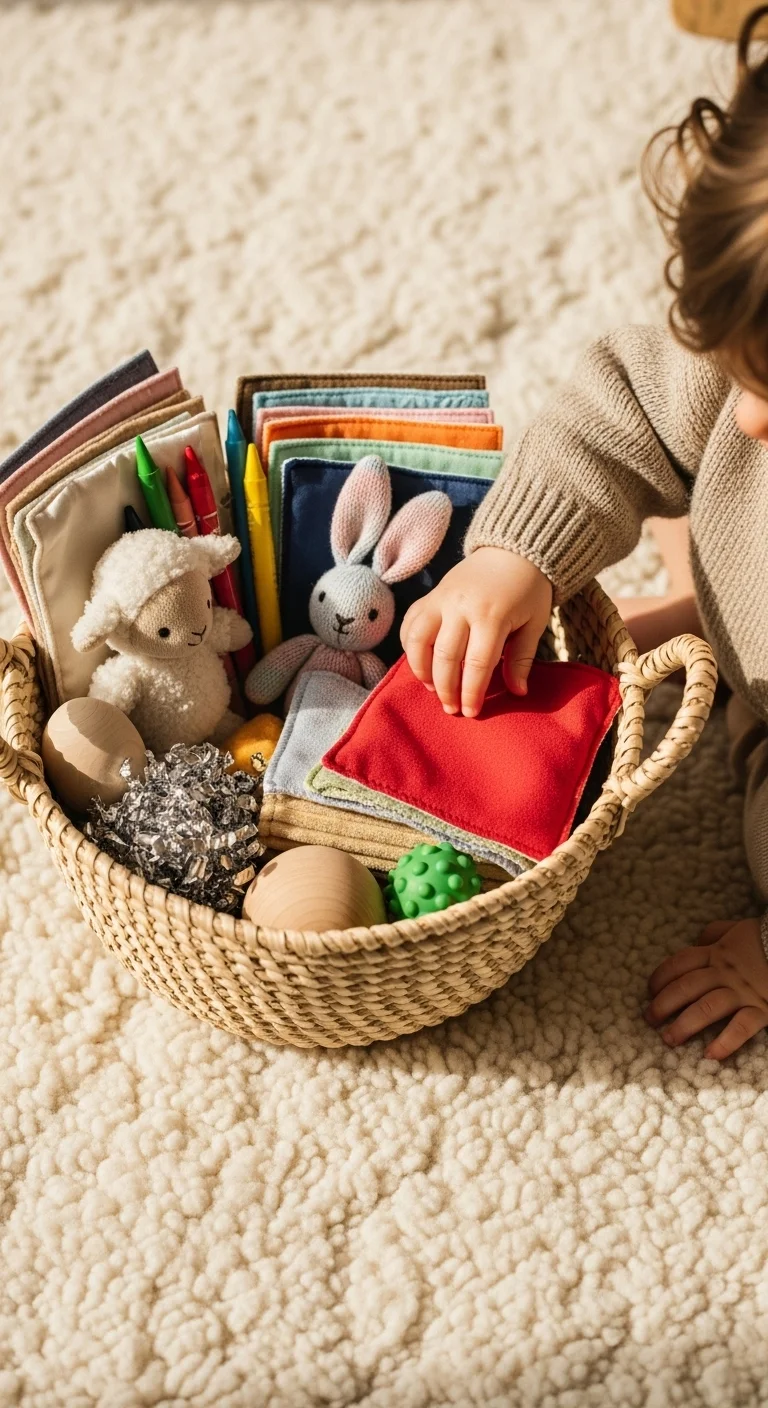
Kids sometimes need a quiet reset. A calm-down basket gives them a safe space to regroup. Fill it with budget-friendly items—stress balls, fidgets, soft cloths, simple puzzles, or coloring pages. Place it in a corner and introduce it during peaceful moments so it feels comforting. This helps kids learn self-regulation through simple tools instead of pressure.
- Set Up Play Invitations
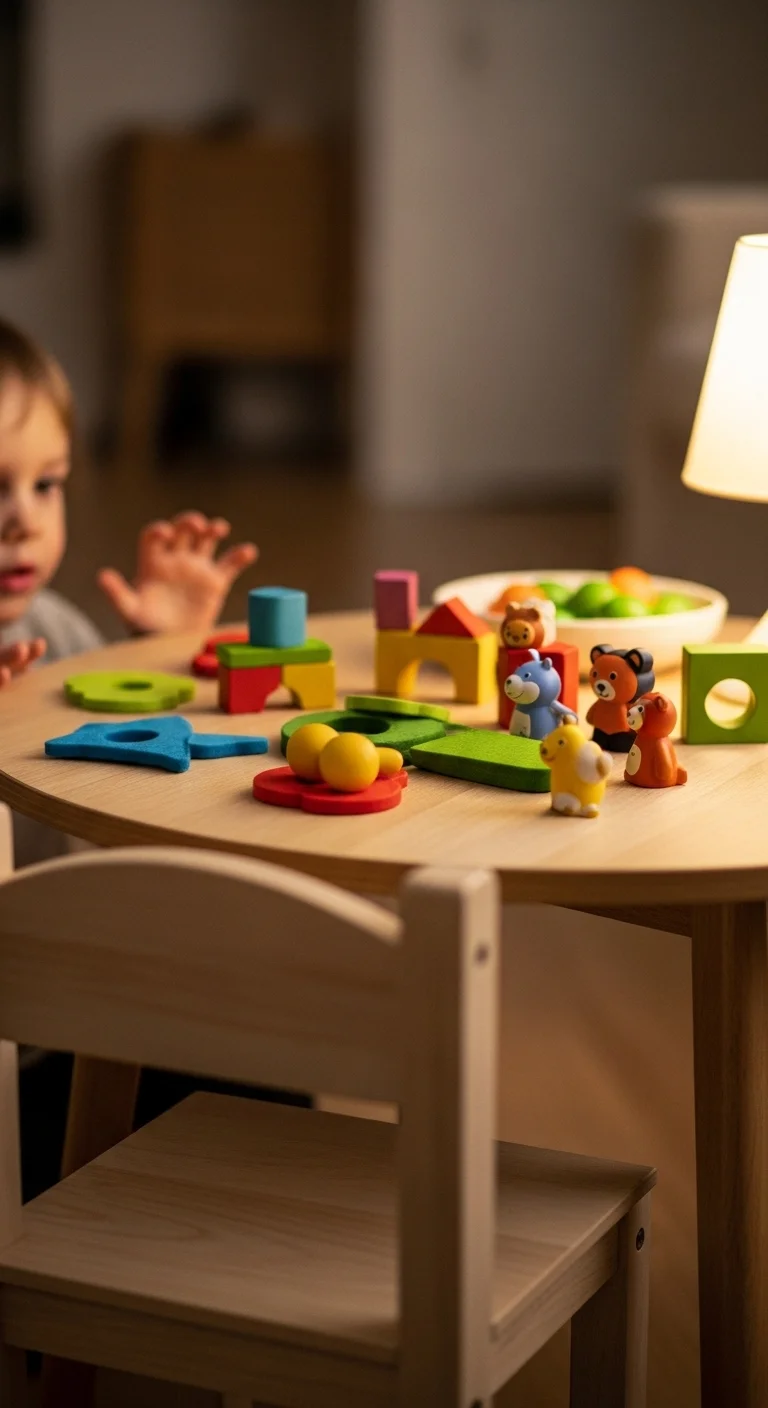
A play invitation encourages independent engagement. Use items you already have—blocks, stuffed animals, bowls, or crayons. Arrange them in a simple scene that sparks curiosity. Kids often join in without prompting. This creates pockets of quiet time for you while giving them meaningful play. Rotate items weekly using things from around the house. This keeps play interesting without spending money.
- Narrate What You See
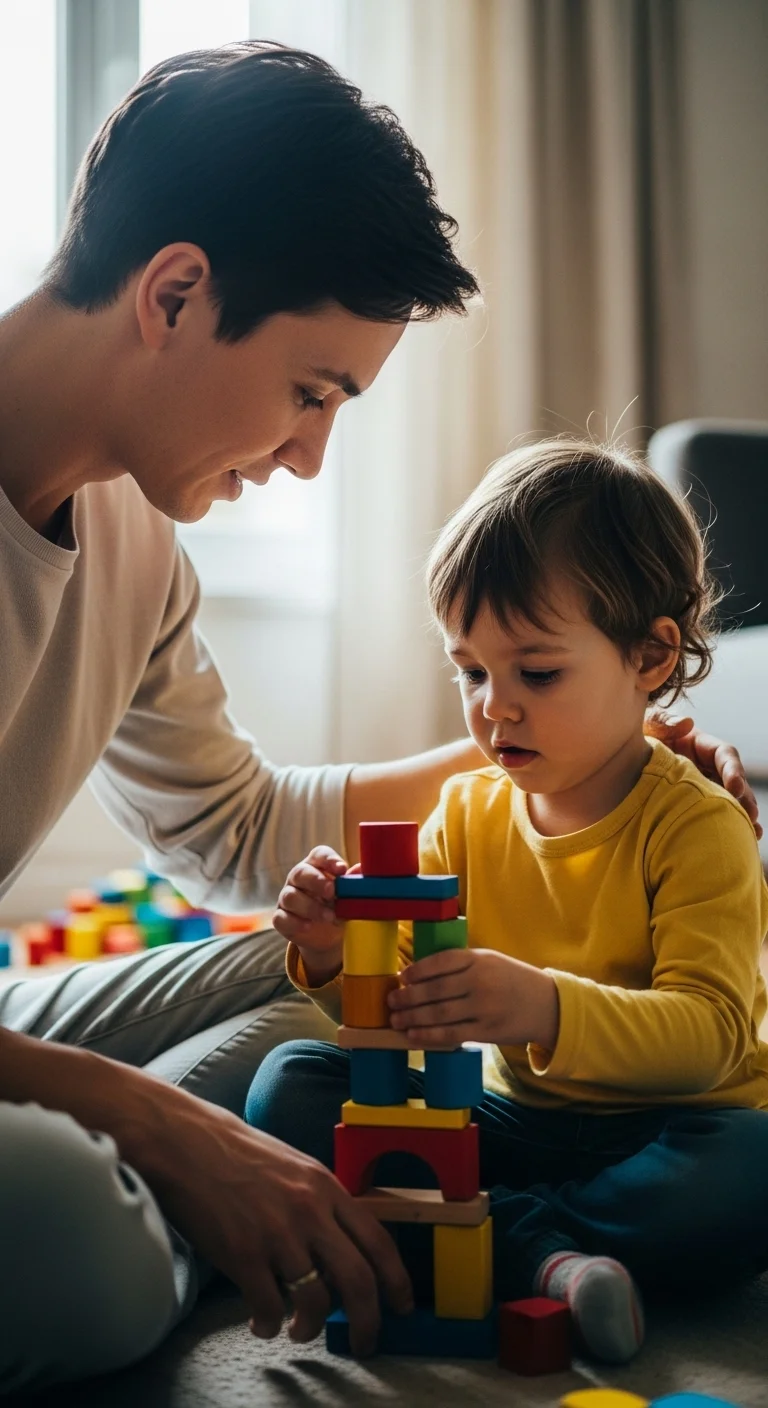
Narrating helps kids understand emotions and actions. Say, “You’re stacking blocks carefully,” or “You seem frustrated.” Keep your voice warm. Narration builds awareness and helps kids name feelings. You can use family photos or drawings to practice labeling emotions. This simple habit improves communication and reduces misunderstandings.
- Prepare Kids Before Transitions
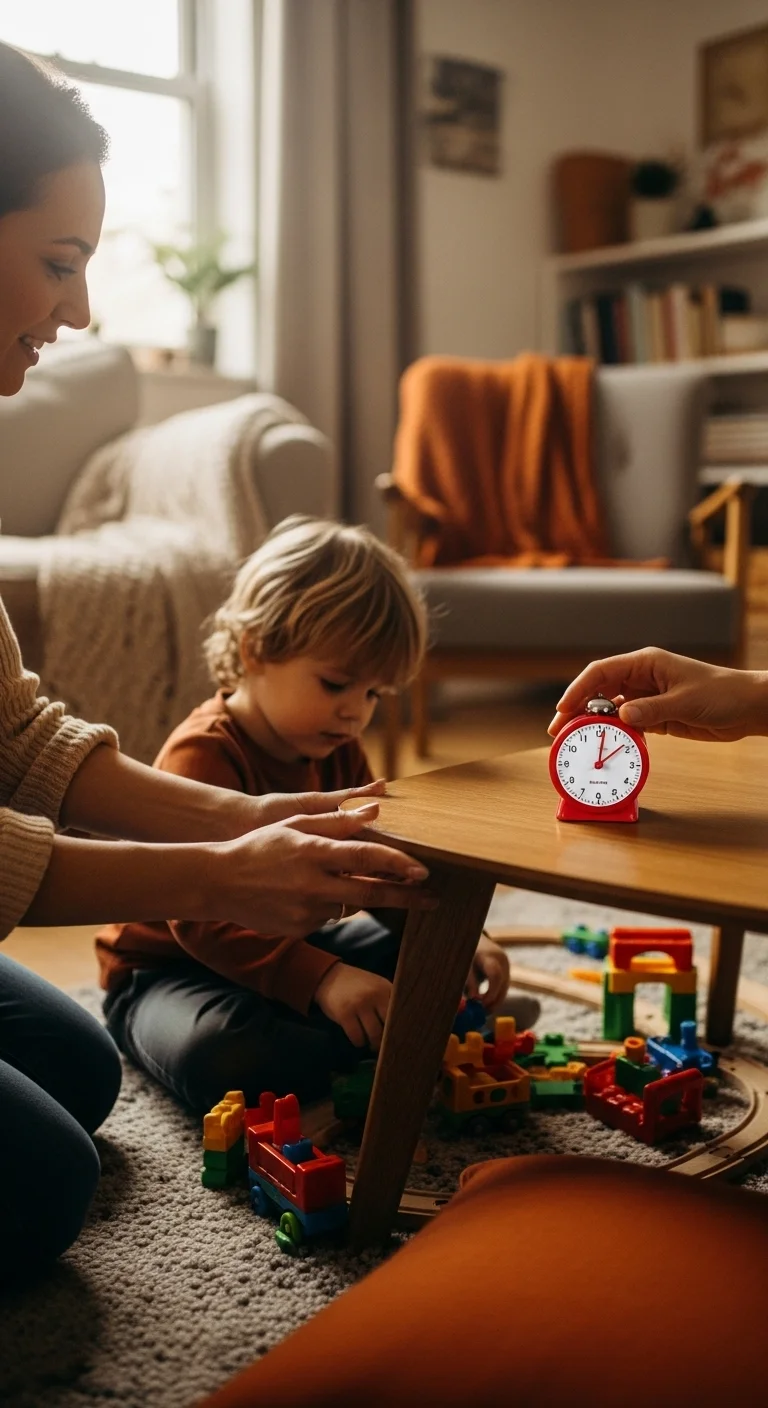
Transitions can be tough. Give warnings so your child has time to shift gears. Try simple cues like, “Two minutes left,” or use a small visual timer from a dollar store. Counting down helps kids feel ready. You can also use songs or tiny rituals to mark transitions. This creates smoother movement between activities and reduces resistance.
- Stay Close During Meltdowns

Kids often push away during big emotions but still need you close. Sit nearby. Keep your tone gentle. Let them know you’re there when they’re ready. Avoid lectures or rushed solutions. Sometimes quiet presence helps more than words. Over time, kids learn that emotions are safe to express and that you’re a consistent source of comfort.
- Use Gentle Touch for Reassurance
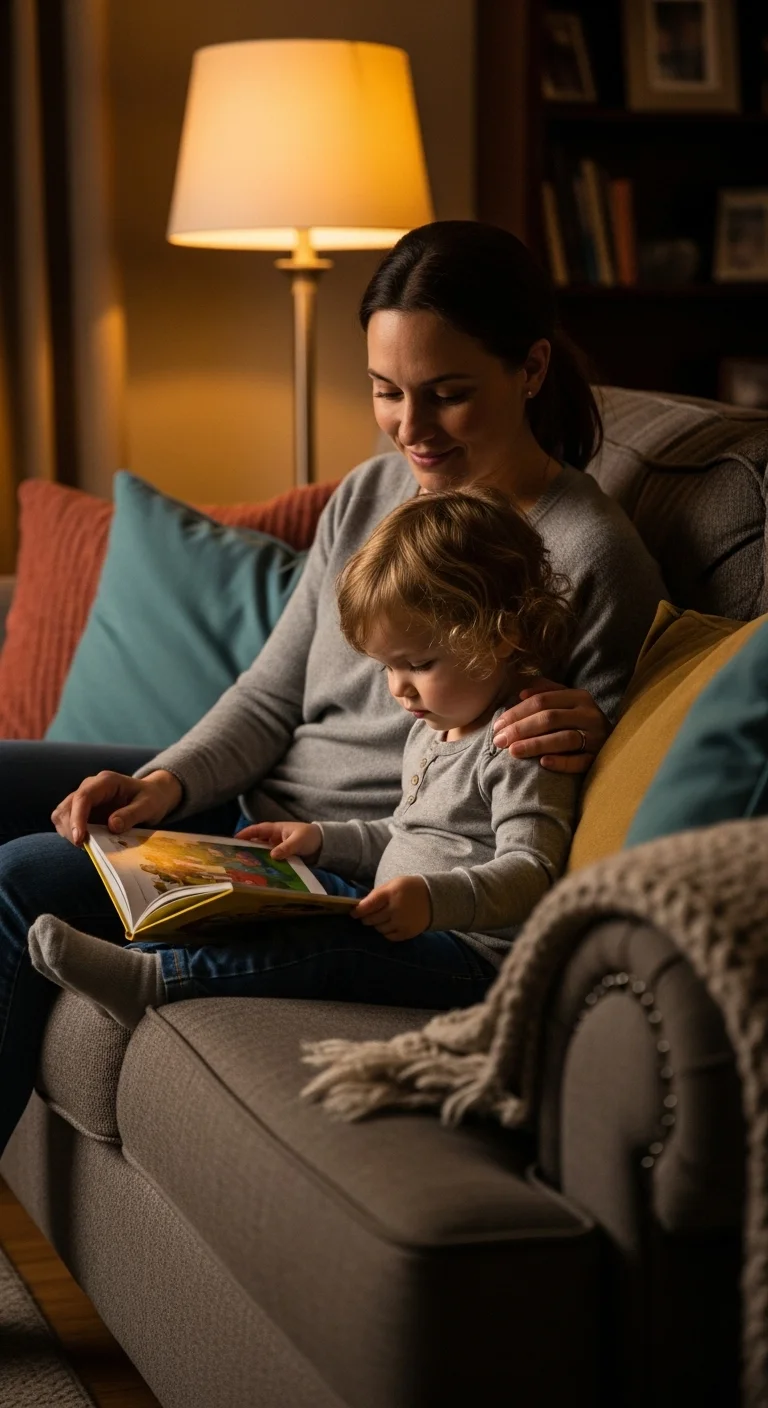
Touch can calm kids quickly. A hand on the shoulder, a soft hug, or holding hands helps them feel supported. Use touch only when your child is comfortable with it. You can create a cozy corner with blankets and pillows where touch feels natural and soothing. This helps tone down stress during busy days.
- Encourage Independence With Small Tasks
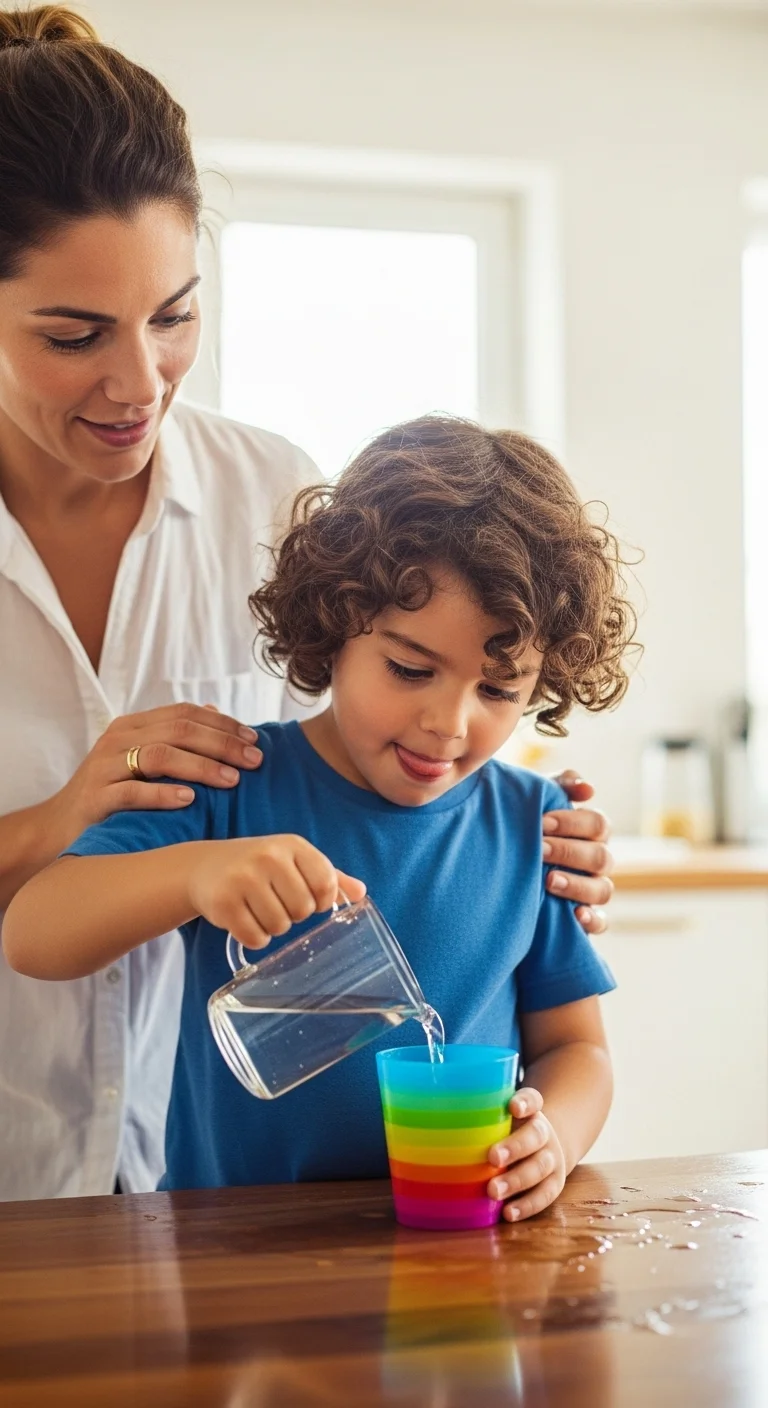
Kids gain confidence through simple responsibilities. Offer small tasks appropriate for their age—sorting socks, watering plants, or placing napkins on the table. Use child-sized tools from dollar stores to make tasks easier. Independence grows slowly but steadily. These tasks help kids feel capable and reduce power struggles.
- Use Humor to Lighten Tense Moments
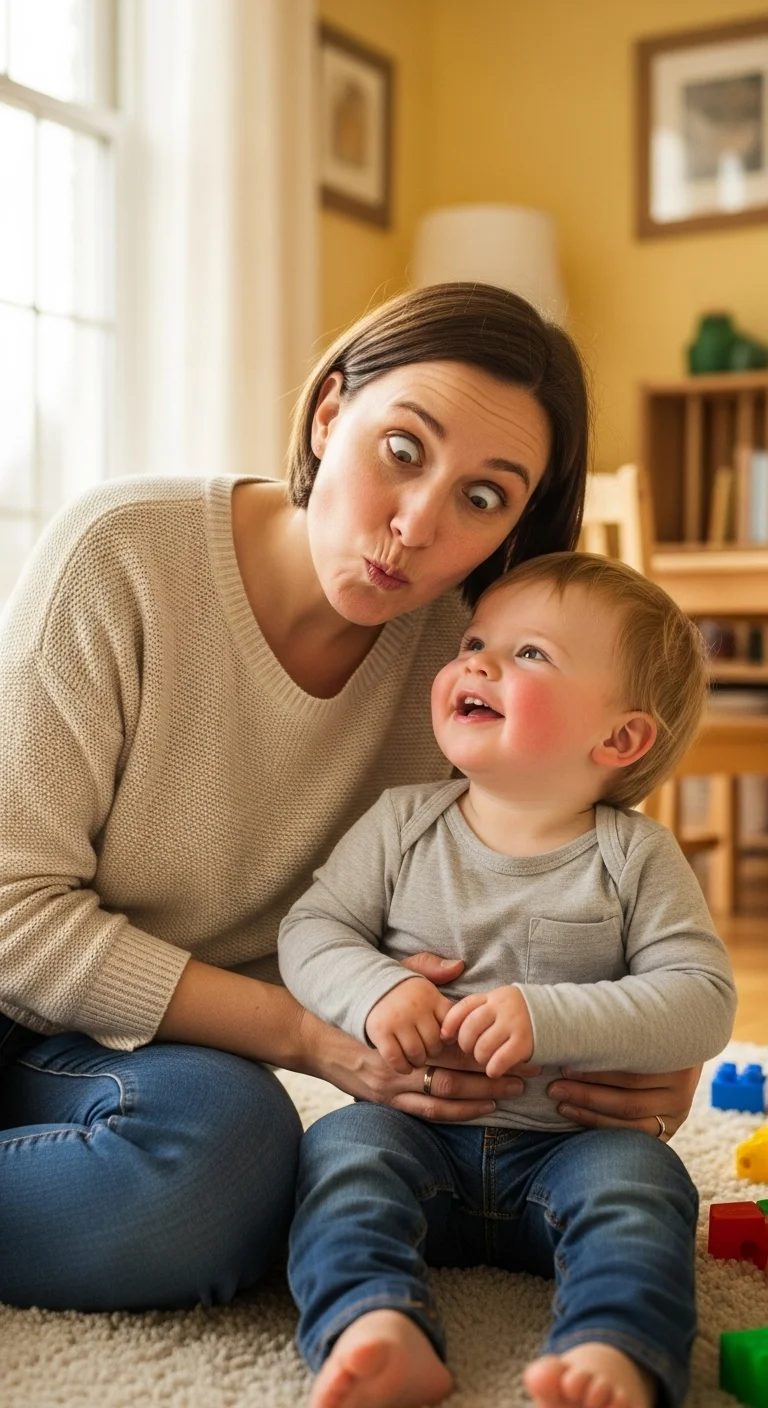
A little humor can break tension quickly. Use funny voices, playful gestures, or gentle silliness to shift the energy. Avoid sarcasm or teasing. Humor helps kids reconnect with you and feel safe again. You can keep a “silly hat” or funny drawing nearby for quick resets. Small, playful moments turn stressful situations into manageable ones.
- Create Short One-on-One Moments Daily

Even five minutes of focused attention strengthens connection. Put your phone aside. Sit close. Let your child choose the activity—reading, drawing, or simply talking. This dedicated time helps kids feel valued. You don’t need fancy setups; a small rug, a chair, or a quiet corner works fine. Consistent one-on-one time often leads to better behavior throughout the day.
- End the Day With Gratitude Moments

Ending the day gently helps both parent and child wind down. Share small things you appreciated about the day. Keep it light. Say something like, “I enjoyed playing with you,” or “I liked our walk.” Invite your child to share one thing too. You can use a cheap notebook as a gratitude journal. This nightly habit creates calm, connection, and emotional awareness before sleep.
Conclusion
Gentle parenting doesn’t require perfection or elaborate tools. Small shifts—soft tones, clear boundaries, simple choices, and steady routines—create calmer days and stronger relationships. These tips are easy to try and fit naturally into daily life. With practice, you’ll notice smoother interactions, more cooperation, and a more peaceful atmosphere for the whole family. You can start with just one or two ideas and build from there. Each small effort makes home feel lighter.
