

24 Speech Activities to Boost Early Language Skills
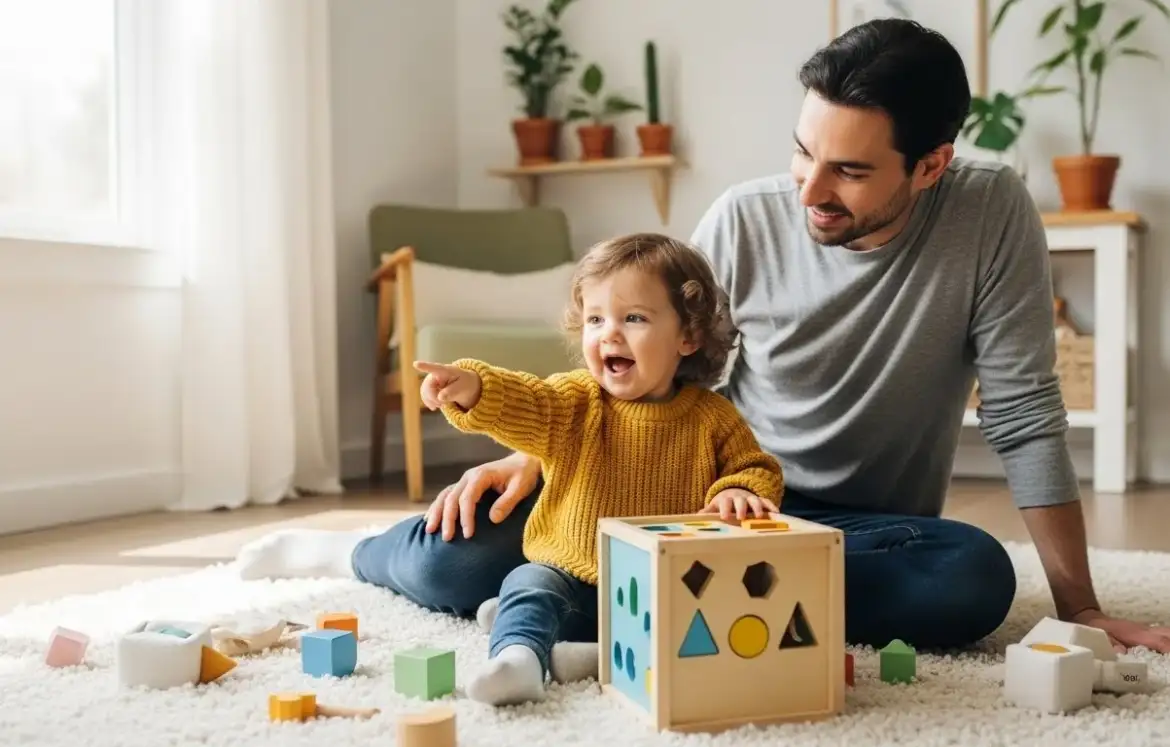
Early language grows fastest when kids hear simple words during everyday moments. When activities feel easy, playful, and budget-friendly, children join in without pressure. The ideas below offer small actions families can use at home with items they already own. Each one encourages short exchanges, shared attention, and natural practice through routines.
- Name-and-Point Play
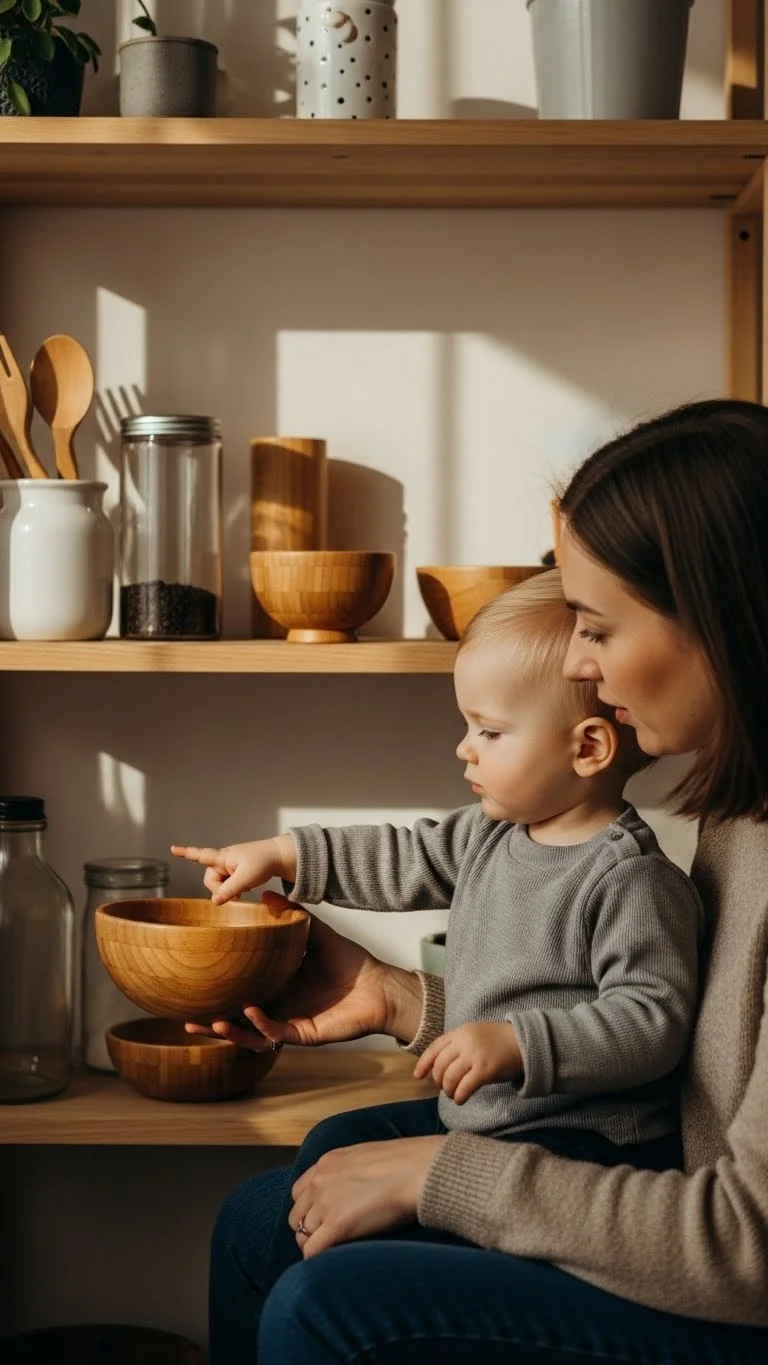
Talk about objects around the room. Point at one item at a time. Keep words short. Say things like “cup,” “ball,” or “shoe.” Pause so the child can look or babble. Keep it relaxed. Walk around the home and repeat the routine with simple objects. Use thrift-store baskets to gather items for quick sessions. Try switching the objects every few days to keep interest steady. Sit close so the child sees your face clearly. Use gentle repetition. Add a second word when the child seems ready, like “blue cup” or “big ball.” Keep the tone playful.
- Sound Imitation Moments

Choose one sound. Make it slowly. Wait for any reaction. Repeat it again. Keep sessions under two minutes. Use kitchen sounds such as tapping a cup, stirring, or opening a drawer. Match the action to the sound so the child links meaning. Use items you already have, like wooden spoons or plastic containers. Add gentle facial expressions. Celebrate any attempt from the child. Keep it light. Stick with only one or two sounds at a time so it stays clear.
- Snack-Time Words
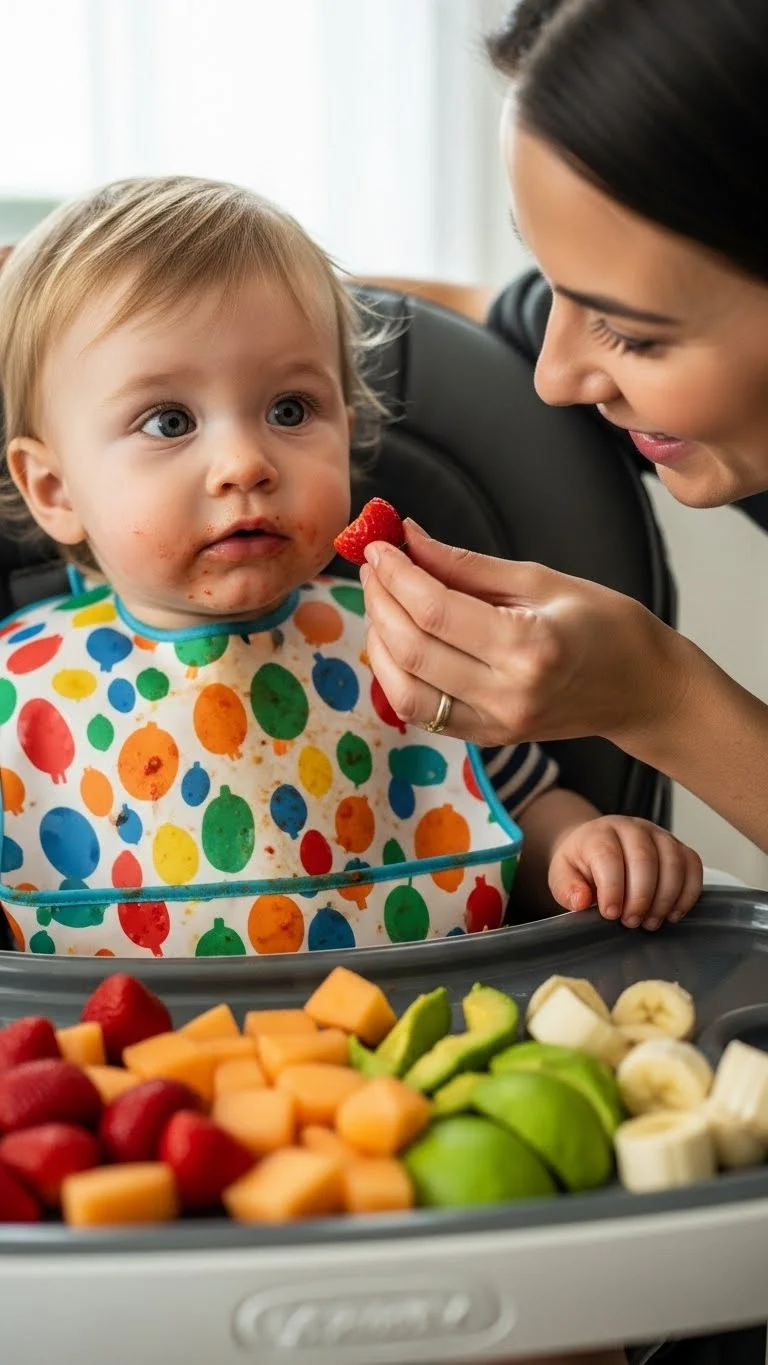
Use tiny words during snacks. Hold up a piece of food and say a single word like “more,” “bite,” or “banana.” Wait for the child to look at the item. Offer a small pause before giving it. This creates space for sound attempts. Use low-cost foods such as bananas, crackers, or peas. Keep servings tiny to create more chances to communicate. Use the same words daily so the child hears them often. Keep your voice slow and steady. Smile and keep the mood calm.
- Mirror Chat
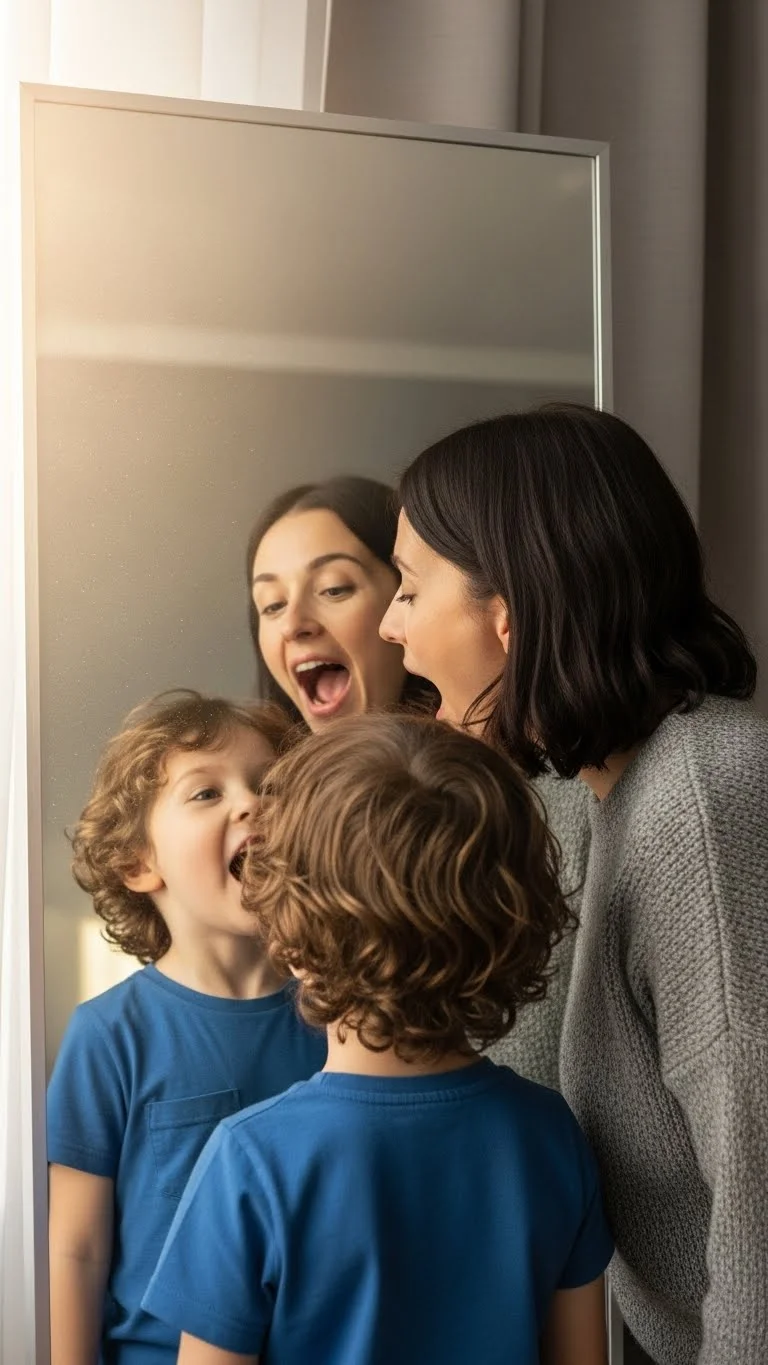
Sit with the child in front of a mirror. Make simple mouth shapes like “oo,” “ah,” or “mm.” Keep it playful. Let the child touch the mirror while watching your face. Mirrors from discount stores work well. Try doing this after bath time when the child is relaxed. Repeat the same shapes for a few days. Add a gentle smile each time they try. Sit close so it feels warm and connected.
- Toy Rotation Talk
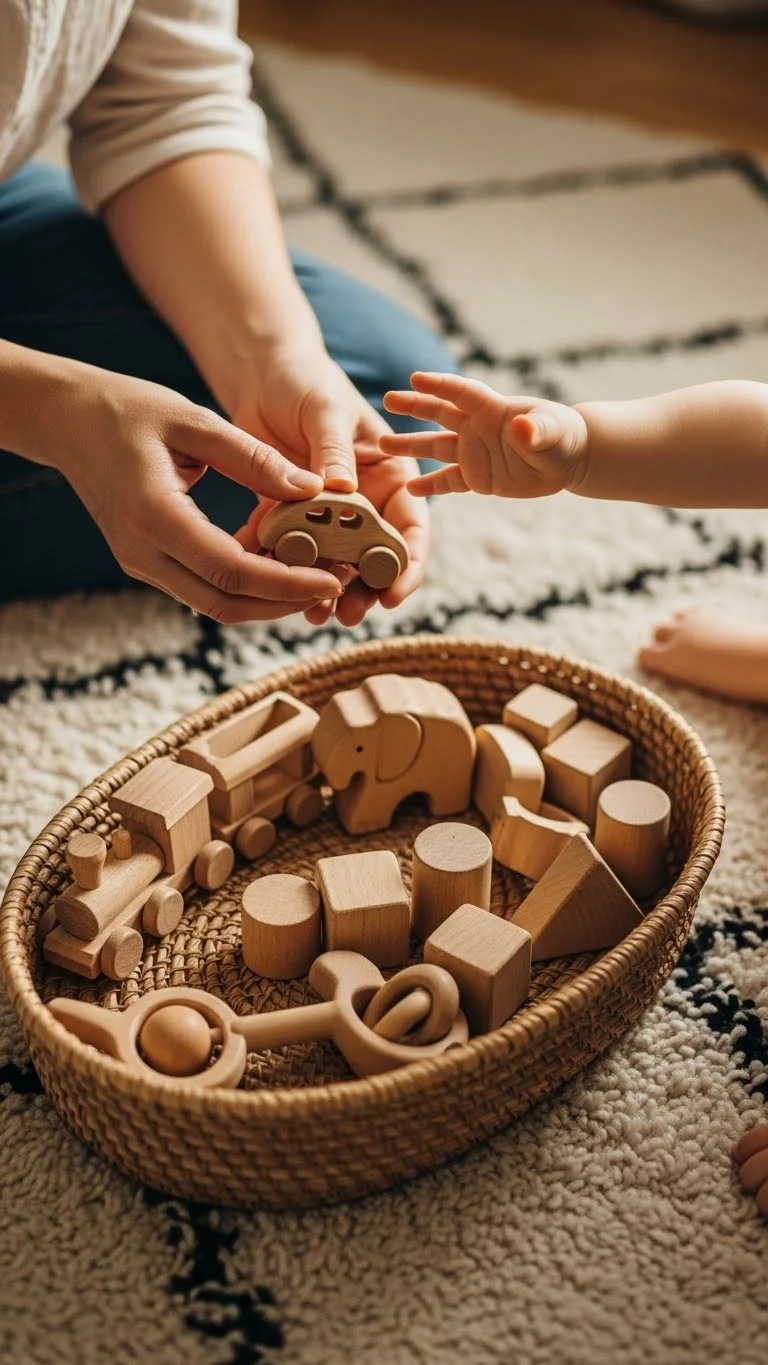
Place three toys into a basket. Take one out at a time. Name each toy with one clear word. Pause so the child can react. Rotate toys weekly to keep attention steady without buying new ones. Use secondhand toys or simple household items like cups or cloth squares. Keep the session short. Show one item, say the word, and wait. Keep expressions warm and clear.
- Bath-Time Bubbles
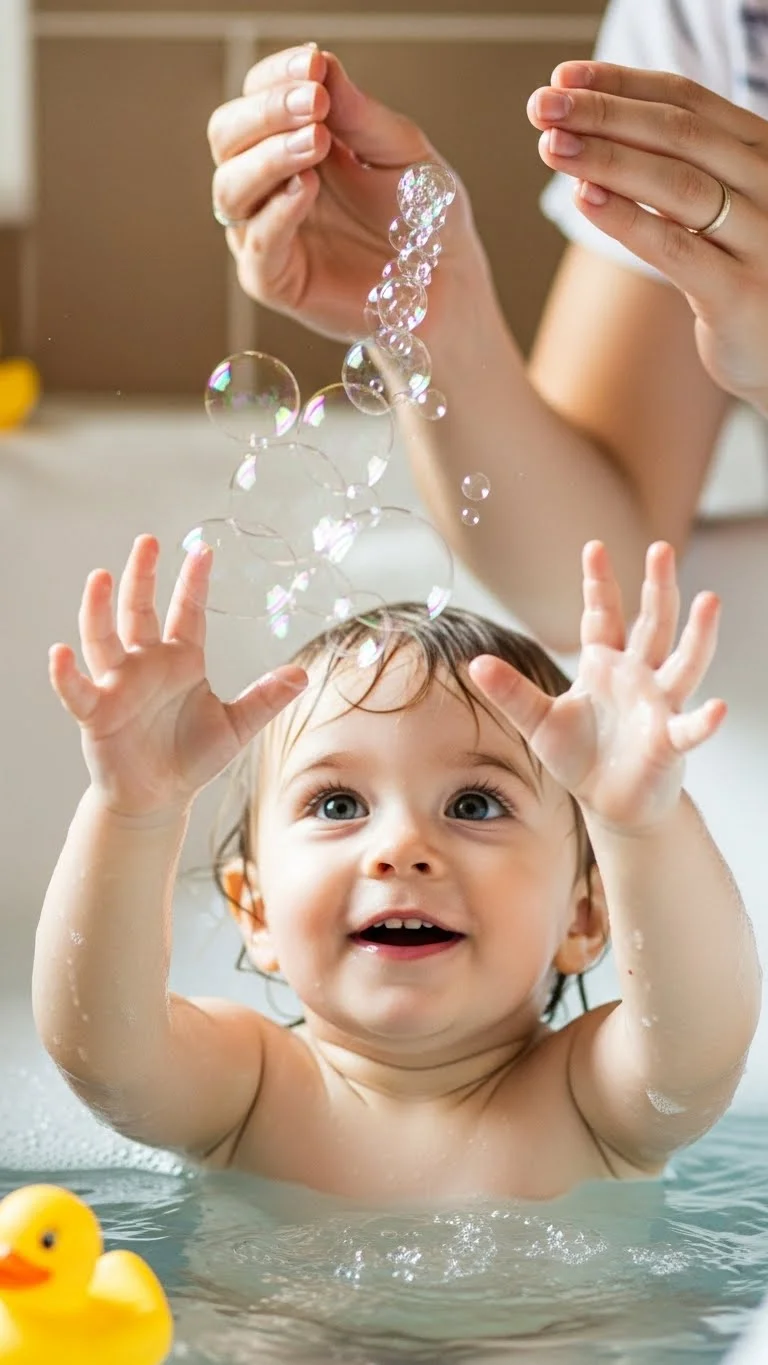
Create simple words during bath play. Blow bubbles and say “pop” each time one bursts. Repeat slowly. Keep toys minimal so the child focuses on faces and sounds. You can make a budget bubble solution at home with dish soap and water. Let the child splash while hearing the same word again. Keep the moment calm and steady.
- Daily Walk Word Hunt

Take a short walk. Pick three things to talk about, like “dog,” “leaf,” or “car.” Say each word only when the child looks at the object. Keep phrases short. Walks create steady chances to talk about real-life items without extra cost. Pause often. Keep it slow.
- Laundry Chat
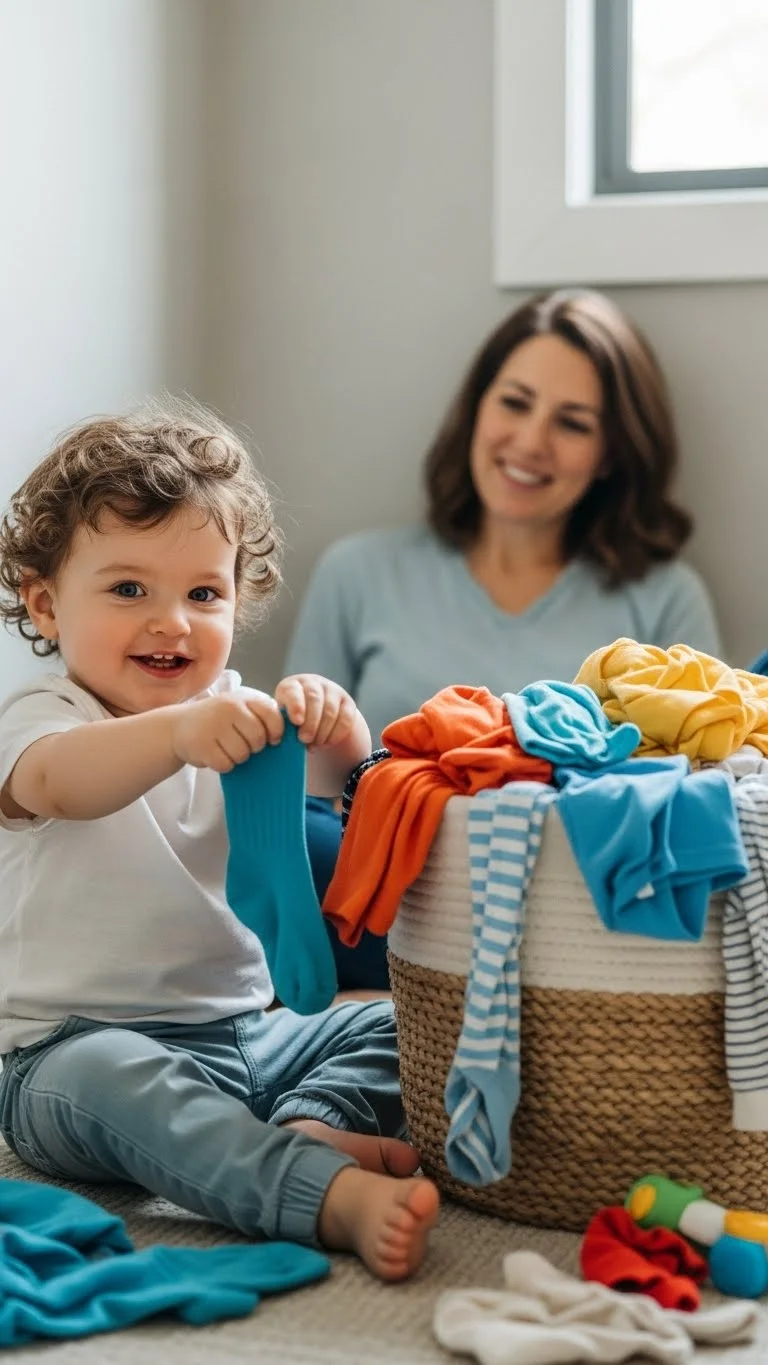
Use laundry time as a short language moment. Hold up one item and name it: “sock,” “shirt,” “hat.” Use clean, unfolded clothes so the child can grab them. Keep the area safe and simple. Repeat the same few words each day. Let them place clothes into small piles. Keep your tone warm.
- Book Peek
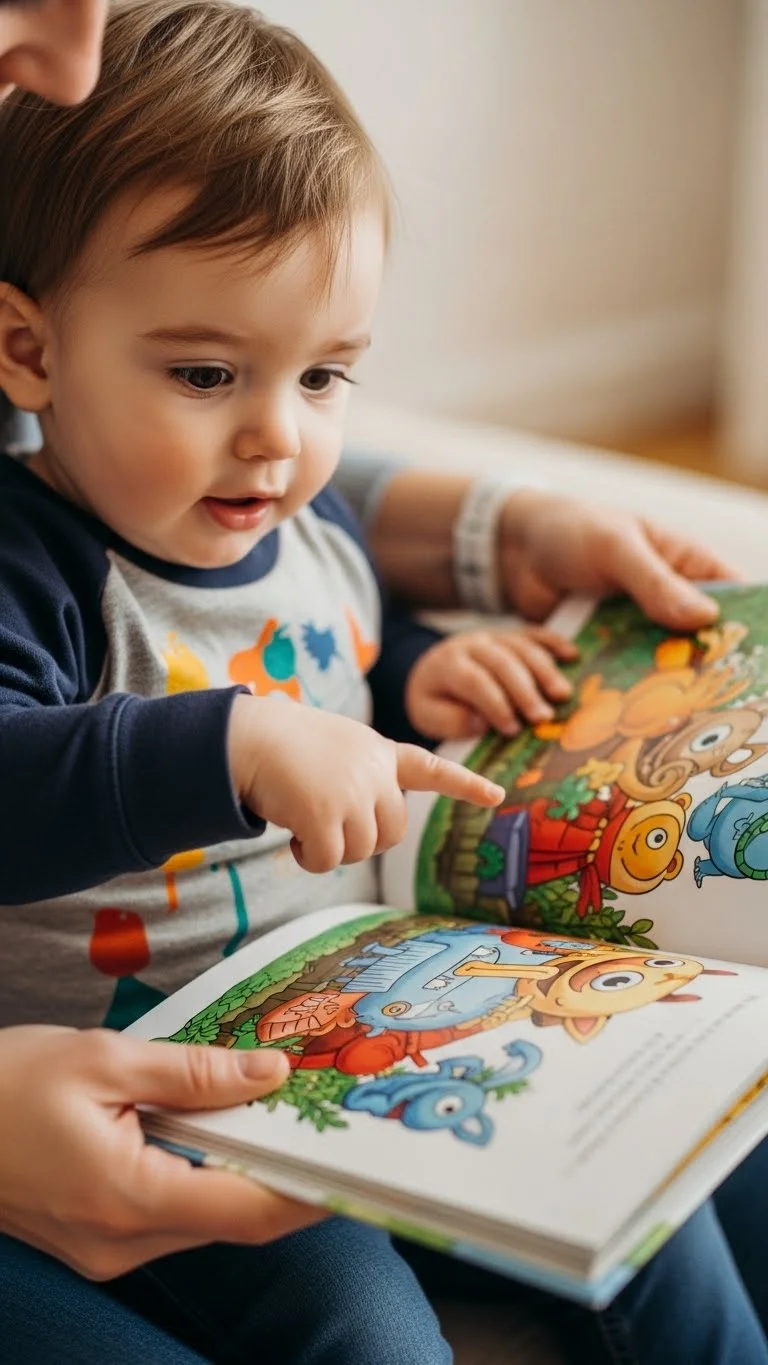
Use board books with clear pictures. Choose two pictures per session. Name the item. Pause. Wait for any sound from the child. Keep sessions very short. Borrow books from the library to save money. Sit close so the child sees your face. Repeat the same page across several days.
- Simple Choice Words
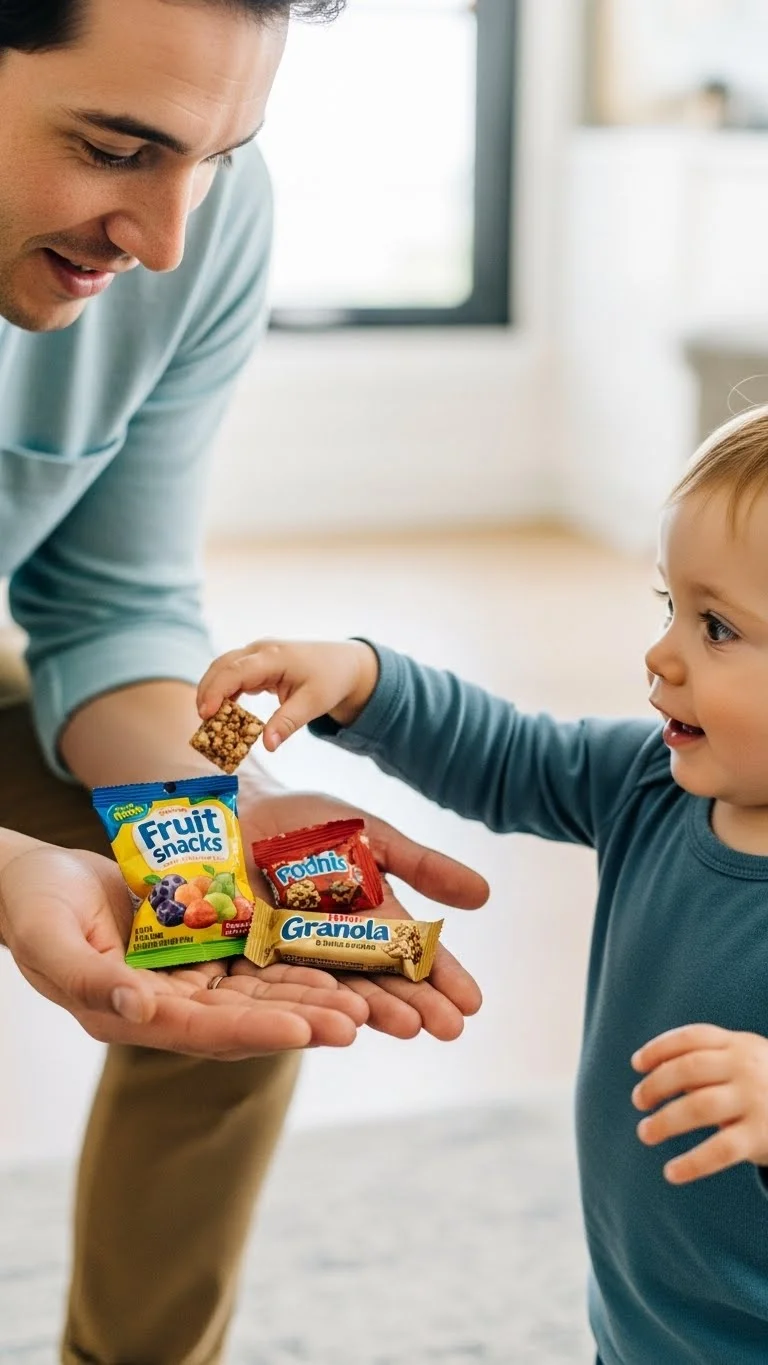
Offer two simple choices: “cup or snack?” Use slow, clear speech. Hold the items still. Let the child point. Repeat the word of the chosen item. Keep choices small and predictable. Rotate items from your own kitchen to avoid extra cost.
- Kitchen Drum Sounds
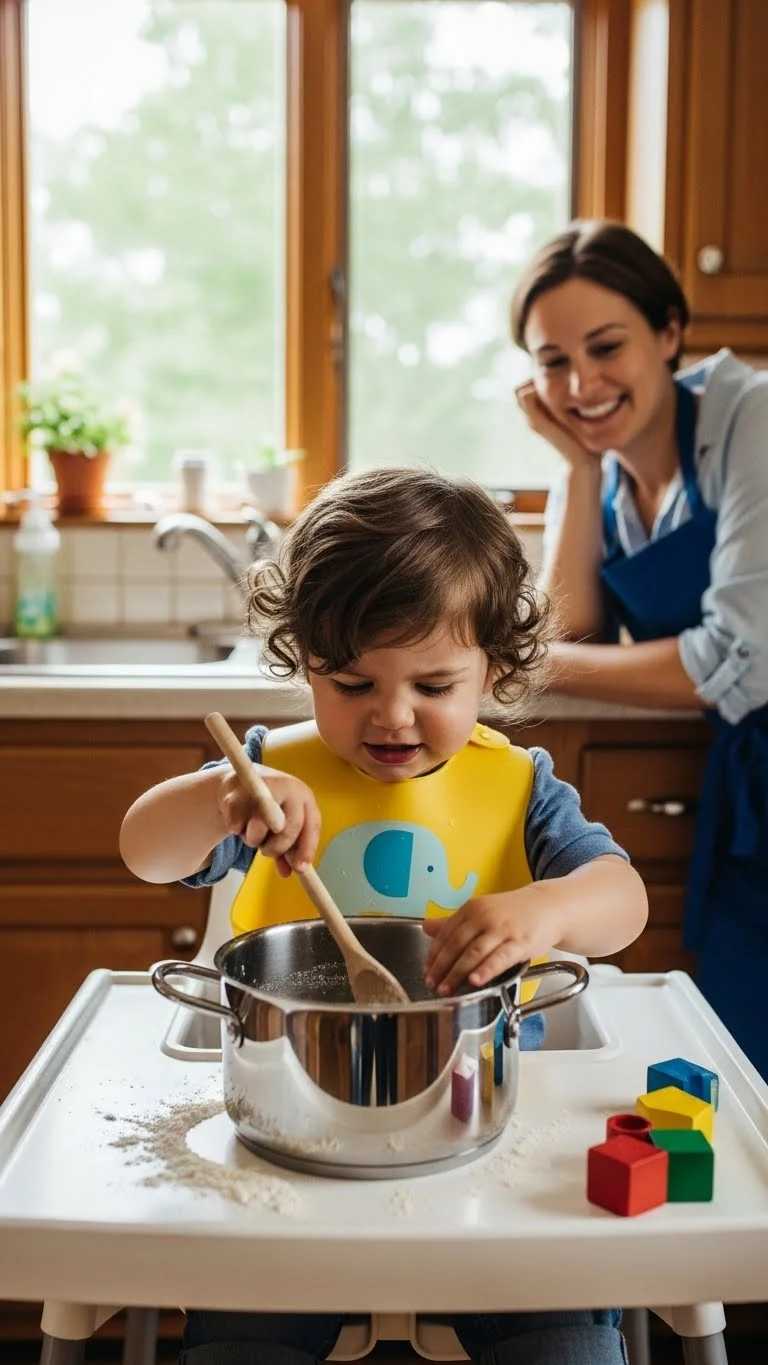
Turn basic cookware into a sound game. Tap lightly and say “tap.” Hand the spoon to the child. Pause. Let them try. Keep it gentle so sounds stay comfortable. Use old pots so dents do not matter. Keep sessions short.
- Morning Greeting Words

Create a small greeting routine. Say “hi,” “up,” or “sun.” Keep the same words every morning. Use soft light and calm energy. Repeat the words slowly. Keep it predictable.
- Toy Car Sounds
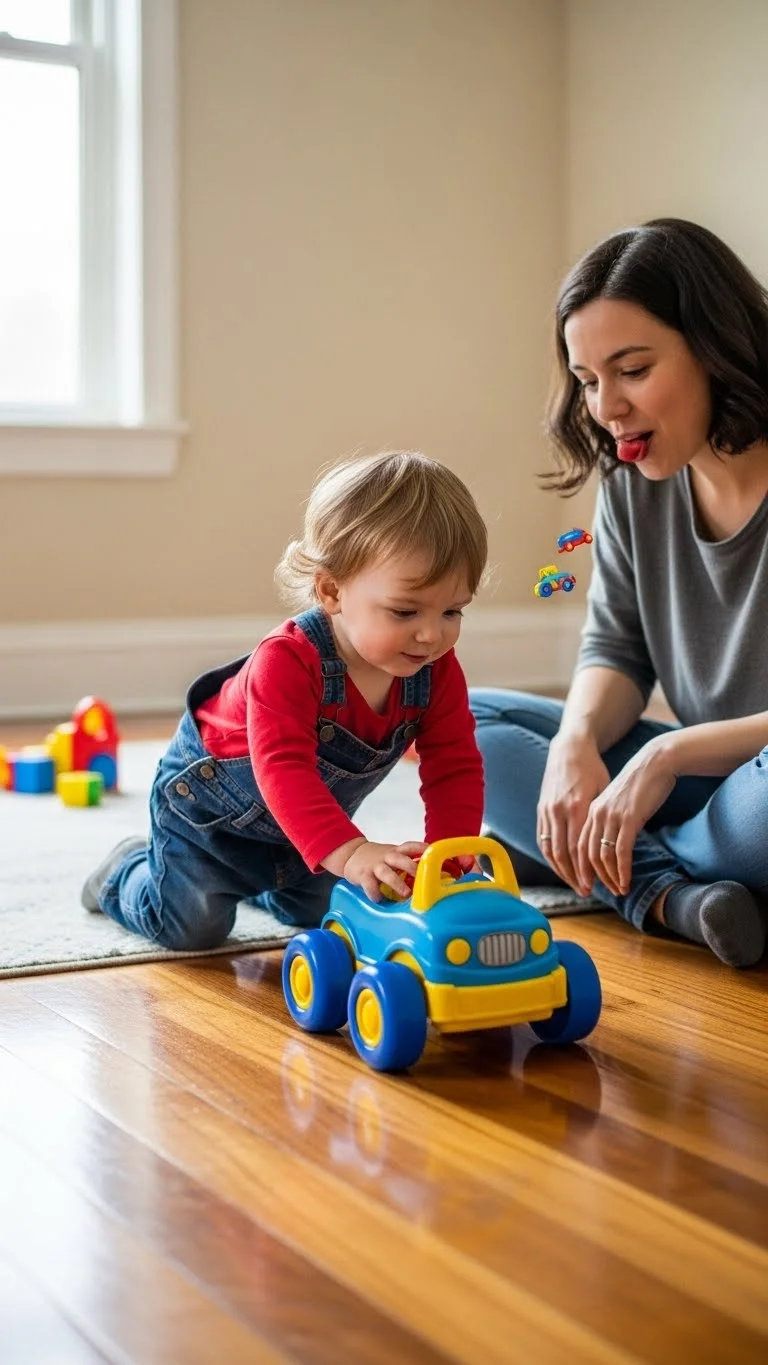
Roll the car slowly and say “vroom.” Pause. Give the child time to imitate. Use thrift-store cars or simple handmade cardboard cars. Keep it relaxed.
- Water Pour Words
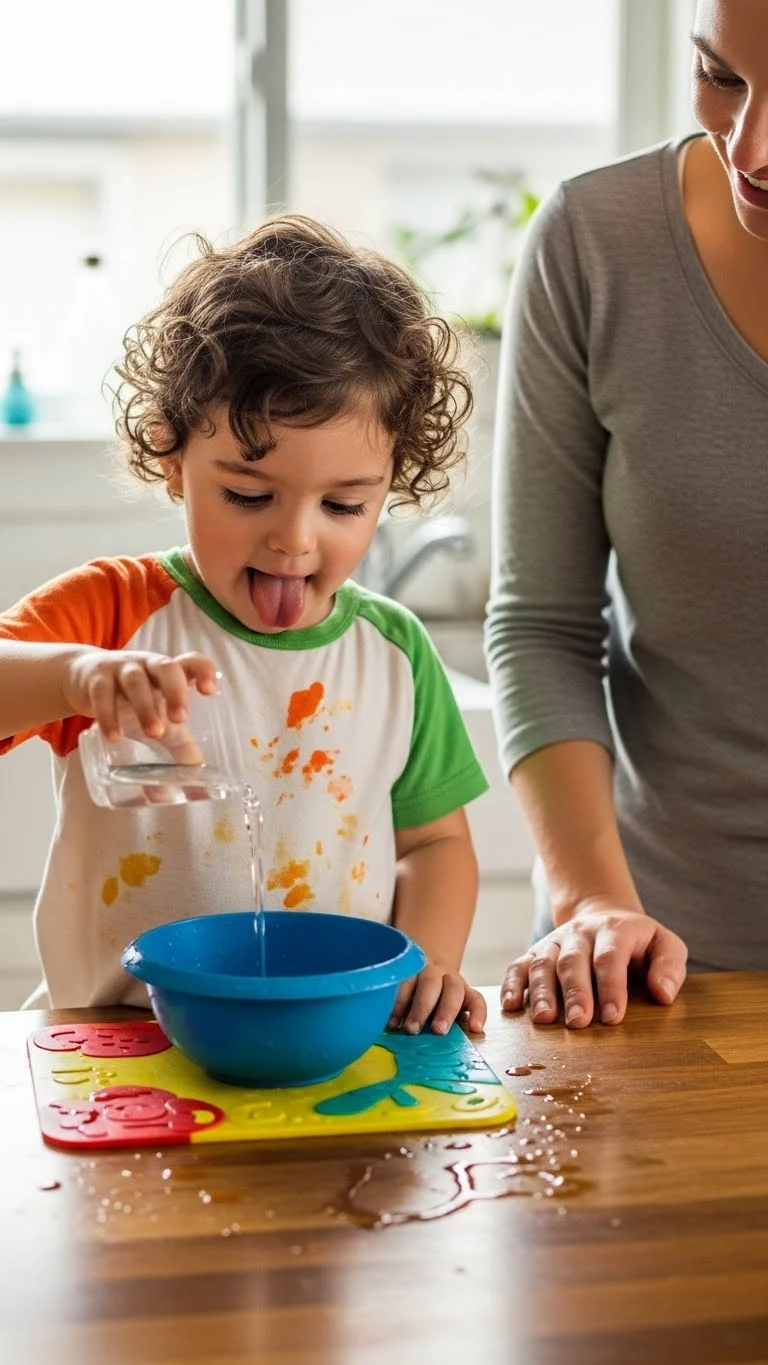
Use water play to practice simple words like “pour,” “wet,” or “cup.” Keep the setup small to avoid spills. Use recycled containers. Repeat the same few words.
- Puppet Mouth Moves

Create a sock puppet with buttons drawn on instead of sewn. Make slow mouth movements. Say short words like “hi” or “bye.” Keep it simple and light.
- Shape Tray Talk
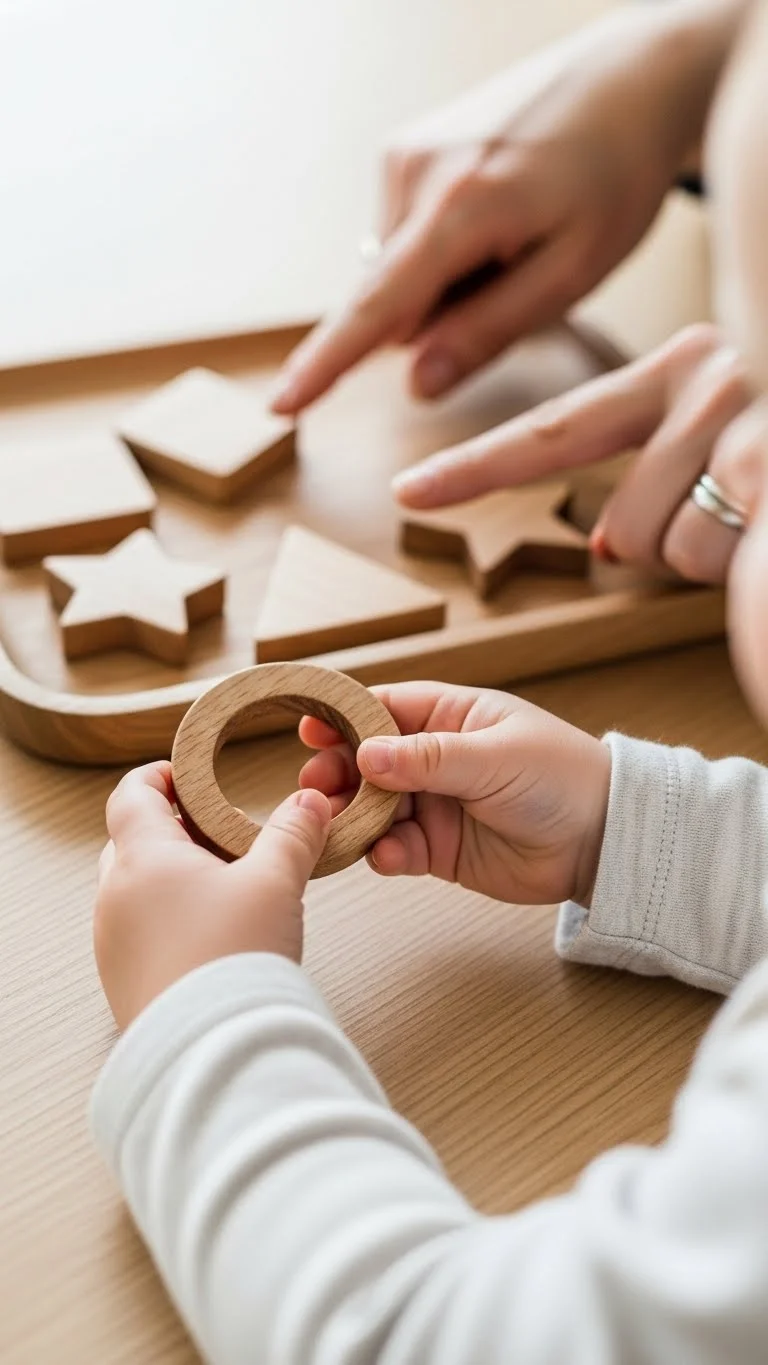
Use two or three shapes at a time. Name each shape with one word. Let the child explore. Keep the tray simple. Repeat daily.
- Calm Bedtime Words
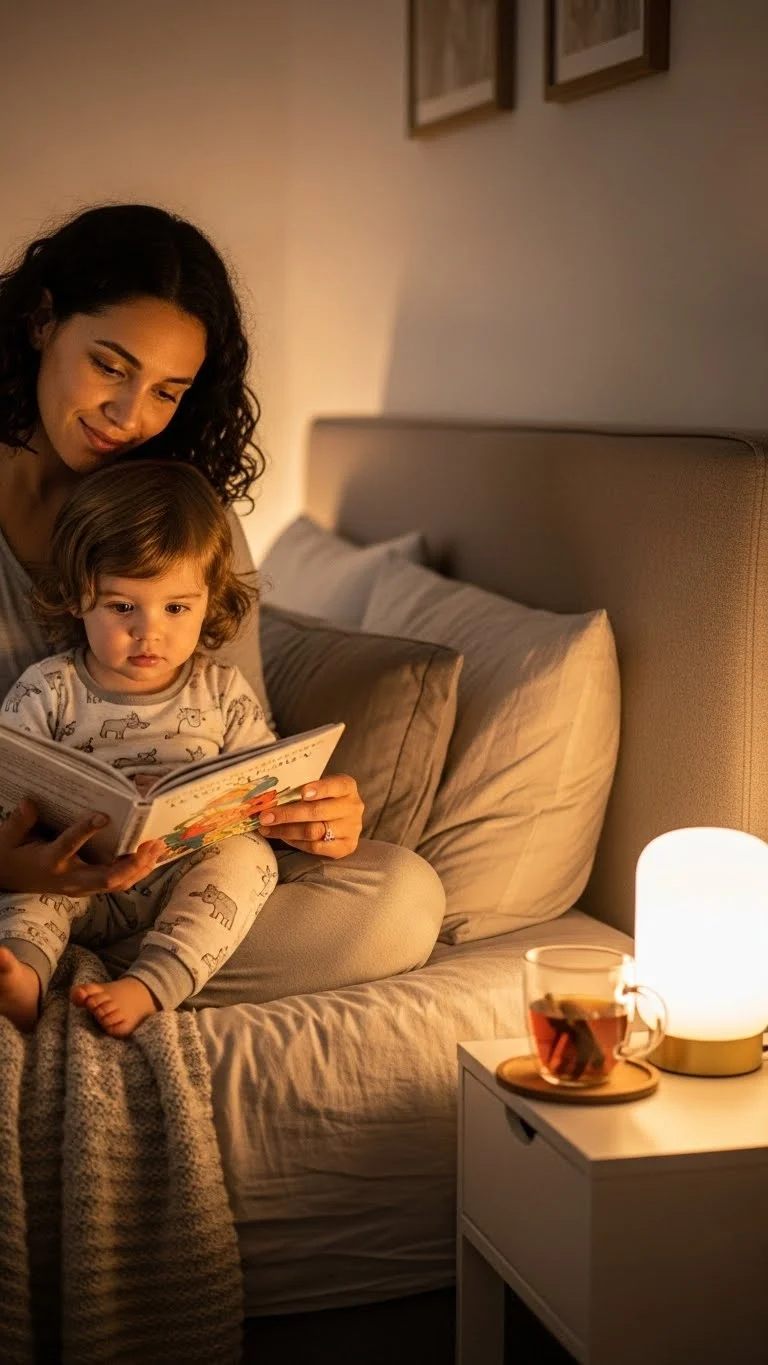
Use bedtime for slow words like “night,” “hug,” or “book.” Keep voices soft. Keep pages few. Repeat the same words each night.
- Block Stack Words
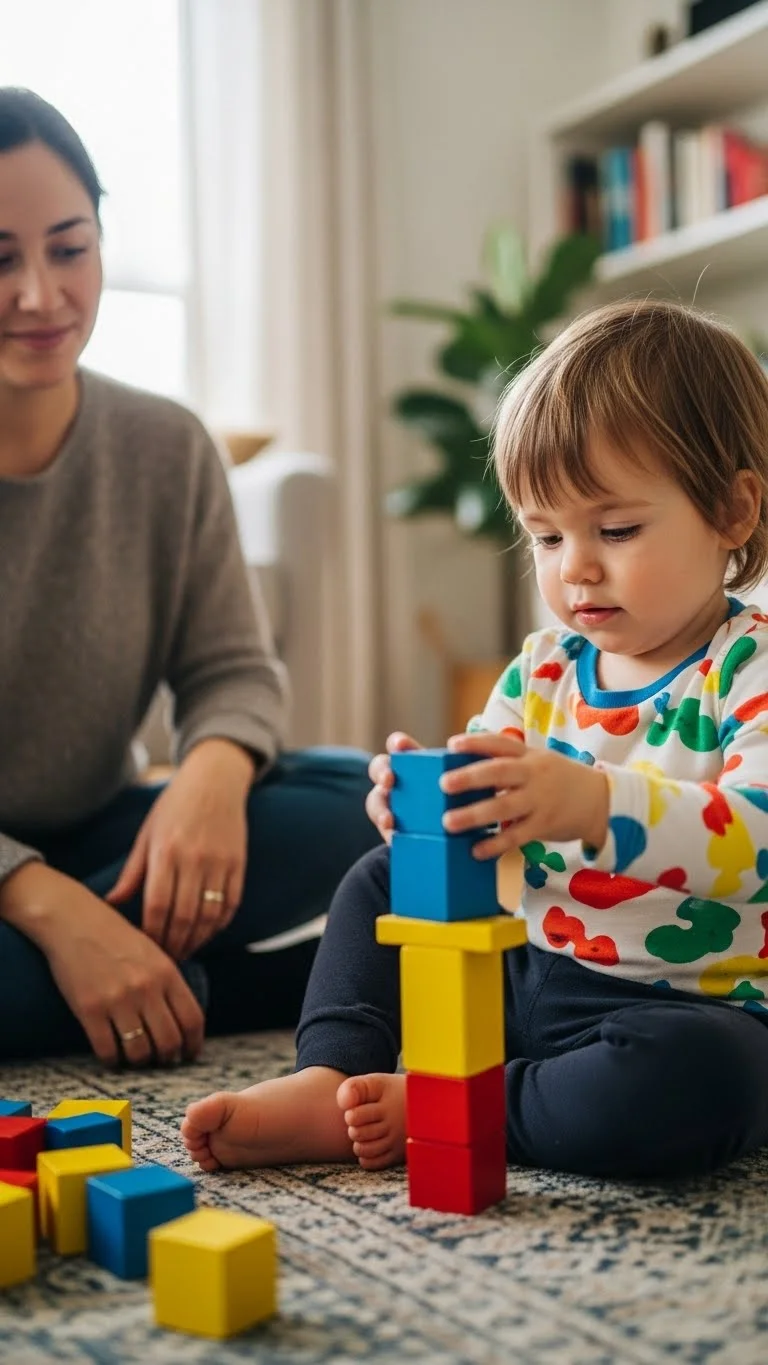
Use words like “up,” “more,” or “fall.” Keep blocks simple. Let the stack fall naturally. Repeat the words with each action.
- Cupboard Discovery Talk
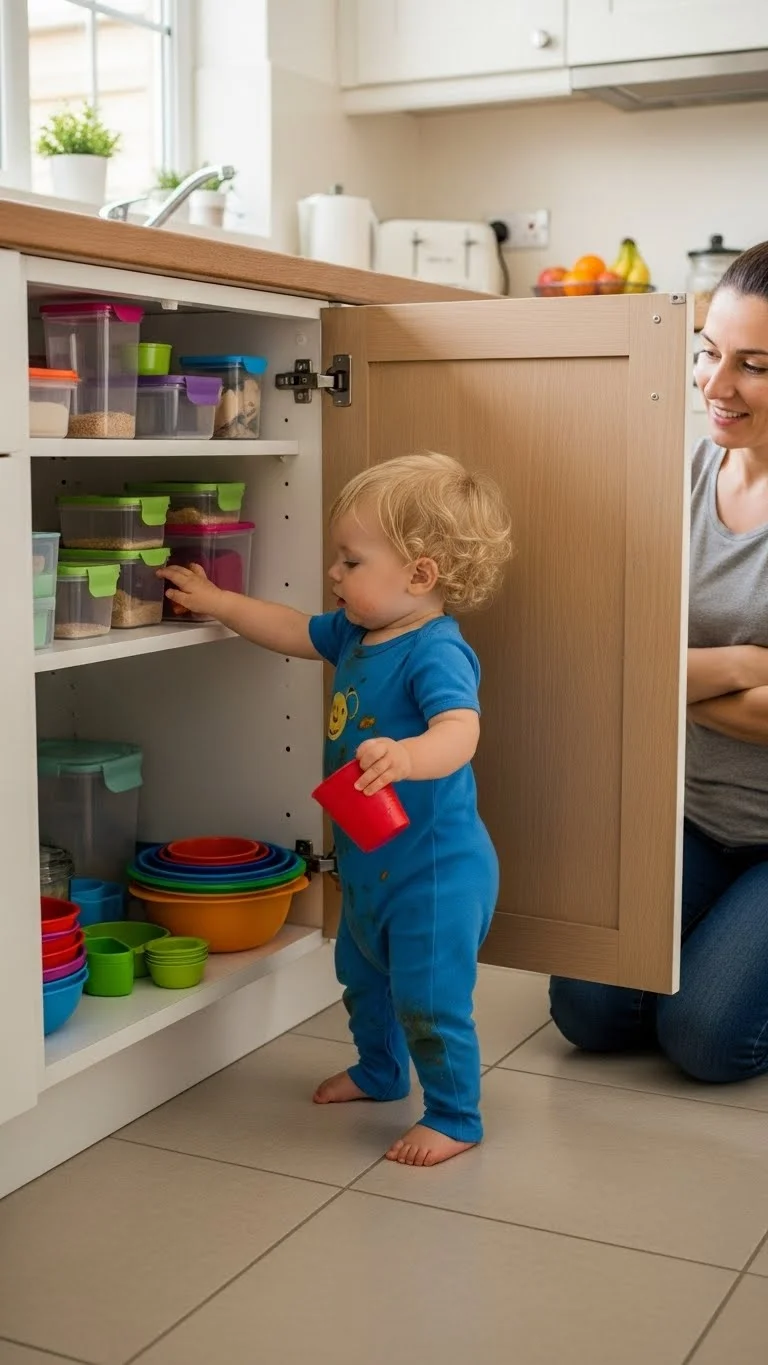
Clear one cupboard for safe items. Let the child remove one item at a time. Say the item’s name. Pause. Rotate items often.
- Pet Watch Words

Say one word when the pet moves: “cat,” “walk,” or “tail.” Keep it soft and steady. Repeat when the pet returns. Keep it short.
21. Bubble Wrap Pops 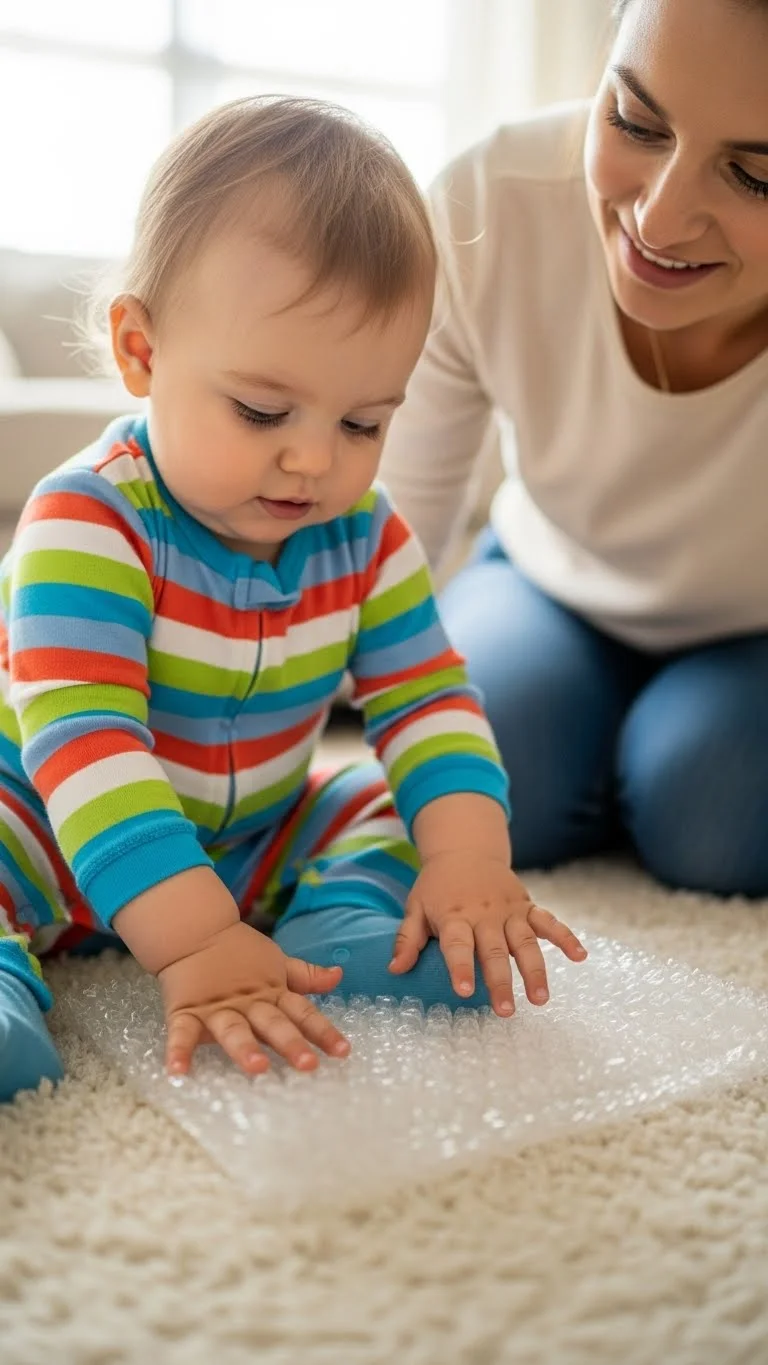
Lay a small piece of bubble wrap on the floor. Press one bubble and say “pop.” Hand it to the child. Wait. Let them try. Keep the wrap small so the moment stays focused. If the child seems unsure, guide their finger with yours. Keep your voice soft and steady. Use leftover packaging so it costs nothing. Repeat the same word for every bubble. You can tape the wrap to the floor so it doesn’t slide. Keep the activity short. Stop when interest fades. Return to it on another day with a new piece. Store small sections in a drawer for easy access. This simple routine helps the child link a clear sound with a clear action without pressure.
- Blanket Peek Sounds

Sit on the floor with a light blanket. Hold it up. Drop it slowly while saying “boo” or “hi.” Keep movements simple. Let the child pull the blanket too. Pause after each drop so they can react. Use a thin blanket from around the home. Keep the space open so nothing blocks your faces. Switch the word every few rounds if the child stays engaged. You can move the blanket from side to side to create new moments. Keep sessions short. Fold the blanket and place it in a small basket for easy use later. Repeat the game during calm times, like before nap or after play.
- Fridge Magnet Words
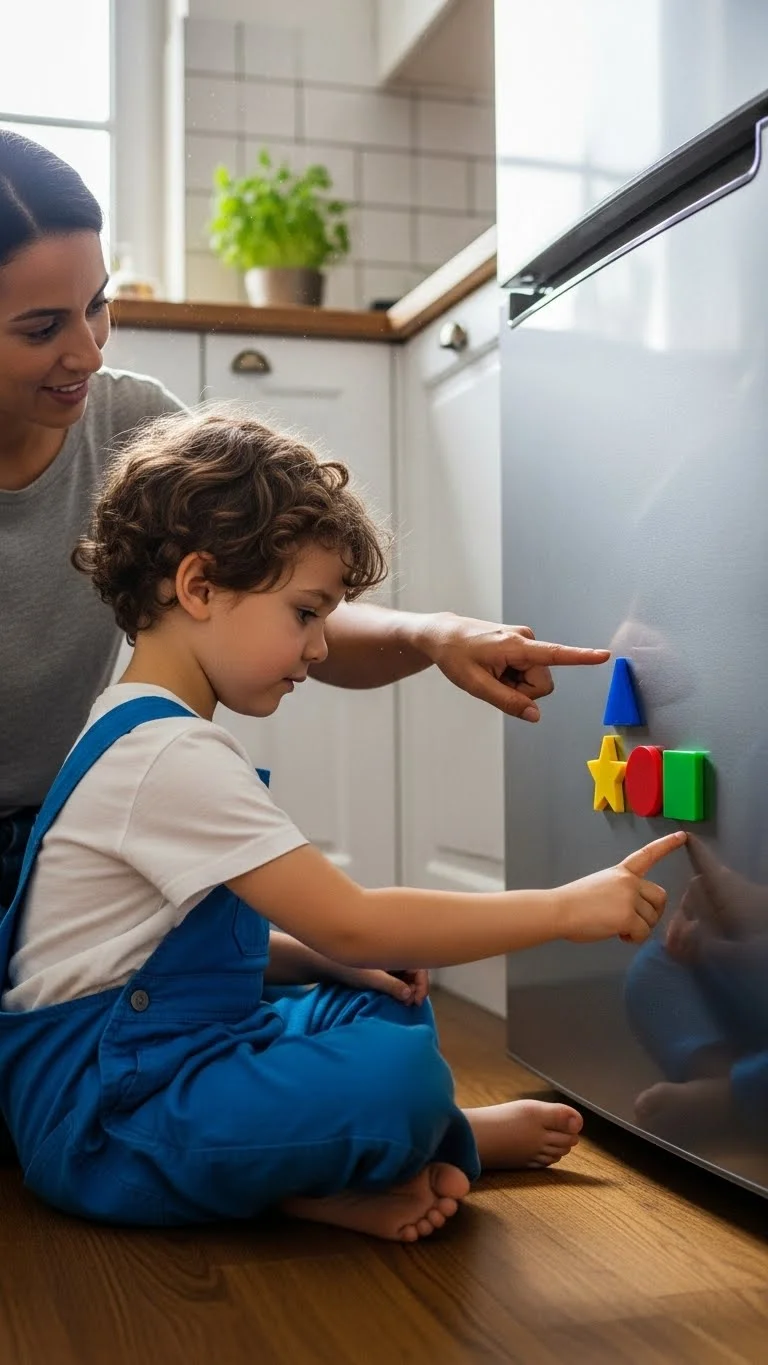
Use simple magnetic shapes or letters. Avoid full alphabet drills. Choose two shapes. Name each one with a single word like “red” or “star.” Move them slowly so the child watches. Keep the magnets low so the child can reach them safely. If magnets are expensive, cut cardboard shapes and tape them to the fridge with painter’s tape. Keep the routine calm. Let the child pull one shape off. Repeat the word. Rotate shapes every few days. Store them in a small container close to the fridge so it’s easy to begin again the next day.
- Gentle Animal Walks
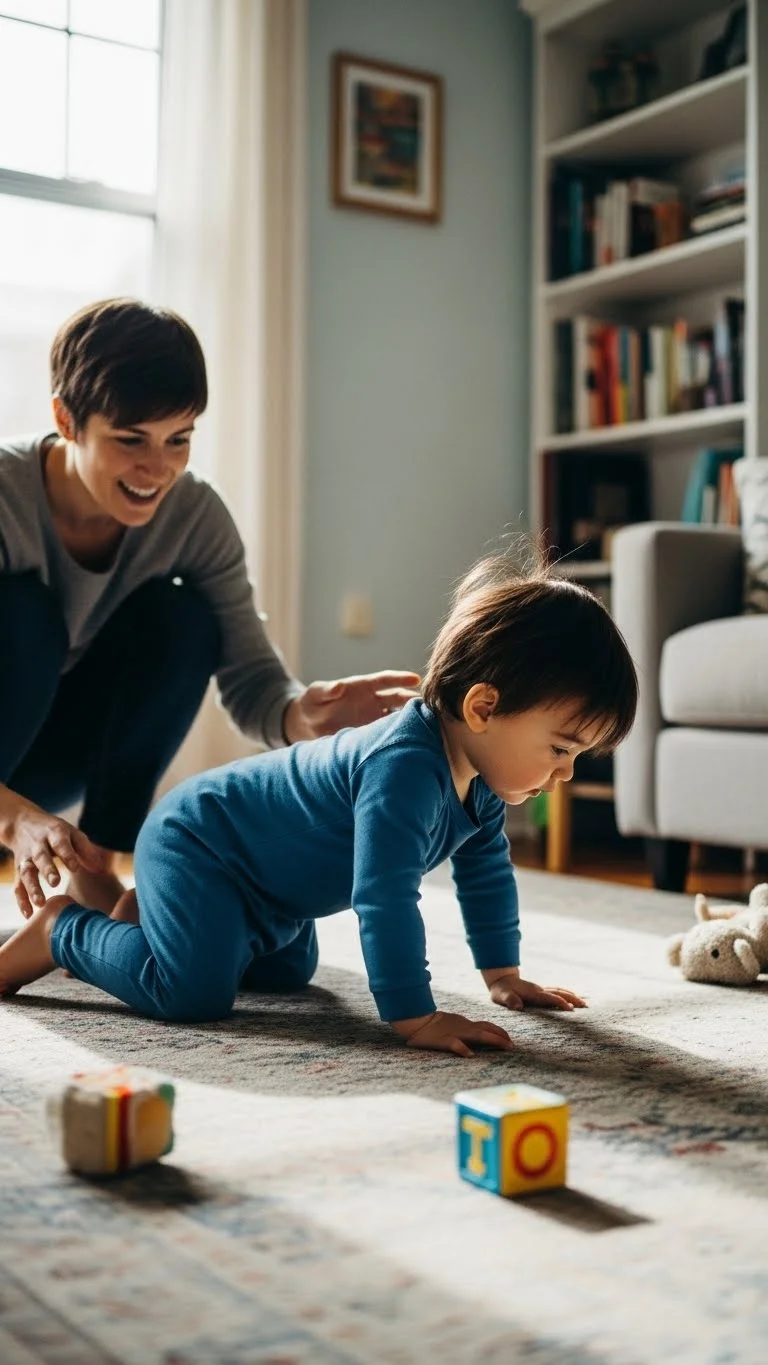
Pick one simple animal action. Move like that animal while saying a single sound such as “moo,” “baa,” or “hop.” Keep your movements slow so the child can copy. Use a small open area. Focus on only one animal per session so the moment stays clear. If the child prefers watching at first, that’s fine. Switch roles after a minute. Use stuffed animals or drawings you already have to introduce the action. Keep it short. Smile and repeat the same sound two or three times. Return to this activity throughout the week with a different animal each time.
Conclusion
Simple, steady moments help children grow early language skills through warm interaction. When families use short words during everyday routines, kids hear clear sounds connected to real actions. These ideas keep things practical, friendly, and low cost. Try two or three each day, mix them throughout the week, and adjust based on what feels natural at home. Each small exchange builds confidence and invites the child to participate in their own way.
