

25 Chore Chart Ideas for More Cooperating Kids
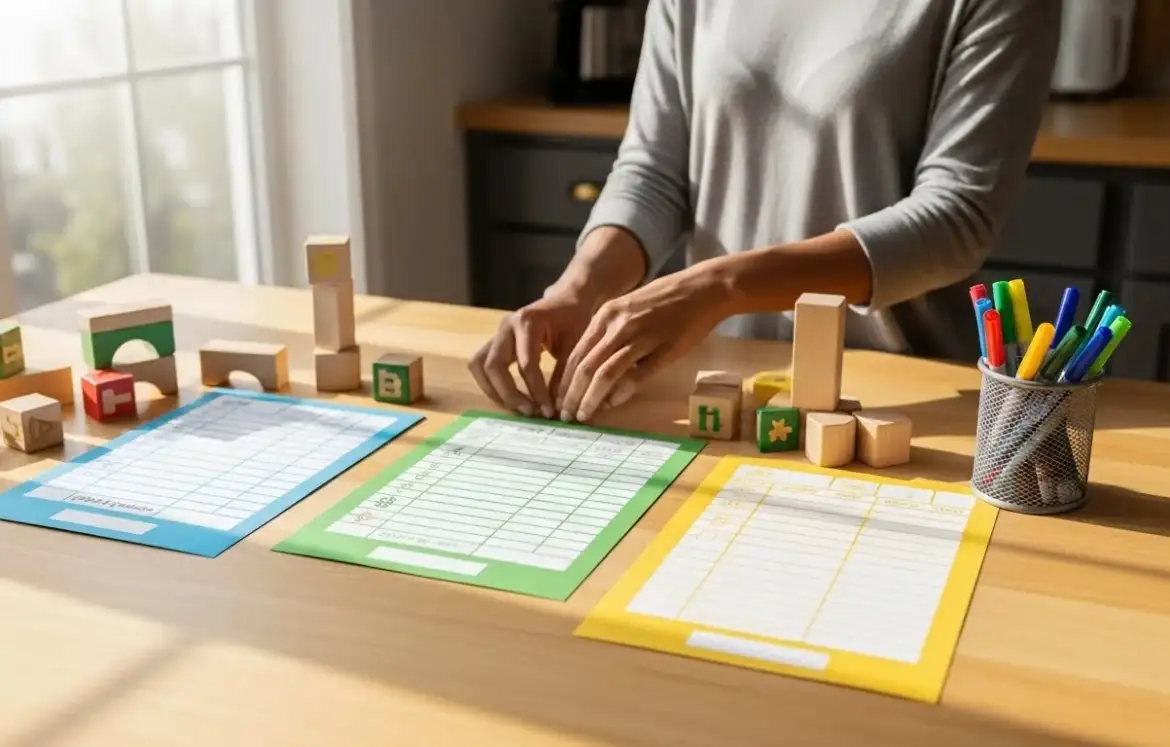
Parents often look for simple ways to help kids follow daily tasks without arguments. A chore chart can make routines feel clear and fair. Kids often respond better when they can see their progress. The ideas below offer simple setups that you can make with low-cost supplies. Each option keeps the process light, visual, and easy to follow.
- Sticker-Path Chart
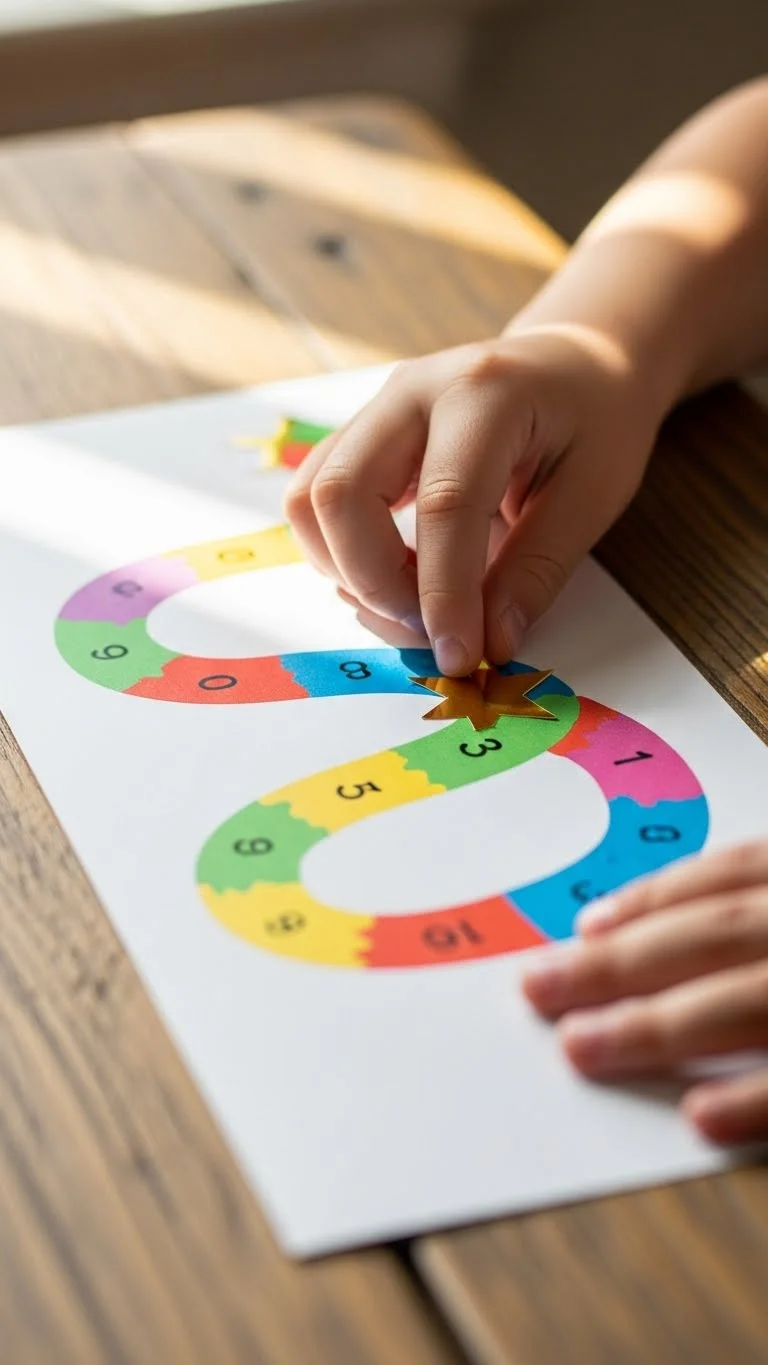
A sticker-path chart works well for kids who like instant feedback. Draw a path with markers on cardstock. Keep it simple—just circles or squares leading to a finish point. Each time your child completes a task, they add a sticker. This gives them something fun to look forward to each day. You can use dollar-store stickers to keep costs low. Try mixing shapes or colors to make the path feel playful. Tape the chart to a low wall so your child can reach it without help. This small detail encourages independence. You can also create weekly paths instead of long ones to keep goals short. If you have multiple kids, give each child a different sticker pattern so no one gets confused. This chart works best for younger kids who enjoy visual progress without complicated steps. Simple, colorful, and easy to reset every week.
- Magnetic Board Chart
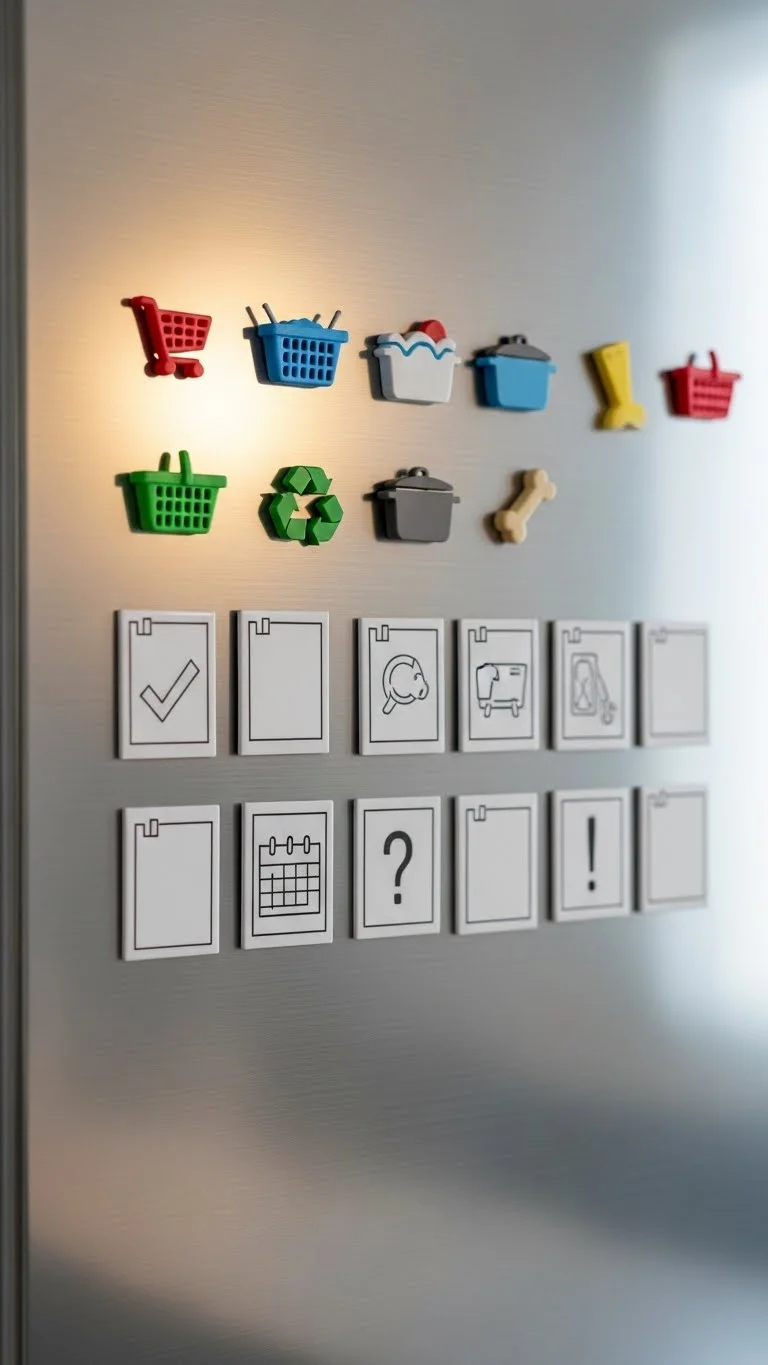
A magnetic board chart turns your fridge into a quick task station. Use small magnets to represent daily chores. These can be toy magnets, bottle-cap magnets, or printed icons glued onto magnet sheets. Keep the layout open so kids don’t feel overwhelmed. At the start of the day, place all magnets on the “to-do” side. As chores are finished, kids move them to a “done” column. This gives a clear sense of progress without needing stickers or markers. You can update tasks easily by swapping magnets out. If you want to save money, cut magnet sheets into squares and draw simple icons with a permanent marker. Kids enjoy the tactile part—sliding pieces around feels satisfying. This method works for a range of ages and fits tight morning routines. Keep the board at a child’s height for smoother follow-through.
- Clothespin Chore Line
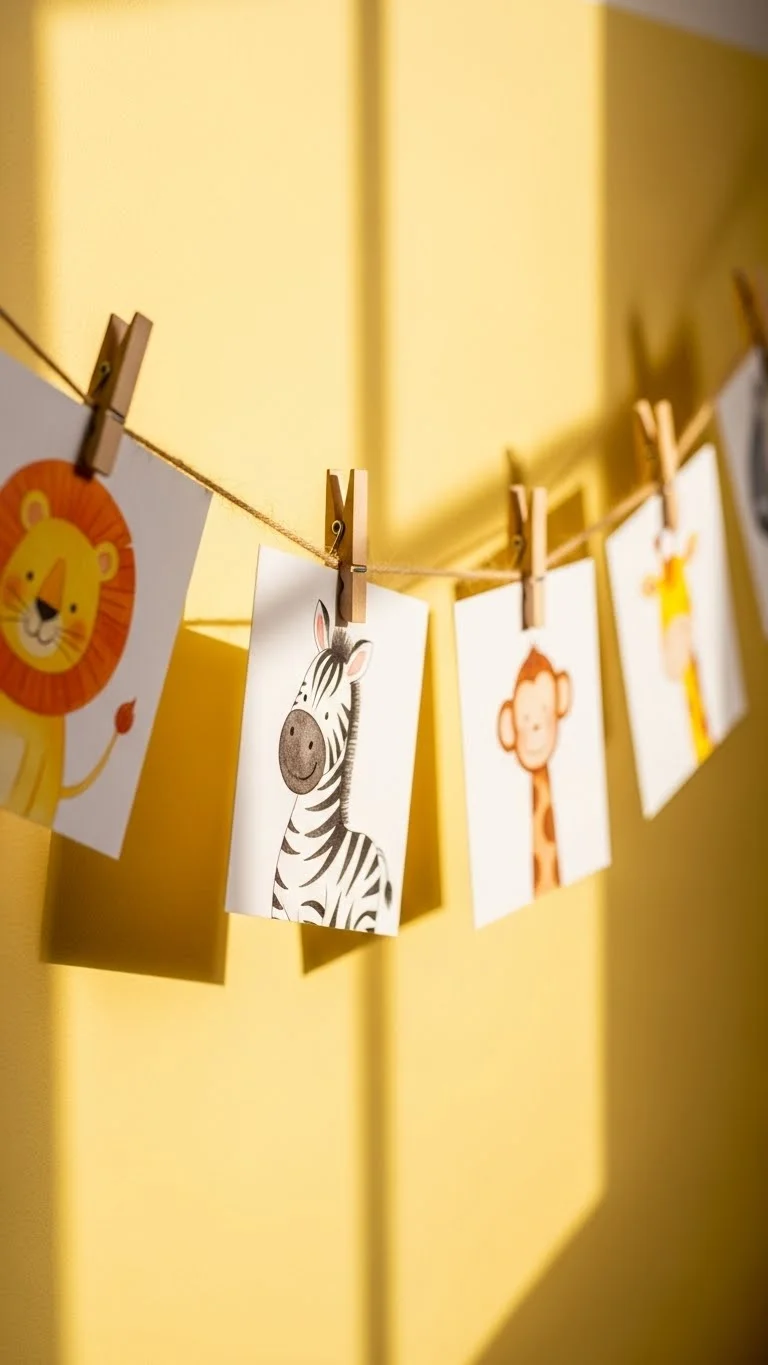
A clothespin chore line adds charm and keeps things simple. Clip small task cards to a line of twine or yarn. Kids move each card from the left side to the right side once they finish. The physical motion helps younger kids stay engaged. Use index cards or cardboard scraps to save money. Sketch small icons for each chore—no need for polished drawings. Clothespins from a craft store are inexpensive and durable. Hang the line low, maybe above a toy shelf, so kids can reach it comfortably. You can create separate lines for morning and afternoon routines. If your child enjoys crafts, let them decorate the clothespins with washi tape or stickers. The whole setup takes less than ten minutes to assemble. It’s a good option if you like a flexible system that doesn’t clutter the fridge.
- Dry-Erase Door Chart
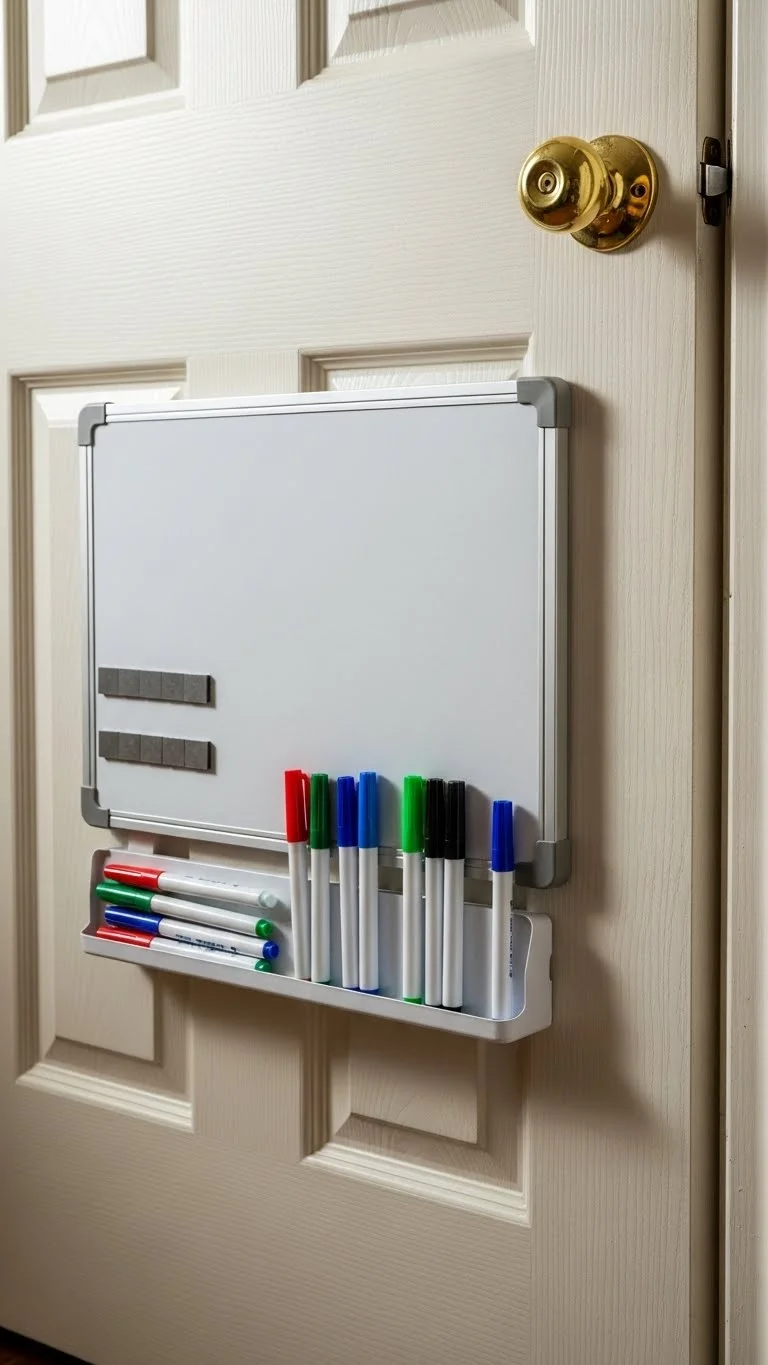
A dry-erase door chart works well when you need something quick and reusable. Attach a small whiteboard to the back of a bedroom door. Draw simple checkboxes for daily tasks. Kids can mark off items as they go. Wipe it clean at night or each week. This approach cuts down on paper waste and keeps everything tidy. Low-cost boards from discount stores work just fine. Keep markers on a command hook so they don’t get lost. You can color-code tasks for different times of day. If you want extra durability, outline boxes with tape so they don’t smear easily. Kids enjoy erasing their own checkmarks—it gives a sense of completion. This chart fits small spaces and doesn’t require printing or crafting.
- Pocket Chart Organizer
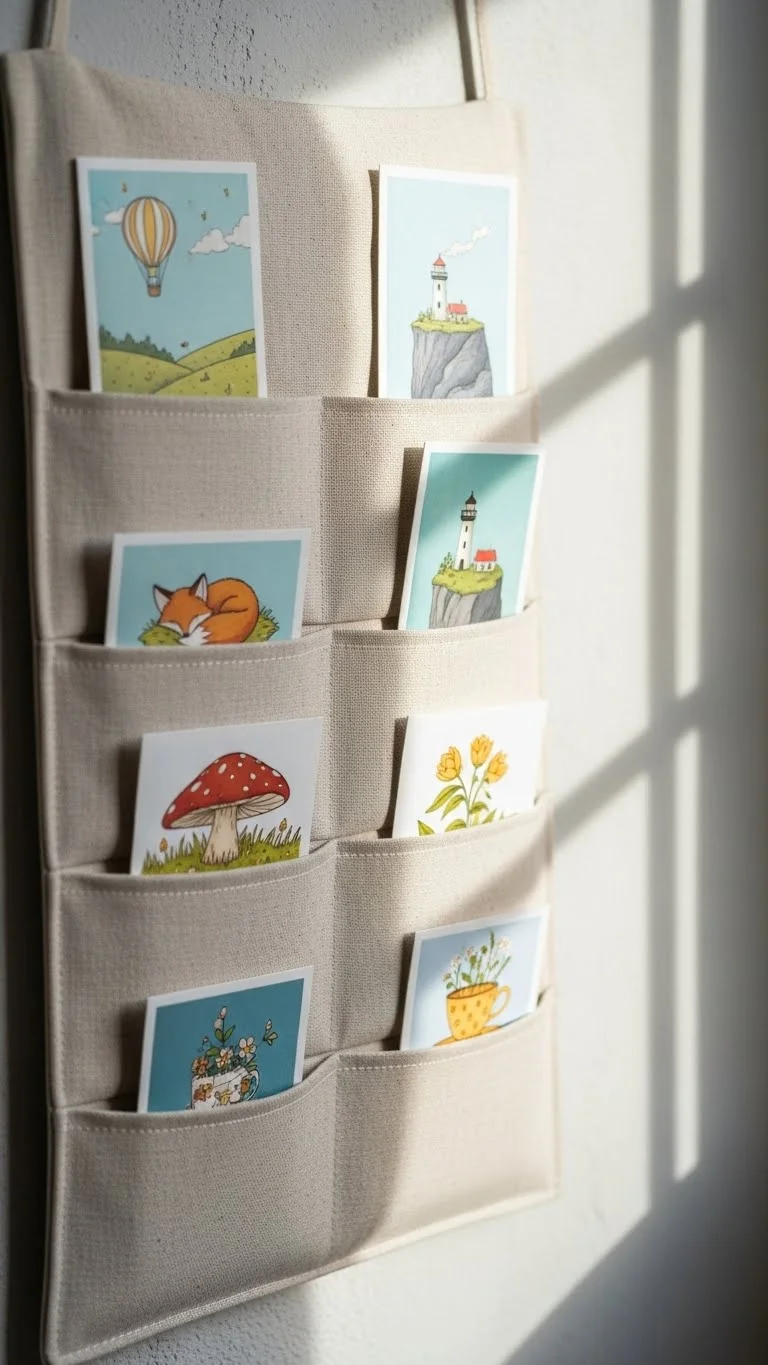
A pocket chart organizer adds structure without feeling complicated. Each pocket holds a task card. When a chore is complete, kids move the card to a “finished” pocket. Teachers often use these in classrooms, so they’re straightforward for kids to understand. You can buy one cheaply or sew one from scrap fabric. Use index cards to keep costs low. If you like flexibility, swap cards weekly instead of daily. You can also group pockets by morning, afternoon, and evening. Hang the organizer where kids walk by often. This keeps tasks visible without constant reminders. The pockets also prevent cards from falling on the floor, which helps busy households stay tidy.
- Chore Wheel
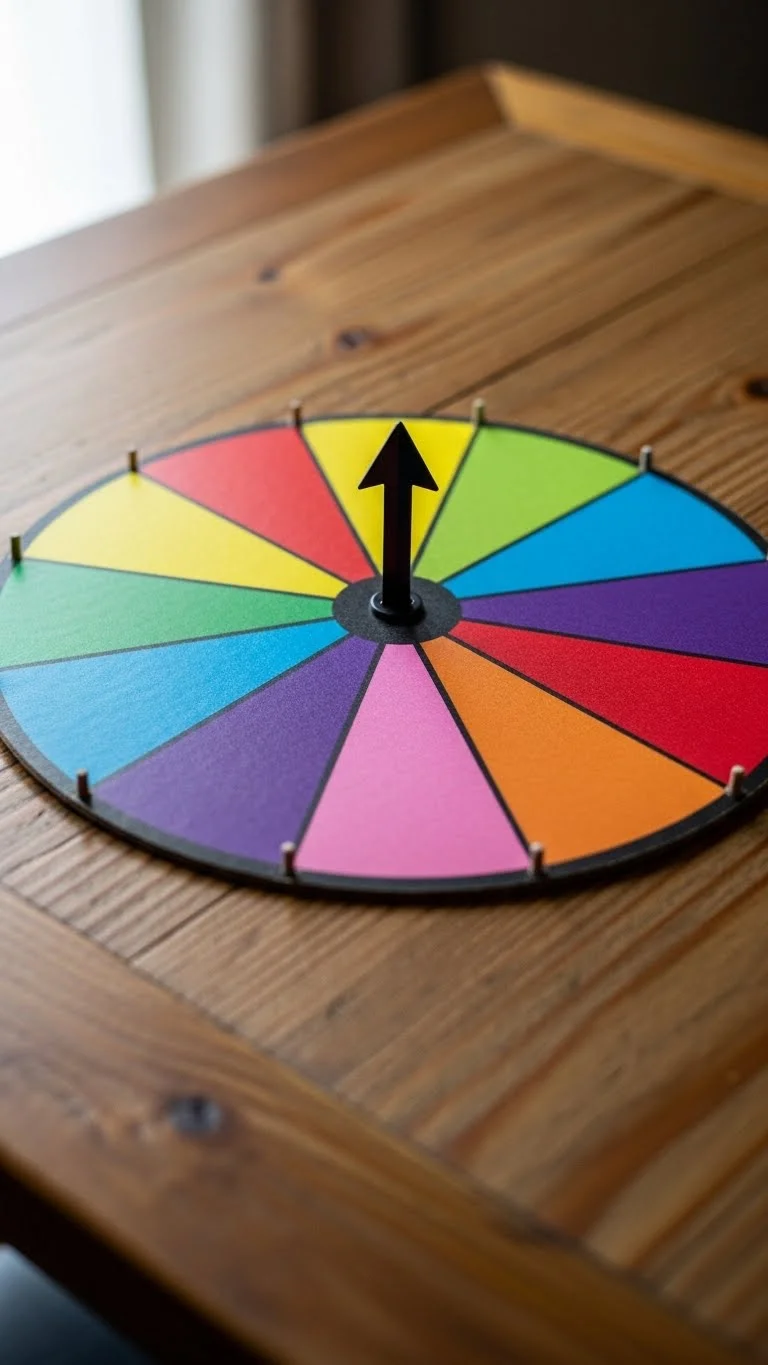
A chore wheel adds a playful twist. Cut two cardboard circles: one for tasks, one for the spinner. Divide the bottom circle into bright sections. Write or draw the chores in each section. Add a simple arrow on top to point to the selected task. Kids spin once each morning or afternoon. This works well for families with siblings because it spreads chores fairly. If you want more control, label some sections with repeated tasks. Use recycled cardboard and markers to save money. Attach the wheel to a wall or leave it on a table. Kids enjoy the chance element. It keeps routines from feeling repetitive. A chore wheel works best when paired with a simple reminder of when to spin it.
- Velcro Task Board
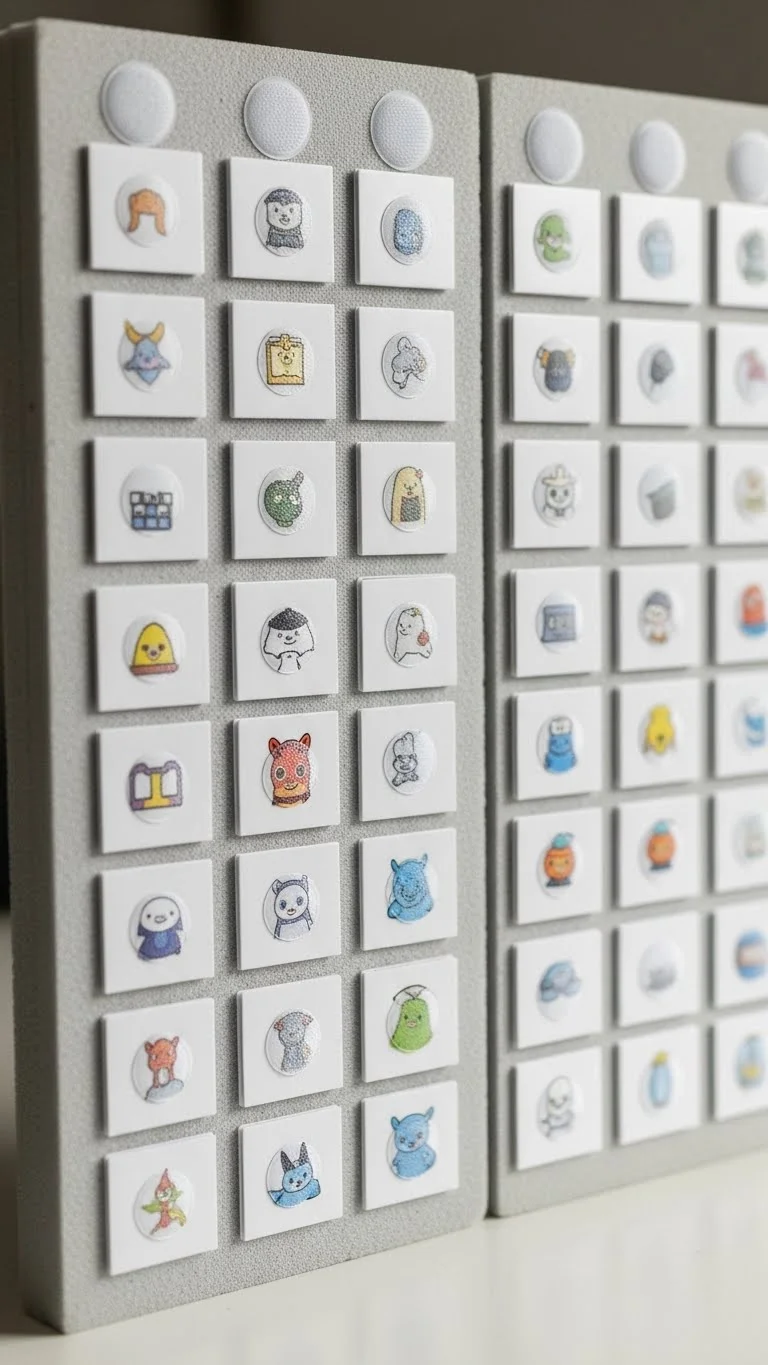
A Velcro task board gives kids a hands-on way to manage chores. Stick Velcro dots on a foam board—one side for tasks and one side for completed items. Print or hand-draw simple icon cards. Velcro makes the movement easy even for toddlers. You can swap tasks quickly without creating new charts. The foam board can be hung or propped up on a desk. To keep it budget-friendly, buy a small pack of Velcro dots and use scrap cardstock. Kids enjoy the “rip” sound when moving cards. It adds a bit of fun to everyday routines. This board is sturdy enough for daily use and lets you adjust tasks as kids grow.
- Morning-Only Mini Chart
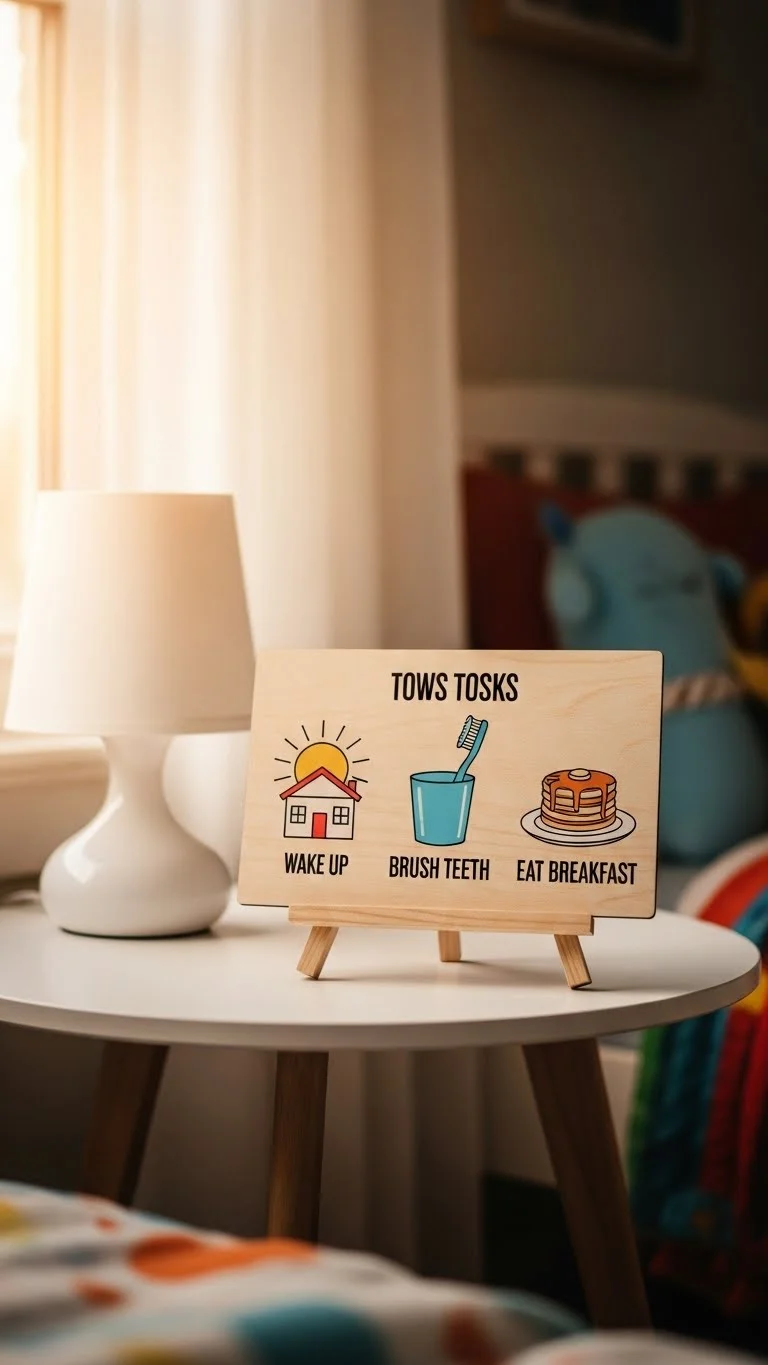
A morning-only mini chart keeps early routines calm. Limit it to three or four tasks: get dressed, brush teeth, clean room, pack bag. Write them on a small card or print simple icons. Kids check off each step before heading out the door. Keeping the list short helps kids stay focused during busy mornings. If you prefer a reusable version, laminate the card and use a dry-erase marker. Attach it to a bedside table or dresser. For budget-friendly touches, use free clipart printed in black-and-white and let kids color it in. This chart helps mornings flow more smoothly without feeling like extra work.
- Evening Wind-Down Chart
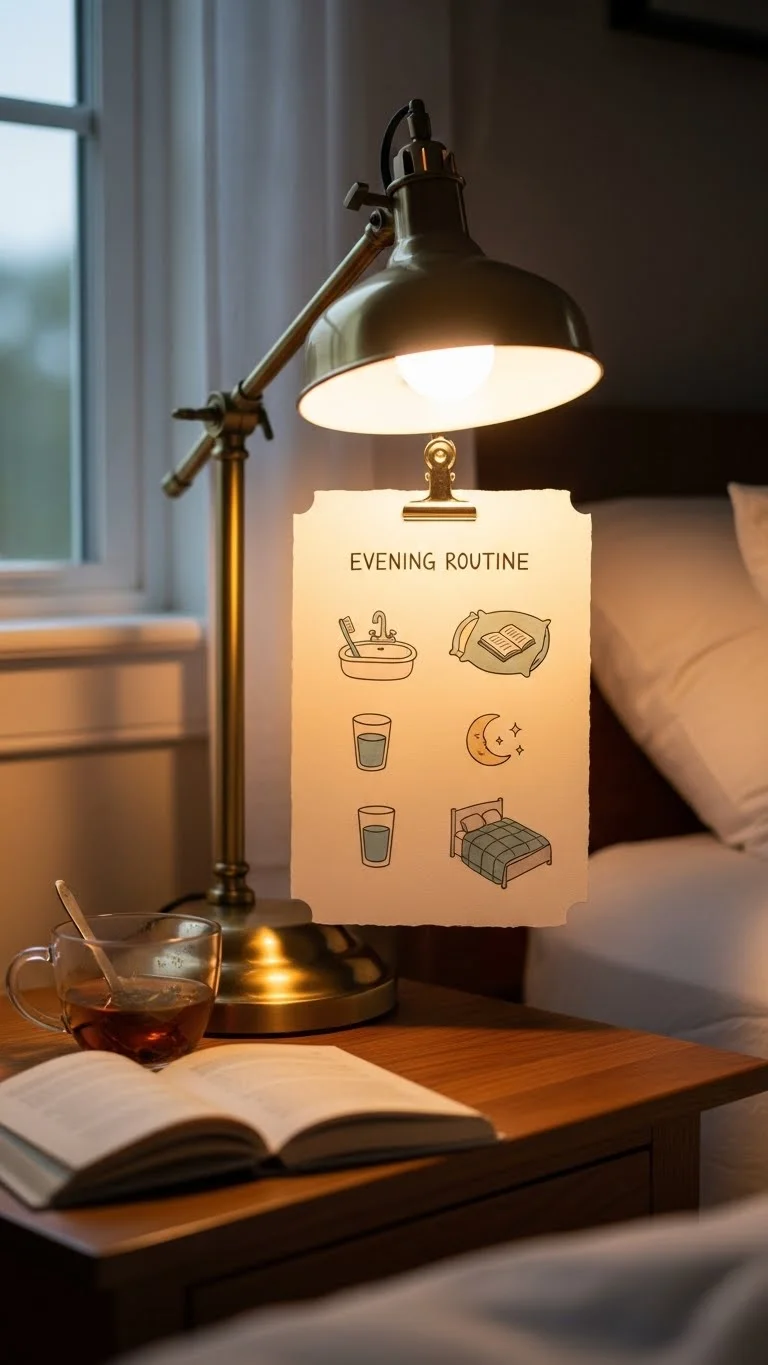
An evening wind-down chart creates a gentle routine before bedtime. Include tasks like picking up toys, putting clothes in the hamper, and brushing teeth. Keep the list short so kids don’t feel pressured. Use calm colors—soft blues or greens work well. Tape the chart near the bed or reading chair. You can make it reusable by slipping it into a clear page protector. Kids check off tasks as they go, helping them switch from active play to bedtime mode. Use simple drawings instead of text if your child is younger. This chart helps reduce nighttime reminders, which can ease the end of day for everyone.
- Reward Token Jar
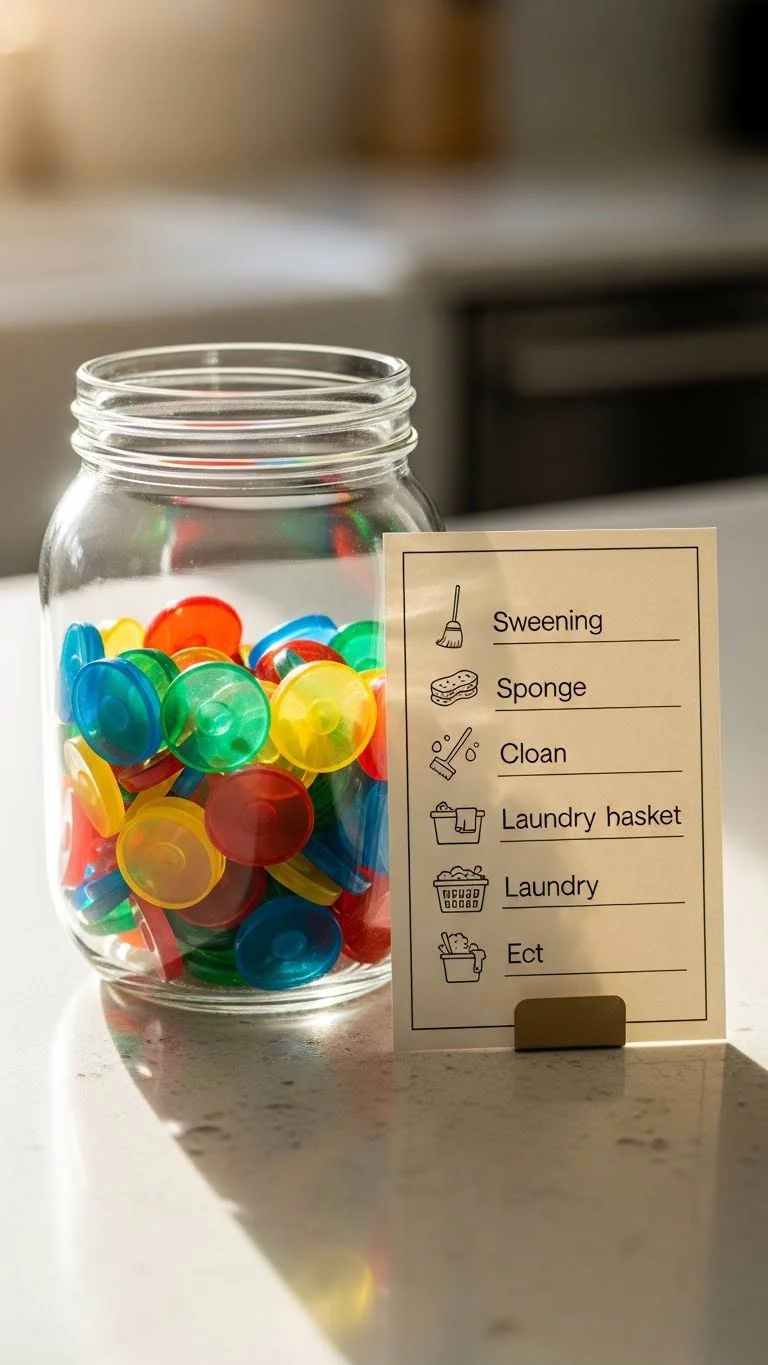
A reward token jar connects chores with small perks. Kids earn a token for each completed task. Tokens can be beads, buttons, or craft-store chips. Keep a small card nearby showing which chore equals one token. Kids add tokens to their jar throughout the week. At the end of the week, they trade tokens for simple rewards—extra story time, a choice of game, or picking dessert. This avoids expensive prizes. Jars from thrift stores work perfectly. You can label each jar with a symbol instead of names if you want visual appeal. Kids enjoy watching their jars fill up day by day. It’s simple, hands-on, and easy to reset.
- Accordion-Fold Chart
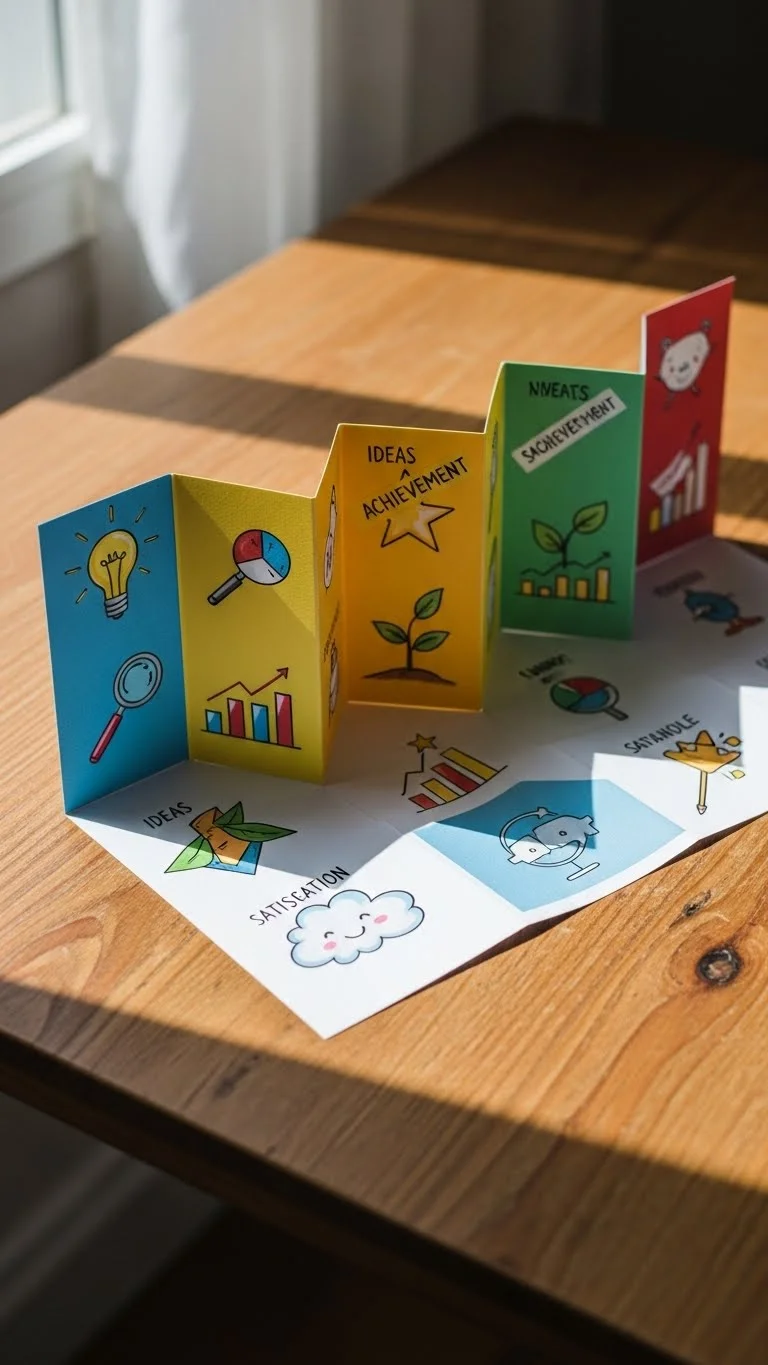
An accordion-fold chart is a portable option. Fold a sheet of cardstock into sections. Each fold holds one task. Kids open the chart in the morning and close a section as they finish each job. It’s a fun alternative to checklists. You can decorate each fold with crayons or stickers. This option is almost free to make. Keep it small enough to fit in a backpack if you want kids to use it during travel days. You can also make a weekly version with seven folds. Kids like the tactile part—opening and closing sections feels satisfying. It encourages steady progress without adding clutter to the walls.
- Chore Bingo
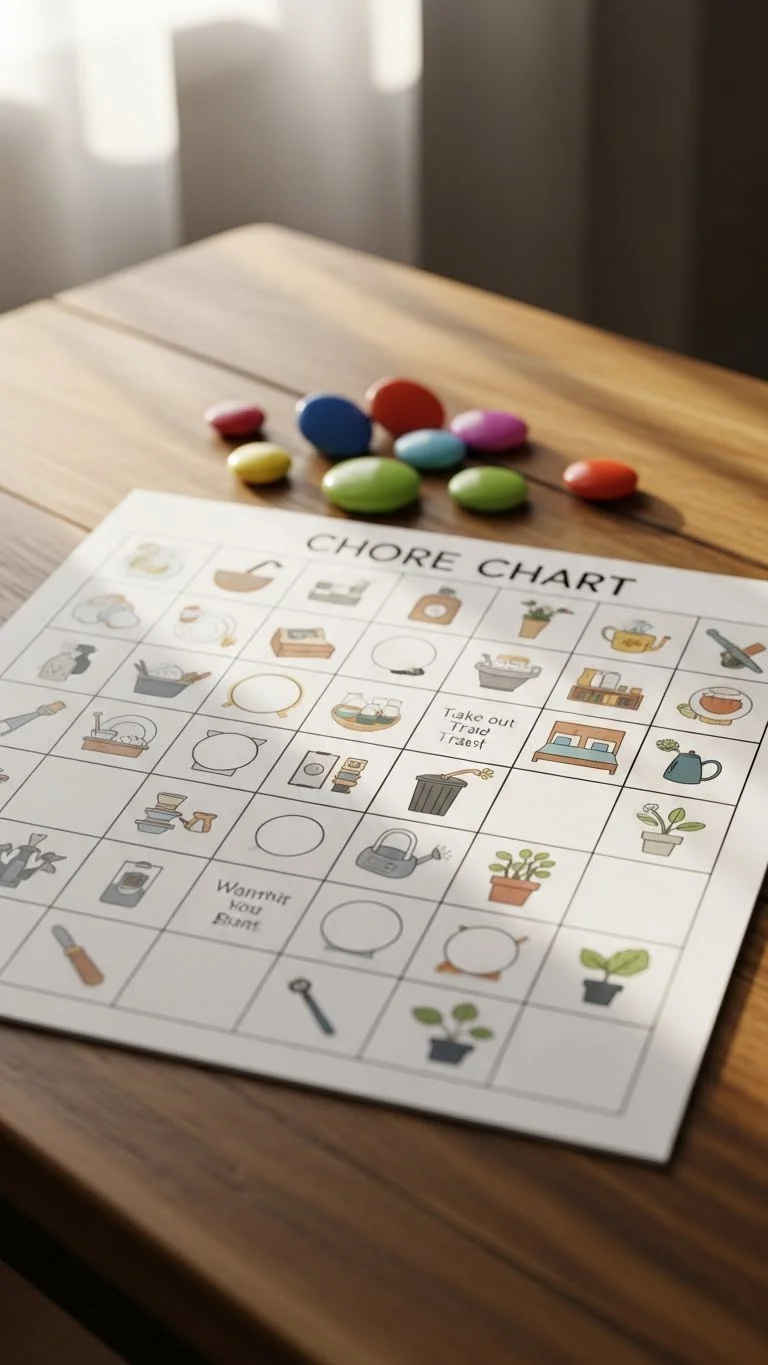
Chore bingo adds play to routine tasks. Make a 3×3 grid with simple chores in each box. Kids try to complete a row, column, or the whole board. It feels like a game without needing prizes. Use colored paper to make it cheerful. If you want a reusable version, laminate the sheet and use dry-erase markers. Keep chore difficulty balanced. Add one or two “free choice” squares so kids feel involved. This format works well for weekends when chores vary. You can create a new board each week using scrap paper. Kids enjoy the challenge of getting a “bingo” even without rewards.
- Paint Chip Chart
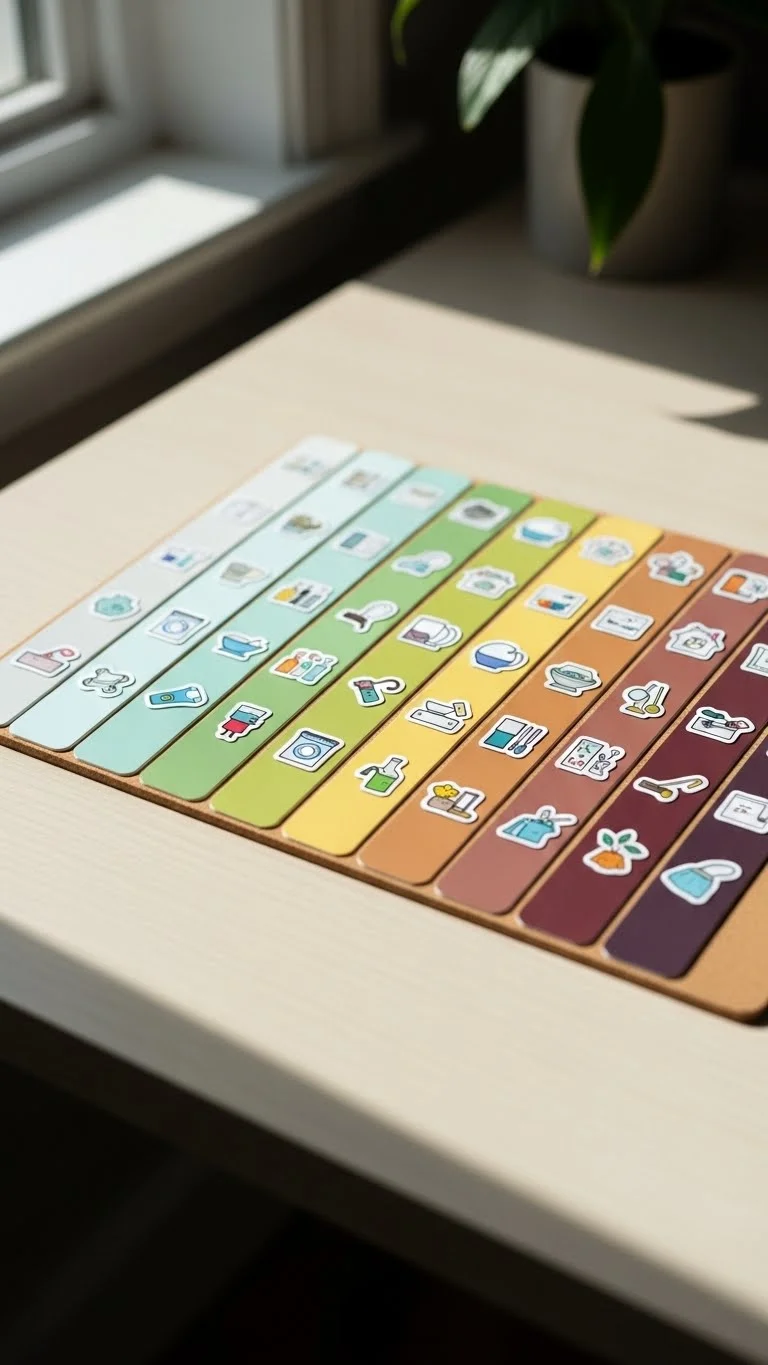
Paint chip cards make colorful and inexpensive chore charts. Pick up free strips from a home store. Tape them together and assign one strip per category—morning, afternoon, and evening. Add small stickers to mark progress. Kids enjoy the bright colors, and you don’t spend much at all. This chart fits small spaces and can be hung with a clothespin. If you want sturdiness, glue the strips onto cardboard. You can swap strips as routines change. Paint chips create a cheerful look without fancy supplies.
- Task Ring Cards
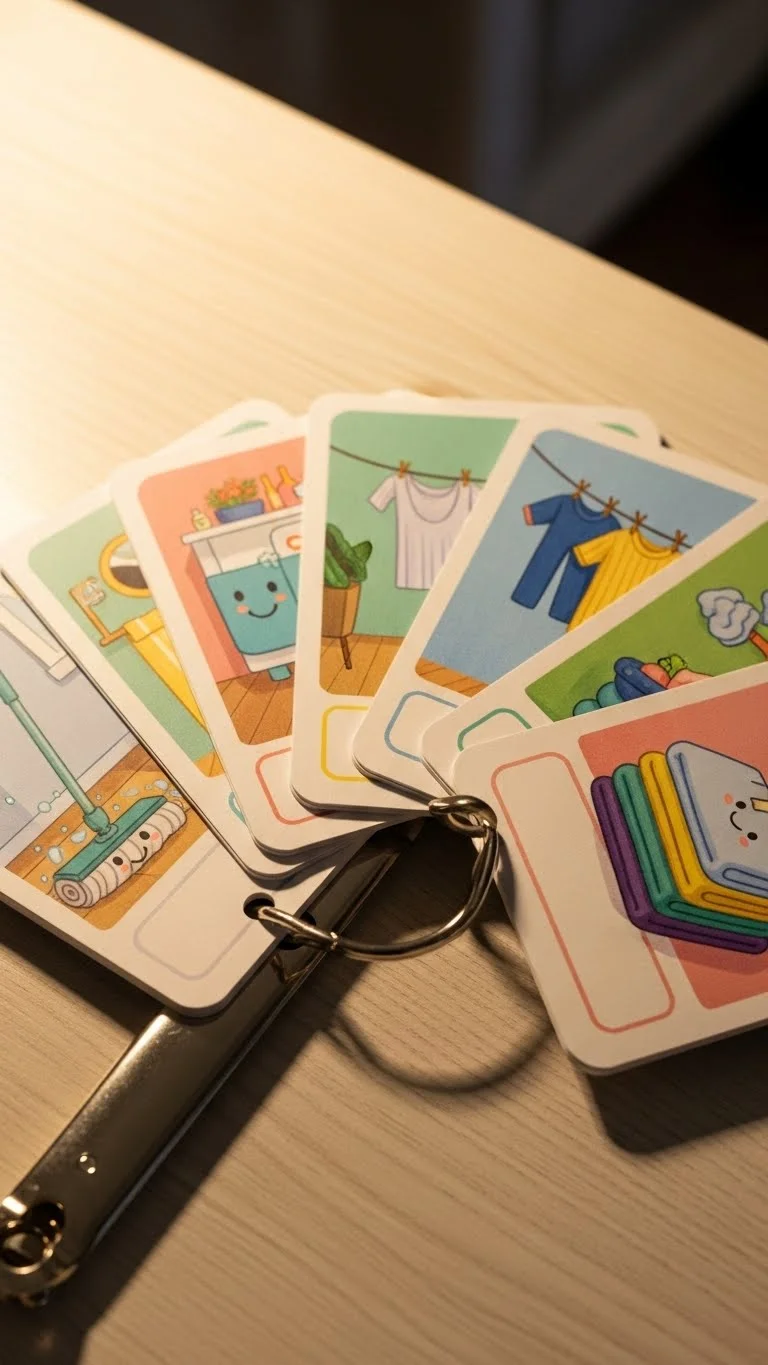
Task ring cards are great for families on the go. Punch holes in small cards and clip them onto a binder ring. Add simple drawings for each chore. Kids flip through the cards and move completed tasks to the back. This portable style works for car rides, busy mornings, or shared custody schedules. You can make cards from leftover craft paper. Kids often enjoy flipping cards like a mini book. You can also create separate rings for each child to avoid mix-ups. This method stays organized without taking wall space.
- Simple Grid Chart
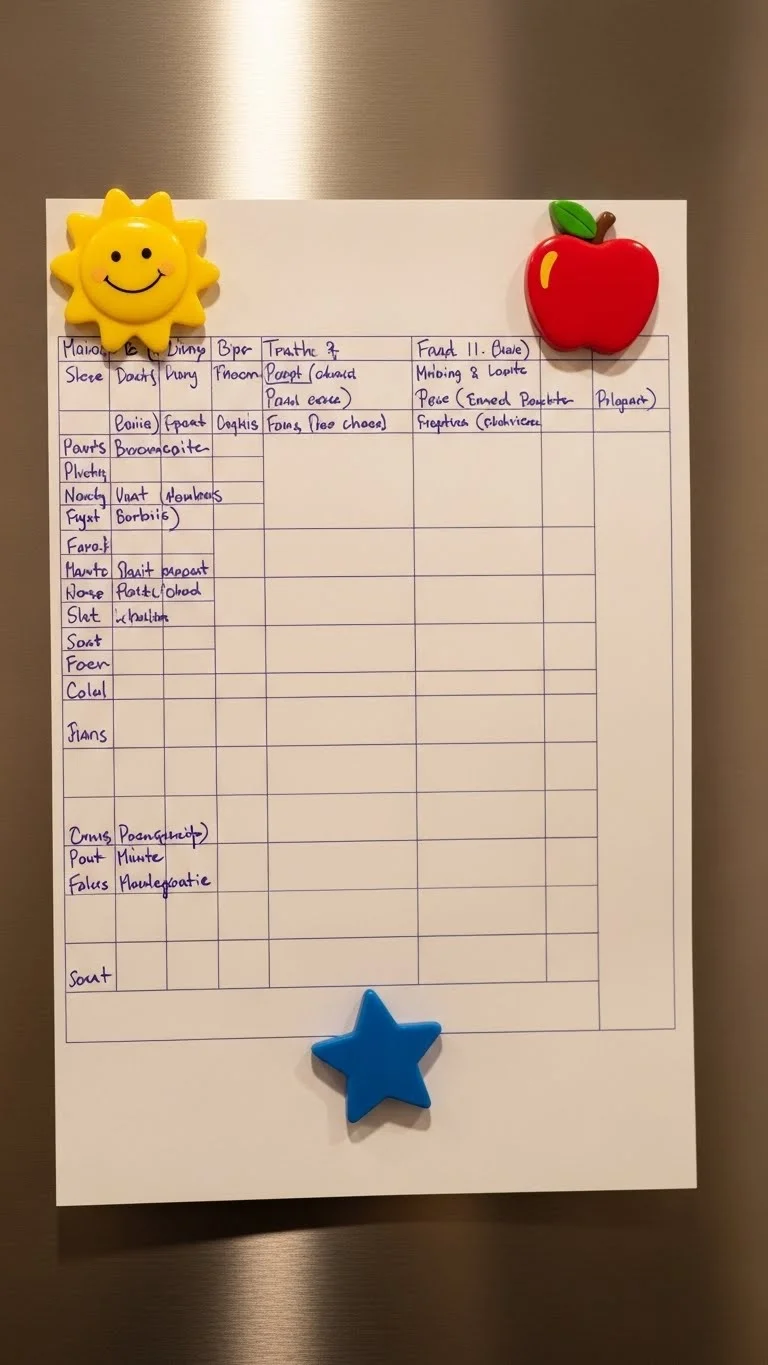
A simple grid chart keeps things basic. Draw a weekly grid on plain paper—tasks on the left, days across the top. Kids check off boxes each day. This is a no-fuss option that takes minutes to create. Tape it to the fridge or a cabinet door. Replace it weekly for a fresh start. If you want a reusable version, laminate the sheet. Kids appreciate the clear layout. It also helps older kids manage multiple tasks without feeling overwhelmed. This chart is low cost, clear, and easy to maintain.
- Chalkboard Routine List
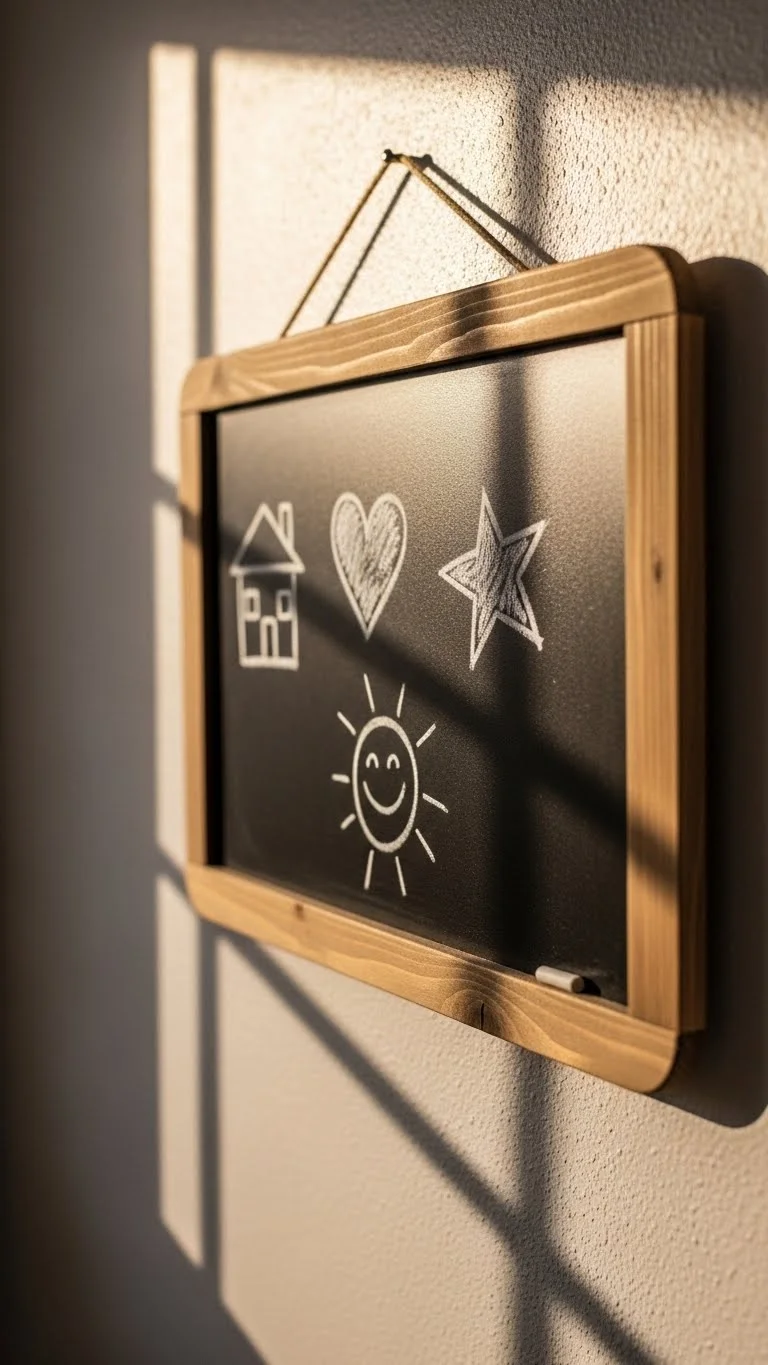
A chalkboard routine list adds charm and flexibility. Write chores in chalk with easy checkboxes. Kids erase each checkmark as they finish. Chalkboards are inexpensive at craft stores, or you can paint a small board with chalk paint. Keep chalk in a small cup nearby. Kids often like the sensory feel of drawing and erasing. If your child prefers pictures, draw icons instead of words. This chart works well in hallways or playrooms. It resets quickly and doesn’t require printing anything.
- Color-Coded Chart
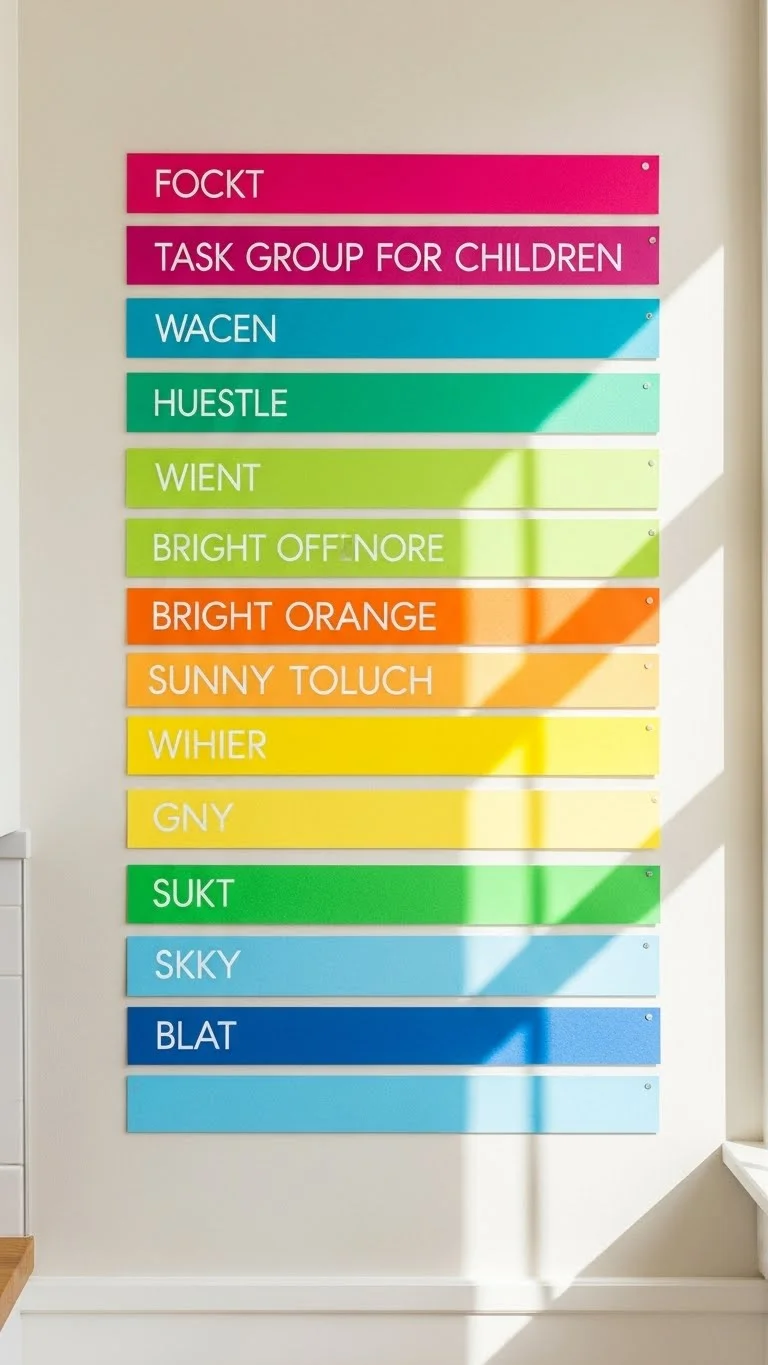
A color-coded chart helps kids see their tasks at a glance. Assign each child a color. Use colored paper strips to list chores. Arrange the strips vertically so each child has a clear column. Kids check off tasks using small stickers or dots. This prevents confusion among siblings. It’s inexpensive and easy to update. You can tape the strips to a wall or pin them to a corkboard. Kids respond well to their “own color” and often take pride in finishing their column.
- Popsicle Stick Task Jar
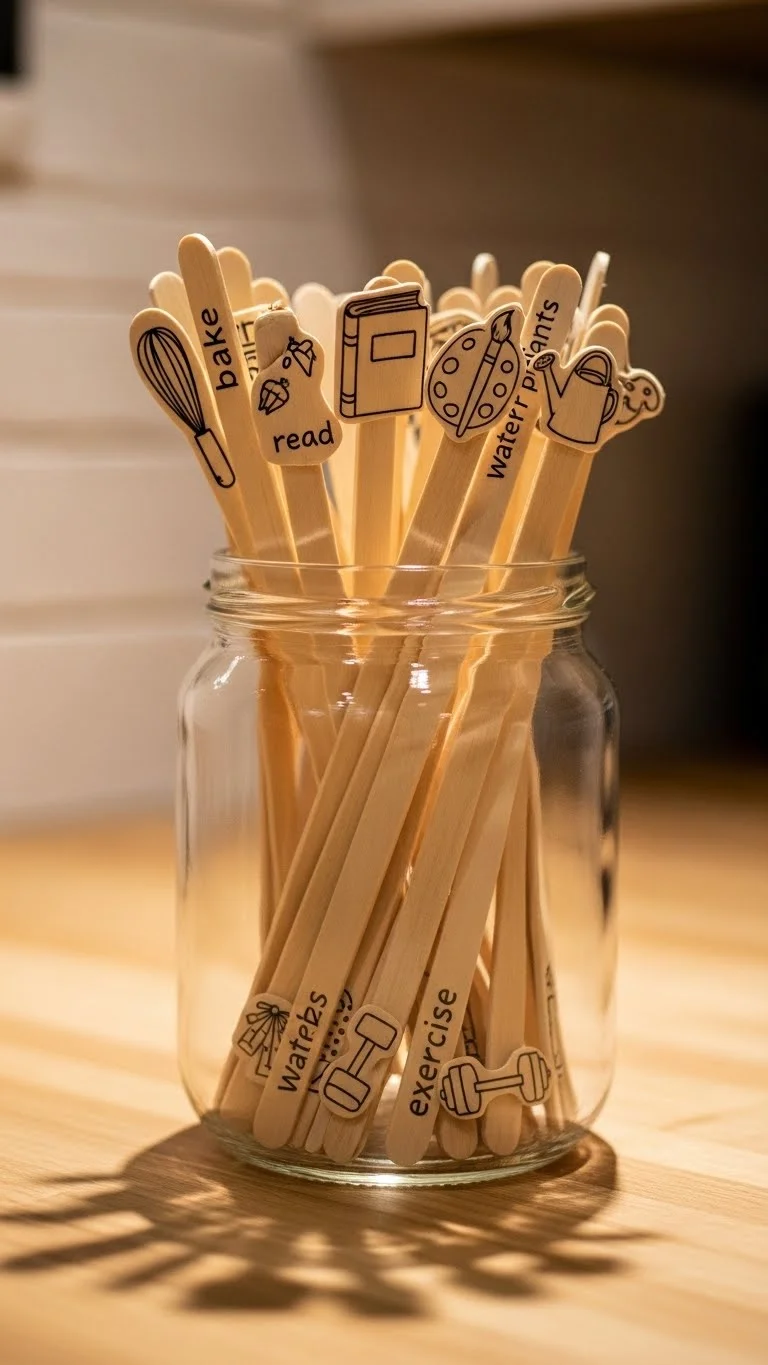
A popsicle stick task jar keeps routines flexible. Write chores on wooden sticks and add a simple drawing. Kids pull a stick and do the task. Finished sticks go into a second jar. This method works well when schedules change often. Popsicle sticks are cheap and easy to replace. You can color the tips to mark types of chores—morning, evening, quick jobs, or bigger jobs. Kids enjoy the surprise factor. It also helps share chores fairly among siblings.
- Weekly Flip Chart
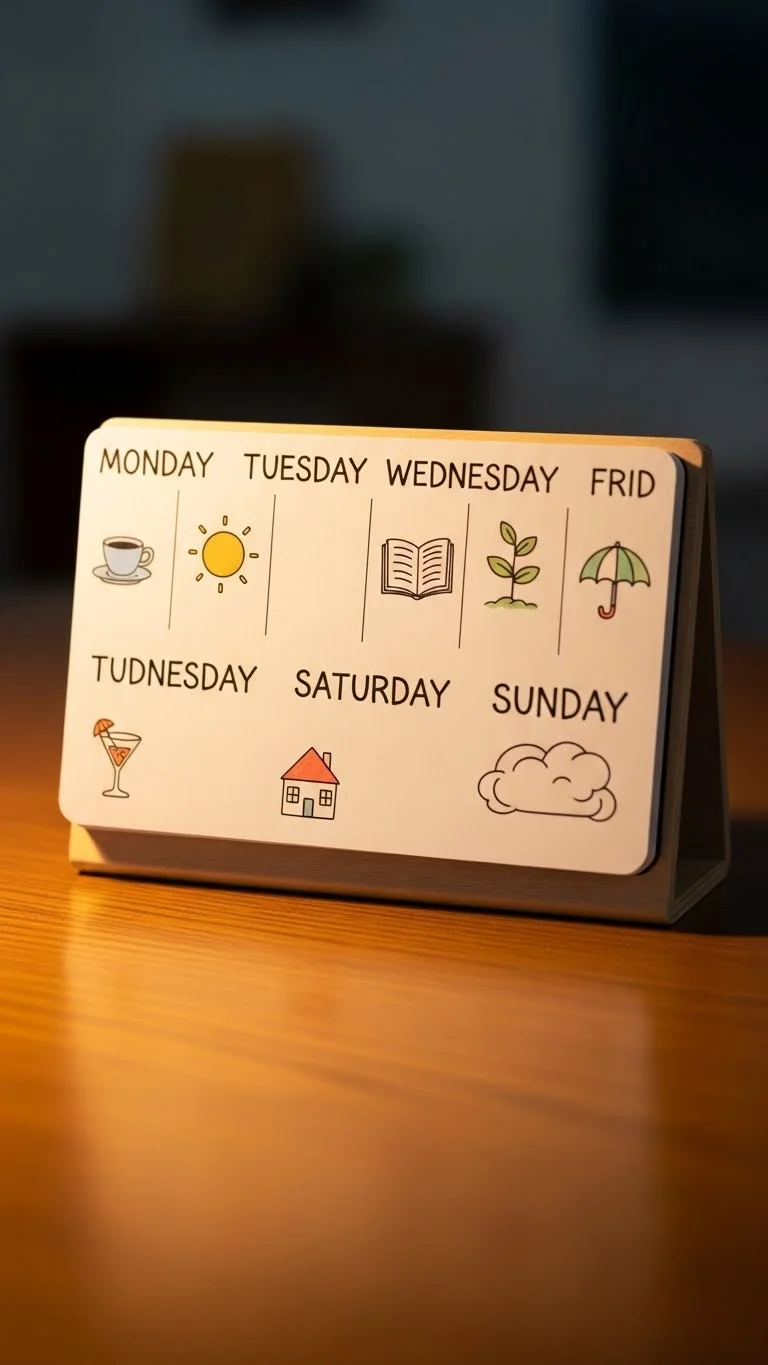
A weekly flip chart helps kids see their tasks one day at a time. Use a small easel-style flip book with a page for each day. Draw or print icons for that day’s chores. Kids flip to the correct day in the morning. This keeps the list short and clear. You can reuse the chart by laminating pages. This format works for kids who get overwhelmed by long lists. It takes little space and can sit on a dresser or desk.
- Job-of-the-Day Card
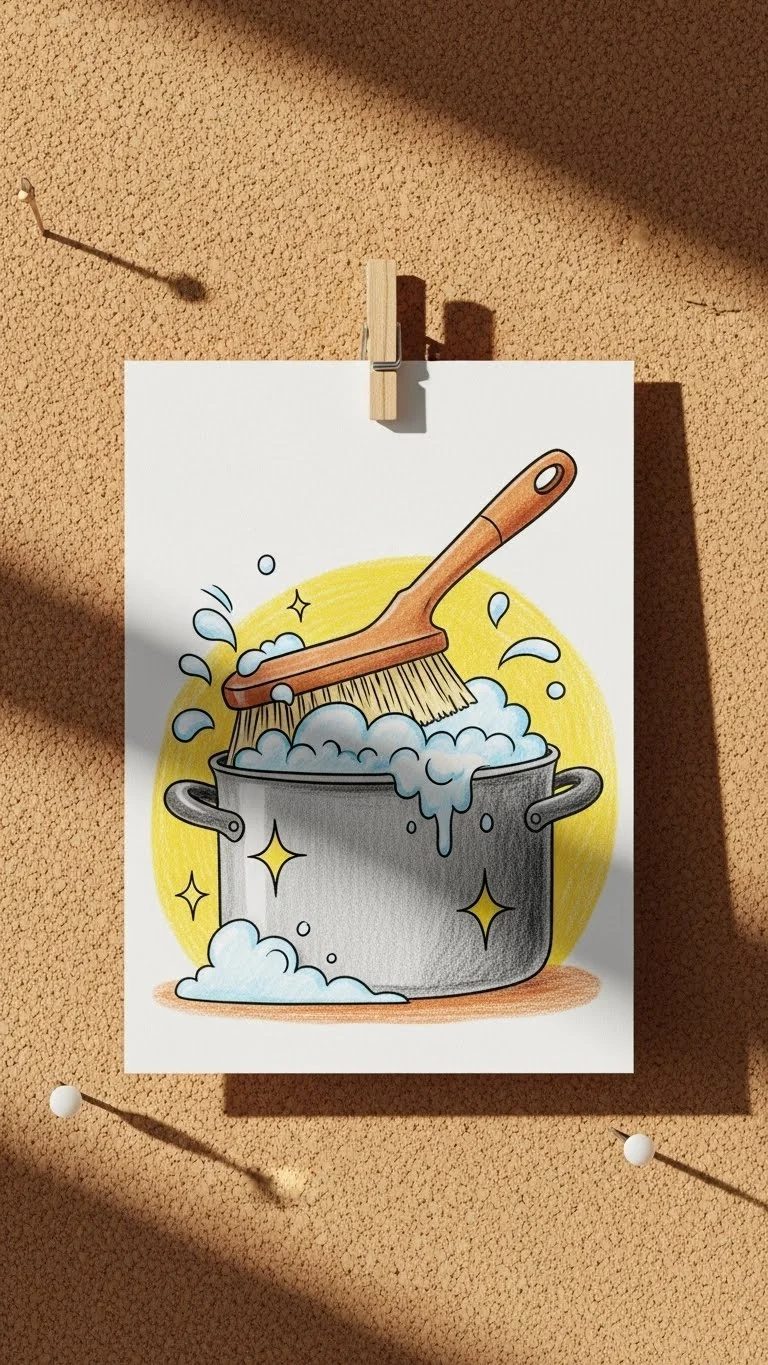
A job-of-the-day card keeps things simple. Choose one main task for your child each day—something different from everyday basics. Clip the card to a bulletin board or fridge. Kids enjoy the variety. This works well alongside regular routines. It’s inexpensive because you only need a small set of cards. Rotate tasks weekly to keep it fresh. Kids can help choose the weekly set for more involvement.
- Family Command Center Chart
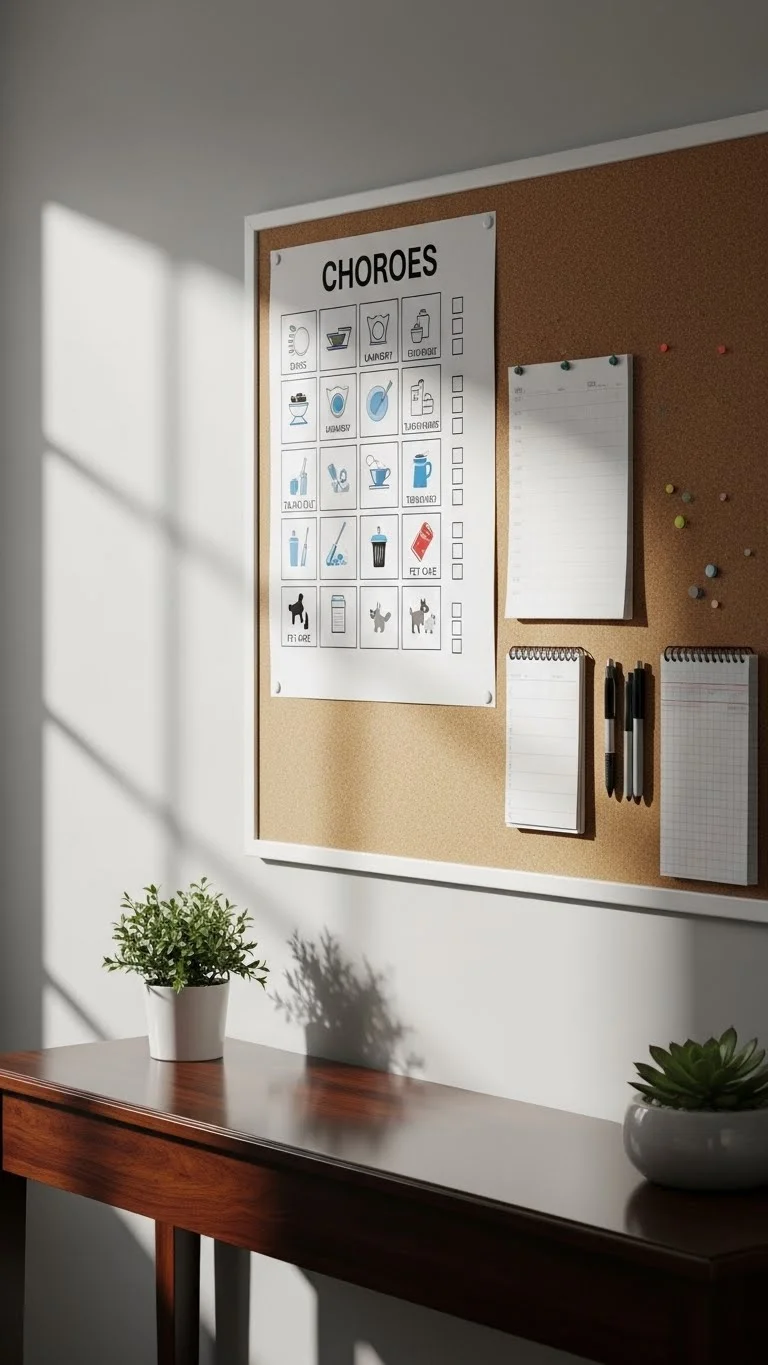
A family command center can include a small chore section for each child. Use clipboards or clear sleeves. Keep each list short. Kids check off items before heading out the door. This chart works well for busy households because everything is in one place. You can use dollar-store clipboards to keep costs low. Kids like having their own dedicated space.
- Snap-Photo Chart

A snap-photo chart uses your phone to track tasks. Take photos of tasks done correctly—like a clean room or a tidy shelf. Show your child how the “finished” version looks. Kids compare the space to the photo before calling the task done. For a budget-friendly approach, print the photos and tape them near the task spot. This works well for visual learners.
- LEGO Progress Tower

A LEGO progress tower adds fun to chores. Each chore equals one brick. Kids add bricks daily and watch the tower grow. When the tower reaches a set height, they earn a small treat like choosing a family movie. Use leftover LEGO pieces to avoid buying anything. Kids love watching their tower take shape.
- Clipboard Checklist
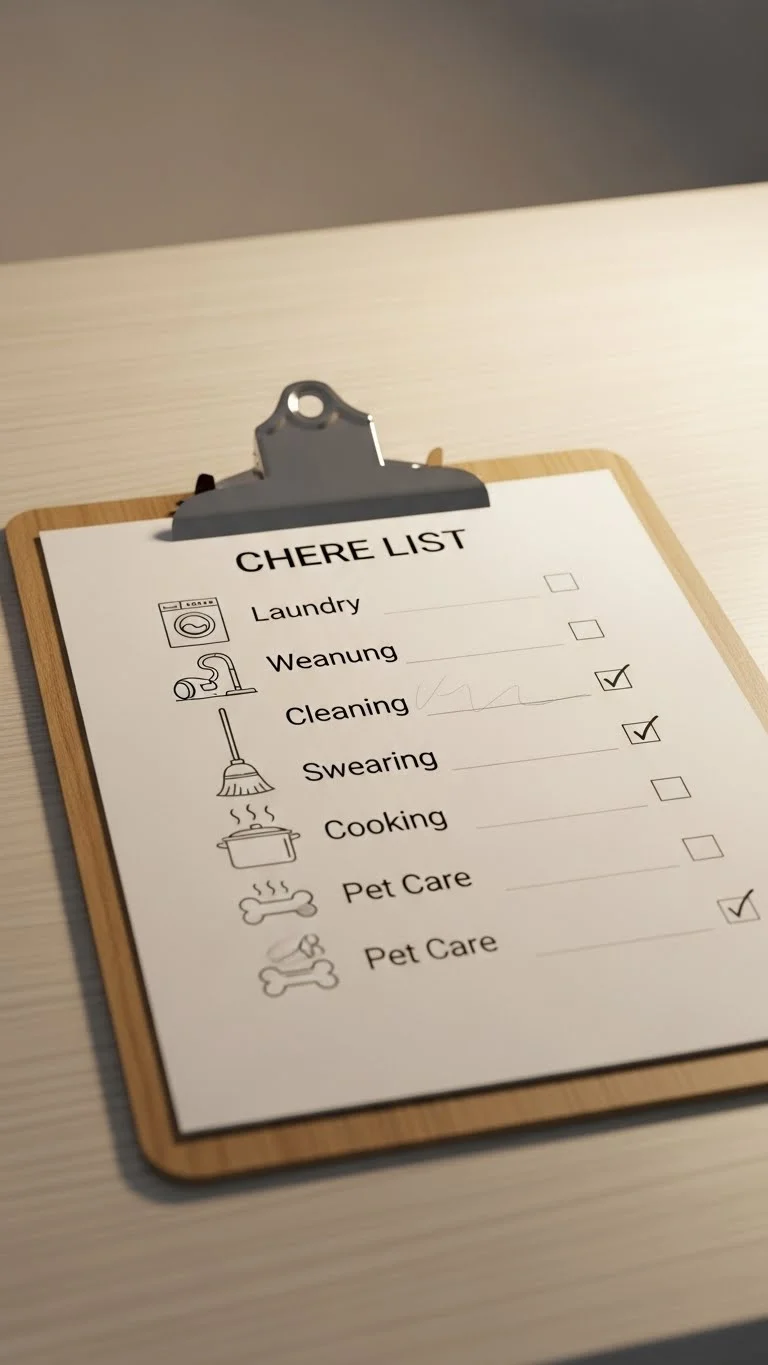
A clipboard checklist keeps things practical. Print a simple sheet with small icons next to each task. Kids check off items with a pen or marker. Clipboards from discount stores cost very little. This setup travels easily between rooms. Replace the sheet weekly or laminate it for reuse. Kids appreciate the structure and clarity.
- Mirror Marker Chart
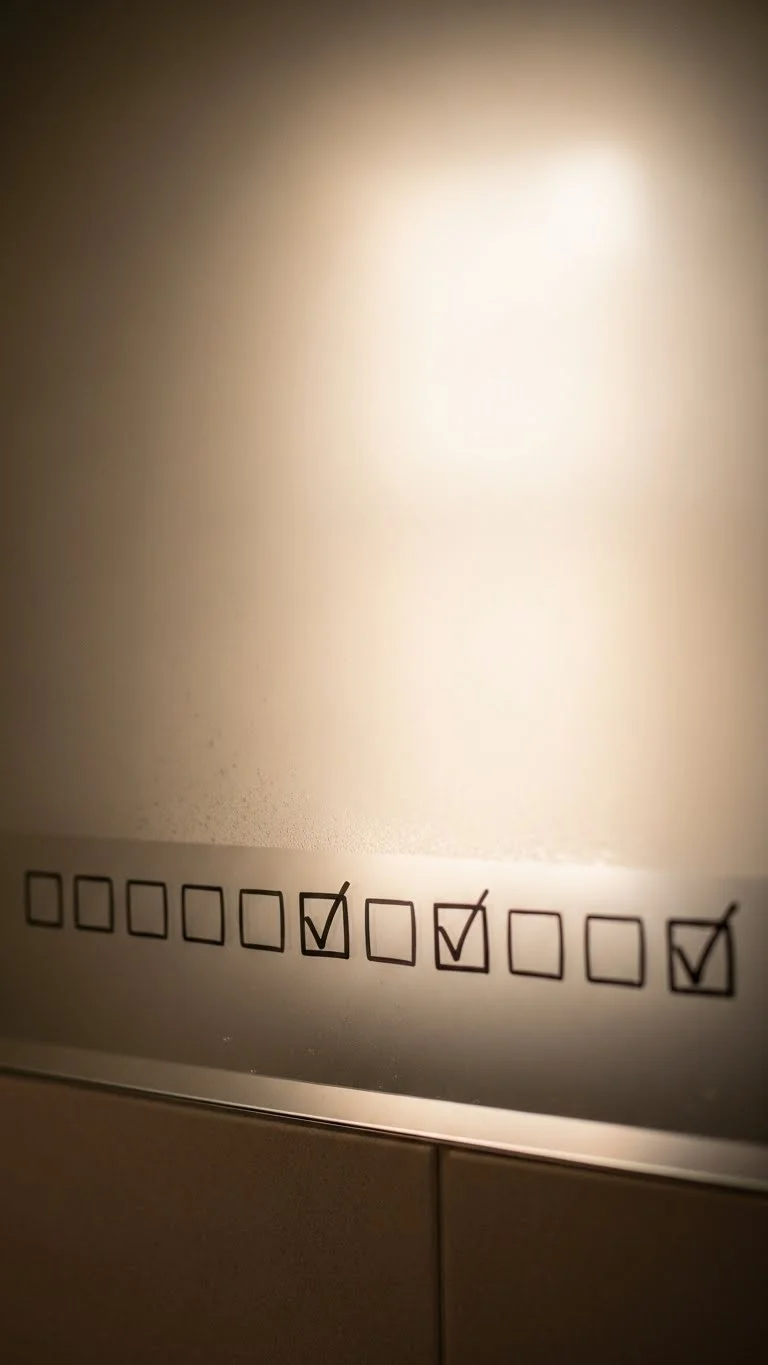
A mirror marker chart keeps routines visible where kids already stand. Use washable markers to draw daily checkboxes for simple tasks like brushing teeth or hair. Kids check boxes right on the mirror and wipe them clean later. This method requires no printing or supplies beyond a single marker. It keeps reminders subtle and easy to follow.
Conclusion
Chore charts can make daily routines smoother, lighter, and more consistent. The ideas above work with simple supplies and help kids stay involved without pressure. Pick one style or mix a few. Keep tasks short and clear. When kids feel included, everyday jobs become easier for everyone.
