

25 Effective Toddler Tantrum Solutions for Peaceful Days
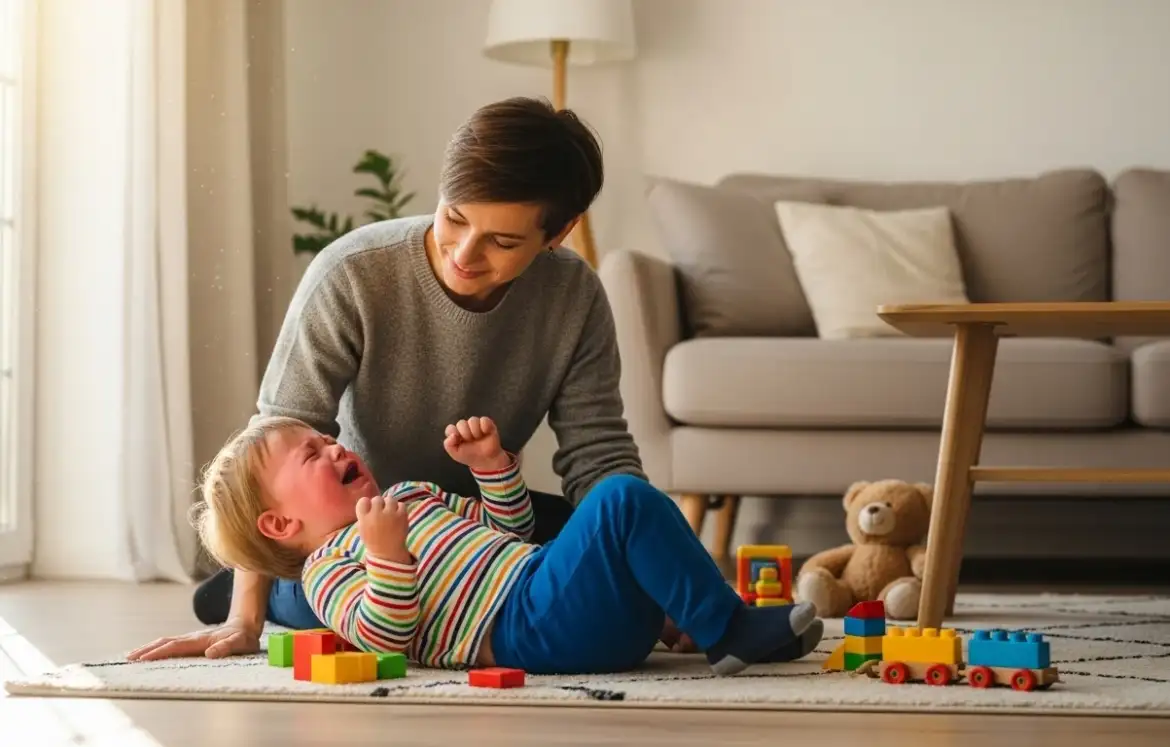
Tantrums can take over the day fast, especially when toddlers feel overwhelmed or don’t know how to express big emotions. Parents often want simple steps that actually help. The ideas below are practical, low-cost, and easy to apply at home. Everything is written to help you move through tough moments with more confidence and a little less stress. Use what fits your family and set the rest aside.
- Create a Predictable Rhythm
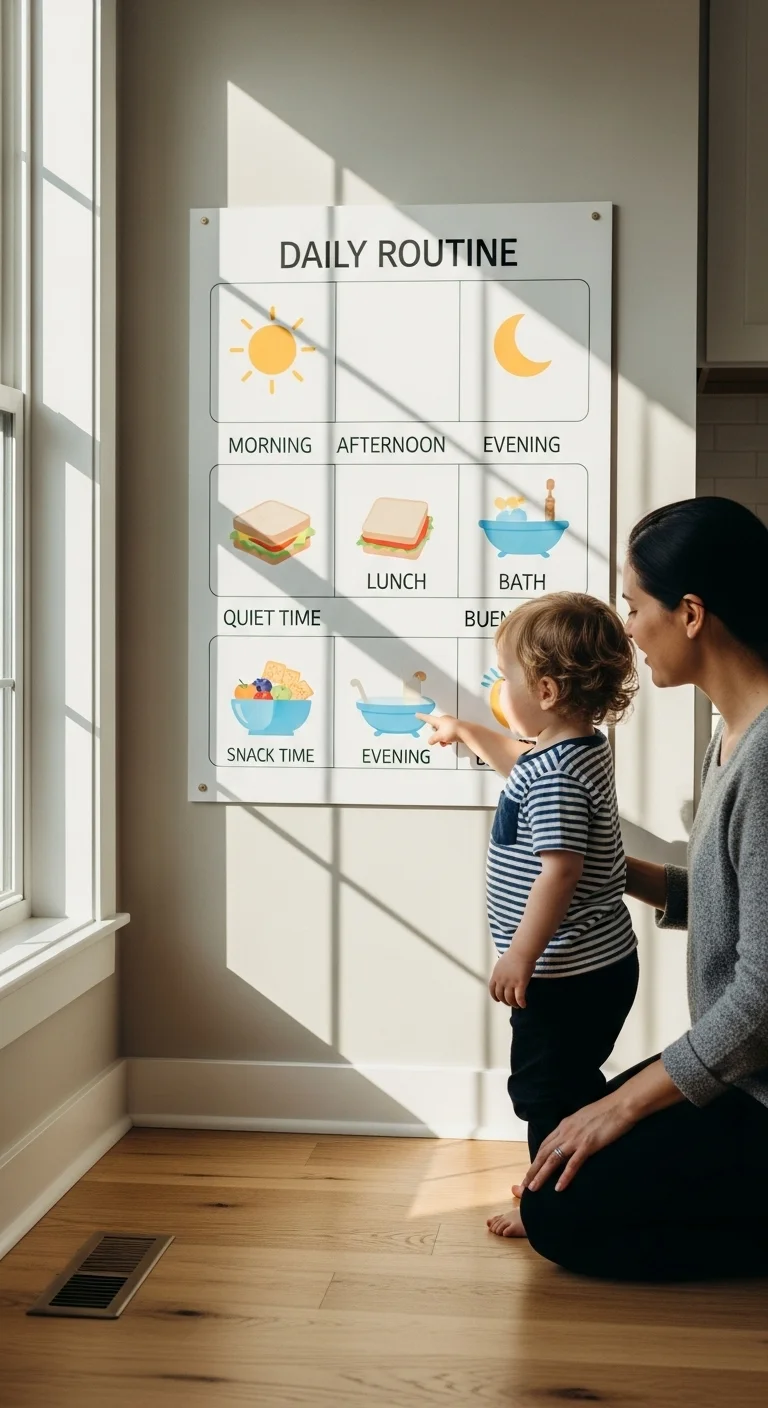
Toddlers feel calmer when the day follows a steady pattern. You don’t need fancy boards or apps. A sheet of paper with quick sketches works fine. Tape it where your child can reach it. Use simple drawings for meals, play, naps, and outings. Keep time flexible. Let the chart act as a visual guide rather than a strict timeline. When tension starts to rise, walk with your toddler to the chart. Point to what’s happening next. Short sentences help them process the change. Add tiny “pause moments” between busy activities, like quiet block play or water pouring in a bowl. These breaks help your child settle before moving on. Rotate the drawings every week to keep it interesting. This small habit cuts down confusion and helps the day run more smoothly without spending much money.
- Offer Choices That Stay Small

Giving choices helps toddlers feel included, but too many can overwhelm them. Keep it simple with two options. Two shirts. Two cups. Two books. Hold up the items and name each one in a short sentence. If your child starts melting down, pause and try again with gentle patience. When they throw the items, place them beside you and wait a moment before offering another chance. Make a little “choice basket” with everyday things like socks, spoons, or small toys. Use it during calm moments so your child gets used to making low-pressure decisions. This builds confidence and often softens tantrums because your toddler feels more involved. You don’t need new supplies; a small box you already own works perfectly.
- Use a Calm Corner

A calm corner gives your toddler a gentle place to reset. Pick a small spot in your living room or bedroom. Add a pillow, a favorite stuffed friend, and maybe a simple sensory item like a squishy ball. Avoid noisy toys or screens. When frustration builds, guide them toward the corner with soft words. Sit nearby so they don’t feel pushed away. You’re offering comfort, not sending them off alone. Rotate items when your toddler loses interest. Use things you already have—an old blanket, a basket, or a small lamp. Over time, your child connects this space with settling their body, not punishment. This makes tough moments feel less overwhelming for both of you.
- Keep Snacks Steady

Hunger often sparks tantrums. Keeping snacks ready and visible can make the day smoother. Use cheap reusable containers and store them low so your toddler can see their options. Offer simple foods like fruit pieces or crackers. When your toddler gets upset and it’s been a while since they last ate, offer a small bite. This isn’t bribing; it’s checking if hunger is part of the problem. Rotate snacks every few days to keep things interesting. You don’t need to prep elaborate meals—small, familiar foods work best. This simple routine helps keep meltdowns shorter and less intense.
- Get Outside for a Quick Reset

Fresh air shifts energy fast. When emotions rise, step outside for even a minute or two. You don’t need a big outing. A walk to the mailbox works. Look at leaves. Count birds. Feel the breeze. These tiny moments help your toddler release tension with movement. You can turn it into a mini “treasure moment” by collecting a small rock or leaf to take home. Keep a jar for these little finds. This helps your child pause and reset without extra cost or planning. Outdoor resets often shorten tantrums before they take over the day.
- Slow Your Voice and Movements

Toddlers react strongly to energy around them. When you move slowly, they often follow your pace. During a meltdown, lower your voice and keep your gestures gentle. This doesn’t fix everything immediately, but it stops emotions from building even higher. Think small steps. Kneel. Speak in short sentences. Avoid rushing. You can practice this during calm parts of the day so it feels natural during harder moments. This simple habit helps your child feel safe, and it doesn’t cost anything. Over time, slowing yourself down becomes one of the most helpful tools you can use.
- Use Simple Emotion Words

Toddlers often explode because they can’t say what they feel. Short emotion labels help them understand what’s happening inside. Use simple words like “mad,” “sad,” or “frustrated.” Keep it brief. You can draw quick faces on paper plates or sticky notes—no artwork skills needed. Show the face and name the feeling during calm moments first. Then use it during tantrums. You’re not trying to stop the meltdown instantly; you’re helping your toddler understand it. Over time, these tiny labels give your child a way to express themselves without screaming. Homemade emotion cards cost almost nothing and make a big difference.
- Prep for Change with Countdown Cues

Transitions often trigger meltdowns because toddlers dislike sudden changes. Countdown cues prepare them gently. Hold up fingers and say “Three… two… one…,” with plenty of space between each number. Keep your voice calm. You can pair the countdown with a small sound, like tapping the floor or clapping once. Use the same method every time so it becomes familiar. You don’t need timers or gadgets—your voice and hands are enough. Try using countdowns before meals, clean-up, or leaving the house. This helps your toddler feel ready instead of being pulled away from something they enjoy.
- Give Your Toddler a “Job”
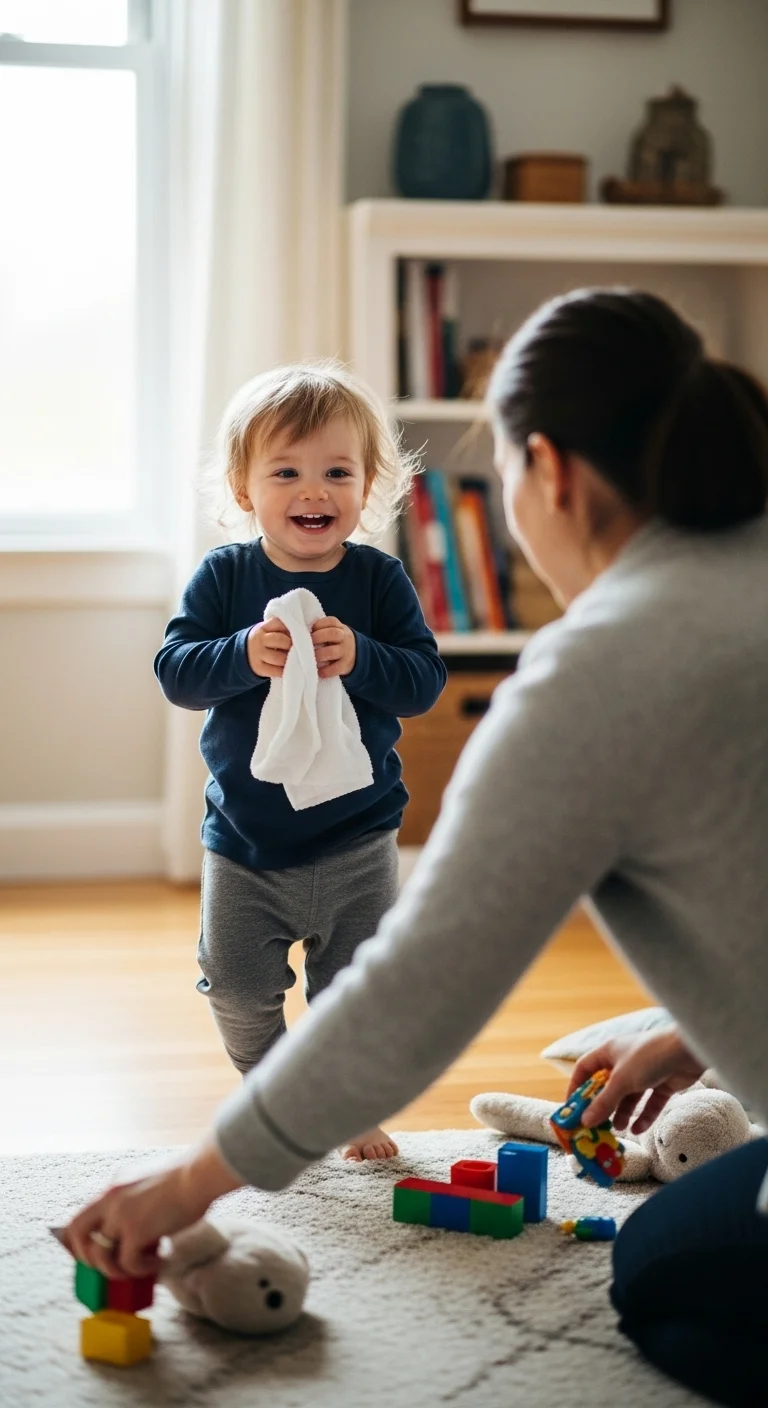
Many tantrums come from toddlers wanting to feel capable. Offering a tiny “job” can redirect their energy. Ask them to hand you a washcloth, carry a sock to the laundry basket, or put a toy in a bin. Use simple language: “Your job is to carry this.” The task doesn’t have to matter in an adult sense—it just needs to feel important to your child. Keep jobs small and success easy. During tense moments, giving a job creates a sense of control and reduces frustration. No supplies needed—use whatever is already around you.
- Practice “Tiny Yeses”
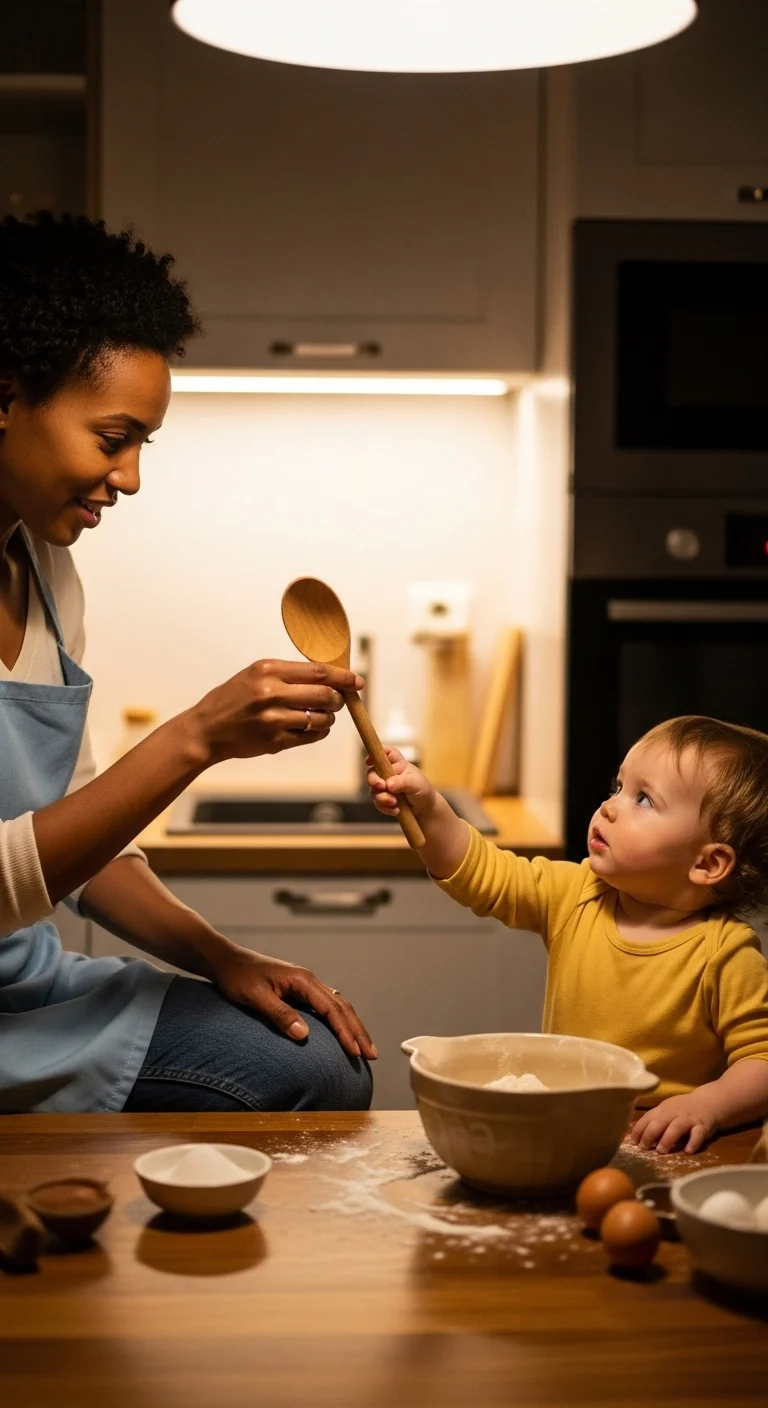
When toddlers hear lots of “no,” they can become more reactive. “Tiny yeses” build cooperation without giving in to unsafe requests. If your toddler asks for something off-limits, find a safe version you can allow. “You can’t have that knife, but you can have this spoon.” This keeps the boundary firm while calming their nervous system. Save this tool for everyday moments so it feels natural when tension rises. It costs nothing—just a small shift in how you respond.
- Redirect with Movement

When emotions spike, physical activity can break the intensity. Try saying, “Let’s jump three times,” or “Let’s stomp to the door together.” Movement gives your toddler an outlet for big energy. Keep it simple—no special equipment needed. Practice a few go-to moves during calm times so your child knows them. Movement doesn’t “fix” the feeling, but it helps the body release tension before it turns into a full meltdown.
- Keep Words Short During Tantrums

Long explanations overwhelm toddlers when they’re upset. Use brief phrases like, “I’m here,” “You’re safe,” or “I’ll help.” Let silence do the rest. Staying close with simple language helps your child settle faster. Save longer talks for after they’re calm. This approach requires no tools, no scripts—just patience and presence. Over time, short words become your toddler’s anchor during stormy moments.
- Create a “Help Me” Signal

A simple nonverbal signal can help toddlers ask for support before they explode. Choose an easy gesture—like touching their chest or raising a hand. Practice it during peaceful times. When they start spiraling, gently remind them: “You can use your help signal.” The goal isn’t perfection; it’s giving them a tiny tool for communication when words are hard. This costs nothing and builds emotional awareness early.
- Let Them Watch You Calm Yourself

Toddlers learn more from what they see than what we say. When you feel frustrated, narrate a tiny moment of self-regulation: “I’m taking a slow breath.” Don’t overdo it—just show them one small calming action. This normalizes big feelings and models coping skills they can imitate. You don’t need to be perfect. Toddlers benefit most when they see calm in progress, not calm already mastered.
- Keep “Busy Hands” Tools Nearby

Hands-on activities help ground toddlers who are on the edge of a meltdown. Keep a small basket with simple items like playdough, a soft brush, or a fabric square. Use it during transitions or moments when you sense tension rising. Avoid overstimulating toys. These don’t need to be fancy—many can be homemade or repurposed from things you already own. The goal is not distraction but helping your child’s body settle through touch.
- Name What Comes Next for You

Instead of only telling your toddler what they must do, try naming what you are doing next: “I’m putting on my shoes. Then we go outside together.” This creates predictability without sounding bossy. Toddlers respond well to observational cues. Keep sentences short and calm. This approach works especially well for leaving the house, cleaning up, and ending playtime. No props required—just a shift in language.
- Give “Before and After” Phrases

Simple “before and after” statements help toddlers anticipate what’s coming. Try: “First book, then snack,” or “First shoes, then outside.” Use the same phrasing each time so it becomes familiar. Keep your tone warm, not strict. This helps your toddler understand sequences without surprises. You don’t need charts or timers—just consistent words. Over time, these tiny cues make transitions smoother and reduce tantrums that come from confusion.
- Use “Do With Me,” Not “Do It Now”
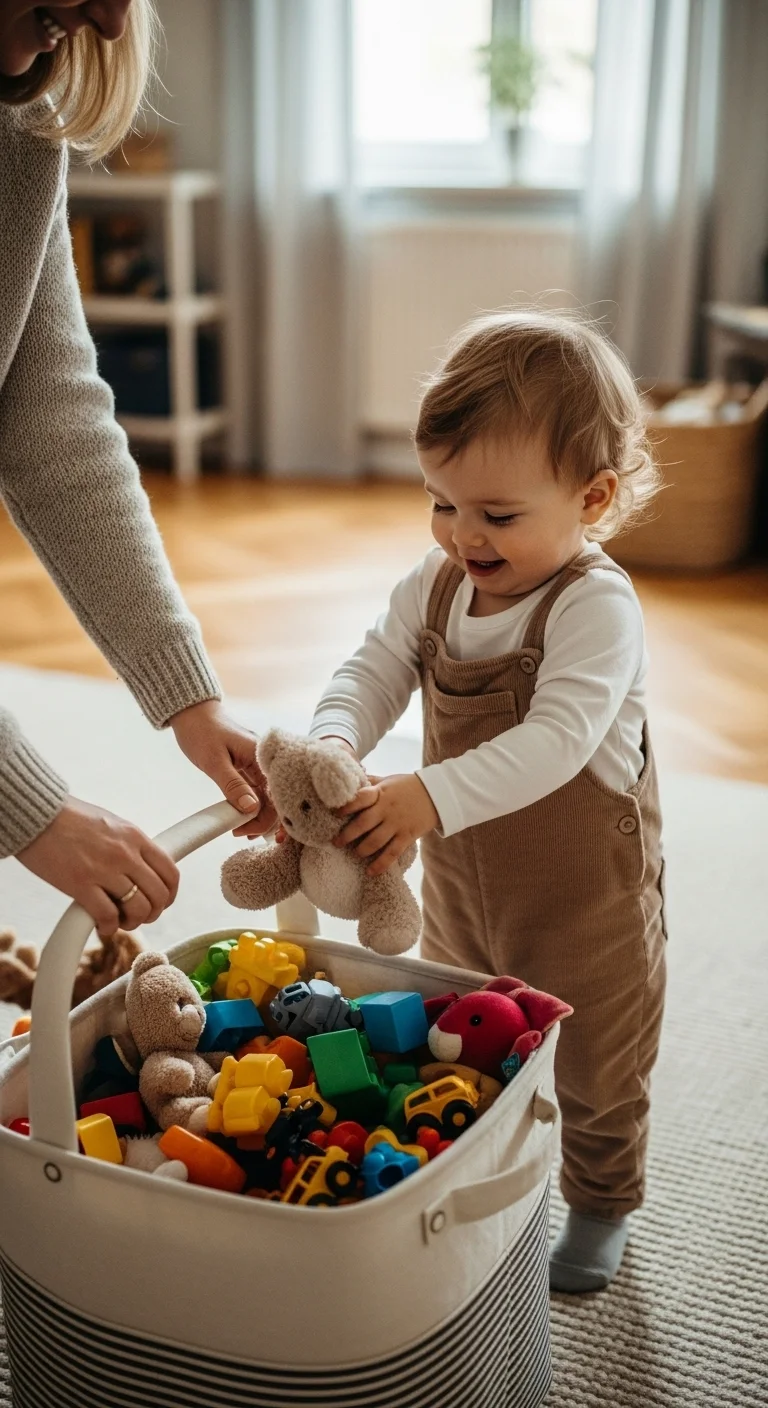
Toddlers often resist commands when they feel pressured. Shifting from “Do it now” to “Do it with me” invites cooperation. Sit close, place your hand on the task, and start the first step. Say, “We do it together.” This reduces the overwhelm that sparks tantrums. When your toddler joins in, praise the effort lightly—no big celebration needed. This method is especially helpful for clean-up, getting dressed, or moving from one activity to the next. It uses connection, not force.
- Keep a “Quiet Yes” Toy

Some toys are overstimulating during meltdowns. Set aside one calm, predictable item—a soft puppet, wooden puzzle, or stacking cups—that you only bring out during tense moments or transitions. This “quiet yes” toy signals safety without becoming a reward for the tantrum. It simply helps the nervous system settle. Use things you already own. The key is consistency: same toy, same tone, same purpose.
- Let Them Move Through the Emotion Safely

Not every tantrum is meant to be stopped. Sometimes the best support is staying close, keeping your voice soft, and letting the emotion move through. As long as your toddler is safe, allow them to feel without rushing them out of it. Sit nearby, breathe slowly, and say, “I’m right here.” This normalizes big feelings without making them something to fear. It costs nothing, yet it often shortens the storm.
- Repeat One Steady Phrase

During high-intensity moments, too many words become noise. Pick one reassuring phrase:
“I’m here.”
“I will help.”
“You’re safe.”
Repeat it calmly. Toddlers latch onto rhythm and tone more than meaning. Your steady voice becomes their anchor. This small habit creates predictability even in chaos, helping your child regulate faster.
- Offer a “Do-Over” Moment

When a meltdown involves hitting, throwing, or yelling, give your toddler a chance to try again once they’re calm. Say, “Let’s do a gentle try.” Then guide them through the action with your help. This teaches repair, not perfection. It also rebuilds the connection after a conflict. The do-over should be simple, short, and free of pressure. It’s a reset button that both of you can use.
- Use Touch as a Grounding Tool (If They Like It)

Not all toddlers want touched when upset, but many find it soothing. Offer, don’t force. You might place a hand on their back, let them hold your finger, or sit close enough for them to lean on you. Touch communicates safety without words. Experiment during calm moments to see what your child prefers. Knowing their cues helps you support them confidently during harder times.
- Protect Sleep Routines (Quietly)

Overtired toddlers are quicker to melt down. Keeping sleep routines steady—without being rigid—can dramatically reduce tantrums. Keep lights soft, activities slow, and expectations simple in the hour before bed. You don’t need elaborate nighttime rituals; consistency matters more than complexity. Protecting rest helps your toddler handle emotions with more ease the next day.
- Celebrate Small Progress

Tantrum skills grow slowly. Notice tiny wins: a shorter meltdown, a moment of calm, one deep breath, or a gentle touch instead of a hit. Celebrate with a quiet smile or a simple, “You did that.” Avoid loud praise—toddlers respond better to warm acknowledgment. Paying attention to their small steps helps them build confidence and strengthens your connection.
Conclusion
Toddlers aren’t giving you a hard time—they’re having a hard time. Tantrums are part of learning how to live in a world full of limits, surprises, and feelings they can’t yet name. The tools in this guide don’t require expensive materials or complicated planning. They come from daily life, patience, and connection. Use what works, adapt what doesn’t, and remember: small changes shape calmer days over time. You and your toddler are learning together.
