

25 Sensory Play Ideas for Smarter, Calmer Kids
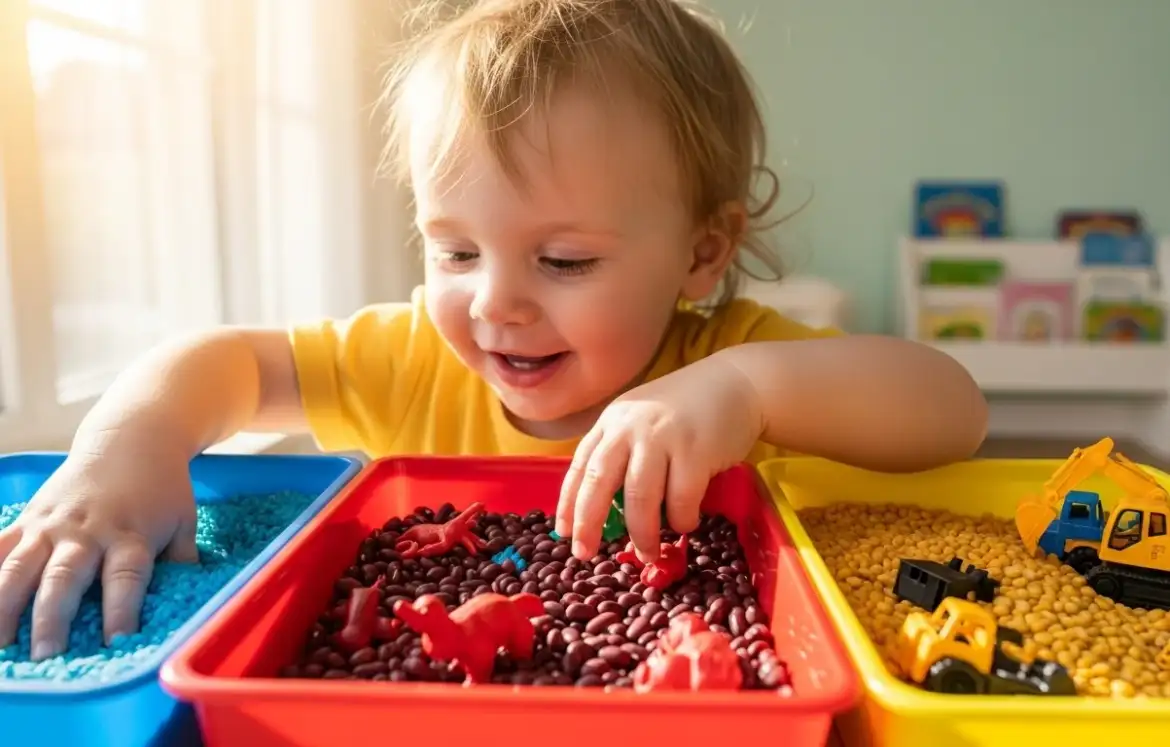
Sensory play is more than fun—it’s a vital way for kids to explore, learn, and grow. By engaging multiple senses, children develop fine motor skills, focus, creativity, and emotional regulation. You don’t need expensive toys or gadgets; everyday materials can provide hours of meaningful exploration. From squishy textures to sounds, smells, and visual patterns, sensory activities encourage children to experiment safely, solve problems, and calm themselves naturally. These 25 ideas are practical, budget-friendly, and designed to help your child thrive in a playful, hands-on way.
- Rice and Bean Sensory Bin
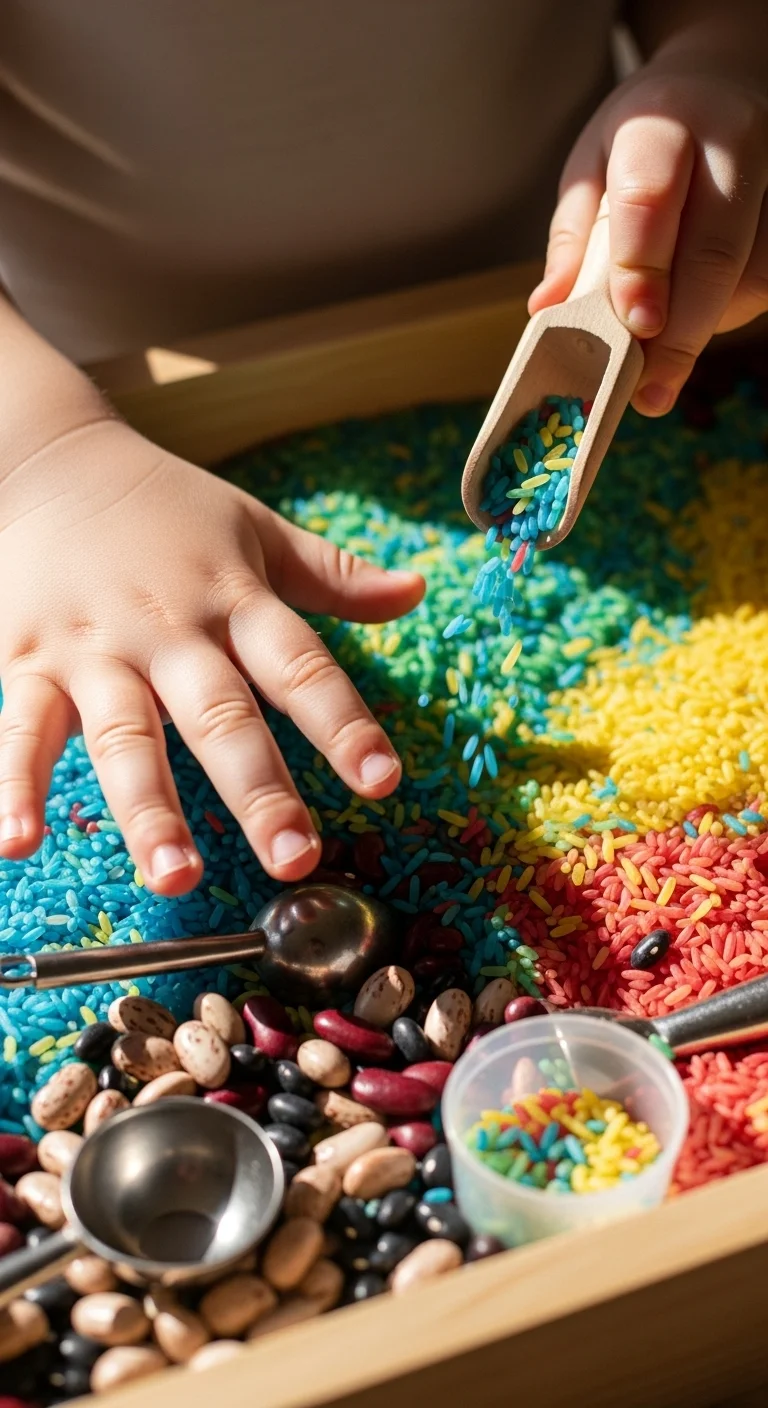
Rice and bean bins are a classic sensory play activity that’s easy and inexpensive. Fill a large container with rice, dried beans, or a mix of both. Add small spoons, cups, and containers for pouring, scooping, and transferring. This activity strengthens fine motor skills and helps kids understand concepts like volume, texture, and cause-and-effect. You can colour the rice with food colouring for added visual stimulation or keep it natural. Encourage your child to sort beans by size, count scoops, or make patterns in the rice. The tactile experience also provides calming sensory input, making it perfect for moments when children need focus or relaxation. Cleanup is simple: lay a mat underneath and teach your child to help return materials to the bin. With just a few basic supplies, you create hours of interactive learning and tactile exploration, keeping their minds and hands engaged in a safe, fun environment.
- Water Play With Cups and Funnels
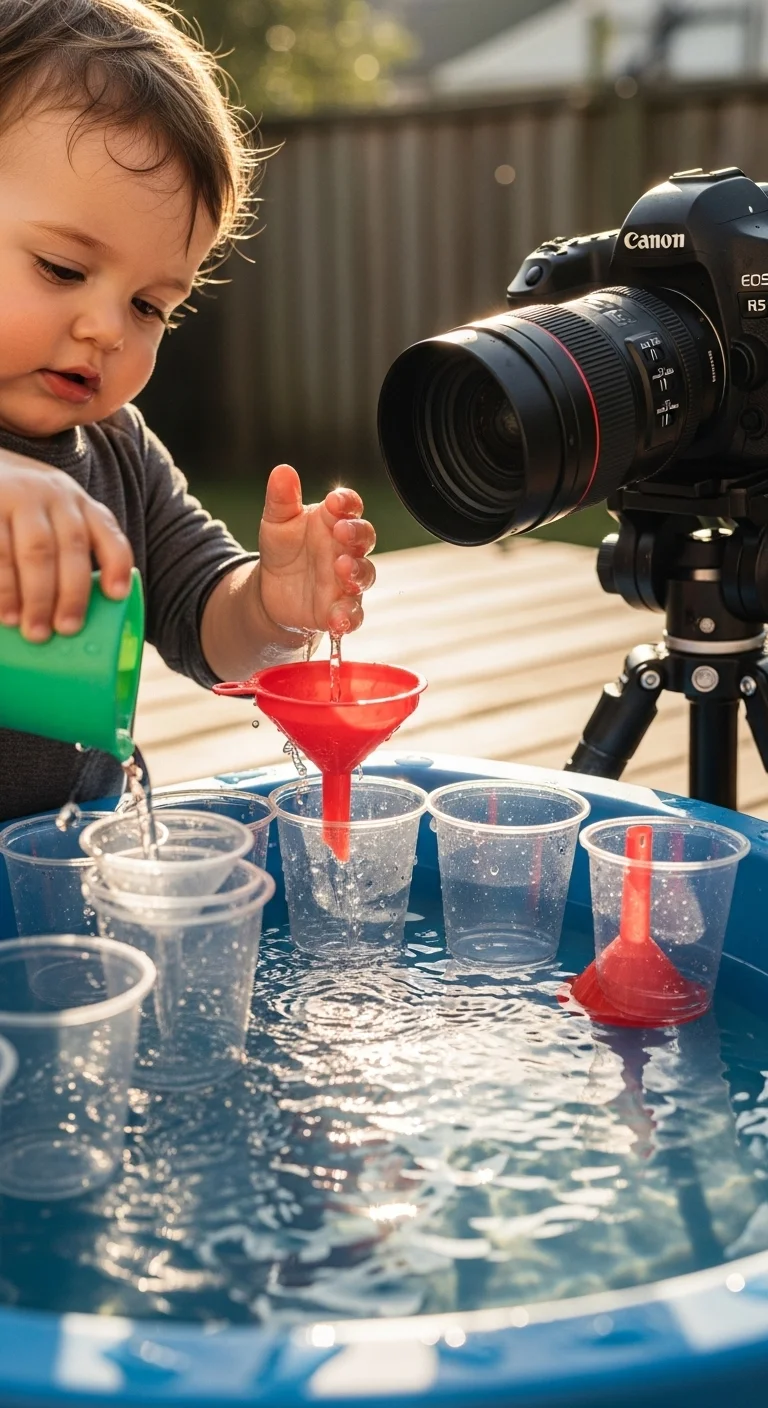
Water play is an endlessly engaging sensory activity. Use a shallow container or small water table and provide cups, funnels, and spoons. Children can explore pouring, measuring, and transferring water, which strengthens hand-eye coordination and teaches basic scientific principles like volume and flow. Add small floating toys or ice cubes for variation. Water play is also calming and soothing, especially on warm days. Keep a towel nearby for minimal mess, and consider adding drops of food colouring to make the activity more visually stimulating. Even simple water play encourages creativity, problem-solving, and experimentation. For added learning, introduce small challenges like “fill this cup without spilling” or “which funnel moves water faster?” This inexpensive activity can be repeated daily, adapting materials and challenges to match your child’s growing skills.
- Sensory Bottles
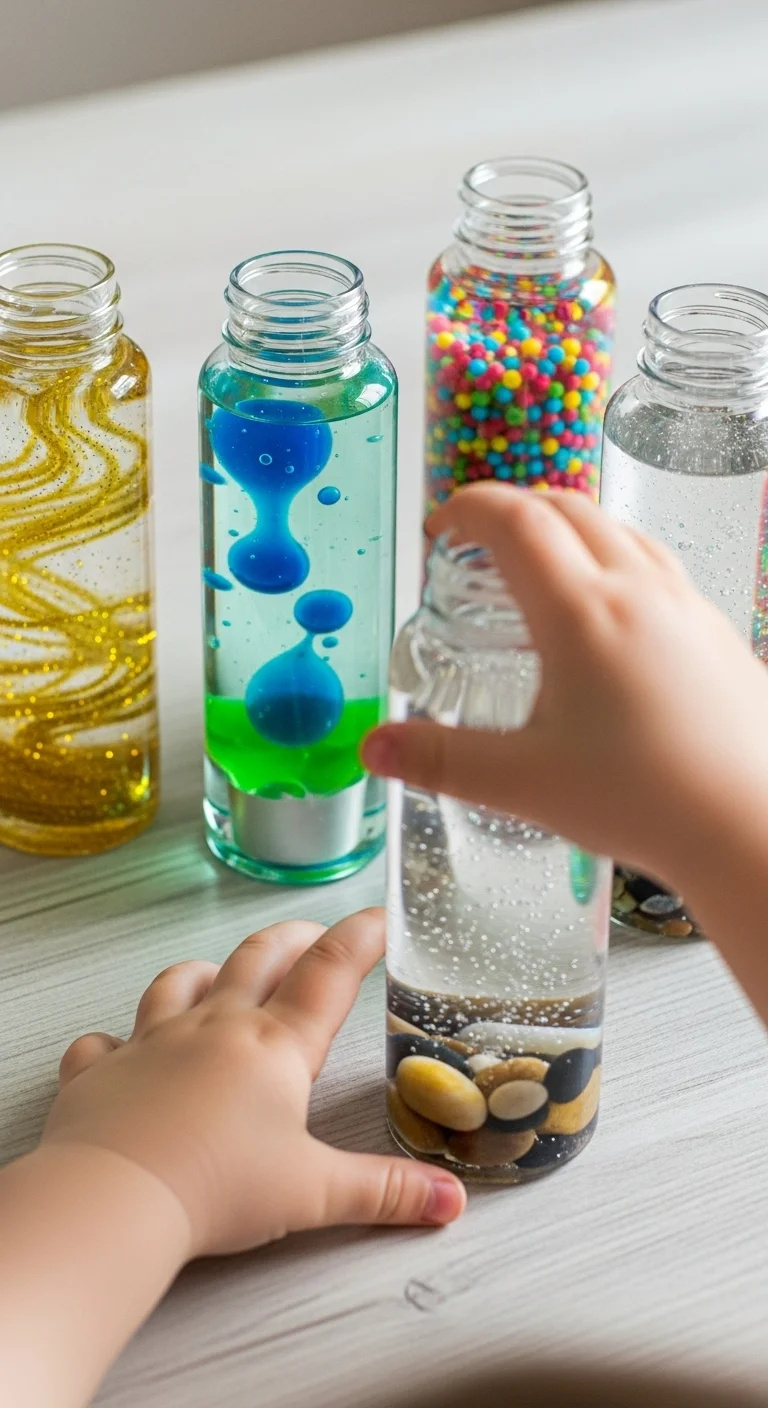
Sensory bottles are portable, mesmerising, and incredibly simple to make. Fill clear plastic bottles with water, oil, glitter, beads, or small objects. Seal tightly to prevent spills. When shaken or rolled, bottles provide visual stimulation, calming motion, and cause-and-effect learning. Kids can observe patterns, colours, and textures without a messy cleanup. These bottles can be used during quiet times to help children self-regulate emotions, focus, or simply explore. For a DIY twist, add sequins or small toys inside to match themes or interests. Sensory bottles are budget-friendly, reusable, and perfect for keeping children engaged independently or in small groups.
- Play-Doh Exploration
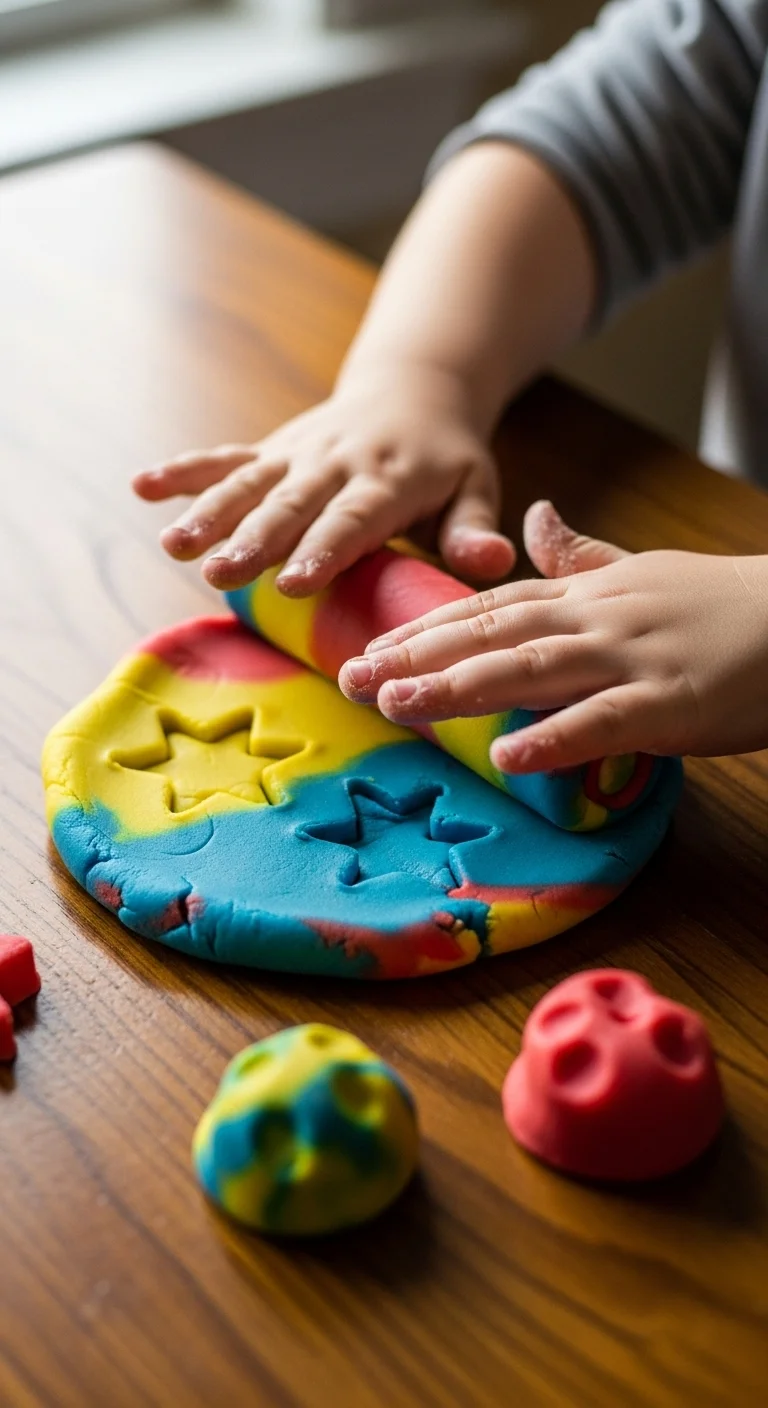
Play-dough encourages fine motor skills, creativity, and sensory exploration. You can make dough at home with flour, salt, and water for a safe, affordable option. Children can roll, squish, and mould the dough into shapes, letters, or imaginative creations. Add small tools like cookie cutters, rolling pins, or stamps for extra fun. Play-dough also provides tactile stimulation and calming sensory input, helping kids focus or unwind. Scented dough with a few drops of vanilla or cinnamon can engage the sense of smell. Cleanup is simple with a mat or tray. Regular play-dough sessions allow children to experiment freely while practising hand strength, coordination, and imaginative thinking.
- Sensory Pathways
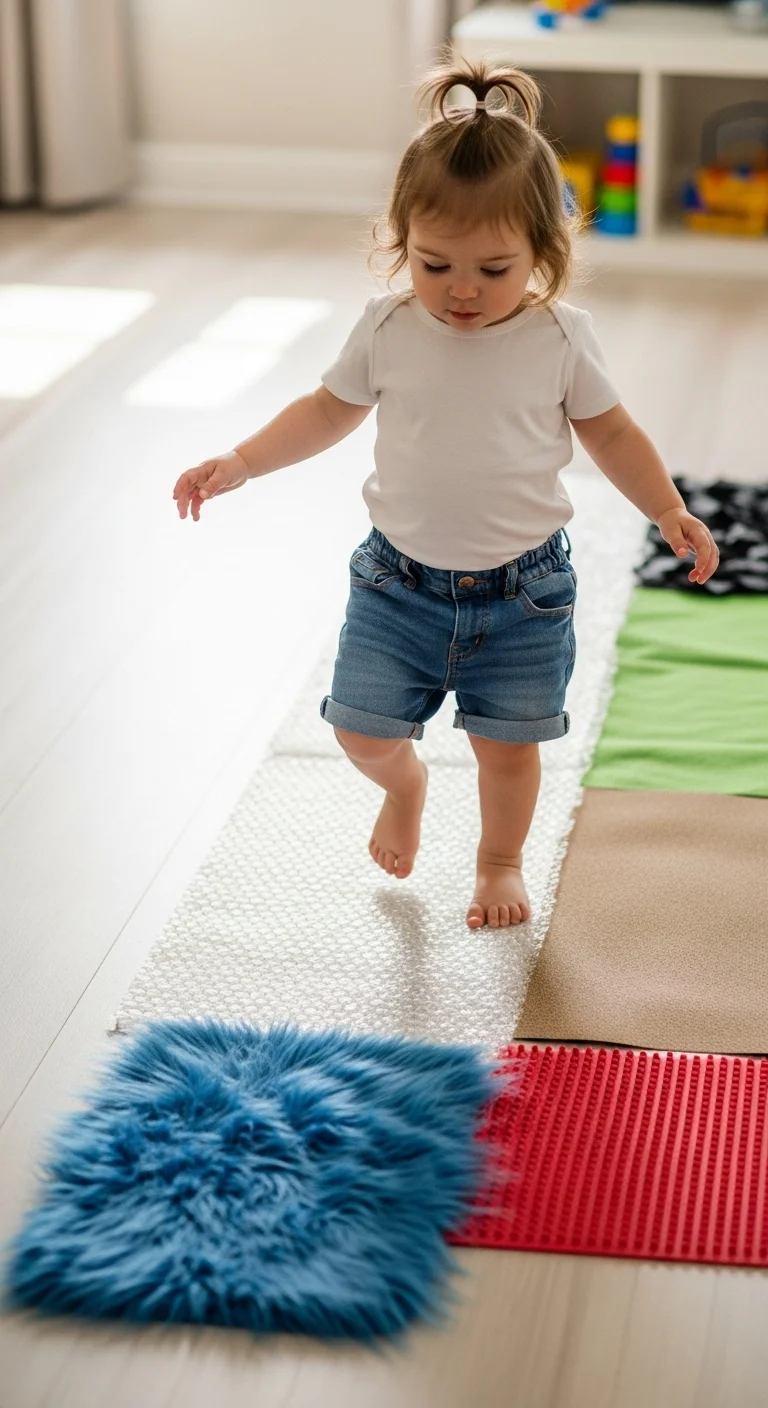
Sensory pathways combine movement and tactile exploration. Arrange materials like carpet squares, bubble wrap, felt, and textured mats on the floor to create a path for barefoot walking or crawling. Children experience different textures underfoot, stimulating touch receptors and improving balance, coordination, and body awareness. You can make it indoors or outdoors, changing materials regularly for novelty. Encourage your child to walk slowly, tiptoe, or hop across the path to enhance motor skills and sensory integration. Sensory pathways are an inexpensive, hands-on way to engage the whole body, encouraging active exploration while developing focus, confidence, and physical control.
- Nature Exploration Box
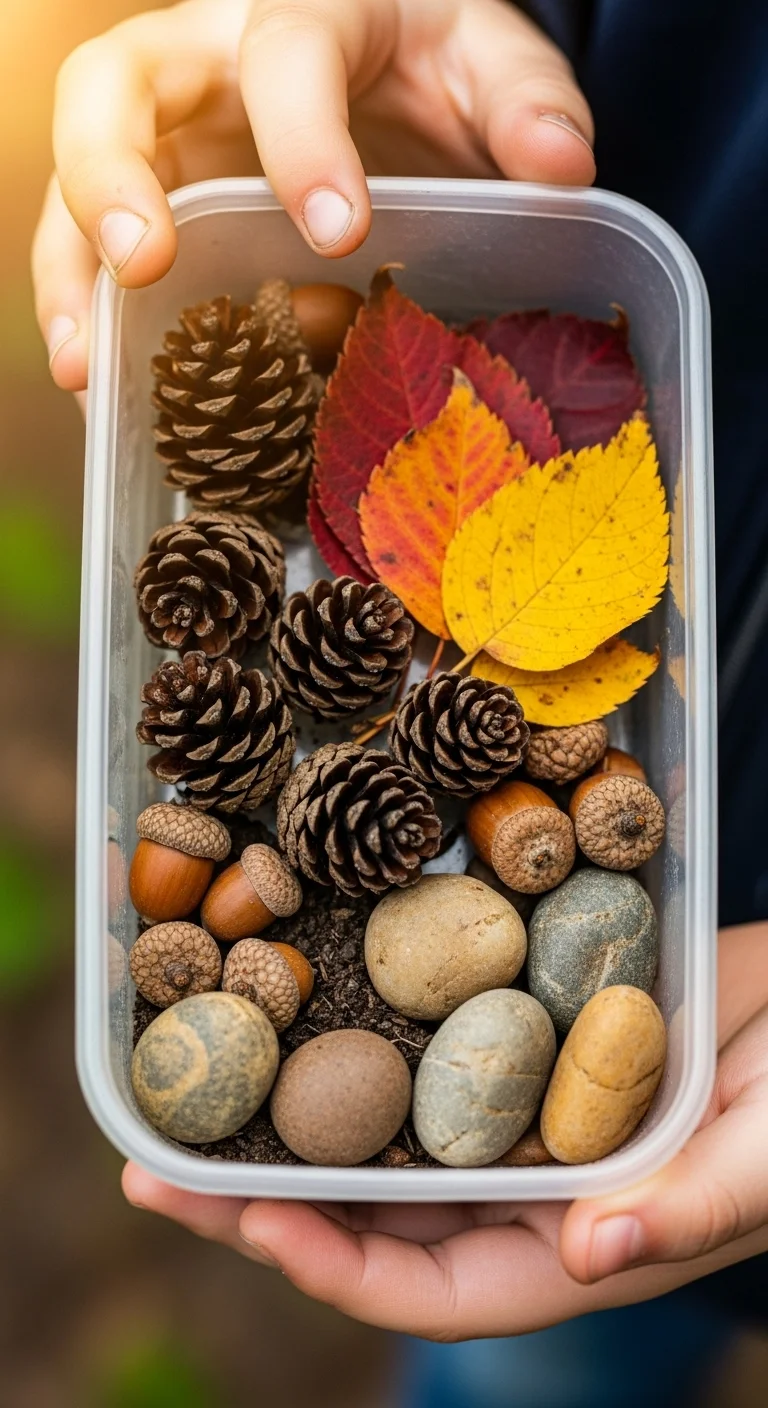
Bring the outdoors in with a nature exploration box. Fill a container with leaves, pinecones, smooth stones, sticks, or flowers. Children can touch, sort, smell, and explore the natural textures and scents. Ask questions like “Which leaf is rough?” or “Which rock is smooth?” to promote observation skills. Nature items can also be used for counting, sorting, and imaginative play. This activity is free, reusable, and adapts to seasonal changes. Handling natural materials strengthens sensory awareness while helping children connect with their environment. Ensure all items are safe and age-appropriate to avoid choking hazards.
- Edible Finger Painting
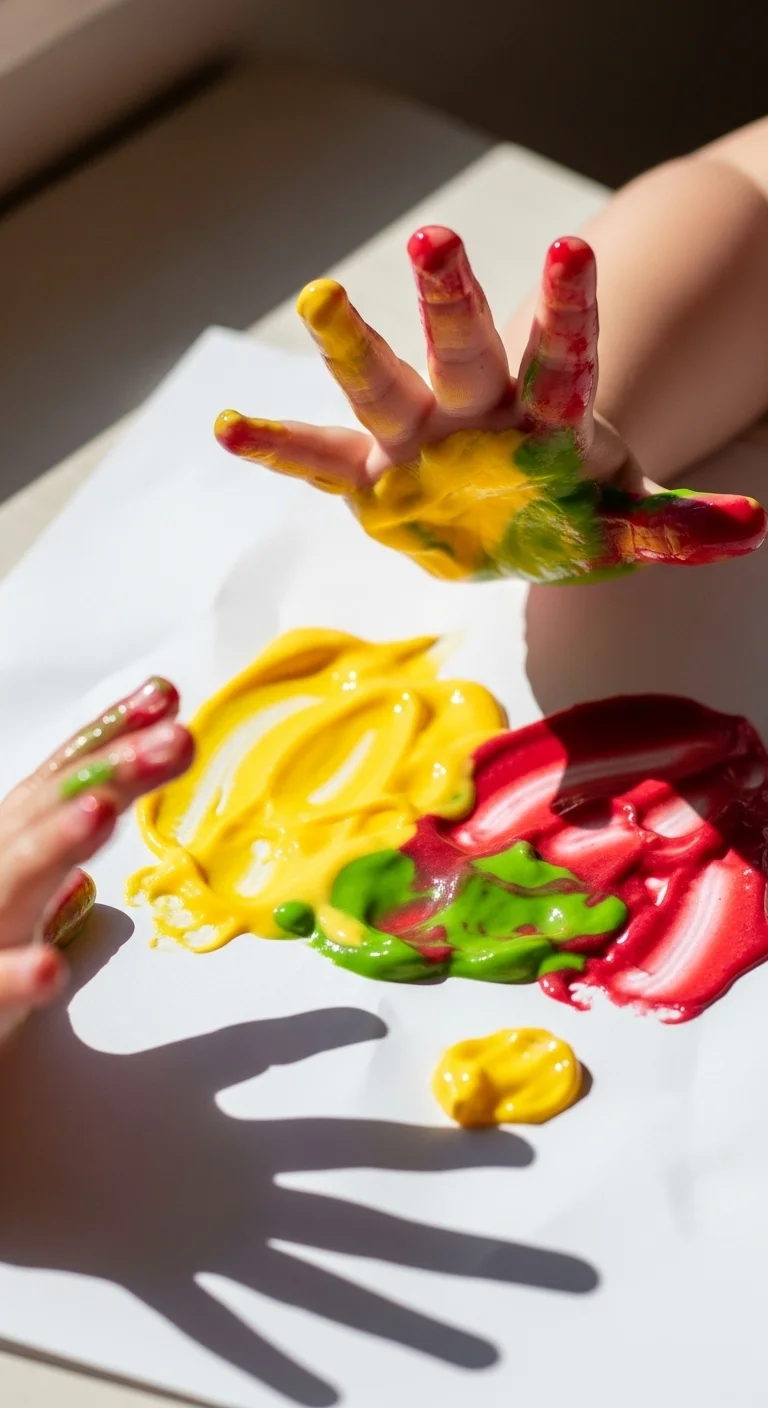
Finger painting doesn’t have to be messy or unsafe. Use yoghurt, applesauce, or pureed fruits for edible, non-toxic sensory fun. Children can explore colours, textures, and creative expression without worry. Finger painting strengthens hand muscles, encourages artistic exploration, and develops coordination. Offer large sheets of paper or a tray to contain the mess, and let children freely explore textures, mixing colours and shapes. This simple activity is a multi-sensory experience, combining touch, taste, and visual creativity while promoting calm focus and joy.
- Sound Exploration With Household Items
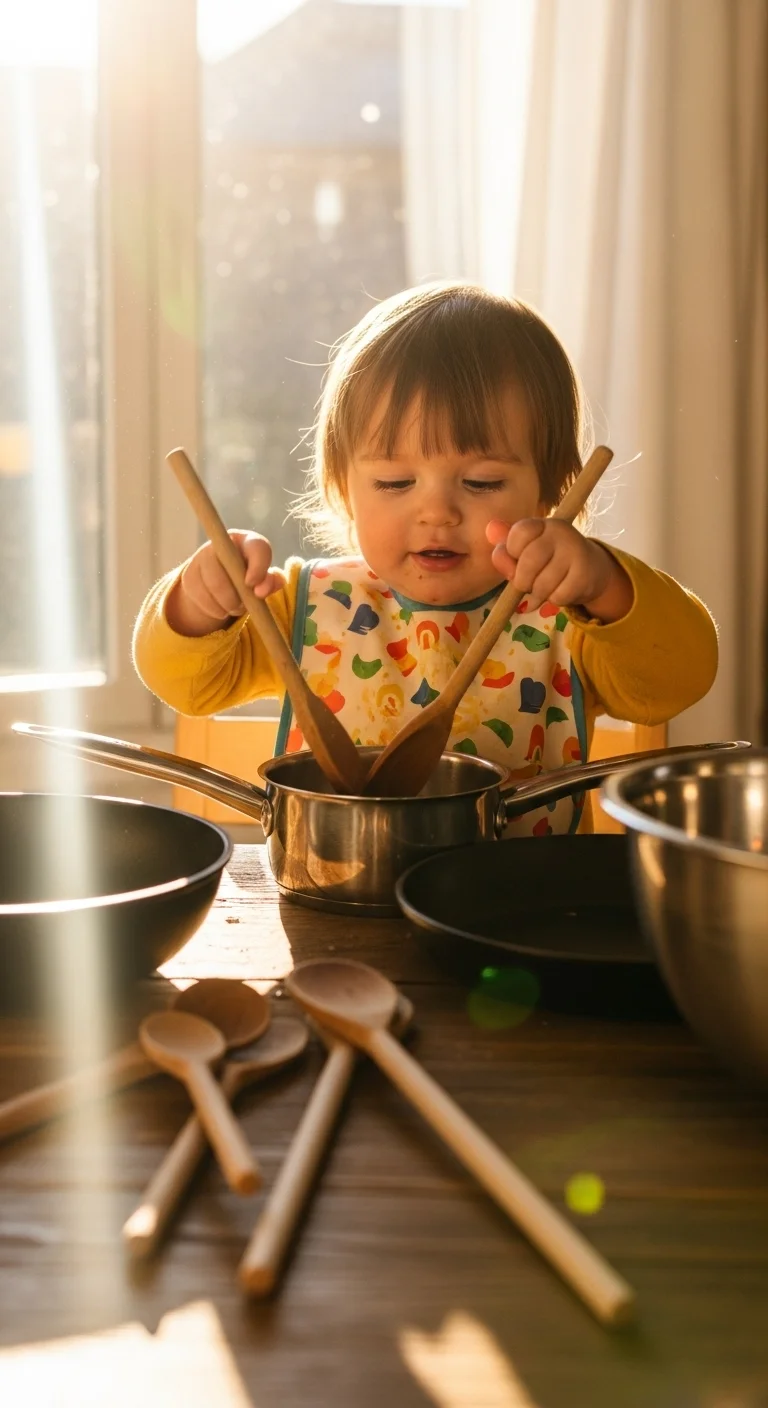
Exploring sounds helps children learn cause-and-effect and auditory discrimination. Use safe household items like pots, pans, wooden spoons, or plastic containers to create different sounds. Encourage your child to tap, shake, or roll objects. Introduce rhythm patterns, soft versus loud sounds, or matching beats to music. This inexpensive activity develops listening skills, concentration, and creativity. It can also be calming, as repetitive rhythms provide soothing sensory input. Children feel empowered when experimenting with sounds, learning how each action produces a unique auditory outcome.
- Texture Treasure Hunt
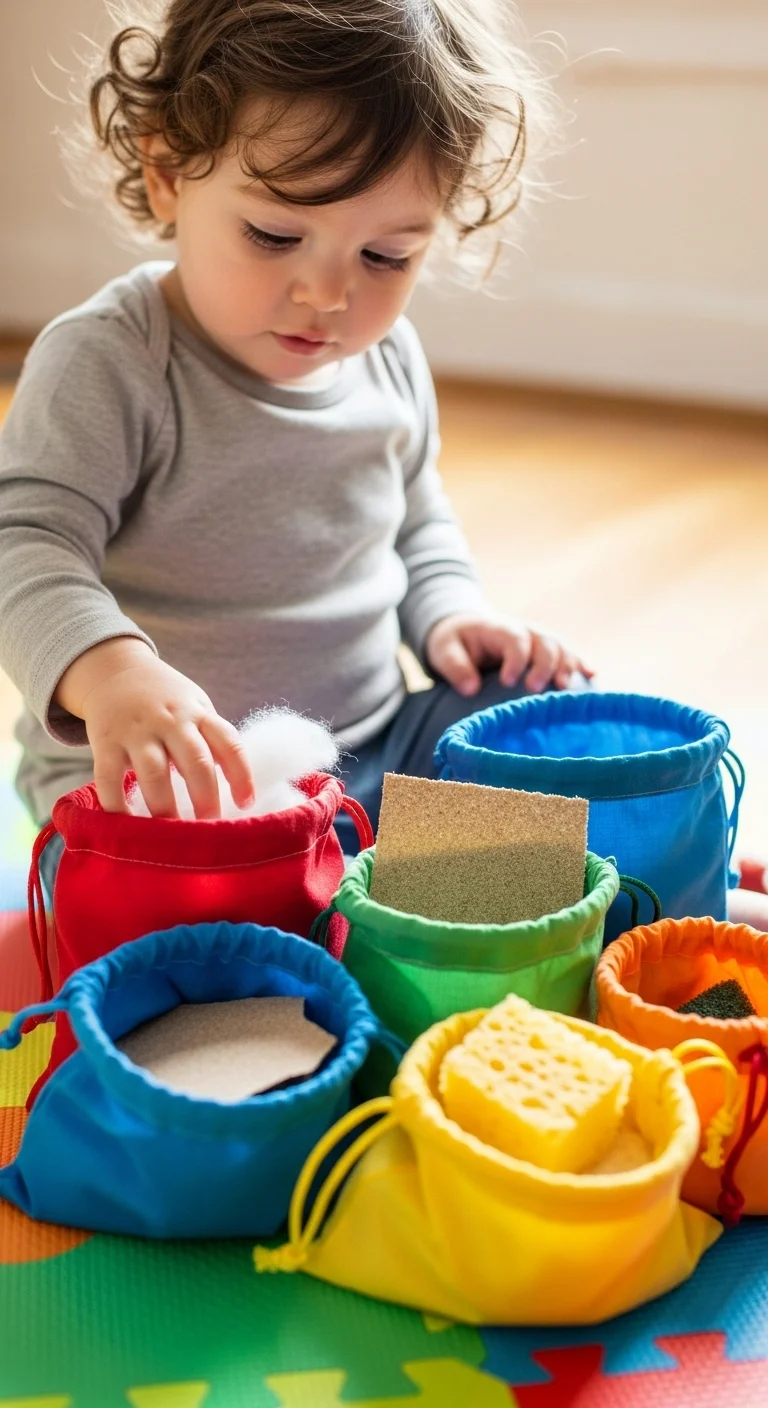
A texture treasure hunt encourages children to explore touch and fine motor skills. Place objects with different textures in small cloth bags or boxes. Blindfold or simply ask children to reach in and guess the material. Include items like cotton balls, sandpaper, sponges, or bubble wrap. This activity improves tactile discrimination, focus, and vocabulary (“soft,” “rough,” “squishy”). It’s affordable, safe, and provides endless variation. Rotate items to maintain interest, and encourage children to describe what they feel. This playful learning engages their senses and boosts sensory confidence.
- Sensory Play With Dry Pasta
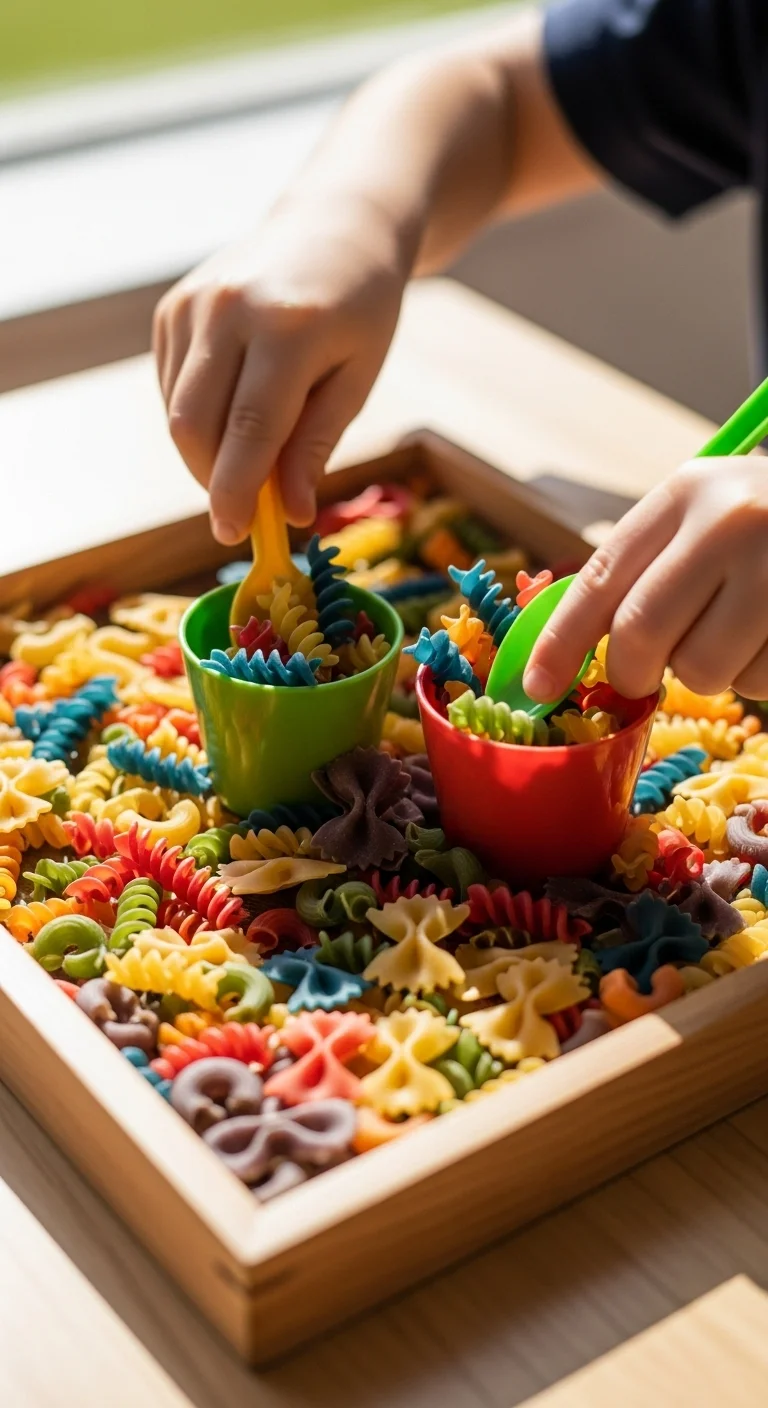
Dry pasta is an affordable, safe sensory material. Use different shapes or colours in a tray or bin for scooping, pouring, and sorting. Add cups, tongs, or spoons for extra fine motor practice. Children explore texture, hand strength, coordination, and cause-and-effect. Colored pasta can increase visual stimulation, while small objects hidden in the pasta can create a treasure hunt experience. It’s inexpensive, reusable, and easy to clean, making it ideal for short or long sensory sessions.
- Ice Cube Sensory Play
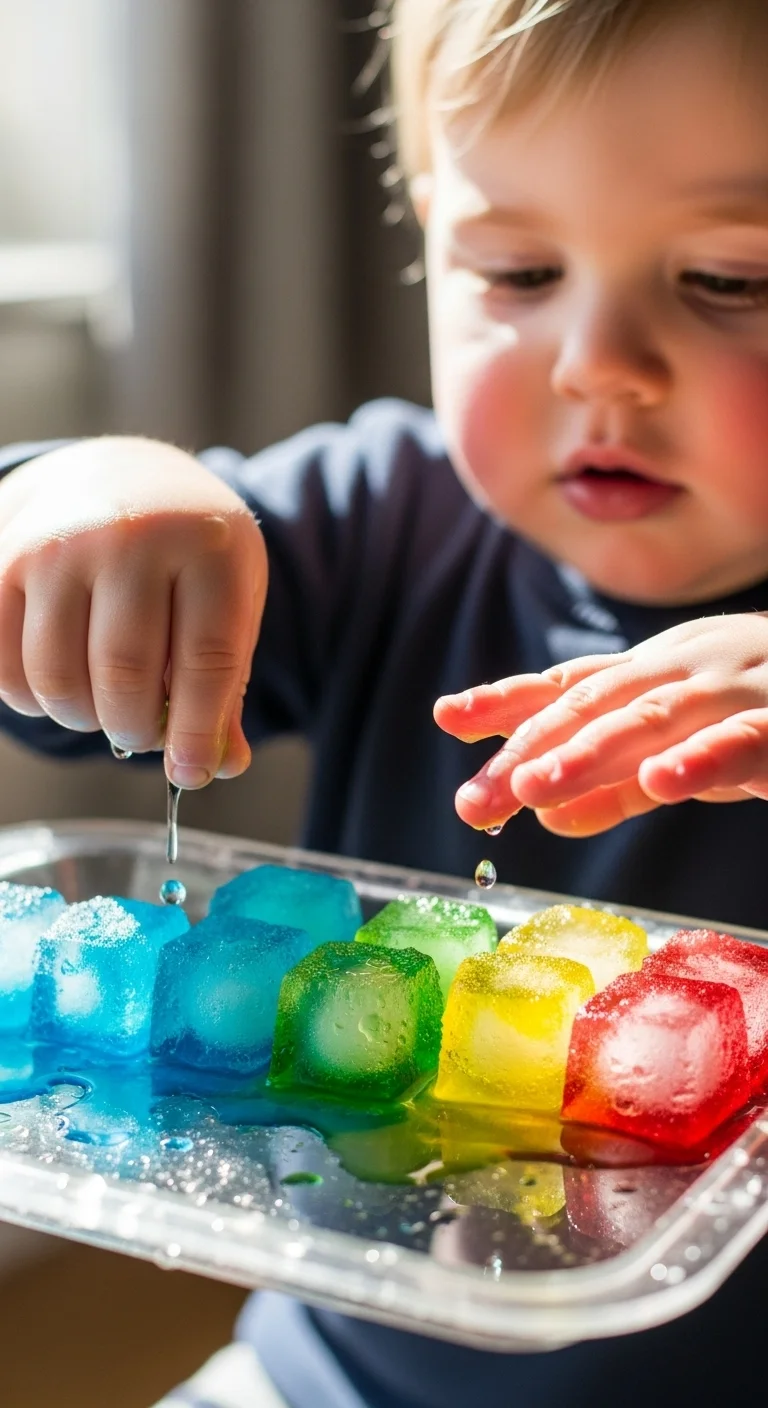
Ice cubes offer a unique tactile experience that engages touch and temperature senses. Use plain or colored ice cubes in a shallow tray, or freeze small toys inside for a fun surprise. Children can explore melting, slippery surfaces, and cold sensations, enhancing hand strength and sensory awareness. Ice cubes also encourage curiosity as children observe changes in state from solid to liquid. For extra fun, add salt or baking soda to create fizzing reactions, turning a simple activity into a playful science experiment. Ice play is inexpensive, easy to set up, and perfect for short, engaging sessions that combine fine motor skills, curiosity, and sensory regulation.
- Sensory Sand Tray
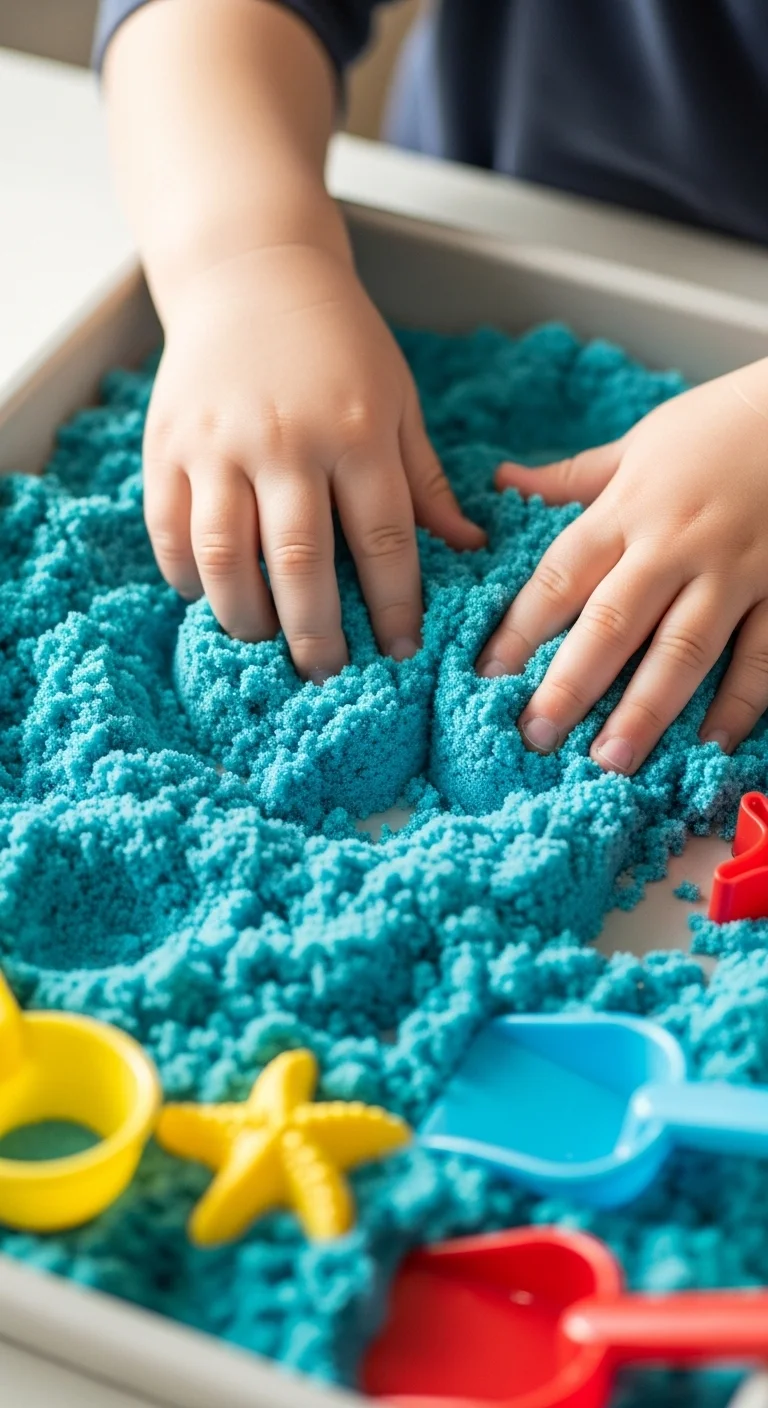
Sand play is a classic sensory activity that builds tactile awareness, creativity, and fine motor skills. Use kinetic sand, which sticks together and is easy to shape, or regular clean sand for digging and moulding. Include small moulds, scoops, or toy animals for imaginative scenarios. Children practice grasping, pressing, and pouring, strengthening hand muscles while exploring texture. Sand play also encourages calm focus and imaginative storytelling. Cleanup is straightforward with a mat underneath. Sand trays are versatile, reusable, and affordable, giving kids a safe space to experiment and develop sensory confidence indoors or outdoors.
- Bubble Wrap Stomp
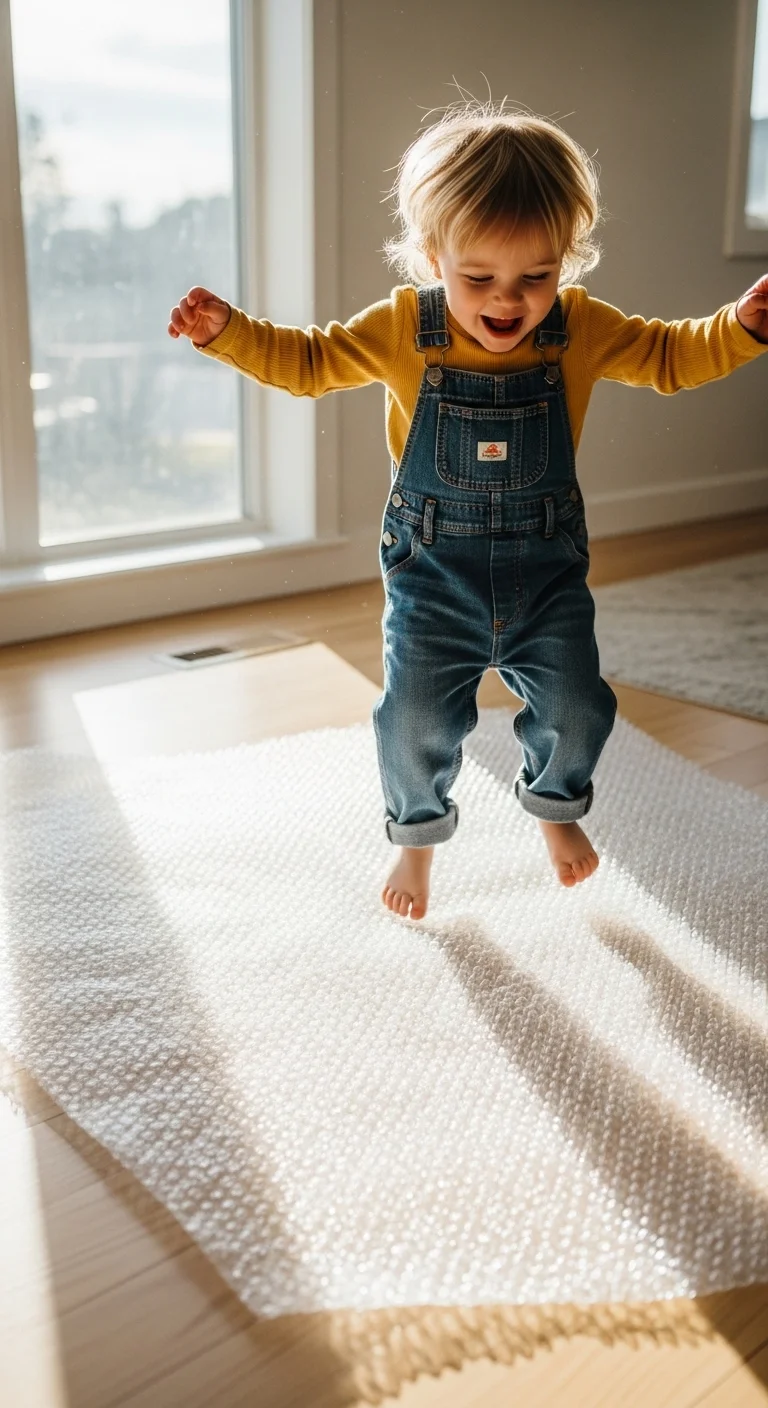
Bubble wrap provides a fun, auditory, and tactile sensory experience. Lay out a large sheet and let children stomp, jump, or squeeze the bubbles. This activity improves balance, coordination, and proprioception while engaging the sense of touch and hearing. Children enjoy the popping sound and the squishy texture underfoot. Bubble wrap is inexpensive and reusable for short bursts of energetic sensory play. To add a learning twist, encourage counting pops or moving in patterns, combining physical activity with sensory exploration.
- Fabric Swatch Exploration
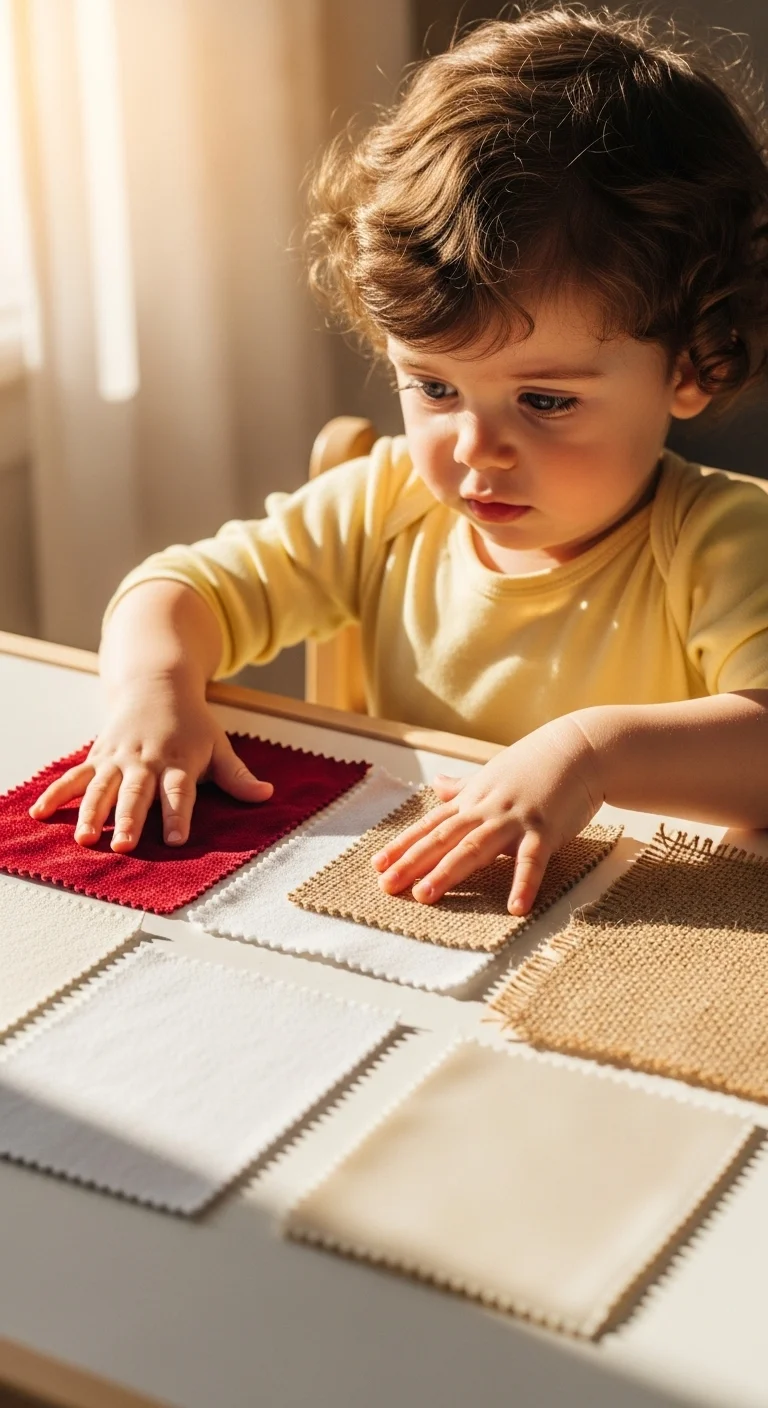
Fabric swatches introduce a variety of textures for tactile learning. Collect different materials like cotton, silk, velvet, and burlap. Encourage children to touch, compare, and sort by softness, roughness, or colour. This activity strengthens sensory discrimination and vocabulary as children describe textures. It’s inexpensive, safe, and perfect for developing fine motor and observational skills. Fabric swatches can also be incorporated into imaginative play, such as creating mini capes, blankets for toys, or a pretend market, turning tactile exploration into creative storytelling.
- Shaving Cream Sensory Play
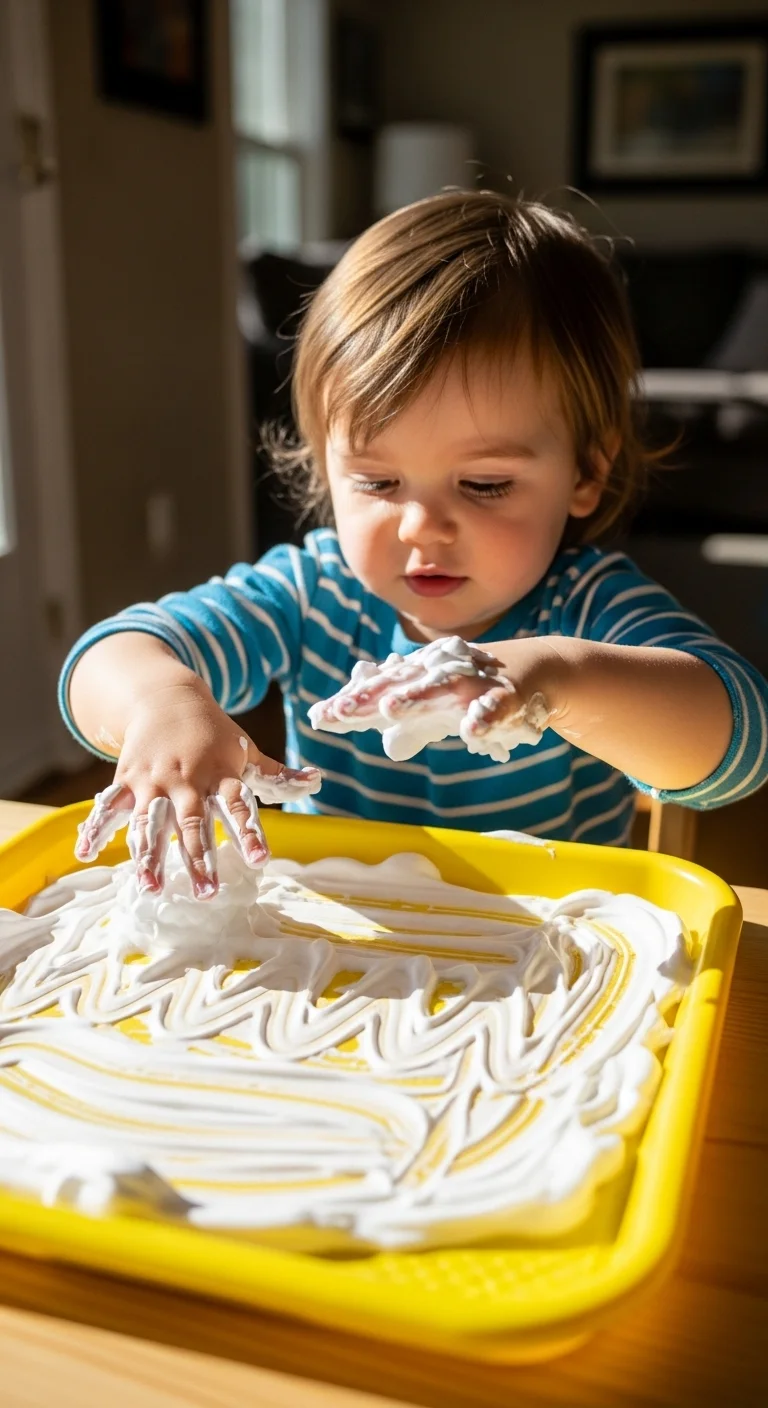
Shaving cream is a simple, messy, and highly tactile sensory medium. Spread a thin layer on a tray for children to draw, write, or smear. It strengthens hand muscles, coordination, and creativity. For extra sensory stimulation, mix in a few drops of food colouring or add scents like vanilla or lavender. Shaving cream provides soft, squishy textures that children find calming. Cleanup is easy with a wet cloth or mat, and it’s reusable for multiple sessions. This activity is affordable, safe, and perfect for short, hands-on explorations that combine fun, creativity, and tactile learning.
- Pasta Necklaces
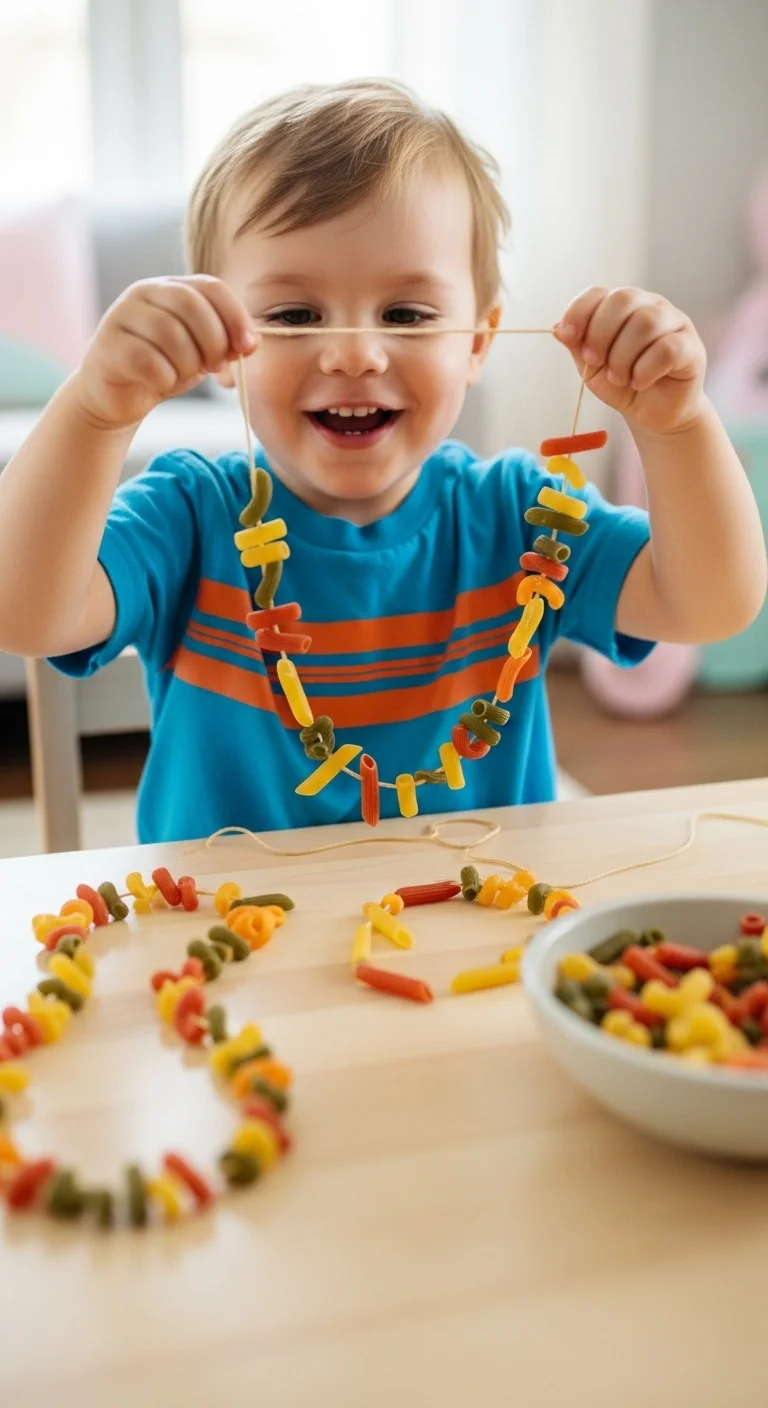
Pasta necklaces are a creative sensory activity that strengthens fine motor skills and hand-eye coordination. Use large-hole pasta, string, and optional food colouring for added colour. Children thread pasta beads to make patterns or decorate necklaces. This activity also teaches sequencing, counting, and colour recognition. It’s inexpensive, safe, and can be done indoors or outdoors. Let children wear their creations or gift them, adding a sense of accomplishment. Pasta necklaces combine tactile play with creativity and learning, making them a multi-purpose sensory activity.
- Nature Paint Brushes
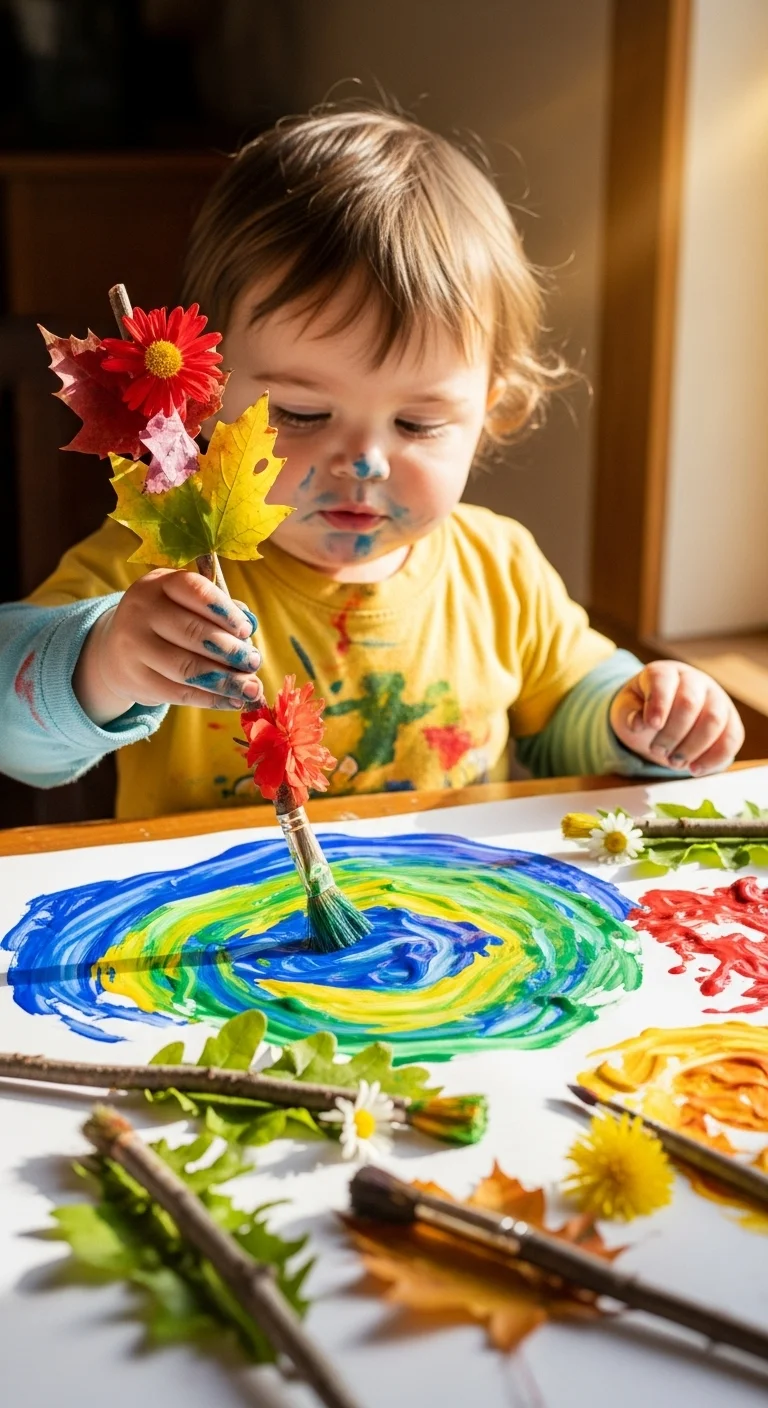
Nature-inspired paint brushes allow children to experiment with textures, colours, and creative expression. Attach leaves, flowers, or feathers to sticks and use them to paint. Children explore how different materials create unique patterns and lines. This sensory activity promotes fine motor skills, creativity, and experimentation. It’s budget-friendly and encourages outdoor exploration, as children can collect materials themselves. Clean-up is simple with paper or a tray. This tactile painting experience combines nature, art, and sensory learning, offering endless variations for growing imaginations.
- Sound Matching Game
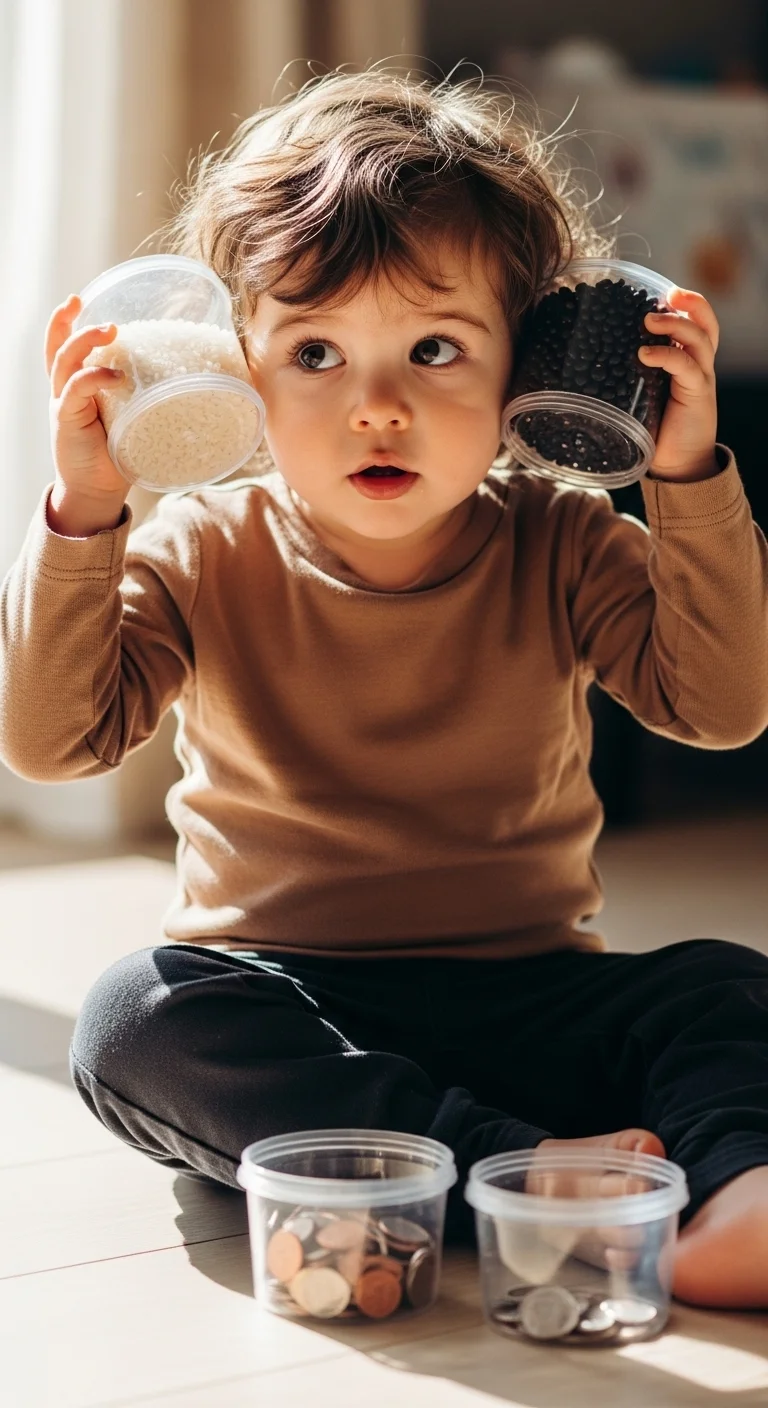
Sound-matching games enhance auditory discrimination and attention. Fill small containers with rice, beans, coins, or beads, and seal them. Encourage children to shake containers and match sounds. This activity strengthens listening skills, concentration, and memory while providing sensory stimulation. It’s inexpensive, safe, and easy to repeat. For added challenge, create pairs of containers with similar or different volumes. Children can enjoy comparing loud and soft sounds or rhythmic patterns, making learning fun and interactive.
- Textured Ball Play
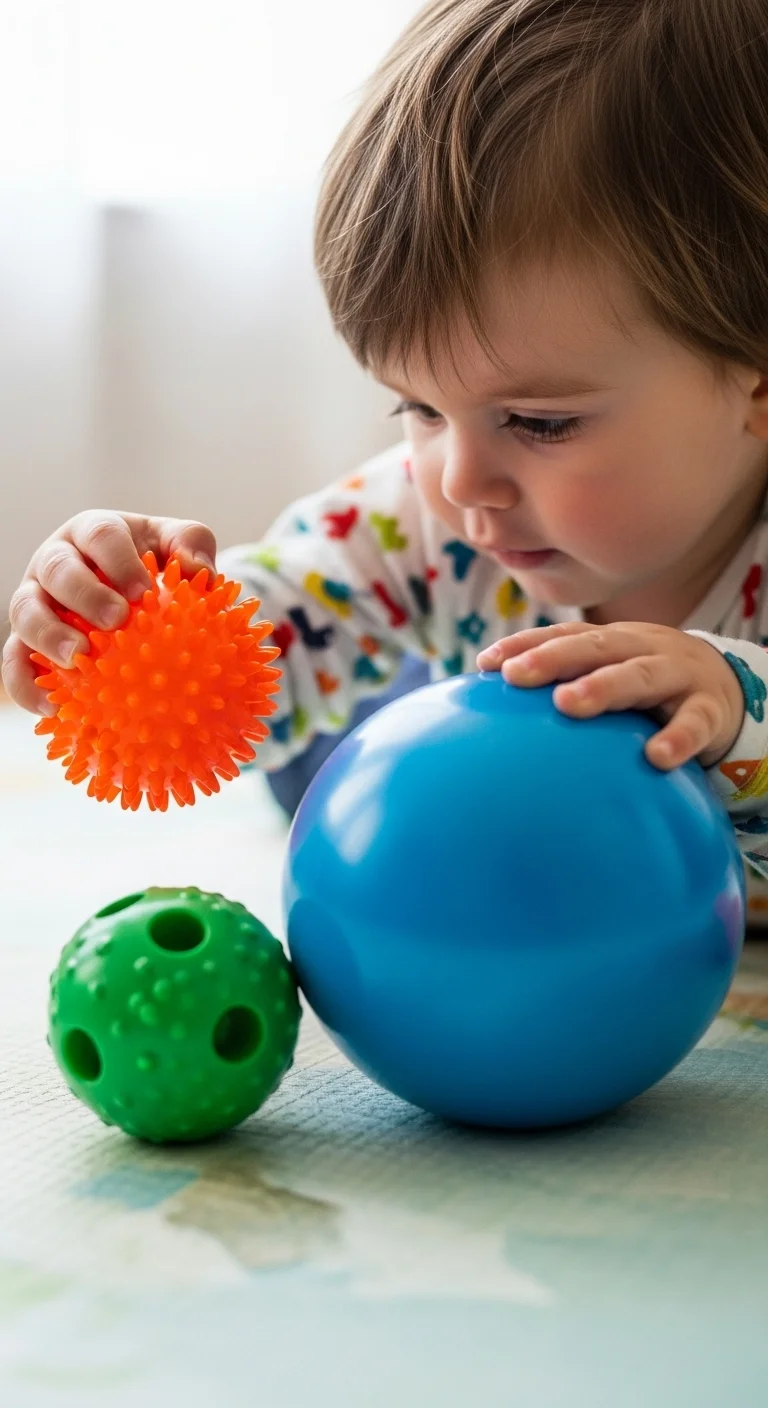
Textured balls stimulate touch, grip, and proprioception. Children can roll, squeeze, and throw balls with different surfaces, engaging their hands, arms, and body coordination. The contrasting textures encourage tactile exploration, while active play improves motor planning and spatial awareness. Use inexpensive rubber, spiky, or soft balls for safe indoor or outdoor fun. This activity is perfect for calming energy or promoting focused interaction during group play. Textured balls combine physical activity, sensory exploration, and motor development affordably.
- Smell Jars
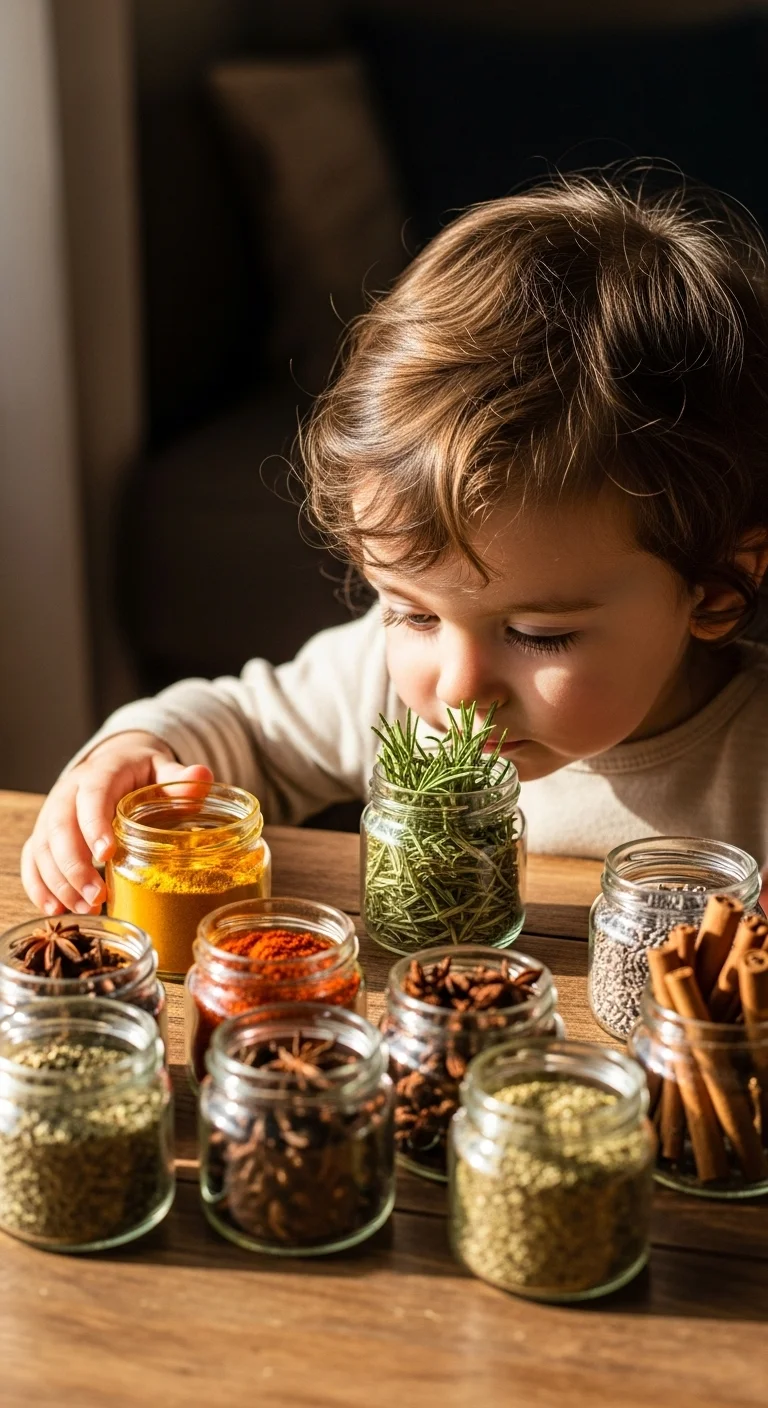
Smell jars are an affordable, safe way to engage the olfactory sense. Fill small jars with cinnamon, vanilla, lavender, or citrus peels. Encourage children to sniff and describe scents, fostering language development and sensory awareness. Rotate items regularly to maintain interest. This activity also promotes focus and mindfulness, as children identify and compare smells. Smell jars are compact, portable, and perfect for quiet, hands-on exploration at home.
- Oobleck Exploration
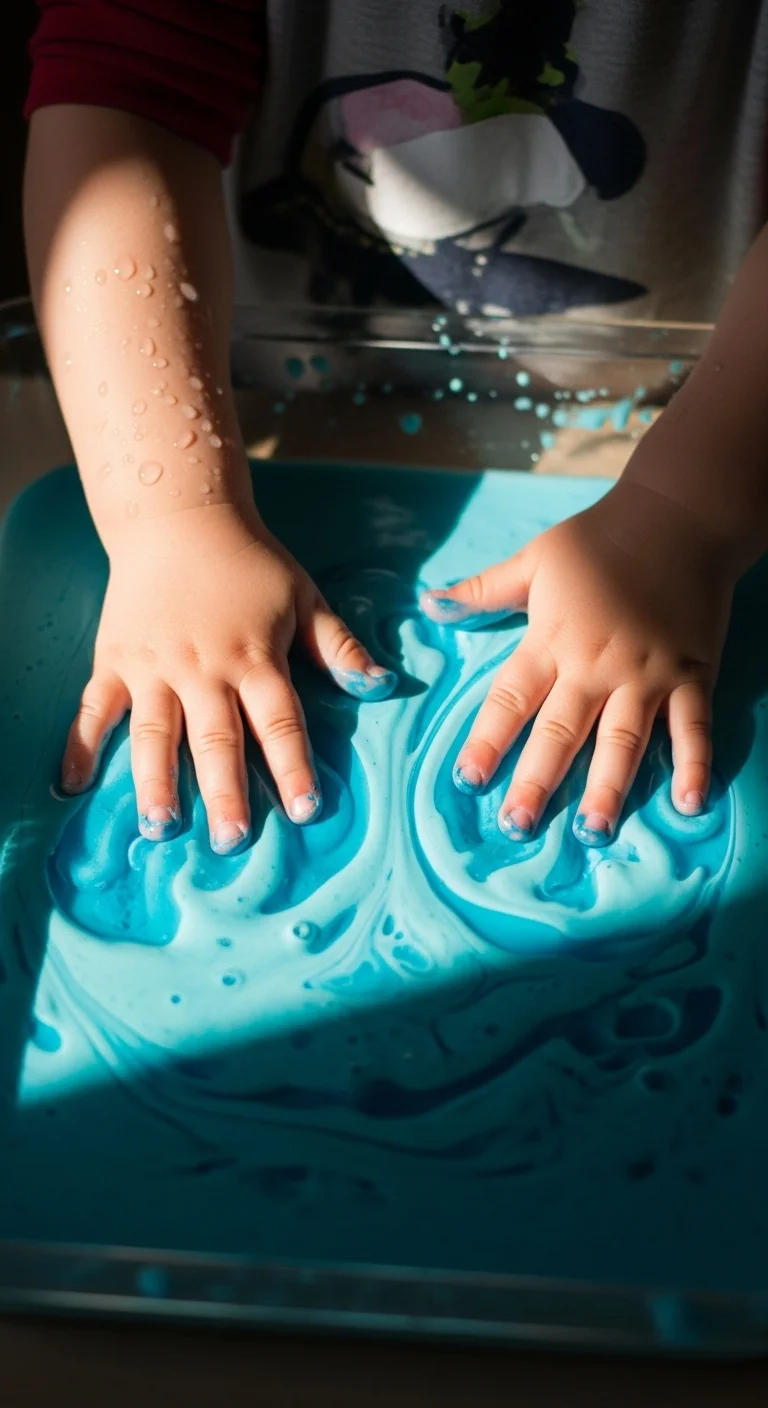
Oobleck is a fun, messy, and unusual sensory material. Made from cornstarch and water, it behaves like both a liquid and a solid. Children can squeeze, poke, and roll it, exploring cause-and-effect and tactile properties. Oobleck also encourages problem-solving as children experiment with pressure and movement. This activity is inexpensive, safe, and reusable if stored properly. Adding a few drops of food colouring can make it more visually stimulating. Oobleck provides calming sensory input, fine motor practice, and a unique opportunity for children to learn through hands-on experimentation.
- Pasta or Rice Sorting
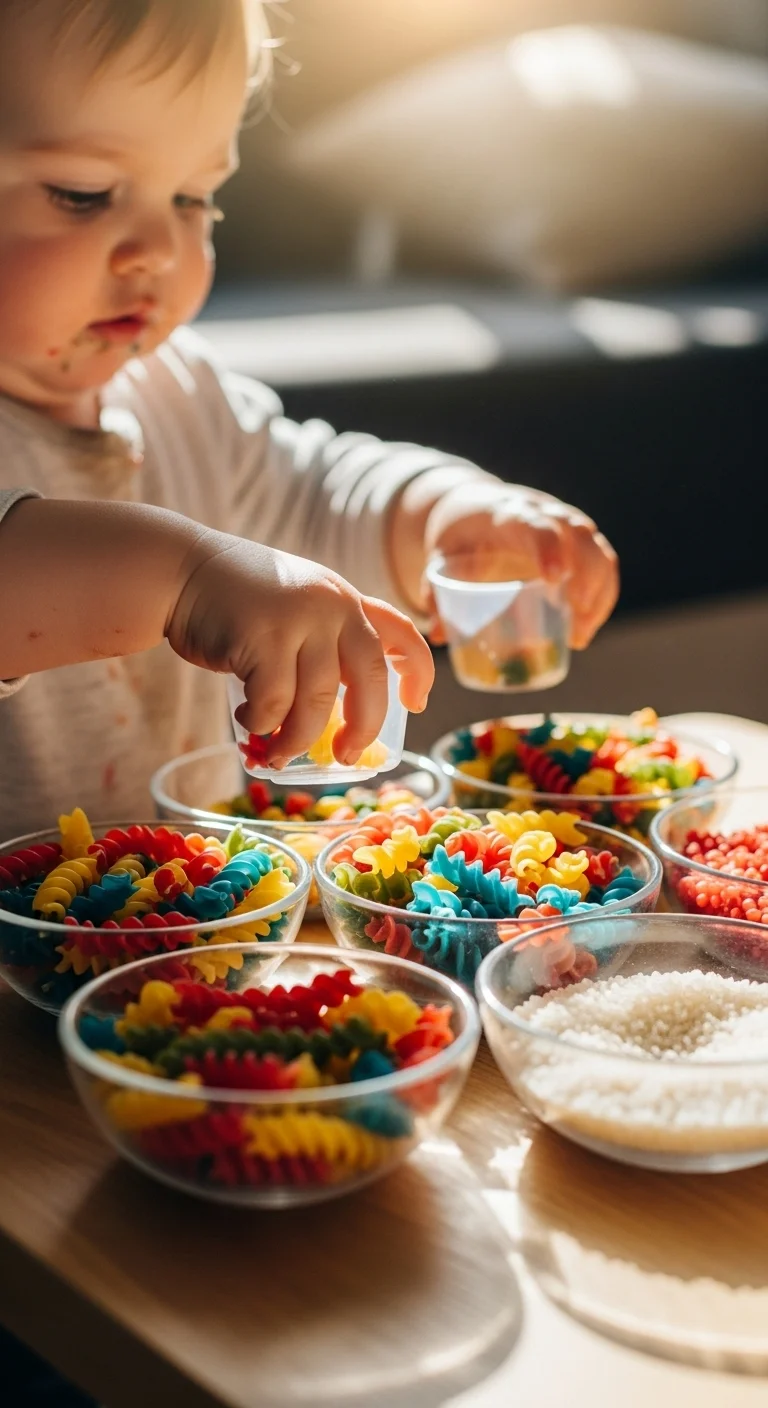
Sorting pasta or rice encourages focus, fine motor skills, and categorisation. Provide various colours or shapes and ask children to sort them into containers. This activity strengthens hand-eye coordination and introduces basic math concepts like counting and grouping. It’s inexpensive and easy to set up with materials you likely have at home. Sorting also develops patience and concentration. You can switch colours, shapes, or textures to keep the activity fresh. Children enjoy the visual satisfaction of separating items, which reinforces sensory awareness and cognitive skills.
- Balloon Volleyball
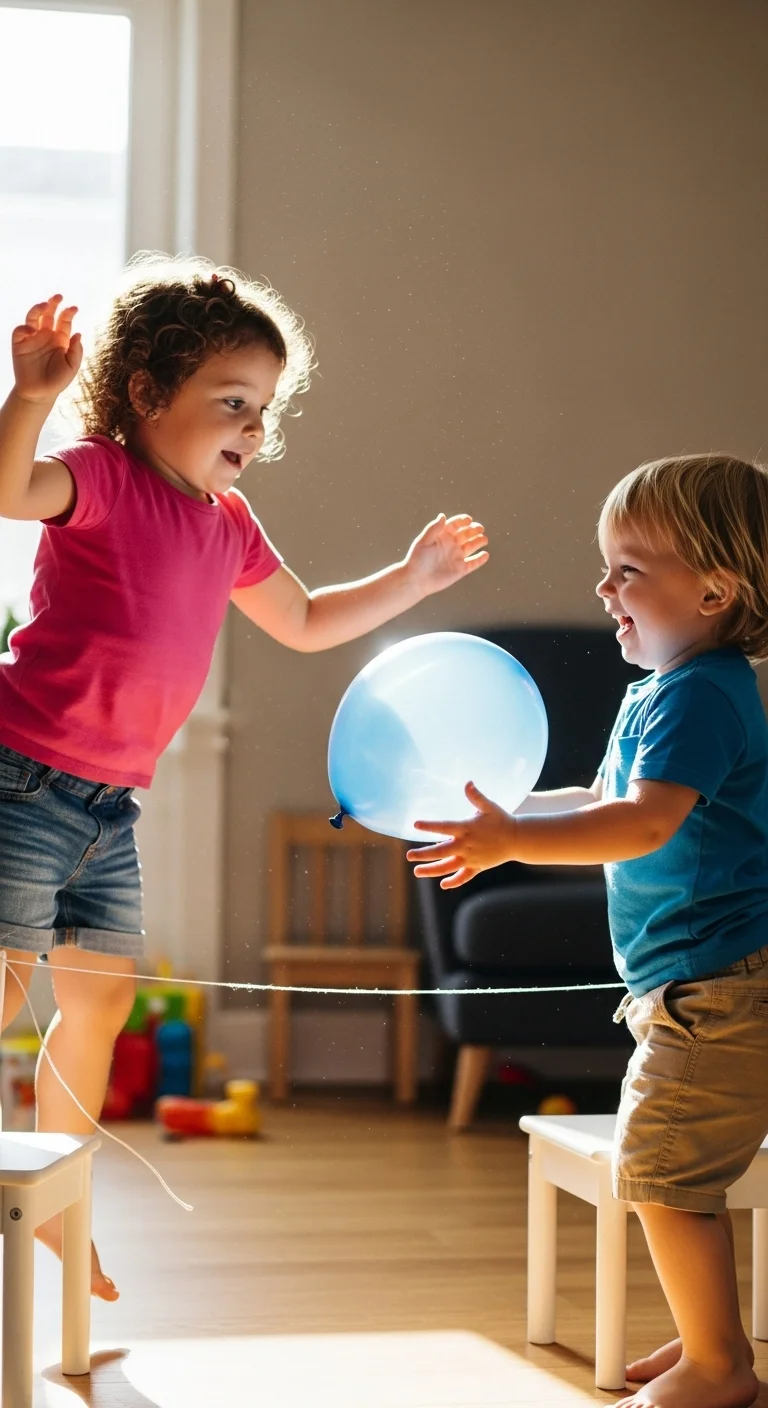
Balloon volleyball combines movement, coordination, and tactile awareness. Use a lightweight balloon to reduce injury risk. Children can hit, catch, or roll the balloon, enhancing gross motor skills and hand-eye coordination. The soft texture and unpredictable movement stimulate the sense of touch and proprioception. This activity is perfect for indoor play on a soft surface and can be adapted for single or group play. Balloon volleyball also encourages social interaction, turn-taking, and active sensory engagement, making it a fun, budget-friendly, and energetic sensory experience.
- Nature Sensory Collage
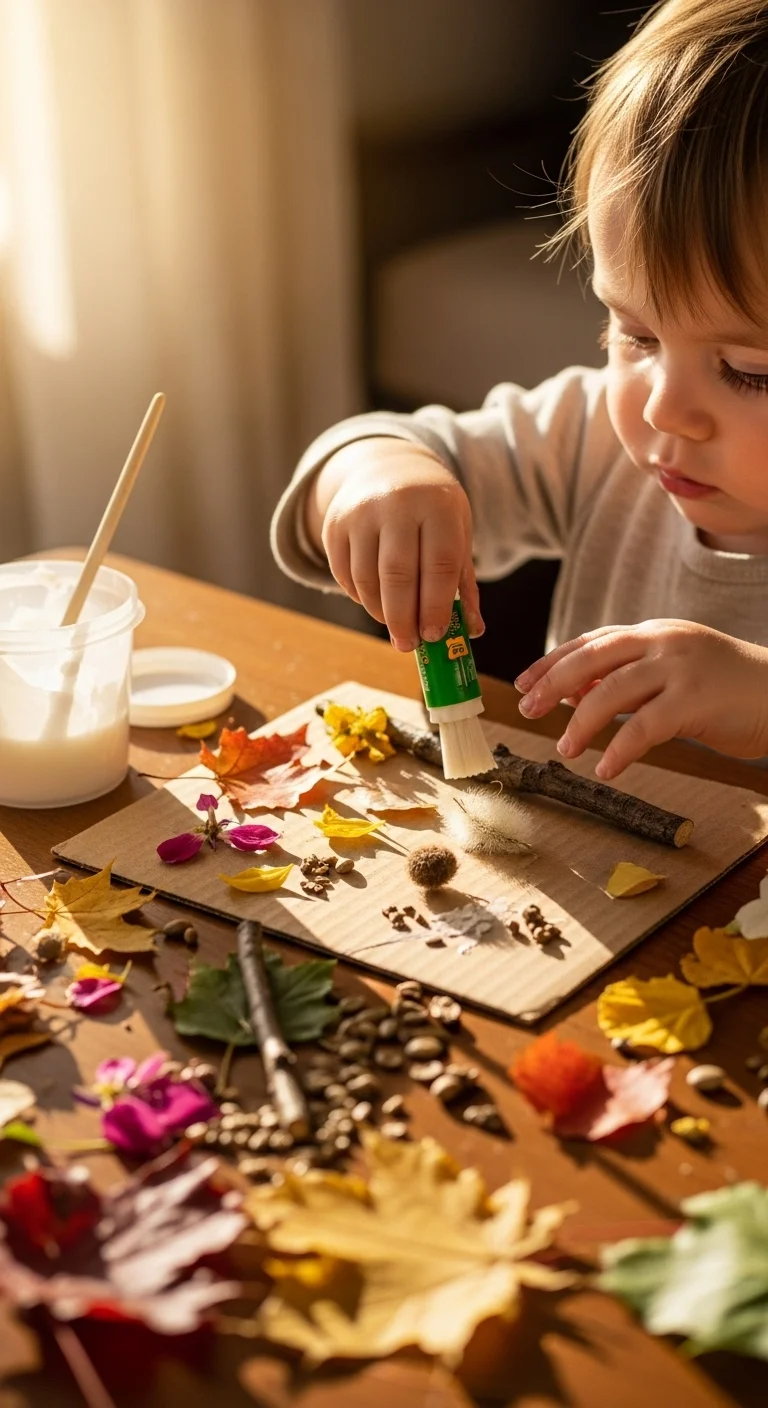
A nature sensory collage allows children to combine tactile, visual, and creative skills. Collect leaves, petals, sticks, seeds, or small stones. Provide glue and cardboard to arrange materials freely. Children explore textures, colours, and spatial arrangement, while improving fine motor skills. This activity is inexpensive and eco-friendly, encouraging outdoor exploration and appreciation of nature. Sensory collages also stimulate imagination and creativity, letting children express their experiences and observations in a tactile, hands-on way.
- Shakers and Maracas
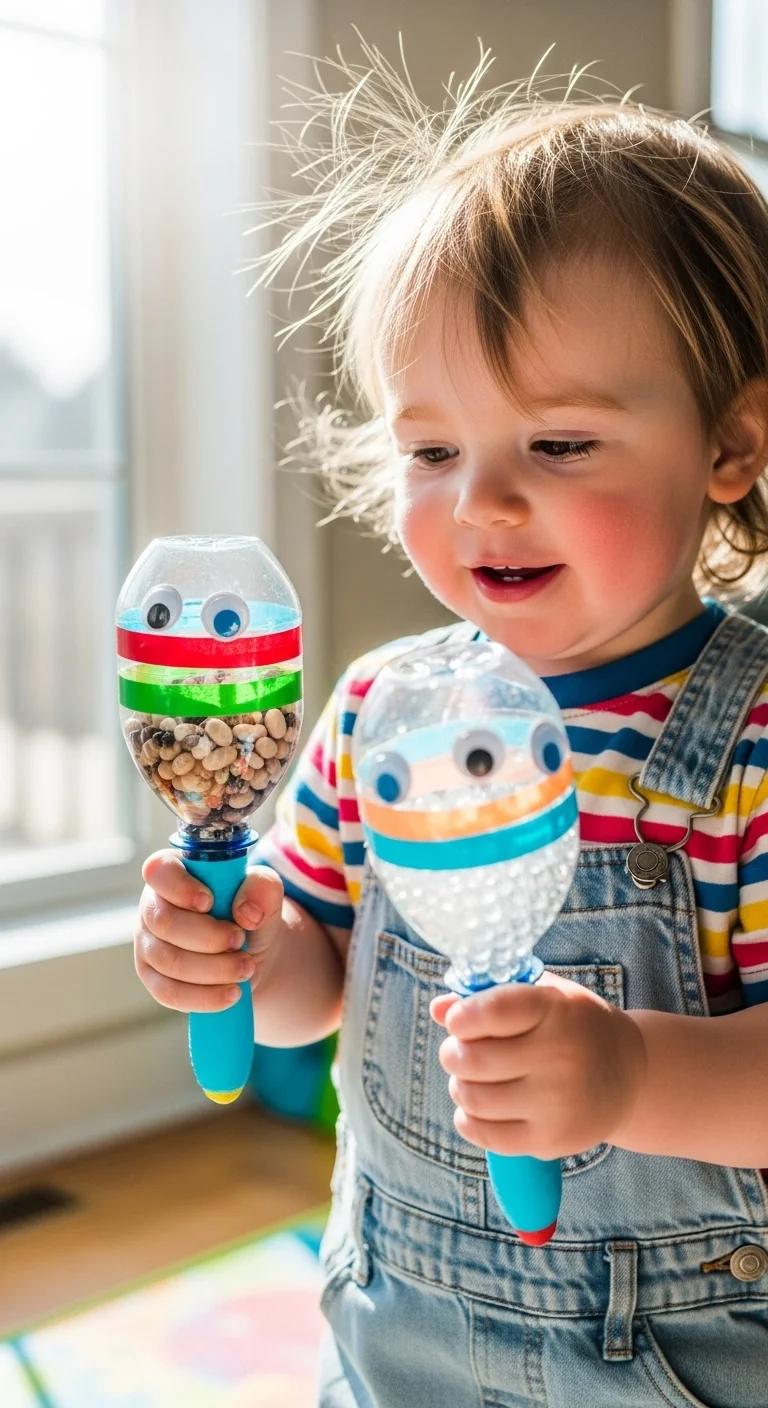
Homemade shakers or maracas are simple, fun, and engaging for auditory and tactile development. Use small containers or bottles filled with rice, beads, or beans, sealed tightly. Children can shake, tap, or roll them to explore different sounds. This activity encourages rhythm, coordination, and cause-and-effect learning. It’s inexpensive, safe, and perfect for solo play or group music sessions. Shakers also provide calming rhythmic stimulation, helping children focus and enjoy creative expression through sound and movement.
Conclusion
Engaging in sensory play is a powerful way to help children grow, learn, and regulate emotions while having fun. These 25 activities use simple, budget-friendly materials to develop fine and gross motor skills, sensory awareness, creativity, and focus. From tactile experiences like rice bins and oobleck to auditory exploration with shakers and sound games, each activity encourages hands-on learning that supports cognitive and emotional growth. Incorporating sensory play into daily routines doesn’t require expensive toys—just creativity, patience, and observation. By providing safe, stimulating, and enjoyable experiences, you can help your child become calmer, more focused, and intellectually curious, laying the foundation for lifelong learning and well-being. These playful moments are not just fun—they’re building blocks for smarter, happier kids.
