

25 Toddler Learning Activities to Boost Early Skills
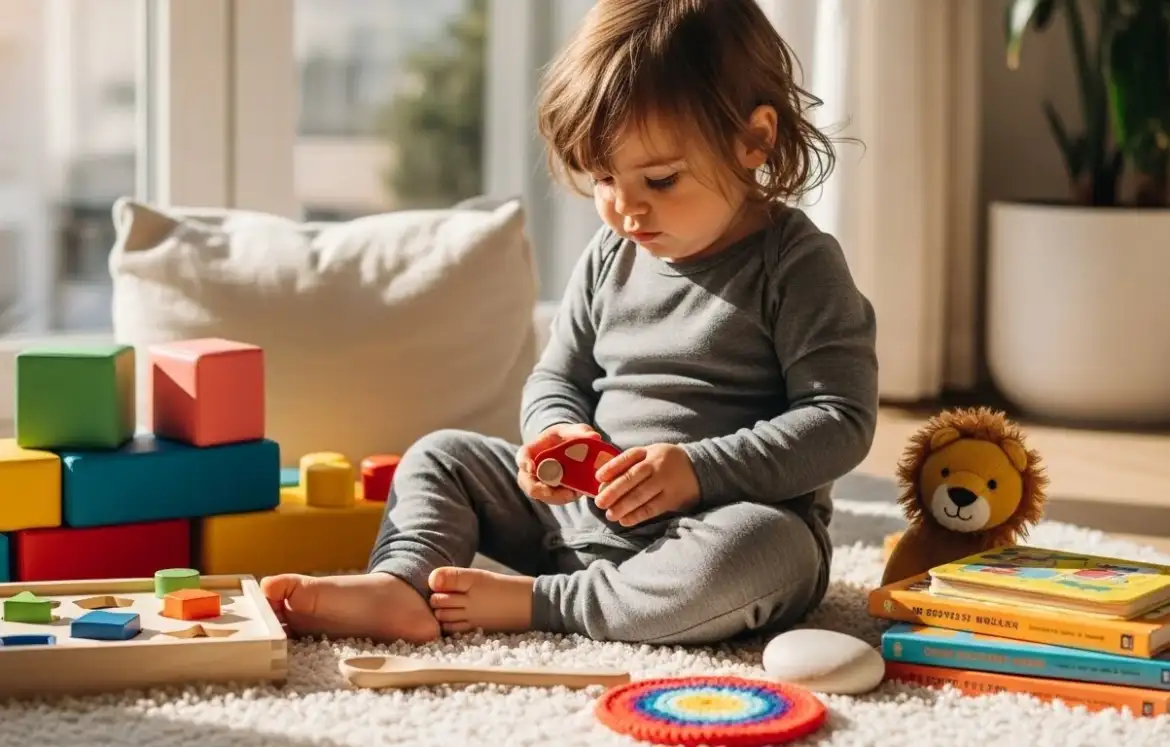
Young children learn through simple moments. Everyday play can teach coordination, language, early math ideas, and problem-solving. The activities below use items many families already have at home. Each one is easy to set up and flexible for different ages. Pick a few that fit your toddler’s interests and turn regular days into low-pressure learning time.
- Sensory Bin Scooping
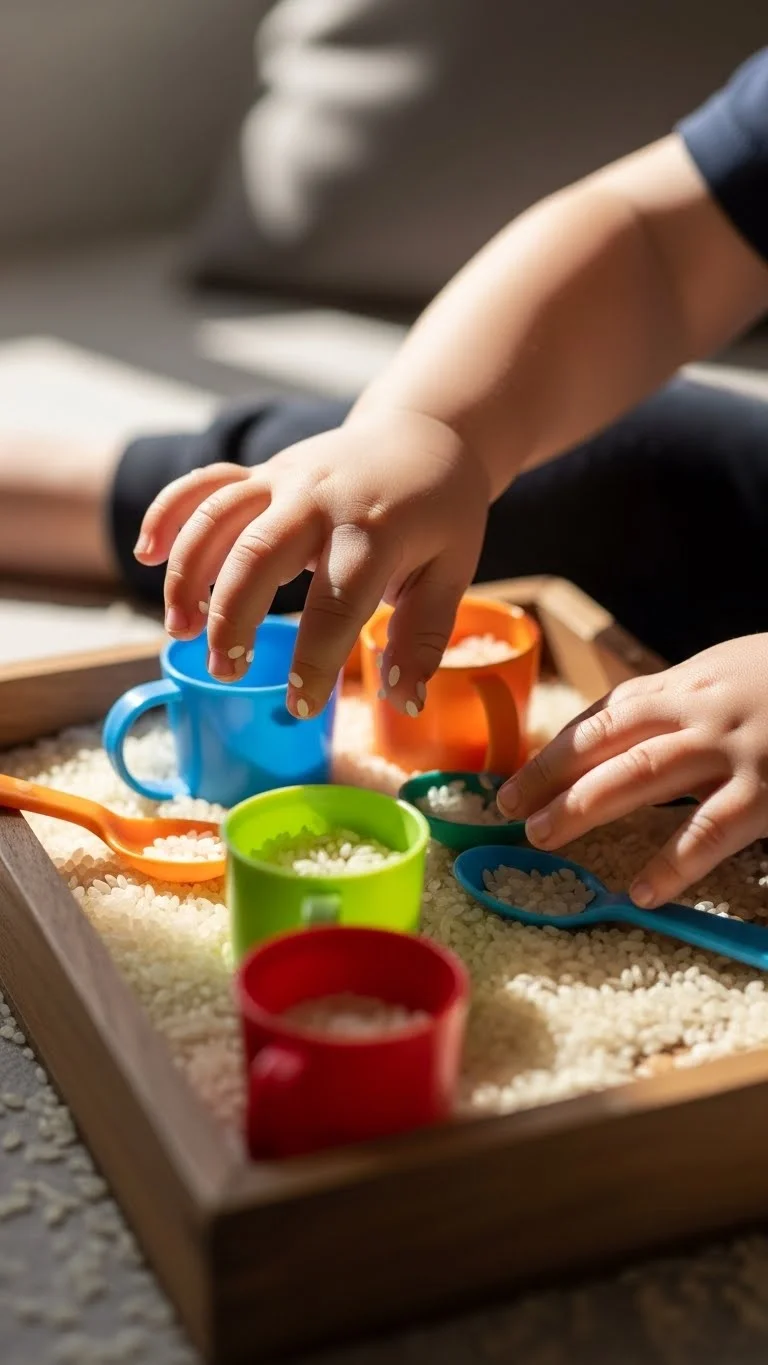
A sensory bin is a quick way to help your toddler explore textures. Fill a container with rice, beans, or pasta from your pantry. Add spoons, ladles, and empty yogurt cups. Keep portions small to reduce cleanup. Let your toddler scoop, pour, shake, and dump. These simple motions help their hands get steadier. You can add small toys to bury and find. If you use rice, color it with a drop of food coloring and let it dry in a bowl. This gives the bin more visual variety. Always sit nearby to guide safe play. For an outdoor version, try sand or water.
- Water Pouring Station
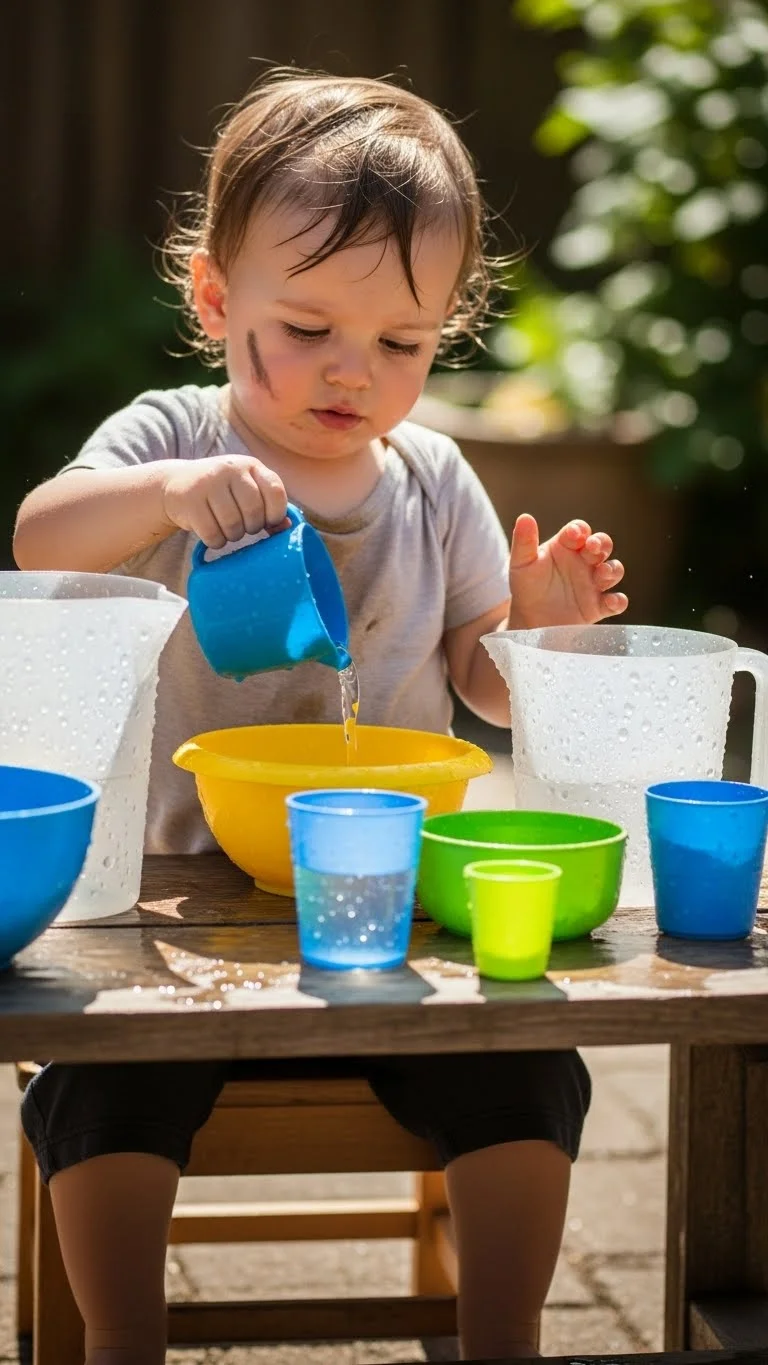
Set out a few bowls and cups on a towel or in the yard. Fill them with a little water. Invite your toddler to pour from one cup to another. Keep containers small so spills stay manageable. Add ice cubes for extra fun. You can tint the water with a tiny amount of food coloring to make it easier to see levels. Let them explore at their own pace. This simple setup teaches steadiness while keeping their attention. If you’re inside, place everything in a baking tray to catch splashes.
- Colour Sorting Cups
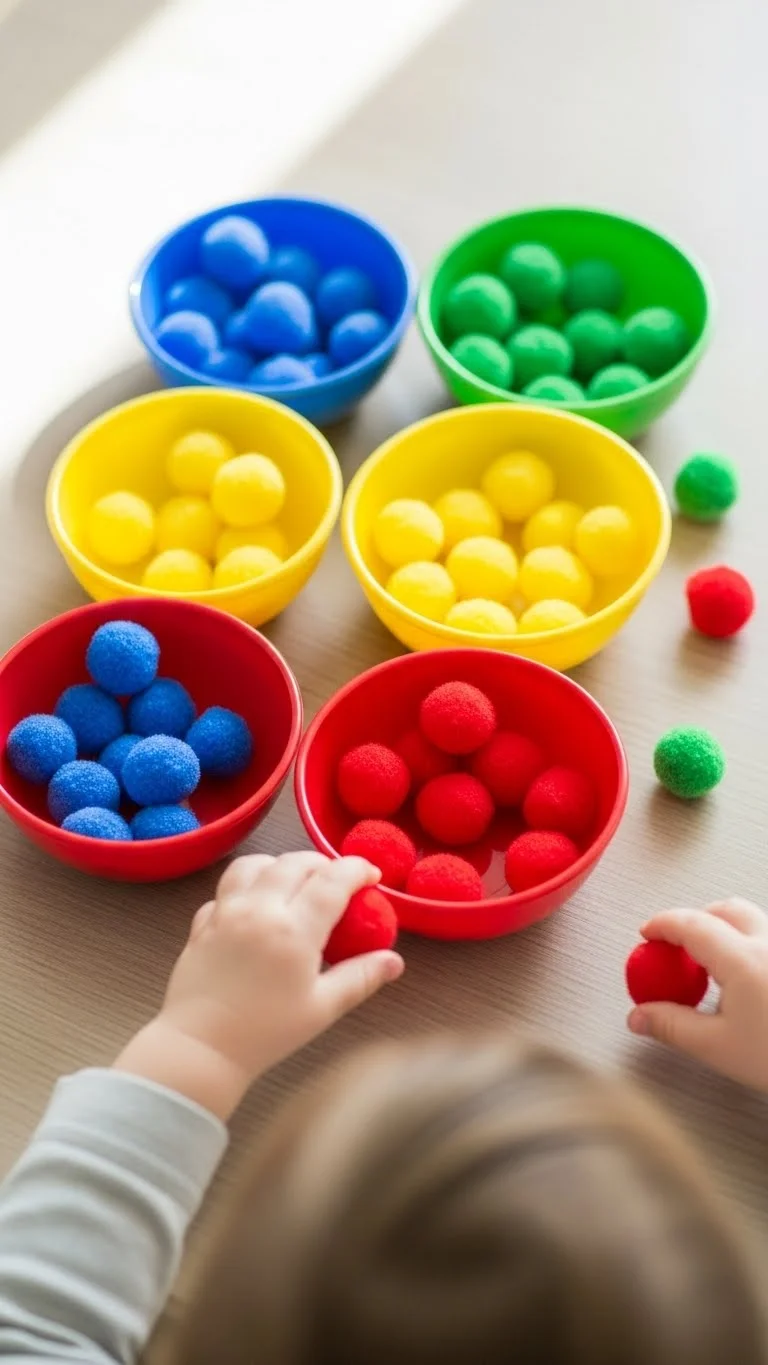
Gather a few bowls in different colours. Add pom-poms, blocks, or bottle caps that match those colours. Encourage your toddler to drop each item into the matching bowl. Keep things light—no pressure for perfection. If you don’t have coloured bowls, use small containers and place a piece of coloured paper inside. This simple trick keeps it budget-friendly. Rotate colours each week to keep the activity interesting.
- Sticky Note Shape Hunt
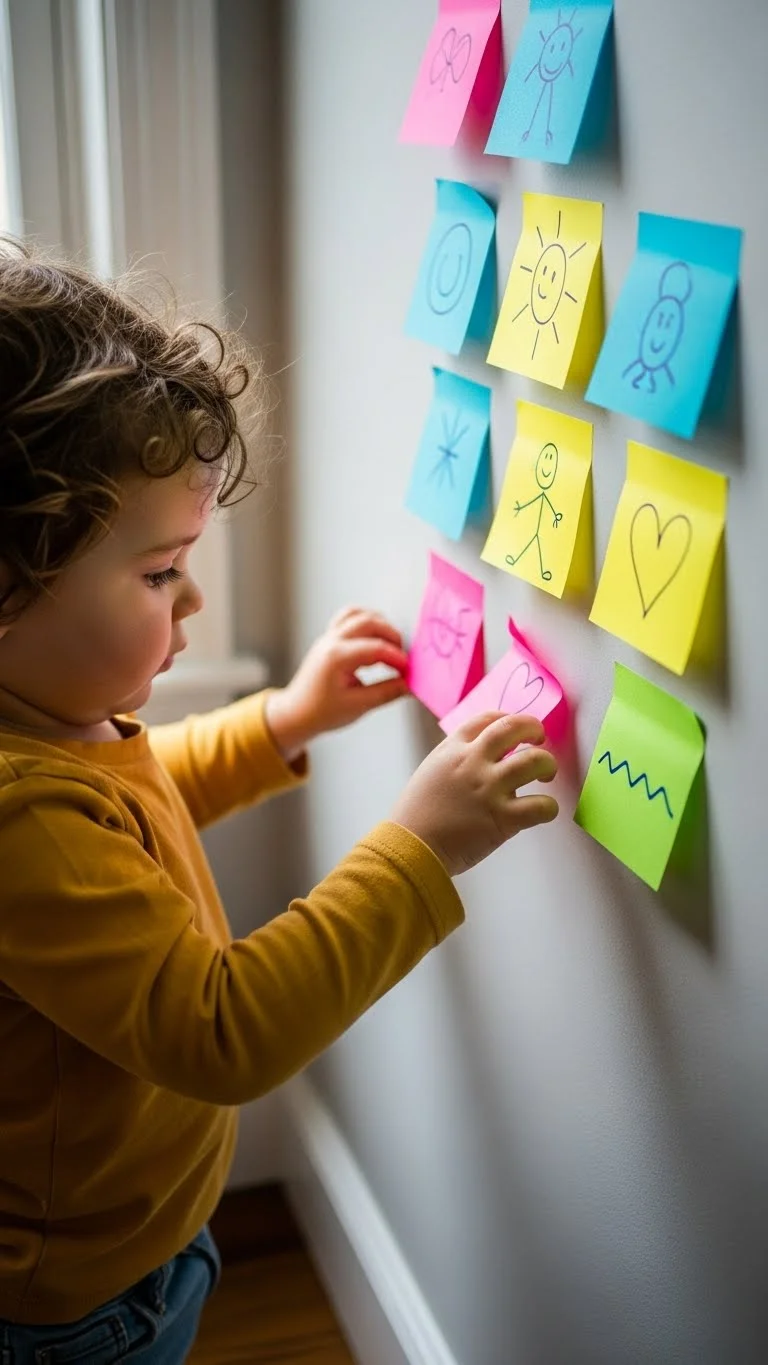
Draw simple shapes on sticky notes and place them around a room. Invite your toddler to find them. Cheer when they spot a match. You can stick some on low cabinets or toy bins. Use cardboard scraps if sticky notes run out. This keeps things reusable. The goal is movement and recognition. Let them place the shapes back on a “collection wall” to finish the activity.
- Muffin Tin Sorting Game
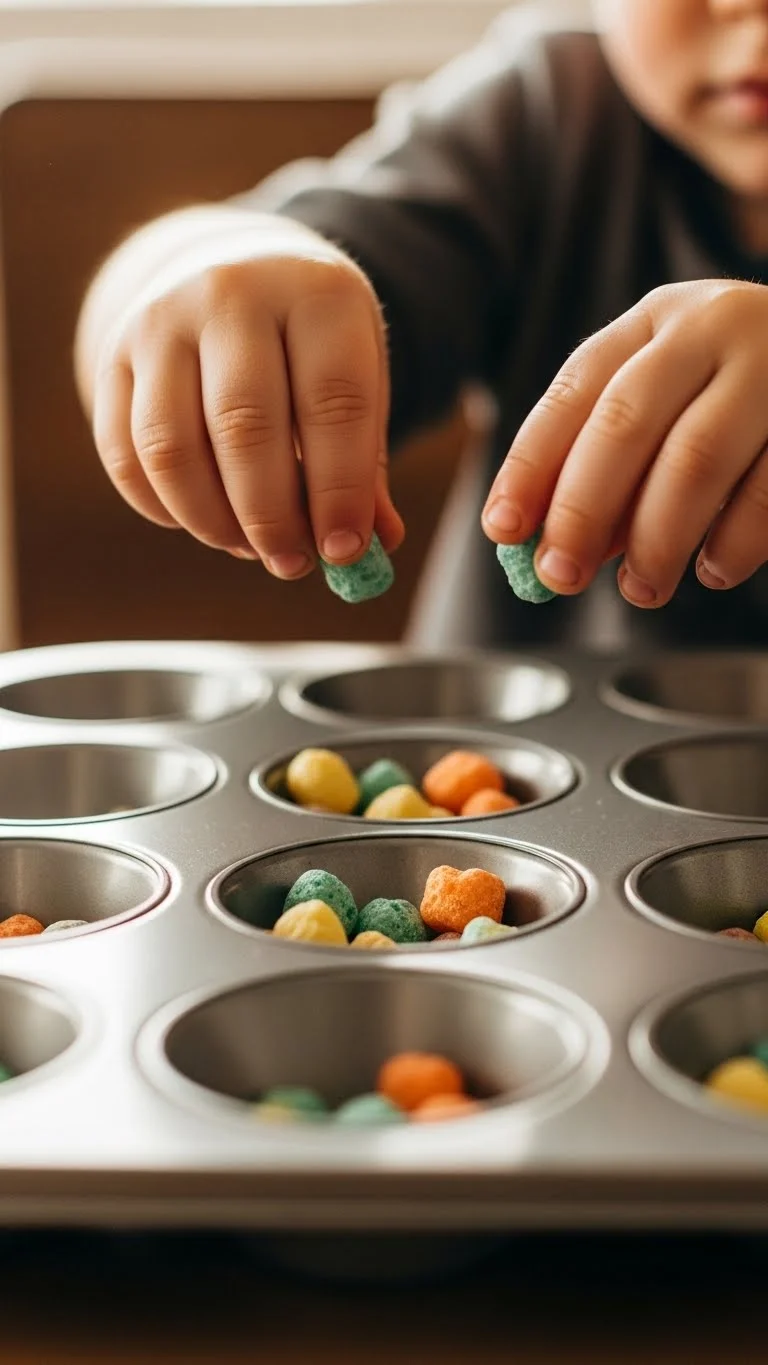
Grab a muffin tin and items like cotton balls, toy animals, or snack cups. Let your toddler fill each compartment. You can add colors, themes, or even tiny stickers on the bottom. This turns a kitchen tool into a simple learning tray. If your toddler likes sound, swap in metal or wooden objects. The small compartments help them practice gentle placement.
- Nature Treasure Basket
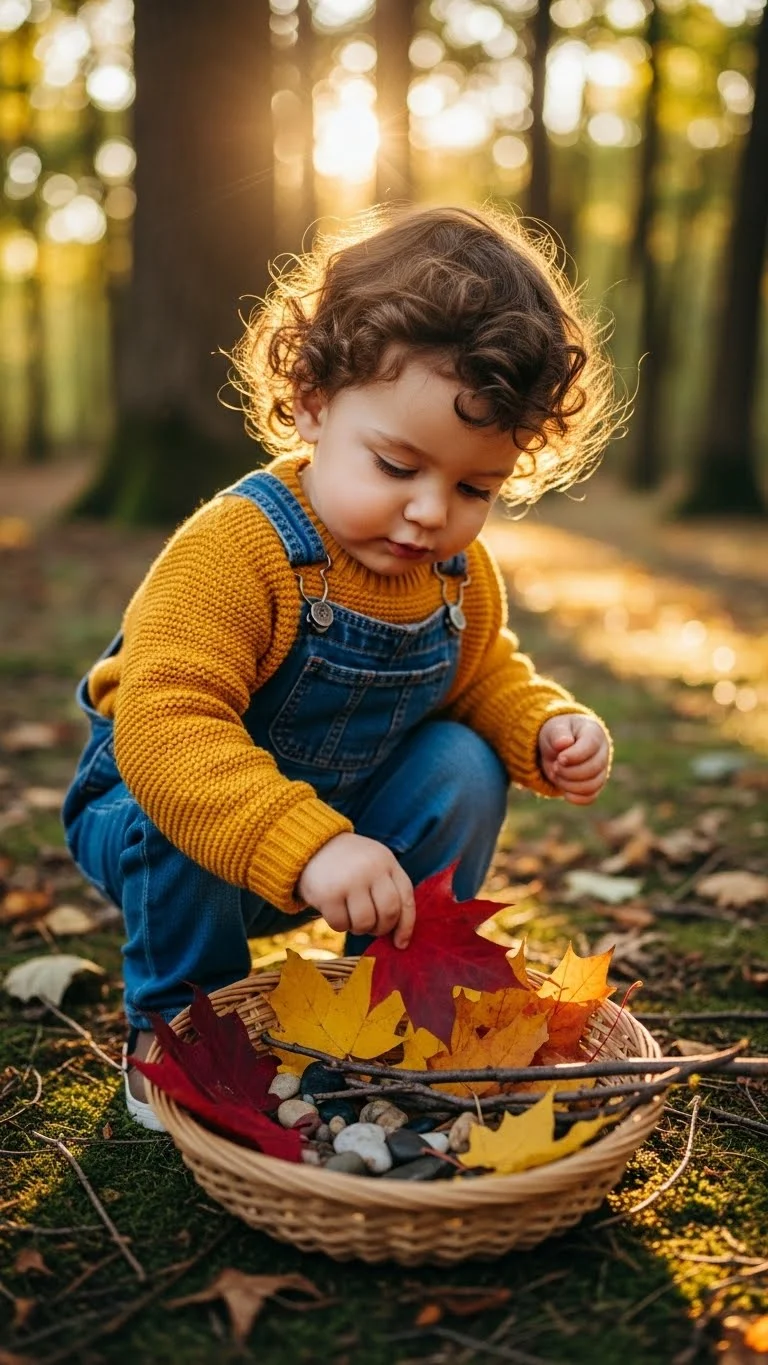
Take a short walk and collect small nature items. Place them in a basket at home. Let your toddler feel each one. Talk about textures like smooth, rough, or crunchy. For a budget tip, reuse an old shoebox instead of a basket. Rotate the items every week to keep things interesting. This activity brings outside discoveries indoors.
- Painter’s Tape Roadways
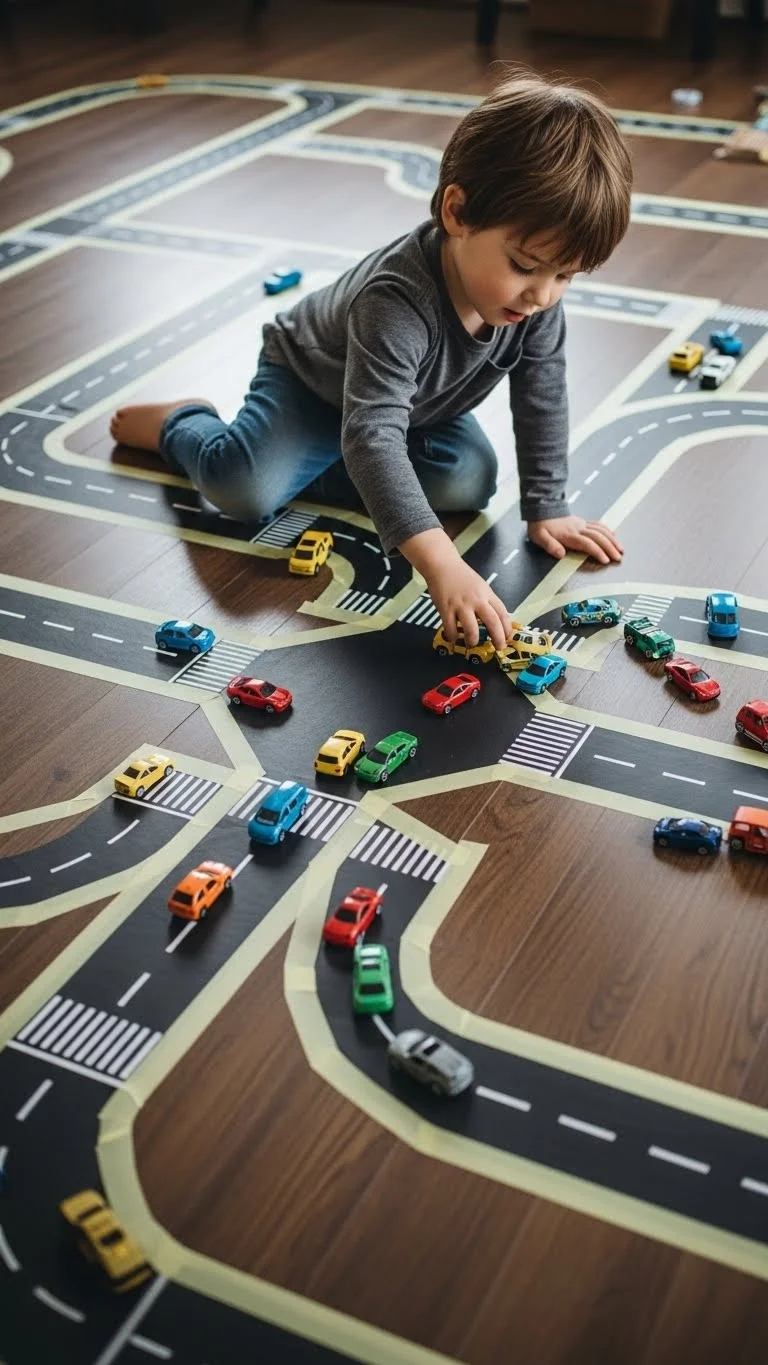
Use painter’s tape to create simple roadways on the floor. Add toy cars, animals, or blocks. Keep the paths easy to follow. Remove and replace tape as needed. If tape is limited, make one long line to walk along. This encourages movement and pretend play without complicated steps.
- Bubble Popping Chase

Blow bubbles and invite your toddler to pop, stomp, or clap them. You can use a store-bought wand or make your own from a pipe cleaner. This activity encourages running, jumping, and giggling. Keep sessions short to avoid sticky hands. Wipe with a damp cloth and continue play.
- Cardboard Tunnel Crawls
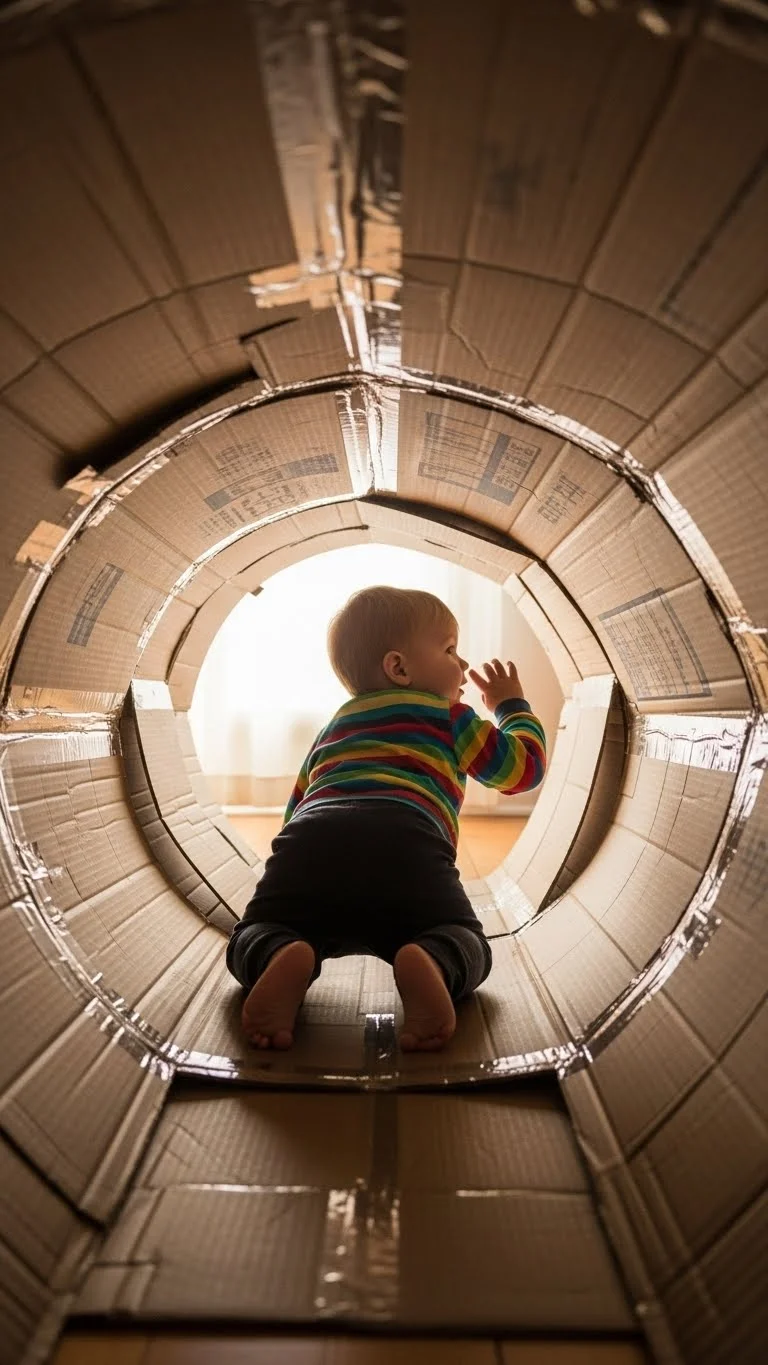
Save large shipping boxes and open both ends to create tunnels. Encourage your toddler to crawl through. Add soft scarves or stuffed animals inside. For variety, make windows by cutting small holes. Tape edges for safety. This simple setup invites movement and exploration.
- Frozen Toy Rescue
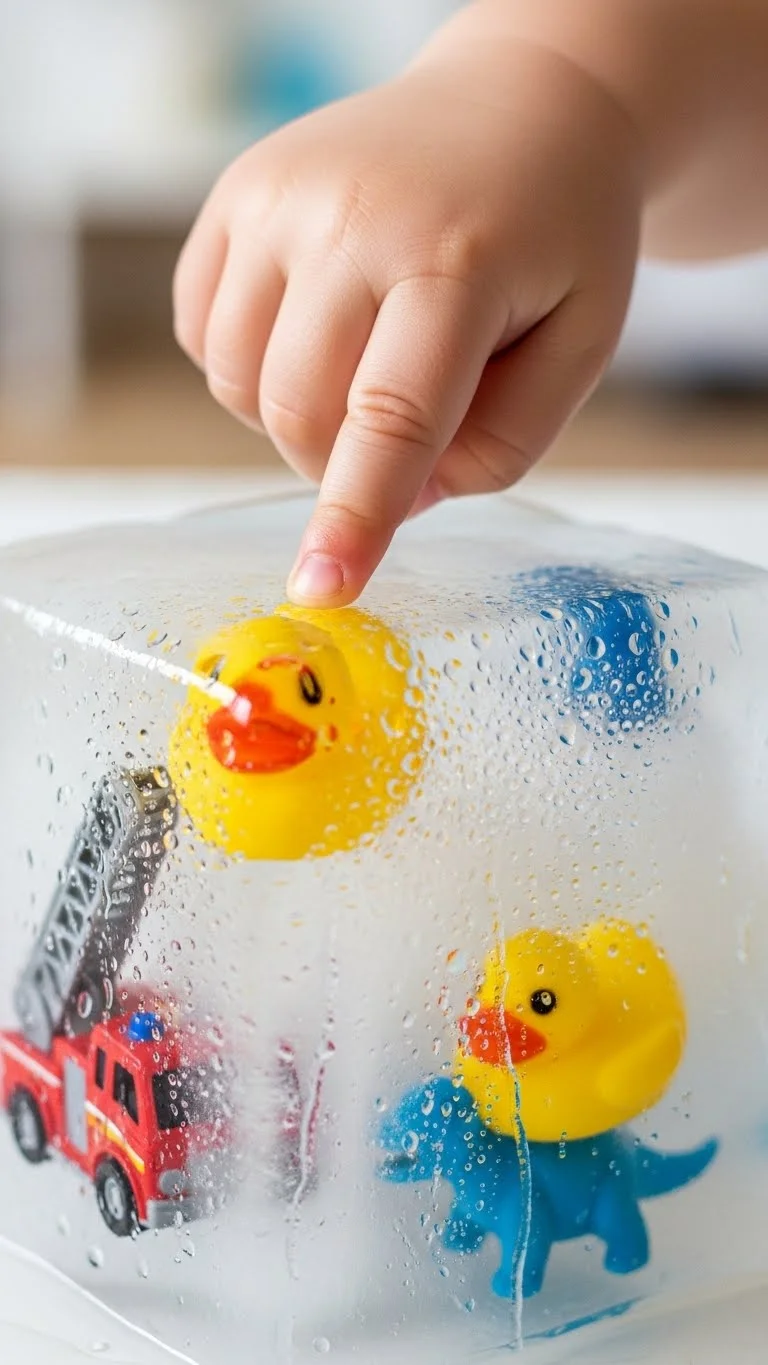
Place small waterproof toys in a container, fill with water, and freeze. Offer warm water in cups and spoons so your toddler can melt the ice. This creates a slow, hands-on discovery moment. Keep towels nearby. Use smaller containers to shorten the melting time.
- Sorting Snacks
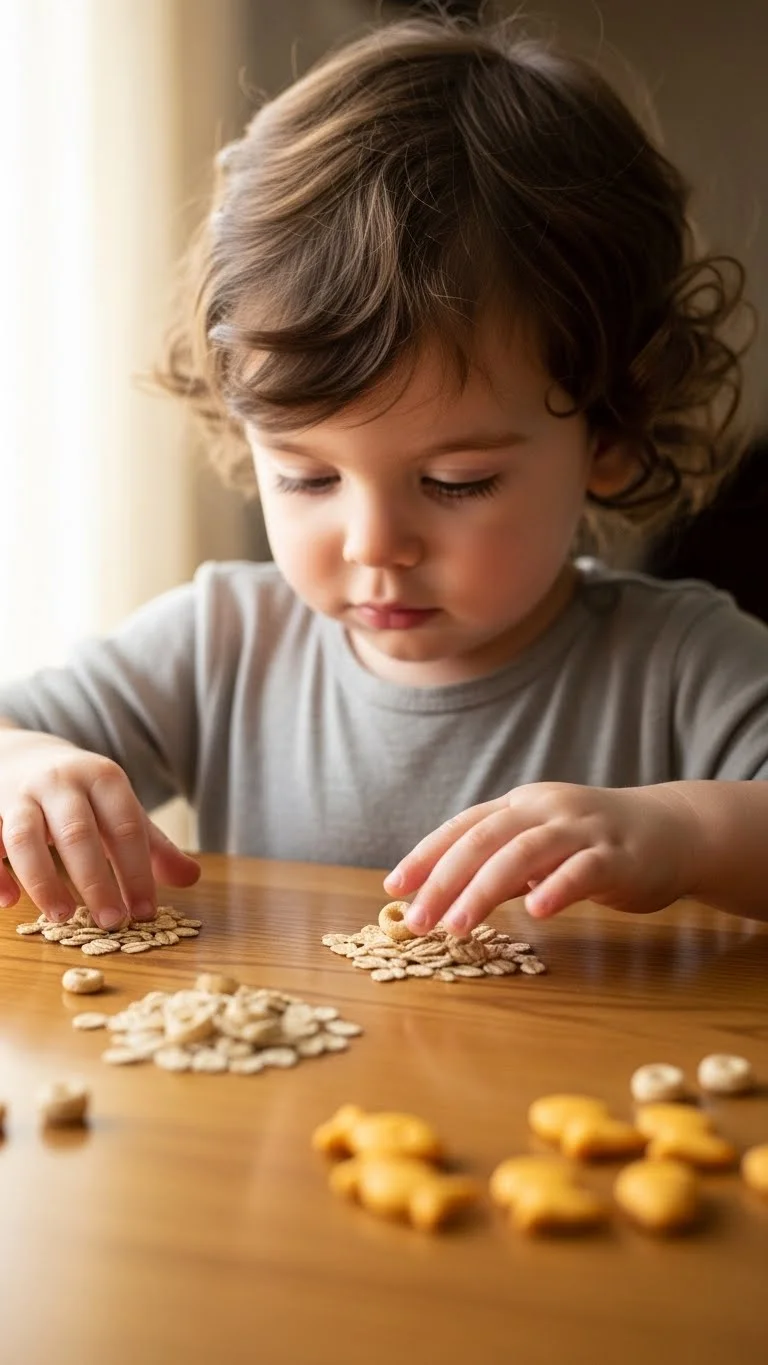
Use cereal or crackers and place them in a small bowl. Invite your toddler to sort pieces by shape or color. Keep portions tiny. This makes snack time playful and teaches simple organization. Reuse silicone cupcake liners to keep piles separate.
- Tape Pull Wall
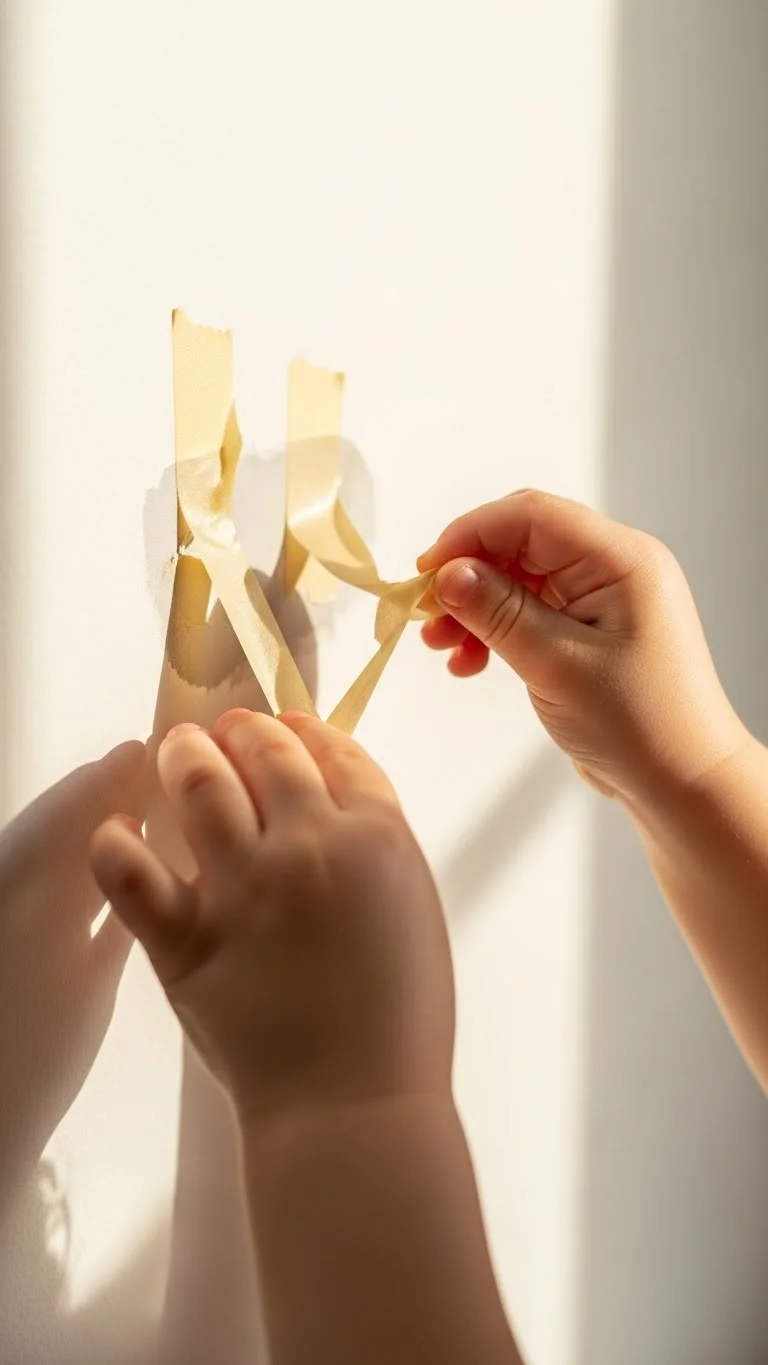
Tear off small pieces of masking tape and stick them to a low section of a wall or cabinet. Let your toddler peel them off. Add loops and lengths to keep things varied. Tape is inexpensive and you can reuse it a few times. This simple motion strengthens tiny fingers.
- Pom-Pom Drop Tubes
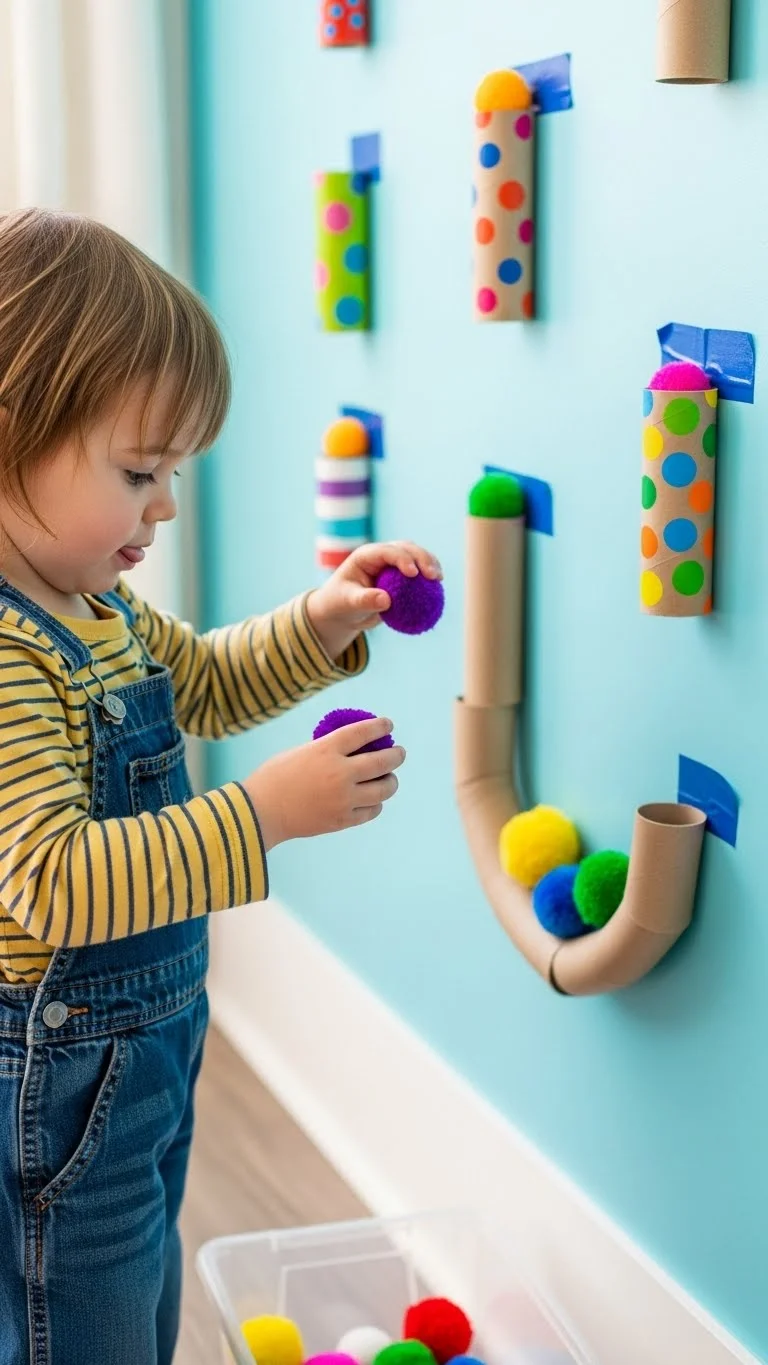
Tape cardboard tubes vertically to a wall. Hand your toddler pom-poms or cotton balls to drop inside. Watch them come out from the bottom. Add several tubes for extra fun. Save tubes from paper towels to keep things free.
- Play Dough Pressing
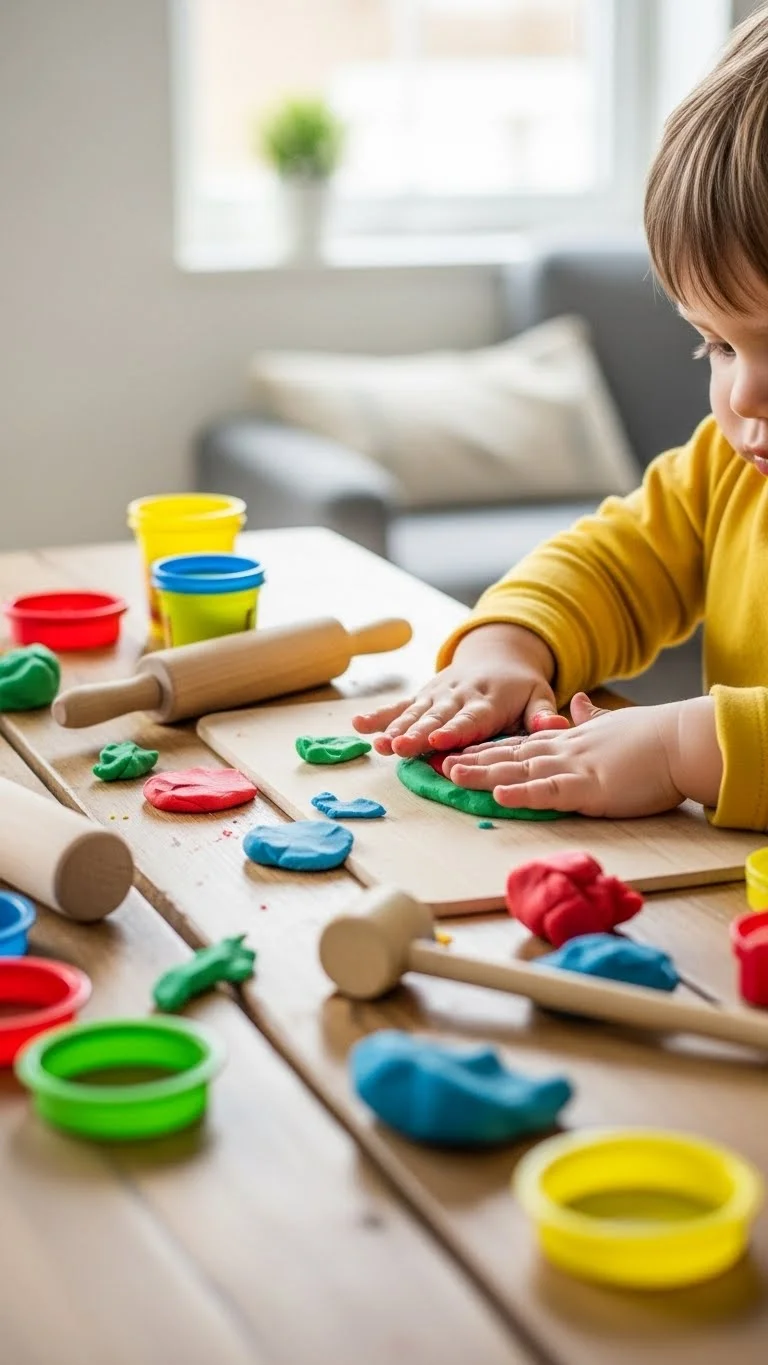
Use store-bought or homemade play-dough. Invite your toddler to press, pinch, roll, and squish. Add cookie cutters or plastic lids for stamping. Keep portions small. Store dough in a sealed container so it lasts longer. This activity always draws attention and calms busy hands.
- Sock Matching Basket
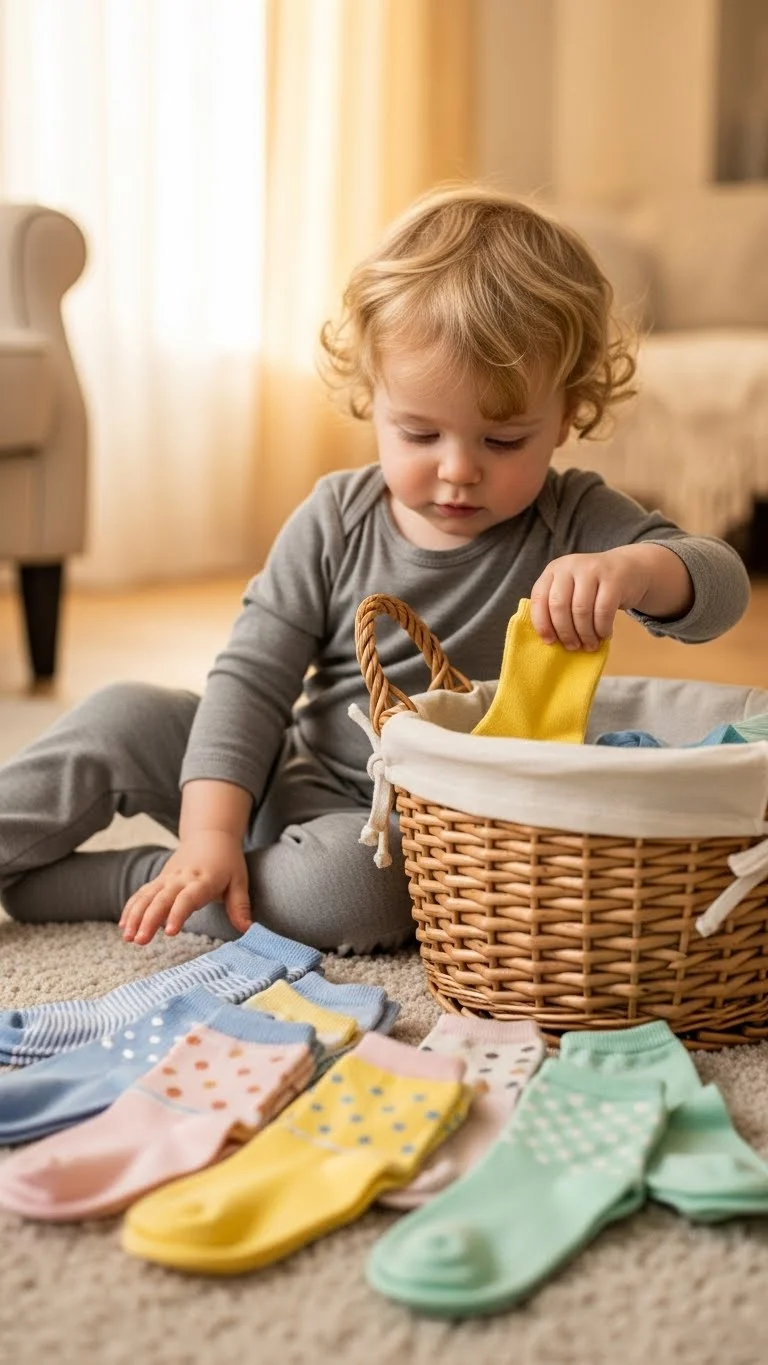
Gather socks in simple patterns. Mix them in a basket. Let your toddler try matching pairs. Keep sets easy at first. Use bright colors for clarity. This turns laundry into a simple learning moment. Add praise when they spot a pair.
- Bean Bag Toss
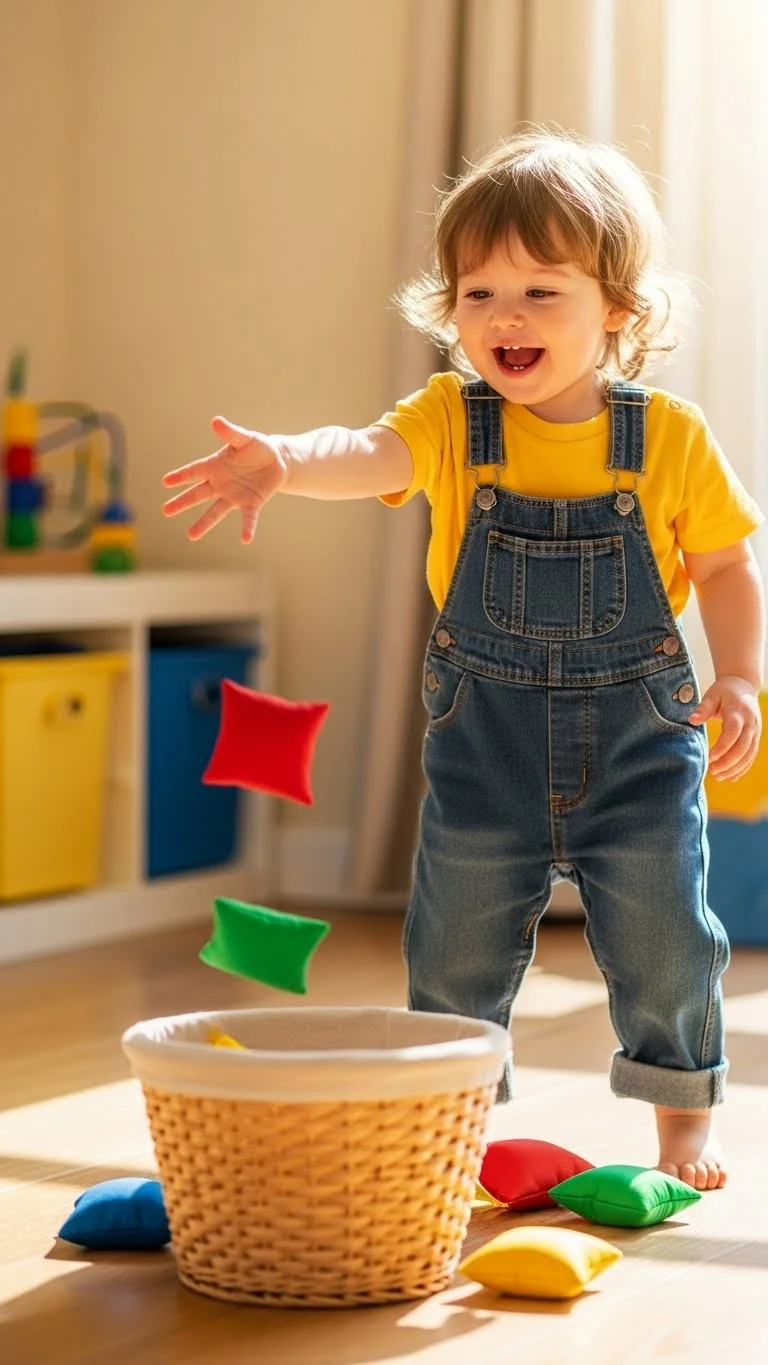
Use bean bags or small rolled socks. Place a basket a short distance away. Invite your toddler to toss items inside. Move the basket to change difficulty. If outdoors, use a hula hoop as a target. This setup encourages gentle aiming without needing lots of supplies.
- DIY Shakers
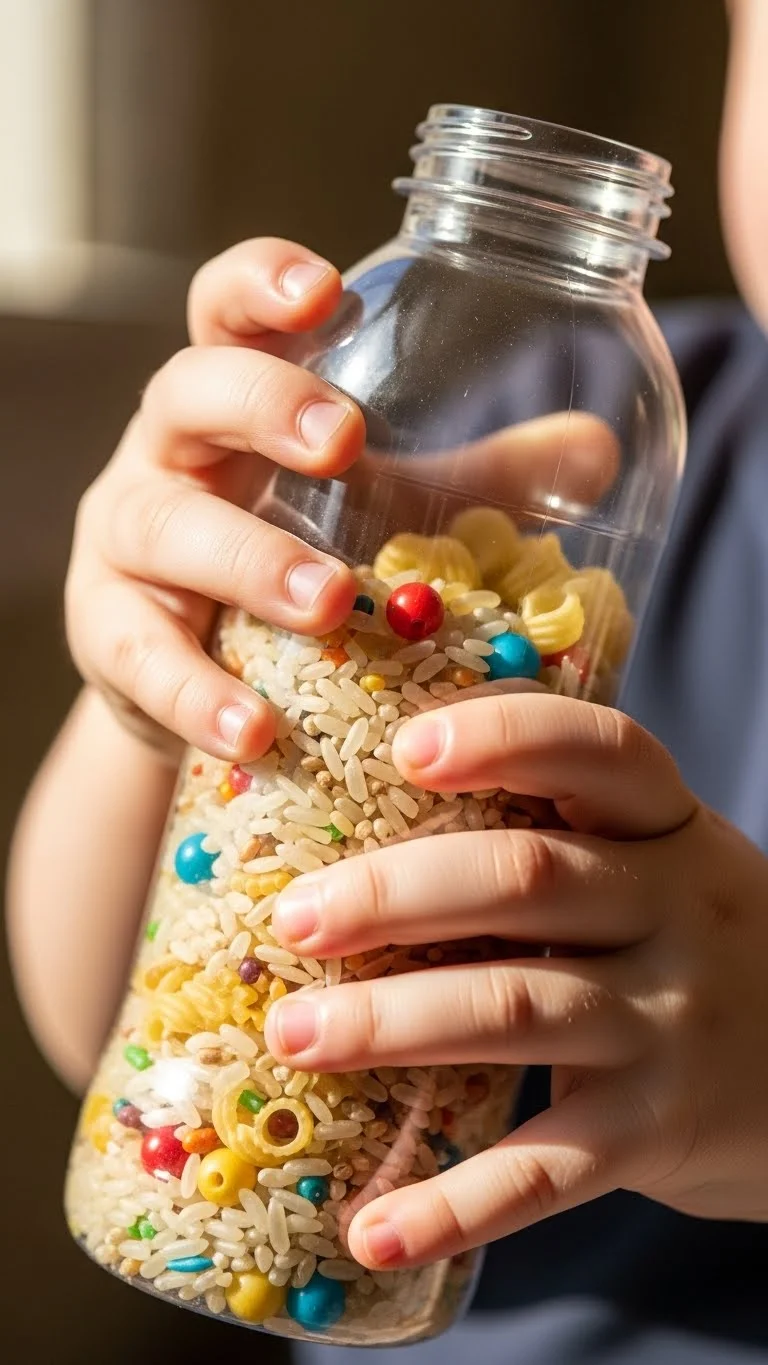
Fill an empty bottle with rice or dried beans. Seal the lid tightly with tape. Let your toddler shake, roll, and tap it. Make a few with different fillings to change the sound. This turns recycling into a simple music activity. Supervise closely to keep lids secure.
- Simple Pattern Paths
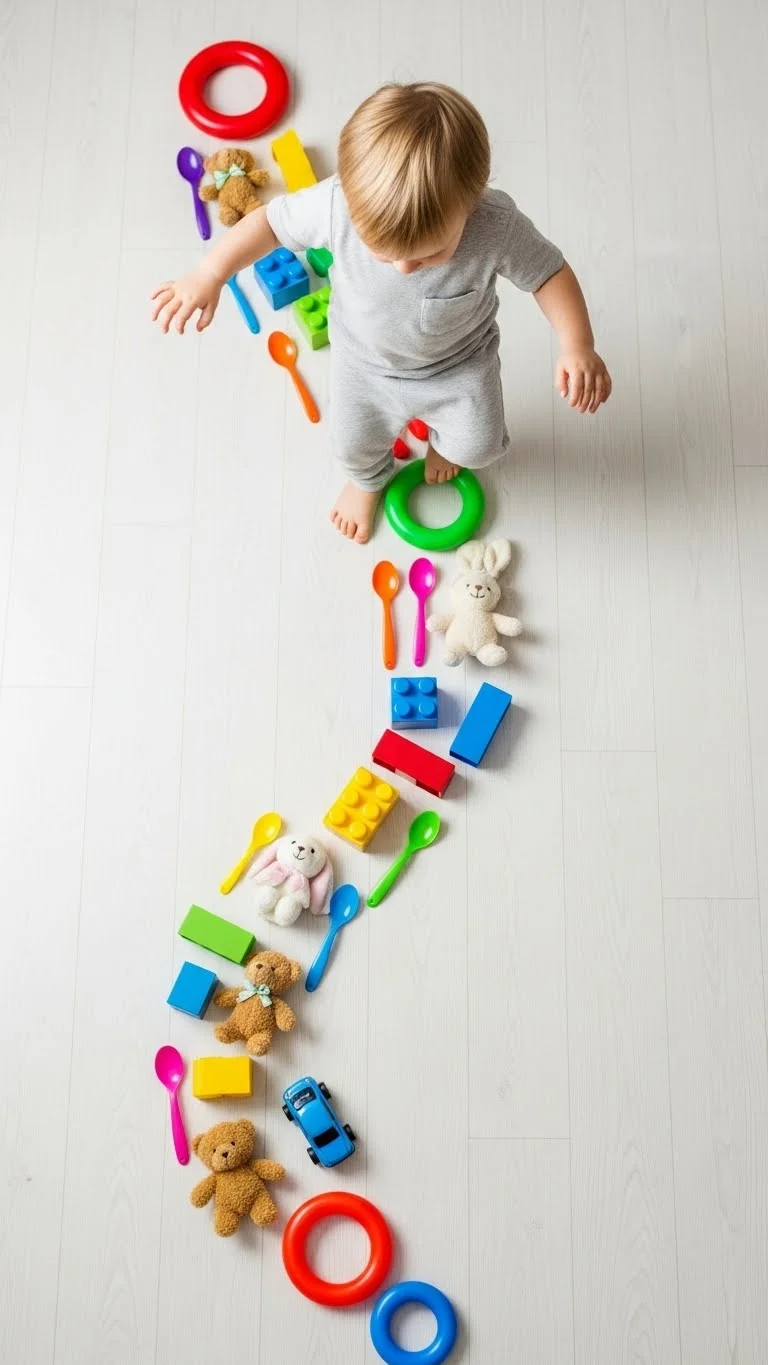
Lay out objects like spoons, blocks, or socks in a repeating order. Invite your toddler to walk along the line. Keep the path short. Rearrange items to form new patterns. This encourages movement and early recognition of repeating sequences.
- Kitchen Utensil Band
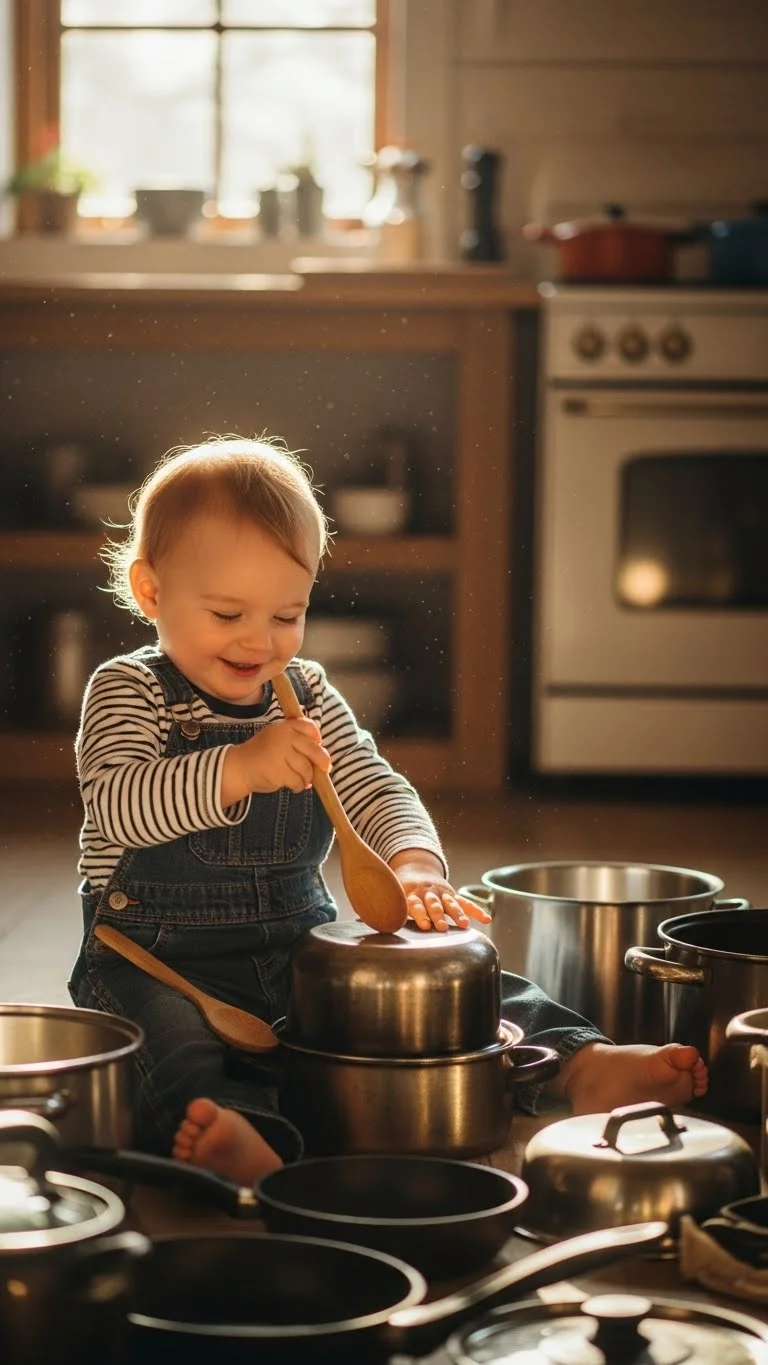
Gather safe utensils like wooden spoons and metal bowls. Let your toddler explore sounds. Offer soft beat ideas like tap-tap or boom-boom. Rotate tools from time to time. Keep volume manageable by placing a towel under pans. This activity is free and keeps your toddler fully engaged.
- Story Basket Play
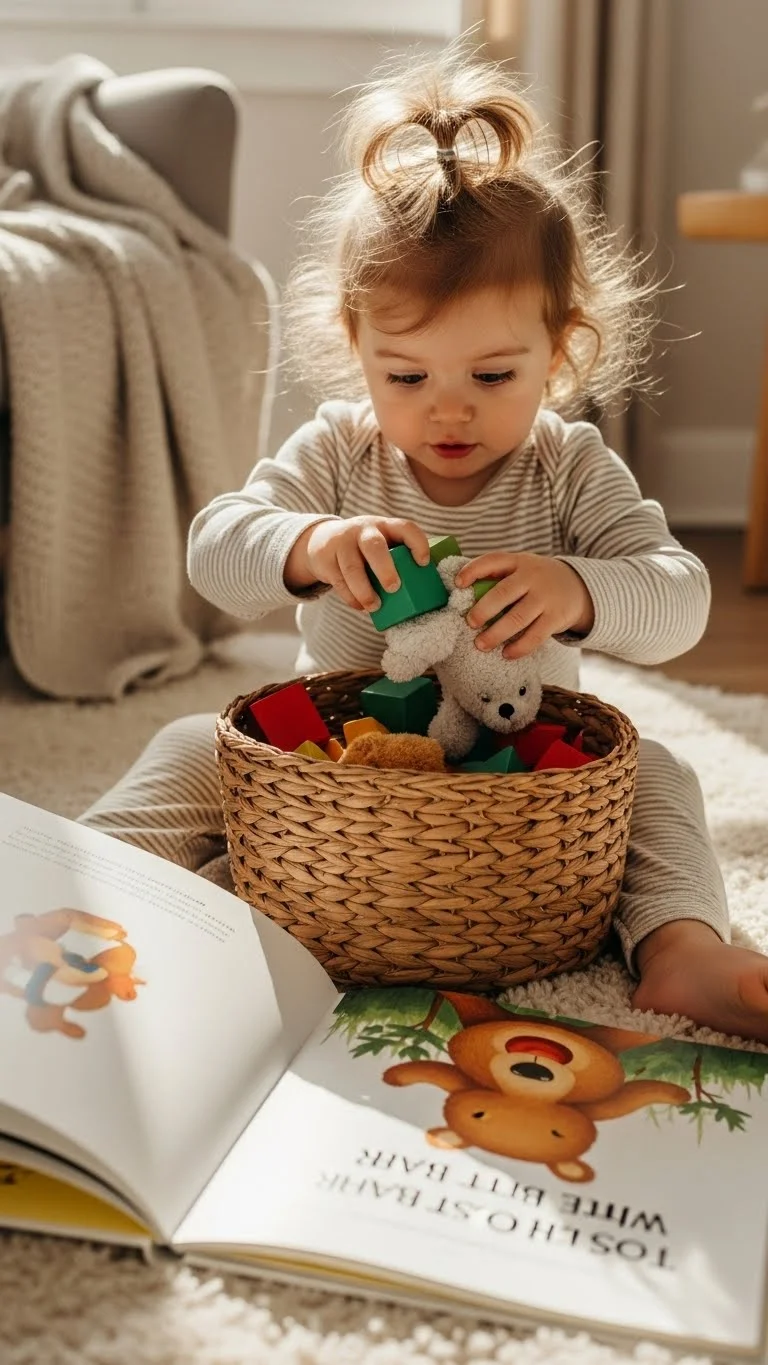
Choose a favourite book and gather a few related toys. Place them in a basket. As you read, let your toddler hold each toy. This helps them connect objects with stories. Swap items for different books. A shoebox works if you don’t have a basket.
- Sticker Peel & Place
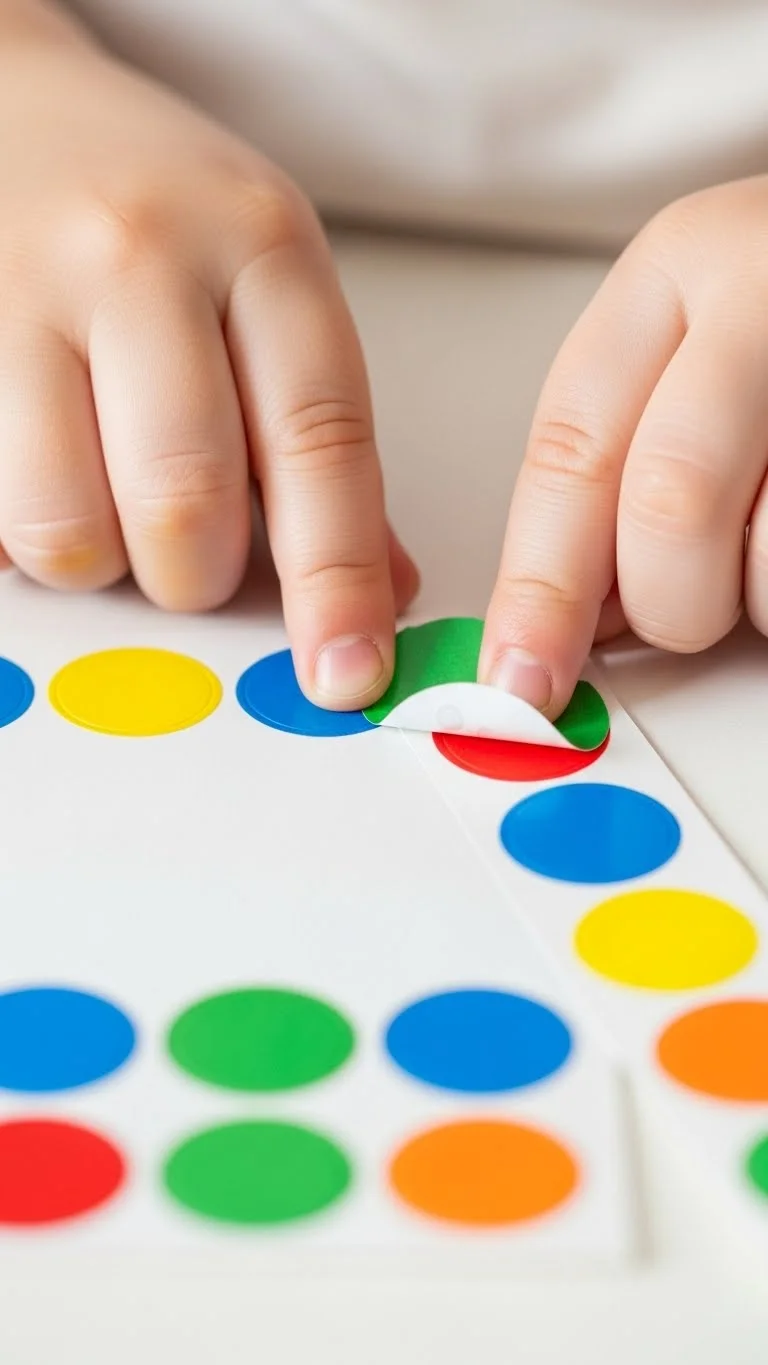
Give your toddler a sheet of dot stickers and a sheet of plain paper. Invite them to place stickers wherever they choose. Start with large stickers. Save the backing sheets to reuse later. This builds finger control with minimal setup. Keep a small zip bag for leftover stickers.
- Blanket Fort Hideaway
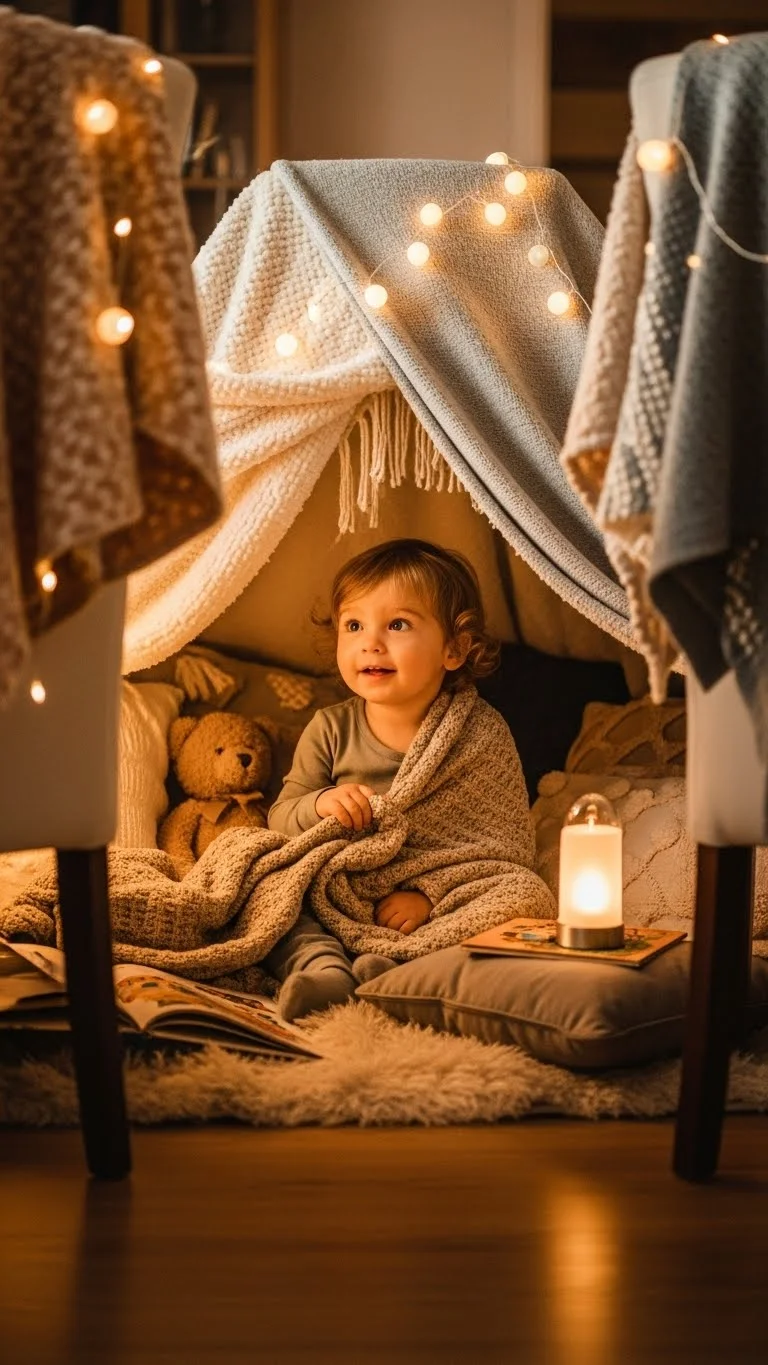
Use chairs and blankets to build a small fort. Add pillows or stuffed friends. Sit inside together with a flashlight. Read books or play peekaboo. Forts make ordinary afternoons feel special. Use lightweight blankets to keep things safe and stable.
- Shape Stamping with Sponges
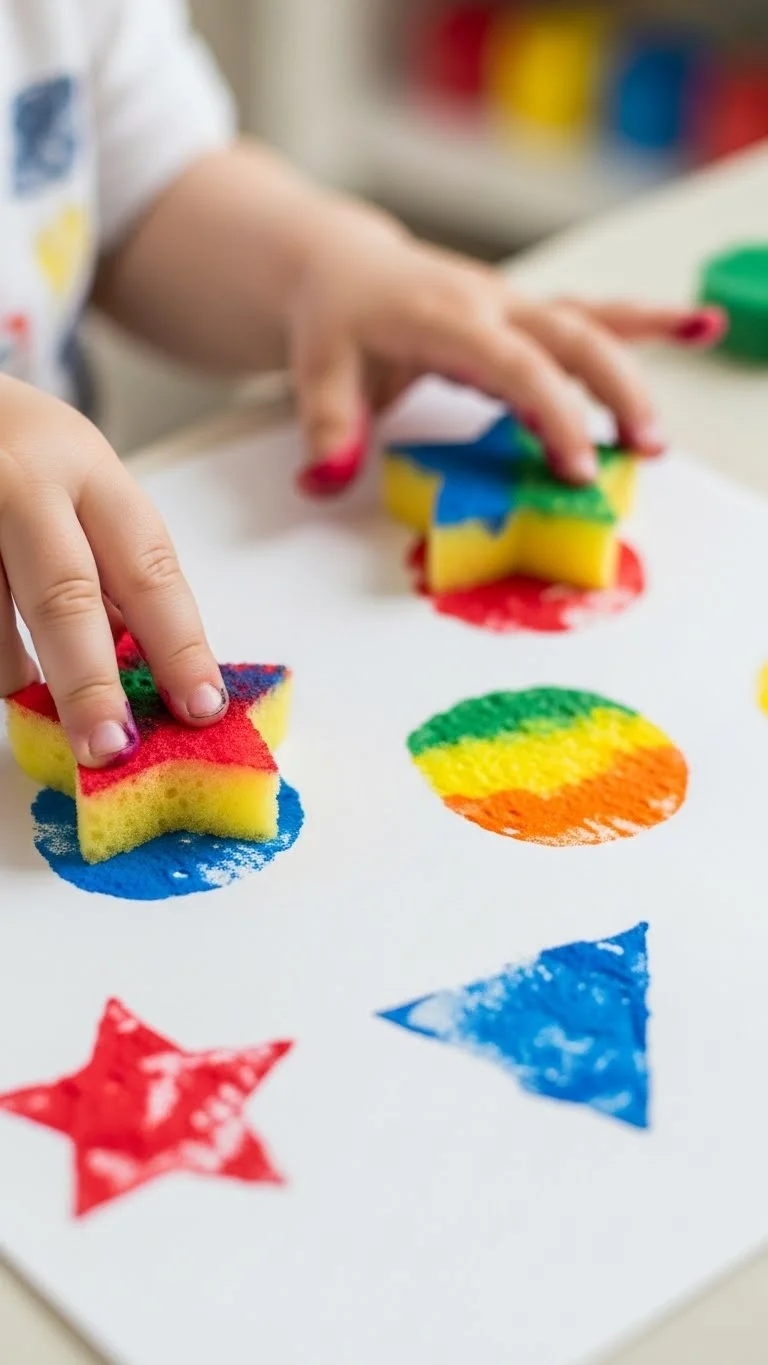
Cut sponges into circles, squares, or hearts. Dip them into washable paint and stamp onto paper. Keep paint on a plate for easy dipping. Use old t-shirts as smocks. This activity gives your toddler freedom to explore colour and shape through simple pressing motions.
- Laundry Basket Push Game
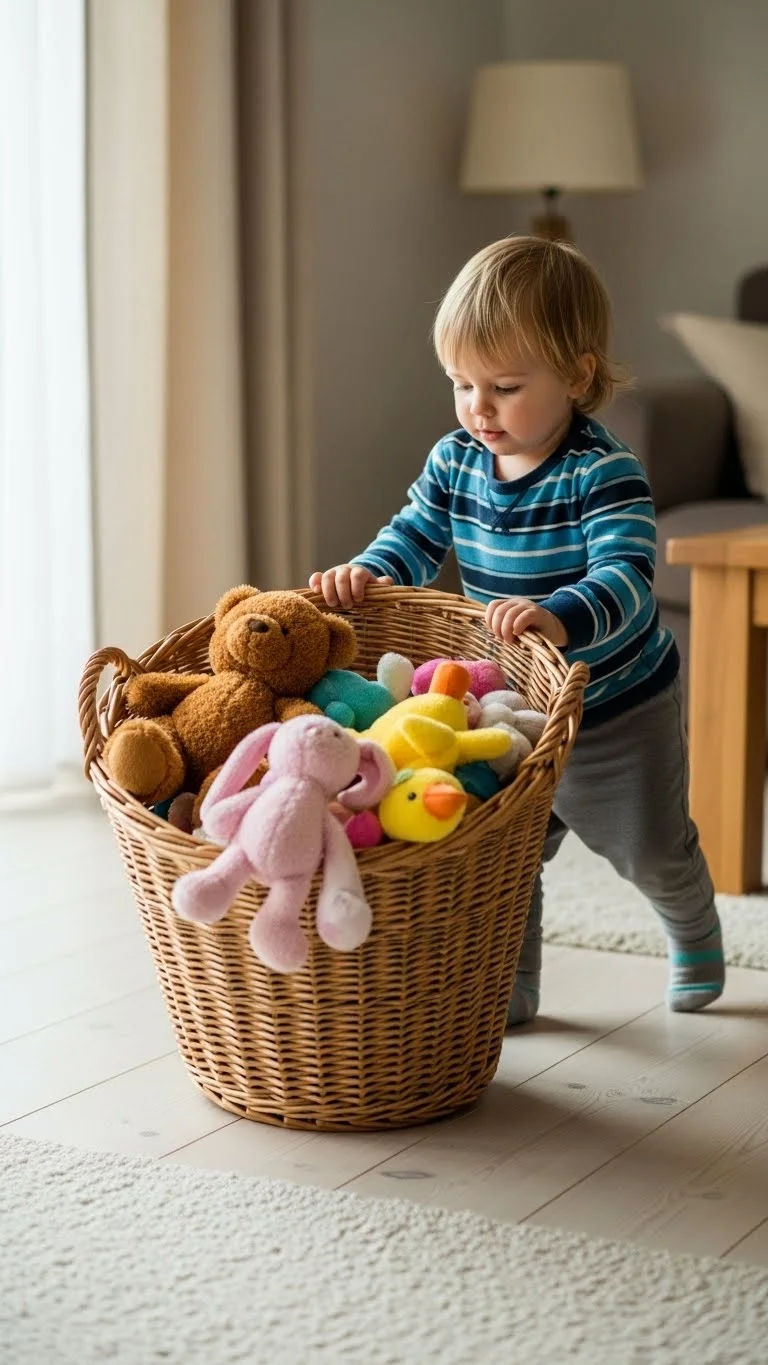
Fill a laundry basket with soft toys. Invite your toddler to push it across the floor. This encourages whole-body movement. Use a rug or carpet for slower motion. Keep loads light to make pushing easier. Switch out toys to keep play exciting.
- Simple Counting Towers
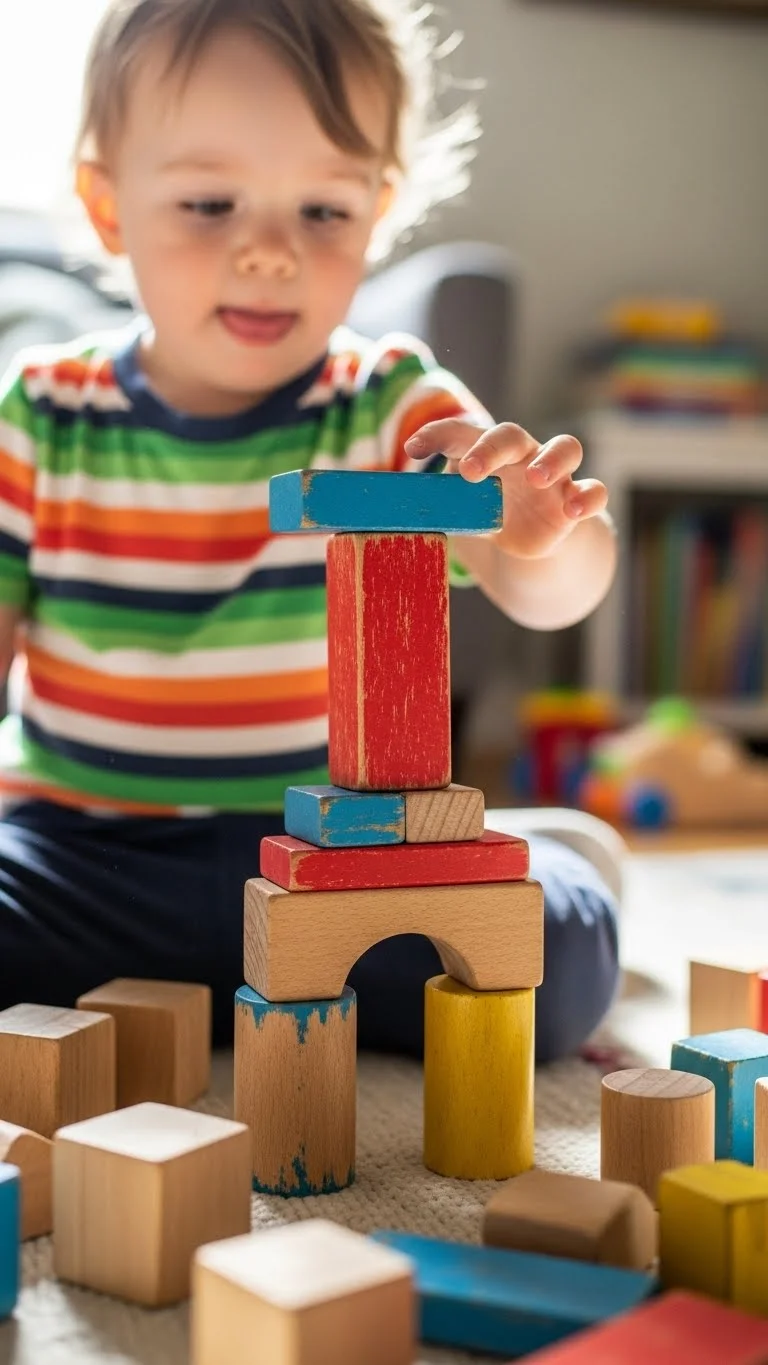
Give your toddler a handful of blocks or cups. Invite them to stack as high as they can. Count each block out loud together. When the tower falls, celebrate and start again. Use plastic cups or cardboard pieces if you don’t have blocks. This activity is quick, easy, and repeatable throughout the day.
Conclusion
Small, simple activities add up during early childhood. You don’t need fancy supplies or long setups. A few household items, a bit of space, and a relaxed approach help your toddler explore new skills through everyday play. Try a couple of these ideas this week and enjoy the moments you create together.
