

26 Essential Baby Milestones Every Parent Should Know
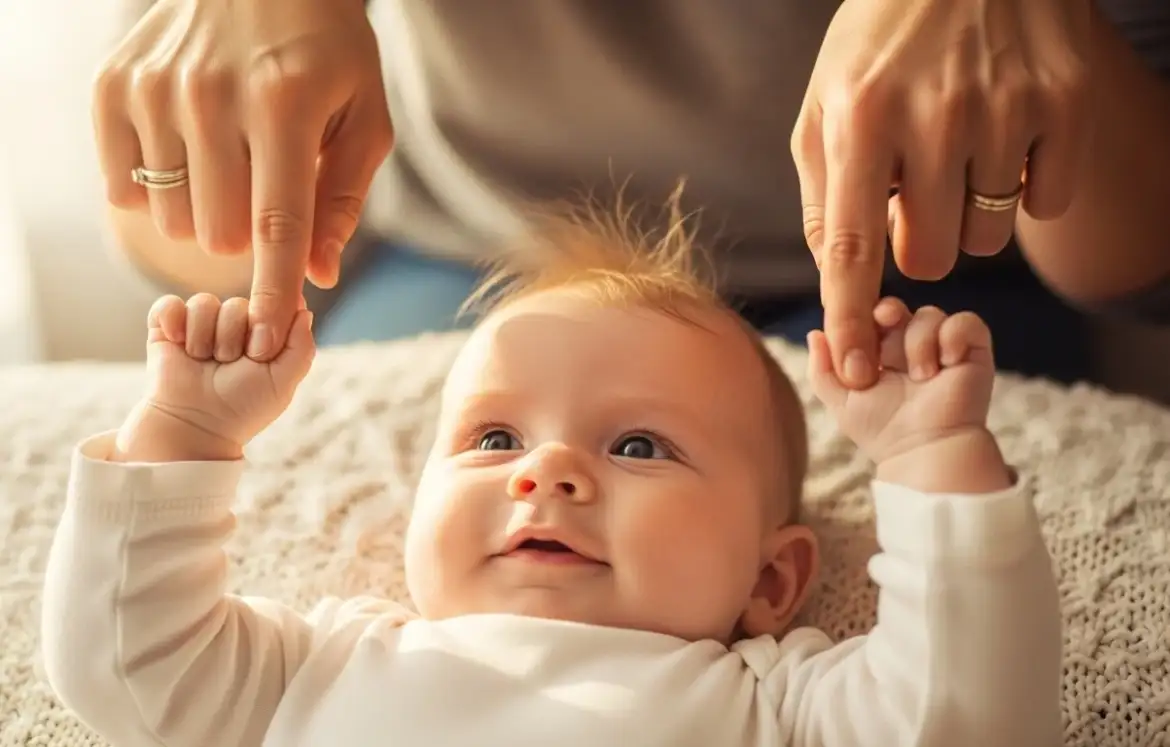
Understanding common baby milestones helps parents feel more confident during the first year and beyond. These progress points offer gentle clues about how babies grow, learn, and interact. Every child moves at their own pace, so the goal isn’t perfection—just awareness. The ideas below keep things simple, practical, and budget-friendly, giving you easy ways to support your baby’s development with items you already own.
- Lifting the Head
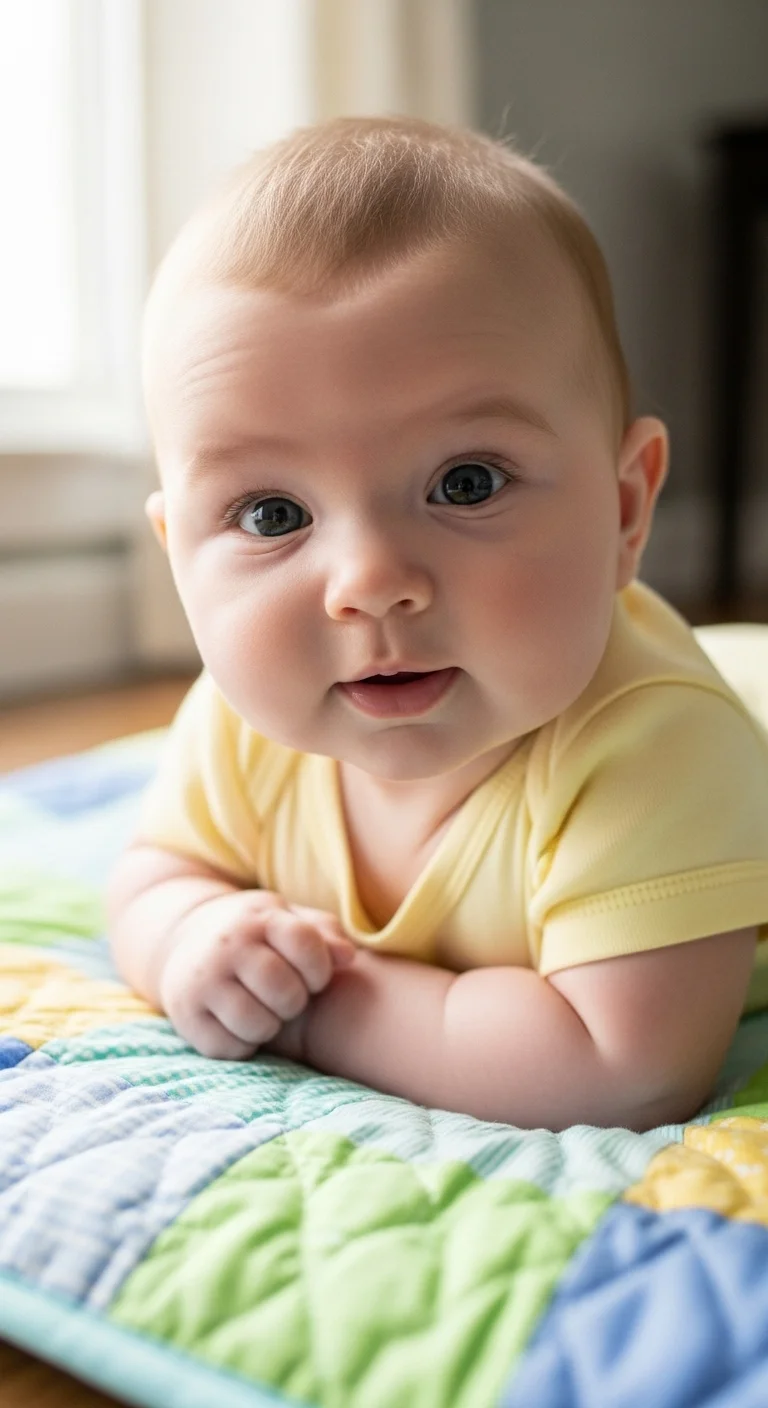
During the early weeks, babies begin lifting their heads for brief moments. Keep tummy time short and relaxed. A rolled towel under the chest helps them feel supported. Lie on the floor with them so they feel calm. You don’t need fancy mats—any clean blanket works. Make short sessions throughout the day instead of one long attempt. Talk softly or shake a simple rattle to keep their focus. If the floor feels cold, place another blanket underneath. Many parents like using a small mirror nearby since babies enjoy looking at shapes and movement. Keep expectations loose; some days they lift higher, other days they rest more. The goal is comfort, not performance. These tiny lifts build strength in the neck and shoulders over time.
- Tracking with the Eyes
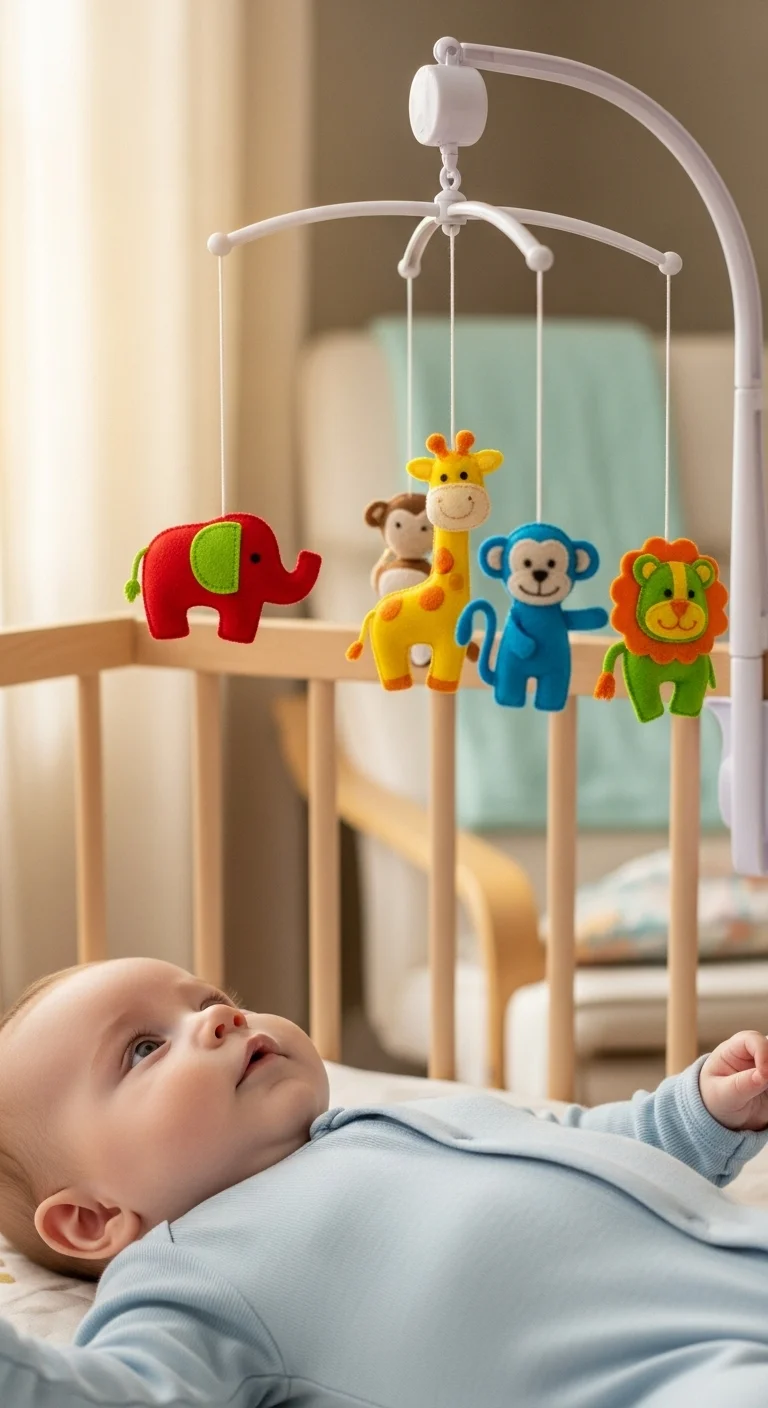
Babies soon start following simple objects with their eyes. Move a soft toy slowly from one side to the other. Keep the toy close so it’s easy to see. You don’t need expensive items—a wooden spoon or bright sock works too. Try this while your baby is calm, not hungry or tired. Short sessions help them stay interested. Sit face-to-face and smile so they connect your voice with what they’re watching. If they stop following, pause and try again later. Keep movements slow and gentle. This small activity can become part of playtime without any special setup. You’ll notice their tracking gets smoother with practice.
- Responding to Sounds
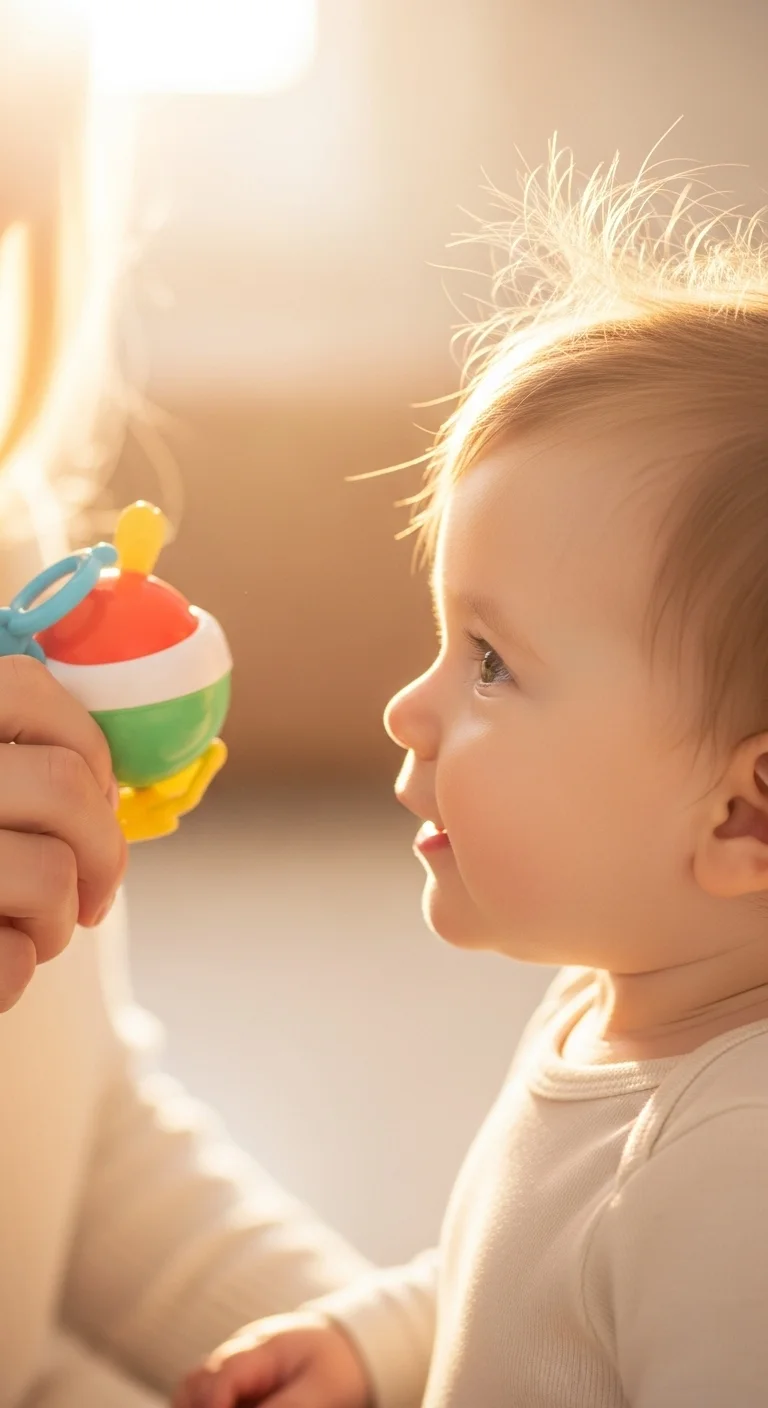
As babies grow, they start reacting to everyday sounds. They may turn their head or widen their eyes when they hear your voice. You can help by creating simple sound moments. Clap softly. Hum a tune. Shake a small homemade rattle filled with dry rice. Keep noise levels low so it stays pleasant. Talk to your baby while folding laundry or cooking; everyday sounds help them tune in. Watch their reactions—sometimes subtle, sometimes bold. Repeat sounds gently instead of making loud surprises. These tiny sound exchanges fit naturally into your day without extra effort.
- Social Smiling
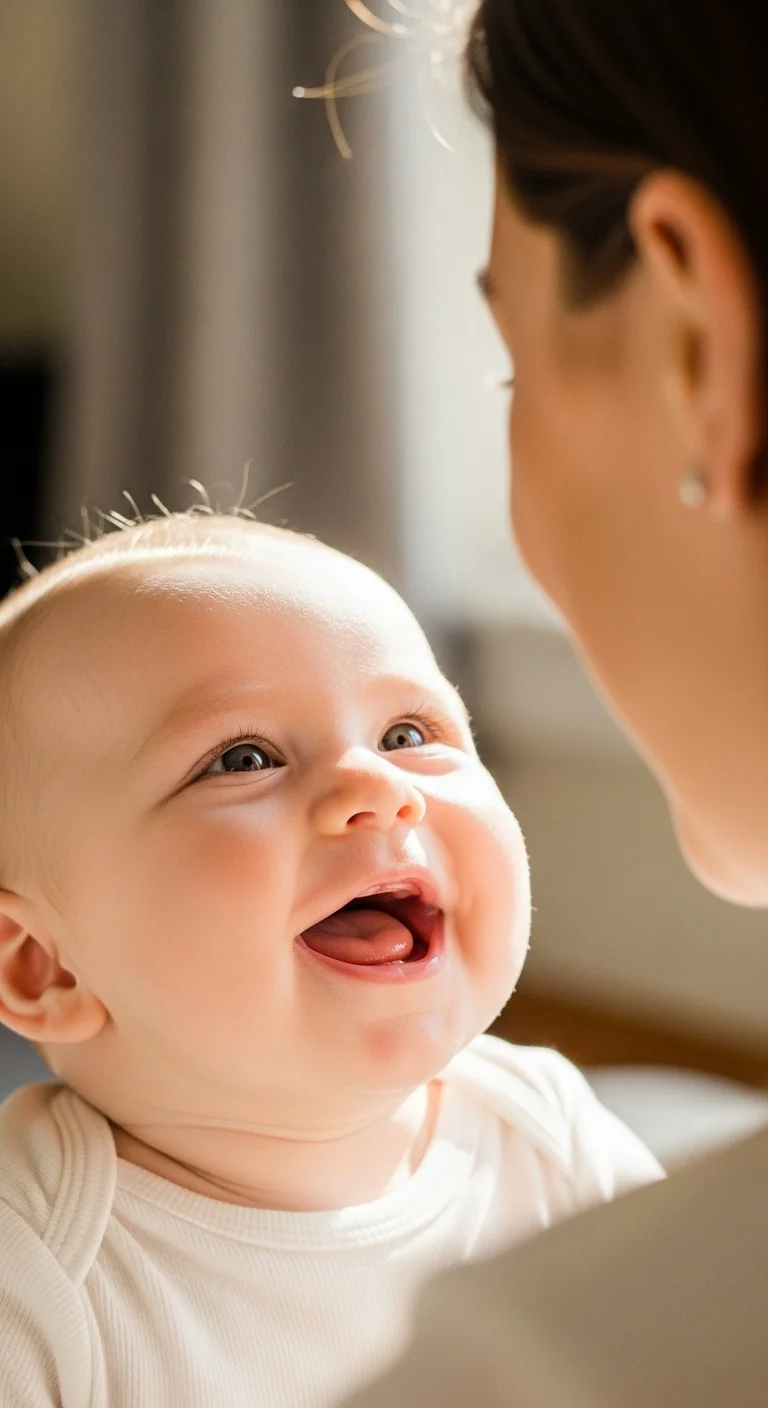
Around a few weeks to months, babies start smiling in response to familiar faces. These smiles often appear during calm moments. Sit close so they can see your expressions clearly. Use slow, exaggerated smiles. You don’t need toys—your face is enough. Singing simple tunes or talking softly can encourage more smiles. If they look away, give them space. They return when ready. Try to smile during regular routines like diaper changes or morning wake-ups. These small exchanges help your baby learn social cues while keeping the moments warm and simple.
- Reaching for Objects
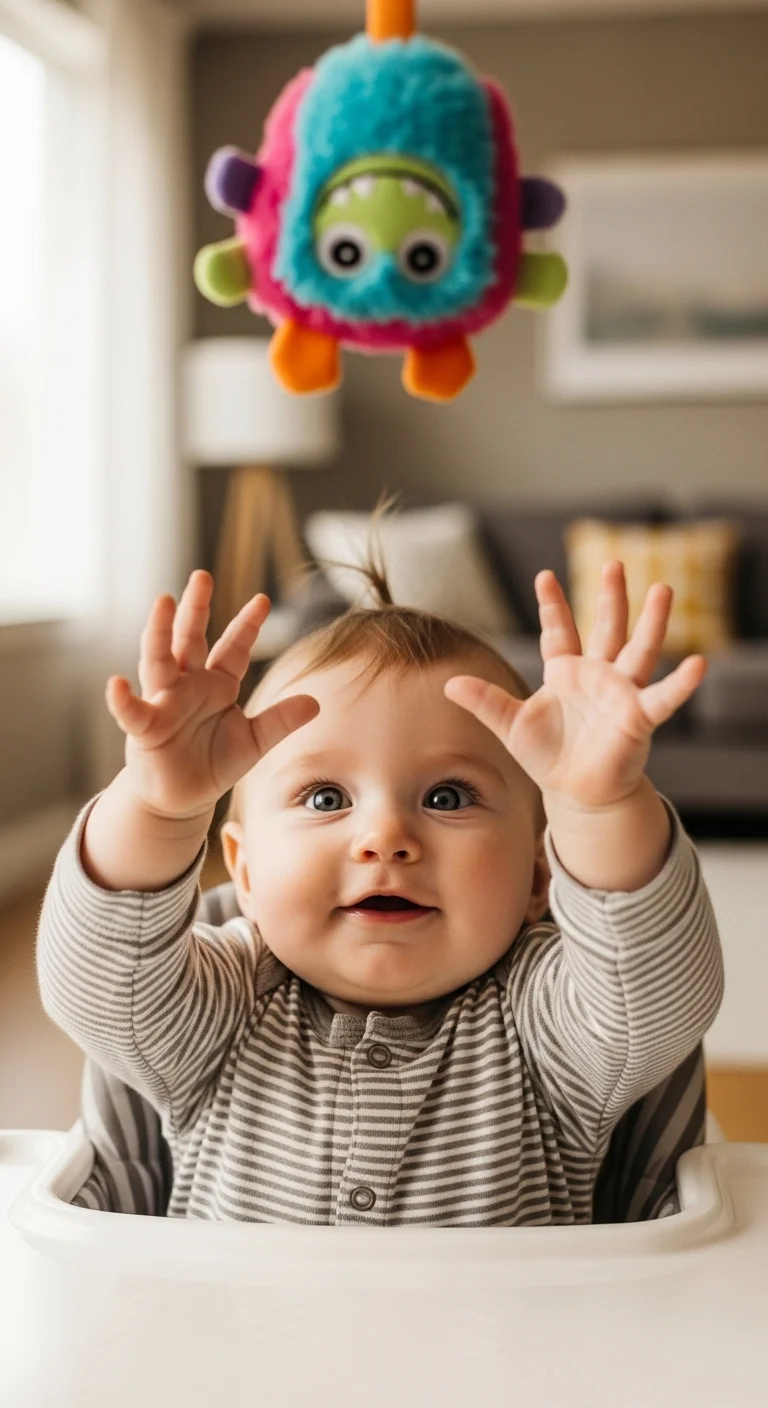
When babies begin reaching, they may swipe before they grab. Place soft toys within gentle reach. Use household items like a clean scarf or wooden spoon. Hold the item still at first, then move it slowly. Keep the space uncluttered so the target is easy to spot. If they miss, stay patient and let them try again. Floor play works better than seats or swings for this milestone. Rotate a few toys instead of buying new ones. Even simple containers and lids make engaging practice tools.
- Holding Objects
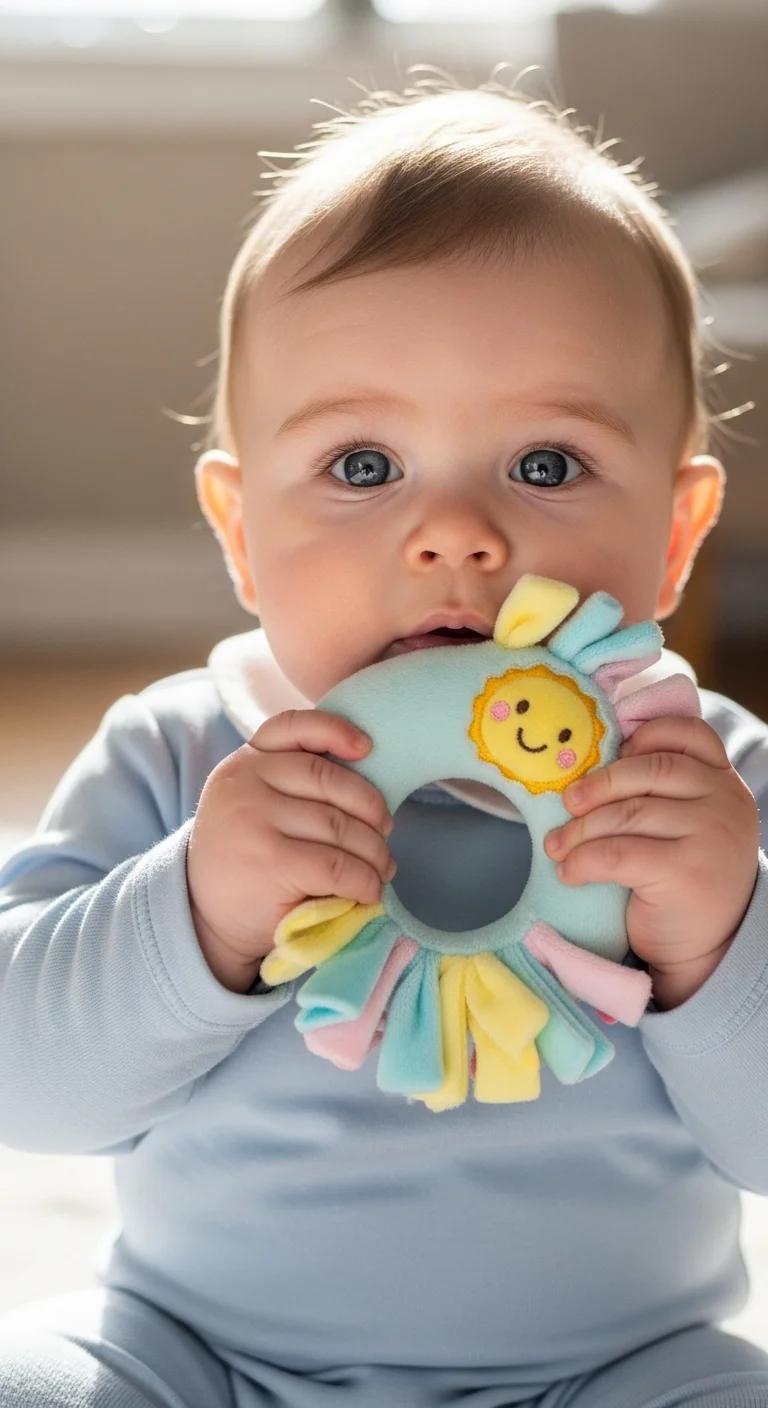
Babies soon learn to hold things for longer periods. Offer lightweight items that are easy to grasp. Soft blocks, silicone rings, and clean kitchen tools like spatulas all work well. Place the object in their hand and let them explore. Keep sessions short to prevent frustration. When items fall, hand them back to show that dropping is part of learning. Keep objects clean, but avoid anything heavy. Rotating a small basket of safe items keeps play fresh without spending extra money.
- Rolling Over
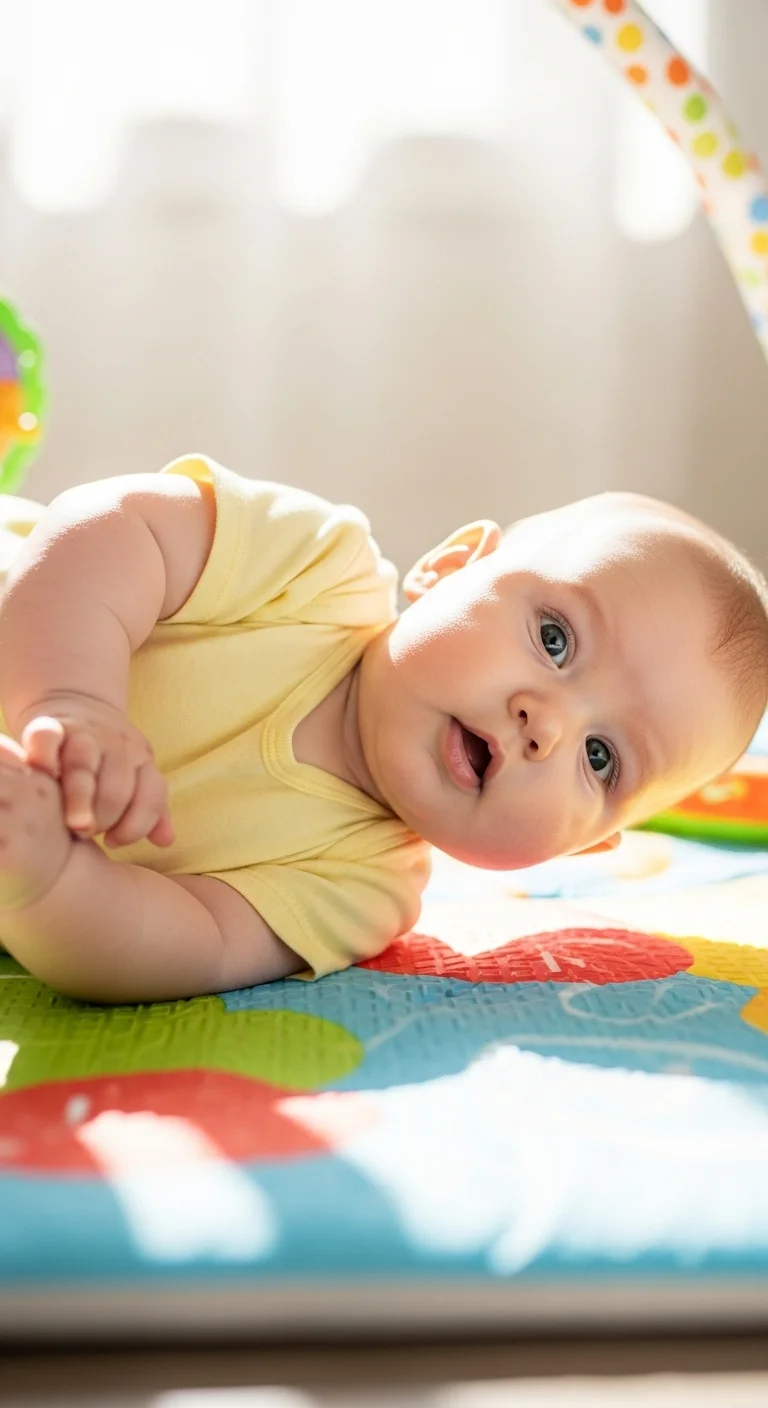
Rolling over usually begins as an accidental wiggle. Place your baby on a large blanket where they have room to shift. Put a toy beside them to encourage gentle movement. Keep the floor firm enough for support but cushioned for comfort. If they get stuck halfway, help them complete the roll with a soft touch. Avoid bulky clothing that restricts motion. Let them practice at different times of the day when they feel content. You don’t need special gear; open space is enough.
- Sitting with Support
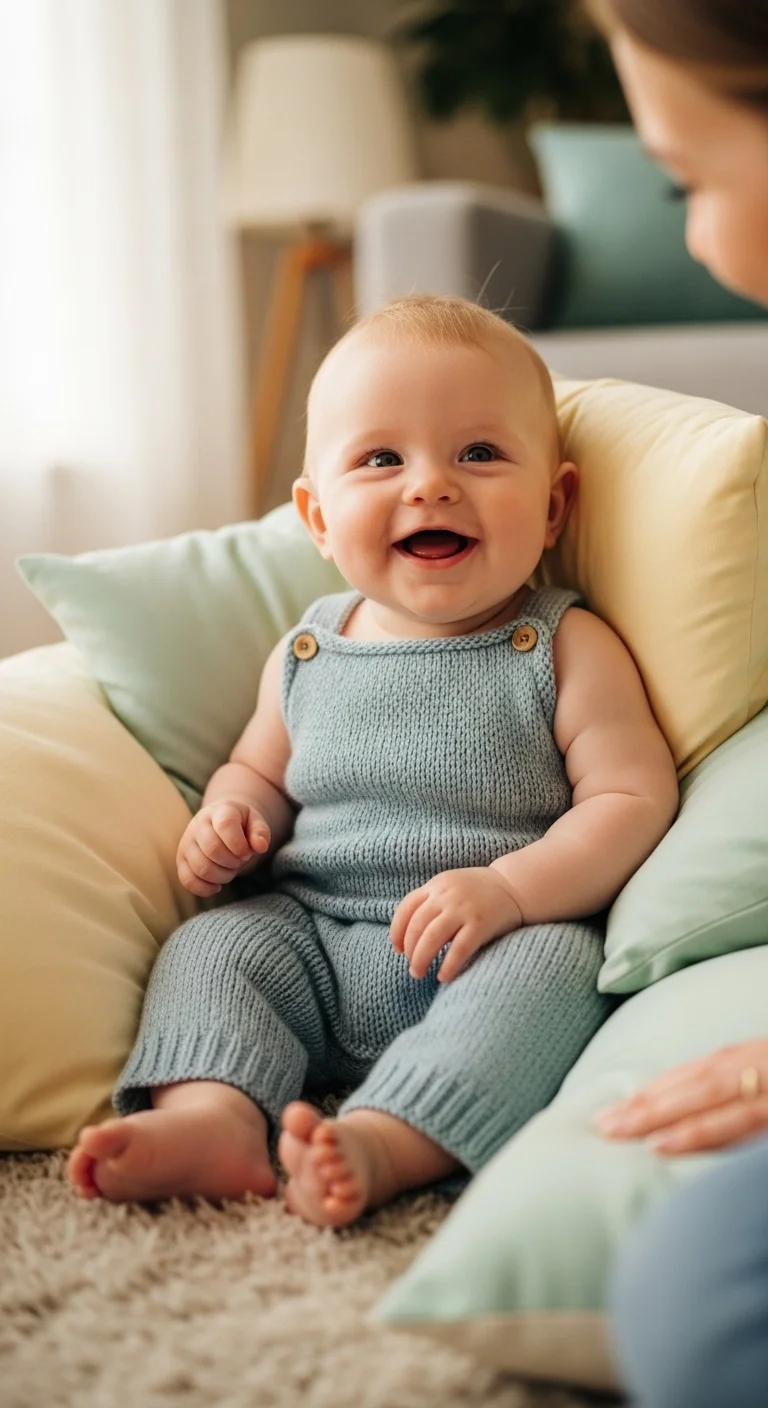
When babies begin sitting, they wobble. Place firm pillows around them. Use your hands as gentle anchors. Keep sessions short so they don’t get tired. A folded towel on the floor adds softness without sinking. Hold a toy at eye level to help them stay upright. Avoid high surfaces. Let them topple gently onto pillows so they learn balance. Reuse items like nursing pillows or couch cushions instead of buying new supports.
- Grabbing Feet
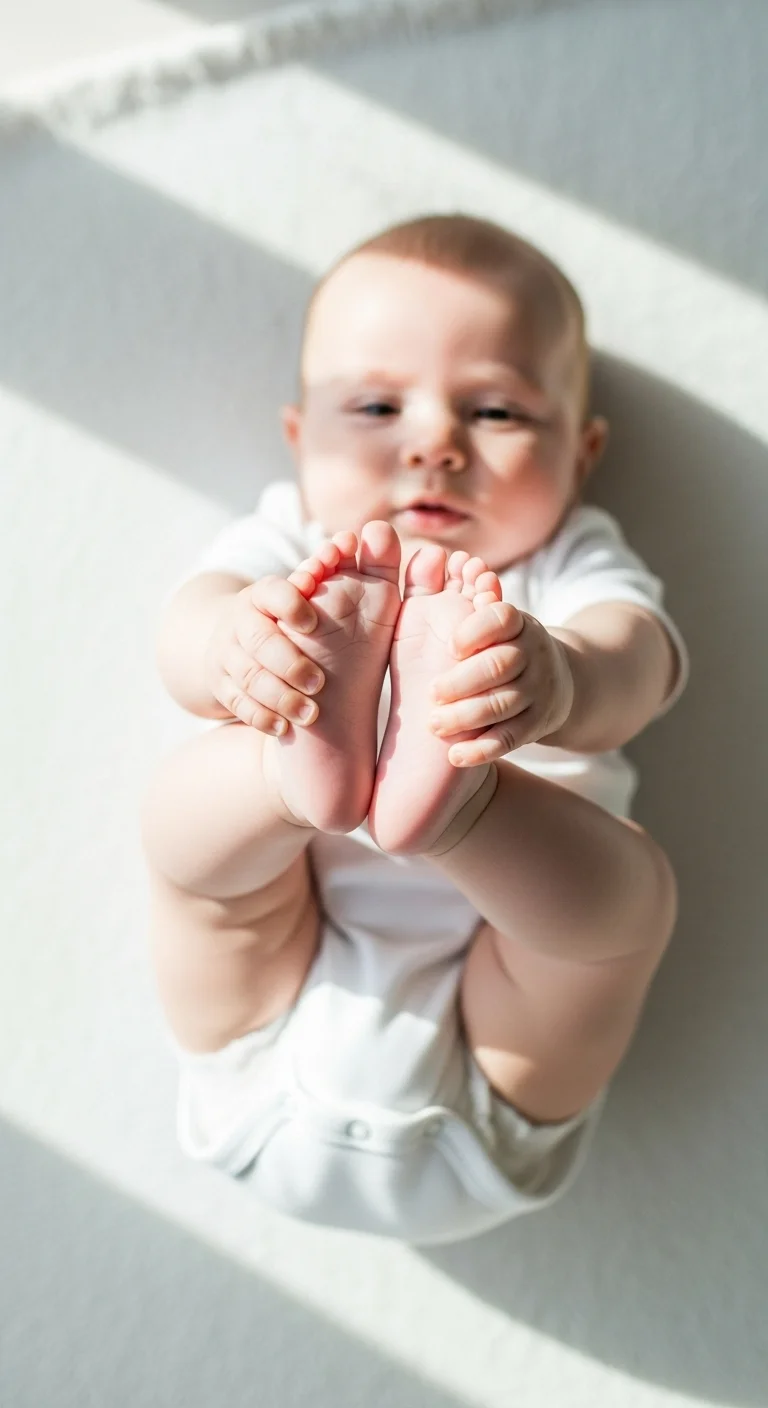
This milestone often appears during diaper-free play. Lay your baby on a soft blanket with legs free to kick. They may start grabbing their toes and rocking side to side. Keep the space warm so they stay comfortable without heavy clothing. Add a small mirror nearby to keep them curious. Simple songs or gentle tapping on their feet can spark movement. This playful moment helps with flexibility and coordination.
- Babbling
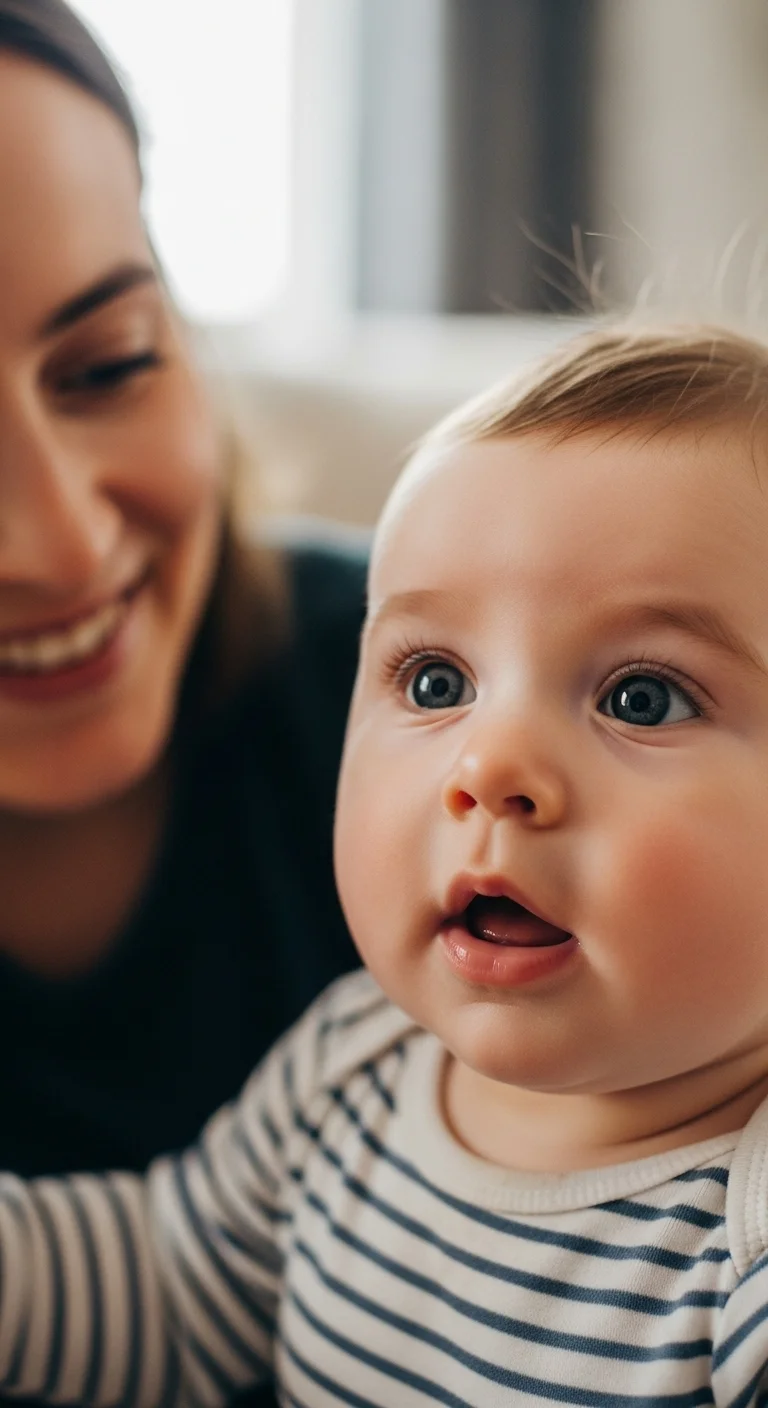
Babbling sounds like a string of soft syllables. Respond by repeating their sounds. This teaches them that communication goes both ways. You can chat during chores or walks. No special toys needed—your voice is enough. Try slow, expressive speech instead of fast sentences. If they babble louder, match their energy. If they pause, smile and wait. These tiny conversations help your baby feel heard and curious.
- Laughing

Babies laugh at simple moments—funny faces, gentle tickles, or silly noises. Keep things light and slow. Avoid overstimulation. Use everyday props like a soft cloth for peekaboo. A slow game often brings more giggles than fast movement. Laugh along to show them it’s shared fun. Watch for signs of fatigue and pause when needed. This milestone fits naturally into playtime without extra purchases.
- Supporting Weight on Legs
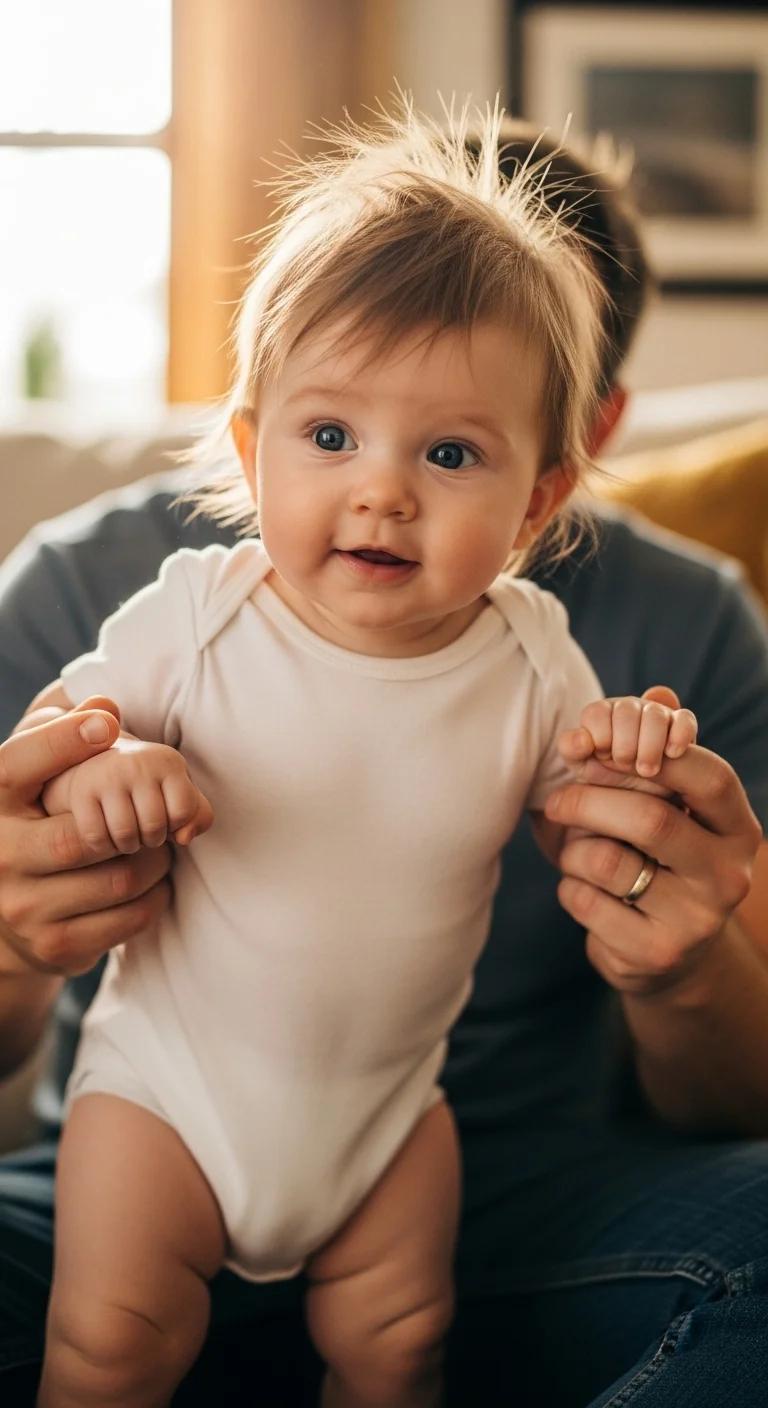
Hold your baby upright on your lap or against your chest. Let them bounce softly. Keep sessions brief. Avoid walkers—they aren’t needed and can be unsafe. A firm floor and your steady hands offer all the support required. Use songs or soft chatter to keep them relaxed. Allow breaks so their legs don’t tire. This gentle practice strengthens balance and confidence.
- Transferring Objects Between Hands
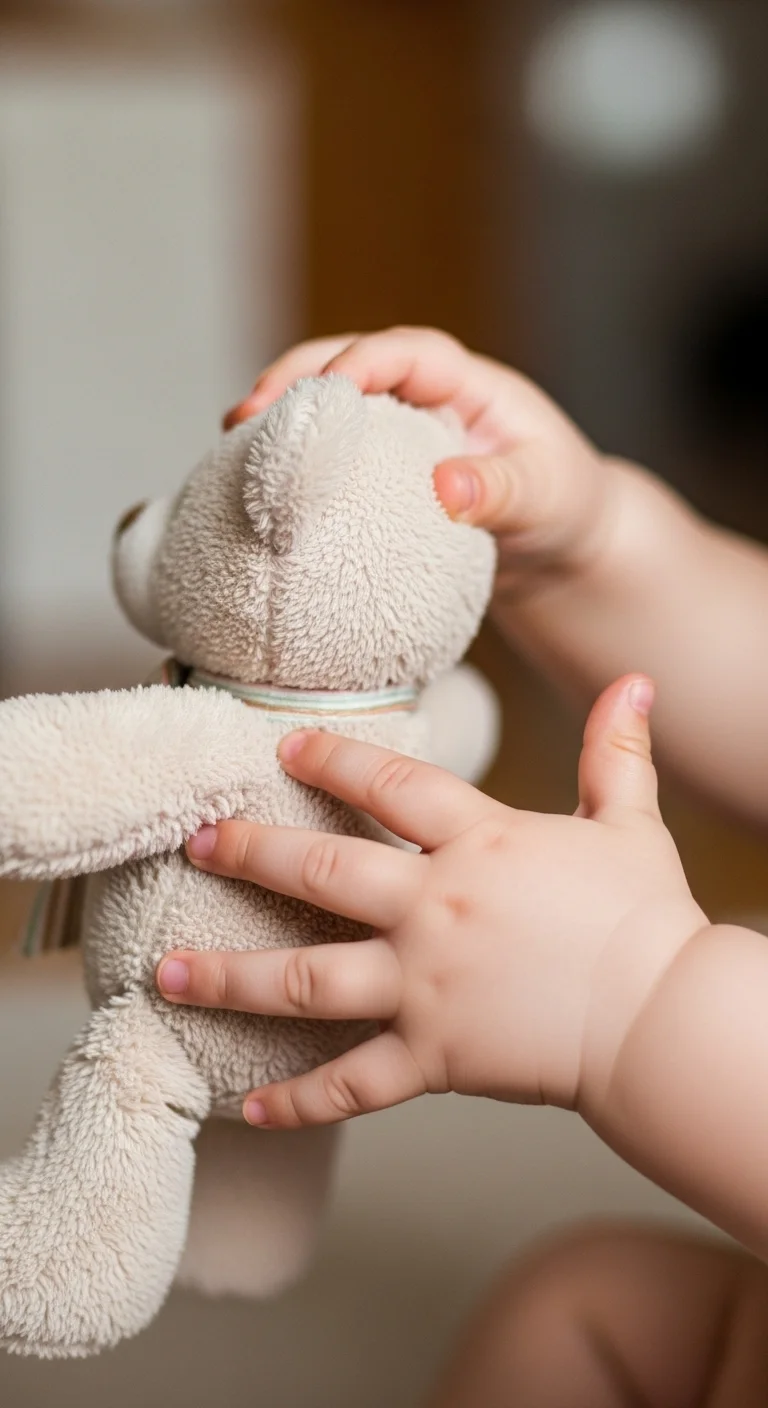
As babies grow, they begin passing items hand to hand. Offer lightweight toys like cloth rings or teething shapes. Sit with them on the floor so drops don’t startle them. Keep items simple so they stay focused. Rotate toys to keep interest high. You can also use small household items like clean measuring cups. This helps them explore movement and coordination.
- Self-Feeding with Fingers
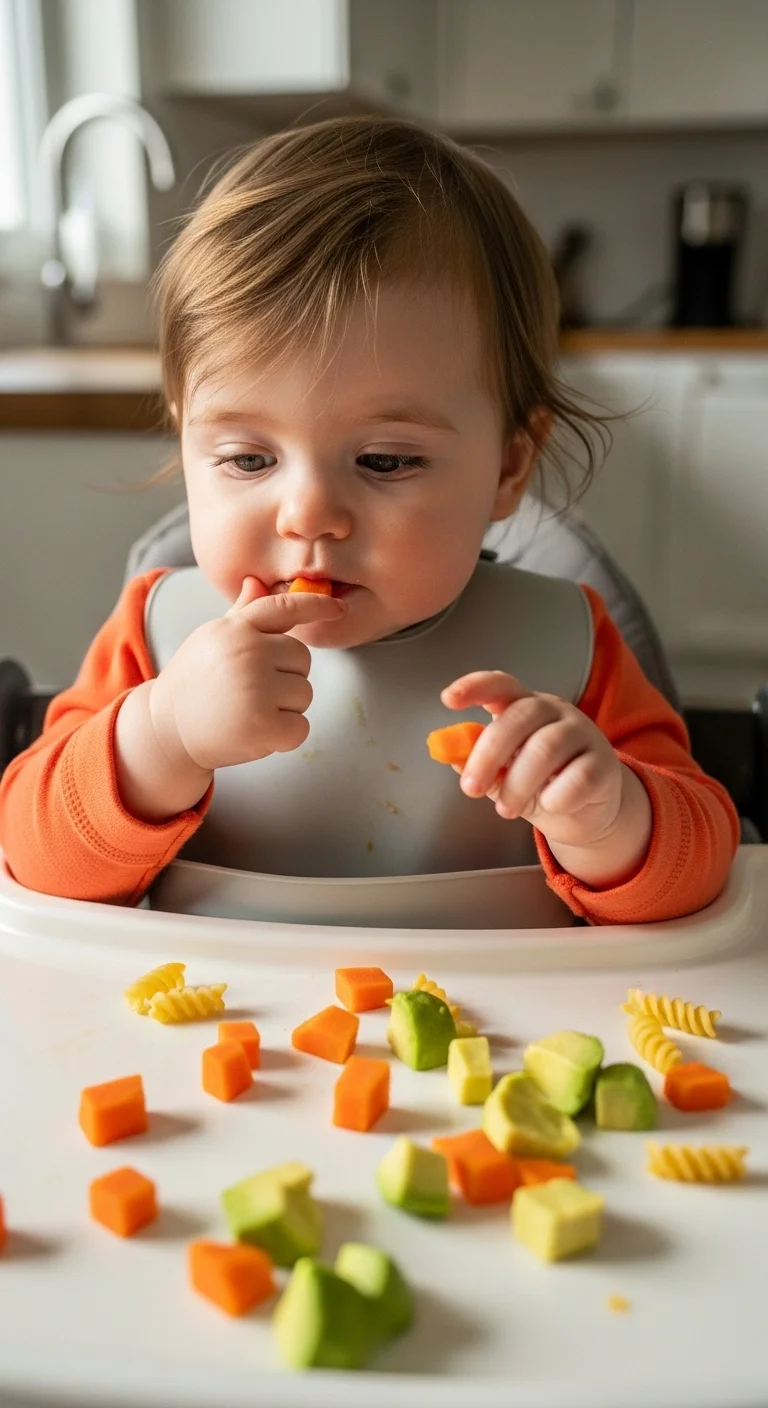
Babies love exploring food by hand. Offer soft pieces like bananas, avocados, or steamed veggies. Keep portions tiny to avoid overwhelm. Use a simple tray or a clean baking sheet as a feeding surface. Let them make a mess—it’s part of learning. Wipe hands gently between bites if they get frustrated. Stick to foods that mash easily. This builds confidence and curiosity during meals.
- Crawling
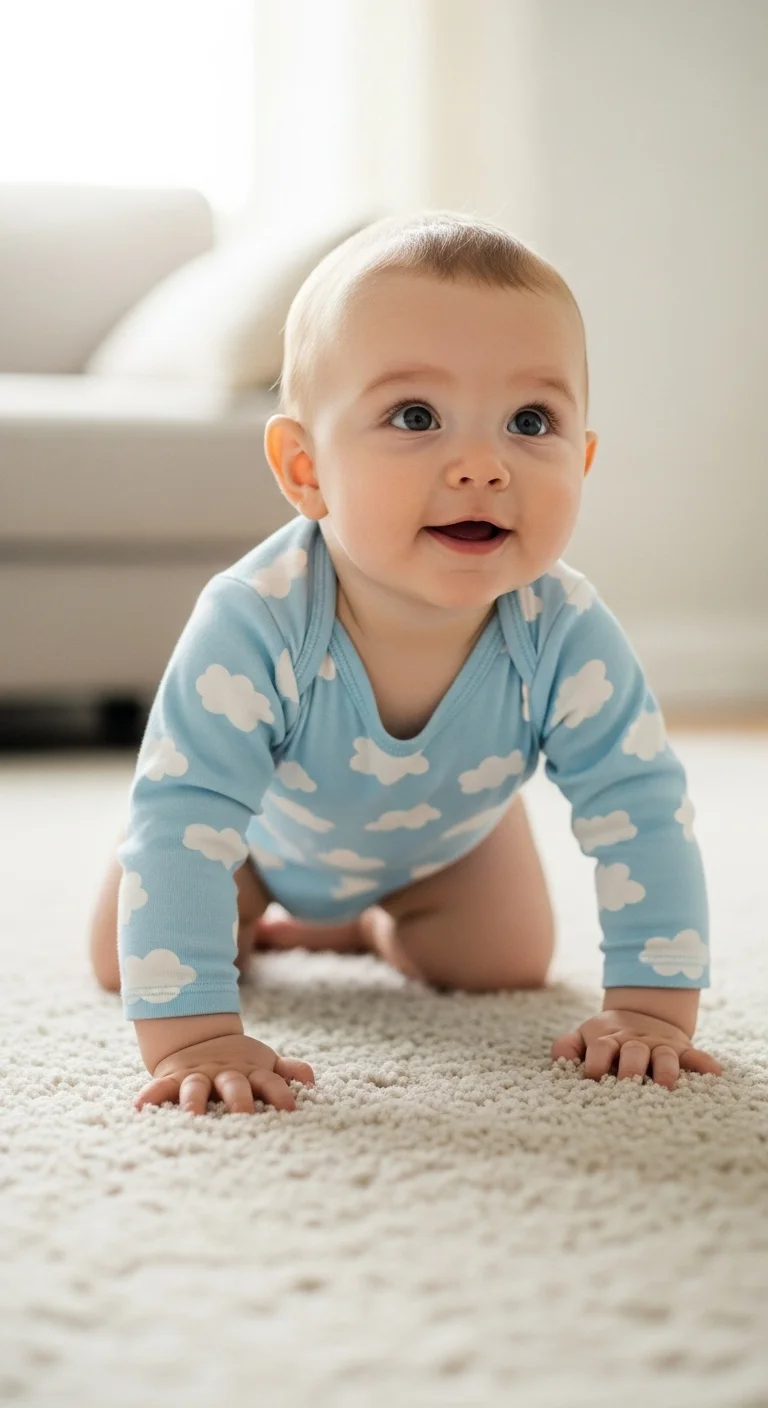
Crawling can start with rocking or scooting. Give your baby space on a clean floor. Lay toys a little out of reach. Avoid slick surfaces. A blanket or rug helps with traction. Let them explore the room safely while you stay close. You don’t need special crawling gear. Follow their pace and celebrate small movements. Even backwards crawling counts as progress.
- Pulling Up
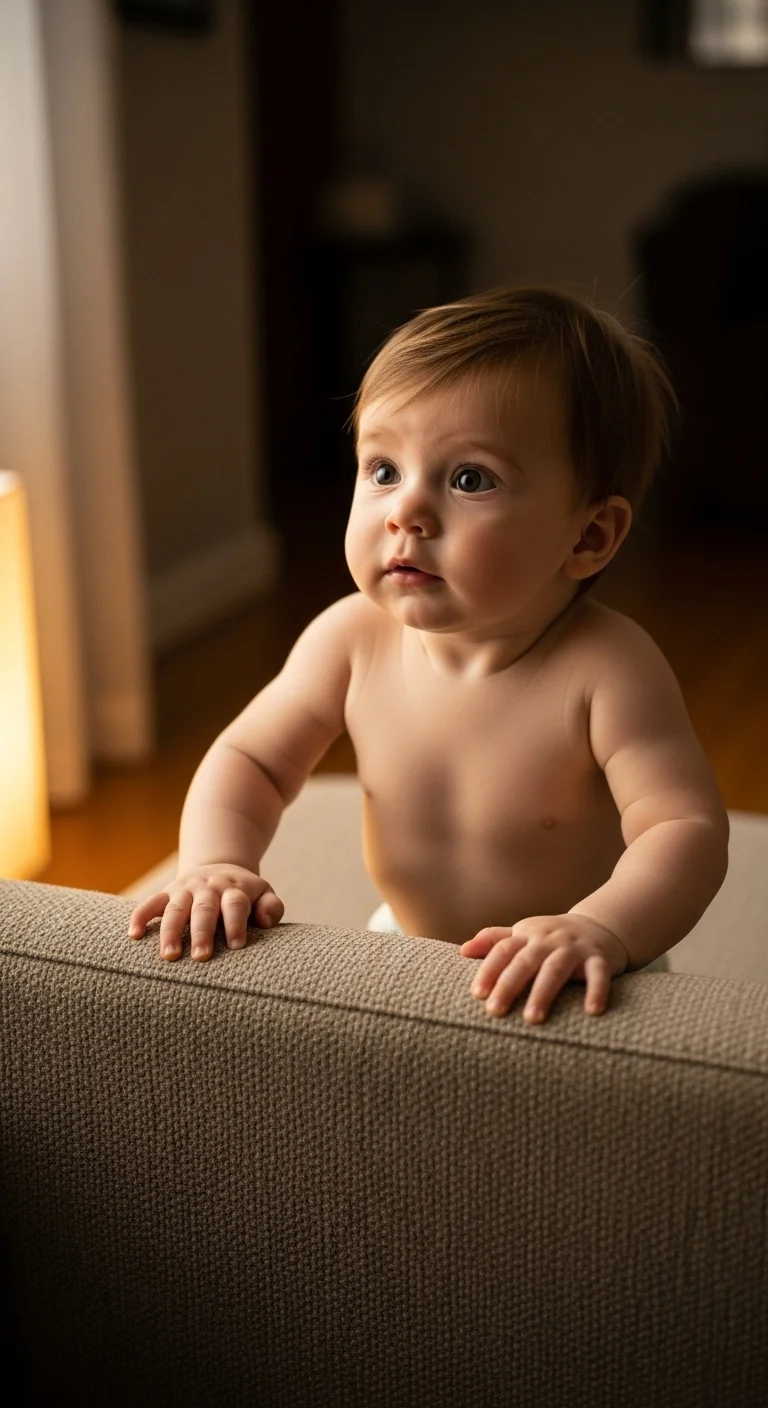
When babies pull up, they use furniture for support. Make the environment safe by choosing sturdy items. Remove sharp edges when possible. Place toys on stable surfaces so they’re encouraged to rise. Keep floors clutter-free to prevent slips. You can guide them gently at the hips. Rotate safe furniture pieces in the play area instead of buying new equipment.
- Standing While Holding Onto Furniture
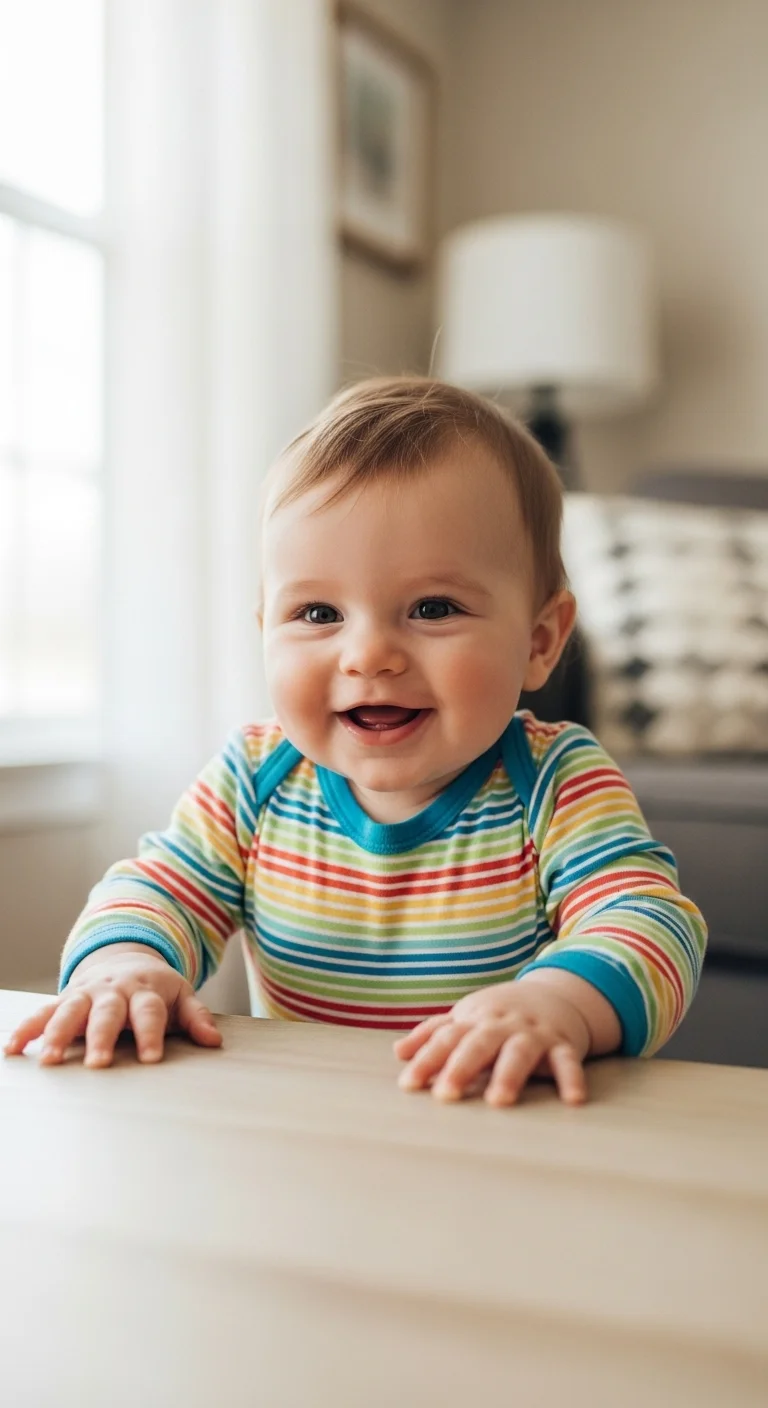
This milestone often comes after pulling up. Offer sturdy surfaces at hip height. Keep the area clear so they can move along the edge easily. If socks cause slipping, let them go barefoot. Place a favourite toy just a few inches away to encourage slow steps. Use everyday furniture like ottomans or low chairs rather than specialised rails.
- Cruising Along Furniture
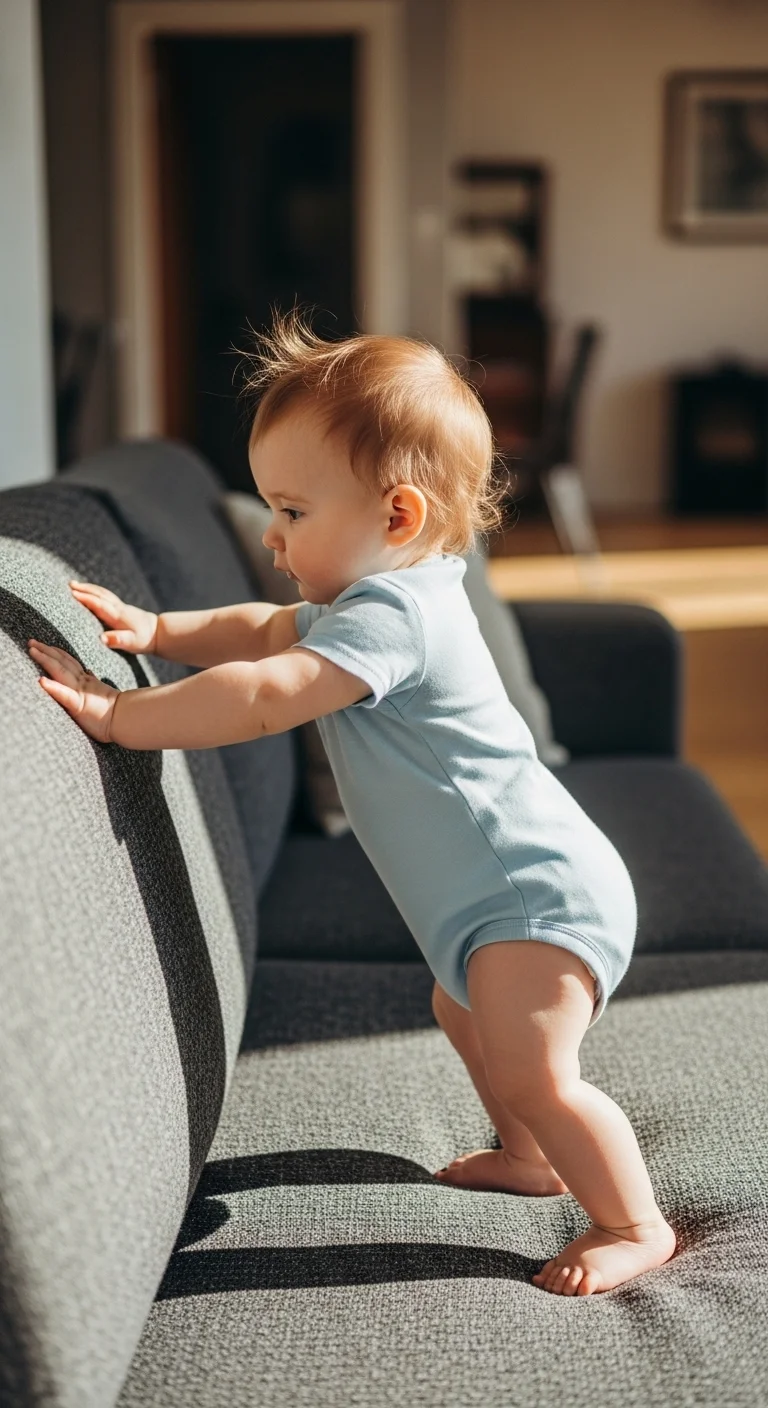
Cruising helps babies practice supported walking. Put toys along the furniture line so they move gradually. Keep surfaces stable. Avoid slippery floors. If needed, place a rug beneath the cruising path. Cheer them on with simple words. Let them rest often. Rotate furniture arrangements to create new paths without extra cost.
- First Independent Steps
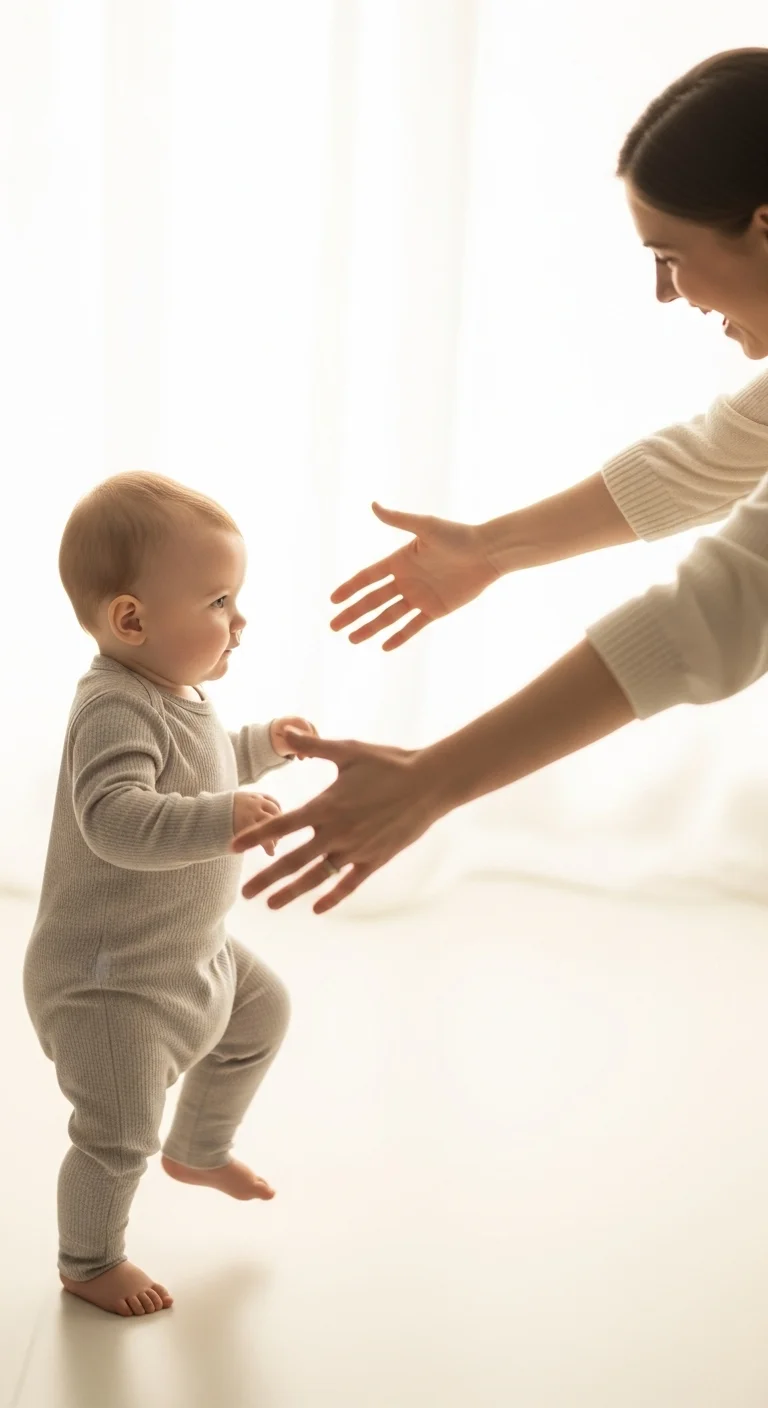
The first steps happen unexpectedly. Start by letting your baby stand between your legs while you support lightly. Hold out a toy to encourage movement. Keep floors clear and soft. Avoid walkers and jumpers—they aren’t needed. Offer short sessions to prevent fatigue. Celebrate each attempt without pressure. Use everyday rooms as practice spaces.
- Waving
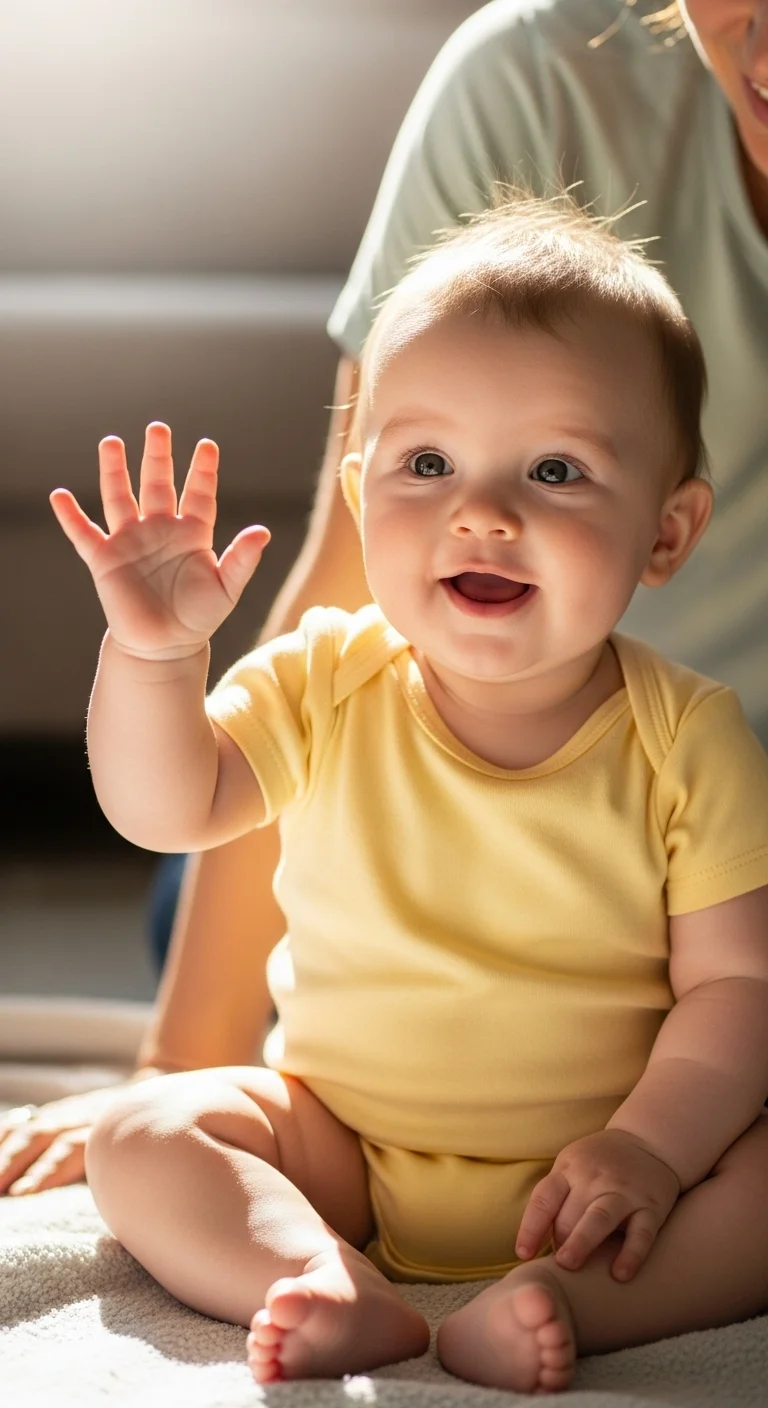
Babies learn to wave by watching others. Use simple, slow waves during greetings. Repeat during daily routines. You don’t need any props; your hand is enough. Encourage them gently by holding their hand and guiding it. Praise small attempts. Keep gestures relaxed so it stays enjoyable.
- Clapping
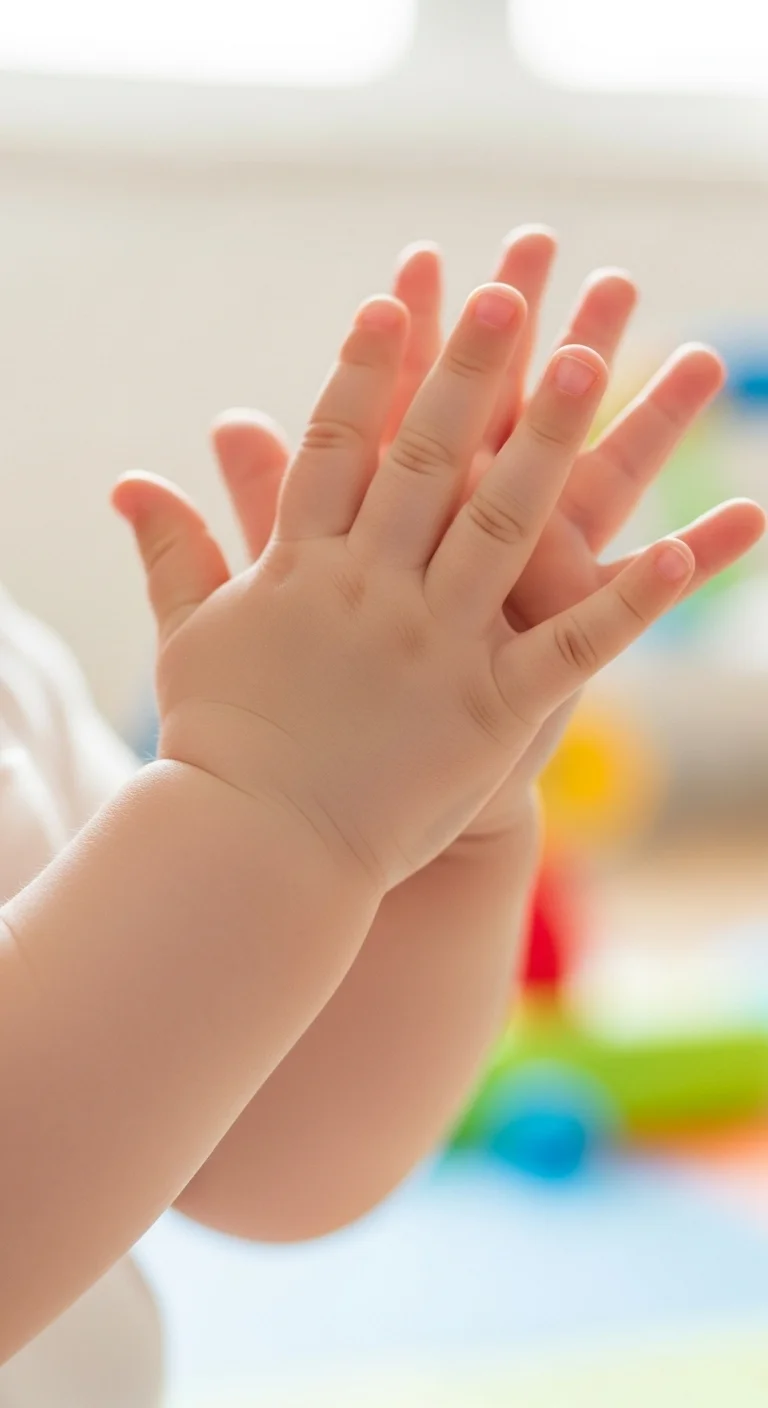
Clapping often shows excitement. Model slow claps during songs. You can tap your baby’s hands together gently. Celebrate little moments to encourage more clapping. Use simple rhythms and playful noises. No special toys required. Keep sessions brief and fun.
- Pointing
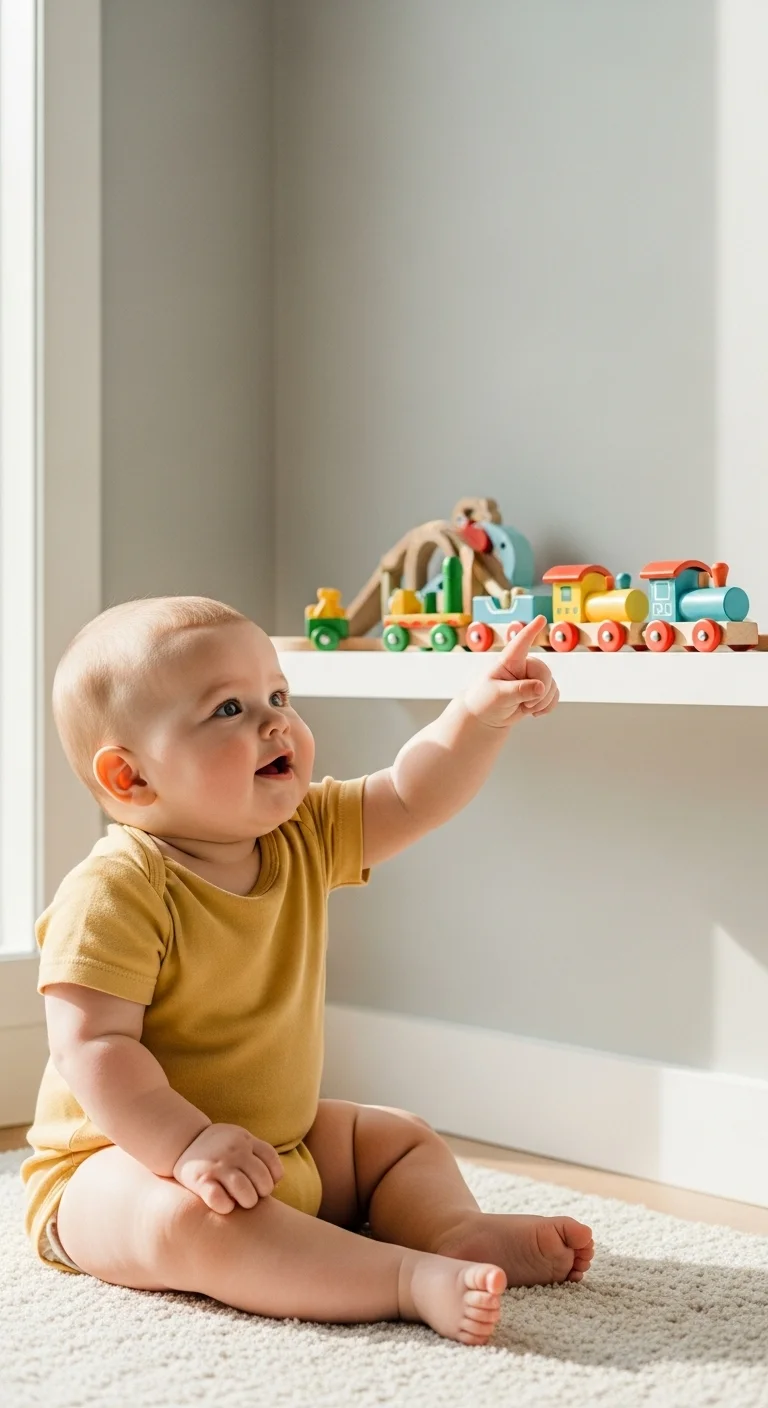
Pointing helps babies express interest. Label items they point to using simple words. Offer choices, like “ball or book,” and let them gesture. Place a few toys on low shelves to spark curiosity. Avoid clutter. This milestone fits easily into daily play without any extra materials.
- Saying Simple Words
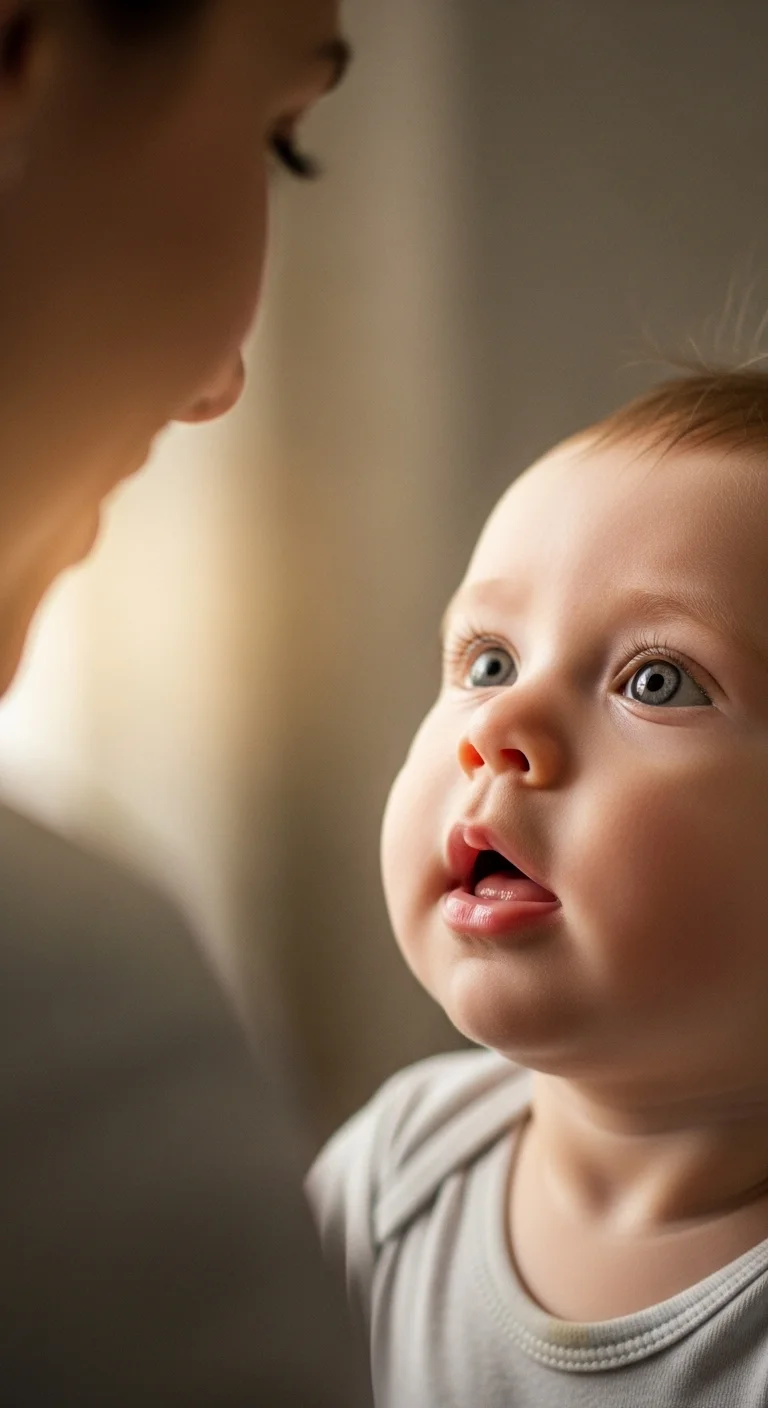
Words like “mama,” “dad,” or “ball” may appear around this time. Repeat words slowly and clearly. Point to objects as you name them. Keep language simple. Use everyday routines—bath time, meals, bedtime—to reinforce words. You don’t need flashcards. Your voice is enough.
- Showing Preferences
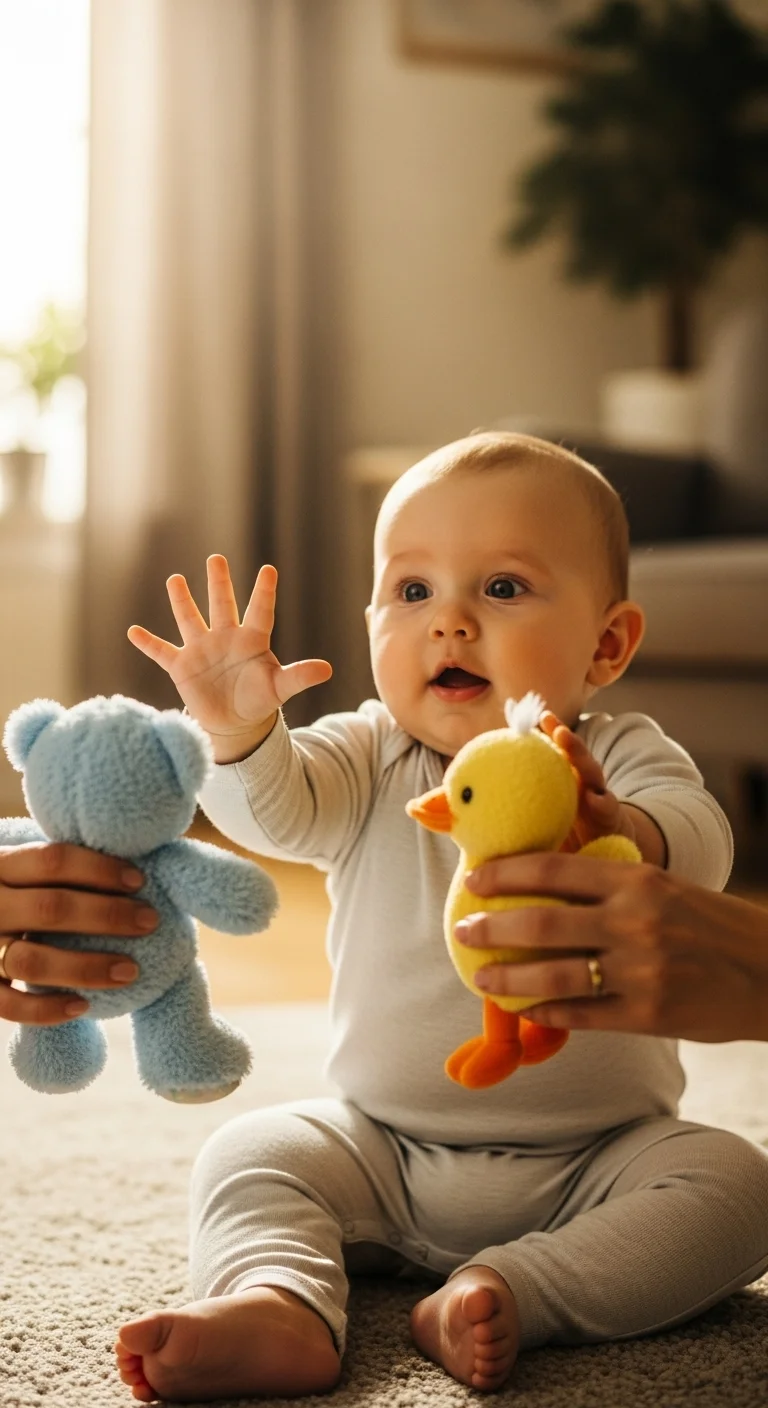
Babies begin showing interest in certain toys or activities. Offer simple choices. Use items you already have. Let them signal interest through reaching or smiling. Rotate toys weekly to keep things engaging. Preferences help them communicate before speaking. Keep choices small to avoid overwhelm.
- Stacking Objects
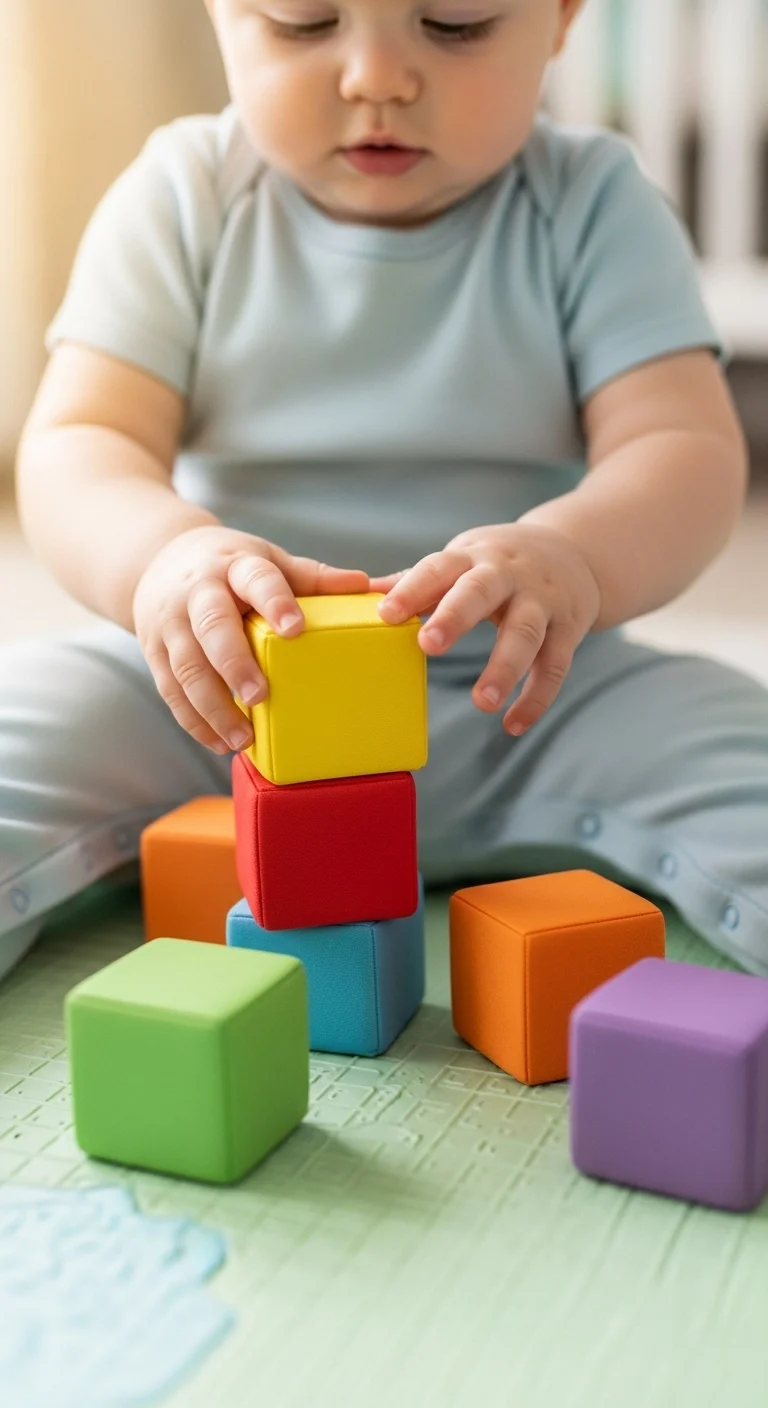
Use soft blocks or plastic cups. Start with two pieces and let them try stacking. Keep the activity light. Sit on the floor with them so drops don’t scare them. You don’t need fancy sets—kitchen containers work too. Celebrate each attempt. Rotate objects so they stay curious.
- Following Simple Instructions
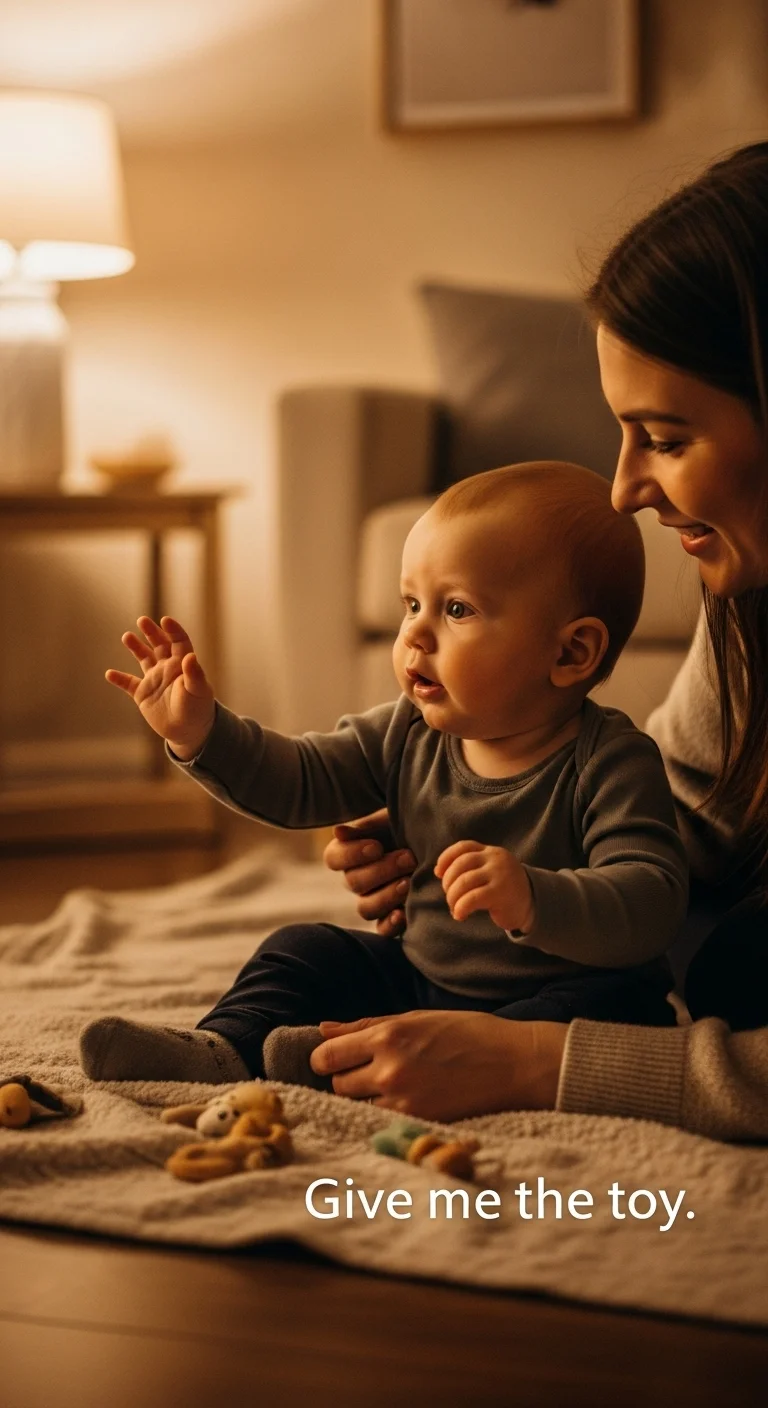
Around this stage, babies start responding to small requests. Use simple phrases like “come here” or “give ball.” Keep expectations gentle. Repeat phrases during regular routines. Avoid long directions. Use their favourite objects to keep interest. Celebrate even partial attempts. This skill grows naturally with daily interaction.
Conclusion
Watching a baby progress through these milestones can feel rewarding and grounding. Each moment offers simple chances to connect through warm play and everyday routines. You don’t need extra gadgets—just patience, safe spaces, and a few familiar items. Use these ideas as gentle guidance while giving your baby room to grow at their own pace.
