

26 Screen-Free Activities to Entertain Kids for Hours
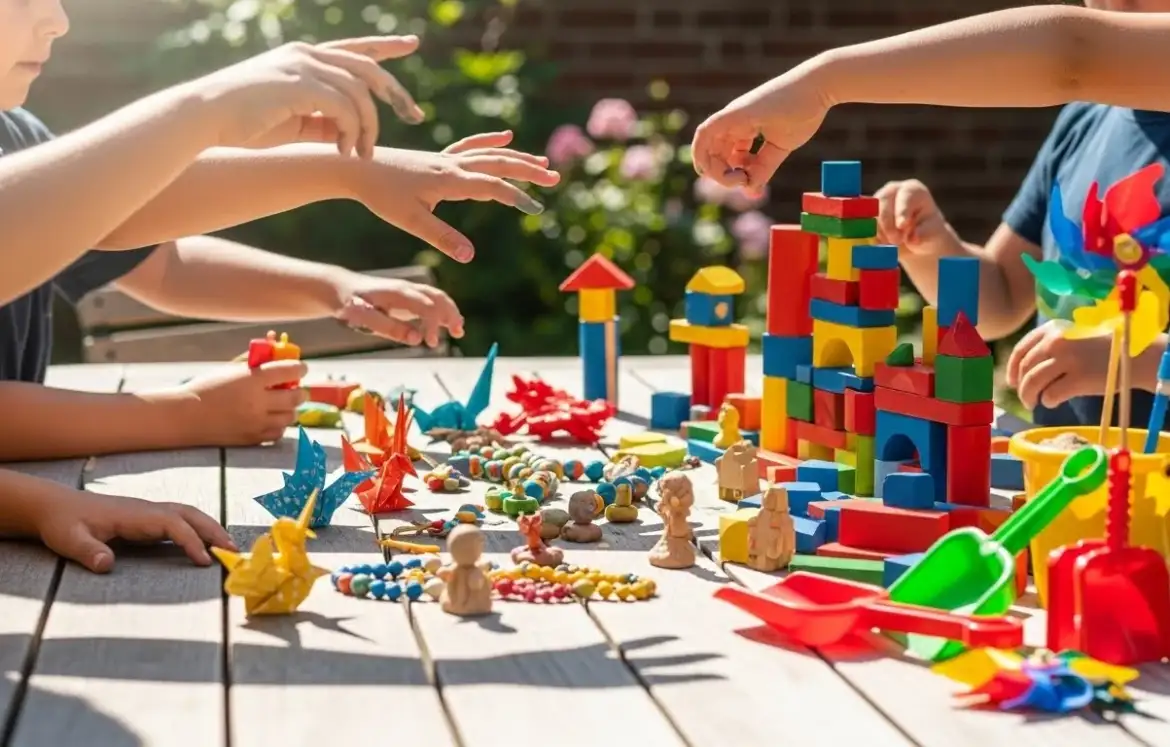
Kids don’t always need gadgets to stay busy. Simple hands-on activities can hold their attention and help them burn off energy in ways that feel fun and relaxed. The ideas below keep things practical, low-cost, and easy to set up, even on a busy day. Each one gives kids something to do with their hands, their imagination, or a few supplies already at home.
- Backyard Treasure Hunt
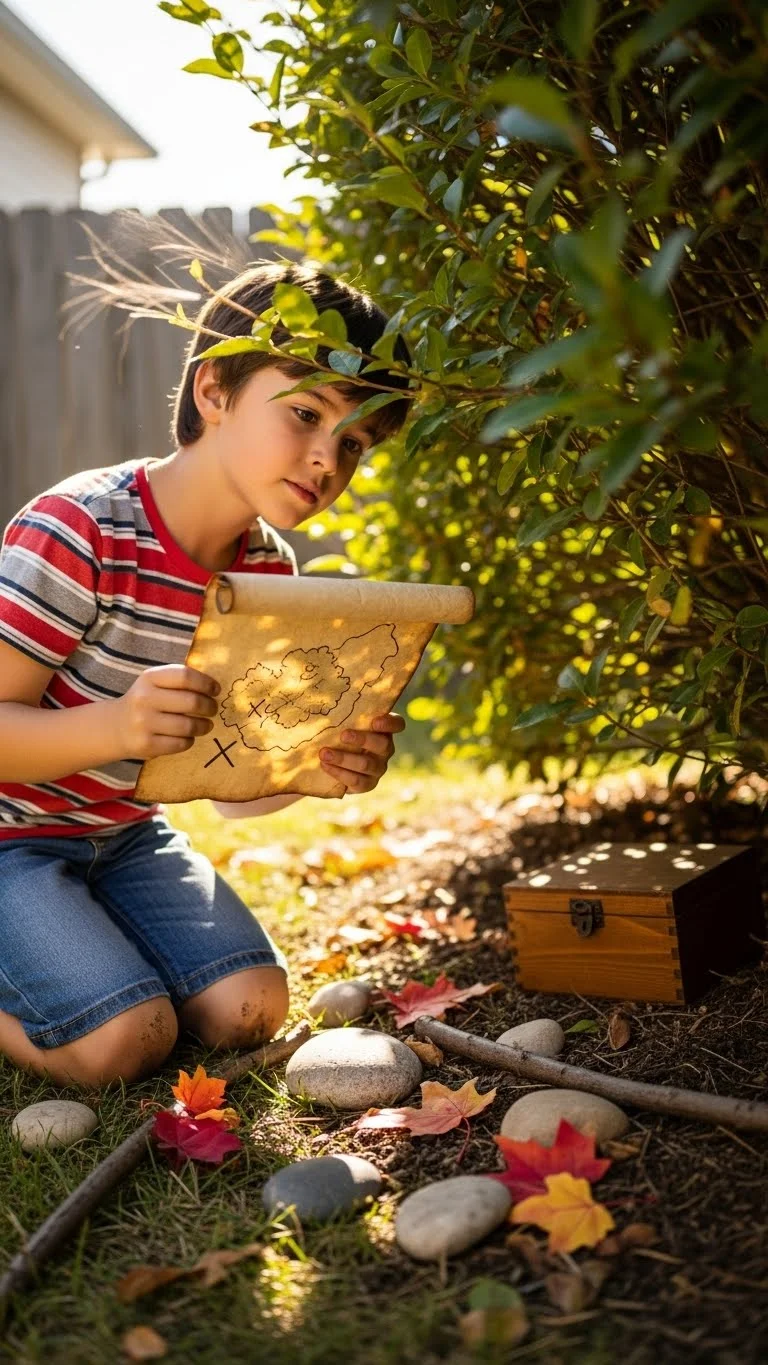
Turn the backyard into a simple adventure. Draw a quick map on scrap paper. Hide a few small items, such as painted rocks or bottle-cap “coins.” Kids can follow clues or explore freely. Keep the setup easy by using spots like under a flowerpot or behind a tree. If you want extra fun, bury a small container with a snack inside. Let kids decorate their own treasure box using an old jar or shoebox. This activity works well for solo play or groups. It also keeps kids moving without you having to guide every step. Rotate the items you hide so they feel new each time. Older kids can make their own hunt for siblings. For tiny budgets, use natural items like pinecones or feathers as the “treasures.” Keep the rules loose so everyone stays relaxed and playful.
- DIY Obstacle Course
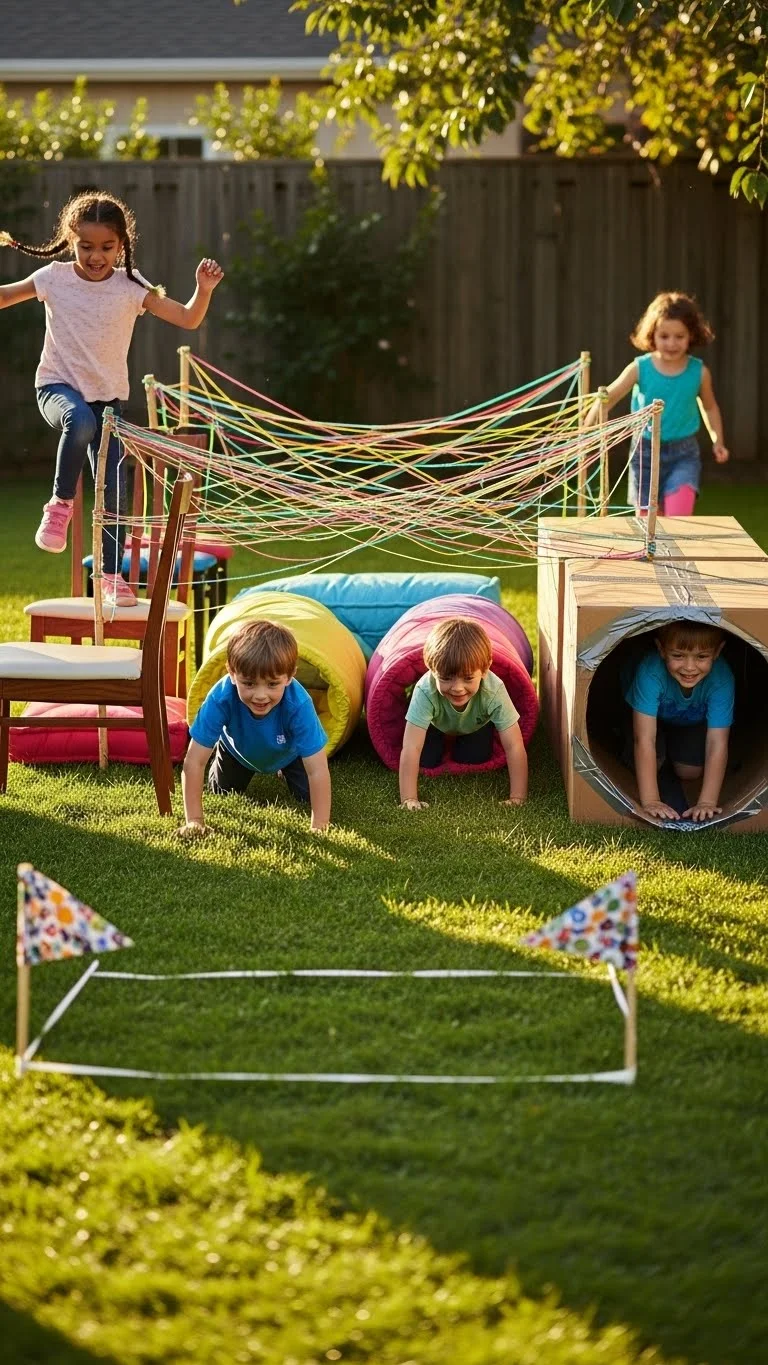
Use everyday items to build a simple obstacle path. Lay out cushions for kids to jump across. Stretch yarn between chairs for a “laser” crawl. Add a cardboard box tunnel if you have one. Keep the challenges easy so kids stay excited instead of frustrated. Time them if they like a bit of competition, but keep the vibe friendly. Let kids rebuild parts of the course to suit their ideas. This helps them stay busy without constant direction. The best thing is that you don’t need special equipment. A rake on the ground can be a “balance beam.” A simple chalk line becomes a “snake path.” If indoors, use painter’s tape on the floor. Kids can repeat the course as much as they want or design new ones on the spot. It fills long stretches of the day with movement and laughter while staying budget-friendly.
- Cardboard Box Creations
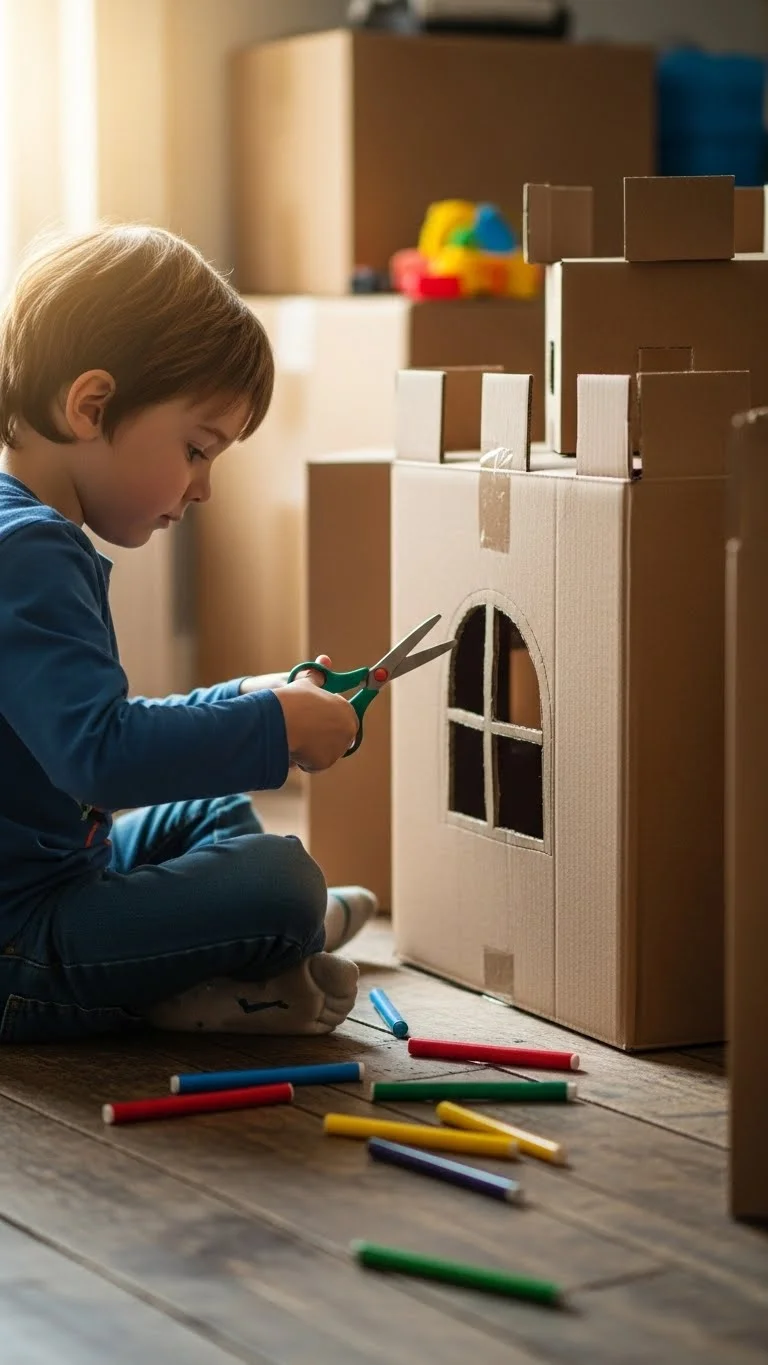
Save large boxes from deliveries and let kids turn them into whatever they imagine. A spaceship, kitchen, puppet theater, or animal shelter can all start with one big box. Give them crayons, tape, and scissors suited for kids. Skip high-cost supplies. Even a paper plate taped on top can become a “satellite dish.” The magic comes from letting them shape the box their way. Encourage them to crawl inside and add small decorations. They can also attach smaller boxes to create rooms. If you have leftover wrapping paper, use it to line the inside. This simple setup keeps kids absorbed for long periods because they keep thinking of new details to add. Cleanup stays easy too. When they’re done, flatten the box and save it for another day. Kids usually enjoy rebuilding something new each time.
- Indoor Scavenger Hunt
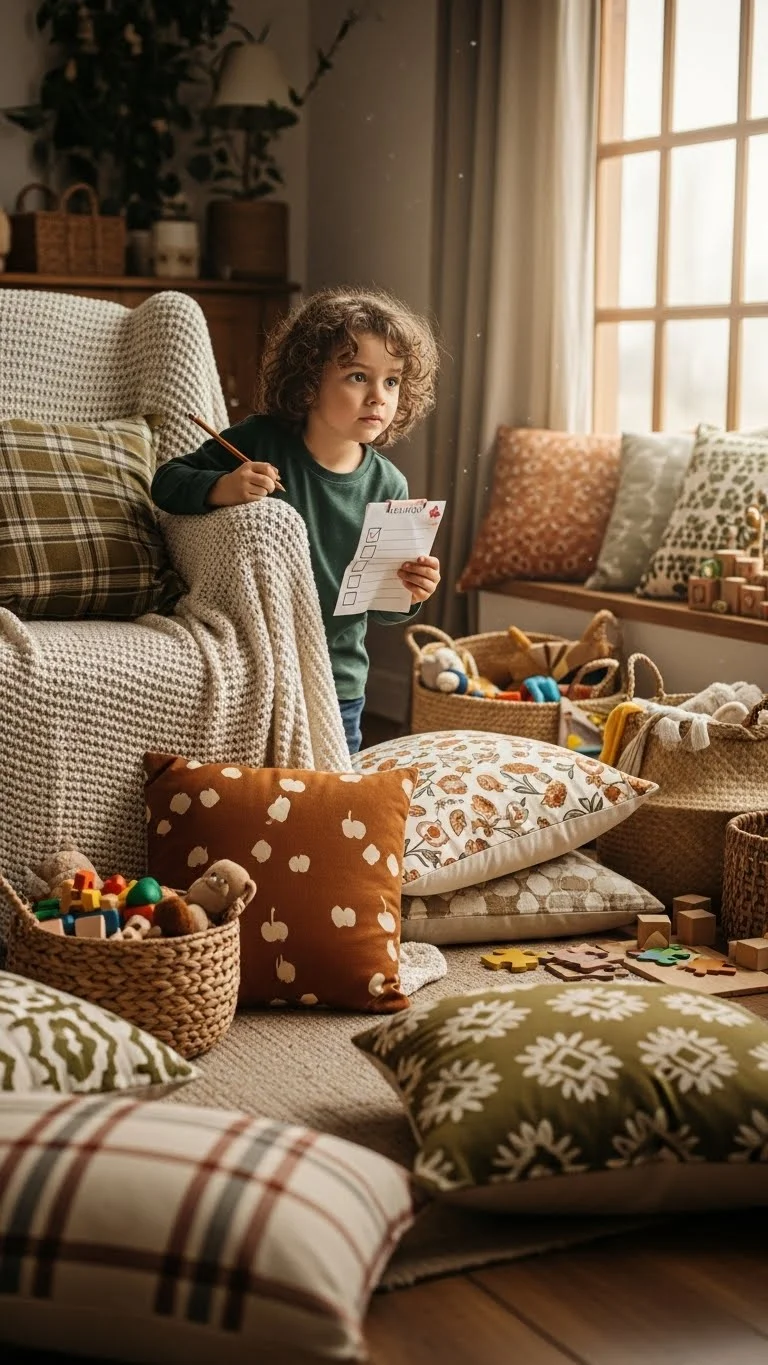
Make a list of simple items kids can find around the house. Keep it casual so they can play at their own pace. Use prompts like “something soft,” “something shiny,” or “something round.” This gives them freedom to choose what fits. Slip the list inside a plastic sleeve so you can reuse it. Kids enjoy the challenge of running from room to room with purpose. You can also let them create the list for each other. Turn it into a quiet-time activity by limiting the search to one room. If you want a bigger challenge, add small tasks like stacking the items or sorting them by color. This works for toddlers and older kids alike, and you don’t need to purchase anything. It’s simple, flexible, and fills time without added noise.
- Sidewalk Chalk Town
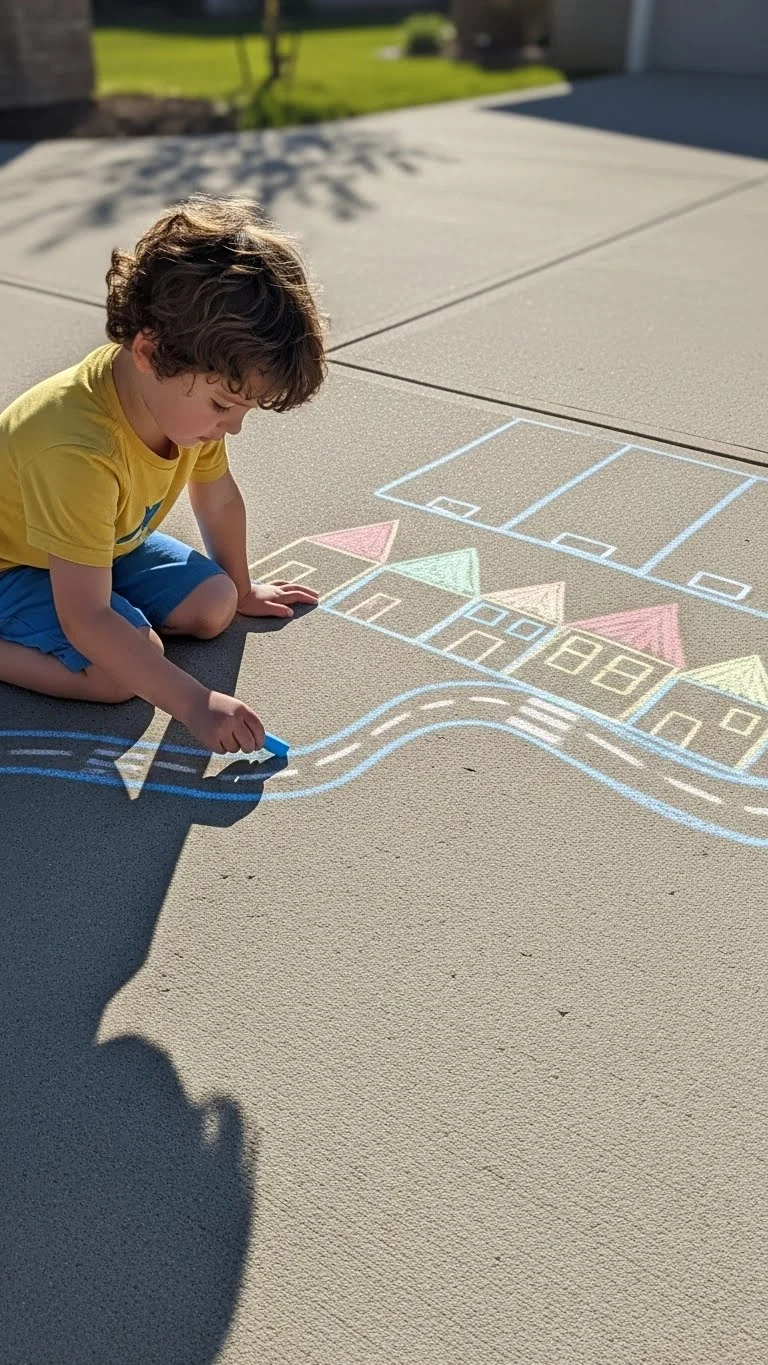
Hand kids a few pieces of chalk and watch a whole town appear. They can create roads, buildings, and parking spots for toy cars. A few curvy lines become racetracks. Chalk is inexpensive and lasts a long time. Kids enjoy the freedom to draw big shapes without worrying about staying inside the lines. If you have water nearby, show them how wet chalk makes bolder colors. Sometimes they even like to “wash away” the town with a spray bottle and start again. This activity works for one child or a whole group, and it fills outdoor time in a creative way. When they’re done, the rain or a quick rinse cleans the space easily. Keep a small container of chalk near the door so you can bring it out anytime.
- Nature Art Collage
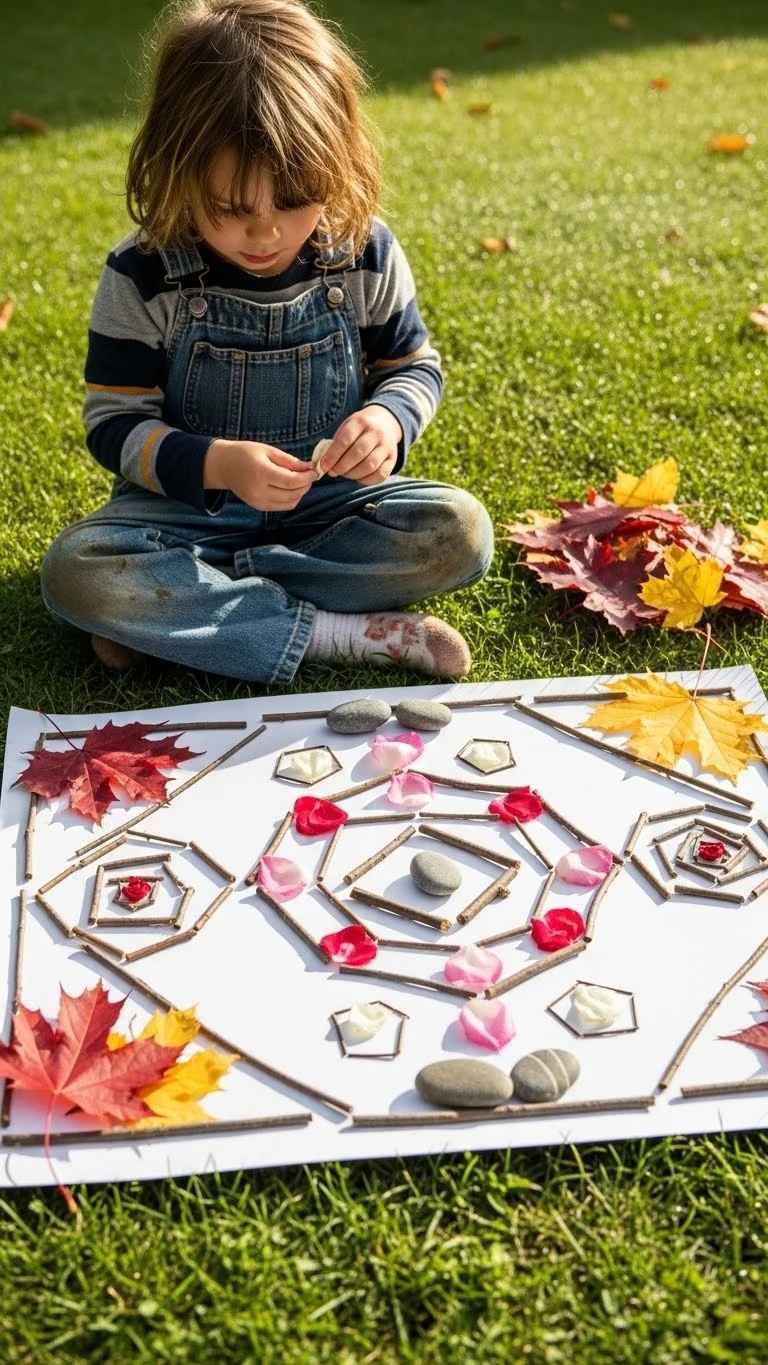
Take kids outside to gather safe natural items. Leaves, petals, tiny pinecones, and sticks all become free art supplies. Bring them back to the porch or table and arrange everything on thick paper or cardboard. Kids enjoy placing the items in patterns or shapes. You can help by adding a small dab of glue when they want something to stay in place. Try offering frames made of cut cereal boxes to make it feel special. Encourage them to swap items or trade colors. If you want to extend the activity, let kids collect more pieces and redesign their collage. This gives them time to explore the outdoors and be creative without screens. Everything feels simple and peaceful, and there’s no pressure for the collage to look a certain way.
- Blanket Fort City
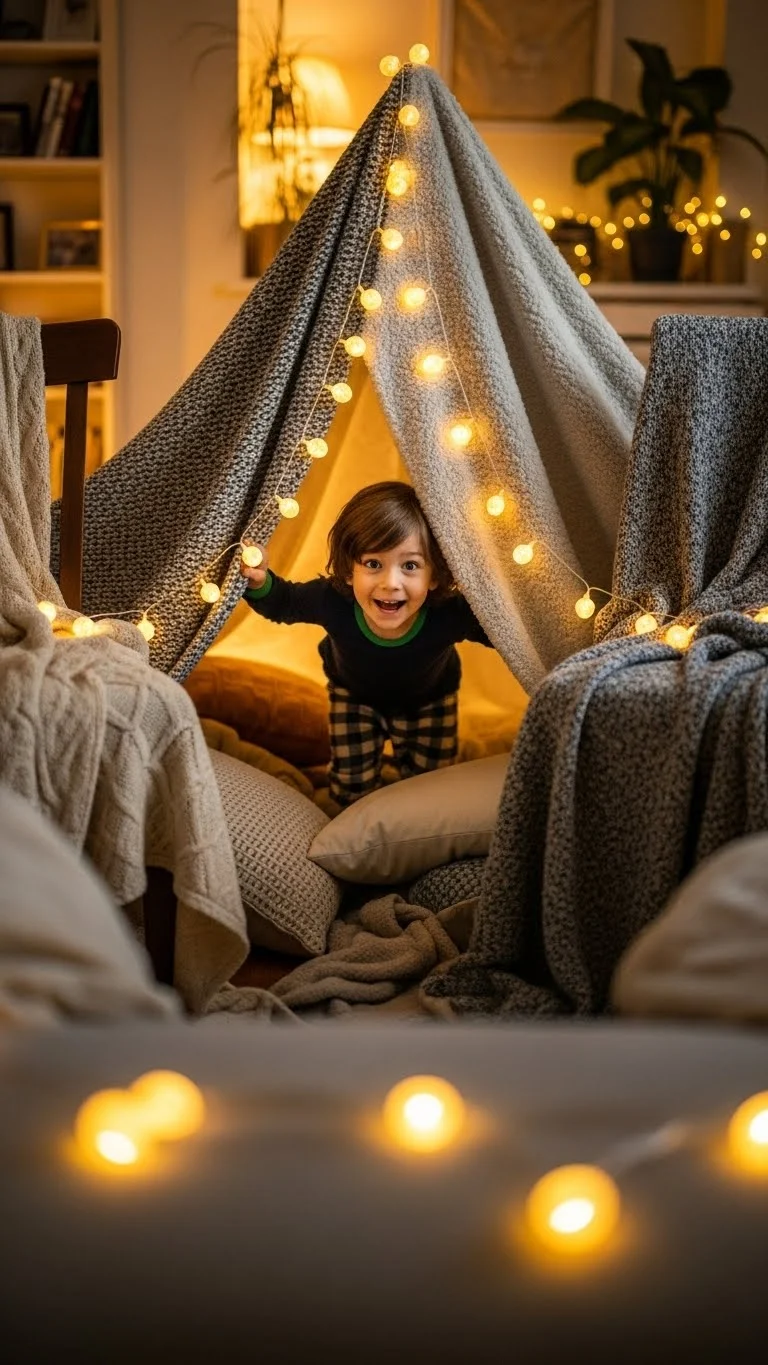
Kids love building cozy hideouts. Use chairs, blankets, and cushions to create a fort. Offer clothespins to help secure fabric. Keep the structure simple so kids can build it on their own. Once inside, they can bring stuffed animals, books, or small toys. If you add a flashlight, it instantly feels magical. Forts encourage long stretches of play because kids enjoy adjusting walls or adding “rooms.” Older kids may want to design a whole “fort city.” This works well on quiet afternoons or rainy days. Cleanup stays easy: fold blankets and restack cushions. Kids rarely get tired of building forts because each one feels different. And you don’t spend anything extra to set it up.
- DIY Sock Puppets
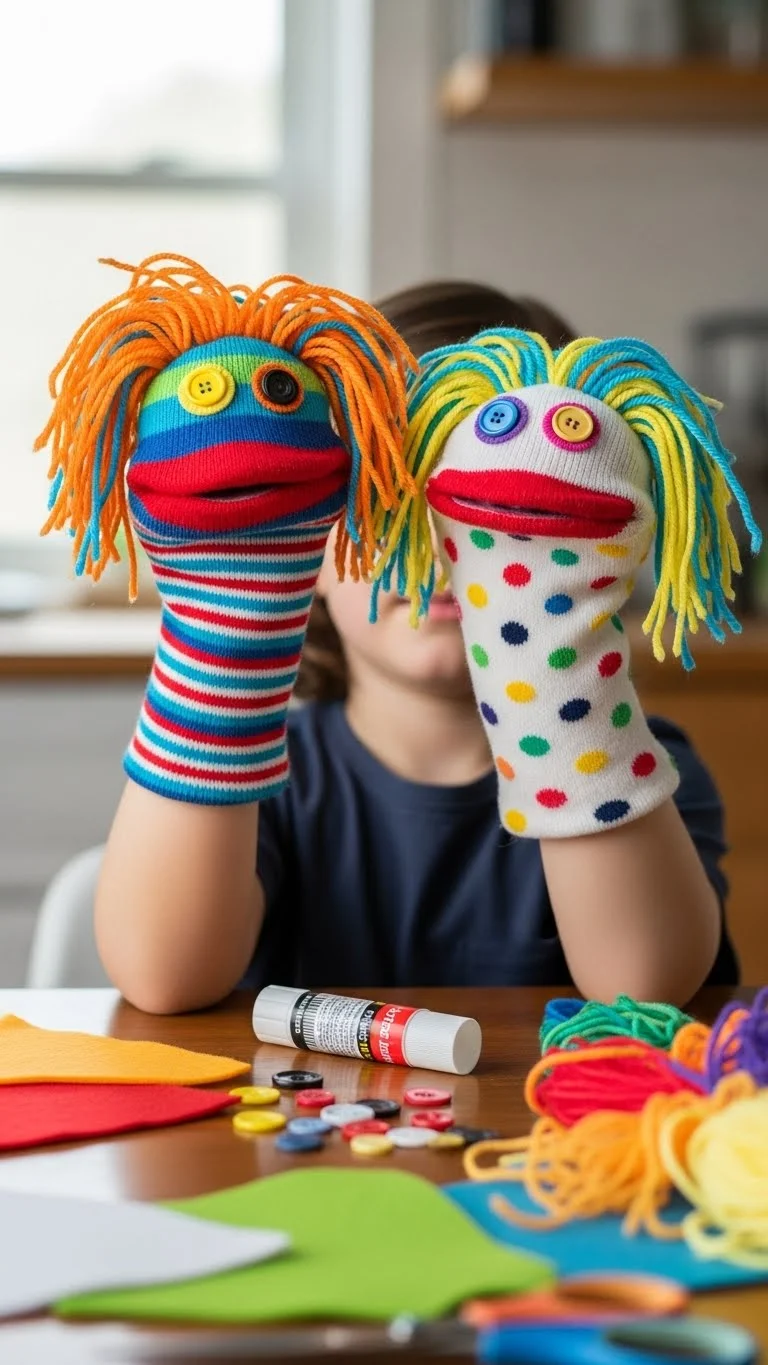
Grab old socks and turn them into characters. Add simple features like buttons for eyes or yarn for hair. If you don’t have craft glue, tape or markers still work. Kids enjoy giving each puppet a personality. After making one or two, they can put on a little show. Use a cardboard box as the “stage.” This activity fills a chunk of time because the making process is slow and thoughtful. Kids ask questions, try new materials, and laugh at their designs. Keep a scrap bag of odds and ends—fabric pieces, bottle caps, ribbons. Everything becomes part of a puppet’s outfit. The puppets also become toys they can use all week. It’s an easy, low-cost project that sparks imagination.
9. Garden Helpers Play 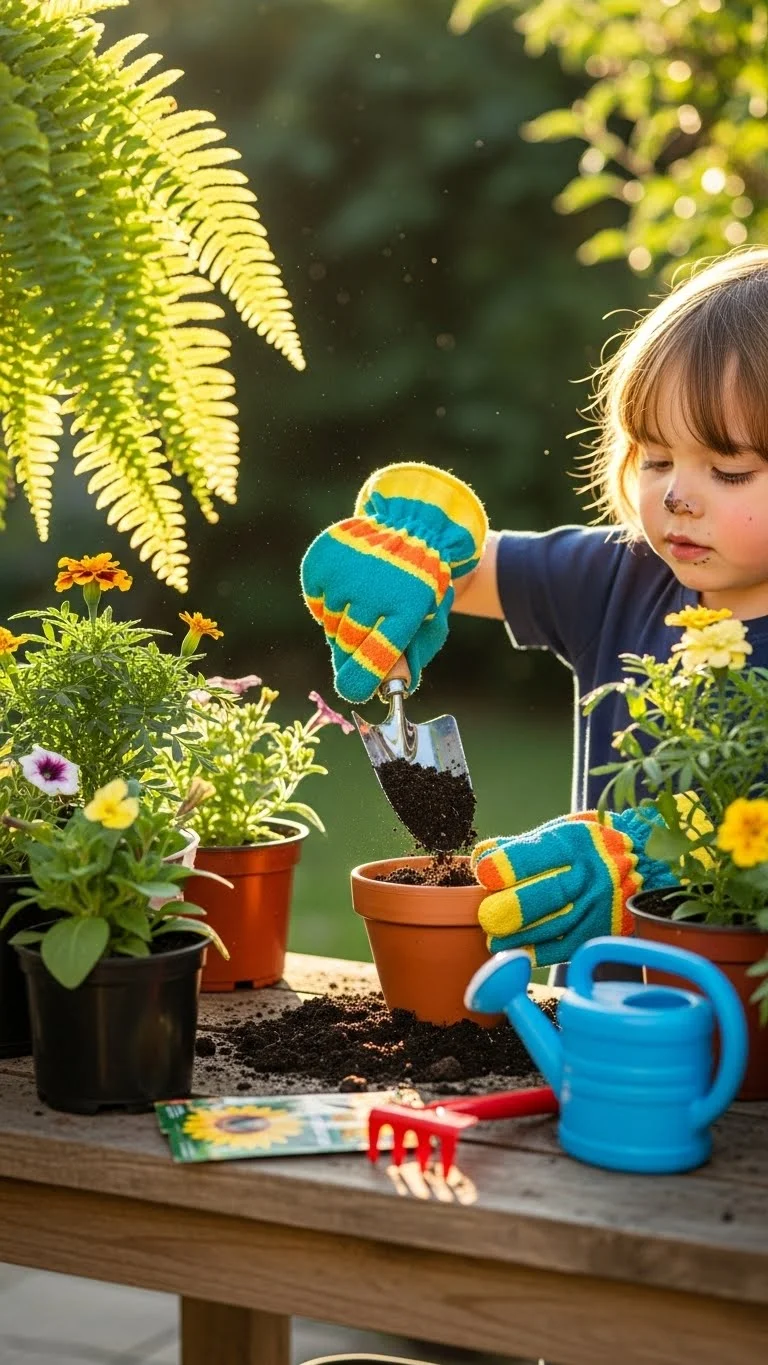
Let kids help with small garden tasks. Give them a cup of soil, a spoon, and a pot. They can fill, pat, and sprinkle water. If you have seeds, great. If not, let them plant pebbles or dried beans just for play. Kids enjoy the simple act of digging, pouring, and watching the dirt shift. Keep the space small so the task feels easy. A balcony or porch works fine. Let kids decorate their pot with markers or bits of tape. Add a small stick label so it feels like “their plant.” Kids often stay busy scooping and moving soil long after planting. It’s calming and hands-on, and the mess is simple to sweep. If you already have a garden bed, let them pull tiny weeds or collect leaves in a bucket. Everything feels like a job they can handle, and the activity repeats well throughout the week.
- Water Paint Patio
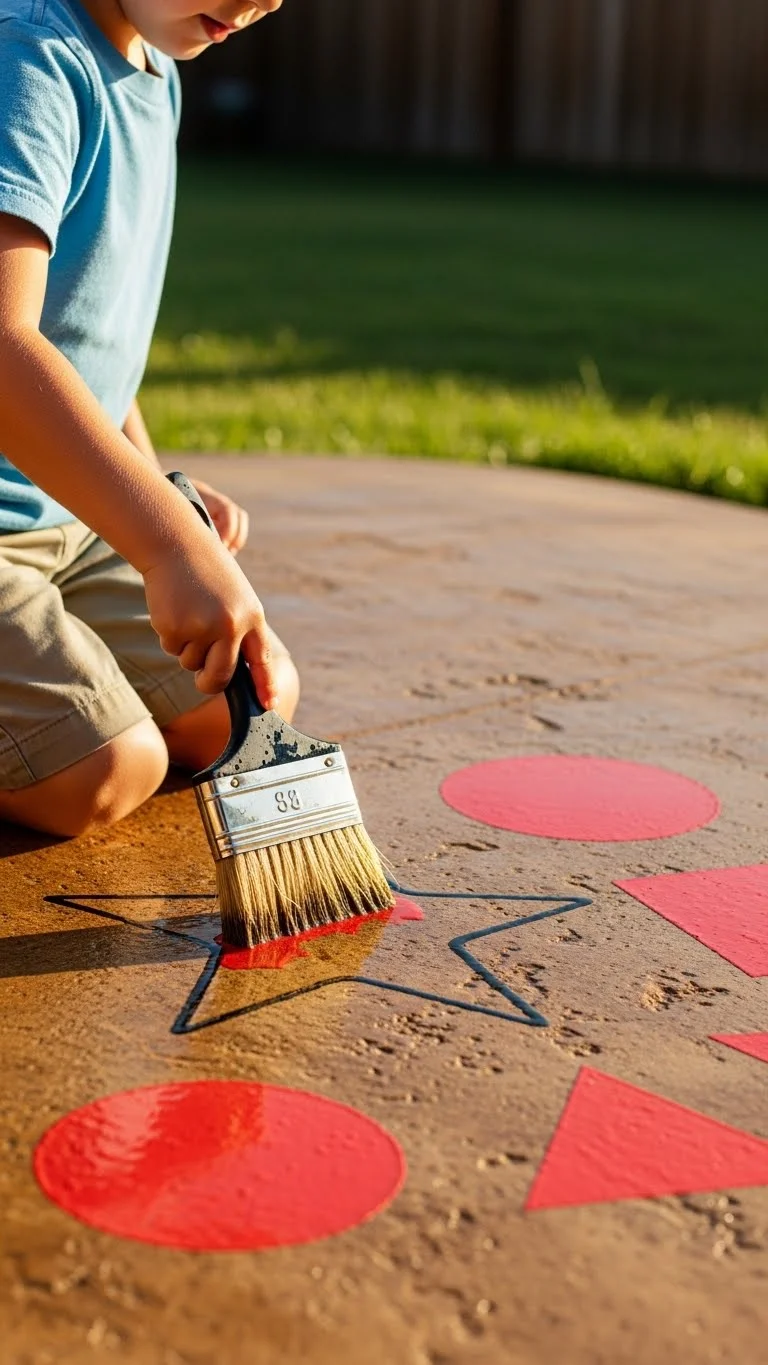
Grab a cup of water and a chunky brush. Let kids “paint” the driveway, sidewalk, or patio. They can draw shapes, trace their hands, or create pretend signs. The best part is that the marks fade as the water dries, so they can start fresh over and over. It costs nothing and fills time with calm outdoor play. Add more fun by giving them two brushes or a sponge. Some kids like making long roads or pretend rivers. Others like painting shadows or outlining leaves on the ground. The water dries quickly on warm days, which keeps them moving. If shade is available, set up a small bucket so they can refill easily. Indoors, kids can do the same thing with a wet cotton ball on a chalkboard or cookie sheet. It’s simple, quick to set up, and surprisingly absorbing.
- Kitchen Band Jam Session
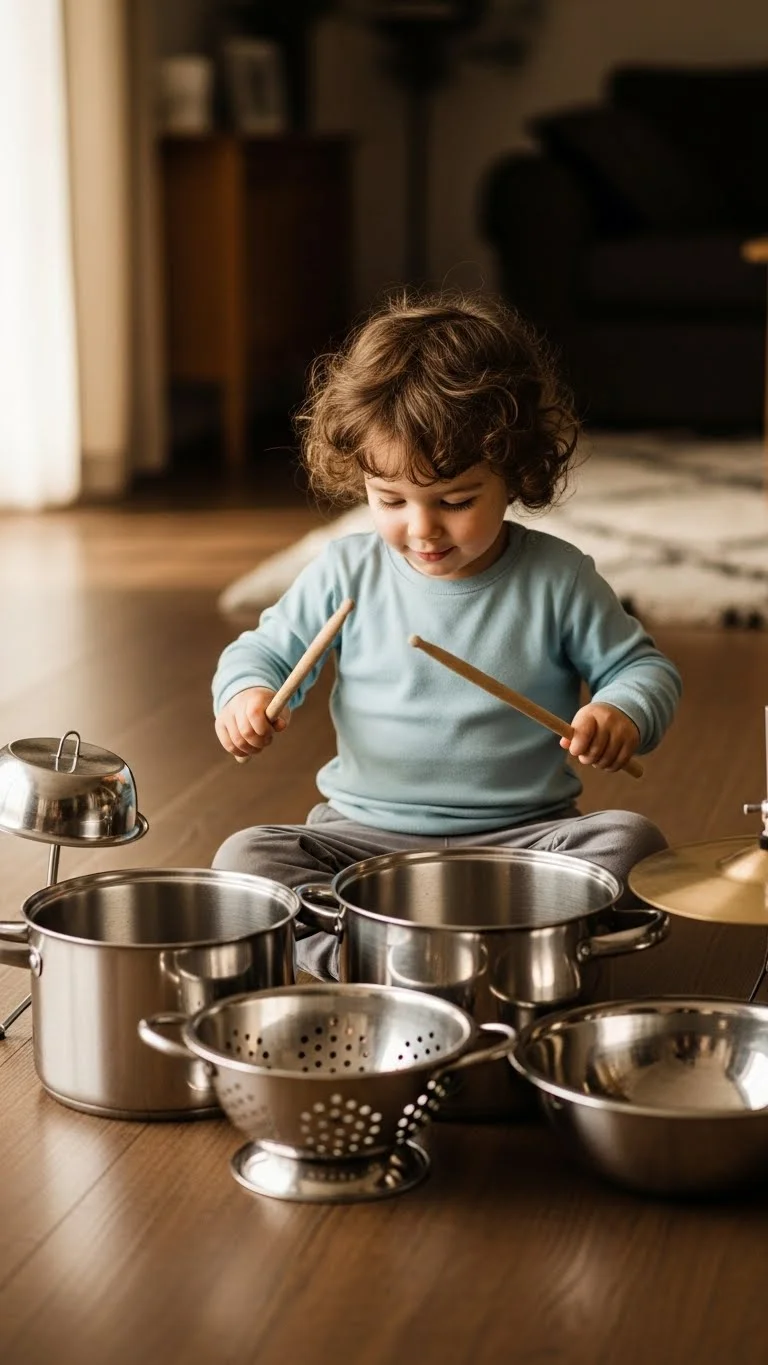
Turn old pots and spoons into a mini band. Set everything on the floor and let kids tap, roll, and thump to their own beat. Keep it playful by adding plastic containers or lids for different sounds. If the noise feels too loud, move the “band” to a rug or blanket. Kids enjoy experimenting with rhythms and swapping instruments. They often repeat patterns without thinking, which helps them stay busy for long stretches. You don’t need to guide the play—just offer a few items and step back. A cardboard tube becomes a “microphone,” and a mixing bowl turns into a “drum.” Invite kids to create a short “song,” then record it on your phone for them to hear later. The setup costs nothing and uses things already in the house. When finished, everything goes right back into the kitchen cabinet.
- Recycled Art Station
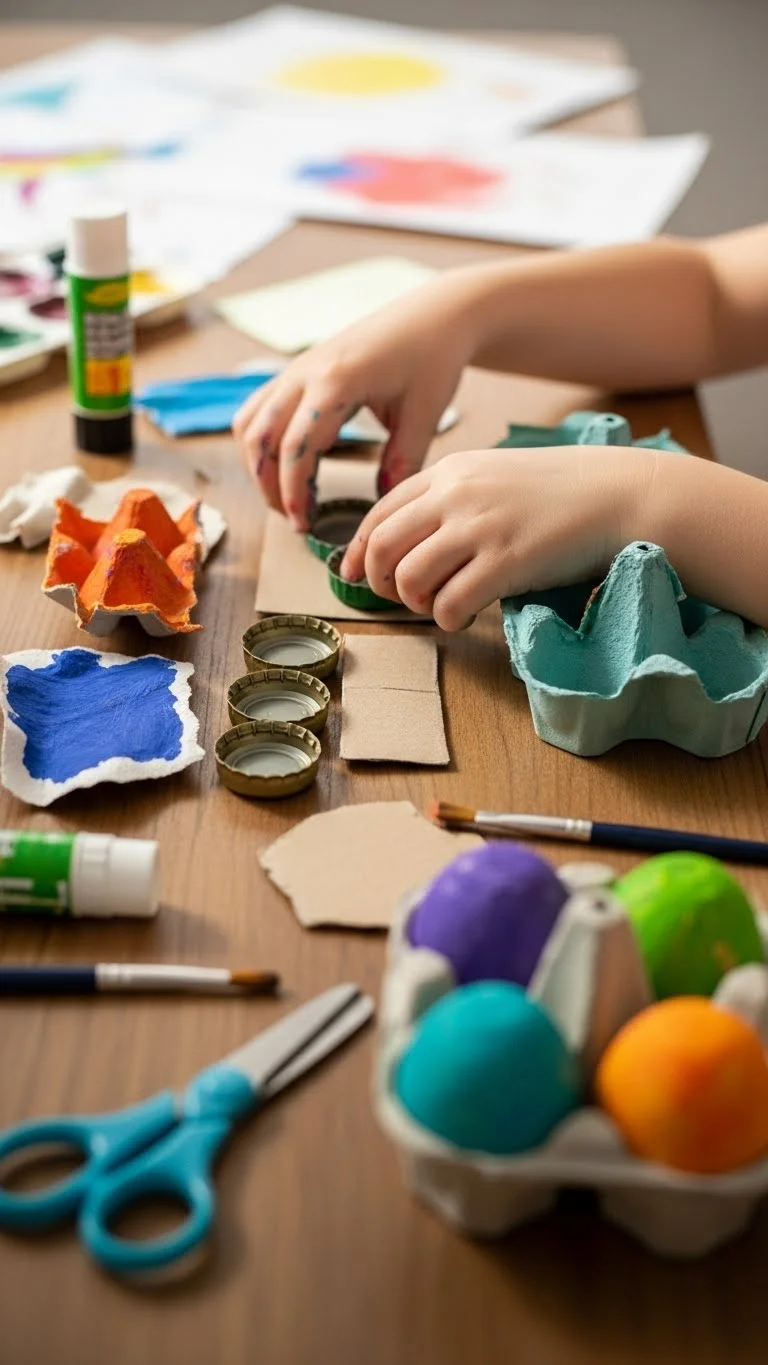
Collect clean recyclables in a bin and turn them into a craft station. Bottle caps, egg cartons, cardboard scraps, yarn pieces, and paper tubes all work. Place them on a table with tape and glue. Let kids decide what to build. A robot, animal, spaceship, or “city” often pops up without planning. Kids enjoy sorting shapes and stacking pieces. The randomness keeps it fun and surprising. If you want, offer markers to add features. Avoid over-directing; the freedom helps them stay absorbed. This activity lasts a long time because they keep discovering new materials in the bin. Add items over time, like ribbons or fabric scraps. Cleanup is simple—save anything still usable in the bin for another day. This becomes an ongoing project space that keeps interest high without extra cost.
- Paper Airplane Hangar
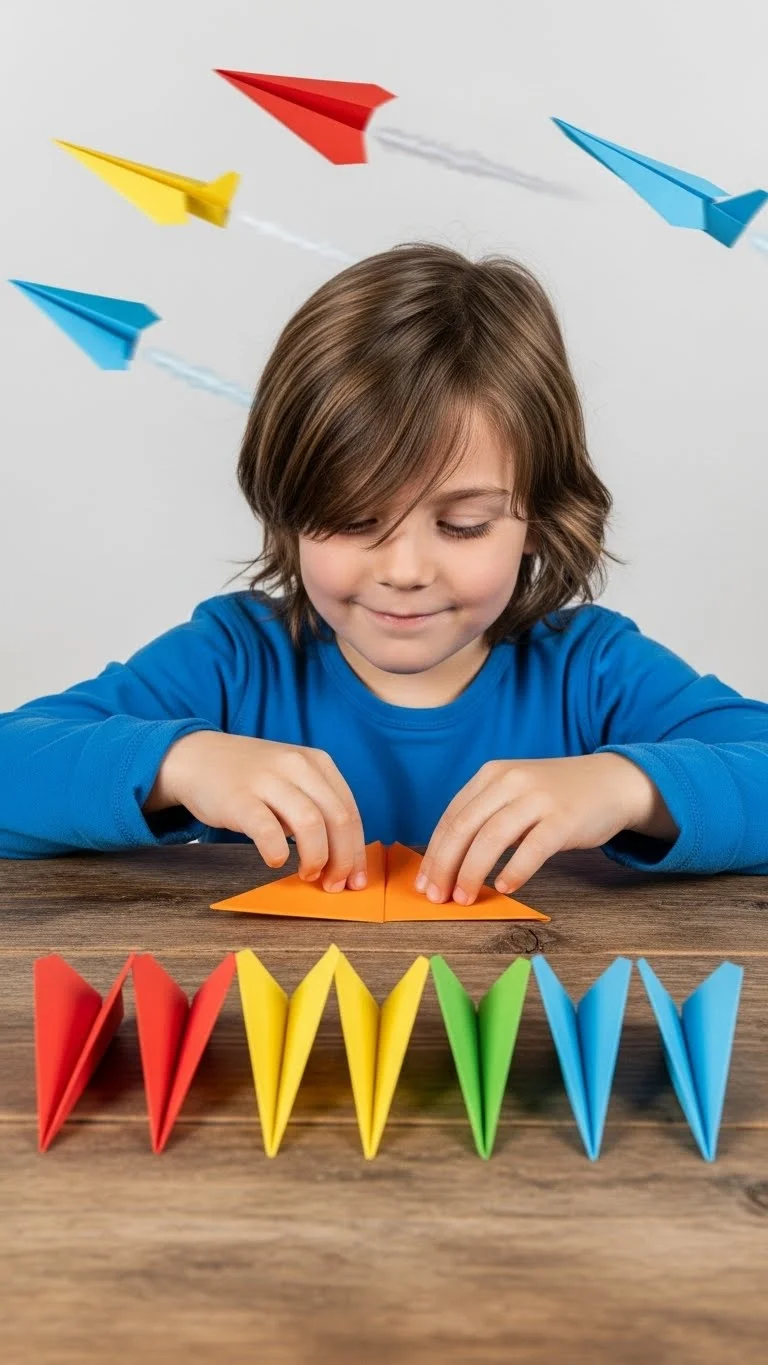
Set out paper and let kids fold as many planes as they want. Show a basic fold if they need help, then let them try their own versions. Kids have fun testing which plane flies farthest. Use a hallway or backyard for more space. Place a basket or open box as a landing zone. They can aim for it or measure distances with chalk. Encourage kids to decorate wings with stripes or dots. Stickers also work. The process fills a big chunk of time because folding, testing, and fixing takes patience. Let kids store their planes in a “hangar” made from a shoebox. This keeps them excited to return to the activity later. It’s cheap and easy, and kids enjoy having a collection they built themselves.
- Nature Bingo Walk
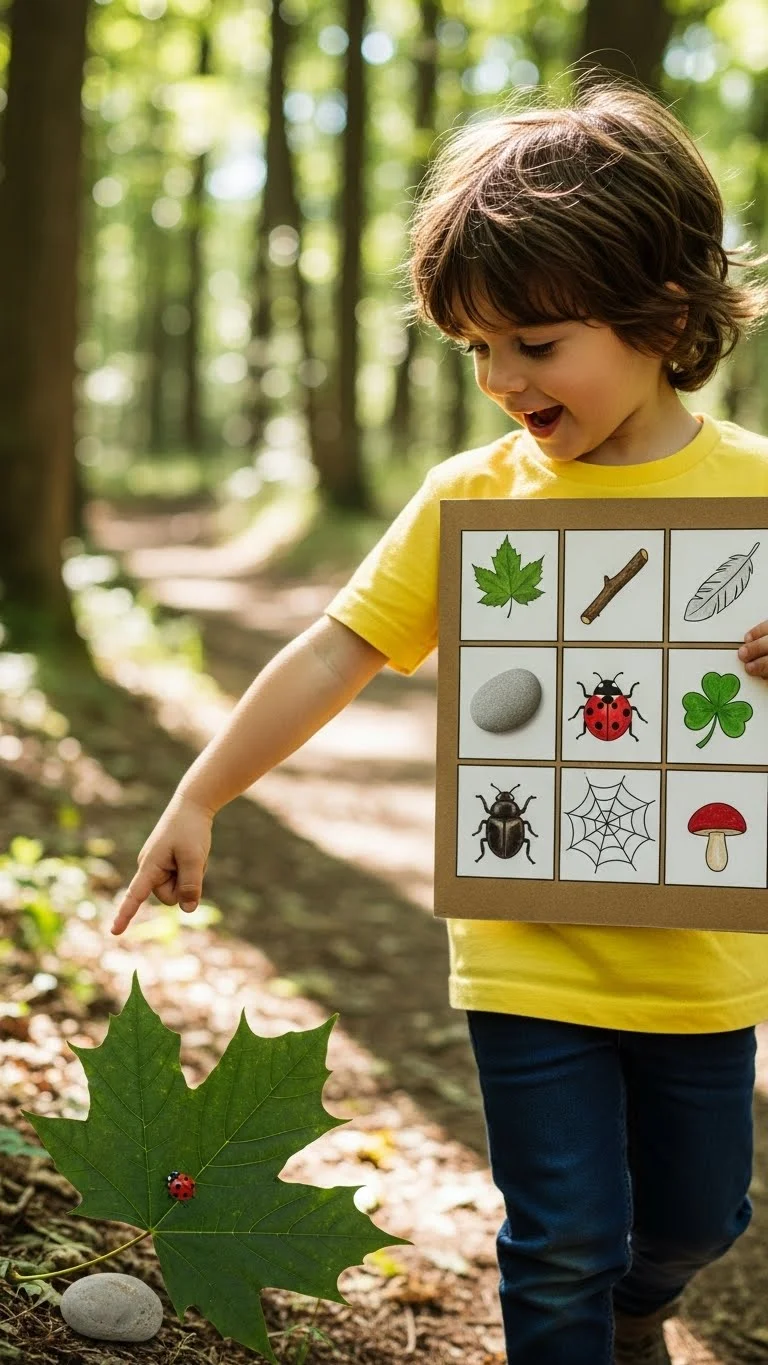
Create a quick bingo card with drawings of simple outdoor finds. Add items like a smooth rock, a yellow leaf, a bird, or a stick shaped like a “Y.” Kids love walking around checking off each square. Keep the walk slow so they have time to spot everything. A park, sidewalk, or backyard all work. Use a clipboard or piece of cardboard as a backing so the card doesn’t tear. Kids often get excited when they find something unusual, like a tiny feather. If they complete the card, let them turn it over and draw their own. This extends the fun without extra supplies. The walk stays relaxed, and kids stay focused on exploring. The card becomes a fun keepsake or a reusable outline for next time.
- Simple Sewing Cards
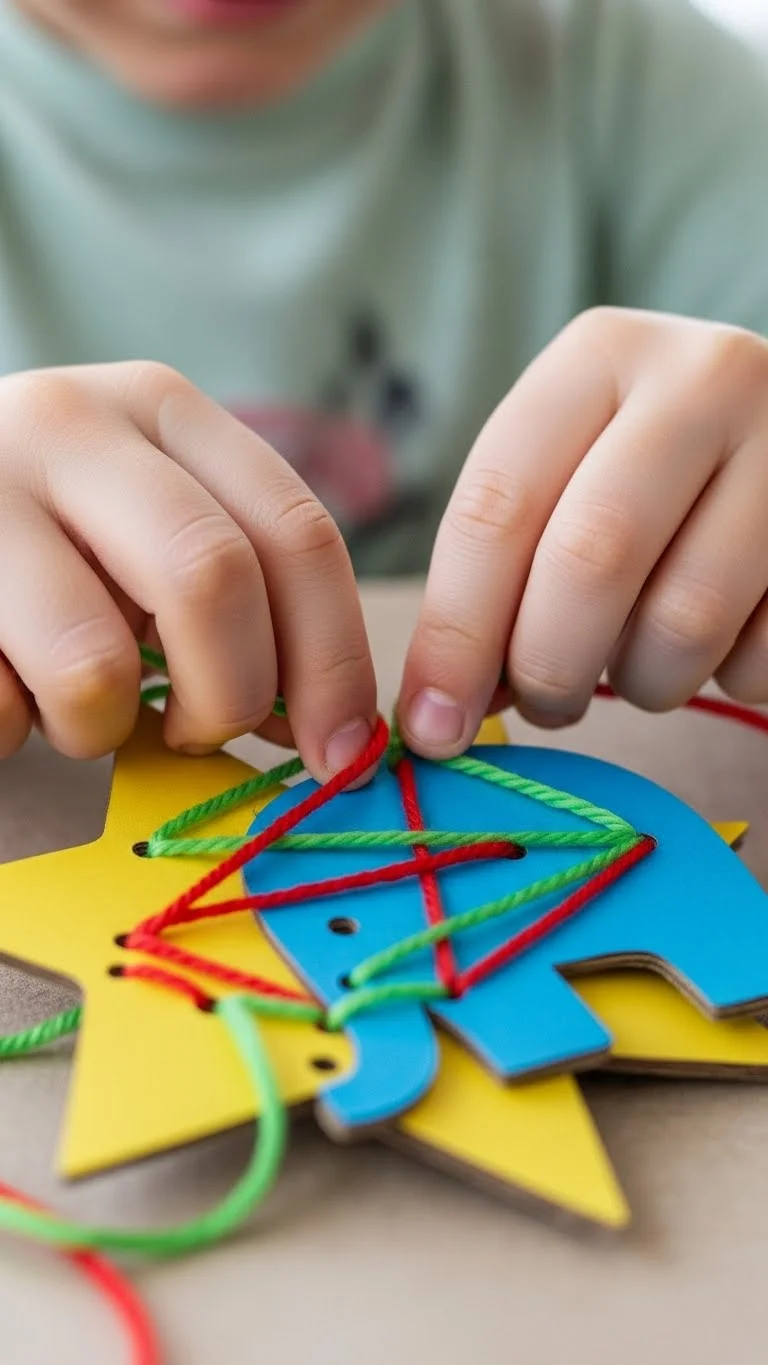
Cut shapes from cardboard—circles, animals, stars, anything you’d like. Punch holes around the edges with a pen or hole punch. Give kids yarn with tape wrapped around one end so it’s easy to thread. They can loop the yarn in and out at their own pace. This activity helps them settle into a calm rhythm. It’s simple, low-cost, and keeps hands busy. Offer a few shapes with different hole patterns to keep interest high. Kids often decorate their cards with crayons or stickers after sewing. If the yarn gets tangled, cut a fresh piece and keep going. Store the cards in a small bag so kids can come back anytime. The repetition feels relaxing and fills quiet moments throughout the day.
- Rock Painting Station
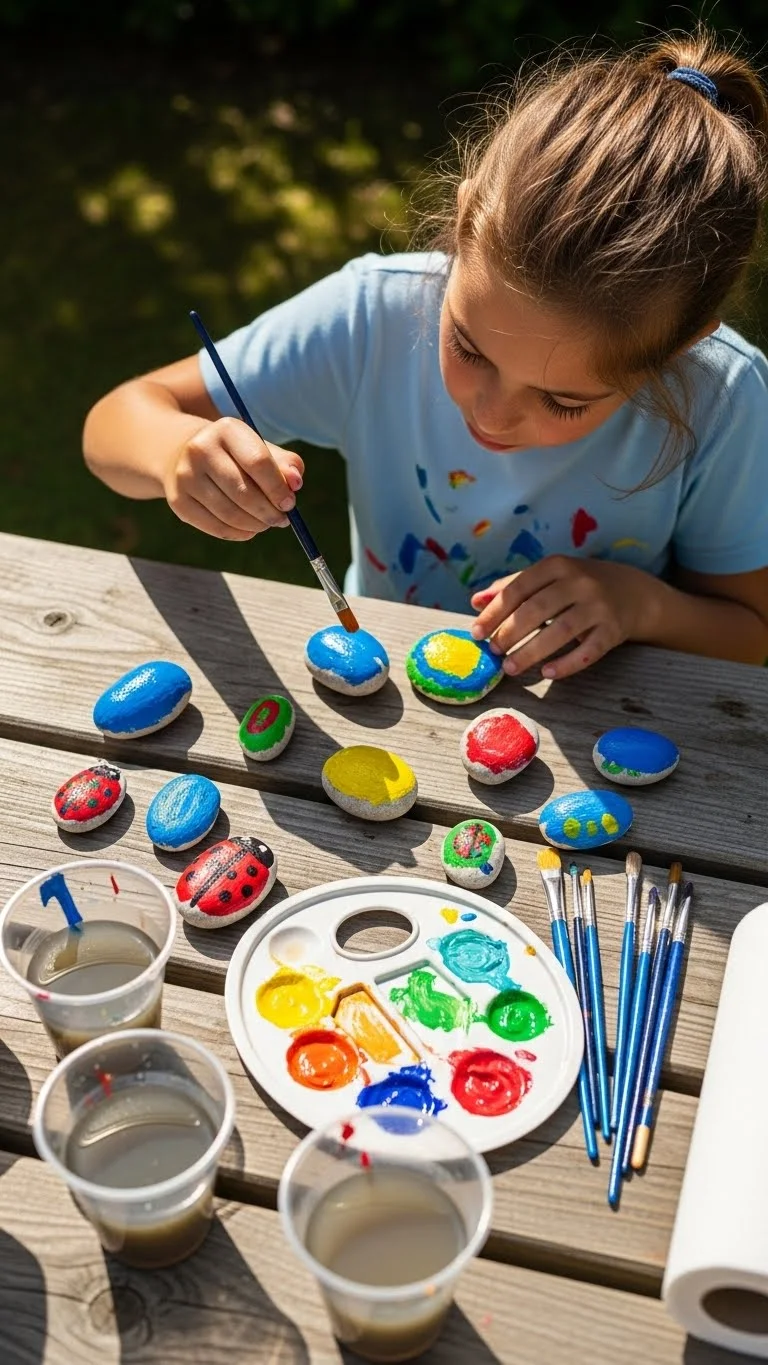
Gather a handful of smooth rocks from the yard or a park. Set them on a table with washable paint or paint pens. Kids enjoy turning each rock into a tiny creature, a pattern, or a simple happy face. Keep cleanup easy by placing everything on a piece of old newspaper or cardboard. If paint isn’t available, markers still work well. Kids often get hooked on decorating multiple rocks because each one feels like a small project. A bowl of completed rocks makes a fun display on a shelf or porch. Some kids like hiding painted rocks around the neighborhood to surprise others. This adds a bit of adventure and keeps the activity going longer. It’s simple, low-cost, and always fun because no two rocks turn out the same.
- Bubble Lab
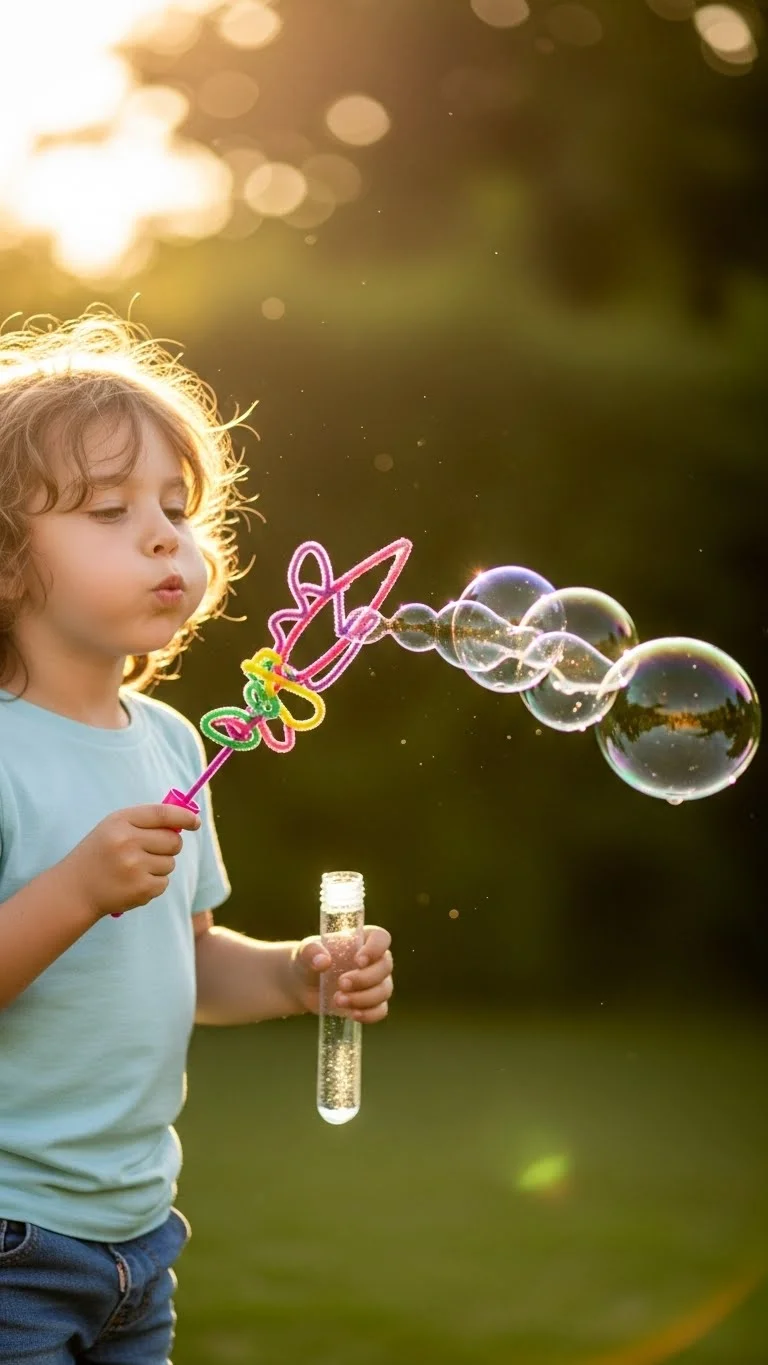
Mix water with a small squeeze of dish soap in a bowl. Add a spoonful of sugar if you want thicker bubbles. Use pipe cleaners or wire to make wands of different shapes. Kids enjoy dipping and waving them slowly to see what happens. Lay down a towel if you’re indoors or move outside for extra space. Kids often try to create the biggest bubble or a chain of small ones. Refill the bowl as needed. If you want a longer activity, give kids cups to pour and stir. A simple tray helps keep spills contained. Store leftover solution in a jar for another day. This activity fills time with movement and laughter, and the supplies cost very little.
- Sticker Story Pages
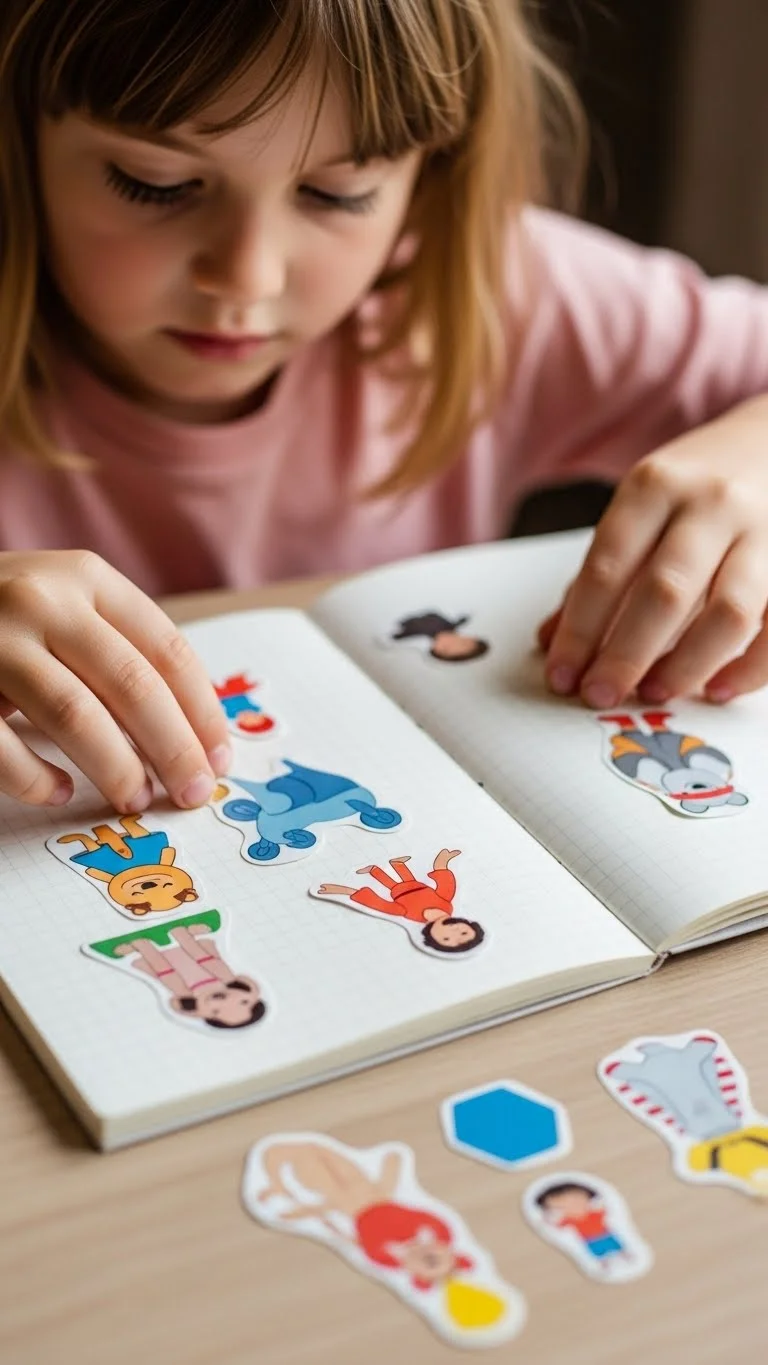
Grab a notebook and a sheet of stickers. Let kids place stickers anywhere and build a tiny story around them. They can add drawings or speech bubbles. The fun comes from choosing where each sticker goes. Kids enjoy filling page after page without pressure. If your sticker supply is small, mix in cut-out magazine pictures. A glue stick works fine. Kids like flipping through the pages later because each one feels like a mini scene. The activity stays fresh because the pages change quickly. Keep a small folder of spare stickers so this can become a go-to quiet activity. It’s simple and calming, and kids often return to it throughout the week.
- Sensory Rice Bin
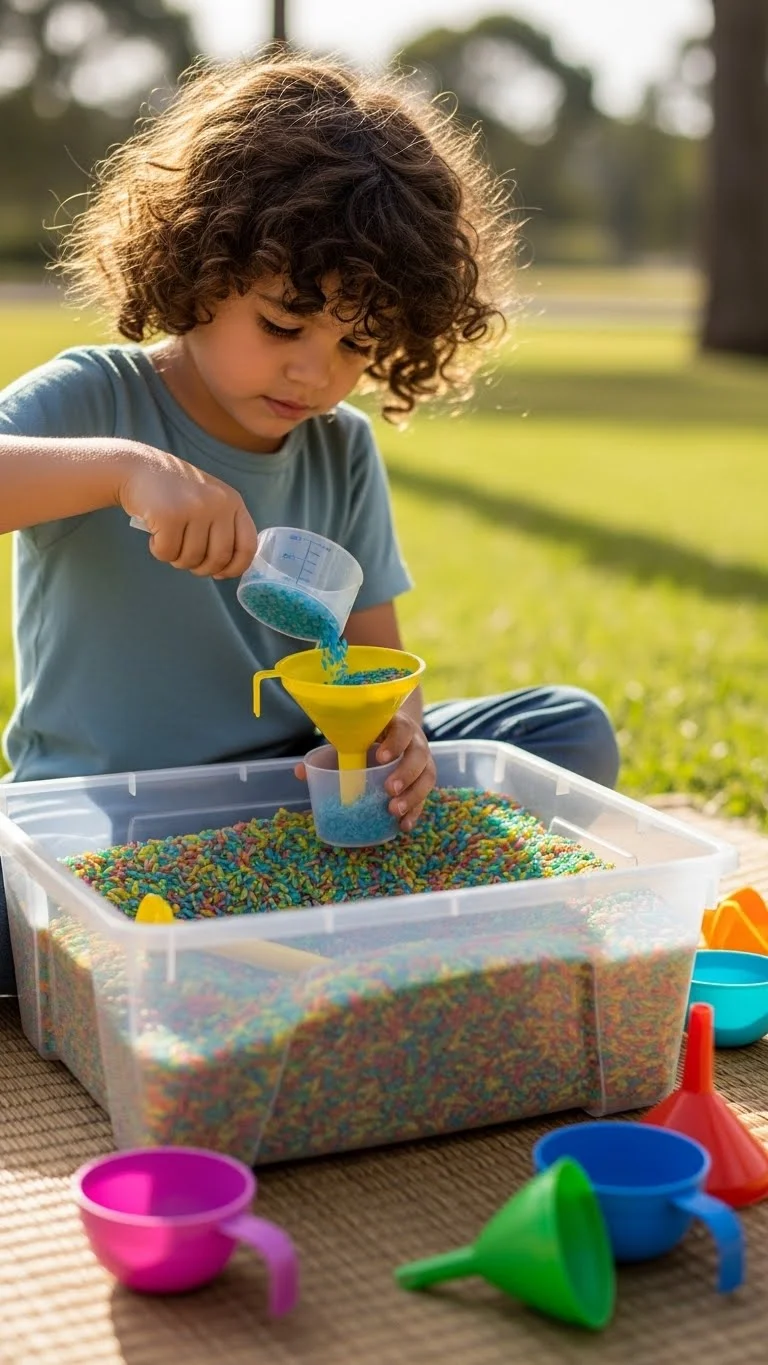
Pour rice into a shallow bin. Add cups, spoons, and small containers. If you want color, mix a few drops of food coloring with a splash of vinegar, stir it through the rice, and let it dry. Kids love scooping, pouring, and burying small toys inside. Keep the bin on a mat or towel so cleanup stays quick. This activity holds attention because the texture feels satisfying. Kids invent little games on their own, like “filling stations” or “rice waterfalls.” Rotate tools every so often, like measuring spoons or funnels. Store the rice in a sealed bag and bring it out whenever you need a quiet moment. It’s budget-friendly and lasts for months.
- Pretend Play Grocery Shop
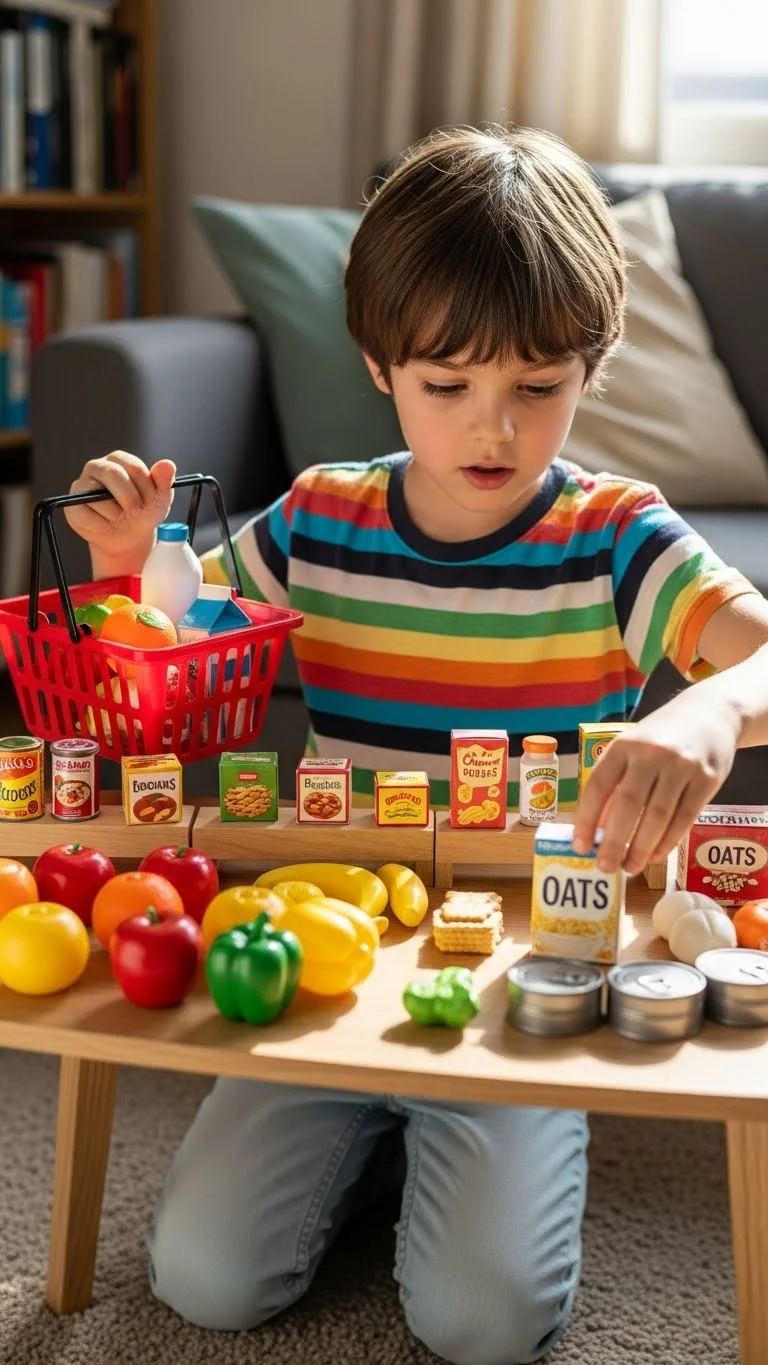
Turn a corner of the room into a tiny shop. Use empty boxes, safe cans, or toy food to stock the “shelves.” Give kids a small basket and scrap paper for receipts. They enjoy scanning items, bagging them, and rearranging the display. A cardboard box can become the checkout counter. This activity fills a long stretch of time because kids shift between shopper, cashier, and manager roles. Add play money if you have it, or draw simple bills on paper. Kids often stay busy adjusting prices, lining up items, and inviting family members to “buy” things. Cleanup is quick because everything goes back into one bin.
- Story Stones
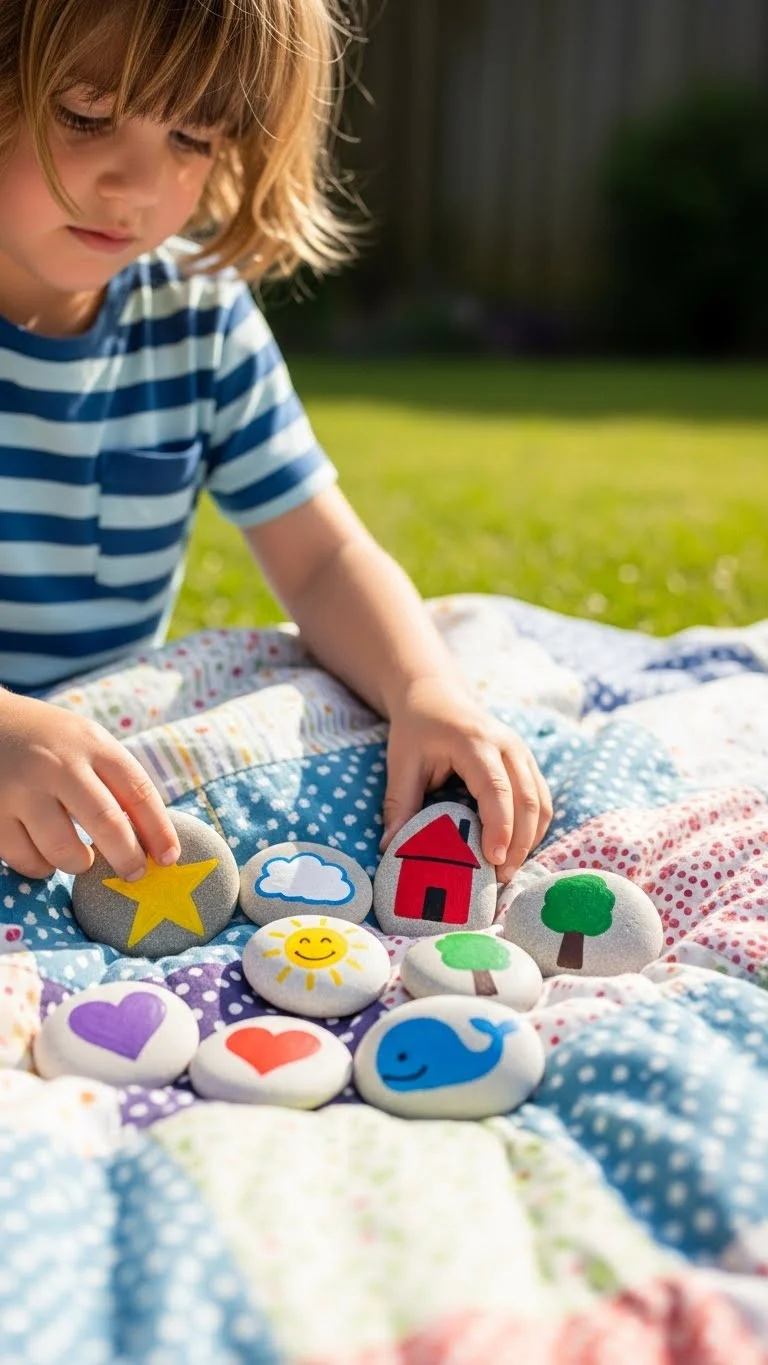
Paint small stones with basic symbols: a tree, a star, a stick figure, or an animal. Once dry, place them in a bag. Kids pull out a few stones and create a story based on the images. The randomness keeps things interesting. They can line the stones up in order or swap them around as the story changes. You don’t need artistic skill; simple shapes work great. Store the stones in a pouch so they feel special. Kids often repeat the activity because each pull creates a new story. It’s fun for car rides, quiet time, or group play. The stones also last a long time and can be added to whenever kids get inspired.
- Birdwatching Window Spot
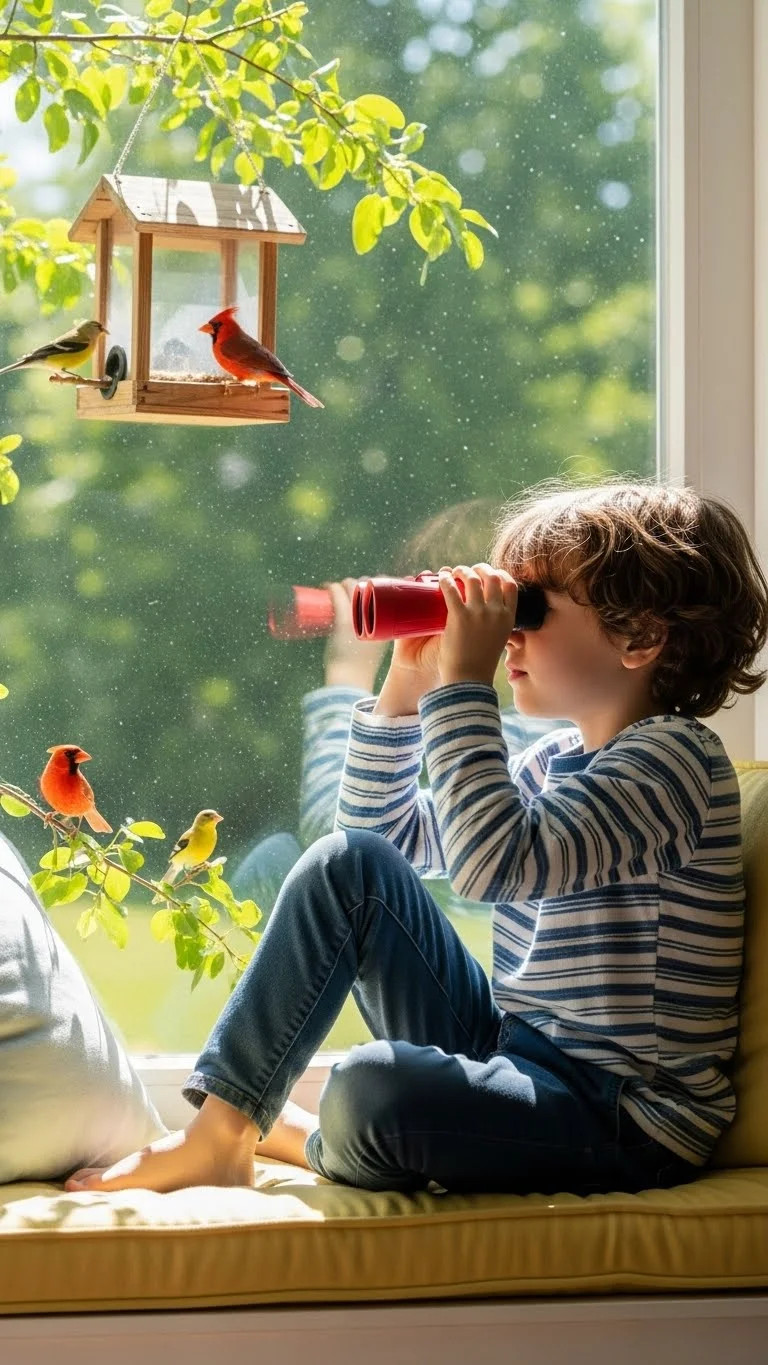
Set up a chair near a window and place a bit of seed outside if possible. Kids can use toy binoculars or two taped cardboard tubes. They enjoy waiting for birds to arrive and describing what they see. Keep a notebook nearby for sketches. Kids often love giving each bird a nickname. If you don’t have seed, watching birds hop through the yard still works. This calm activity helps kids slow down. It’s also free and easy to repeat. Some kids even like making a simple feeder from a toilet paper tube rolled in peanut butter and seeds. Hang it with yarn for extra fun.
- Mini Yoga Stretch Time
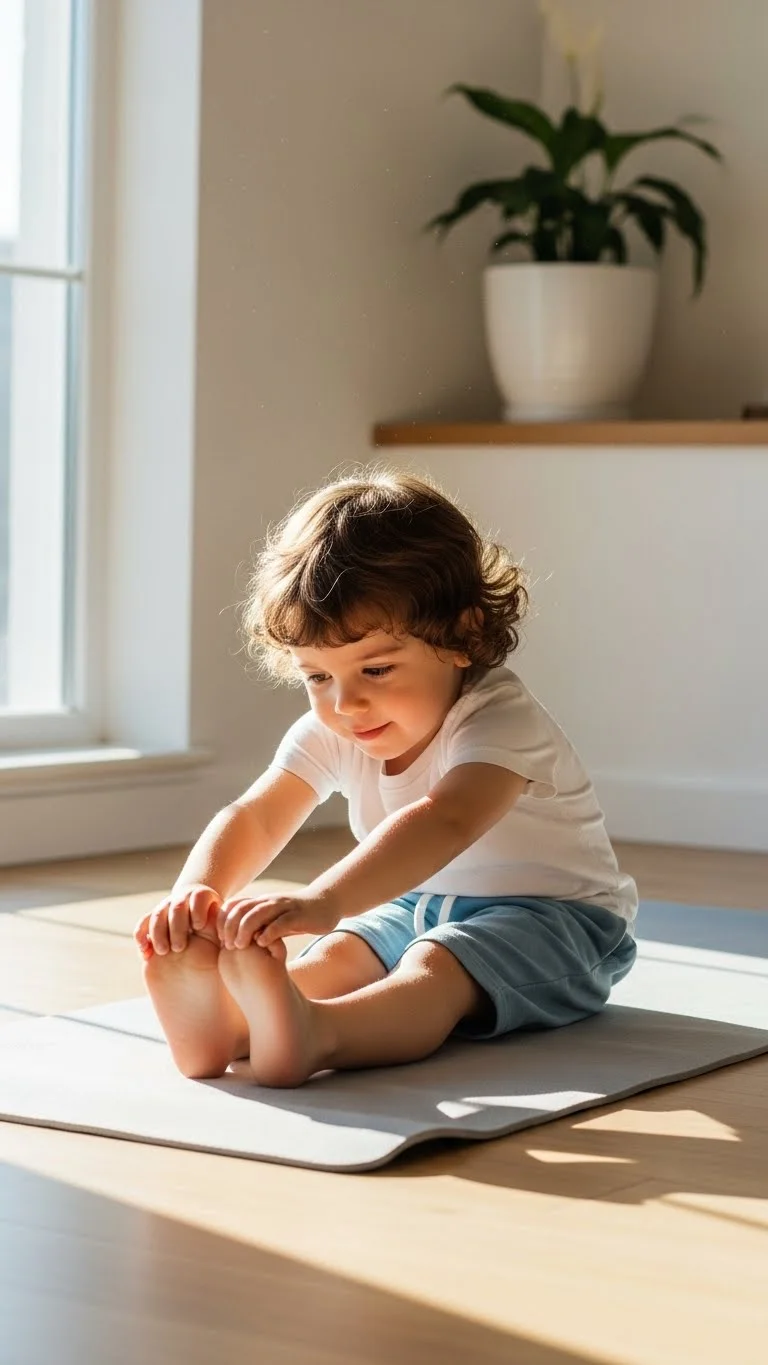
Lay out a mat or blanket and show kids gentle stretches. They can reach for their toes, stand like a tree, or pretend to be different animals. Keep it playful rather than perfect. Kids enjoy copying poses and making up their own. Play soft background sounds if you want a calm setting. This activity helps settle busy energy, especially after loud play. It doesn’t take much space, and kids often stay on the mat longer than expected, trying new shapes with their bodies. Store the mat in an easy-to-grab place so you can offer this anytime the day feels hectic. It’s free and helps set a slower pace when needed.
- LEGO Challenge Cards
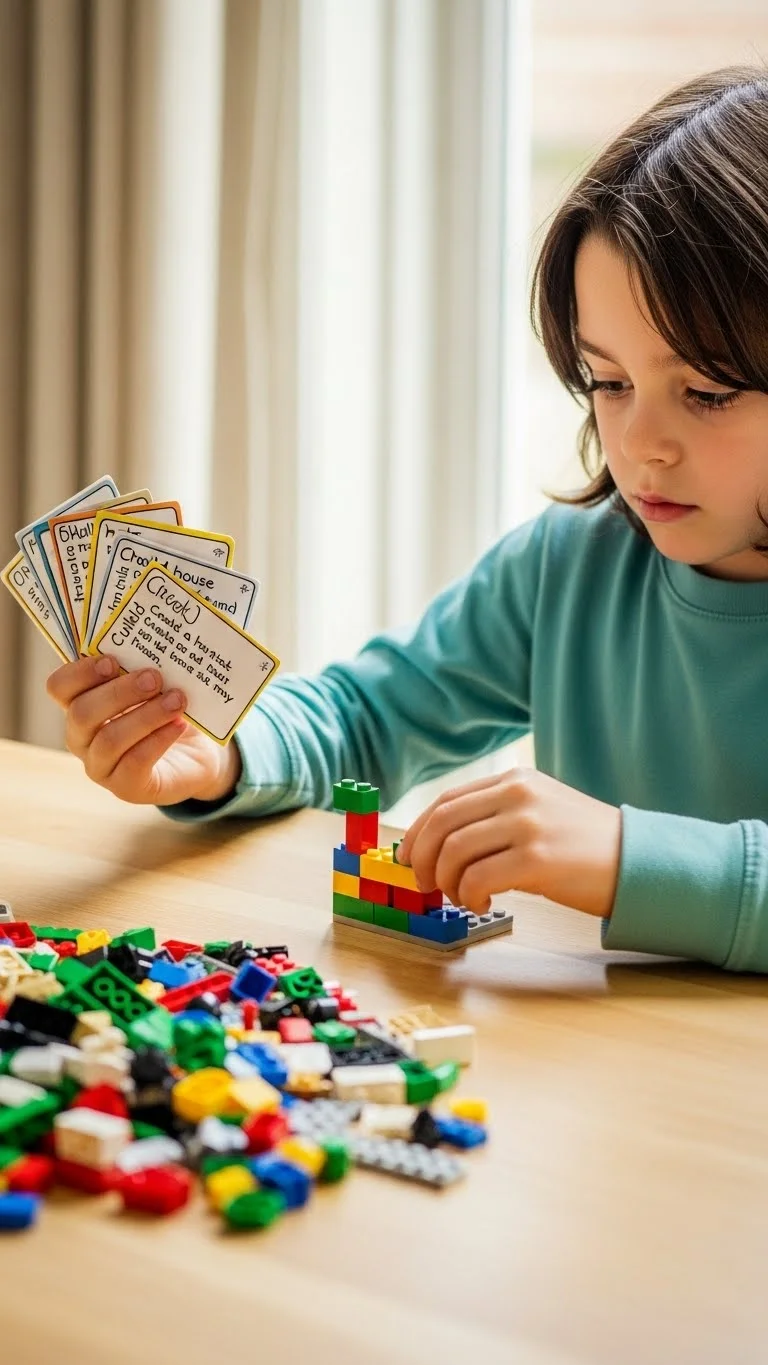
Write simple challenges on scrap paper. Ideas include “build a bridge,” “make a tiny house,” or “create something with only five pieces.” Kids enjoy picking a card and starting right away. Keep the tasks open so they can interpret them their way. This turns ordinary bricks into a long-lasting activity because each challenge feels different. Kids often make multiple versions of the same idea. Store the cards in a small box or jar. Add new challenges anytime you think of one. This approach keeps LEGO time fresh and stretches the play far beyond basic building.
- Shadow Tracing
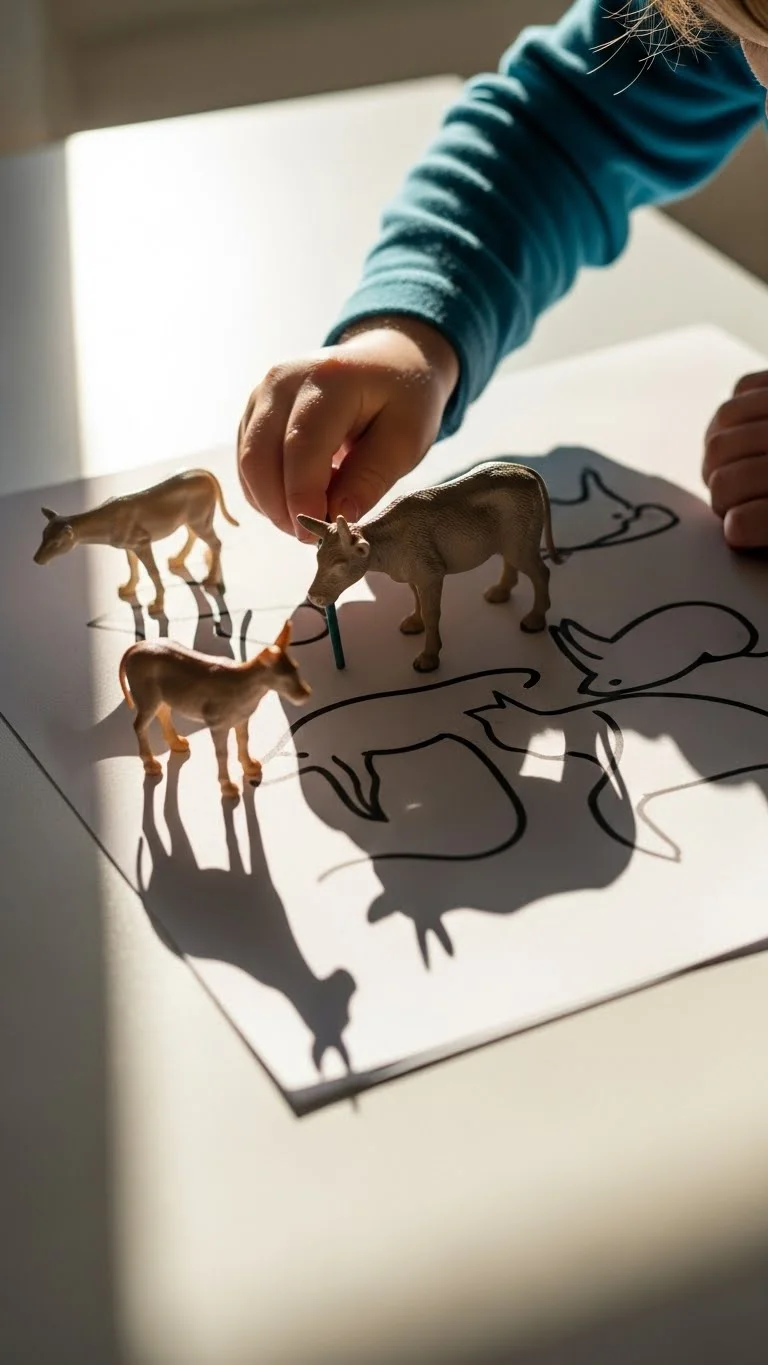
Place a sheet of paper on the floor or sidewalk. Set a toy animal or small object near it so the sun casts a clear shadow. Kids trace the outline with a pencil or crayon. They can color it afterward or cut it out. Shadows shift as the sun moves, so kids may want to trace the same toy more than once. Indoors, a lamp works too. Try using hands to make fun shadow poses. Kids enjoy seeing familiar toys turn into flat shapes. It’s simple, artistic, and free. Keep extra paper nearby because kids often ask for more.
- Homemade Board Game
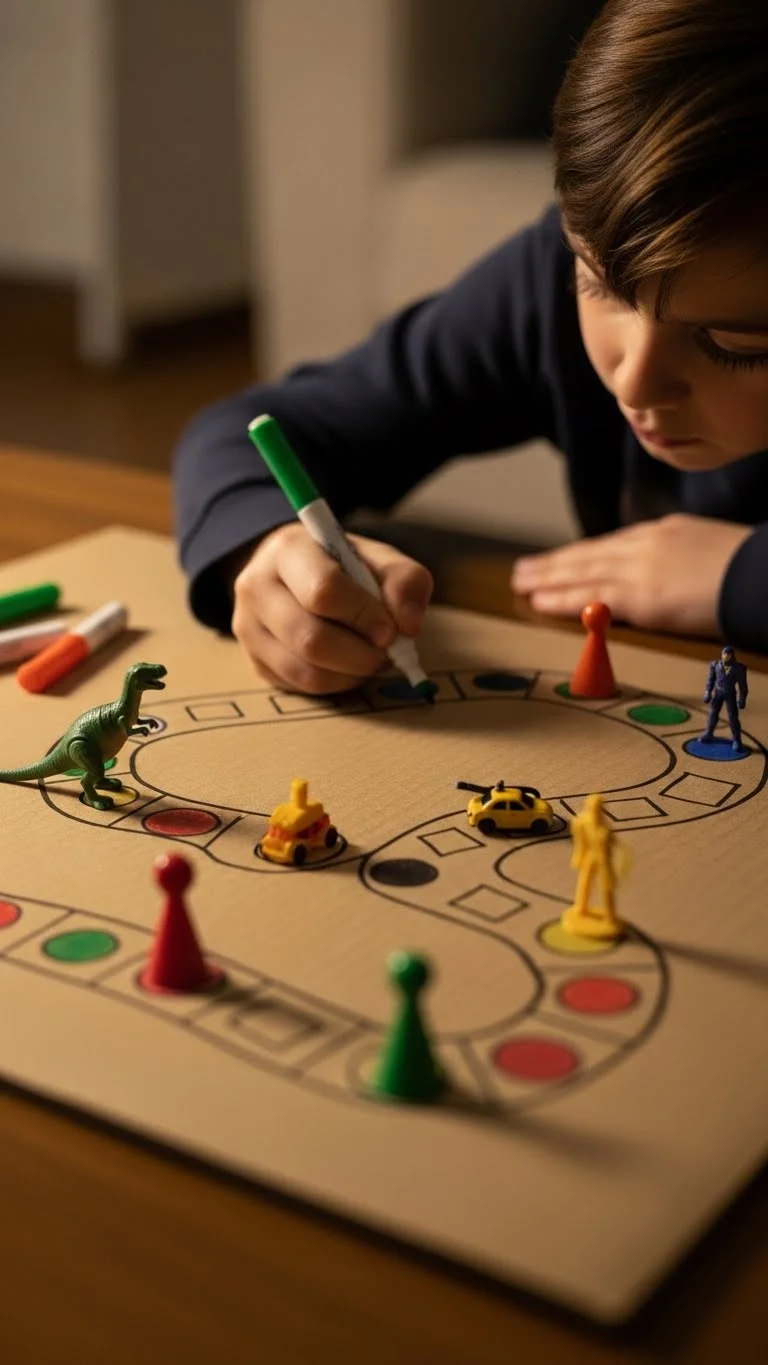
Give kids a sheet of cardboard and markers. Help them draw a path with squares. They can add simple instructions like “jump,” “spin,” or “move back one.” Use small toys as playing pieces. Kids enjoy creating rules and testing the game right away. The fun comes from making something they can actually play. If they want a longer game, tape on extra cardboard pieces. Keep it flexible so they feel free to change the rules mid-play. Store the board under a bed or behind a shelf so they can revisit it. It’s a low-cost project that turns into a custom game they’ll want to show others.
Conclusion
Screen-free play doesn’t have to be complicated or expensive. Simple materials, small setups, and everyday household items can keep kids absorbed for long stretches. These activities work well on busy days, quiet afternoons, or moments when you want a calmer rhythm. Try a few, rotate them through the week, and let kids lead the way. The more they explore these ideas, the easier it becomes to fill long hours with hands-on fun.
