

26 Tips for Raising Strong-Willed Kids with Ease
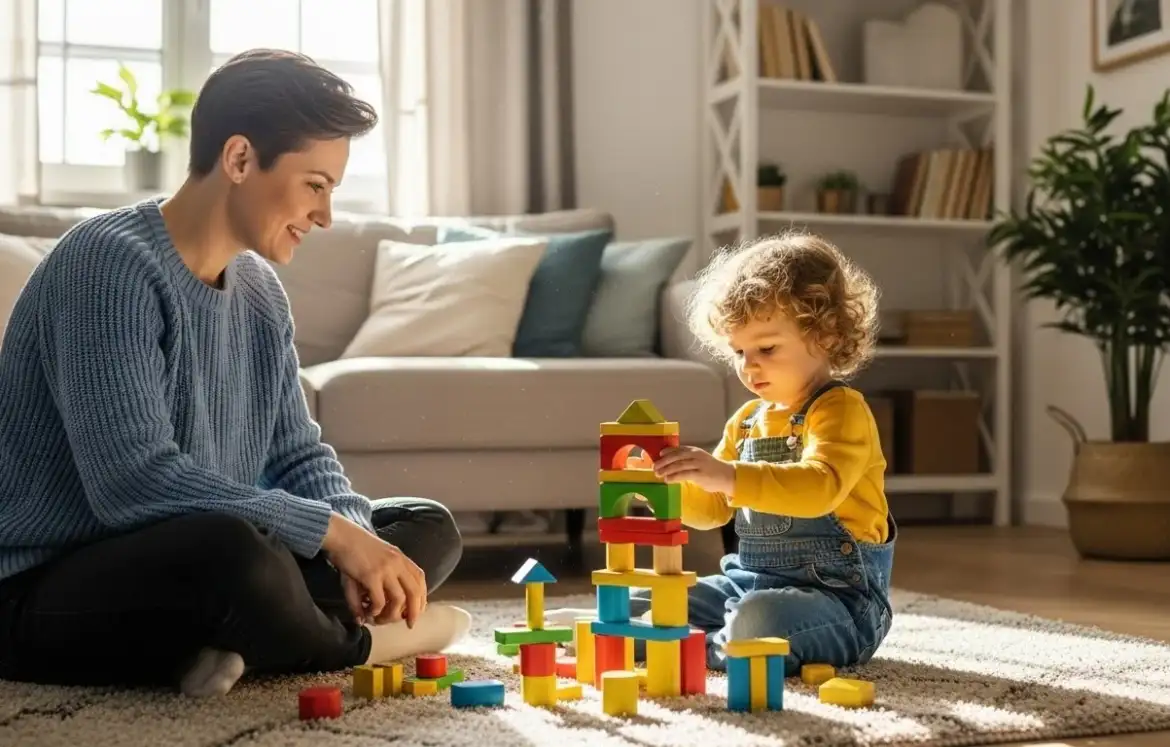
Raising a strong-willed child can feel like a tug-of-war, but it’s also full of heart, humor, and growth. Kids with bold personalities bring energy and honesty to every moment. With the right mix of calm structure and steady connection, day-to-day life gets lighter. Below are practical tips you can try today—simple actions that keep the peace, support independence, and help your child feel heard.
- Create Predictable Routines
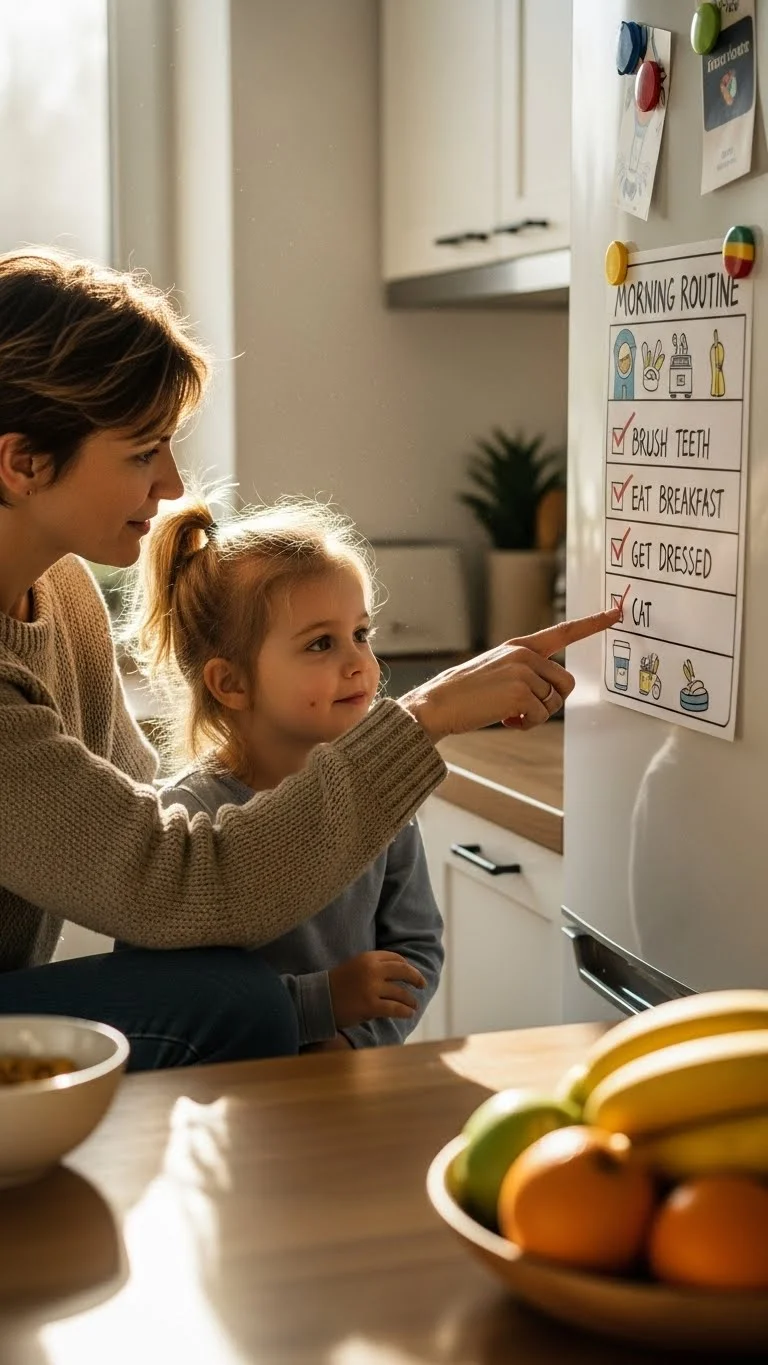
Short, steady routines help kids feel anchored. Keep each routine simple. Morning steps like brushing teeth, grabbing clothes, and eating breakfast can be placed in the same order every day. Use low-cost tools like a homemade picture chart made from printed photos or drawings. Keep it on the fridge with magnets. Let your child help choose the order. This gives them a sense of control without chaos. Use gentle reminders. Avoid long explanations. Keep routines flexible enough for real life. If mornings get rushed, shorten the steps without losing the structure. A quick high-five works well. Over time, repetition smooths the bumps. Kids start following the rhythm on their own. This keeps the day moving without constant battles. Most of all, stay steady when things get loud. Your calm behavior teaches your child how to handle change.
- Offer Limited Choices

Kids with strong opinions push back when they feel boxed in. Offering two choices works like magic. Keep the options simple. Two shirts. Two snacks. Two activities. Avoid long lists. Too many options spark more frustration. Let your child pick and stick with the choice. Keep calm if they argue. Repeat the options. This teaches decision-making without pressure. You can make a budget-friendly “choice basket.” Fill it with small activities like crayons, stickers, and simple puzzles. When your child gets defiant, pull out the basket and let them choose one item. Choices help them feel respected. It shifts the energy from conflict to cooperation. When your child chooses quickly, say a warm “good pick.” This reinforces confidence. Over time, they learn that cooperation still gives them power.
- Stay Consistent with Rules
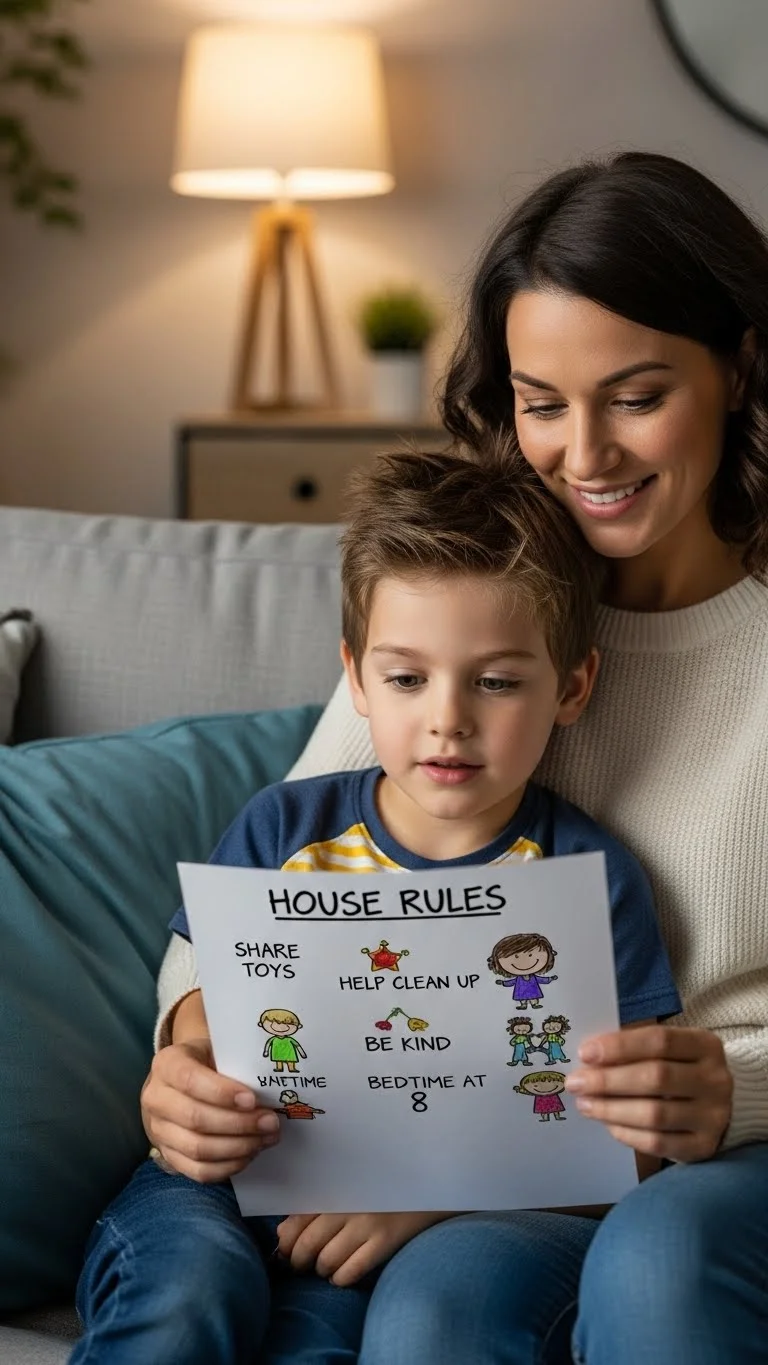
Rules only work when they stay the same. Kids with strong opinions test limits. That’s normal. Keep the rules short and clear. No shouting. Safe hands. Clean up before new toys. Write them on a sheet of paper and draw little icons so your child can “read” them. Tape the paper at eye level. Avoid changing rules on tough days. Consistency builds trust. If your child breaks a rule, respond calmly. Short phrases work best. Offer a simple next step like “Let’s reset.” Avoid lectures. Use low-cost rewards like extra story time or choosing a family game. Keep the tone warm, not strict. When your child follows the rules, notice it. A quick thumbs-up goes far. Over time, these steady boundaries help your child feel secure.
- Keep Your Voice Calm

A calm voice can stop a power struggle instantly. Strong-willed kids mirror your energy. If you get loud, they climb higher. Practice speaking slowly. Keep sentences short. Take a breath before responding. If emotions rise, step back for a moment. Whispering sometimes grabs their attention better than raising your voice. When tensions spike, sit down on the floor. This shifts the atmosphere. Calm behavior helps your child settle without you saying much. Try a DIY calming corner with pillows, crayons, and fidget toys. When things get stormy, guide your child there. Use gentle words like “Let’s take a break.” This teaches them how to cool down without shame. Your steady tone becomes their model for handling big feelings.
- Focus on Connection Before Correction

Kids listen better when they feel close. Before correcting behavior, connect. A quick hug. Eye contact. Kneeling to their level. These small gestures tell them you’re on their side. This doesn’t mean giving in. It simply softens the defensive wall. After connecting, give a clear direction. Keep it short. “Let’s try that again.” Avoid scolding. Strong-willed children respond to warmth far more than pressure. A homemade “connection jar” can help—fill it with simple ideas like “read together,” “color side by side,” or “go outside for 5 minutes.” Pull from the jar when tension rises. These small acts change the entire mood and help your child follow instructions with less pushback.
- Break Tasks into Tiny Steps
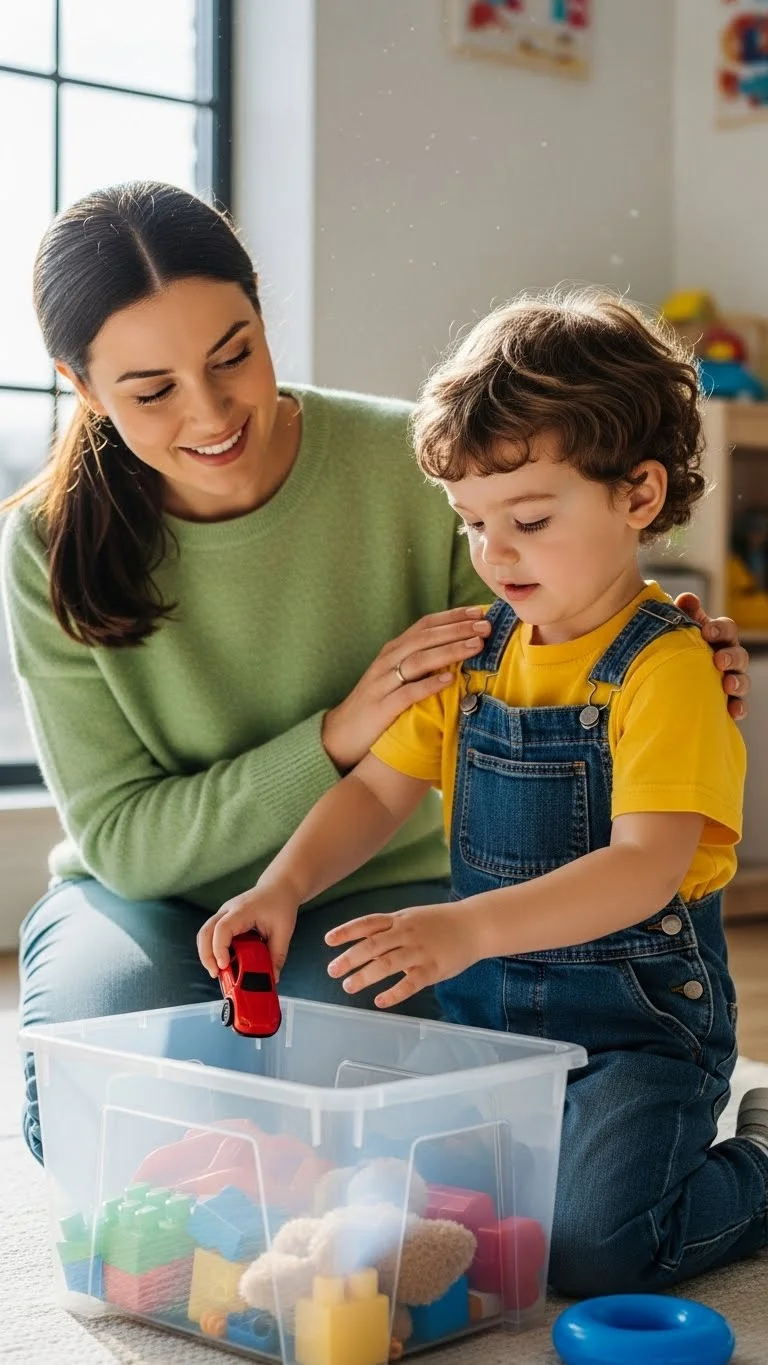
Big tasks overwhelm kids who like control. Break them into small steps. Instead of “clean your room,” try “put the cars in the bin.” After that, “place books on the shelf.” Celebrate each step. Use a simple checklist drawn on scrap paper. Let your child mark off each task with a sticker. This keeps them focused without feeling pressured. Add fun by turning small tasks into a short game. Use a timer for quick bursts. Keep everything low-cost and simple. When children see progress, they keep going. This gentle structure helps them learn responsibility without battles.
- Stay Patient During Tantrums

Tantrums happen when emotions overflow. Your job is to stay grounded. Sit nearby. Keep your body relaxed. Say short, comforting phrases like “I’m here.” Avoid arguing. Let the storm pass. When your child begins to settle, offer a sip of water or a gentle touch. Create a small “calm kit” with a stress ball, soft cloth, or scented cotton pad. Keep it inexpensive. When your child is ready, talk briefly about what happened. No long explanations. Your consistent calm shapes how they learn to handle big feelings.
- Offer Do-Overs

A do-over gives your child a second chance without shame. When they yell or refuse a request, say, “Let’s try again.” Keep it light. Move slowly. Model the behavior first. Maybe you show a kind tone. Then let them copy. This reduces resistance. Kids learn better from practice than punishment. You can make a “redo card” from cardboard. Hand it to your child when they need a fresh start. This approach keeps the atmosphere gentle and teaches healthier habits over time.
- Praise Specific Actions

General praise loses meaning. Specific praise hits home. Instead of “good job,” say, “I noticed you shared your toy.” Keep it brief. This shows your child exactly what worked. Use small rewards like extra stickers or choosing a song during chores. Create a sticker chart from scrap paper. Keep it simple. When your child feels seen, they repeat the behavior. Strong-willed children respond well to concrete feedback. It strengthens cooperation without pressure.
- Teach Problem-Solving Out Loud

Show your thinking process. Say things like “I’m choosing this block because it fits.” This teaches your child how to work through challenges. Keep it simple. Let them try their ideas too. When conflict arises, guide them with steps. “We have a problem. Let’s find a solution.” Offer small choices. Encourage them to suggest one idea. Use everyday items like spoons, paper, or toys to act out problems. These tiny lessons build confidence and reduce power struggles.
- Use Natural Consequences

Natural consequences teach more than punishments. If a toy is thrown, it rests for a while. If water is spilled, grab a towel together. Keep your tone neutral. No shaming. This links actions with outcomes in a simple way. Use items you already have—old towels, baskets, or bins. Kids learn responsibility through action. Over time, they start thinking before reacting. This keeps your home calmer and helps your child grow.
- Prepare Kids Before Transitions
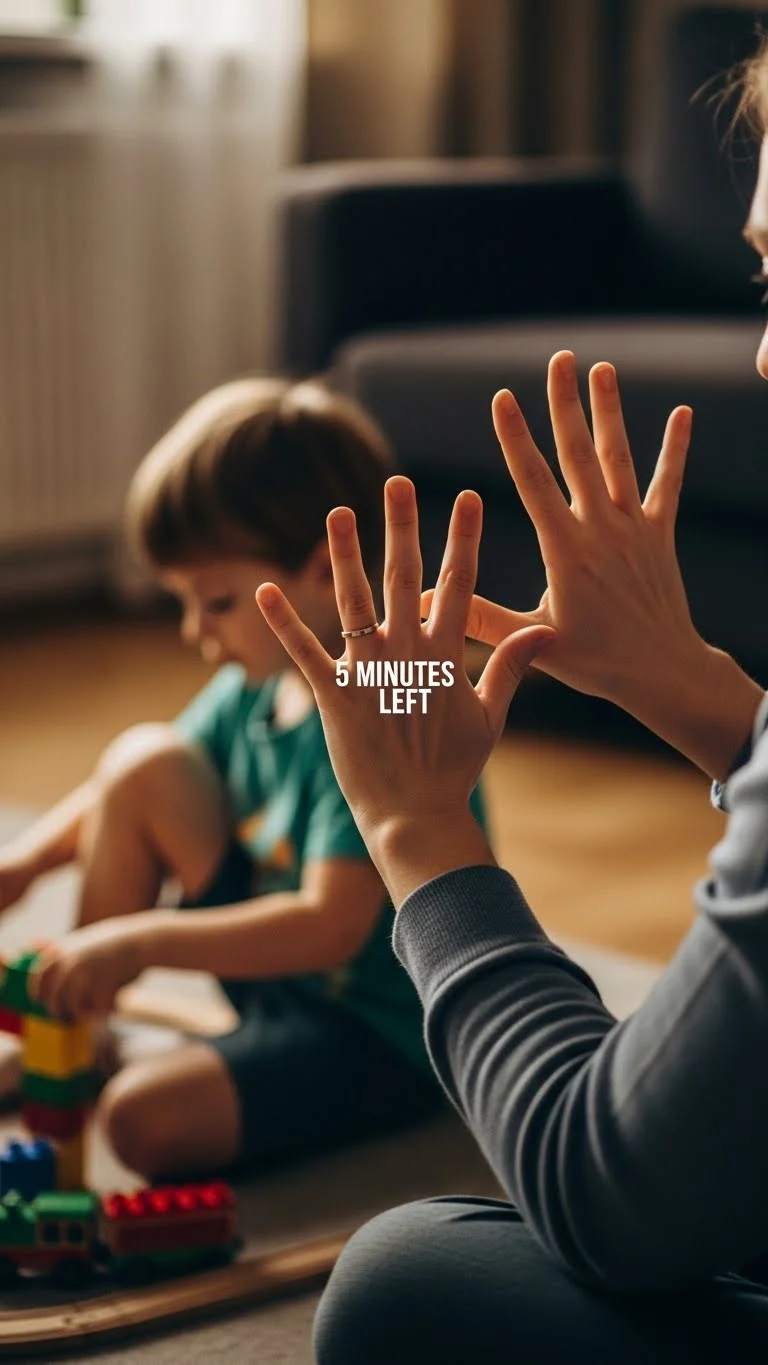
Strong-willed kids dislike sudden changes. Give short warnings. “Five minutes left.” Then “two minutes left.” Use a kitchen timer or your phone. Keep the tone gentle. You can also make simple transition cards showing “play,” “dinner,” and “bath time.” Laminate them with tape if you like. Prep your child before leaving the house by explaining small steps like “shoes, water bottle, door.” This reduces meltdowns and creates smoother moments.
- Embrace Sensory Breaks

Many strong-willed kids carry intense energy. Sensory breaks help. Quick activities like jumping in place, squeezing a ball, or stretching can reset their mood. You can create a sensory bin with rice, fabric scraps, or sponges for very little money. Keep it in a small container. When your child feels tense, invite them to use it. These tiny breaks help them release extra energy and return calmer.
- Avoid Power Struggles

When conflict heats up, step back. Say, “I’m ready when you are.” This shifts control without giving in. Avoid arguing or matching their tone. Sit down. Stay quiet. Your calm presence reduces the tension. Offer small choices that keep things moving. Use humor when appropriate. A silly face can change the mood quickly. This teaches your child that battles aren’t needed to feel heard.
- Set Your Own Boundaries

Boundaries protect your energy. Tell your child in short, clear phrases what you can or can’t do. “I can listen when you speak calmly.” Follow through quietly. Don’t over-explain. Make a small “parent pause” spot in your home with a chair and a cup of water. When overwhelmed, step back for a moment. This model’s self-control. Kids learn that both people in the home matter.
- Use Humor to Diffuse Tension

Humor can break through stubborn moments. A silly voice. A playful dance. A pretend “oops” when picking up toys. These tiny sparks lighten the mood. Keep humor gentle, not mocking. Strong-willed kids respond well to fun energy. Use household props like socks or spoons for quick puppet moments. Humor resets the emotional tone and makes cooperation feel easier.
- Let Them Lead Small Tasks
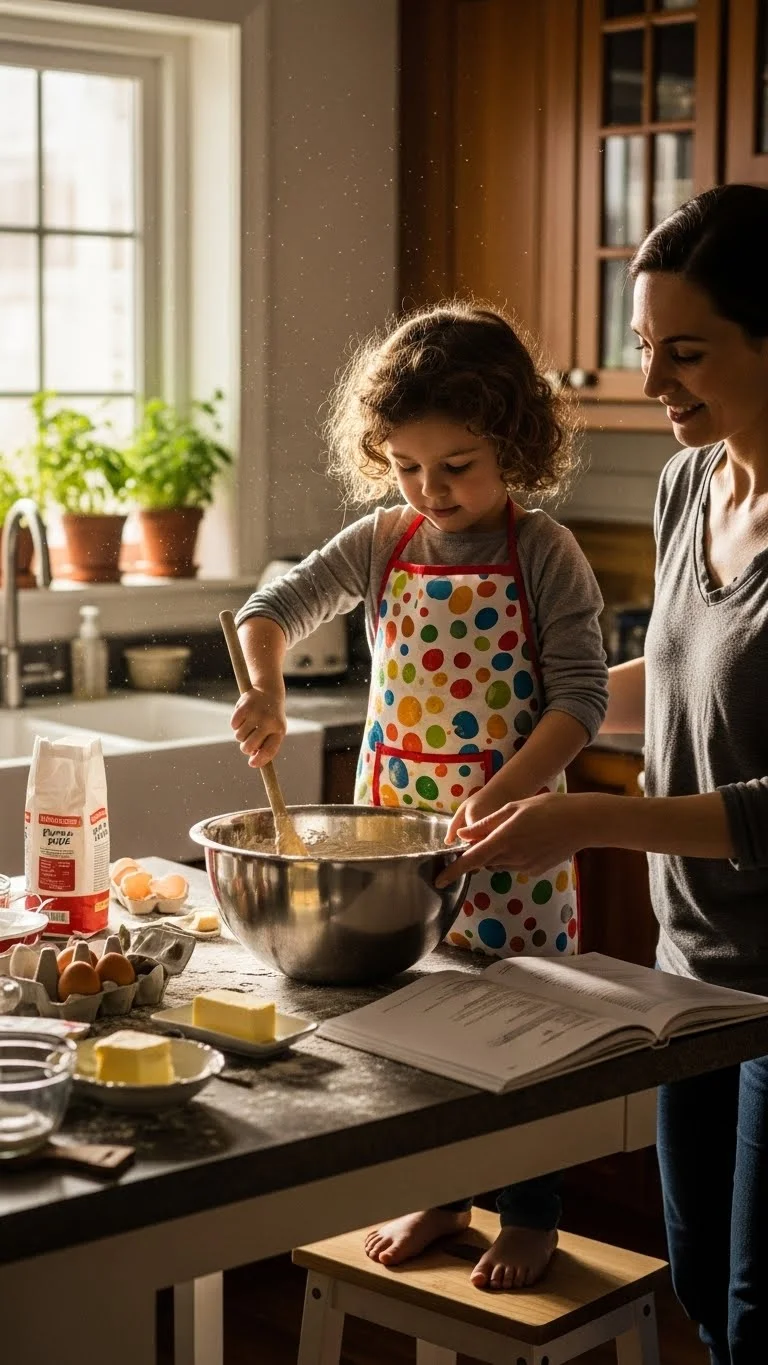
Kids with bold personalities thrive when they feel responsible. Let them lead simple tasks. Stir the batter. Press buttons on the washing machine. Hold the flashlight during repairs. These tiny jobs build confidence. Use what you already have. No expensive tools needed. When your child leads, follow along with encouragement. This strengthens teamwork and reduces defiance during bigger tasks.
- Keep Directions Short

Long explanations overwhelm kids. Use brief directions. “Shoes on.” “Toys away.” “Inside voice.” Say one instruction at a time. Pause. Let your child respond. If they resist, repeat calmly. You can create direction cards with drawings to make it visual. Kids follow better when they know exactly what to do without extra words.
- Let Natural Curiosity Shine

Strong-willed kids ask questions and push boundaries because they’re curious. Instead of shutting it down, channel it. Allow safe exploration. Let them touch leaves, dig in dirt, or build with scraps. Use cardboard, tape, and old containers for free creative play. When you support curiosity, cooperation grows. Children feel respected and less defensive.
- Use Movement During Tough Moments

Movement helps kids reset. When arguments arise, suggest walking to another room or stepping outdoors for a minute. Keep it casual. “Let’s walk.” Avoid forcing. Offer simple activities like stretching arms or shaking hands. These small motions release tension. You don’t need fancy equipment—just open space. Movement breaks help your child shift from frustration to focus.
- Give Predictable Morning Choices

Morning battles drain everyone. Give two choices right away. Two cereals. Two shirts. Two pairs of socks. Keep mornings simple. Make a small bin for each choice category. Let your child pick quickly. This reduces pushback and adds calm to the day. Keep extras out of sight to limit conflict. Mornings stay smoother this way.
- Create a Quiet “Thinking Spot.”

A thinking spot is not punishment. It’s a peaceful space for breathing and resetting. Use a pillow, blanket, or stuffed animal. Keep it soft and inviting. When your child gets overwhelmed, guide them there. Sit nearby if needed. Add simple items like a fidget toy or picture book. This gives your child a safe place to regroup when emotions get big.
- Teach Them to Label Feelings
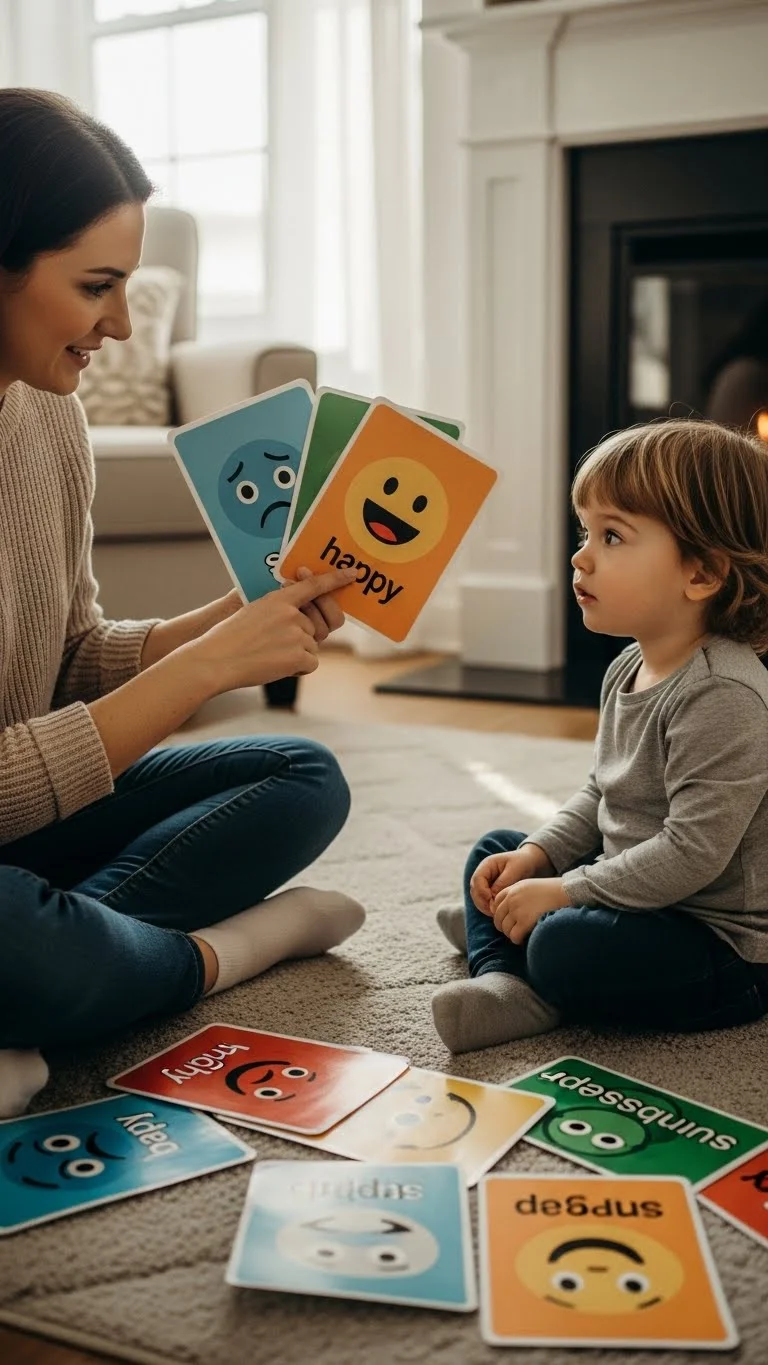
Kids act out when they can’t explain their feelings. Use simple words like “mad,” “sad,” “scared,” or “excited.” Make emotion cards from paper plates or index cards. Draw faces. When your child struggles, hand them a card to point at. This helps them express emotions instead of exploding. Over time, naming feelings becomes natural.
- Hold Firm on Non-Negotiables

Some rules can’t change. Safety rules come first. When your child protests, keep your tone steady. Redirect them to something they can do. “You can’t touch the stove. You can help set the table.” This reduces conflict while keeping control. Keep dangerous areas blocked with budget-friendly tools like tension gates or rearranged furniture.
- Practice Daily One-on-One Time

Even five minutes of focused time helps strong-willed kids feel connected. Put away your phone. Let your child choose a simple activity. Blocks. Coloring. A card game. This small ritual strengthens your bond. Kids who feel connected push back less. Keep it short and consistent. Connection makes cooperation easier throughout the day.
- Celebrate Small Wins

Small wins matter. Celebrate when your child follows a rule, listens the first time, or uses a calm voice. Keep celebrations simple. A clap. A sticker. A fun handshake. This builds momentum. Strong-willed kids shine when they feel acknowledged. These tiny celebrations teach them that effort counts and cooperation leads to good moments.
Conclusion
Raising a strong-willed child takes steady patience and flexible creativity, but simple daily actions create big changes. With warm structure, short directions, calm energy, and meaningful connection, your home feels lighter and your child feels understood. Start with a few tips today. Small steps lead to smoother days and a stronger bond.
