

27 Baby Sensory Activities for Early Brain Growth
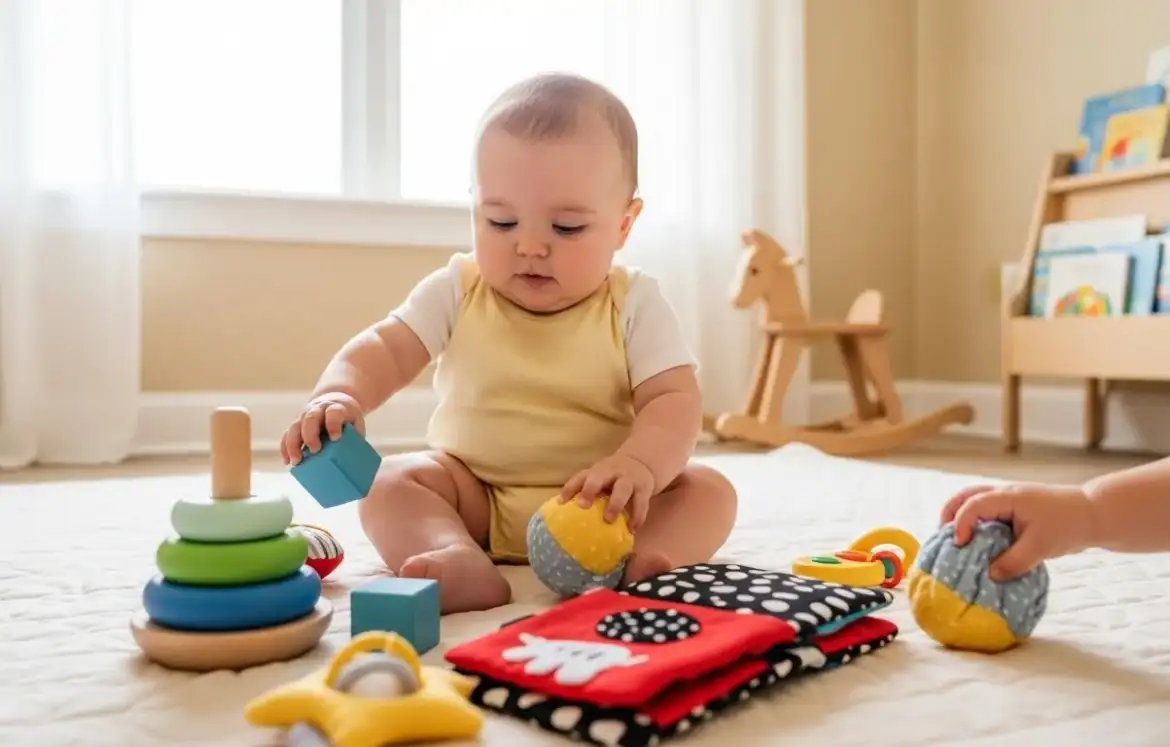
Babies learn through sight, sound, touch, taste, and movement. Sensory play helps wire connections in their growing brains. You don’t need expensive toys. You can use simple household items, textures, colours, and sounds. This guide shares hands-on baby sensory activities parents can try at home using everyday supplies. Each idea works for tummy time, quiet afternoons, or playful bonding moments. Pick a few each day and observe what your baby connects with.
- Tummy Time Texture Boards
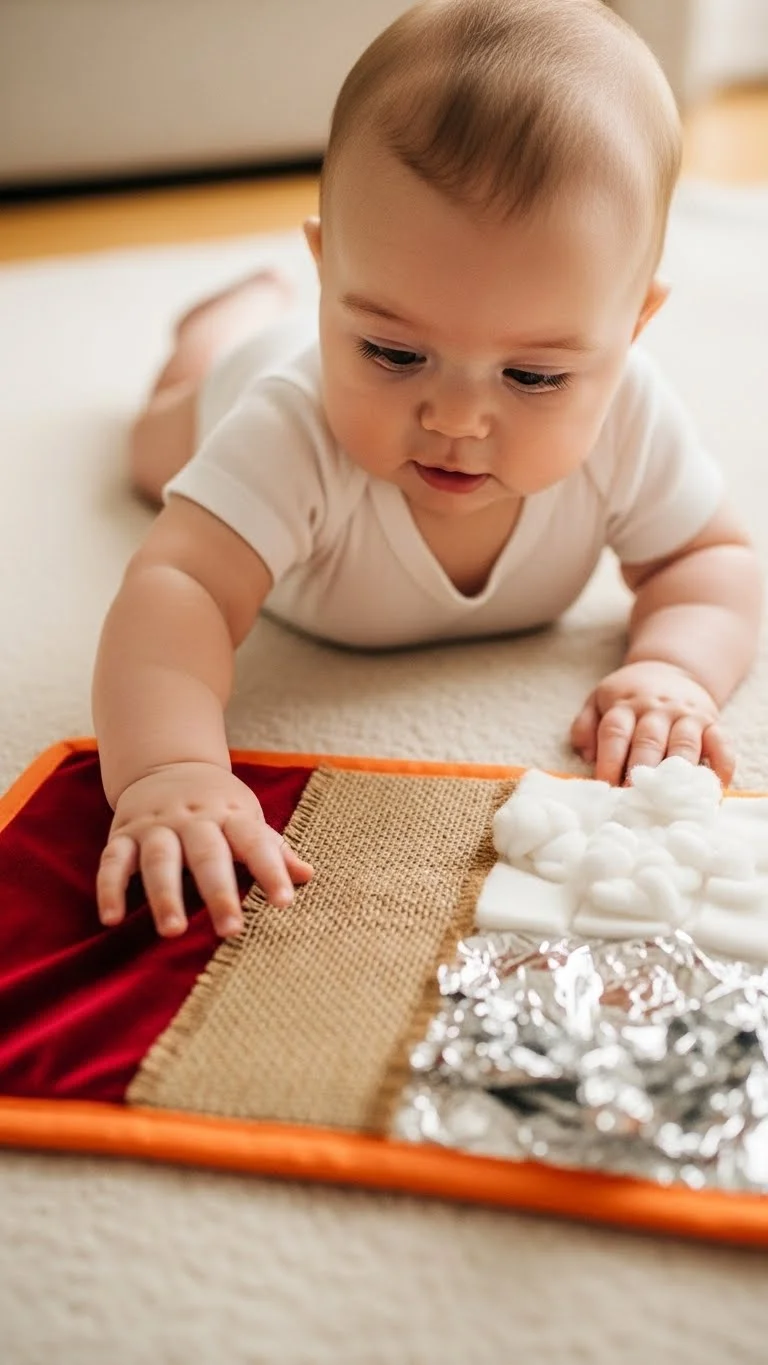
Cut small squares of different materials and glue them onto cardboard. Use felt, bubble wrap, ribbons, cotton, or foil. Tape edges so nothing pokes or peels. Place the board in front of your baby during tummy time. Let them rub their hands over each texture. The variety keeps interest longer. Rotate materials weekly. Add smooth spoons, soft sponges, or ridged bottle caps. This is budget-friendly and easy to store. If your baby loses interest, change the textures or add a scent like a drop of vanilla on cotton. Keep sessions short and fun.
- Water Play in a Zip Bag
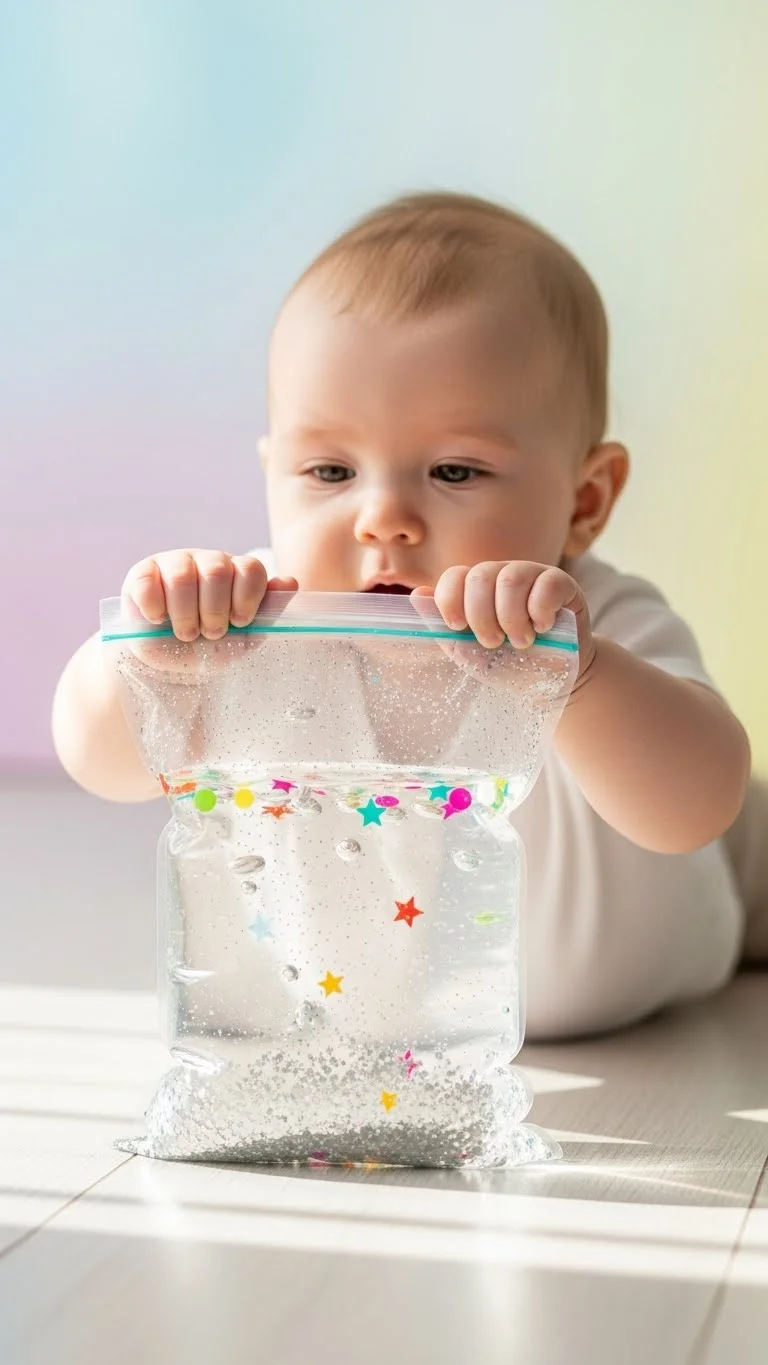
Fill a zip bag with water and a few flat items like sequins or cut-out foam shapes. Seal with strong tape. Spread it on the floor or tape it to a tray. Let baby pat, poke, and slide shapes around. Cold water adds surprise. Warm water feels calming. You can mix food colouring for contrast. This is mess-free because water stays inside the bag. Place it on a highchair for seated play. Try adding hair gel for slower movement. Always watch closely. Replace bags often as they weaken over time.
- Ribbon Pull Basket
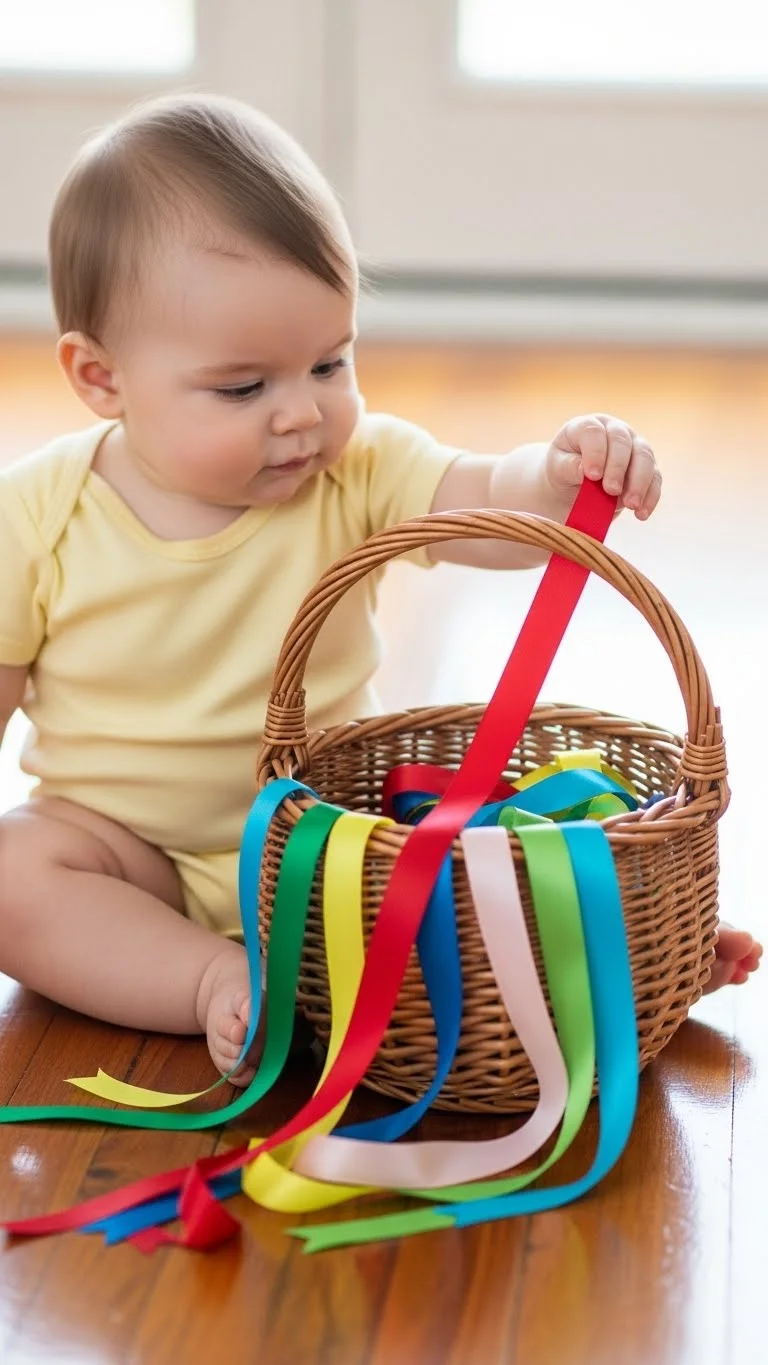
Find a basket or colander. Thread ribbons through the holes and tie inside. Place it in front of your baby. They’ll pull ribbons one by one. Add thick and thin ribbons so each tug feels different. You can even add bells to some. This keeps hands busy and teaches cause and effect. Rotate colours weekly so it feels new. If you don’t have ribbons, use fabric strips from old clothes. Always check for loose threads. This activity works during floor play or when the baby needs quiet, hands-on focus.
- Bubble Bath Sensory Moment
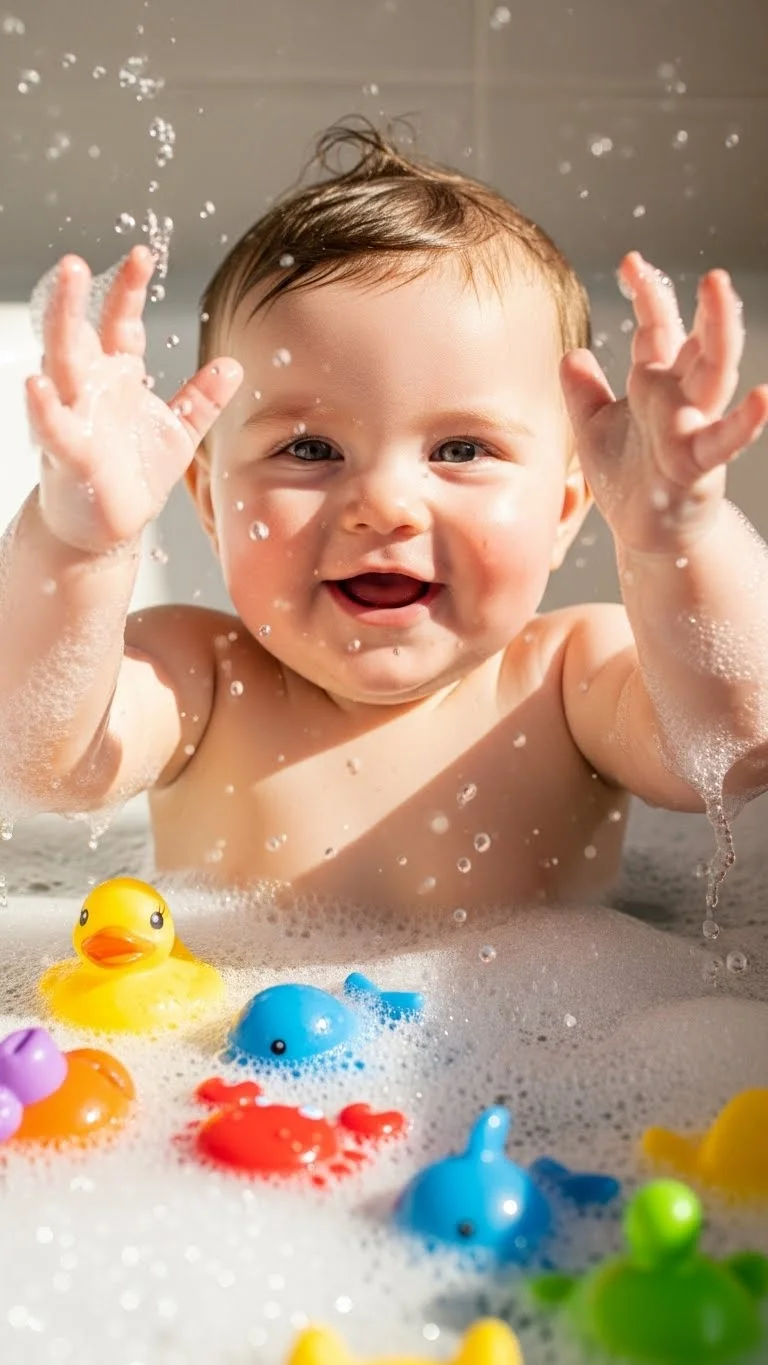
A warm bubble bath becomes sensory time. Add baby-safe bubbles and let them feel foam on fingers and toes. Drop floating toys like cups or rubber ducks. Scoop bubbles and let them fall like snow. Keep bath short and cozy. This works well before bedtime. Use spoons or containers for pouring. If you want more texture, add a washcloth with a different feel. Never walk away during bath time.
- Crinkly Paper Play
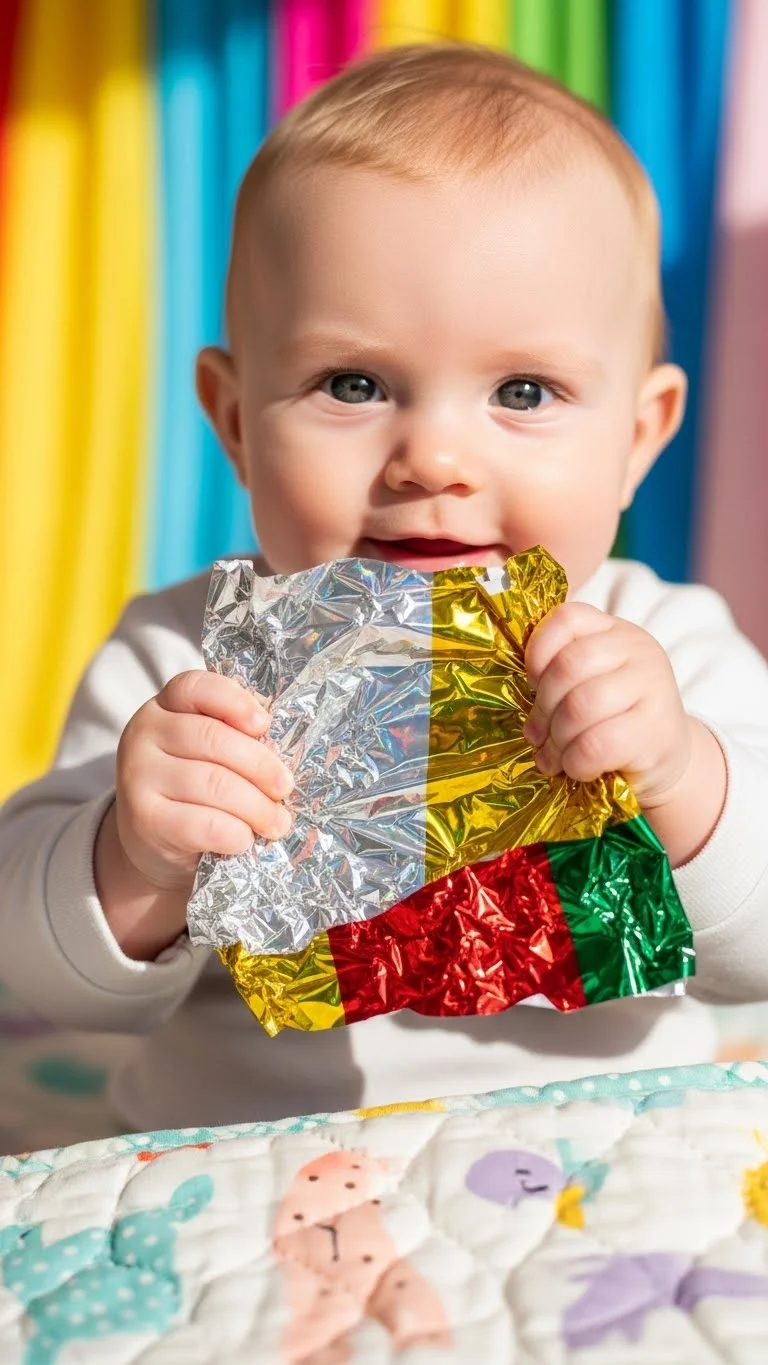
Babies love sound and movement. Give them tissue paper or wrapping paper. Let them scrunch, tear, and wave it. Place different papers in a bin so they can choose. Keep sizes large to avoid small pieces. You can also wrap empty boxes so the baby enjoys unwrapping. Add ribbons on top for more sensory engagement. Always supervise to avoid mouthing torn paper.
- Sensory Treasure Basket
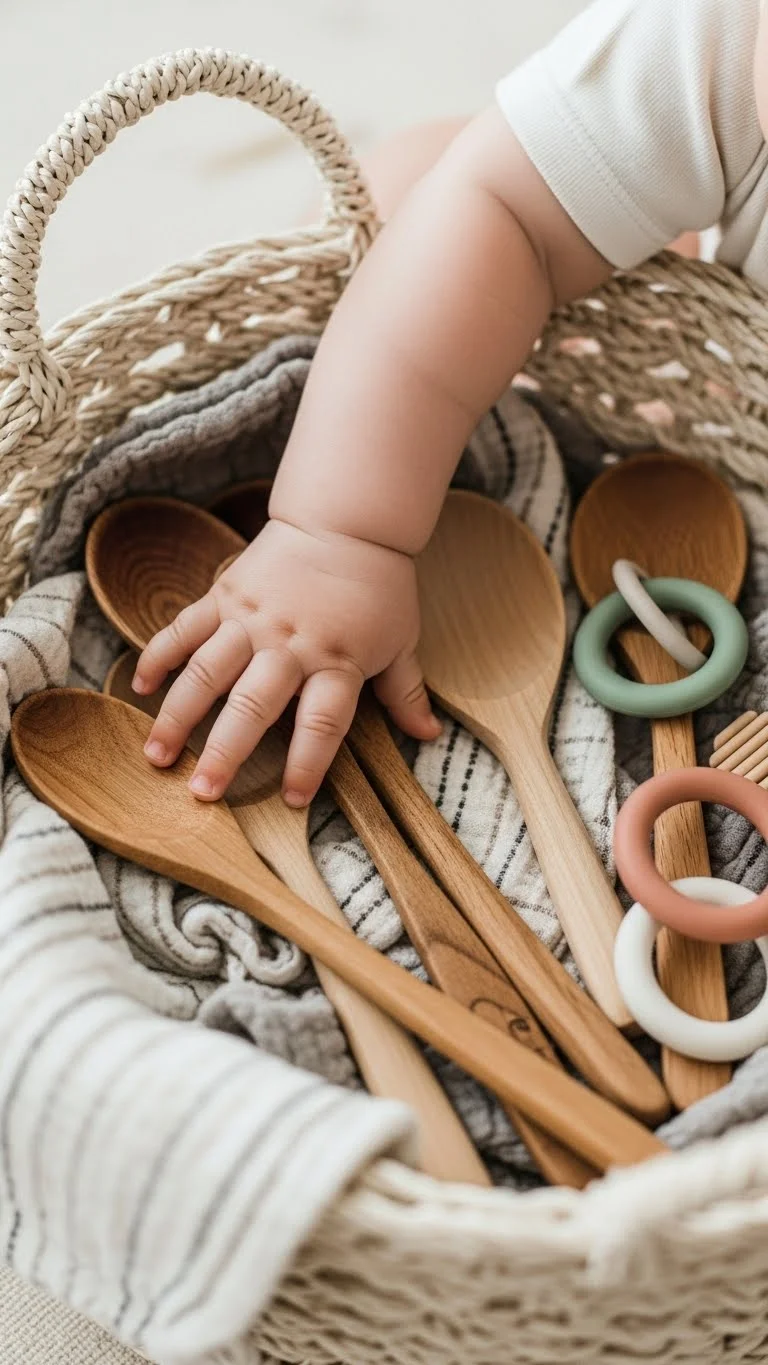
Find safe household items with different textures. Wooden spoons, silicone teething rings, metal lids, fabric scraps. Place them in a basket and let the baby explore freely. Rotate items weekly. Keep a few favourites inside. This encourages independent exploration while you sit nearby. Avoid small or sharp objects. Add natural items like pinecones only for older babies with supervision.
- Rainbow Scarves Peekaboo
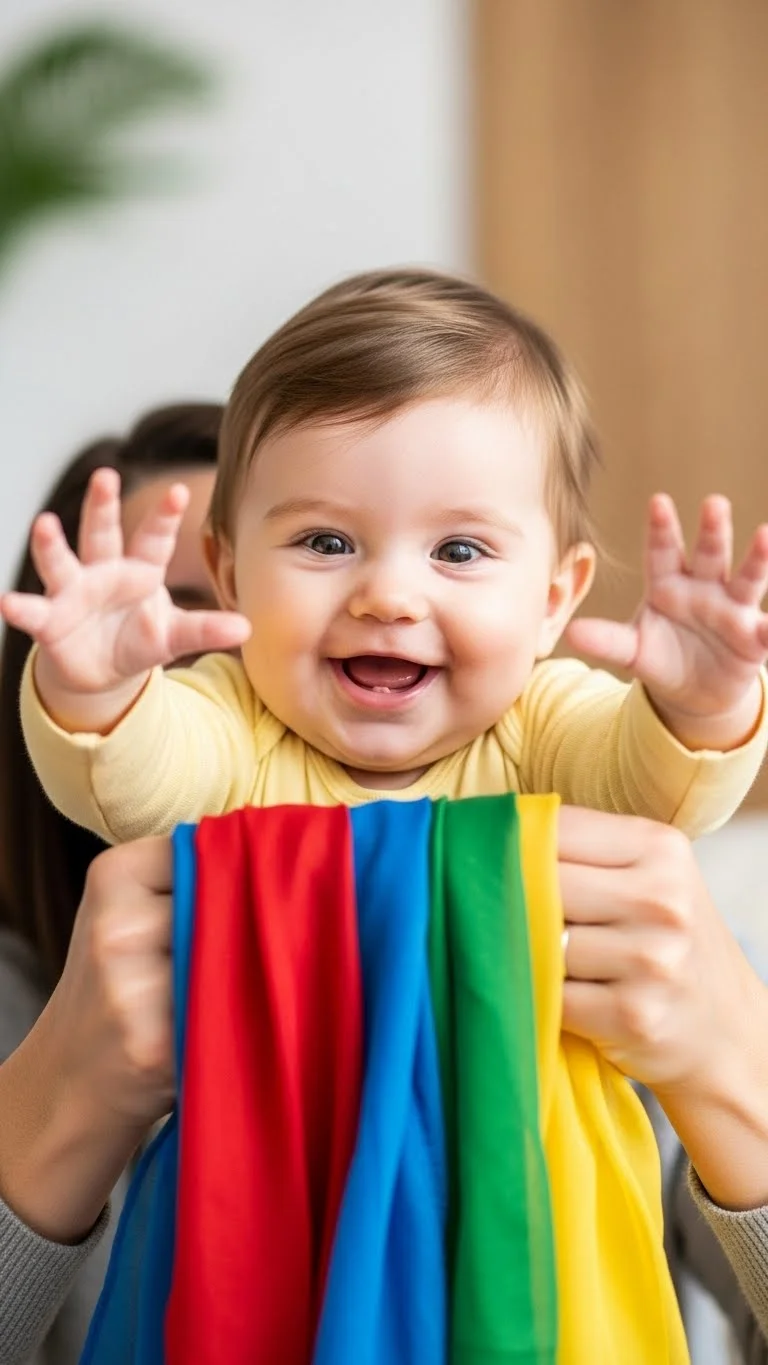
Use lightweight scarves for gentle play. Hide behind them. Let the baby pull them off your face. Wave scarves slowly and let the baby track the movement with their eyes. Tie scarves to a play bar so they can kick or grab them. Wash scarves often. You can also cut old cotton shirts into squares if you’re on a budget.
- Frozen Washcloth Teether
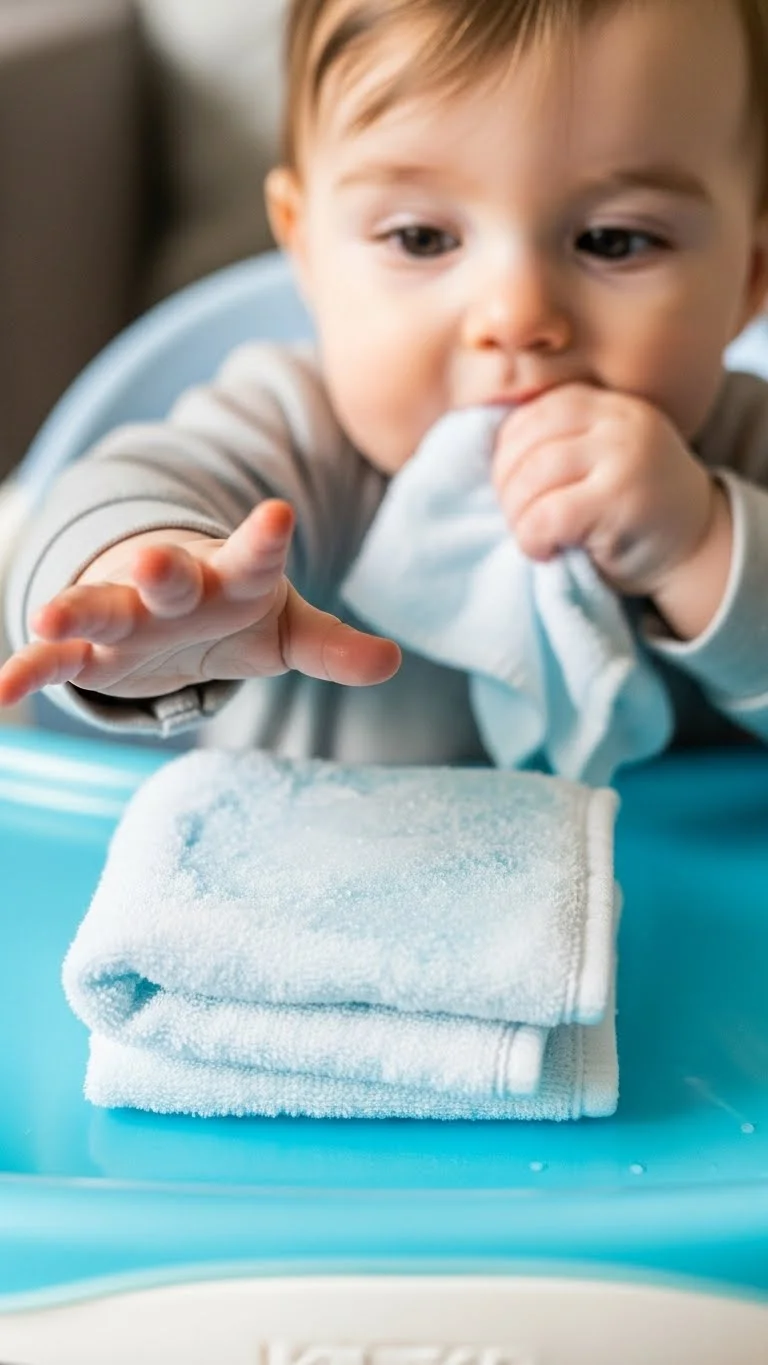
Wet a washcloth, fold it, and freeze. Offer it for soothing gums. Cold texture keeps the baby engaged. You can dip in chamomile tea before freezing for extra calm. Make a few at once so you always have one ready. Avoid flavoured gels. Watch for signs of discomfort and let the baby hold it themselves.
- Sensory Mirror Play
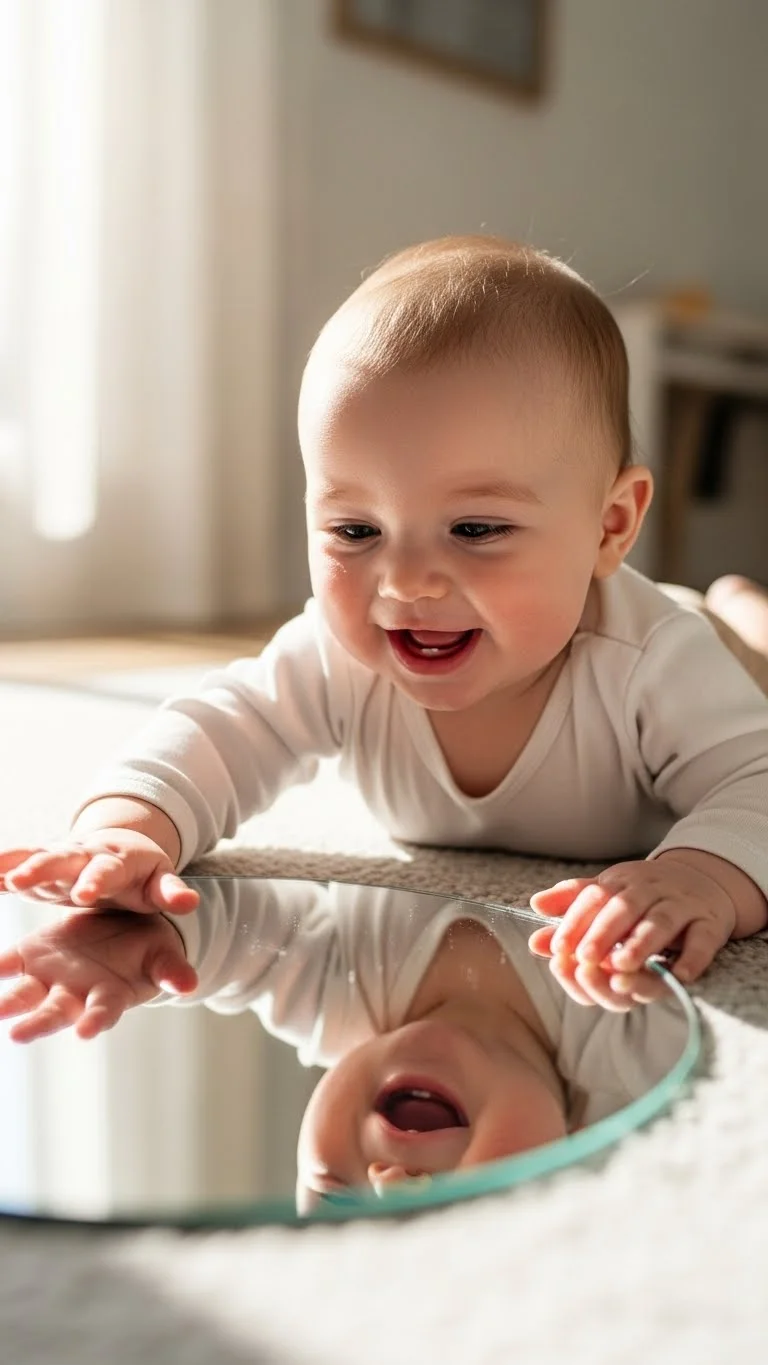
Place an unbreakable mirror at floor level. Babies enjoy seeing faces and movement. Move toys beside the mirror so the baby watches them from a new view. Add gentle background music. Mirrors encourage eye contact and self-awareness. Clean often to remove smudges.
- Nature Basket
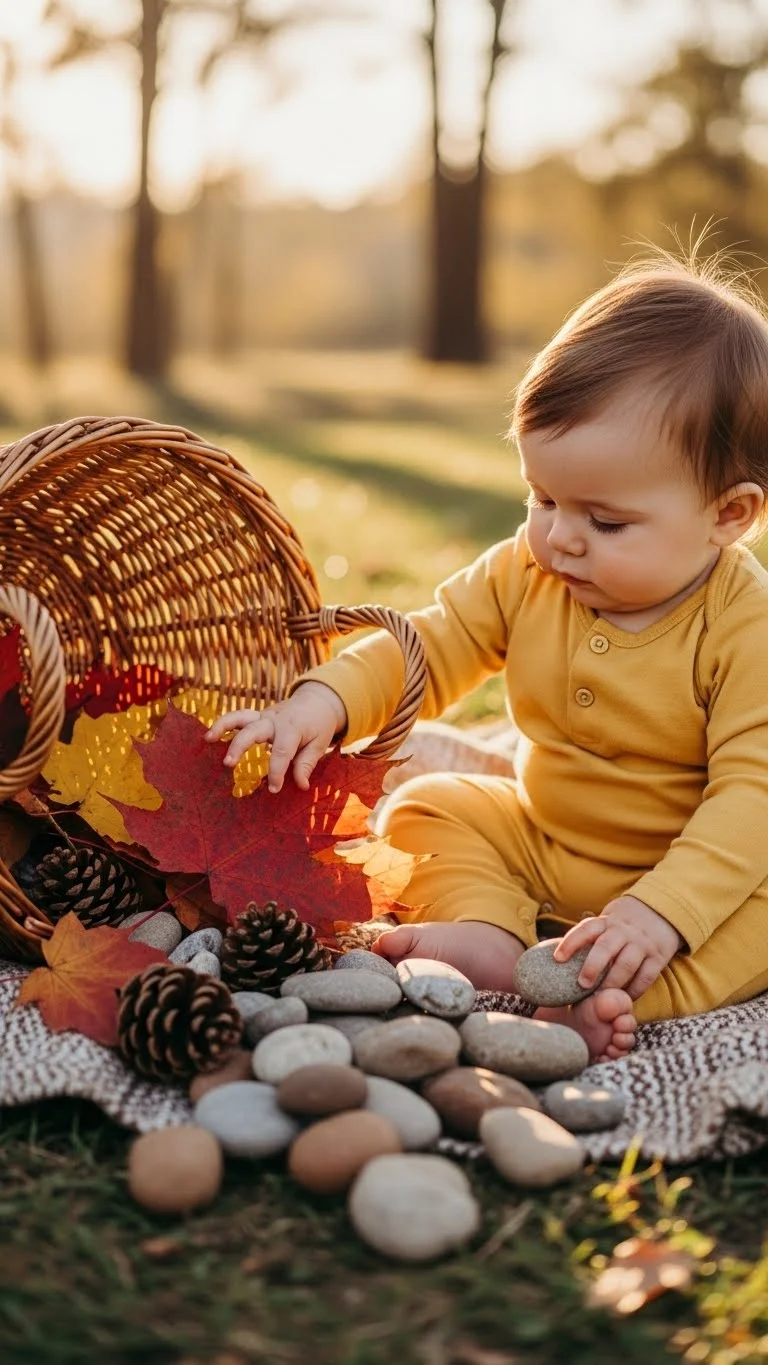
Collect safe, natural objects. Choose smooth stones, big leaves, and flowers. Let the baby touch and smell each item. Sit outdoors on a blanket. Talk about colours and shapes. Always supervise. Avoid small pieces or sharp edges. Rotate items after each outing. Fresh nature feels exciting and sensory-rich.
- Foam Whisking
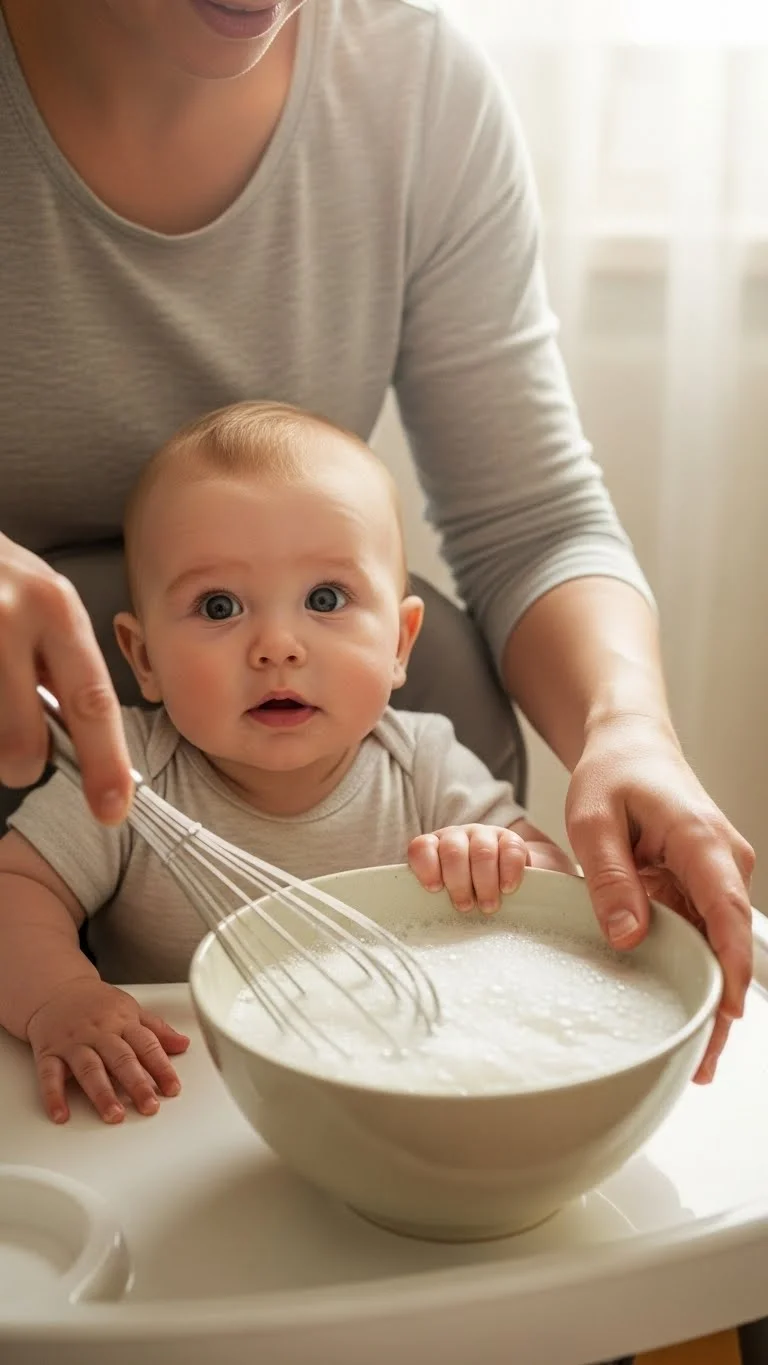
Create foam with baby-safe soap and water. Whisk until fluffy. Spoon foam onto the tray and let the baby poke it. Offer spatulas for scooping. Keep a towel nearby. This messy play is best in the kitchen or outdoors. Add food colouring for visual contrast.
- Music Shake Bottles
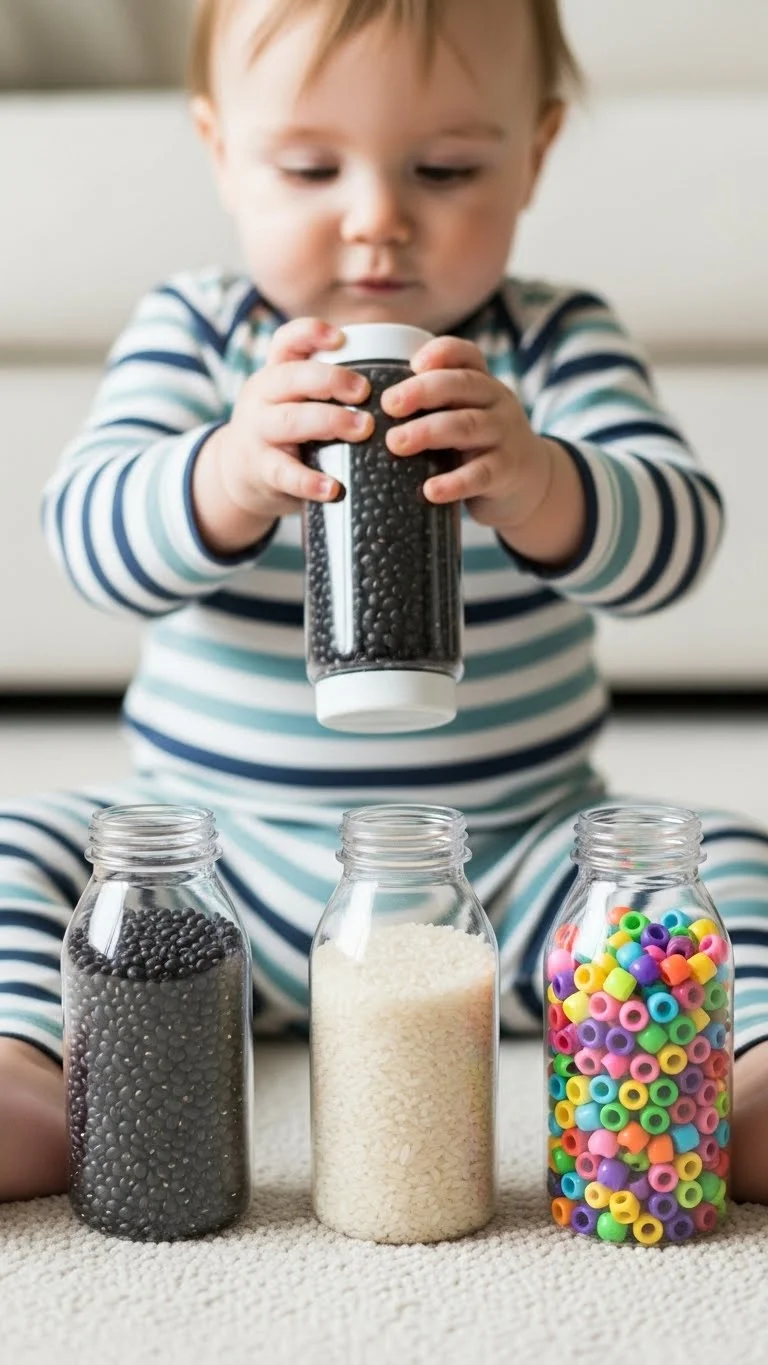
Fill small plastic bottles with rice, beans, or pasta. Seal tightly with glue, then tape. Let the baby shake each one to hear different sounds. Try glitter in one for sparkle. Use a soft cloth to wrap one bottle for a texture change. Rotate materials for fresh excitement.
- Sensory Tunnel
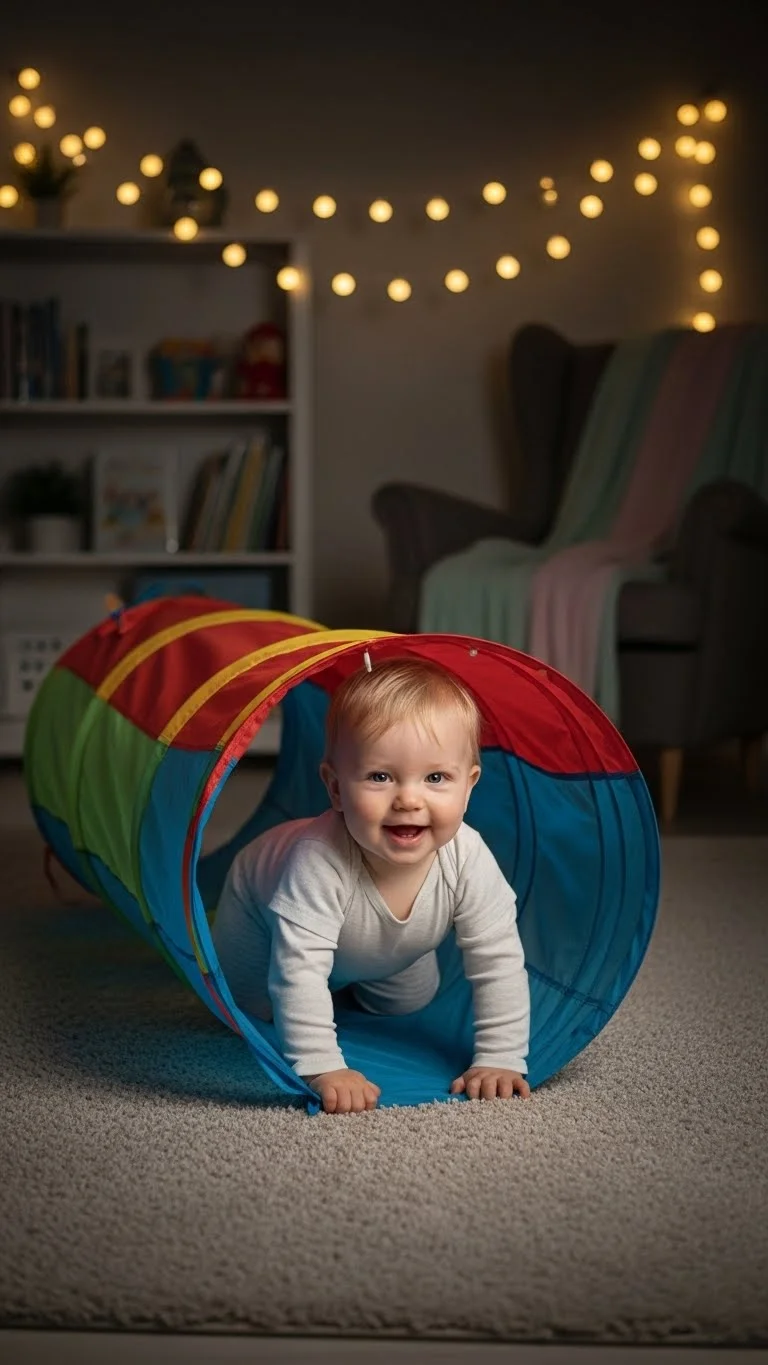
Create a tunnel using cardboard boxes. Cut flaps to open ends. Add scarves or ribbons hanging inside. Place soft pillows at the exit. Crawl through with the baby. Add fairy lights outside the tunnel for a magical glow. Works well on rainy days.
- Edible Finger Paint
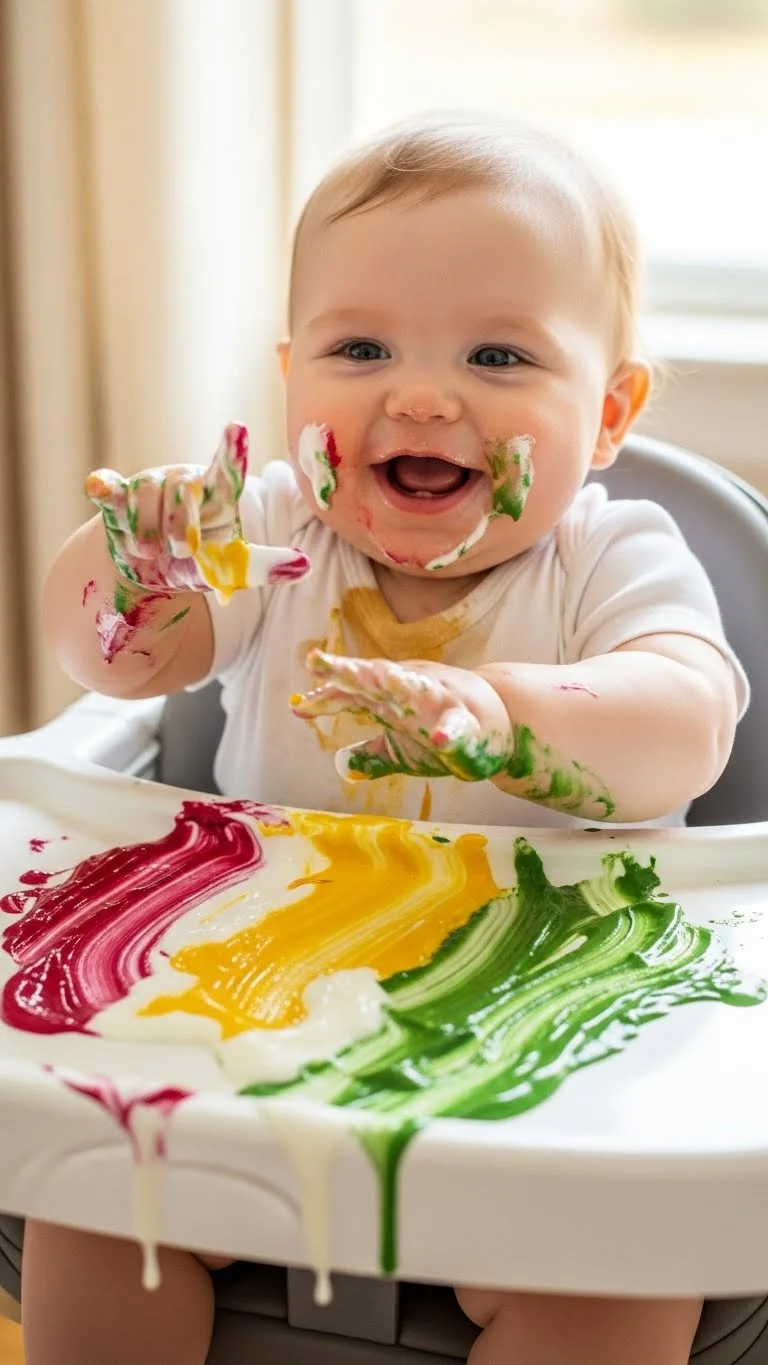
Mix yoghurt with food colouring. Spread thin on a tray. Let the baby smear, tap, and draw lines with fingers. Add spoons for scooping. Clean immediately after. This is safe if mouthed. Add mashed berries for extra colour variety.
- Sensory Ball Pit
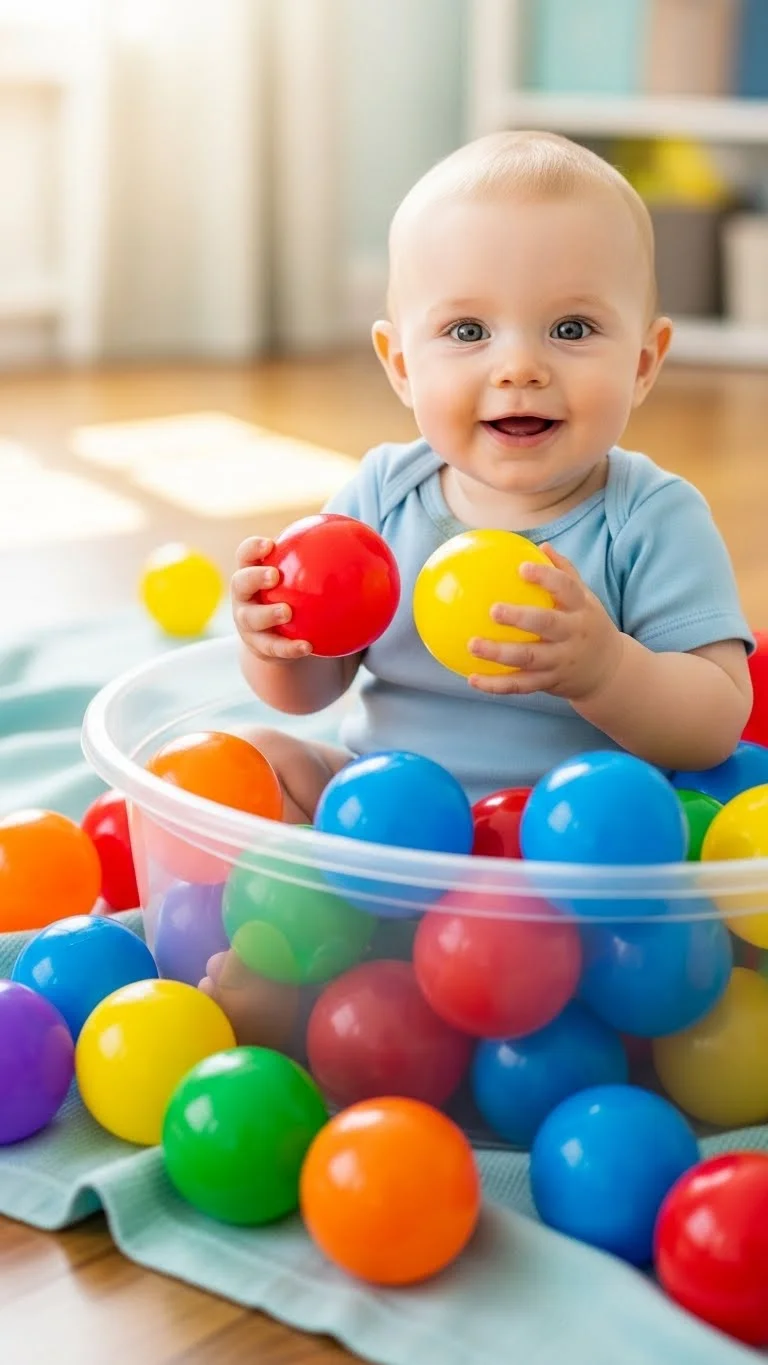
Use a laundry basket or inflatable pool. Fill with balls. Let the baby crawl inside and move them around. Add a few textured balls for surprise. Play music for extra engagement. Keep the basket shallow for comfort.
- Light & Shadow Wall
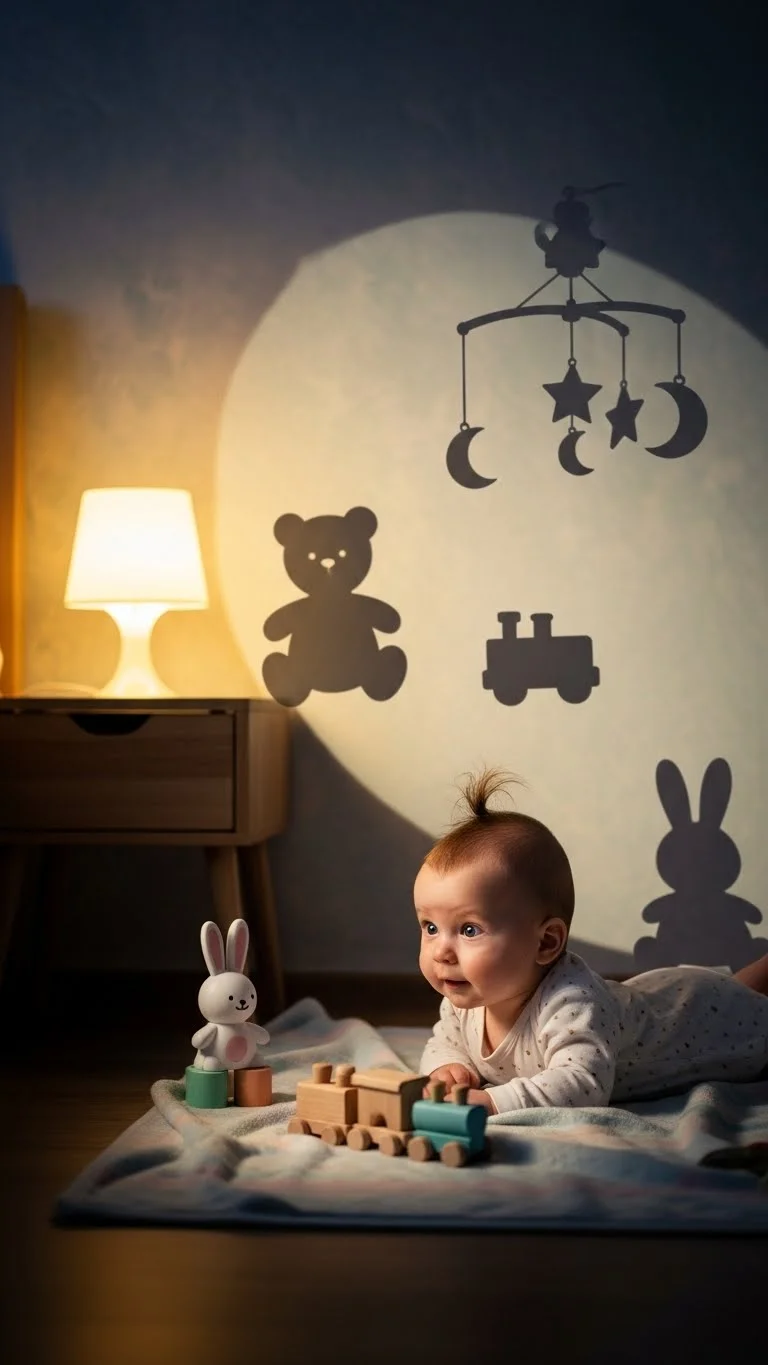
Use a small flashlight to cast toy shadows. Move slowly so the baby tracks with their eyes. Try different objects like keys or stuffed animals. Turn off bright lights for contrast. Always supervise with cords and bulbs.
- Sand or Rice Sensory Bin (For older babies supervised)
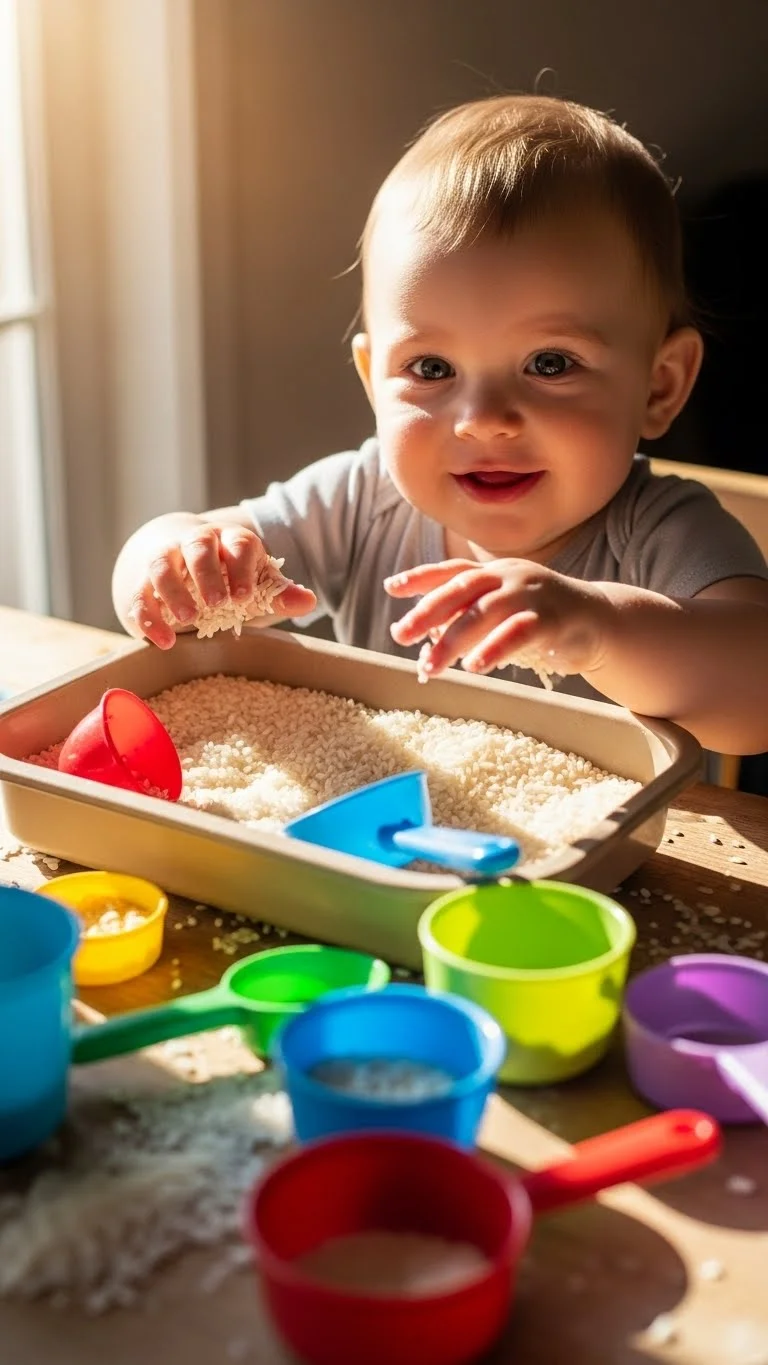
Use a shallow box. Fill with rice or play sand. Add cups and spoons. Allow the baby to scoop, pour, and feel grains. If the mouthing stage is active, replace with oats or edible cereal. Keep the area easy to clean.
- Smell Jars
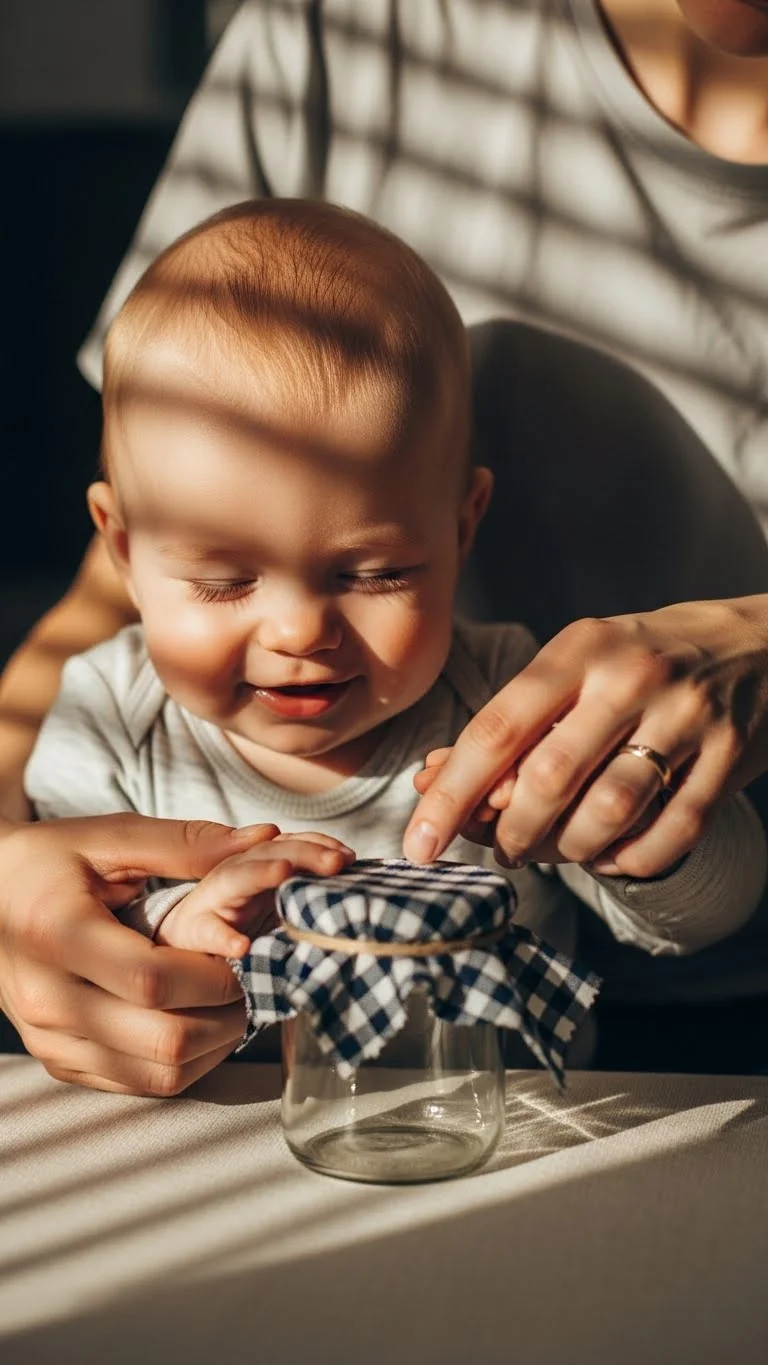
Fill small jars with cinnamon sticks, orange peel, and herbs. Cover with a cloth and a rubber band. Let the baby smell one at a time. Rotate scents. Keep jars close but safe. Never use strong essential oils. Simple, calming experience.
- Sensory Walk Mat
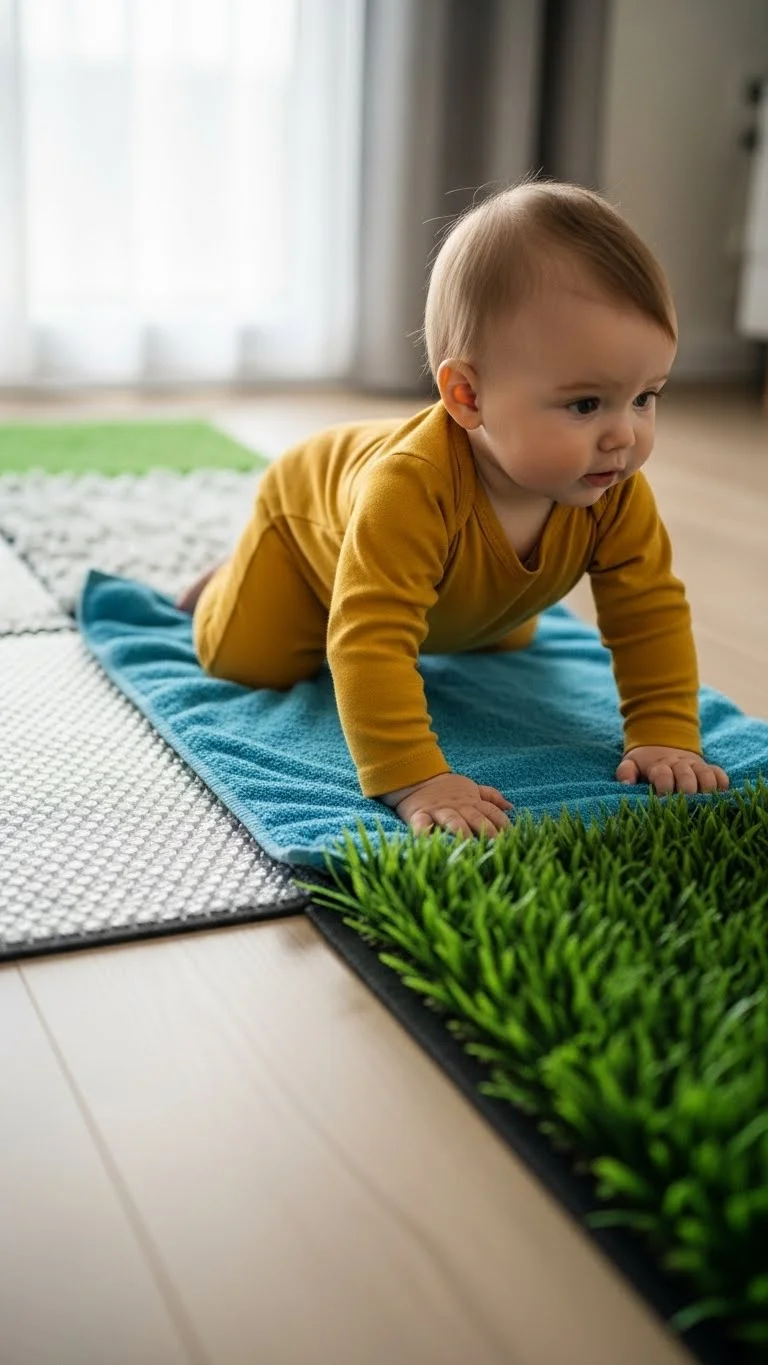
Tape different textures side by side. Bubble wrap, towel, rug pieces. Let the baby crawl slowly across. New sensations under hands and knees spark curiosity. Replace materials if worn out. Quick setup using household scraps.
- Colour Sorting Cups
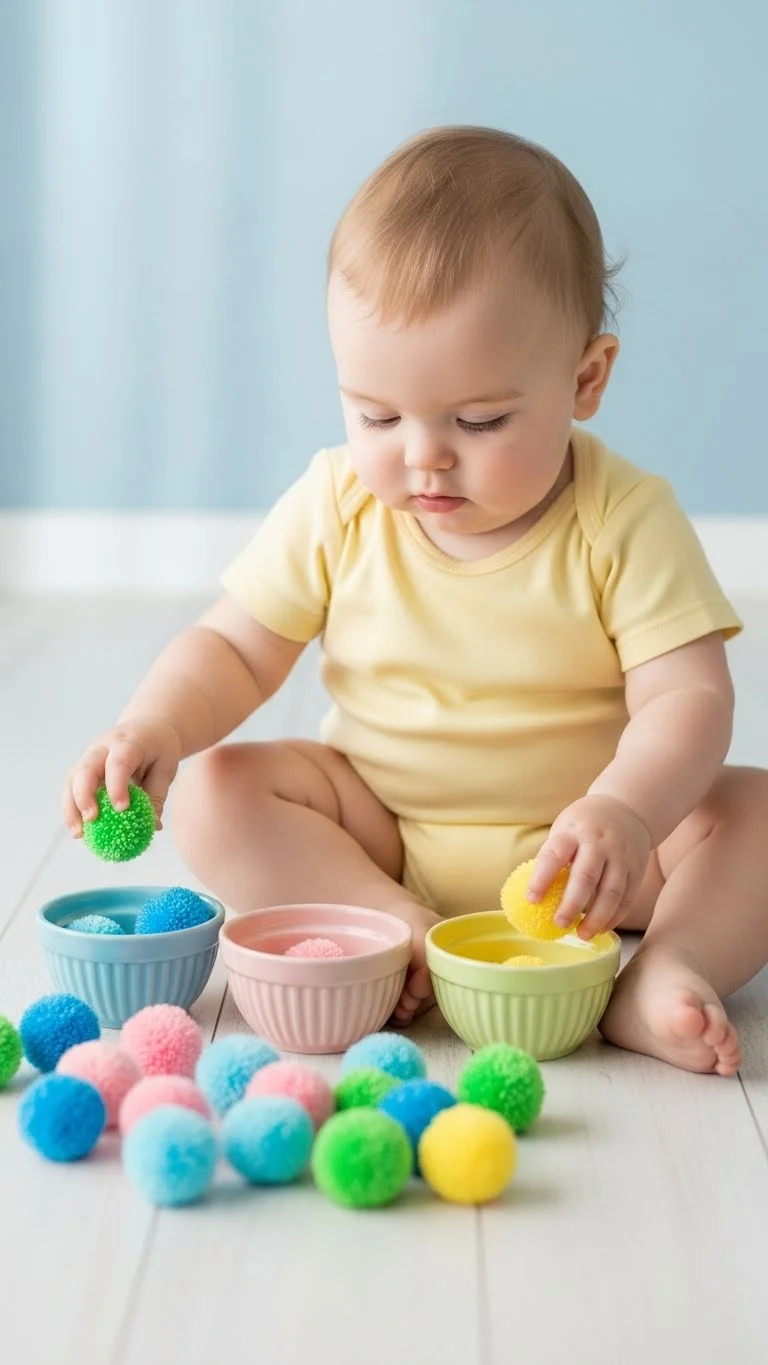
Give baby cups in different colours. Add large pom-poms or soft balls. Show how to place colours together. This teaches focus and hand skills. Avoid small beads. Use homemade fabric balls if needed.
- Jello Treasure Dig
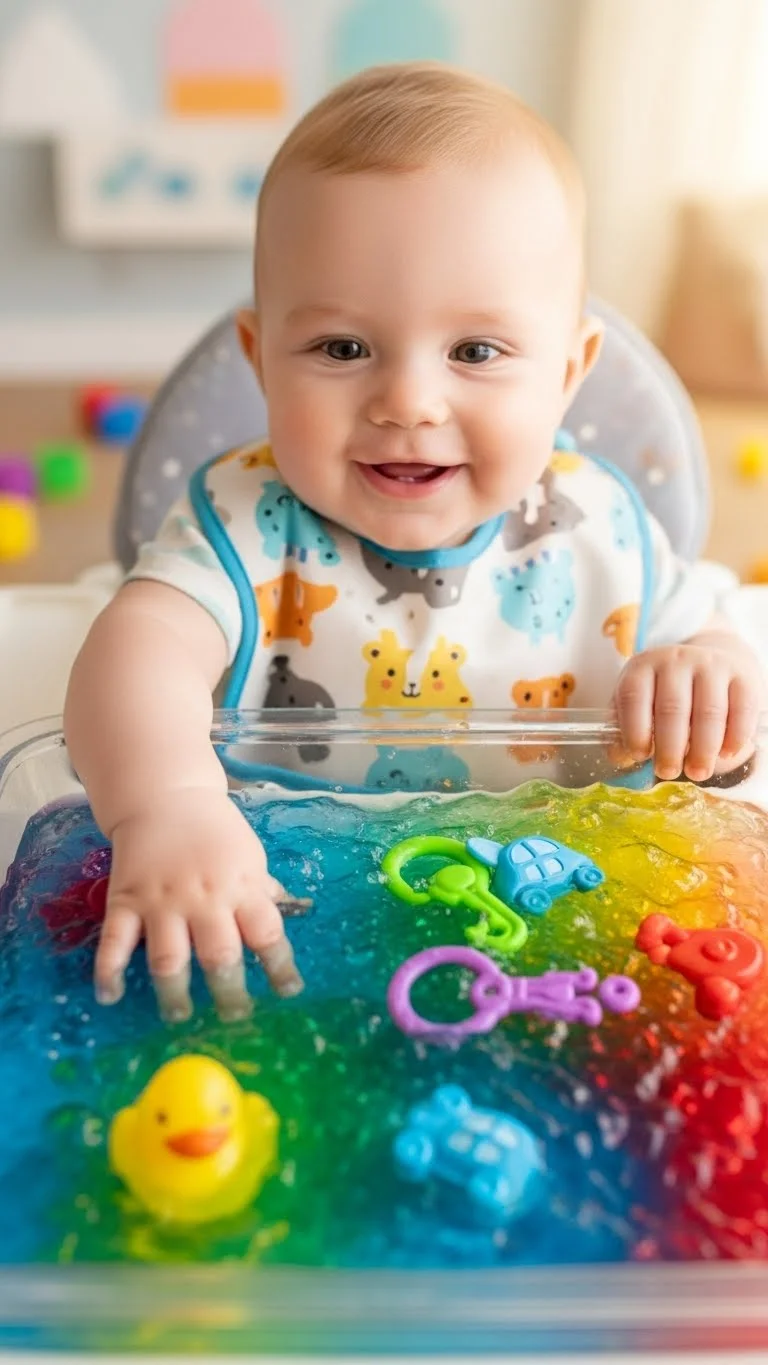
Set toys inside the jello. Let baby squeeze, squish, and dig them out. This is messy but fun. Keep wet wipes nearby. Avoid choking hazards. Works best in the kitchen or outdoors.
- Texture Crawl Obstacle
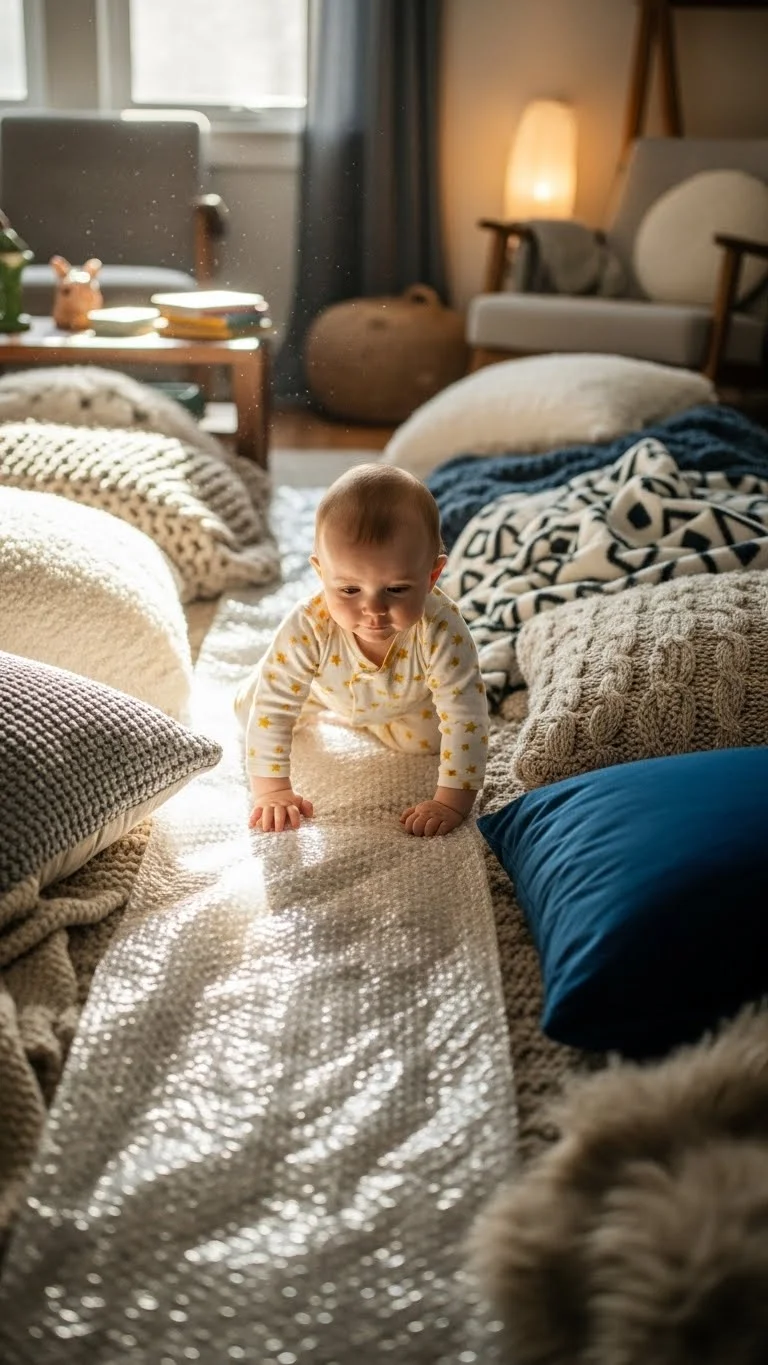
Create mini obstacles on the floor. Pillows to climb. Towels to crawl over. Bubble wrap to press. Encourage slow movement. Stay close. Rotate the layout weekly.
- Whipped Cream Cloud Play
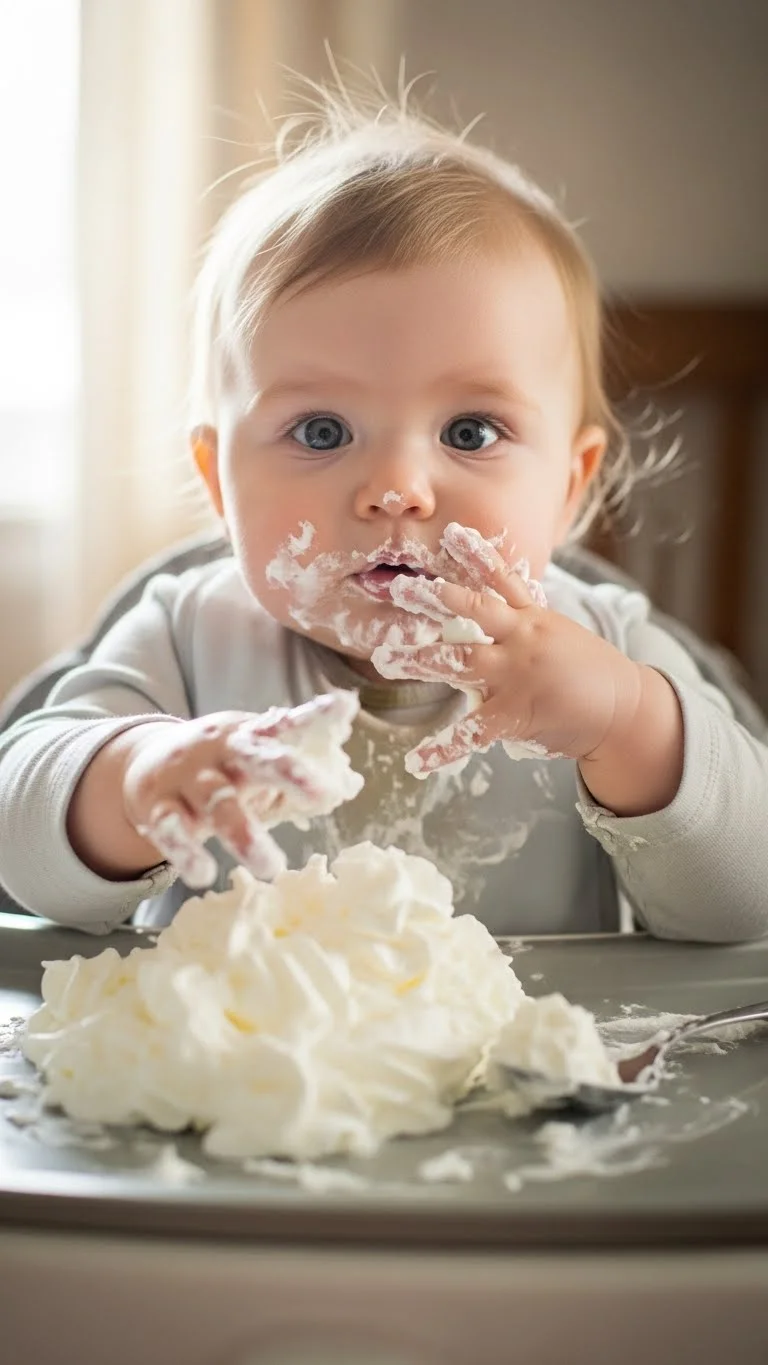
Spread whipped cream on a tray. Let the baby poke and smear. Add natural food colour drops. Use for short sessions. Clean skin after. Great alternative to shaving foam for sensory play.
- Sensory Storytime Basket
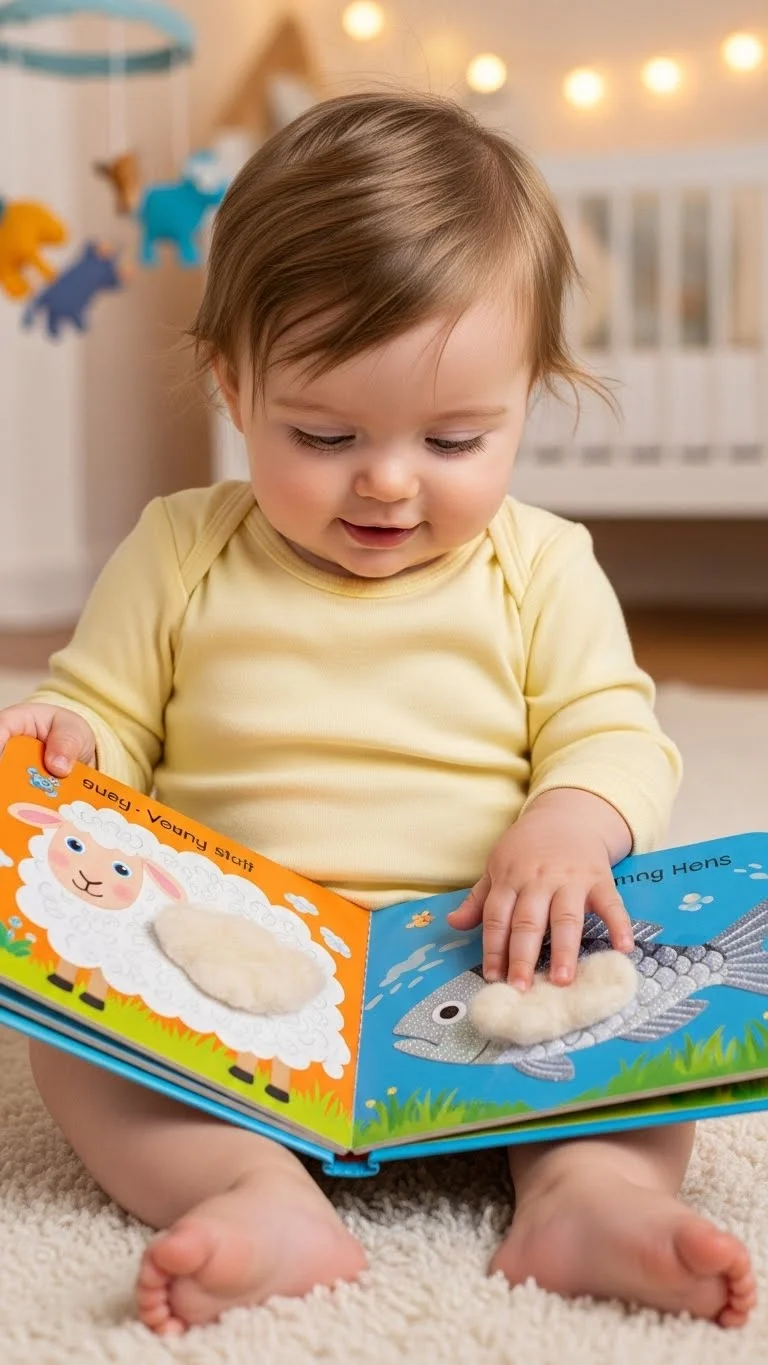
Choose interactive books with fuzz, bumps, and shiny pages. Read slowly and let the baby touch the page details. Add a themed object to the basket, like toy animals, matching the story. Rotate books weekly.
- Rolling Bell Bottles
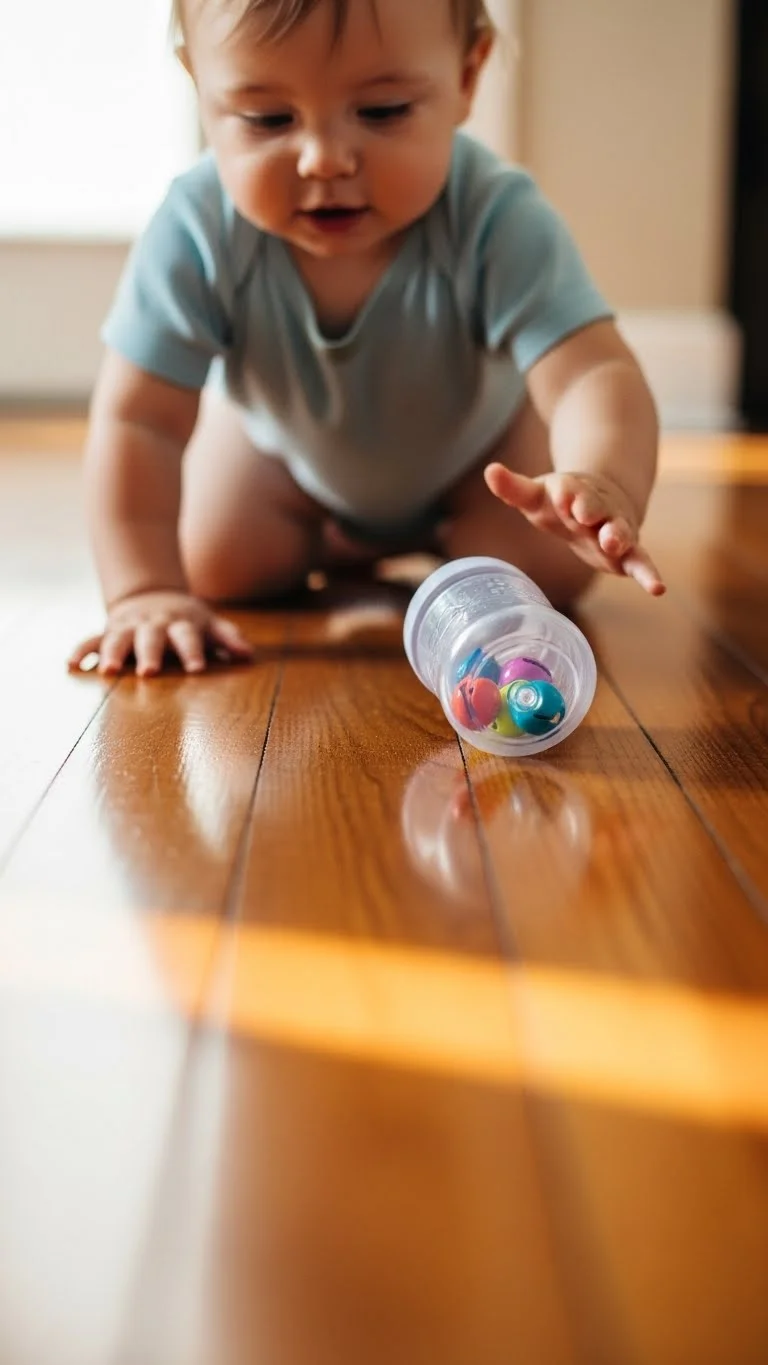
Fill a bottle with bells, seal it tight. Let the baby push and chase it. Different floor types change sound. Add glitter water to another bottle for visual contrast. Always tape lids securely.
- Cloud Dough (Only for older babies supervised)
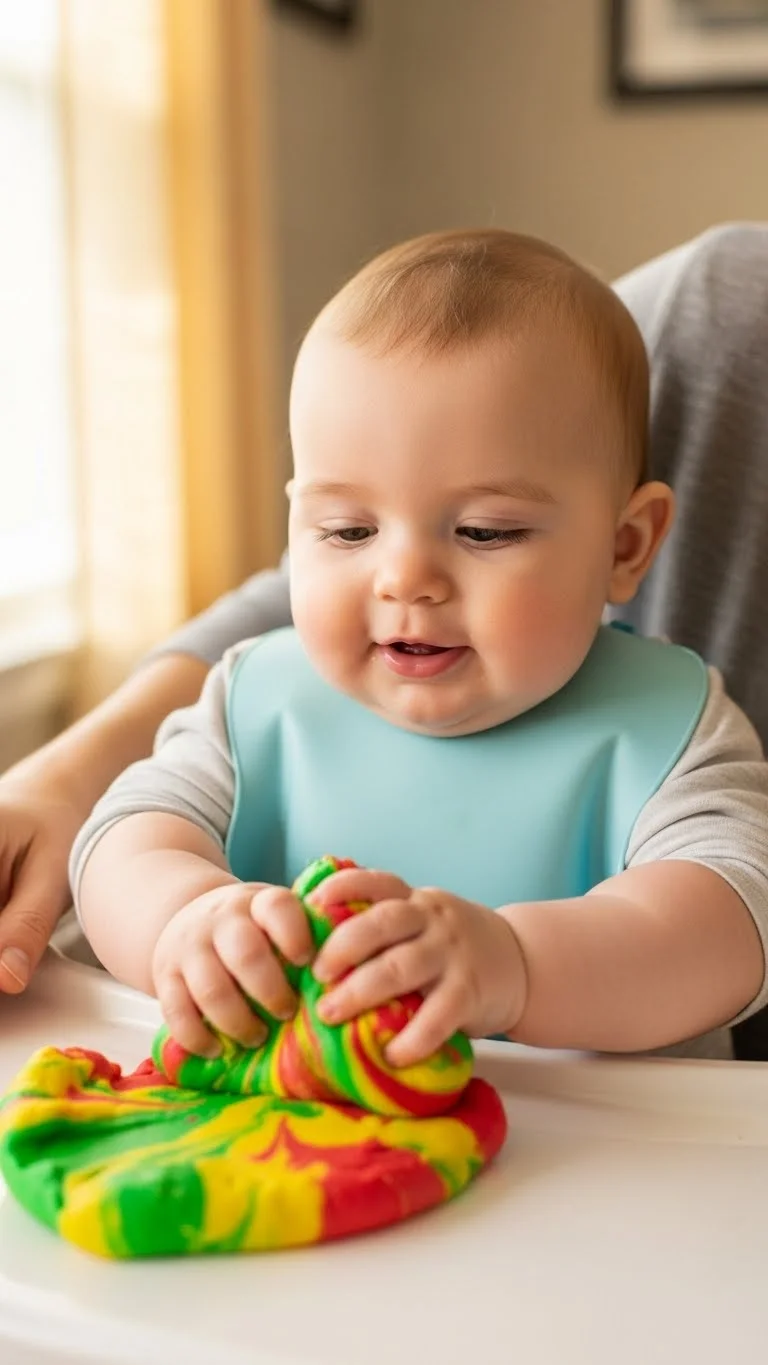
Mix flour with a little oil until soft. Add food colouring if desired. Offer spoons, cutters, or wooden blocks. Keep watch for mouthing. Store dough in an airtight container for reuse.
- Ice Cube Painting
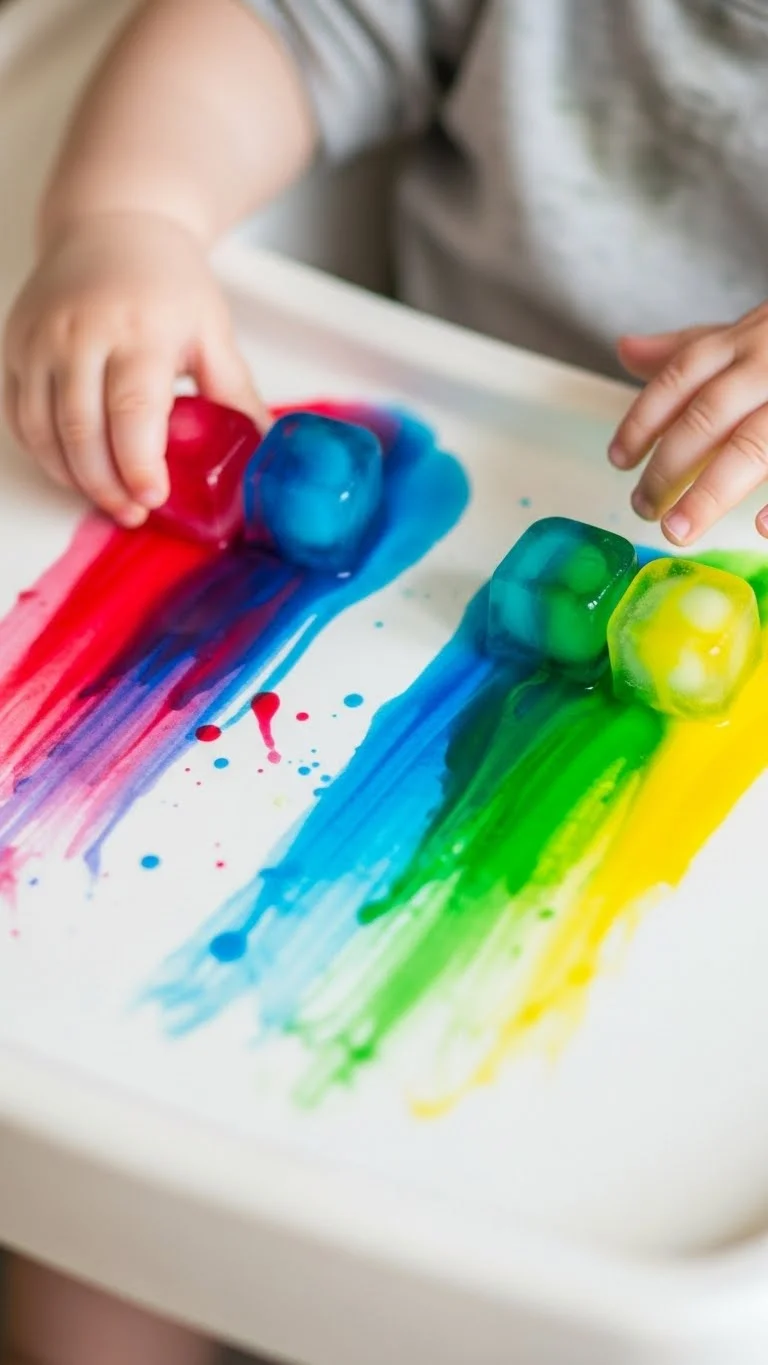
Freeze water with food colouring in ice trays. Offer cubes during tray play. Baby slides them, leaving colored trails. Use edible colours. Keep the session short due to the cold. Use a towel underneath.
Conclusion
Play is how babies learn. You don’t need fancy tools. Simple textures, sounds, cold, warm, wet, soft, and rough moments shape their early world. Choose one idea today and try it for a few minutes. Watch what makes your baby excited. Rotate activities so everything stays fresh. Small, everyday sensory experiences help build curiosity, comfort with textures, and joyful bonding moments at home. Enjoy exploring together.
