

27 Genius Parenting Hacks to Simplify Your Life
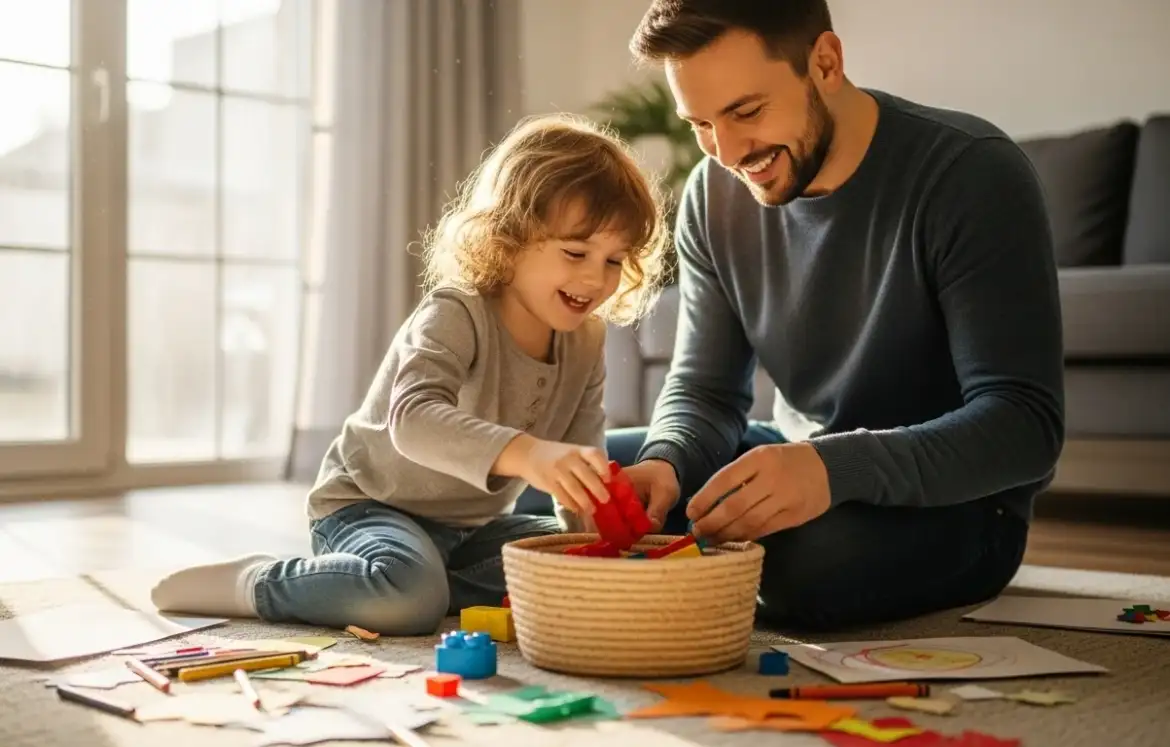
Raising kids brings a mix of joy, noise, mess, and surprises. Simple tricks can lighten the daily load and help your home run more smoothly. The ideas below keep things practical, low-cost, and easy to try—no fancy tools needed. Pick a few that fit your routine and test them out this week. Small changes can make mornings calmer, meals smoother, and chores easier for everyone.
1. The “Grab-and-Go” Morning Station 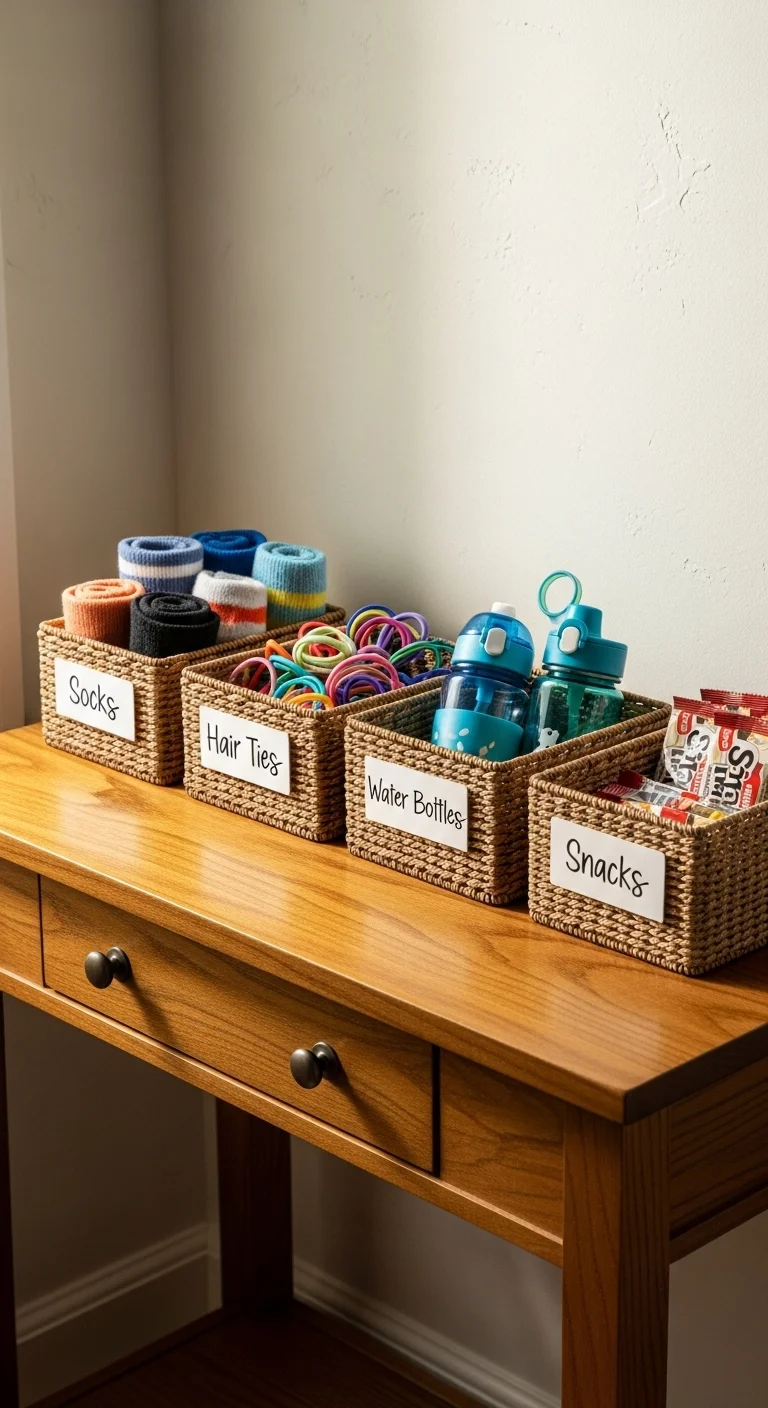
A small shelf near the door can cut down on the morning scramble. Fill baskets with socks, sunscreen, hair brushes, and simple snacks. Keep everything at kid height so they can help themselves. Use old shoe boxes or dollar-store bins instead of buying new organizers. A small hook for backpacks helps keep the area tidy. Refresh the station once a week by removing random items that wander in. When kids know exactly where to grab what they need, mornings feel calmer, and you spend less time hunting for one missing sock.
2. The Snack Drawer Kids Can Manage 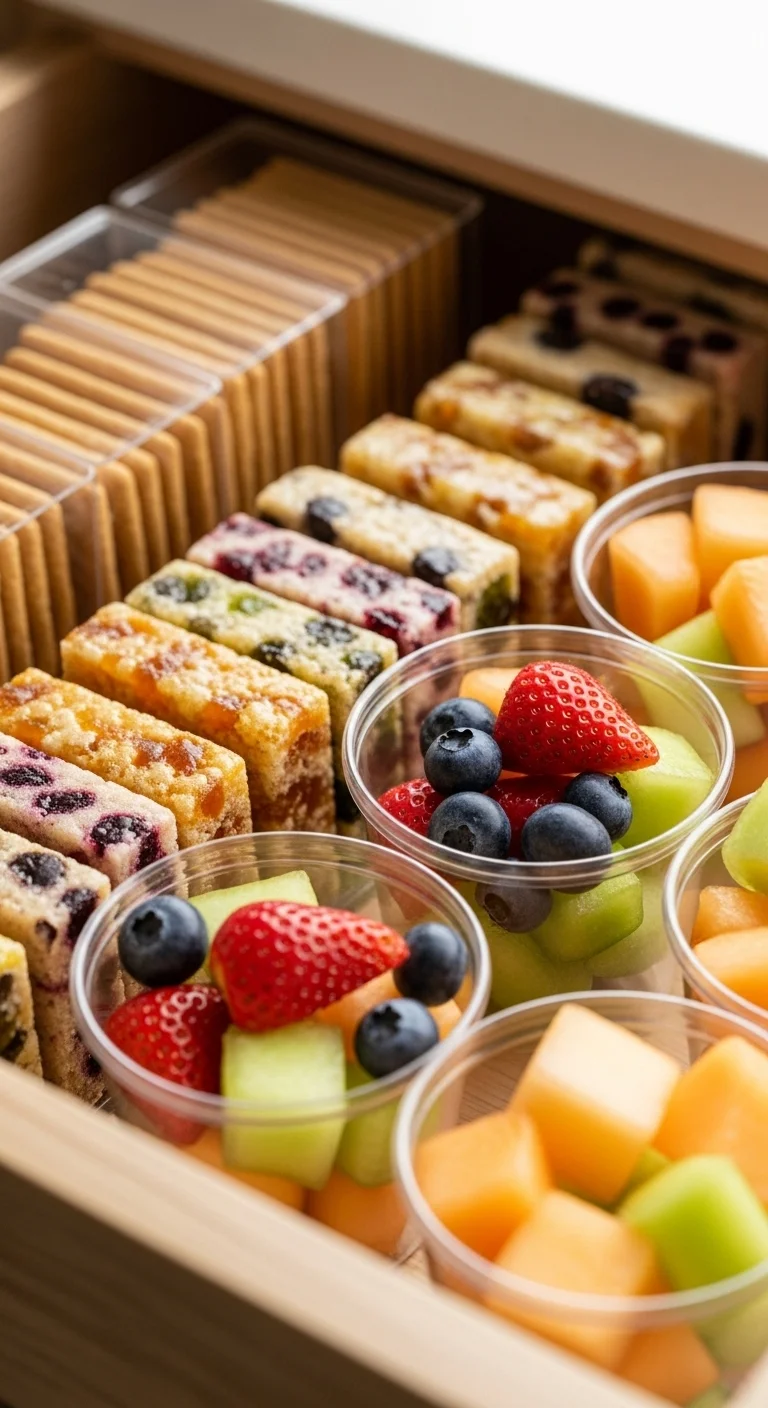
Set up a low drawer just for snacks that kids can safely choose from. Fill it with simple, pre-portioned options like crackers, fruit cups, or sliced apples. Reuse small containers instead of buying new sets. Rotate choices so things stay interesting. Keeping this drawer within reach encourages kids to help themselves during busy moments. Add a small reusable bowl so they can grab a reasonable amount. This lowers interrupting while you cook or work and gives them a bit of independence without creating extra mess.
3. Bedtime Reset Basket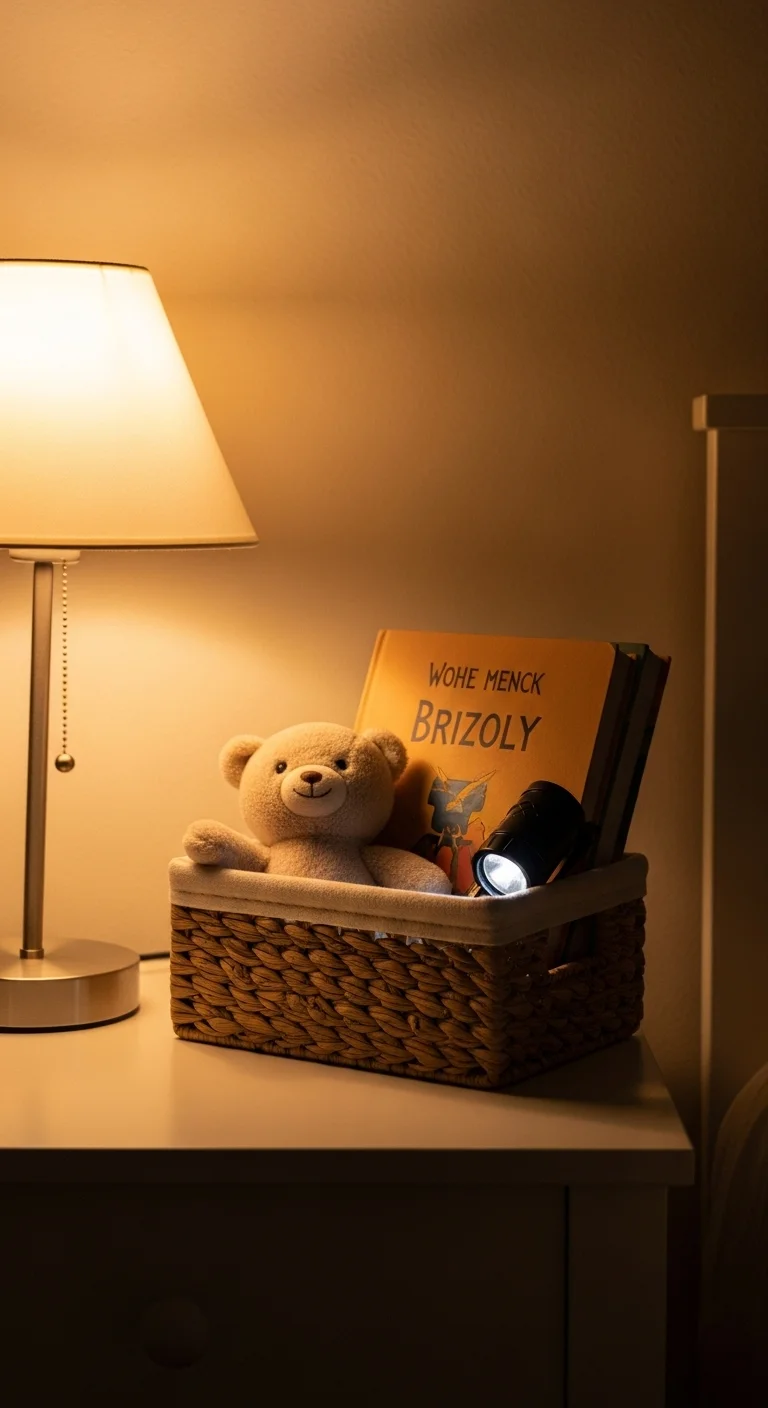
Create a simple bedtime basket to keep nights predictable. Add a favorite book, a calm toy, and maybe a small flashlight for kids who like a gentle glow. Use any basket you already own. This makes the bedtime routine steady, even on hectic days. Rotate items every few weeks to keep them appealing. Kids know the routine starts when the basket comes out, which helps them settle more easily. It prevents wandering around the house for missing items when everyone is tired.
4. Pre-Sorted Laundry Hampers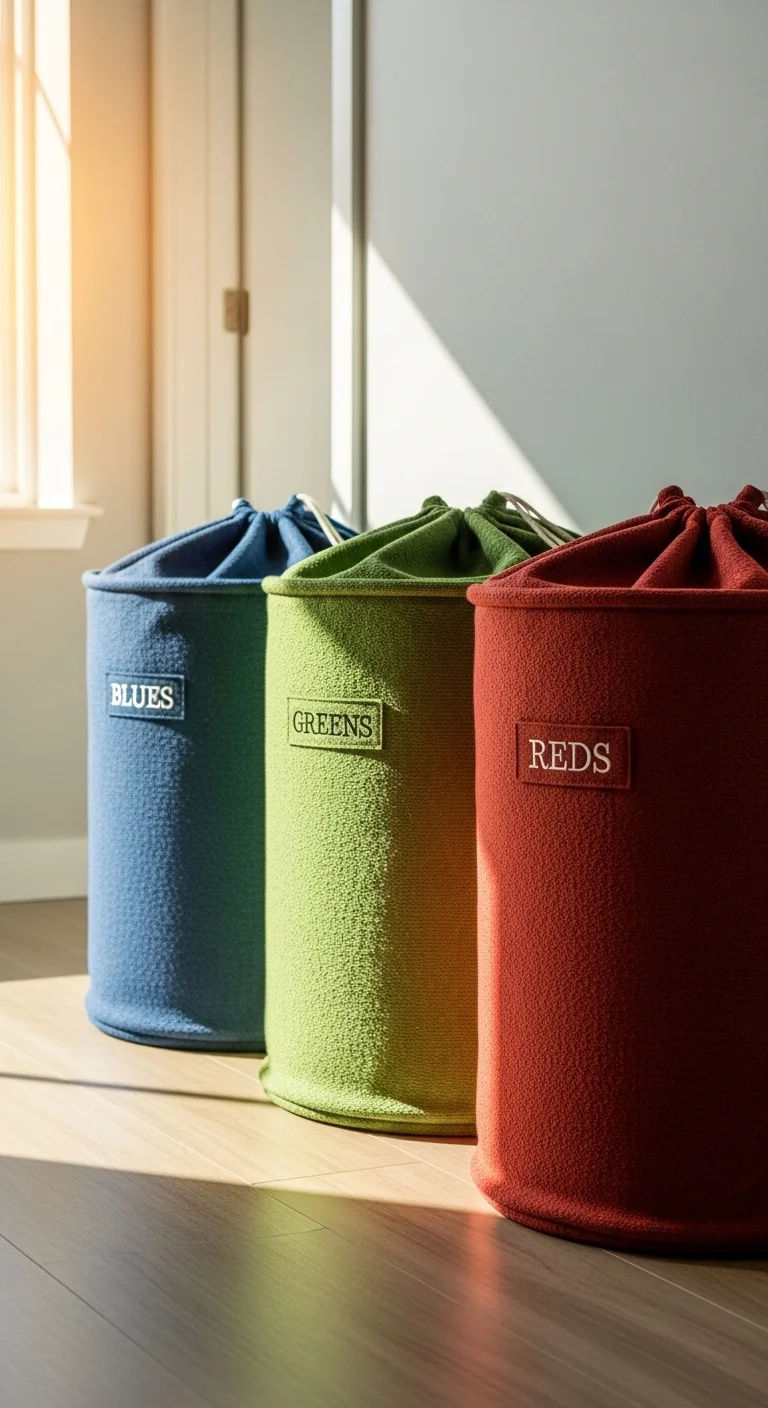
Sorting as you go saves time. Use three simple hampers—light, dark, and towels. You don’t need fancy bins; even cardboard boxes work. Kids can help toss clothes into the right drawer after showers. This reduces the big pile that usually forms on laundry day. If space is tight, stack collapsible bags. The habit sticks quickly, and washing goes much faster. It also teaches kids the basics of clothing care without long lectures or complicated steps.
5. Car Kit for Busy Days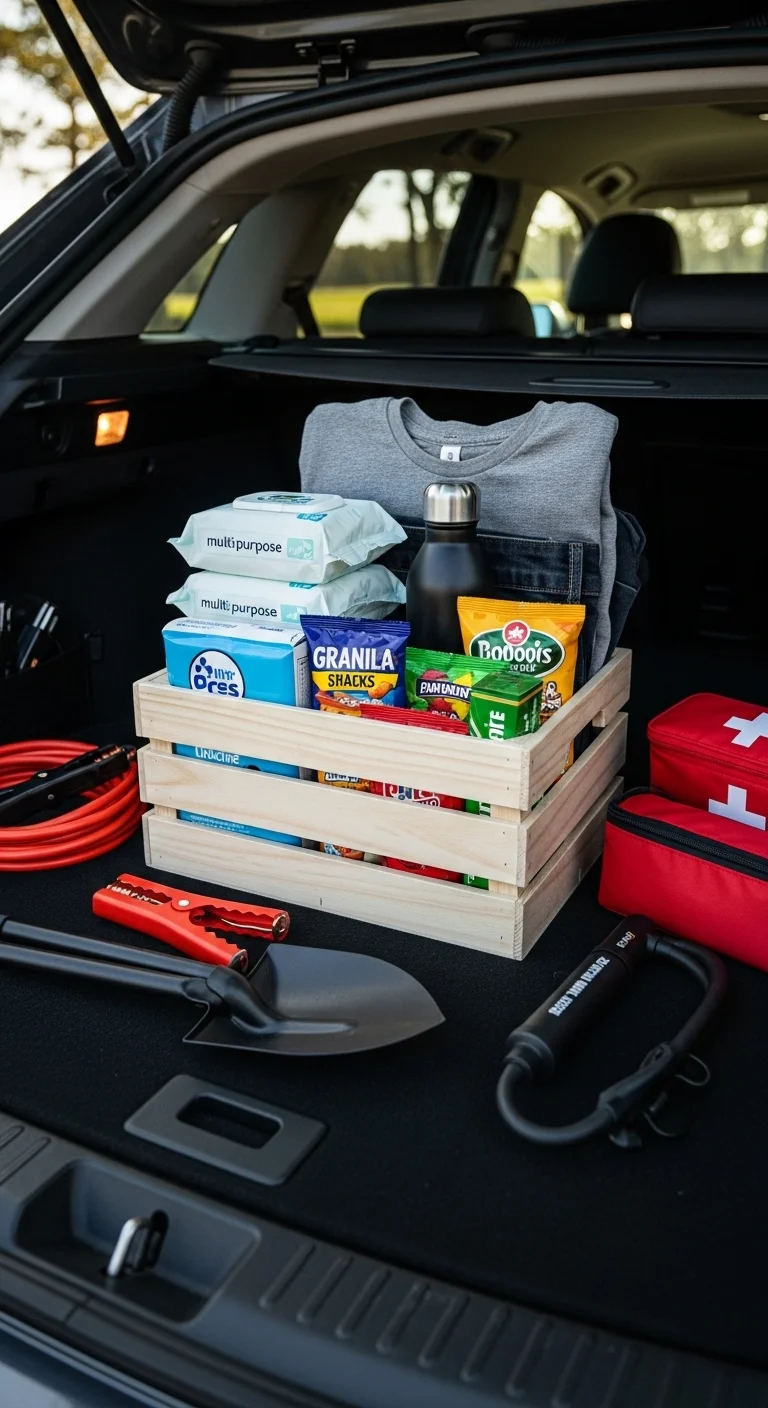
Keep a small crate in the car for surprise messes or long waits. Add wipes, a change of clothes, a small towel, and a few simple snacks. Reuse old tote bags or leftover containers. This saves you from rushing home when spills happen. Replace anything used once a week. A tiny kit like this makes errands smoother and helps you feel ready for delays, traffic, or an unexpected playground stop. It’s a small setup that pays off often.
6. Rotate Toys to Reduce Clutter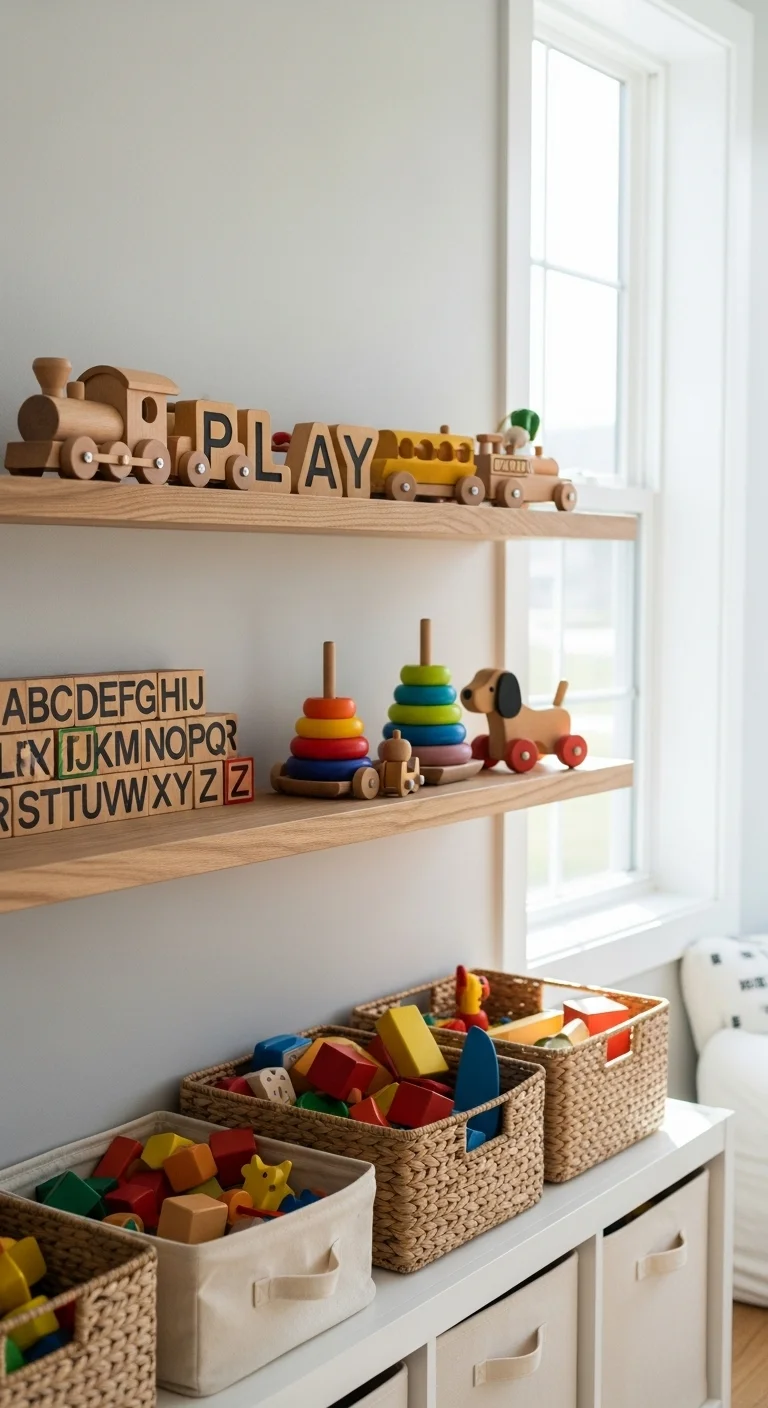
Put most toys away and leave only a few out at a time. Store the rest in boxes under a bed or in a closet. Swap them every week or two. This keeps playtime fresh without buying more stuff. It also cuts down on cleanup, since fewer items end up on the floor. Use old shoe boxes or cloth bags instead of new bins. Kids usually focus better when they aren’t overwhelmed by choices.
7. DIY Calm Corner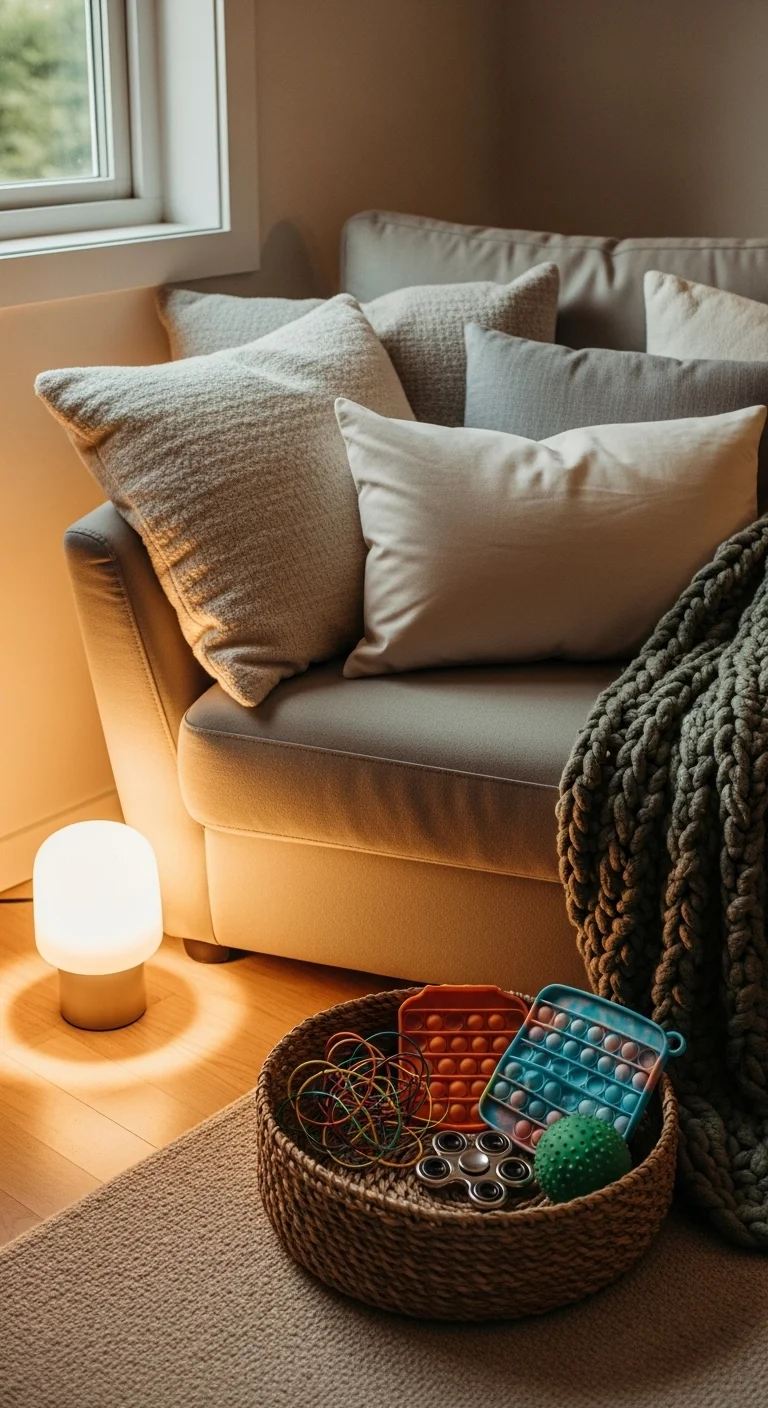
Create a small corner where kids can take a break when emotions run high. Add pillows, a soft blanket, and a basket of safe items like squishy toys or coloring pages. Use what you already have instead of buying new decor. This space can help kids settle when they feel frustrated or overstimulated. Keep it simple and quiet. Encourage them to visit the corner when they need a moment, not as a punishment, but as a calm pause.
8. DIY Outfits in Zip Bags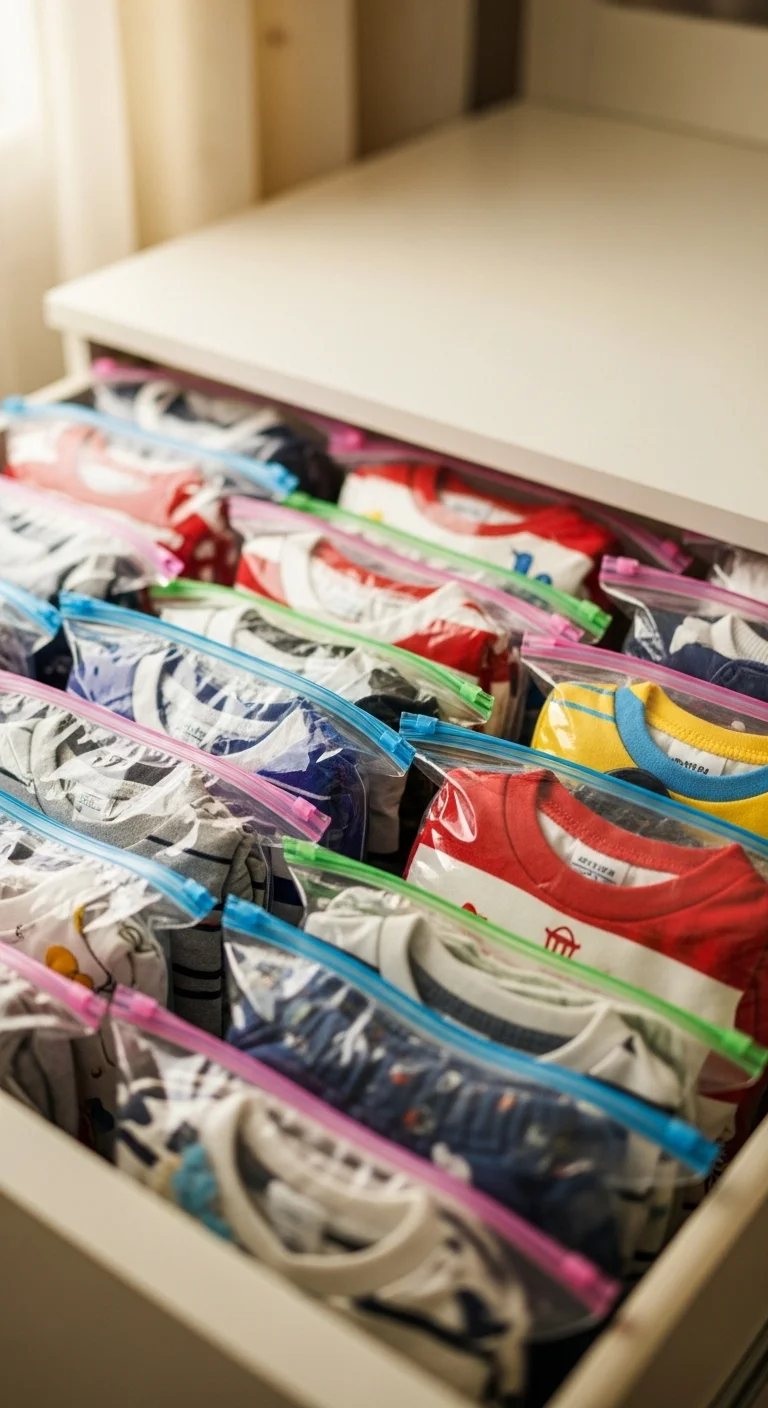
Prepare outfits for the week by packing each one into a zip bag—shirt, pants, socks, hair ties. Reuse bags to save money. Kids pick their own bag in the morning, which reduces wardrobe battles. Keeping outfits together stops last-minute searching for the right shirt. Store the bags in a drawer or bin. This works especially well for school mornings or busy weekends. It makes getting dressed fast and predictable.
9. The “Ten-Minute Tidy” Game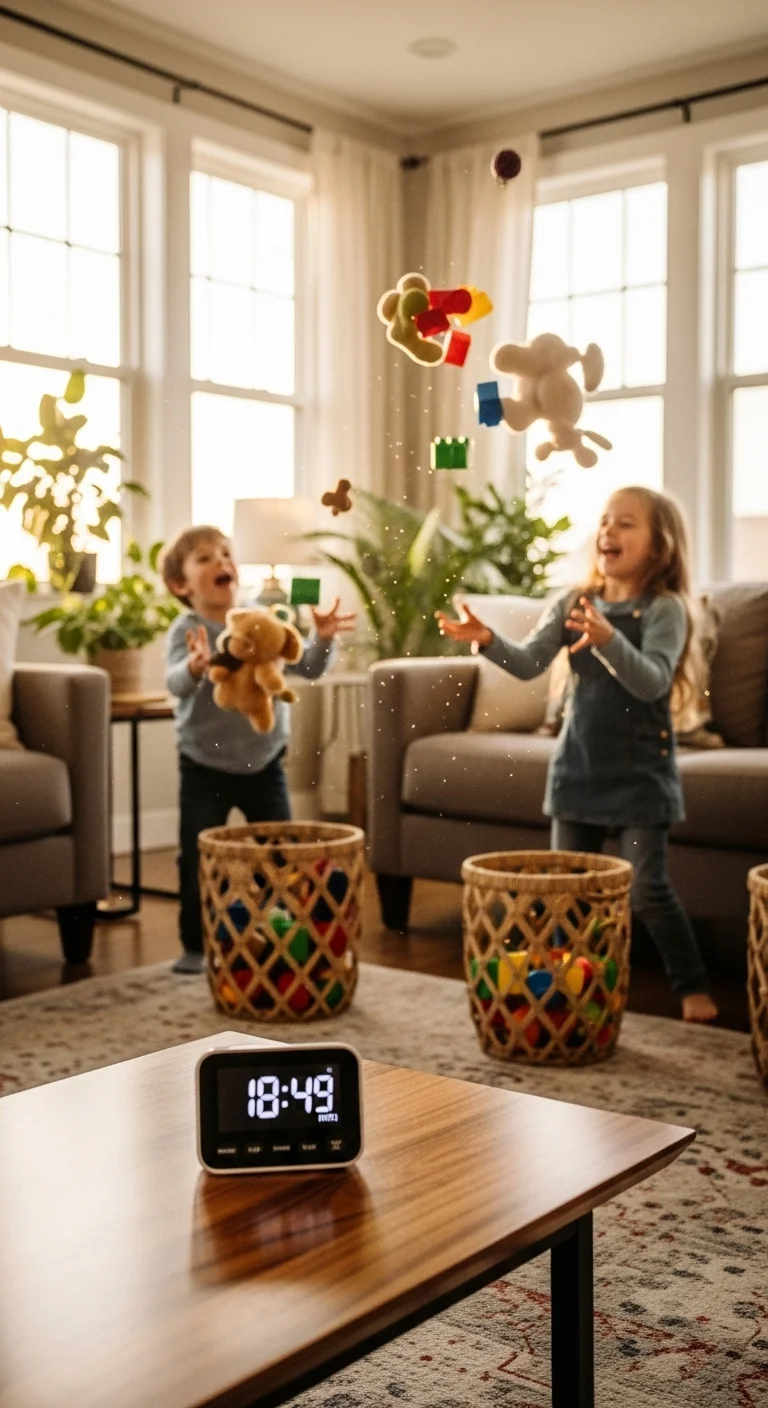
Set a timer for ten minutes and make cleanup a quick game. Everyone joins—parents too. Use simple baskets to gather items. Keep instructions short: pick up what you can until the timer stops. Kids enjoy the race, and the room looks much better afterward. You don’t need fancy reward charts; high-fives work fine. This small routine keeps clutter from piling up and teaches kids that cleaning doesn’t have to drag on.
10. DIY Chore Cards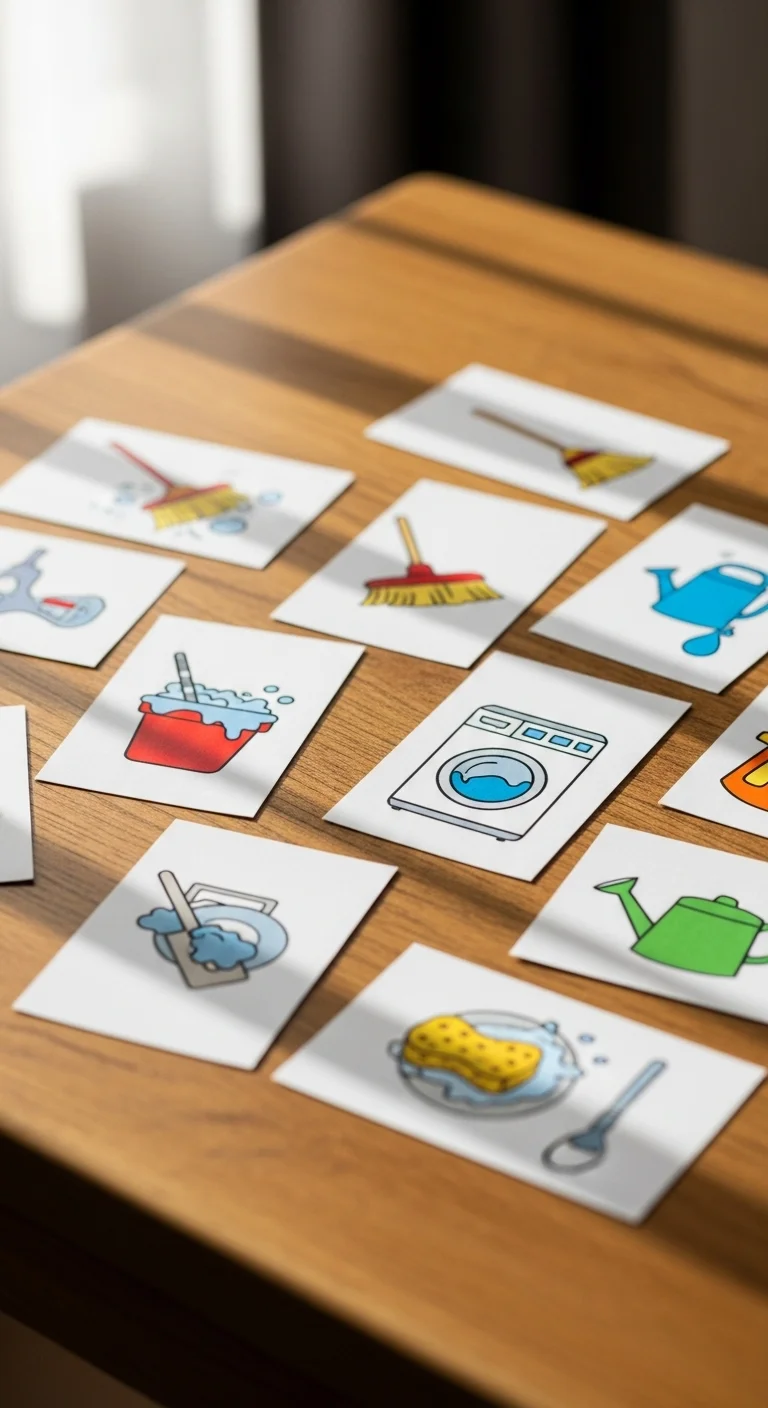
Write small chores on index cards—feed pets, wipe the table, put toys away. Add simple drawings for younger kids. Shuffle and let kids pick a card each day. Store the cards in an old jar or box. Keeping tasks small makes them feel manageable. This helps kids learn responsibility without overwhelming them with long lists. Rotate cards so chores stay varied and reasonable.
11. Bathtub Caddy for Easy Wash Time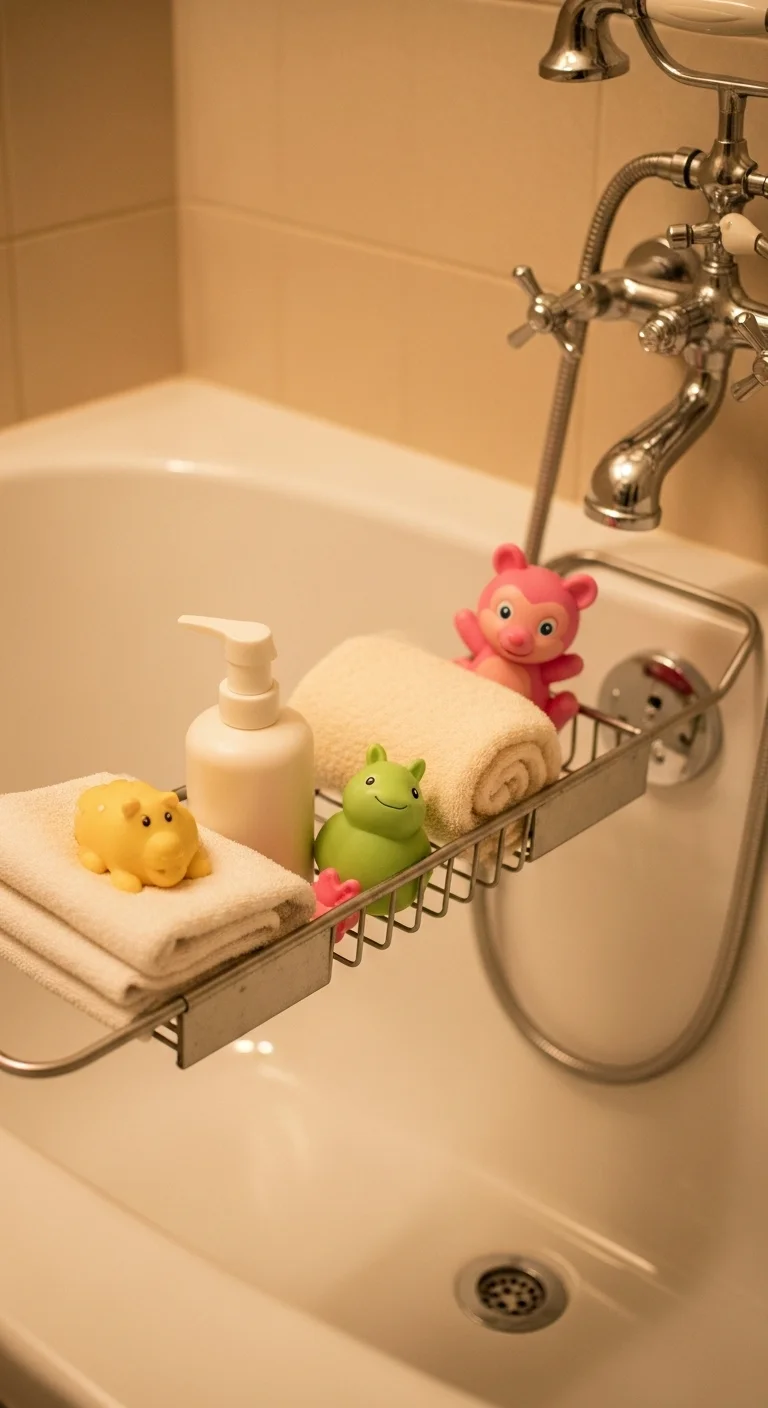
Use a shower caddy or dollar-store basket to keep bath items together. Place washcloths, soap, and a few toys inside. This prevents the scramble for what you need once the water is running. Drain toys after each bath to prevent mildew. Keep only a few toys in rotation so cleanup stays simple. If you share a bathroom, store the caddy on a shelf and bring it out only at bath time.
12. Shoe Bin by the Door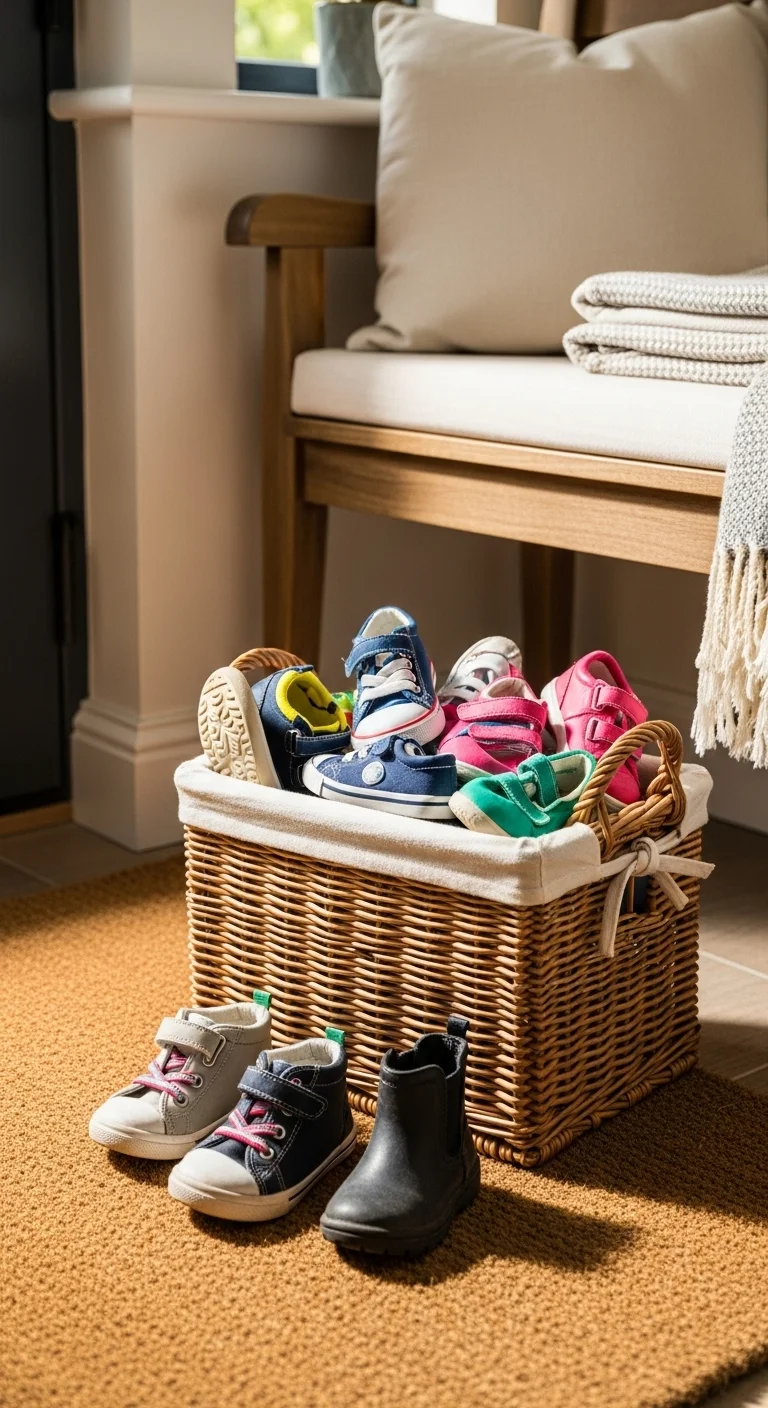
Kids often kick off their shoes anywhere. Solve this with a cheap plastic bin or crate near the door. Everyone drops their shoes as they come inside. This cuts down on clutter and stops the morning rush to find matching pairs. If multiple kids share the bin, add color-coded stickers. Keep it at kid height so they can manage it themselves. A quick shake-out once a week keeps dirt from building up.
13. Clip Board Homework Zone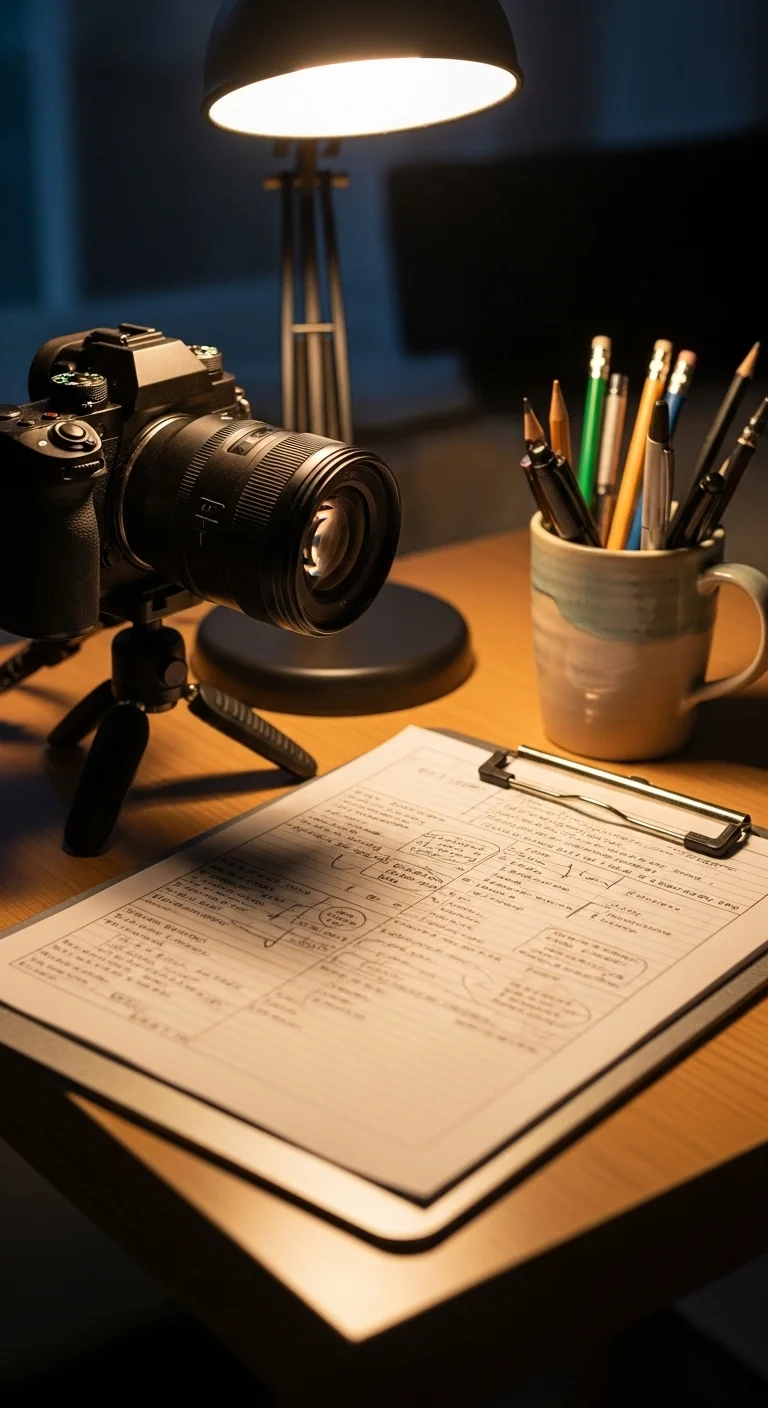
Create a small homework station using a clipboard, pencils, and a simple bin. Kids can carry it anywhere—table, floor, or outside. This avoids the search for missing supplies. Reuse an old clipboard and leftover pencils. Keep the setup light and portable. It helps kids focus because they have everything in one spot. When homework is done, they return everything to the bin so it’s ready for next time.
14. Kitchen Helper Stool Alternative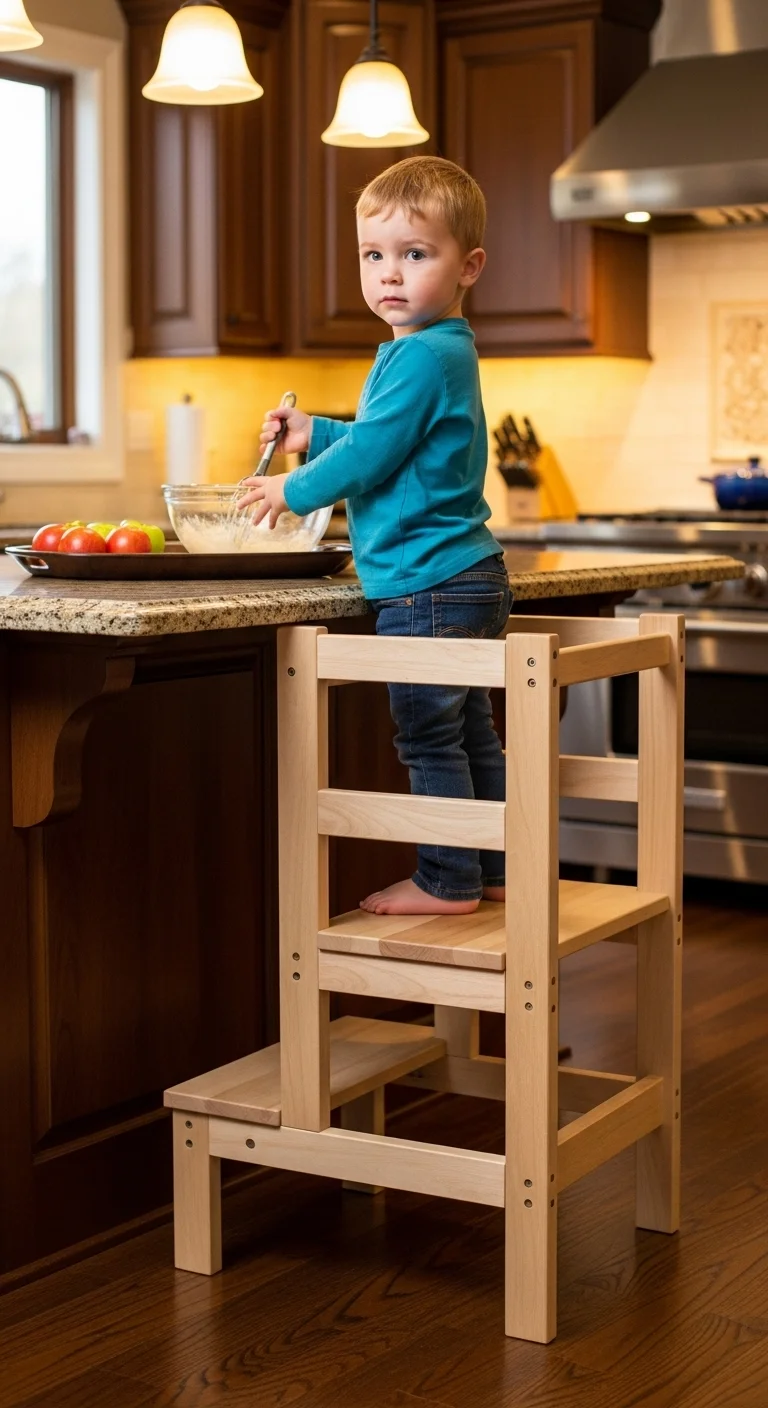
Instead of pricey kitchen helper towers, use a stable step stool you already have. Teach kids where to stand and which tasks are safe—mixing, rinsing fruit, or tearing lettuce. Cooking together doesn’t need special gear. Keep things simple and supervised. A towel underneath the stool helps prevent slipping. Kids love being part of kitchen routines, and this small setup lets them help without cluttering the space.
15. Car Snack Tray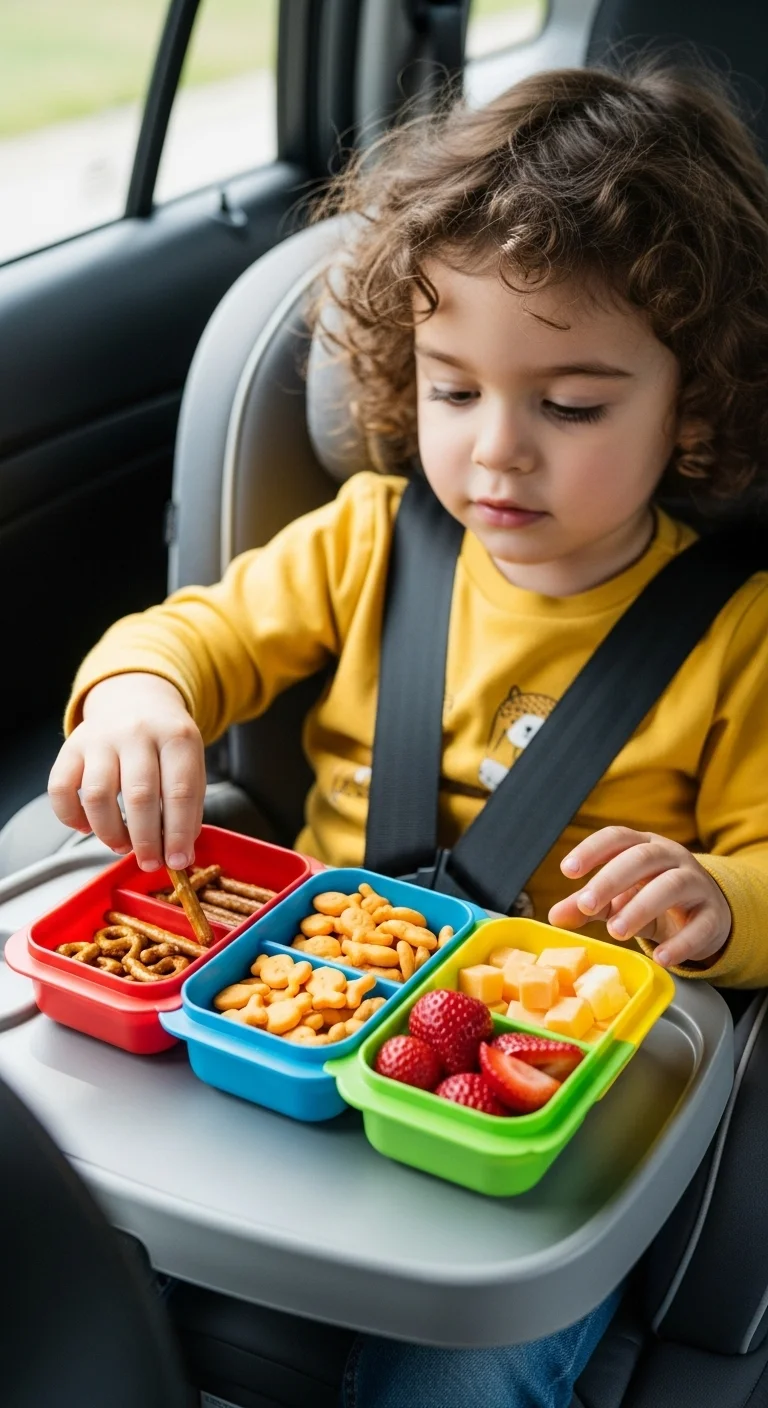
Use a dollar-store craft tray as a car snack tray. The small compartments hold crackers, fruit, or small sandwiches. It keeps crumbs contained and helps kids eat without spilling. Store the tray in the seat-back pocket. Wipe it after each use so it’s always ready. This works well during long drives or after school when kids are hungry. It’s cheap, easy, and practical.
16. Bedside Water Cups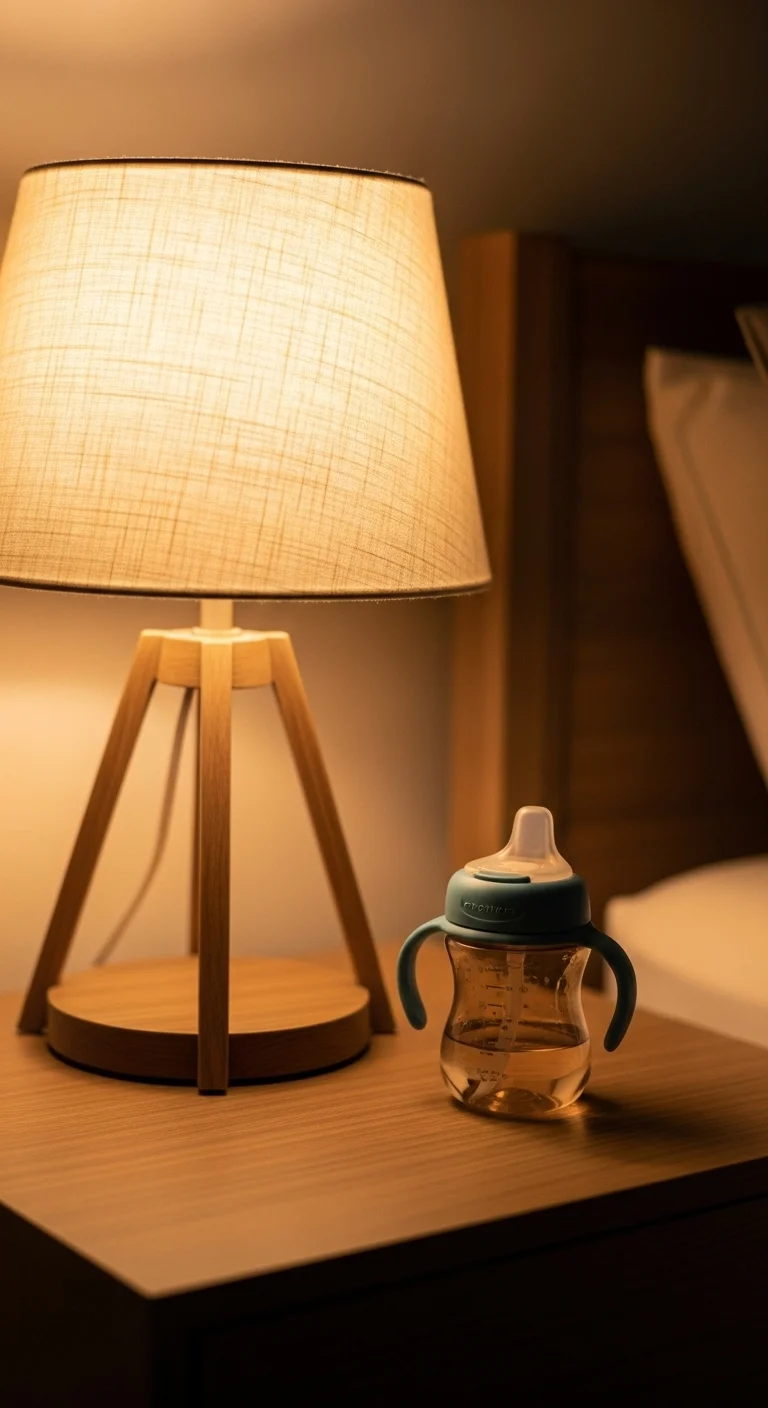
Keep a small cup of water by your child’s bed to cut down on late-night requests. Use a spill-proof cup if needed. Refill each morning so it stays clean. This tiny step helps nights stay calmer. It also teaches kids to handle small responsibilities. If you worry about spills, place a coaster or towel under the cup. It’s simple and saves you from multiple trips to the kitchen.
17. Door-Hanger Outfit Planner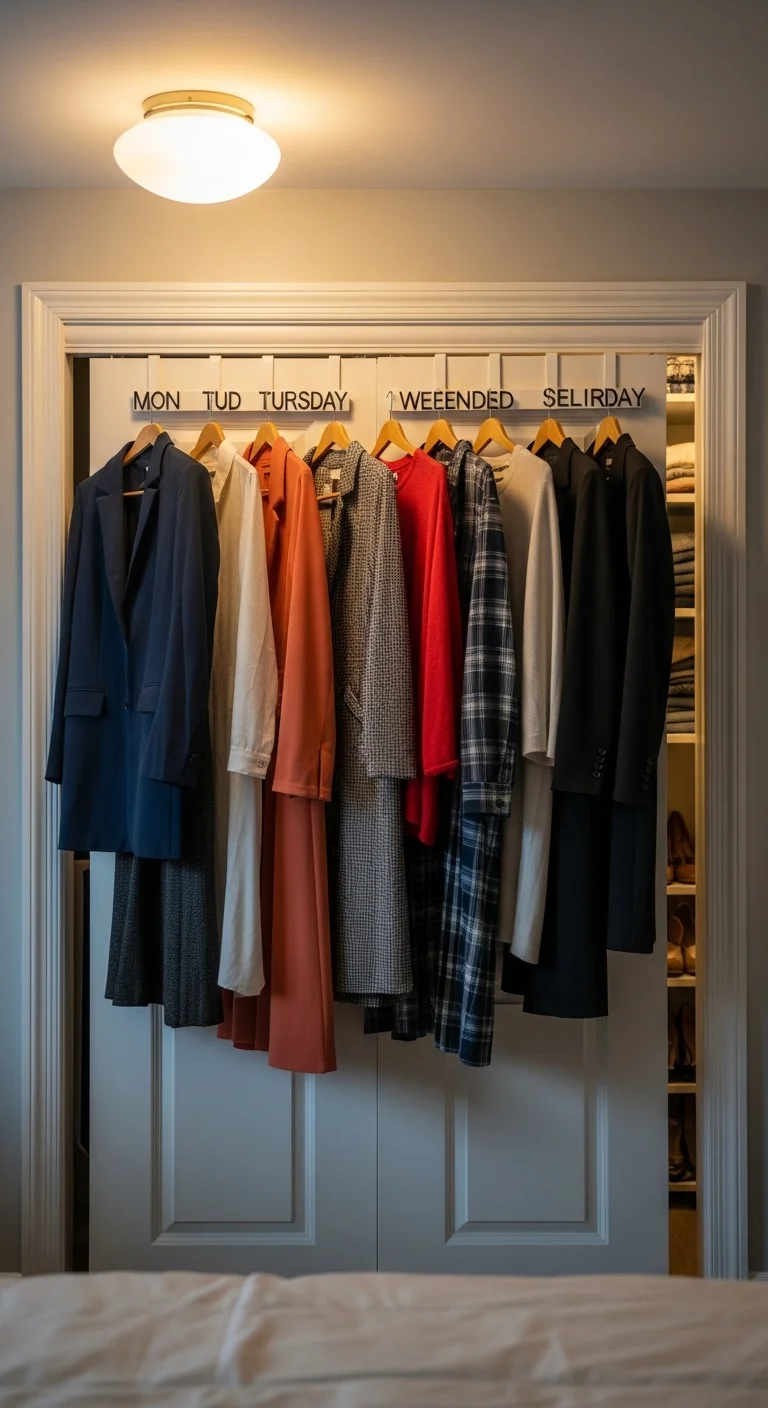
Hang five hooks on the closet door and plan outfits for the week. Use hangers you already own. Kids choose from the options or help you pick the items ahead of time. This removes morning arguments and keeps clothing choices quick. If you prefer, use cloth bags to hold small items like socks or accessories. Keeping everything visible makes dressing smoother for everyone.
18. DIY Art Table Cover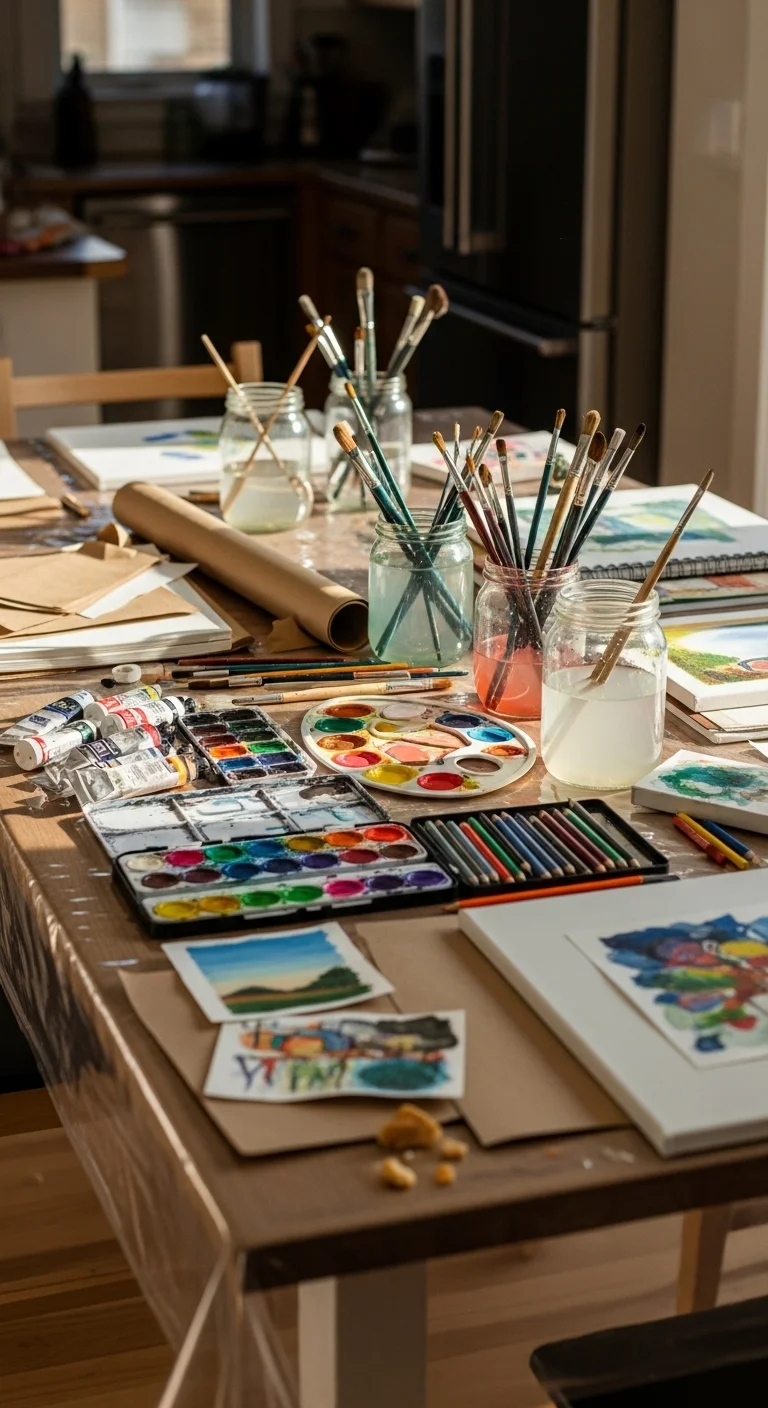
Spread a cheap plastic tablecloth or an old shower curtain over the table before art time. Tape the corners so it doesn’t slide. Kids can paint, glue, or color without worrying about stains. Roll up the cloth afterward and shake it out outside. This keeps art fun and low-stress. You don’t need fancy mats or expensive covers. A simple reusable cloth works well for messy projects.
19. School Paper Keeper Box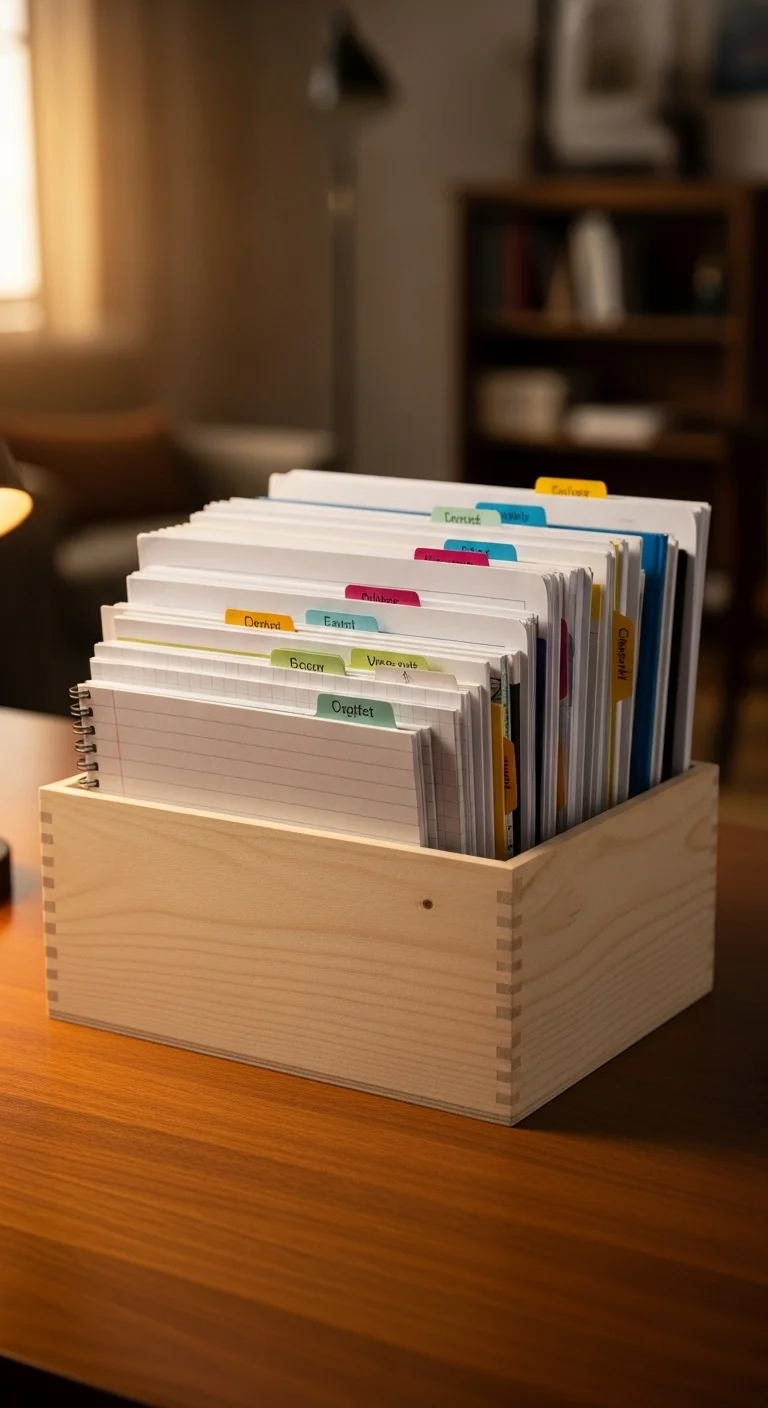
Kids bring home endless papers. Use one box per child to store drawings, worksheets, and notes. At the end of each month, sort through and keep only the meaningful pieces. You can use a shoebox or any spare container. This keeps counters clear and gives you a memory box without clutter. Kids enjoy reviewing their work, and you don’t end up with piles across the house.
20. Doorway Height Chart Strip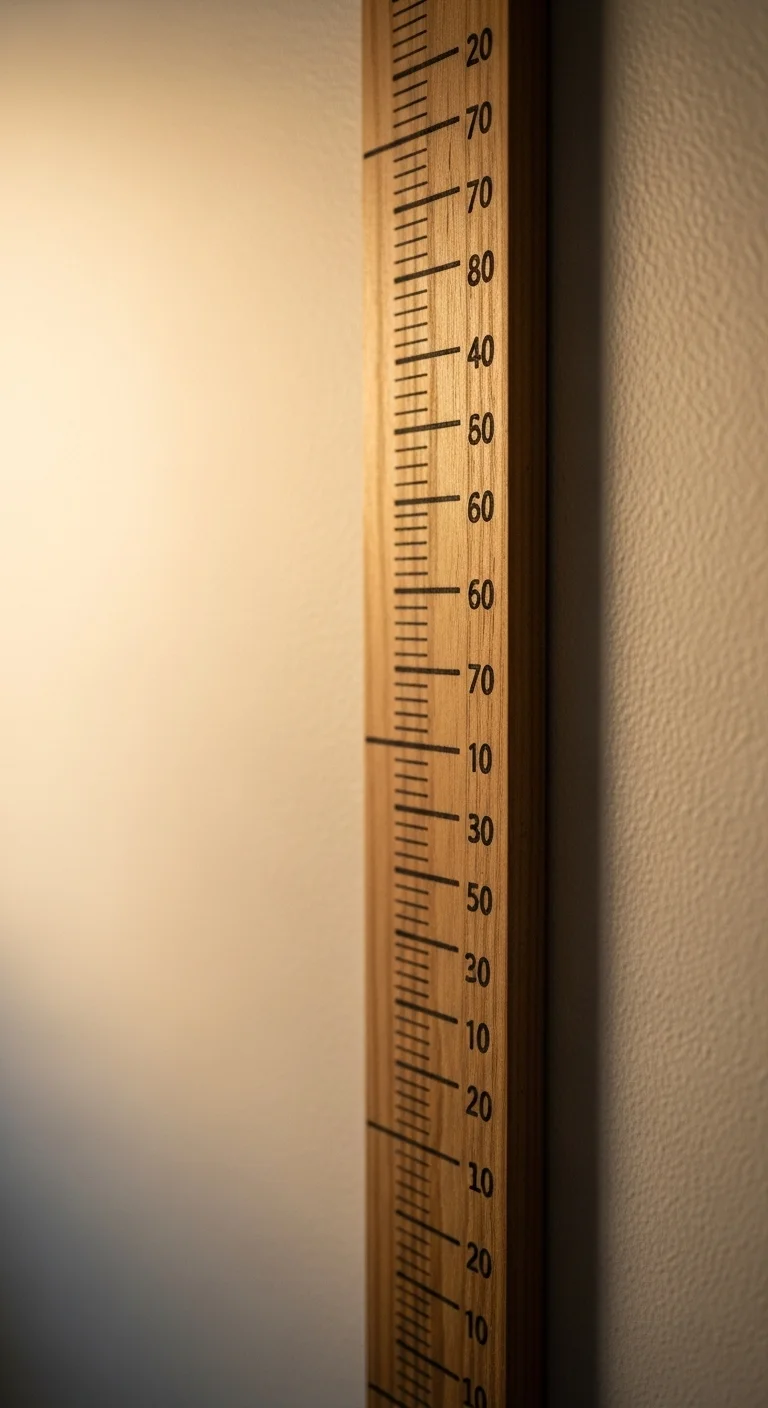
Instead of marking up a wall, use a wooden strip or leftover board as a height chart. Lean it or mount it lightly. Add dates as kids grow. This lets you take the chart with you if you move. It requires no expensive supplies—just the wood and a pencil. Kids love checking their progress, and it becomes a sweet keepsake over the years.
21. DIY Car Toy Clip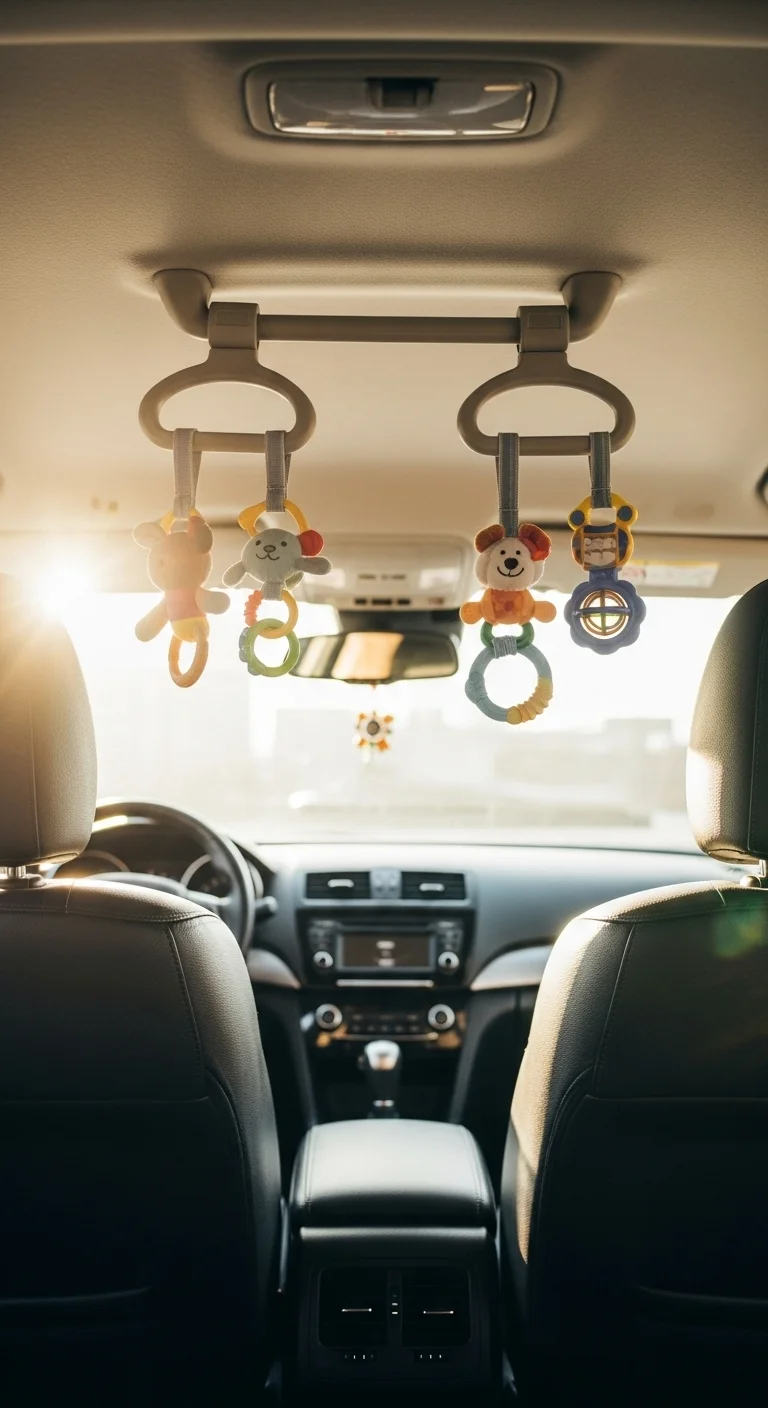
Tie small toys to short ribbons and clip them to the car seat strap covers. This stops toys from dropping to the floor. Keep ribbons short for safety. Use toys your kids already enjoy. This simple trick cuts down on whining during drives and saves you from stretching into back seats at stoplights. Rotate toys weekly to keep things fresh.
22. The “Kitchen Cup Rule.”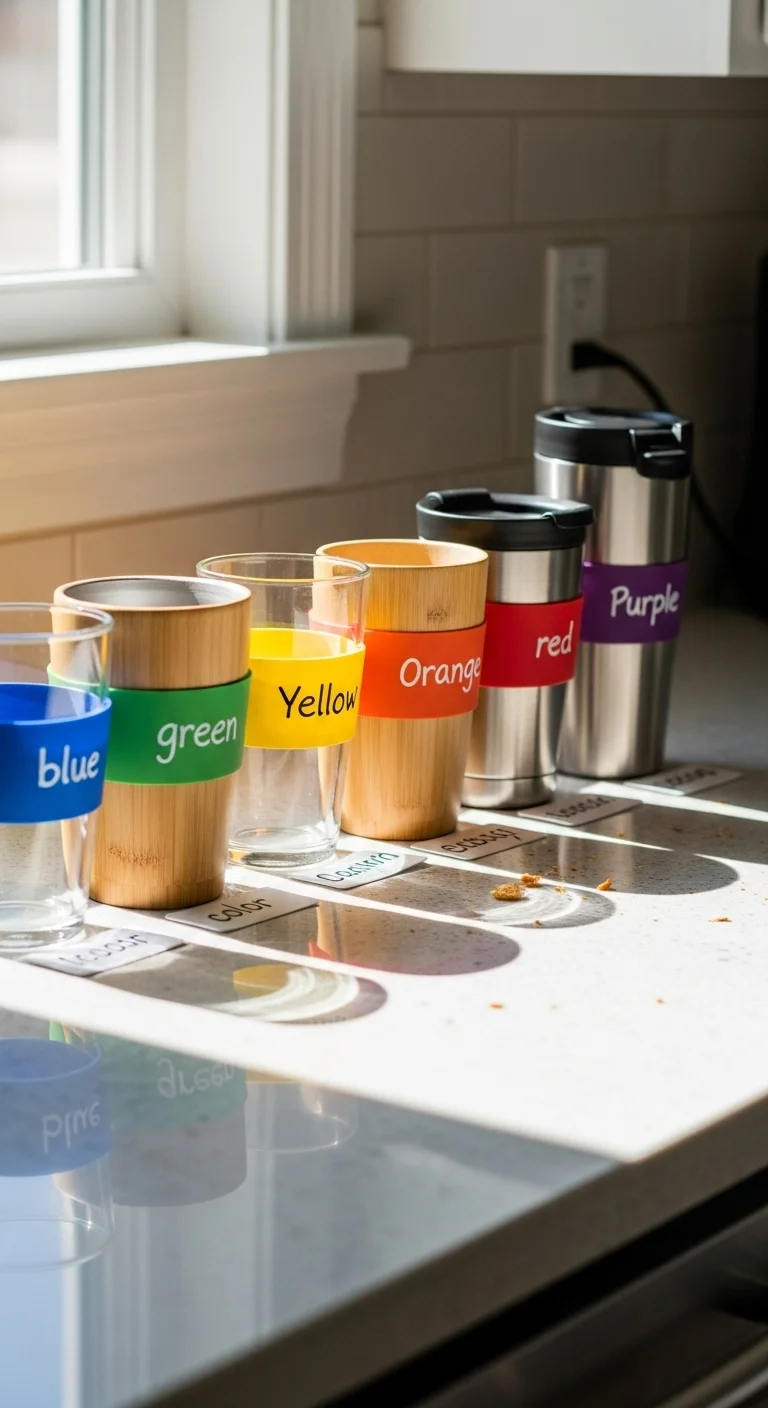
Assign each child one cup per day. Keep it on a small tray so they always know where to put it. This prevents a pile of dirty cups from building up. Choose cups you already own in different colors. Rinse throughout the day and wash at night. It teaches simple habits and keeps the sink manageable. Parents often find that this reduces dishwashing by half.
23. DIY Toothbrushing Basket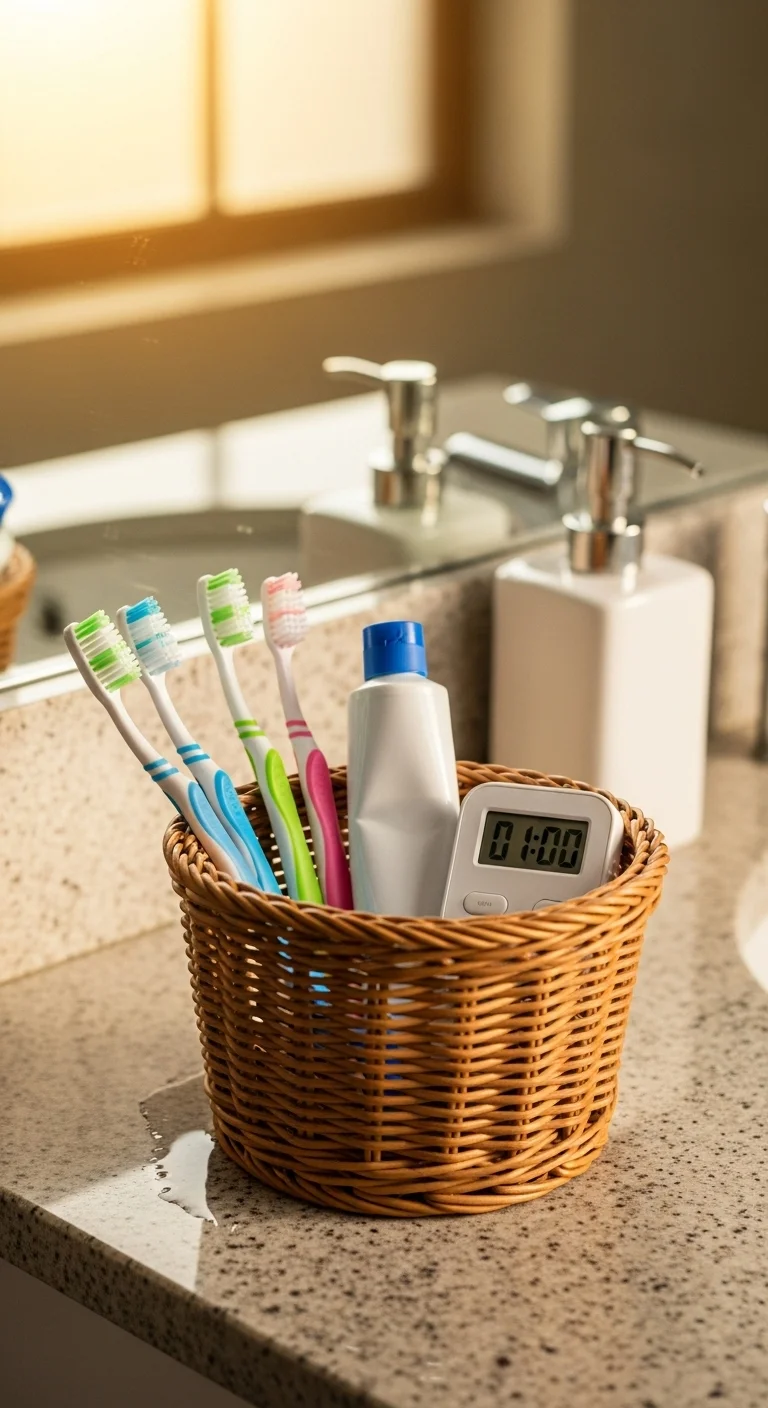
Use a basket to group brushing items so kids don’t scatter them across the bathroom. Add a 2-minute sand timer to make brushing fun. Use containers you already have. Keeping everything together helps with rushed mornings and bedtime routines. Store the basket on a high shelf if younger kids need supervision. It keeps the bathroom tidy and makes brushing less of a battle.
24. “Quiet Morning” Activity Box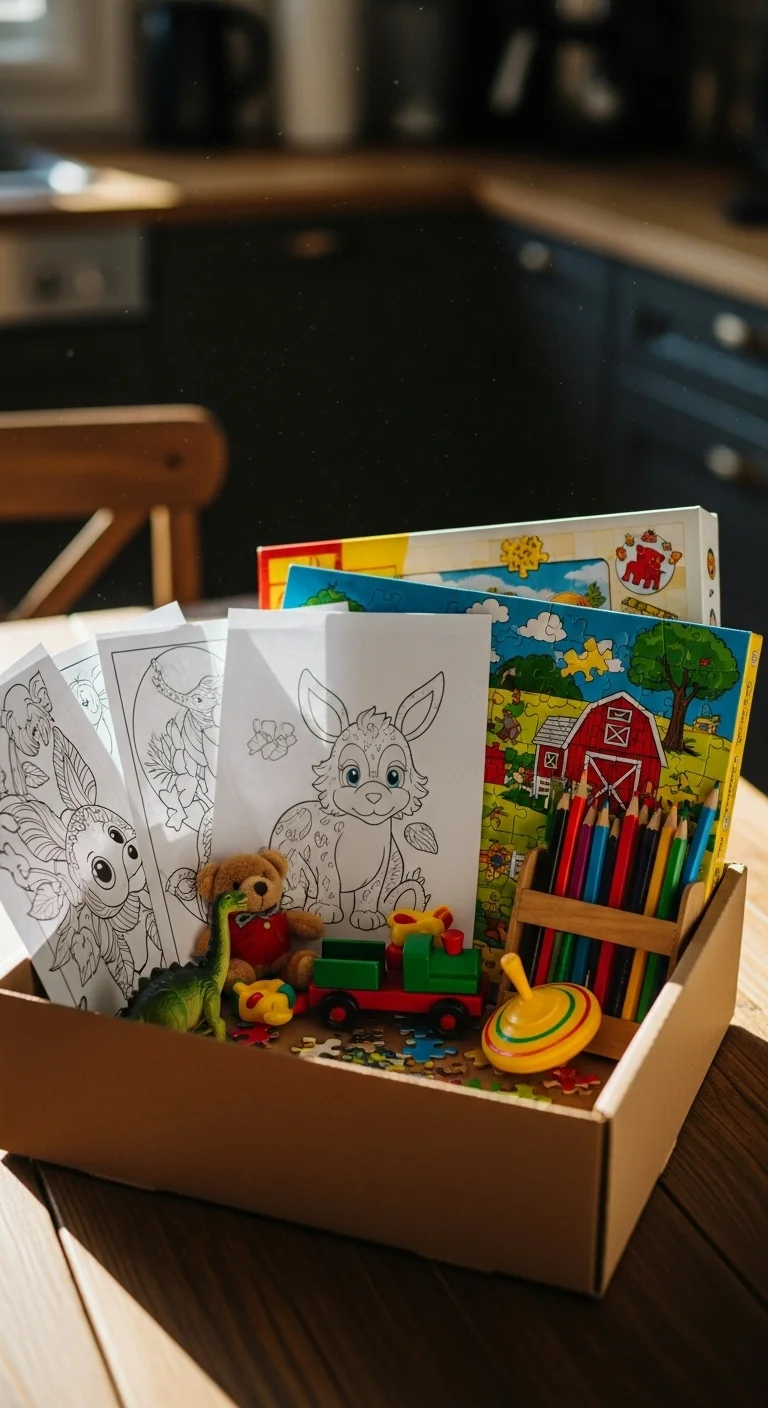
[Image Prompt: A box filled with puzzles, coloring pages, and small toys on a kitchen table; gentle morning light; high-end camera; no text.]
Create a box with quiet activities for early risers. Add puzzles, coloring sheets, or small toys. Rotate items every few weeks. Kids can entertain themselves while you wake up or prepare breakfast. Use old containers or repurpose craft supplies. This simple box helps mornings feel peaceful and keeps kids busy without screens. It’s an easy habit that pays off daily.
25. Simple Mealtime Helper Placemat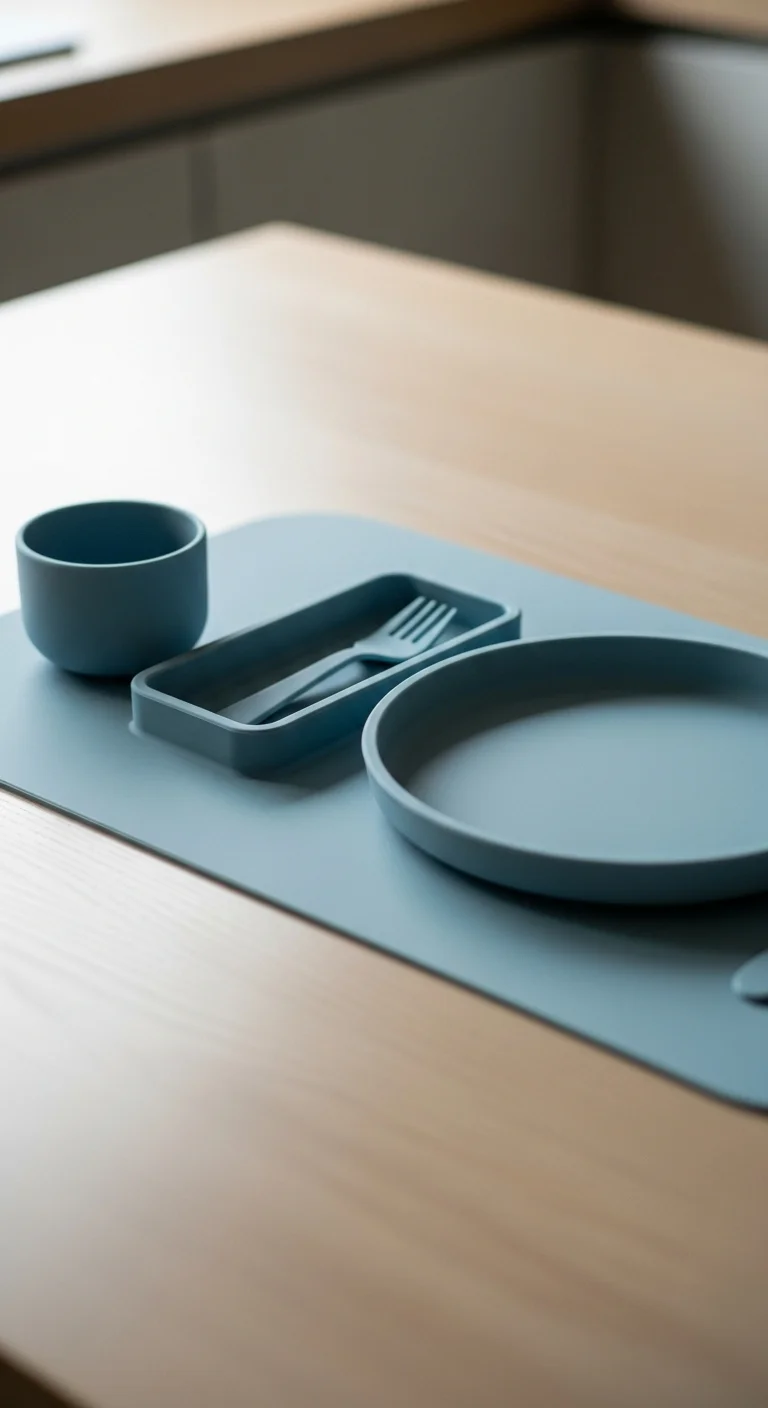
Use a placemat to teach table setup. Draw outlines for the cup, fork, and plate with a marker. Kids enjoy matching items with shapes. Laminating the mat helps it last longer, but clear tape works too. This encourages kids to help with meals and makes dinnertime smoother. It costs almost nothing and builds independence.
26. “Bathroom Bag” for Outings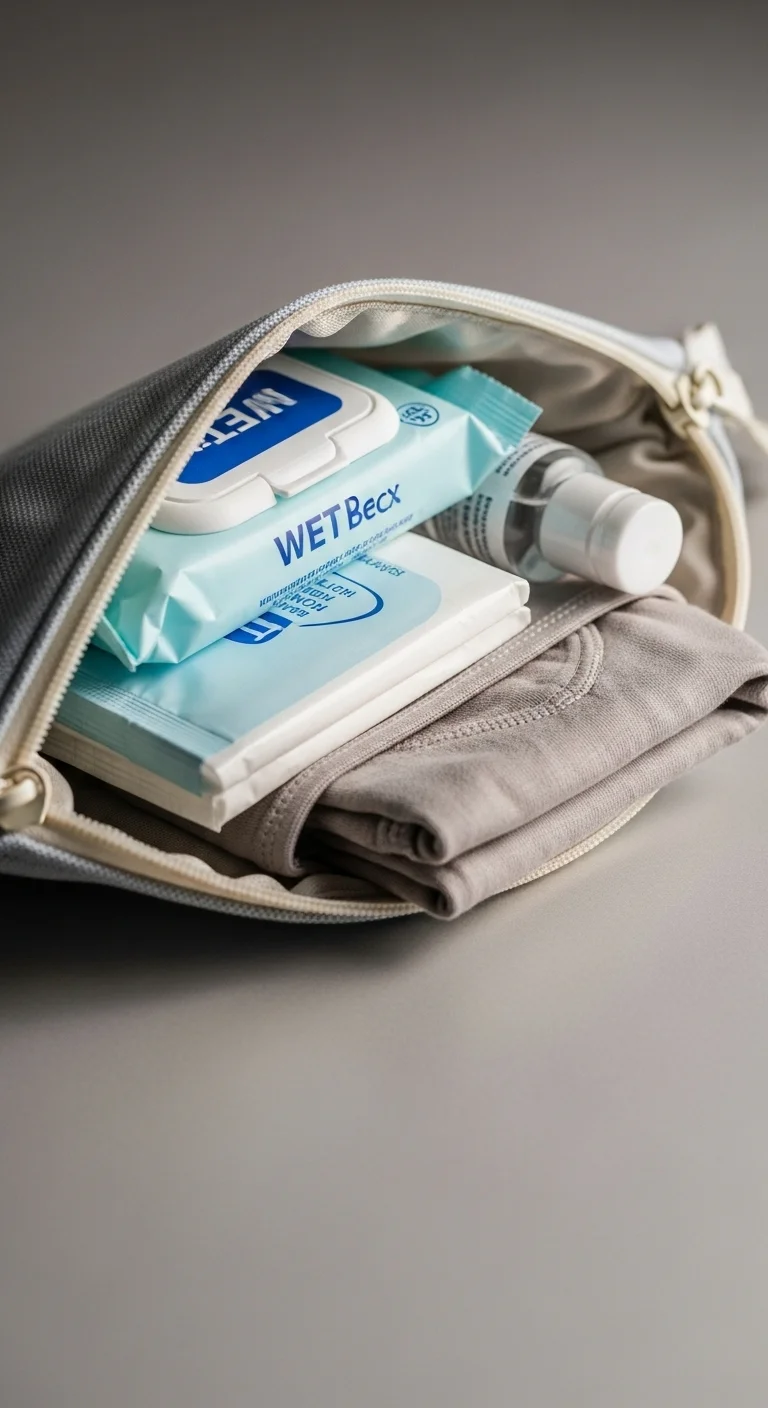
Keep a tiny bathroom bag in your purse or backpack. Add wipes, tissues, sanitizer, and spare underwear for younger kids. Reuse any small pouch. This saves the day during accidents, sticky moments, or unexpected messes. Restock weekly. It’s one of those small habits that makes outings much easier.
27. Five-Minute Night Prep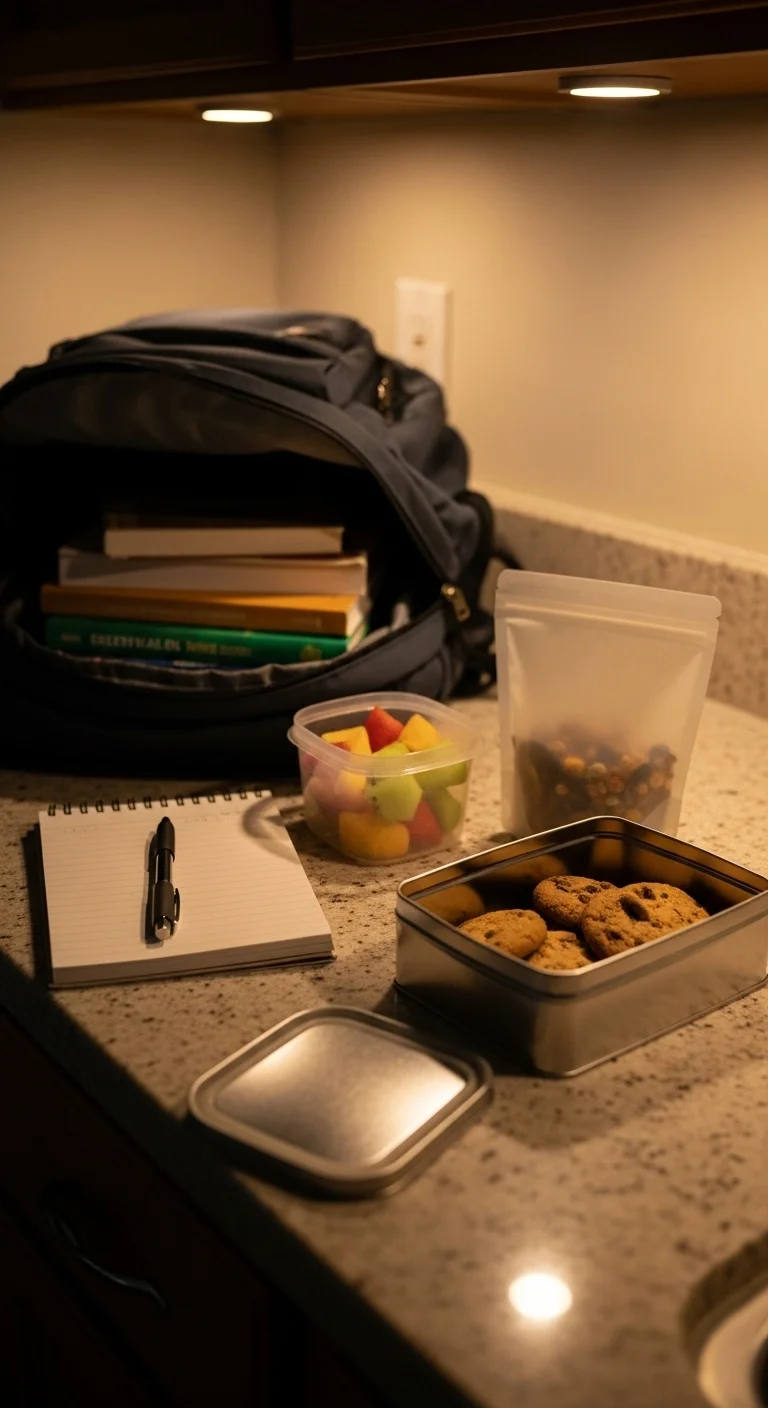
Take five minutes each night to prep for the next day. Set out water bottles, snacks, and backpacks. Place shoes together by the door. Kids can help pick their outfit. This tiny routine makes mornings far calmer. You don’t need special gear—just a consistent habit. Keep a notepad nearby in case you remember a task for tomorrow.
Conclusion
Small habits lead to smoother days. These simple tricks help keep your home organized, your mornings lighter, and your kids more involved in everyday tasks. Start with two or three ideas that fit your routine. As they become natural, add more. Little adjustments can make family life feel steadier and enjoyable without adding extra stress or cost.
