

26 Genius Toddler Behavior Hacks for Instant Calm
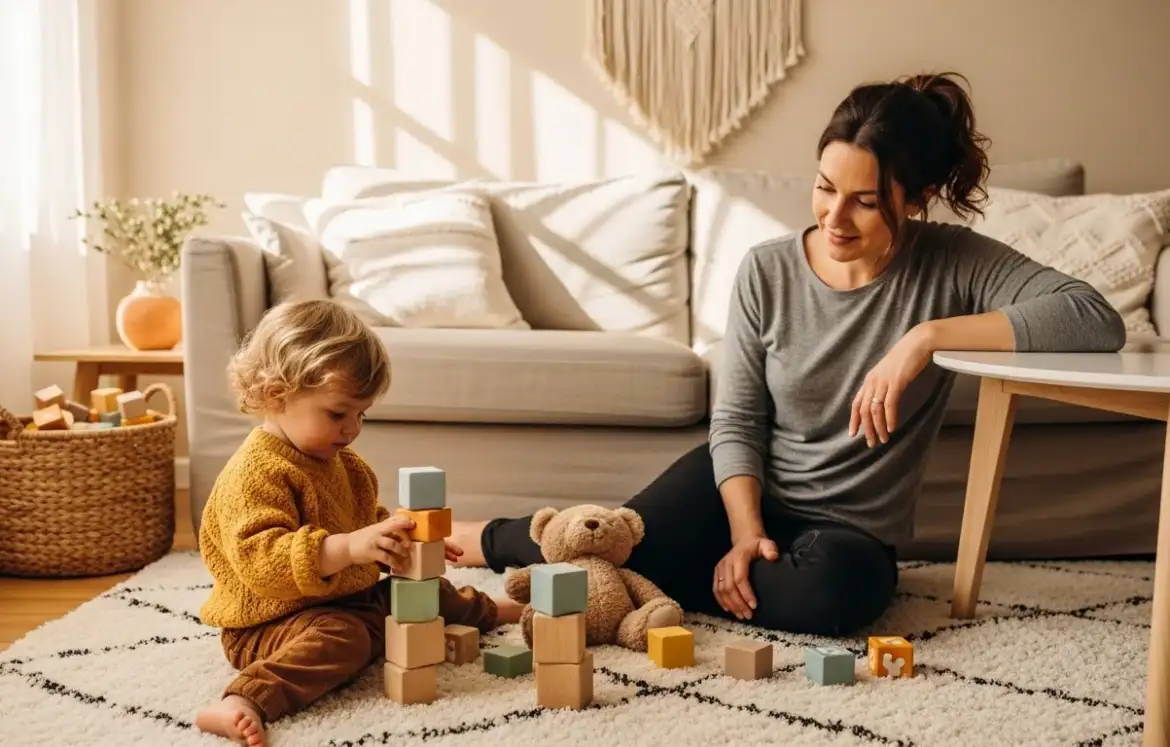
Toddlers are full of energy, curiosity, and strong emotions, which can make everyday moments feel overwhelming. Simple behaviour hacks can help bring instant calm without complicated tools or pressure. These small shifts work well for busy homes and tight schedules, and they’re easy to try right away. Each tip focuses on connection, predictability, and quick solutions that guide toddlers toward calmer behaviour without battles.
- Try the Two-Choice Trick

Offering two clear choices helps toddlers feel more in control. Instead of saying, “Put this on,” try offering two shirts. Keep the options simple so your toddler doesn’t get overwhelmed. You can create DIY choice baskets using small containers from the dollar store. Fill them with things like snack options or activity items. Choices reduce resistance and encourage cooperation. It’s a quick way to shift a tense moment into a calm one.
- Use a Calm Voice, Even When They Yell

Matching their volume adds pressure. Speaking softly invites your toddler to settle down. Keep your tone low and slow. This helps regulate their emotions without long talks. You can practice quiet conversations during peaceful moments so they learn the pattern. A gentle voice turns power struggles into manageable moments, especially during mealtime or bedtime.
- Start With Connection, Then Give Directions

Toddlers listen better after a moment of connection. Try a soft touch, a smile, or a quick hug before giving instructions. Connection helps them feel safe and ready to follow. You can use tiny rituals like a nose kiss or a hand squeeze. These small gestures calm toddlers quickly and make directions easier to accept.
- Use a Simple Countdown

Countdowns prepare toddlers for change. Say “3…2…1…time to go” in a friendly tone. It helps them shift from one activity to another without sudden stops. You can pair countdowns with a small kitchen timer from the dollar store. Toddlers love watching the time run out. This small trick reduces tantrums during transitions.
- Redirect Instead of Saying “No”
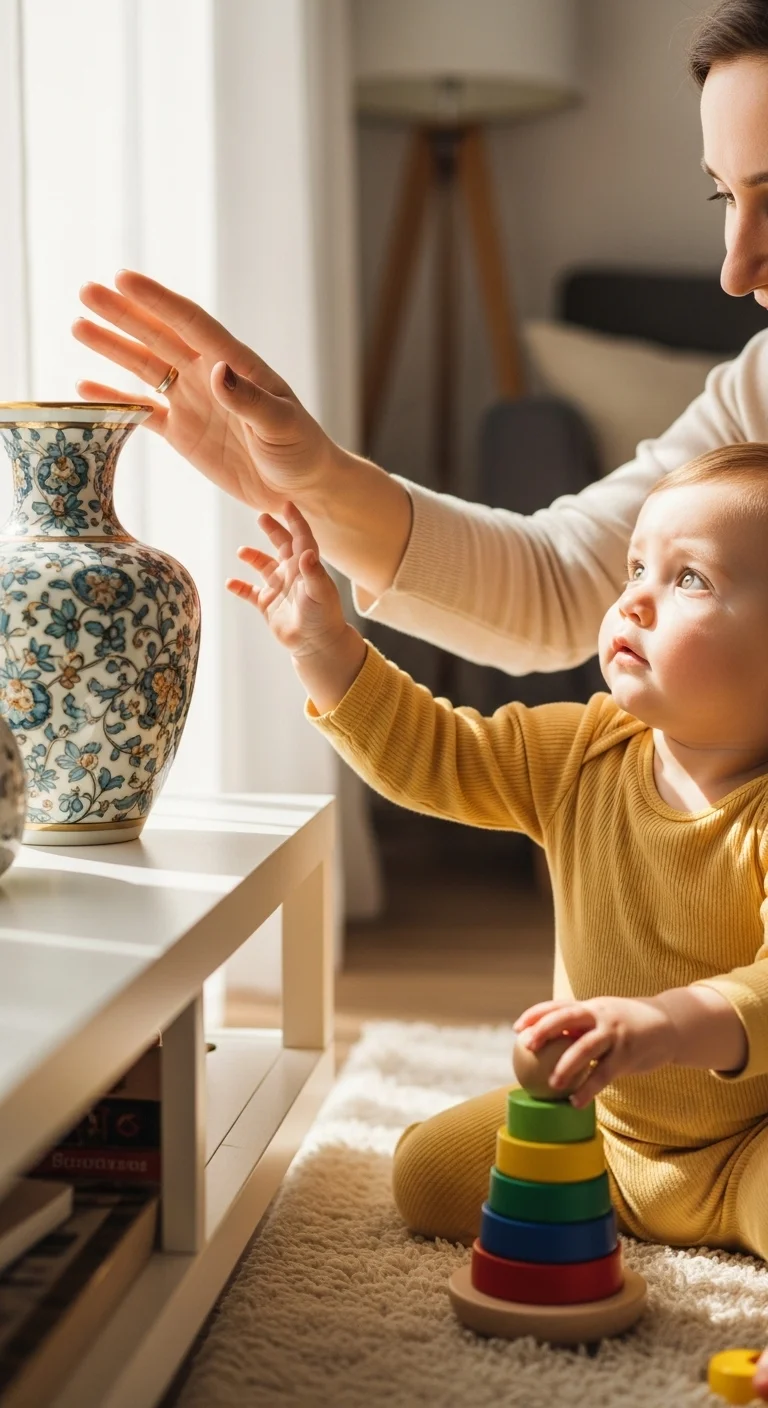
Toddlers struggle with hearing “no” too often. Redirection keeps the moment positive. If they grab something fragile, offer a safer alternative. Keep a small bin of toys ready for quick swaps. Things like soft balls, wooden spoons, or sensory items work well. Redirection keeps the peace and teaches your toddler what to do.
- Create a Cozy Calm Corner
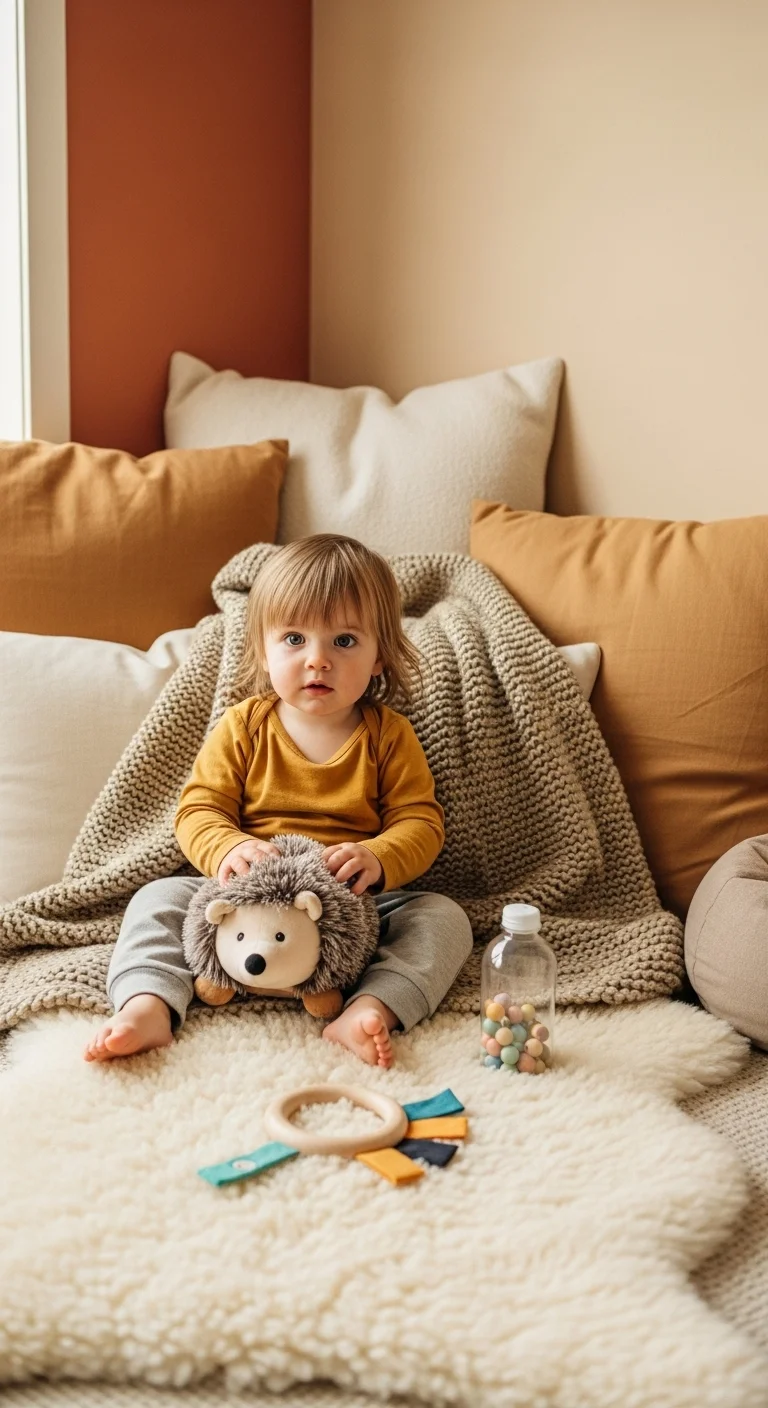
A calm corner offers your toddler a place to reset. Use pillows, blankets, or stuffed animals you already have. Add inexpensive items like a small lamp or sensory objects from a dollar store. Introduce the space during calm moments so it doesn’t feel like punishment. Toddlers feel more regulated when they have a safe place to pause.
- Narrate What’s Happening

Narration helps toddlers process emotions and actions. Say things like “You’re stacking blocks” or “You look frustrated.” This helps them understand their feelings. You can even draw simple emotion faces on paper to help them label big feelings. Narration reduces confusion and builds trust.
- Use Short, Clear Phrases
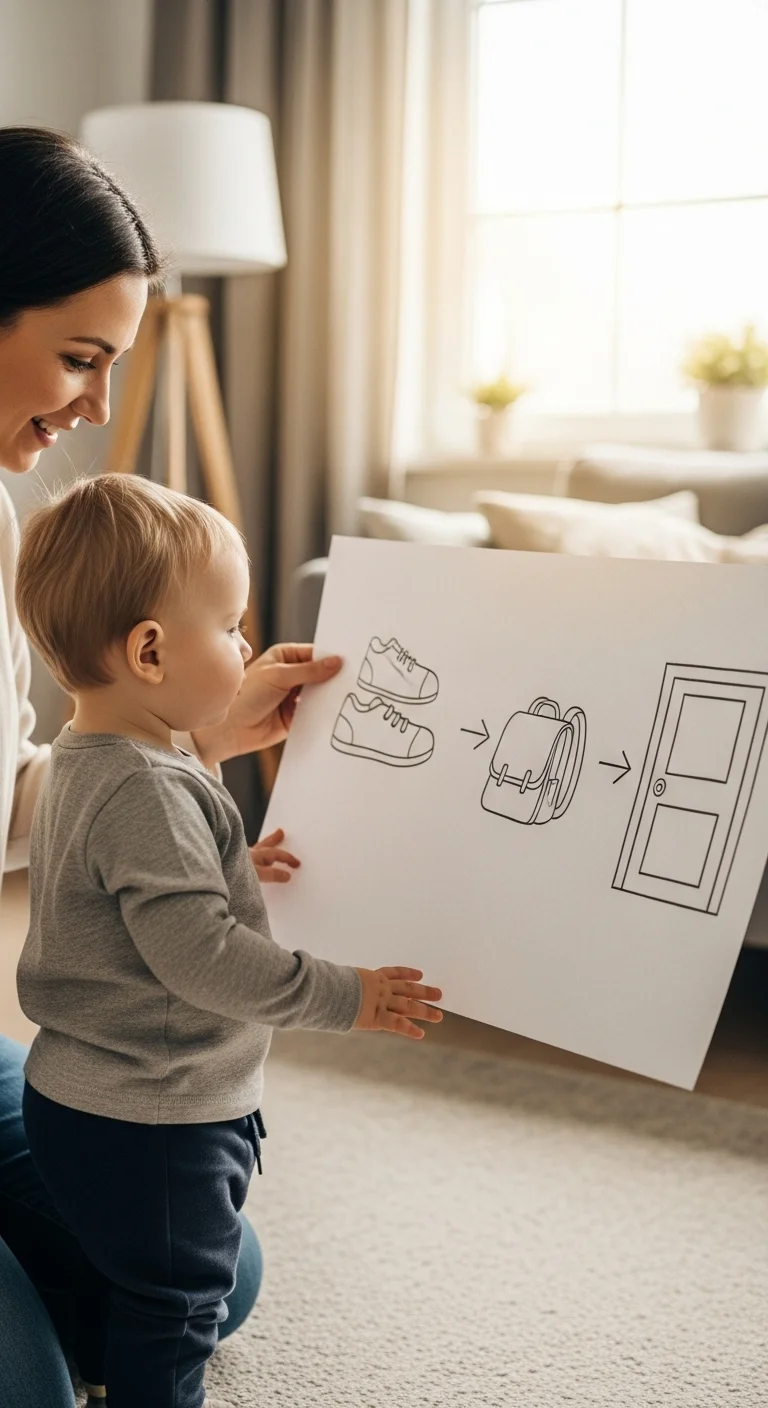
Toddlers don’t process long instructions. Keep your words short: “Shoes on.” “Hands gentle.” “Come with me.” You can draw quick stick-figure steps on paper to make things easier. Toddlers follow better when instructions feel manageable. Short phrases reduce frustration on both sides.
- Offer a Quick Hug Before Handling Behavior

Sometimes toddlers act out because they feel disconnected. A quick hug can shift the entire moment. It resets their emotions and helps them feel supported. If your toddler resists touch, sit close instead. Finding peaceful connection moments helps behavior settle faster.
- Turn Tasks Into Mini Games

Toddlers respond well to playfulness. Turn cleanup into a game by racing a timer or pretending toys are “going home.” Use simple props like a small basket or a box. Turning tasks into play encourages cooperation without pressure. It keeps the mood light and fun.
- Teach “Whisper Time”

Whispers bring instant calm. Practice whisper time during peaceful moments so your toddler knows how it works. Whispering naturally lowers energy and brings focus. Use it during tense situations like restaurant visits or car rides. It works like magic to settle noisy moments.
- Prepare for Transitions with Visuals
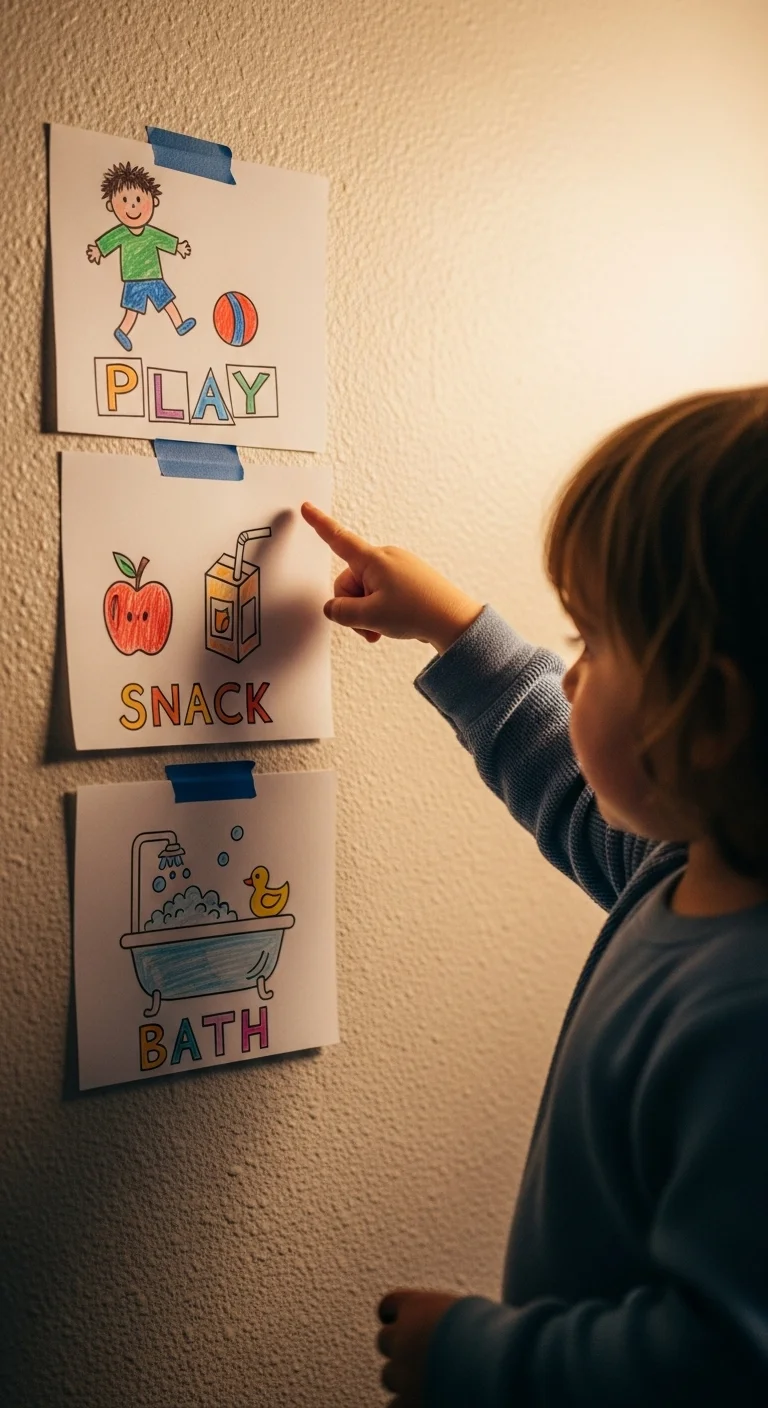
Toddlers struggle with sudden changes. Visuals help them understand what’s coming next. Draw simple pictures on paper and tape them to the wall. Let your toddler move a clothespin down the list as you go. Visuals cut down resistance and help toddlers feel more secure.
- Let Them Help With Simple Tasks

Giving toddlers simple jobs helps them feel capable. Let them water plants, wipe spills, or put napkins on the table. Use small, child-safe tools from dollar stores. Helping keeps them engaged and reduces acting out caused by boredom or frustration.
- Use Gentle Touch to Ground Them

A gentle touch can bring quick calm. Try placing your hand on their back or holding their hand softly. It signals safety and support. Use touch only if your toddler is comfortable with it. This grounding method works well during overwhelming moments.
- Keep a “Calm Kit” Nearby

A calm kit gives toddlers something soothing to use when emotions rise. Fill a small basket with inexpensive items like squishy toys, soft cloths, chunky crayons, or a small puzzle. You can rotate items weekly to keep things interesting. This creates an instant calming tool during stressful moments.
- Step Outside for a Quick Reset

Fresh air shifts a toddler’s mood quickly. Step outside for one minute when things feel intense. Let them listen to birds or touch a leaf. Simple outdoor moments calm overstimulation and help toddlers reset without big effort.
- Offer a Snack Before the Meltdown Hits
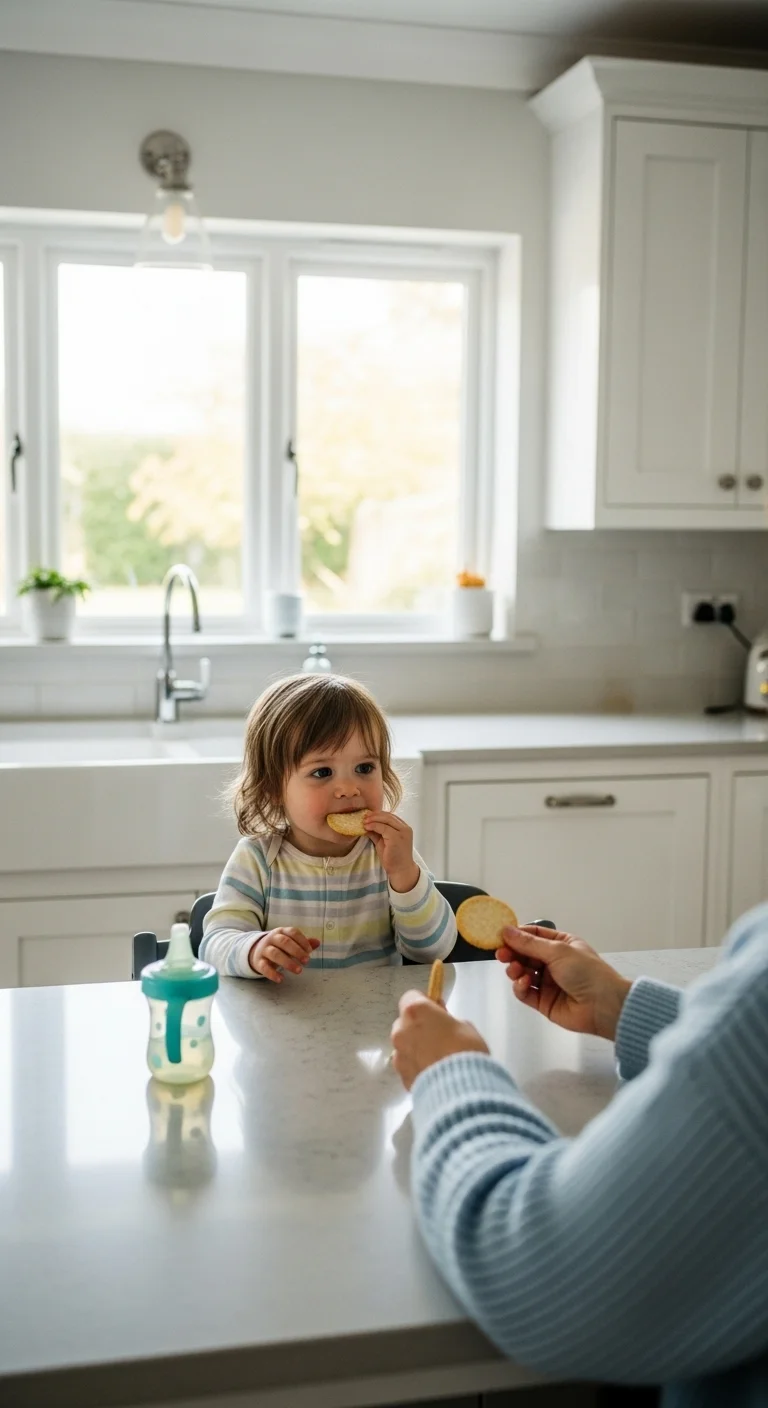
Hunger often triggers meltdowns. Keep small snacks ready—banana slices, crackers, apple pieces. Use dollar-store containers to pack quick grab-and-go snacks. Offering something small before emotions peak can turn a meltdown into a smooth moment.
- Rotate Toys to Reduce Overwhelm
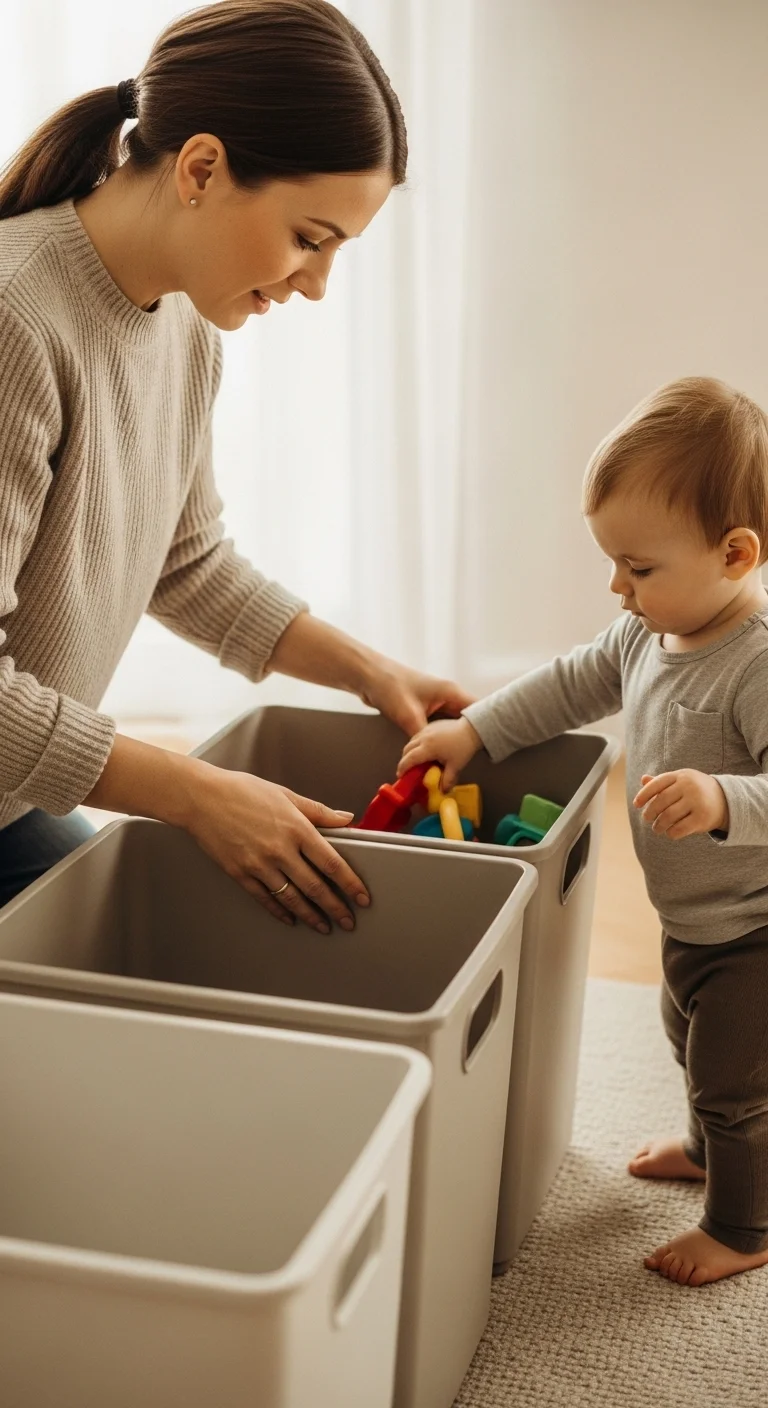
Too many toys can overstimulate toddlers. Rotate just a few items at a time. Use small bins or baskets and switch them out weekly. Toddlers play longer and more calmly when the space feels simple and uncluttered.
- Use Simple Yes/No Questions
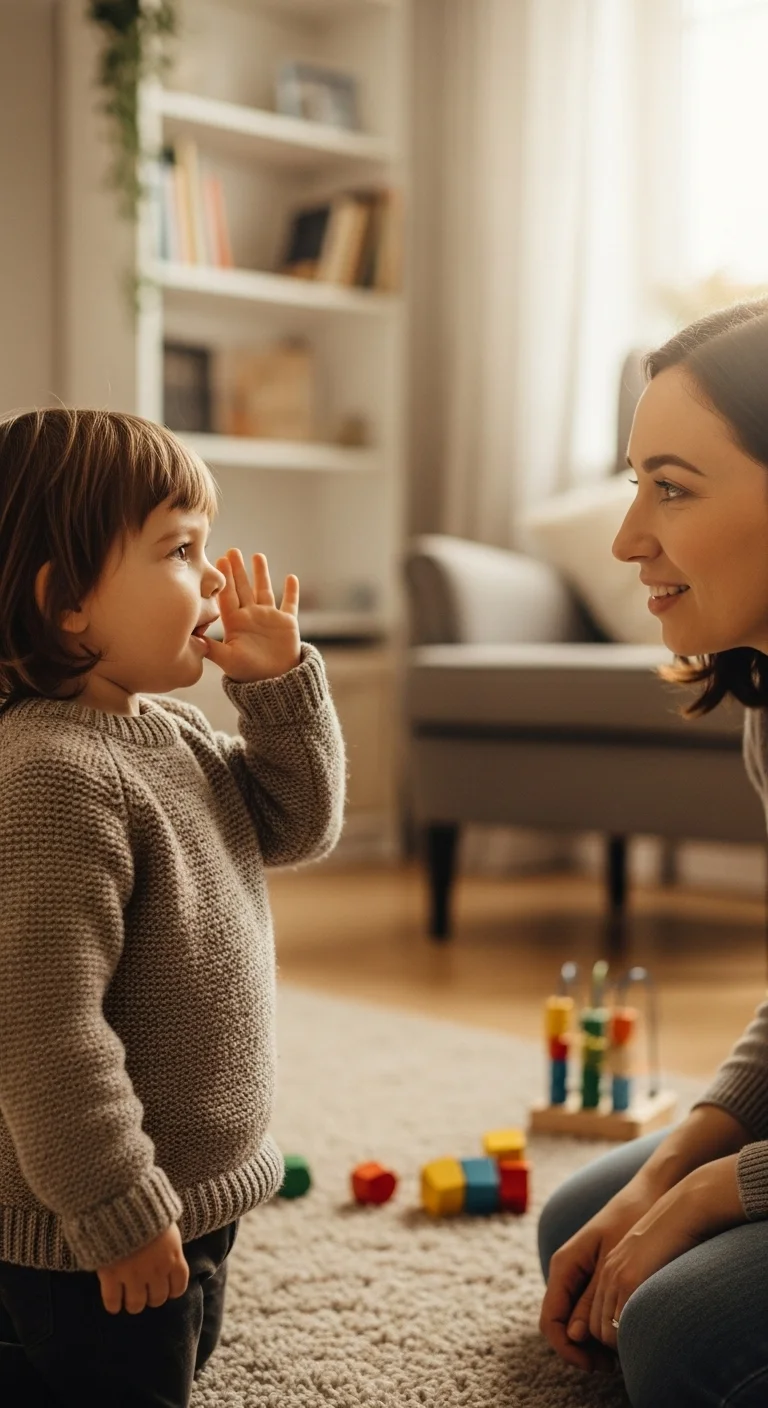
Toddlers respond well to direct questions. Try “Do you want to sit here?” instead of “Where do you want to sit?” Yes/no questions help prevent overwhelm and speed up cooperation.
- Offer a Quick Water Break

Hydration affects mood. Offering water during tense moments helps toddlers reset. Keep a small cup accessible so they can drink independently. Sometimes a simple sip calms the whole moment.
- Bring Down the Energy With Dim Lights

Bright lights can overstimulate toddlers. Dim lights help tone down energy instantly. Use a small lamp or plug-in night light for a calming effect. Soft lighting helps toddlers settle for naps, bedtime, or quiet play.
- Acknowledge Their Feelings Briefly

Acknowledgement helps toddlers feel heard. A simple “You’re upset. I’m here” works well. Avoid long explanations. Short emotional support helps toddlers move through their feelings quickly and more calmly.
- Offer a “Try Again” Moment

Instead of correcting harshly, offer a quick “try again.” If they grab too hard or shout, guide them to repeat it softly. Toddlers learn faster through repetition. This keeps the moment supportive instead of stressful.
- Keep Hands Busy During Waiting Time

Waiting can trigger restlessness. Keep small items in your bag—zipper pouches, squishy toys, stickers, or crayons. These simple tools keep hands busy and prevent meltdowns in checkout lines or waiting rooms.
- Speak at Eye Level

Getting to eye level helps toddlers listen and feel understood. Bend down, hold their hands if they’re comfortable, and speak clearly. Toddlers respond better when interactions feel personal and grounded.
- End the Day With a Quiet Ritual
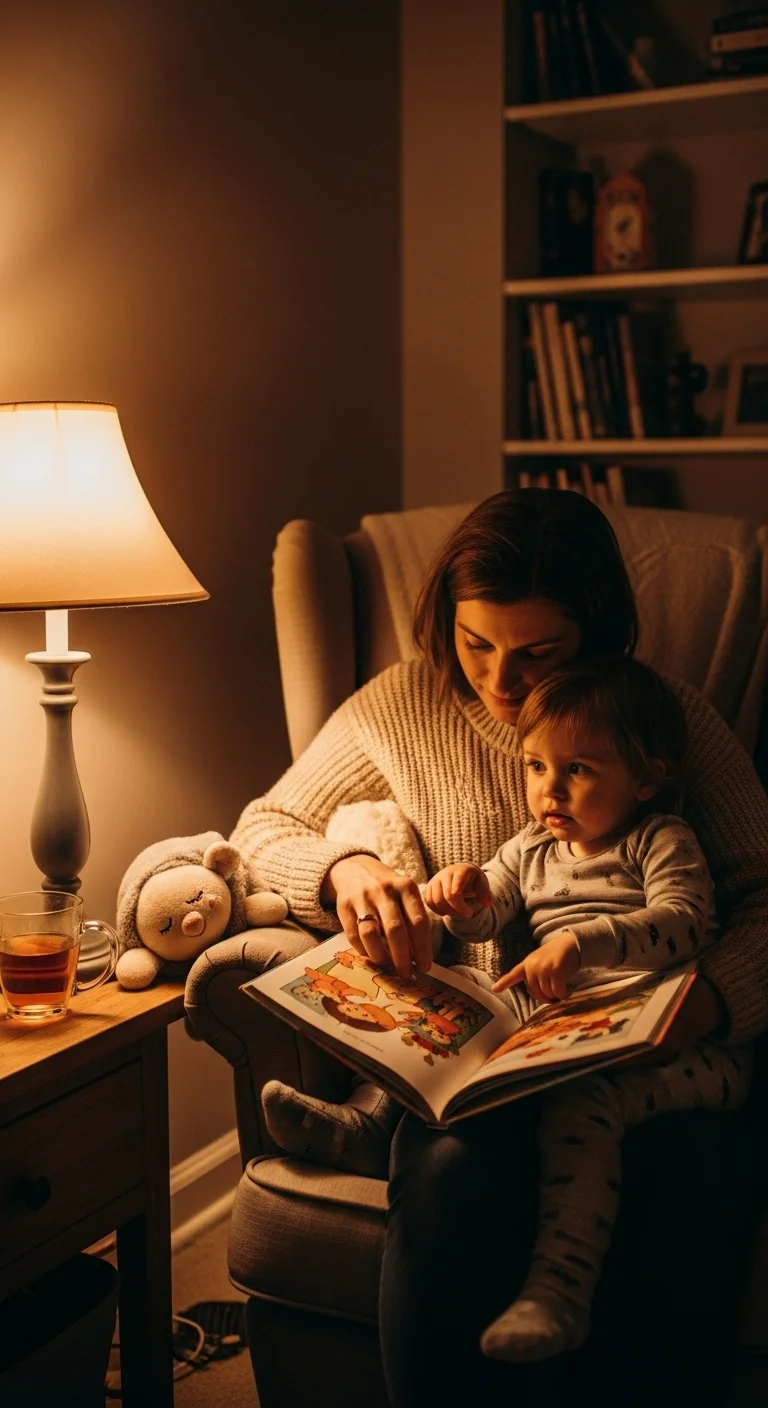
A calming ritual helps toddlers settle after a long day. Try reading a short book, singing a soft song, or sharing a gentle moment. Keep it simple and consistent. These small rituals encourage peaceful sleep and calmer behavior the next day.
Conclusion
Toddlers thrive when routines feel simple, predictable, and warm. These behavior hacks help guide your child toward calmer reactions while keeping your day smoother and lighter. You don’t need fancy tools—just small, practical habits that bring peace into everyday moments. Try one or two tips today and build from there. Even tiny changes can shift the energy in your home and create more harmony for both you and your toddler.
