

25 Game-Changing Newborn Sleep Tips for Longer Nights

Newborn sleep often feels unpredictable, but small changes can help stretch those night hours. Many parents look for simple routines, calmer evenings, and easy ways to settle their baby. These tips focus on straightforward adjustments you can use right away. You don’t need expensive tools or complicated systems. A calm environment, steady patterns, and gentle cues can make a big difference. Here are 25 newborn sleep tips that help create smoother nights for both you and your baby.
- Create a Soft and Predictable Bedtime Flow
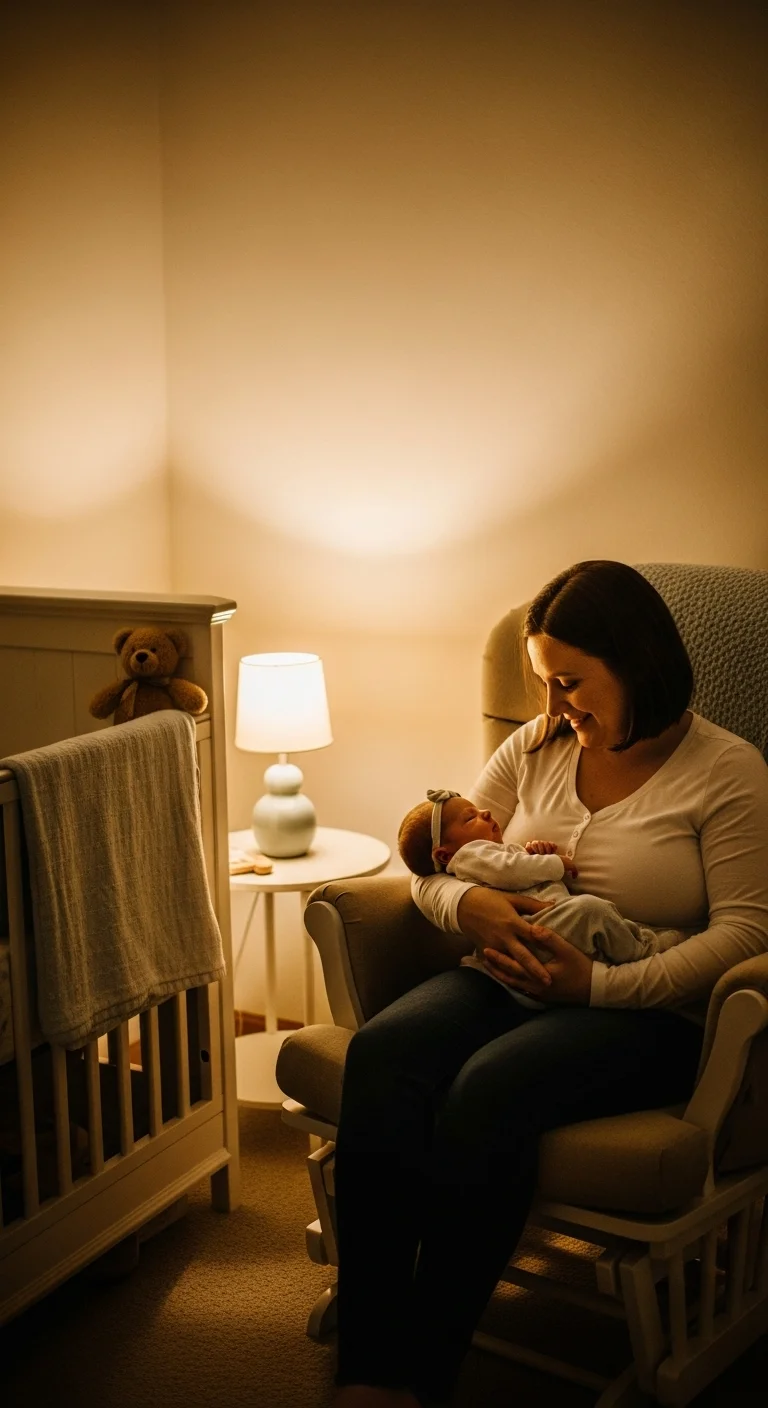
A predictable bedtime flow helps your baby connect certain actions with sleep. Keep it short and simple so it feels easy on tired evenings. A warm bath, diaper change, soft pajamas, and gentle rocking work well. Try to keep the steps in the same order each night. Babies respond well to repetition. Keep lights dim and sounds quiet during this time so the room feels peaceful. If you want to save money, use items you already have—no need for special sound machines or fancy lights. You can play soft humming or shushing with your own voice. Keep the room comfortable, not too warm or cold. Over time, your baby begins to relax sooner because the flow becomes familiar. This is a small step that can help with longer stretches of night rest.
- Keep Lighting Low During Night Feedings

Bright lights can wake your baby completely, making it harder to fall back asleep. Use a dim lamp or a soft night-light instead. This helps your baby stay calm and drowsy after feeding. A cheap plug-in night-light works just fine. If you want something even simpler, keep your phone flashlight pointed toward the floor instead of your baby. Keep your voice low and movements slow. Change the diaper only if needed. This helps the feeding remain calming. Babies often fall back asleep faster when the environment stays quiet and dark. A low-light routine also helps you feel more relaxed, which makes nighttime moments smoother for both of you.
- Use a Safe, Comfortable Swaddle

Swaddling helps many newborns feel secure. It mimics the snug feeling of the womb. Choose a swaddle made of breathable cotton so your baby stays comfortable. You don’t need expensive brands—simple wraps work well. Make sure hips can move freely and avoid wrapping too tightly. If your baby fights the swaddle, try leaving one arm out. If you enjoy DIY, you can cut large squares of soft cotton fabric to use as wraps. Stop swaddling when your baby shows early signs of rolling. Swaddling can reduce startle reflex and help your baby stay asleep longer between feeds. It also creates a cozy bedtime cue your baby learns to connect with rest.
- Try White Noise for Soothing
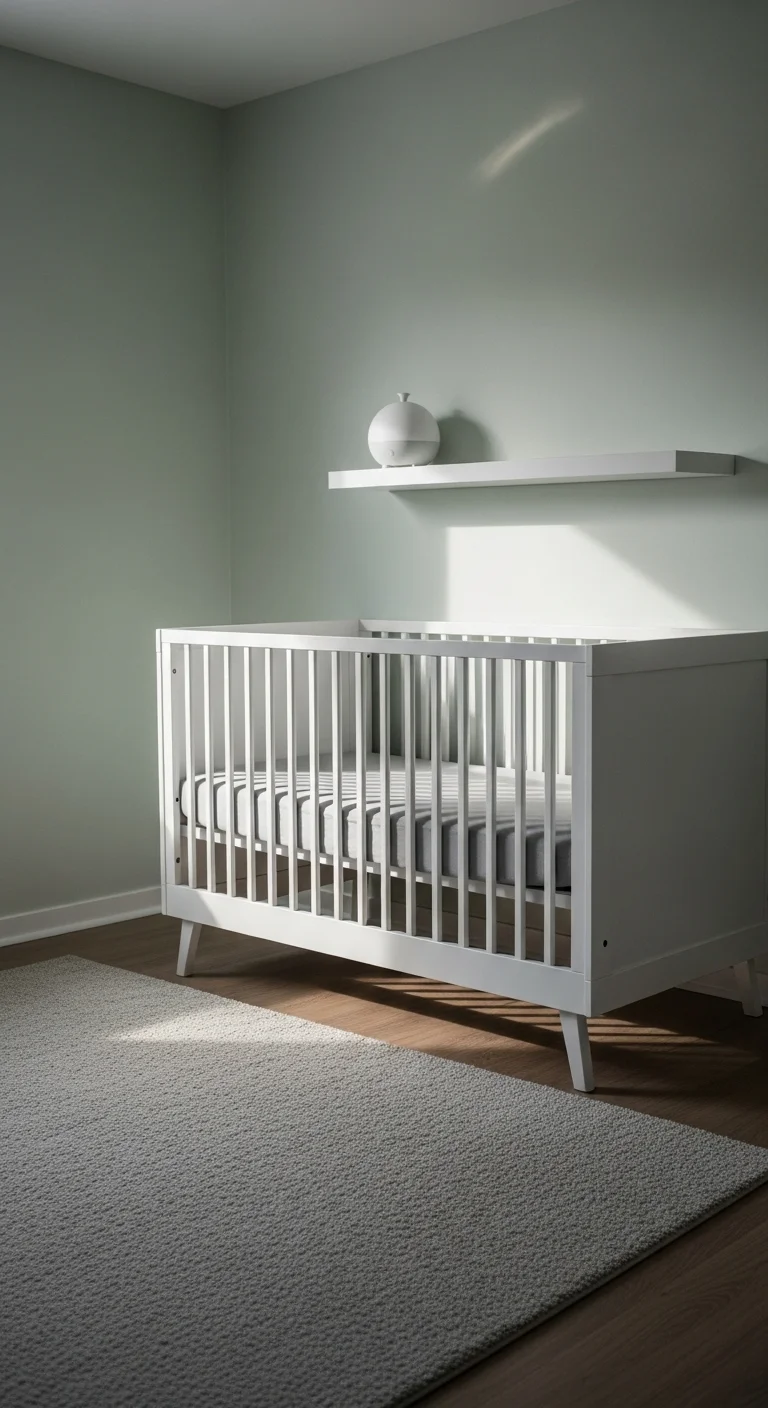
White noise helps block sudden sounds that might wake your baby. It also mimics the constant whooshing they heard before birth. You don’t need a pricey machine. A small fan, an app on your phone, or even a simple audio loop works. Keep the volume low and the device a safe distance from the crib. The goal is a soft sound, not loud noise. Try keeping white noise consistent throughout the night so your baby isn’t startled by silence between cycles. This technique can help your baby fall asleep faster and stay settled longer. It’s an easy, low-cost tool many parents find helpful.
- Follow the “Feed-Play-Sleep” Pattern

This simple pattern helps keep daytime organized. Feed your baby, then offer a little awake time with gentle play, then guide them toward sleep when they show signs of tiredness. This helps reduce overtiredness, which often leads to fussiness. The pattern also helps separate feeding from falling asleep. You don’t need toys for this—soft singing, gentle movements, or face-to-face time are enough. Watch for cues like yawns, slow blinking, or turning away. Start winding down before your baby becomes overstimulated. This pattern keeps days smoother, which often helps nights feel easier.
- Watch for Early Sleep Cues

Newborns rarely fight sleep on purpose; they simply miss the window. Catching early cues helps prevent fussiness. Look for soft signs like yawning, zoning out, staring into the distance, or rubbing their eyes. Move toward sleep as soon as you see these signs. You don’t have to rush, just shift into calming actions. Avoid waiting until the baby is crying, because settling becomes harder. This small habit can lengthen nighttime sleep because your baby won’t be overtired from daytime struggles. It’s free, simple, and very effective.
- Keep Overnight Diaper Changes Minimal

Changing too often at night wakes your baby fully. Only change when the diaper is soaked or soiled. Use a dim light so the room stays calm. Consider using overnight diapers to reduce leaks. These don’t have to be expensive—many store brands work well. Add a thin layer of diaper cream before bedtime to protect the skin and reduce the need for urgent changes. Keep supplies in one small basket so everything is easy to reach without turning on bright lights. Fewer nighttime changes often help babies fall back asleep faster.
- Keep the Crib Clear and Simple

A clear crib helps your baby sleep more peacefully. No pillows, loose blankets, stuffed toys, or bumpers. These items can distract, overstimulate, or create safety issues. A simple fitted sheet is enough. Choose a soft breathable fabric you already have at home. The clarity helps your baby feel calm and gives them room to stretch and wiggle safely. If the room feels chilly, dress the baby in a warm sleep sack instead of adding blankets. This simple setup supports safer and smoother sleep for newborns without any extra cost.
- Stick to a Comfortable Room Temperature

A room that’s too warm or too cool can disrupt sleep. Aim for a comfortable middle ground. You don’t need to buy fancy devices—any basic room thermometer works. Keep the baby in light layers and adjust clothing instead of adjusting the whole room. If you feel the room is slightly warm, use a breathable cotton sleep sack. If the room feels cooler, add a thicker footed sleeper. Avoid overheating by skipping heavy blankets. A stable room temperature keeps sleep more settled and reduces fussiness at night.
- Offer a Pacifier for Extra Comfort

Pacifiers help many babies relax. They can soothe during light sleep cycles and help settle between feeds. Choose a simple, small pacifier designed for newborns. You don’t need anything fancy. Keep extras nearby so you’re not searching at night. If your baby doesn’t take it right away, try again during calm moments rather than when they are already upset. Keep the pacifier clean by washing it daily. This is a low-cost tool that can help your newborn feel comforted in those tricky early weeks.
- Focus on Full Daytime Feeds

Well-fed babies often sleep longer at night. Try to help your baby take full feeds during the day instead of short snack feeds. Keep distractions low. Offer breaks for burping so the feed stays comfortable. If your baby gets sleepy mid-feed, gently rub their feet or change positions. This encourages them to take a little more. You don’t need special feeding tools—your normal setup works fine. A steady daytime feeding rhythm often helps reduce constant nighttime hunger.
- Keep Daytime Bright and Active

A bright daytime environment helps babies learn the difference between day and night. Open curtains during naps and keep normal household sounds going. Short wake windows with soft play add gentle stimulation. No need for toys—your voice and expressions are enough. This helps babies naturally become more awake during the day and more restful at night. It’s an easy habit that requires no extra spending.
- Create a Consistent Nap Pattern

Newborn naps don’t follow exact schedules, but patterns help. Offer naps regularly without stretching wake windows too long. Most newborns do best with short awake times. Watch cues instead of the clock. Keep naps simple and calm. Use the crib often, but contact naps are fine too. If you need your hands free, place your baby in the crib for at least one nap each day. This builds familiarity with the space. A consistent nap rhythm supports smoother nighttime sleep.
- Keep Bedtime Earlier, Not Later

Late bedtimes often lead to extra fussiness. Babies usually settle better with an earlier bedtime. Try putting your baby down when they first seem tired in the evening. You may notice this time shifts earlier as your baby grows. Don’t wait for exhaustion—just follow cues. This keeps nighttime calmer. You don’t need timers or fancy apps. Just watch your baby and adjust based on their signals.
- Use Gentle Rocking or Swaying
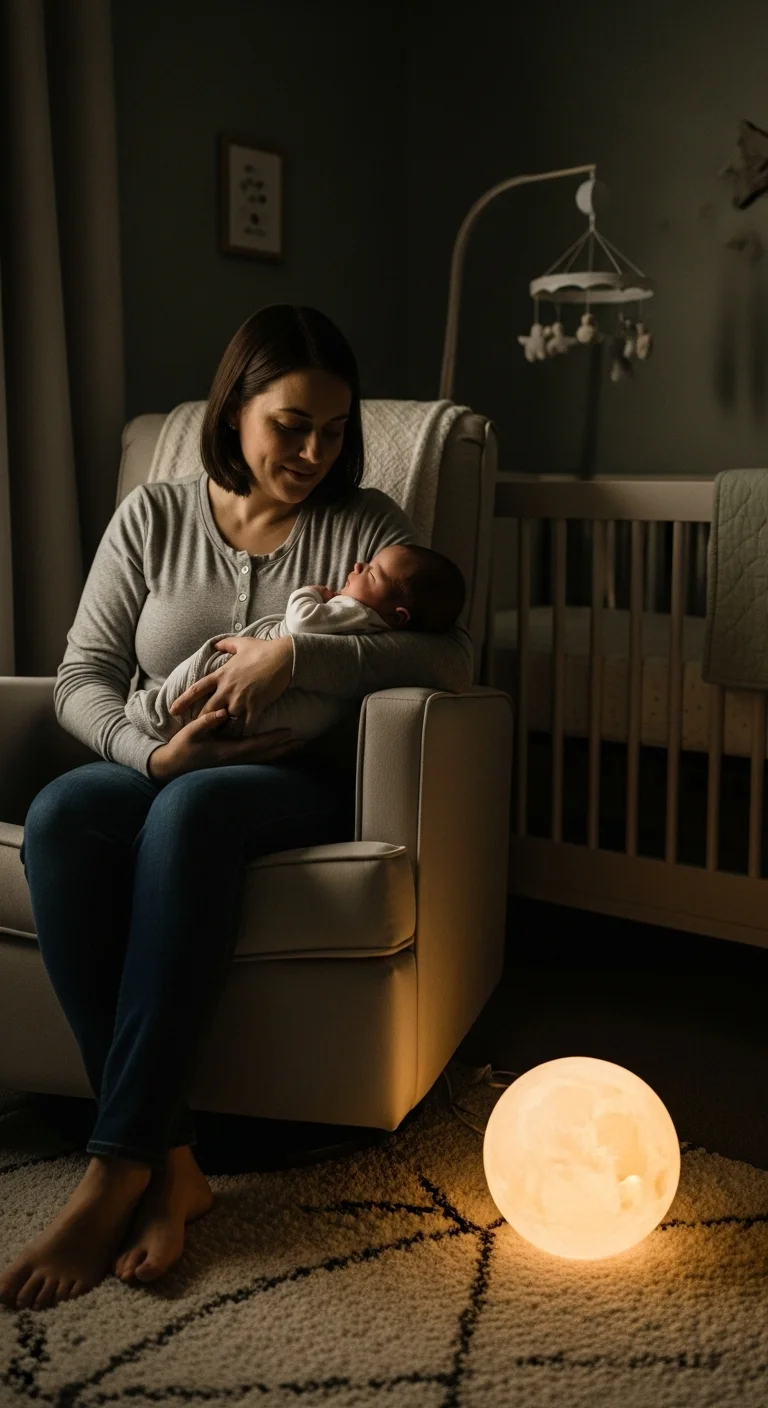
Soft rocking helps newborns relax before sleep. Short and slow movements calm their nervous system. You don’t need expensive swings. Use your arms, a rocking chair, or gentle bouncing on your feet. Keep the movement consistent and small. Try humming or soft shushing along with it. Once your baby becomes drowsy, place them in the crib while still slightly awake. This helps them link the crib with sleep in a gentle way.
- Limit Long Stretches of Daytime Sleep

Letting naps run too long during the day may shorten night sleep. Try waking your baby gently after long stretches to offer a full feed. You don’t need alarms—just check occasionally. Pick up your baby softly or change their diaper to wake them. Shorter naps support better nighttime rhythms. This doesn’t mean keeping your baby awake for long periods. Just offer a steady balance between feeding, awake time, and sleep.
- Keep Bedtime Calm and Hands-On

Many newborns settle easier when they feel a gentle touch. Try placing your hand on their chest or lightly rubbing their forehead while they relax. Soft shushing also works. You don’t need gadgets to create closeness. Your touch is enough. Keep your movements slow and steady. This helps your baby feel safe and calm. Over time, they learn to settle more easily because the bedtime moment feels comforting.
- Offer Little Wake Time Before Bed

Newborns sleep better at night when the bedtime window is short and calm. Avoid overstimulating activity right before bed. Keep lights low. Hold your baby, sway gently, and speak softly. Even 20–40 minutes of quiet time helps. This is especially helpful after the last feed. You don’t need toys or special routines. Just a calm environment and simple interactions. This prepares your baby for a smoother night.
- Keep the Crib in a Quiet Spot
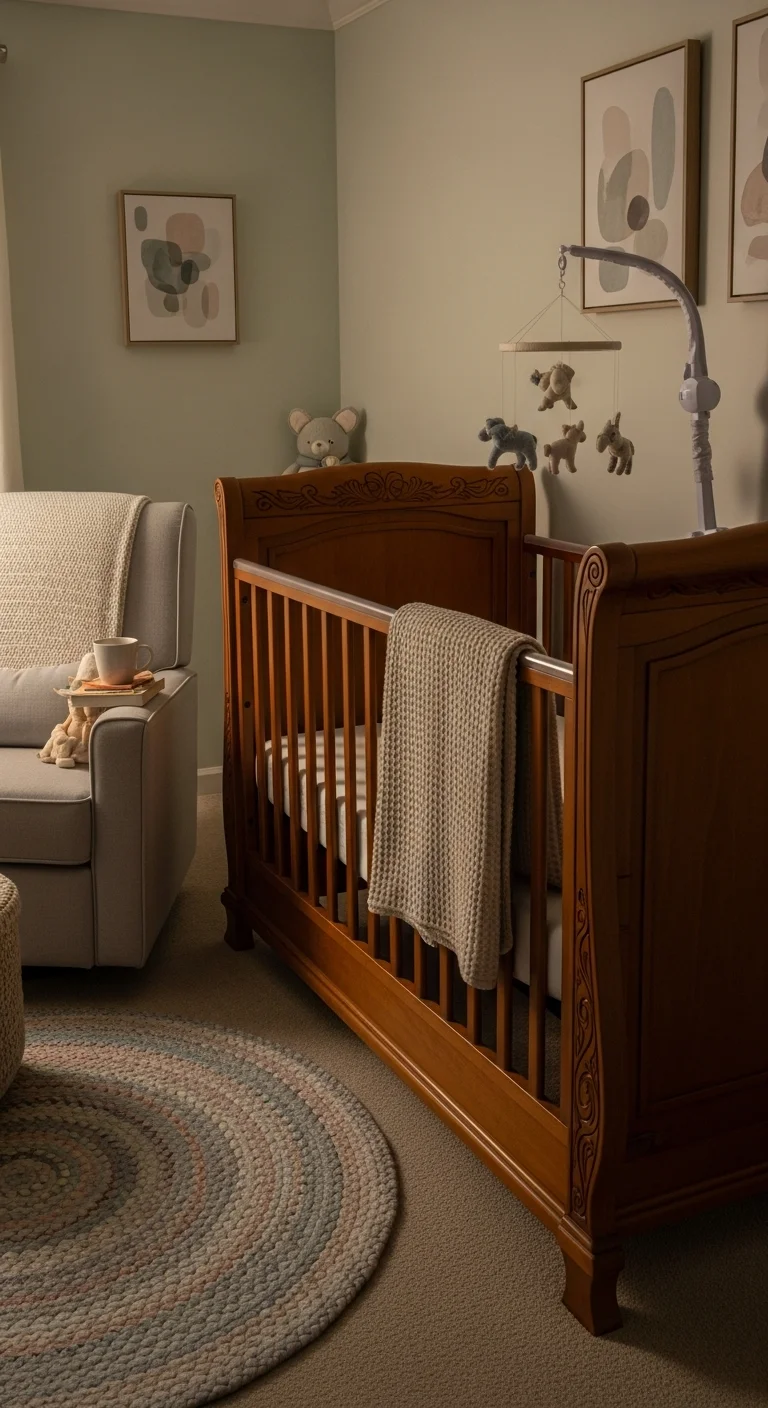
Too much movement or noise can wake a newborn quickly. Place the crib in a calm corner of the room away from drafts and busy walkways. You don’t need to rearrange the whole room—just small adjustments. Keep the space near the crib free from clutter so it feels open and peaceful. Babies often sleep longer when their environment stays stable and predictable.
- Burp After Every Feed

Burping helps release trapped air that might wake your baby later. Use gentle pats on the back or soft upward rubs. If one position doesn’t work, try another—on your shoulder, sitting upright, or laying across your lap. No special tools needed. Take your time so your baby settles comfortably before laying them down. This small step often reduces fussiness during sleep.
- Dress Your Baby in the Right Layers

Choosing the right layers helps your baby stay comfortable throughout the night. Use breathable fabrics like cotton or bamboo. A single sleep sack over light pajamas works well. You don’t need multiple fancy outfits. Stick with simple items you already own. Check your baby’s chest or back to see if they’re too warm or too cool. Adjust layers as needed. A comfortable baby sleeps more peacefully.
- Create a Calm Feeding Environment
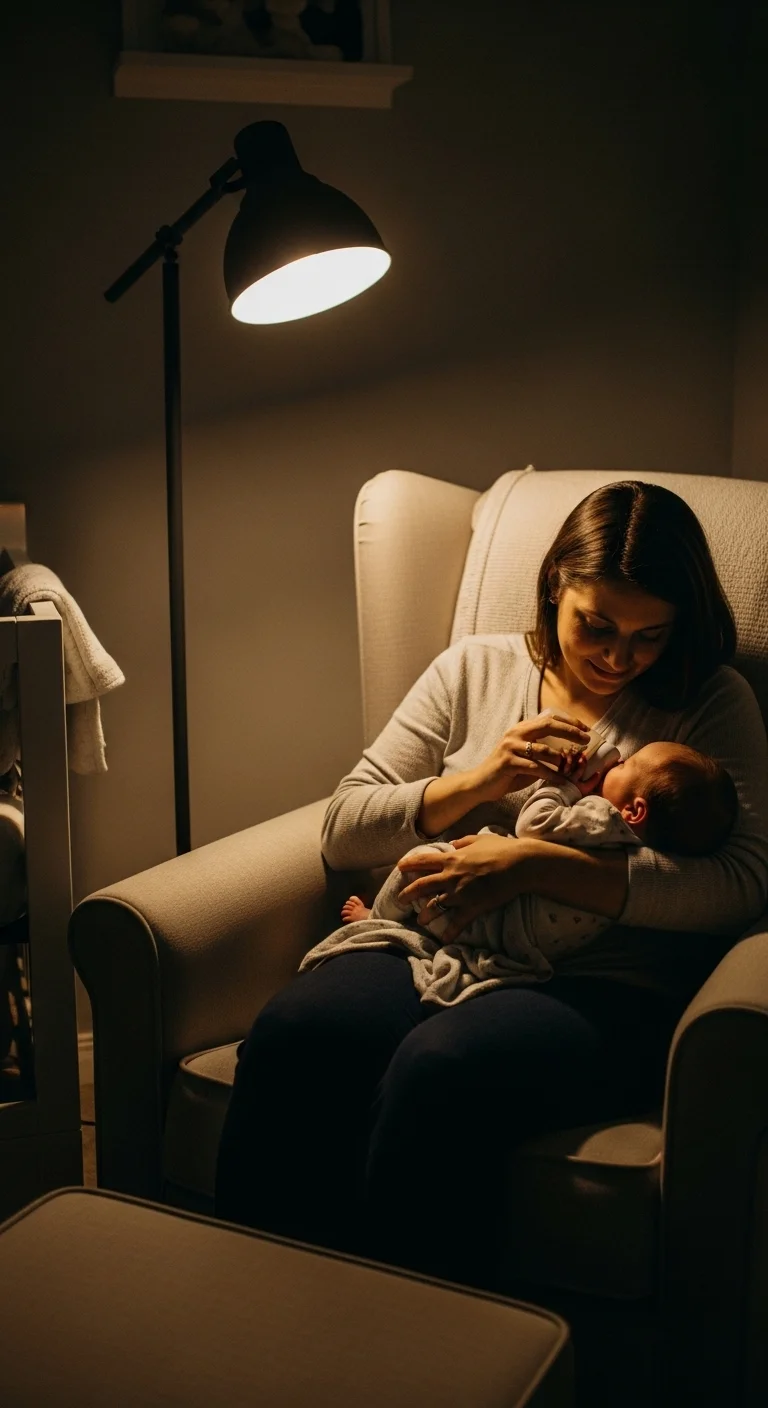
Feeding in a calm environment helps your baby relax before sleep. Keep noise low and lights dim. Avoid distractions like loud toys or bright screens. Hold your baby close so they feel secure. You don’t need extra gadgets—your arms and a quiet room are enough. A calm feed helps your baby settle faster once they’re done.
- Use Gentle Rhythmic Sounds

Soft rhythmic sounds can soothe newborns. Heartbeat tracks, soft humming, or calming loops all help. Many of these sounds are free online. You can even hum gently yourself. Keep the volume low and steady. These sounds help babies drift back to sleep during light cycles. It’s an easy and affordable method that works well for many families.
- Keep Bedtime Interactions Quiet

Quiet interactions help avoid overstimulation. Speak softly and use slow movements. If you need to feed or change your baby, do it gently without active play. Keep lights low. This helps your baby connect nighttime with rest instead of excitement. This small shift helps night wakings feel shorter and easier to settle.
- Stay Consistent with the Sleep Space

Using the same sleep space regularly helps newborns feel secure. Whether it’s a crib or bassinet, try to use it for most nighttime sleep. Keep the setup simple and predictable. You don’t need fancy décor. Just a stable, calming corner. Consistency helps your baby learn that this space means rest. Over time, sleep becomes smoother because the environment stays the same.
Conclusion
Newborn sleep improves through small daily adjustments. A calm bedtime flow, simple routines, and a peaceful sleep space help babies settle more easily. You don’t need costly tools—just gentle habits and consistent cues. Use these tips to create nights that feel more relaxed, predictable, and restful for both you and your baby.
