

23 Baby Sleep Training Tricks for Extra Hours of Rest
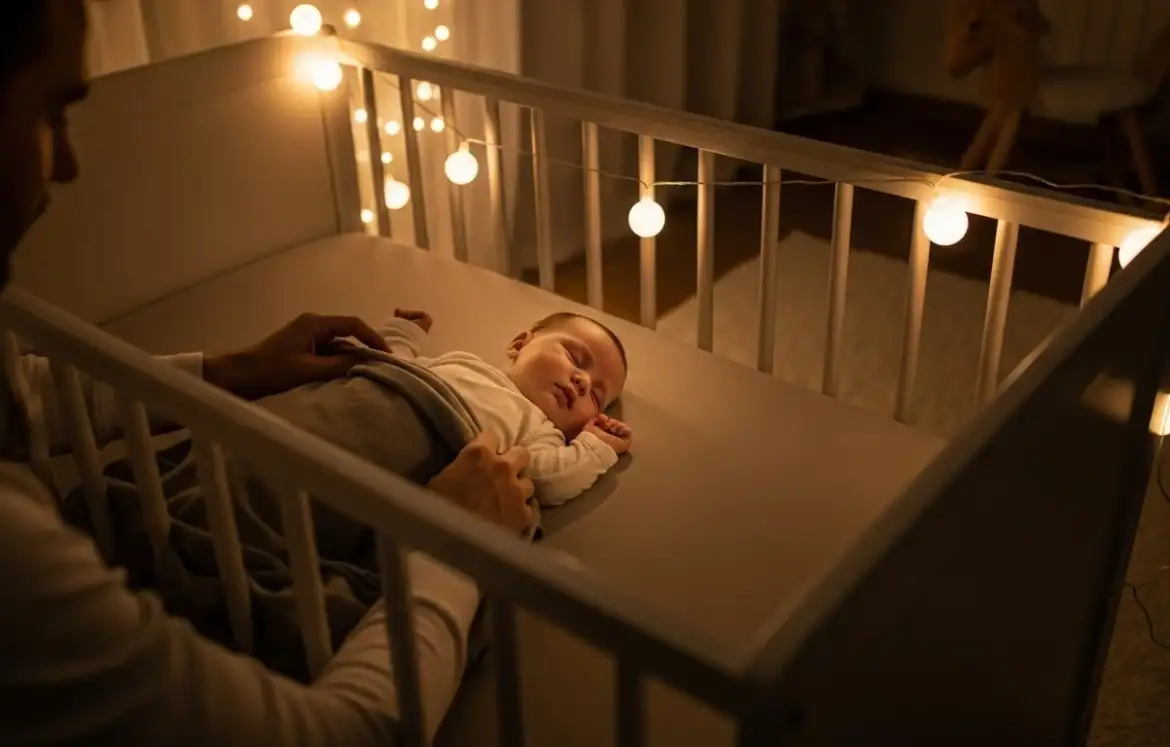
Bringing calm to bedtime can feel like a tender daily puzzle. You’re tired. Baby is tired. Yet settling down doesn’t always happen the way you hope. These gentle ideas give you simple ways to guide your baby toward longer stretches of sleep without pressure or complicated steps. Each one is practical, calm, and realistic for busy moms who are doing their best. You’ll find small adjustments you can start tonight, many of them free or homemade, all designed to help your family rest a little easier.
- Set a Soft, Predictable Bedtime Flow
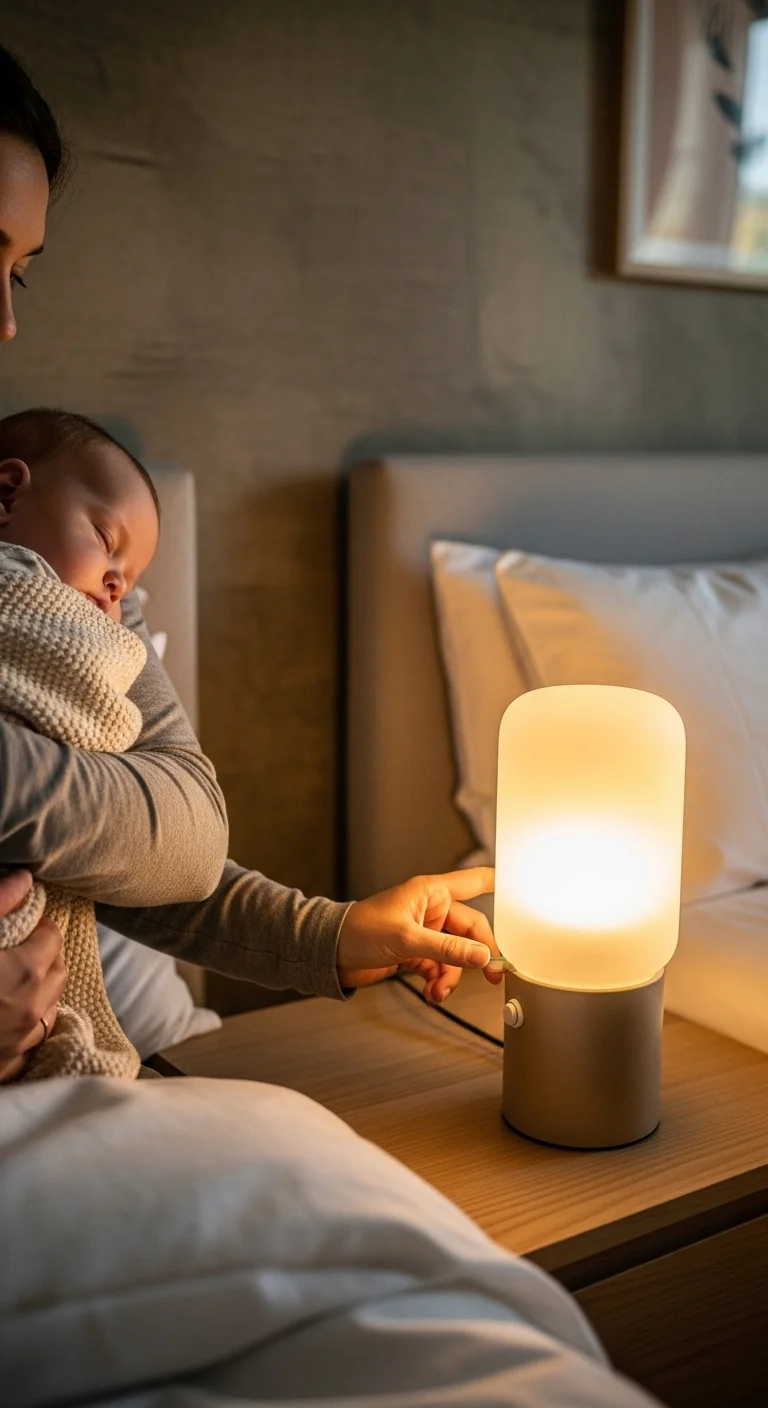
A short, calm flow before bedtime helps your baby understand that sleep is coming. Keep it simple and repeat the same order each night. A warm wipe-down, comfy pyjamas, a dim room, and a little cuddle time can make a big difference. The goal isn’t perfection. It’s familiarity. Babies respond well when they notice the same gentle steps. You don’t need fancy tools. A quiet corner, a soft towel, and the same routine each night work well. If your budget is tight, reuse the same few items every evening. Focus on connection rather than products. Your voice, your touch, and your calm presence set the tone. Over a few days, your baby starts connecting this flow with rest, making bedtime smoother for everyone.
- Keep Lights Low During the Evening
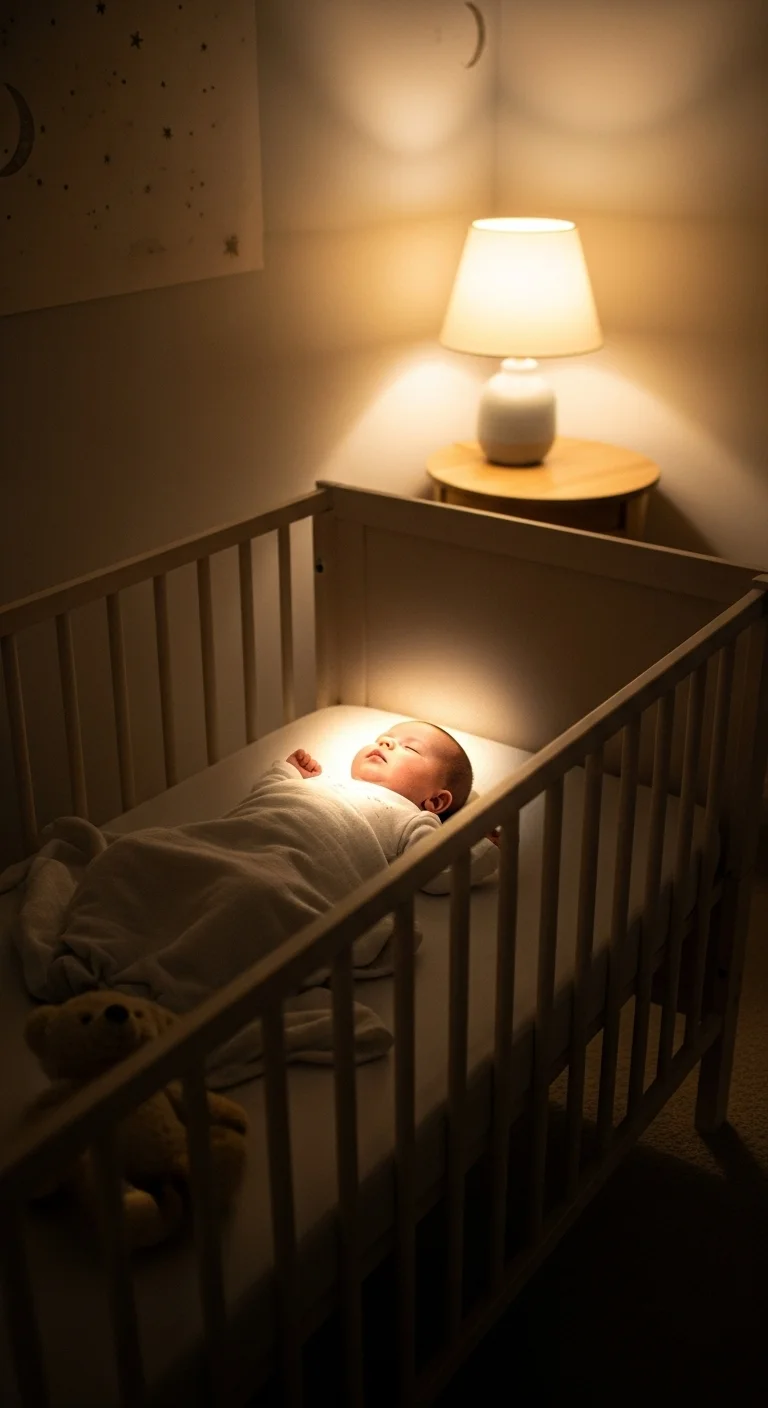
Soft lighting helps your baby relax. When the room is bright, babies stay alert and active. As the evening settles, turn off overhead lights and use warm lamps instead. You can even drape a scarf over a lamp to soften the glow, as long as it’s safe and not touching the bulb. This tiny change helps your baby’s body realize that nighttime has started. You don’t have to buy anything special. Use whatever soft light source you already own. A warm-toned bulb or a cheap clip-on lamp works fine. Keep the room cozy and quiet. When the lighting shifts every evening, your baby begins to wind down on their own. It’s gentle, simple, and helps create a calm space for rest.
- Use White Noise in a Consistent Way
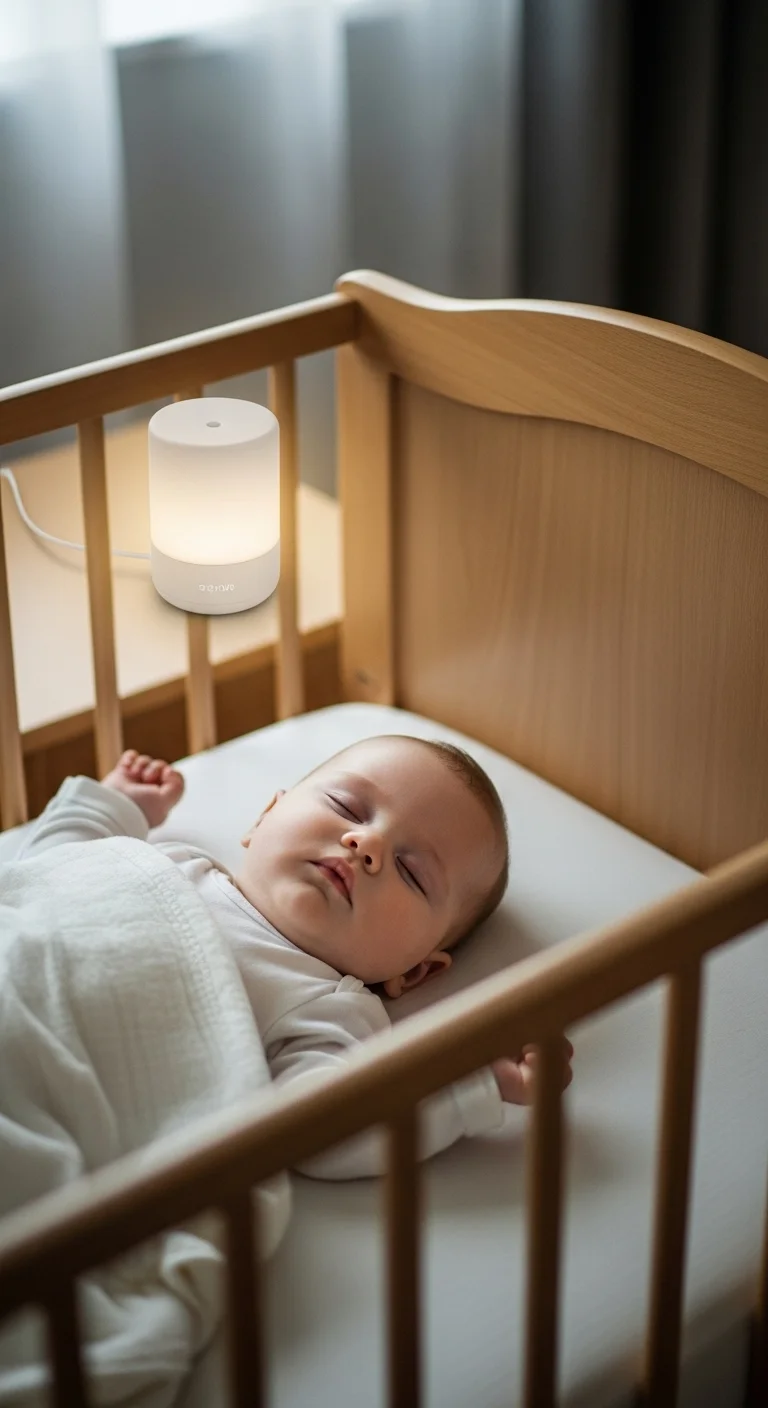
White noise helps block sudden household sounds that may wake your baby. You don’t need a pricey gadget. A simple fan, a phone on airplane mode, or a cheap white noise device works. Keep the sound steady and soft. The goal is a gentle hum that creates a calm atmosphere. Place the noise source a safe distance from the crib. If your baby sleeps lightly, this small change can help them stay asleep longer. Many moms find that once white noise becomes part of bedtime, babies settle faster. You can also use the same sound during naps to keep things consistent. Over time, your baby learns that this steady noise means it’s time for rest. It’s an easy, low-cost step that fits into almost any home setup.
- Follow Sleepy Cues Instead of the Clock

Babies give signals when they are ready to sleep. Watch for tiny signs like slow blinks, gentle fussing, or rubbing eyes. When you catch these early cues, bedtime goes smoothly because your baby is naturally ready to rest. You don’t have to watch the clock. Just notice your baby’s patterns. If you’re on a tight budget or juggling multiple kids, this simple approach takes away the pressure of fixed times. It also prevents overtiredness, which often leads to short naps and restless nights. Keep a little note on your phone if you want to track patterns, but it’s optional. Trust your observations more than strict schedules. Responding to cues helps bedtime feel calm instead of rushed.
- Create a Cozy Sleep Environment
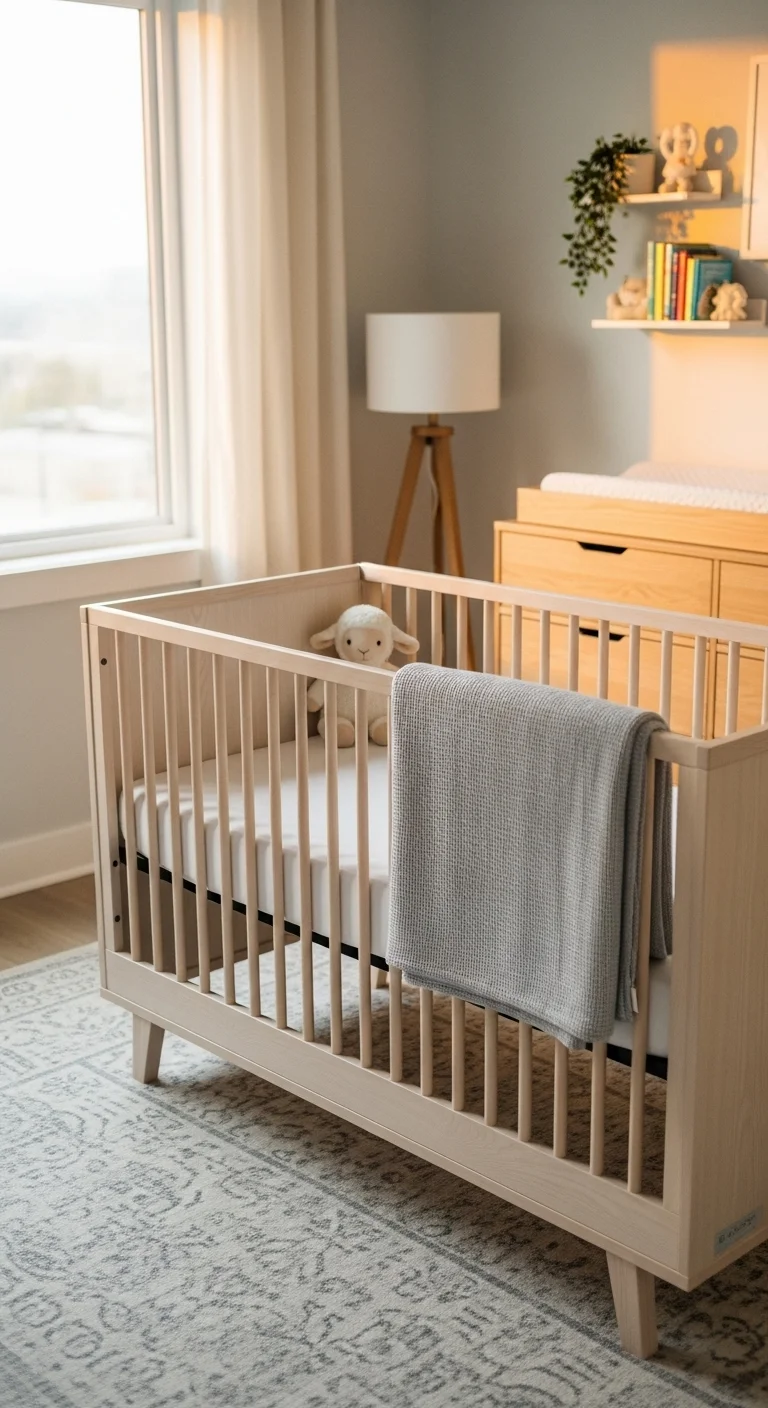
A simple, calm space helps your baby relax. You don’t need expensive décor. A clean crib, a breathable sheet, and a quiet room work beautifully. Keep toys and distractions out of the crib so your baby associates the space with sleep, not playtime. If the room feels too bright, hang a cheap blackout curtain or use an old dark sheet as a temporary fix. If the room feels chilly, add a sleep sack instead of loose blankets. Keep clutter out of sight to help create a peaceful vibe. Babies pick up on the calmness of the environment. A cozy setup doesn’t rely on fancy gear. It’s more about comfort, consistency, and a space that feels safe for your little one.
- Keep a Steady Wake-Up Time

Waking your baby around the same time each morning helps their sleep rhythm fall into place. Even if the night was rough, try to keep the morning time steady. It doesn’t have to be exact to the minute. Just aim for a general window. This helps naps fall into a smoother pattern, too. If you need help waking them gently, open the curtains, turn on a warm lamp, or softly hum while you pick them up. No fancy tools needed. Some moms even place a small chair near the crib to make the morning pickup easier. This steady morning rhythm gives your baby a sense of predictability, which often leads to longer nighttime sleep.
- Start Bedtime Earlier on Tough Days
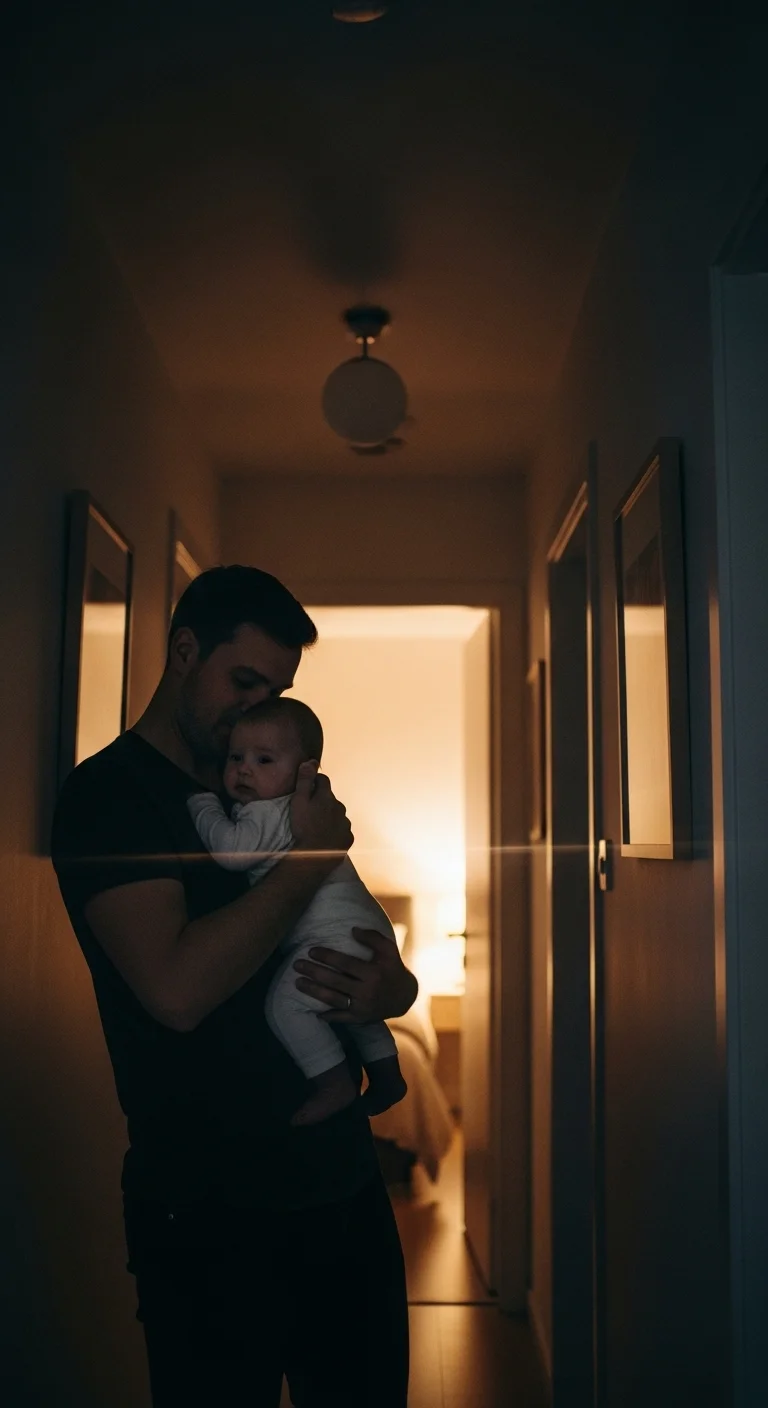
Some days your baby gets worn out quicker. Maybe naps were short or the day felt busy. On days like this, an earlier bedtime can help. Even 20 to 30 minutes earlier can make a difference. You don’t have to wait until bedtime “should” happen. Follow your baby’s mood. When evenings feel rough, dim the lights and start the bedtime steps sooner. It’s a simple adjustment that helps prevent late-night restlessness. You don’t need to change the whole routine. Just shift the timing slightly. Hungry? Offer a calm feed earlier. Fussy? Hold your baby close and let them relax before starting the flow. Earlier bedtimes help many babies sleep longer because they’re not overtired when you lay them down.
- Offer a Calm, Unrushed Feed Before Bed
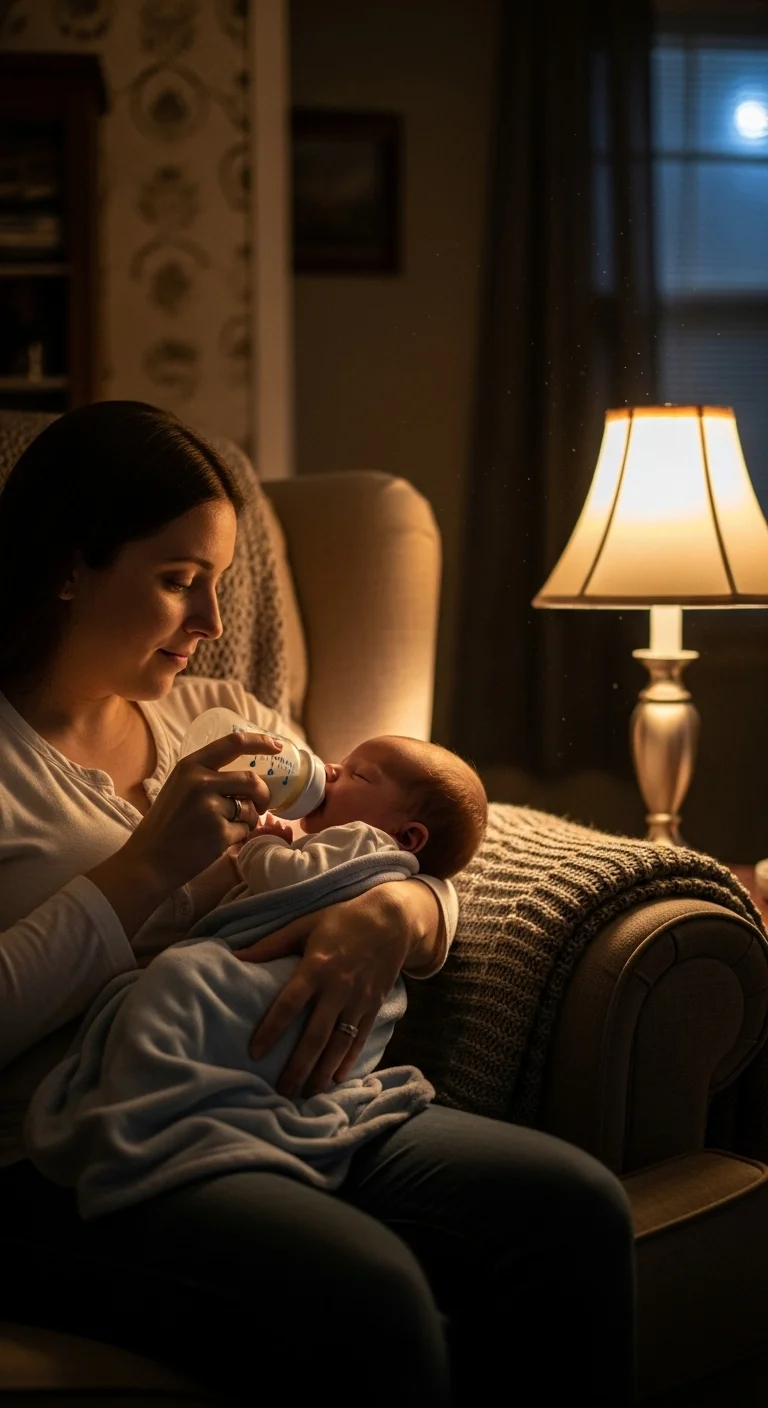
A slow, peaceful feed before bedtime helps babies settle. Keep the room dim and quiet. Try to avoid TV or loud noise during this time. You don’t need special feeding tools. A comfy pillow, a quiet spot, and a little patience make this moment relaxing for both of you. If your baby gets too drowsy, give a gentle burp halfway through to prevent fussiness later. This calm feeding session can become a sweet part of the bedtime flow. If you’re on a budget, use the same comfy pillow every night or sit in a spot that feels cozy. Babies love consistency. A calm feed helps settle their little bodies, making it easier for them to fall asleep on their own.
- Lay Baby Down When Sleepy, Not Fully Asleep

Helping your baby learn to fall asleep in the crib takes practice. Start by laying them down when they’re sleepy but not fully out. Their eyes may be heavy, and their body relaxed. This helps them connect the crib with falling asleep, not just waking up. You can offer a gentle pat or place your hand on their chest for a few seconds. No expensive equipment needed. Your touch is enough. Over time, this helps your baby feel safe drifting off on their own. If they fuss a little, pause before picking them up. Many babies settle after a short moment. Keep your approach gentle and patient. With small steps, your baby gains comfort falling asleep in their own space.
- Keep Bedtime Noisy-Free

Noise around bedtime can overstimulate babies. Try to limit loud TV, clattering dishes, or busy conversation during this time. If your home is naturally loud, keep the bedroom door mostly closed and let soft white noise run. You don’t need a fancy machine. A cheap fan or an old phone works fine. If older kids are around, set up a quiet activity like colouring or puzzles so the house stays calmer. This calmer environment helps your baby relax faster. Babies react strongly to noise changes. Keeping things quiet helps bedtime feel peaceful and predictable. Over time, they start settling more easily because the environment stays consistent every evening.
- Keep Naps Consistent During the Day

Daytime naps help nighttime sleep stay smoother. When babies nap too little, evenings can turn chaotic. Try to offer naps around the same times each day. Watch your baby’s cues and follow their natural rhythm. You don’t need to keep the room pitch-dark for daytime sleep. Soft daylight often works fine and teaches the difference between day and night. If your home is busy during the day, find a quiet corner or a small space that feels calm. A simple sheet hung over a window can dim the light enough. Keeping naps steady helps babies recharge and rest better at night.
- Do a Calm Reset When Baby Gets Overstimulated

When babies get overstimulated, sleep comes harder. Loud sounds, bright toys, and busy rooms can overwhelm them. If you notice quick breathing, flailing arms, or sudden fussing, do a calm reset. Pick them up, hold them close, and step into a dimmer space. Rock gently or hum softly. This breaks the cycle and brings your baby back to a calm state. It doesn’t need to be long. Even one minute can help. No special tools needed — just your arms and a quiet room. Once your baby relaxes, bedtime goes smoothly. This approach is simple, gentle, and easy for busy moms to use anytime.
- Give Baby Time to Settle Before Intervening

Babies sometimes make noises when falling asleep. A little wiggle, a soft whine, or a quick grunt doesn’t always mean they need help. Give your baby a moment before stepping in. Many babies drift back to sleep on their own when given a chance. This small pause helps them practice settling without feeling alone. You don’t have to let them cry. Just wait a few seconds and see if they relax. Keep the room quiet and dim. If your baby continues to fuss, gently step in. This balanced approach gives space but still offers comfort. It’s simple, free, and builds confidence for your baby.
- Keep Bedtime Short and Predictable
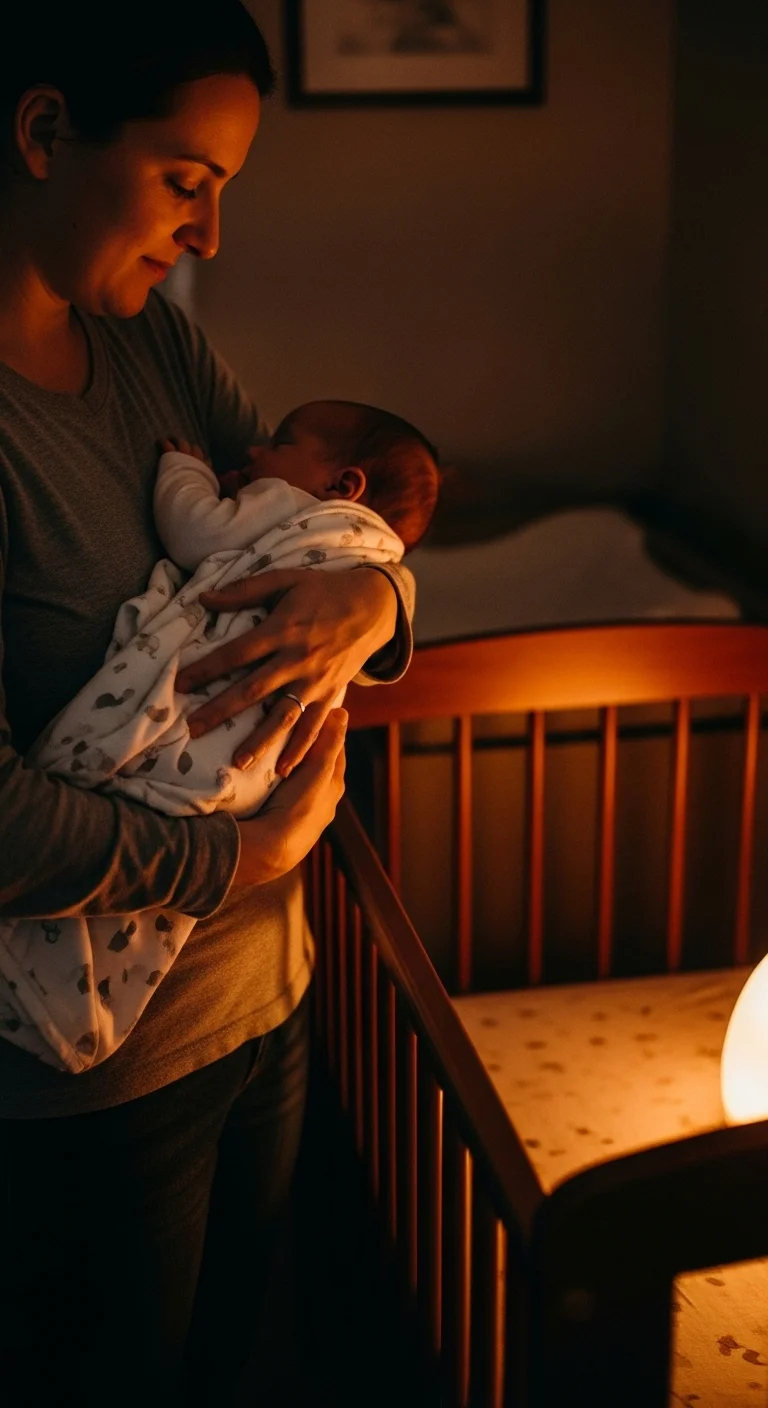
Long, busy bedtime routines can overwhelm babies. Keep your routine simple and short. A quick wipe-down, pyjamas, dim lights, and a cuddle are enough. You don’t need long baths every night or multiple steps. Simple routines are easier for tired parents, too. If your baby gets fussy during the routine, pause for a cuddle and then continue. Your calm voice and steady flow help your baby relax. If budgets are tight, use what you already have — the same lamp, the same pair of soft pyjamas, the same quiet corner. This steady flow signals that bedtime is near and helps your baby settle without extra fuss.
- Keep the Room Cool and Comfortable
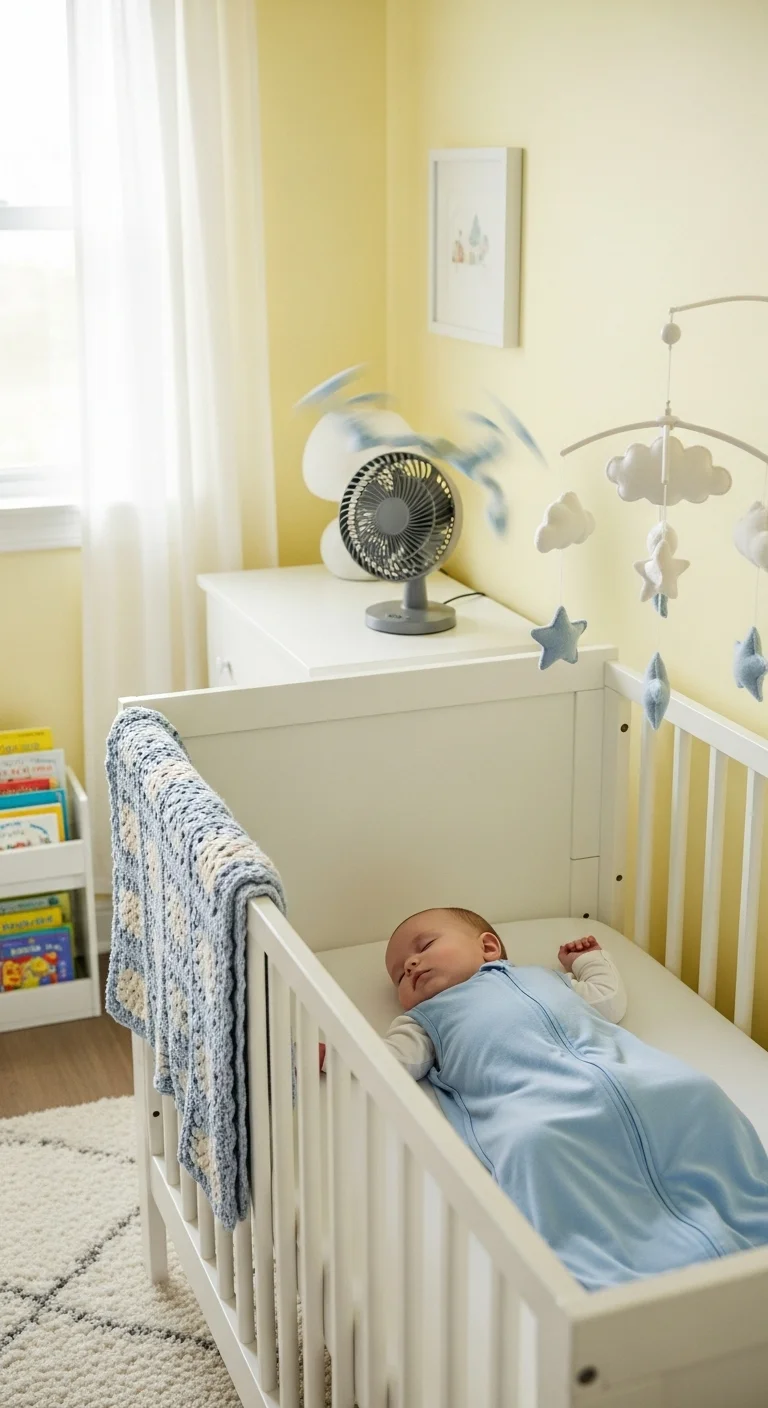
A cool room helps babies sleep longer. Too much heat makes them restless. You don’t need air conditioning to create comfort. A small fan on a low setting works well. Keep it pointed away from the crib. Use a breathable sleep sack instead of blankets. If you can’t afford expensive gear, lightweight cotton sheets and simple curtains help keep the room cool. You can also move the crib away from windows to avoid warm drafts. A comfortable room helps your baby stay asleep longer and wake up more rested.
- Add a Gentle Pre-Nap and Pre-Bed Cue
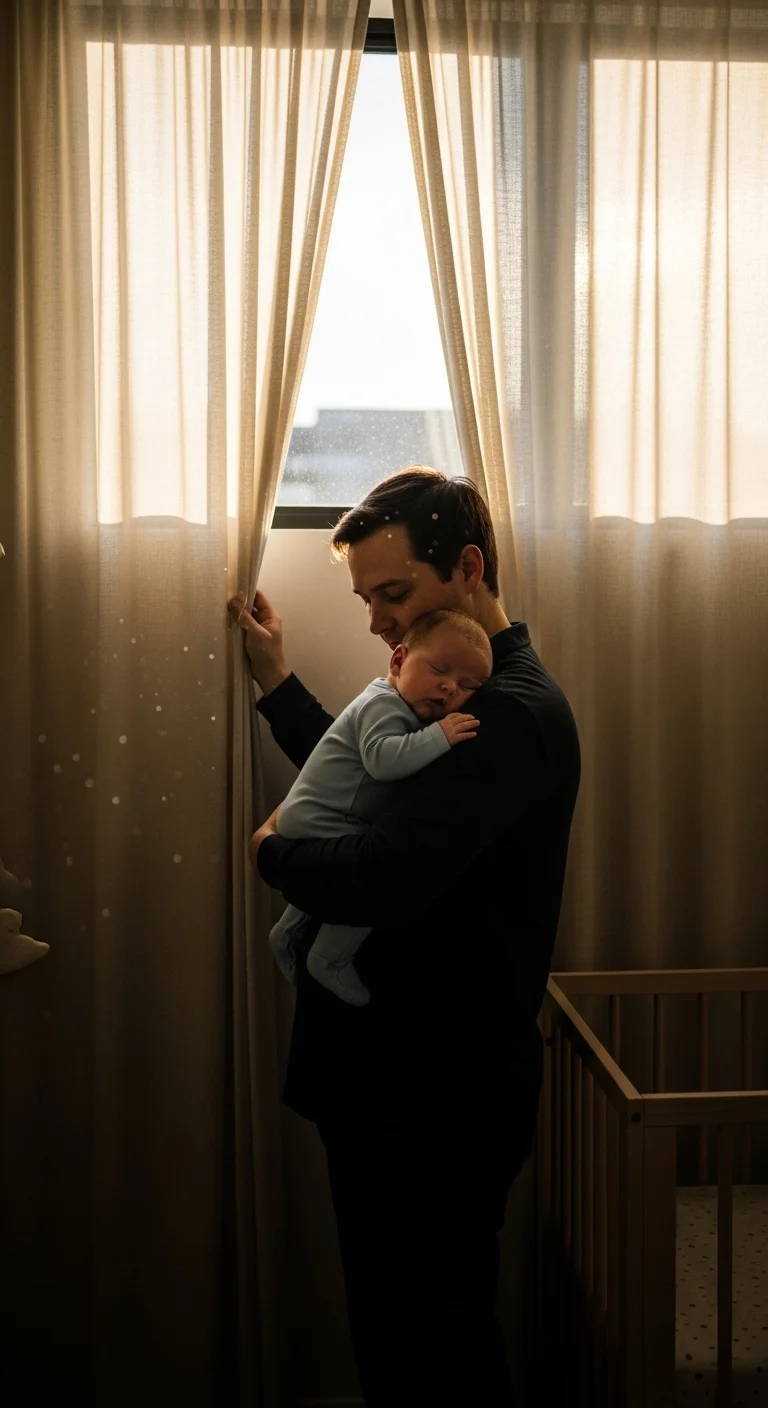
Babies thrive with small cues. A simple action before sleep helps them connect that moment with rest. This can be pulling the curtains halfway, humming the same tune, or gently rubbing their back for a few seconds. Pick one cue and repeat it before every nap and bedtime. It doesn’t have to be fancy or long. Consistency helps babies feel safe. Moms on tight budgets love this trick because it’s free and easy. Over time, your baby recognises the cue and starts settling faster. Keep it soft and loving.
- Use a Sleep Sack for Warmth and Comfort

Sleep sacks give warmth without loose blankets. They help babies feel snug and safe. You don’t need pricey ones — affordable cotton versions work great. Look for something breathable that fits your baby’s size. If you can’t buy one right away, use a lightweight swaddle alternative for younger babies, as long as it’s safe and not too tight. When babies feel snug, they settle more easily and wake less often. Sleep sacks also make bedtime easier for parents because you don’t have to keep checking if the blankets have shifted. It’s a simple, practical addition to your bedtime flow.
- Limit Excitement Before Bed

Playtime right before bed can make babies too alert. Switch to quiet activities as the evening rolls in. Soft toys, gentle songs, or slow rocking work much better. Keep lights warm and voices low. If older siblings are around, guide them to calmer play too. You don’t need extra toys for this. Use whatever soft items you have. Avoid loud games and bright screens. This gentle shift helps your baby relax naturally. When your evenings stay calm, bedtime becomes smoother for everyone.
- Add a Gentle Wind-Down Ritual

A wind-down ritual helps babies shift from busy to calm. Pick one simple action and use it every night. Rocking slowly, humming a soft tune, or rubbing their back in small circles works beautifully. Keep it short and predictable. You don’t need new items or tools. Many moms choose a comfy chair or a cozy corner to make this moment special. When your baby feels calm before going into the crib, falling asleep becomes easier. This ritual becomes a sweet part of your day, too.
- Limit Long Naps Late in the Day

Late, long naps often make bedtime harder. Try to keep late-day naps shorter so your baby isn’t too rested at night. You don’t need strict timing. Just keep an eye on how long your baby sleeps close to evening. If they nap too long, gently wake them with a soft touch, dim lights, and a quiet voice. No need for sudden movements. This helps shift their rest toward nighttime instead of late afternoon. Over a few days, bedtime becomes more peaceful and predictable.
- Use Gentle Touch to Soothe Baby in the Crib

Babies often relax with a gentle touch. If your baby gets fussy during bedtime, place your hand on their chest or lightly rub their forehead. This helps them feel safe without picking them up right away. You don’t need special skills. Your calm touch is enough. Many babies settle after a short moment when they feel your presence. Keep the room dim, keep movements slow, and keep your voice low. This soft comfort helps your baby drift off without lots of effort.
- Keep Nighttime Interactions Low-Key
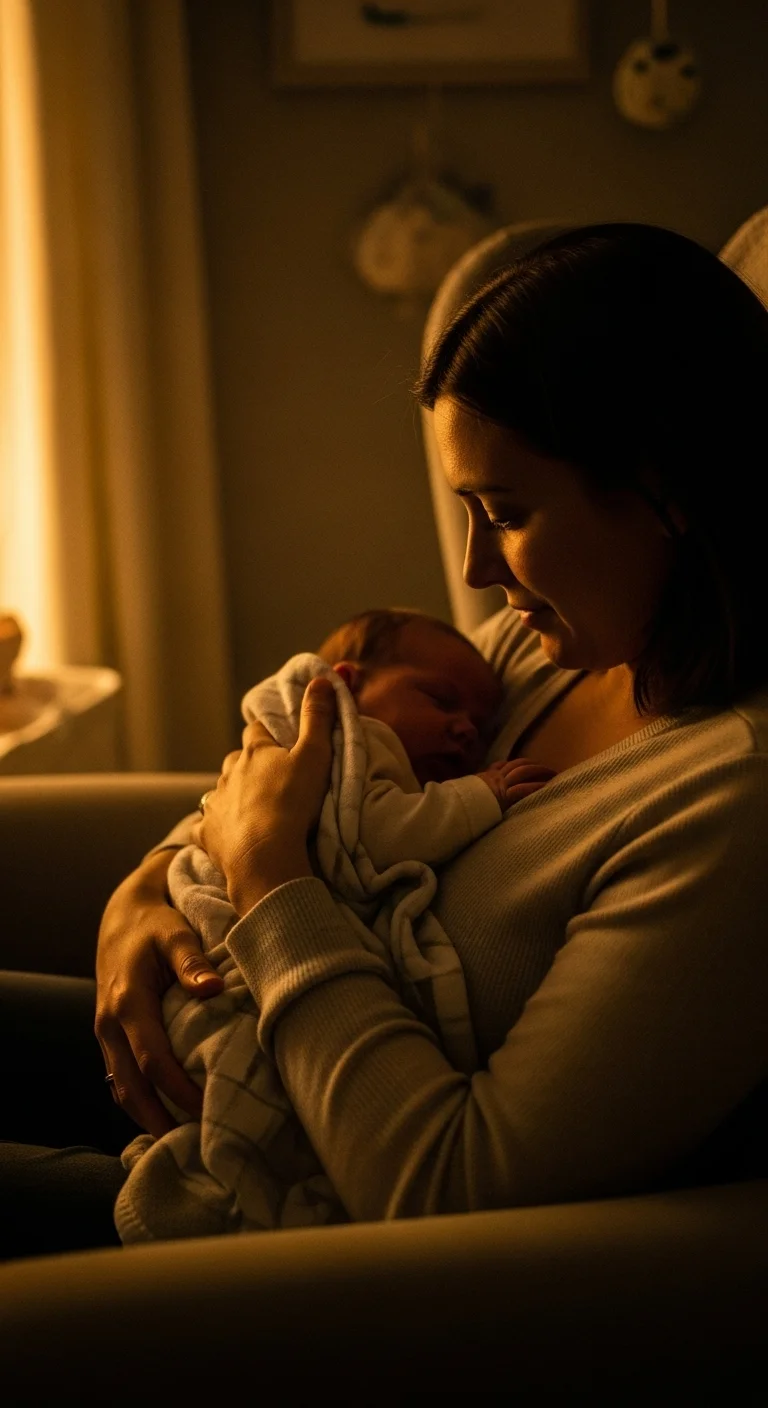
When your baby wakes at night, keep things calm. Avoid bright lights, loud talking, or playful movements. Change diapers only when needed and keep feeds gentle and quiet. You don’t need to fully wake them. This helps your baby understand that nighttime is for resting. A dim lamp or soft nightlight works well. If you’re on a budget, angle a lamp toward the wall for a soft glow. These quiet interactions help your baby return to sleep faster.
- Keep a Simple Morning Exposure to Sunlight

Morning sunlight helps your baby feel awake during the day and sleepy at night. You don’t need to go outside. Just open the curtains and let natural light fill the room. Hold your baby near the window for a few minutes while talking softly. This gentle habit helps set their internal rhythm. It’s simple, free, and easy to repeat. Over time, mornings feel brighter and nights feel calmer as their rhythm becomes steadier.
Conclusion
Your baby’s sleep doesn’t have to feel like guesswork. Small, gentle steps done with love make the biggest difference. When you create calm rhythms, cosy spaces, and simple cues, your baby learns to rest more easily. Try one or two ideas at a time and see what fits your family. With patience, consistency, and kindness toward yourself, sleep becomes smoother for everyone — and those precious extra hours of rest become part of your everyday life.
