

26 Bedtime Routine Ideas for Faster Sleep

A calming bedtime routine can make falling asleep feel easier and more natural. Simple habits, small adjustments, and cozy rituals help your body slow down at night. You don’t need expensive tools or complicated setups. Even tiny changes—done consistently—can help you feel more relaxed before bed. Below are everyday ideas you can try tonight, all gentle, practical, and friendly to any budget.
- Warm Herbal Tea Moment

A warm drink can signal that bedtime is near. Herbal blends like chamomile or peppermint feel soothing and easy to prepare. Keep it simple by using a basic tea bag and your favourite mug. Sip slowly while sitting somewhere quiet. This tiny pause can help your mind settle after a busy day. If buying loose-leaf tea isn’t practical, use whatever you already have. A thrifted mug or an inexpensive kettle works perfectly. Avoid caffeinated teas at night because they may keep your body more alert. Try adding a drizzle of honey or a splash of milk if you like a softer flavour. This small nightly ritual feels comforting without costing much.
- Soft Stretching Routine

Light stretching can release tension from your shoulders, legs, and lower back. You don’t need a full yoga routine. Just a few calm movements help your body settle. Sit on the floor, reach toward your toes, and roll your shoulders. Keep each stretch easy and slow. No fancy mat is required—use a blanket if needed. Focus on how your muscles feel instead of trying to be flexible. This small practice helps your body shift into bedtime mode. Repeat the same stretches every night so it becomes a signal that the day is ending. Keep the lights dim while stretching to help your eyes relax, too.
- Five-Minute Tidy Reset

A quick tidy session before bed helps your space feel calmer. You don’t need a full cleaning session—just five minutes. Put away clothes, clear your nightstand, and straighten your blankets. Small actions make your bedroom feel more peaceful. Use a basket to collect random items so you don’t spend extra time organizing. A clutter-free space can help your thoughts settle. You may even sleep better simply because your room feels lighter. This habit costs nothing and is easy to repeat every night. Over time, it becomes a quiet ritual that signals bedtime without effort.
- Lower the Lights

Soft lighting prepares your body for rest. Bright overhead lights can feel harsh at night, so switch to a lamp or string lights. Warm tones help your eyes relax and create a peaceful atmosphere. You don’t need smart bulbs—any low-watt lamp works. If you want something budget-friendly, look for warm LED bulbs at discount stores. Turning the lights down about an hour before bed signals that the day is winding down. Keep this simple habit consistent. Over time, your body starts to respond more easily to softer lighting.
- Warm Shower or Bath

A warm bath or shower helps your muscles relax and rinses away the stress of the day. You don’t need fancy bath products. Even warm water alone feels soothing. If you enjoy scents, add a few drops of affordable lavender oil or use a basic bar soap you already have. Keep the lights dim so the moment feels calmer. After stepping out, your body cools down naturally, which can help you feel sleepier. Wrap up in a soft towel and move slowly afterwards. This small routine works well even on busy nights.
- Screen-Free Wind Down

Putting your phone away before bed helps your mind slow down. Screens keep your brain alert because of their bright glow. Instead of scrolling, switch to something calmer. Read a few pages of a book, stretch, or sip a warm drink. If completely avoiding screens feels tough, start with just 10 minutes. Charge your phone across the room so it’s less tempting. Use a simple alarm clock if budget allows, or use your phone’s “do not disturb” setting. This gentle limit can make sleep feel easier and more natural.
- Simple Breathing Exercise

Slow breathing helps your body relax quickly. Try breathing in for four seconds, holding for two, and exhaling for six. Keep your shoulders relaxed. You don’t need any tools or apps. Just sit comfortably on your bed or floor. If counting feels stressful, simply breathe slowly and evenly. Doing this for one or two minutes can ease tension from your day. This small practice costs nothing and fits into any schedule. Repeat it nightly so it becomes familiar and comforting. Keep your posture loose, and your jaw unclenched.
- Gentle Music or Nature Sounds

Soft sounds can help quiet your mind. Choose slow music, gentle piano, rain sounds, or waves. You don’t need an expensive speaker. Even your phone on low volume works. Keep the volume soft so it feels soothing instead of distracting. Try a free playlist or a simple nature-sound video. If you share a room, use inexpensive earbuds or place the sound source farther away. This calm background noise helps your thoughts settle and gives your brain something light to focus on.
- Write a Short Journal Entry

A quick journal session helps release leftover thoughts from your day. Keep it simple—just write a few lines. No need for fancy notebooks. Use a cheap spiral pad or leftover stationery. Write about something small: what went well, what felt stressful, or what you hope for tomorrow. This habit helps your mind feel lighter before sleep. You don’t need perfect grammar or long sentences. Think of it as unloading mental clutter. Place your journal by your bed so it’s easy to grab each night.
- Prep for Tomorrow

Preparing small tasks for the next day helps reduce nighttime stress. Set out your clothes, pack your bag, or place your keys in one spot. These tiny actions save time in the morning and help you feel calmer at night. You don’t need special organizers—use baskets or reused boxes. Keeping tomorrow simple can help your mind relax faster. This routine is quick and practical, especially on busy nights. Repeat it each evening until it becomes automatic.
- Read Something Light

Reading a few pages helps shift your thoughts away from your day. Choose something gentle and enjoyable. Avoid heavy topics at night because they may keep your brain too active. You don’t need expensive books. Borrow from a library, grab a used copy, or reread something you already own. Read until your eyes feel relaxed. Keep your lamp soft to avoid bright light. This slow, quiet activity helps your body ease toward sleep.
- Cozy Bedroom Scents

Certain scents feel soothing at night. Lavender, vanilla, and eucalyptus are popular choices. You don’t need pricey brands. A simple candle, oil, or inexpensive room spray works fine. Keep scents soft so they don’t overwhelm your space. Use what feels comfortable to you. Light a candle for a few minutes or place a drop of oil on a cotton pad. This little sensory detail adds a cozy touch to your bedtime routine.
- Sip Warm Milk or a Light Snack

If you get hungry before bed, a light snack can help you settle. Warm milk, a banana, toast, or a handful of nuts are simple and inexpensive options. Avoid heavy meals late at night because they may interrupt sleep. Keep snacks small. This gentle ritual can feel comforting and keep your stomach from growling. Prepare it slowly and enjoy the quiet moment. No fancy ingredients required.
- Declutter the Bed

A clean bed invites rest. Remove extra pillows or items that don’t belong. Shake out your blankets and smooth your sheets. You don’t need new bedding. Just tidy what you already have. This simple habit makes your bed feel more comfortable and inviting. It only takes a minute and can make a noticeable difference. Keeping your bed neat signals that it’s time to rest.
- Set a Consistent Bedtime

Going to bed at a similar time each night helps your body settle more easily. You don’t need to be strict. Just aim for a general window. Start by picking a time that feels realistic. Avoid forcing yourself into an early bedtime if your schedule doesn’t allow it. Over time, your body learns to recognize the routine. This habit is free and easy to build. Pair it with one or two calming activities from this list.
- Keep Your Room Cool

A cooler room often feels more comfortable at night. You don’t need air conditioning. Open a window, use a fan, or swap heavy blankets for lighter ones. If you share a room, adjust in small ways—open the door slightly or move your fan to a quieter spot. Cooling your space helps your body settle faster. This small change doesn’t require expensive gear. Try different setups until your room feels comfortable.
- Write a Simple To-Do List

Writing a short list for tomorrow helps clear your mind. Keep it simple—just the top three things you want to handle. This prevents your brain from running through tasks while you’re trying to fall asleep. Use any scrap paper you have. No planner needed. This small step helps you feel prepared and relaxed. Place the list somewhere visible so you don’t forget in the morning.
- Put Your Phone on Do Not Disturb
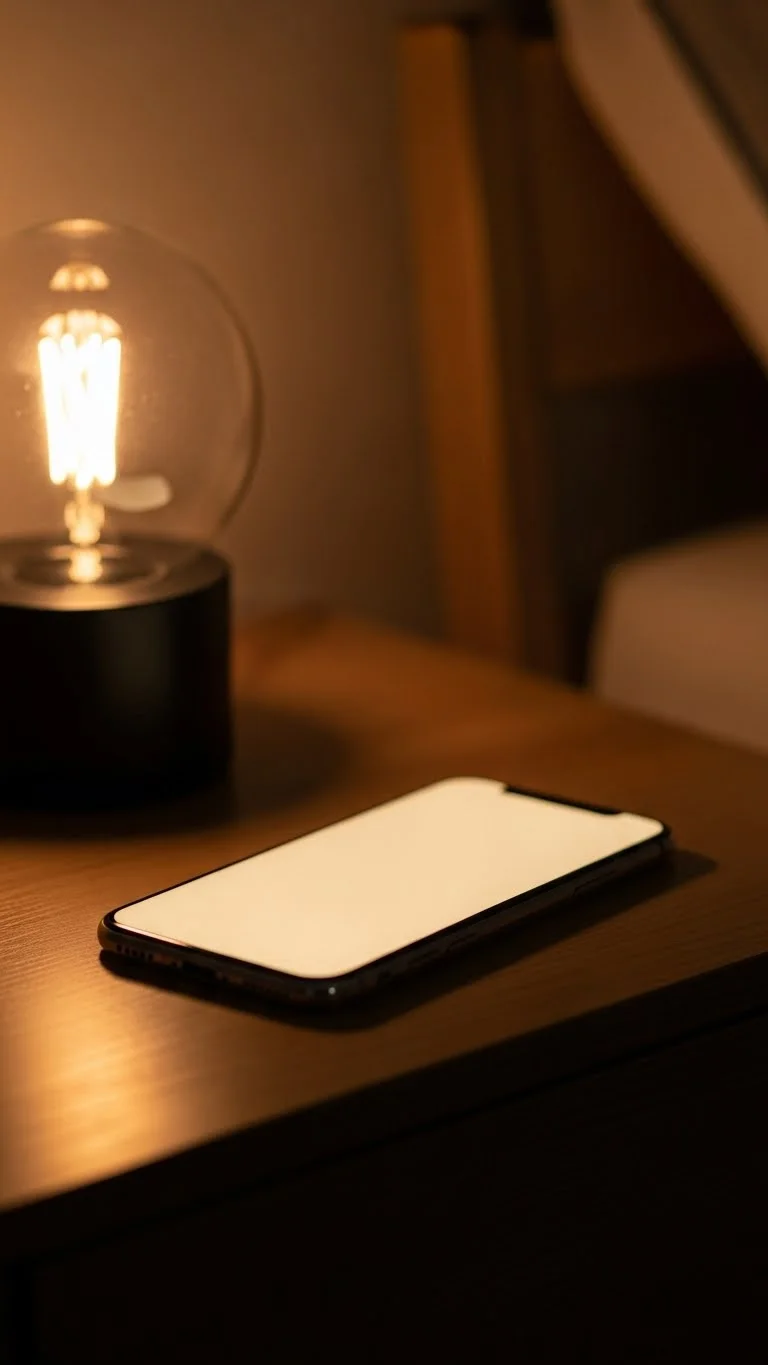
Notifications can interrupt your calm. Setting your phone to “do not disturb” keeps things quiet. You can still allow important contacts through if needed. Place your phone away from your bed so you’re less tempted to check it. Use a cheap alarm clock if you prefer not to rely on your phone. This habit makes your sleep time more peaceful and helps you avoid late-night scrolling.
- Gentle Facial Routine

A basic nighttime skincare step can feel soothing. You don’t need expensive products. Use a simple face wash and an affordable moisturizer. The warm water and gentle motions help your body relax. Keep the routine short so it doesn’t feel like a chore. This small ritual adds a sense of closure to your day. Make it comfortable, not complicated. A clean face and soft skin can help you settle more easily.
- Light Bedroom Clean Sweep

A quick surface clean helps your room feel peaceful. Dust the nightstand, throw away small trash, and adjust your pillows. You don’t need fancy cleaners. A damp cloth works fine. This quiet activity helps your mind unwind. It gives you a sense of order without taking much time. Aim for just one or two small areas. Over time, this keeps your bedroom feeling calm and sleep-friendly.
- Use a Weighted Blanket or Layered Throws

Some people enjoy the gentle pressure of a weighted blanket. If buying one isn’t in your budget, simply layer a few light blankets to create a similar grounded feeling. This extra weight can help slow your thoughts and relax your muscles. Experiment with layers until it feels right. This is an easy way to make your bed feel more comforting without spending much.
22. Slow Evening Walk

A short walk helps release leftover tension from your day. Choose a safe, familiar route. You don’t need workout clothes—just comfortable shoes. Walk slowly and notice your surroundings. The fresh air can help your body relax. This is a free, gentle way to wind down. When you get home, dim your lights and move into your nighttime routine.
- Hydrate Gently

Sipping a small amount of water before bed keeps you from waking up thirsty. Avoid drinking too much to prevent nighttime bathroom trips. Keep a small glass by your bed in case you wake up and feel dry. You don’t need fancy cups—a simple glass works. This small habit supports comfort through the night.
- Limit Caffeine Late in the Day

Caffeine late in the day may keep you more alert. Start paying attention to when you drink your last cup. Switch to decaf or herbal tea in the afternoon if possible. This small change can make nighttime rest easier. No need to give up your morning coffee—just adjust your timing. This habit costs nothing and can make a noticeable difference.
- Try a Simple Body Scan

A body scan helps you notice tension. Start at your feet and slowly move your attention upward. Relax in each area as you go. Keep your breathing soft. You don’t need any training—just move slowly through each part of your body. This practice takes only a minute or two. It’s an easy way to quiet your thoughts and settle into your bed.
- Create a “Sleep-Only” Zone

Try using your bed only for sleep and rest. Avoid working, eating, or scrolling while lying down. This helps your brain link your bed with sleep. It’s a simple change that creates a calmer nighttime mindset. If you have limited space, use a small tray table or chair for other activities so your bed stays restful. This gentle boundary helps your body relax when it’s time to sleep.
Conclusion
Creating a calm bedtime routine doesn’t have to be complicated or expensive. Small habits done gently and consistently can help your body settle more naturally each night. Choose a few ideas from this list and try them at your own pace. With simple steps and a cozy atmosphere, you can make your evenings feel softer and your sleep feel smoother.
