

20 Toddler Routine Chart Ideas for Better Behaviour
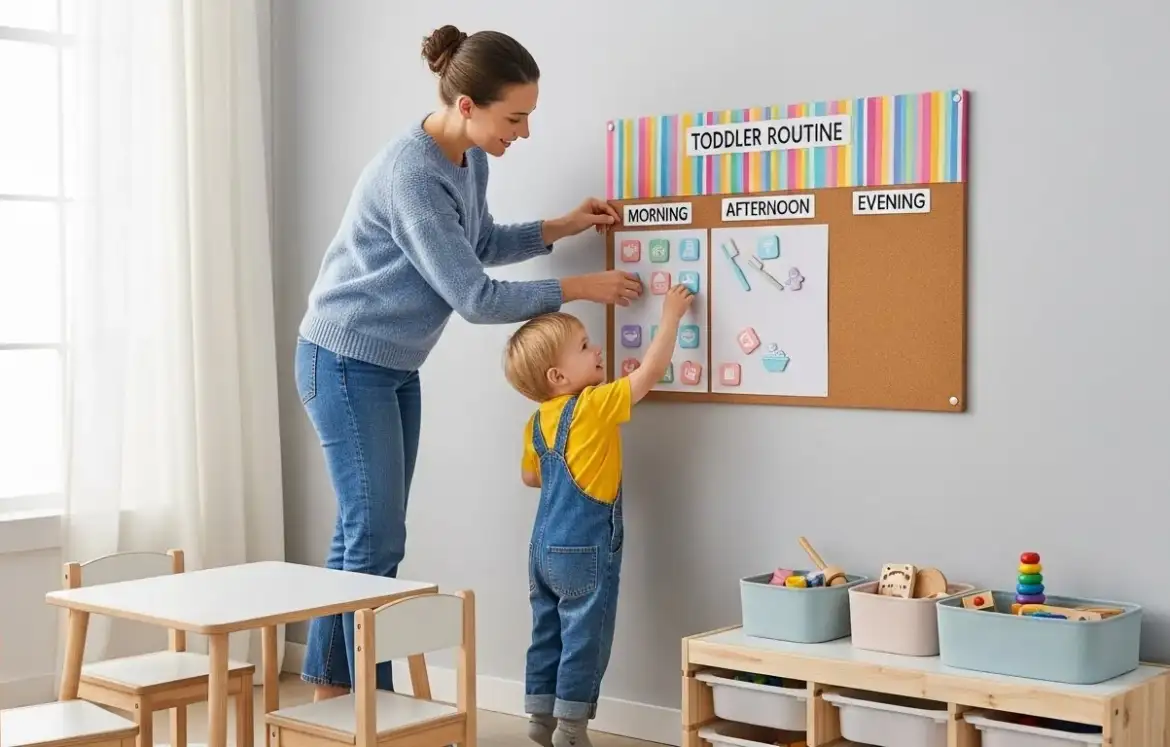
Daily structure helps toddlers feel calmer and more cooperative. A simple routine chart can guide them through the day and cut down on tantrums, power struggles, and confusion. The ideas below offer easy, low-cost ways to build visual cues, set clear expectations, and help toddlers follow steps without pressure. Pick a few, keep them simple, and adapt them to your child’s pace.
- Morning Picture Strip
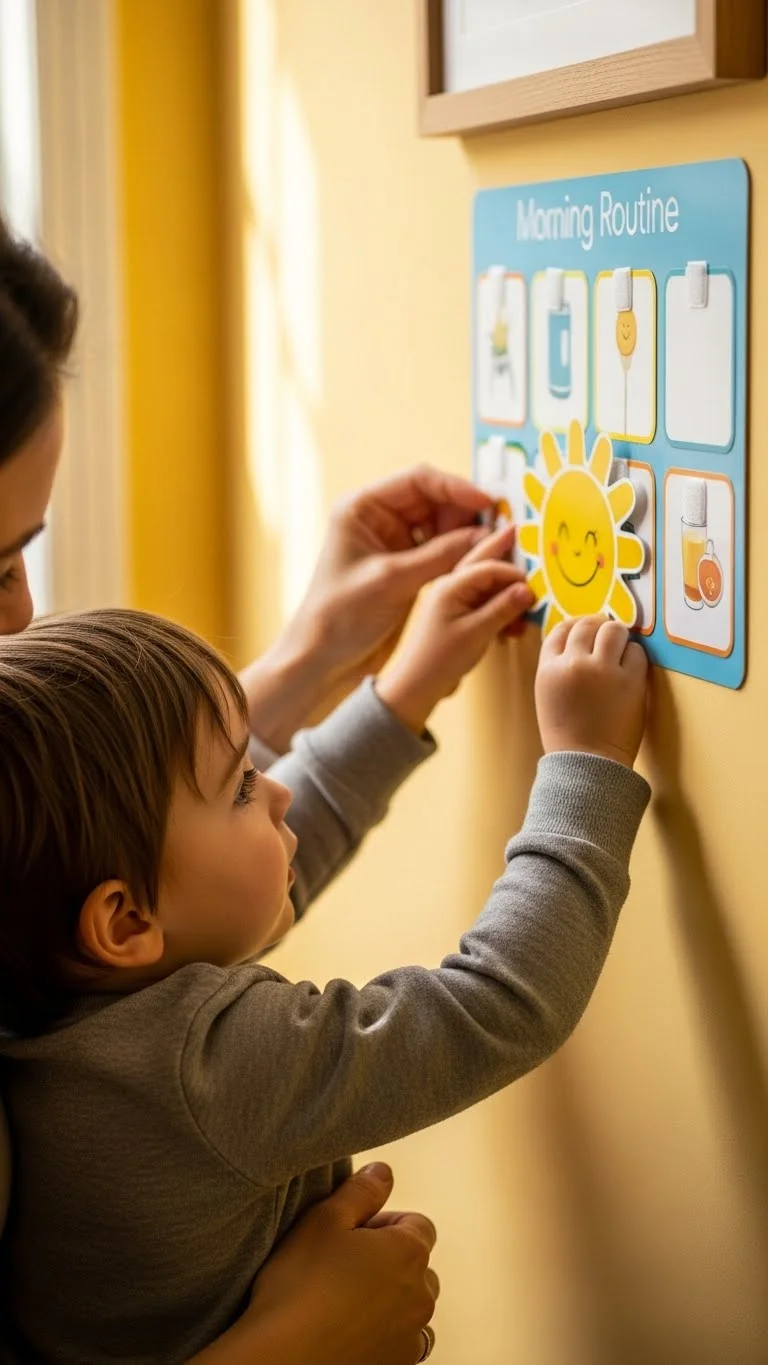
A morning picture strip gives toddlers a simple visual flow to follow. Use photos, stickers, or drawings for steps like potty, breakfast, teeth, and clothes. Tape them to a long strip of cardboard and hang it low. A dollar-store poster board works fine. Let your toddler move each picture to a “done” pocket. Keep the strip short so it doesn’t overwhelm. If mornings feel rushed, prep clothes and breakfast items the night before. Toddlers enjoy being part of the process, and the picture strip helps them stay on track without constant reminders. Rotate icons occasionally to keep their interest high. This chart works especially well for toddlers who like checking things off.
- Bedtime Wind-Down Row
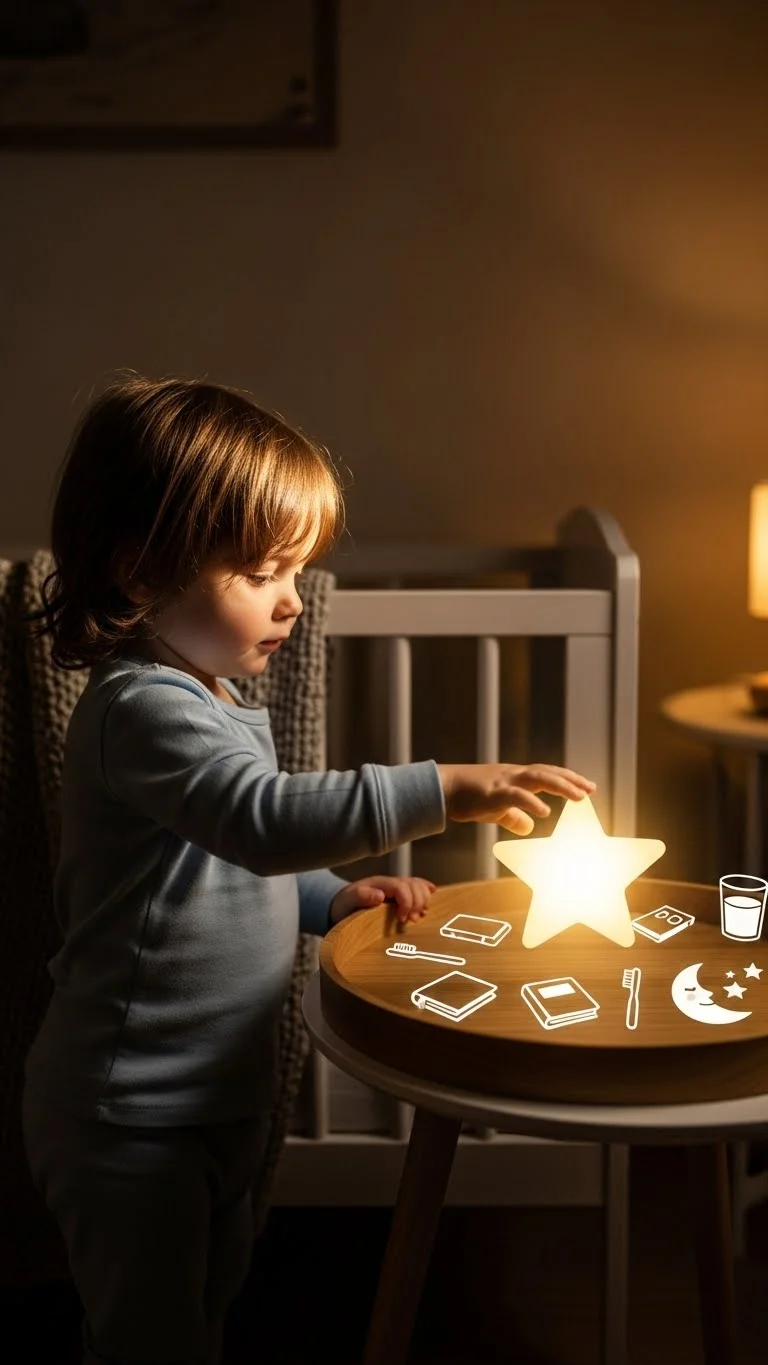
A bedtime row helps toddlers settle without arguments. Create a simple line of icons for bath, pajamas, books, and lights out. Stick them on a small board or a strip of cardboard. Use Velcro dots so toddlers can pull off each icon as they finish. Add calm colors like blues or creams. Keep the chart near the bed so toddlers can reach it easily. Make the steps short and predictable. You can use printed clipart or cut magazine pictures if you want to keep it cheap. A small basket of bedtime books nearby helps the routine feel natural. When toddlers follow predictable steps, bedtime becomes smoother and less stressful.
- Snack Choice Board
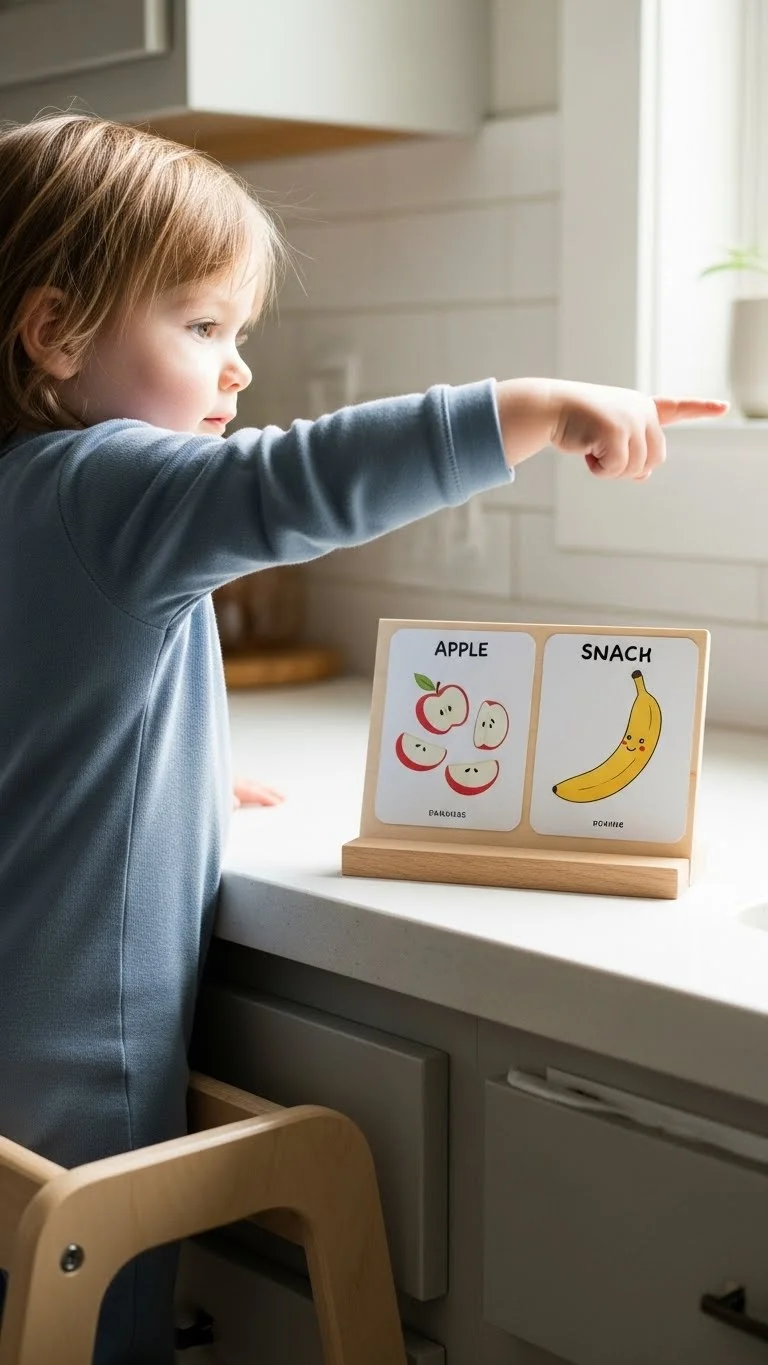
A snack board reduces begging and constant “Can I have something?” conversations. Offer two to three snacks each day and show them with picture cards. Toddlers pick one, and you remove that card afterward. Use a magnet board or a piece of cardboard with clothespins. Stock low-cost options like fruit, cheese cubes, or crackers. This method sets limits without needing long explanations. Rotate snacks every few days. Keep the board low so toddlers can help manage their choices. It helps them feel involved while keeping your kitchen routine simple.
- Simple Potty Routine Chart
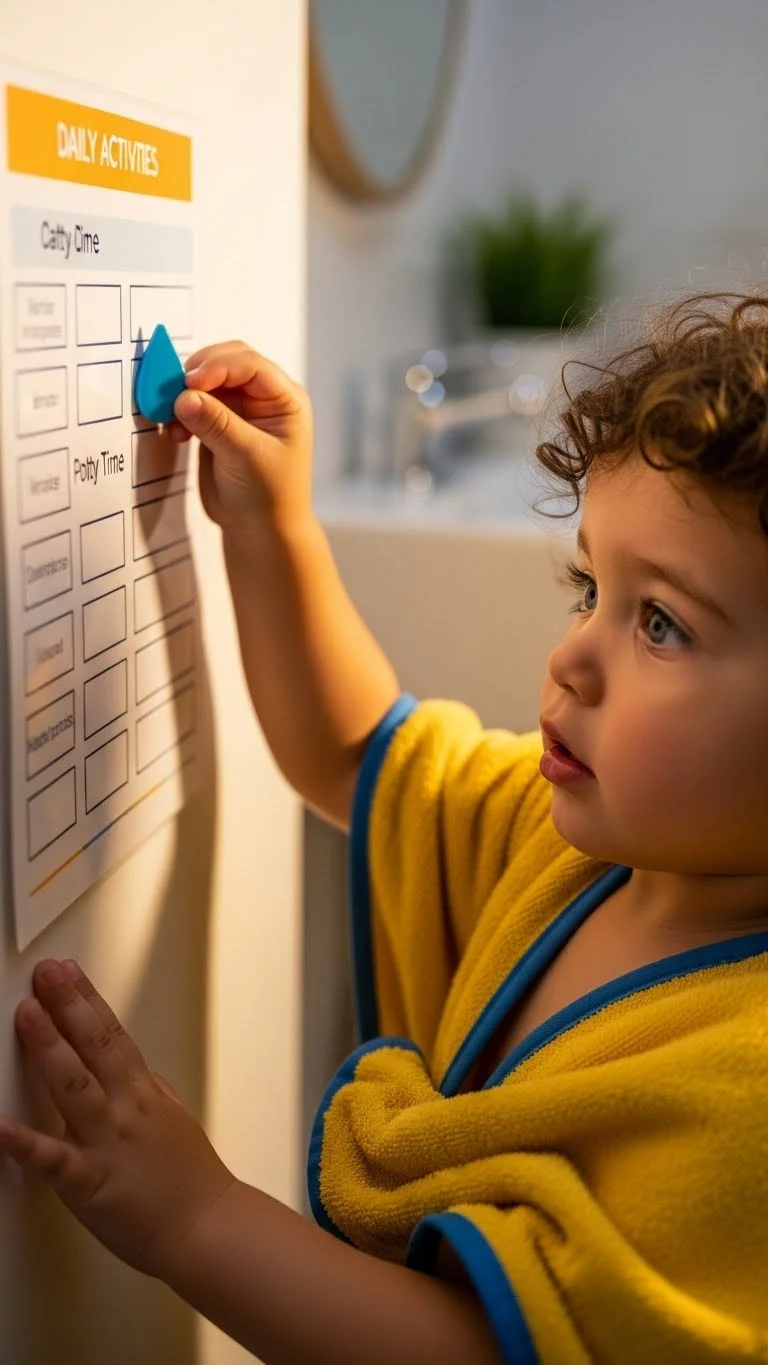
A potty chart helps toddlers move through each step calmly. Create icons for pants down, sit, wipe, flush, and wash hands. Keep the chart short so it doesn’t feel overwhelming. Laminate the pictures with packing tape to make them water-resistant. Toddlers can move a clothespin or sticker along the line. Avoid candy rewards; praise and smiles work well. Keep a step stool near the sink to help them follow the last step independently. This simple chart encourages consistency and confidence.
- Get-Dressed Helper Board
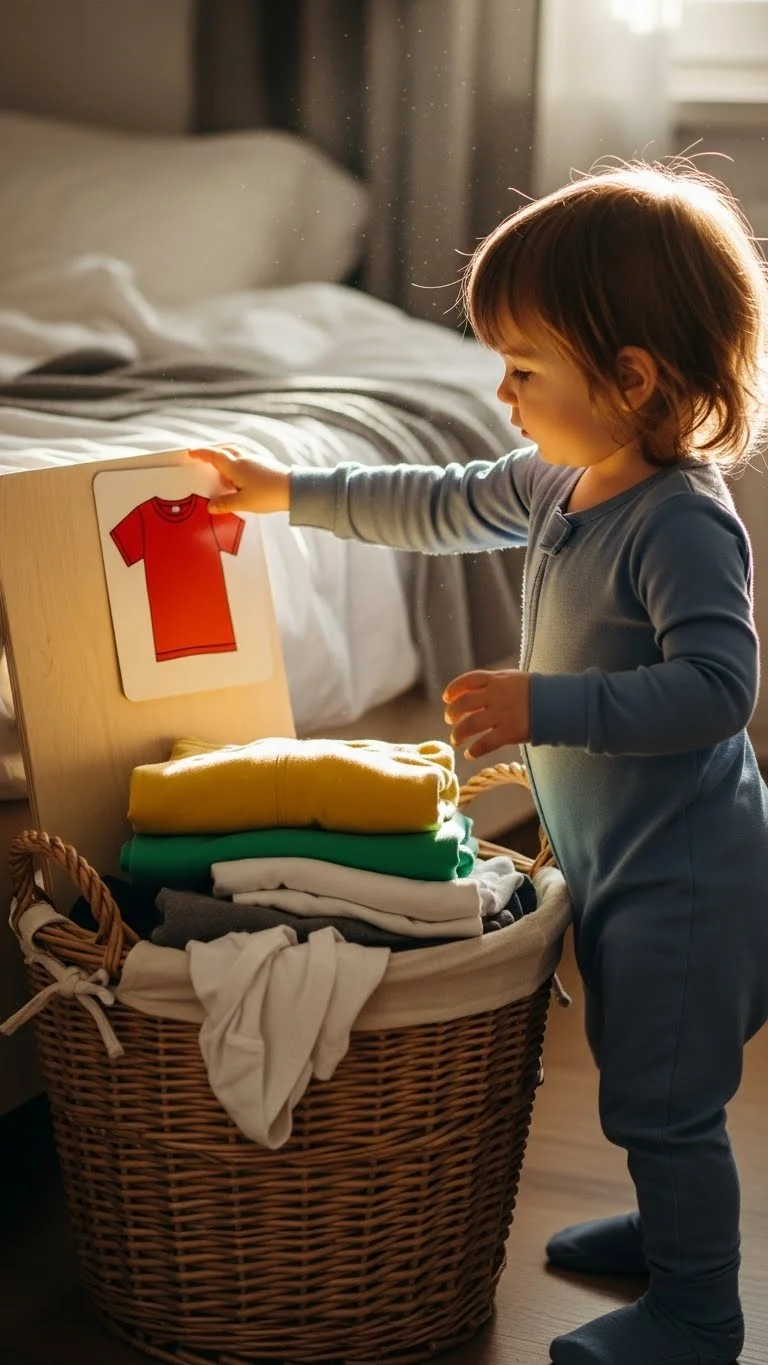
A get-dressed board keeps toddlers from running off mid-task. Place simple icons for shirt, pants, socks, and shoes. Use drawings or real photos of their clothes. Tape the board to a bedroom wall at toddler height. Let them choose the order of the steps if they like. Lay out clothes the night before to reduce morning delays. You can make the chart from cereal boxes to keep it cheap. Toddlers enjoy flipping each item once they complete it, and it reduces the back-and-forth of constant reminders.
- Toy Cleanup Dot Map
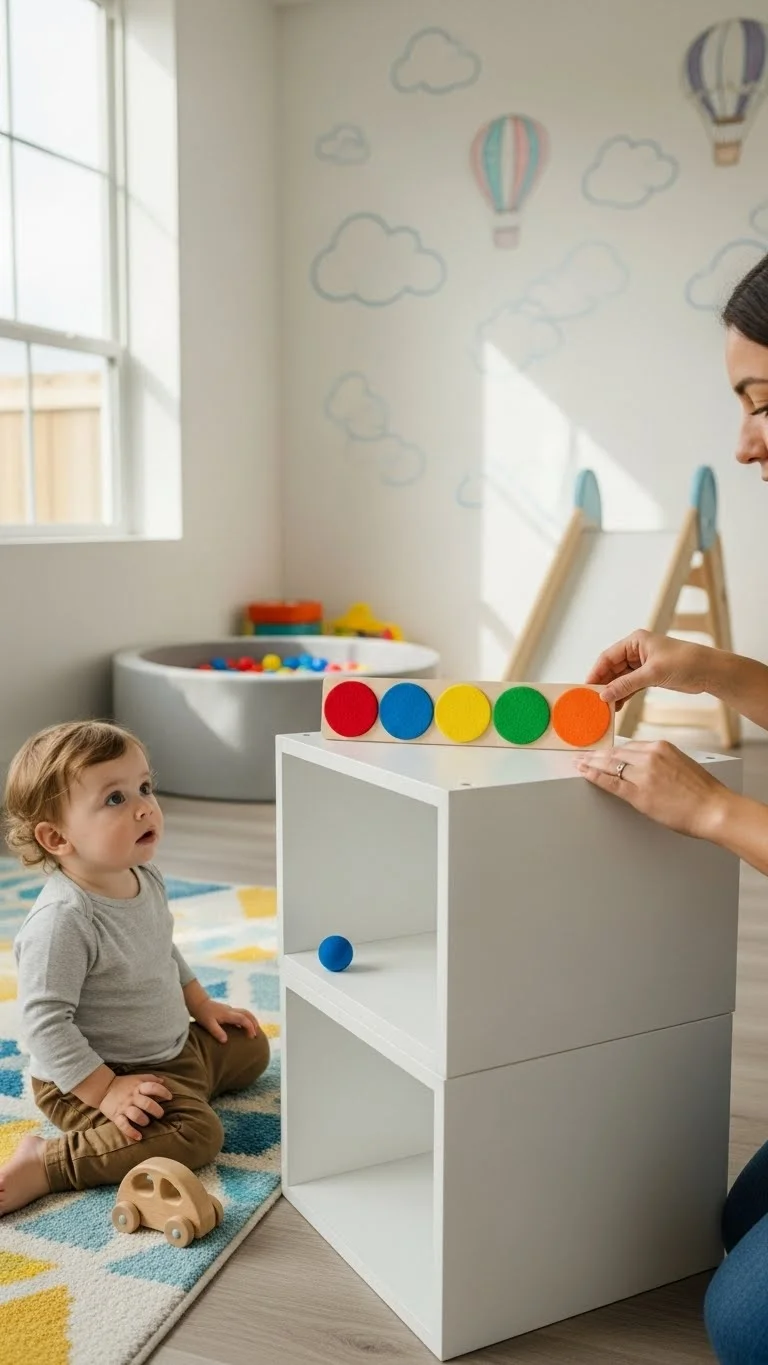
Turn cleanup into a simple routine by adding colored dots to shelves or bins. Each dot stands for where certain toys go. This creates a visual cue without clutter or labels. Toddlers match toys to the dots like a game. Use cheap stickers or paper circles. Keep bins low and small, so they don’t get overloaded. Add the chart near the toy area to show the steps: pick up, match color, high-five. After a few days, toddlers learn the flow quickly.
- Outdoor Play Strip
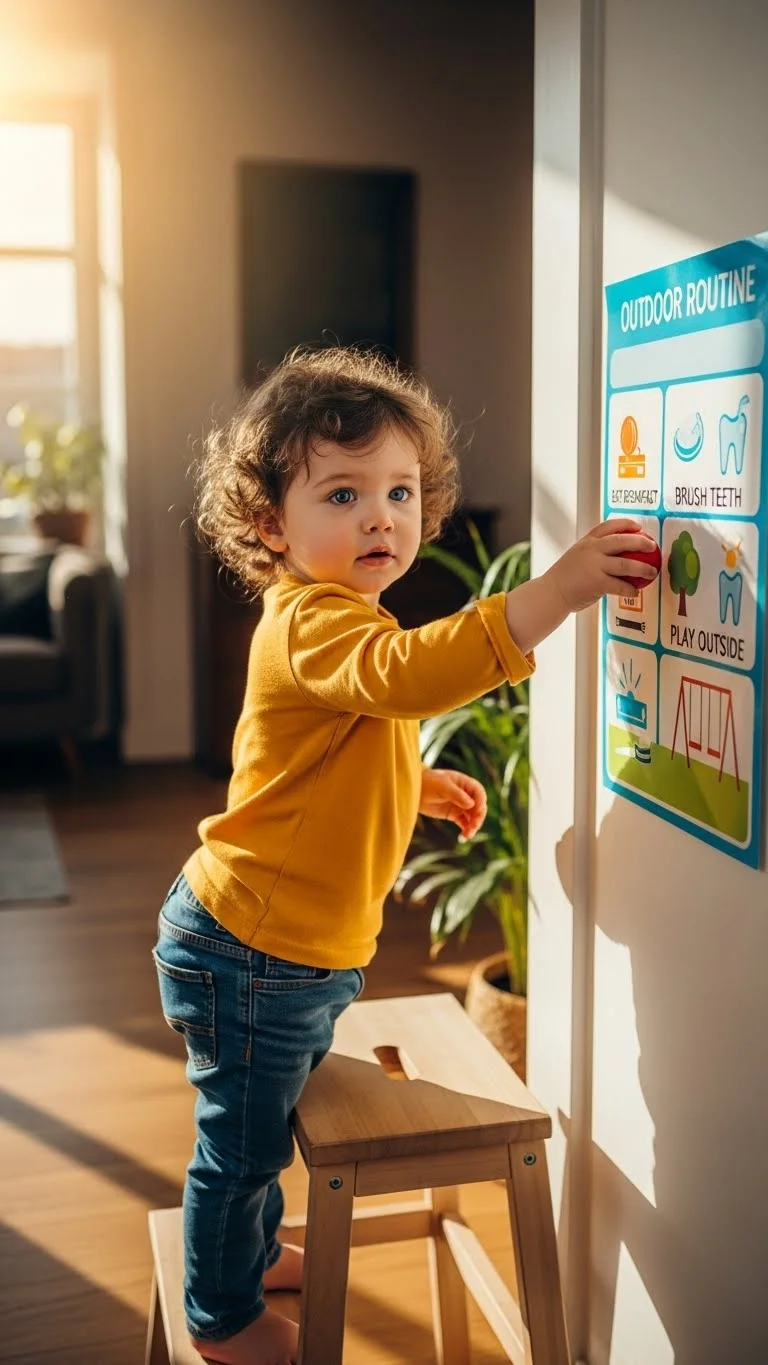
An outdoor play strip helps toddlers move smoothly from indoor to outdoor time. Add icons like shoes, a hat, a water bottle, and a play. Keep the strip near the door. Use magnets or clothespins so toddlers can interact with it. Store outdoor items in a small bucket so everything stays in one spot. Toddlers enjoy preparing themselves without rushed reminders. This chart also helps prevent last-minute scrambles for hats and shoes.
- Mealtime Manners Chart
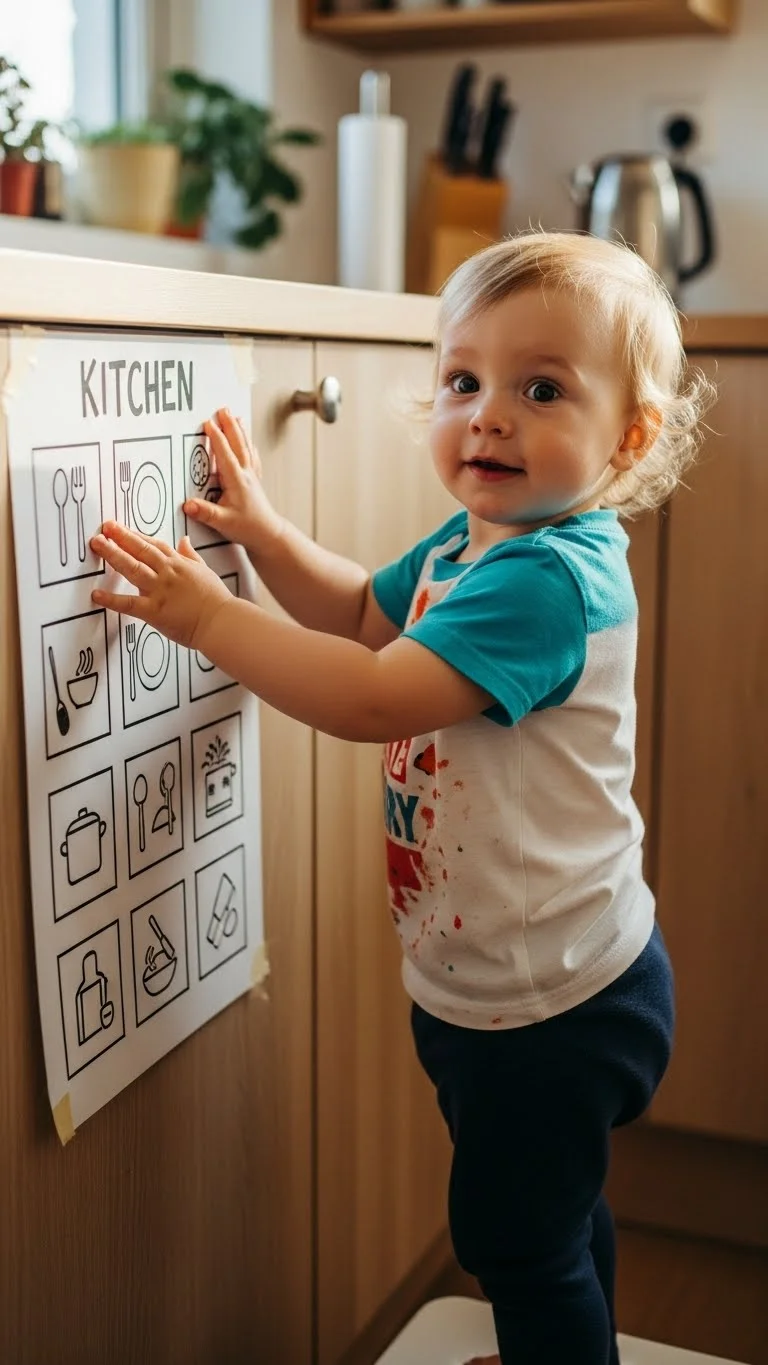
A mealtime chart encourages calm behavior without long talks. Add a few simple icons: sit, eat, talk softly, all done. Keep the chart tiny so it doesn’t distract from the meal. Use photos instead of drawings if your toddler connects better visually. Place the chart near the toddler’s seat. Give light reminders by pointing to the icons instead of repeating directions. Cheap magnet sheets make great reusable pieces. Keep expectations simple and offer praise when they follow the steps.
- Laundry Helper Mini Chart
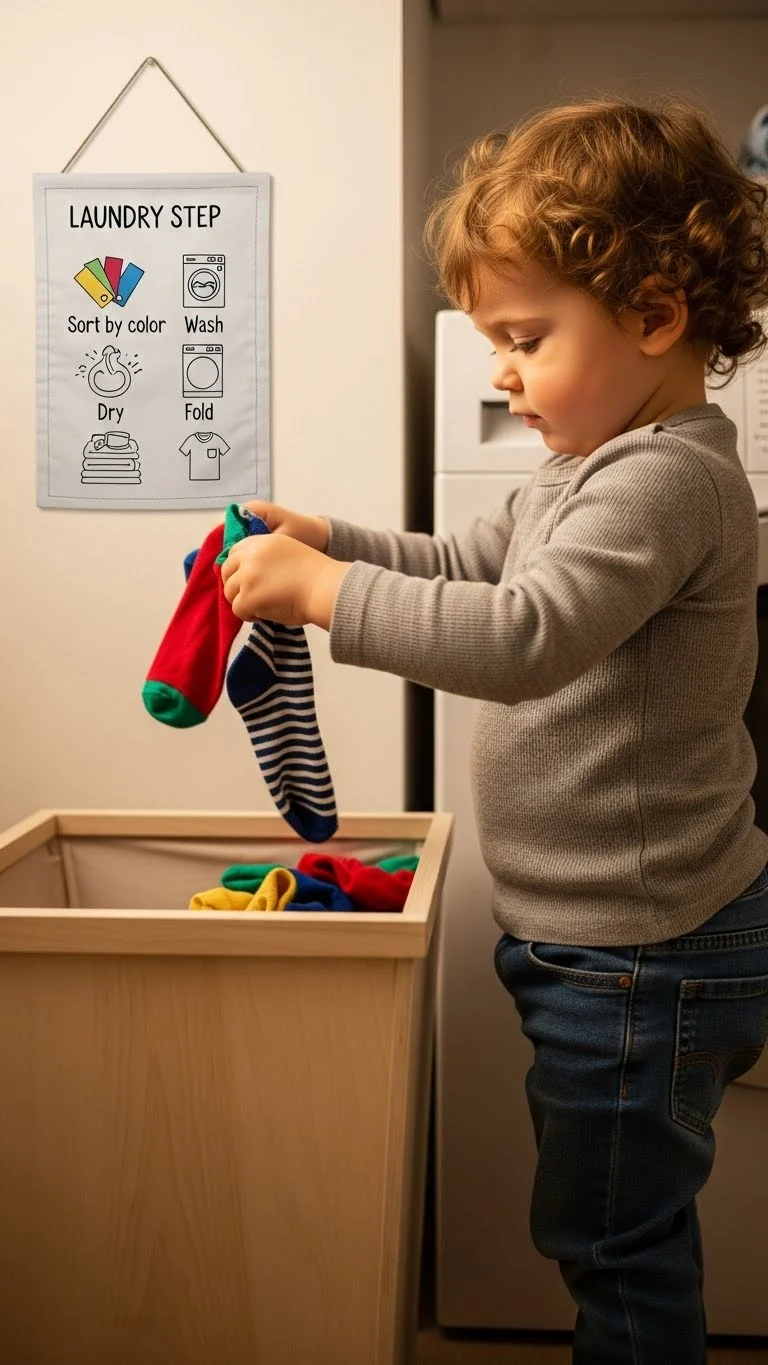
Toddlers enjoy helping when tasks are visible. Create a laundry helper chart with steps like sort, load, press button, and carry. Use photos of your own washer to make it familiar. Toddlers can help move small items like socks or cloths. Keep a step stool nearby for safe participation. A small basket labeled with symbols works well for sorting. This chart builds tiny habits and adds structure to chores.
- Car-Ride Prep Chart
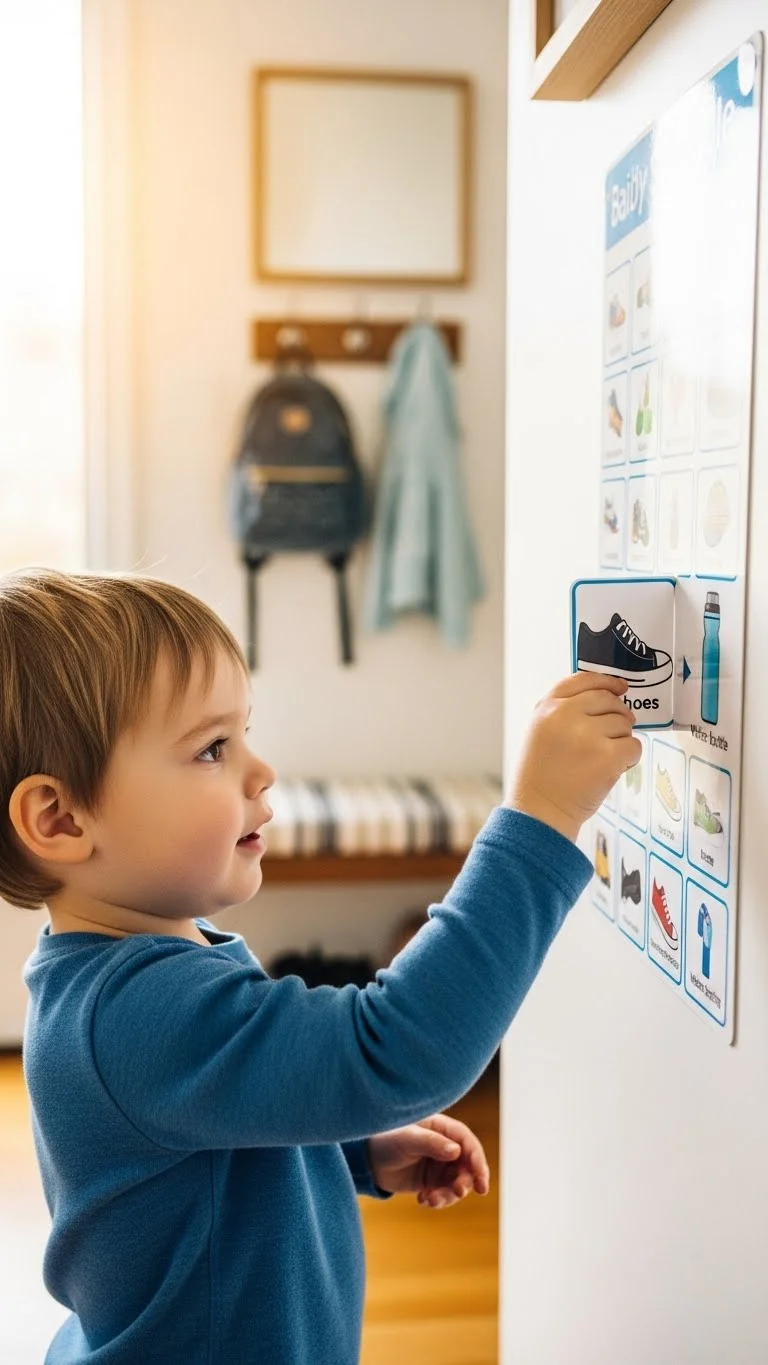
A car-ride chart simplifies leaving the house. Add icons for shoes, potty, water, and toy. Toddlers check each icon before heading out. Stick the chart to the wall near the door. Keep everything in one small basket so they can grab items quickly. This helps reduce meltdowns at the last minute. Make the icons from paper scraps or download simple clipart. Toddlers enjoy the independence of checking the steps themselves.
- Quiet Time Symbol Line
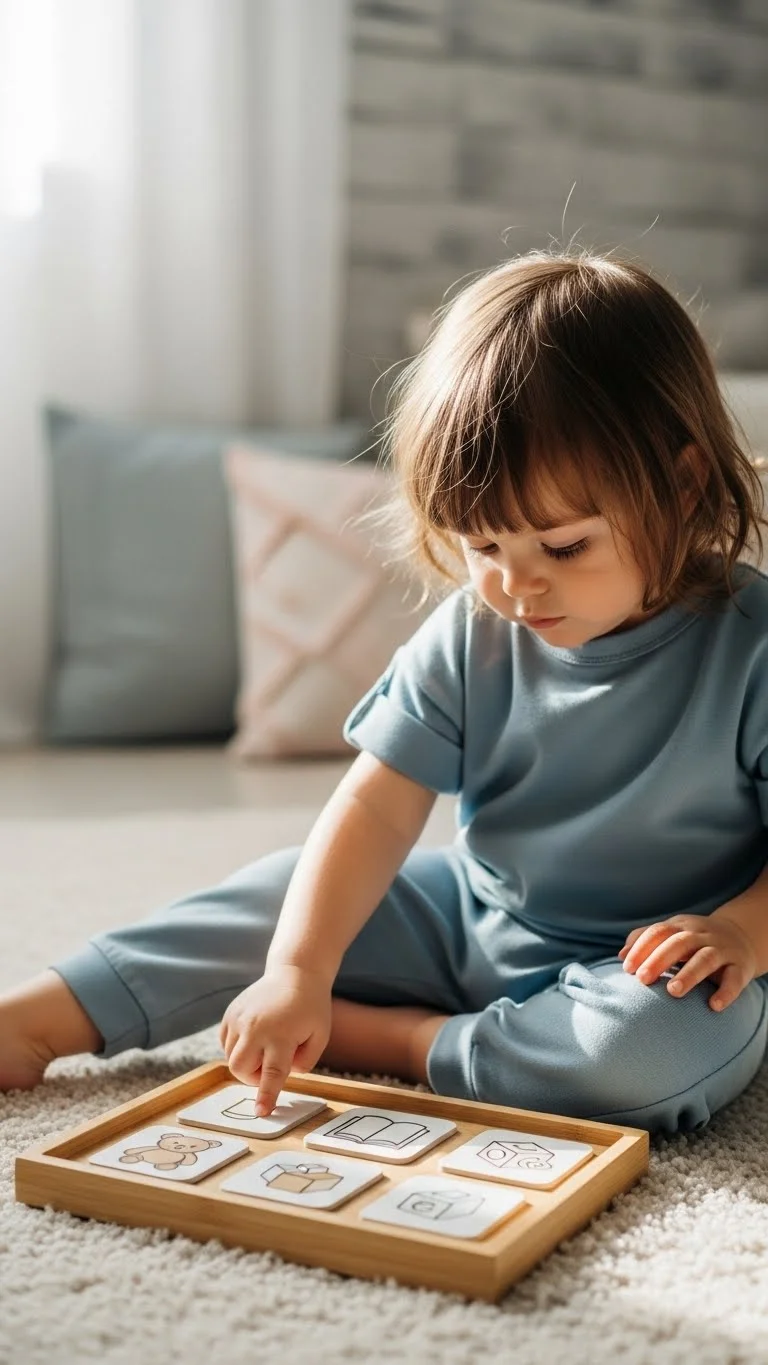
Quiet time works best when toddlers know what it looks like. Create a symbol line with icons for books, puzzles, stuffed animals, or drawing. Choose three options daily and place them on a short strip. Toddlers then know what activities are allowed during quiet time. Use a small caddy to keep supplies ready. Keep the time short if your toddler resists, and extend slowly. This structure helps them settle without arguments.
- “First-Then” Board
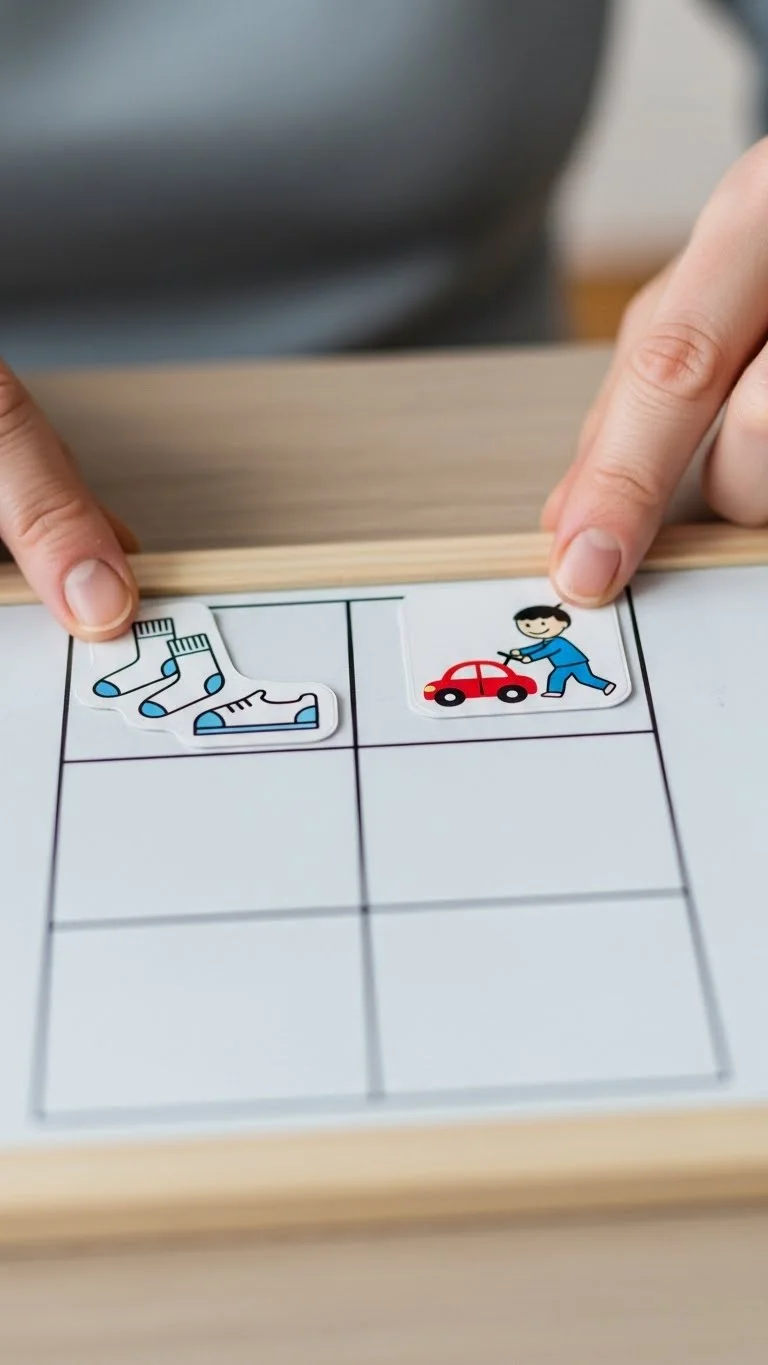
A “first-then” board works well for toddlers who struggle with transitions. Place one icon for the task and one for the reward activity. For example: first brush teeth, then play. Use Velcro or magnets. Keep the rewards simple, like blocks, coloring, or a cuddle. Keep the board near the area where you give instructions. This reduces power struggles and helps toddlers move from one activity to another more smoothly.
- Bath Routine Bubbles Chart
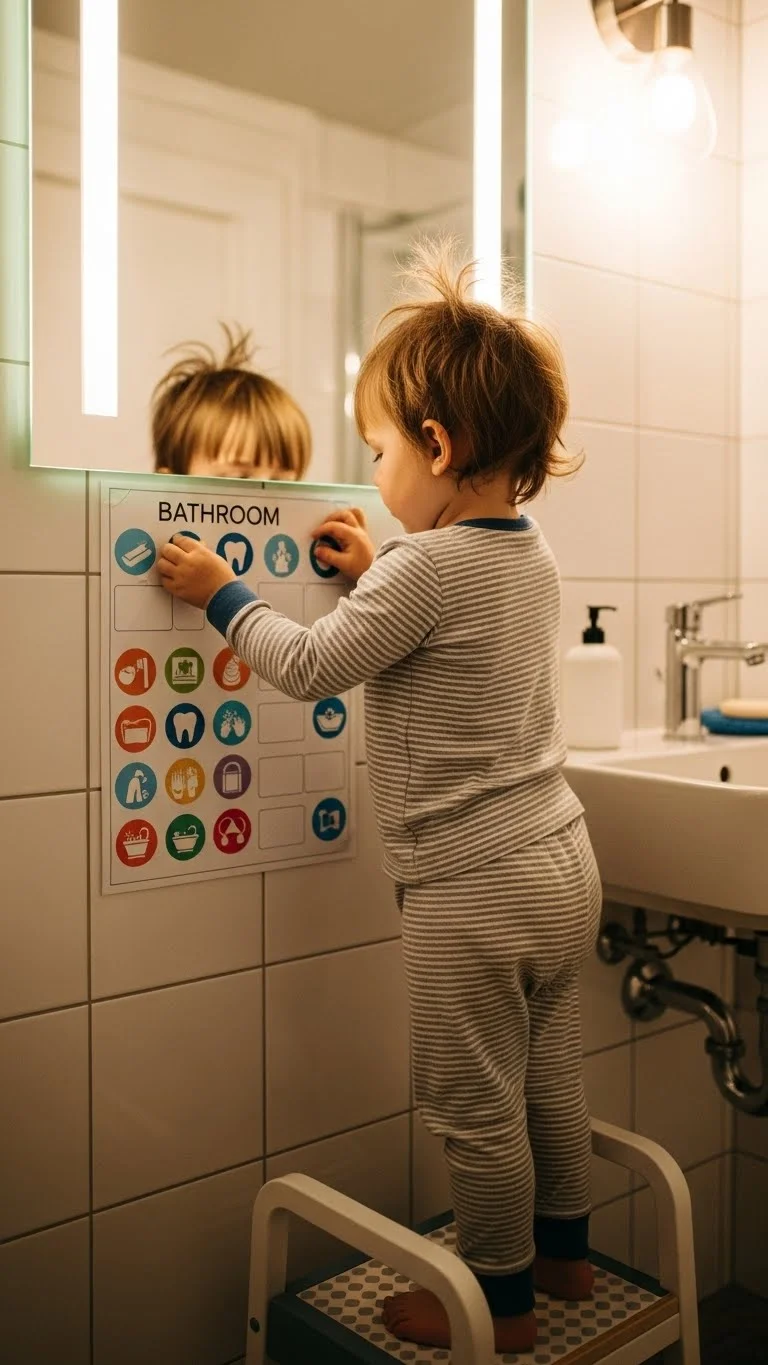
Make bath steps easy with bubble-shaped icons. Add steps like undressing, washing, rinsing, drying, pajamas. Waterproof the chart by covering it with packing tape. Stick it near the tub. Toddlers enjoy moving each bubble as they complete the step. Use cheap sponges or cups to keep bath time fun without extra toys. A simple chart helps keep bath time steady and calm.
- “Help Me Help You” Task Chart
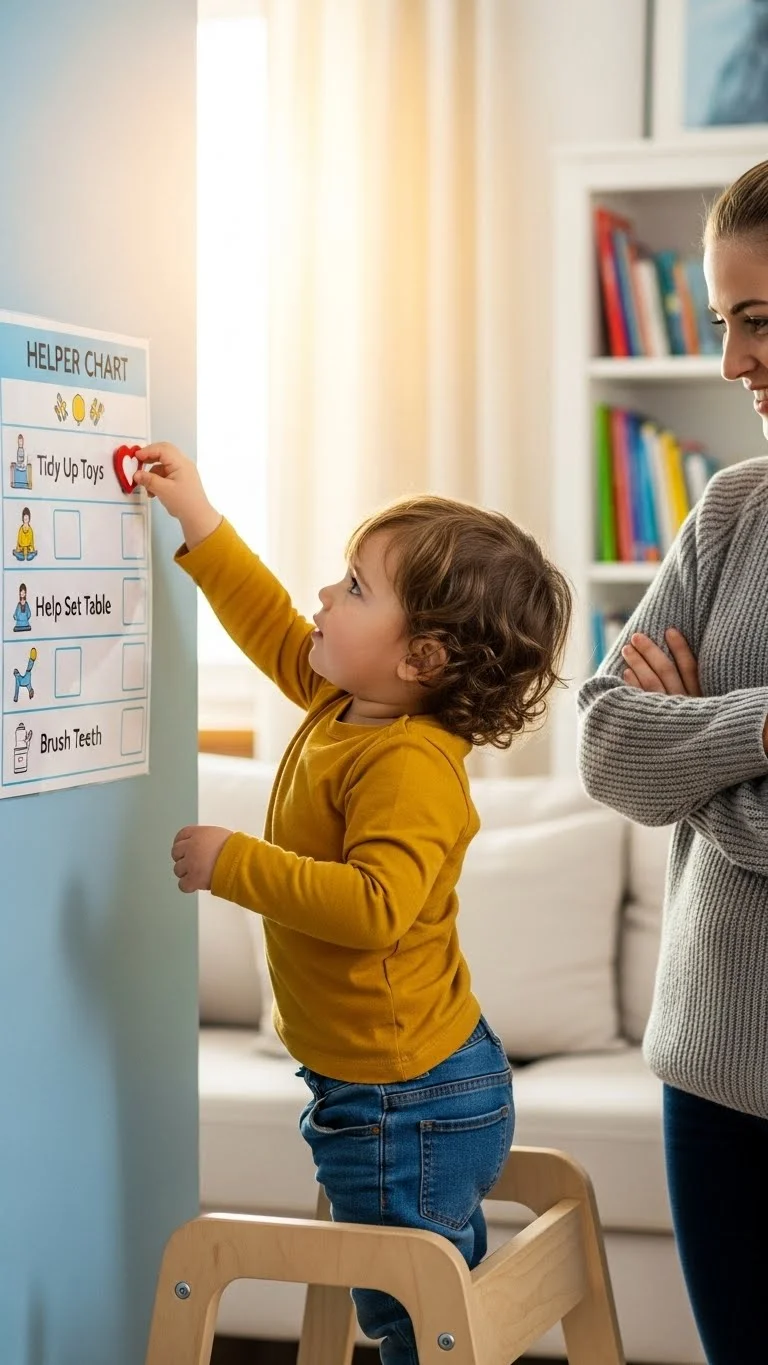
Toddlers love helping. Use a chart with small tasks like carry wipes, bring a diaper, fetch shoes, or place napkins on the table. Add one or two new tasks each week. Keep icons simple and cute. Store items in reachable bins. This gives toddlers a sense of participation and steady structure throughout the day. Rotate tasks to keep them engaged.
- Bedtime Comfort Choices Board
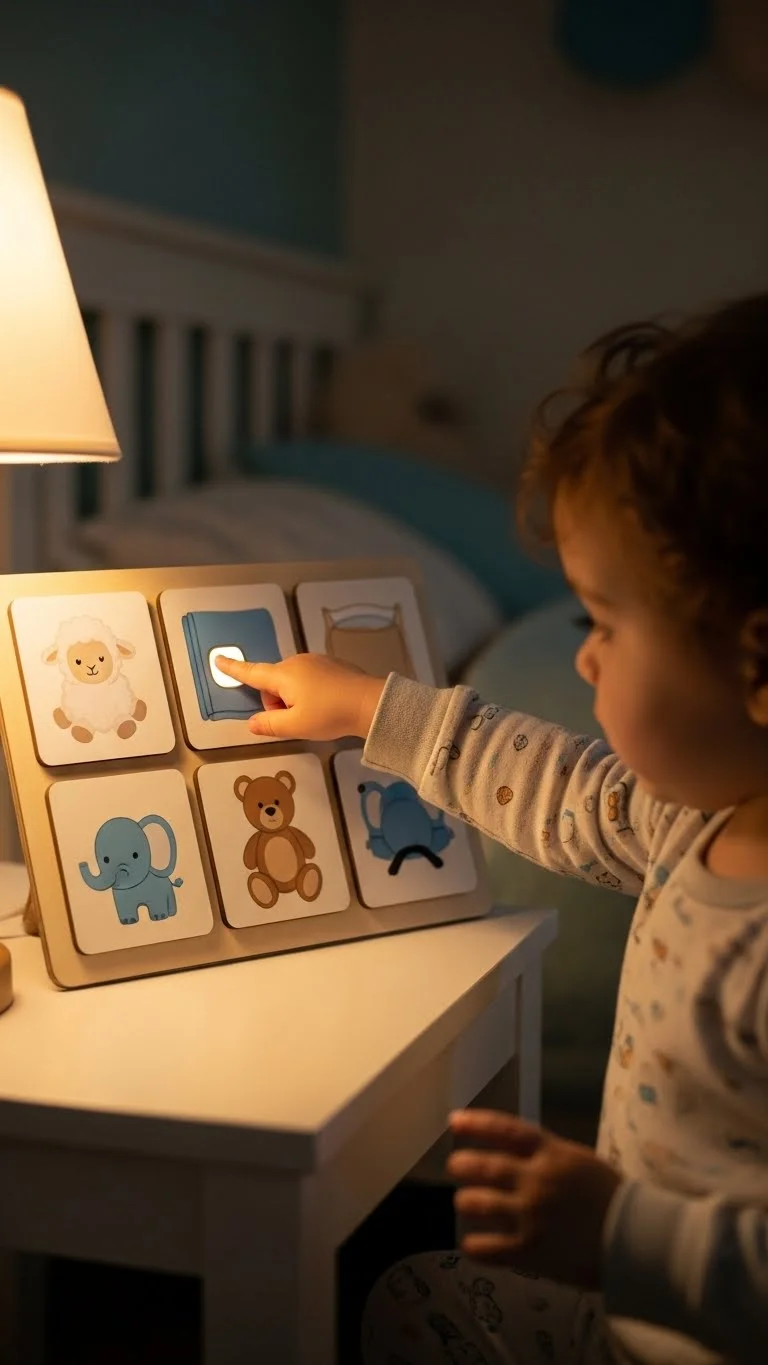
Help toddlers settle by offering structured comfort choices. Add icons for stuffed animals, blankets, or quiet activities like books. Let them pick two before bedtime. Stick the board near the bed. Use photos of their real items so they understand quickly. This reduces bedtime power struggles and creates a peaceful routine. Use cheap Polaroid-style prints or phone photos taped to cardboard.
- Morning Hygiene Strip
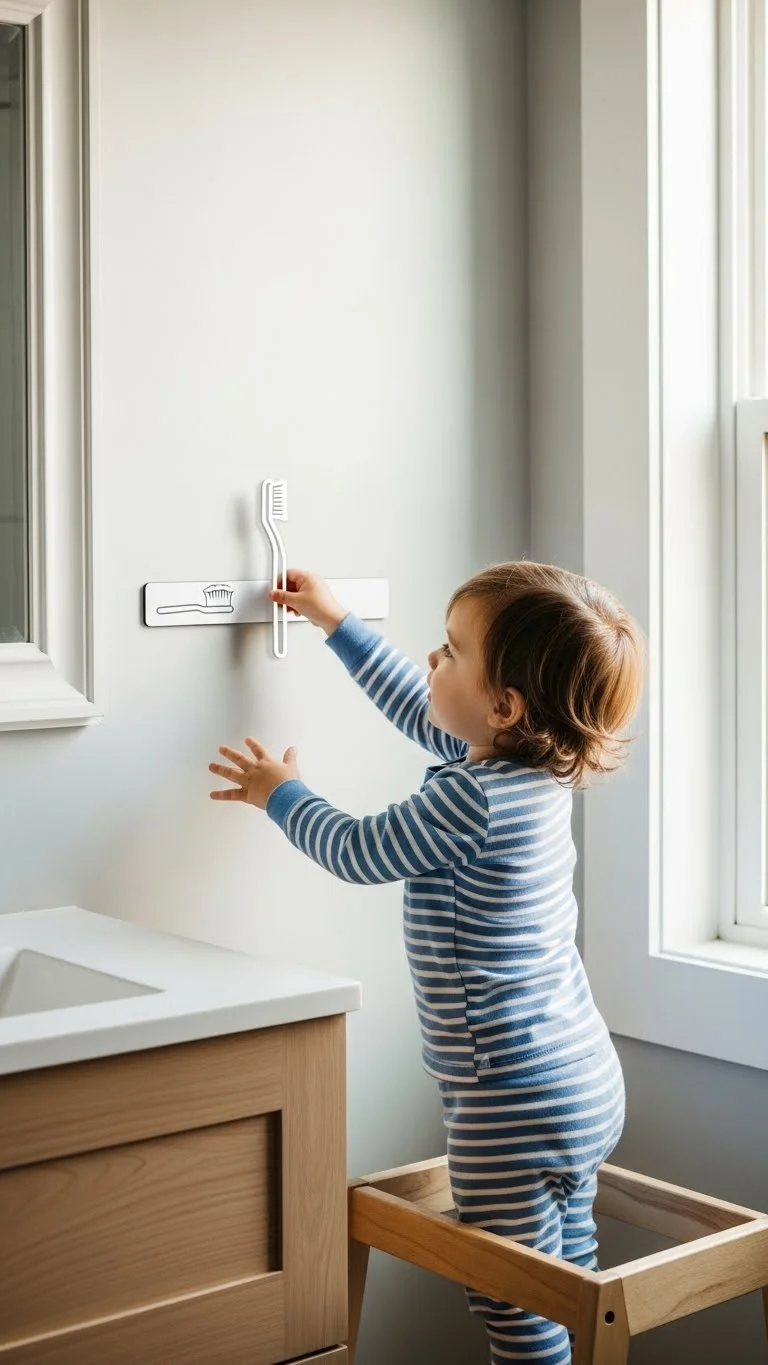
A hygiene strip helps toddlers follow basic care steps without reminders. Add icons for brushing teeth, washing face, combing hair, and wiping hands. Keep the strip short and low on the wall. Store items in a small basket with labels or symbols. Use cheap travel-size containers to keep things organized. Toddlers enjoy completing each step and flipping the icons as they go.
- Playtime Rotation Chart
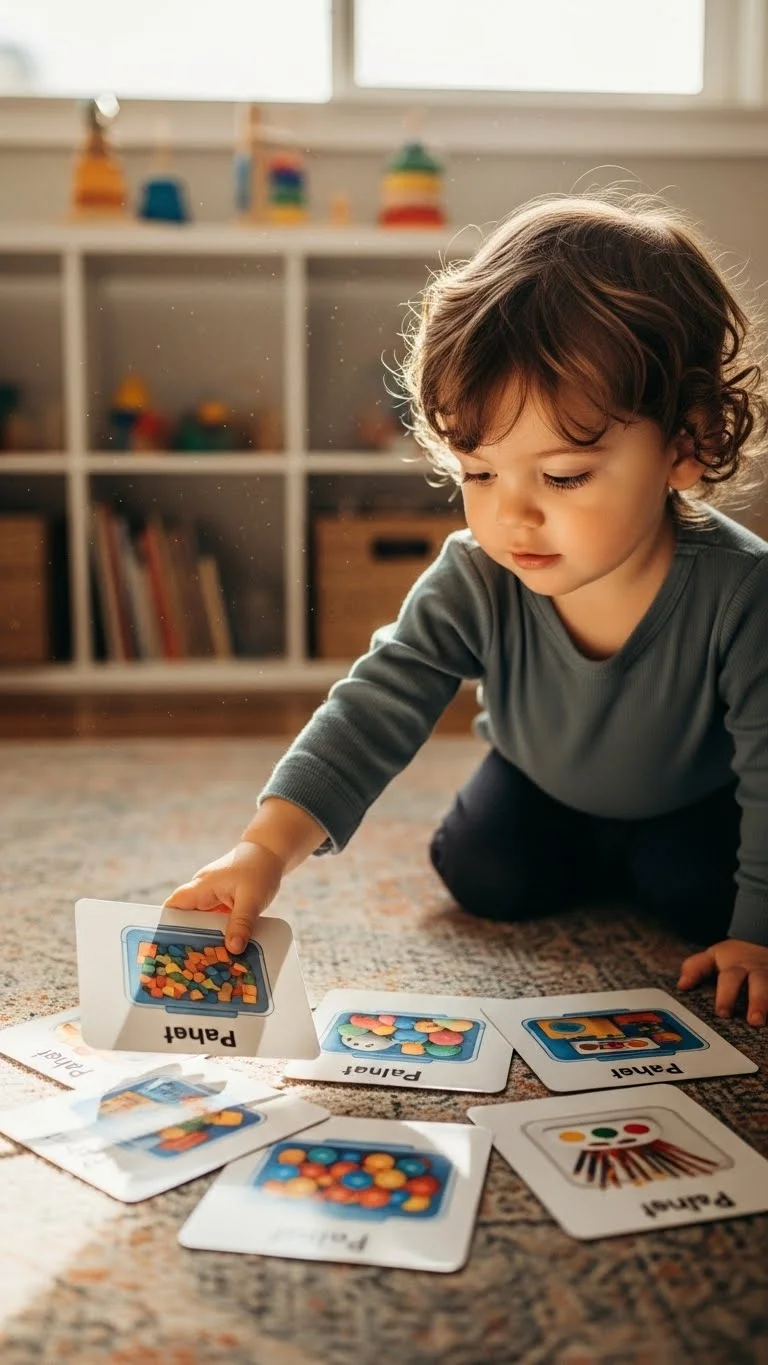
To avoid toy overwhelm, create a rotation chart. Add icons for blocks, art, cars, dolls, or dress-up. Toddlers choose one at a time. Keep bins small so cleanup stays simple. Rotate bins weekly to make old toys feel new again. You can make icons by snapping photos of each bin. This chart helps toddlers stay focused and reduces clutter.
- “All Done” Bucket Chart
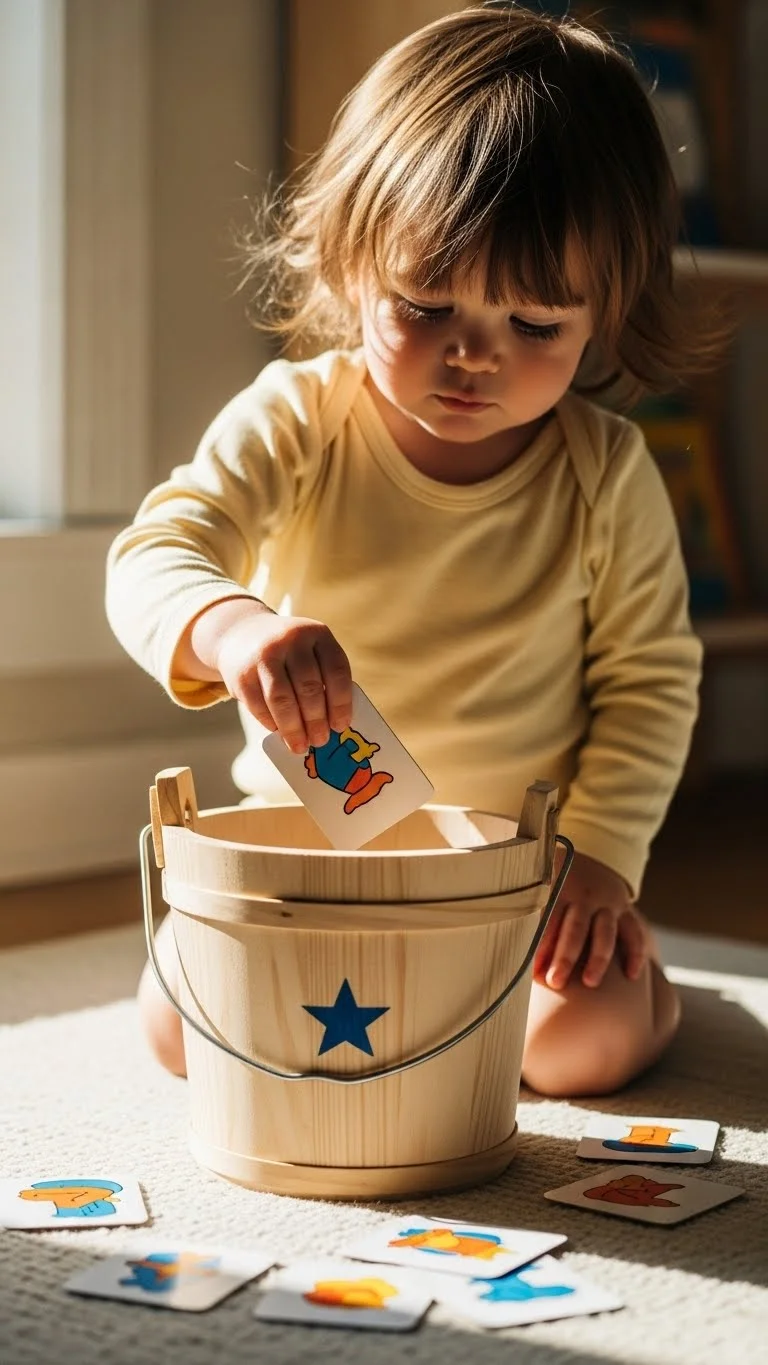
Use an “all done” bucket to show completed tasks. Toddlers drop picture cards into a small bucket at the end of each completed routine. You can use jar lids, bottle caps, or cut circles for cards. This gives toddlers a physical action to confirm they’ve finished something. It adds structure without pressure. The bucket can be used for morning, bedtime, or chores.
- Calm-Down Cue Board
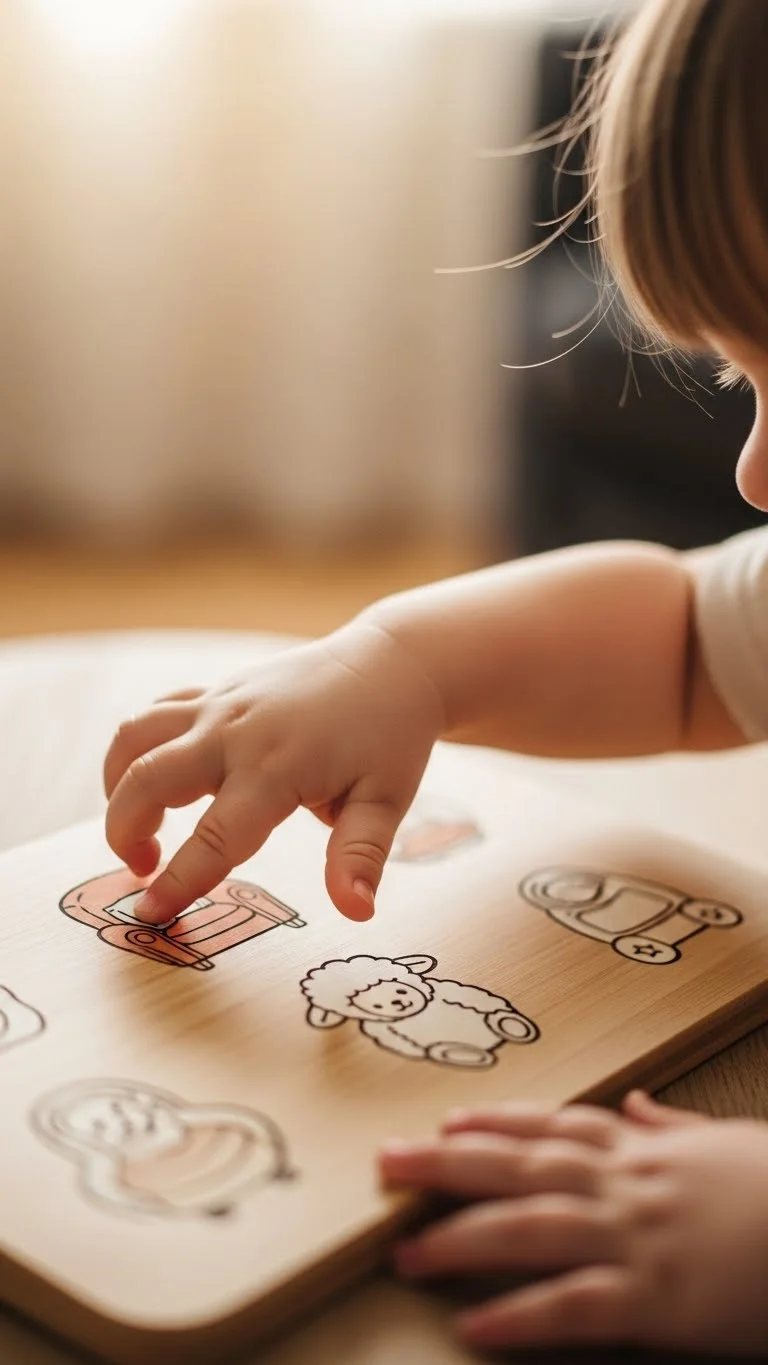
A calm-down board helps toddlers regulate emotions. Add icons for simple calming options: deep breaths, water sip, cuddle, or quiet corner. Keep it near a cozy spot in the house. Use soft, muted colors. Toddlers choose one icon when they feel overwhelmed. You can make the icons from magazine cutouts or simple drawings. This board guides toddlers through calming steps without long conversations.
- Daily Sticker Path
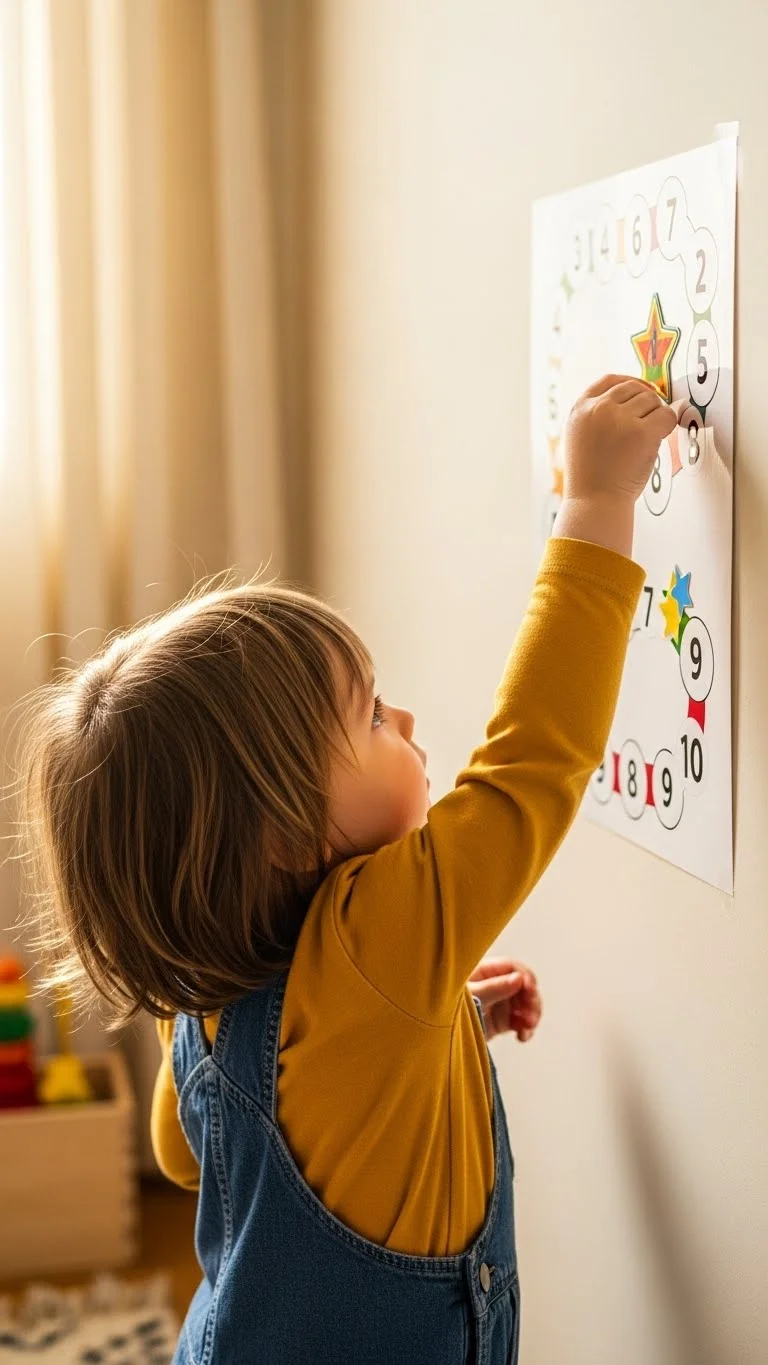
A sticker path adds a fun twist to daily routines. Draw a simple trail on a sheet of paper. Toddlers add one sticker each time they complete a routine block. Keep stickers small so the path lasts longer. Place the chart at their height. Let them choose the sticker shape each day. This supports consistency and keeps routines exciting without offering big prizes or candy.
Conclusion
Toddlers thrive when their day follows a simple rhythm they can see and touch. These charts give them visual cues, small choices, and clear steps they can follow without frustration. Pick the ideas that fit your home, keep them simple, and give your toddler time to adjust. A few visual tools can make everyday routines calmer, clearer, and much easier for everyone.
