

26 Potty Training Tips for Quicker Success
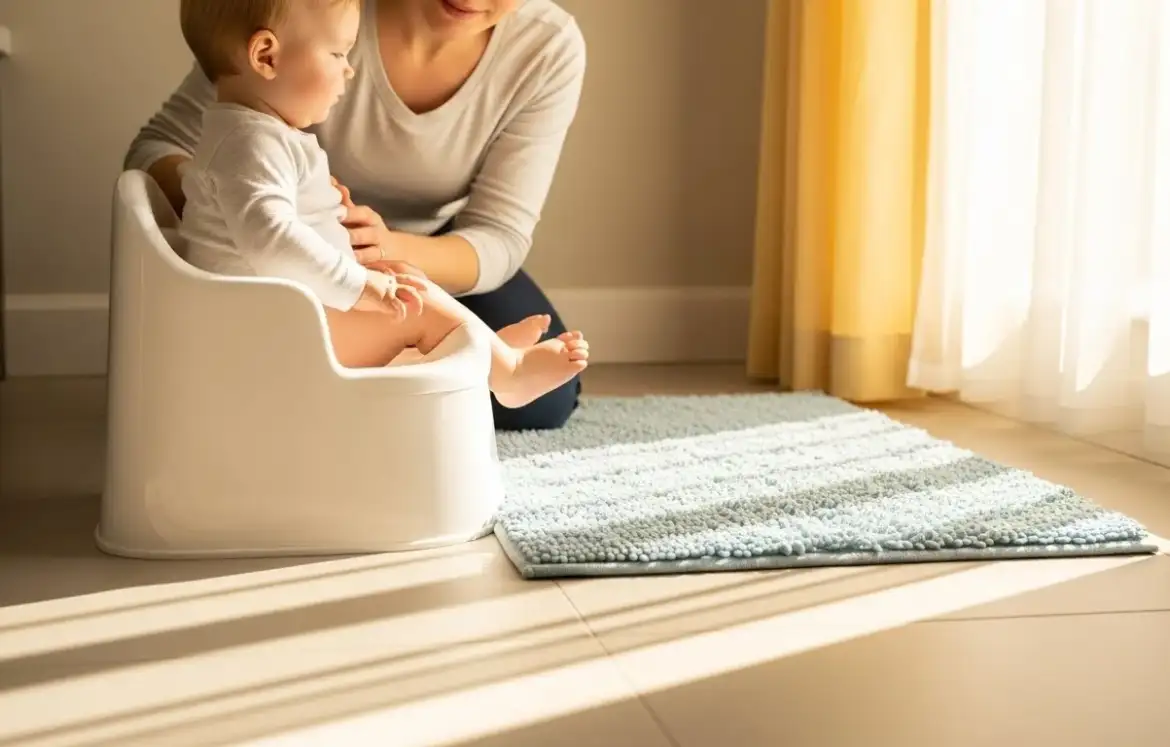
Helping a young child learn to use the potty can feel like a big stage, but it can go smoothly with simple, steady habits. The tips below offer practical ways to cut stress, shorten the process, and keep your child confident. Each idea is easy to try, budget-friendly, and flexible. You can mix and match whatever fits your home, your schedule, and your child’s personality. Let’s get started.
- Start When Your Child Shows Signs
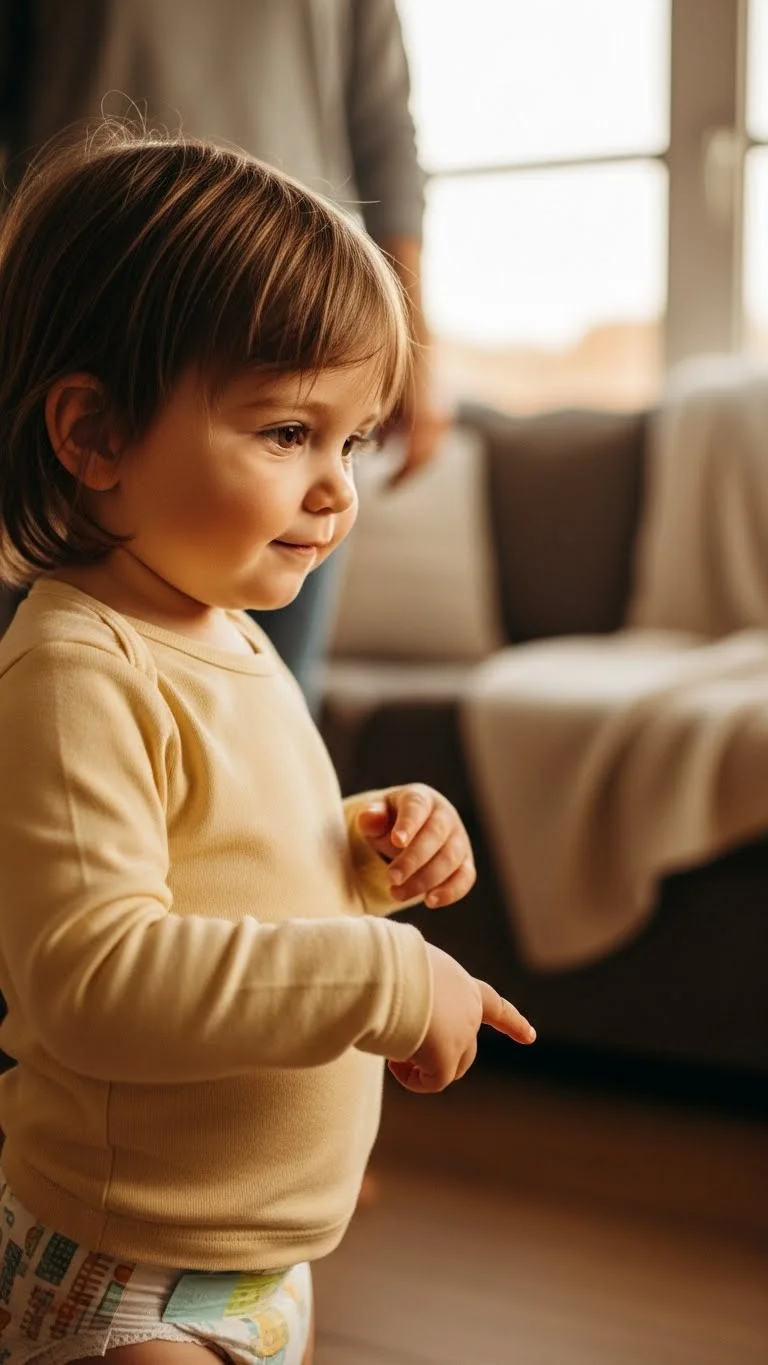
Watch for small cues like staying dry longer, pulling at a diaper, or showing interest in the bathroom. These moments make potty learning feel natural. Try not to rush. A calm approach works better for everyone. Keep supplies handy: a small potty, a few wipes, and extra underwear. Keep the setup simple so you don’t feel overwhelmed. Your child will sense your steady tone and feel safe trying something new. If you notice curiosity, gently offer a chance to sit on the potty. Even a minute counts. Celebrate tiny steps with a smile or a hug. These early habits create momentum. A relaxed start often leads to quicker progress later.
- Pick a Potty That Fits
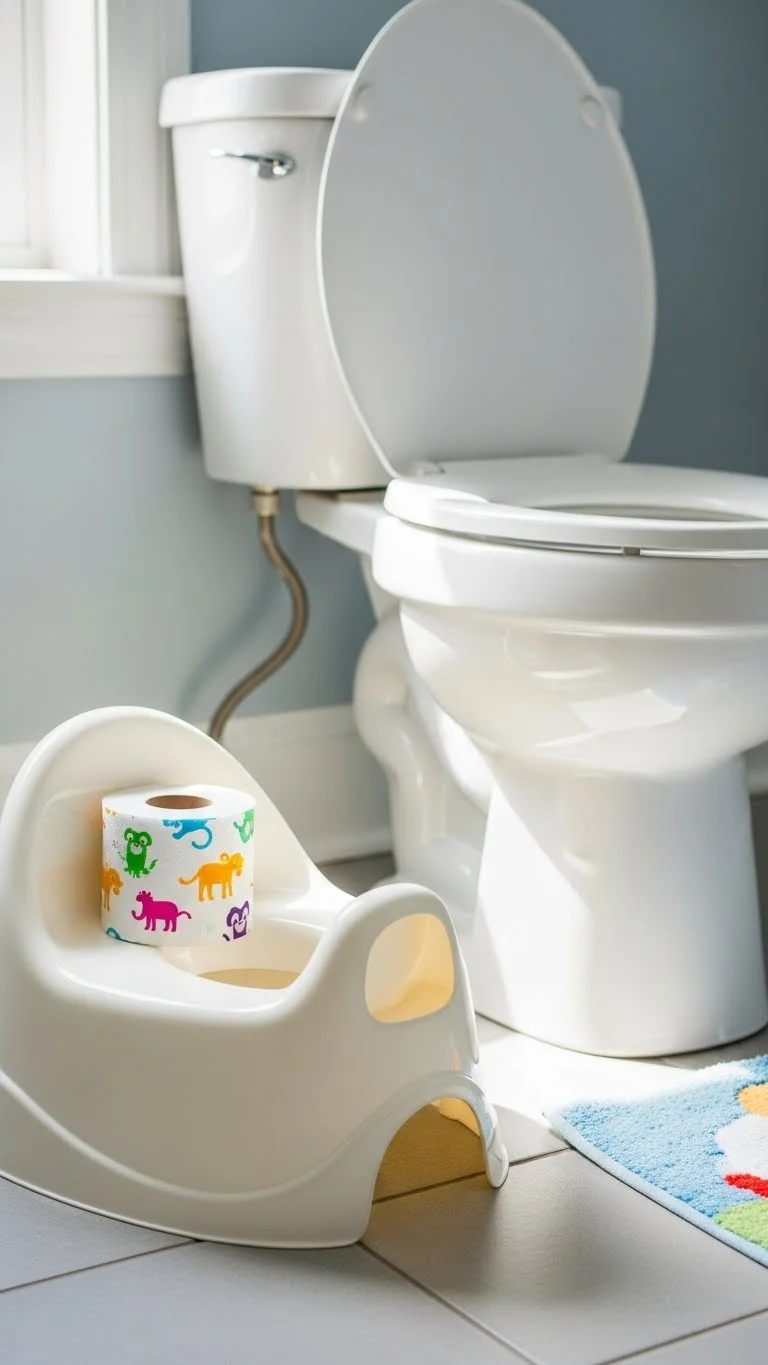
A well-fitting potty makes things easier. Some kids prefer a stand-alone potty chair; others like a small seat that fits on the regular toilet. Let your child explore both options. You can find affordable choices at discount stores or online. If money is tight, check for gently used ones from trusted friends. Wipe everything well before use. Keep the potty in a spot that’s easy to reach. When a child feels stable and comfortable, they relax. This leads to longer sits and fewer accidents. Simple tweaks like adding a footstool help kids feel grounded. When your child feels supported, they stay focused on what their body is doing.
- Create a Predictable Routine
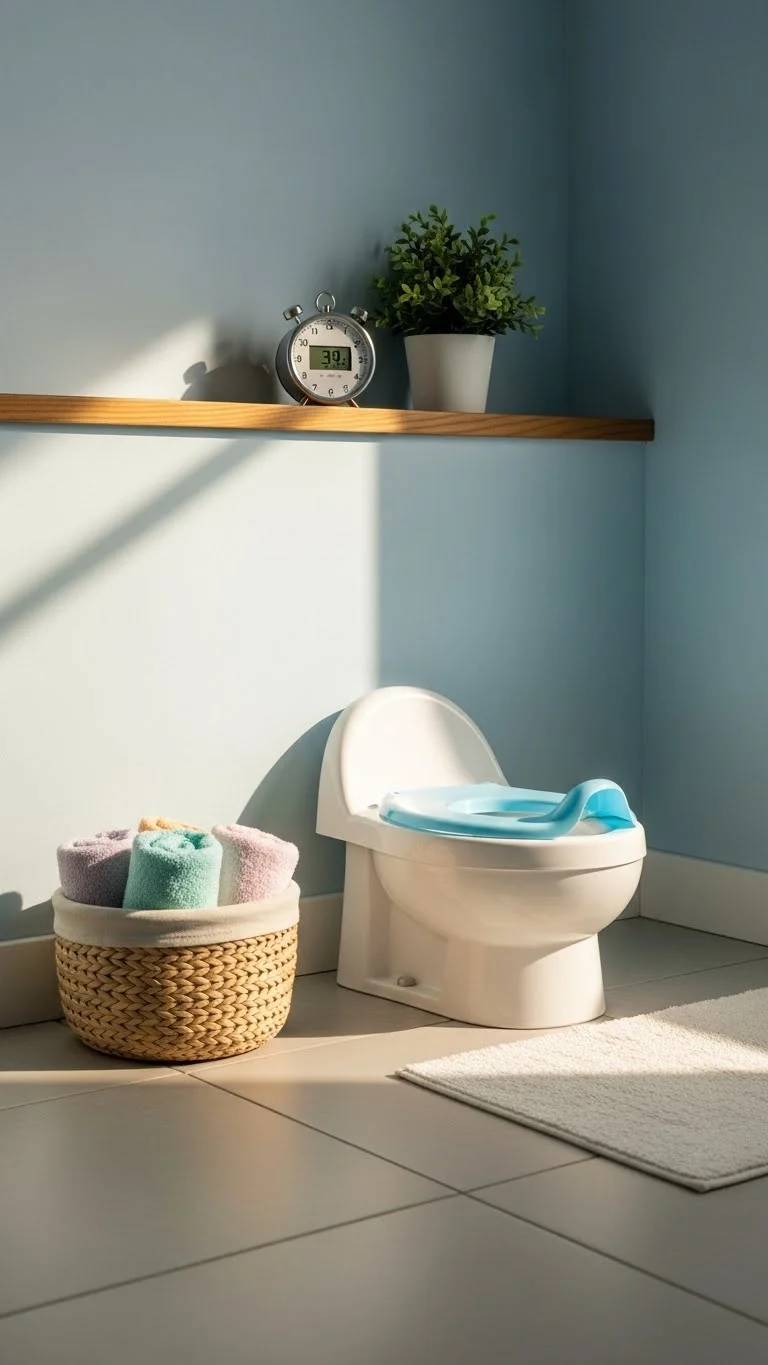
A loose rhythm helps. Try offering potty time after meals, before leaving home, and before bedtime. Use a kitchen timer if that helps you stay on track. Kids like knowing what comes next. Make each visit short and calm. You don’t need a long sit. Just a moment to try. If nothing happens, thank your child for trying and move on. Routines keep your day simple and reduce guesswork. Over time, your child’s body adjusts to these regular moments. You’ll likely see more successes with less fuss.
- Keep Clothing Easy

Choose outfits your child can handle quickly. Skip complicated snaps or tight leggings. Simple pull-on pants work best. You can buy a few pairs at thrift stores or rotate what you already have. Quick changes cut down frustration and help kids feel more independent. When clothes cooperate, accidents happen less. Practice pulling pants up and down during playtime. Turn it into a small game. Kids enjoy mastering tasks that feel grown-up. This small shift brings smoother bathroom breaks throughout the day.
- Use Books and Play
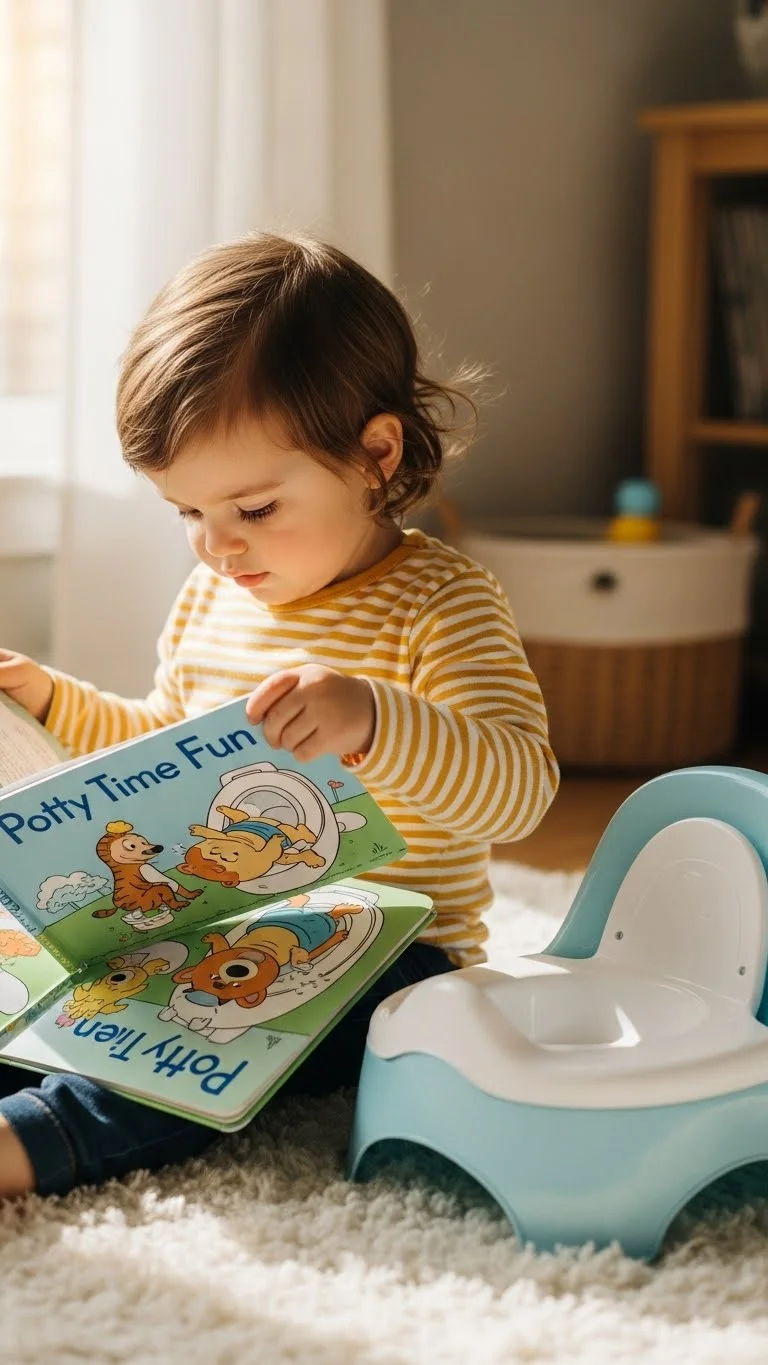
Children learn through stories and pretend play. Set out a simple book about using the potty or let your child “teach” a doll how it works. These playful moments help them understand the steps. You don’t need pricey props. A favourite stuffed toy works just fine. Keep the mood light. Play helps kids observe and practice without pressure. When the situation feels friendly, they’re more willing to try the real thing. Little scenes like this make the process feel normal and even fun.
- Keep Wipes and Underwear Ready
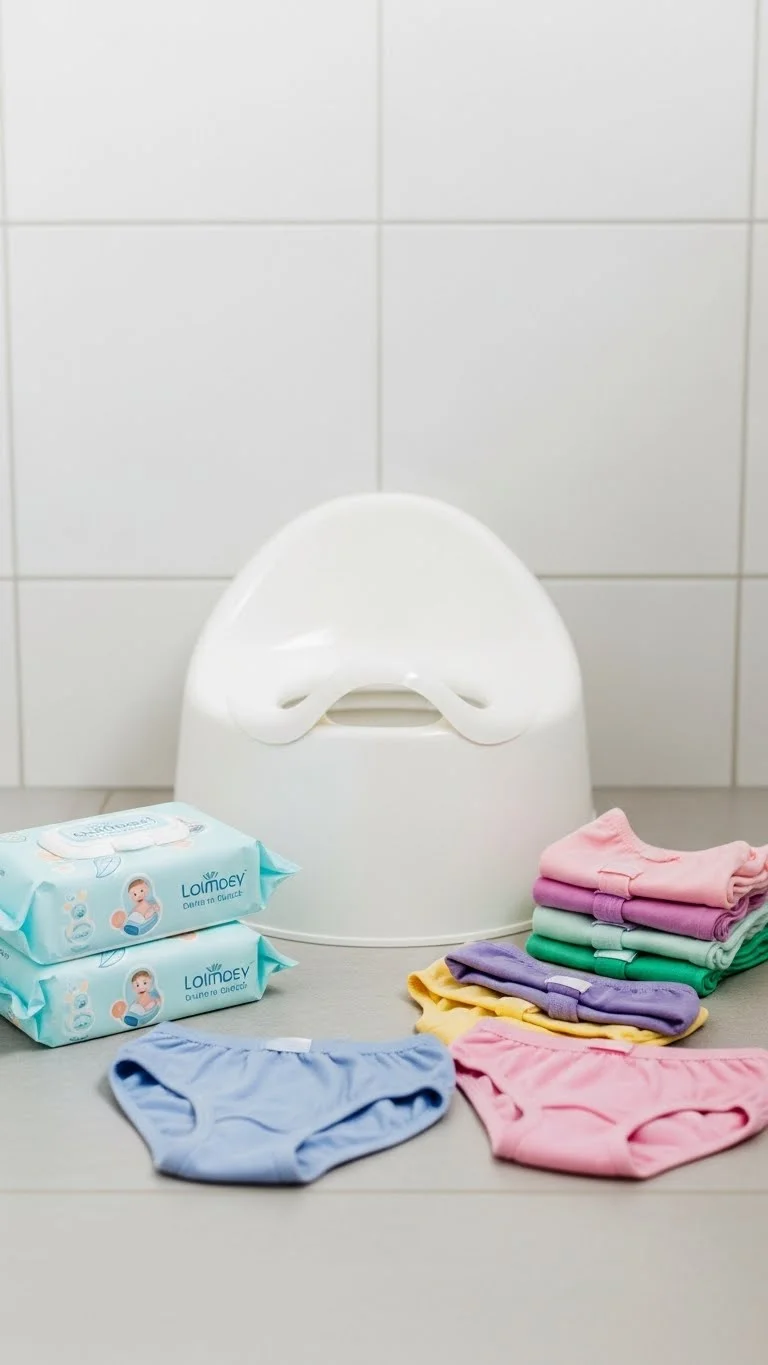
Preparation saves time. Keep a small basket stocked with wipes, spare underwear, and fresh pants. Store it near the potty so everything is within reach. This helps you react calmly to accidents. No scrambling for supplies. Your child notices this calm rhythm. They learn that cleanups are quick and not a big deal. You can buy budget packs of underwear or wash the same few pairs daily. A tidy setup gives you more peace and helps your child feel steady.
- Stay Close During Early Days
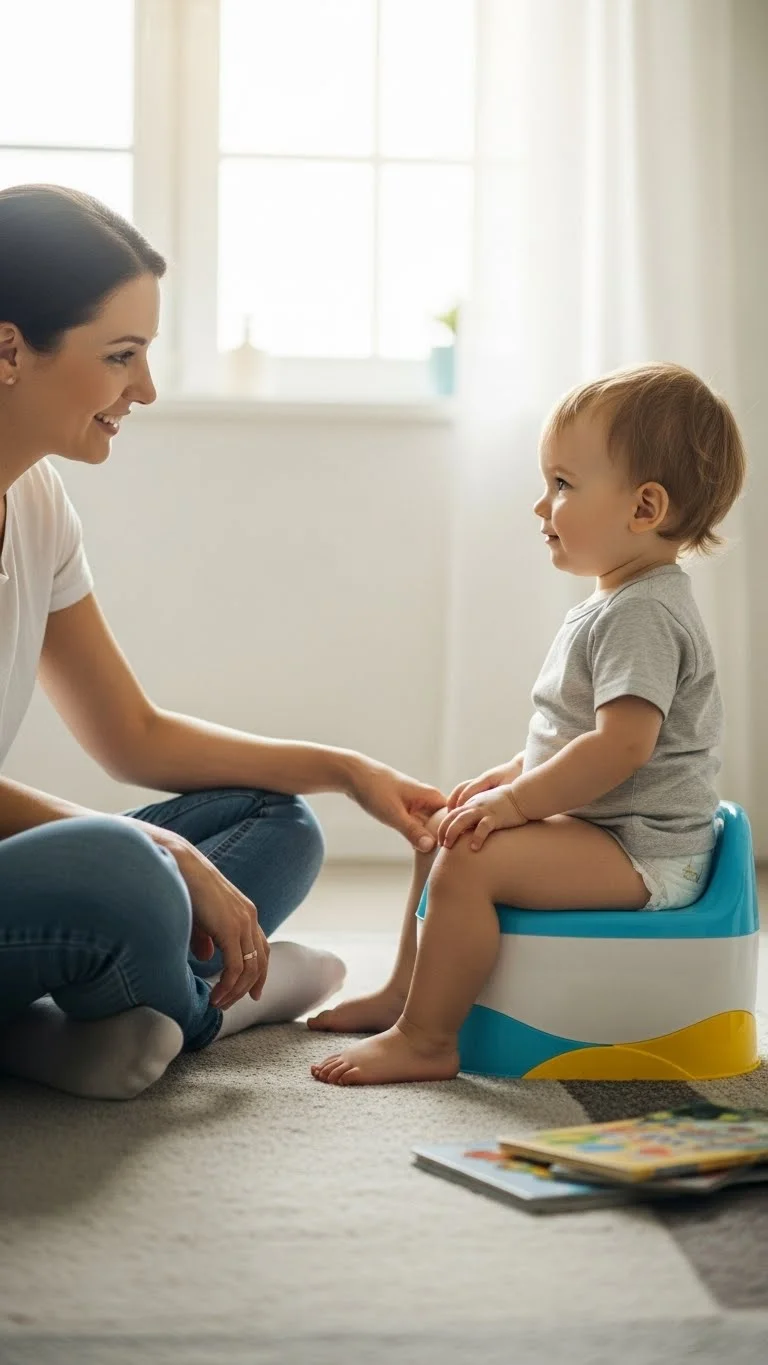
During the first days, keep your child near you. Watch for sudden pauses or stillness—common signs they might need to go. Staying close helps you guide them before an accident happens. It also builds trust. Your presence gives comfort during an unfamiliar routine. Avoid hovering, though. Just stay available and relaxed. This small change can speed progress because you catch those early cues. With practice, your child will start noticing these signals too.
- Use Simple, Honest Words
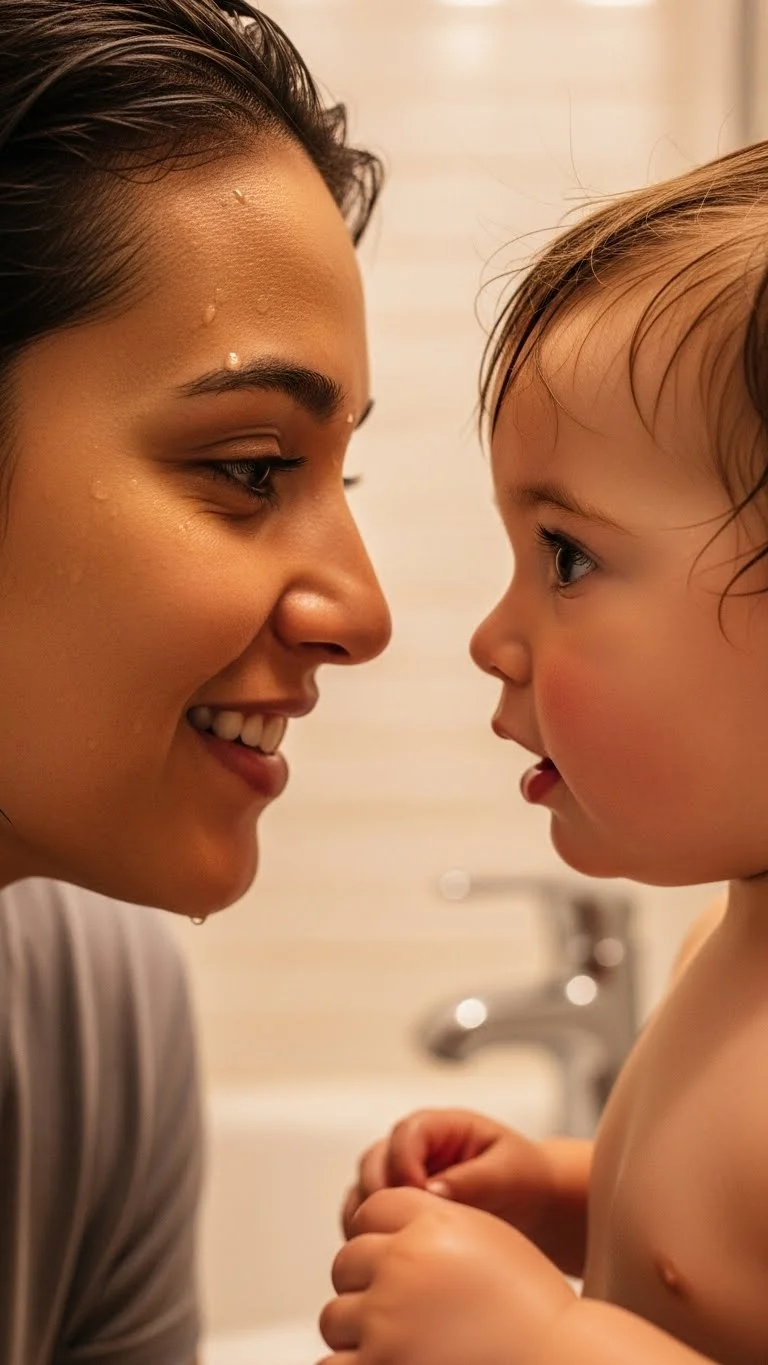
Short phrases help your child understand what’s happening. Try “Let’s sit,” “Time to pee,” or “All done.” Keep your voice calm. Kids follow tone more than long explanations. Using the same phrases each day builds familiarity. Clear language also lowers stress for you. You don’t have to think of new directions every time. Over days and weeks, your child begins to use these words too. This keeps communication smooth and the routine easier.
- Stay Cheerful, Not Overexcited
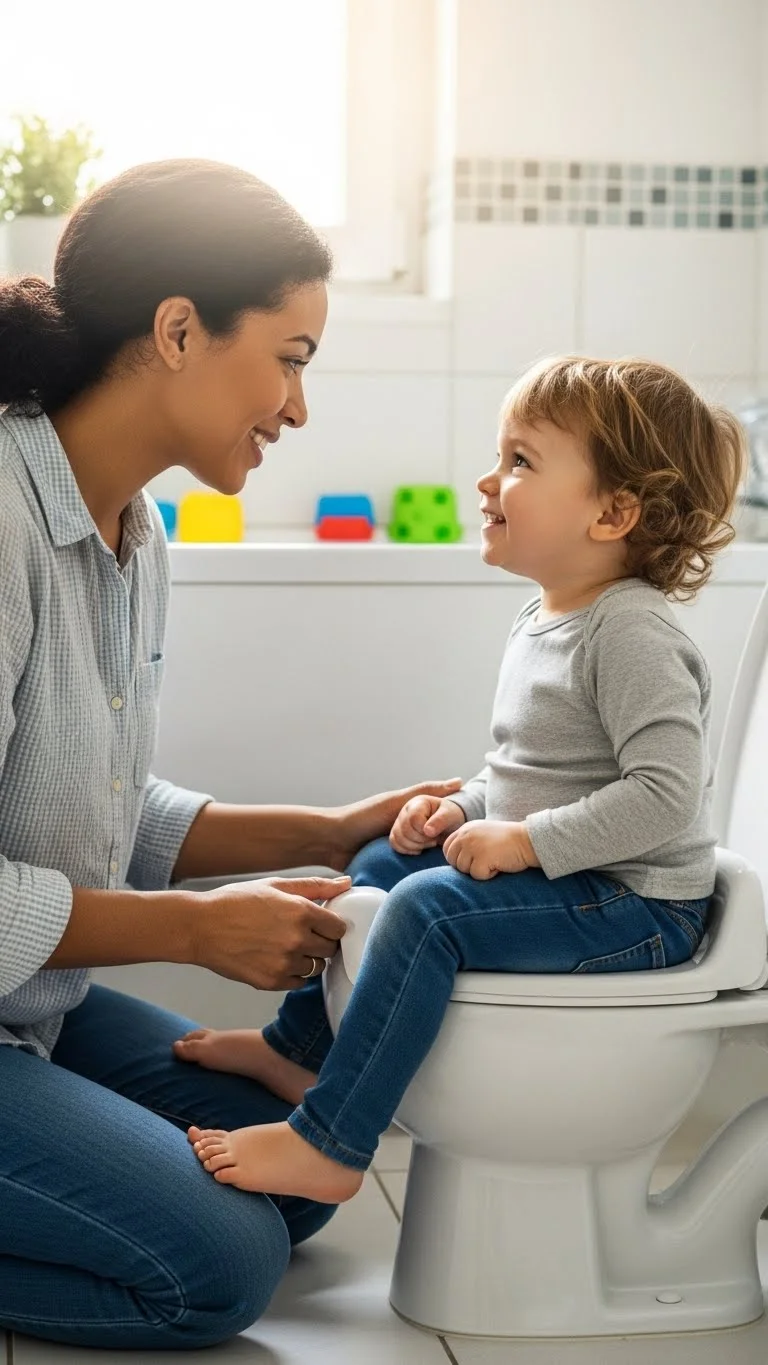
A warm smile or gentle clap goes a long way. Overly big reactions can add pressure. Keep celebrations simple. You want your child to feel proud without feeling rushed or spotlighted. A quick cuddle or a cheerful “You did it!” feels safe and supportive. This approach also helps if progress slows. Your child won’t feel worried about disappointing you. Balanced encouragement keeps the atmosphere relaxed.
- Try Short, Frequent Sits
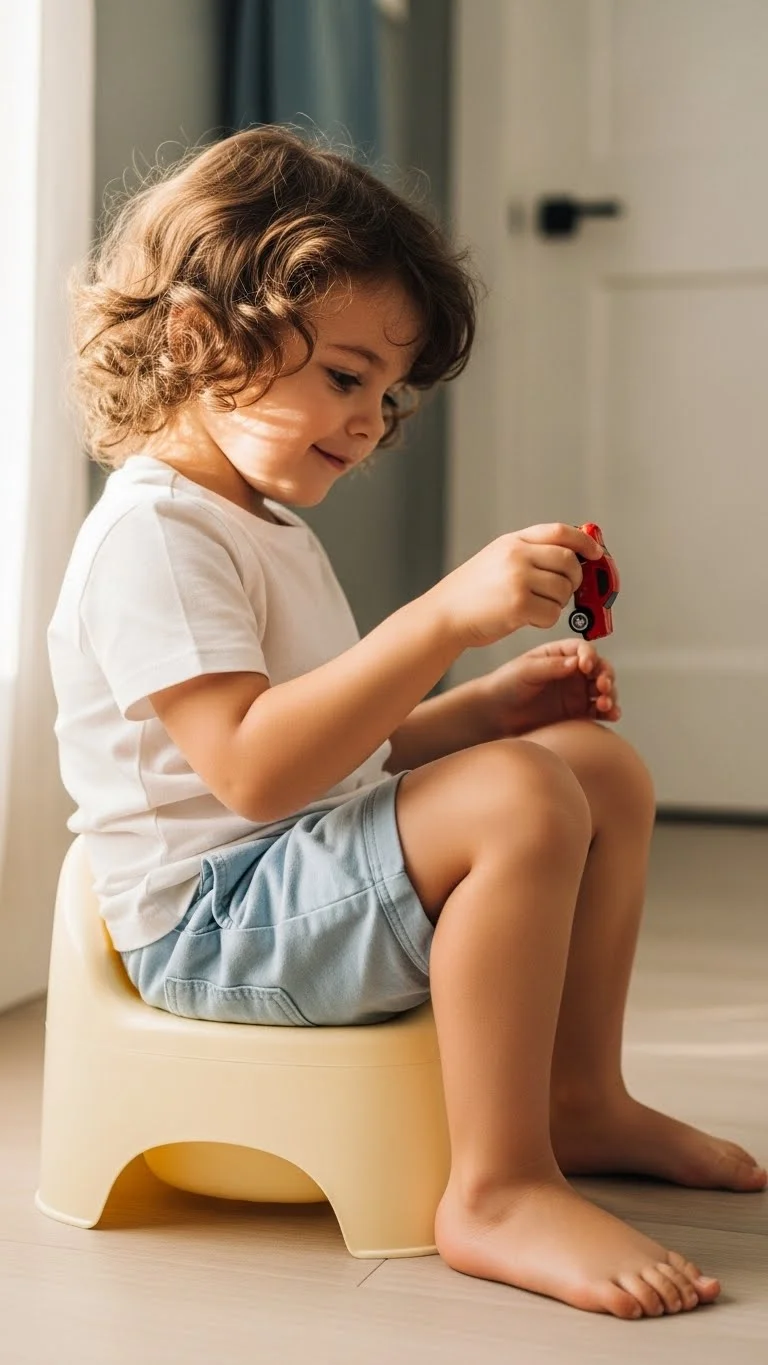
Frequent, tiny attempts tend to work better than long waiting sessions. Let your child sit for a minute or two, then move on. Add a small toy or book so it feels comfortable. Short sits prevent boredom. They also help your child link the feeling of needing to go with the action of sitting. Over time, these quick moments add up. You’ll start seeing more results without frustration.
- Offer Choices
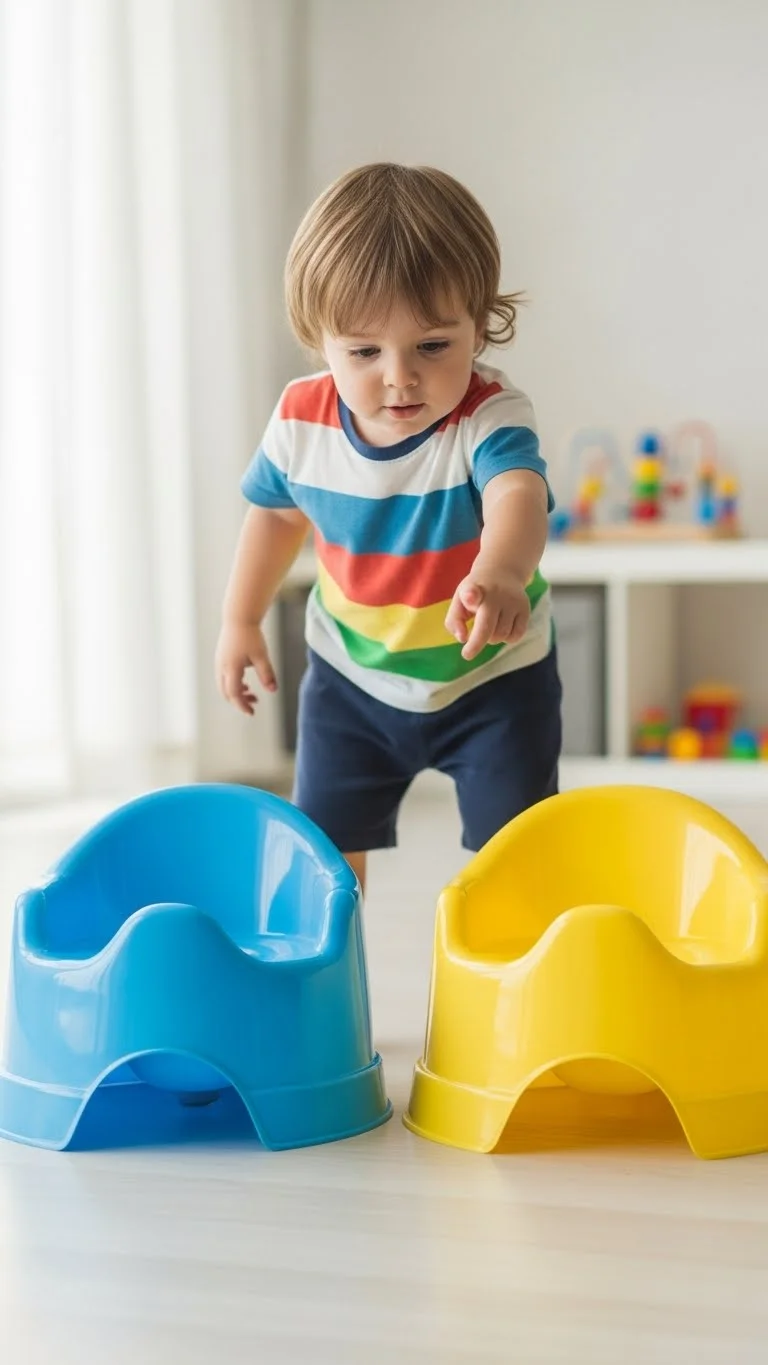
Kids love having a say. Offer simple decisions like which potty to use or which underwear to wear. Choices create cooperation. They give your child a sense of responsibility without pressure. This small shift can change the mood of the day. You’ll notice less resistance and more interest. Choices work well even on tight budgets. Use what you already have. The key is giving your child a small sense of control.
- Keep a Calm Voice During Accidents
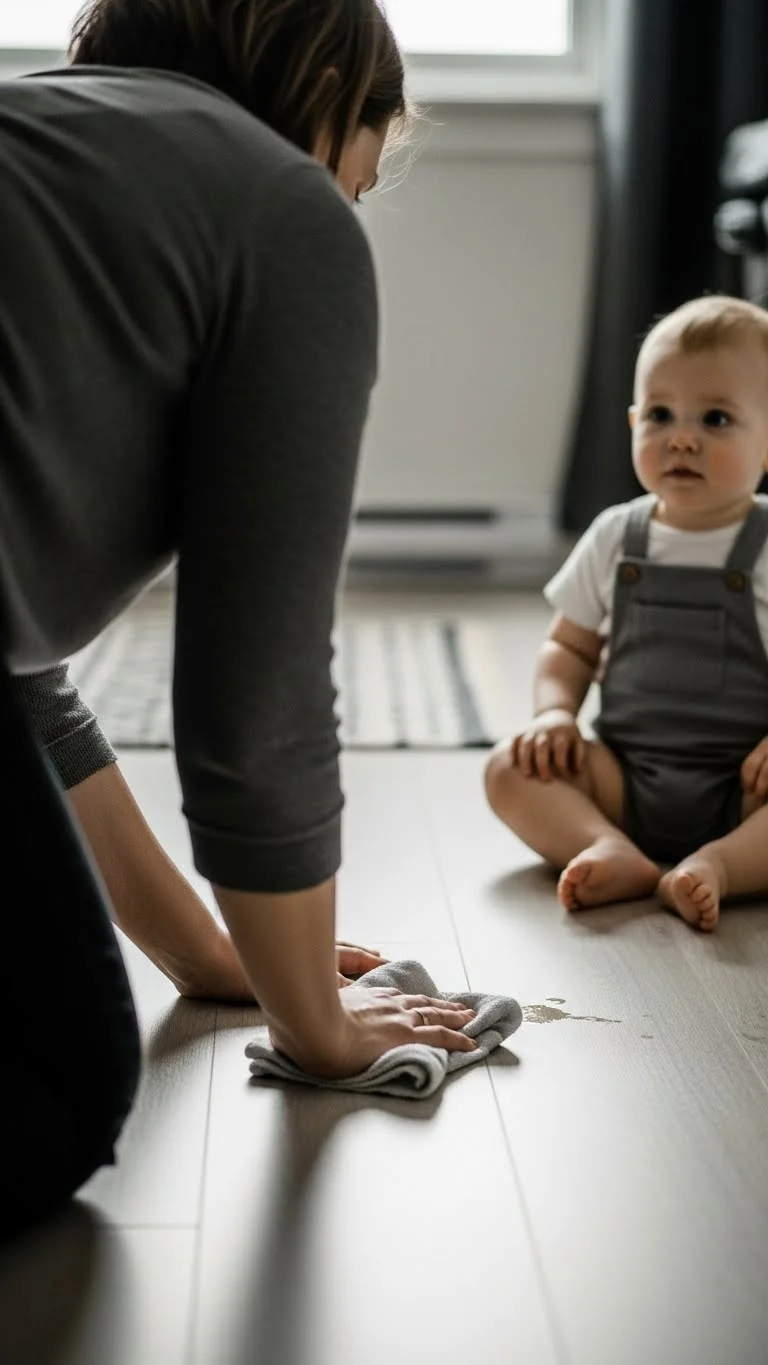
Accidents will happen. A calm response keeps things moving forward. Say something simple like, “Let’s clean it up.” Make cleanup quick and neutral. This shows your child that mistakes are part of the process. Towels, paper towels, and a mild cleaner are all you need. Reusable cloths cut down on cost. Staying relaxed helps your child stay relaxed too. Progress often comes faster when accidents don’t feel stressful.
- Let Them Watch You
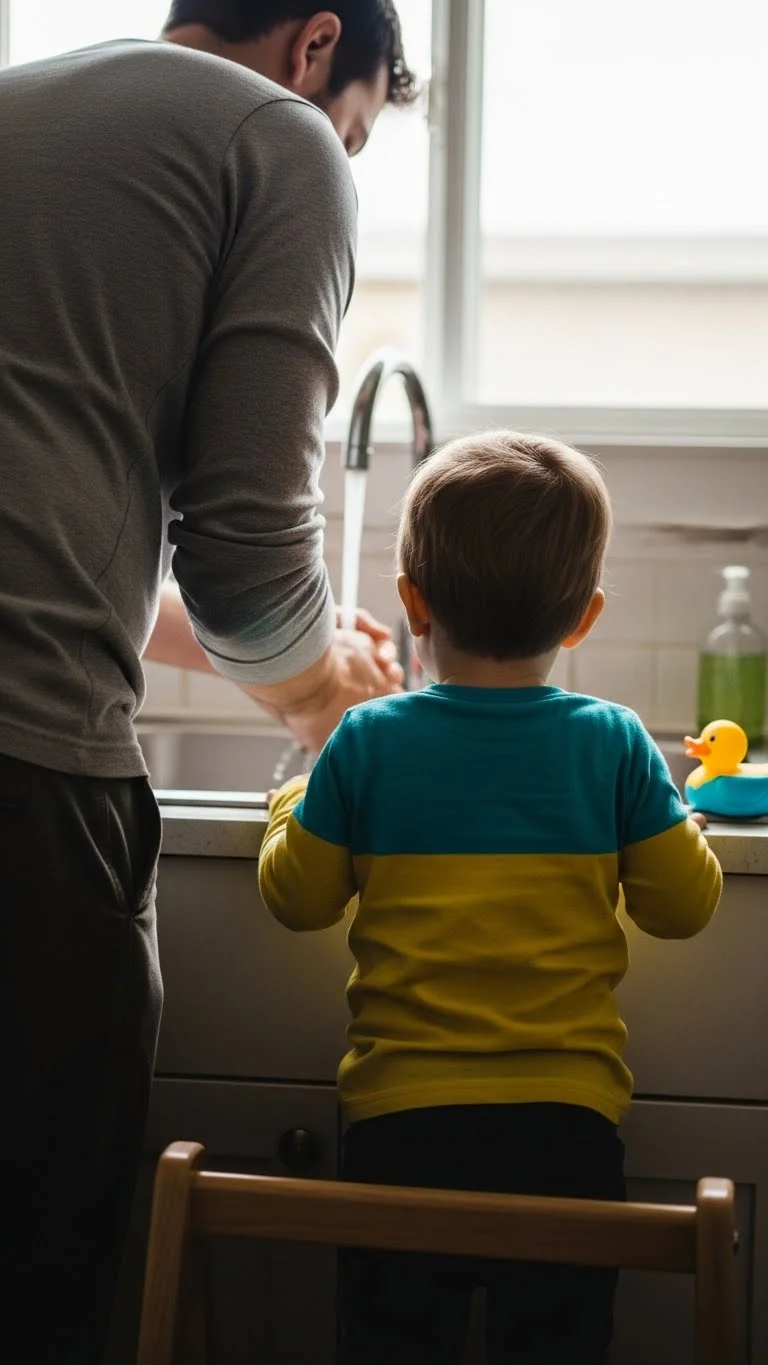
Kids learn by watching. Let your child see basic steps like flushing and washing hands. Keep things modest and appropriate. This simple modeling helps them understand the routine. You don’t need to explain every detail. Kids pick up patterns quickly. Watching builds confidence and makes the process less mysterious.
- Create a Travel Potty Kit
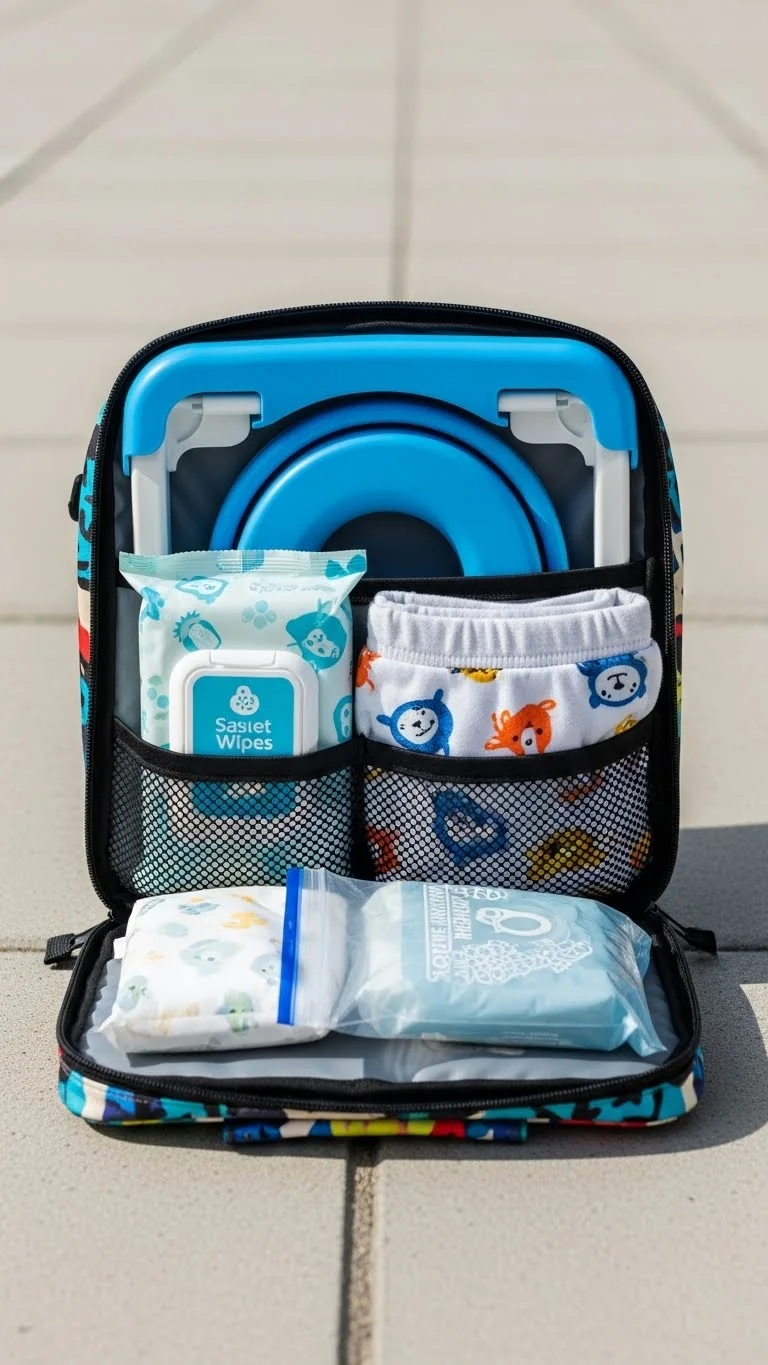
Trips out of the house can disrupt progress. A small kit makes outings smoother. Pack spare underwear, wipes, a foldable seat, and a few plastic bags. You can use a small tote you already own. Knowing you have supplies close keeps your outings relaxed. Your child will sense this calm energy and stay open to using the potty away from home. It also saves money by avoiding pricey travel gadgets.
- Keep the Bathroom Friendly
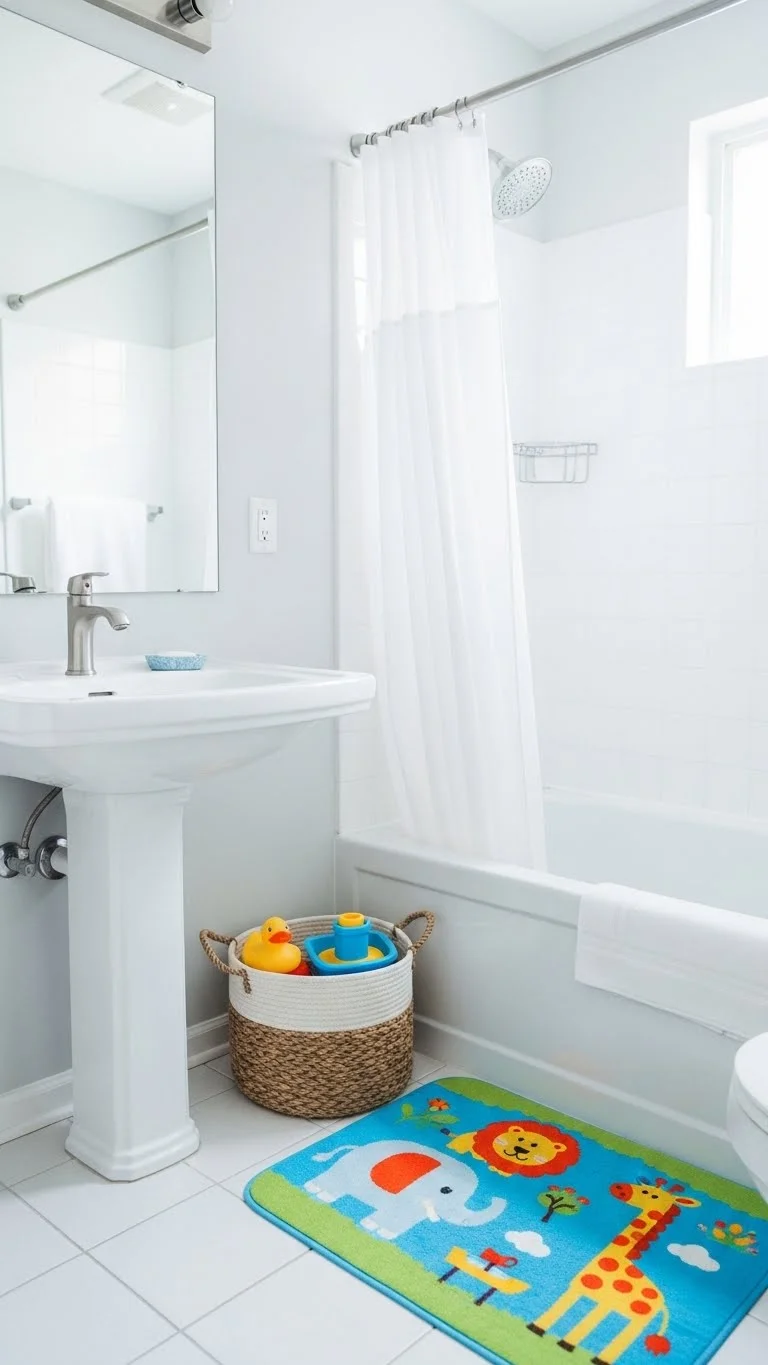
A pleasant bathroom invites success. Add a soft mat or a small basket of toys. You don’t need fancy décor. Just a cozy touch. A friendly space helps your child feel safe. They might even wander in on their own. When the environment feels inviting, using the potty becomes part of normal daily life instead of a task.
- Use Gentle Reminders
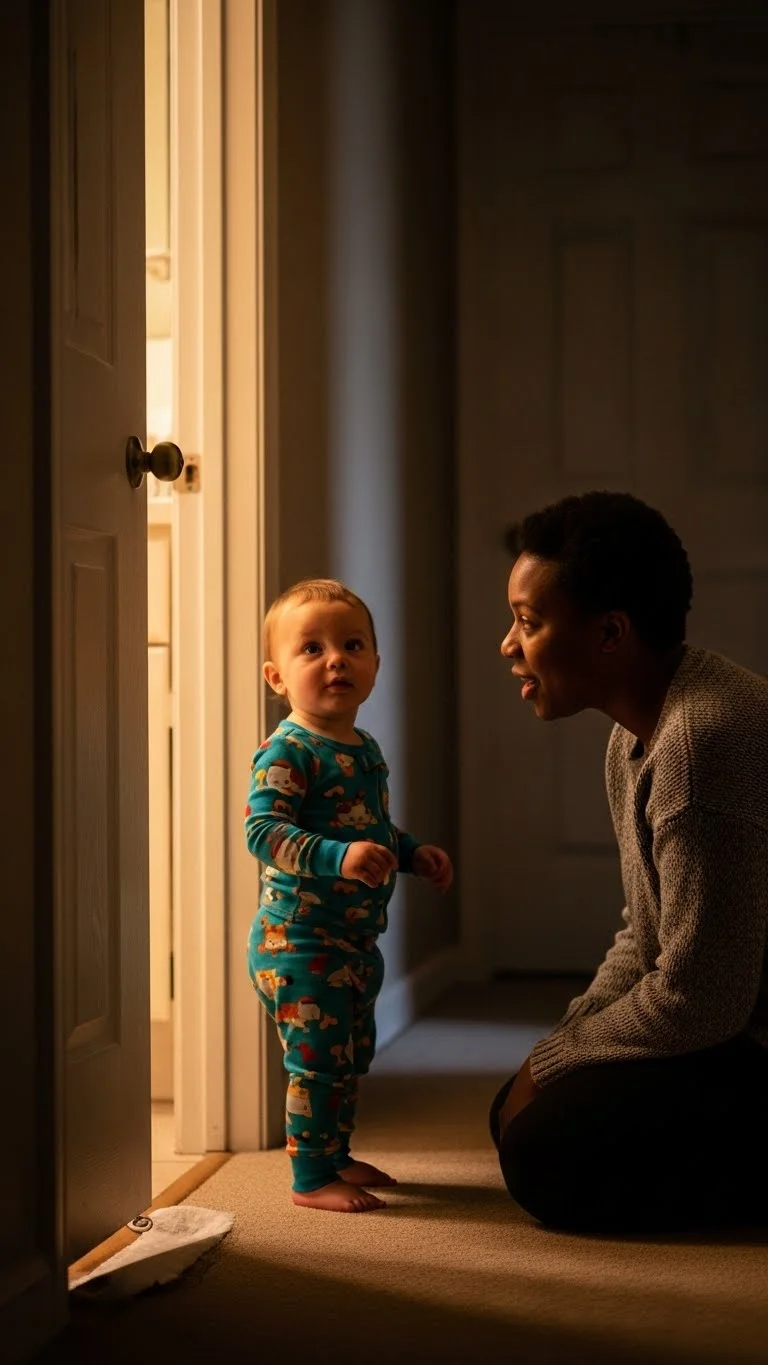
Kids get absorbed in play and forget their body cues. A kind reminder keeps things on track. Try something like, “Let’s try the potty before we read another story.” Use a gentle tone. Avoid repeating reminders too often, or they start to feel like nagging. Just sprinkle them throughout the day. It helps your child pause long enough to recognize what’s happening in their body.
- Keep a Small Reward Box
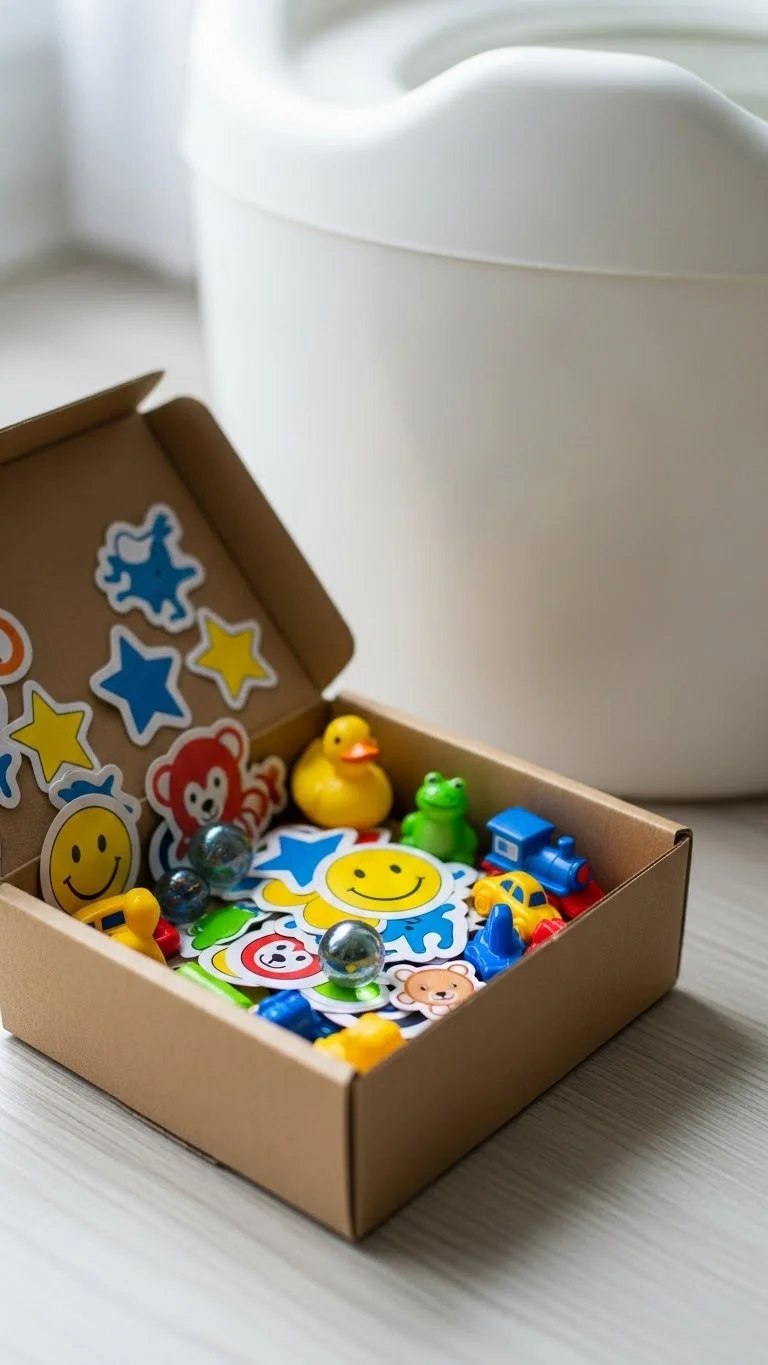
Rewards don’t need to be expensive. Stickers, stamps, or tiny trinkets work well. Keep them in a small box that your child can see. Offer a reward for effort, not only success. This helps maintain motivation. Kids enjoy picking something small after trying the potty. Over time, they will rely less on rewards because the routine becomes familiar. Keep the box simple and budget-friendly.
- Let Them Help with Cleanup
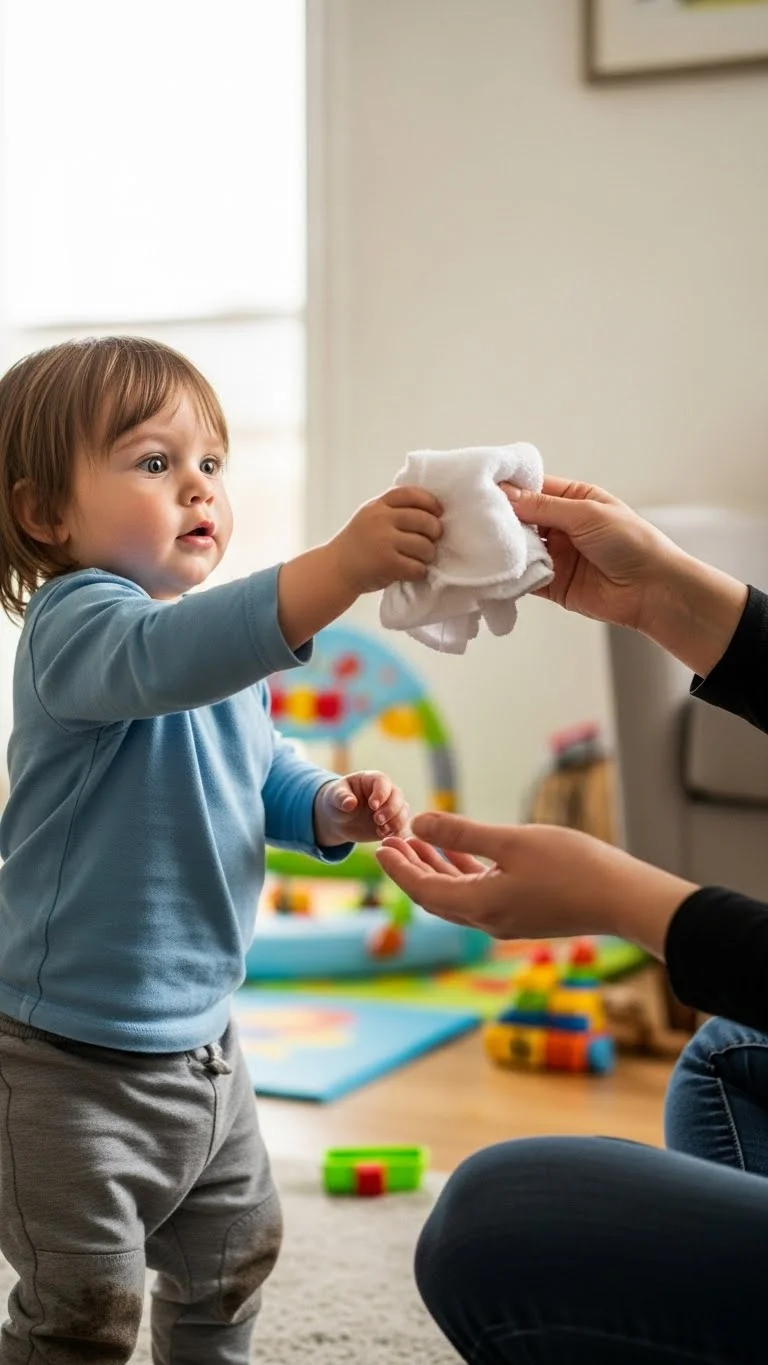
Toddlers enjoy helping. After an accident, let your child hand you a cloth or carry their wet clothes to the laundry basket. Keep it simple and safe. This helps them feel responsible without shame. Cleanup becomes a quick step, not a big event. Kids who participate often learn faster because they connect actions with outcomes.
- Add More Water During the Day
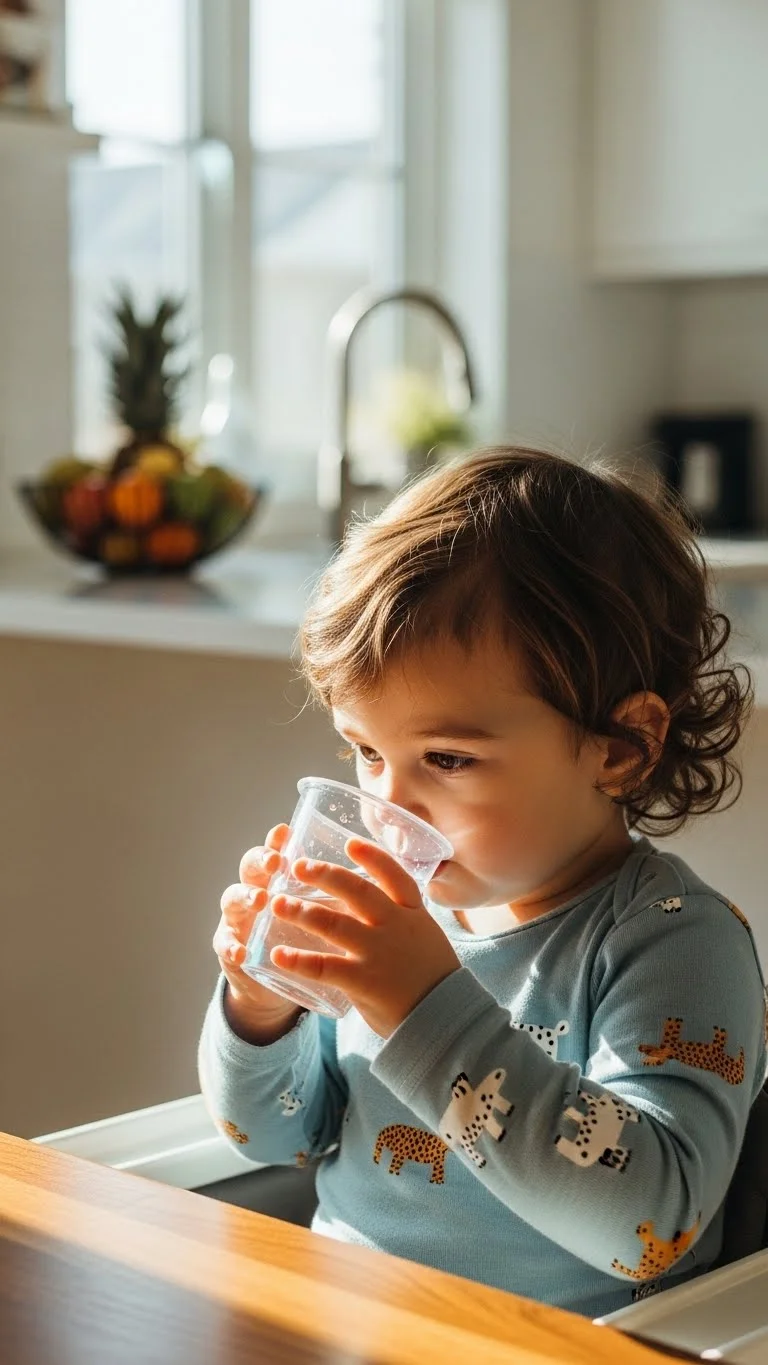
More water means more chances to practice. Offer small sips throughout the day. Use a simple cup your child already loves. Avoid sugary drinks. Water helps the body stay regular. With more bathroom trips, your child gets faster feedback on what it feels like to go. This often leads to faster progress.
- Celebrate Dry Moments
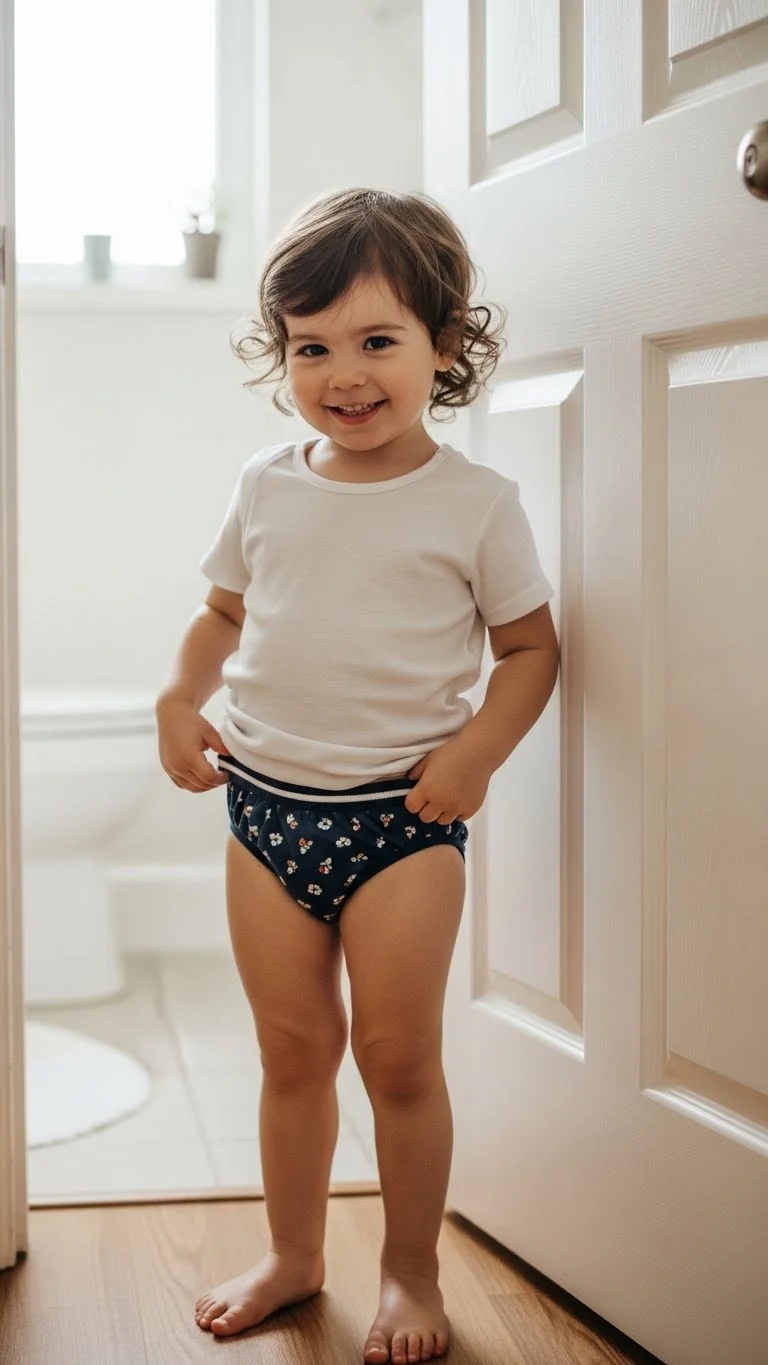
Small wins matter. Point out dry moments with soft encouragement: “Your underwear is dry. Nice job staying aware.” Avoid big fanfare. Just simple recognition. Dry checks build awareness. Kids learn to notice their body signals. This awareness grows day by day and supports steady progress.
- Nighttime Comes Later
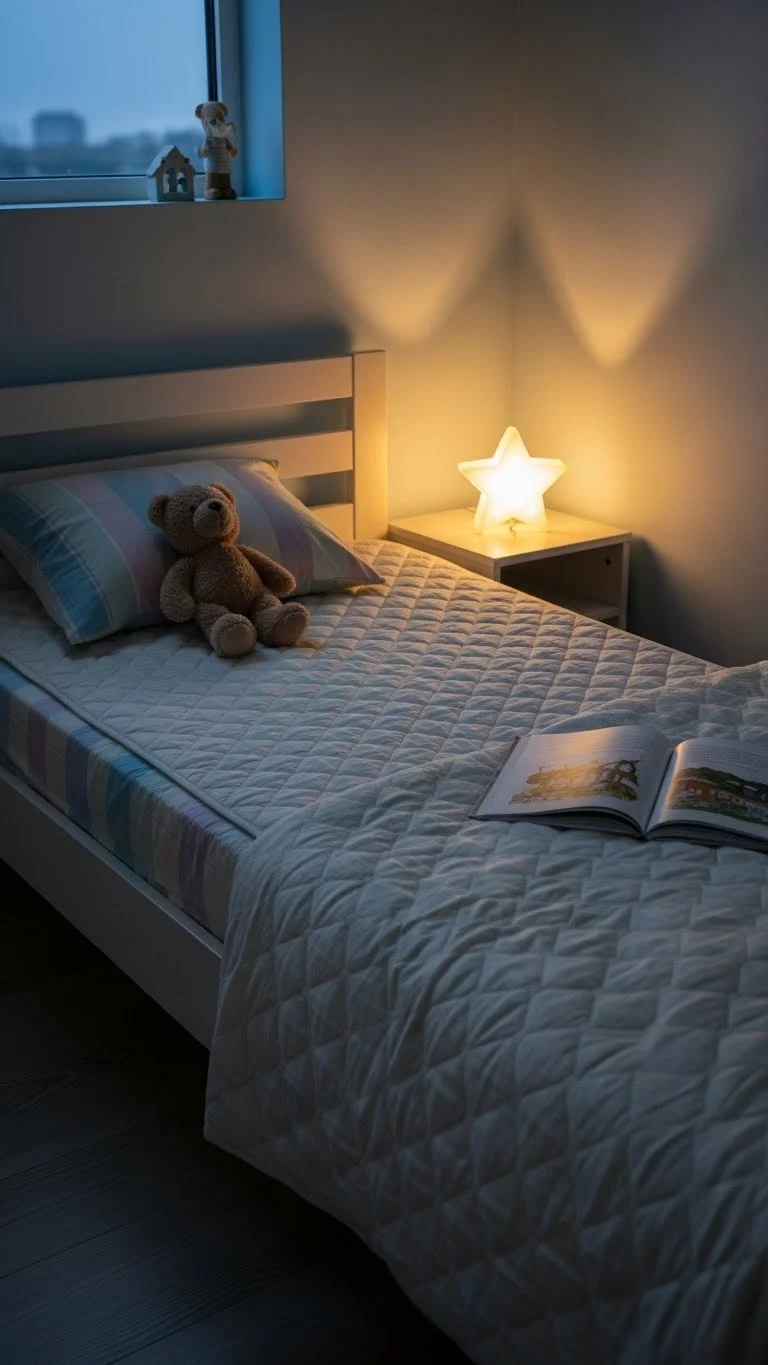
Night dryness usually arrives after daytime skills settle. Keep expectations simple. Use a waterproof pad to protect the mattress and save money long-term. Offer a quick potty trip before lights out. Don’t wake your child at night unless it truly helps them. Let the process unfold naturally. Patience here makes mornings smoother.
- Practice Handwashing Every Time
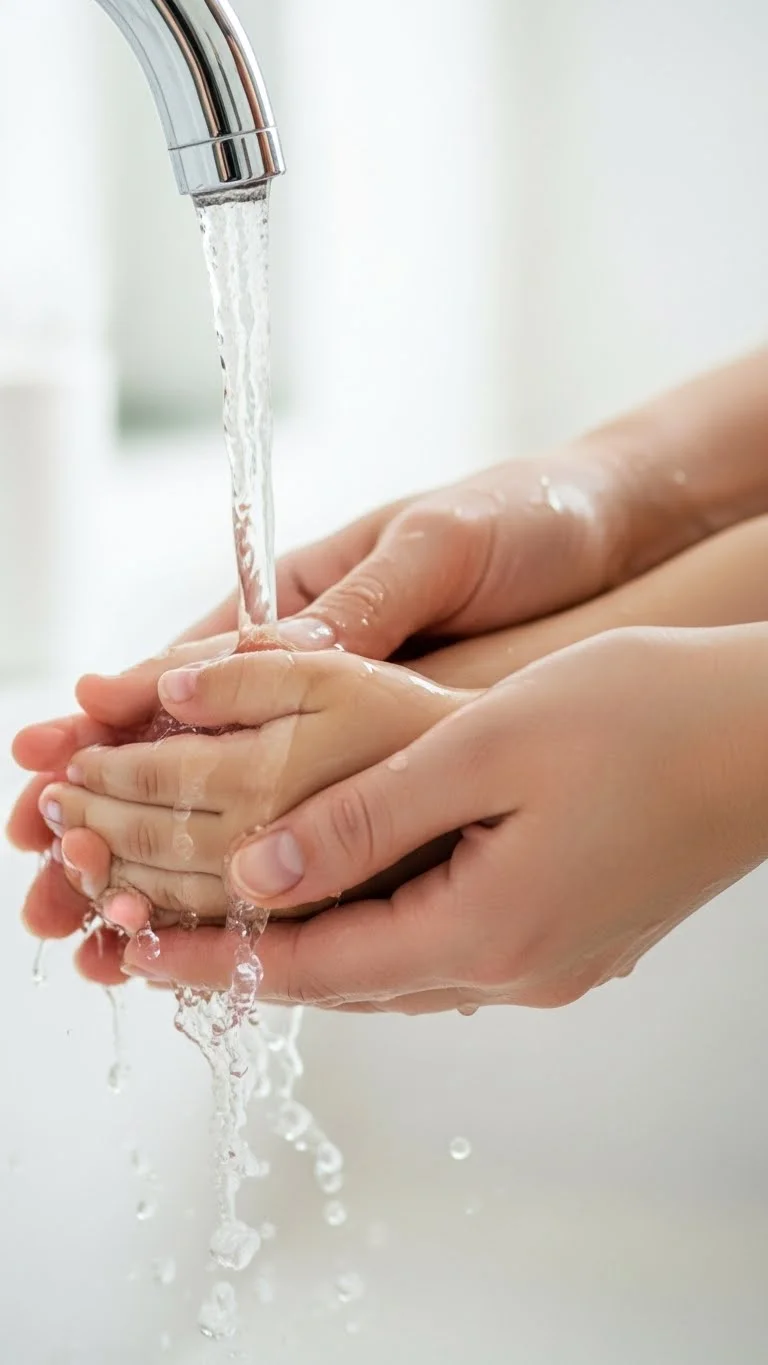
Handwashing completes the routine. It also builds hygiene habits that last. Keep a stool near the sink and use mild soap. You don’t need fancy products. Sing a short tune while washing to keep it fun. Kids enjoy routines that feel playful. This step also helps them understand that using the potty involves several parts working together.
- Pay Attention to Timing
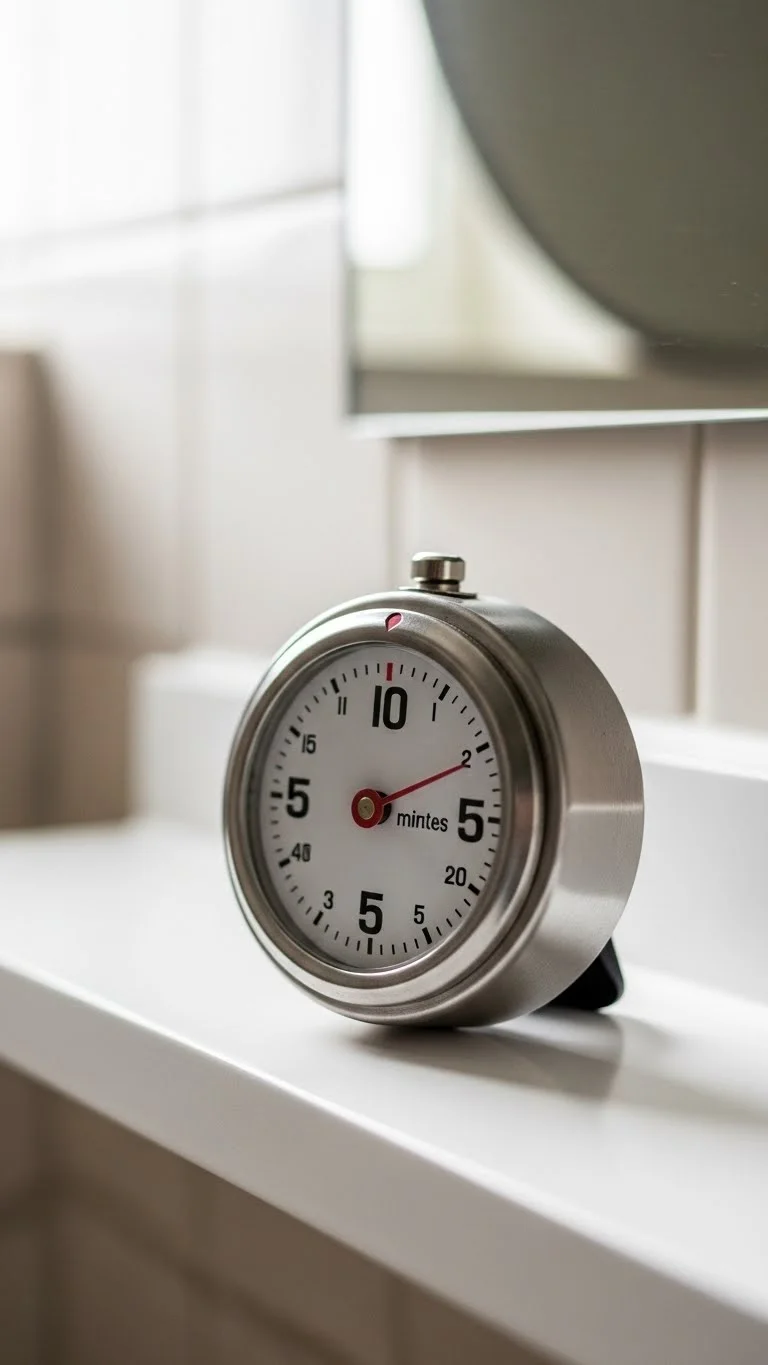
Kids often need to go after meals or after waking up. Watch for these patterns. Use a kitchen timer if it helps you stay on track. Timers are inexpensive and keep things predictable. When you match potty time with natural body rhythms, success comes more often. These patterns also make your day flow more smoothly.
- Avoid Comparing to Other Kids
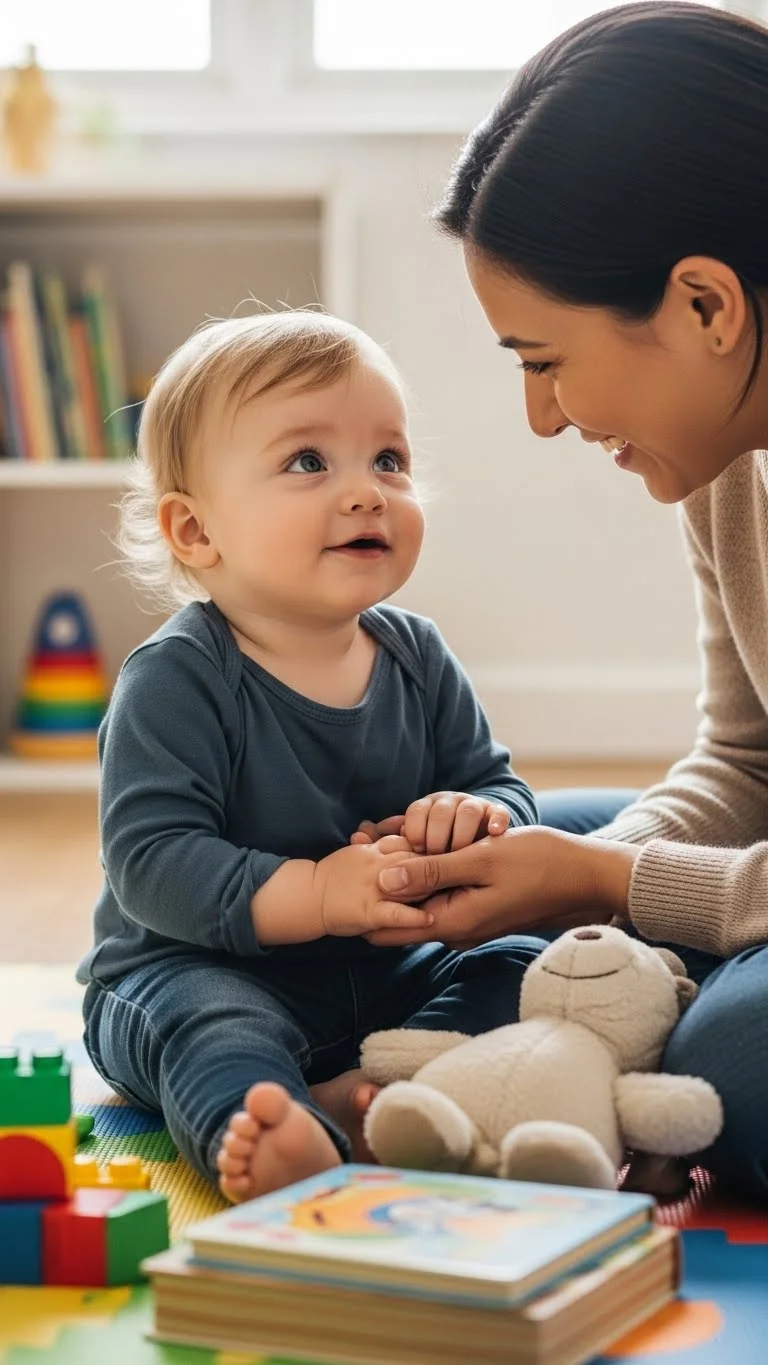
Every child moves at their own pace. Avoid comparing progress with friends or siblings. Your child feels safer when the focus stays on them. A relaxed atmosphere encourages steady progress. Celebrate what your child does today. This mindset keeps the process calm and reduces pressure for everyone.
- Keep Supplies in Each Common Area
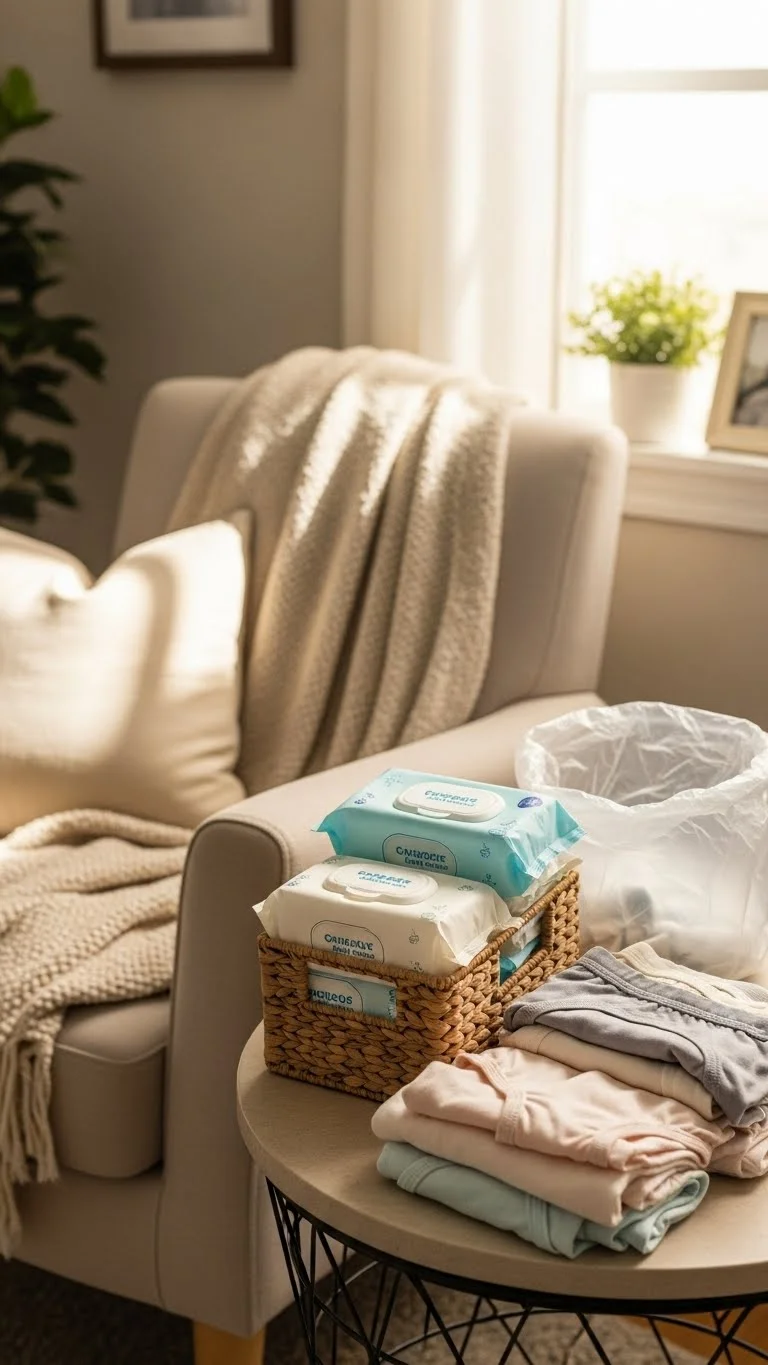
Having basic supplies nearby helps. Keep a small basket in the living room or playroom. Include wipes, underwear, and a plastic bag. This cuts down on scrambling during accidents. Quick access also helps you stay calm. You can set this up with things you already own. A simple system saves time and energy.
- Stay Patient with Setbacks
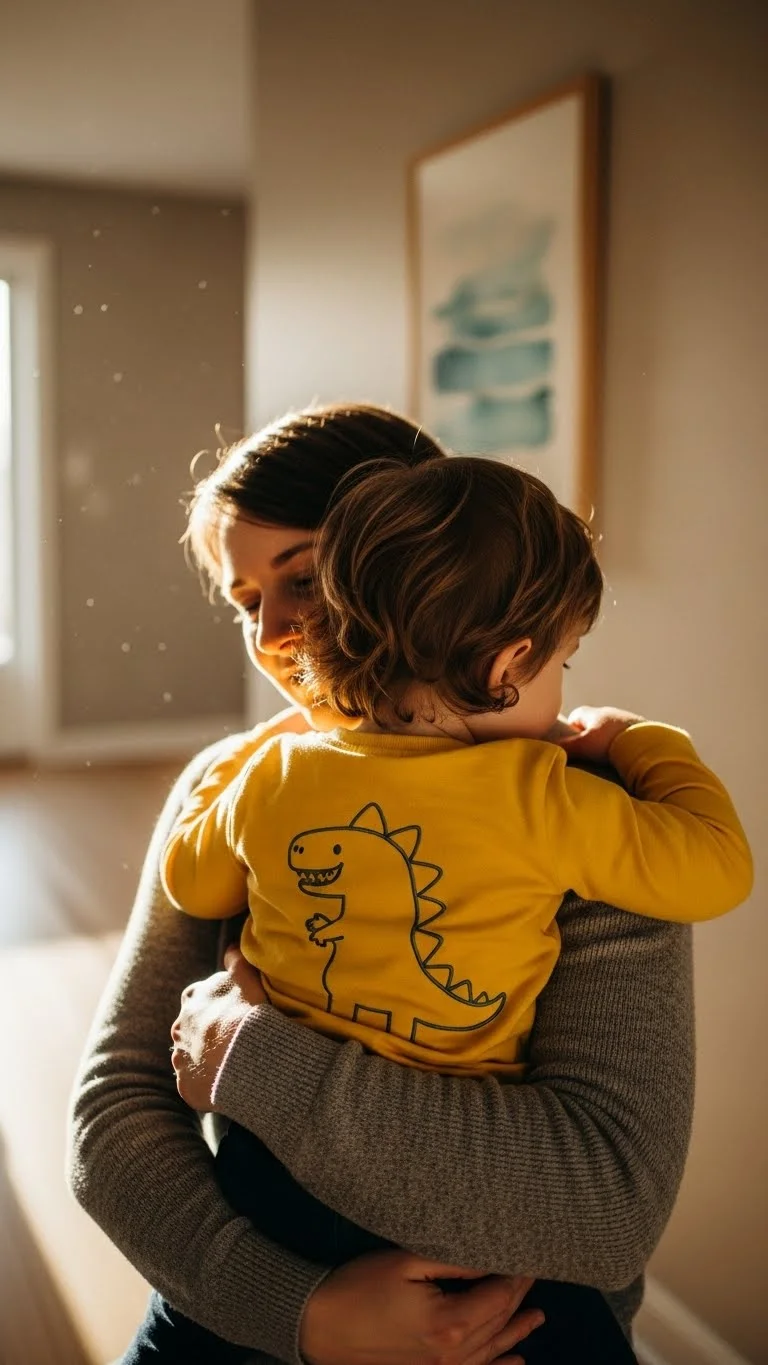
Setbacks happen. Travel, illness, or big changes can interrupt progress. Stay steady and gentle. Return to simple routines and short sits. Avoid frustration in your tone. Your child will get back on track once life feels steady again. This calm approach keeps the process from feeling overwhelming for you or your child.
Conclusion
Potty learning works best when life stays simple, steady, and supportive. Small routines, clear language, and a relaxed tone guide your child toward confidence. Try the tips that fit your home and skip what doesn’t. With patience and everyday habits, progress builds naturally. Each tiny step brings your child closer to success.
