

21 Parenting Boundaries to Build Respectful Homes

Setting boundaries at home creates clarity, peace, and fairness for everyone. Kids feel safer when expectations stay steady and simple. Parents feel less frazzled because the rules don’t shift from day to day. The list below offers practical boundary ideas you can start using right away. Each one focuses on communication, routines, and small habits that shape respectful family life—without pricey tools or complicated systems.
- Set Clear Morning Expectations

A calm morning sets the tone for the day. Create a simple flow your child can follow. Try something basic: change clothes, eat breakfast, brush teeth. Write it on a homemade chart using paper and markers you already own. Hang it low so your child can see it. This keeps mornings simple and reduces back-and-forth. If your child drifts off task, guide them back with a short phrase like, “Check your chart.” Keep it steady. When kids know what mornings look like, they build confidence. You also save time and energy without buying fancy planners. Over time, this small boundary helps everyone start the day with fewer arguments and more calm.
- Create a Consistent Bedtime Rhythm
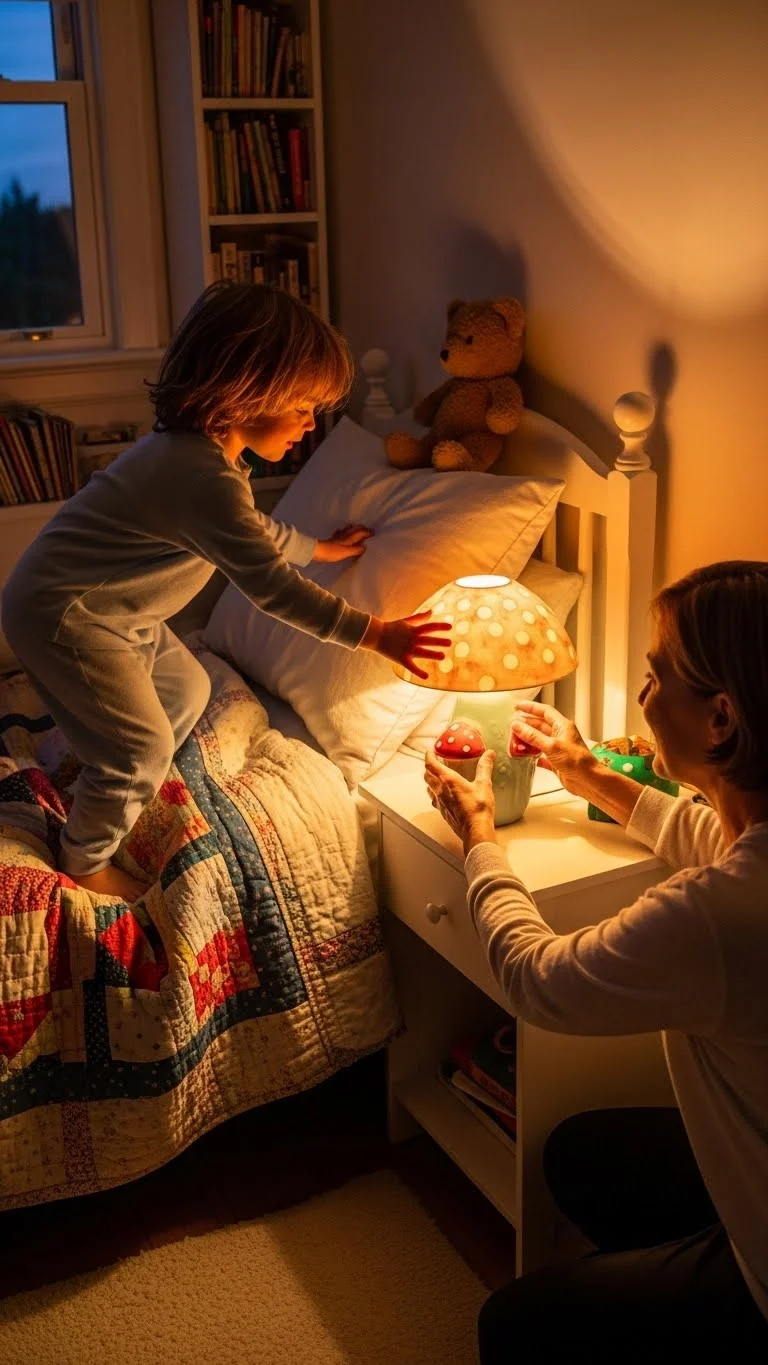
Evenings go smoothly with a predictable rhythm. Keep it simple: bath, pajamas, story, lights out. You can keep these steps short if money or time feels tight. A cheap lamp with a warm bulb adds a soothing glow. Start about the same time each night, even on weekends. Kids eventually relax into the pattern. If they stall, calmly bring them back to the next step. No long debates. Boundaries around bedtime help everyone rest better. They also give parents a moment to breathe at the end of a long day.
- Maintain a Calm Tone During Conflict

When emotions rise, tone matters more than words. Keep your voice steady and short. Kids listen better when they feel safe. Practice a simple phrase like, “Let’s pause.” If you struggle with volume, take one slow breath before speaking. It costs nothing and helps you respond instead of react. This boundary teaches kids that communication stays respectful even during tension. Over time, they mirror what they see. A calm tone becomes the home’s rhythm, not the exception.
- Limit Screen Time Without Power Struggles

Screens aren’t the enemy, but loose rules can create tension. Set a simple boundary: screens go in a basket at certain times. Use a kitchen timer or phone alarm if that helps. You don’t need fancy apps or subscriptions. Kids adjust faster when the rule stays steady. Offer alternatives like crayons, puzzles, or outdoor time. These don’t need to be expensive; thrift stores often have cheap options. When screens have clear boundaries, kids learn balance without daily arguments.
- Teach Kids to Knock Before Entering Rooms
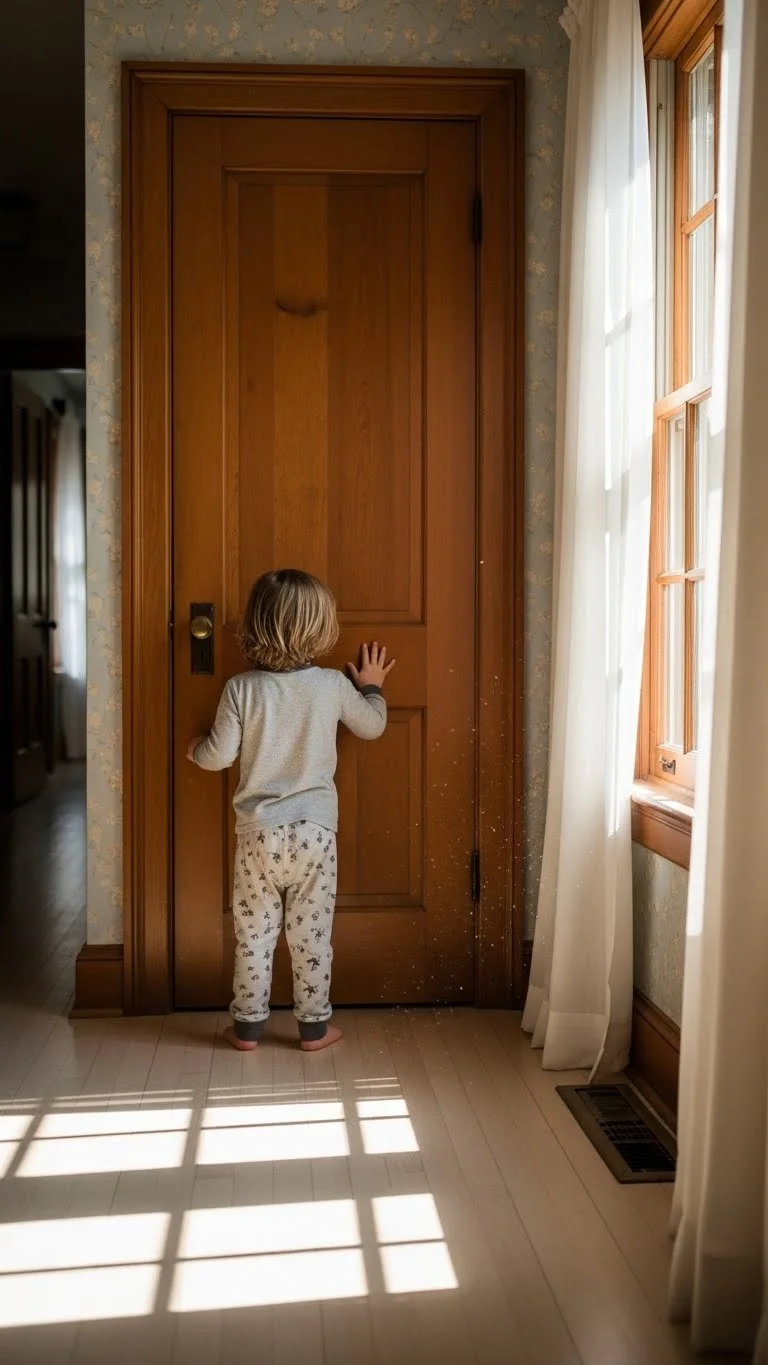
Privacy matters for everyone. Teach your child to knock before entering your room—or anyone’s. Practice during calm moments. Make it playful: take turns knocking and waiting. This costs nothing and builds respect at home. You can use the same rule for their room too. When children see that their privacy matters, they learn to honor yours. This small boundary supports safety, trust, and comfort in shared spaces.
- Give Responsibilities Your Child Can Handle
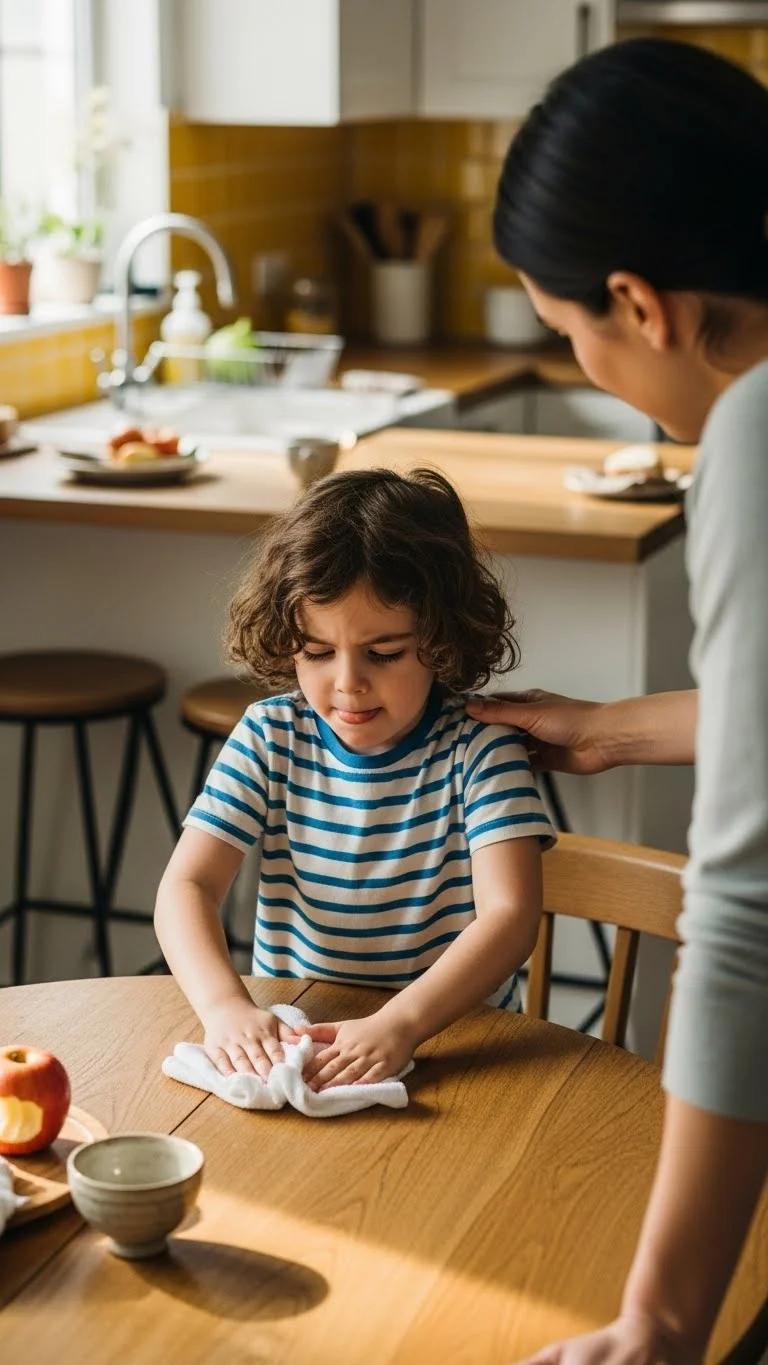
Chores don’t have to be complicated. Pick tasks your child can manage, like clearing their plate or feeding a pet. Keep instructions short. Use items you already have—cloths, small baskets, simple tools. These tasks teach responsibility without pressure. Kids feel proud when they help the home run smoothly. This boundary also reduces the parent load. Light chores encourage teamwork and respect for shared spaces.
- Set Boundaries Around Your Personal Time
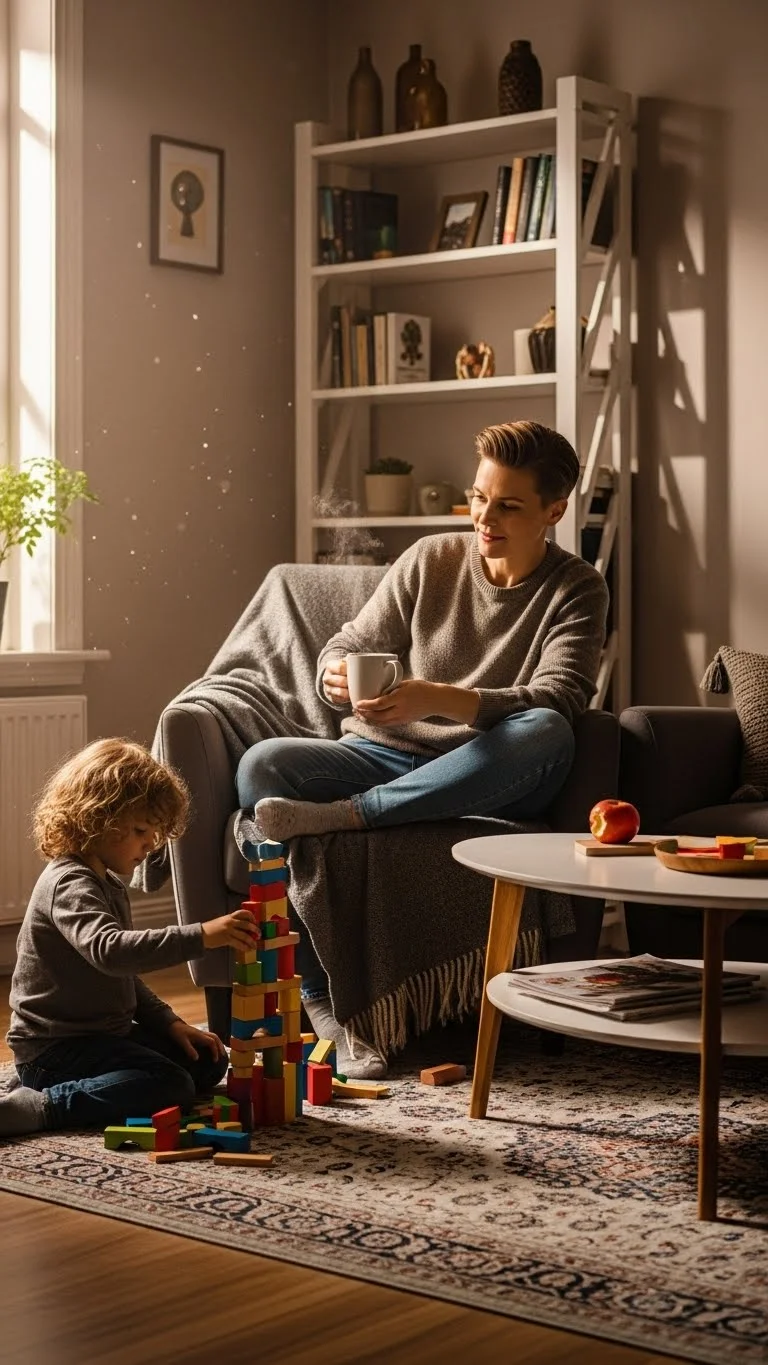
Parents need moments of space, too. Explain that you’ll take short breaks to rest, read, or breathe. Use a small object, like a scarf hung on a chair, as a visual signal. Kids learn that this time isn’t for interruptions unless something urgent happens. This boundary teaches children that everyone’s time matters. It also helps you recharge without guilt or pricey tools. Keep breaks short and steady so kids adjust with ease.
- Hold Firm Limits on Disrespectful Language

When kids speak harshly, correct it with calm clarity. Use simple phrases like, “Try again with respect.” Avoid long lectures. Kids learn faster when corrections stay short. If you’re on a tight budget, create a homemade “cool-off corner” with a pillow or blanket. This gives space to reset without punishment. Boundaries around language help shape kind communication at home.
- Use Daily Check-Ins

Take two minutes each day to check in. Ask simple questions: “How was your day?” or “Anything on your mind?” This boundary tells your child that openness matters. It doesn’t cost money or require journaling systems. These steady moments help kids express feelings before they spiral. When connection is consistent, respect grows naturally. The home feels more grounded, not reactive.
- Keep Shared Spaces Tidy

Shared areas stay cleaner when everyone plays a part. Use baskets you already own or repurpose old boxes. Create a rule: toys return to their basket after play. Keep it simple and consistent. This reduces clutter and helps kids understand responsibility. You don’t need fancy storage bins. Kids are capable of keeping shared spaces comfortable when the boundaries stay steady and clear.
- Set Limits on Interruptions

Kids often interrupt without realizing it. Teach them a simple signal—like placing a hand on your arm. You respond with a quick touch so they know you’ve noticed. This helps them wait without feeling ignored. It costs nothing and works well for young kids. This boundary supports patience, respect, and smoother conversations. Over time, you’ll see fewer interruptions and calmer exchanges.
- Make Homework Time Consistent

Homework goes smoother with a predictable time and spot. Use a small table or corner you already have. Keep supplies in a shoebox—pencils, paper, eraser. Simple works best. Set a rule: homework first, then play. Kids settle into the rhythm quickly. This boundary encourages focus and reduces evening stress. You don’t need fancy desks or apps. Just consistency.
- Keep Phone-Free Family Moments

Phones can pull attention away from family time. Create a simple boundary: phones rest in a basket during meals or short family chats. You can use any container you already own. Kids follow your example. When phones stay out of reach, conversations feel smoother and more focused. These short, connected moments help strengthen respect across the home.
- Hold Boundaries Around Sibling Disagreements

Siblings argue, but boundaries make it manageable. Teach them simple rules: no yelling, no name-calling, no grabbing. Use short phrases like “Pause” or “Try again calmly.” You can set up a shared problem-solving rule: each child gets a turn to speak without interruption. These tools cost nothing and reduce tension. Over time, kids learn how to handle conflict respectfully.
- Teach Kids to Clean Up After Themselves

Simple tasks build respect. Ask kids to return dishes to the sink, toss trash, or put shoes away. Keep instructions clear. Use small steps. If your child struggles, model the task slowly. No expensive organizers required. Just steady guidance. These small boundaries help kids see their part in family life. Respect grows when everyone contributes, even in tiny ways.
- Set Clear Mealtime Expectations

Mealtime boundaries help keep peace at the table. Keep them simple: sit while eating, use soft voices, try a few bites. Kids handle rules better when they stay steady. If the budget is tight, serve simple meals and involve your child in easy tasks like stirring or setting the utensils. These moments build connection. With clear expectations, mealtime turns into shared calm instead of chaos.
- Teach Kids to Respect Personal Items
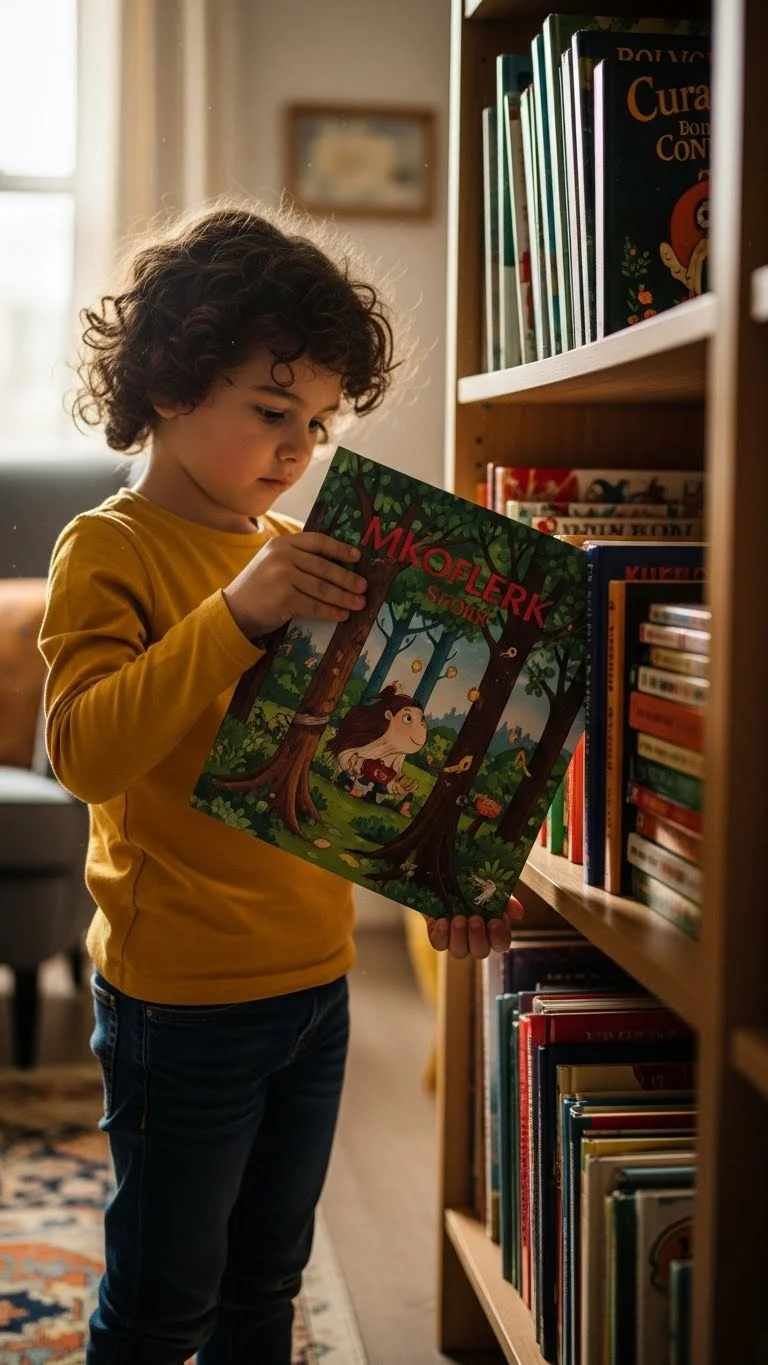
Set a rule: ask before using someone’s belongings. Practice this with toys, books, or art materials. Use short reminders like, “Let’s ask first.” You don’t need locks or special storage. Just steady language. Kids learn that respecting items reflects respect for people. This boundary also reduces arguments and broken belongings.
- Create a Simple After-School Routine
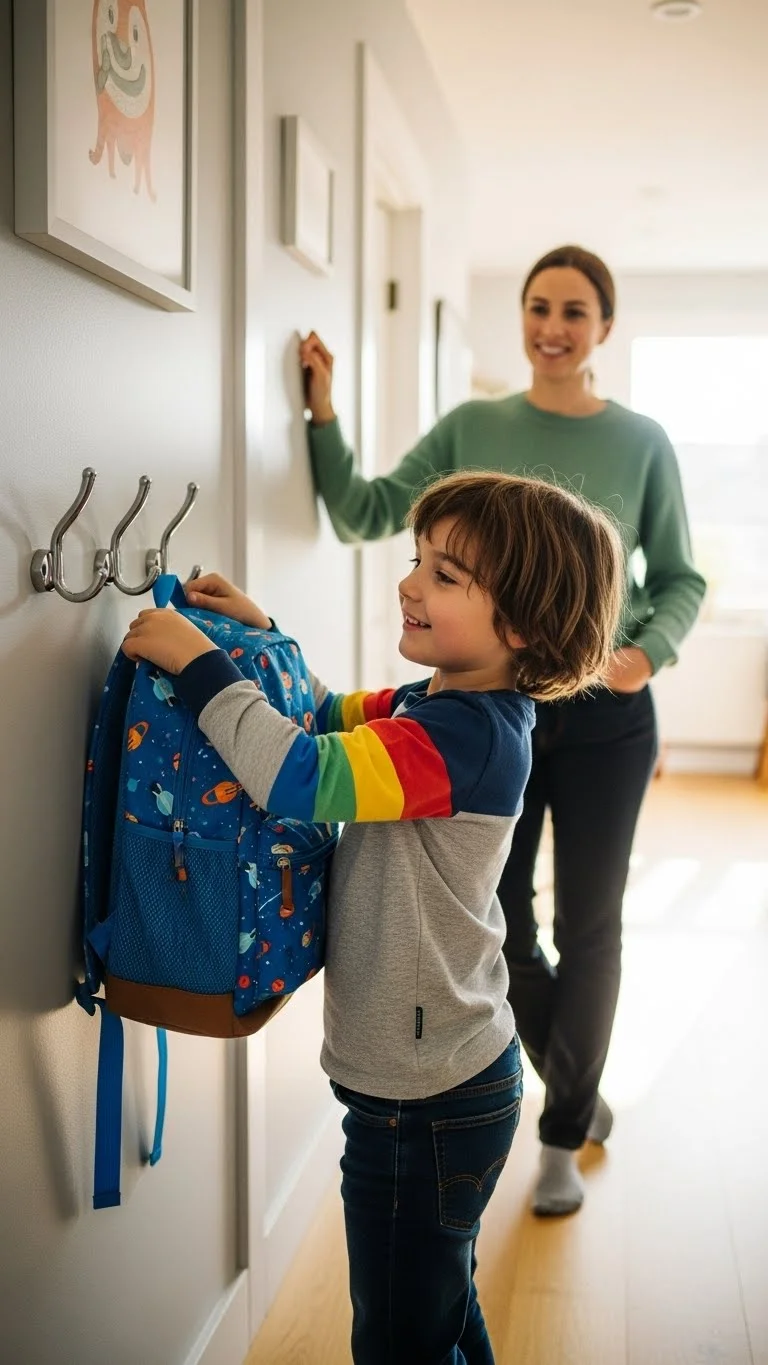
Afternoons feel smoother when steps stay the same. Try this flow: hang backpack, wash hands, grab a snack. Use hooks you already have or install inexpensive ones. If you prefer baskets, repurpose boxes. Kids thrive with structure. This boundary reduces clutter and arguments. Everyone knows what happens next.
- Set Limits Around Messy Play
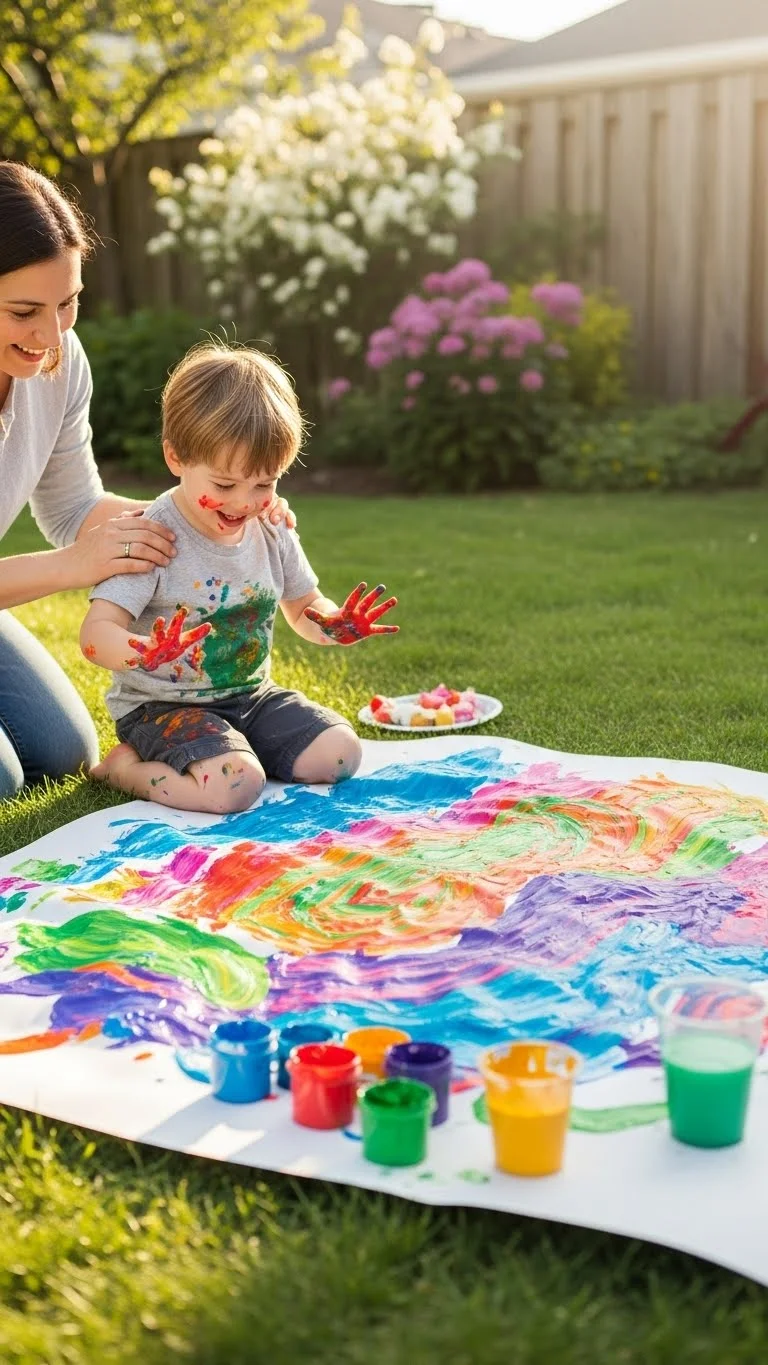
Messy play is fun, but boundaries protect your home and sanity. Choose a specific spot—backyard, bathtub, or a mat on the floor. Lay out old towels or a plastic tablecloth. These cost little and save cleanup time. Set a rule: messy materials stay in this area. Kids learn that fun doesn’t mean chaos. It also helps them respect shared spaces.
- Hold Boundaries Around Tantrums

Tantrums happen. Keep your boundary simple: stay nearby, stay calm, and keep everyone safe. Avoid long explanations during the storm. Use short phrases like “I’m here.” Create a soft corner with a pillow or blanket where your child can settle. This costs nothing and helps reset the moment. Kids learn that emotions are okay, but certain behaviours aren’t. Consistency shapes respect over time.
- Teach the Art of “Try Again.”
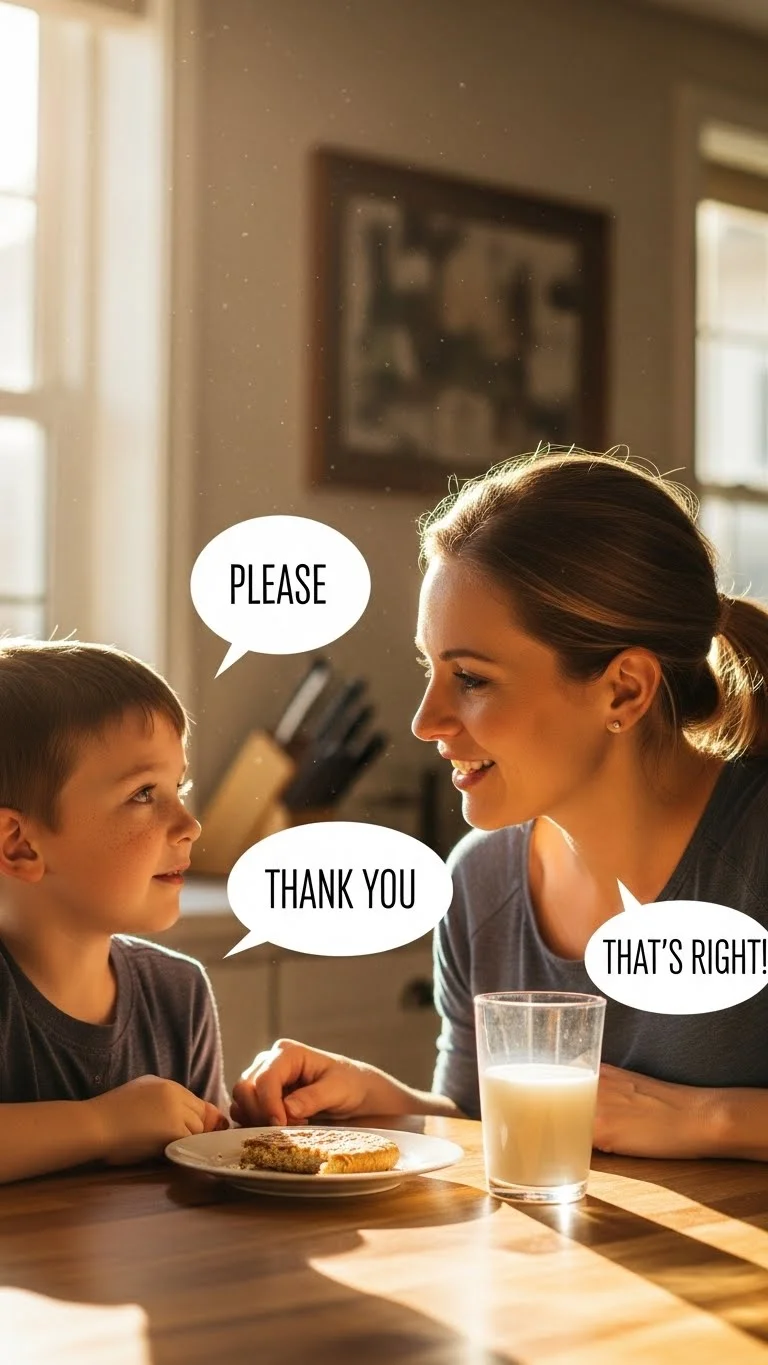
When your child speaks harshly or acts out, offer a redo. Say, “Let’s try that again,” in a relaxed tone. This gives them a second chance to use respectful words. It also keeps tension low. You don’t need charts or systems. Just steady guidance. Over time, this boundary helps kids pause before reacting. It builds communication skills that shape a respectful home.
Conclusion
Small, steady boundaries build homes where kindness feels natural. When rules stay simple and consistent, children feel grounded and parents feel less overwhelmed. Choose a few ideas from this list and try them this week. Adjust them as your family grows. With practice and patience, these boundaries create a home filled with respect, calm, and connection.
