

25 Parenting Without Yelling Strategies for Peaceful Homes

Parenting without raising your voice feels challenging on long, chaotic days. Yet simple shifts in routine, communication, and body language can create a quieter home. Kids often respond better when they feel heard and safe, and small changes can make daily interactions smoother. The strategies below offer practical steps you can try right away. Each one focuses on gentle communication, realistic rhythms, and affordable tools that help calm the household.
- The Pause-and-Breathe Reset

Before responding to a stressful moment, take a breath. It sounds simple, but it changes the tone instantly. Put your hand on your chest and breathe slowly through your nose. Kids notice the calm shift. You can say, “Give me a second.” It helps them learn the same habit. If you forget in the moment, step into another room for ten seconds. Use a kitchen timer if you prefer structure. It doesn’t cost anything and makes tense situations feel lighter. With practice, pauses become part of your rhythm and help you stay steady.
- Kneel to Eye Level

Lowering your body helps conversations feel safer. Kids respond better when you’re not towering over them. Sit on the floor, kneel, or crouch. Say one short sentence at a time. This keeps the moment calm and clear. It works well during disagreements or directions. If kneeling feels uncomfortable, sit on a nearby chair instead. This small shift makes kids listen more closely. It costs nothing and takes only a few seconds. Over time, they’ll come to expect calmer exchanges.
- Use a Quiet Voice Trick

Lowering your voice often makes kids lean in. Say things gently and slowly. This keeps tension low and encourages cooperation. Try whispering directions like, “Let’s solve this together.” Kids mirror the energy you give. If noise levels rise, speak even softer to reset the atmosphere. You don’t need scripts or special tools. This simple tone change makes daily routines smoother. Practice during calm moments first so kids recognize the pattern.
- Set Up Clear Routines
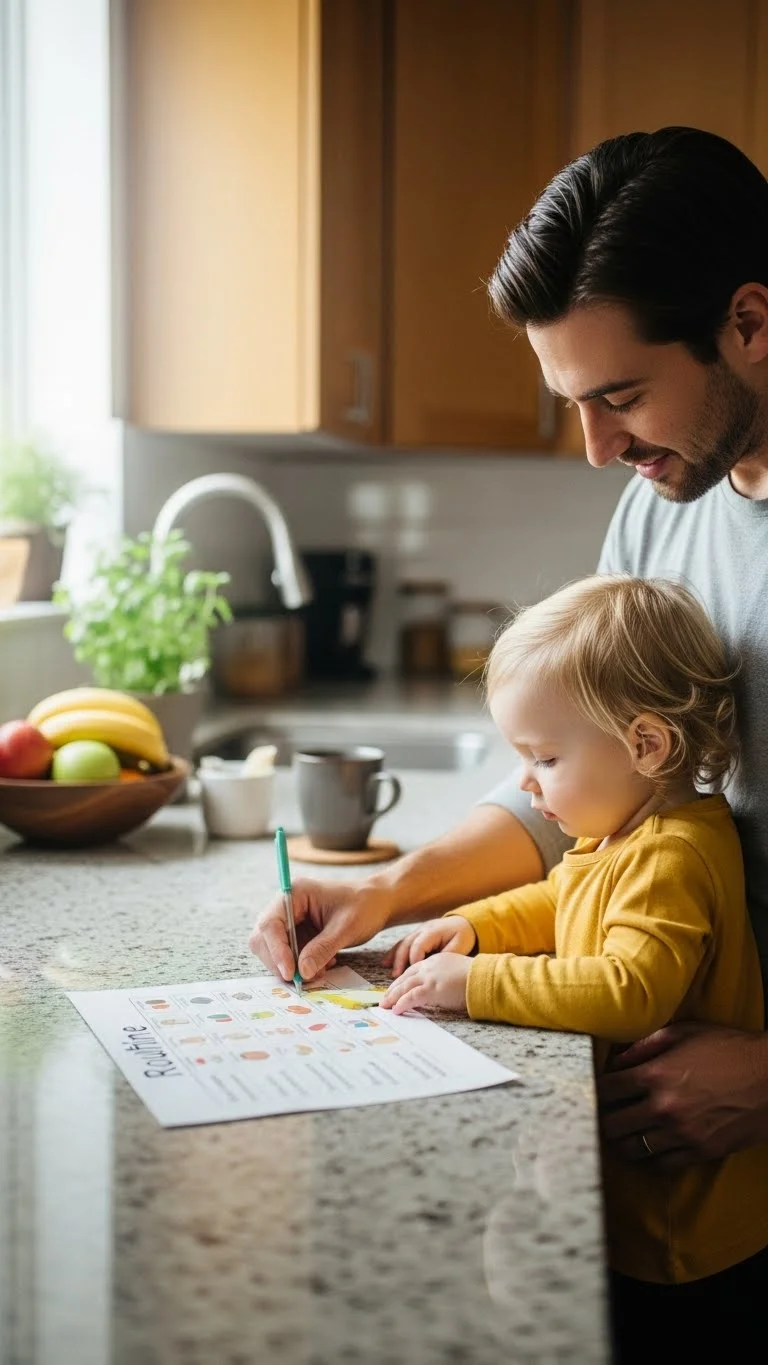
Kids feel steadier when they know what comes next. Create a simple routine chart using paper and markers. Keep it short—morning, afternoon, and bedtime. When conflict happens, point to the chart instead of raising your voice. It removes pressure from the moment. Involve kids by letting them decorate the chart. Hang it at their eye level. You don’t need fancy printouts—DIY works perfectly. Routines help limit arguments and reduce repeat reminders.
- Offer Two Choices

Choices give kids a sense of control. Offer two simple options: “Blue shirt or red shirt?” “Brush teeth before or after pajamas?” Keep the options easy so your child can decide quickly. This prevents power struggles and cuts down on raised voices. You don’t need special supplies—just everyday items. Use this strategy during transitions when kids often resist. Over time, choices help them feel capable and more willing to cooperate.
- Use a Calm-Down Basket

Create a small basket with quiet items: crayons, a stress ball, a small book, or a soft toy. Keep it in a corner where your child can go during tough moments. The goal isn’t punishment—it’s a break. Use items you already have to keep the project affordable. When emotions rise, say, “Let’s take a minute.” Sit nearby so your child feels supported. This helps everyone reset without yelling.
- Practice One-Sentence Instructions

Kids sometimes shut down when instructions pile up. Stick to one sentence at a time. Say, “Please put your shoes by the door.” Then pause. Short instructions keep things clear. If your child forgets, repeat calmly rather than raising your voice. You can write reminders on sticky notes if mornings feel chaotic. This method works well for toddlers and teens alike.
- Use a Soft Touch Cue

A gentle touch on the shoulder gets attention better than shouting across the room. Say your child’s name softly. Wait for eye contact before speaking. This prevents misunderstandings and reduces frustration. It works especially well during busy routines. Keep your tone steady and neutral. This simple cue strengthens communication without costing anything.
- Create a “Family Reset Phrase”
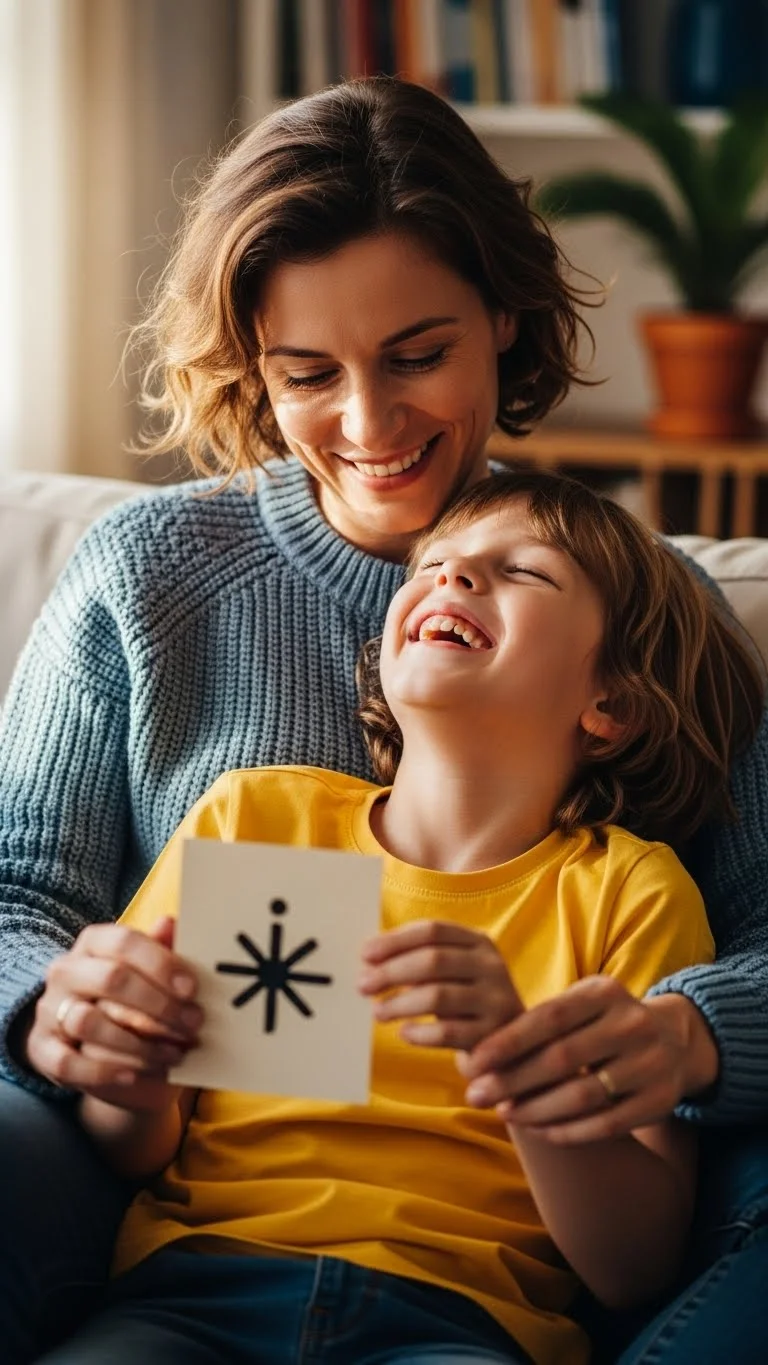
Pick a phrase everyone uses when emotions rise. Something like “pause moment” or a silly made-up word. The phrase becomes a reminder to slow down. Kids often respond well to playful cues. Make a small symbol card to represent it—like a drawn star or heart. Keep it on the fridge. Using a shared signal helps the whole family shift out of tense moments.
- Use Natural Consequences
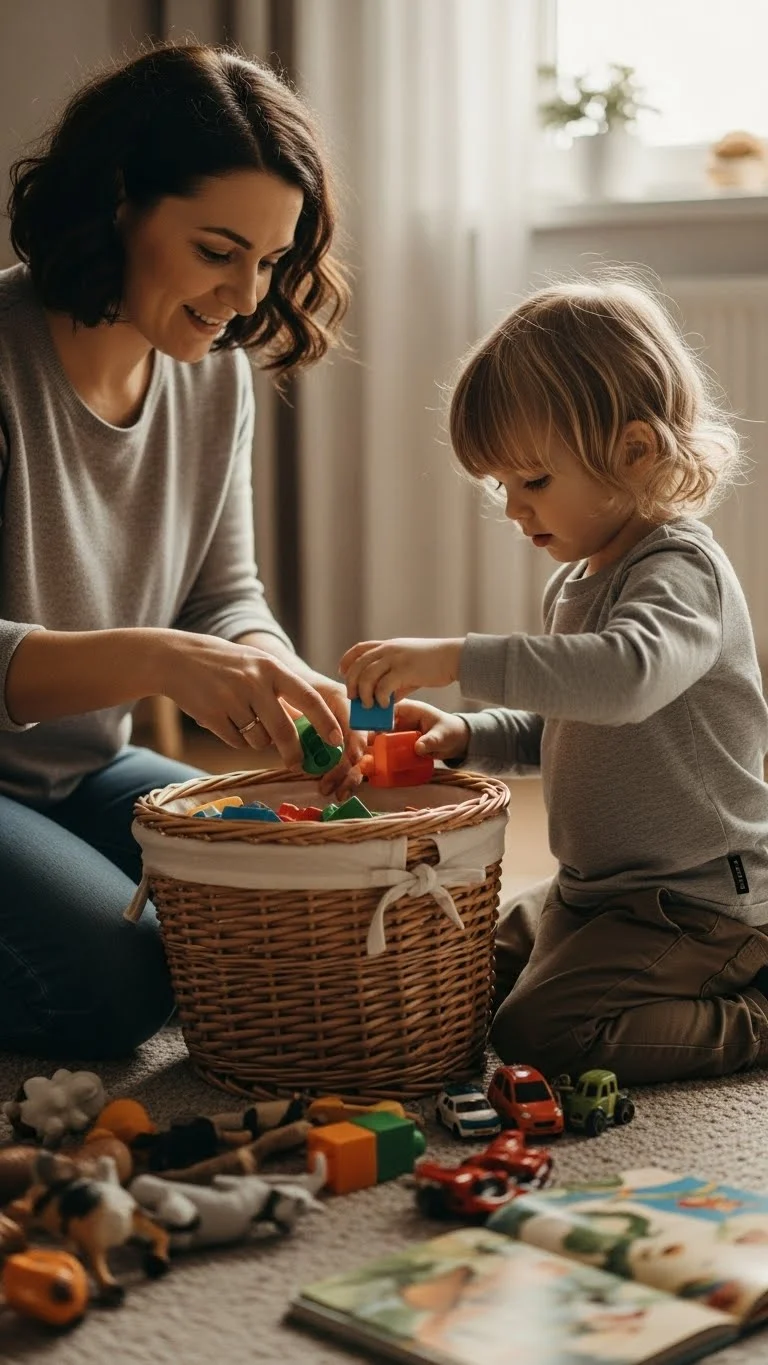
Let everyday situations teach lessons. If toys are left out, your child helps clean them. If a jacket is forgotten, they may feel chilly for a moment. There’s no need for raised voices. Keep your tone simple: “Let’s fix it together.” Natural consequences work best when delivered calmly. You don’t need elaborate punishments—daily routines offer plenty of learning moments.
- Prepare Transitions Early

Transitions often cause conflict. Give short warnings: “Five minutes,” then “Two minutes.” Use hand signals if your child gets overwhelmed by words. You can also set a kitchen timer. Children handle change better when they aren’t rushed. Whether leaving the park or starting bedtime, early cues keep things peaceful.
- Keep Mornings Simple
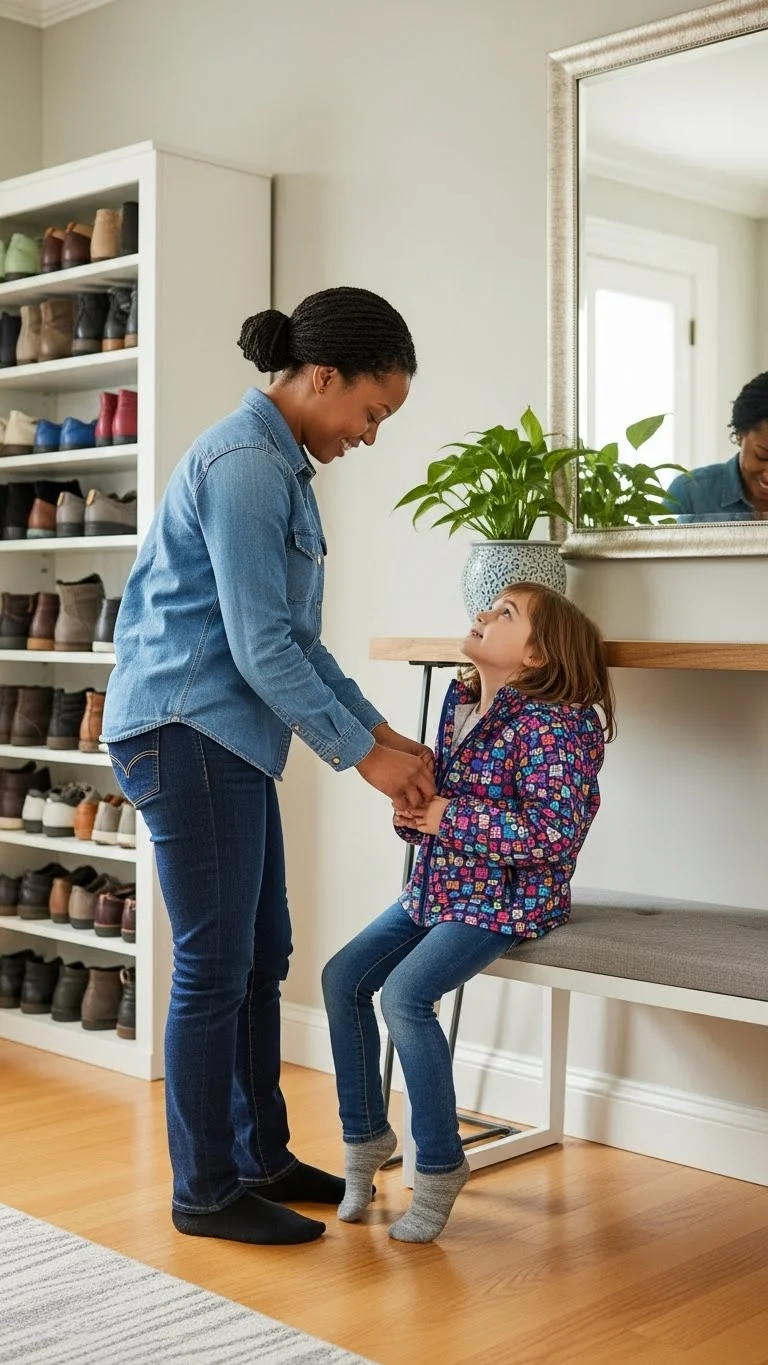
Mornings often spark yelling. Prepare small items the night before: clothes, bags, snacks. Keep everything in one spot near the door. You don’t need special furniture—use a basket or box you already have. In the morning, keep conversation calm and predictable. A simple routine lowers stress for the whole family.
- Create a Family Quiet Corner

Designate a soft space for cooling down. Add pillows, a small lamp, and a blanket. Use items from around the home so you stay within budget. Sit there together during tense moments. Kids often calm faster when they feel safe instead of scolded. Make the corner a peaceful spot, not a place of punishment.
- Repeat Back What You Hear

When kids feel misunderstood, yelling rises. Repeat their words gently: “You feel upset because the game ended.” This shows you’re listening. Kids usually soften once they feel heard. You don’t need long conversations—just short, calm reflections. It improves cooperation and supports emotional expression.
- Use Visual Reminders
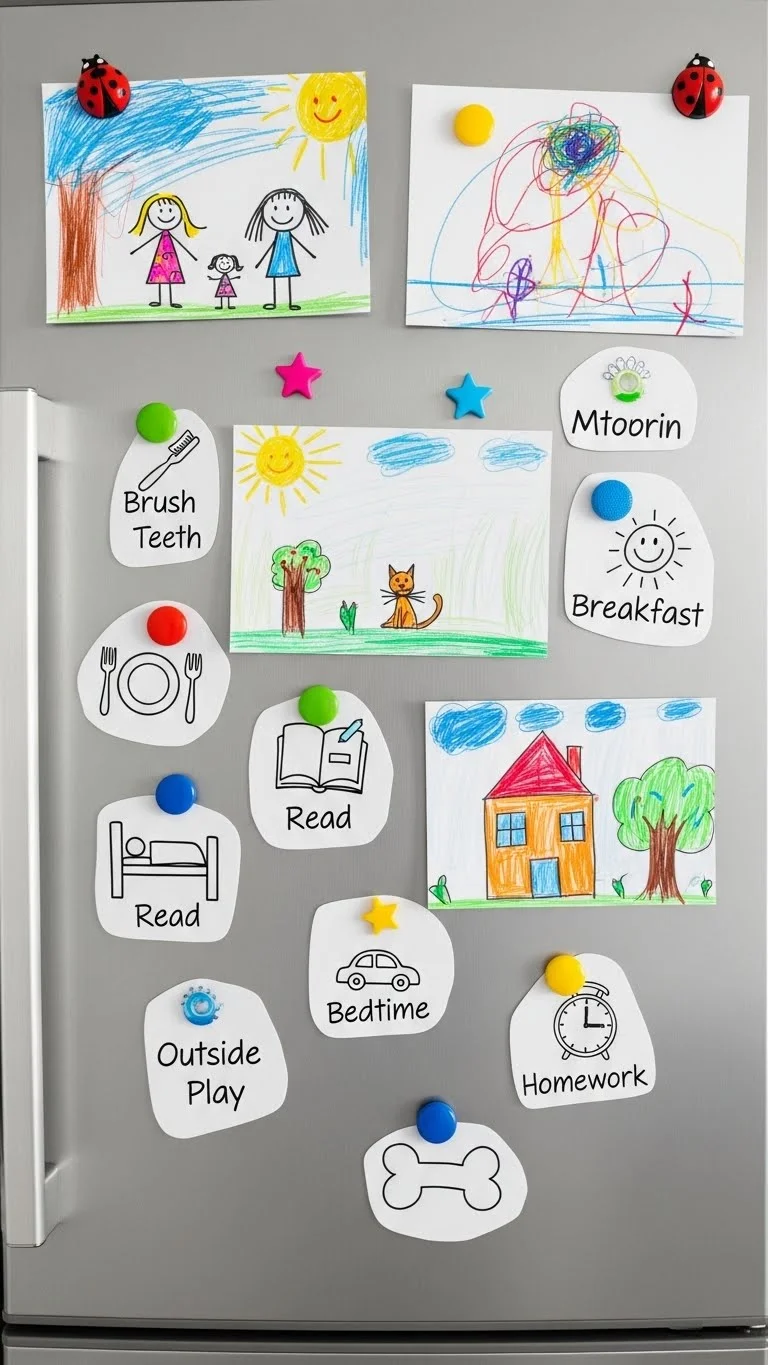
Create visual reminders rather than shouting repeated instructions. Draw simple pictures: a toothbrush, a backpack, a plate. Tape them to the fridge or a bedroom door. Kids follow pictures better than long verbal reminders. Use scrap paper or old magazines to keep costs low. This reduces repetitive yelling during routines.
- Build Mini Breaks Into the Day

Take tiny breaks between tasks—one minute to breathe, stretch, or sip water. Kids benefit from breaks too. Say, “Let’s rest for a moment.” It prevents overwhelm and softens frustration. You don’t need timers or apps. Just pause when tension rises. These breaks keep the household calmer throughout the day.
- Model Calm Words
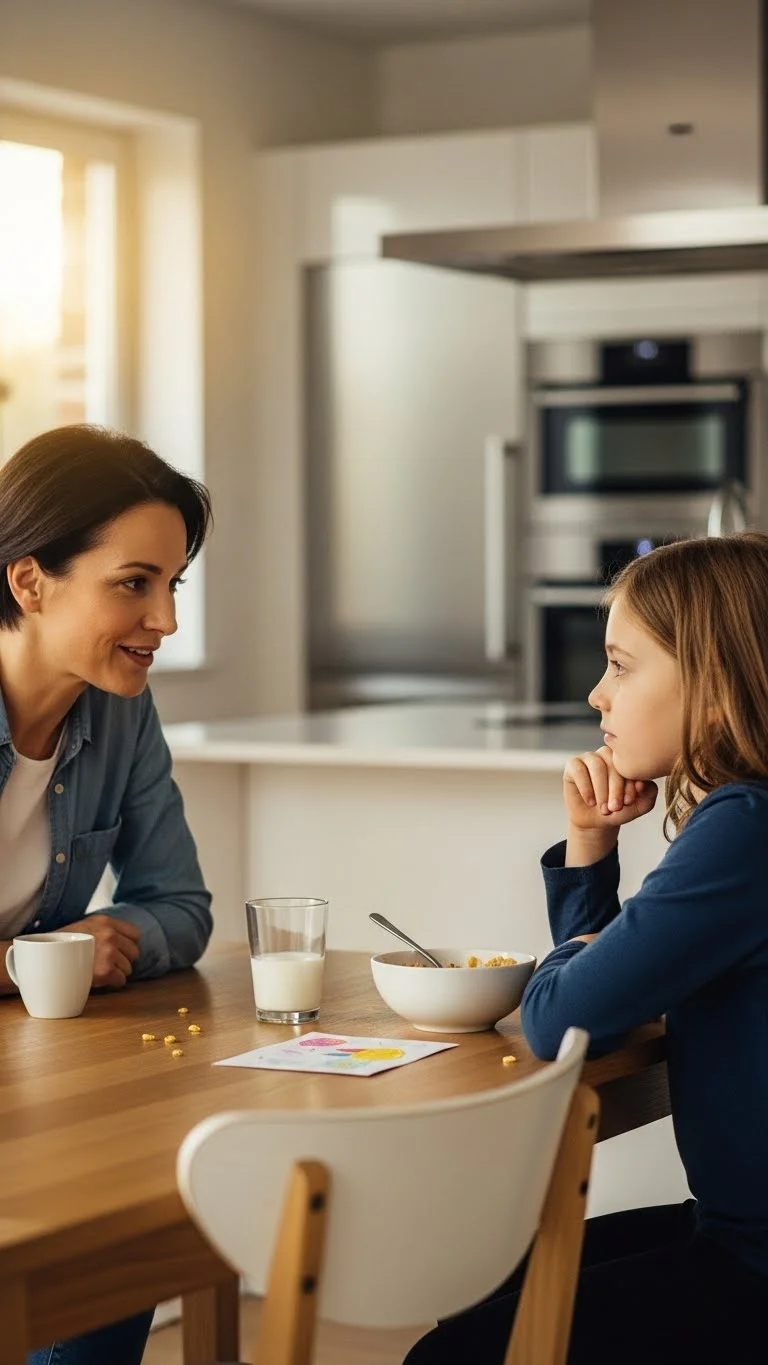
Kids mirror the language they hear. Use short, steady phrases during conflict: “Let’s slow down.” “Try again.” “We can fix this.” These simple sentences keep communication steady. Replace yelling with calm repetition. Over time, kids adopt the same tone. Modeling doesn’t cost anything—it just takes practice.
- Give Your Child a Role
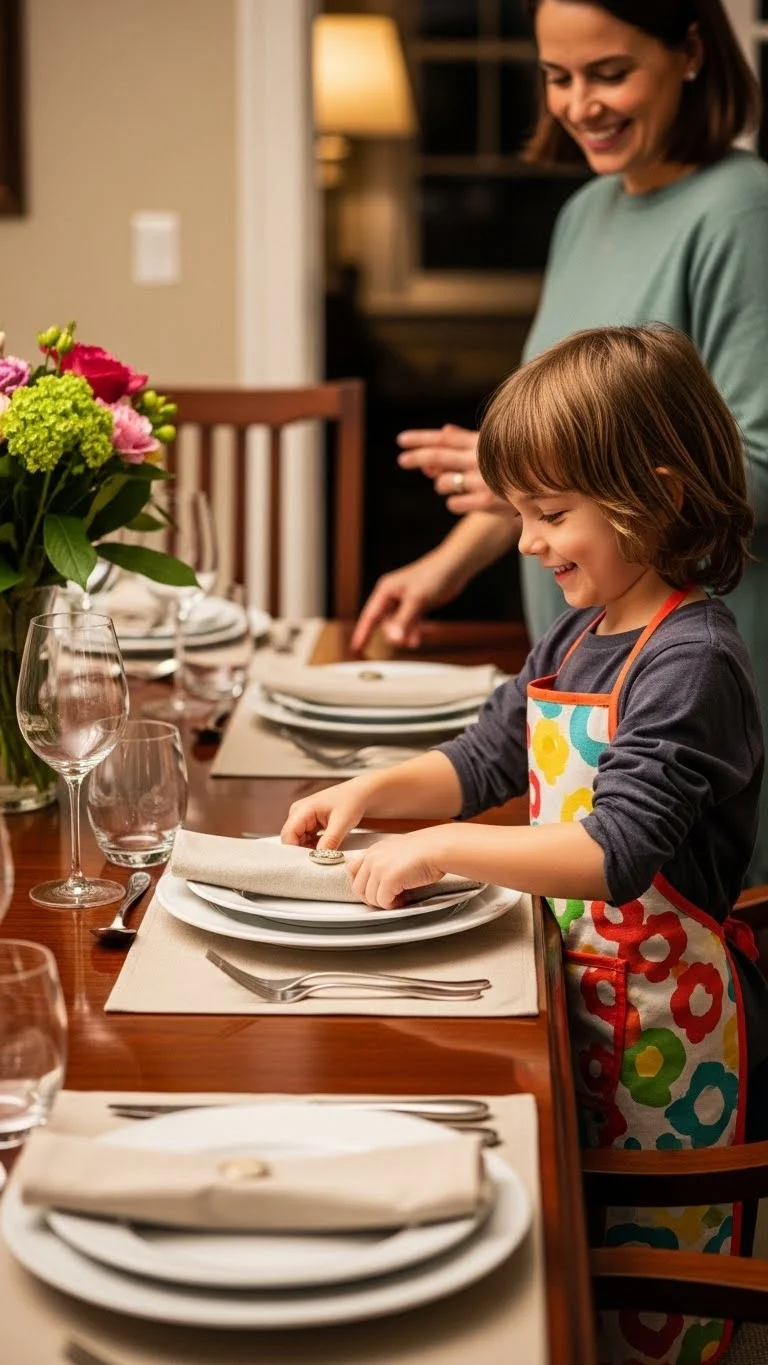
Kids love responsibility. Assign small tasks: setting napkins, feeding a pet, carrying laundry. It builds cooperation and reduces arguments. Use household items so there’s no extra spending. Praise the effort with simple words like “Thanks for helping.” Responsibility helps kids stay engaged and reduces power struggles.
- Use a “Try Again” Cue
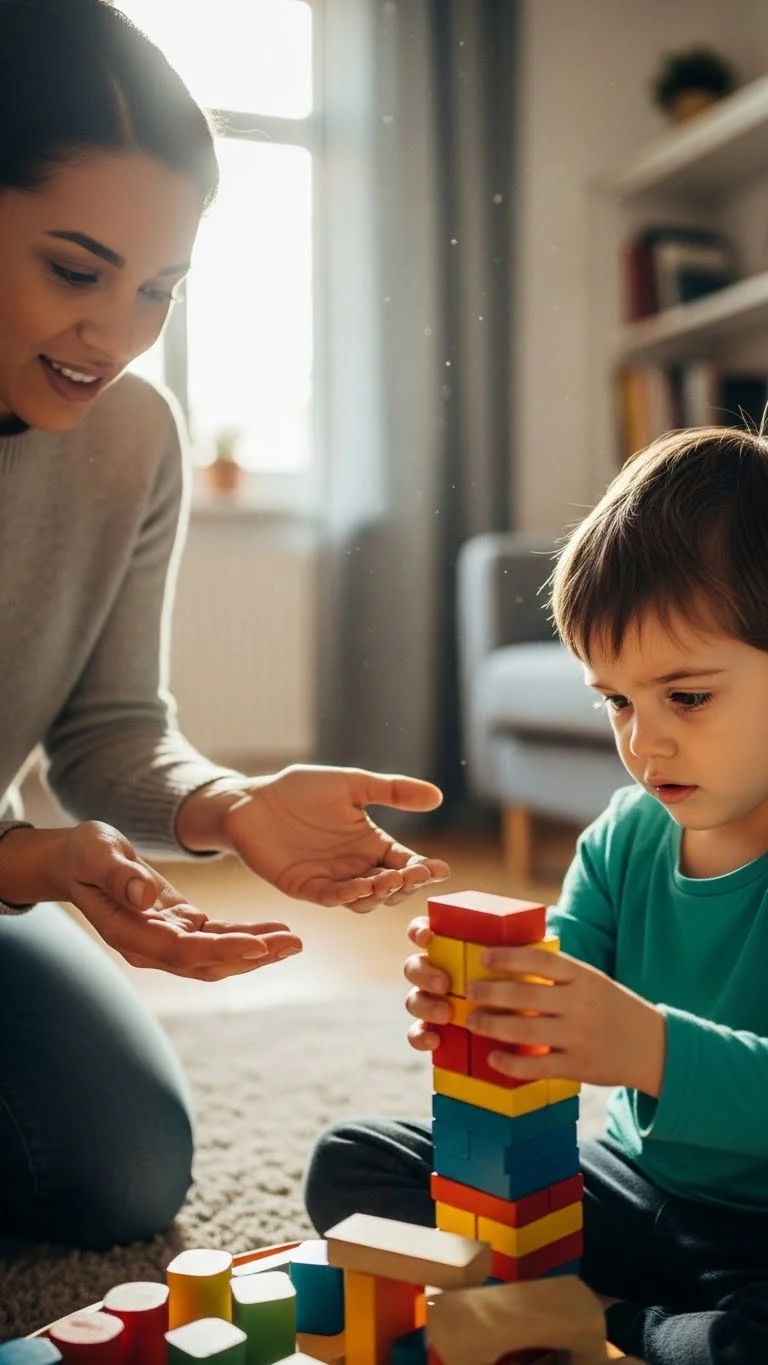
Instead of yelling when a child speaks sharply or refuses a task, say, “Try again with kinder words.” This gives them a chance to reset without shame. Keep your tone soft. Kids usually adjust quickly when the cue stays consistent. It creates safer communication and avoids yelling.
- Keep Expectations Short and Clear
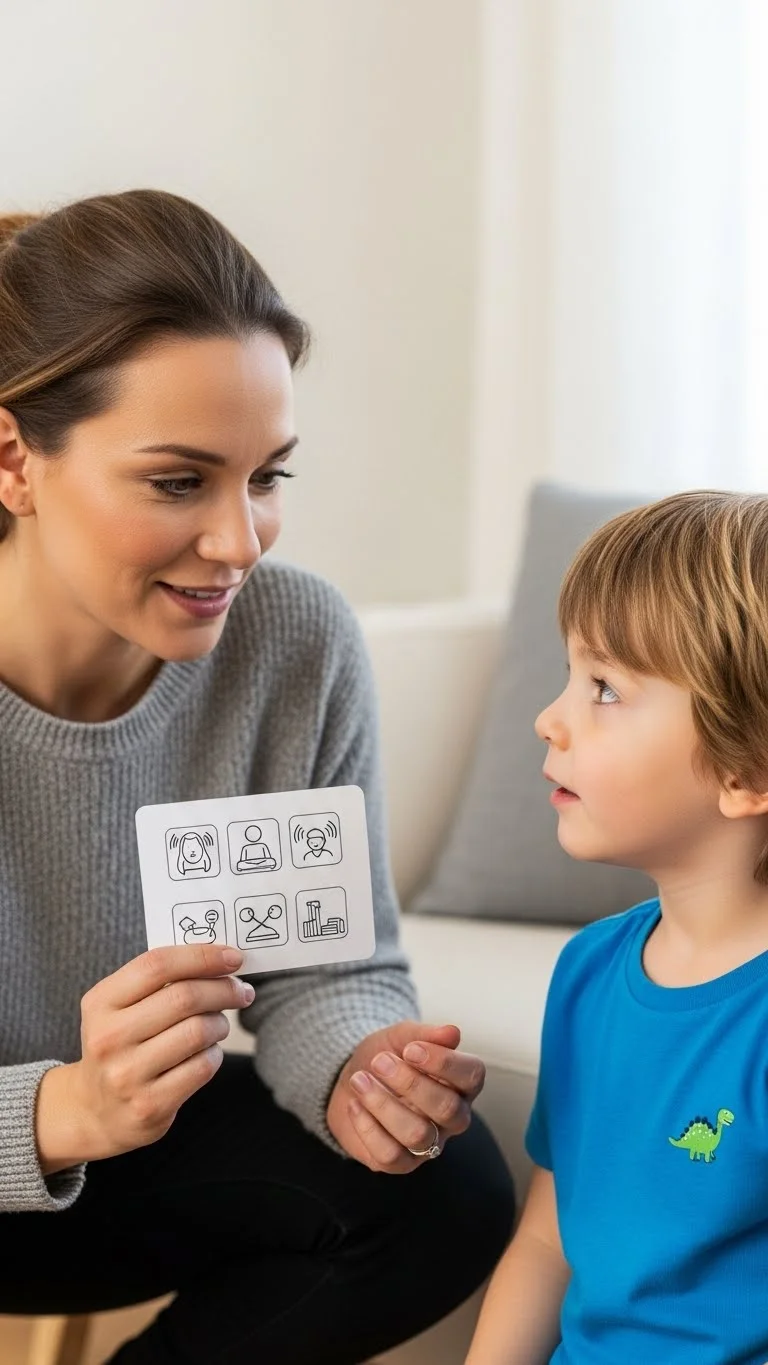
Kids feel overwhelmed by long explanations. Break expectations into short phrases. One idea per sentence. You can draw icons on a notecard to support understanding. Use items you already have to keep it budget-friendly. Clear communication reduces frustration for everyone.
- Practice Family Signals

Create hand signals for common routines—like cleanup time or quiet time. Kids often respond faster to gestures than repeated talking. Make signals simple. Practice them during calm moments. Visual cues keep things peaceful and reduce the urge to yell across the room.
- Use Humor Carefully

A small touch of humor can release tension. A goofy voice or tiny joke helps kids relax. Use humor lightly—not as mockery—and stop if your child feels upset. Humor works especially well with younger kids. It lowers stress and makes cooperation easier without raising your voice.
- Set Up a “Yes Space”
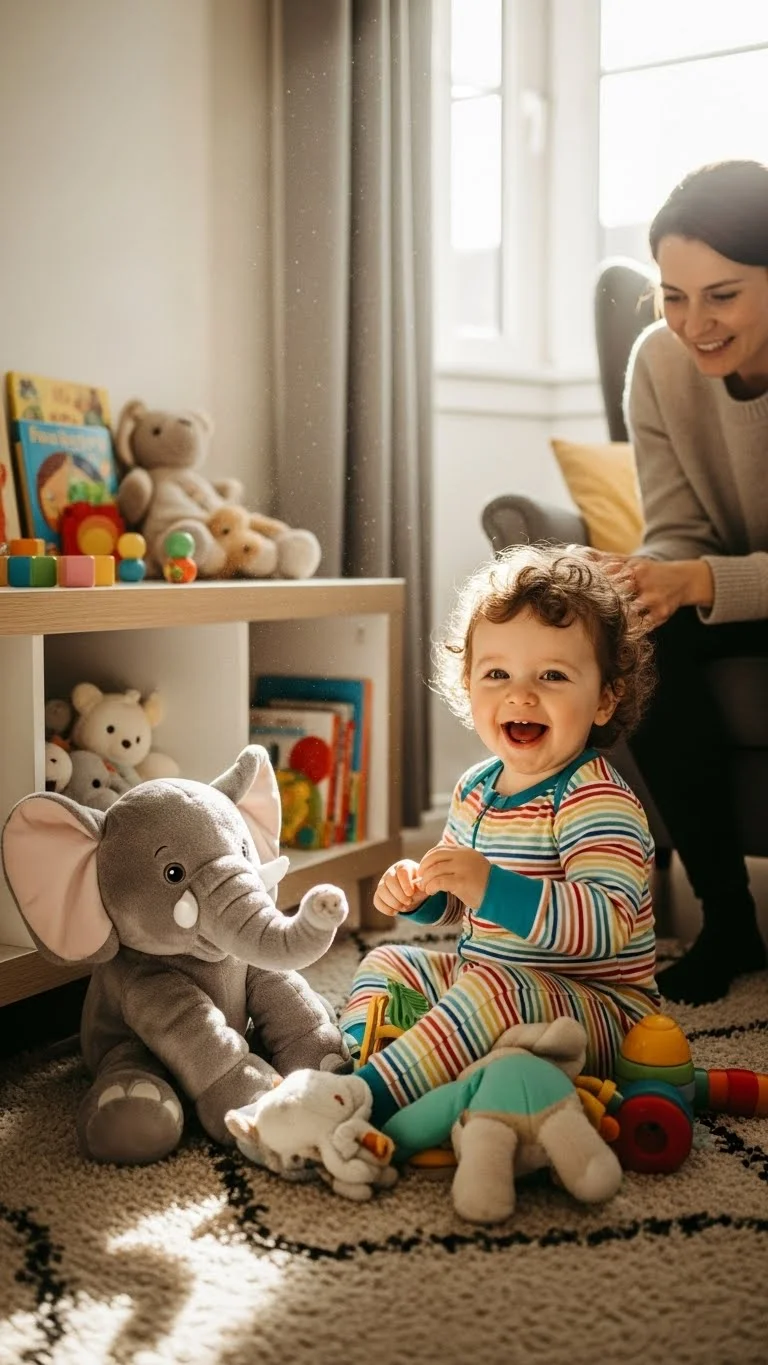
A “yes space” is an area where your child can explore without constant corrections. Use soft items, low shelves, and safe toys. Rearranging what you already have keeps this low-cost. When kids play in a safe area, you repeat fewer warnings and feel less tempted to yell. It creates a calmer environment for everyone.
- End the Day With a Gentle Check-In

Spend a few minutes at bedtime talking about the day. Ask simple questions: “What was your favorite part?” “Anything you want to change tomorrow?” These check-ins help kids share feelings. It also helps repair any tough moments that happened earlier. This routine builds trust and encourages calmer days.
- Offer Yourself Grace

Yelling happens. Parenting is a lot. Instead of criticizing yourself, pause and reset. Say out loud, “I’m learning too.” Kids benefit from seeing parents recover calmly. Small changes grow over time. A warm approach to yourself helps create a warmer atmosphere for your home.
Conclusion
A peaceful home grows from simple habits repeated with patience. You don’t need special tools or perfect days. These strategies offer small shifts that lower tension and guide kids gently. Try one or two this week, keep them steady, and add more as they become natural. The quieter your responses become, the calmer your home will feel—one moment at a time.
