

26 EQ Activities for Raising Kinder, More Confident Kids
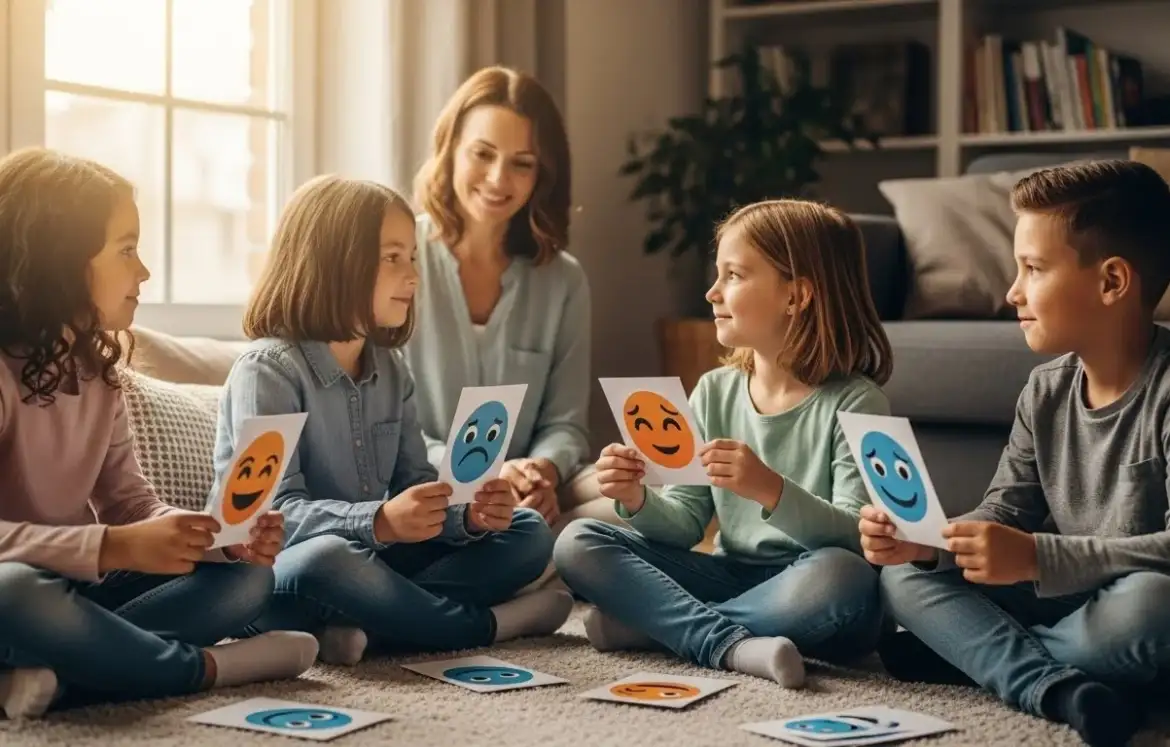
Raising emotionally aware kids starts with simple daily habits. Children learn kindness and confidence from small moments—naming feelings, practicing empathy, and building awareness through play. EQ activities help kids express themselves, handle frustration, and connect with others in healthier ways. You don’t need expensive tools or long lessons. Just small, consistent actions. These activities bring calm, connection, and meaningful skills your child can use for life.
- Feelings Matching Cards
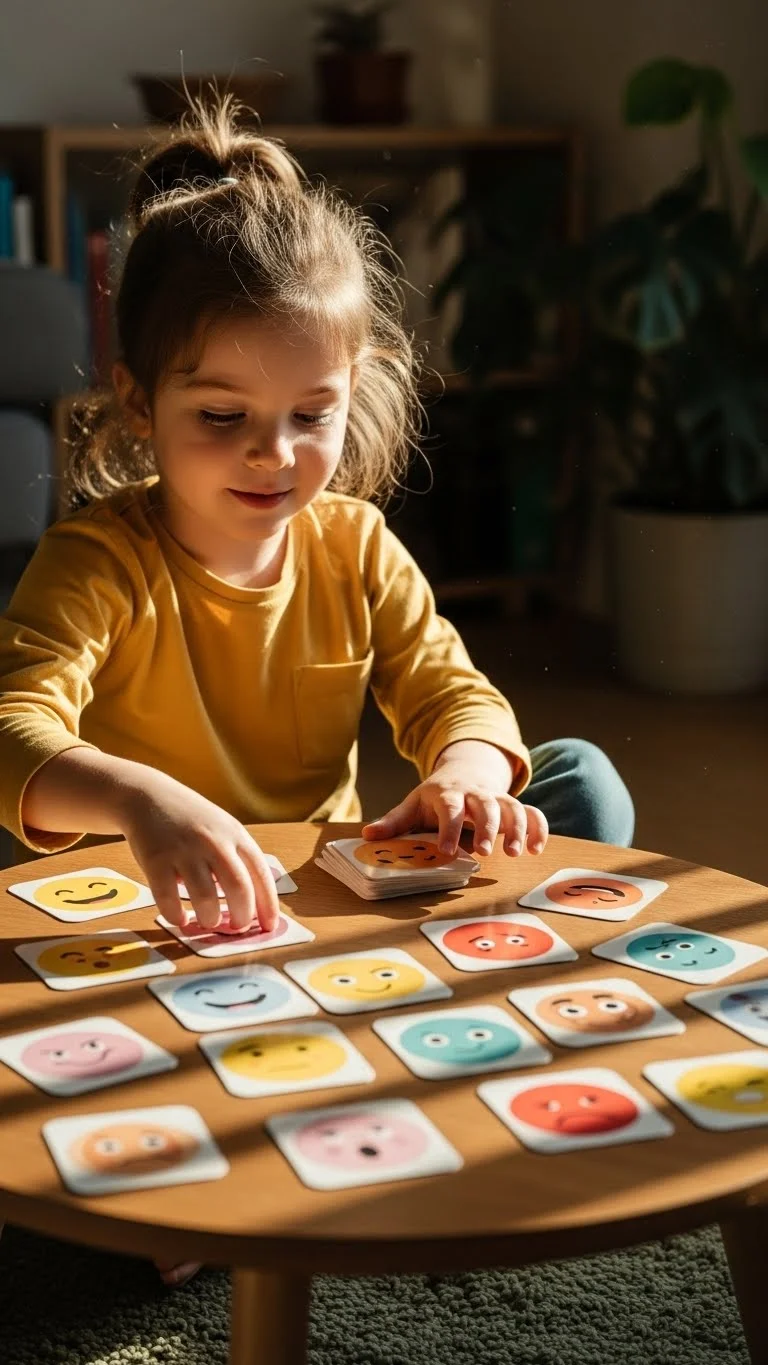
Feelings cards give kids a simple way to talk about emotions. You can make your own with paper and markers. Draw basic faces—happy, sad, mad, scared, excited. Kids enjoy matching the cards to real-life situations. Ask questions like, “Which card matches how you felt this morning?” Keep it casual. Store cards in a small zip bag so they’re easy to grab anytime. This activity teaches kids how to identify feelings without pressure. It also opens gentle conversations when they’re upset. If you want to add variety, include cards showing intensity levels, like “a little sad” versus “very sad.” Kids learn to describe emotions in more detail. This DIY project costs very little and works well for all ages.
- The Calm-Down Basket
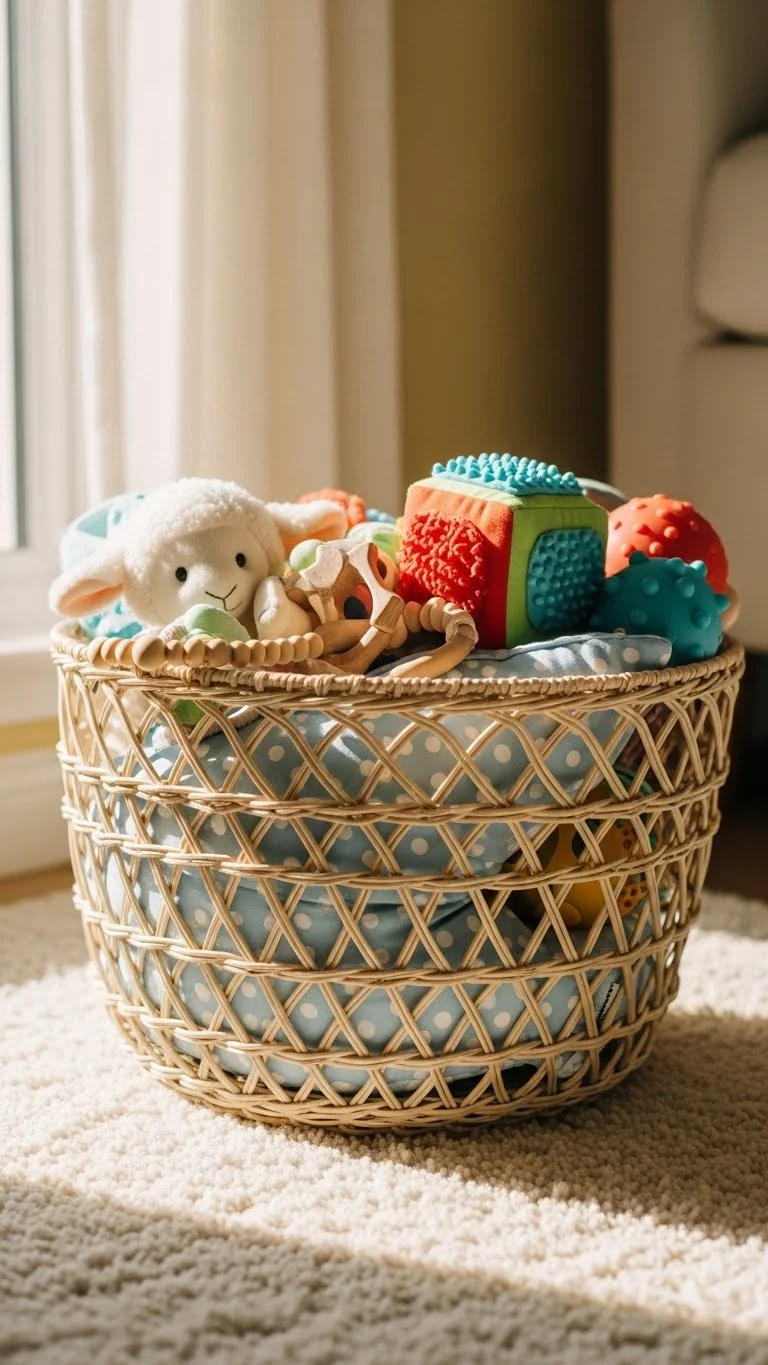
A calm-down basket gives kids a safe place to reset when emotions feel big. Fill a basket with soft toys, a squishy ball, crayons, and a cozy item like a small blanket. You don’t need to buy anything new—use items you already have at home. Show your child how to use the basket when they feel upset or overwhelmed. Let them add items they find comforting. Kids often like having ownership of their tools. This setup teaches kids to self-regulate rather than react impulsively. Place the basket in a quiet corner so it feels like a mini retreat.
- Emotion Charades
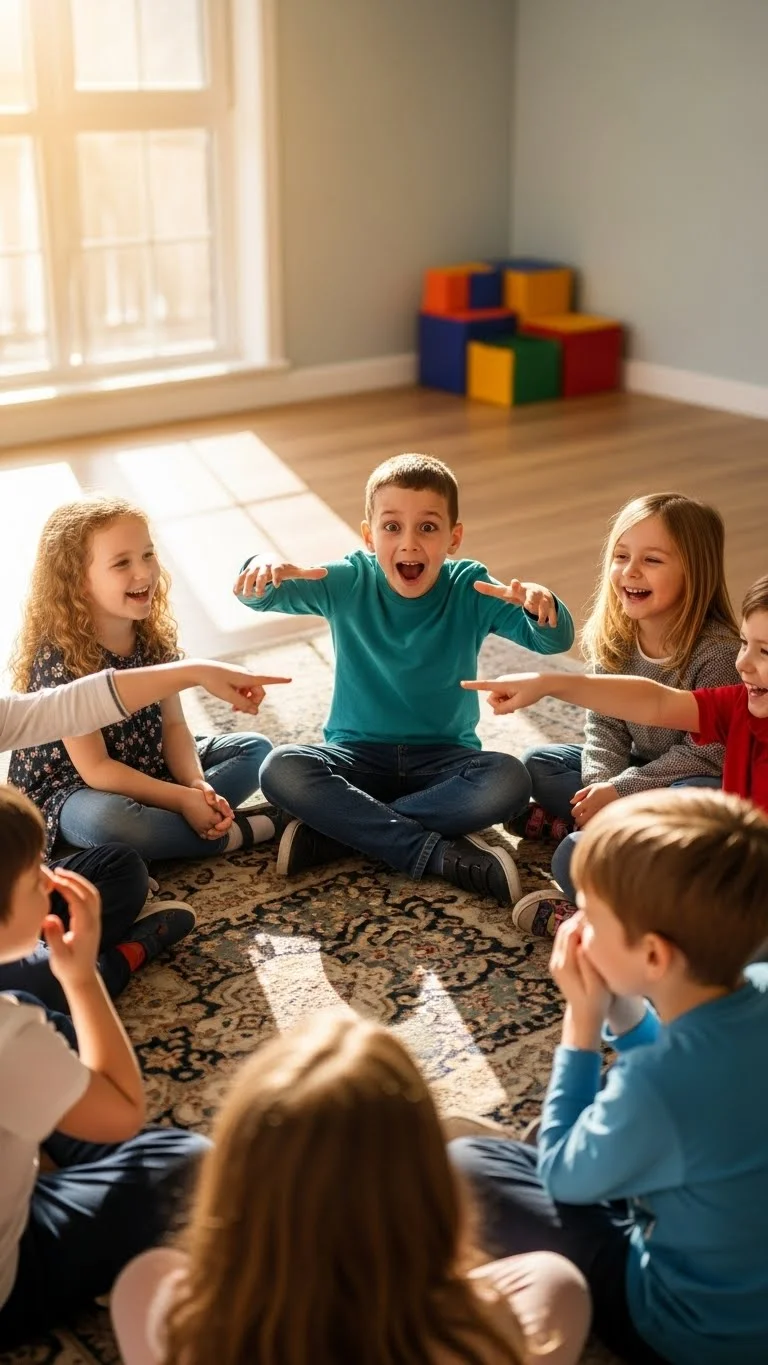
Emotion charades help kids understand facial expressions and body language. Write simple emotions on slips of paper and place them in a bowl. Kids act out the emotion without words, while others guess. You can use emotions like “shy,” “proud,” “nervous,” or “calm.” This activity builds empathy because kids learn to recognize emotional signals. It’s also fun, active, and works well during family time. You can add harder cards as their emotional vocabulary grows.
- “How Would You Feel?” Story Prompts

Story prompts help kids understand empathy in everyday situations. Create simple scenarios like “A friend broke your toy” or “Someone invited you to play.” Ask, “How would you feel?” and “What could you do next?” You can write prompts on paper strips or say them aloud. Kids begin to think about feelings beyond their own. This activity helps them understand perspective and compassion. Use real family examples to make it meaningful.
- “Name the Feeling” Mirror Game
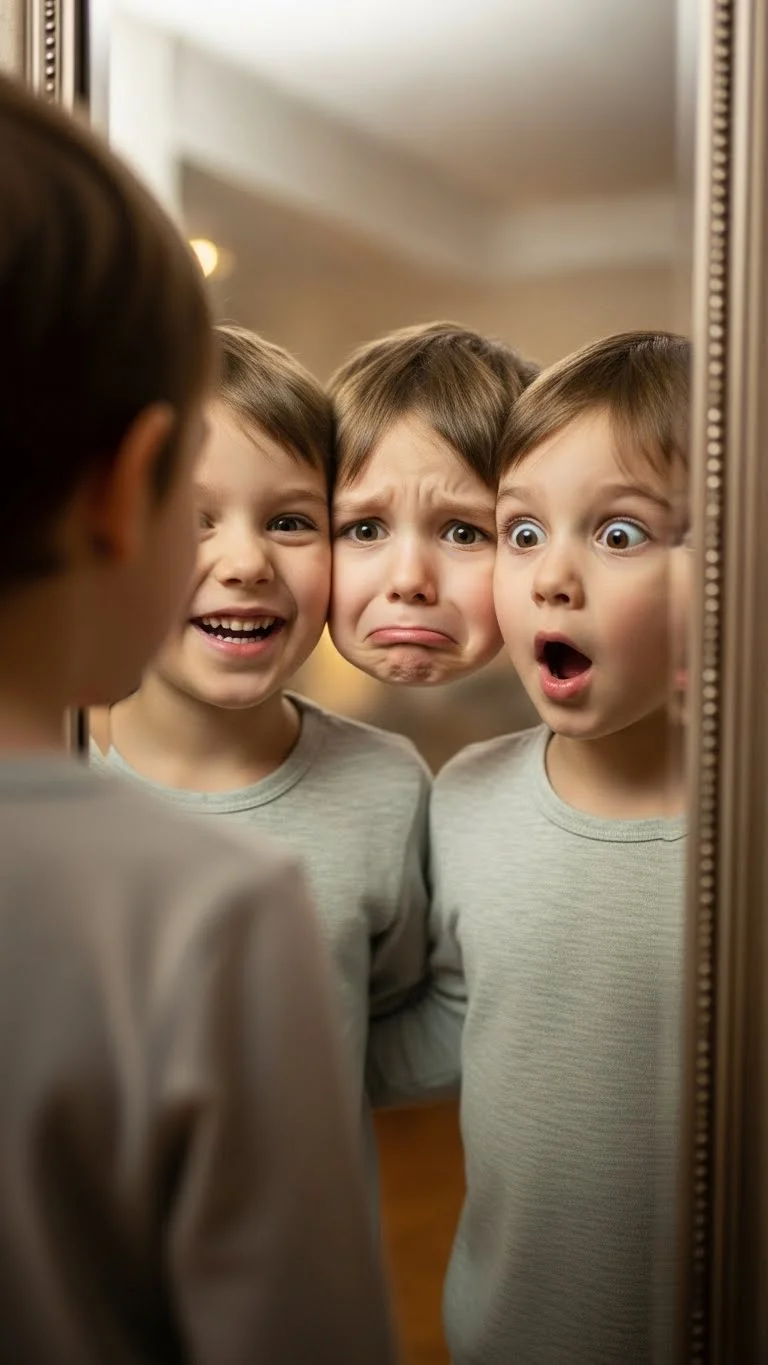
Mirrors help kids connect expressions with emotions. Stand together and take turns making faces. Say, “Show me excited,” or “Show me frustrated.” Kids enjoy the silliness while learning emotional cues. Use a handheld mirror if you don’t have a big one. This activity helps younger kids, especially because they learn through repetition and play. It’s simple, free, and great for quick daily practice.
- Daily Gratitude Jar
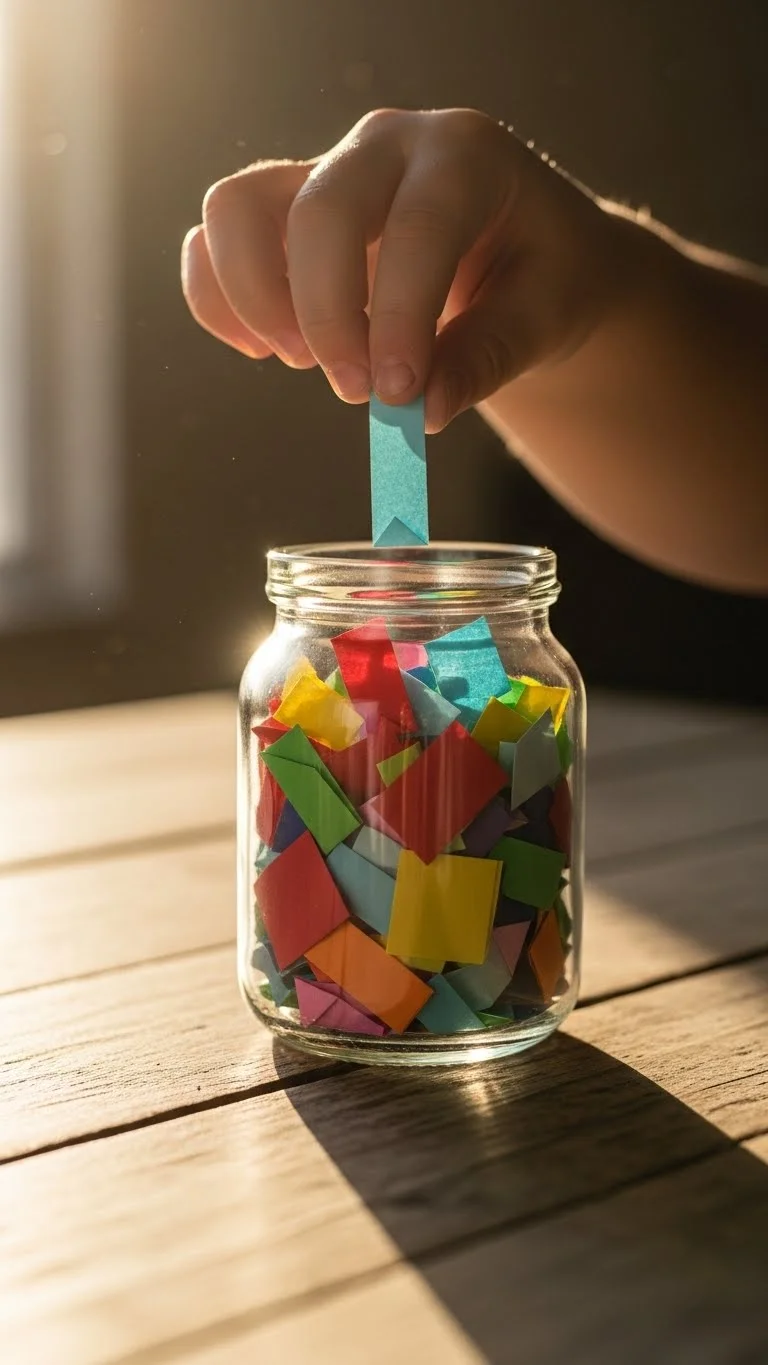
A gratitude jar helps kids spot positive moments. Cut small strips of paper and place them near the jar. Ask your child to write or draw one thing they appreciated today. You can join in to model the habit. Use any jar—old pasta jars work perfectly. Read the slips together at the end of the week. Kids learn to recognize good moments even on tough days.
- The “Calm Breaths” Hand Exercise
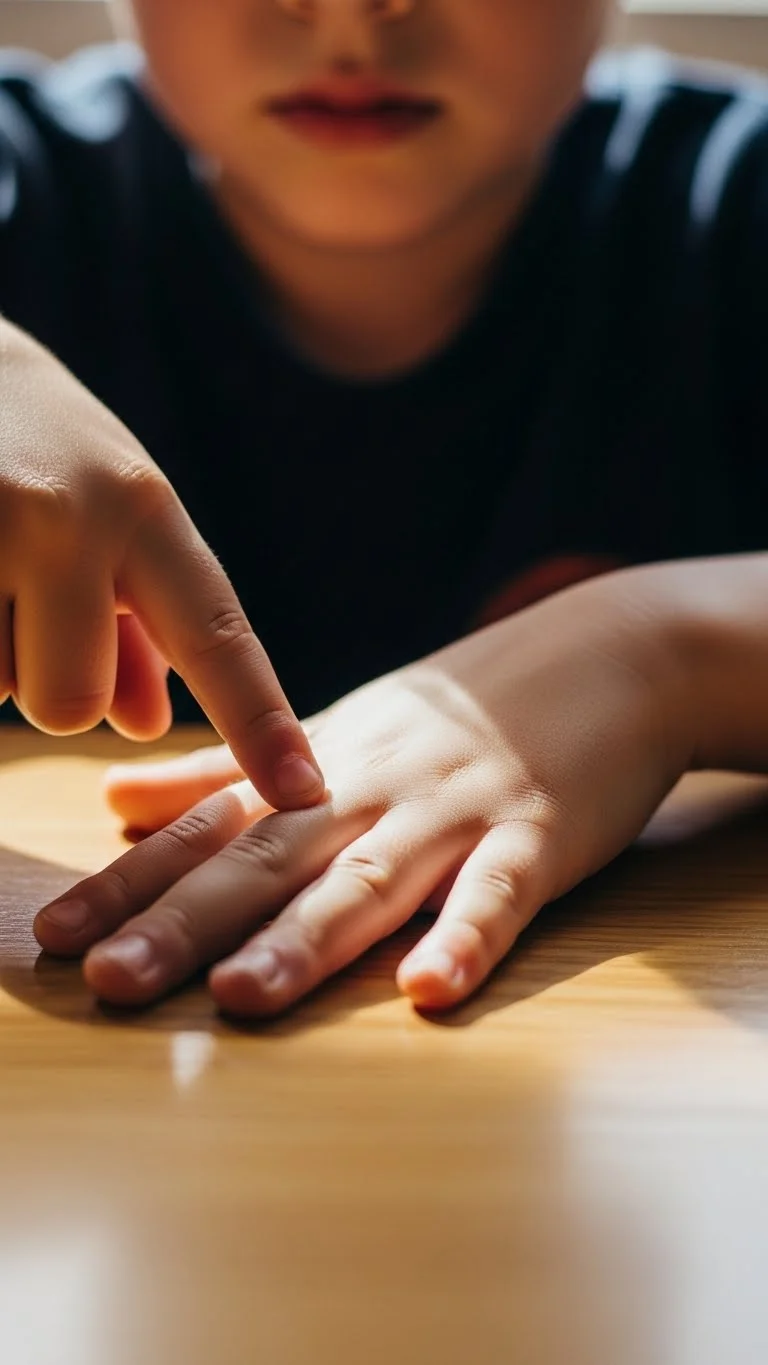
Kids often need simple cues to slow down. Teach them to trace each finger while breathing in and out. “Up the finger, breathe in. Down the finger, breathe out.” This grounding method works anywhere—car rides, school mornings, bedtime. No tools needed. Practice together until they can do it on their own. This activity helps kids reset quickly during stressful moments.
- Feeling Sorting Game with Toys
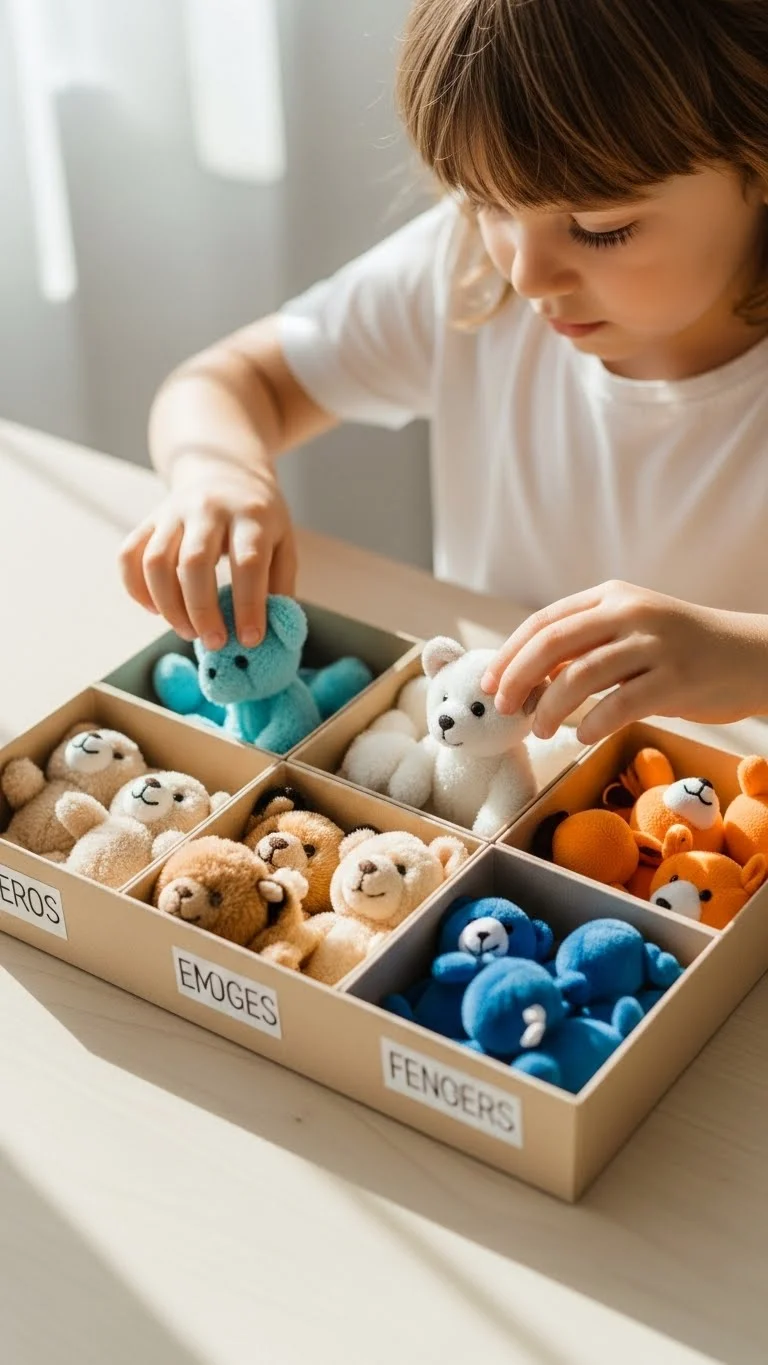
Use stuffed toys or action figures to teach emotional grouping. Place toys into categories like “happy,” “angry,” or “worried.” Ask your child to explain why each toy belongs there. This helps them understand emotional clues in body language. Repurpose items you already own. Kids enjoy the hands-on sorting and storytelling. It also helps them process their own emotions.
- “I-Message” Practice
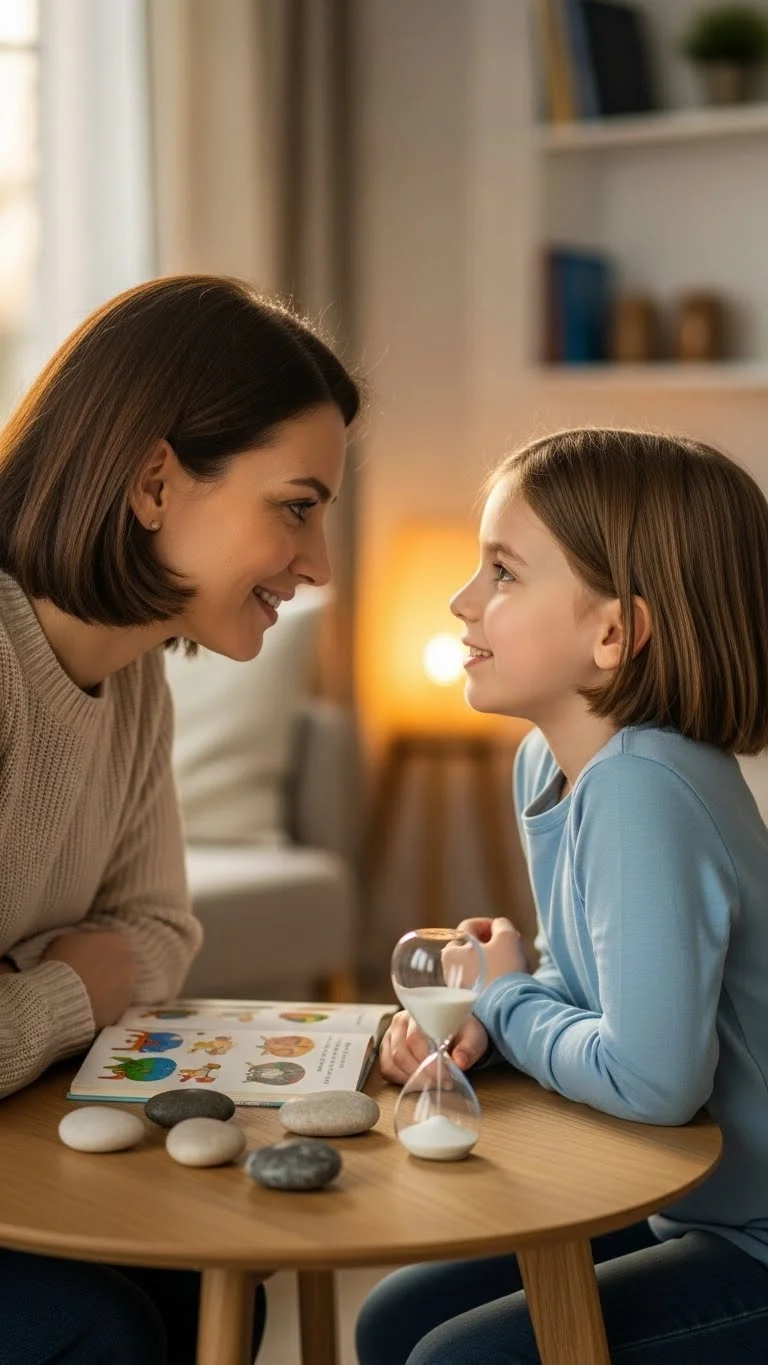
Teaching “I-messages” helps kids communicate without blame. Use a simple format: “I feel… when… because…” Role-play real situations like sibling conflicts or school challenges. Keep examples short and relatable. Kids gain confidence speaking about their feelings. This reduces arguments because kids can express themselves clearly. Practice in short sessions so it stays light and engaging.
- The Emotion Wheel Walk
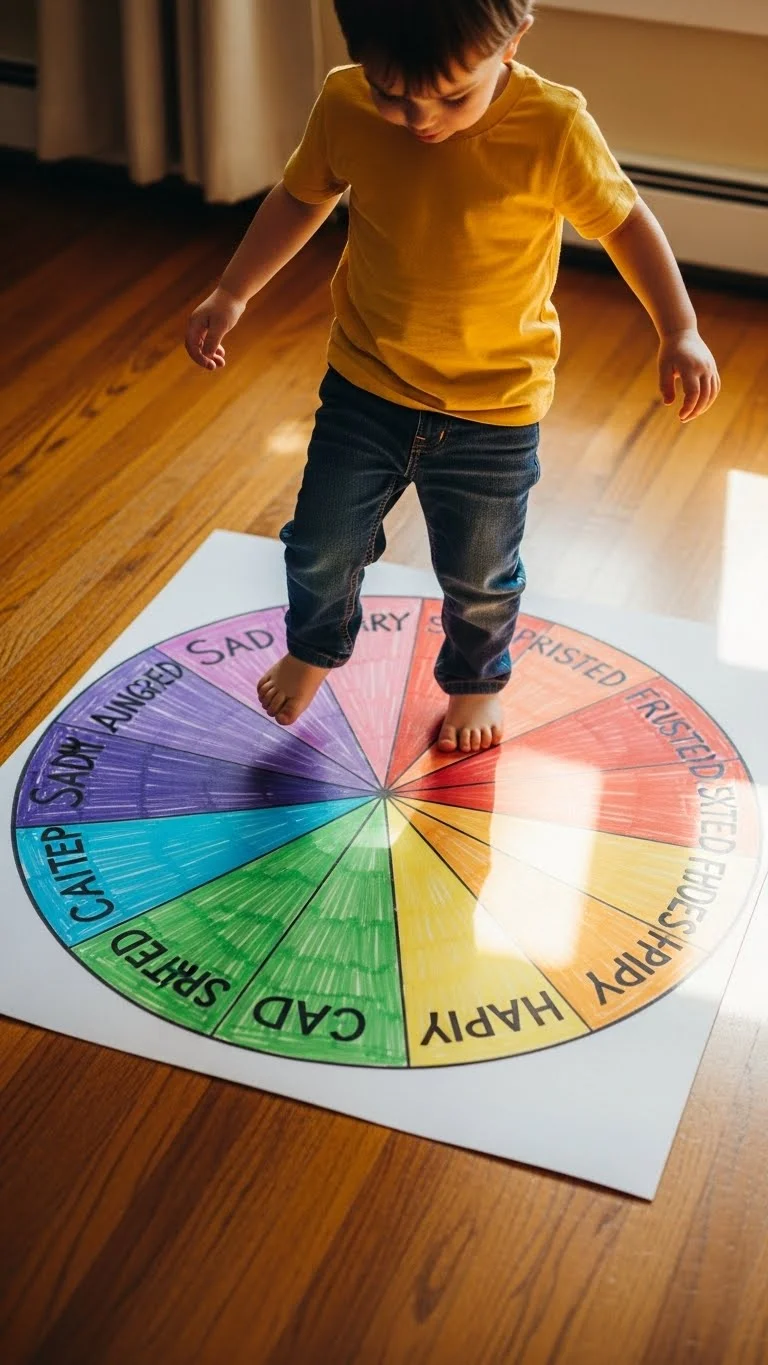
Make a big emotion wheel using cardboard and markers. Divide it into sections like happy, sad, annoyed, tired, proud, and silly. Kids walk to the section that matches their feelings. It gives them a physical way to express emotions. This works especially well for active children. Use scrap cardboard to keep it budget-friendly. Kids often share more when movement is involved.
- “What I Noticed Today” Sharing Time

Create a simple daily sharing ritual. Ask, “What did you notice today?” instead of yes-or-no questions. Kids begin observing emotions in themselves and others. You can share your own reflections, too. This routine helps kids practice empathy naturally. It doesn’t require props or prep—just a few minutes. Over time, kids become more aware of social cues.
- DIY Stress Balls
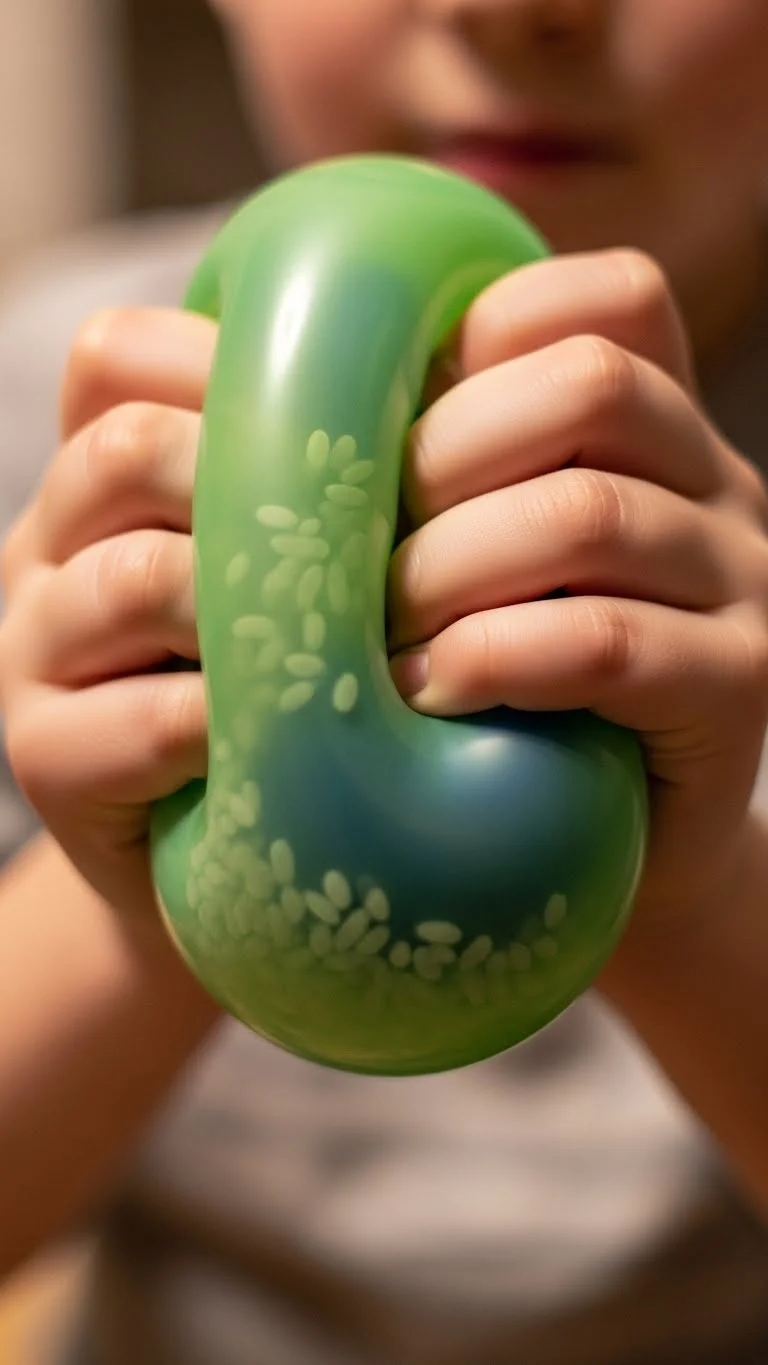
Stress balls help kids release tension safely. Make your own using balloons and rice or flour.
Kids love choosing the colours. Keep one in the calm-down basket or backpack. This tool helps during frustration, homework time, or long car rides. It’s an easy, low-cost project. Kids learn to manage big feelings with a physical outlet.
- “Feelings Walk” Outside
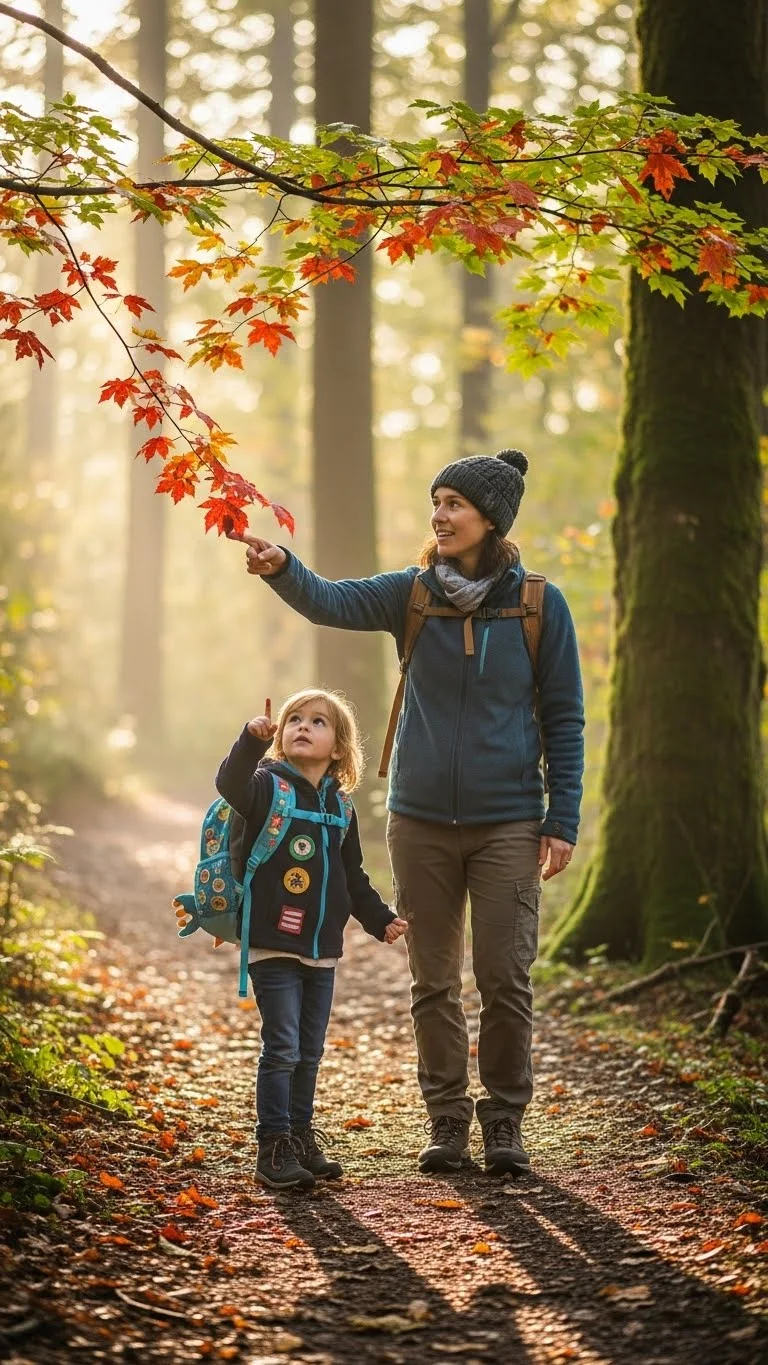
Walks help kids express emotions without pressure. Talk about colours, sounds, and how their body feels. Ask open questions like, “What does the air feel like today?” This encourages awareness of internal and external sensations. It also helps release stress through movement. No supplies needed—just a small pocket of time. Kids open up more when moving instead of sitting still.
- Emotion-Themed Drawing Time
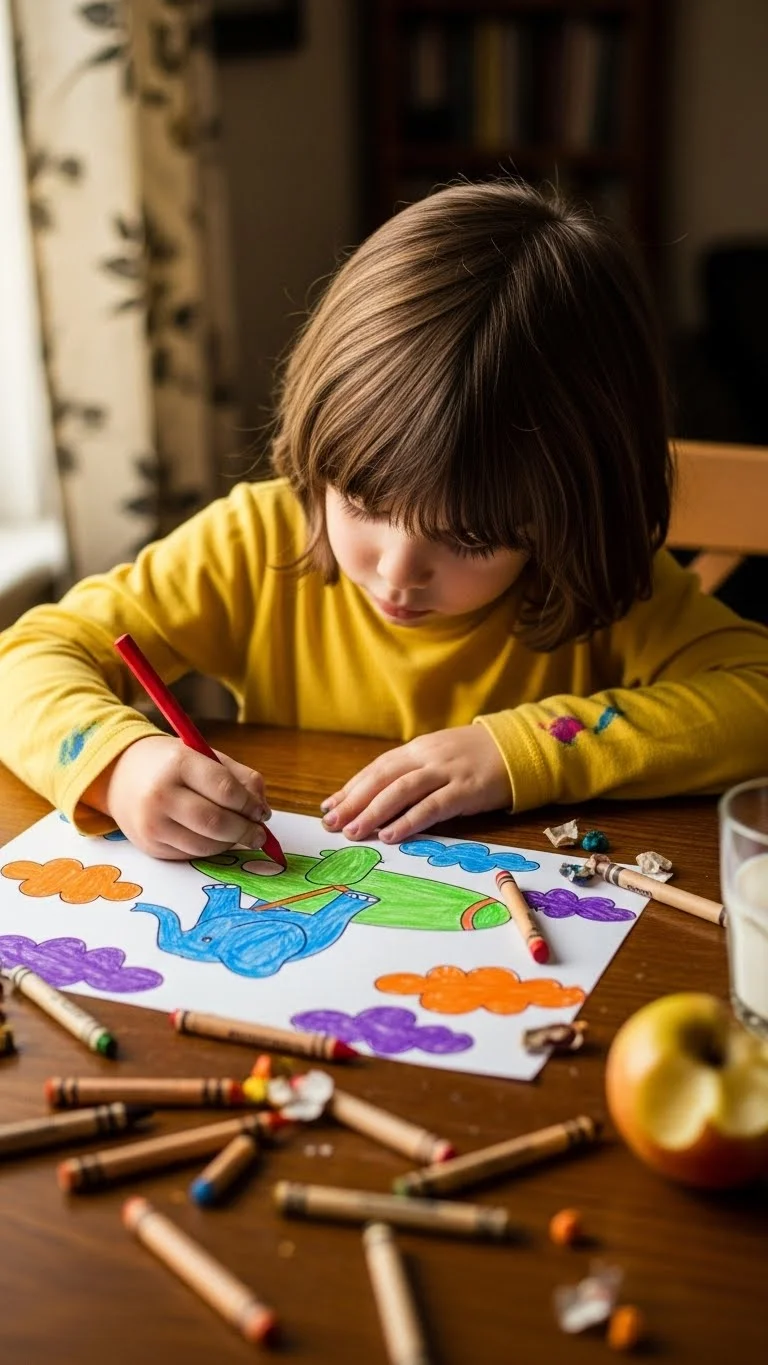
Drawing helps kids express emotions they can’t explain yet. Ask them to draw “what mad feels like” or “what happy looks like.” Use crayons, markers, or whatever you already have. Talk gently about the colours and shapes they chose. Kids often reveal feelings indirectly through art. This activity works well before bedtime or after school. It gives them a comfortable way to process emotions.
- “Pause and Name It” Moments

Teach your child to pause when they feel overwhelmed. Say, “Let’s stop and name what’s happening.” You can model by naming your own feelings, too. Kids learn that emotions are normal and manageable. This technique prevents meltdowns before they escalate. It takes only a few seconds. Over time, naming feelings becomes their first response, not the last.
- Role-Play Kindness Scenarios
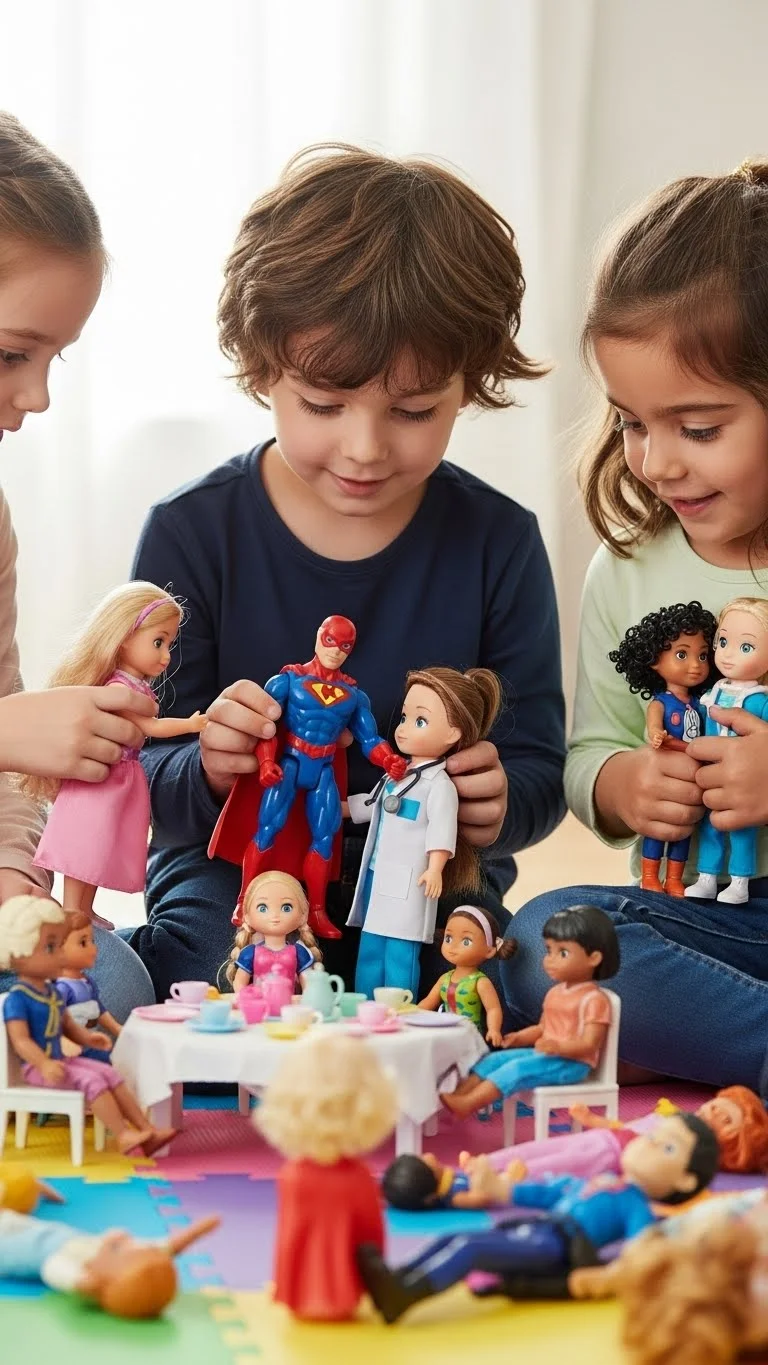
Role-play makes kindness easier to practice. Set up simple scenes like helping a friend or pologizing after a mistake. Use dolls or action figures you already have. Kids learn what indness looks like in real moments. You can switch roles to show different viewpoints. This activity builds empathy through play. It also prepares kids to respond thoughtfully in real life.
- Breathing Buddies
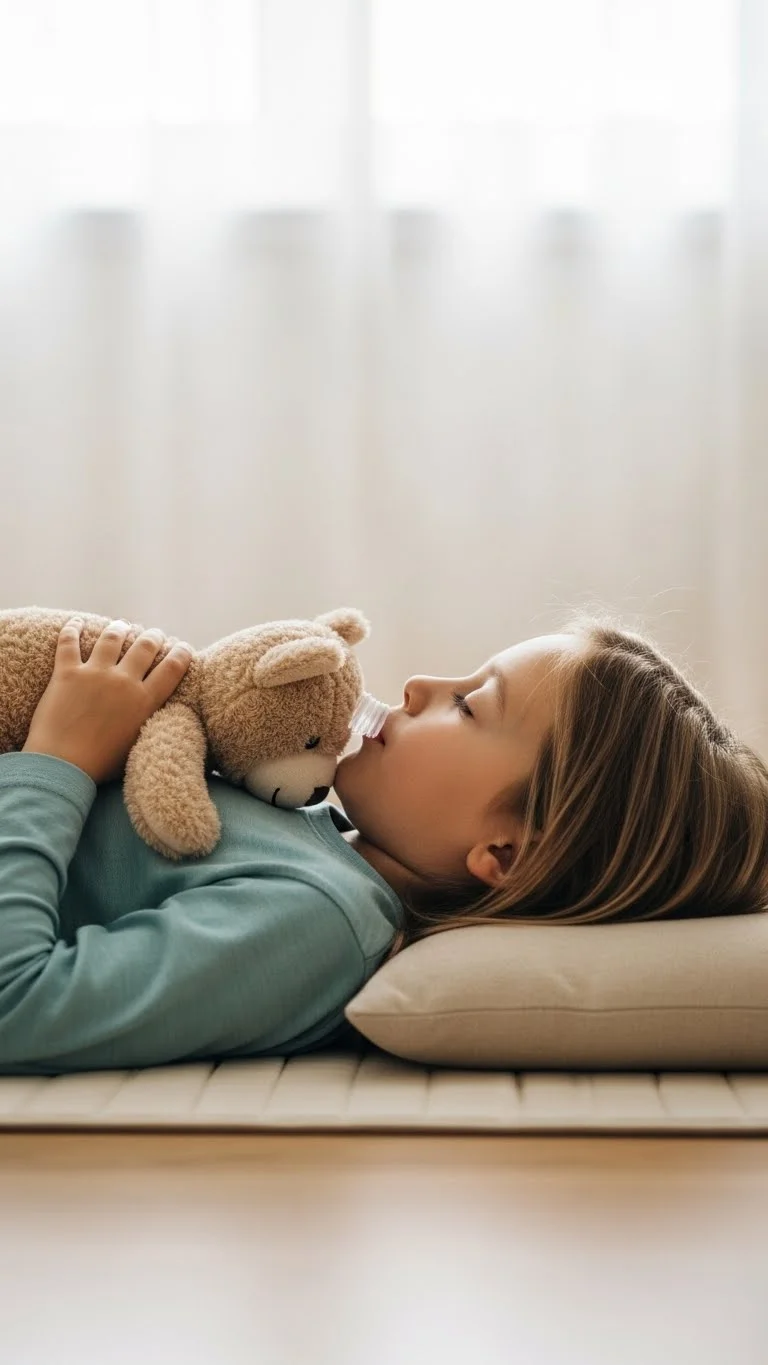
Breathing with a buddy helps kids slow down. Ask your child to lie down and place a stuffed toy on their belly. Watch it rise and fall while breathing. This visual cue makes deep breaths easier to understand. It’s calming at bedtime or during tense moments. Choose a soft toy your child likes. It brings comfort while teaching a simple calming skill.
- Emotion Stones
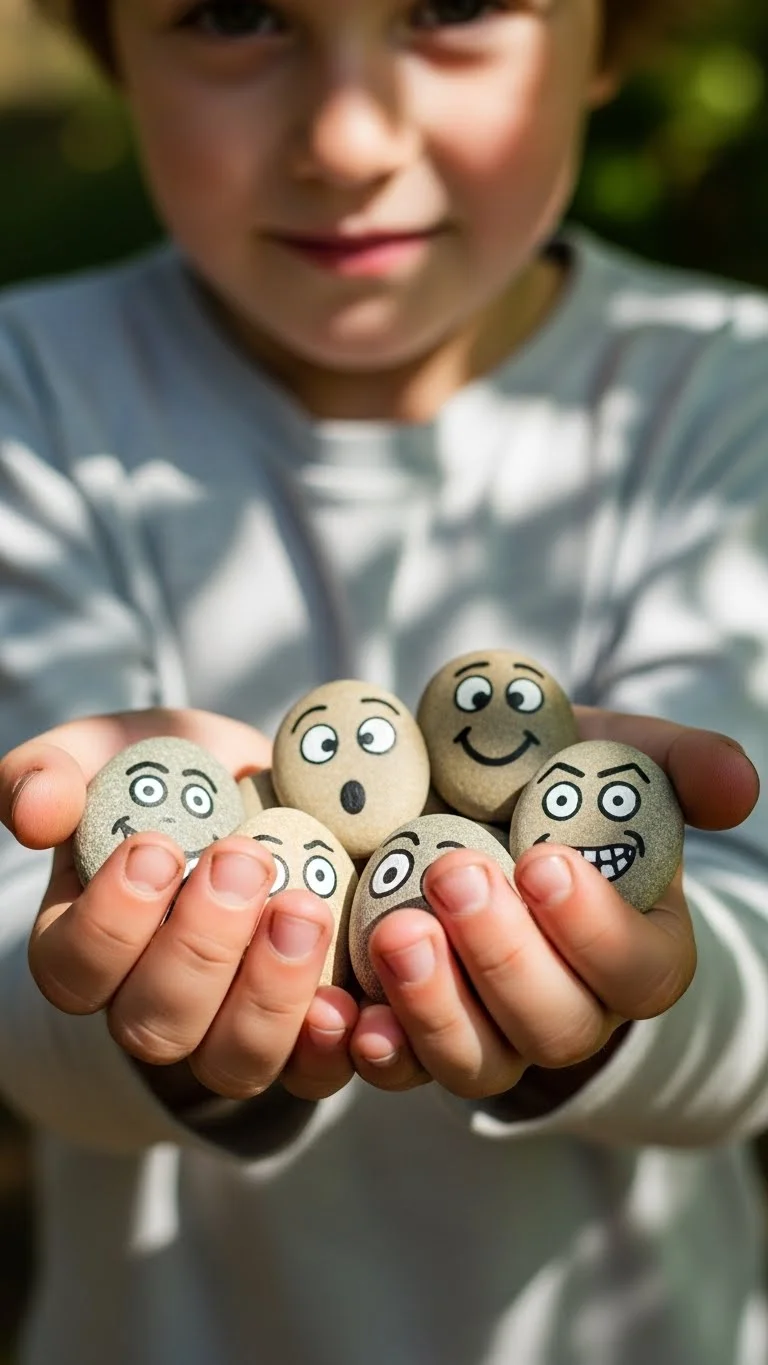
Emotion stones are easy to make. Collect small smooth rocks from outside. Paint simple expressions on them using markers or cheap paint. Kids can pick a stone that matches their mood. This works well for quiet kids who prefer nonverbal communication. Store the stones in a bowl or bag. They become a small, helpful tool for expressing feelings.
- The “Kindness Challenge” Chart
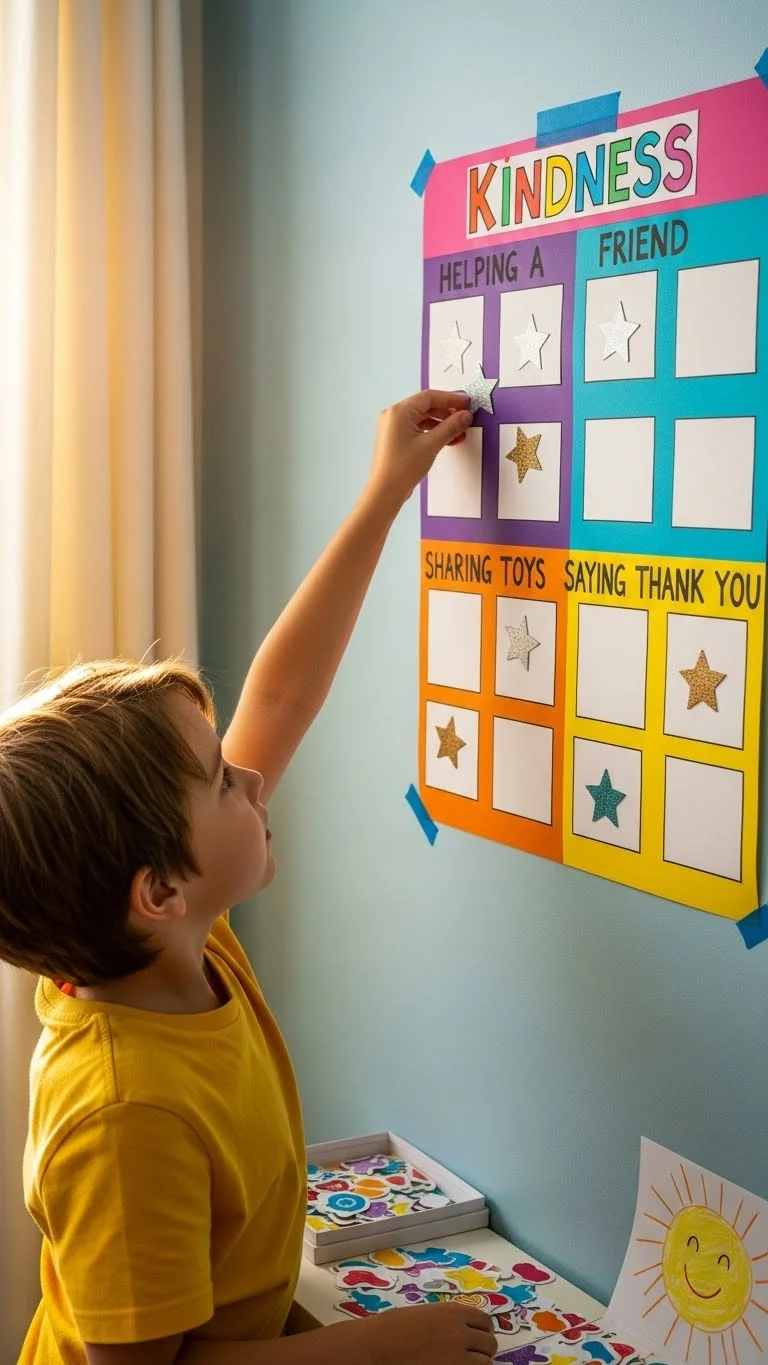
Kindness grows through practice. Create a simple chart with boxes your child can fill. Each box represents a kind action they completed. Use stickers, stamps, or quick drawings. Rewards don’t have to be material—choose experiences like extra story time. Kids enjoy tracking their actions visually. This builds confidence and motivation to repeat kind behaviour.
- Mindful Listening Game
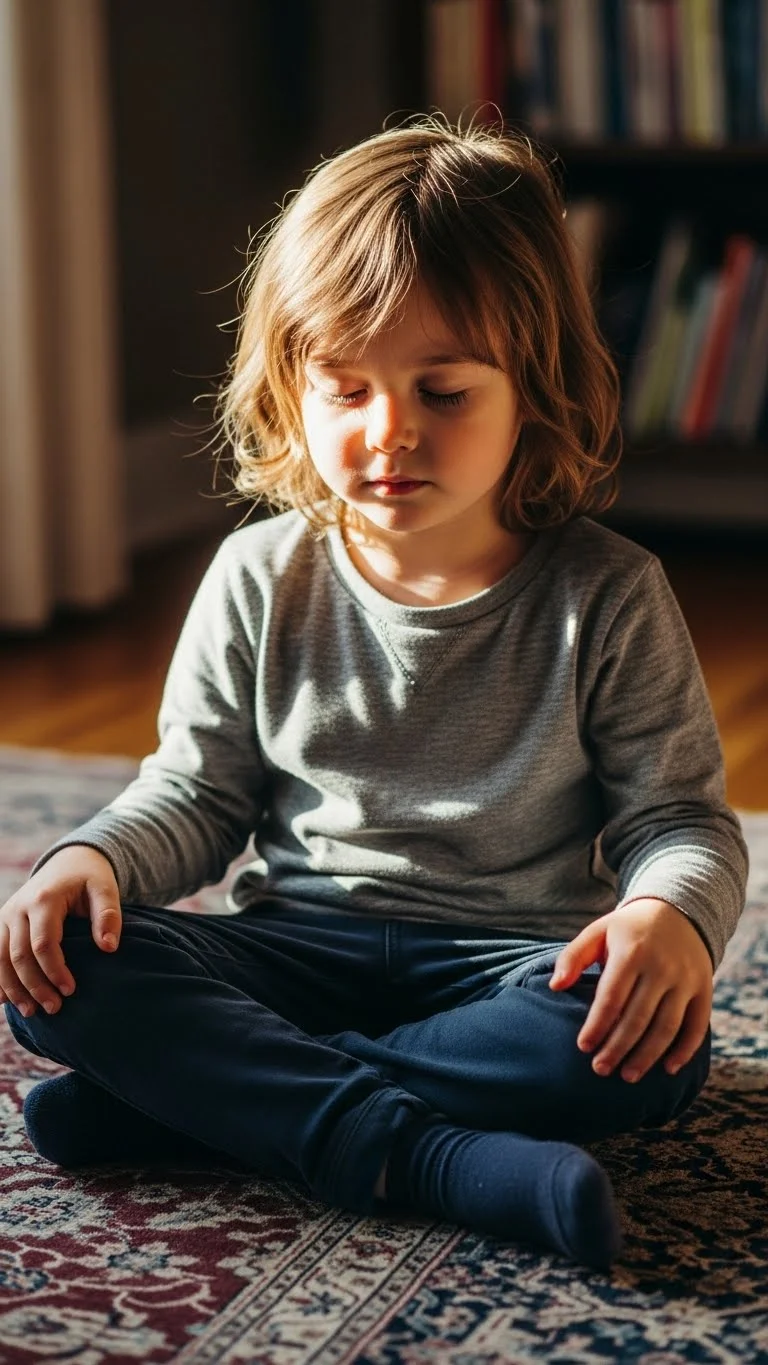
Teach kids to notice sounds around them. Ask them to close their eyes and count how many sounds they hear—birds, cars, fans, footsteps. This builds awareness and focus. It also helps kids settle during stressful moments. No tools needed. You can play anywhere—at home, park, car.
Kids learn to pause and reconnect with the present moment.
- Feelings Thermometer
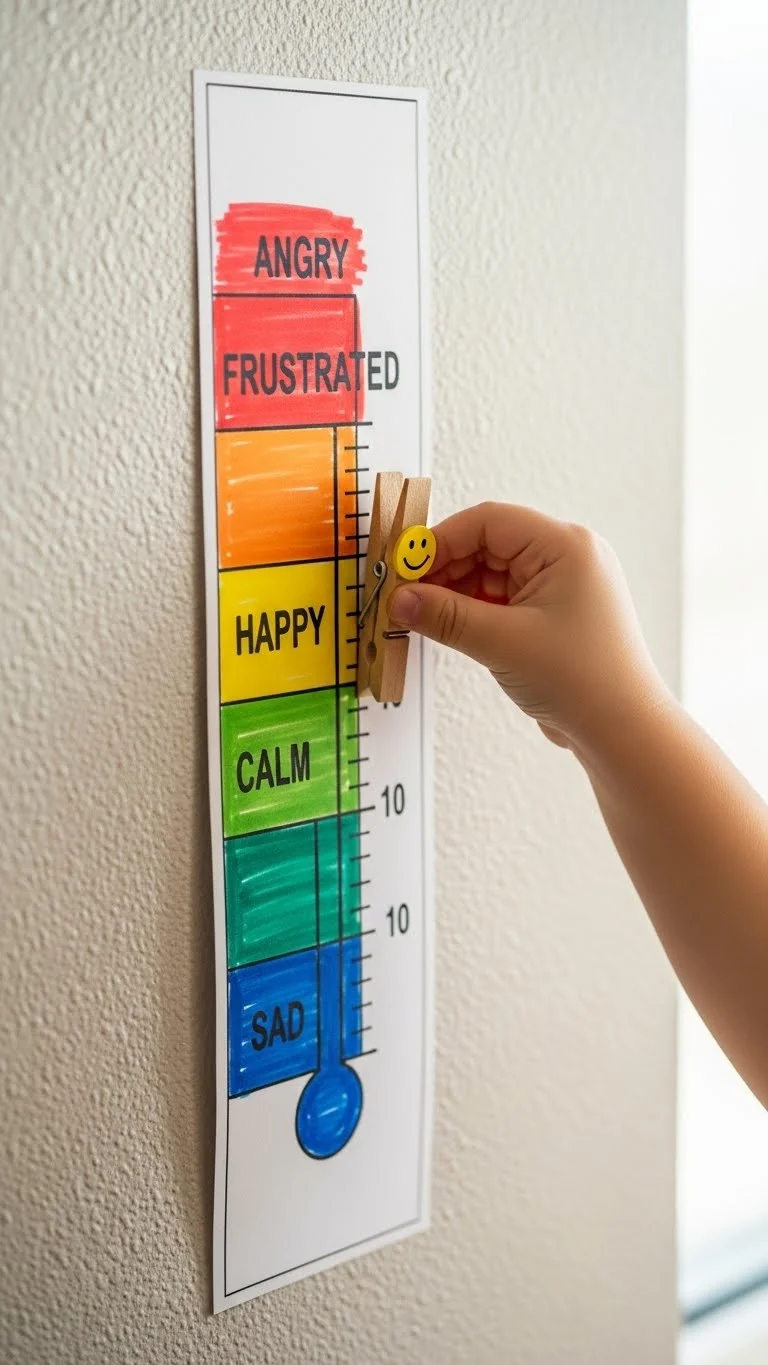
A feelings thermometer helps kids describe intensity. Draw a simple vertical scale with colours. Add a clothespin that kids can move. Ask, “Where are you right now on the scale?” This makes emotions less overwhelming. Use cheap craft supplies or scrap paper. Kids learn that emotional levels change, and that’s okay.
- Body Awareness Stretching

Stretching helps kids connect with their bodies. Teach slow movements—reach up, touch toes, roll shoulders. Ask them how each movement feels. This builds awareness of tension and relaxation. No mat required—use carpet or a blanket. It’s great before bedtime or after school. Kids learn how their body responds to stress.
- Emotion Puppets
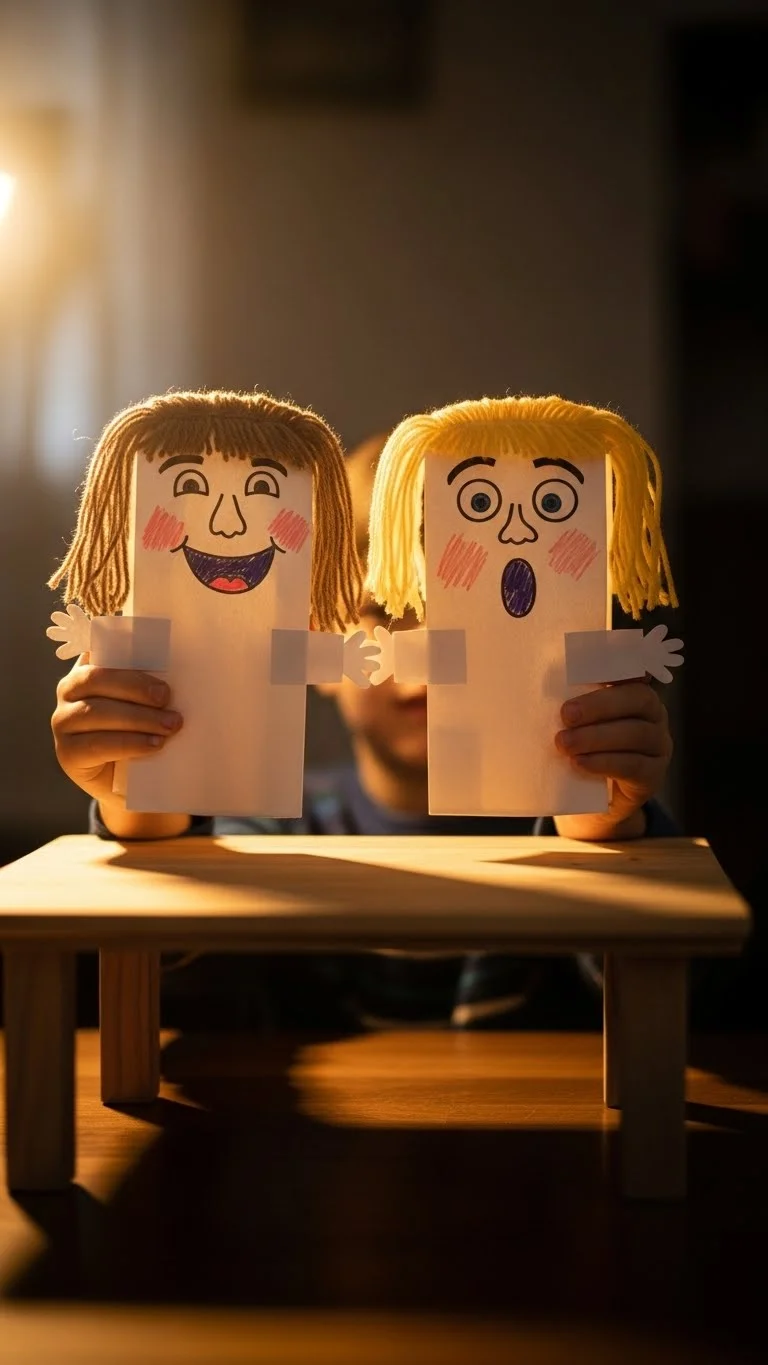
Make emotion puppets using paper bags or socks. Draw faces showing different feelings. Kids act out situations using the puppets. This gives them distance from tough emotions. It’s helpful for shy or anxious children. Use recycled materials to keep it inexpensive. You can also create a puppet “family” for storytelling.
- “What Would Help Right Now?” Tool Cards
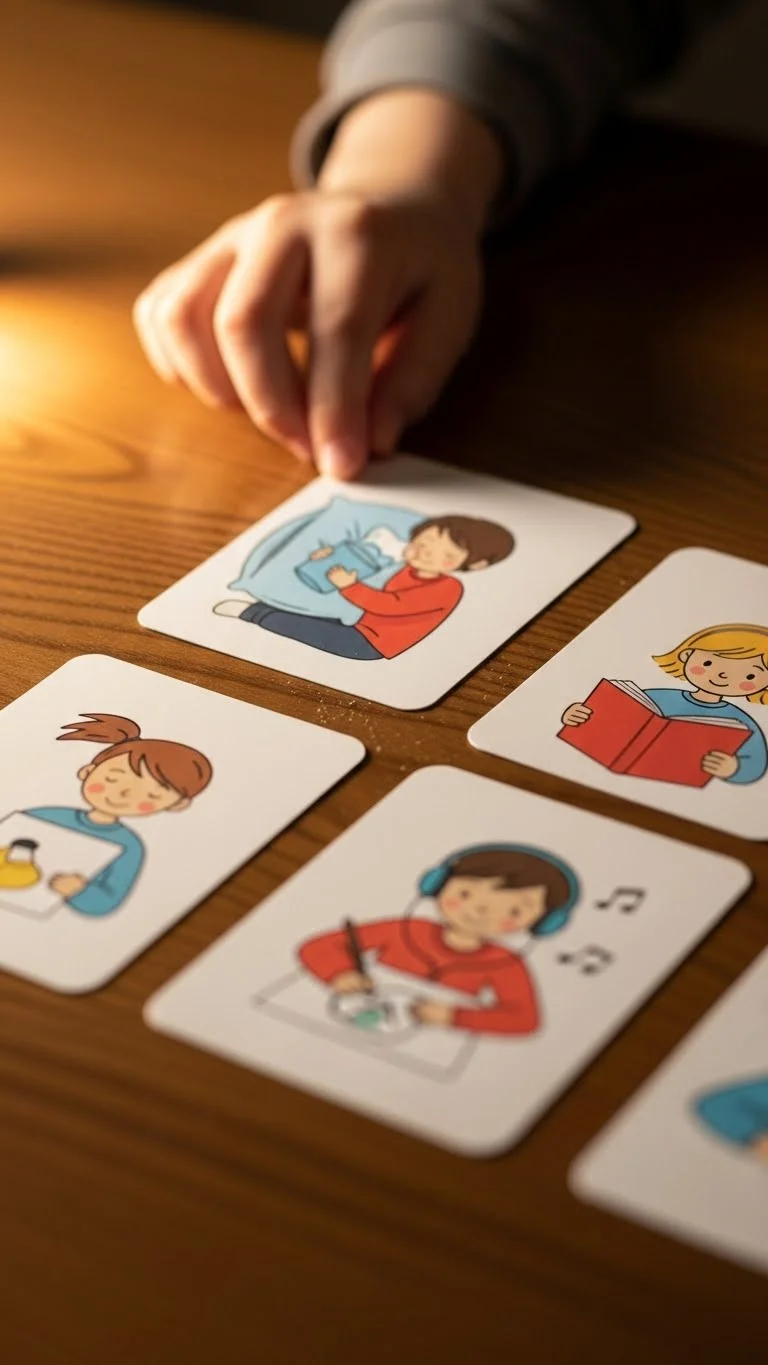
Tool cards teach problem-solving. Make cards with simple illustrations: water break, hug, deep breath, quiet corner. When kids feel overwhelmed, ask them to pick a card. This encourages independent calming. You can draw the cards yourself or print free images. Keep them in a small pouch. Kids enjoy having options they can control.
- Feelings Journal
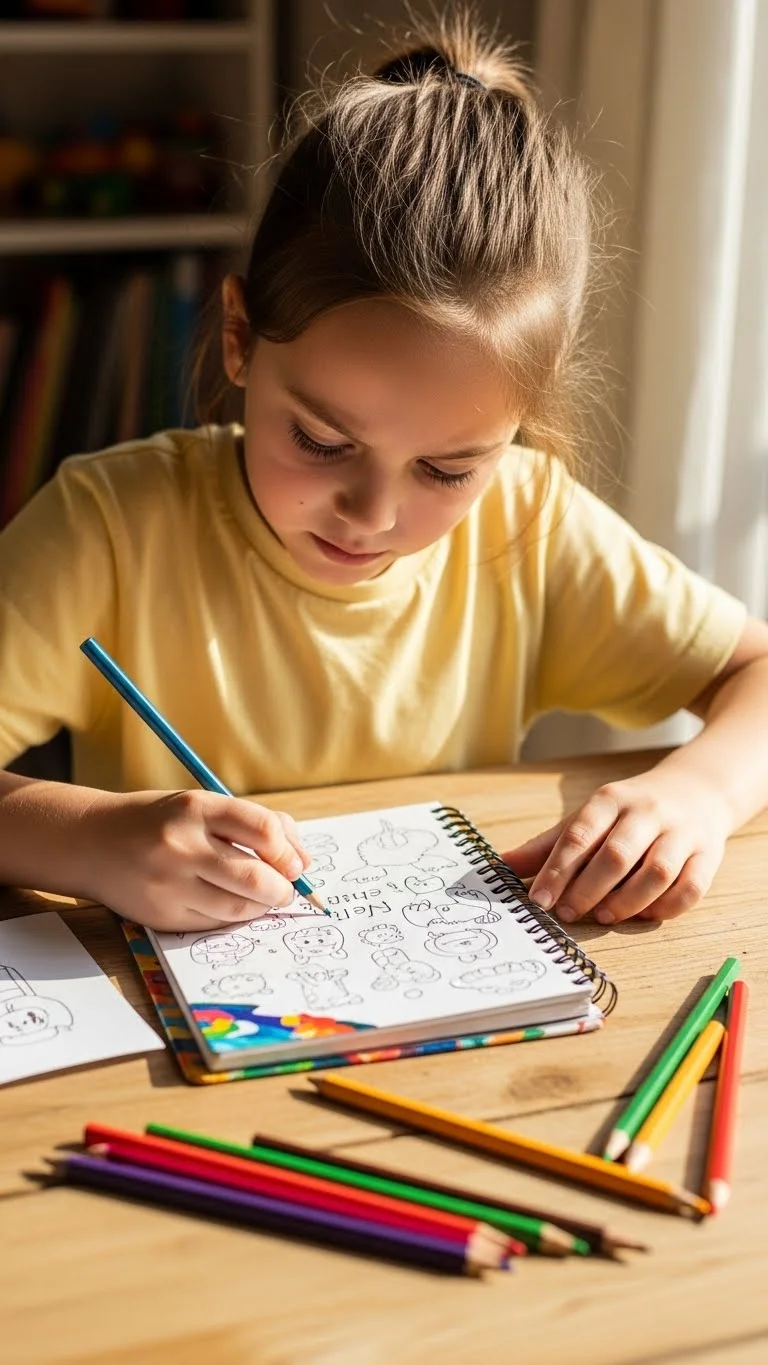
A feelings journal lets kids express emotions privately. Invite them to write or draw about their day. You don’t have to read it unless they want to share. Use an inexpensive notebook. Journaling builds confidence and reflection skills. It’s great for older kids who prefer quiet expression. A few minutes a day is enough.
- “Kind Words” Practice
Practice using kind words through simple prompts. Say, “Tell your sibling something kind,” or “Say something kind about yourself.” Kids learn how words affect others and their own self-talk.
Keep it short and fun. Use stuffed toys if direct complimenting feels awkward for them. It builds compassion and confidence at the same time. This tiny habit makes a big difference over time.
Conclusion
Raising kids with strong emotional intelligence doesn’t require complicated tools or long lessons. Small activities practiced with patience help your child grow kinder, calmer, and more confident. Try one or two ideas this week and build from there. When kids learn to understand feelings—both their own and others’—they develop stronger relationships and healthier communication for life.
