

25 Sibling Bonding Activities to Reduce Fights
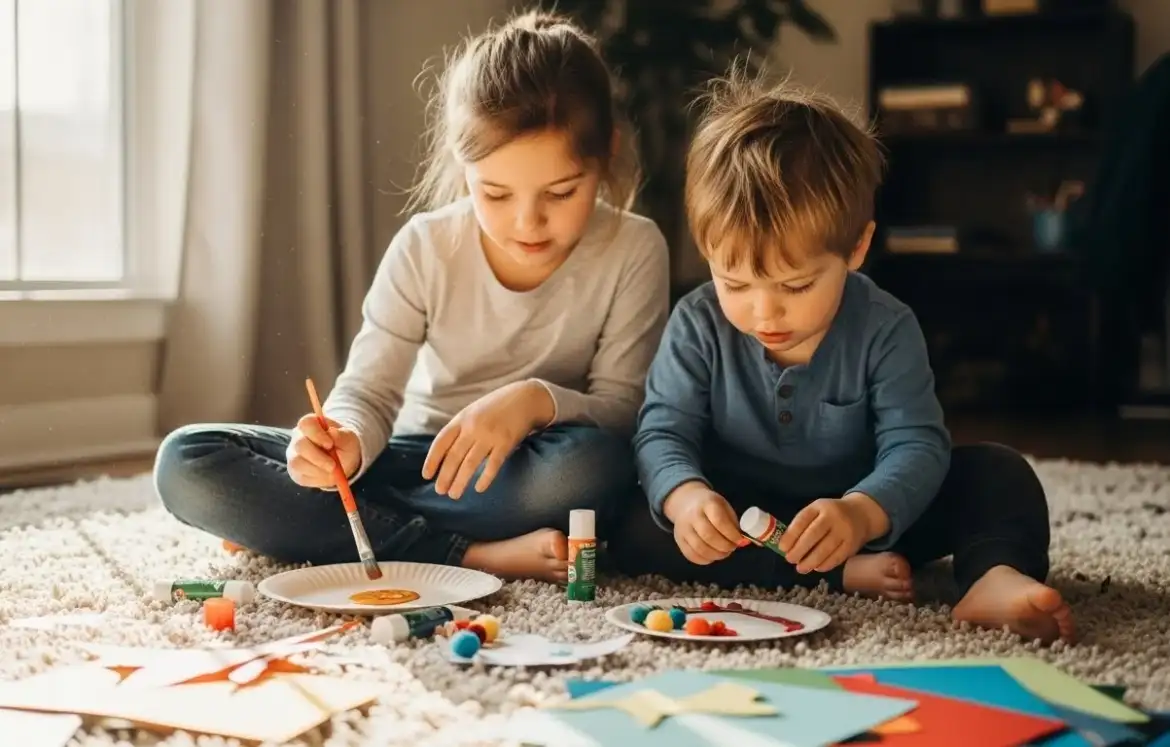
Raising siblings often means balancing laughter with arguments. Many parents search for simple ways to help their kids work together rather than compete or clash. Activities that encourage teamwork can shift the tone at home and help kids practice patience, problem-solving, and empathy. This list gives you practical, realistic ideas you can set up quickly without fancy supplies. Each one encourages connection, teamwork, and shared fun—making daily life smoother for everyone.
- Shared Art Station
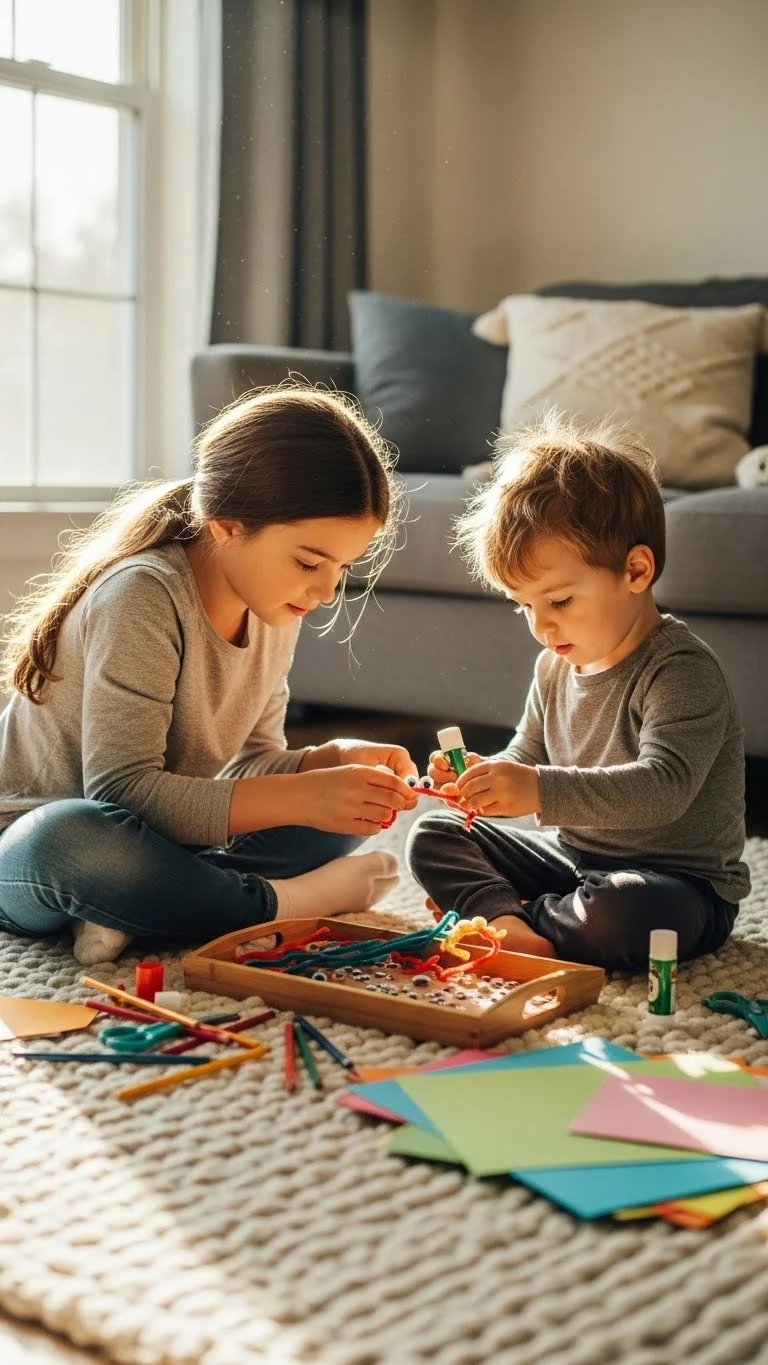
Create a simple art station where both kids can work side-by-side. Use basic supplies you already have—paper, crayons, glue, and stickers. Place everything in open containers so they can be shared easily. Set out one project idea, like making cards for family members. Kids often relax when their hands are busy, and shared creativity lowers tension. If you want to keep costs low, reuse cardboard packaging as craft bases. Encourage them to trade materials or take turns choosing the theme. The goal is to create a calm space where they can chat, laugh, and explore in their own way. This setup works for many ages, and you can reset it in minutes with simple clean-up baskets.
- Team Snack Making
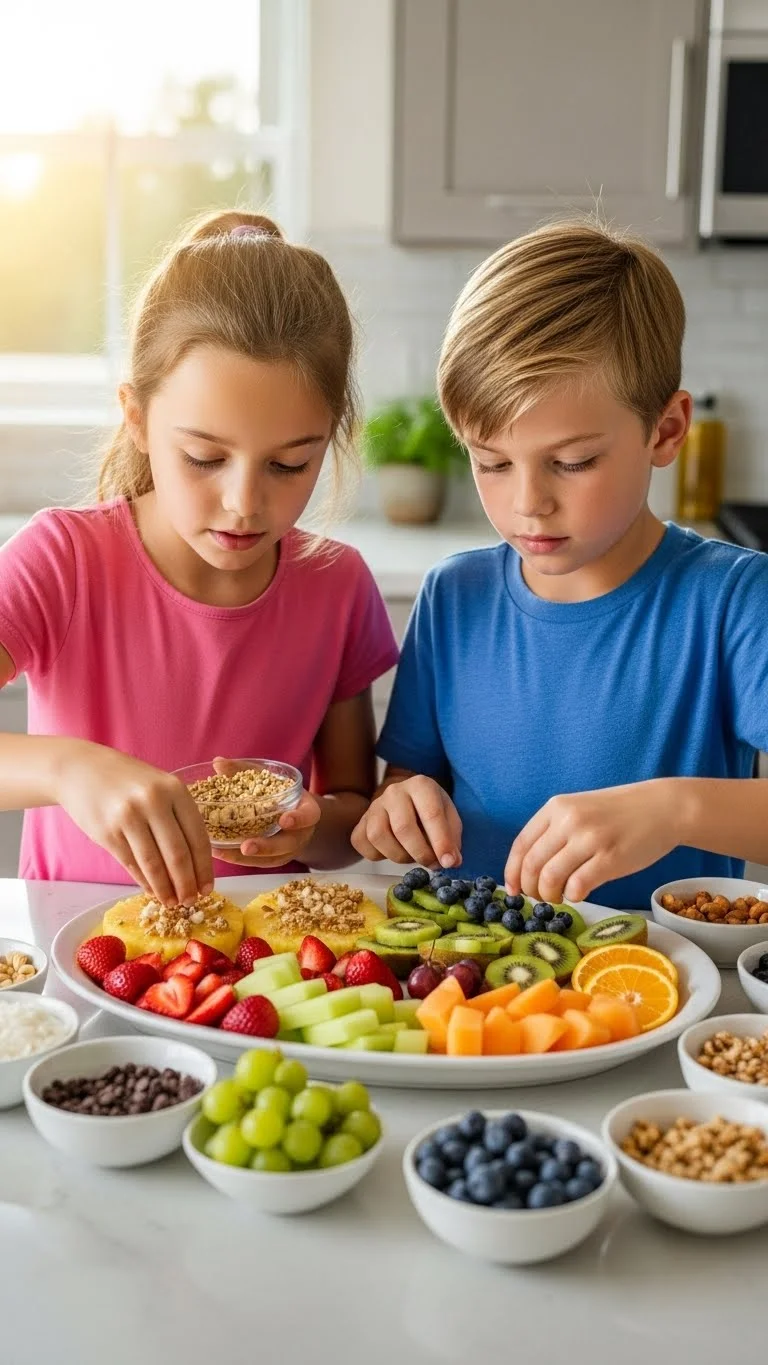
Make teamwork part of snack time. Let your kids make a shared snack tray, like fruit kabobs, mini sandwiches, or yoghurt bowls. Keep it simple with low-cost ingredients you already have. Give each child a small job—washing fruit, spreading peanut butter, or arranging items on the plate. Kids feel more comfortable when they have clear roles, and food prep bonds them without pressure. You can also use this moment to talk about colours, textures, or favourite flavours. Avoid complicated recipes; simple tasks work best. When they finish, let them enjoy the snack together picnic-style on the floor. It turns an everyday moment into a memory.
- Blanket Fort Build
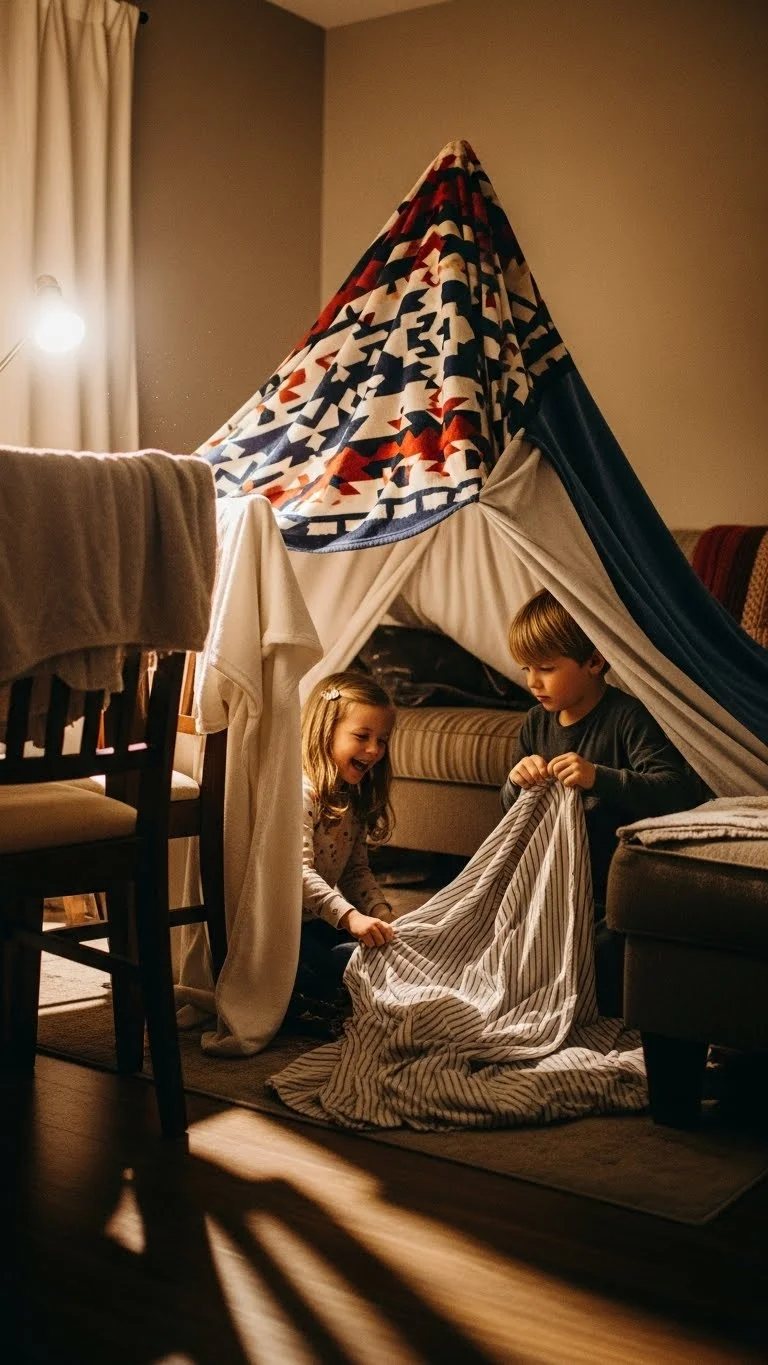
A blanket fort instantly creates a shared mission. Kids enjoy the building process because it feels adventurous. Use lightweight sheets, couch cushions, and chairs. Keep it safe and simple. Give them a “mission card,” like making a reading fort or a secret hideout. Let each sibling choose one building element so it feels fair. The fun comes from the teamwork, not the perfect structure. Keep costs low by using what you already own. When the fort is built, add pillows or a flashlight for storytelling. This small project encourages cooperation, patience, and shared problem-solving.
- Nature Treasure Hunt
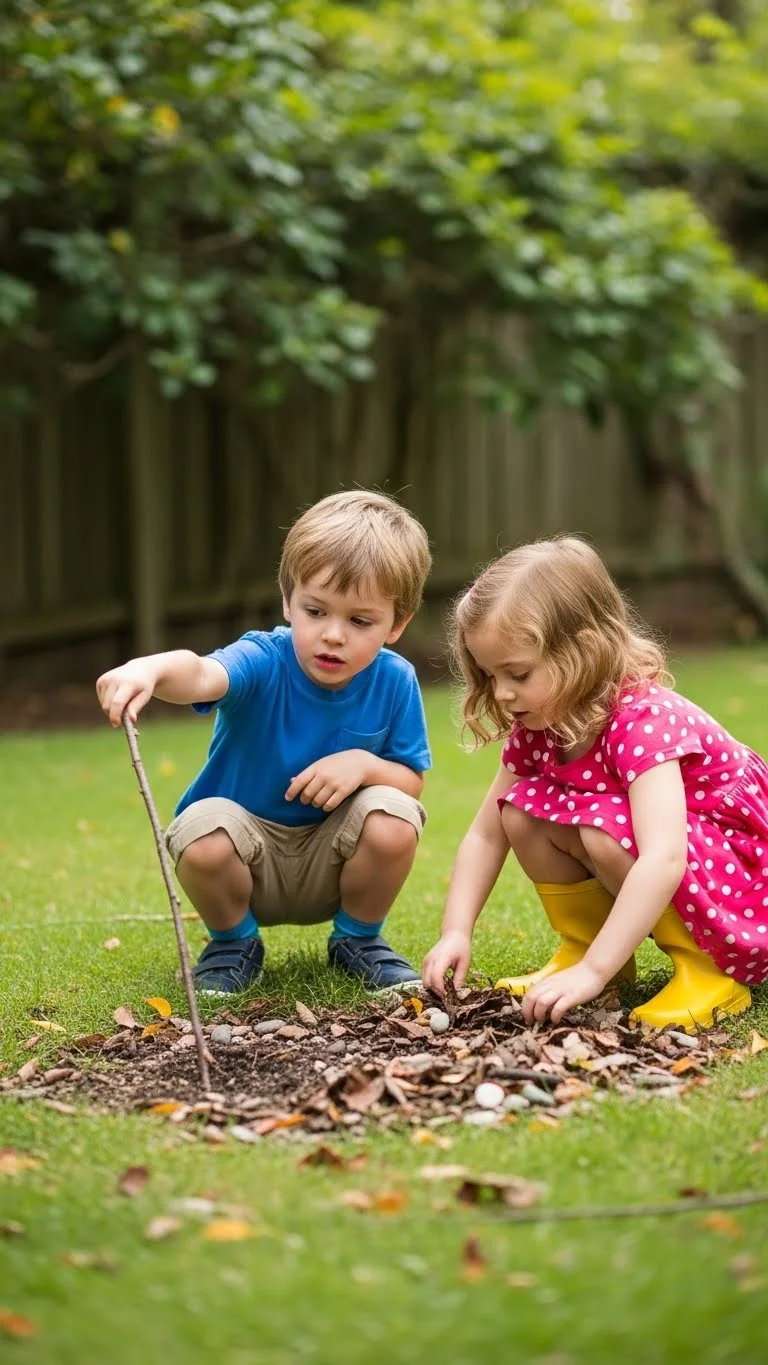
Send your kids on a two-person treasure hunt. Create a simple list of things to find outside—three leaves, a smooth rock, or something shaped like a heart. Keep the list short so the activity stays light. The shared goal helps them talk and plan together. You don’t need fancy supplies; plain scrap paper is enough. Encourage them to collect the items in the same small basket or bag. When they return, ask them to show you what they found and tell you one thing they liked about the other’s idea. This softens tension while building teamwork.
- Build-One-Creation Challenge
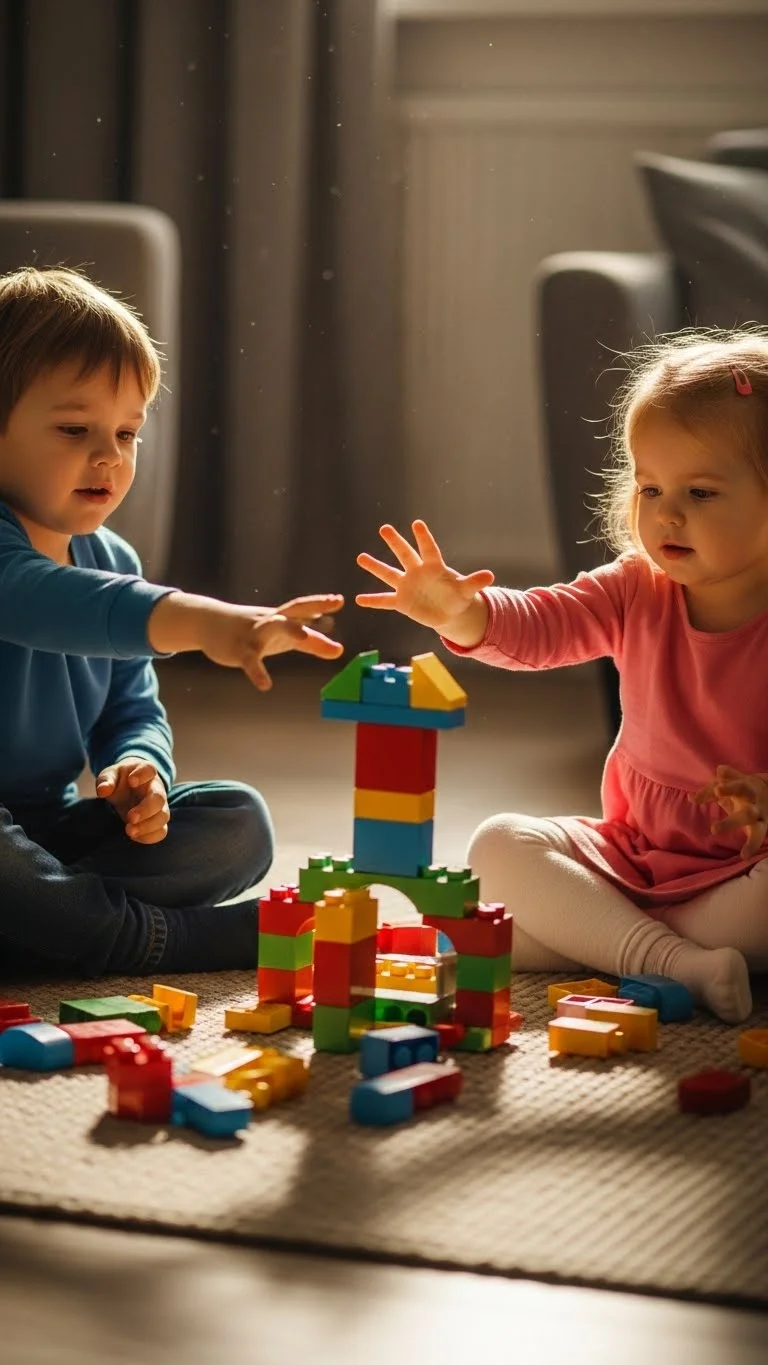
Instead of giving each child their own block pile, give them one project to build together. It can be a tower, a house, or a simple bridge. This shared challenge encourages conversation and cooperation. Start with a small set so they don’t feel overwhelmed. Use empty boxes, plastic cups, or cardboard tubes if you don’t have traditional blocks. Give them a timer to make it feel playful. When the structure is done, let them name it together. These fun moments help reduce competition and build a shared sense of pride.
- Sibling Chore Duo
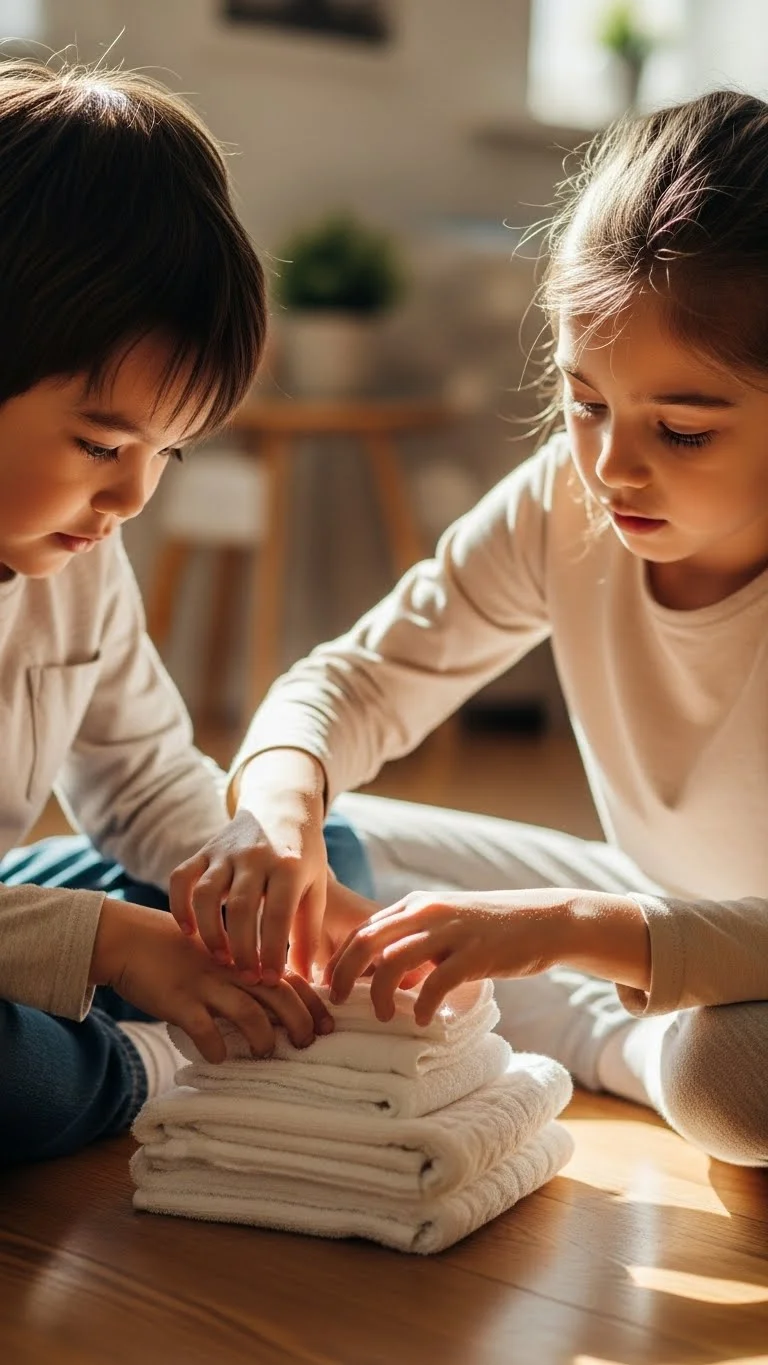
Turn quick chores into teamwork moments. Choose something simple like sorting socks, feeding a pet, or watering plants. Kids often behave better when they share a small task with a clear start and finish. Keep it fun by adding a tiny reward—like choosing a movie or dessert. If chores feel boring, play soft background music to lighten the mood. Use tools you already have, such as a spray bottle filled with water for plant care. Working together toward a small goal helps build respect and reduces bickering.
- Partner Puzzle Time
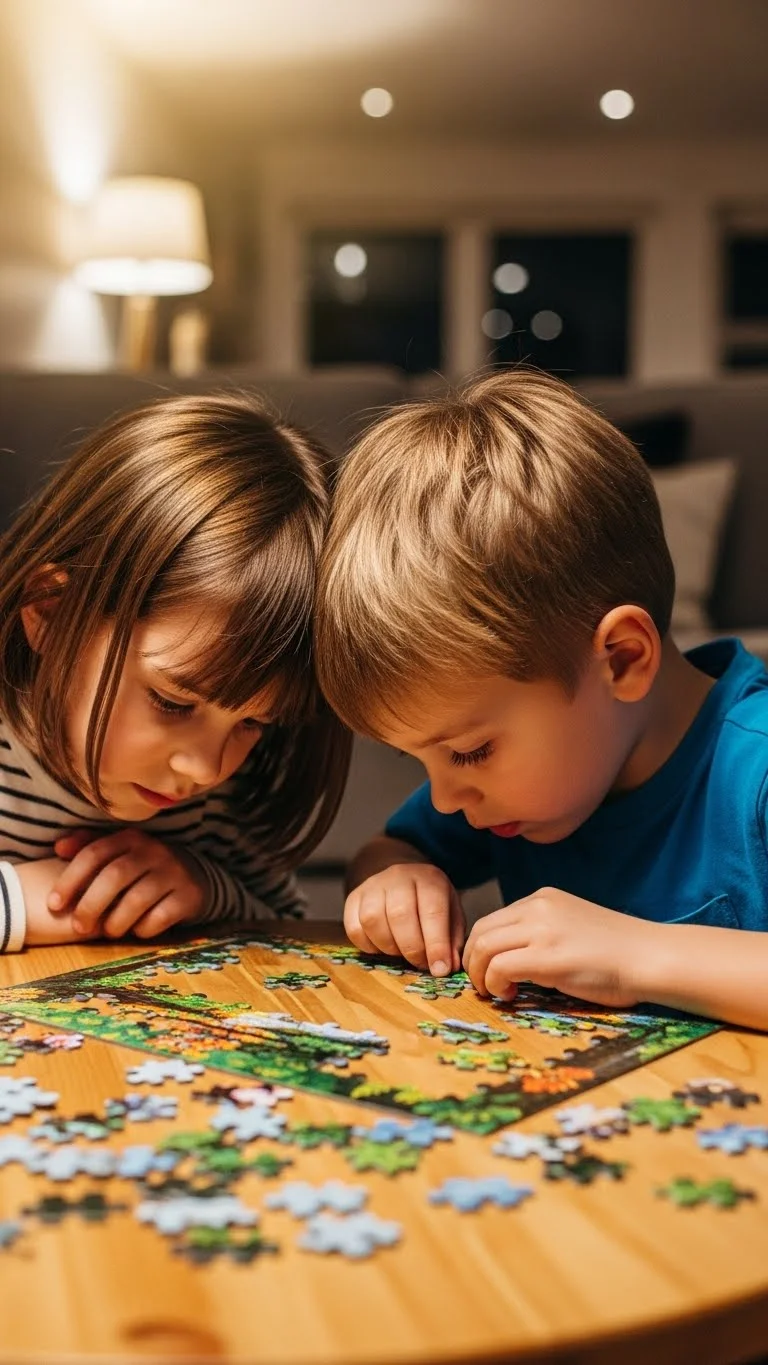
Puzzles naturally bring kids together. Pick a puzzle that matches their age and attention span. Avoid overly difficult designs. You can even make your own by cutting up an old drawing or photo into pieces. Give each child a role—edge pieces or sorting colours. This structure prevents arguments and keeps hands busy. Sit nearby but let them solve it at their own pace. Celebrate small wins, like completing one corner. This kind of teamwork fosters calm conversations and reduces tension.
- Shared Storytelling
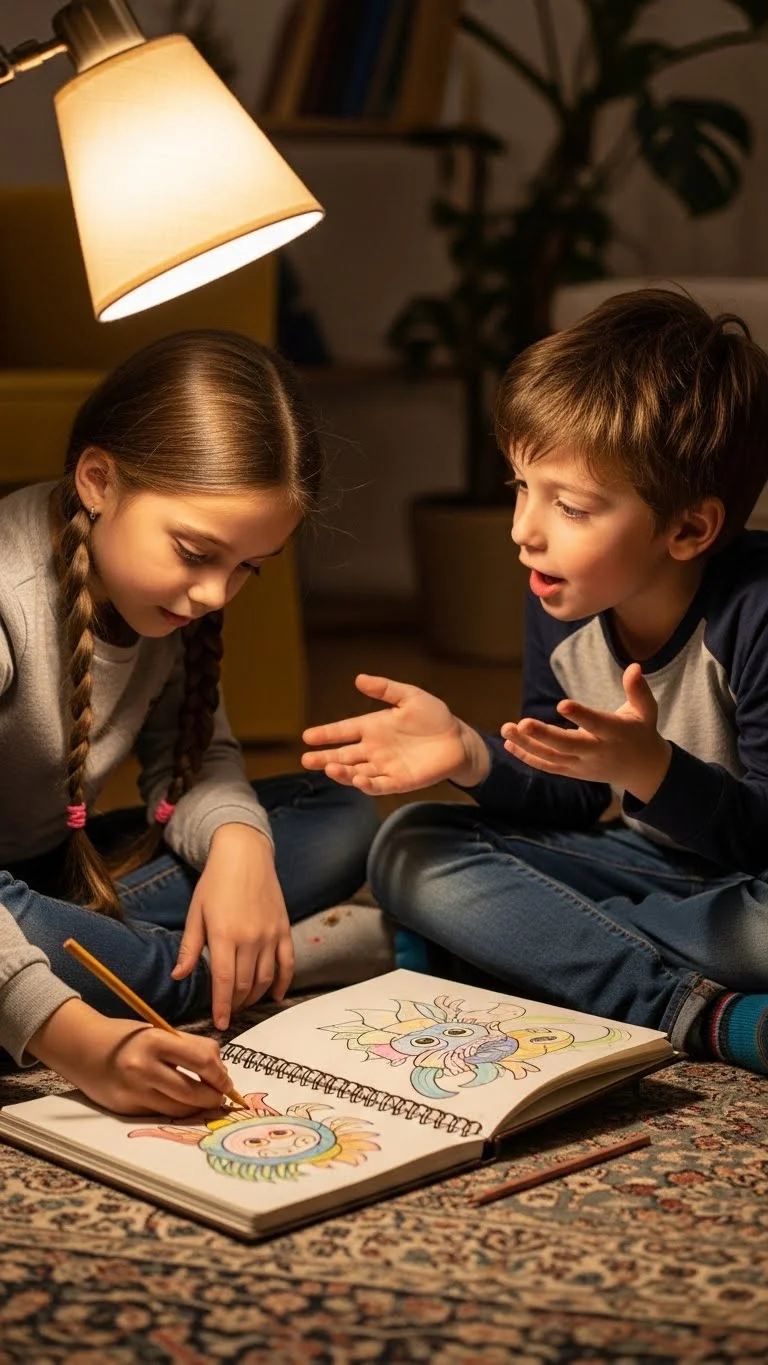
Kids love making stories, especially when they can shape the plot together. Give them a notebook and let one child draw while the other narrates. Then switch roles. Keep it simple—short scenes are enough. Use scrap paper or printer leftovers if you want to save money. Ask them to create a character together, which encourages compromise. When they finish, let them read it aloud to you. This activity builds imagination and strengthens connections through laughter and shared ideas.
- Backyard Obstacle Course
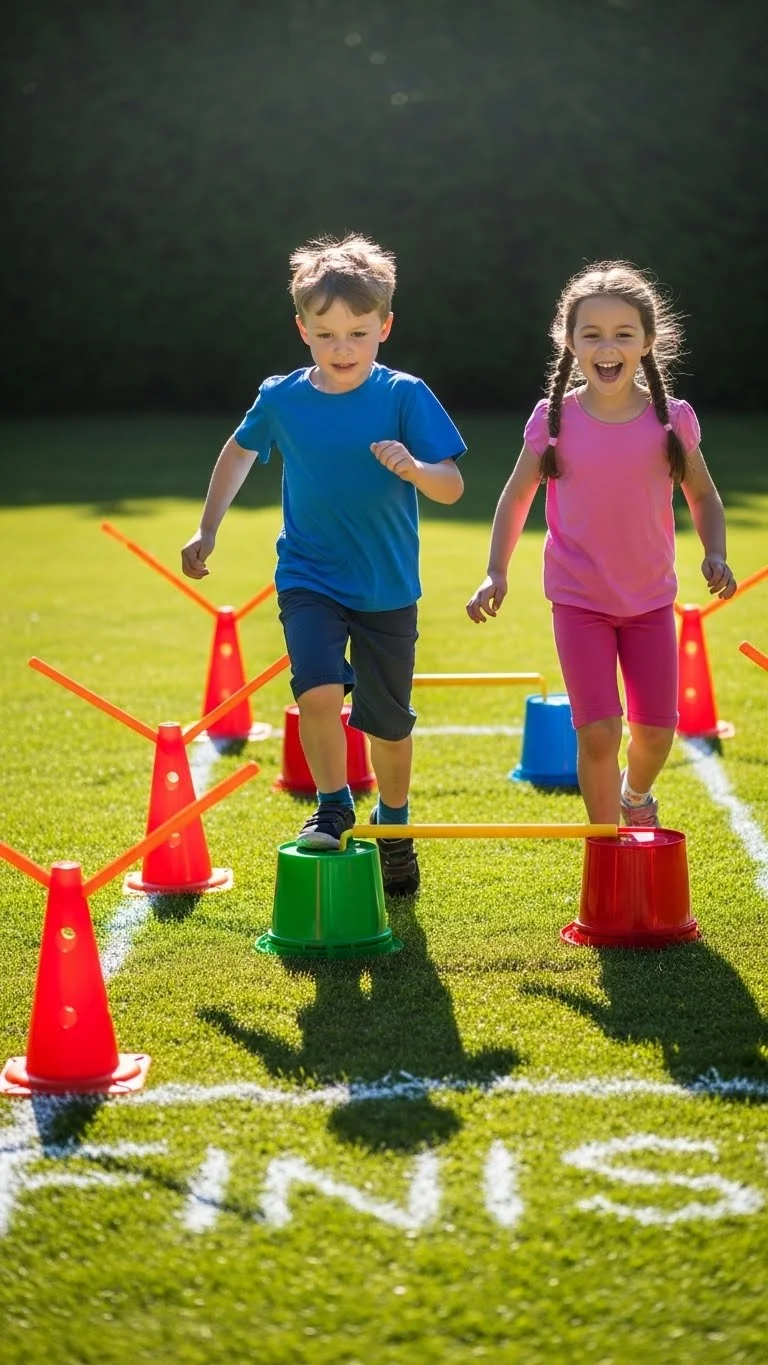
A backyard obstacle course gives kids a shared mission. Use everyday items like sticks, chairs, chalk, or ropes. Help them design the path together. One child chooses two obstacles, and the other chooses two. Keep it safe and easy to reset. They can time each other or try to beat a shared goal. The physical movement helps release energy and reduce tension. This activity encourages healthy teamwork without forcing competition.
- DIY Science Fun
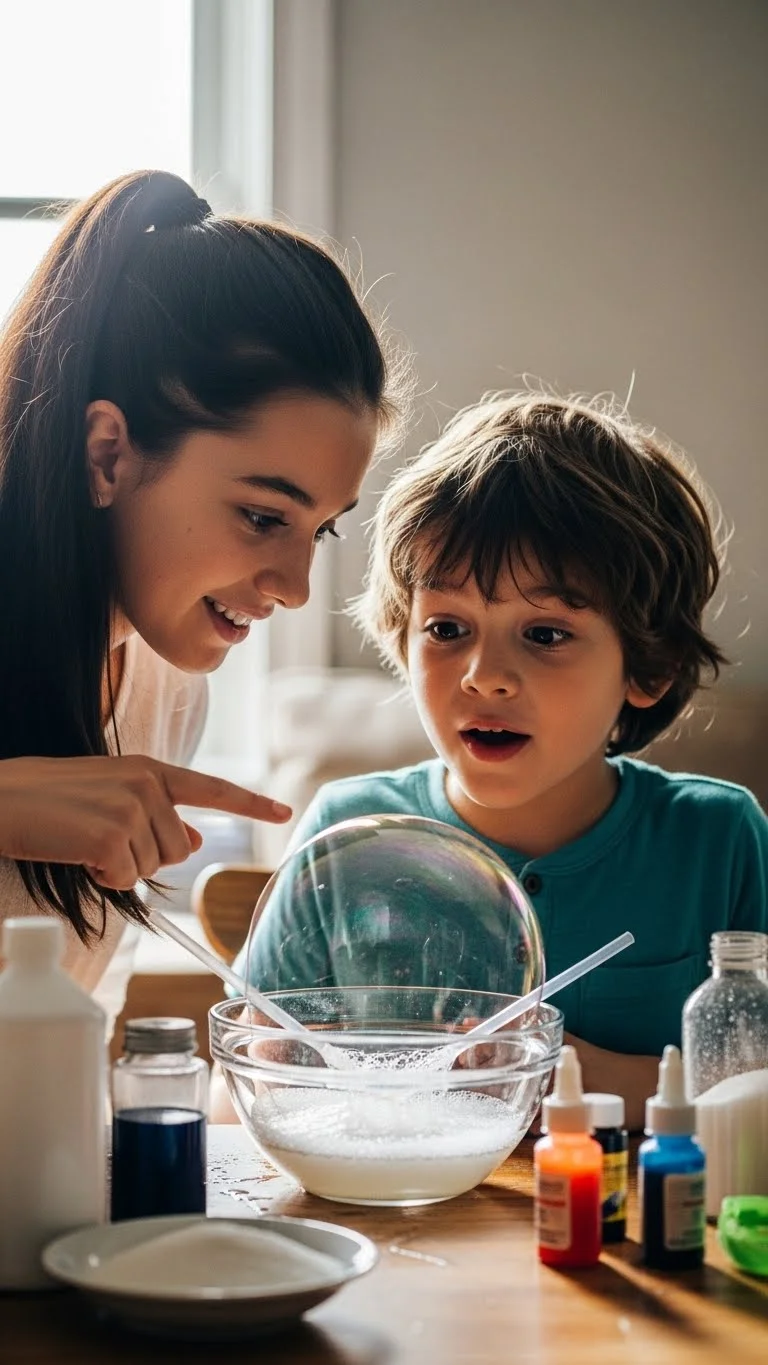
Simple science activities spark curiosity and teamwork. Try a baking soda and vinegar volcano, colour-mixing jars, or bubble experiments. Use containers you already have to keep costs low. Let each child take turns pouring or mixing. Keep safety simple—just supervise and use non-harmful materials. Kids enjoy the “wow” moments, and shared excitement builds bonding naturally. Clean-up can even be part of the teamwork.
- Cooperative Board Games
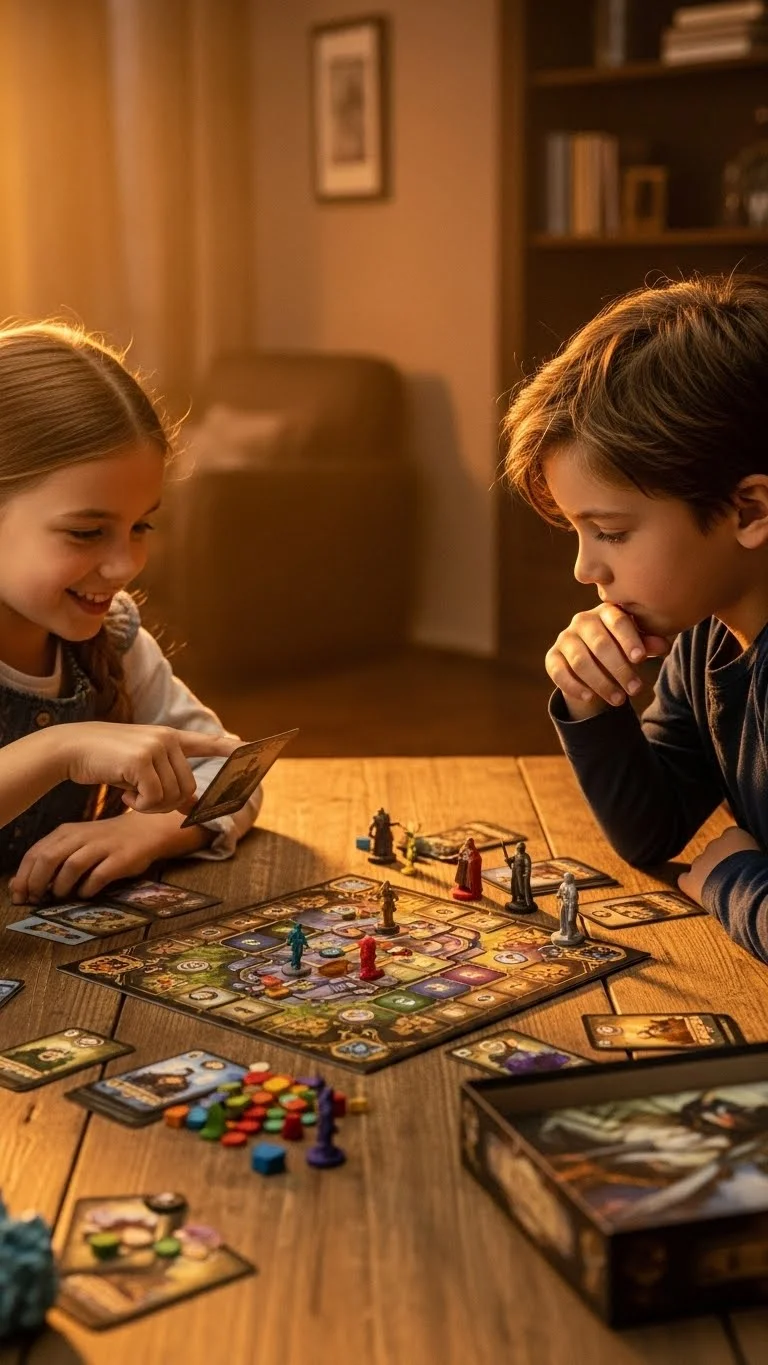
Choose board games where kids play on the same team instead of against each other. If you don’t own any, create your own simple board with paper, dice, and tokens. Design rules that require teamwork—like making choices together or solving tasks as a pair. This reduces conflict and builds trust. Keep gameplay short to match attention spans. Celebrate wins with a simple sticker or high-five. These moments help shift the tone from rivalry to partnership.
- Sibling Photography Adventure

Give your kids a low-cost camera or your old phone in aeroplane mode. Assign them a photo mission—like capturing five blue objects or three funny faces. Let one child be the photographer while the other poses, then switch roles. This activity encourages patience and teamwork. If you want to save money, print only their favourite shot or display photos on a tablet. The shared creativity helps minimise arguments.
- Shared Music Time
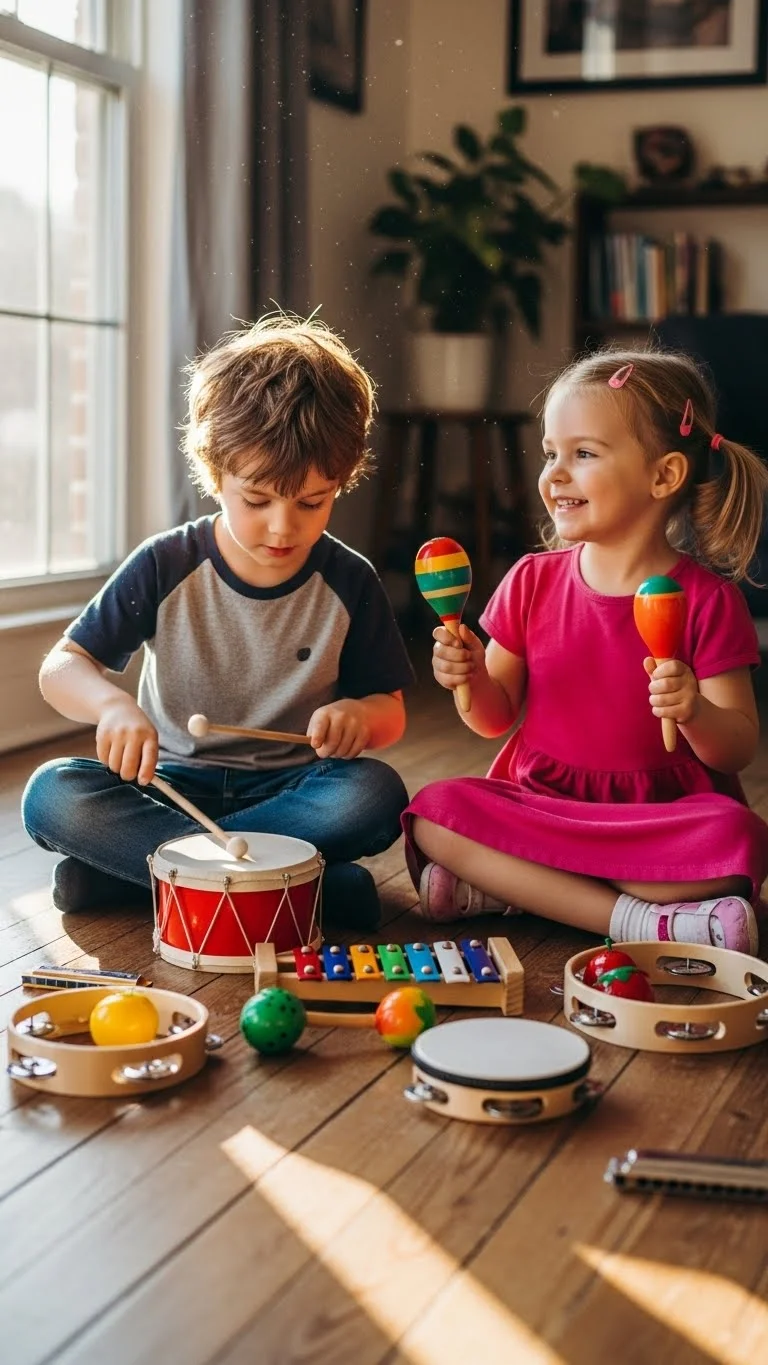
Music naturally brings kids together. Lay out simple instruments or homemade shakers made from rice-filled containers. Let them create a “band” with each child choosing a sound. Encourage them to take turns leading a rhythm. Keep it playful, not perfect. This activity helps them listen to each other’s timing and ideas. Clean-up is easy, and homemade instruments keep costs low.
- Two-Person Scavenger List
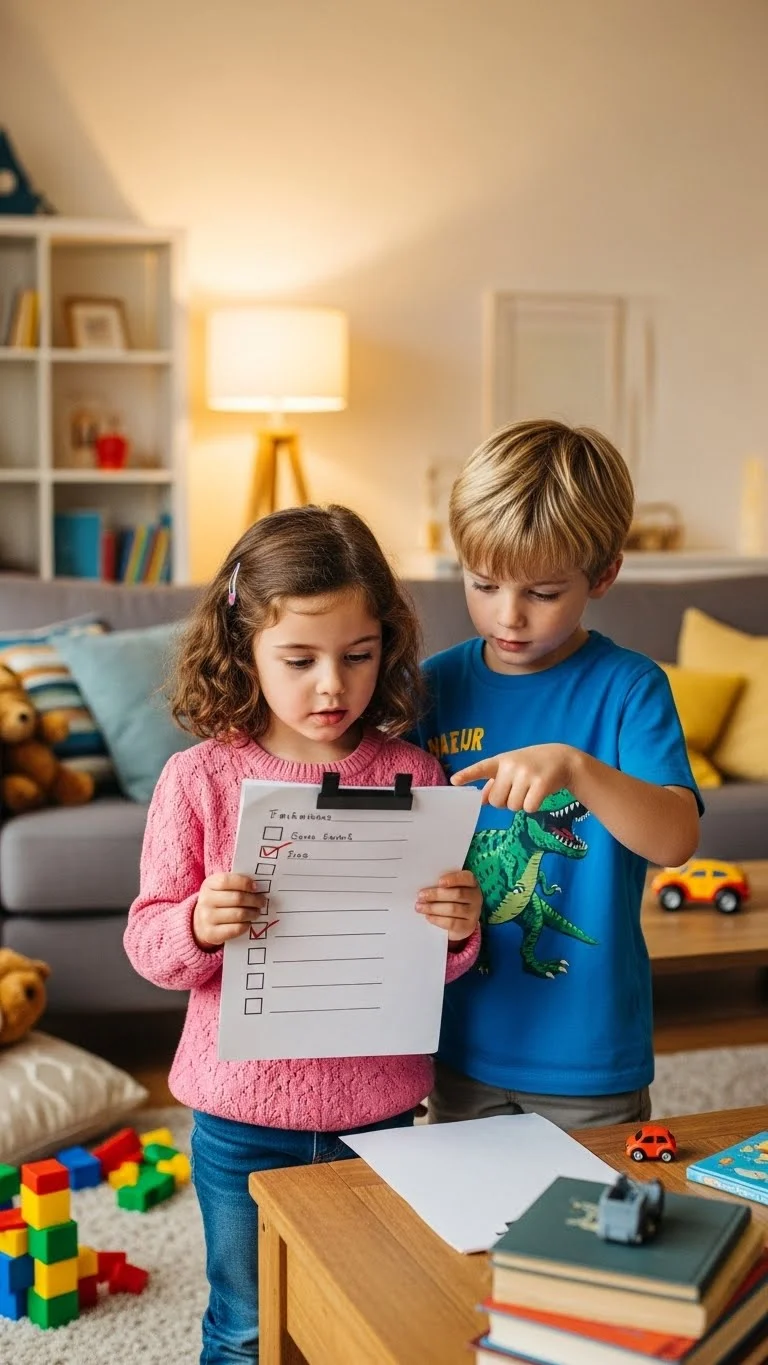
Create a short scavenger list with everyday items—something round, something soft, something loud. Make sure the list is short to keep it light. They must find each item together, not separately. This encourages talking, planning, and pacing as a team. Use scrap paper for the checklist to save money. When they finish, let them trade one item and explain why they chose it. This activity encourages teamwork without pressure.
- Gardening Partners
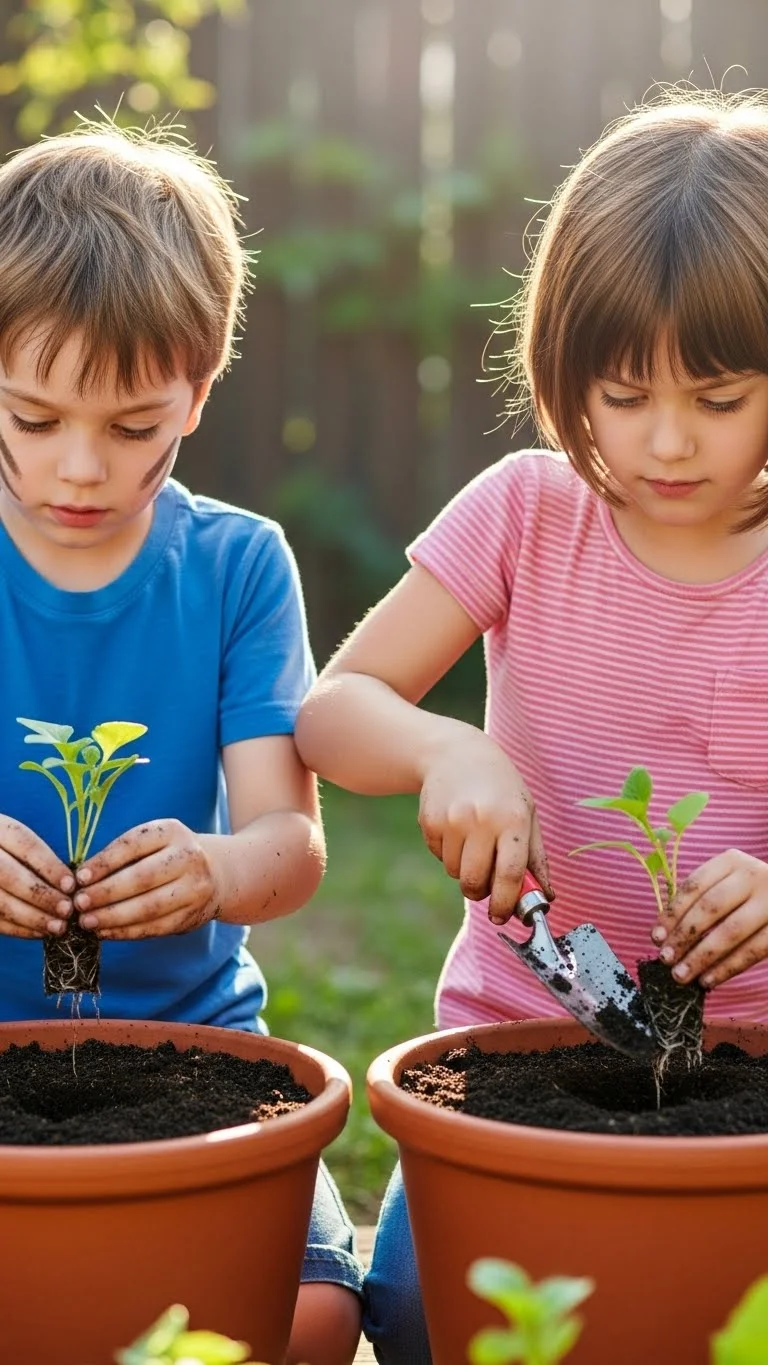
Planting something together creates a connection. Use small pots, recycled containers, or old cups. Seeds like beans or herbs are very low-cost. Let each child choose one plant, then work together to water and place them in sunlight. They take turns caring for the shared project. Kids feel proud watching their plant grow side-by-side. This quiet, hands-on activity builds patience and cooperation.
- Partner Reading Time
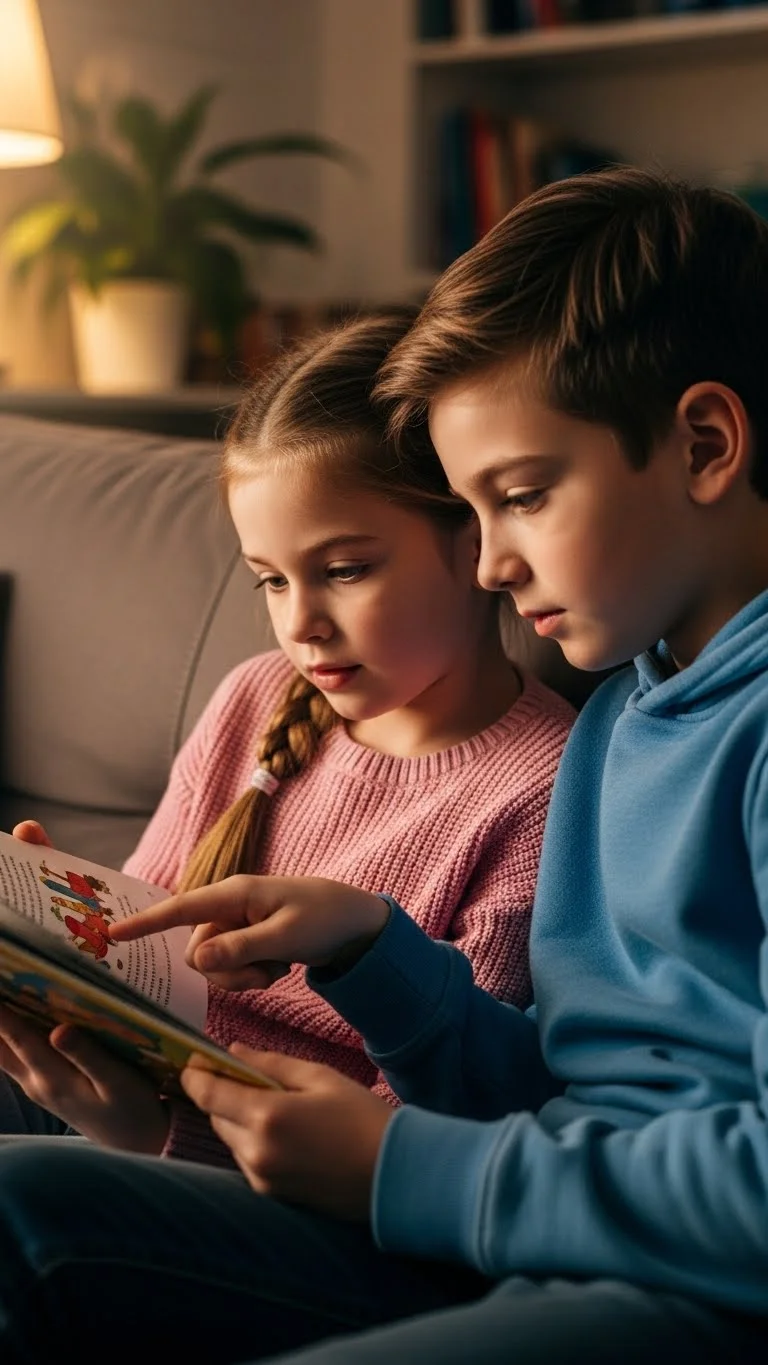
Invite your kids to read together. Older kids can read aloud, while younger ones turn pages or point to pictures. If both are young, let them “read” by describing what they see. Choose short, fun books to keep interest high. Use pillows and blankets to create a cosy setup. You don’t need new books—library options or old favourites work well. Shared reading strengthens communication and creates a calm moment in their day.
- Cooking “Restaurant” Game
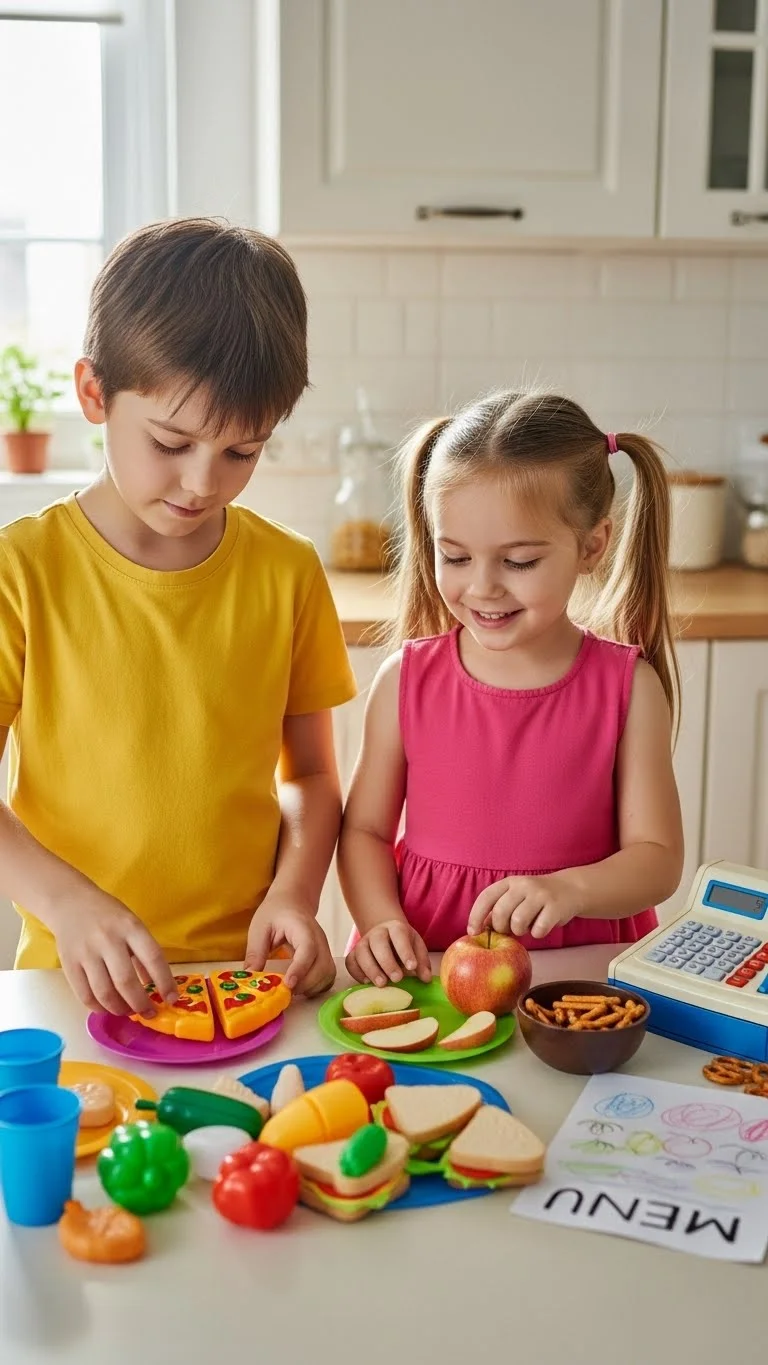
Turn your kitchen into a pretend restaurant. One child can be the chef while the other acts as the server. Use simple foods like crackers, apple slices, or toast. They can decorate plates with safe toppings. Switch roles after a few minutes so both feel included. This activity encourages teamwork and reduces arguments because each child gets equal time. It’s budget-friendly, playful, and easy to reset.
- Shared Lego Land
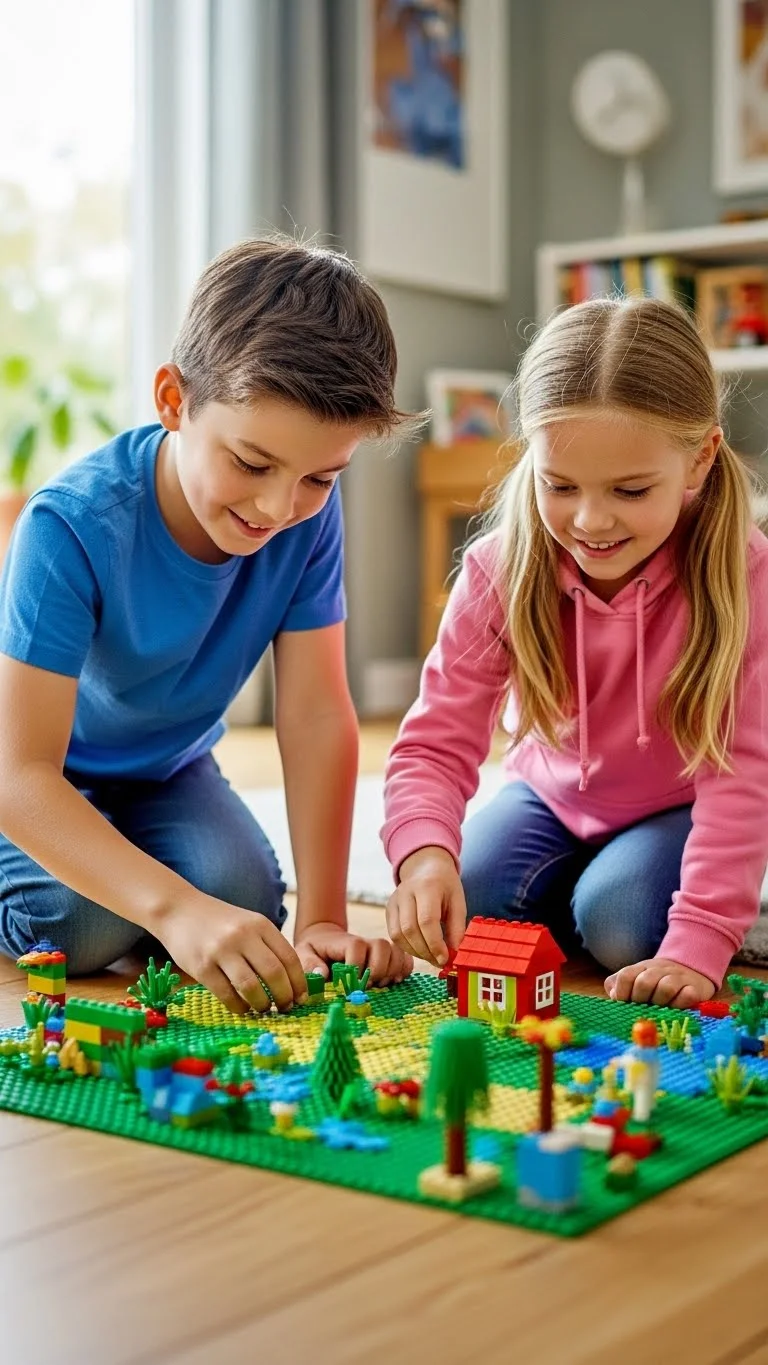
Instead of separate Lego builds, give them one project—like a city, zoo, or space base. Encourage them to divide tasks: one builds buildings while the other designs characters or vehicles. This reduces competition and increases cooperation. If you don’t have Lego sets, use blocks or recyclables. Keep it casual and let their imagination guide the direction. Celebrate the finished result by displaying it for a day.
- Drawing Swap
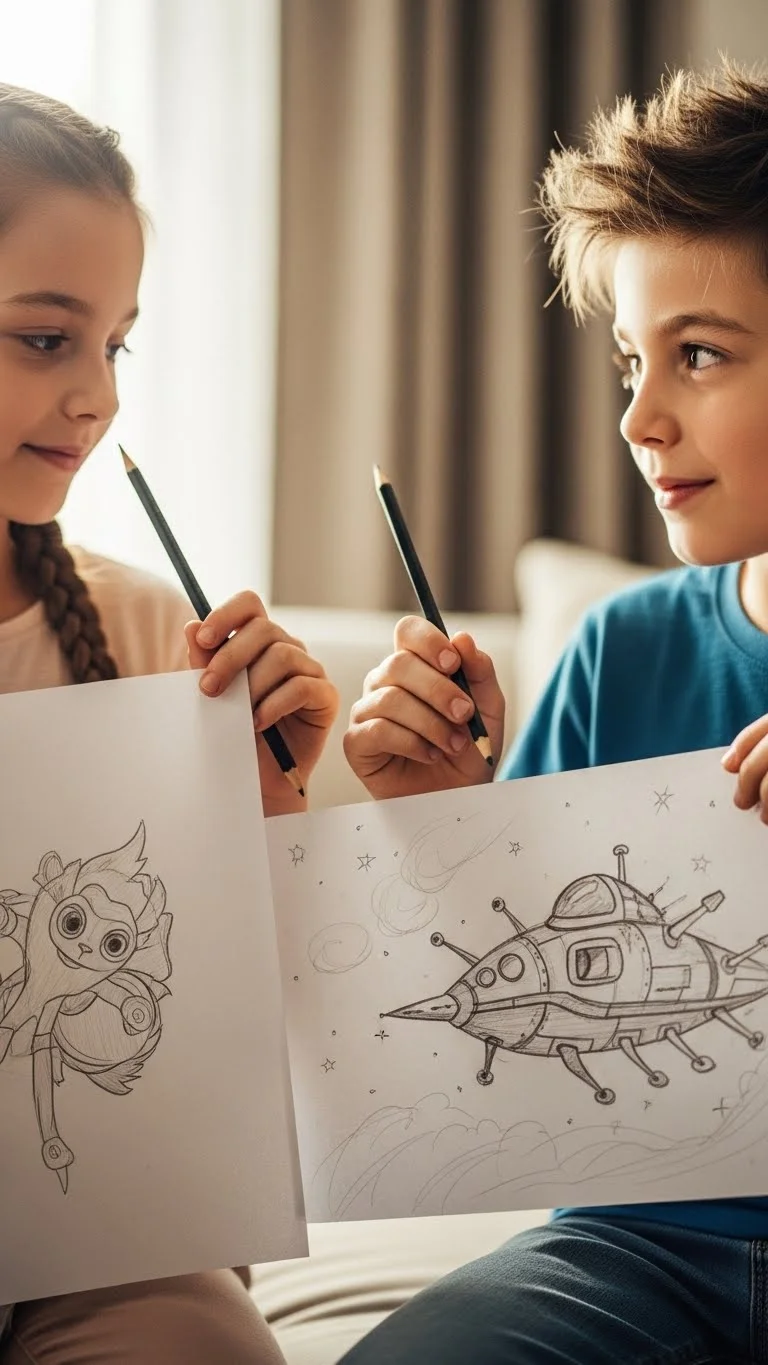
Have your kids start a drawing, then swap after two minutes. They finish each other’s artwork in small increments. This activity encourages flexibility, patience, and humour. Use plain printer paper or scrap pieces. Keep the timer short to maintain excitement. When done, let them show the final drawings and describe what the other added. This builds confidence and connection.
- Sibling Dance Break
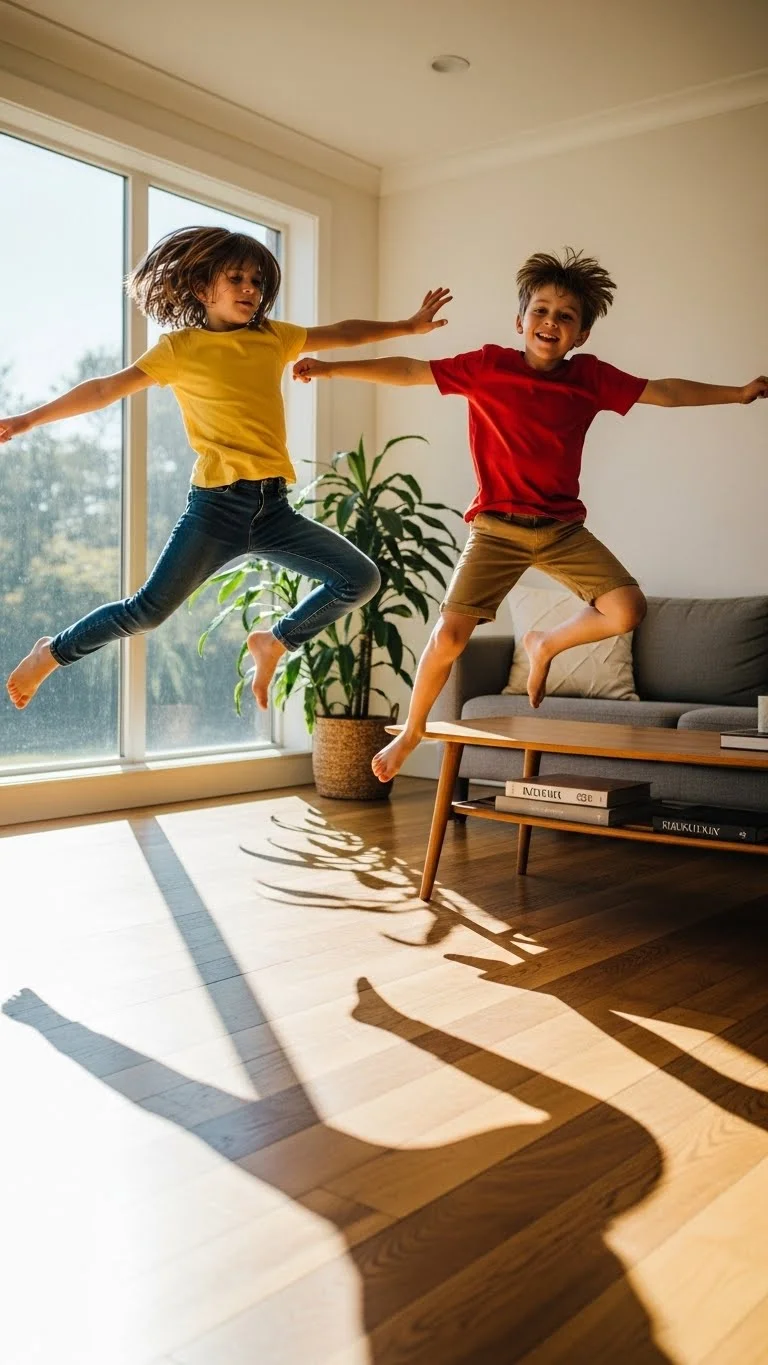
Create short dance breaks during the day. Put on a fun playlist and let them take turns choosing songs. They can copy each other’s moves or make up routines. This shared movement helps release tension quickly. Keep it simple and spontaneous. Even five minutes can reset the mood. No equipment or cost required—just music and energy.
- Shared Memory Book
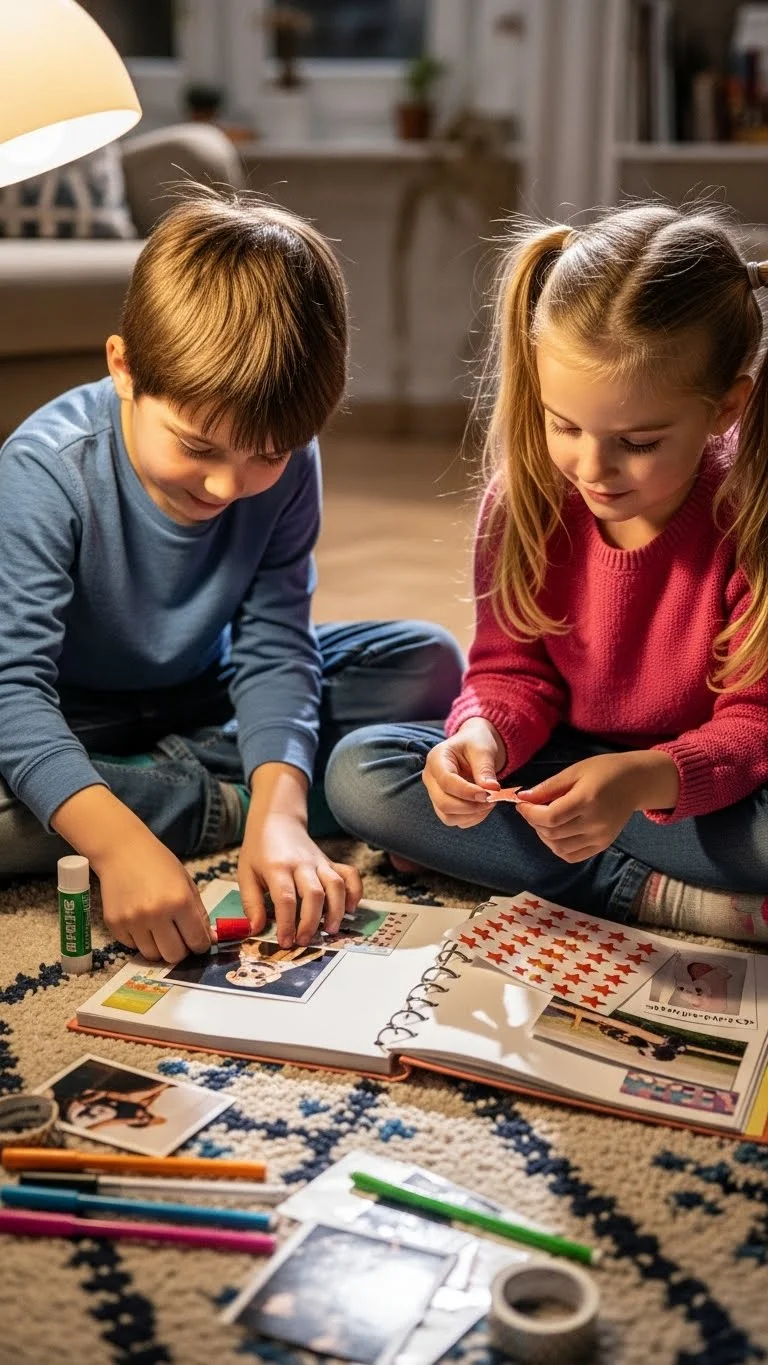
Start a memory book where they add drawings, photos, or small notes about fun moments. Use a notebook you already have. They can each take turns filling a page. This gives them a shared project that grows over time. Let them decorate pages with scraps, stickers, or magazine cutouts. It becomes a meaningful keepsake and also strengthens the connection through shared reflection.
- Partner Cleanup Races
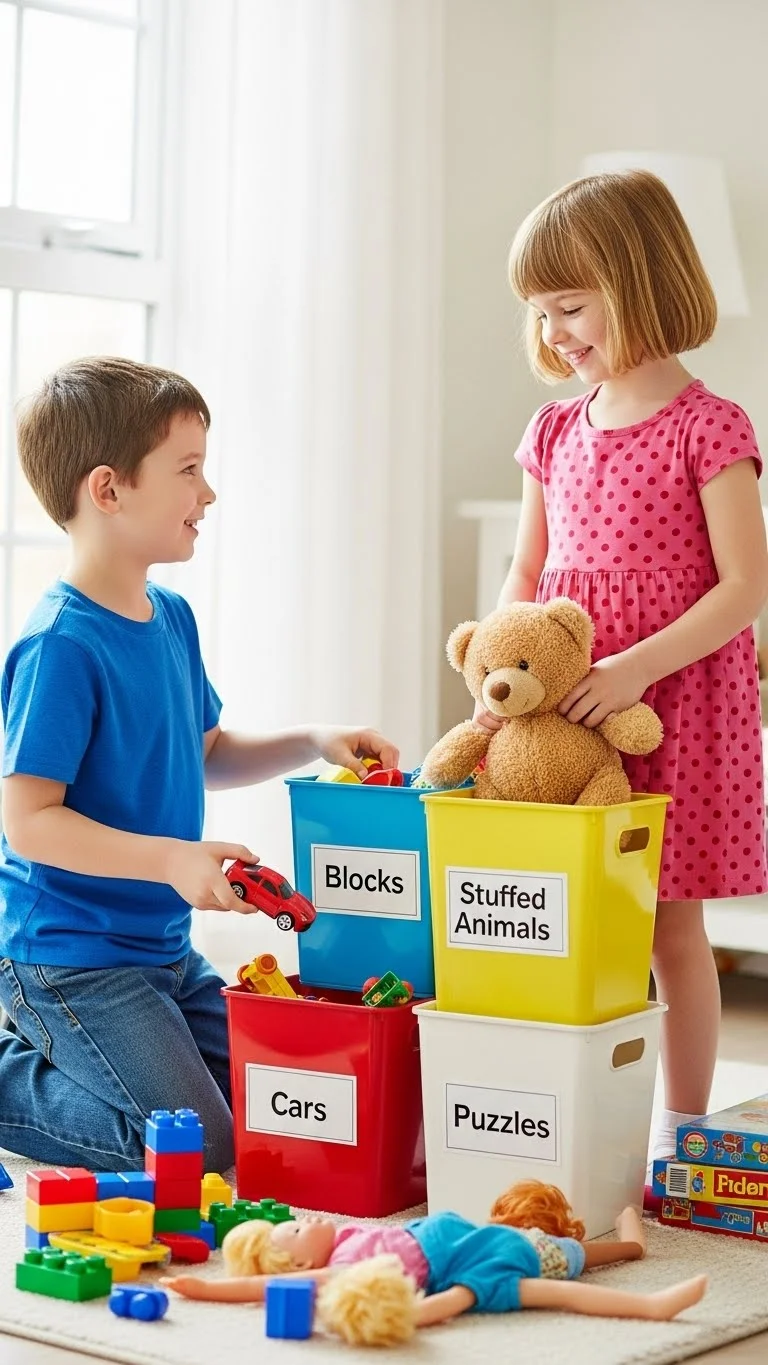
Turn cleanup into a quick challenge they do together. Give them two baskets and set a short timer. They must work as a team to fill both. This encourages cooperation instead of whining. Use labelled bins or simple boxes. When they finish, thank them and let them choose a small reward, like choosing a show or a short game. It keeps responsibilities light and shared.
- Two-Person Charades
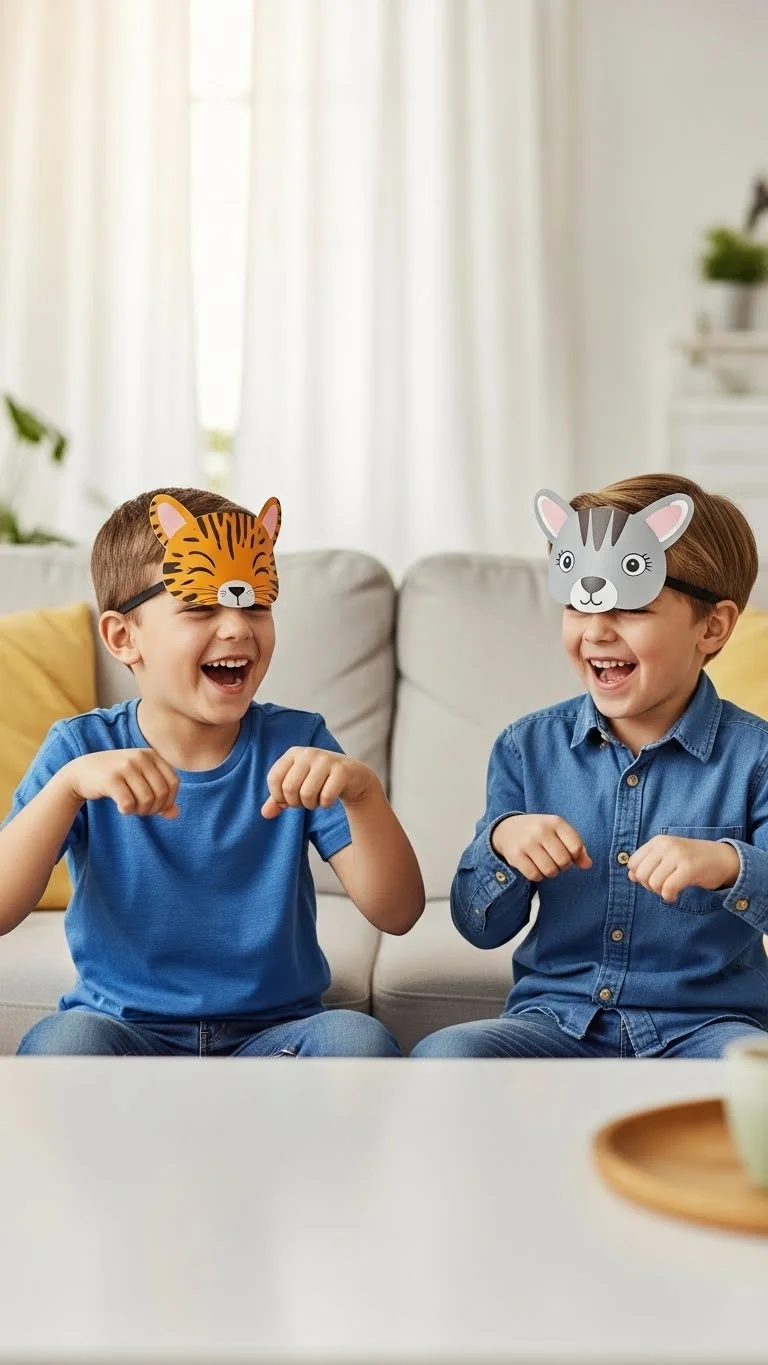
Play charades where both kids act together while you guess. Pick simple prompts like animals, jobs, or actions. They must coordinate movements and communicate nonverbally. This builds teamwork and encourages playful silliness. No materials needed. Keep the rounds short so no one feels frustrated. This is a great activity for rainy days or evenings.
- Chalk Mural
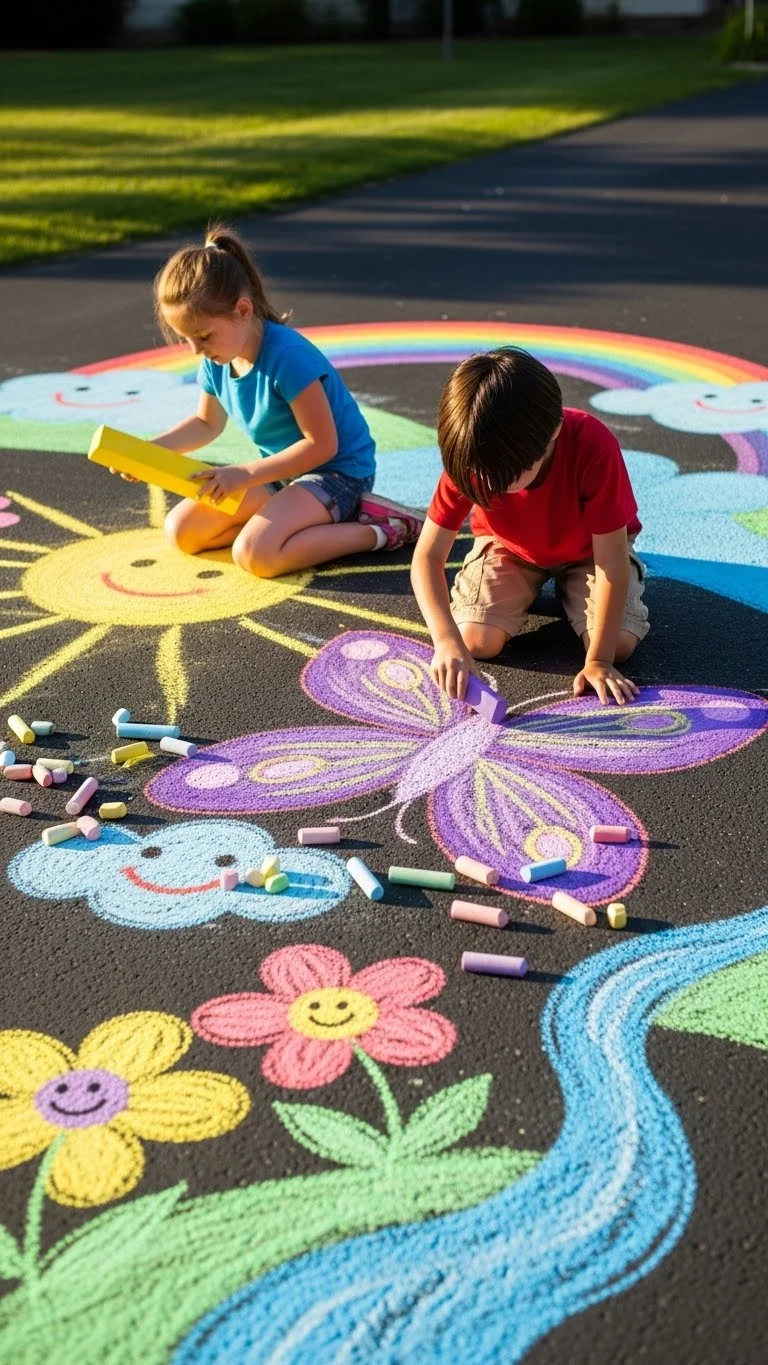
Give them a shared sidewalk space to create a big chalk mural. Let them choose a theme together—like a garden, space, or ocean. Provide a few chalk sticks to keep choices simple. They can each draw different sections that connect in the middle. This encourages teamwork without forcing identical styles. Chalk is low-cost, easy to clean, and fun for all ages.
- Cooperative Story Videos
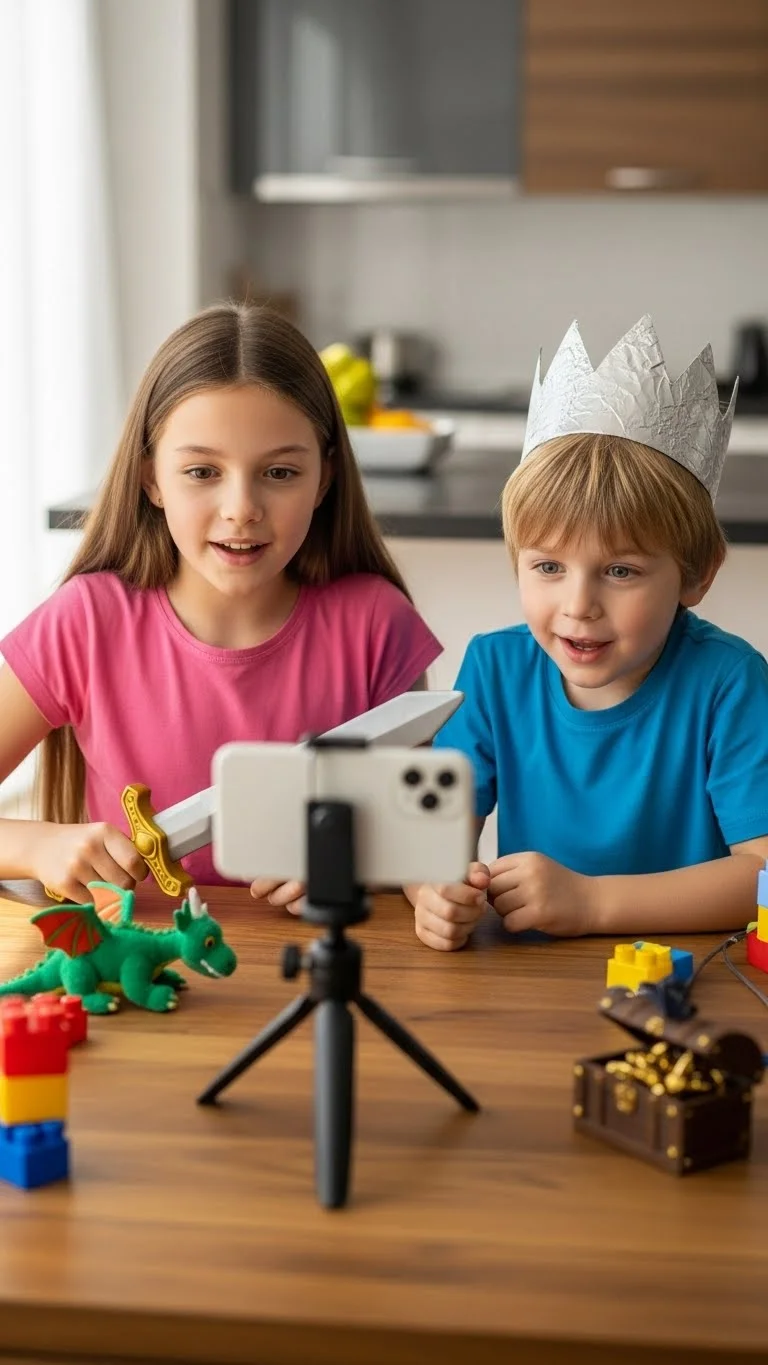
Let them make a short video together. One can be the actor while the other holds props. Then switch roles. Keep the story simple, like a superhero moment or a cooking show. Use everyday items as props. This activity engages creativity and cooperation. Play the video for them afterwards so they can laugh and enjoy the moment together.
Conclusion
Helping siblings bond doesn’t require expensive supplies or complicated setups. Simple shared activities can shift daily interactions and encourage cooperation, patience, and connection. When kids work together toward something fun, they argue less and laugh more. Try a few ideas this week and watch how small changes can create a calmer, happier family rhythm.
