

21 Behaviour Chart Ideas for Positive Change
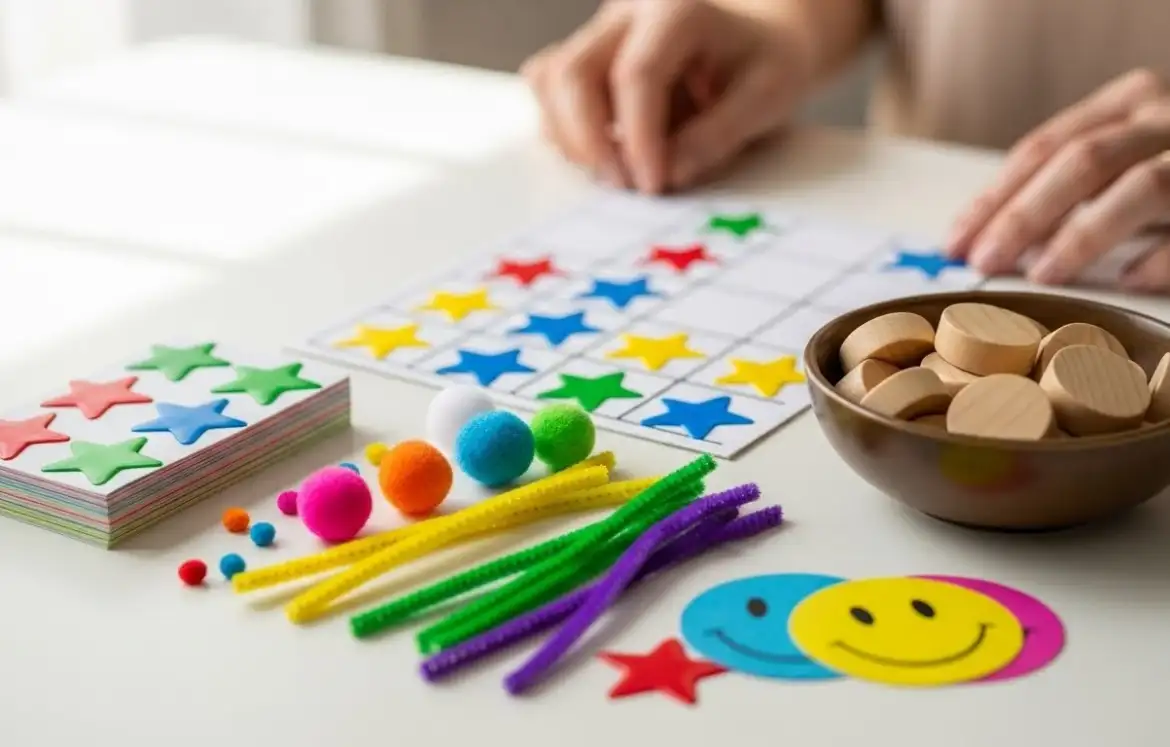
Positive behavior charts help kids understand what’s expected and feel proud when they follow through. They make routines easier and lighten daily tension. This guide offers simple, practical ideas you can set up at home without spending much. Each one keeps things visual, hands-on, and easy to maintain. Pick a few that fit your family and mix them as routines change.
- Sticker Path Chart
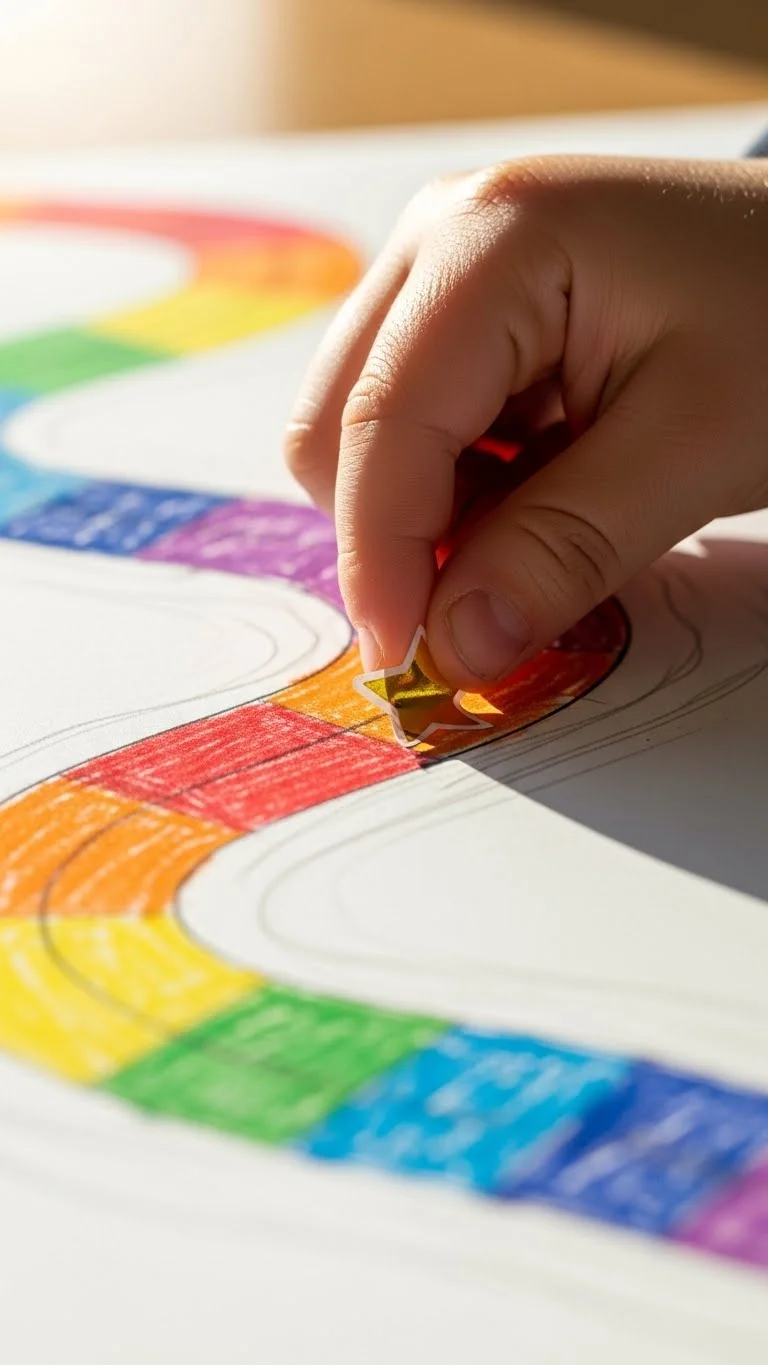
A sticker path chart feels playful and simple. Draw a winding path on cardstock or a recycled cardboard panel. Keep the path short so kids see progress quickly. Use bright stickers you already have or grab a dollar-store pack for variety. Every time your child follows a direction—like putting shoes away—they add a sticker along the path. Small steps help kids stay encouraged. Keep the board at eye level so they can touch it easily. If the path gets long, break it into sections to avoid frustration. Add fun bonus spots along the path where a child can place a larger sticker for extra effort. The chart can reset each week. If you prefer, laminate the board and use reusable cling stickers. This keeps costs low because you won’t constantly replace supplies. Store extra stickers in a small envelope taped to the back so everything stays together.
- Color-Coded Day Blocks
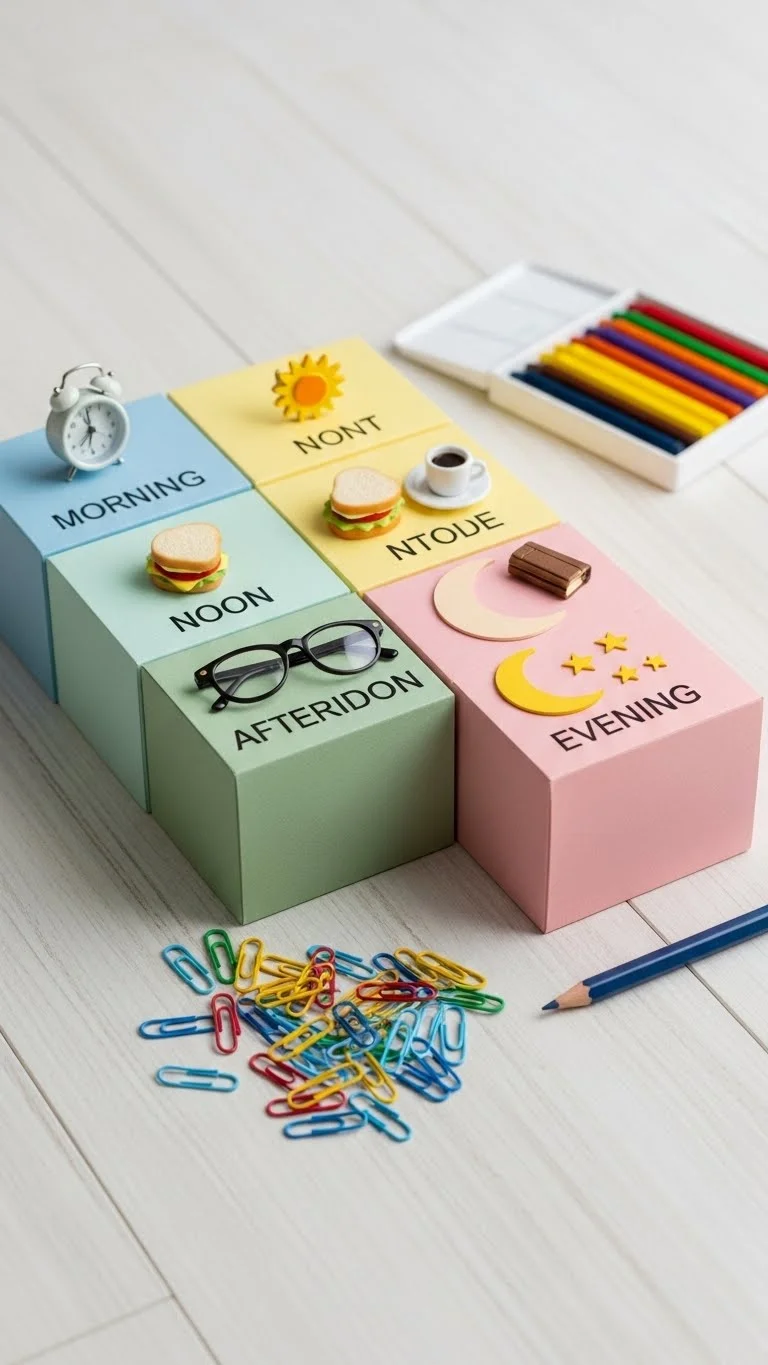
Color-coded day blocks help kids understand their day visually. Cut cardstock into squares and assign each part of the day a color—morning, afternoon, evening. Use clothespins or tokens your child clips on each block when they finish a task. Keep tasks simple: brushing teeth, packing a backpack, or feeding a pet. The colors help kids recognize what comes next without constant reminders. You can mount the blocks on a bulletin board or a fridge using magnets. If your child enjoys art, let them decorate the squares with drawings. This adds ownership and helps them care about following the routine. Use materials you already have like scrap paper or old folders. Rotate tasks weekly so the chart stays interesting. Celebrate wins with small home-based rewards like choosing dessert or picking a bedtime song. The system stays flexible, easy to update, and doesn’t take more than a few minutes to reset.
- Clothespin Ladder Chart
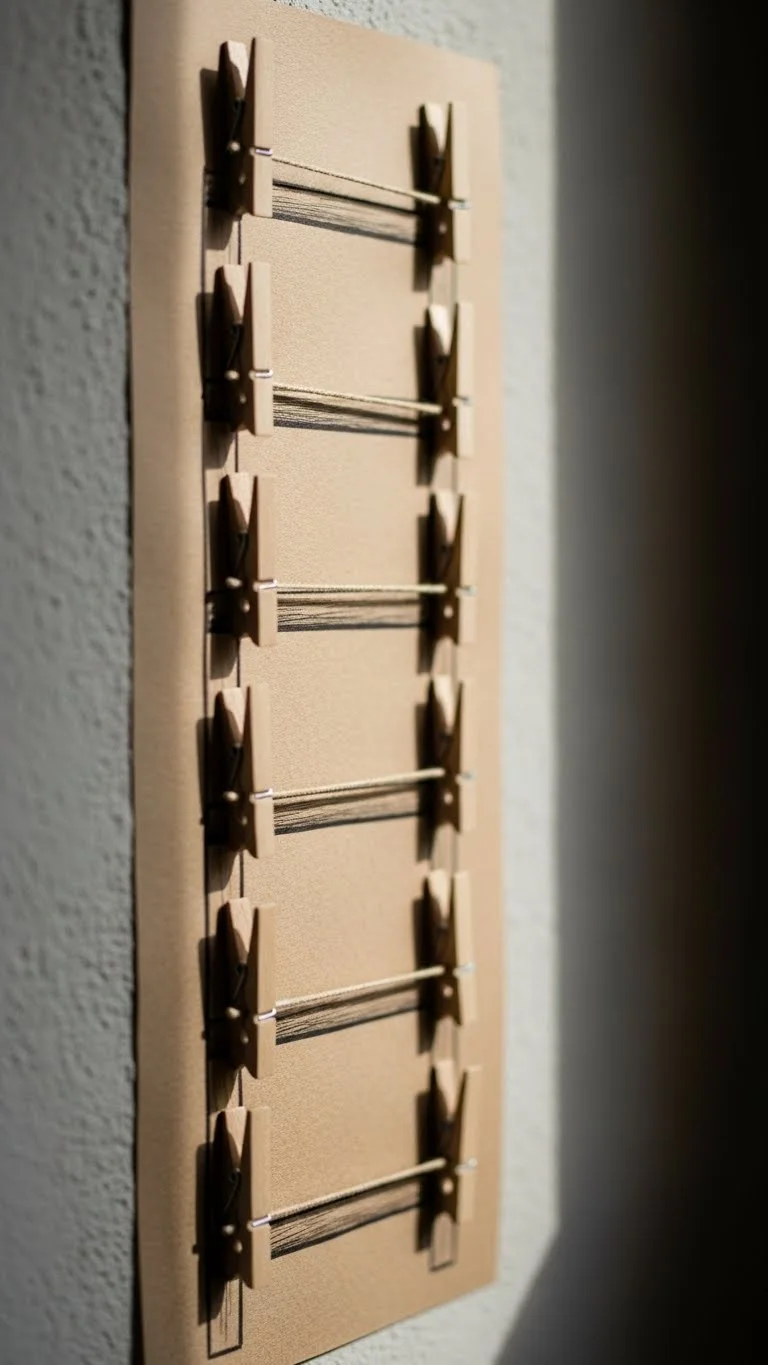
A clothespin ladder chart works well for kids who like moving objects. Draw a ladder on poster board or cardboard. Write simple actions along each rung. Use a clothespin labeled with your child’s name and move it up each time a task is completed. Keep rungs close together so progress feels quick. This approach helps kids see their movement toward a goal. You can paint the clothespins or leave them plain. Another option is adding small drawings, which makes the chart more personal. Hang it on a wall or the back of a door. It takes just a few minutes to make and costs almost nothing. If you have more than one child, use different colored pins to avoid mixing them up. Celebrate reaching the top with a home-based treat like choosing a family game to play. Reset the pin daily or weekly, depending on how much structure your child enjoys.
- Token Jar System
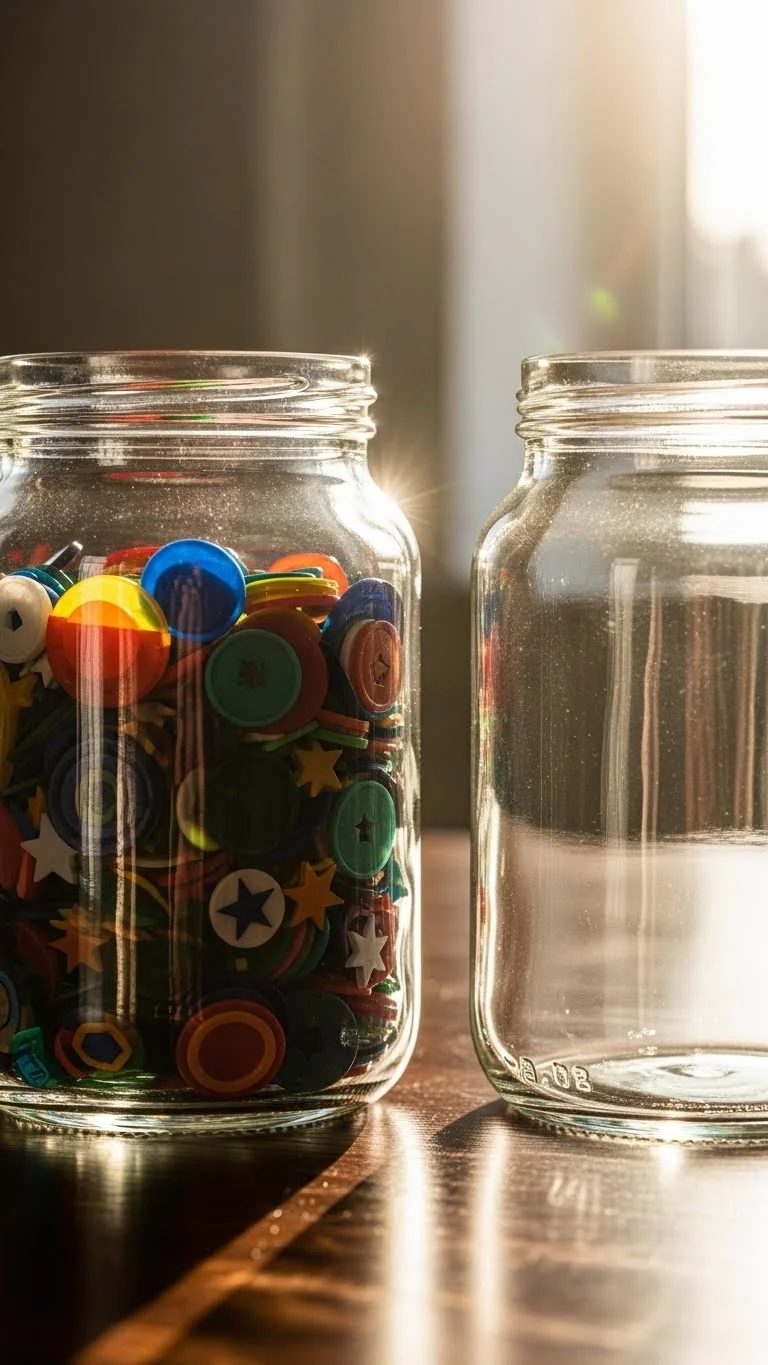
A token jar system gives kids a visual way to track their progress. Use two jars—one for tokens earned and one they move them into. Tokens can be buttons, pom-poms, or small wooden discs. Set simple actions that earn tokens: sharing toys, completing homework, or using kind words. Keep the token size large so they’re easy to handle. You can draw a small line halfway up the jar to help your child see how close they are to a reward. Choose rewards that don’t cost much, like extra playground time or picking a movie. The jars can sit on a shelf where your child sees them often. Rotate token colors to keep things interesting. If spills happen, treat it as a reset moment rather than a problem. This system stays affordable because you can reuse tokens endlessly.
- Magnetic Responsibility Board
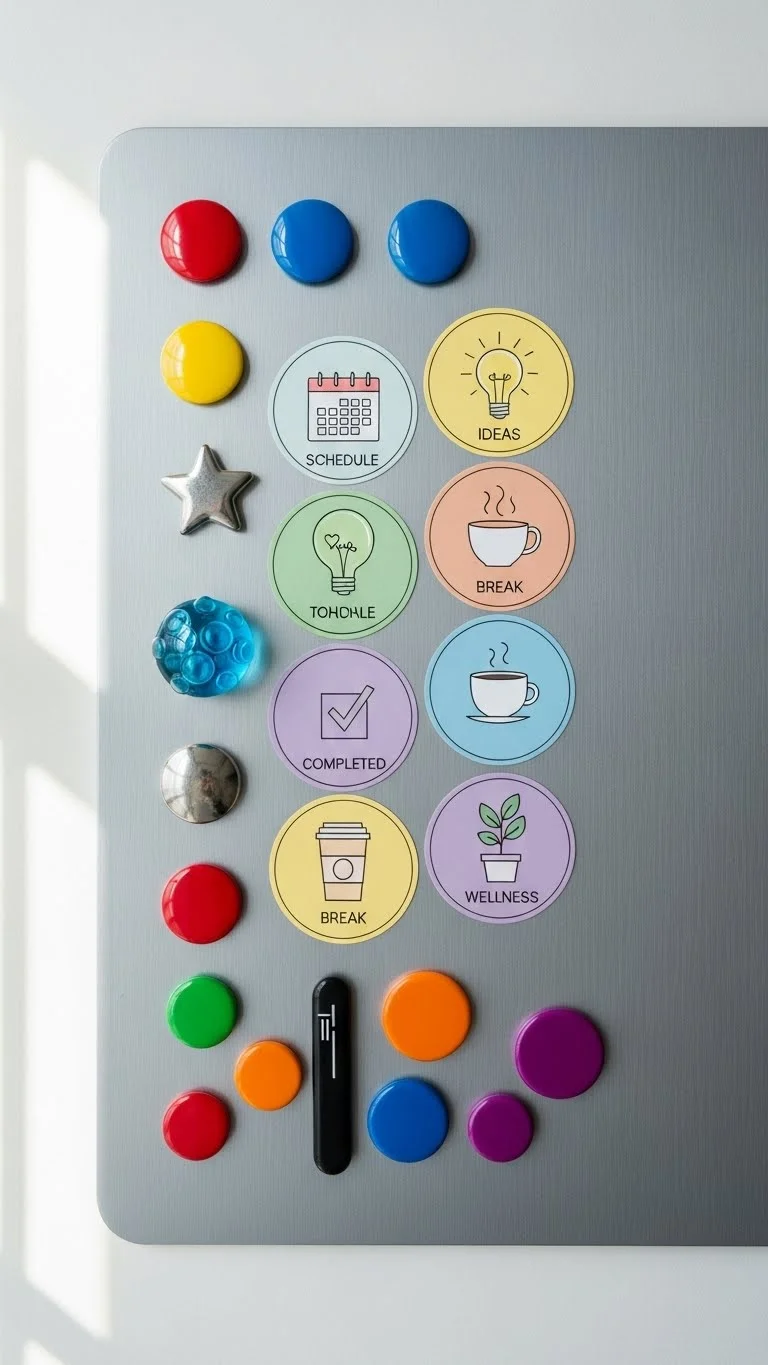
A magnetic responsibility board helps keep routines clear and tidy. Use a baking sheet or an old metal tray as the board. Create task circles using cardstock and stick magnets on the back. Kids move task circles to the “Done” side when finished. This tactile movement feels satisfying. If your child enjoys art, let them draw small icons for each task. Avoid overloading the board with too many tasks at once. Start with three or four to build confidence. Magnets from craft stores are inexpensive, and you can reuse them for new tasks. Mount the tray on a wall or fridge so it stays visible. Wipe the board weekly and refresh tasks when routines shift. Celebrate completed days with something simple like picking a dinner option. This board works well for younger kids because magnets are fun to move around and the board stays neat.
- Weekly Punch Card
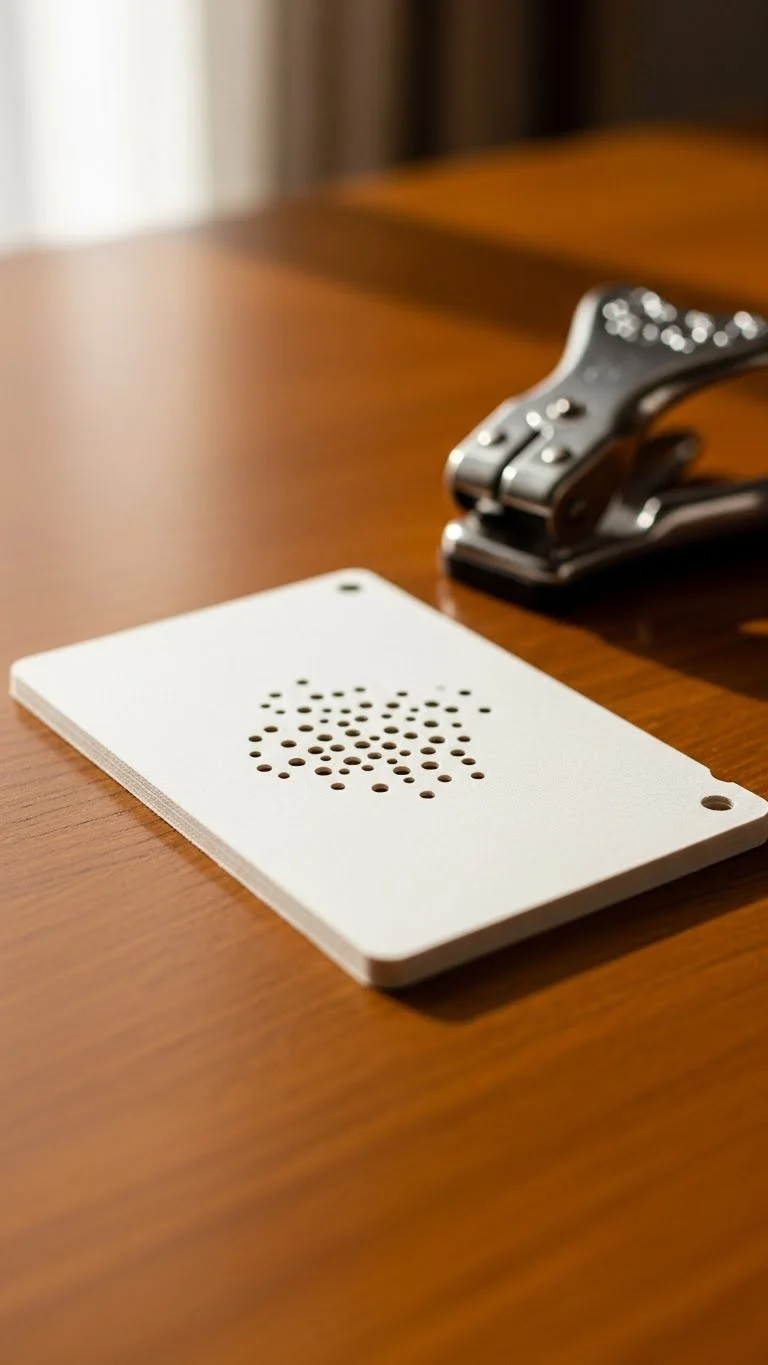
A weekly punch card gives kids a fun way to track actions one punch at a time. Print or draw a grid on cardstock. Each box represents a small task: tidying toys, reading for ten minutes, or getting ready on time. When your child finishes a task, use a hole punch to mark the spot. Many kids enjoy the sound and feel of the punch. Keep the card small so it fits easily in a pocket or on the fridge. Hole punches are inexpensive, and cardstock can come from scrap packaging. Once the card fills up, offer a low-cost reward like choosing a snack or playing outside a little longer. If a box gets missed, treat it lightly and keep momentum going. Create new punch card themes each week with different colors or doodles to keep it interesting.
- Bedtime Ladder Chart
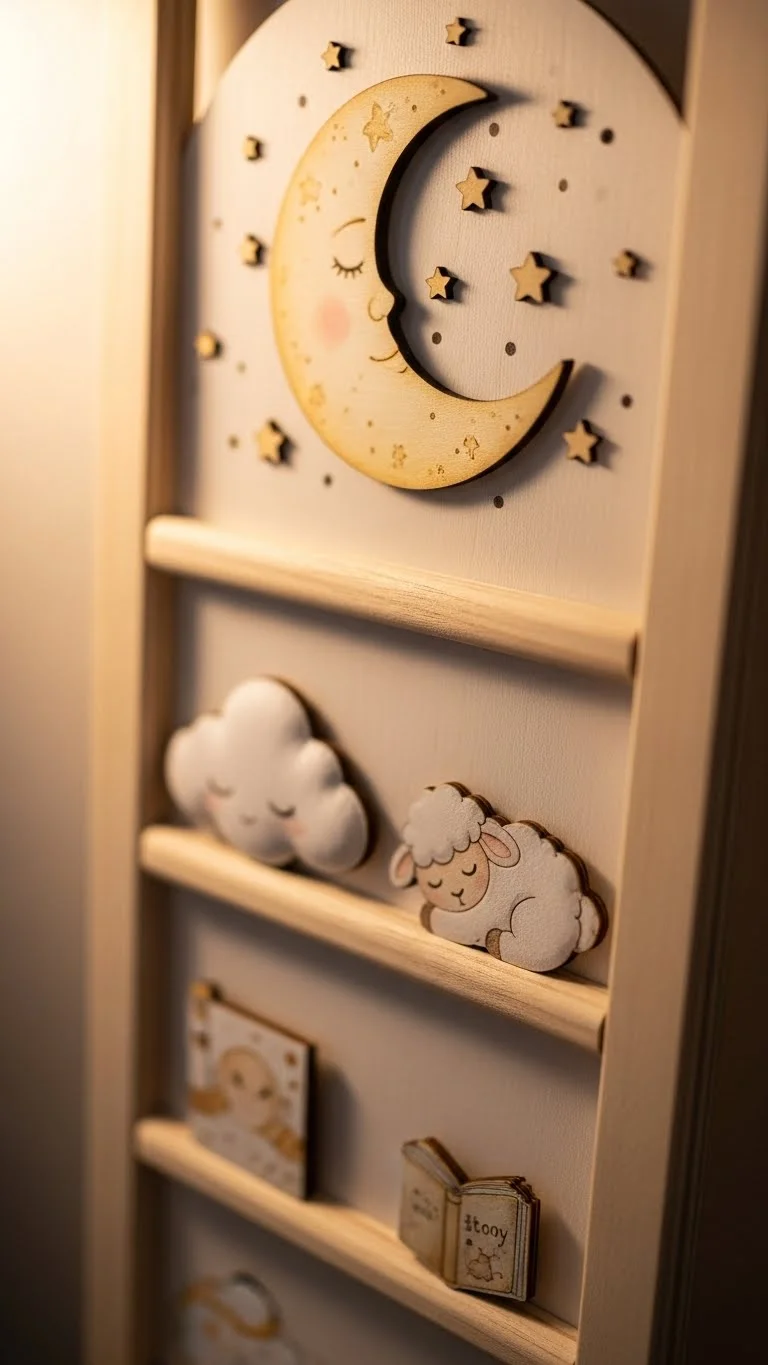
A bedtime ladder chart helps calm evenings. Draw a ladder with small nighttime symbols—stars, moons, slippers—on cardstock. Each rung represents a step: brushing teeth, putting on pajamas, choosing a book. As your child finishes each step, they move a marker up the ladder. Keep the steps consistent each night so it becomes predictable. Use simple supplies you already have—markers, crayons, or stickers. If your child enjoys bedtime stories, let that be the final rung. This chart reduces bedtime arguments because the steps stay the same. Hang it near the bathroom or bedroom door. Place the marker within easy reach so your child manages it independently. Keep the chart uncluttered to avoid distraction. Add gentle lighting like a small lamp to make the chart feel calm. Celebrate full-ladder nights with cozy rewards like extra cuddles or a special book choice.
- Morning Routine Strip
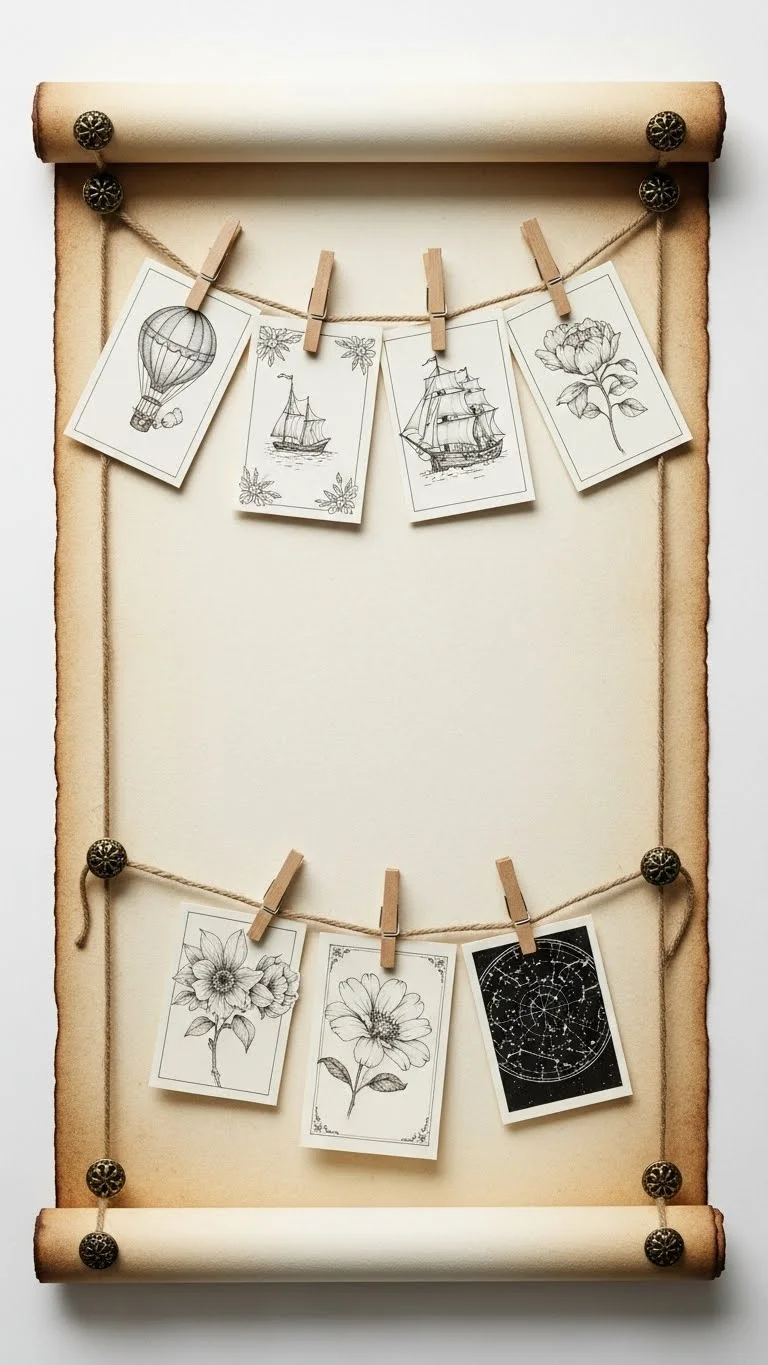
A morning routine strip works well for kids who need structure before school. Create small cards showing each task: getting dressed, brushing hair, eating breakfast. Clip the cards on a piece of twine or ribbon using clothespins. As your child finishes a task, they flip the card around. The strip works like a timeline, helping mornings run smoothly. Use recycled paper or cardboard to keep it low-cost. If mornings get rushed, keep the tasks simple and avoid adding too many steps. Place the strip at your child’s eye level, maybe near the door or kitchen. Change the order if routines shift. Decorate the cards with simple drawings so your child connects with each step. Celebrate completed strips with something small like picking a car playlist or choosing the route to school.
- Pebble Path Jar
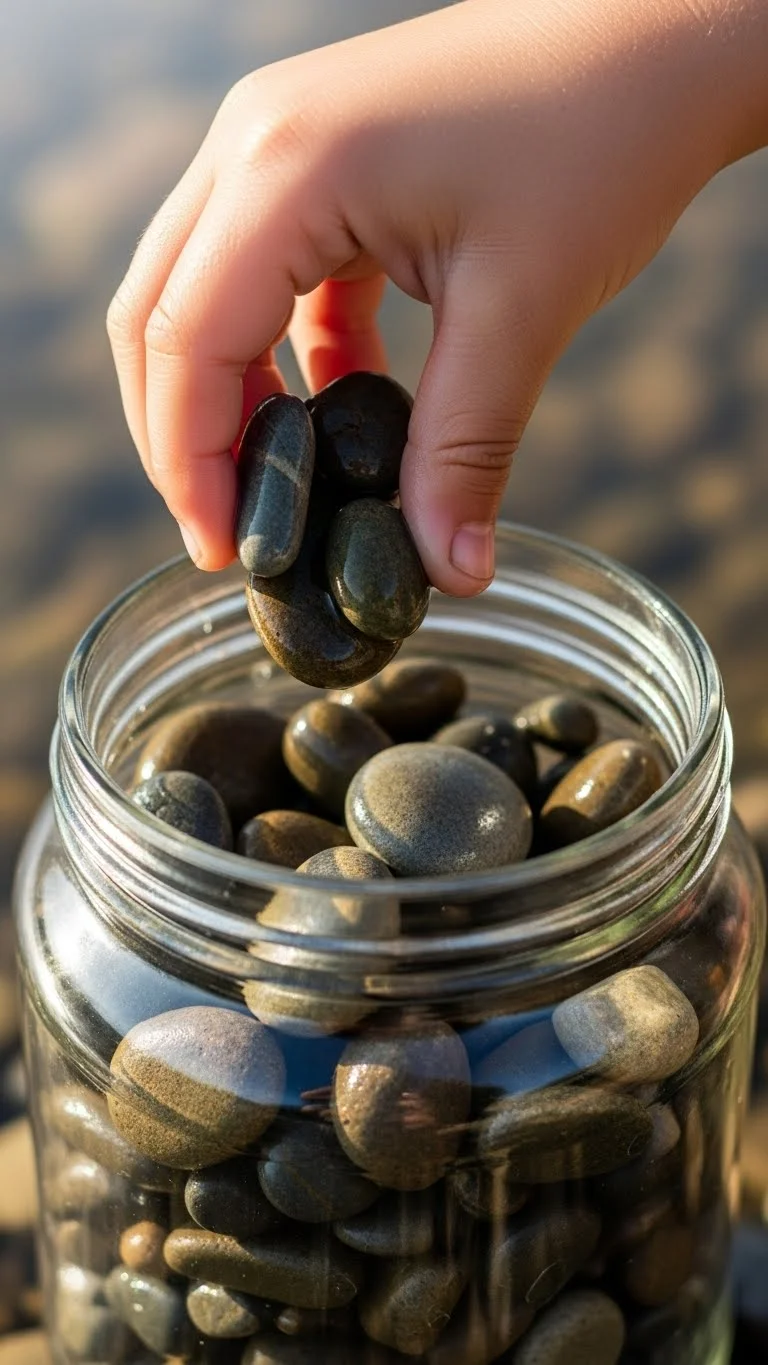
A pebble path jar brings a natural feel to behavior tracking. Use a clear jar and a set of small smooth stones. Each stone represents a completed action—cleaning a room, speaking politely, or helping with chores. The weight and texture of pebbles make the activity grounding. Place the jar where your child can see progress building. River stones are inexpensive and easy to find at craft stores or even outside if allowed. Keep the jar small so it fills up quickly. You can draw a simple line to show the halfway point. Once the jar fills, let your child choose an activity-based reward like a family bike ride. Rinse the stones occasionally to keep them clean. This method offers a satisfying sensory experience while keeping the chart simple and clutter-free.
- Clip-Up Behavior Line
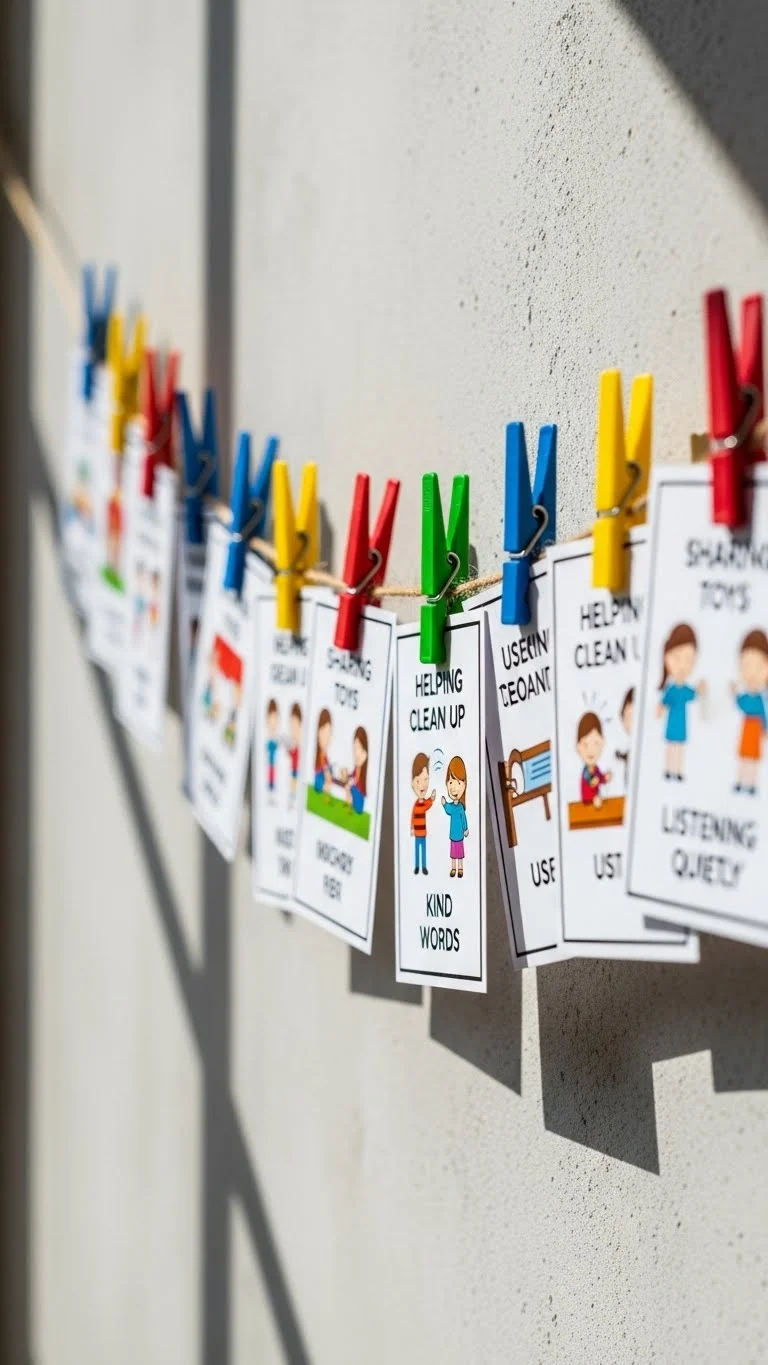
A clip-up behavior line uses space creatively. Hang a piece of yarn across a wall. Make small cards for helpful actions and hang them with pins. Each time your child completes something, move that card to the far end. This creates a visible “journey” of good choices. You can use old gift tags or cut shapes from leftover paper. Keep the line low enough for your child to reach. Rotate cards weekly so it doesn’t feel repetitive. Encouragement works best when the tasks stay simple: bringing dishes to the sink or washing hands without reminders. Celebrate full lines with low-cost activities like baking together. This setup is flexible, portable, and easy to update as routines change.
- DIY Dry-Erase Grid
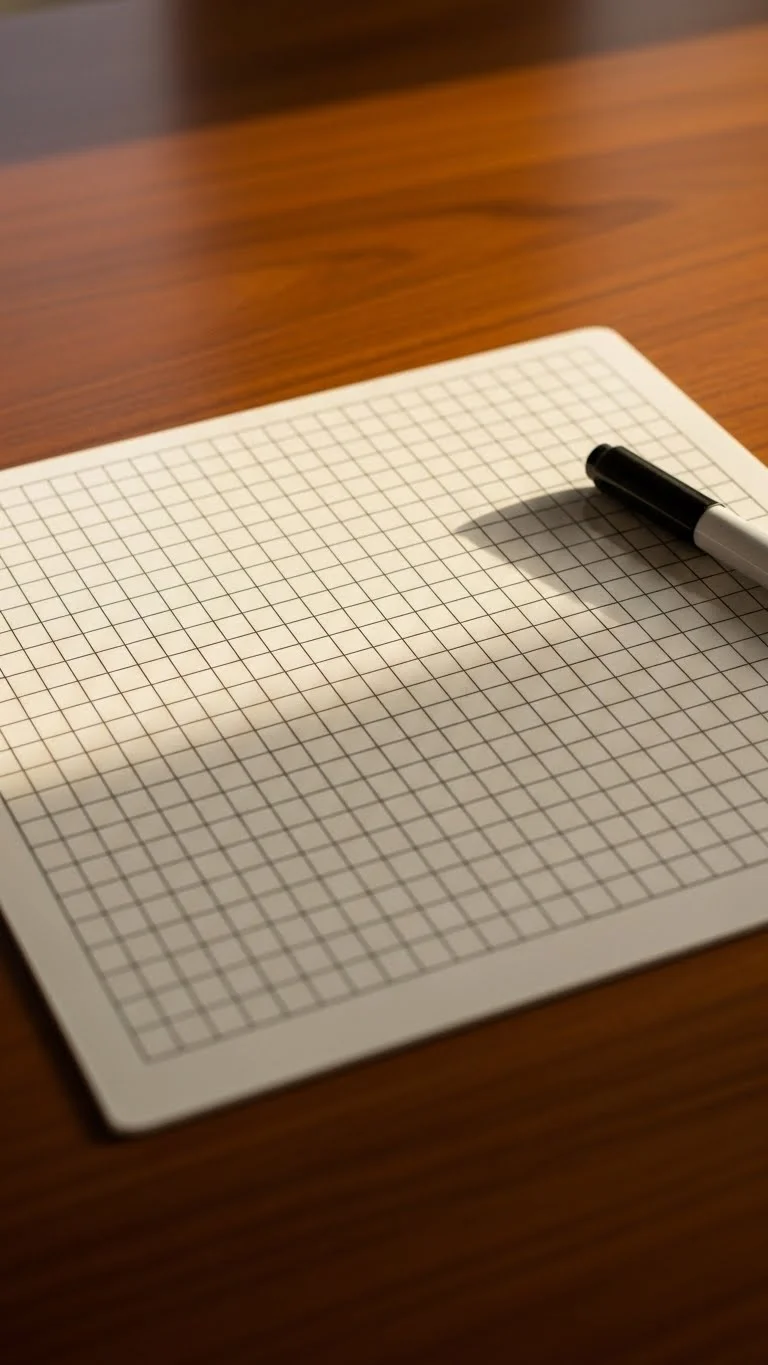
A DIY dry-erase grid offers flexibility. Draw a simple grid on paper and laminate it or slip it into a clear page protector. Use a dry-erase marker to check off boxes as your child finishes tasks. This keeps things tidy and reusable. Boxes can represent anything—from chores to kind moments. Keep tasks small and within your child’s ability. Mount the chart on the fridge for easy access. Wipe it clean each evening and start fresh. Dry-erase markers are cheap and last a long time. You can add doodles around the edges to make the chart more personal. This method works well for families who want something low-cost and quick to update without constant printing or cutting.
- Behavior Bunting Flags
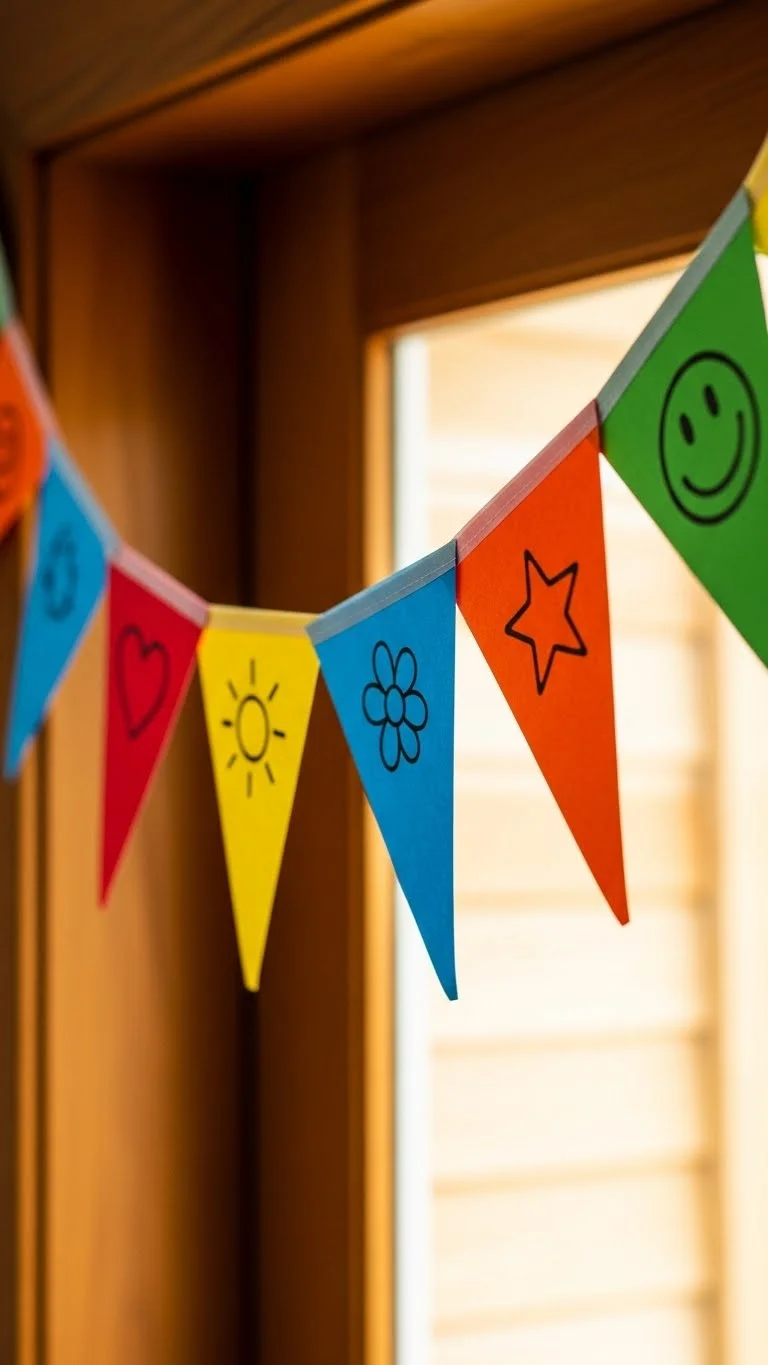
Behavior bunting flags add charm to everyday routines. Cut triangles from colorful paper and string them together with twine. Each flag represents a task or positive behavior. When your child completes a task, they can clip a token or sticker onto the flag. This brings a decorative feel to the process. Hang the bunting where your child passes often, like a hallway or playroom. Keep flags spaced evenly so they stay neat. Use paper scraps to keep it budget-friendly. Add small drawings or symbols so your child can identify each flag easily. Reset flags weekly by removing stickers or moving tokens back to the start. Celebrate full sets with activities like a backyard picnic. This creates a cheerful visual reminder without feeling overwhelming.
- Treasure Trail Map
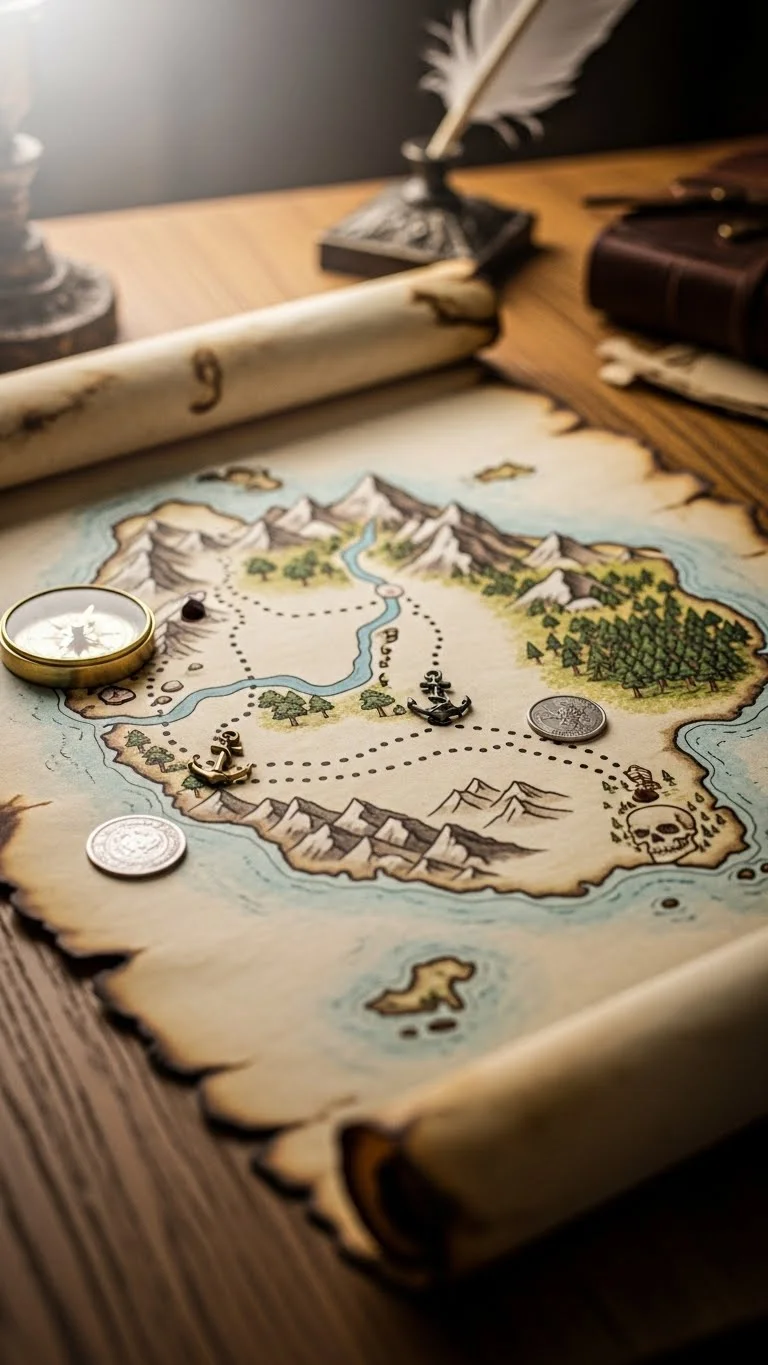
A treasure trail map adds adventure to behavior tracking. Draw a simple map with a start point, winding paths, and a treasure spot at the end. Use small beads or buttons as markers for your child to move forward with each positive action. Keep the map playful with mountains, rivers, or islands drawn in crayons. Use recycled paper bags or brown kraft paper for a rustic effect. Each move along the map represents real progress. Kids enjoy imagining the journey toward the “treasure,” which can be something simple like choosing a weekend activity. Keep the path short so it doesn’t drag. Reset the map whenever your child reaches the end. This method keeps things fun while staying inexpensive.
- Clip-On Chore Circle
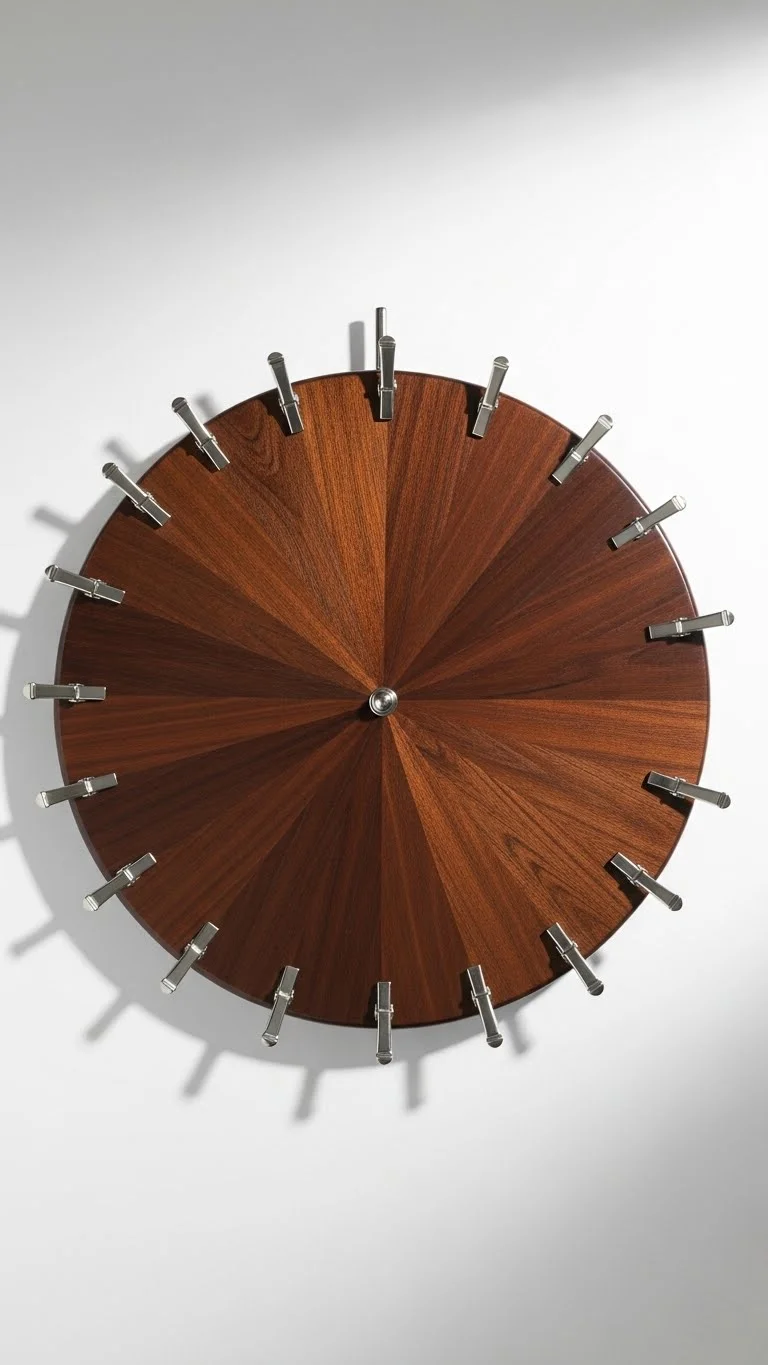
A clip-on chore circle organizes tasks in a compact format. Cut a large circle from cardboard and divide it into sections. Write a simple task in each slice. Use clothespins with your child’s name to mark completed tasks. The circular layout feels different from typical charts and saves wall space. Keep tasks manageable, like folding clothes or feeding a pet. Use craft paint or colored pencils to brighten each slice. Hang the circle at kid height so they can reach the pins themselves. If you want variation, rotate the circle daily to keep tasks fresh. This method stays budget-friendly because it uses basic household supplies.
- Daily Kindness Wheel
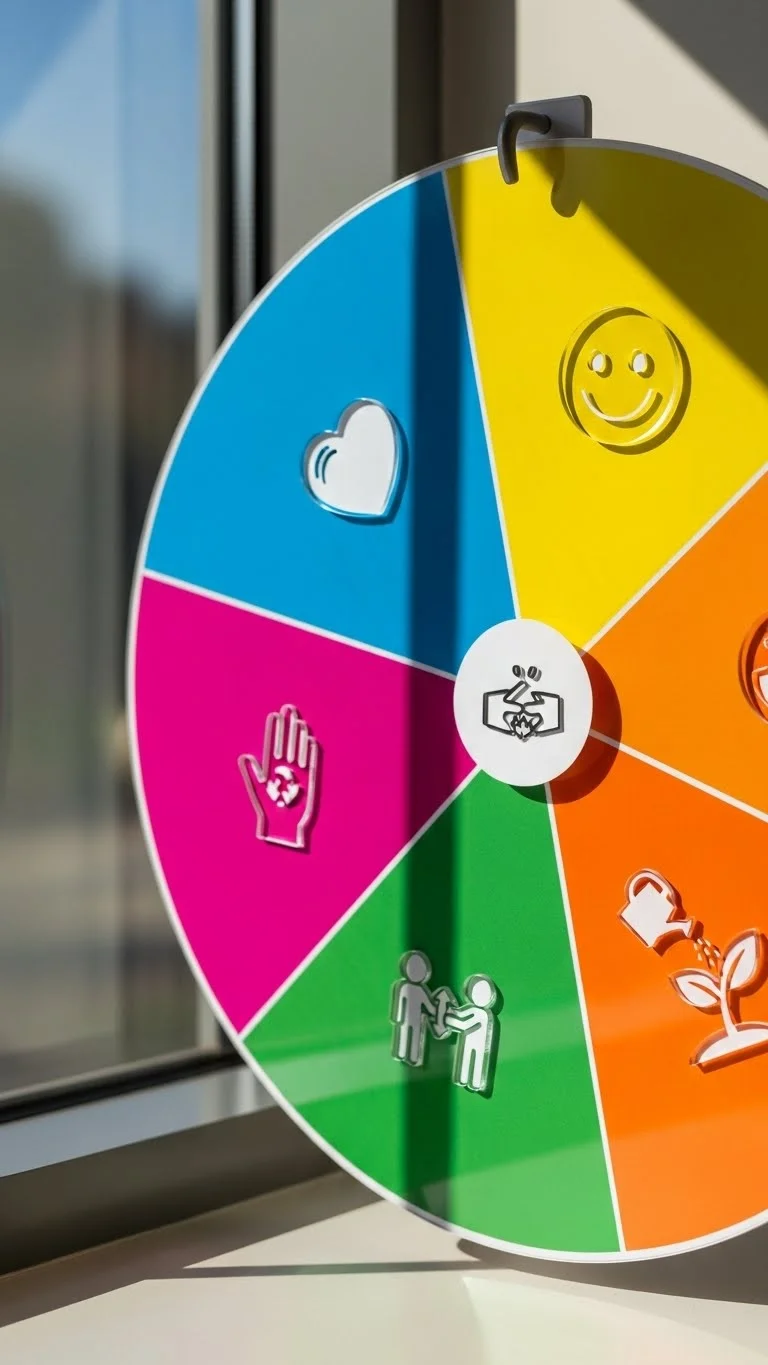
A daily kindness wheel helps kids notice positive moments with others. Divide a cardboard circle into small sections labeled with actions like sharing, helping a sibling, or using polite words. When your child shows kindness, move a marker on the wheel. Keep the actions simple so kids know what to look out for. Use bright markers or paint to make each section stand out. Store the wheel near a common area like the dining room. At day’s end, talk about the actions your child completed. Celebrate with something small like choosing a family song. The wheel encourages thoughtful moments and stays very low-cost.
- Traffic Light Behavior Chart
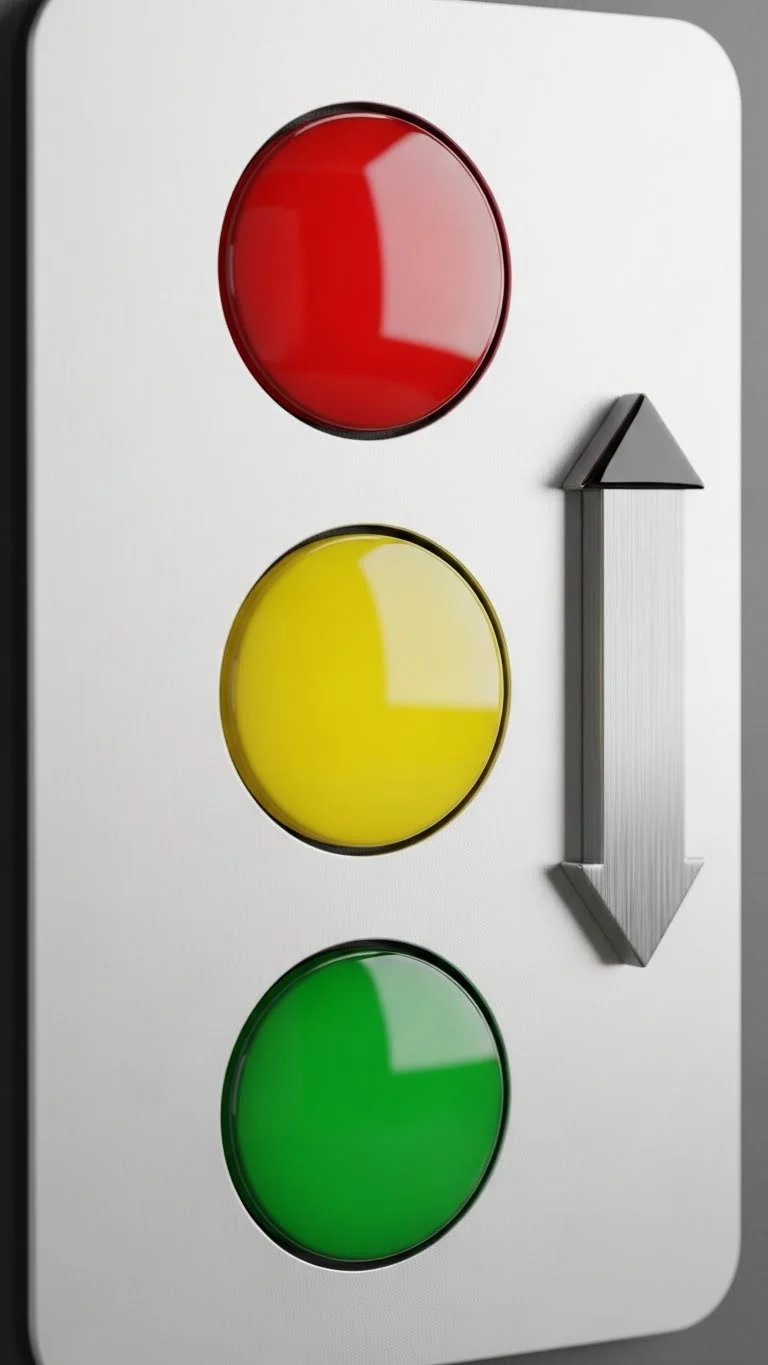
A traffic light behavior chart helps kids understand behavior shifts during the day. Create three large circles—green, yellow, and red. Use a movable marker or clothespin that shows where your child’s behavior sits. Focus on moving back to green rather than dwelling on red. Keep the chart positive by celebrating green moments with small praises or high fives. Place it at your child’s level on a wall. Use paper, cardboard, or paint you already have. Discuss green choices at the start of each day. Keep expectations simple so your child knows how to move up. This chart works well for kids who respond to visual cues.
- Pom-Pom Reward Cups
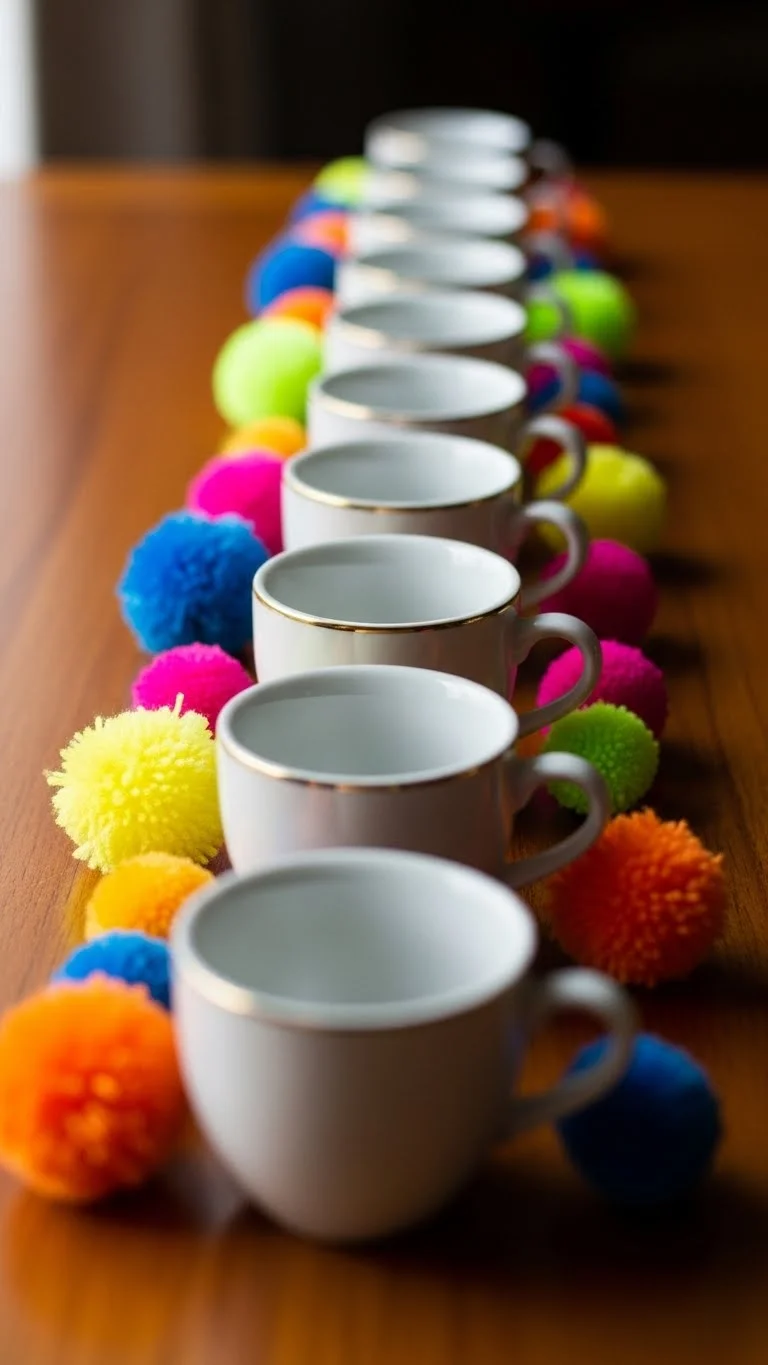
Pom-pom reward cups help kids track progress through color and texture. Set up one small cup for each daily goal. Each time your child completes something, they drop a pom-pom into the cup. When the cup fills, they earn a simple reward like choosing a board game. Pom-poms are cheap and reusable. Clear cups work best so kids can see progress. Keep the cups small, so they fill fast, giving more frequent encouragement. You can label the cups with doodles instead of words. Store extra pom-poms in a jar nearby so everything stays organized. Swap colors weekly to keep things engaging.
- Ladder of Choices
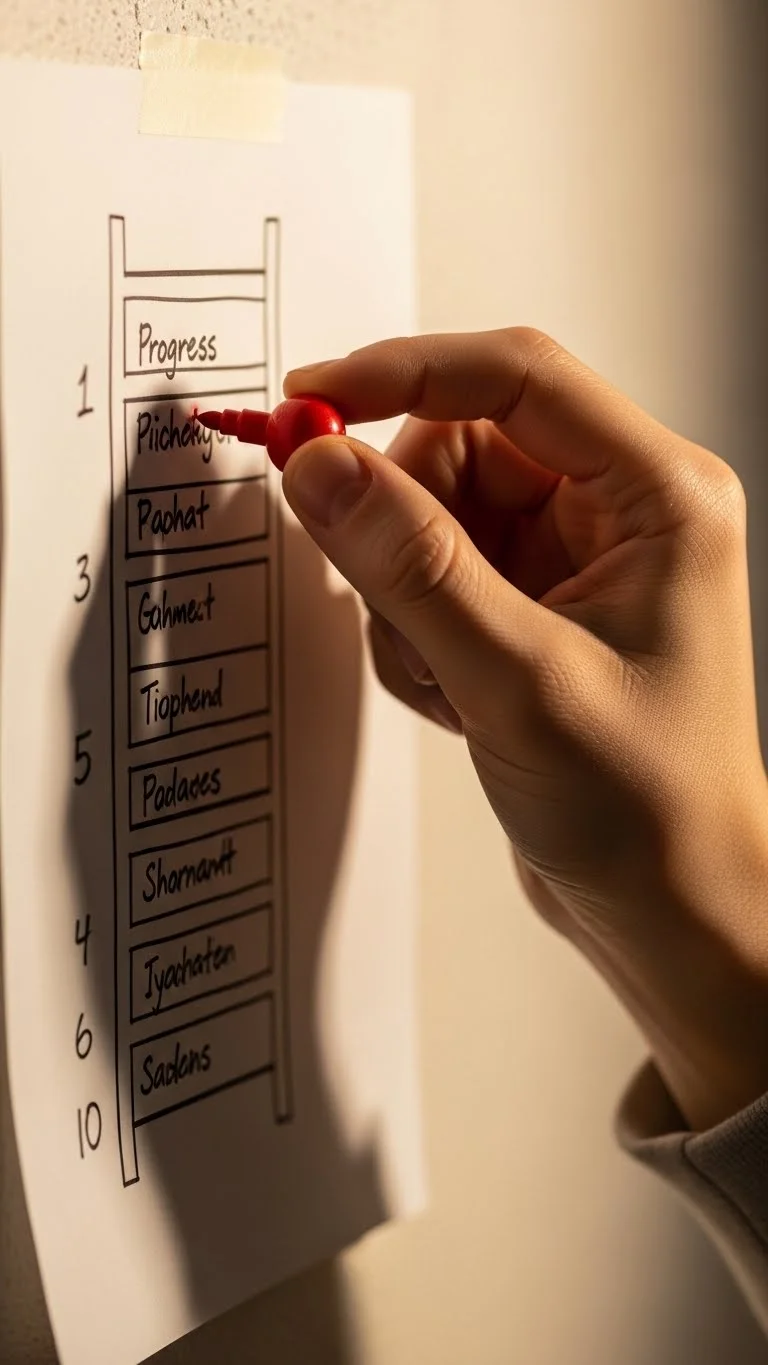
A ladder of choices helps kids understand how small actions stack up. Draw a ladder with 8–10 rungs. Each rung represents a helpful action or moment from the day. When your child completes something, move a small marker up one rung. If the marker slips down due to tough moments, focus on climbing back up instead of dwelling on the slip. Keep the ladder simple—no crowded drawings or complicated rules. Use recycled cardboard to save money. Let your child decorate the sides with stickers. Reach the top and enjoy a reward, like choosing a family activity. Reset whenever needed.
- Paper Chain Progress Chart
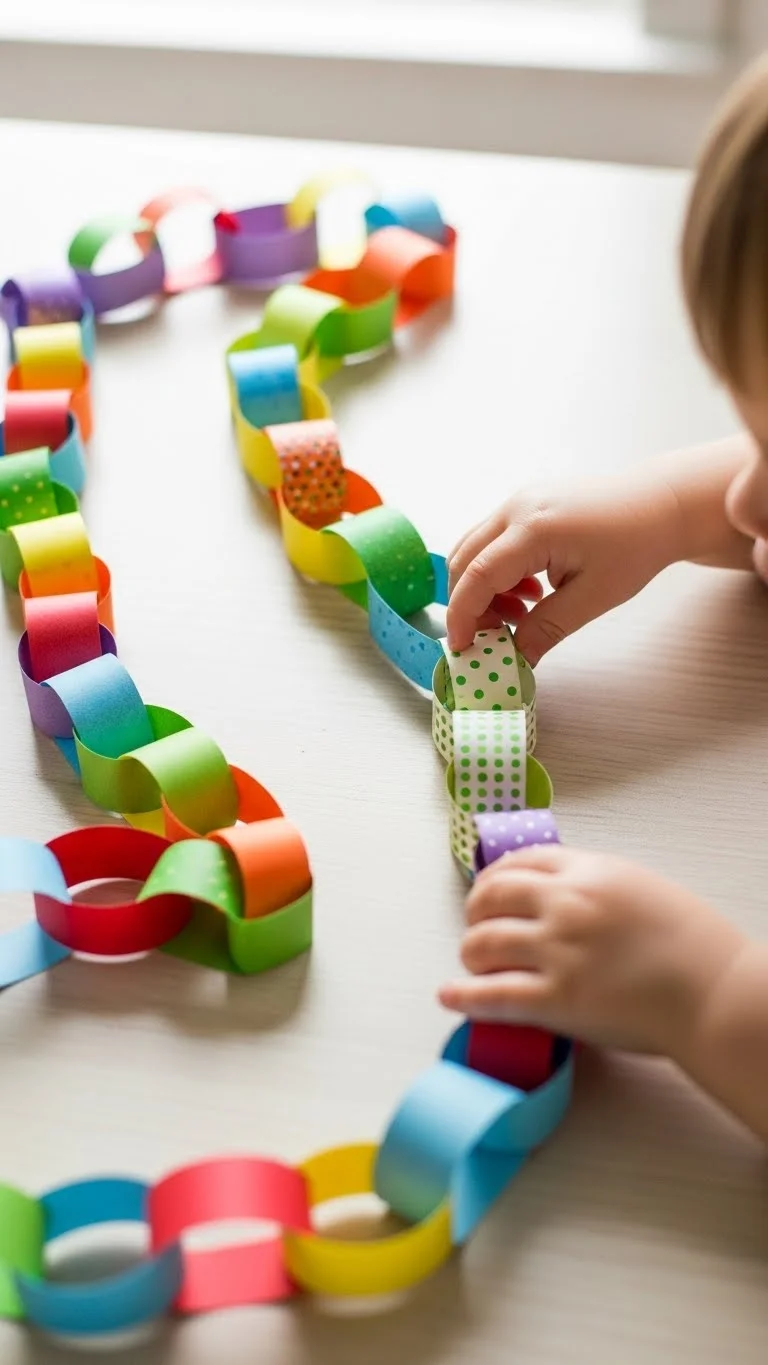
A paper chain progress chart gives kids a cool, growing visual. Cut strips of colored paper and let your child add a new link each time they complete a task. Hang the chain across a wall so progress becomes striking and fun. Use paper scraps from mailers or school projects to keep it budget-friendly. Keep strips short so the chain grows quickly. Assign each color a different action if you want more structure. When the chain reaches a certain length, celebrate with something simple like a backyard activity. Reset by removing links or starting a new chain. This method brings instant visual satisfaction and keeps kids involved.
- Checklist Clipboard
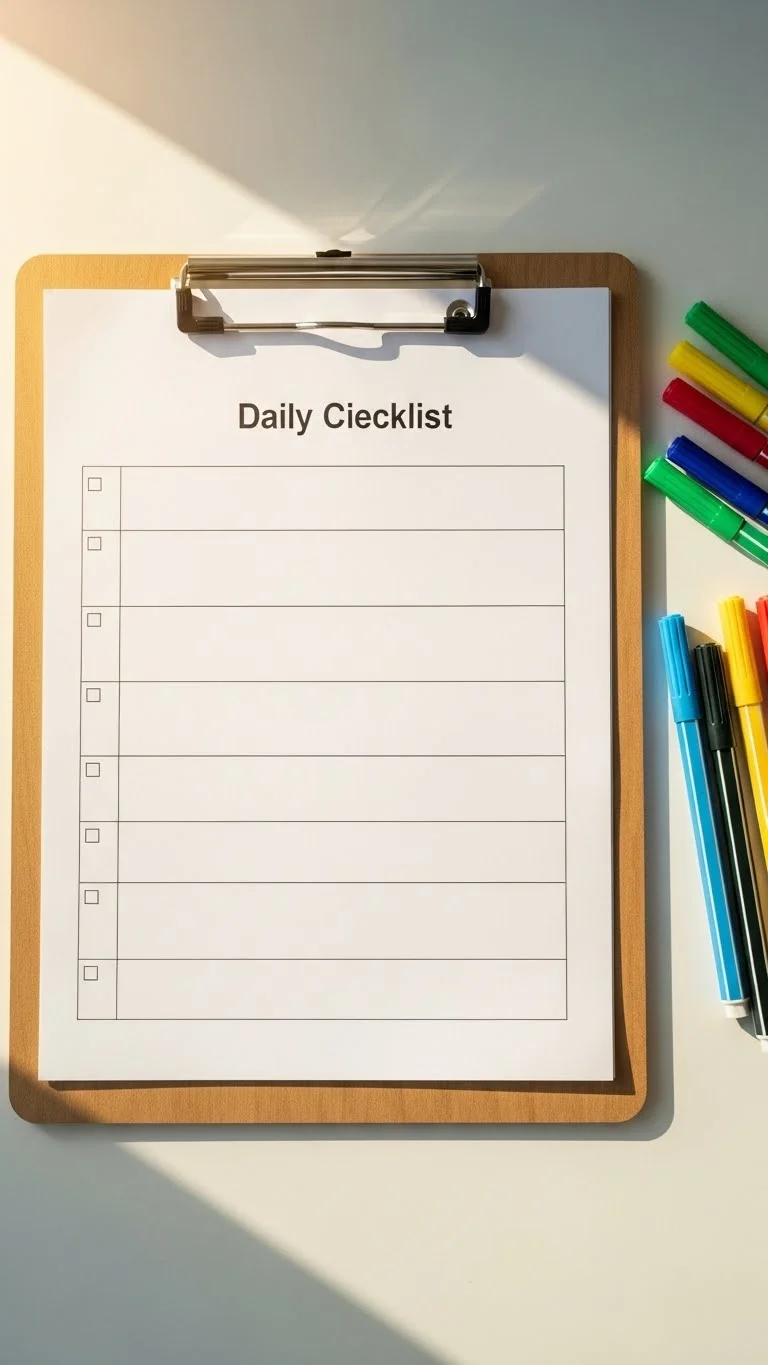
A checklist clipboard helps kids stay organized without overcomplicating things. Print or draw a short daily checklist. Clip it to a sturdy clipboard that your child can carry around. Use simple boxes that they can check with a marker. Tasks include tidying a room corner or preparing school items. Keep the list short so your child feels confident completing it. Decorate the clipboard together to make it personal. Replace the sheet daily or laminate it for reuse. Store the clipboard in a common area like the kitchen counter. Celebrate full checklists with a fun choice like picking a snack or a short walk.
- Reward Road Map

A reward road map turns behavior tracking into a simple journey. Draw a curving road with small stops along the way. Use toy cars or flat markers to move forward when your child completes actions. Each stop can represent small accomplishments. Keep the road short so progress feels steady. Use cardboard or thick paper you already have. If your child enjoys drawing, let them design buildings or parks along the road. Celebrate reaching the end with a home-based activity like choosing a weekend outing. Reset the map easily by moving the car back to the start. This keeps the chart fun and interactive without extra costs.
Conclusion
Behavior charts work best when they stay simple, visual, and easy for kids to manage on their own. Try a few ideas from this list and mix them as routines shift. Small wins help kids feel confident, and these low-cost approaches keep the process stress-free for everyone. Pick one to start today and build from there.
