

22 Parenting Strategies for Highly Sensitive Children

Raising a highly sensitive child can feel confusing at times. Big emotions show up fast. Sounds, lights, and changes can hit hard. Many parents search for simple ways to create calm without spending much money or overhauling family life. This guide shares practical ideas that work in real homes. Each strategy focuses on small actions you can start today. The goal is steadier days, fewer meltdowns, and a child who feels safe being exactly who they are.
- Predictable Daily Rhythms Reduce Emotional Overload
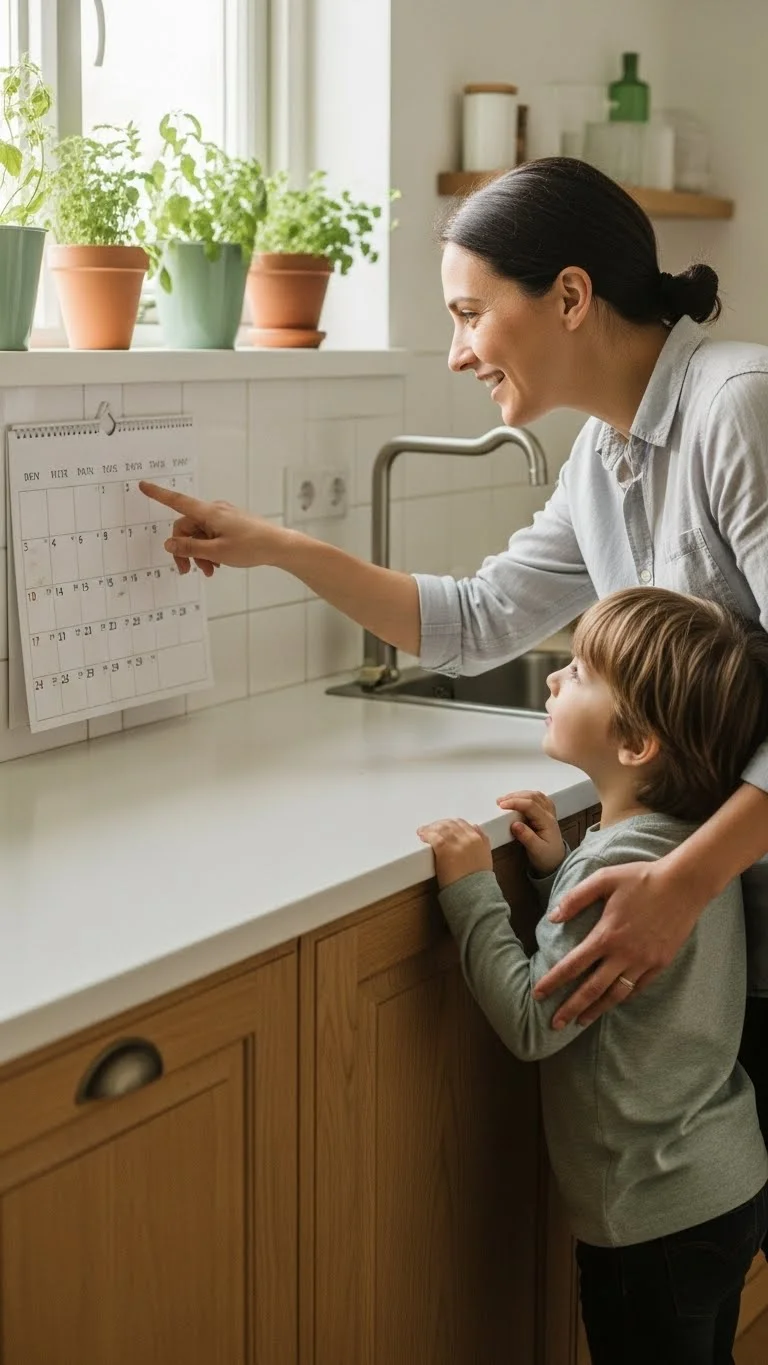
Highly sensitive children often feel overwhelmed when days feel random or rushed. Predictable daily rhythms help their bodies and emotions settle. When mornings, meals, playtime, and bedtime follow a familiar flow, children feel safer because they know what comes next. This does not require strict schedules or rigid timing. Instead, it focuses on consistent patterns that repeat daily. Parents can start small by anchoring just two or three moments, such as wake-up time, dinner, and bedtime. Talking through the day in simple language also helps children prepare mentally. Visual cues like drawings or symbols can make routines easier to understand without relying on long explanations. Predictable rhythms reduce anxiety, lower emotional outbursts, and support cooperation. They also help parents feel less reactive since fewer surprises arise. Over time, these rhythms act like an emotional guide rail, helping sensitive children move through their day with more ease and confidence.
- Calm-Down Corners Offer Safe Emotional Pauses
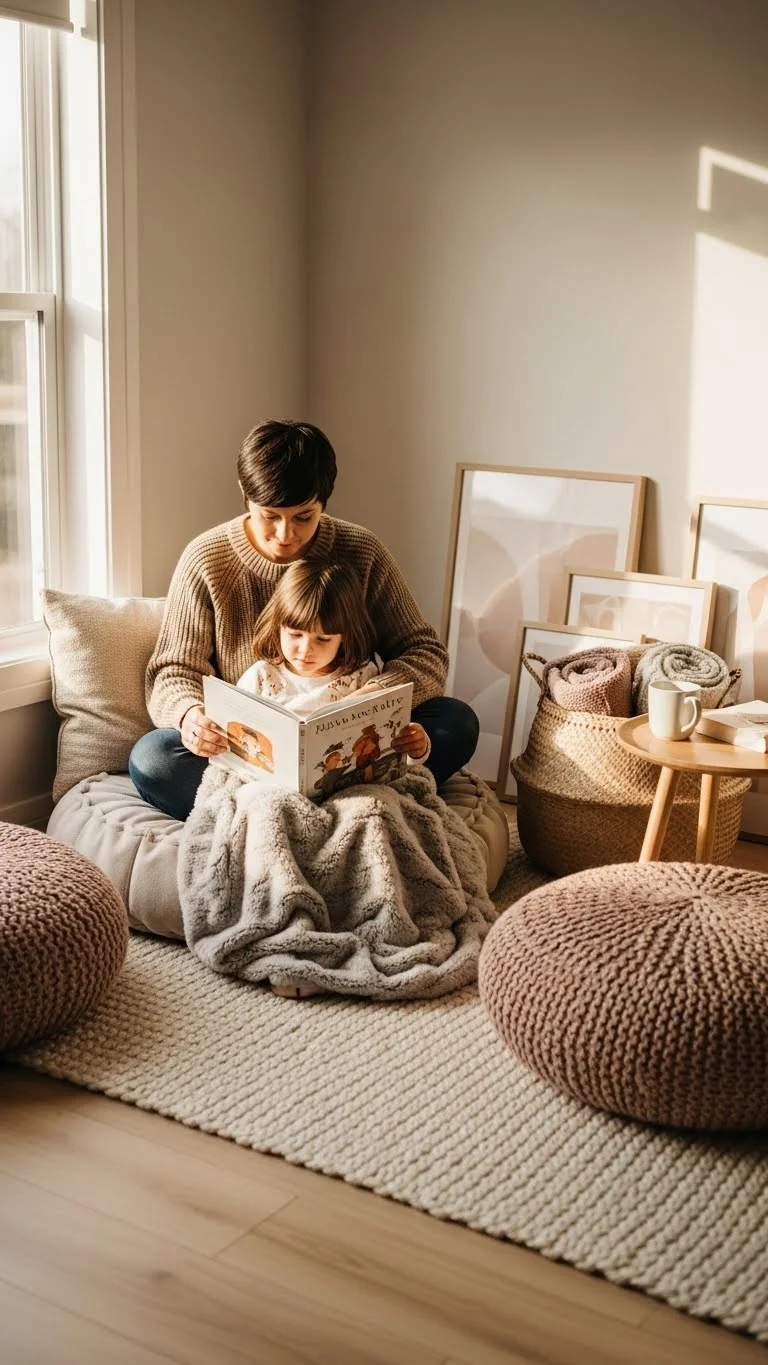
A calm-down corner gives sensitive children a safe place to rest when emotions feel heavy. This space is not meant for punishment or isolation. It is a place of comfort where children can pause, breathe, and regain balance. The space should feel simple and soothing, with soft textures, neutral colors, and minimal clutter. Items like pillows, blankets, or a favorite stuffed toy can help the body relax. Parents should introduce the calm-down corner during peaceful moments, explaining its purpose gently. Sitting nearby at first reassures children that they are not alone. Over time, many children choose to use the space independently. This teaches emotional awareness and self-soothing skills without pressure. A calm-down corner sends a clear message: strong feelings are allowed, and rest is helpful. This small setup can reduce emotional escalations and build long-term coping habits.
- Fewer Words Help During Emotional Storms

When sensitive children experience strong emotions, their ability to process language drops quickly. Long explanations, questions, or lectures often increase distress instead of helping. Using fewer words during emotional storms allows children space to calm their nervous system. Short, steady phrases such as “I’m here” or “You’re safe” offer reassurance without overload. Silence can also be supportive when paired with a calm presence. Parents can save discussions, lessons, or problem-solving for later, once emotions have settled. This approach does not ignore behavior; it simply respects emotional capacity in the moment. Practicing this skill requires parents to slow their own reactions and speak with intention. Over time, children learn that emotions pass without being flooded by noise or correction. This builds trust and emotional safety while reducing the length and intensity of meltdowns.
- Sensory Limits Guide Daily Comfort Choices
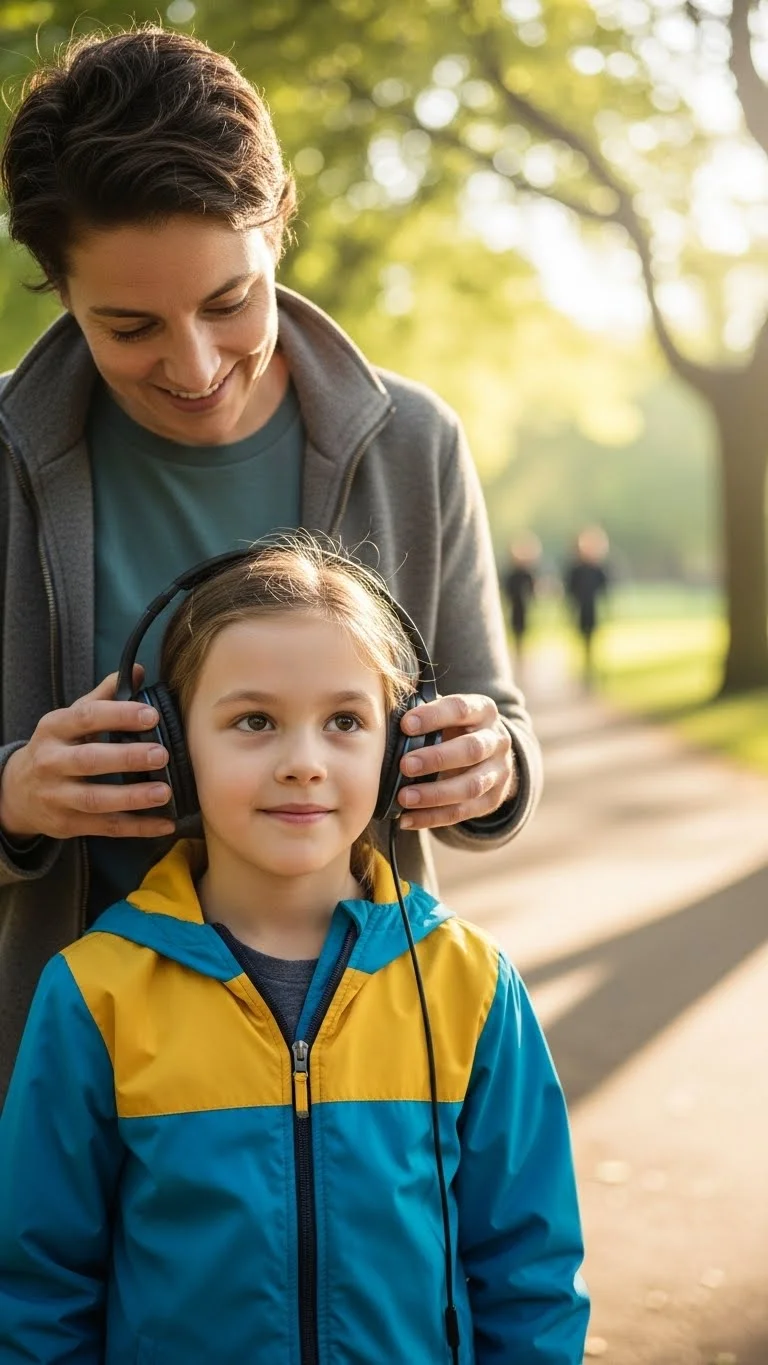
Highly sensitive children often experience sounds, textures, lights, and smells more intensely. Recognizing and respecting sensory limits can prevent emotional overload. Parents may notice patterns such as covering ears, avoiding certain fabrics, or becoming irritable in bright spaces. These signs provide valuable guidance. Small adjustments can make a big difference, such as using softer lighting, choosing quiet environments, or allowing sensory breaks. Comfort-focused choices teach children that their body signals matter. This does not mean avoiding all stimulation, but rather offering support and options. Simple tools like soft clothing, sunglasses, or quiet spaces help children feel regulated. When sensory limits are respected, children feel understood rather than pushed. This builds trust and reduces daily stress. Over time, children also learn to communicate their sensory experiences more clearly.
- Gentle Mornings Set a Steady Tone
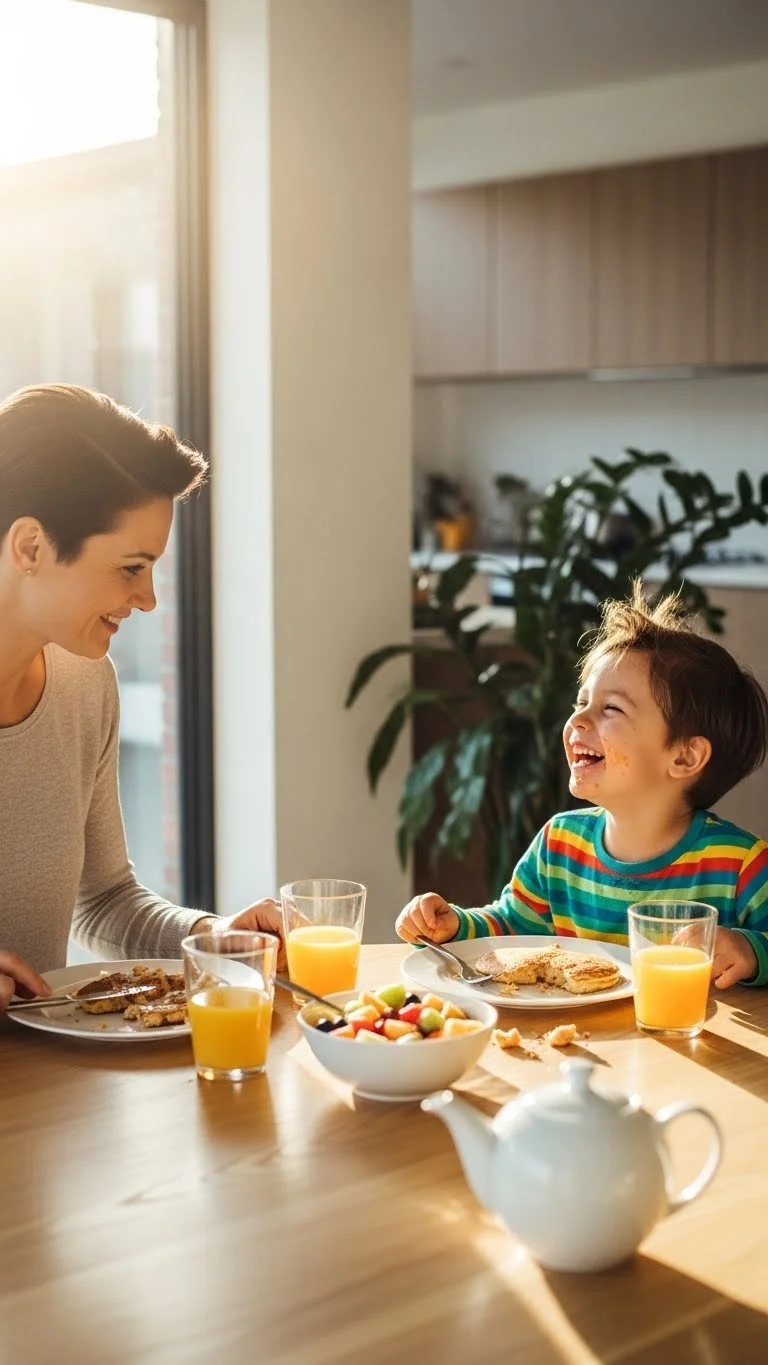
Mornings can be one of the hardest parts of the day for sensitive children. Rushed energy, bright lights, and loud voices can overwhelm them before the day even begins. Gentle mornings focus on calm pacing and soft transitions. Keeping lights low, speaking quietly, and allowing extra time can make mornings feel safer. Preparing clothes and bags the night before reduces decision pressure. Offering limited choices gives children a sense of control without overwhelm. Even small changes, like sitting together for a quiet breakfast, can shift the tone. Gentle mornings reduce emotional buildup that often spills into school or activities. When children start the day feeling calm, they carry that steadiness forward. Parents also benefit from fewer power struggles and a smoother start.
- Early Preparation Eases Upcoming Changes
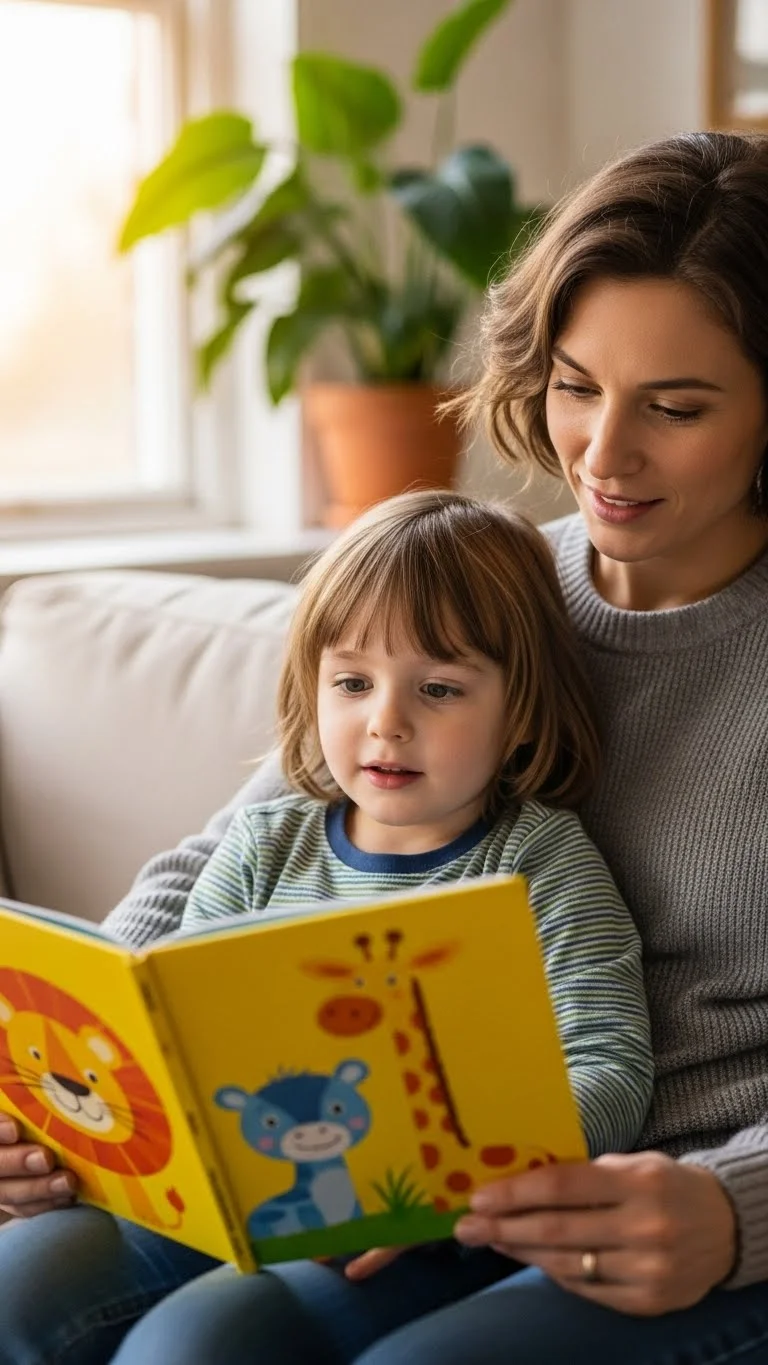
Changes in routine can feel intense for sensitive children. Early preparation helps them adjust emotionally before the change occurs. Talking about upcoming events days ahead allows children time to process. Simple explanations work best, paired with visuals or drawings when possible. Repeating the plan calmly builds familiarity. If changes occur unexpectedly, sharing updates quickly helps children regain a sense of control. Preparation is not about eliminating discomfort, but about reducing shock. This approach supports emotional flexibility over time. Children learn that change is manageable when communicated clearly. Parents also feel more confident guiding transitions with fewer emotional reactions.
- Parental Calm Teaches Emotional Control

Children learn emotional regulation by watching the adults around them. Sensitive children are especially tuned in to tone, body language, and facial expressions. When parents model calm responses during stress, children absorb those behaviors. Naming feelings aloud and demonstrating coping tools like breathing or pausing teaches emotional skills naturally. Mistakes are part of learning. Repairing moments after losing patience shows children how to recover emotionally. This modeling does not require perfection, only honesty and consistency. Over time, children internalize these examples and begin using similar strategies themselves. A calm parent presence becomes an emotional anchor during difficult moments.
- Comfortable Clothing Prevents Daily Irritation

Clothing discomfort can trigger emotional reactions that seem unrelated at first. Sensitive children may struggle with tight waistbands, tags, seams, or stiff fabrics. Choosing comfort-first clothing supports emotional balance throughout the day. Soft, loose, and familiar materials help children stay regulated. Allowing children to help choose outfits gives them control over their sensory experience. Small adjustments like cutting tags or turning socks inside out can prevent frustration. Thrifted clothing often feels softer due to repeated washing. When clothing feels good, children conserve emotional energy for learning and play. Reducing physical irritation leads to calmer behavior and fewer conflicts.
- Consistent Sleep Routines Steady Emotions
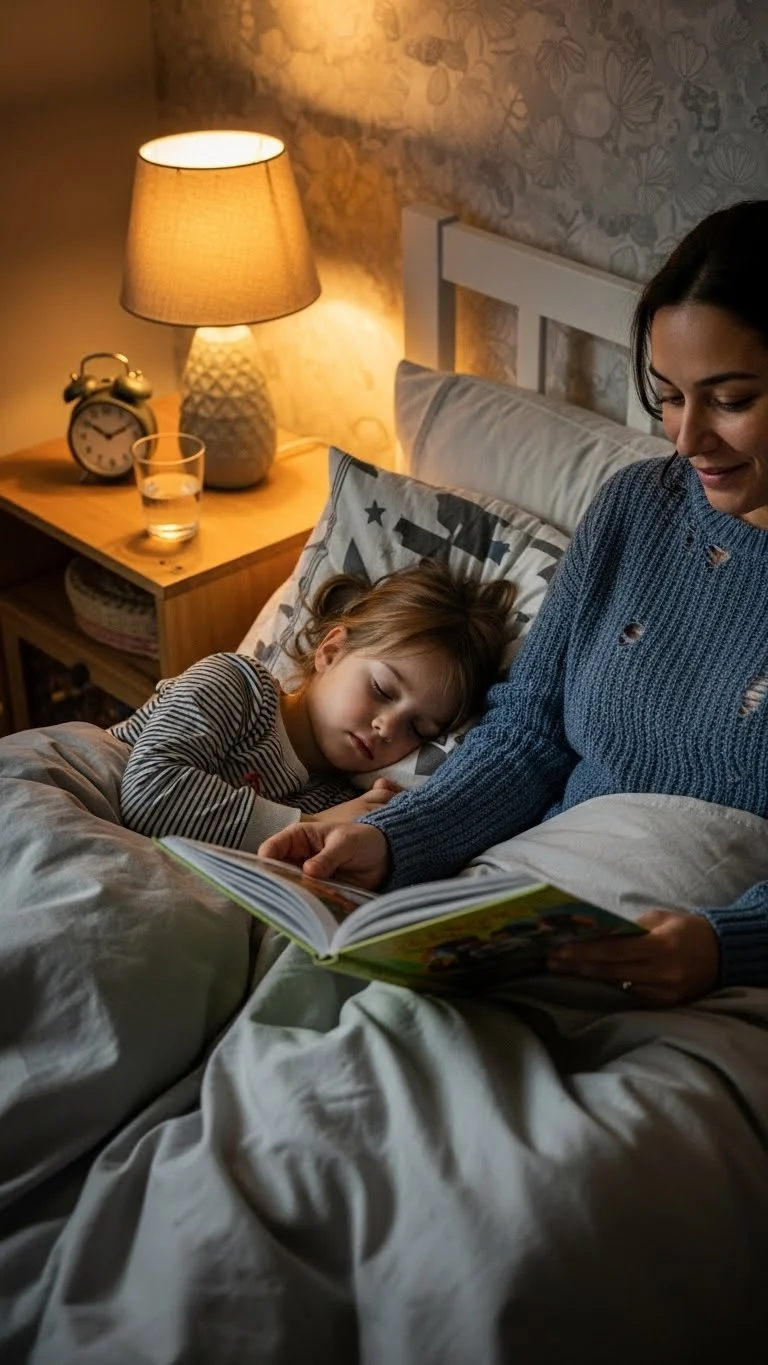
Sleep deeply affects emotional regulation, especially for sensitive children. Consistent bedtime routines help signal the body to wind down. Repeating the same steps nightly builds comfort and predictability. Soft lighting, quiet activities, and limited stimulation prepare children for rest. When sleep routines are protected, children wake feeling more balanced. Night wakings should be met with calm reassurance rather than stimulation. Over time, steady sleep patterns support mood, focus, and resilience. Parents also benefit from improved rest, creating a calmer household overall.
- Emotional Words Help Feelings Feel Manageable
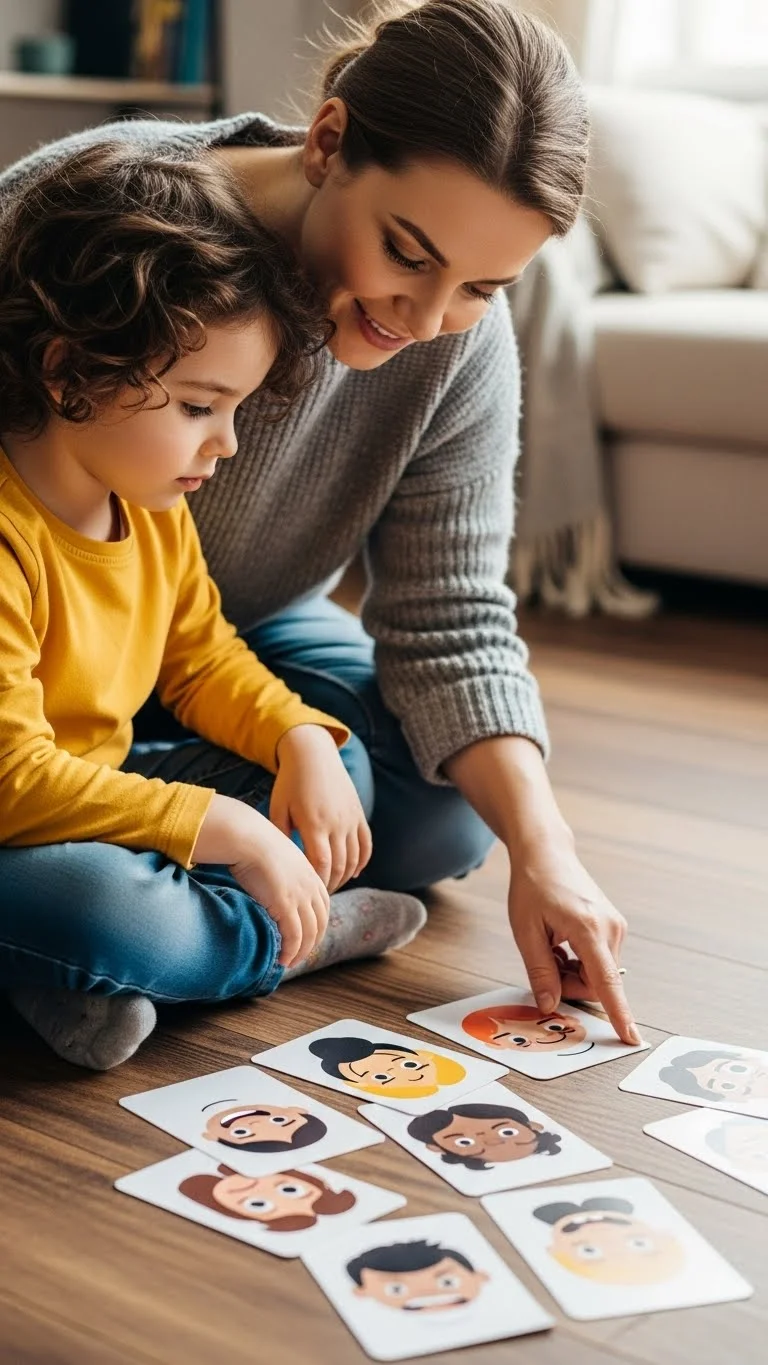
Sensitive children experience emotions strongly but may lack the words to explain them. Teaching emotional language helps children understand and express their inner world. Using simple feeling words during calm moments builds familiarity. Naming emotions when they appear helps children feel seen rather than overwhelmed. Visual tools like drawings or facial expressions make learning playful and accessible. Avoid correcting or minimizing feelings. The goal is recognition, not control. When children can label emotions, those feelings feel less confusing and intense. This skill supports communication, empathy, and self-awareness over time.
- Lower Background Noise Supports Focus
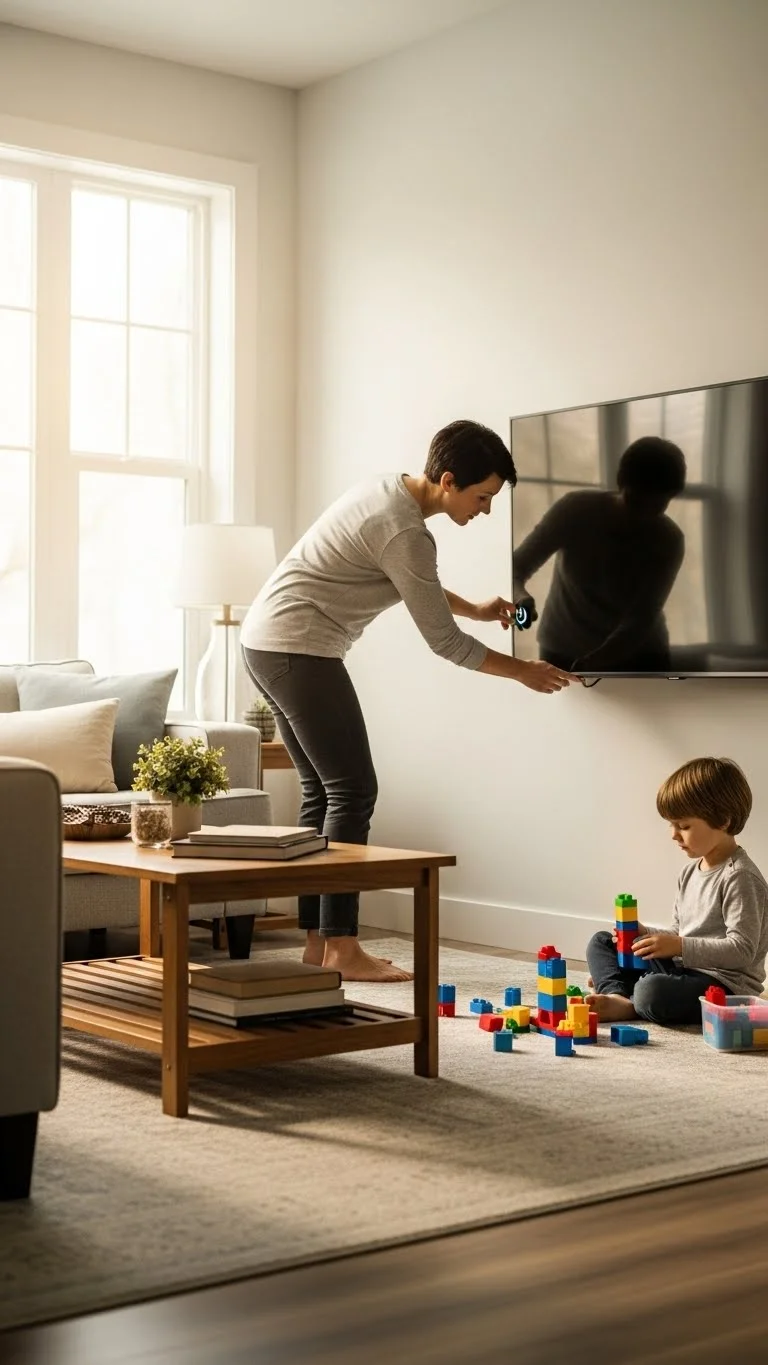
Constant background noise can quietly drain sensitive children. Televisions, music, and devices add layers of stimulation that affect mood and attention. Lowering background noise creates a calmer environment. Turning off unused devices and creating quiet windows during the day allows children to reset. Soft instrumental sounds can be used sparingly if silence feels uncomfortable. This change often leads to better focus and fewer emotional reactions. A quieter home supports rest, creativity, and emotional balance without costing anything.
- Visual Schedules Reduce Repeated Reminders
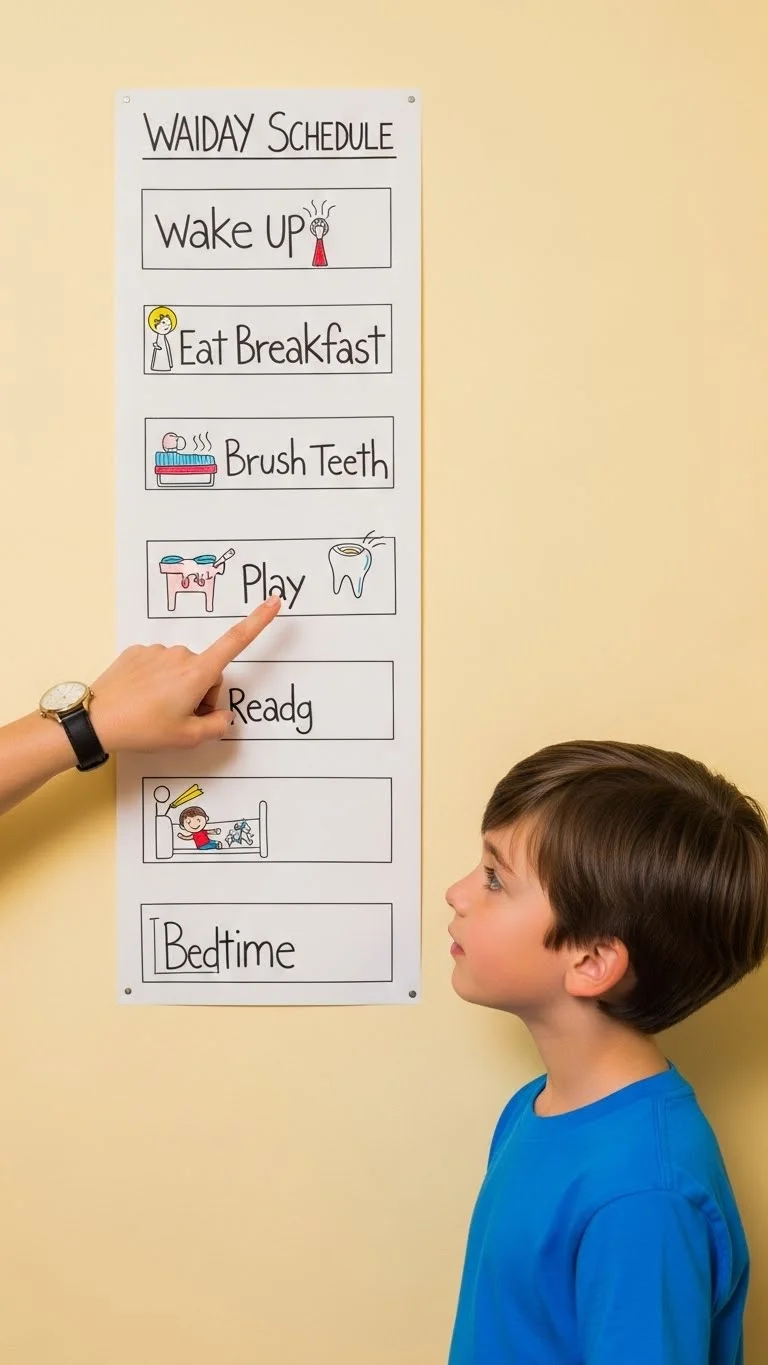
Visual schedules help sensitive children understand expectations without verbal overload. Simple drawings or symbols show daily activities clearly. Placing schedules at eye level allows children to check plans independently. Reviewing the schedule together builds confidence. Visual cues reduce the need for repeated reminders, which can cause frustration. Children feel more prepared and involved in their day. These schedules are easy to make using paper and markers. Over time, visual tools support independence and emotional stability.
- Quiet Social Time Fits Energy Levels
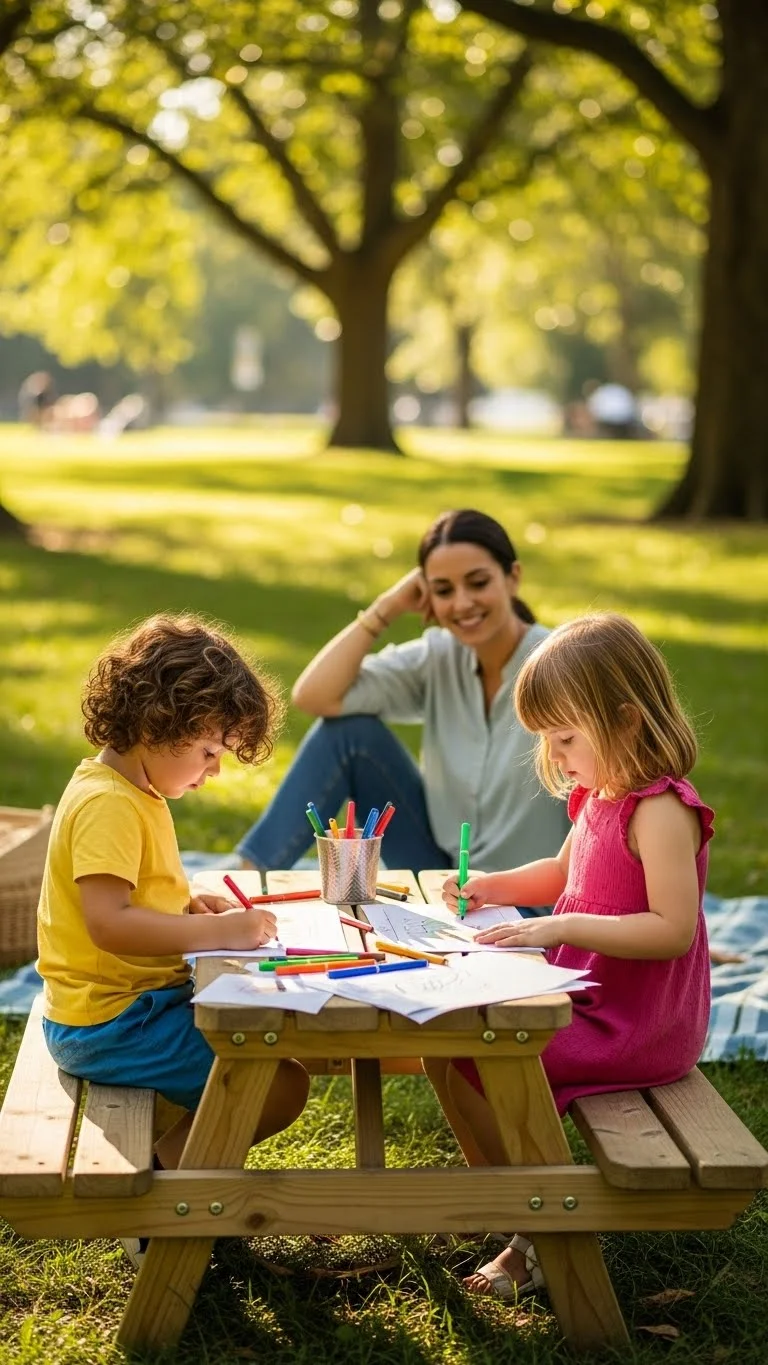
Sensitive children often prefer calm social settings. Large groups or noisy play can drain energy quickly. Offering quiet social time supports friendships without overwhelm. Short, one-on-one playdates allow deeper connection. Activities like drawing, building, or reading suit lower stimulation levels. Watching for fatigue helps parents end playtime before emotional overload. Respecting social energy builds positive experiences rather than stress. This approach supports healthy relationships while honoring individual limits.
- Feeling Validation Builds Trust Quickly
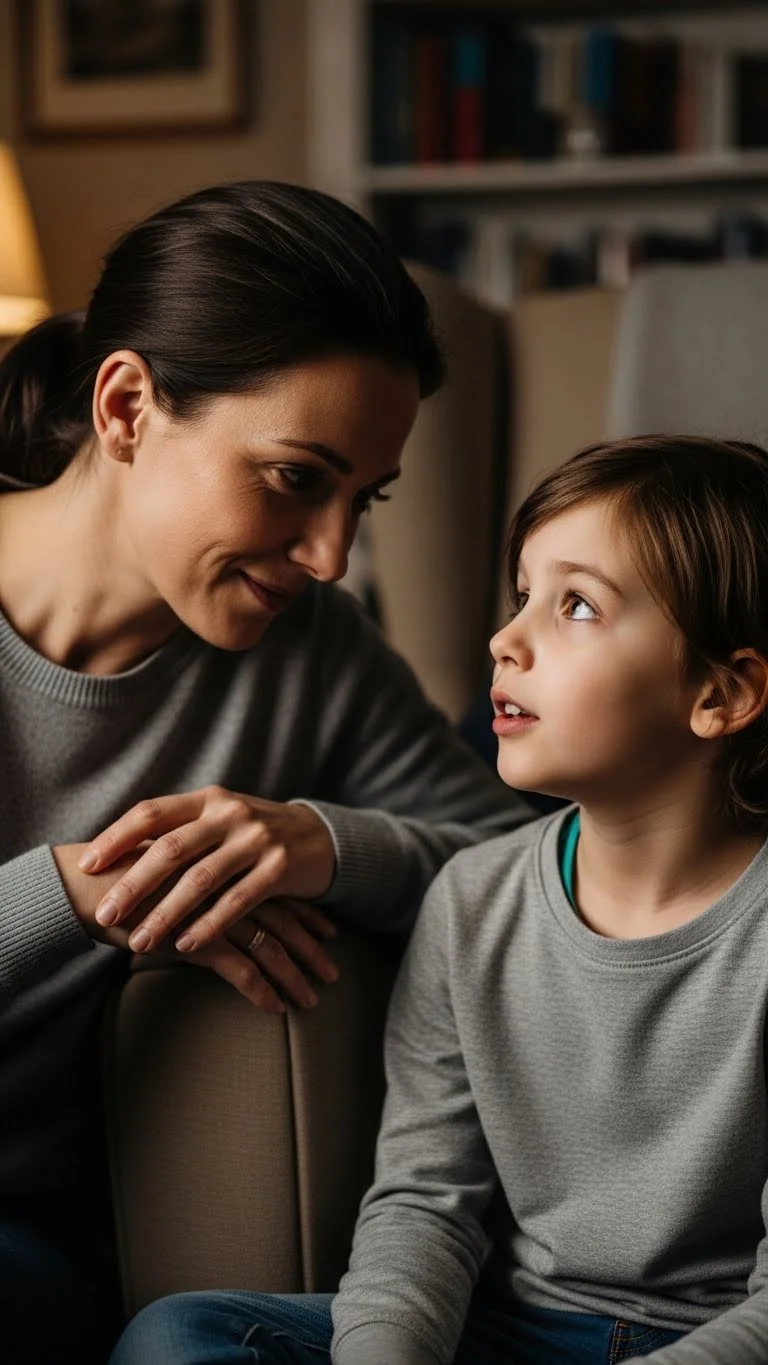
Validation means acknowledging a child’s feelings without rushing to fix them. When sensitive children feel heard, emotional intensity often softens. Simple responses like reflecting what the child says show understanding. Avoid minimizing or correcting emotions. Validation does not mean agreeing with behavior; it means recognizing the feeling behind it. This builds trust and openness. Over time, children become more willing to share emotions. Feeling validated supports emotional security and reduces emotional buildup.
- Clear Expectations Lower Confusion
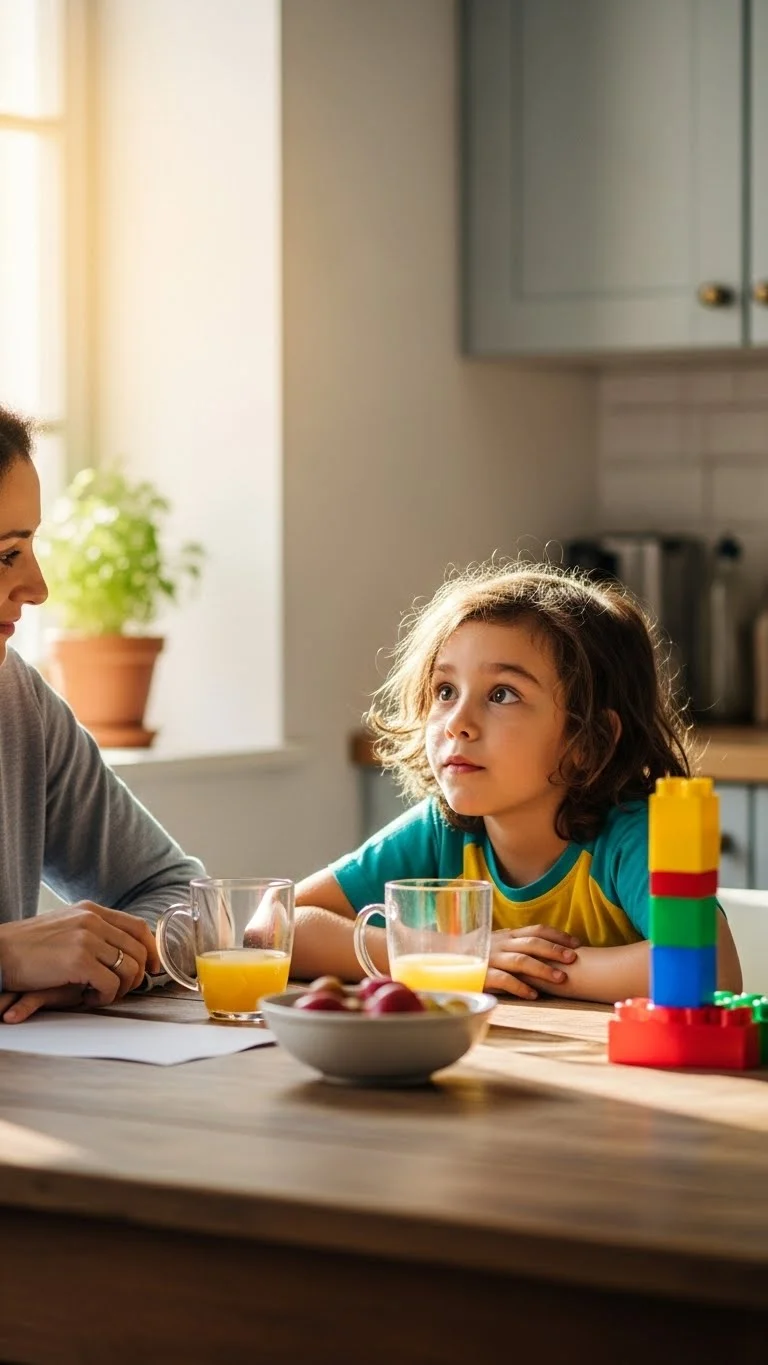
Sensitive children benefit from clear, simple expectations. Long explanations or changing rules can overwhelm them. Stating expectations in short sentences helps children understand what is required. Visual reminders can reinforce rules gently. Consistency builds confidence and reduces anxiety. When expectations are predictable, children feel more secure. Clear boundaries also reduce power struggles, creating a calmer home environment.
- Recovery Time Follows Busy Events

Busy activities can exhaust sensitive children emotionally and physically. Scheduling recovery time afterward allows their nervous system to settle. Quiet activities like reading or resting help restore balance. Avoid stacking multiple events back-to-back. Planning downtime prevents emotional crashes later. This approach supports long-term emotional health and teaches children the value of rest.
- Creative Play Releases Emotional Pressure
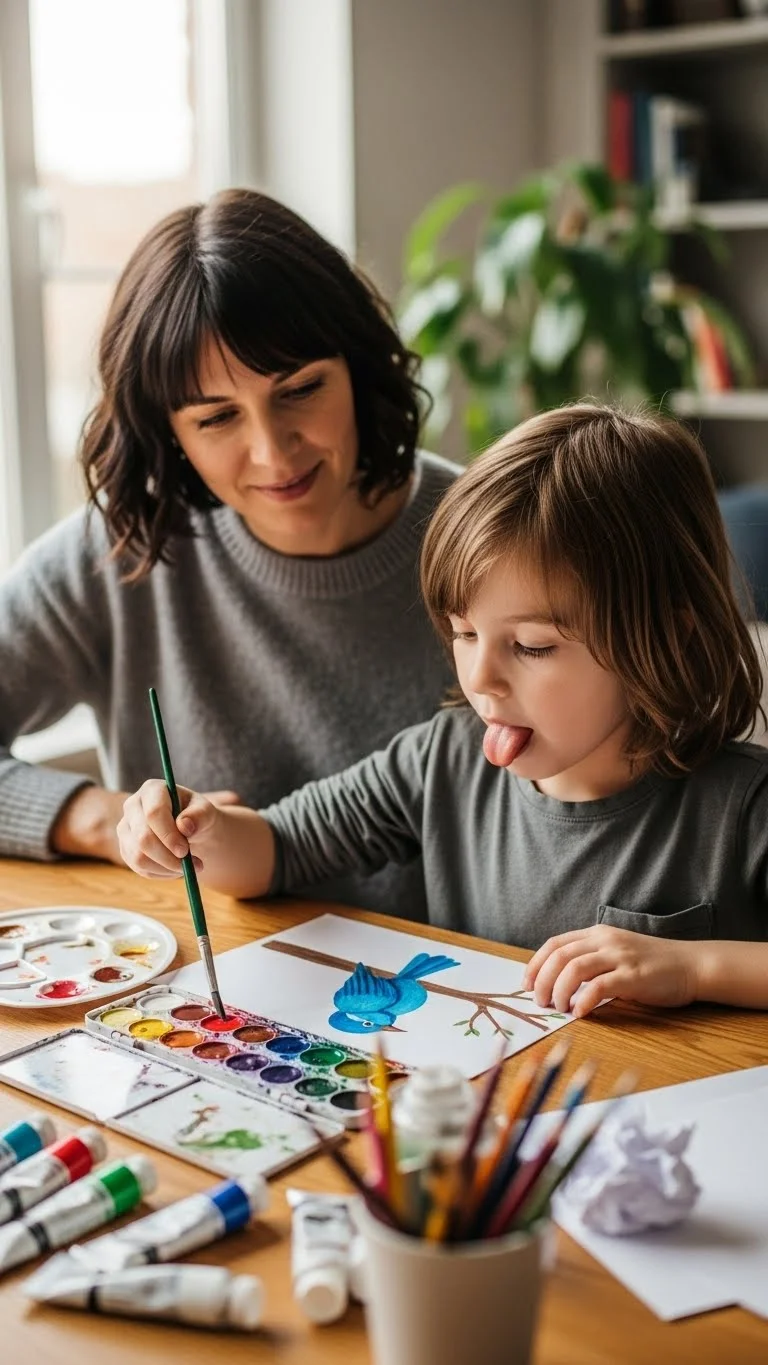
Creative outlets offer sensitive children a way to express emotions without words. Art, music, and building activities allow feelings to flow freely. Simple materials work best and reduce pressure to perform. Letting children lead creative time supports autonomy. Creative play supports emotional release and calm focus. Regular access to creativity strengthens emotional resilience.
- Firm Kindness Builds Household Stability

Sensitive children still test boundaries like all children. Firm kindness means holding limits with calm and respect. Acknowledge feelings while keeping rules steady. Consistency creates safety and trust. Children learn that adults are reliable and supportive. This balance reduces fear and confusion while supporting emotional growth.
- Hunger and Fatigue Affect Behavior Fast

Strong emotional reactions often stem from hunger or tiredness. Regular meals and snacks support emotional balance. Watching sleep patterns helps identify behavior shifts. Addressing physical rhythms can quickly reduce emotional intensity. Simple adjustments often lead to noticeable improvements.
- Exit Plans Calm Public Outings

Public spaces can overwhelm sensitive children. Knowing there is a way to leave provides comfort. Discuss exit plans before entering busy places. Standing near exits reduces stress. This preparation helps children stay regulated and confident during outings.
- Effort-Based Praise Builds Self-Trust
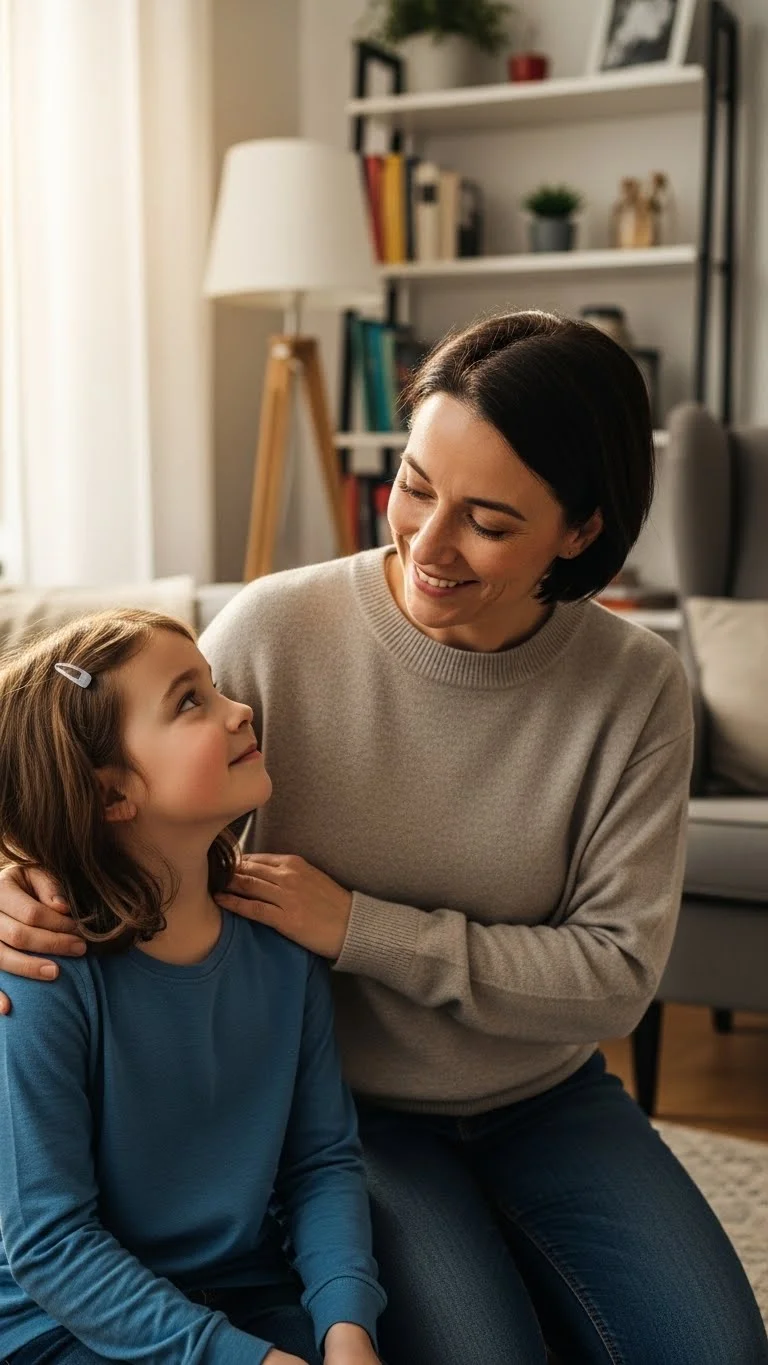
Sensitive children often feel pressure to appear strong. Praising effort rather than toughness supports self-trust. Recognizing trying and persistence builds confidence. This approach values growth over performance. Children feel accepted for who they are, not how well they endure discomfort.
- Daily Connection Rituals Anchor Emotional Safety

Daily connection rituals provide emotional grounding. Simple routines like hugs, chats, or shared moments build security. Consistency matters more than length. These rituals become emotional anchors during difficult times. A strong connection supports resilience and trust over time.
Conclusion
Parenting a highly sensitive child does not require expensive tools or complicated systems. Small shifts in tone, space, and timing can change daily life in meaningful ways. These strategies focus on calm, clarity, and connection. Try one or two ideas at a time. Watch what helps your child settle and feel safe. Over time, these simple actions create a home where sensitivity is respected and supported.
