

26 Confidence Building Ideas for Courageous Kids
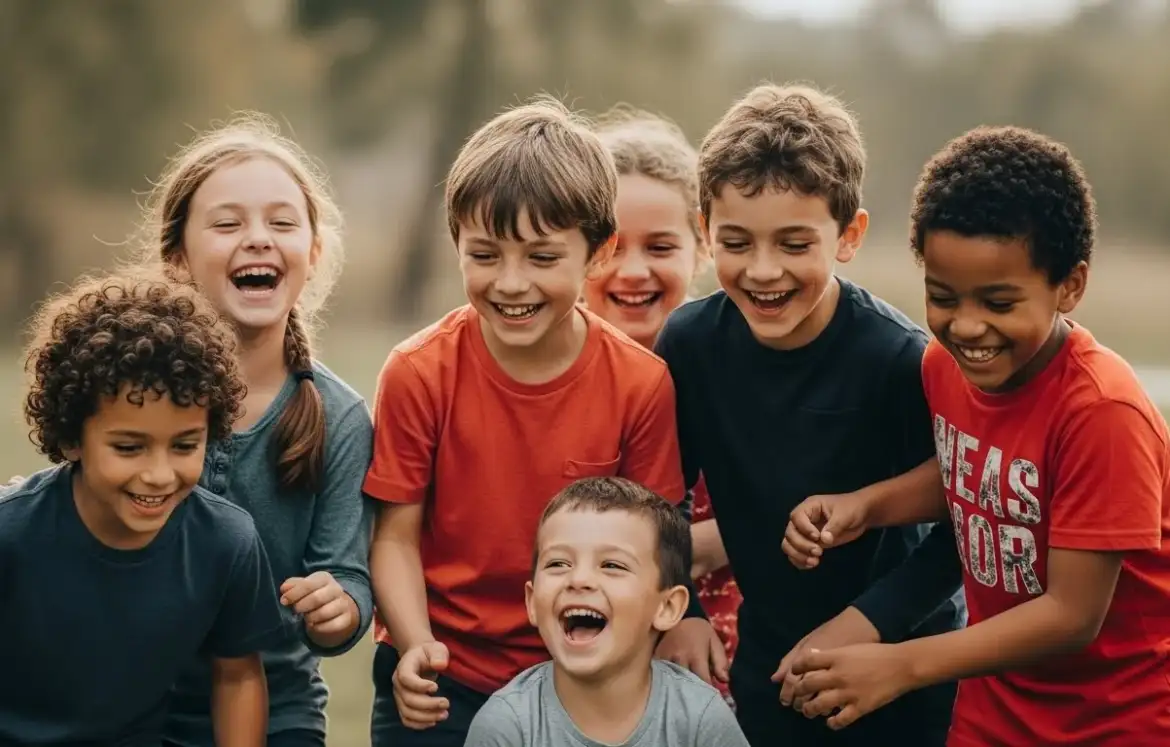
Raising confident kids does not require fancy programs or expensive tools. Small daily actions shape how children see themselves and how they face challenges. When kids feel capable at home, they carry that belief into school, friendships, and new experiences. This guide shares simple, low-cost ideas that help children trust their abilities through real-life practice. Each idea focuses on effort, choice, and follow-through. Nothing complicated. Just practical habits families can start today.
1. Let Kids Make Small Daily Choices 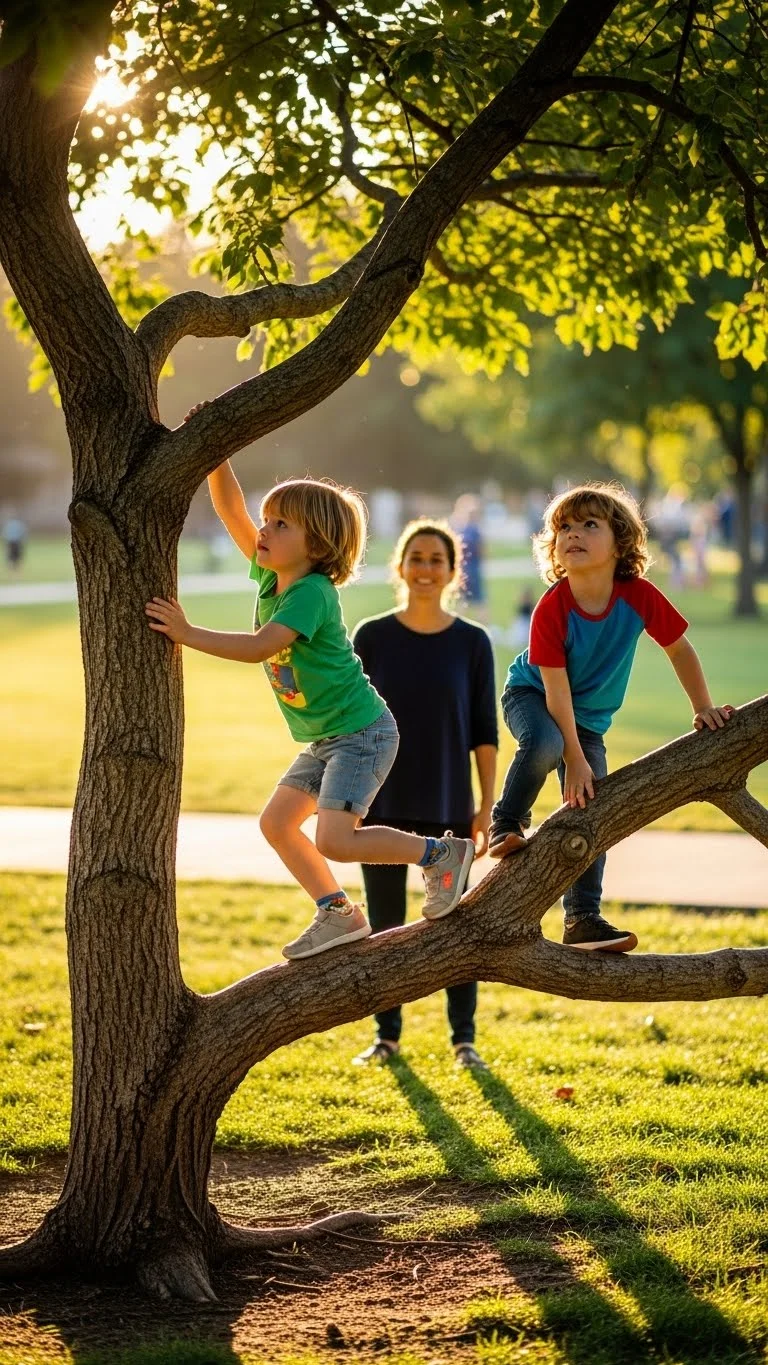
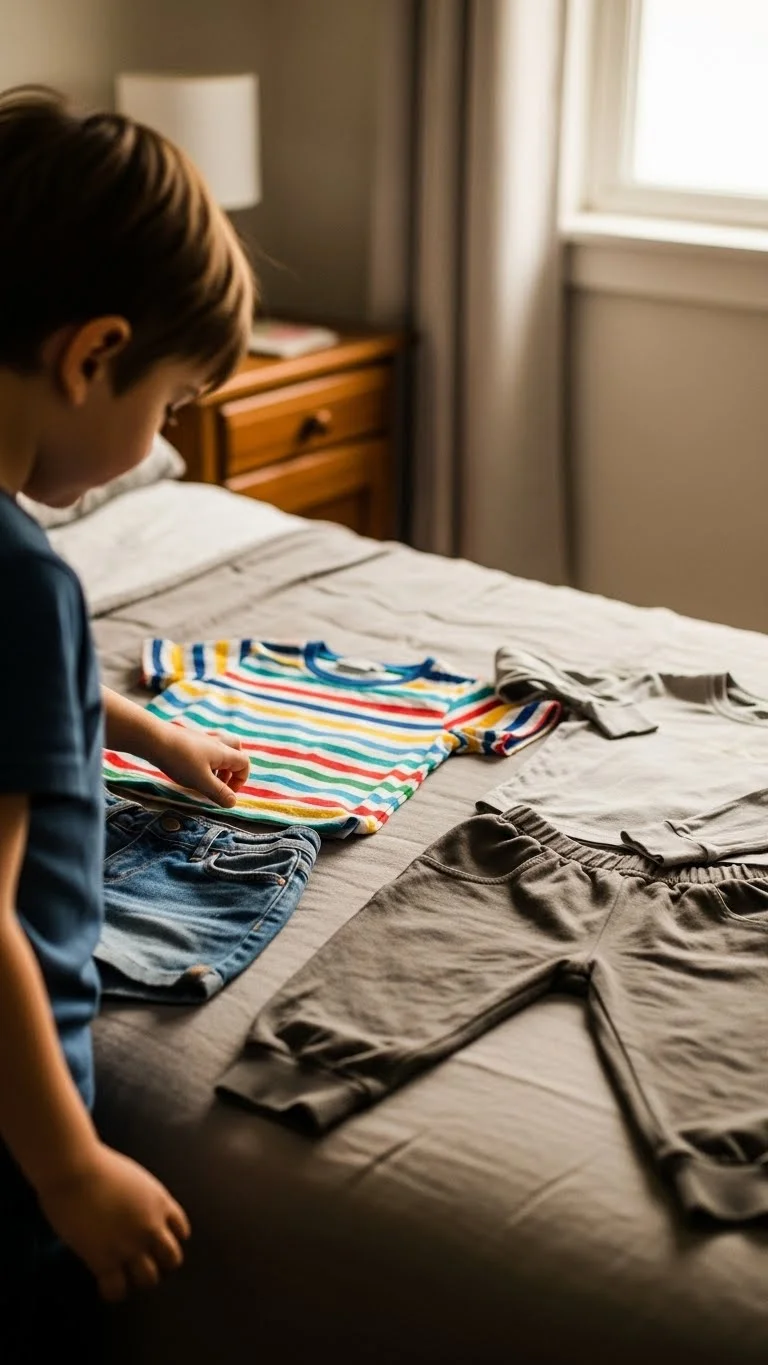
Confidence grows when kids see their decisions matter. Start with simple choices each day. Offer two snack options. Let them choose between walking or riding a bike. These moments feel small, yet they teach ownership. Avoid overloading options. Two clear paths work best.When kids choose, accept the outcome. If the blue shirt felt itchy later, acknowledge the feeling without fixing it. This builds learning through experience. Keep choices safe and age-appropriate. Younger kids can pick toys. Older kids can plan weekend activities. Budget tip: choices cost nothing. Use what you already have. Rotate options instead of buying more. DIY idea: create a “choice board” using paper. Write two daily choices and let your child circle one. Speak calmly. Avoid rushing. Confidence grows when kids feel heard. Over time, children start trusting their judgement. They learn they can decide, adapt, and move forward. That belief carries into harder moments later.
2. Praise Effort, Not Results 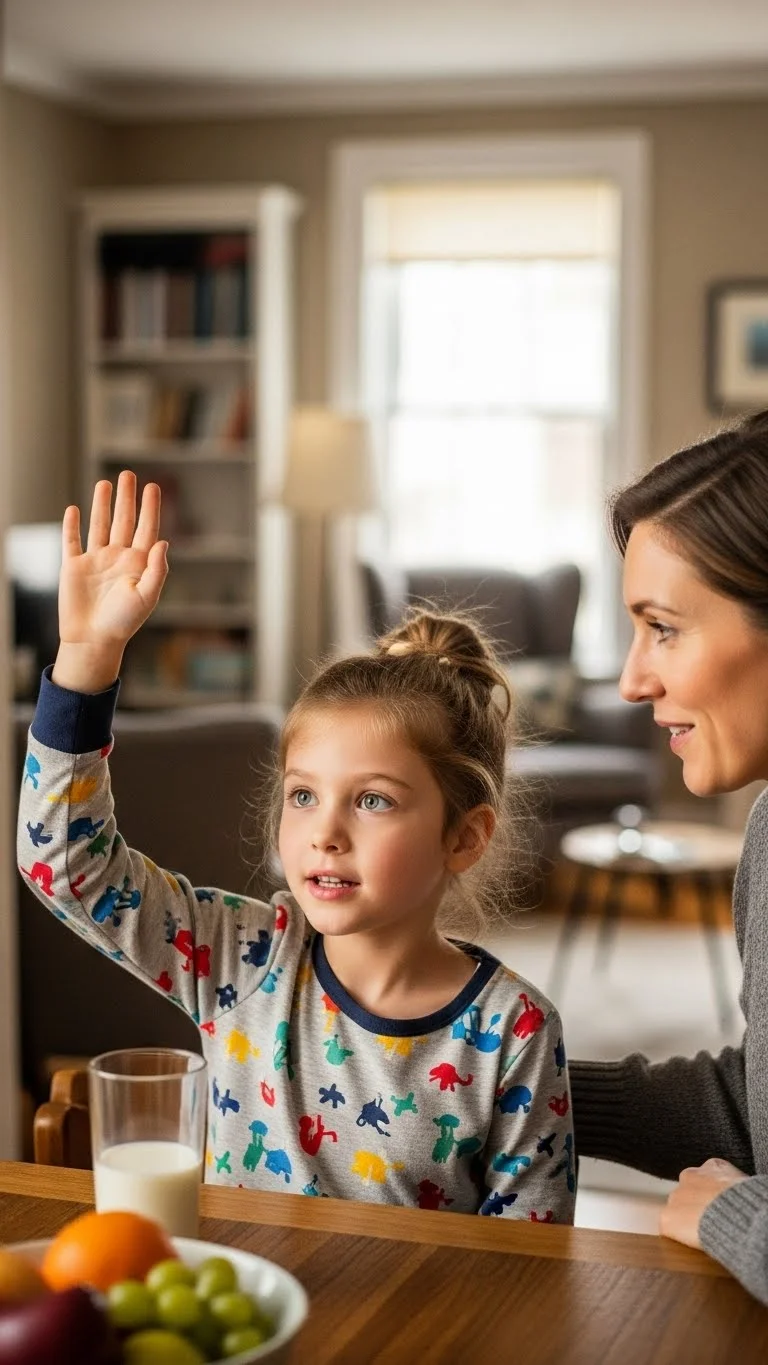
Kids notice what adults praise. When praise focuses only on winning or perfect scores, children fear mistakes. Shift attention to effort. Say, “You kept trying,” or “You practiced a lot today.” These words teach kids that progress comes from action. This approach helps kids handle setbacks. When effort matters, failure feels temporary. They try again instead of giving up. Keep feedback specific. Avoid vague phrases. Point out what they did well and what they tried. Budget tip: spoken praise works better than rewards. No purchases required. DIY idea: create an effort jar. Write effort-based moments on slips of paper. Read them together weekly. Use a calm tone. Avoid exaggeration. Kids trust honest feedback. Over time, they internalize the message that effort leads to growth. That mindset supports confidence in school, sports, and friendships. They learn they can improve through practice, not perfection.
3. Teach Simple Household Responsibilities 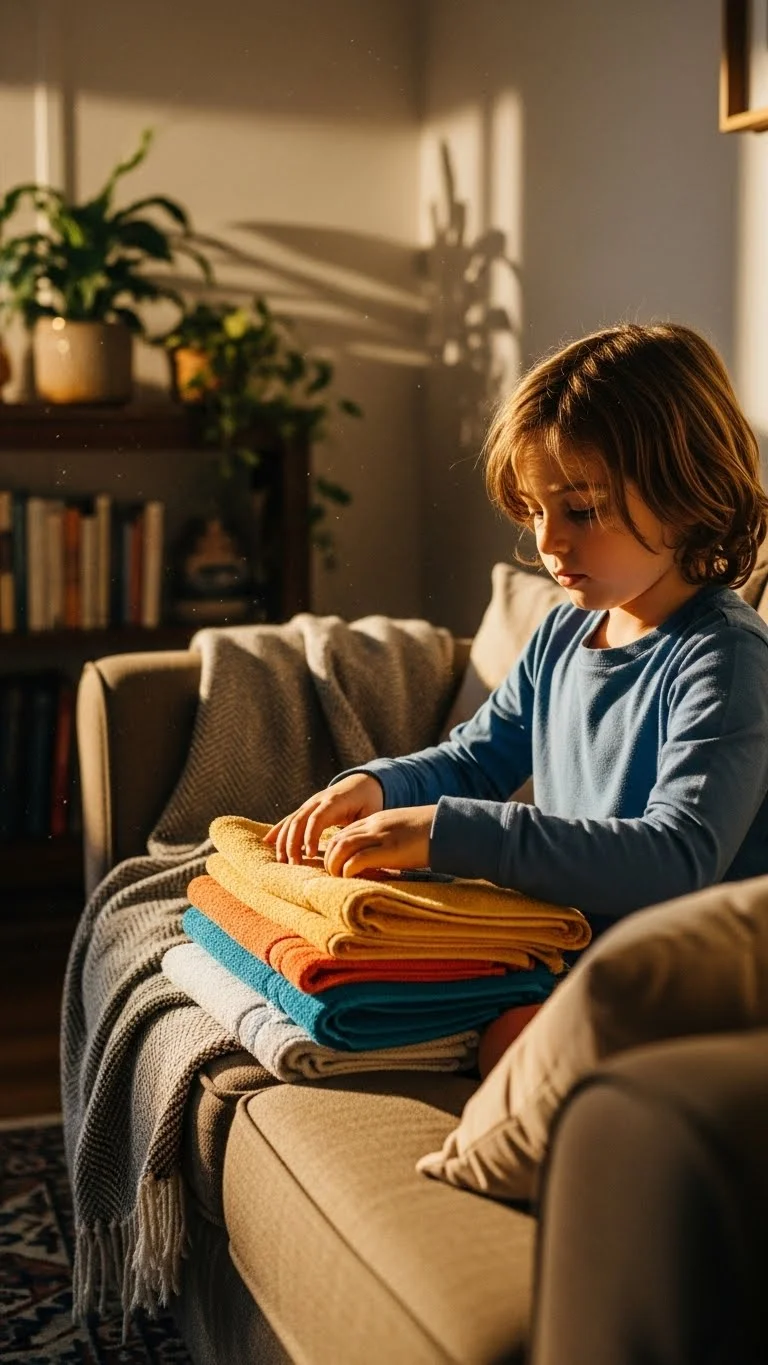
Responsibilities show kids they contribute. Simple tasks like setting the table or feeding a pet build capability. Start small. Match tasks to age. Show once, then step back. Avoid correcting every detail. A crooked napkin still counts. Focus on completion, not perfection. Thank them for helping. This creates pride in contribution. Budget tip: chores use what you already have. No charts needed. DIY idea: write tasks on paper slips. Let kids draw one daily. Consistency matters. Keep tasks regular. Over time, kids feel reliable. They see themselves as capable helpers. That feeling strengthens confidence and independence. They learn that their actions support the family, and that sense of purpose matters.
4. Encourage Problem Solving Before Stepping In 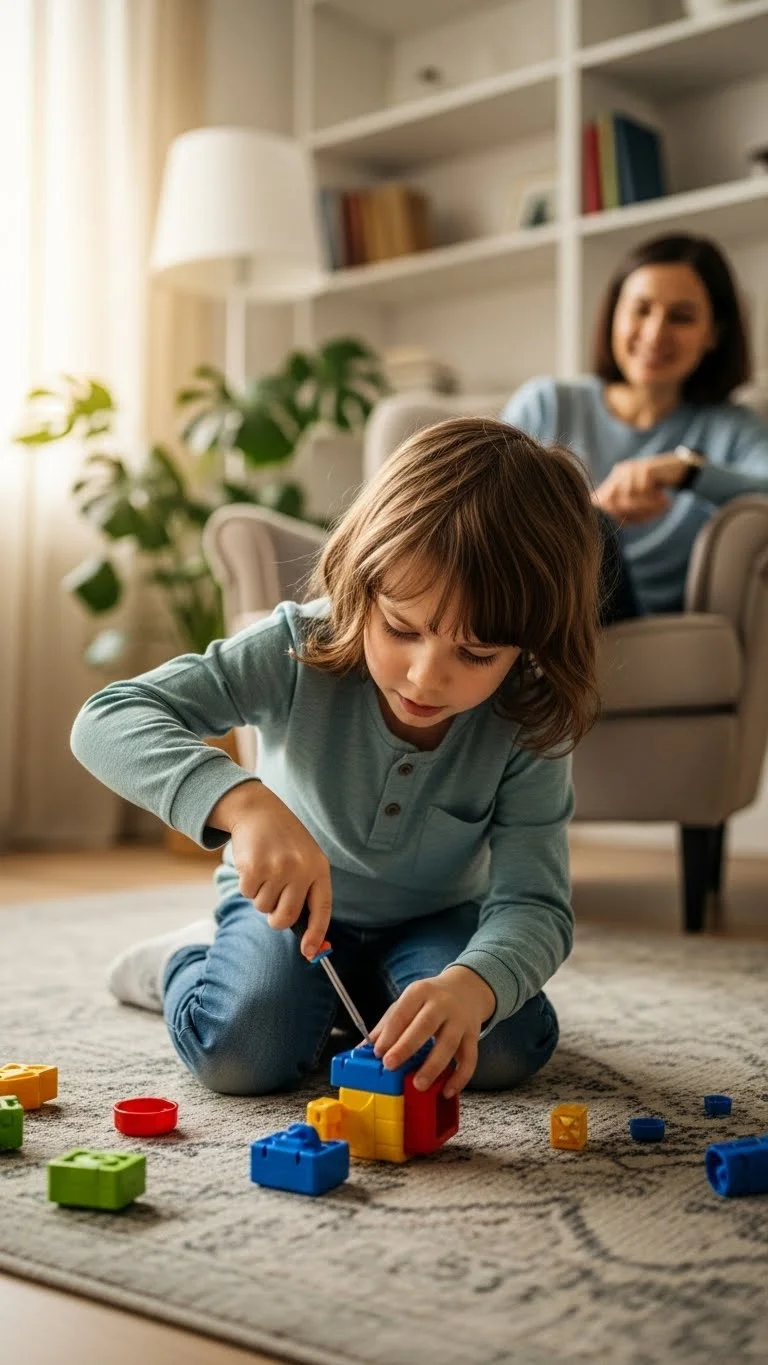
When kids face problems, pause before helping. Ask, “What do you think could work?” This invites thinking. Even young kids can suggest ideas. Let them try. Mistakes will happen. Stay calm. Guide with questions instead of solutions. This builds confidence through trial. Budget tip: broken toys and puzzles already provide practice. DIY idea: keep a small “fix box” with tape and paper for safe experiments. Over time, kids trust their thinking. They approach challenges with curiosity instead of fear. That skill supports confidence across many situations, from schoolwork to social issues.
5. Practice Speaking Up at Home 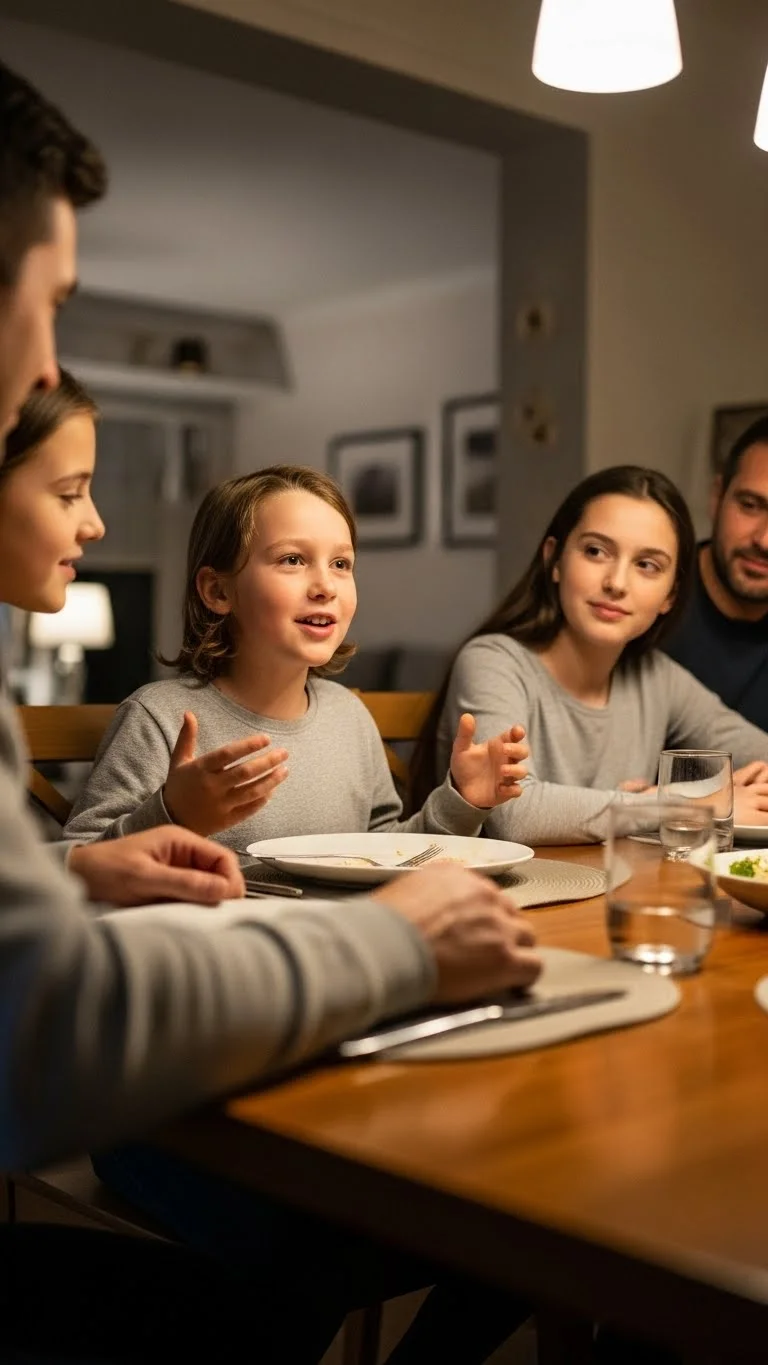
Home is the safest place to practice voice. Invite kids to share opinions during meals. Ask open questions. Listen without interrupting. Respect their words, even when you disagree. Model calm responses. This teaches kids that speaking up is safe. Budget tip: conversations are free. DIY idea: start a weekly “family talk night.” Each person shares one thought. With practice, kids grow comfortable expressing themselves. That comfort builds confidence in classrooms and social settings. They learn their voice matters.
6. Let Kids Teach You Something 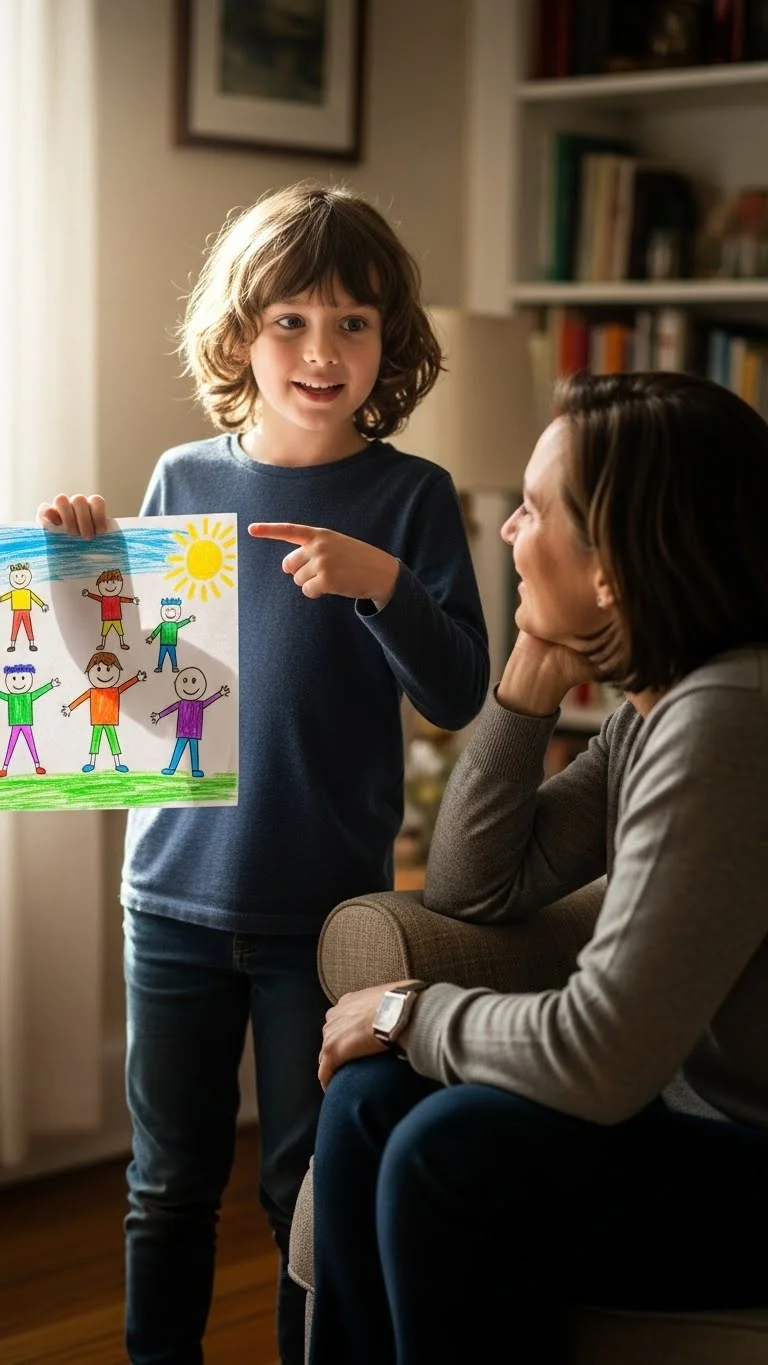
Teaching flips roles. Ask your child to explain a game or skill. Listen closely. Ask questions. This shows respect for their knowledge. Kids feel capable and valued. Budget tip: use everyday skills like tying your shoes or drawing. DIY idea: create “teacher time” once a week. Kids gain confidence when they see adults learning from them. It reinforces belief in their abilities and communication skills.
7. Teach Kids to Set Small Personal Goals 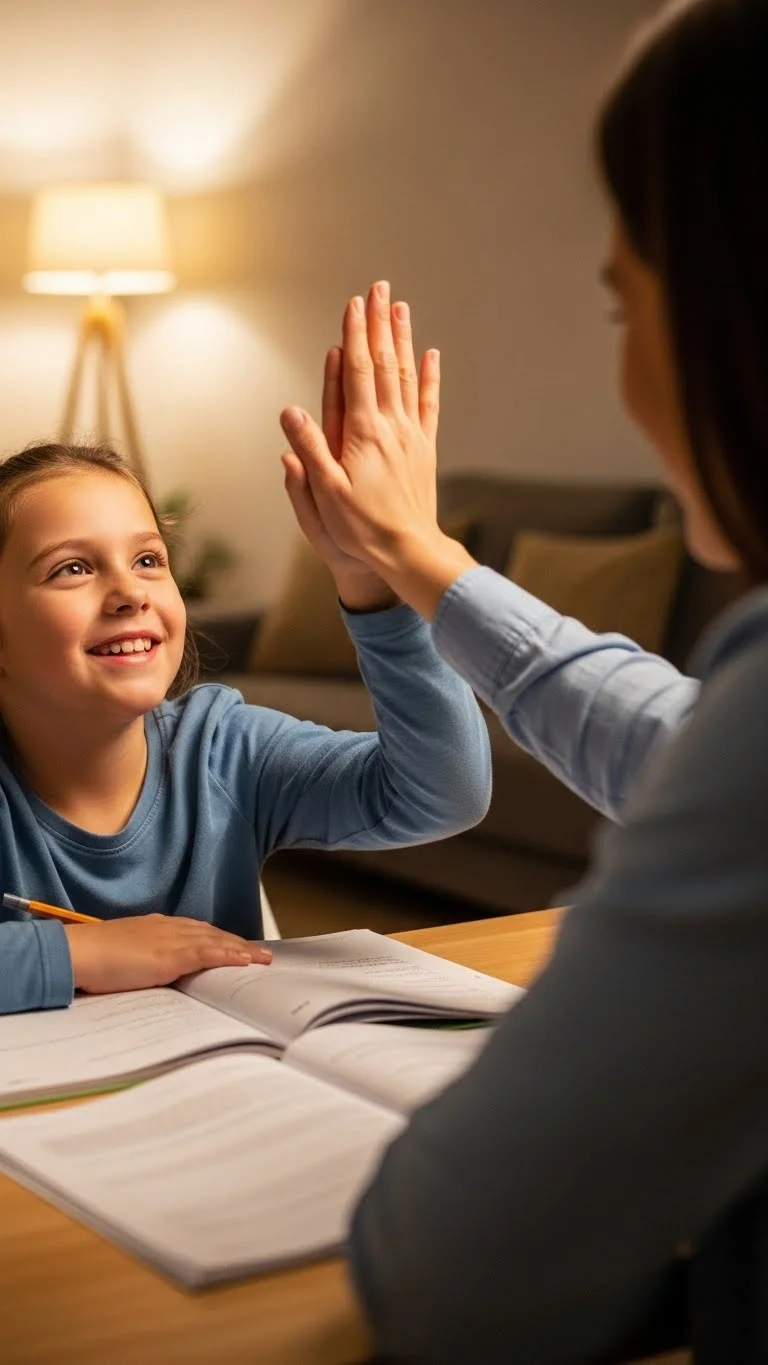
Small goals help kids see progress they can feel. Keep goals simple and short. Think daily or weekly, not long-term. Examples work best. Reading two pages. Tying shoelaces alone. Packing a school bag without reminders. Write the goal on paper and place it where they can see it. Let the child help decide the goal so it feels personal. Check progress in a relaxed way. Ask how it’s going rather than pushing for results. If the goal feels too hard, adjust it together. This shows flexibility, not failure. When a goal is reached, pause and talk about how they did it. Focus on actions, not praise overload. This habit teaches kids that effort leads to results. Over time, they begin setting goals on their own and trusting their ability to follow through.
8. Role-Play Social Situations 
Social moments can feel uncomfortable for kids. Practicing at home makes them feel safer outside. Use pretend play to act out everyday situations. Joining a game. Asking for help. Saying no politely. Keep it short and light. Five minutes is enough. Use toys, drawings, or simple acting. Let the child choose the scenario. Switch roles so they can see different viewpoints. Laugh when things feel awkward. That eases tension. Avoid correcting every word. Focus on confidence, not perfection. If they freeze, pause and restart. Repetition helps. This practice costs nothing and fits into playtime. Kids walk into real situations feeling prepared instead of anxious. Preparation builds calm, and calm builds confidence.
9. Let Kids Teach What They Know 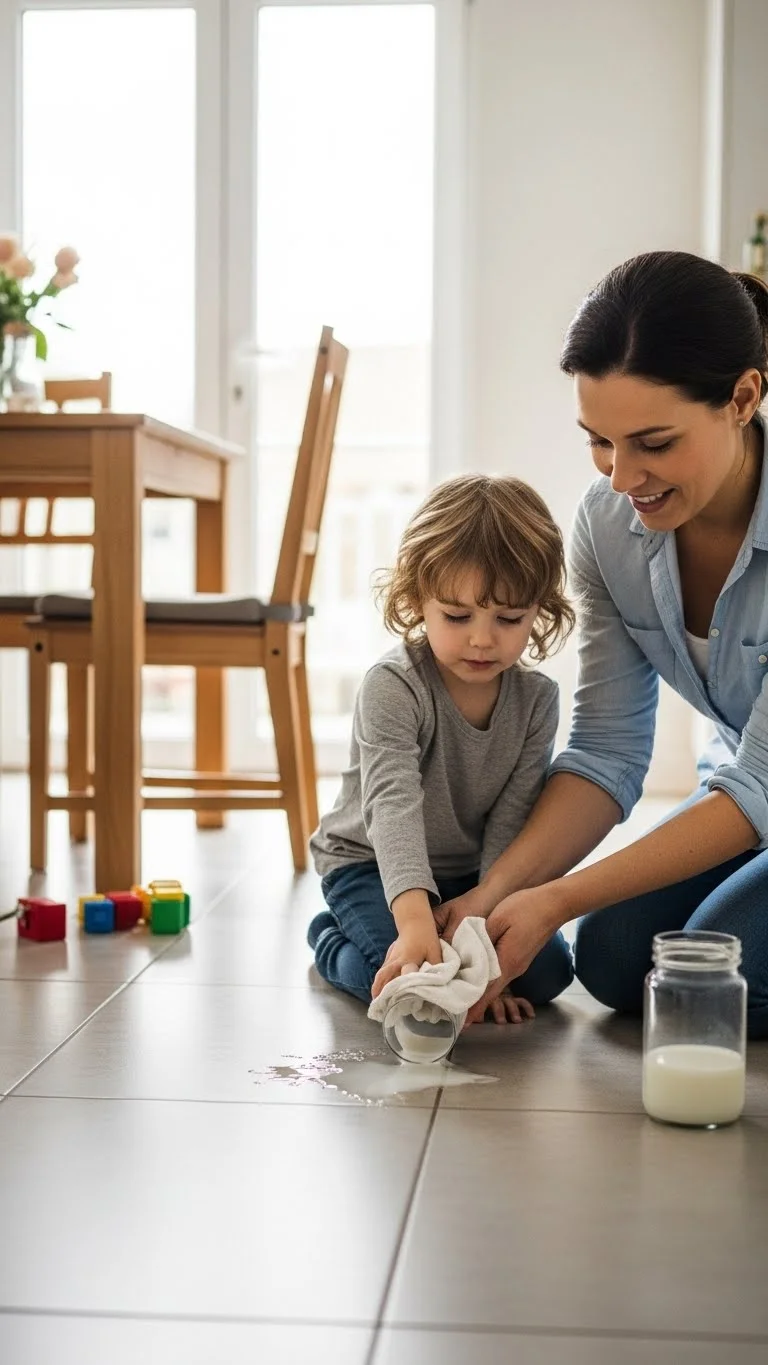
Teaching helps kids recognize their own abilities. Ask them to explain something they enjoy. A game rule. A drawing. A school topic. Listen without interrupting. Let them finish even if they stumble. Ask simple follow-up questions. “How did you learn that?” or “What happens next?” This shows real interest. Avoid correcting right away. Let them own the explanation. This can happen anywhere. At the dinner table. During a walk. Before bed. No planning required. When kids teach, they realize their knowledge matters. They speak more clearly and stand a little taller. That sense of capability strengthens self-belief and encourages them to share ideas more often.
10. Encourage Physical Challenges 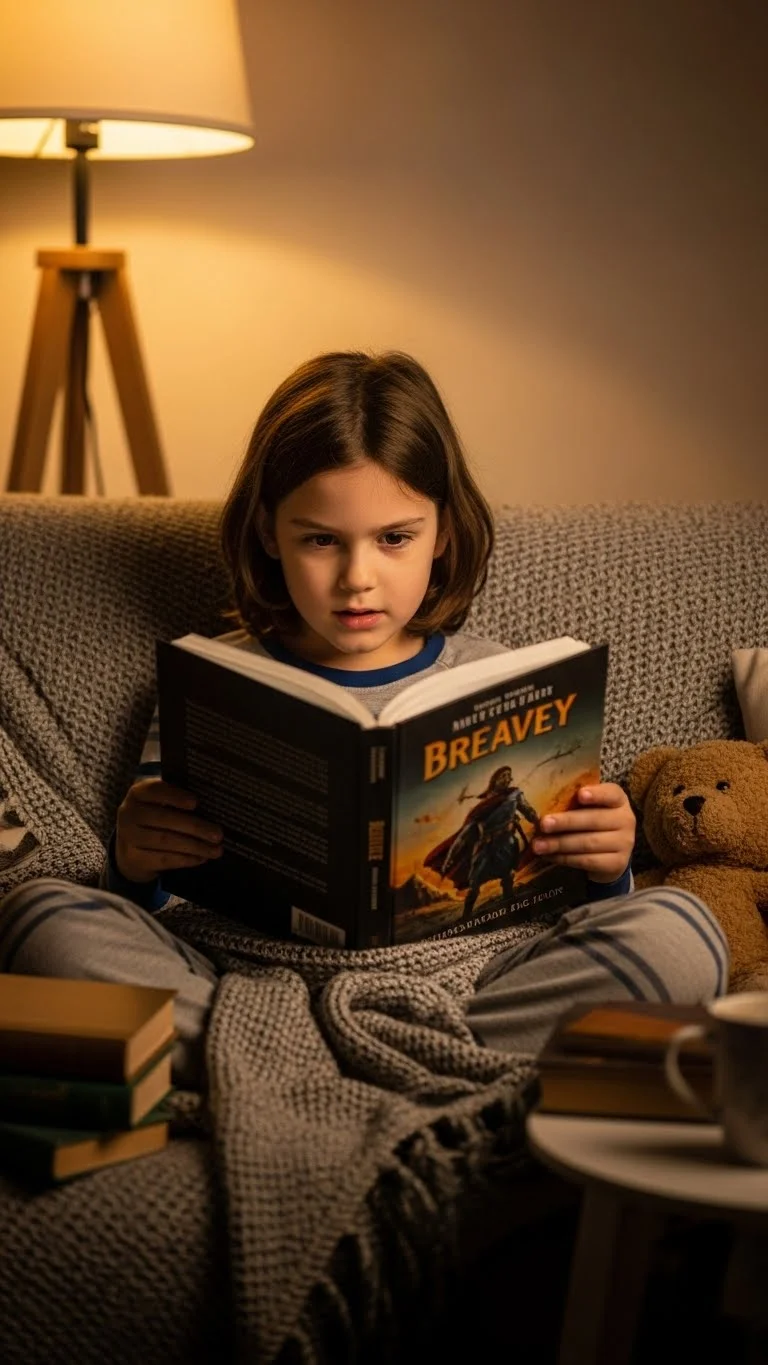
Physical activity helps kids trust their bodies. Simple challenges work best. Climbing steps. Jumping over a line. Balancing on one foot. Start with tasks that feel reachable. Stay close but avoid constant warnings. Let kids test limits safely. If they fall or fail, stay calm. Encourage another try when they’re ready. Outdoor play is ideal and free. Parks, open spaces, or even hallways can work. Focus on effort and courage, not speed or comparison. Each attempt teaches kids they can handle discomfort and movement. This confidence often carries into other areas, like school and social settings.
11. Create a Safe Space for Feelings 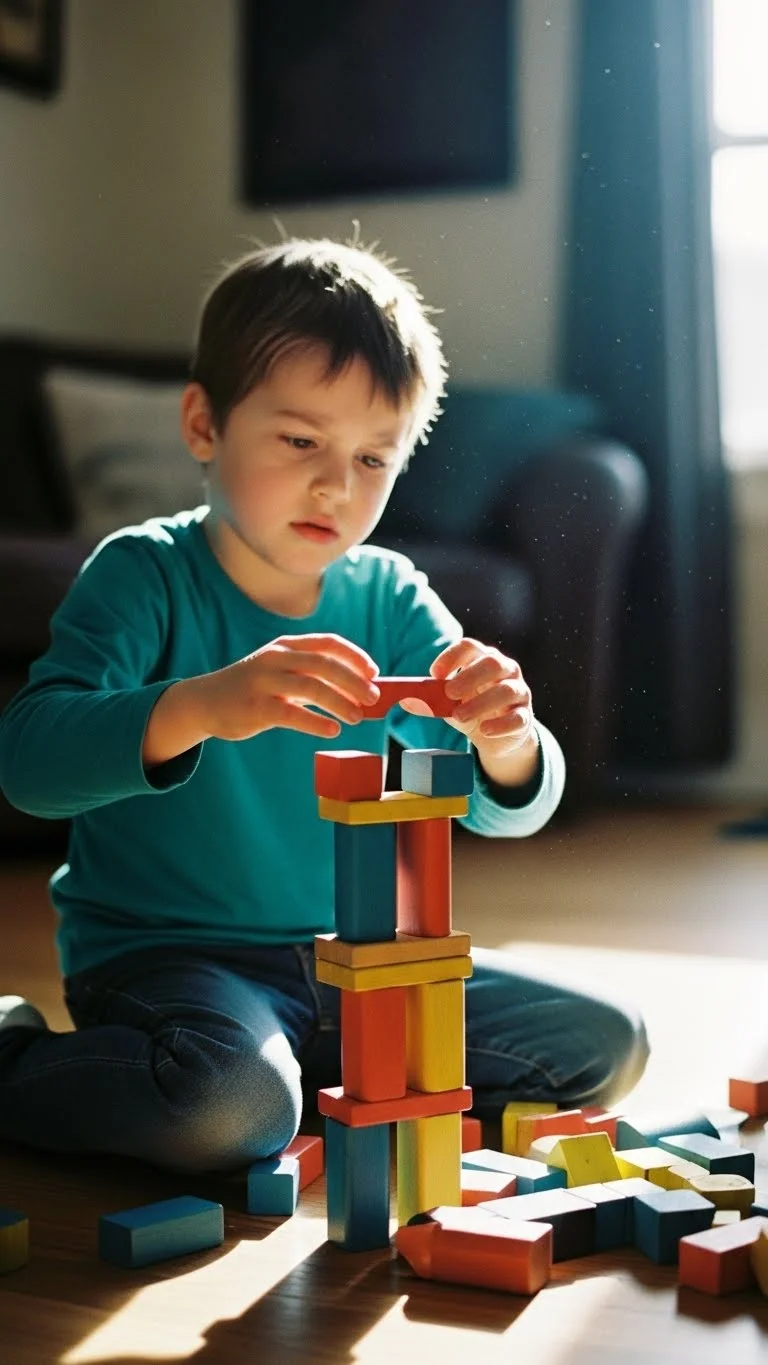
Confidence grows when kids feel accepted emotionally. Make space for feelings without rushing to fix them. Ask simple questions. “How did that feel?” Listen fully. Avoid dismissing emotions or offering quick solutions. Sometimes kids only want to be heard. Share your own feelings in a calm way. This shows that emotions are normal. You can use drawing, storytelling, or quiet talks before bed. Keep reactions steady. Big reactions can shut kids down. When feelings are welcomed, kids learn to trust themselves. They become more open, honest, and steady. Emotional safety supports confidence in everyday life.
12. Encourage Journaling or Drawing 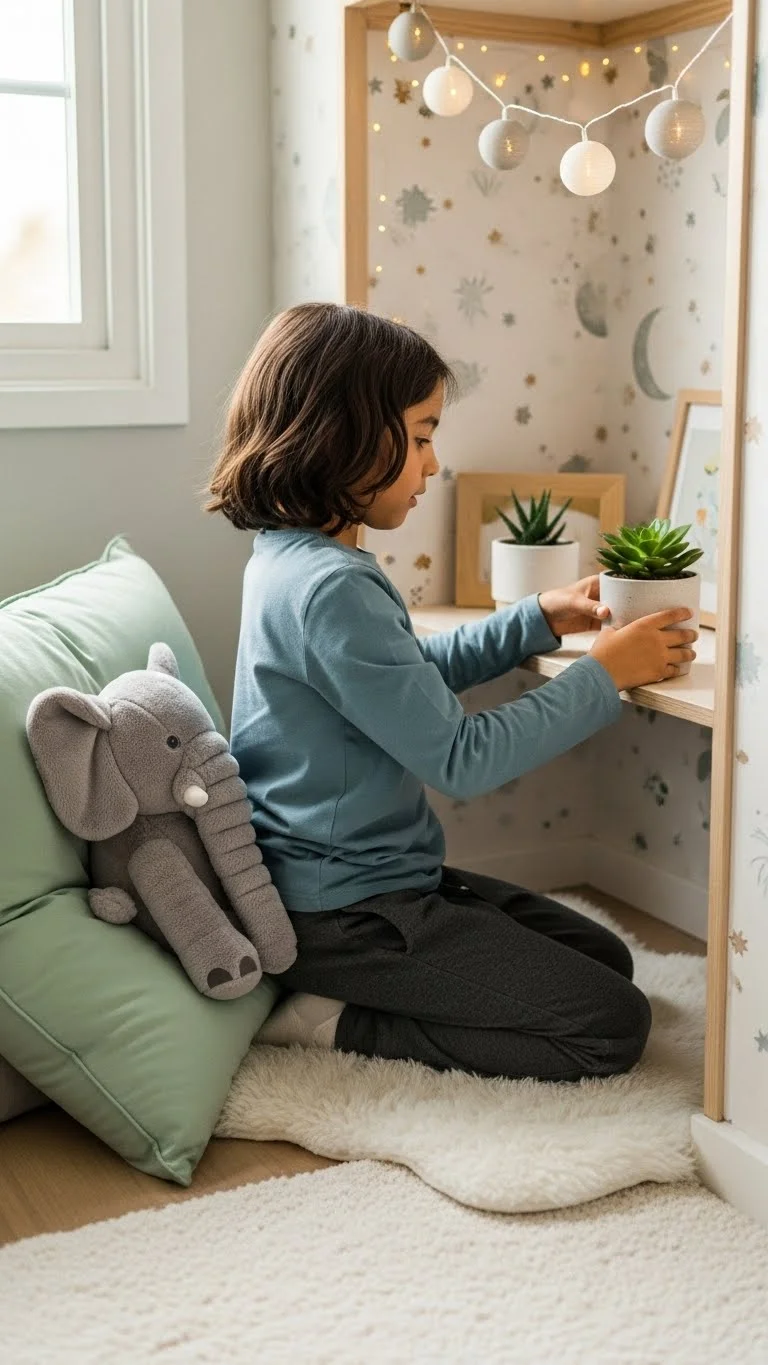
Writing and drawing help kids express their thoughts privately. Use simple notebooks or scrap paper. No rules. No corrections. Privacy matters here. Some kids prefer pictures over words. Others like lists or short sentences. Let them choose. This freedom builds comfort. Set aside a few minutes a day. After school or before bed works well. Keep it optional, not forced. Over time, kids become more aware of their feelings and ideas. This self-awareness builds quiet confidence. They learn their inner voice matters, even when it stays on paper.
13. Let Kids Try New Tasks Alone 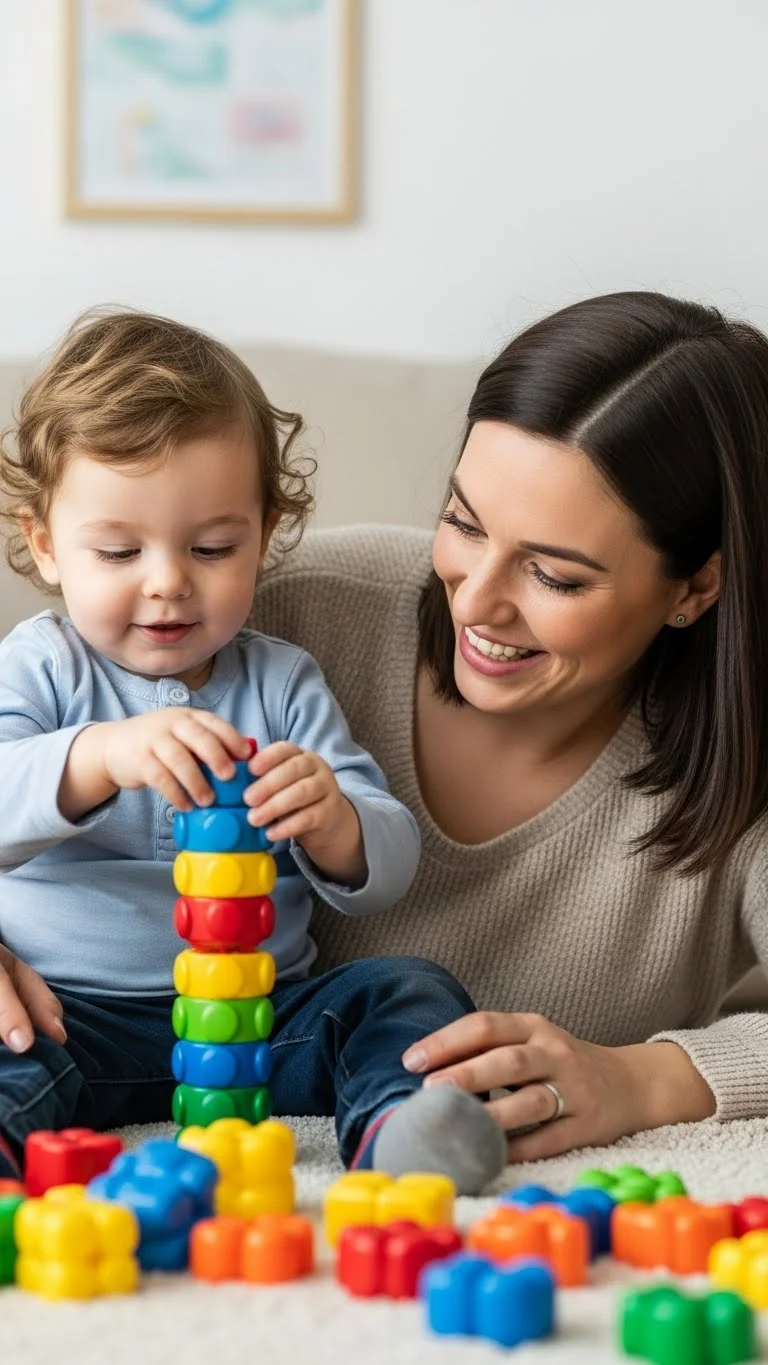
Trying something new builds courage. Start with everyday tasks. Pouring water. Buttoning shirts. Making a simple snack. Show once, then step back. Stay nearby for safety, but avoid jumping in too quickly. Mistakes will happen. Spills happen. Treat them calmly. Let kids finish tasks their own way. Speed and perfection don’t matter. Effort does. Each successful attempt teaches kids they can handle challenges. Even failed attempts teach problem-solving. Over time, kids approach new tasks with less hesitation and more belief in themselves.
14. Praise Honest Effort 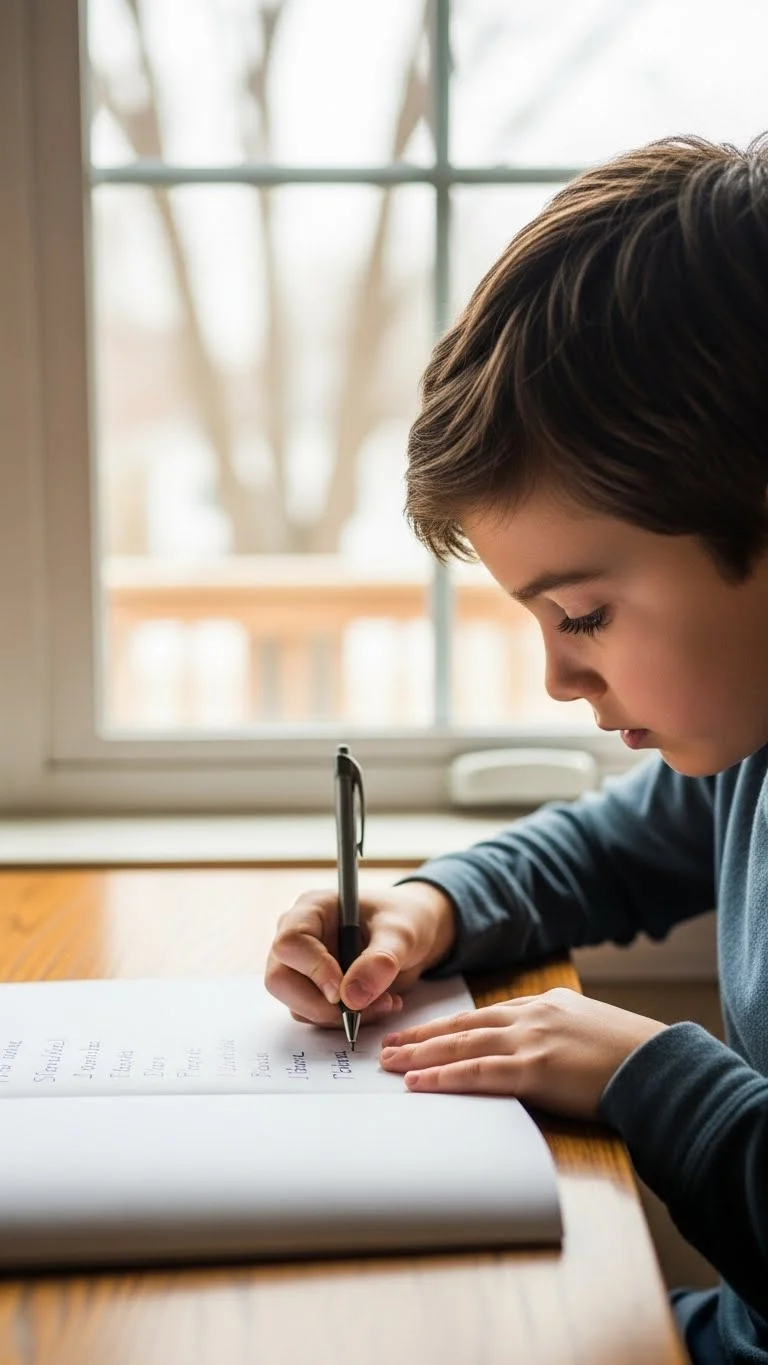
Honest effort helps kids trust feedback. Focus your words on what they actually did. Say things like, “You kept trying,” or “You didn’t give up.” This feels real and believable. Avoid big reactions or exaggerated praise. Kids sense when words don’t match actions. Use effort-based comments during homework, chores, or play. If something didn’t work out, acknowledge the attempt first. Then talk about what could change next time. Keep the tone calm. This approach helps kids value persistence over quick success. They learn that effort counts even when results fall short. Over time, kids become more willing to try new things without fear of judgement. That steady willingness supports long-term confidence.
15. Encourage Group Activities 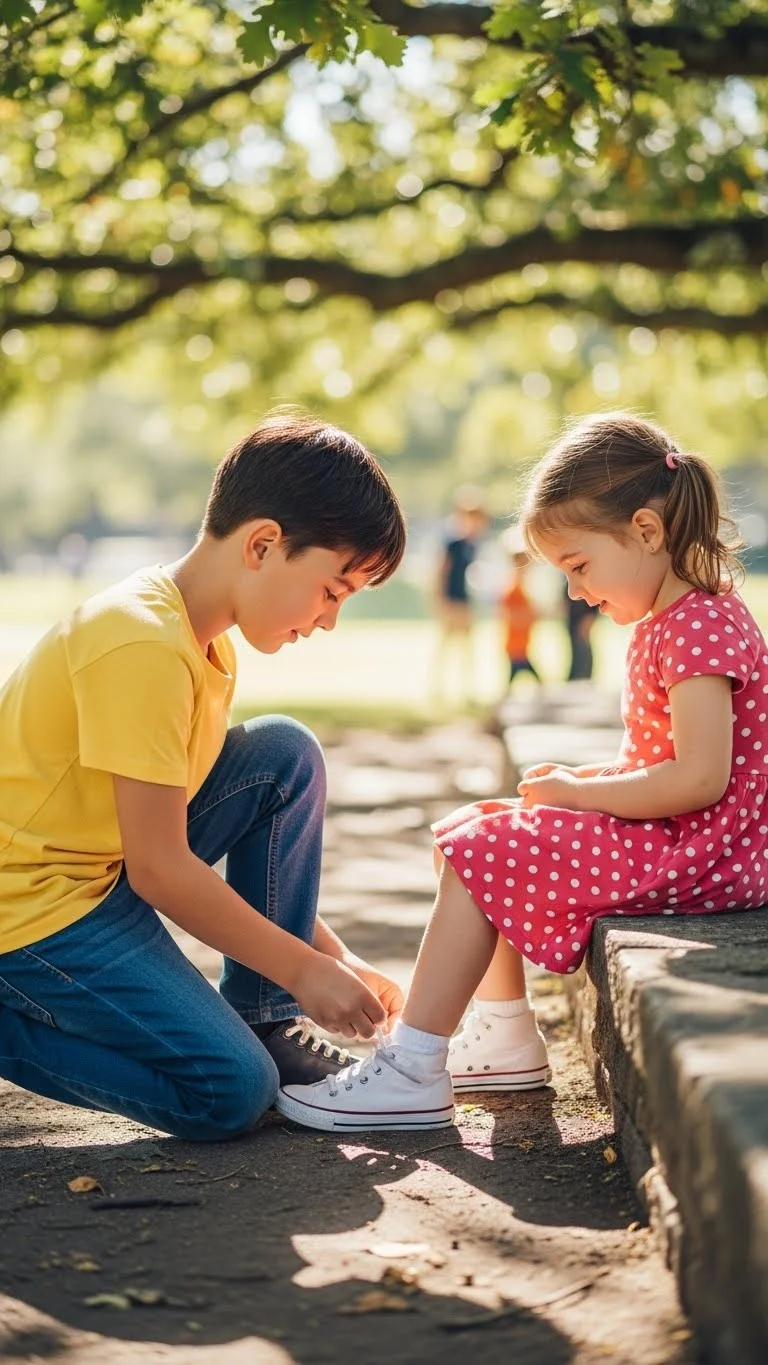
Group activities help kids feel part of something bigger. Simple games work best. Tag, board games, or group drawing. Parks and community spaces offer free options. Let kids find their own role. Some lead. Some observe first. Avoid pushing them to perform. Comfort grows with time. Stay nearby but let kids interact on their own. Step in only if needed. Talk afterward about what felt good or tricky. These shared experiences teach cooperation and communication. Kids learn they can belong without changing who they are. That sense of belonging supports confidence in social settings.
16. Allow Healthy Risks 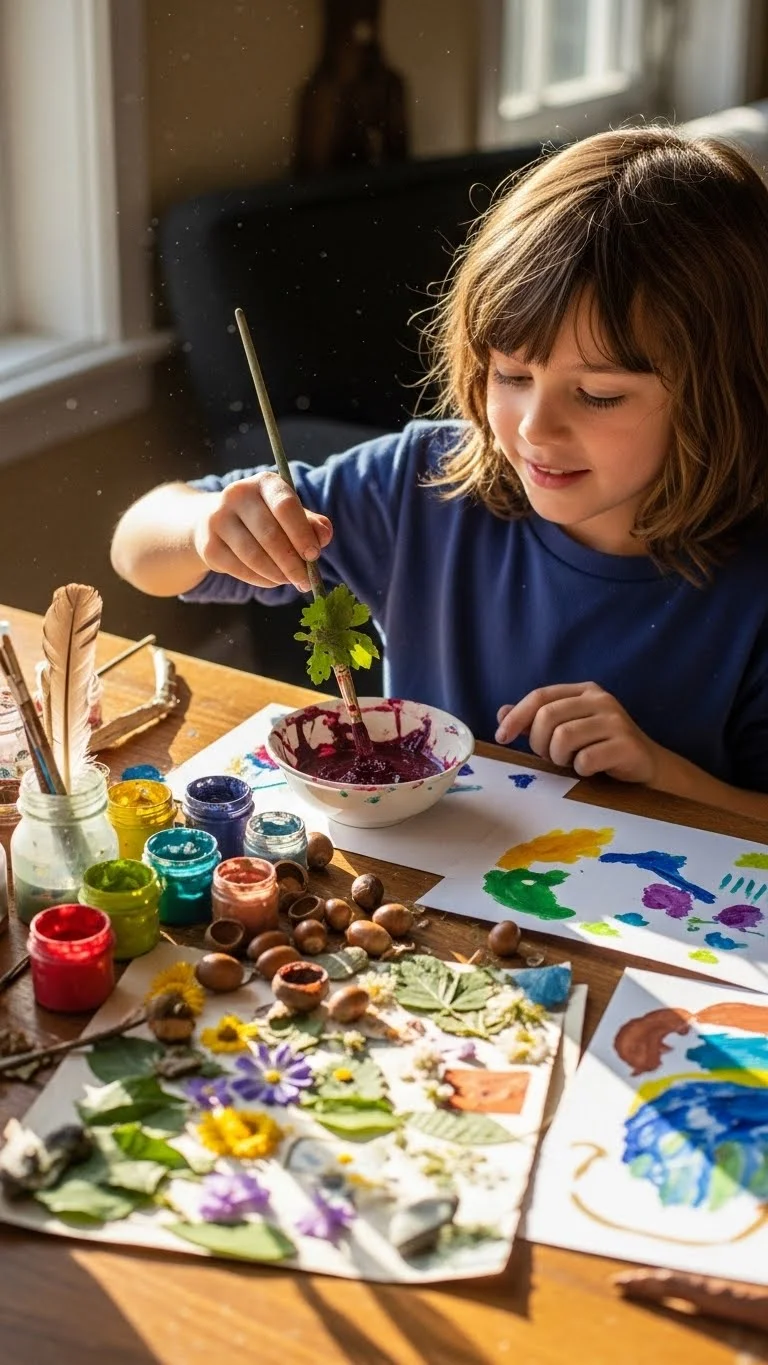
Healthy risks teach kids bravery. Riding a bike. Climbing low walls. Speaking in front of family. Start with manageable challenges. Keep safety rules clear but simple. Avoid constant warnings that raise fear. Trust kids to listen to their bodies. If a child hesitates, wait. Let them decide when to try. Support their choice either way. Each risk taken and handled builds inner strength. Kids learn they can face fear and come out okay. This lesson carries into school, friendships, and new experiences.
17. Read Stories About Bravery 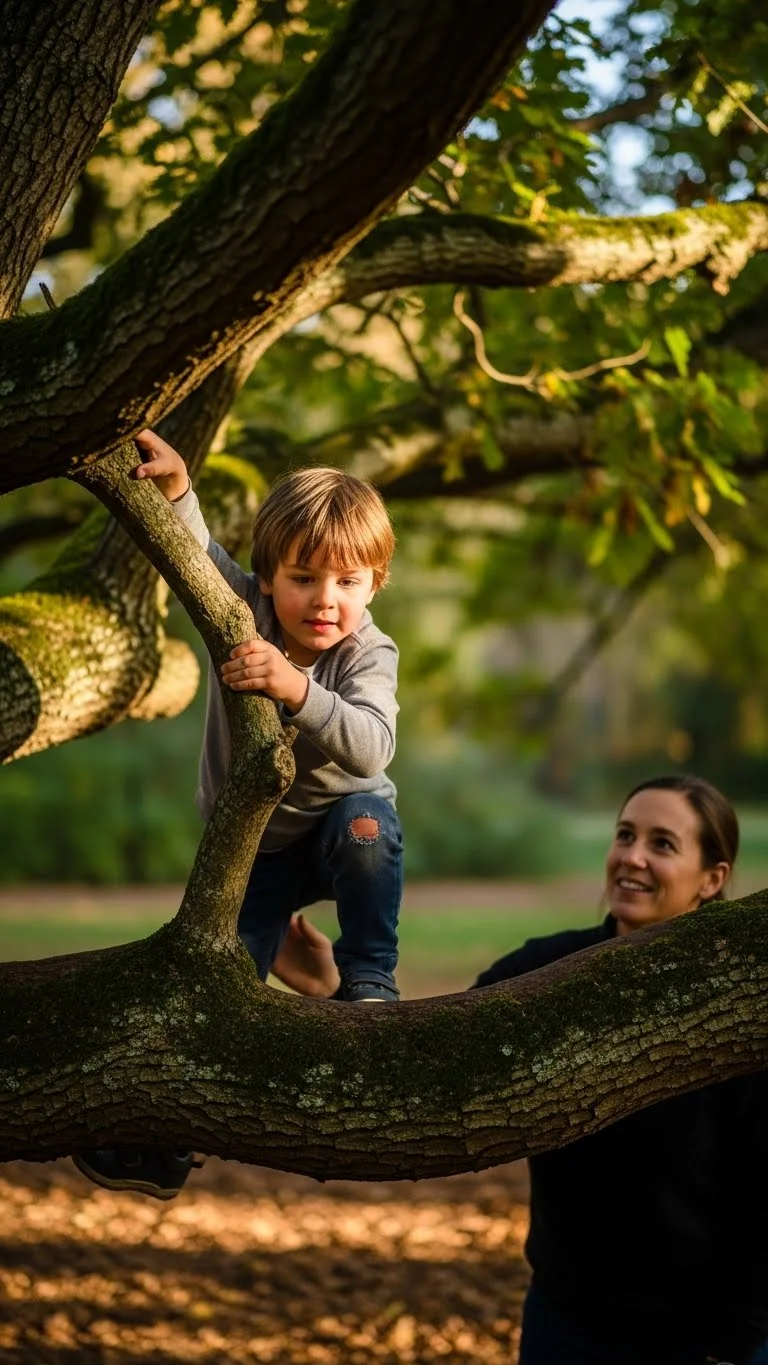
Stories help kids see courage in action. Choose books with relatable characters facing simple challenges. Read together when possible. Pause to ask questions. What choice did the character make? How did they feel? Keep it conversational. Relate the story to real life gently. Avoid lectures. Let kids draw connections on their own. These stories give kids examples they can remember. When facing similar moments, they recall what they read. That memory supports confident choices.
18. Encourage Asking Questions 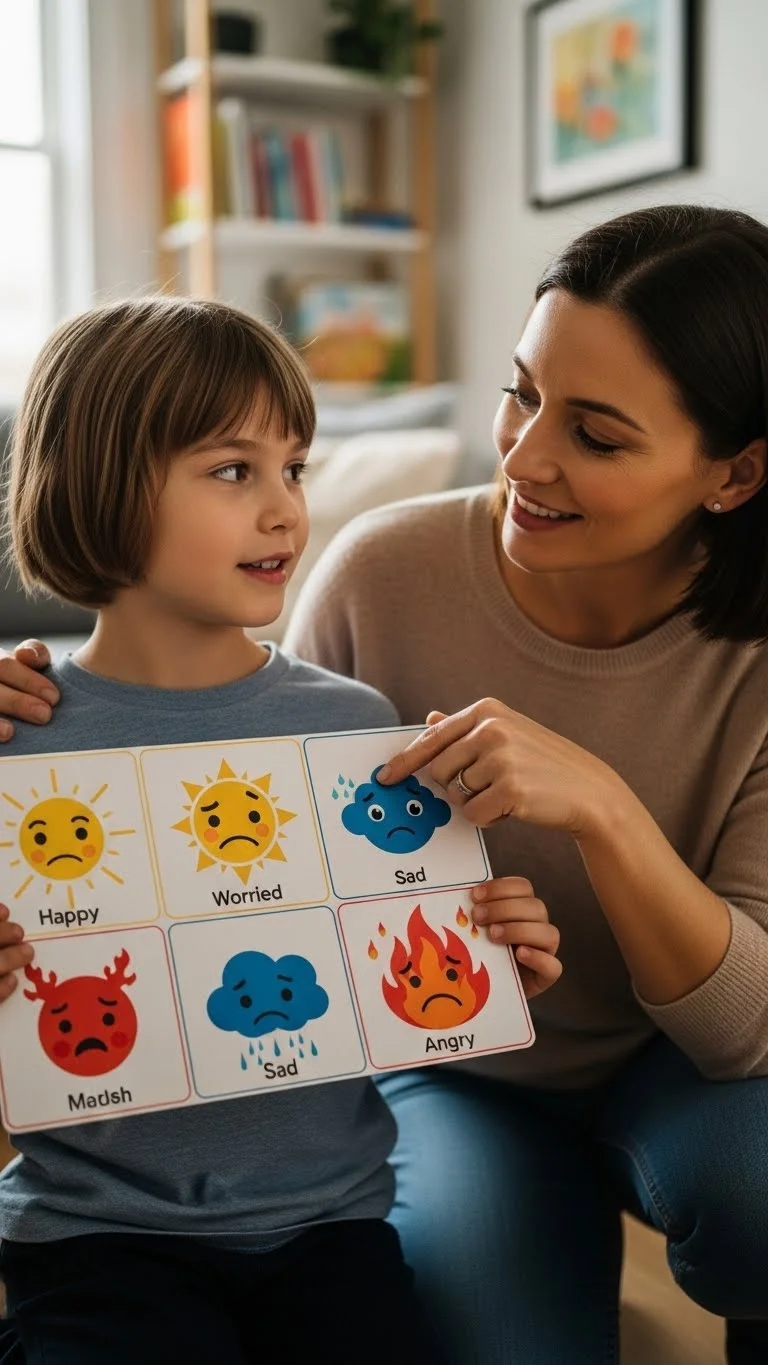
Questions show curiosity and self-trust. Welcome them without impatience. Answer simply and honestly. If you don’t know an answer, say so. Look it up together. This shows learning is ongoing. Invite questions during daily routines. Cooking. Homework. Walks. Keep the mood relaxed. Kids who ask questions feel more engaged and capable. They learn their curiosity matters. This habit supports confidence in learning and conversation.
19. Let Kids Help Plan Outings 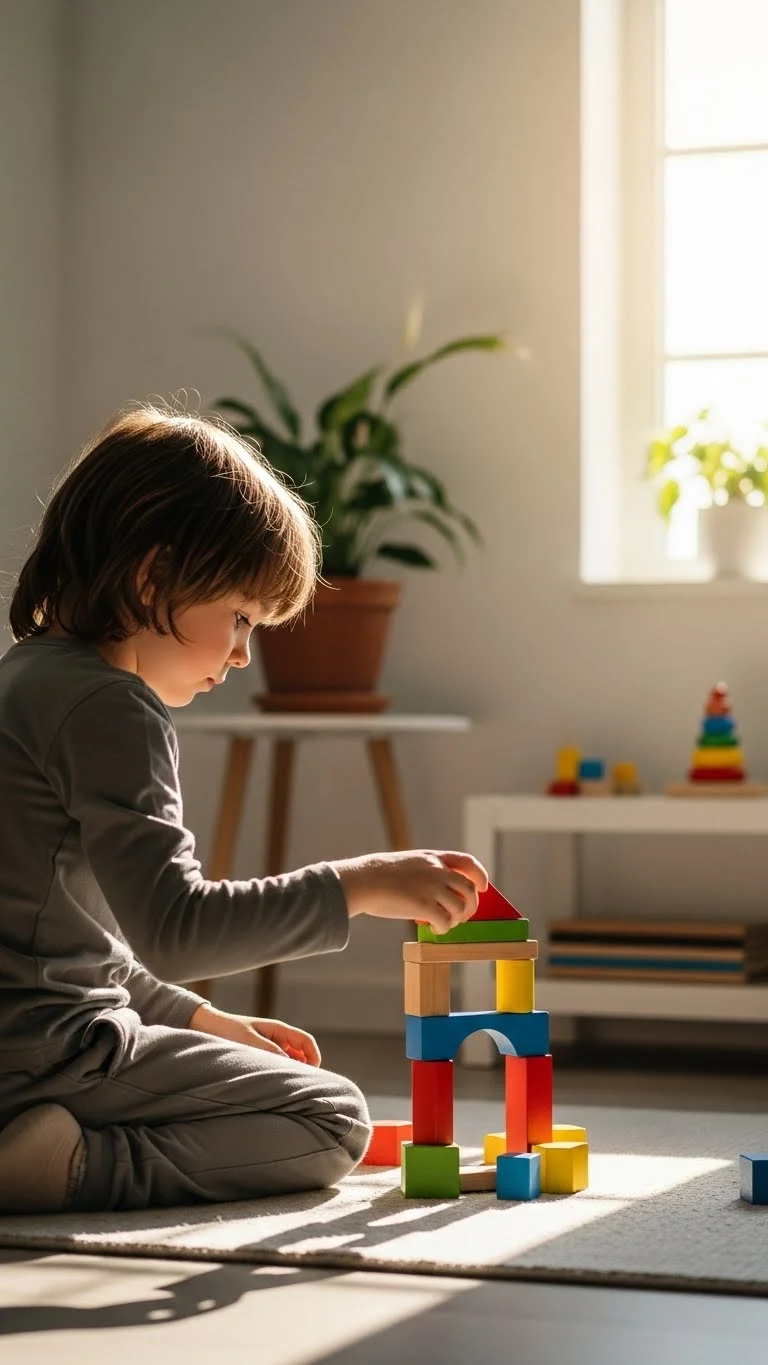
Planning gives kids a sense of control. Ask for input when planning small outings. Where to go. What to pack. Offer limits to keep it simple. Two choices work well. Respect their picks when possible. During the outing, point out how their ideas helped. This connects planning to outcomes. Kids feel capable when their choices matter. That feeling strengthens confidence and decision-making skills.
20. Encourage Creative Expression 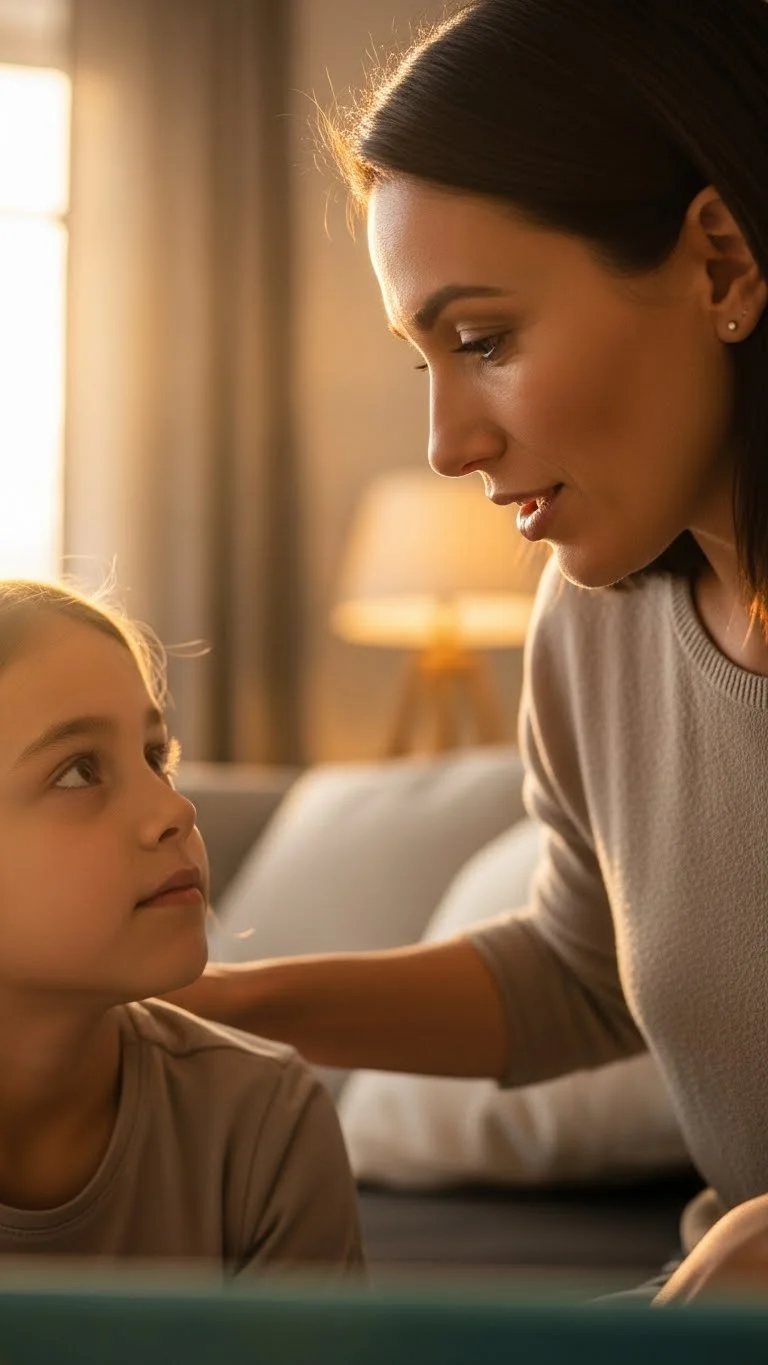
Creative expression lets kids show who they are. Art, music, movement, or pretend play all work. No rules required. Provide basic materials. Paper. Pencils. Music from a phone. Let kids lead. Avoid judging or directing the result. Ask them to explain their creation instead. This freedom builds self-trust. Kids learn that their ideas have value. Creative time often becomes a safe space where confidence grows naturally.
21. Normalize Mistakes 
Mistakes are part of learning. React calmly when they happen. Spills, wrong answers, or missed steps don’t need strong reactions. Share your own small mistakes openly. Laugh lightly. This shows mistakes aren’t something to hide. Talk about what can be done next time without blame. Keep language simple. When mistakes feel safe, kids try more often. Trying to gain more building experience. Experience builds confidence that lasts.
22. Encourage Independent Play 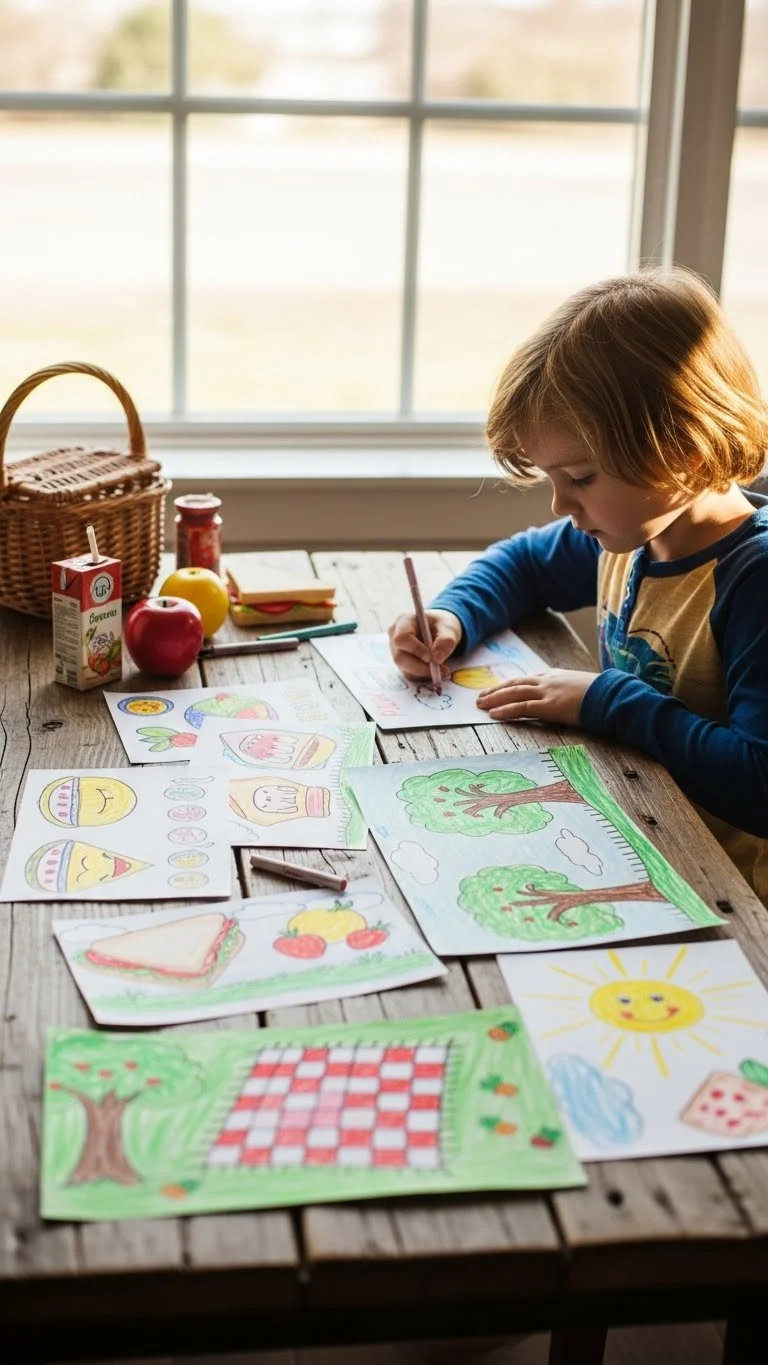
Independent play gives kid’s space to explore ideas on their own. Start with short periods. Ten or fifteen minutes is enough. Offer simple materials like blocks, paper, or everyday objects. Let imagination guide the play. Stay nearby but occupied with your own task. This helps kids feel safe without relying on constant attention. Avoid interrupting or directing. When playtime ends, ask what they enjoyed. Listen without correcting. This reflection helps them value their own ideas. Over time, kids become more comfortable entertaining themselves. They trust their creativity and decision-making. That quiet self-reliance strengthens confidence and focus in other areas of life.
23. Teach Simple Self Care 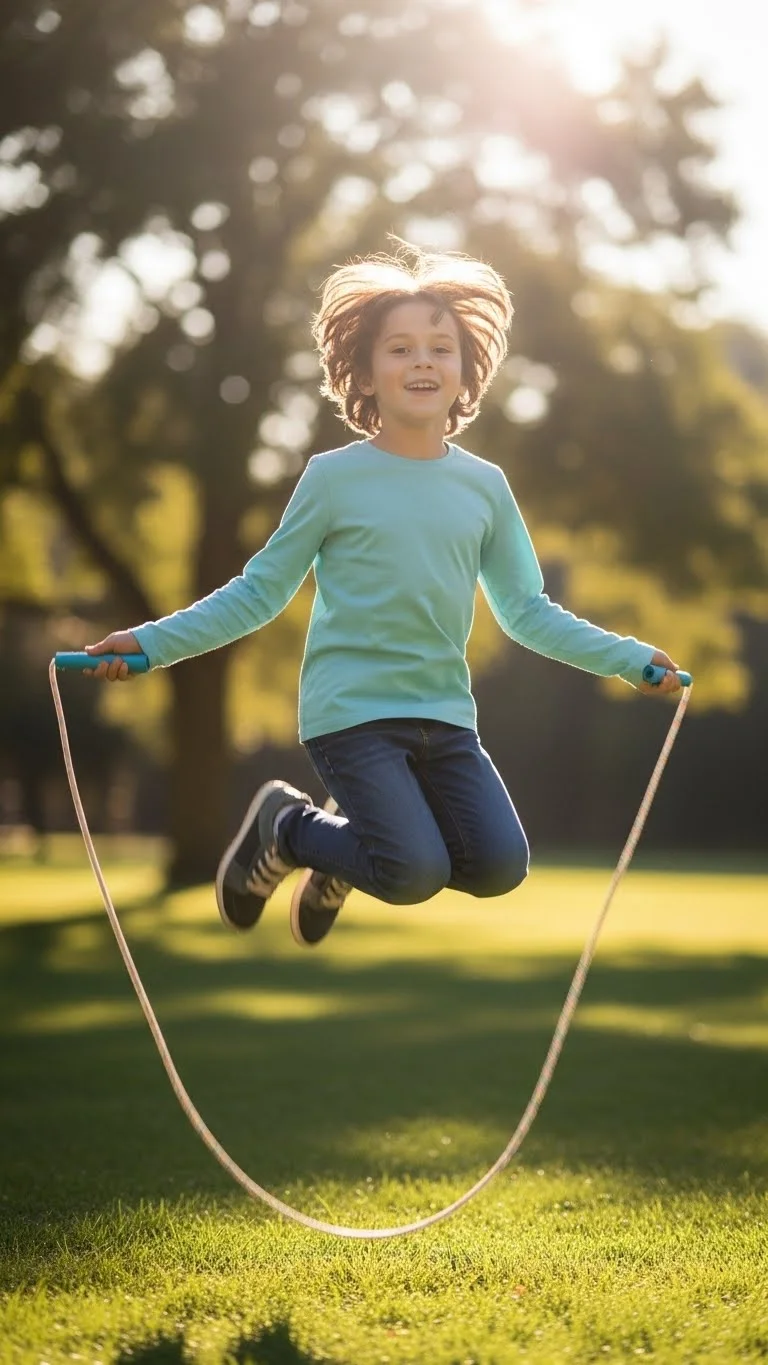
Self-care routines help kids feel capable. Focus on basic tasks. Brushing hair. Washing hands. Choosing clothes. Teach step by step, then step back. Keep tools kid-sized when possible. A low hook for towels. A small mirror. These small adjustments support independence. Praise consistency rather than speed. Calm reminders work better than pressure. As kid manage their own care, they feel proud and steady. This sense of ownership builds confidence that carries into school and social settings.
24. Encourage Kindness 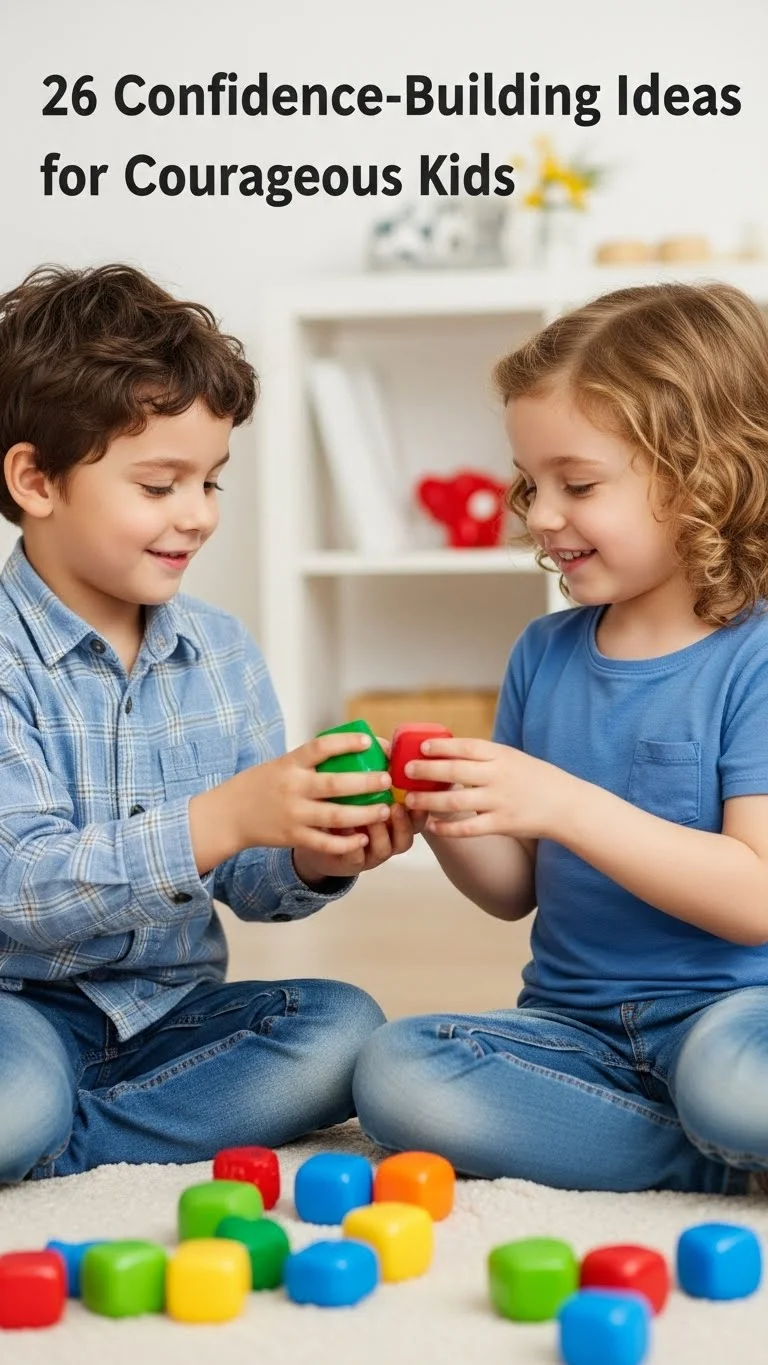
Kindness helps kid’s feel connected. Point out kind actions as they happen. Sharing toys. Helping a friend. Holding a door. Talk about how those actions affect others. Keep language simple and warm. Avoid rewards tied to kindness. Focus on feelings instead. Model kindness in your own actions. Kids learn by watching. When kids see that kindness matters, they feel valued. That feeling supports confidence and positive relationships.
25. Let Kids Lead Games 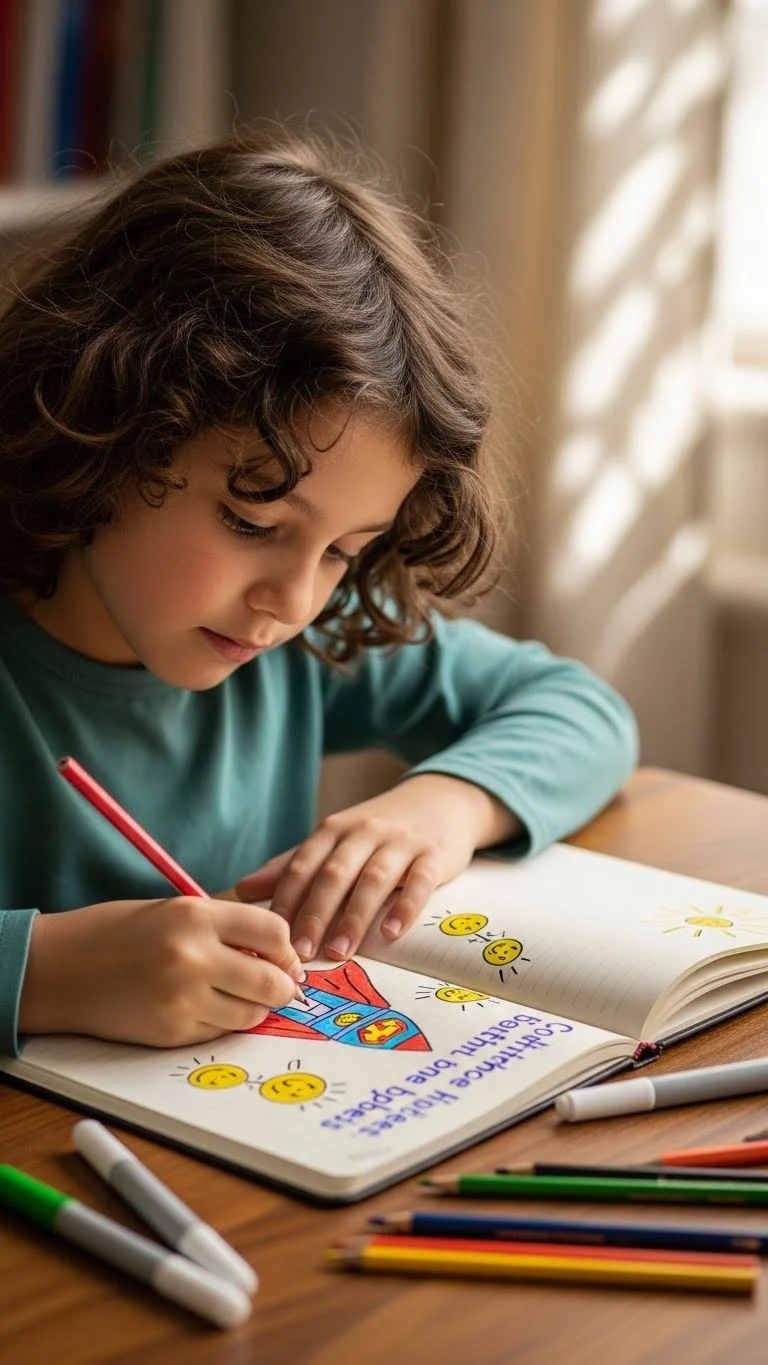
Leading a game gives kid a chance to use their voice. Let them explain rules and organize turns. Stay nearby but quiet. If they forget a rule or change it, let the game continue. Flexibility helps confidence grow. After the game, thank them for leading. Keep feedback brief and real. These moments show kid they can guide others. Leadership skills grow through practice, not perfection.
26. End Days with Reflection 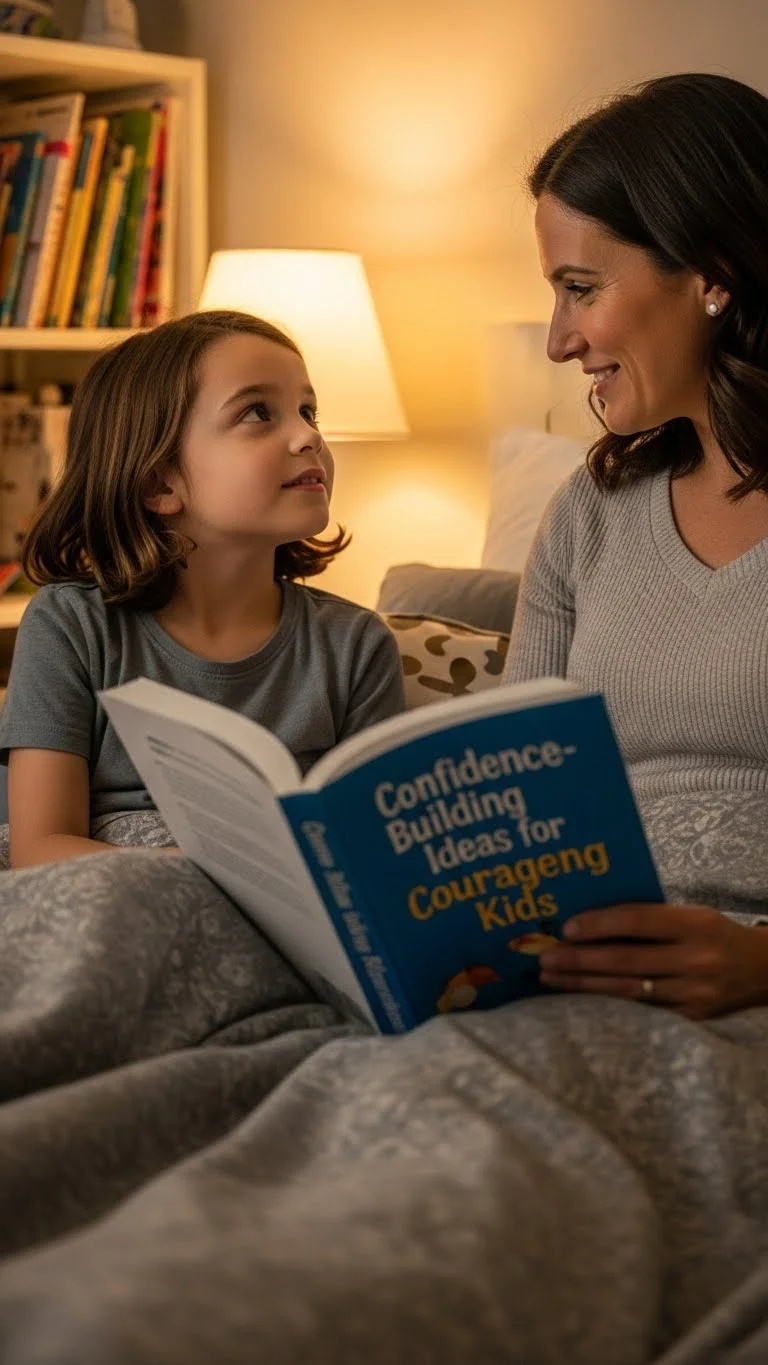
Ending the day with reflection helps kids notice their progress. Keep it simple. Ask one question. “What made you smile today?” Listen without correcting or adding lessons. This is their space. Reflection can happen at bedtime or during a quiet moment. No tools needed. Over time, kid become more aware of their thoughts and feelings. This awareness builds calm confidence and helps them trust their experiences.
Conclusion
Confidence grows through everyday moments, not grand gestures. When kids make choices, try again, help others, and speak openly, they build trust in themselves. These ideas fit real homes and real budgets. Start small. Pick one habit. Practice it daily. Over time, children carry that self-belief into every part of life.
