

How to Discipline Toddlers Without Yelling or Punishment

If you’ve ever found yourself whispering *“please don’t lose it”* while your toddler melts down in the grocery store aisle… you’re not alone. 😅 Parenting a toddler can feel like emotional whiplash—one minute they’re hugging you, the next they’re throwing a shoe. The good news? Discipline **doesn’t** have to mean yelling, punishments, or expensive parenting programs. With the right approach, you can guide your toddler calmly, respectfully, and on a budget.
Let’s walk through practical, gentle ways to discipline toddlers that actually work—and won’t leave you feeling guilty afterward.
Understand What “Discipline” Really Means
Discipline isn’t about controlling your child. It’s about **teaching** them skills they don’t have yet.
Toddlers are still learning:
– How to manage big emotions
– How to communicate needs
– How to follow rules consistently
When we shift our mindset from *punishing bad behavior* to *teaching better behavior*, everything changes.
Instead of asking, “How do I stop this?” try asking:
– “What skill is my child missing right now?”
– “How can I help them learn it?”
This perspective alone can significantly reduce yelling.
Set Clear (and Simple) Boundaries
Toddlers thrive on predictability. Clear boundaries help them feel safe—even when they push against them.
Tips for setting effective boundaries:
– Keep rules **short and simple**
– Be consistent (this matters more than being strict)
– Say what *to do*, not just what *not* to do
For example:
– Instead of: “Don’t throw toys!”
– Try: “Toys stay on the floor.”
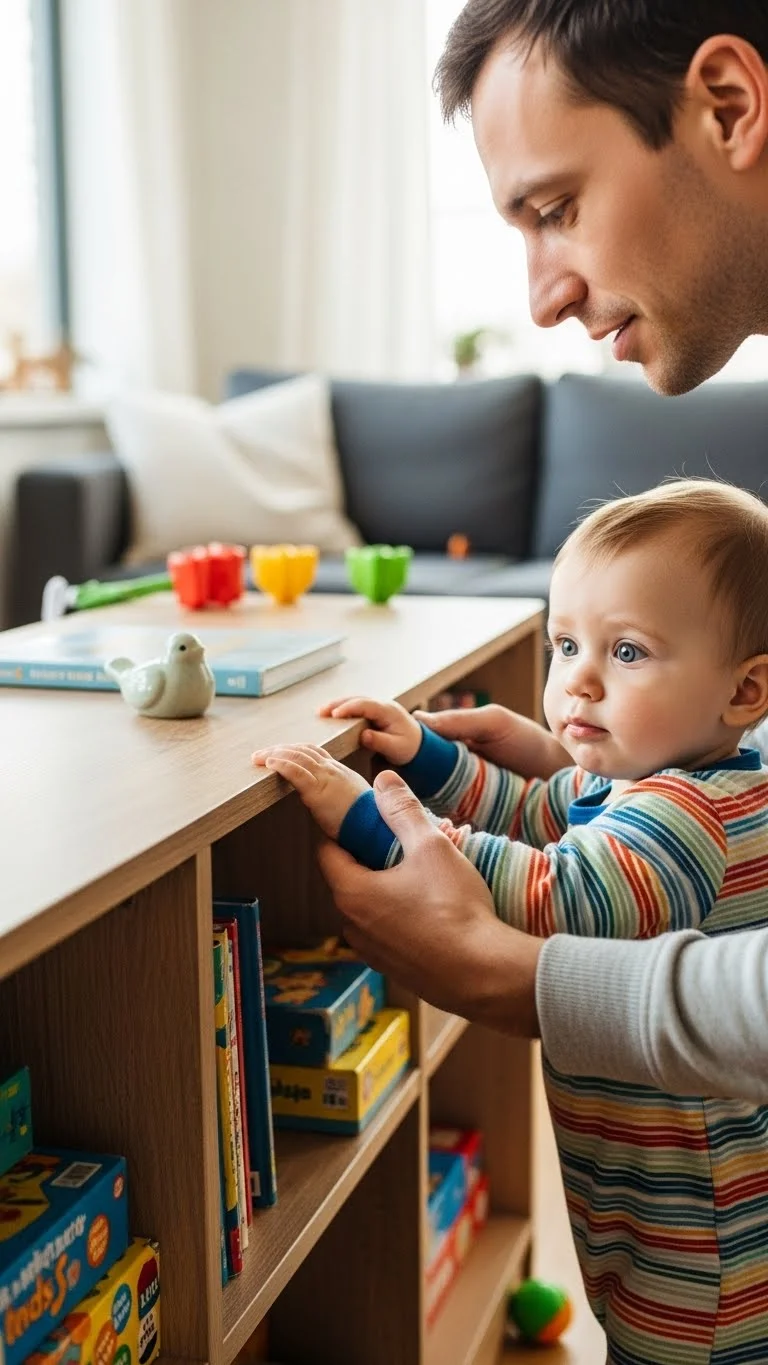
When boundaries are clear, toddlers don’t need constant correction—they start to understand expectations.
Use Connection Before Correction
When toddlers feel disconnected, their behavior tends to become louder.
Before correcting behavior, try connecting first:
– Get down to their eye level
– Use a calm, steady voice
– Acknowledge their feelings
Example:
> “I see you’re really upset because you want that toy.”
This doesn’t mean giving in—it means **validating emotions without approving behavior**.
Once your toddler feels seen, they’re far more likely to listen.

Redirect Instead of Punish
Punishment often stops behavior temporarily—but redirection teaches alternatives.
Redirection works especially well for toddlers because:
– Their attention span is short
– They respond better to guidance than consequences
Try this:
– If they’re climbing the couch → “Climbing is for outside. Let’s jump on pillows instead.”
– If they’re grabbing → “Hands are for gentle touches. Can you show me gently?”
Think of redirection as saying **“yes” to the need, but “no” to the behavior**.
Create a Calm-Down Routine (That Costs Nothing)
Teaching toddlers how to calm down is a long-term gift.
You don’t need fancy tools just consistency.
Simple calm-down ideas:
– Deep breathing together (“Smell the flower, blow the candle”)
– Sitting in a cozy corner with a favorite stuffed animal
– Naming emotions out loud
The key is **practice during calm moments**, not just meltdowns.
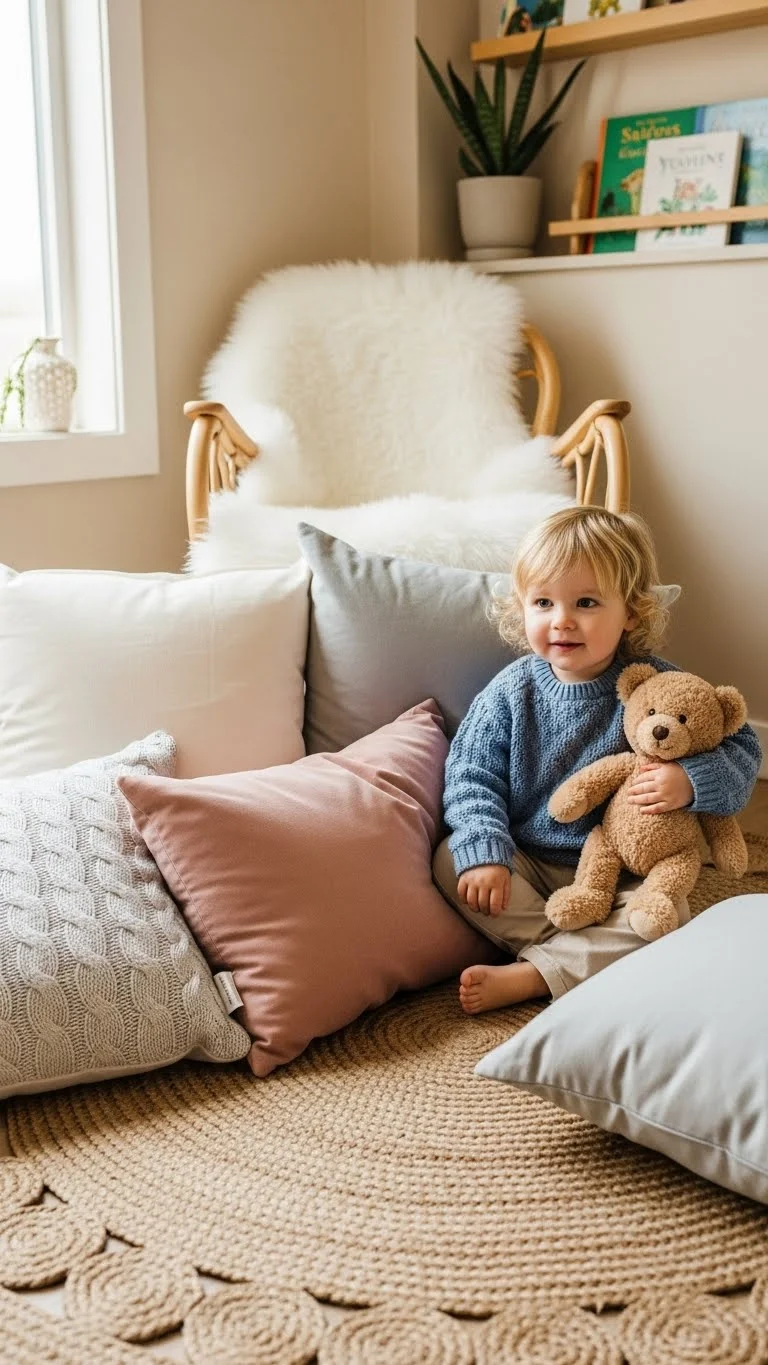
Over time, your toddler will start using these tools on their own.
Model the Behavior You Want to See
Toddlers are expert imitators. If we yell, they learn yelling. If we stay calm, they learn calm.
This doesn’t mean being perfect—it means being **intentional**.
Try modeling:
– Taking deep breaths when frustrated
– Apologizing when you mess up
– Using respectful language
Saying, “I’m feeling frustrated, so I’m taking a breath,” teaches emotional regulation better than any lecture ever could.
Focus on Progress, Not Perfection
Gentle discipline isn’t about instant results. It’s about building trust, skills, and emotional safety over time.
Some days will feel amazing.
Other days will feel like survival mode—and that’s okay.
What matters most:
– You’re showing up
– You’re teaching, not punishing
– You’re building a healthy foundation
Final Takeaway
You don’t need yelling, punishments, or expensive parenting tools to discipline your toddler. With connection, clear boundaries, and simple strategies, you can guide your child calmly—even on a tight budget.
✨ Start small. Pick **one strategy** from this article and try it today.
✨ Progress happens one moment at a time.
And remember—you’re doing better than you think. 💛
