

How to Potty Train a Toddler Fast and Stress-Free
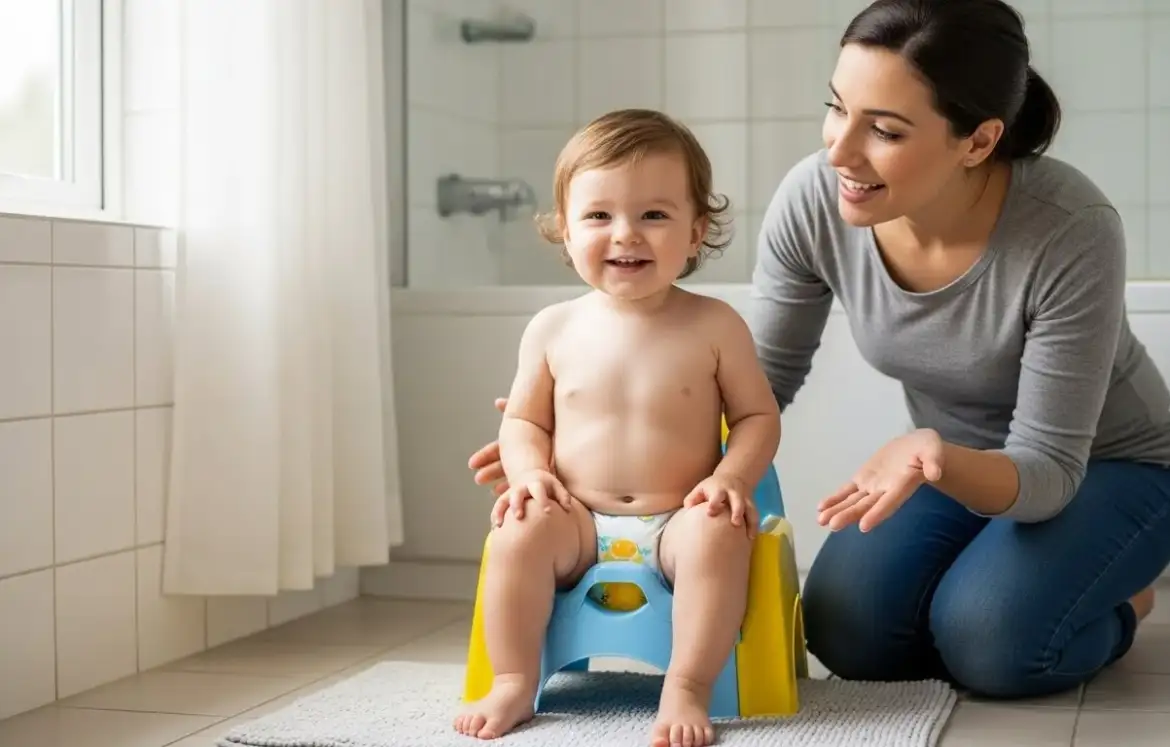
Potty training can feel like one of those parenting milestones everyone talks about—but no one fully explains. One day your toddler is happily in diapers, and the next, you’re wondering how to make the switch without tears, power struggles, or endless accidents. The good news? Potty training doesn’t have to be stressful or dragged out for months. With the right timing, tools, and mindset, you can make it a positive experience for both you and your child. 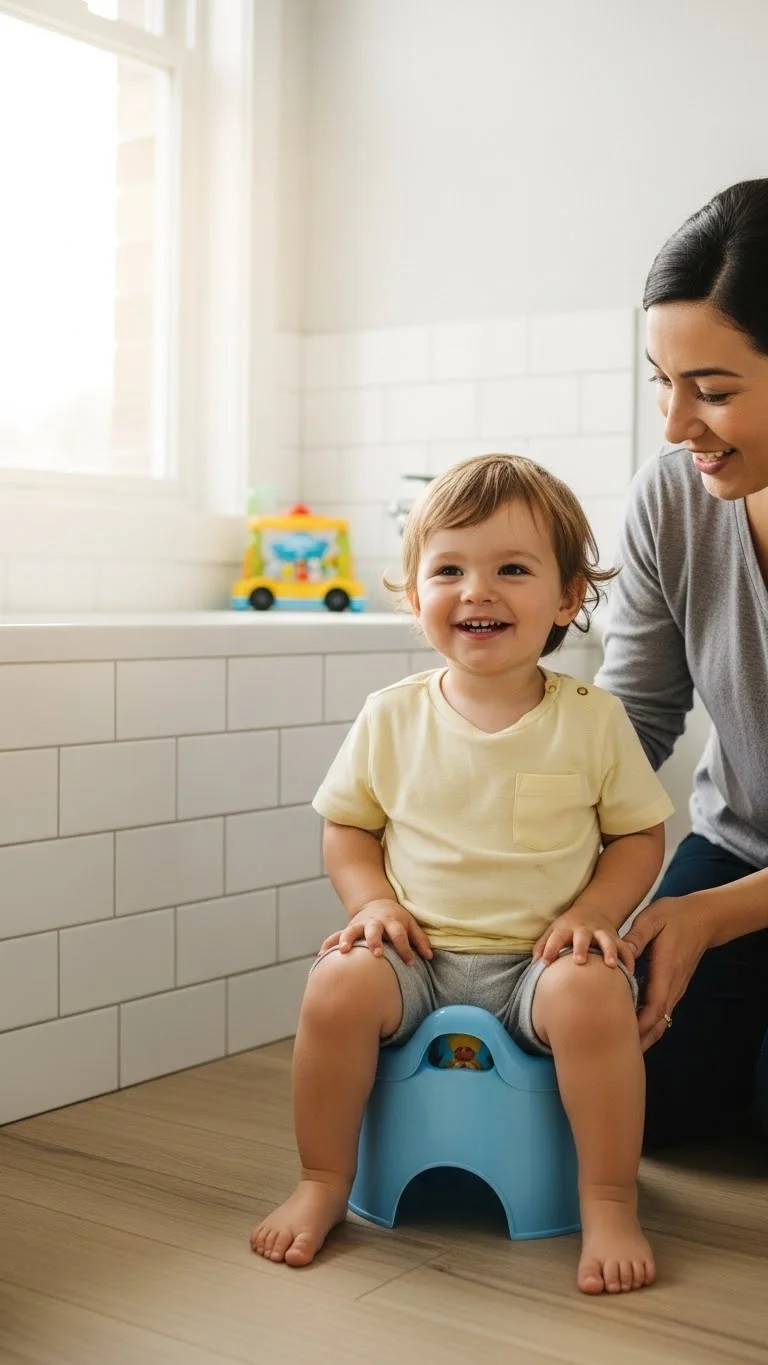
Start When Your Toddler Is Truly Ready
One of the biggest secrets to fast and stress-free potty training is waiting for readiness—not just by the calendar. Many parents feel pressure to start by a certain age, but readiness matters far more than numbers.
Signs your toddler may be ready include:
– Staying dry for longer periods
– Showing interest in the bathroom or copying adults
– Communicating basic needs with words or gestures
– Feeling uncomfortable in a dirty diaper
Starting before these signs appear often leads to frustration and setbacks. When your child is ready, the process usually moves much faster and with less resistance.
Set Up a Toddler-Friendly Potty Environment
A comfortable setup helps your toddler feel safe and confident. Choose a potty chair or seat insert that fits their size and feels stable. Let them explore it first—sit on it fully clothed, decorate the bathroom with a fun stool, or let them help pick their potty.
Helpful setup tips:
– Keep the potty easily accessible
– Dress your child in clothes that are easy to remove
– Have wipes and clean clothes nearby
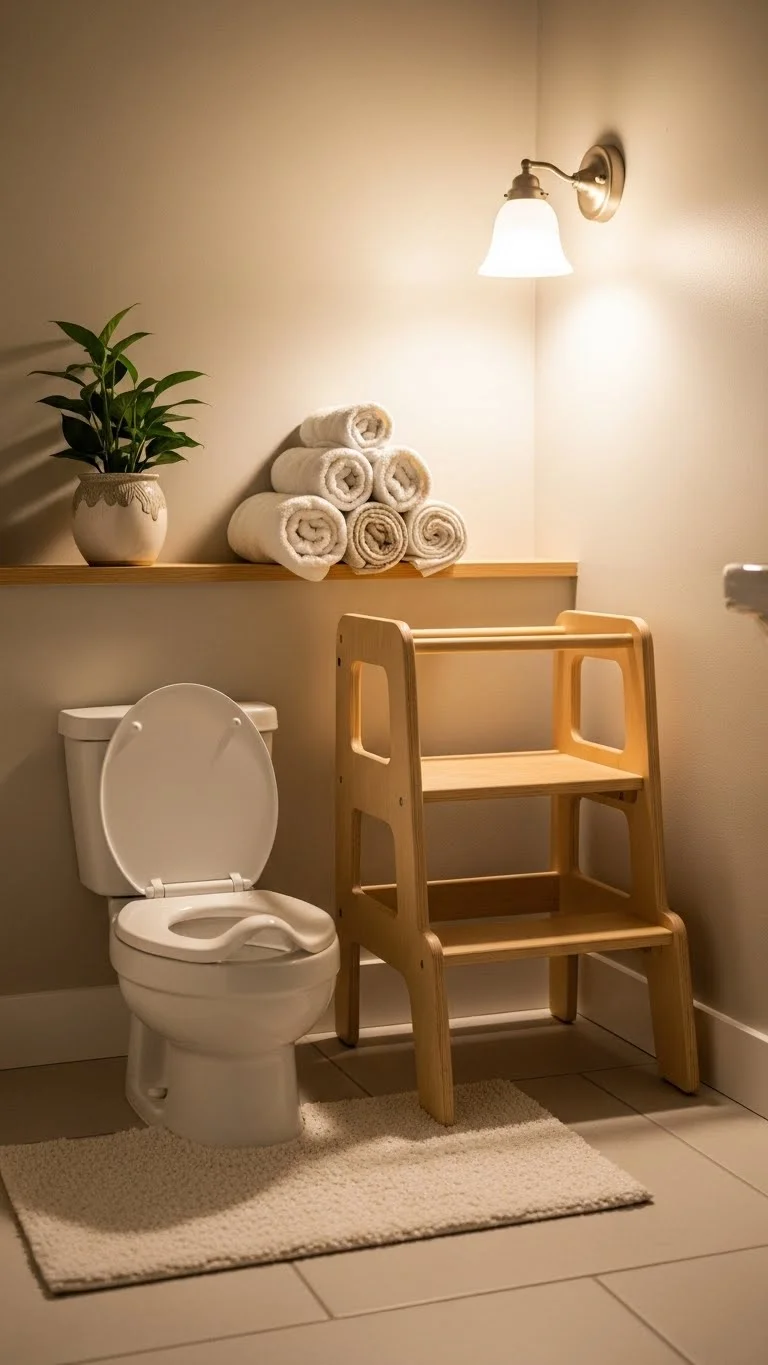
The goal is to remove obstacles so your toddler can focus on learning—not struggling.
Create a Simple, Predictable Routine
Toddlers thrive on routine. Instead of constantly asking if they need to go, gently guide them to try at natural times throughout the day.
Good times to suggest potty breaks:
– After waking up
– Before bath time
– Before leaving the house
– After meals
Keep potty time relaxed. Even sitting for 20–30 seconds counts as practice. If nothing happens, praise the effort and move on. Avoid pressure—progress builds naturally with consistency.
Use Positive Encouragement (Not Pressure)
Encouragement works far better than rewards or consequences. Celebrate small wins, like sitting on the potty or telling you they need to go—even if they’re a little late.
Positive reinforcement ideas:
– Verbal praise (“You listened to your body!”)
– High-fives or hugs
– Letting them flush or help wash their hands
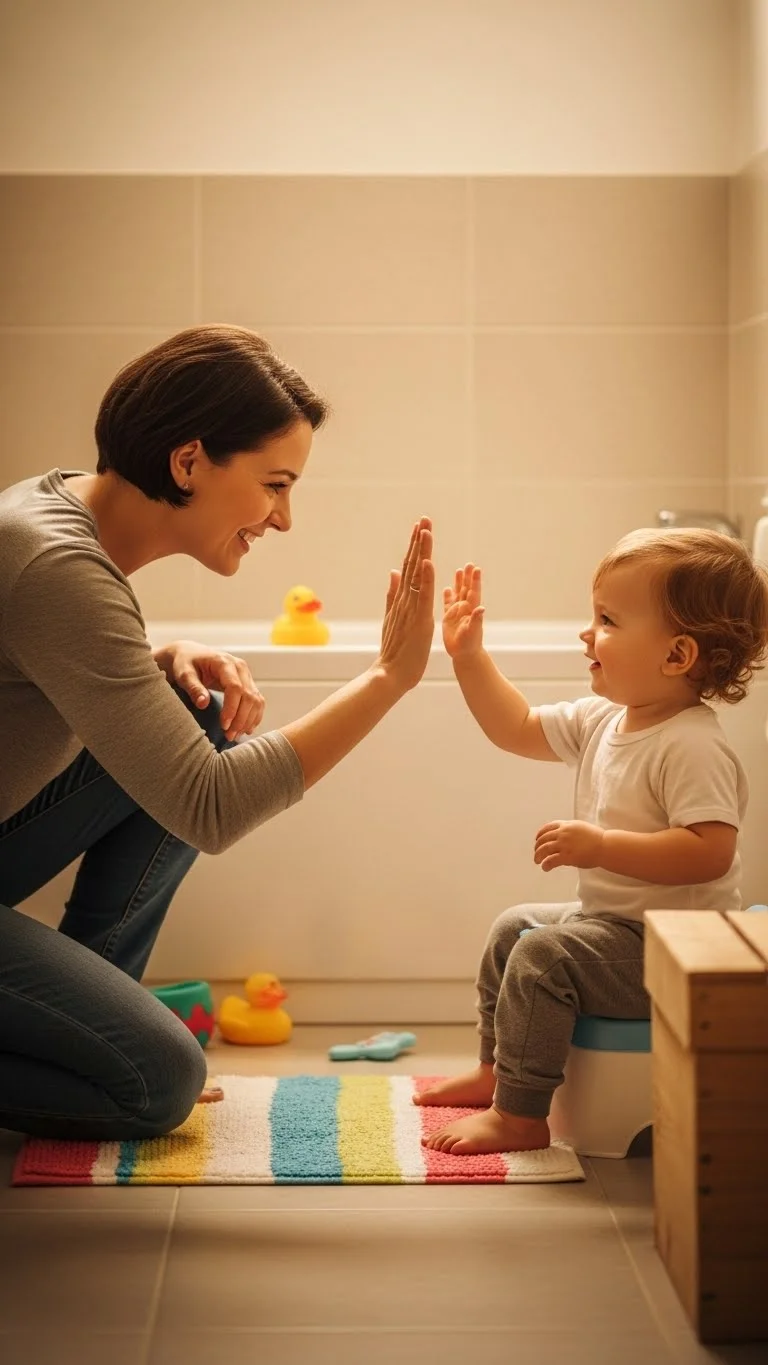
Avoid shaming or showing disappointment over accidents. Calm reactions help your child feel safe and willing to try again.
Handle Accidents Calmly and Confidently
Accidents are part of learning—no matter how “fast” potty training goes. How you respond matters more than the accident itself.
When accidents happen:
– Stay calm and reassuring
– Clean up together without blame
– Gently remind them what to do next time
Saying something like, “That’s okay, let’s try the potty next time,” keeps confidence intact. Toddlers learn best when they feel supported, not embarrassed.
Keep It Consistent (Even Outside the House)
Consistency helps potty training stick. Once you start, try to keep routines similar at home, daycare, and outings. Bring a portable potty or plan bathroom stops when you’re out.
Helpful consistency tips:
– Tell caregivers your approach
– Pack extra clothes just in case
– Stick to the same words for potty-related actions
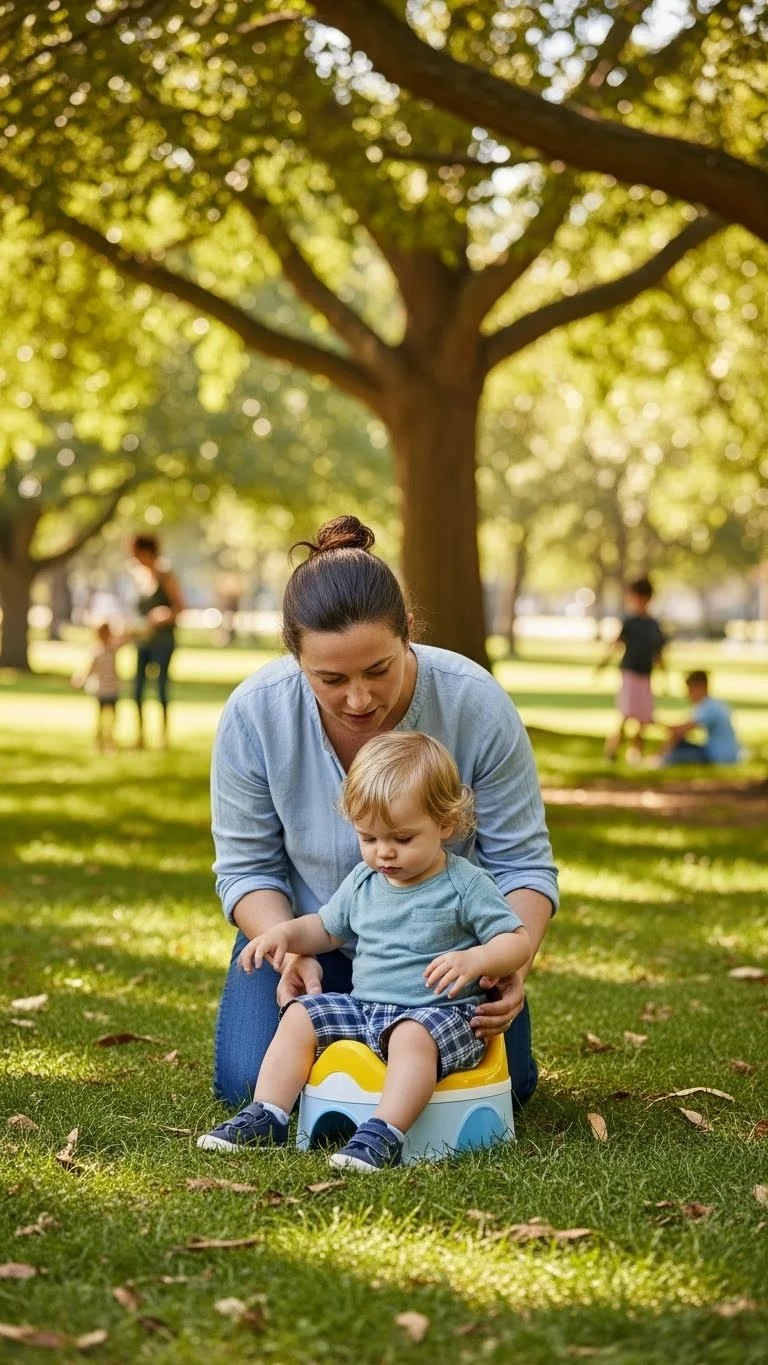
Consistency builds trust—and trust speeds up learning.
Be Patient With Nighttime and Regression
Daytime potty training often comes before nighttime dryness, and that’s completely normal. Night training depends more on physical development than practice. Use nighttime diapers if needed and avoid pressure.
If your toddler regresses:
– Stay calm
– Go back to basics for a few days
– Offer extra reassurance
Most regressions are temporary and resolve quickly when handled gently.
Final Takeaway: Progress Over Perfection
Potty training isn’t about doing everything perfectly—it’s about creating a supportive environment where your toddler feels confident and capable. By waiting for readiness, keeping routines simple, and responding with patience, you’ll reduce stress and often move through the process faster than expected.
Every child learns at their own pace. Celebrate progress, trust your instincts, and remember: this phase doesn’t last forever. You’ve got this—and your toddler does too 💛
