

How to Get Your Baby to Sleep Through the Night

If you’re reading this at 2 a.m. with one hand on your phone and the other patting your baby, you’re not alone. Almost every parent wonders when their baby will finally sleep through the night and whether they’re doing something wrong. The good news? Night sleep *is* a skill babies can learn, and with the right approach, you can gently support it.
This guide breaks it down into simple, realistic steps that work for real families—not perfection. Let’s make nights calmer for both you and your baby.
Understand What “Sleeping Through the Night” Really Means
Before setting expectations, it helps to know what’s normal.
– For babies, “sleeping through the night” usually means **6–8 hours** uninterrupted.
– Many babies are *developmentally ready* between **4–6 months**, not earlier.
– Night wakings don’t always mean hunger—they can be about comfort, habit, or timing.
Understanding this can reduce stress and help you respond more calmly.
Create a Consistent Bedtime Routine
Babies thrive on predictability. A simple, repeated routine signals that sleep is coming.
A good bedtime routine might include:
– A warm bath or wipe-down
– Pajamas and a diaper change
– Feeding
– A short book or lullaby
– Lights off and into the crib
Keep it **short (20–30 minutes)** and do it in the same order every night.
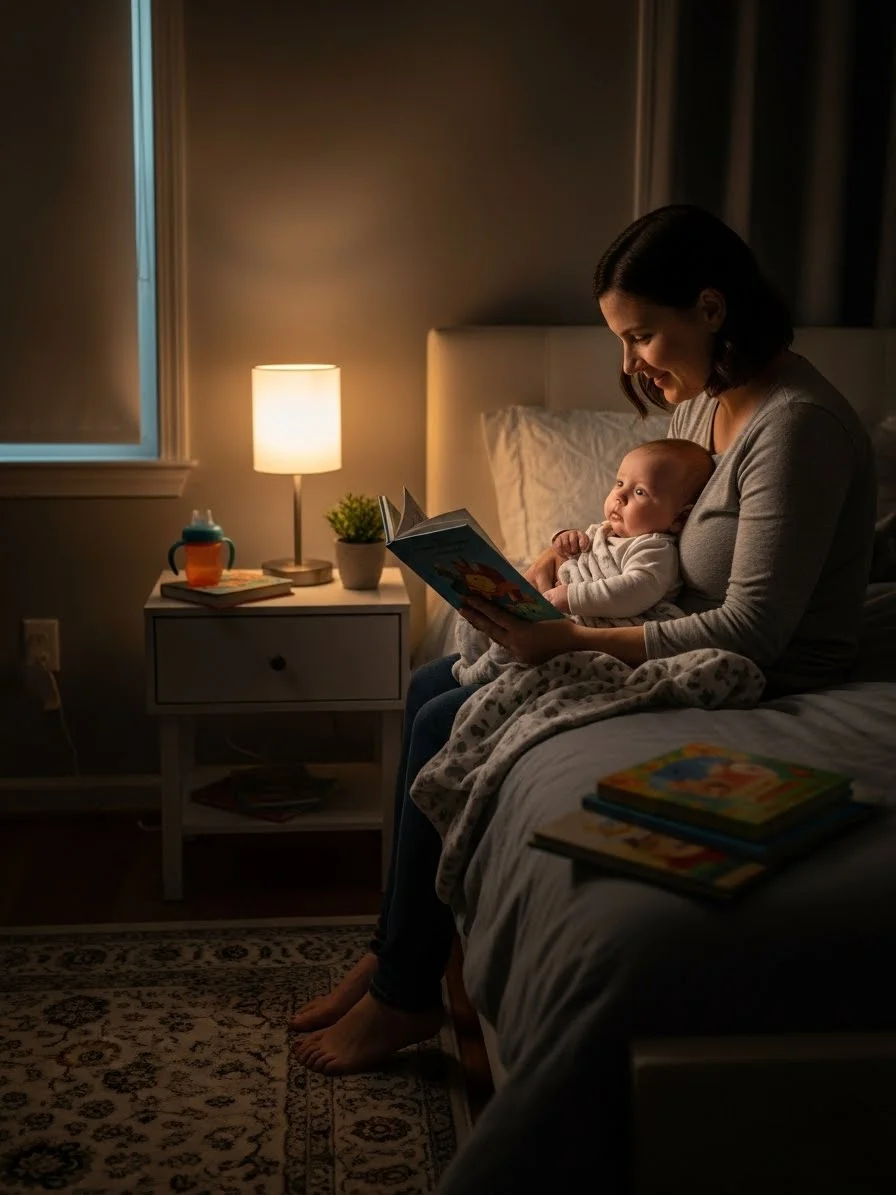
Consistency matters more than perfection—missing a night won’t undo progress.
Set the Right Sleep Environment
Your baby’s sleep space plays a huge role in how long they stay asleep.
Focus on:
– **Darkness:** blackout curtains if needed
– **White noise:** steady, low-volume background sound
– **Comfortable temperature:** cool but not cold
– **Safe sleep setup:** firm mattress, no loose items

If your baby wakes frequently, small environment tweaks can make a big difference.
Watch Wake Windows During the Day
An overtired baby often sleeps *worse*, not better.
General wake window guidelines:
– 0–3 months: 60–90 minutes
– 4–6 months: 1.5–2.5 hours
– 6–9 months: 2–3 hours
Signs your baby is ready for sleep:
– Rubbing eyes
– Slower movements
– Looking away or fussing lightly
Putting your baby down *before* overtiredness hits helps longer night stretches.
Feed Well During the Day
Full daytime feeds support longer night sleep.
Try to:
– Offer full feeds instead of frequent snacking
– Keep baby awake during feeds
– Gradually shift calories to daytime hours

For older babies, this often reduces habitual night wakings.
Encourage Independent Sleep (Gently)
Babies who fall asleep independently often settle more easily overnight.
This doesn’t mean “cry it out.” Gentle options include:
– Putting baby down **drowsy but awake**
– Pausing briefly before responding at night
– Using consistent comfort methods (patting, shushing)
The goal is helping your baby learn that the crib is a safe place to fall asleep.
Handle Night Wakings with Intention
When your baby wakes at night:
– Pause for 30–60 seconds to see if they resettle
– Keep lights low and interaction minimal
– Use the same response each time

Be Patient with Progress (and Regressions)
Sleep isn’t linear. Teething, growth spurts, travel, or milestones can disrupt nights.
Remember:
– Progress happens over weeks, not nights
– Temporary setbacks are normal
– Calm, consistent responses matter more than quick fixes
If sleep suddenly worsens, look for changes in schedule or development.
When to Ask for Extra Support
If your baby:
– Is over 6 months and wakes hourly
– Seems uncomfortable or in pain
– Snores heavily or struggles to breathe
Talk to your pediatrician or a qualified sleep consultant. Sometimes reassurance—or small adjustments—make all the difference.
Final Takeaway
Helping your baby sleep through the night isn’t about forcing independence—it’s about creating the right conditions and responding consistently. With patience, routine, and realistic expectations, better sleep *will* come.
Start with **one small change tonight**—a routine tweak, earlier bedtime, or calmer night response. Those small steps add up to longer stretches of rest for both of you. 💙
