

23 Life Changing Gentle Parenting Techniques That Build Trust

Gentle parenting focuses on trust, respect, and steady connection. Many parents want calmer days without yelling, threats, or guilt. These techniques center on everyday moments—mealtime, play, conflict, and rest. Each idea below uses simple actions that fit real budgets and busy homes. You do not need special tools or long lectures. Small shifts in tone, posture, and routine can shape safer relationships and stronger cooperation over time.
- Get Down to Eye Level During Hard Moments

Getting down to eye level changes the entire mood of a tense moment. It shows respect without saying a word. When adults tower, kids often feel threatened or ignored. Kneeling or sitting creates balance. Your voice can stay calm and steady. Short sentences help. Try saying what you see instead of what you want. “You’re upset the game ended.” That simple line can lower defences. This works anywhere. In a store aisle, bend slightly. At home, sit on the floor. No purchases required. If your knees hurt, sit on a chair and lean forward. Keep hands relaxed. Avoid pointing. Give space if the child steps back. Kids often mirror posture. When you lower yourself, they soften too. This habit builds trust because the child feels seen. Over time, conflicts shrink faster. Eye-level connection also helps shy kids speak up. It invites conversation instead of shutdown.
- Name Feelings Without Judgement

Naming feelings helps children feel understood. Use simple words. Angry. Sad. Excited. Scared. Avoid lectures. One sentence is enough. “You’re mad because the toy broke.” Pause after speaking. Let the child respond or breathe. This skill costs nothing and works at any age. Toddlers may not reply, yet they absorb the language. Older kids often correct you. That’s okay. It still opens a door. Keep your tone even. Avoid blame. Do not rush to fix the problem. Over time, kids start naming feelings themselves. That lowers meltdowns. They feel less alone during big emotions. This habit also reduces power struggles. When feelings are named, behavior often shifts naturally. Trust grows because the child senses acceptance, not control.
- Use Short, Clear Choices

Choices help kids feel involved. Keep them simple. Two options work best. “Blue shirt or green shirt?” Avoid open-ended questions during stress. That can overwhelm. This approach fits tight schedules. It avoids long debates. Speak slowly. Give time to decide. If the child refuses both, calmly restate the options. No extra talking. Choices teach decision skills. Kids feel respected. Over time, cooperation improves. This works for food, clothing, playtime, and routines. It costs nothing. The key is consistency. Stick to the options you offer. Trust builds when words match actions.
- Pause Before Responding

A pause can change everything. When emotions rise, stop for three seconds. Breathe in through the nose. Breathe out slowly. This pause prevents sharp words. Kids learn from what they see. When you pause, they learn patience. You do not need to explain the pause. Just do it. This habit costs nothing and works anywhere. Over time, reactions soften. Conflicts feel safer. Trust grows because kids sense stability. Even one pause a day makes a difference. It protects the relationship during hard moments.
- Set Limits With a Calm Voice

Limits can exist without shouting. Use a steady tone. Say what will happen, not what the child did wrong. “Crayons stay on paper.” Keep sentences short. Repeat if needed. Do not add extra words. Calm repetition feels boring, yet it works. Kids test limits less when adults stay steady. This approach requires no tools. Just practice. Over time, kids trust that limits are fair and predictable. That sense of safety supports better behavior.
- Repair After Conflict

Conflict happens in every home. What matters most is what comes after. When a parent returns to a child and acknowledges their behavior, trust grows. A simple statement like, “I spoke too loudly earlier, and I’m sorry,” shows honesty and accountability. No long explanation is required. Keep it brief and sincere. This teaches children that mistakes do not end relationships. Repairs help kids feel safe expressing emotions again. Over time, children learn how to apologize without shame and understand that connection can be restored after tension.
- Create Predictable Routines
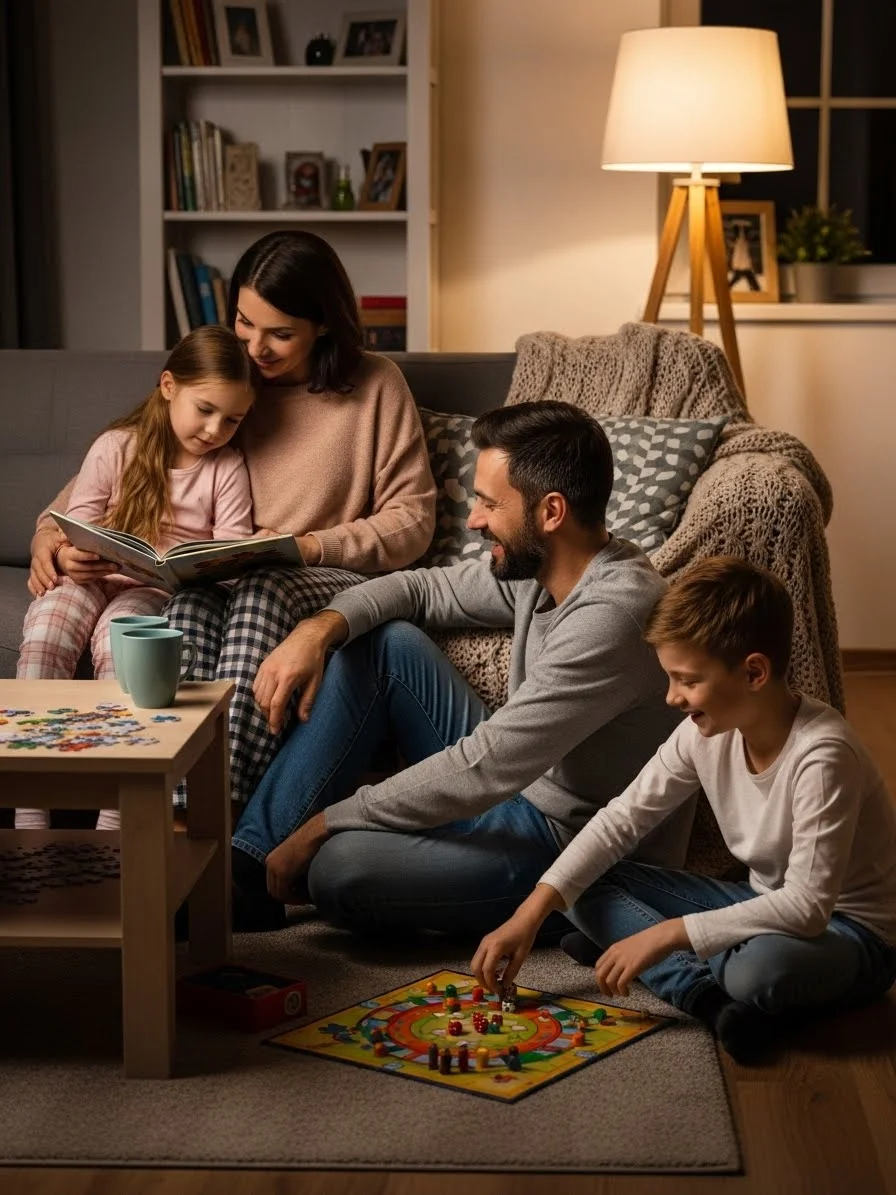
Routines give children a sense of security during busy days. Simple patterns for mornings, meals, and bedtime help children know what happens next. This reduces resistance and emotional overload. A routine does not need charts or expensive planners. Verbal reminders work just as well. For example, bath, pajamas, story, sleep. When routines stay consistent, children relax more easily. They feel grounded because the day feels familiar. Predictability builds trust because children know adults will guide them through each part of the day calmly.
- Listen Without Interrupting

Listening fully is one of the strongest trust-building habits. When a child speaks, pause your response. Let them finish, even if the story feels slow or unclear. Maintain eye contact and keep your body still. Avoid correcting details or offering solutions too quickly. This shows that their voice matters. Over time, children share more openly when they feel heard. They learn that communication does not lead to judgement. This creates emotional safety and strengthens connection during both calm and challenging moments.
- Use Gentle Touch for Reassurance

Physical reassurance can comfort a child during stress. A light hand on the back, a hug, or sitting close can calm emotions without words. Always notice the child’s reaction. Some children prefer space, and that choice should be respected. Gentle touch works well during sadness, fear, or overwhelm. It reminds children they are not alone. This form of connection costs nothing and fits easily into daily life. Over time, children associate comfort with safety and care rather than pressure.
- Model Calm Problem Solving
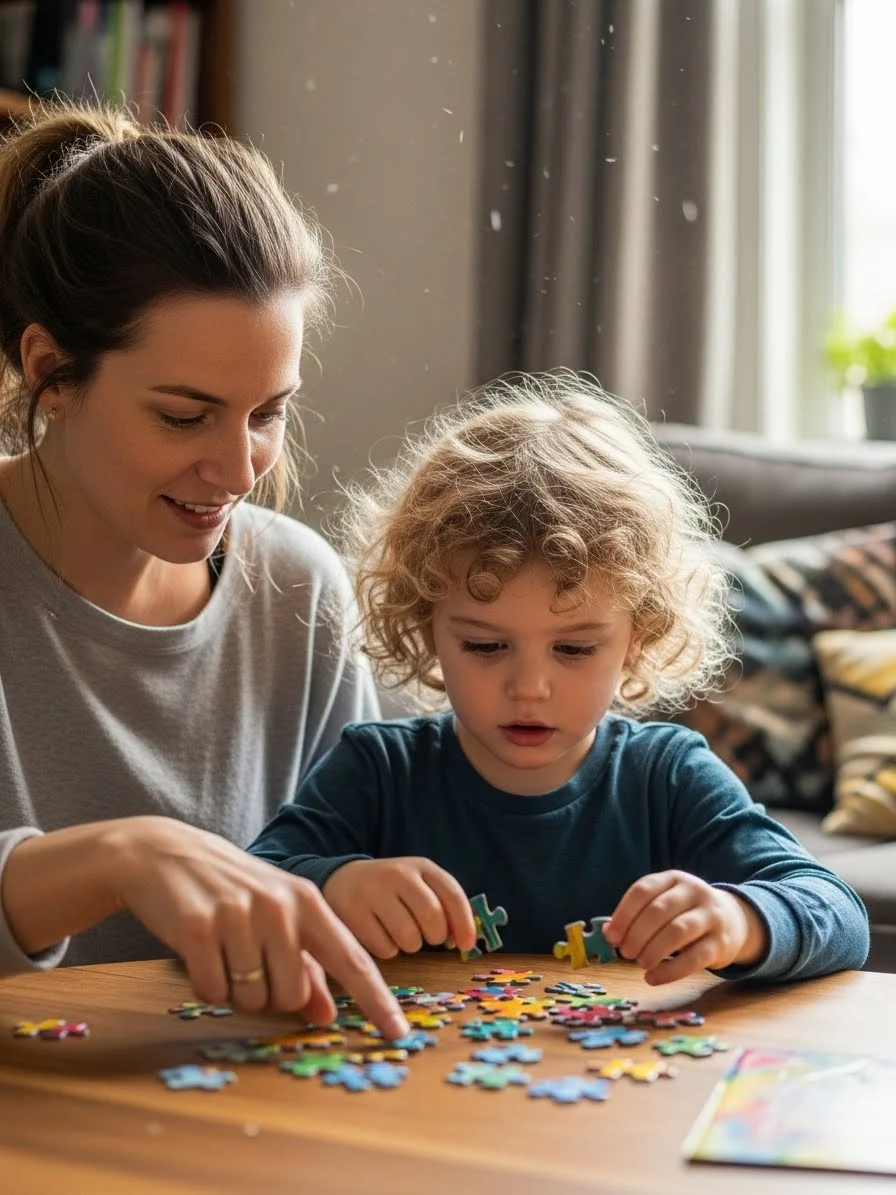
Children learn how to handle challenges by watching adults. When something goes wrong, speak calmly and describe your actions. For example, “The glass tipped over. I’ll clean it up.” Avoid panic or blaming. This teaches children that problems can be managed without fear. Everyday moments provide learning opportunities. Over time, children copy this approach when facing their own struggles. They begin to trust that mistakes are part of learning and that solutions are possible without anger or stress.
- Respect Sensory Limits

Some children react strongly to noise, crowds, textures, or bright lights. Paying attention to these reactions shows care and understanding. If a child becomes overwhelmed, offer a quieter space or a short break. This does not require special equipment. Stepping outside or lowering volume often helps. Respecting sensory comfort builds trust because the child feels protected rather than forced to cope alone. When children know their limits matter, they feel safer and more confident in new situations.
- Encourage Independence in Small Steps

Independence grows through practice, not pressure. Allow children to try tasks like dressing, pouring drinks, or tidying toys on their own. Expect spills and slow progress. Offer guidance only when needed. This builds confidence and patience. Everyday tasks become learning moments without extra tools or cost. Over time, children trust their abilities and feel proud of their effort. They also trust parents more because support feels encouraging instead of controlling.
- Speak About Behaviour, Not Character

When correcting a child, focus on what happened instead of who they are. Saying “Throwing toys can hurt someone” keeps the message clear without attaching a label. Avoid words that define the child, such as lazy or bad. Children often carry these labels for years. Talking about actions helps them understand what can change. This approach protects self-worth and keeps communication open. Over time, children respond better because they do not feel attacked. Trust grows when guidance feels fair and respectful.
- Share Control During Play

Playtime is a powerful way to build connection. Allowing children to lead play gives them a sense of agency. Follow their ideas, even if the rules seem silly. Avoid correcting or teaching during these moments. This shows respect for their imagination. No toys need to be purchased. Everyday objects work well. When children feel in charge during play, they relax and express themselves freely. Over time, shared play builds emotional closeness and trust without pressure or performance.
- Keep Expectations Age Appropriate

Children develop skills at different speeds. Expecting too much too soon often leads to frustration on both sides. A toddler may struggle with waiting or sharing, while an older child may still need reminders. Adjusting expectations to match age helps children feel capable. This reduces conflict and disappointment. Observe what your child can realistically handle. When expectations match ability, cooperation improves. Children trust adults more when guidance feels supportive instead of overwhelming.
- Use Natural Consequences When Safe

Natural consequences allow children to learn from real outcomes. If a toy is left outside and gets wet, it may not work properly later. There is no need for lectures or anger. Stay calm and explain what happened in simple words. This method works best when safety is not at risk. Children learn responsibility through experience. Over time, they trust that outcomes are fair and connected to actions, not imposed through control.
- Validate Before Redirecting

Acknowledging a child’s feelings before guiding behavior changes the tone of any interaction. Saying, “You’re upset that playtime ended,” helps the child feel understood. After that, gently restate the limit or next step. This order matters. When feelings come first, children listen more easily. Validation does not mean agreement. It means recognition. Over time, this habit reduces resistance and strengthens emotional safety within the relationship.
- Keep Promises Small and Real

Children notice when words match actions. Avoid making promises that may be hard to keep. Instead, offer small, realistic commitments. For example, “I’ll read one story tonight.” Follow through whenever possible. This builds reliability. When promises are kept, children trust what parents say. If plans change, explain honestly. This teaches flexibility without disappointment. Trust grows through consistency, not grand gestures.
- Use Humor Gently

Gentle humor can ease tension and bring connection back into a difficult moment. A playful voice, a silly walk to the bathroom, or pretending a spoon is an airplane can change the mood quickly. Humor should never tease or embarrass a child. Keep it kind and light. This approach works best during routine struggles, not intense distress. Over time, shared laughter helps children associate cooperation with warmth instead of pressure. Trust grows when children feel safe to enjoy moments with their parents.
- Slow Down Transitions

Transitions can be hard for children, especially when moving from play to tasks. Giving advance notice helps. A simple reminder like, “Five more minutes,” prepares the child mentally. Repeating the warning once more supports follow through. This reduces sudden resistance. You can also describe the next activity in calm words. Slowing transitions does not require timers or tools. It requires patience and clear communication. Over time, children trust that changes will not come without warning.
- Create a Calm Down Space Together

A calm-down space gives children a place to settle emotions without feeling isolated. This space can be simple. A pillow, a soft blanket, or a favourite toy is enough. Involve the child in choosing items. This builds ownership. The space should be optional, not forced. Children use it when emotions feel big. Over time, they learn self-regulation at their own pace. Trust grows when children know they have a safe place to reset.
- Speak Kindly About Yourself

Children absorb how adults talk about themselves. Saying negative things about your own abilities or body can shape how children view themselves. Practice speaking with respect about your efforts, even when mistakes happen. For example, “I made an error, and I can fix it.” This models self-acceptance. No lectures are needed. Daily self-talk does the work. Over time, children learn that mistakes do not define worth, and self-kindness becomes a normal part of life.
- End the Day With Connection

Ending the day with connection helps children feel secure before sleep. This can be a short conversation, a shared story, or quiet cuddling. Even a few minutes matter. Avoid distractions during this time. Let the child share thoughts from the day if they want. This routine creates emotional closure. Over time, children associate bedtime with safety and warmth. Trust deepens when each day ends with attention and care, even after challenging moments.
Conclusion
Gentle parenting grows through daily choices, not grand plans. Each technique above fits real homes, tight budgets, and busy schedules. Pick one idea and practice it this week. Small actions, repeated often, shape calmer interactions and stronger trust. Over time, these moments add up to relationships built on respect, safety, and connection.
