

26 Mom Life Hacks for Easier Days
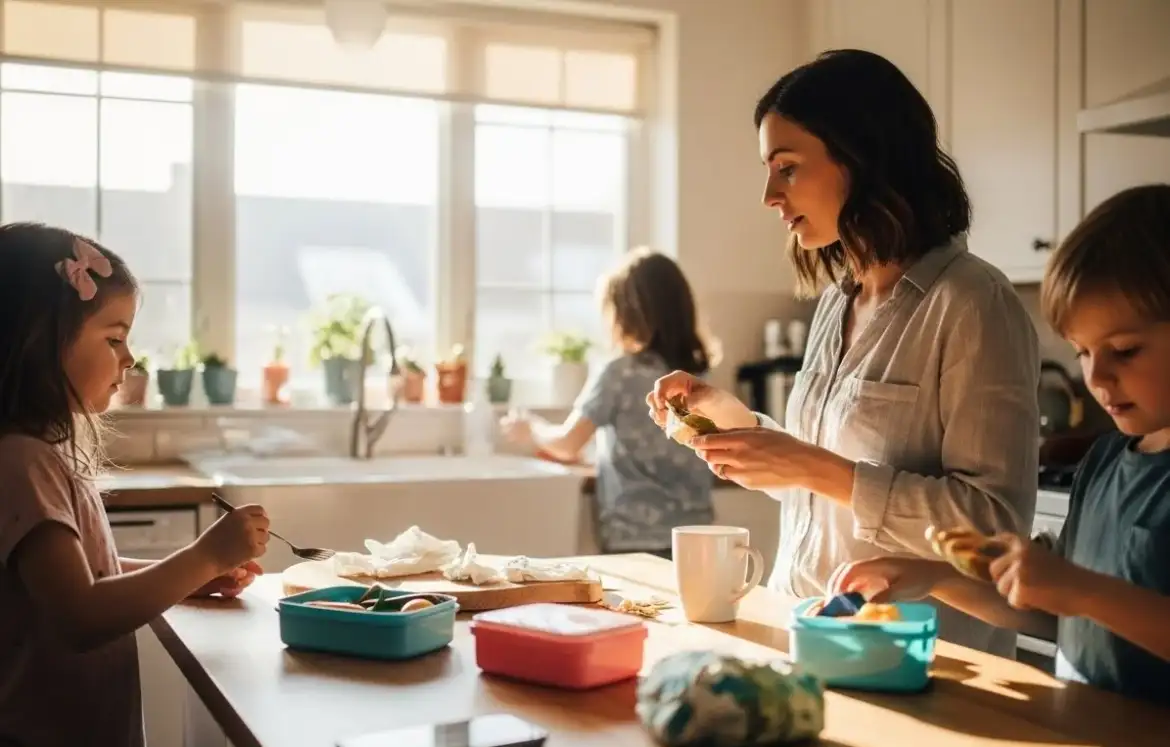
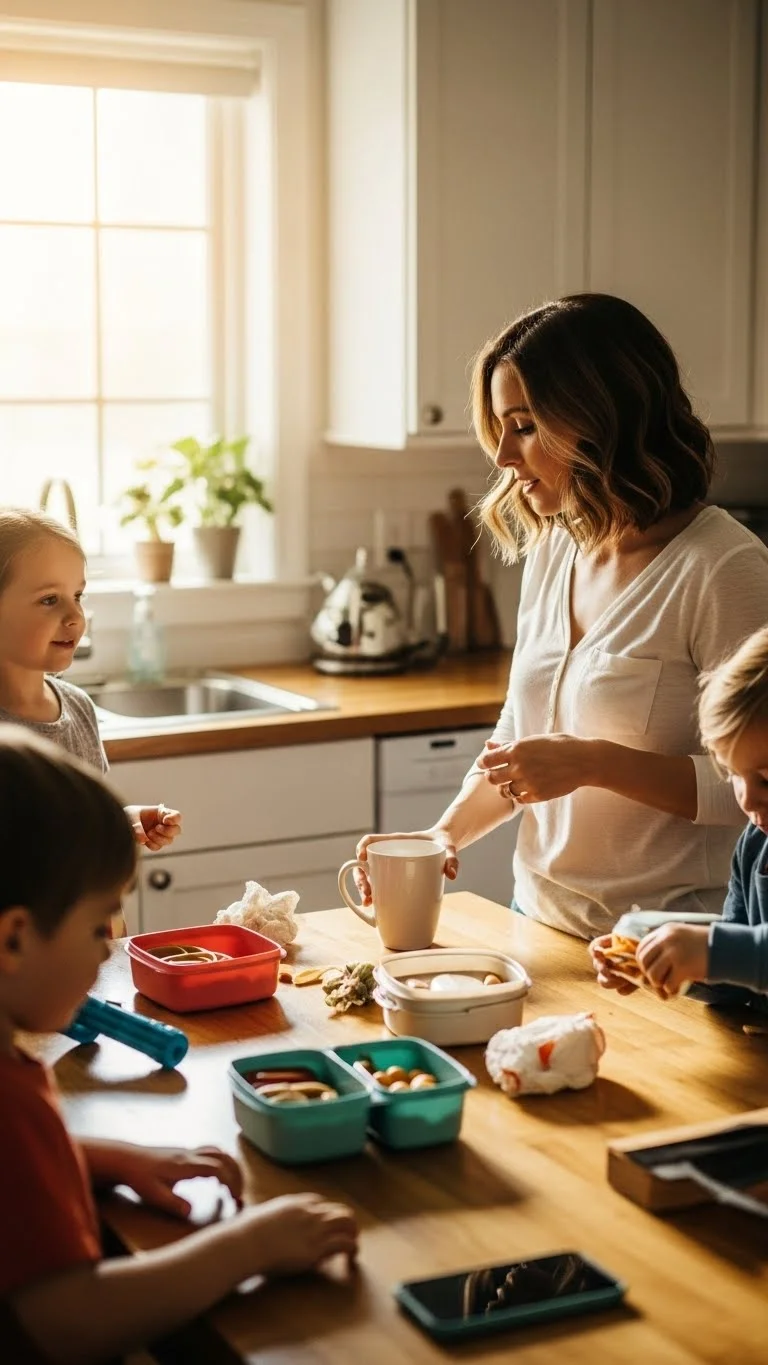
Life as a mom moves fast. Days feel full before noon. Small systems can make routines smoother without spending much money. These practical ideas focus on simple habits, low-cost tools, and realistic shortcuts that fit real homes. Each hack below helps save time, energy, and patience while keeping daily life manageable.
1.Ten-Minute Night Reset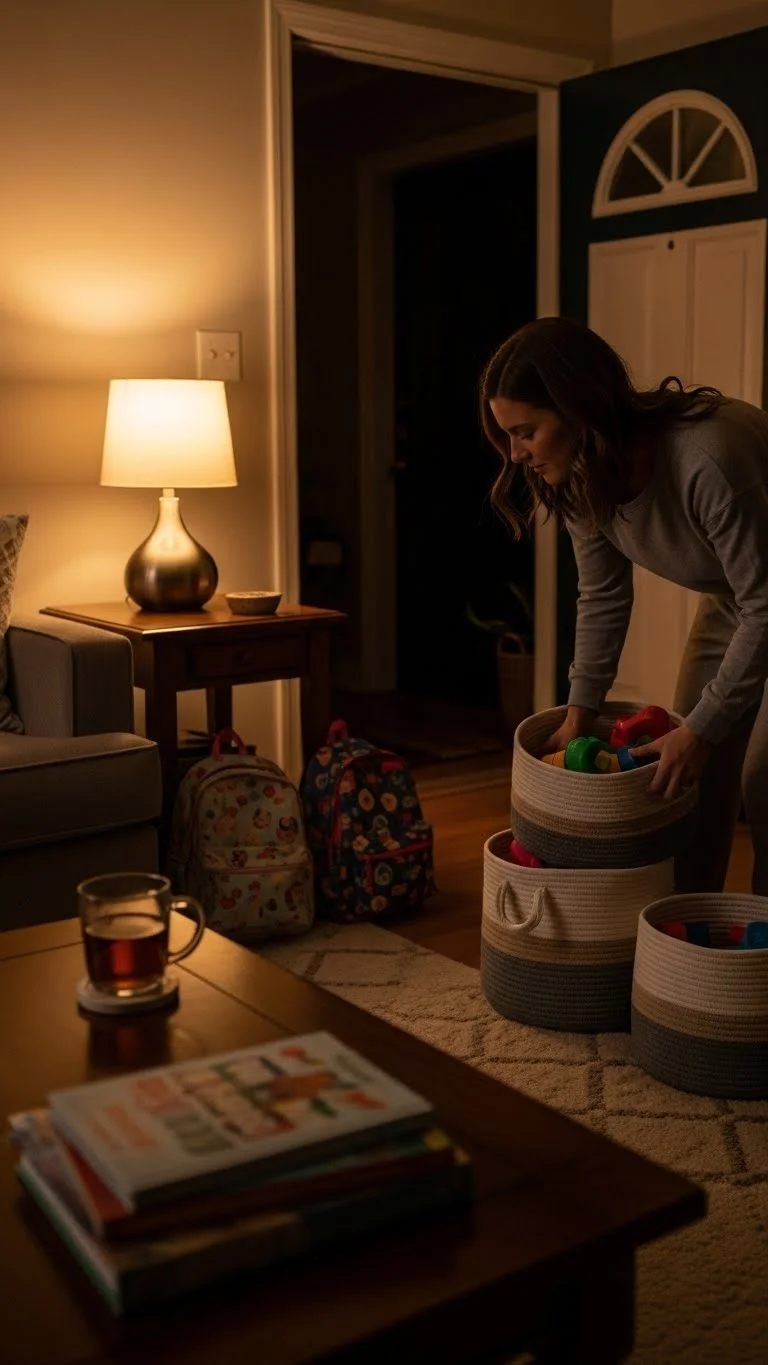
A short reset at night can change how the next morning feels. Set a timer for ten minutes and focus only on visible areas. Clear the table. Toss toys into baskets. Stack shoes near the door. Stop when the timer ends, even if the room is not perfect. This habit works because it stays small and repeatable. Use items you already own. Laundry baskets work just as well as storage bins. Ask kids to help for two minutes. Turn it into a quick game with music. This keeps the task light and avoids arguments. A cleaner space in the morning means fewer decisions when everyone is tired or rushed. The reset also stops mess from building up over the week. Ten minutes at night saves far more time the next day and helps mornings start with less tension.
- Daily Breakfast Bins
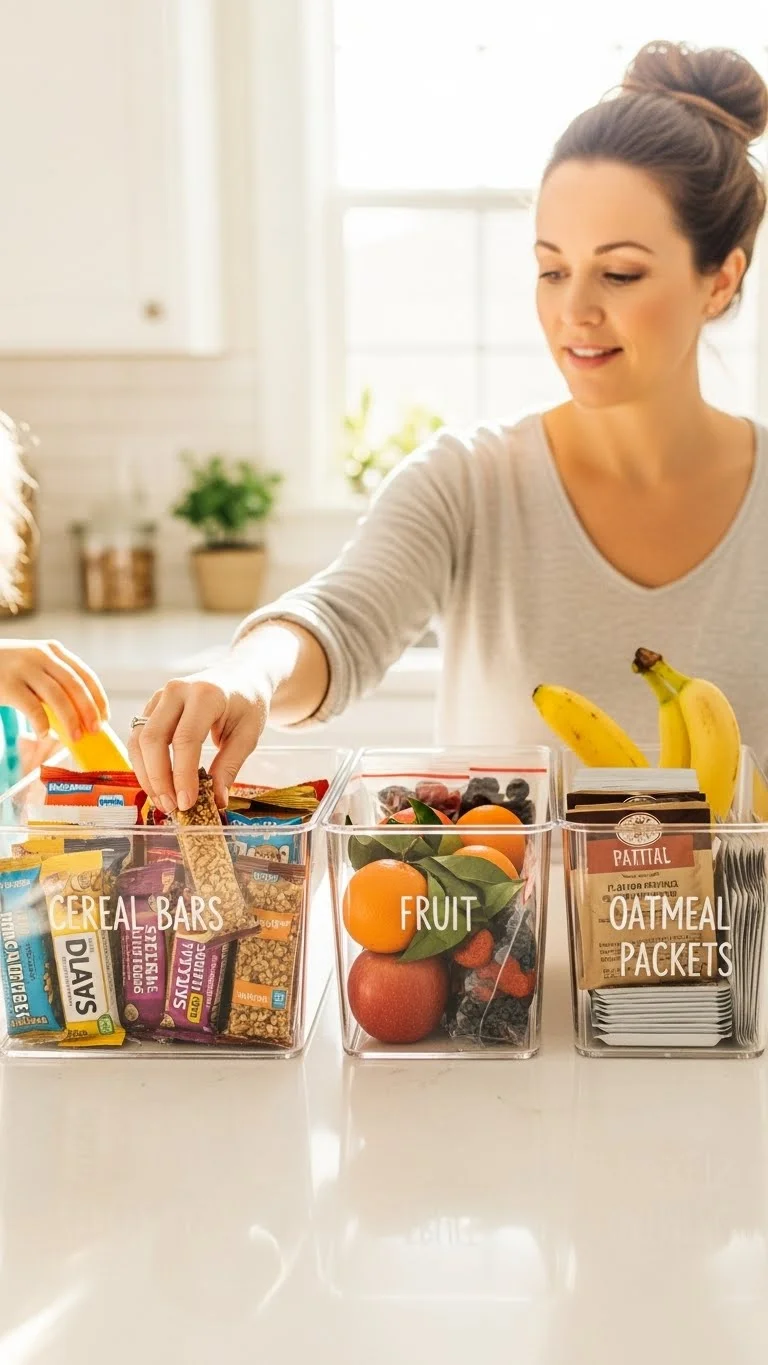
Mornings run smoother when breakfast choices are already made. Use one bin for each day of the week. Fill them with easy items like oatmeal packets, bananas, toast, or yogurt. Kids grab a bin and eat without asking questions. This cuts delays and keeps mornings quiet. You do not need special containers. Reused plastic boxes or baskets work fine. Keep bins at eye level in the fridge or pantry so kids can reach them. Prep everything once a week in under thirty minutes. Stick to simple, low-cost food to keep spending steady. Rotate items weekly to avoid complaints. This setup also reduces food waste because everything has a purpose.
- One Family Calendar Spot
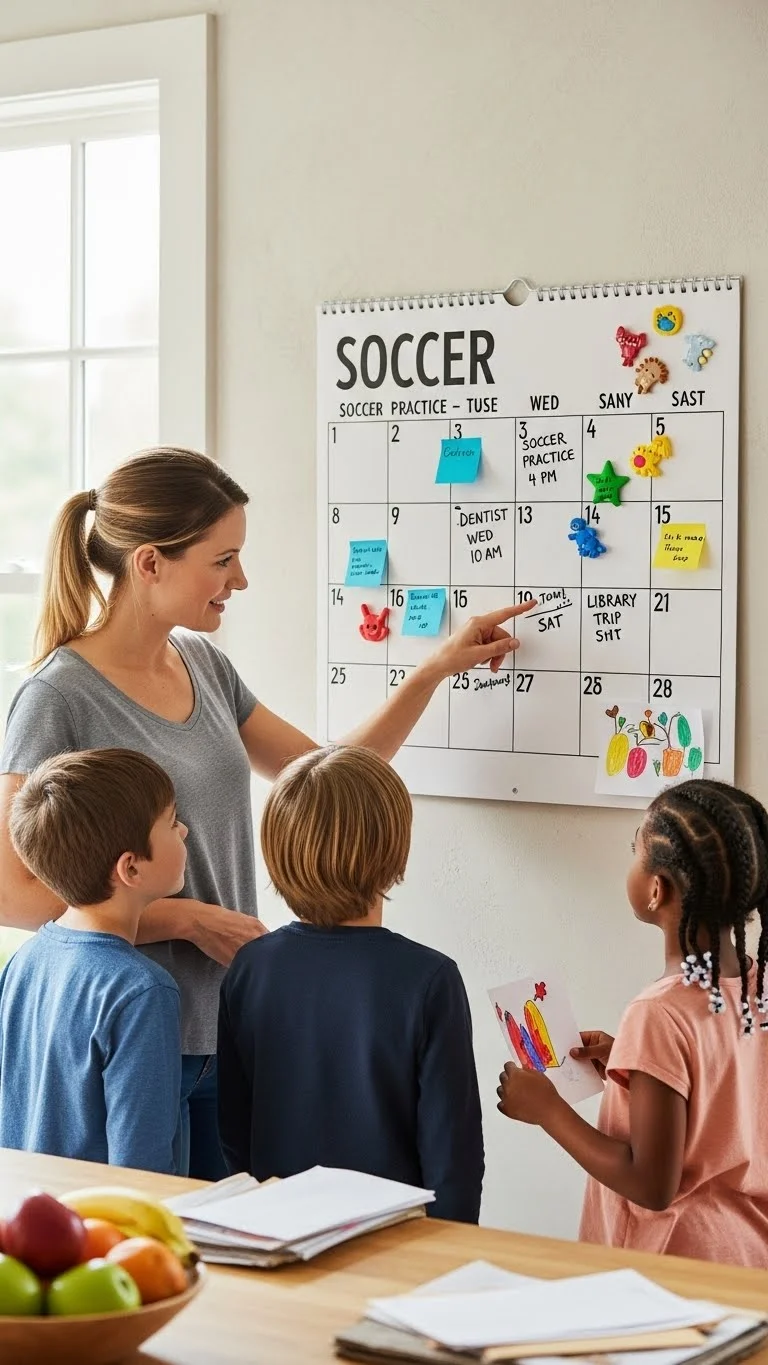
One shared calendar keeps everyone on the same page. Pick a spot that is easy to see, like the fridge or a kitchen wall. Write down school events, appointments, and activities in large letters. Use different marker colours for each family member. Review the calendar every night so nothing comes as a surprise. This habit reduces missed events and last-minute stress. A basic paper calendar works just fine. No apps or syncing required. Kids learn responsibility when they check plans themselves. Fewer reminders fall on you throughout the day. When everyone knows what is coming, routines feel steadier. This simple system replaces scattered notes and repeated questions with one clear visual that guides the whole household.
- Sort Laundry Once
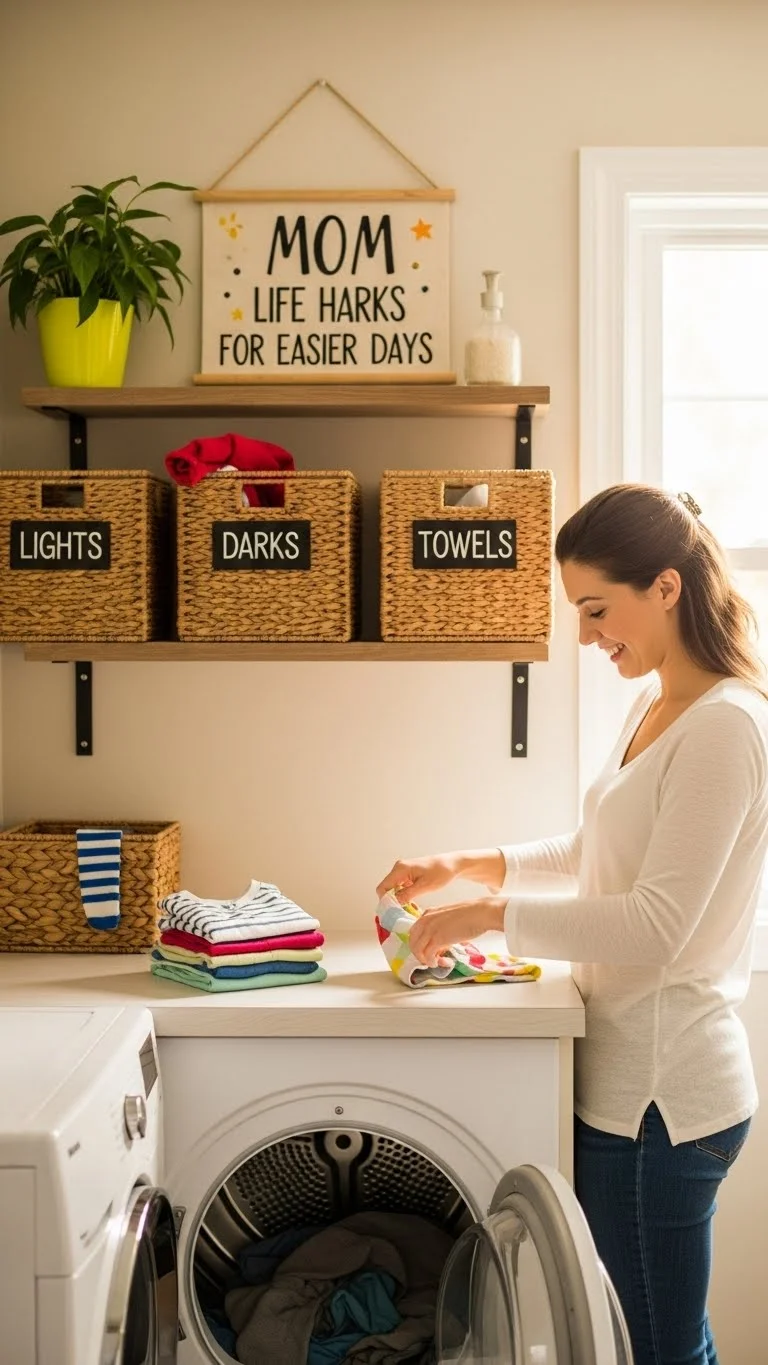
Laundry feels overwhelming when it piles up. Sorting once makes it easier to manage. Use three baskets only. One for lights. One for darks. One for towels. Clothes go straight into the right basket. No sorting later. Kids can help early, even at a young age. Wash one basket per day instead of tackling everything at once. Smaller loads feel lighter and faster to finish. You do not need matching bins. Any baskets will work. Label them with tape and a marker if helpful. This method spreads the work across the week and keeps laundry from taking over floors and chairs. Sorting once saves time, energy, and frustration every single week.
- Low Snack Drawer
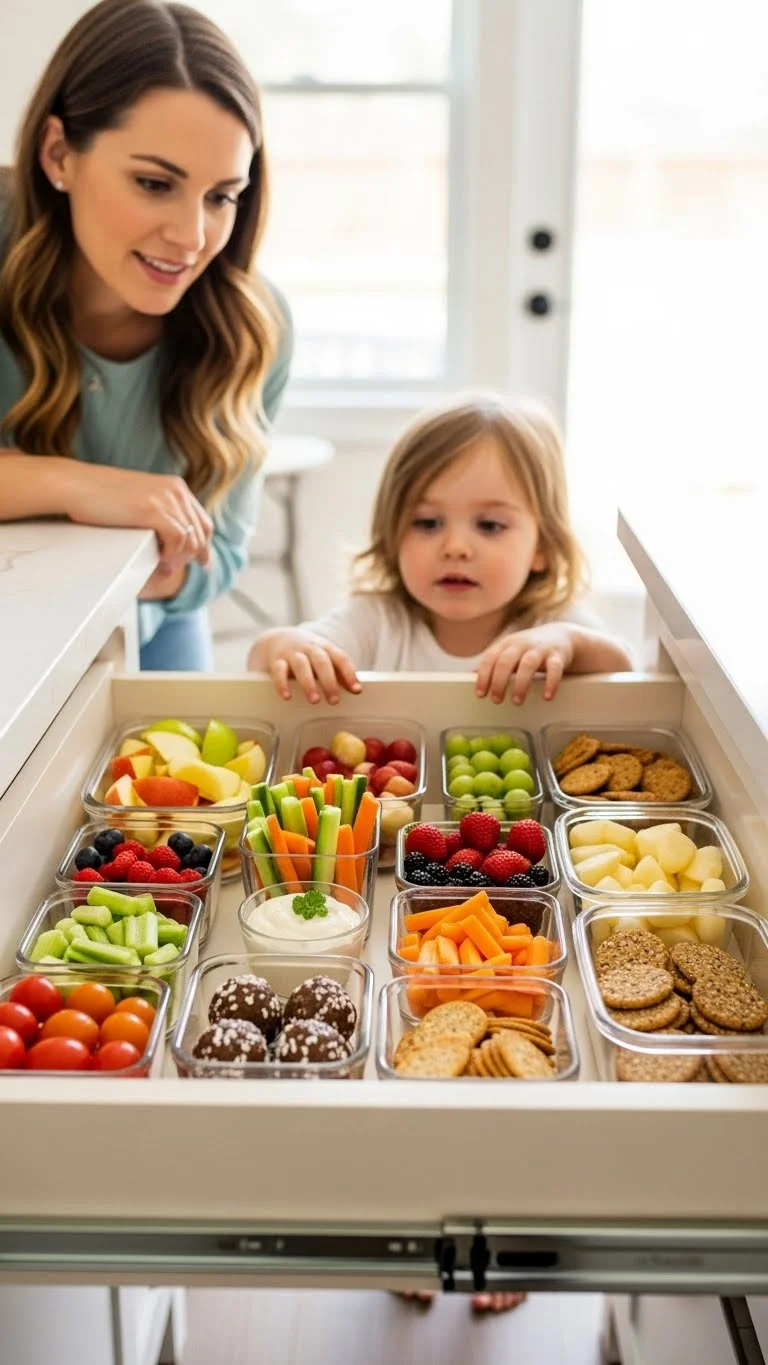
Snack requests can interrupt your day nonstop. A low snack drawer gives kids controlled freedom. Choose one drawer they can reach and fill it with approved snacks only. Crackers, fruit, popcorn, or homemade snacks work well. Set clear rules about when snacks are allowed. Refill the drawer once a week to keep things simple. Kids help themselves without asking, which saves your focus. Use small bins inside the drawer to keep order. You do not need fancy organizers. Reused containers work just fine. This setup reduces mess, cuts interruptions, and helps kids learn simple responsibility. One small drawer can remove dozens of daily questions and make the kitchen feel calmer.
- Weekly Outfit Sets
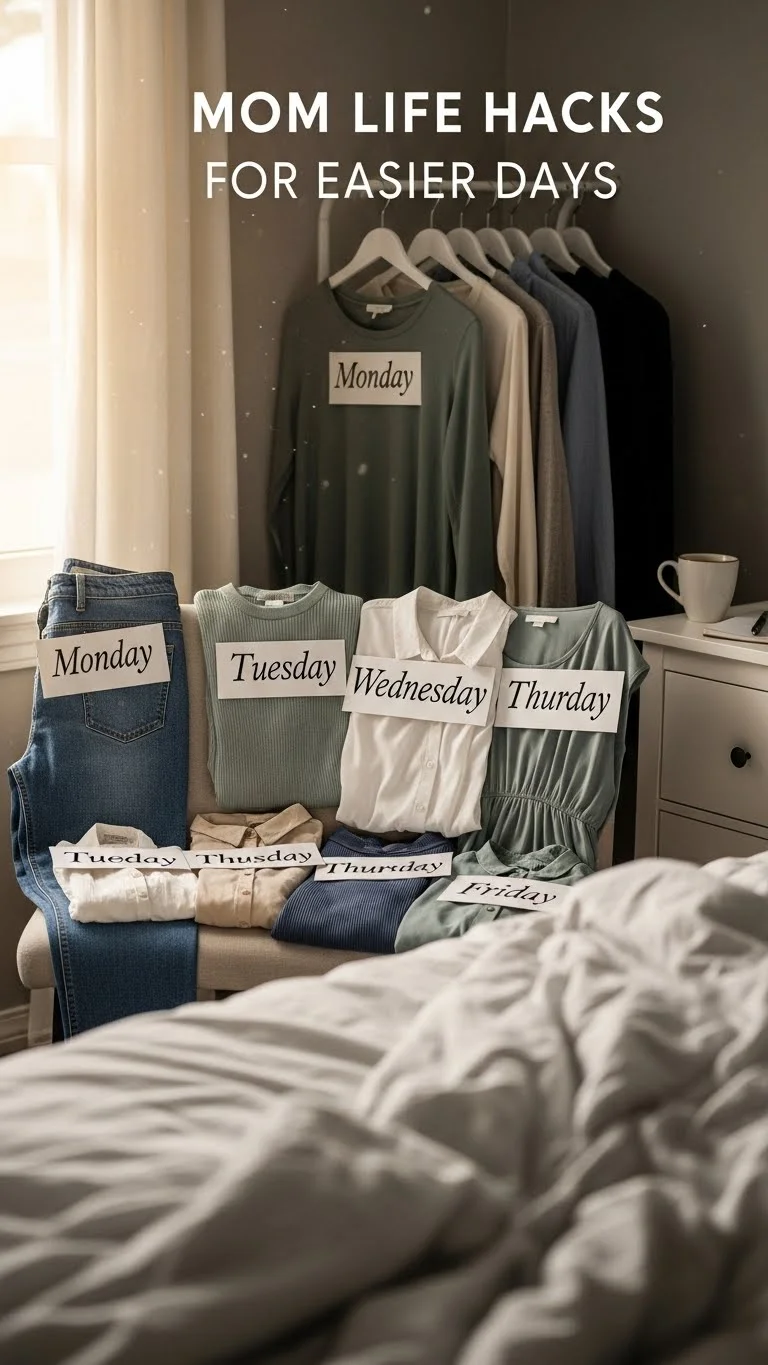
Clothing decisions slow mornings fast. Planning outfits once a week removes that stress. Choose full outfits for each day, including socks. Lay them out on chairs or hang them together in the closet. This avoids last-minute searches and outfit changes. Kids argue less when choices are already made. Check the weather ahead and adjust as needed. You do not need special hangers or dividers. Use what you already have. This habit saves time, keeps mornings quiet, and reduces rushing. When clothes are ready, everyone moves faster. The week starts with fewer delays and less frustration.
- Meal Theme Nights
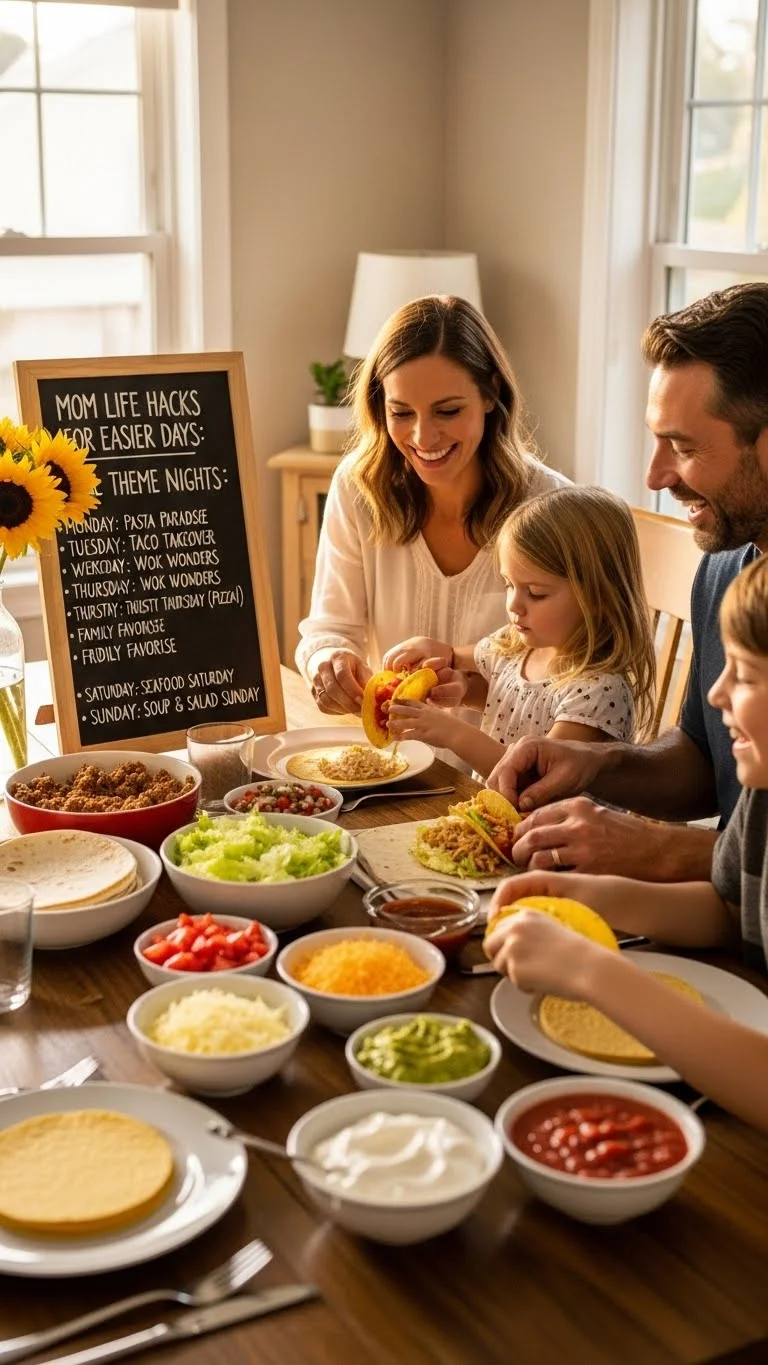
Deciding what to cook every day drains energy. Meal themes simplify planning. Pick easy themes like pasta night, rice night, or soup night. Rotate them weekly. Shopping becomes quicker because ingredients repeat. Budget stays steady and predictable. Cooking feels easier when the decision is already made. Kids like knowing what to expect, which reduces complaints. Keep recipes simple and flexible. Leftovers fit easily into the plan. You do not need new meals every week. Repeating themes saves time without feeling boring. Dinner becomes one less daily decision, making evenings calmer and more manageable.
- Two-Minute Tidy Breaks
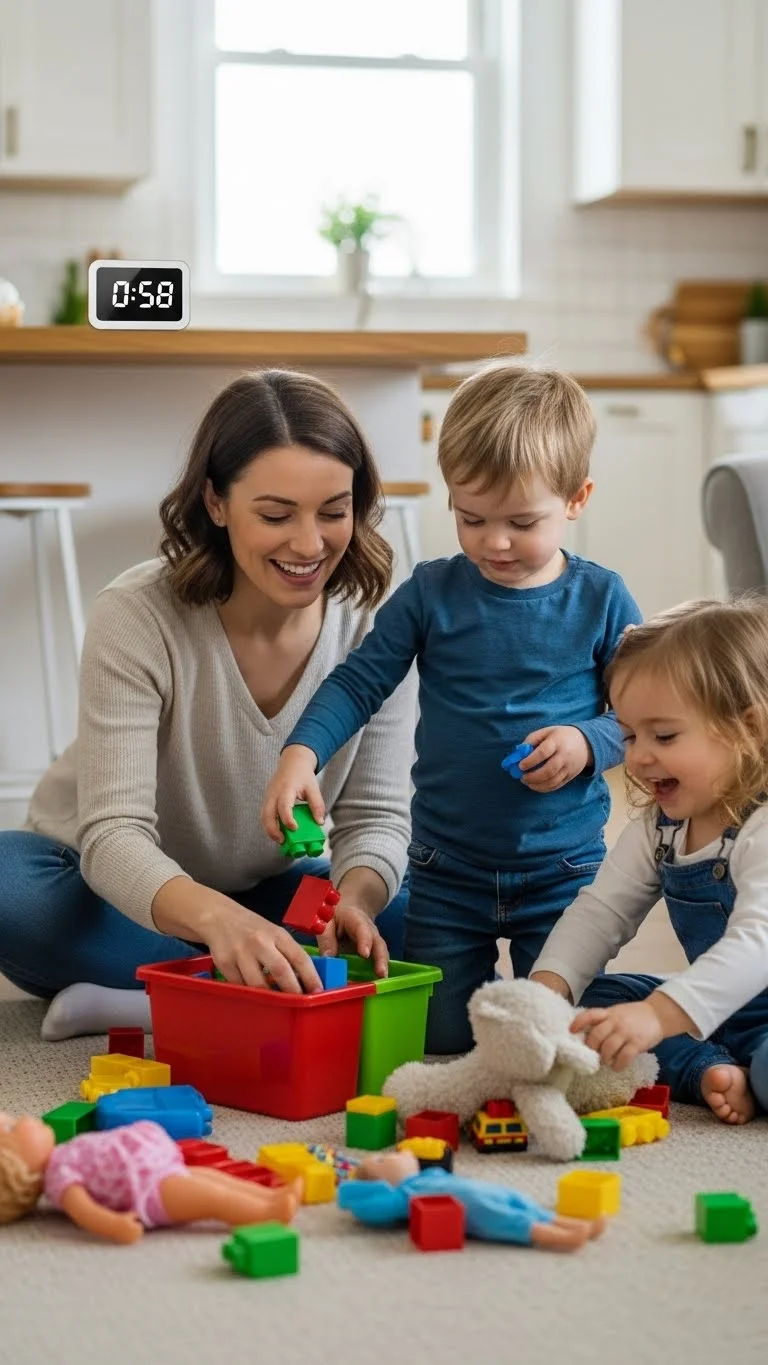
Mess builds faster than expected. Two-minute tidy breaks keep it under control. Set a timer and have everyone help. When the timer ends, stop. No pressure to finish everything. Use this before bed time or before leaving the house. Toss items into baskets instead of sorting. This keeps cleanup quick and stress-free. Kids see teamwork in action and learn that tidying does not have to take long. Small efforts throughout the day prevent large messes later. This habit keeps rooms usable without long cleaning sessions and protects your energy.
- Cleaning Supplies by Zone
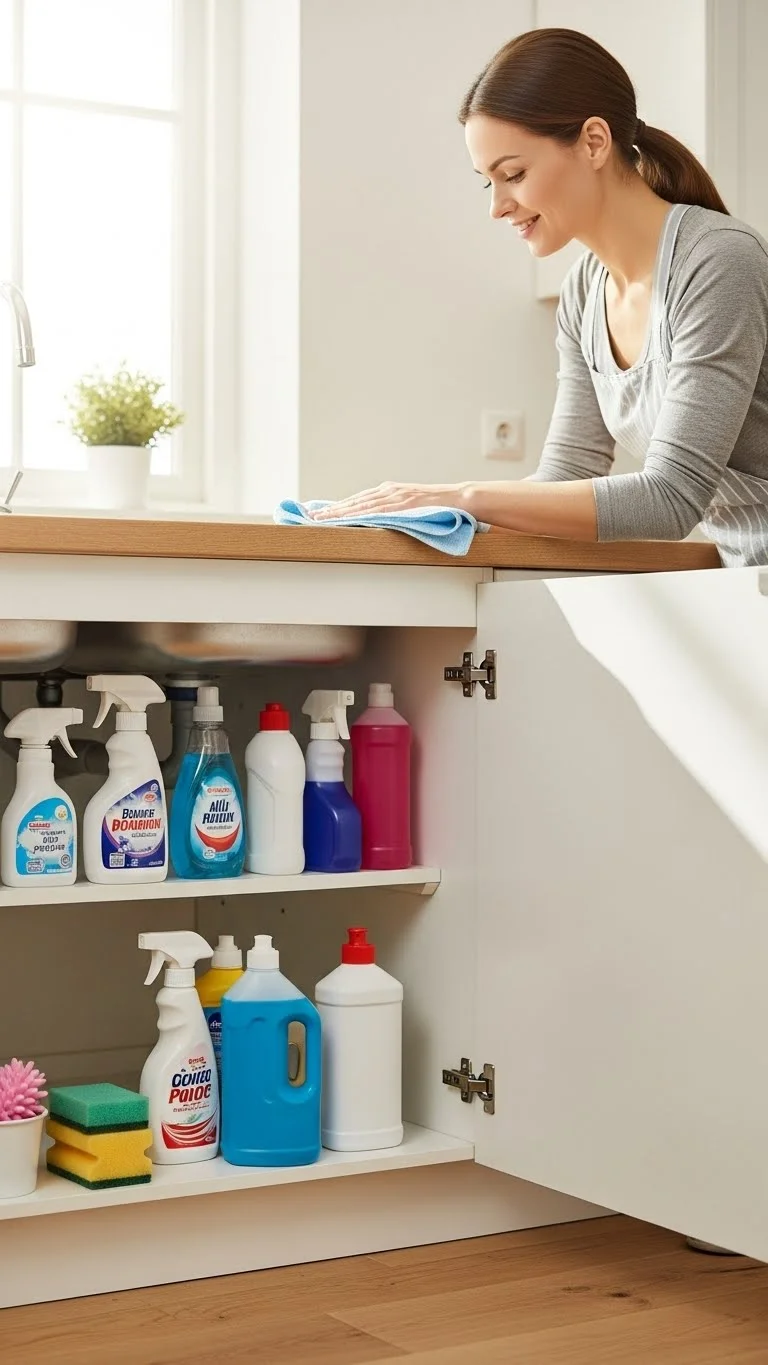
Running to find supplies wastes time. Store cleaning items where you use them. Keep wipes in the bathroom. Store spray under the kitchen sink. This makes quick cleanups more likely to happen. Small messes get handled right away instead of spreading. Use small caddies or reused containers. No special products needed. When supplies are within reach, wiping a counter or sink takes seconds. This habit reduces the need for long cleaning sessions later. Easy access turns cleaning into a quick task instead of a chore you avoid.
- Freezer Backup Meals
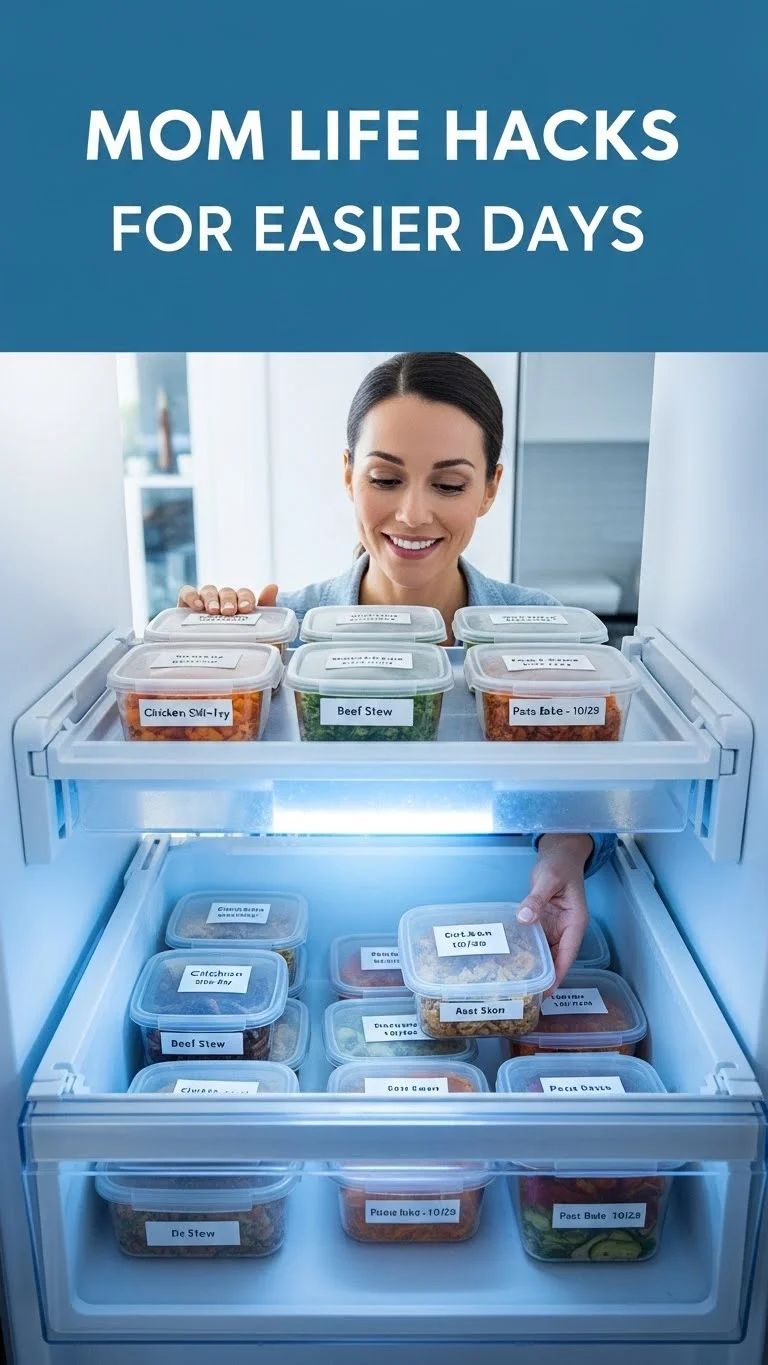
Some days fall apart by dinner time. Freezer backup meals help on those days. These meals do not have to be fancy. Extra soup, cooked rice, beans, or marinated chicken work well. When you cook, double one item and freeze half. Flat freezer bags save space and stack easily. Label with tape so nothing gets forgotten. This habit saves money by cutting last-minute takeout. It also saves energy when motivation is low. Keep meals simple and familiar so kids eat them without complaints. A stocked freezer brings relief on long days. Even two or three ready meals can change the week. This system works best when it stays basic and repeatable.
- Morning Launch Station
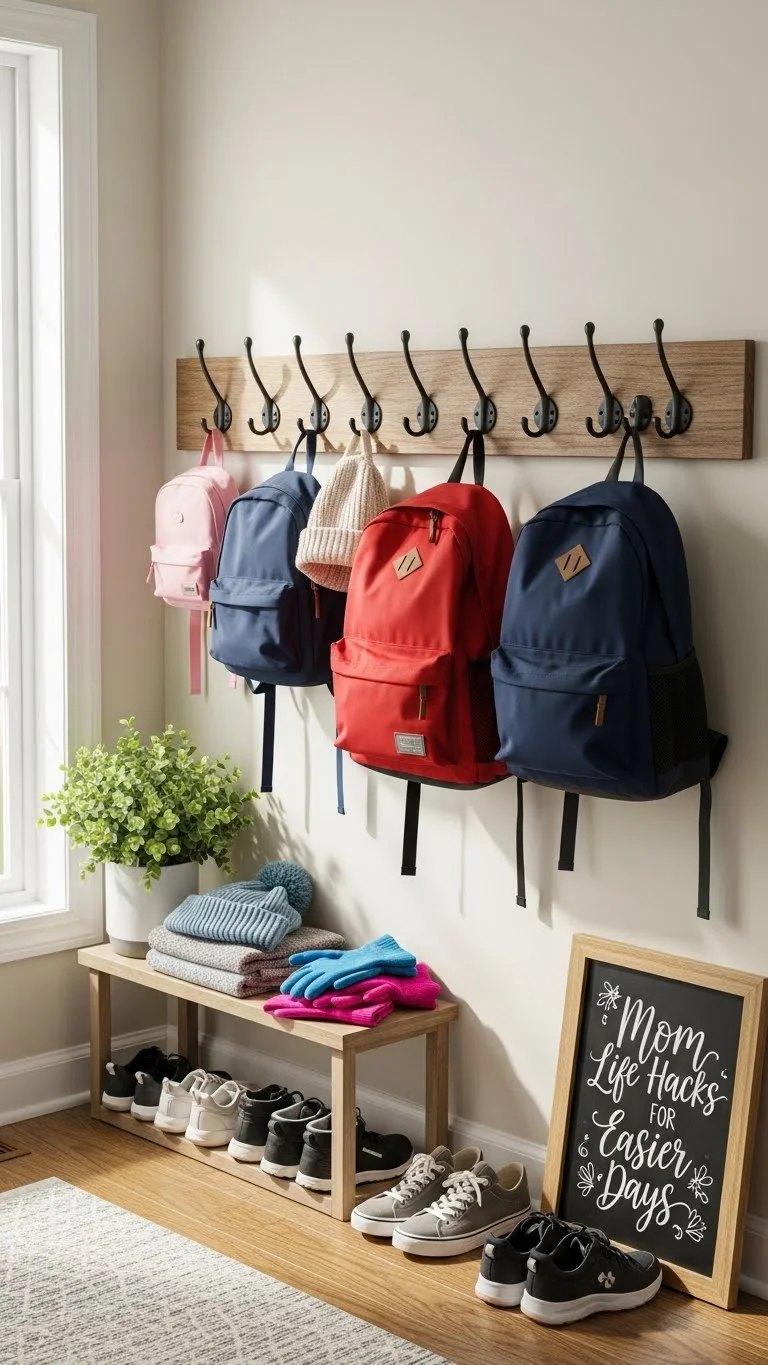
Leaving the house feels harder when items are scattered. A morning launch station keeps everything in one place. Pick a spot near the door. Add hooks for bags and jackets. Line shoes underneath. Place lunches or water bottles nearby. This setup reduces searching and delays. Kids learn where things belong and return them daily. Wall hooks or nails cost very little and work well. Baskets can hold smaller items. This habit saves time every morning and lowers stress before school or errands. When everything waits in one spot, getting out the door feels smoother.
- Phone Note Brain Dump

Mental lists drain focus fast. A phone note acts as a safe place for every thought. Write grocery items, reminders, and random tasks as they pop up. No sorting needed. Review the list once a day. Delete items when done. This keeps your mind clearer and prevents forgetting small things. Use one main note instead of many. This habit replaces sticky notes and scraps of paper. It also reduces the urge to remember everything at once. When thoughts are written down, your mind gets a break and daily tasks feel easier to handle.
- Fewer Toys, Better Play
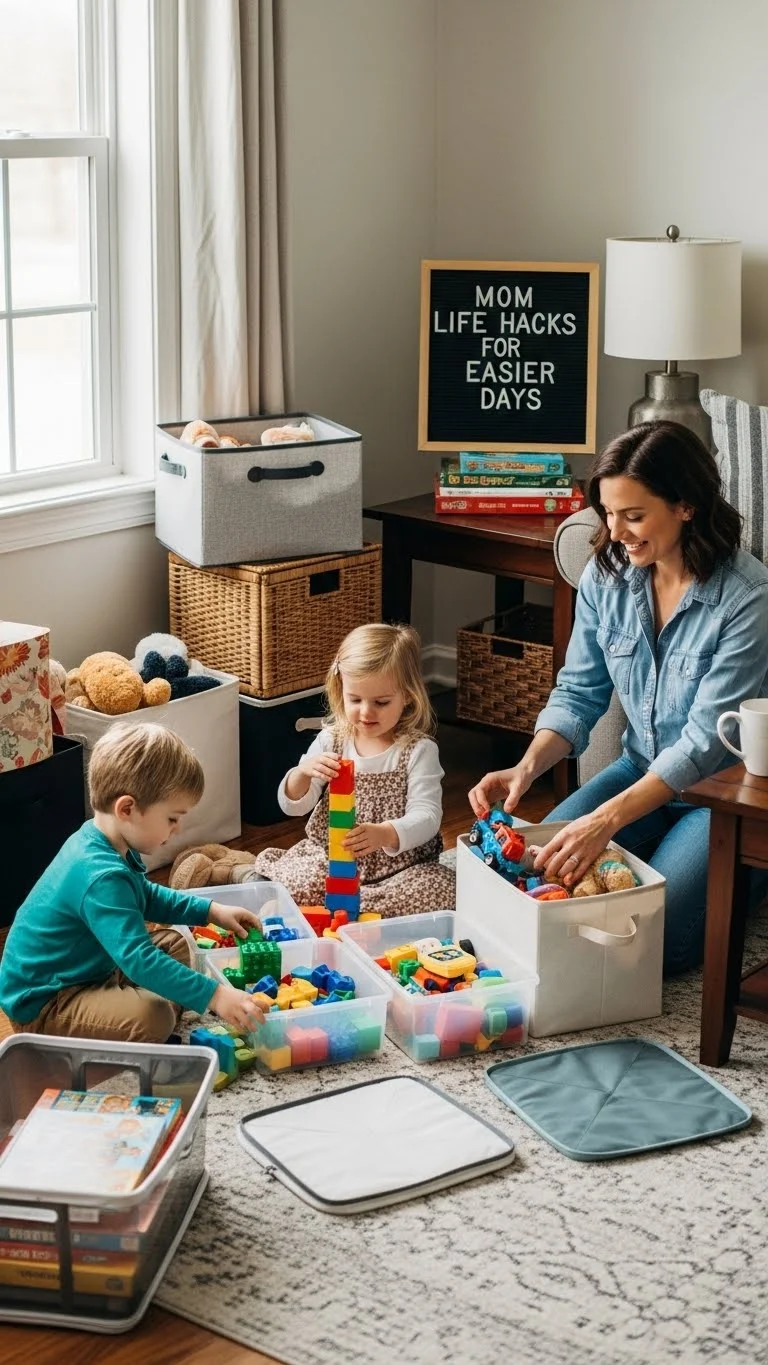
Too many toys lead to mess and short attention spans. Fewer toys support better play. Rotate toys every few weeks. Keep extras in a closet or box. Leave out only a small selection. Kids focus longer and clean up faster. Use open bins without lids to keep things simple. Cardboard boxes work just as well as store bins. Cleanup becomes quick because there are fewer pieces. This habit also reduces noise and clutter in shared spaces. When toys feel new again, kids stay engaged without needing more items.
- Batch Small Tasks
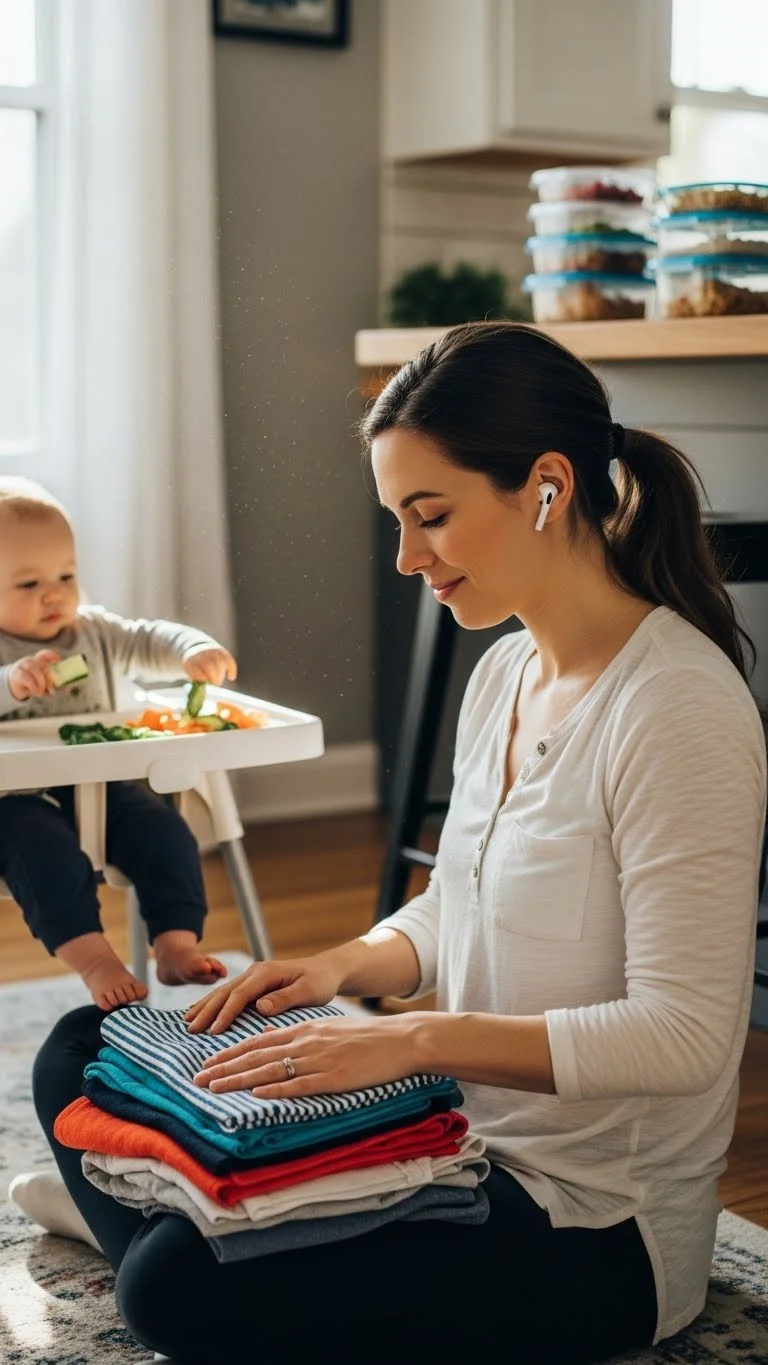
Small tasks feel heavy when spread across the day. Batching puts them together. Make calls at the same time. Fold laundry while listening to audio. Answer messages in one block. This reduces mental switching and saves energy. Choose short time blocks so tasks do not feel endless. Even fifteen minutes helps. This habit turns many small chores into one focused moment. You finish faster and feel less scattered. Batching works well during quiet times or nap hours. It keeps the day flowing with fewer interruptions.
- Weekly Reset Hour
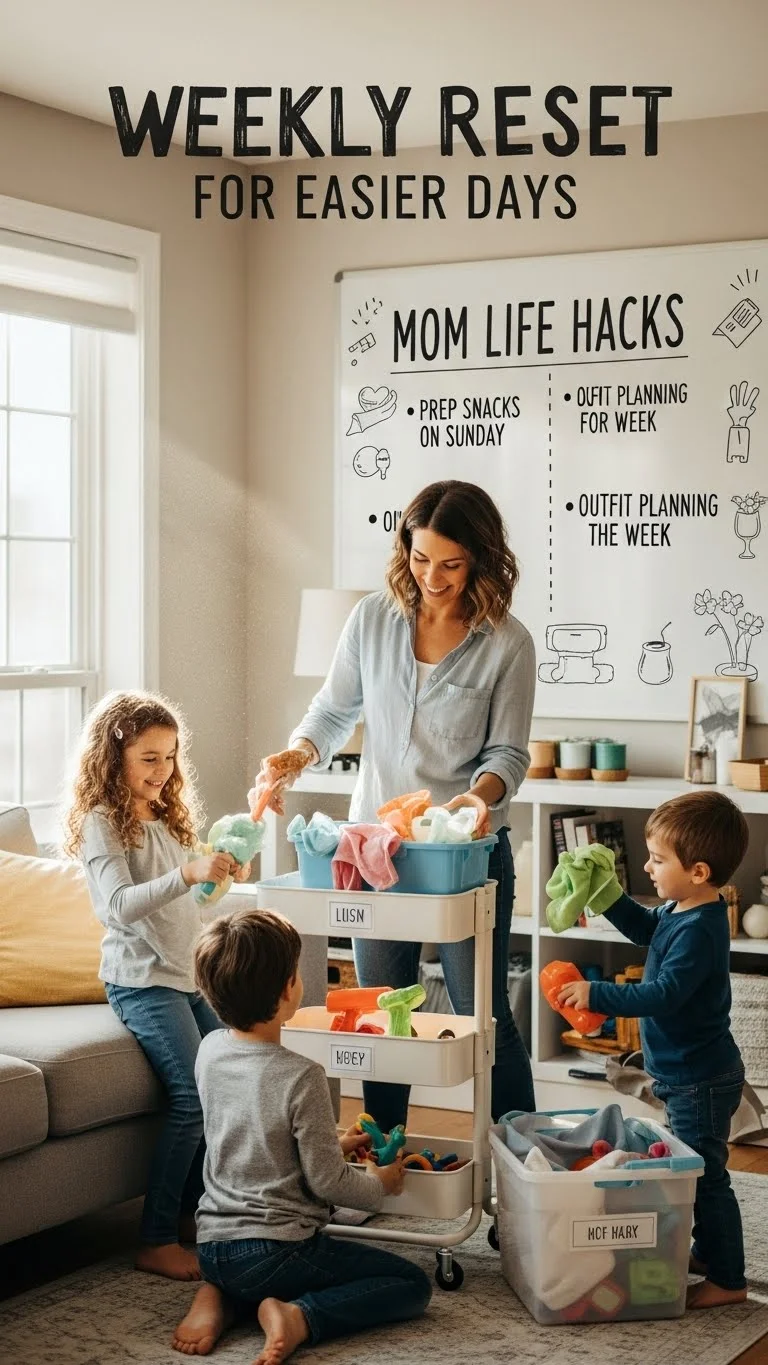
A weekly reset keeps chaos from building up. Pick one hour on the same day each week. Focus on basics only. Laundry. Groceries. Trash. Light cleaning. Skip deep work. Play music and involve everyone. This hour prepares the home for the days ahead. When the week starts organized, fewer problems pop up later. This habit works because it stays short and predictable. One hour is easier to protect than an entire day. The reset brings calm without taking over the weekend.
- Donation Bag Ready
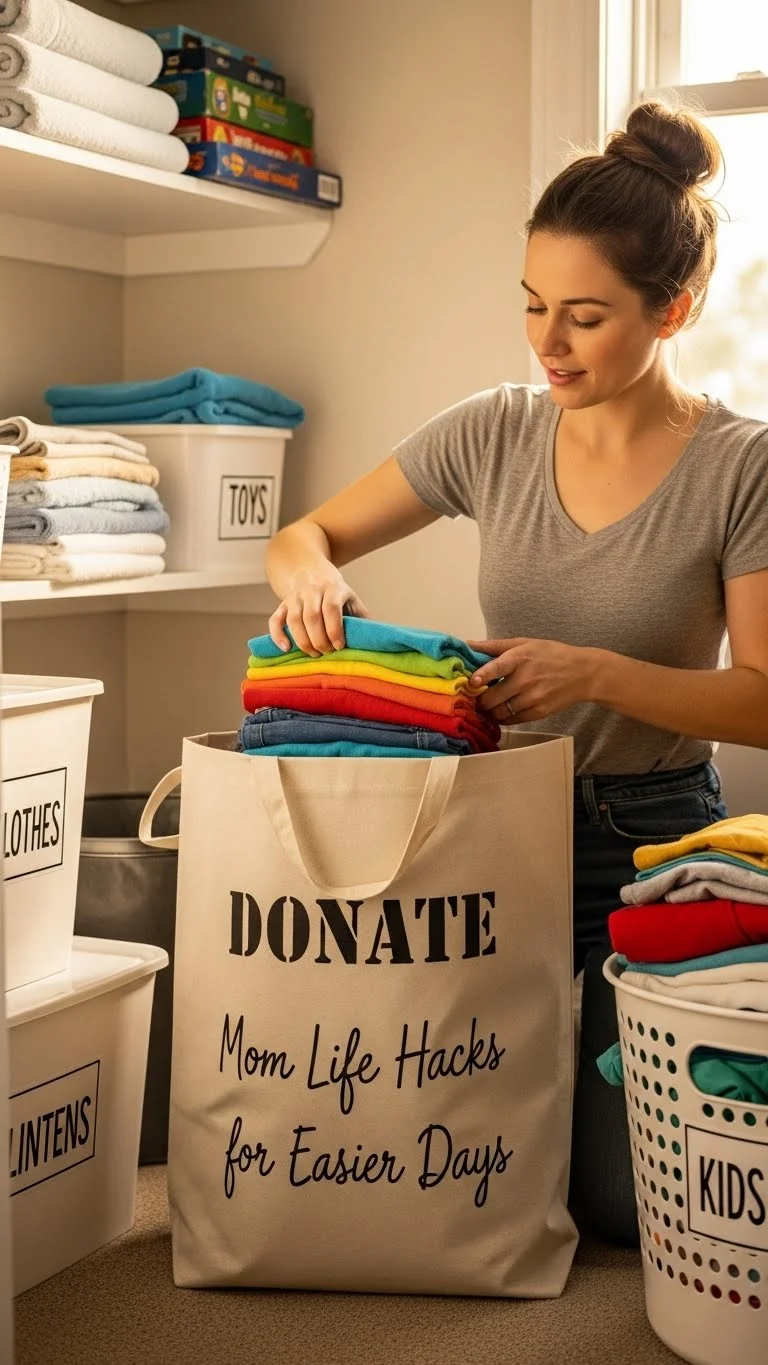
Clutter sneaks in quickly. A donation bag helps remove it bit by bit. Keep a bag in a closet or hallway. Drop items in as soon as they are outgrown or unused. When the bag fills, donate it. No sorting session needed. This habit keeps storage areas lighter and easier to manage. It also stops clutter from spreading. Any bag works. This system saves time and prevents overflowing closets without extra effort.
- Timers for Kids

Timers reduce arguments during daily routines. Use them for cleanup, screen time, or bedtime warnings. Set five or ten minutes and let the timer speak for you. Kids respond better when time feels clear. This removes repeated reminders and frustration. Use a phone or kitchen timer. No special tools needed. Timers help kids prepare mentally for what comes next. Transitions feel smoother and calmer. Over time, kids begin to manage time better on their own.
- Car Essentials Bin
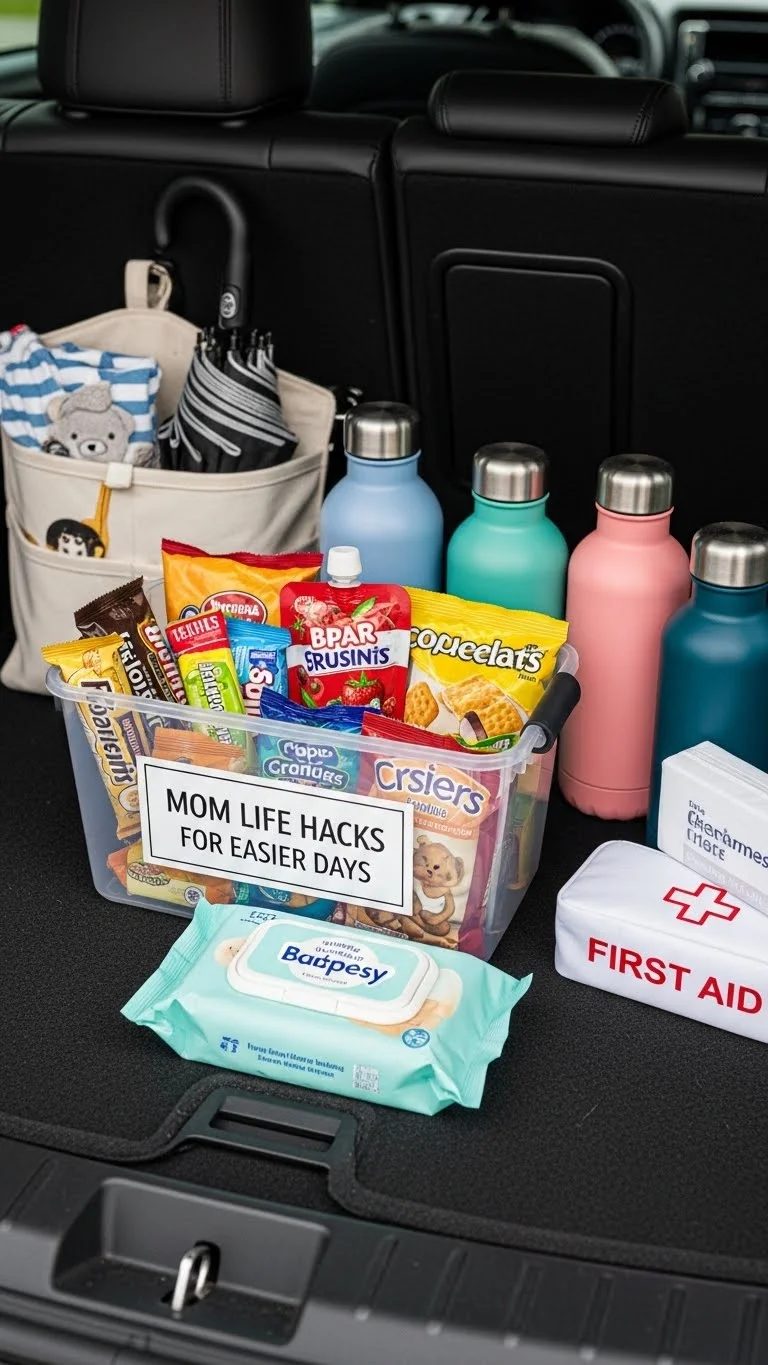
Car mess creates stress during outings. A small essentials bin helps. Keep wipes, napkins, snacks, and a spare outfit in the trunk. Store everything in one container so it stays contained. Restock once a month. This habit saves trips from turning into problems. Small spills or hunger get handled fast. Use items you already have at home. This setup keeps the car usable and outings calmer.
- Simplify Appointments
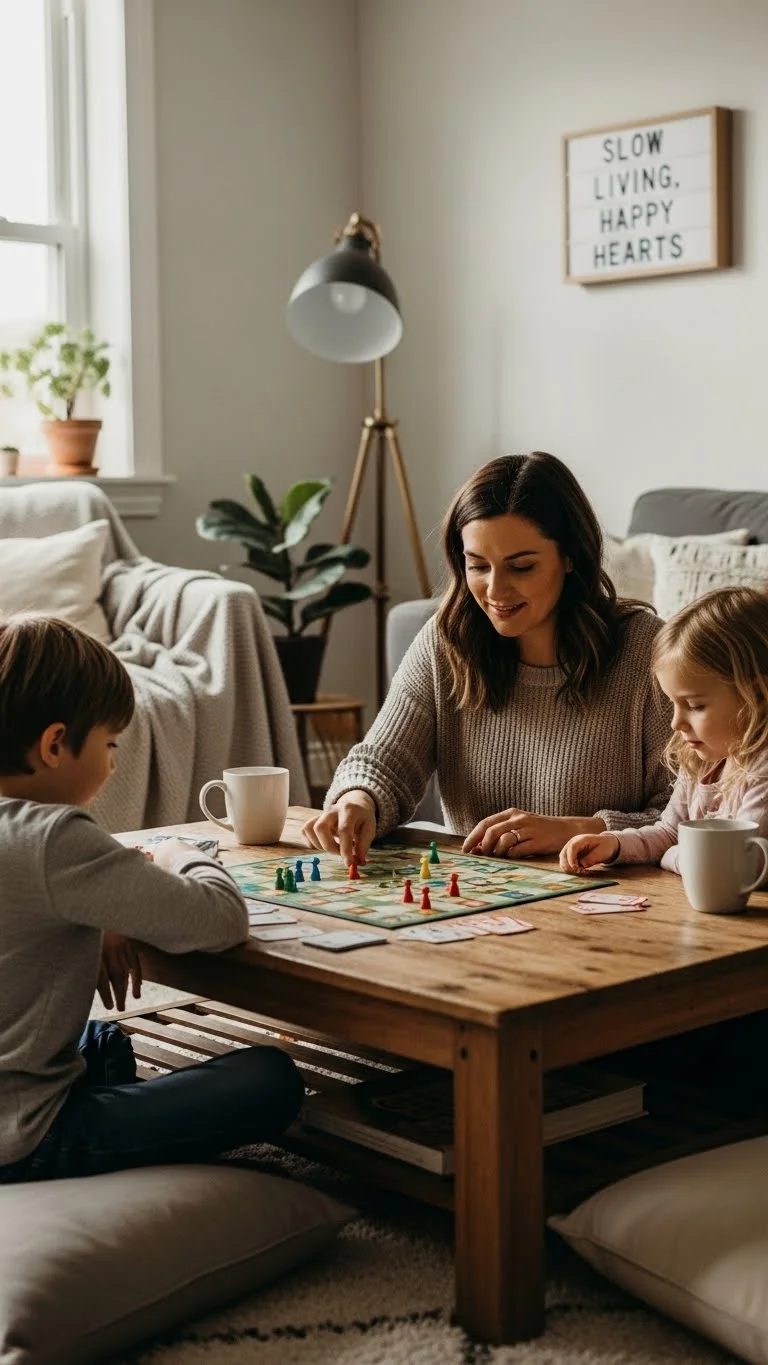
Appointments scattered across the week drain time and fuel. Group them when possible. Schedule errands, checkups, and meetings on the same day. This leaves other days open for rest or home routines. Fewer outings mean less rushing. Planning appointments together also makes childcare easier to manage. Write them on the family calendar so everyone knows the plan. This habit creates breathing room during the week and reduces daily pressure.
- Lower Daily Expectations
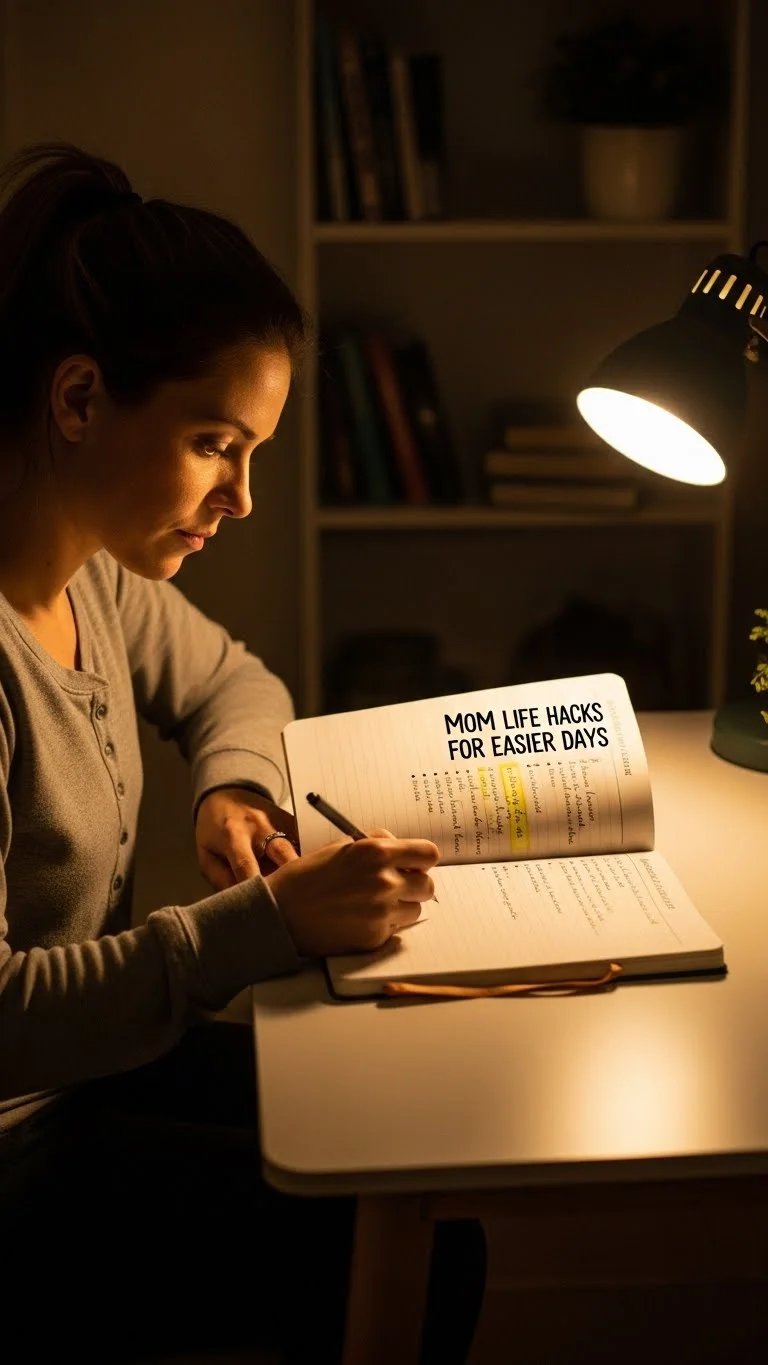
Some days will feel slow or messy. That is normal. Set simple goals for the day. Food on the table. Kids safe. One small task done. Everything else can wait. When expectations stay realistic, stress drops. Comparing busy days to perfect plans leads to frustration. Focus on what actually fits the day’s energy. This mindset allows flexibility when things go off track. Rest counts as progress too. A calmer approach helps you respond better instead of rushing. When pressure drops, the home feels lighter. Lower expectations do not mean giving up. They mean choosing balance over overload and protecting your energy.
- Simple Bedtime Flow
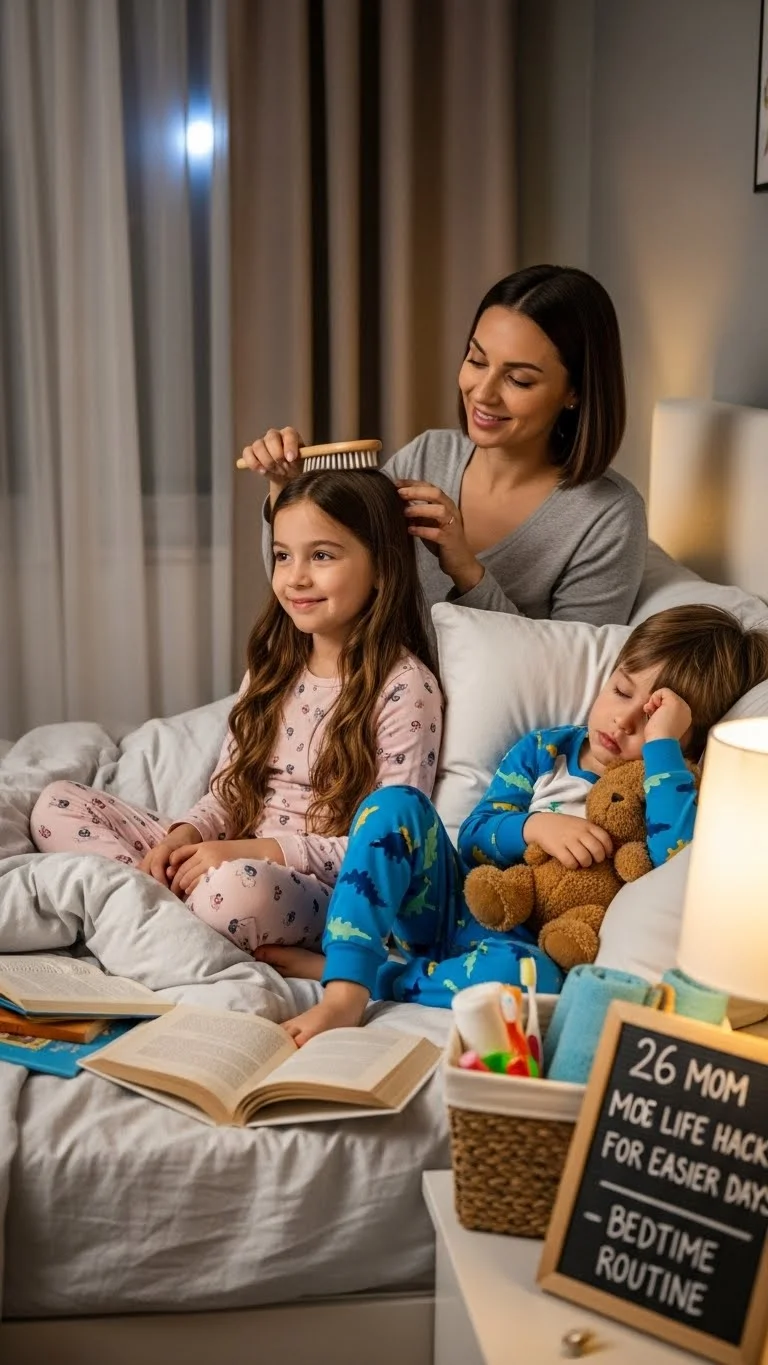
Bedtime runs smoother with repetition. Keep the same order each night. Wash up. Pajamas. Story. Lights off. Avoid adding extra steps. Predictable routines reduce pushback and delay. Kids feel calmer when they know what comes next. Keep supplies ready in the same place. Pajamas in one drawer. Books by the bed. This setup shortens bedtime without rushing. A steady rhythm also helps kids settle faster. Even on busy evenings, following the same flow keeps bedtime from dragging on. Less arguing means more rest for everyone.
- Paper Piles in One Spot
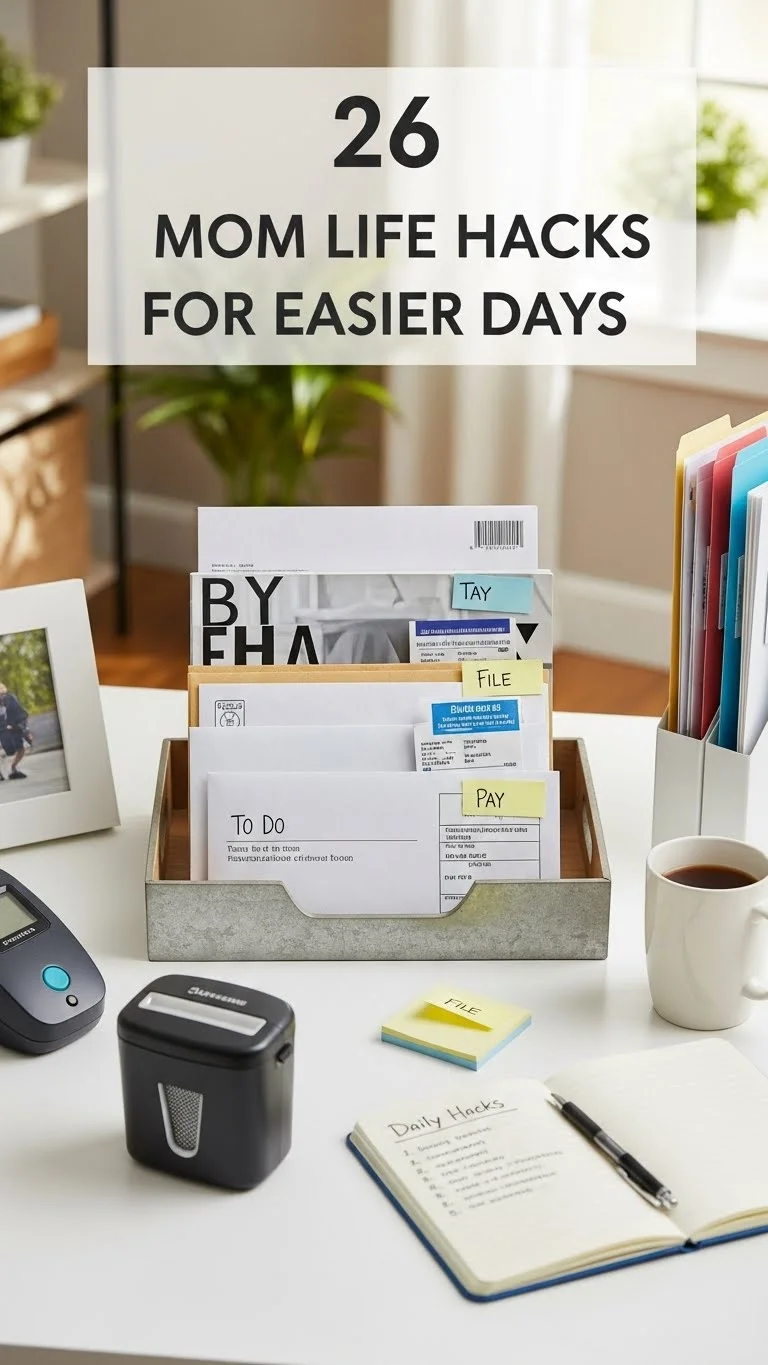
Paper spreads fast across the house. Choose one spot for all mail and school papers. A tray or basket works well. Sort it once a week. Throw away junk. Keep important items together. This stops paper from covering counters and tables. Everyone knows where to place new papers. This habit saves time when searching for forms or notices. A single pile is easier to manage than many small ones. Keep the spot visible so it does not get forgotten. Order stays intact with very little effort.
- Cook Once, Eat Twice
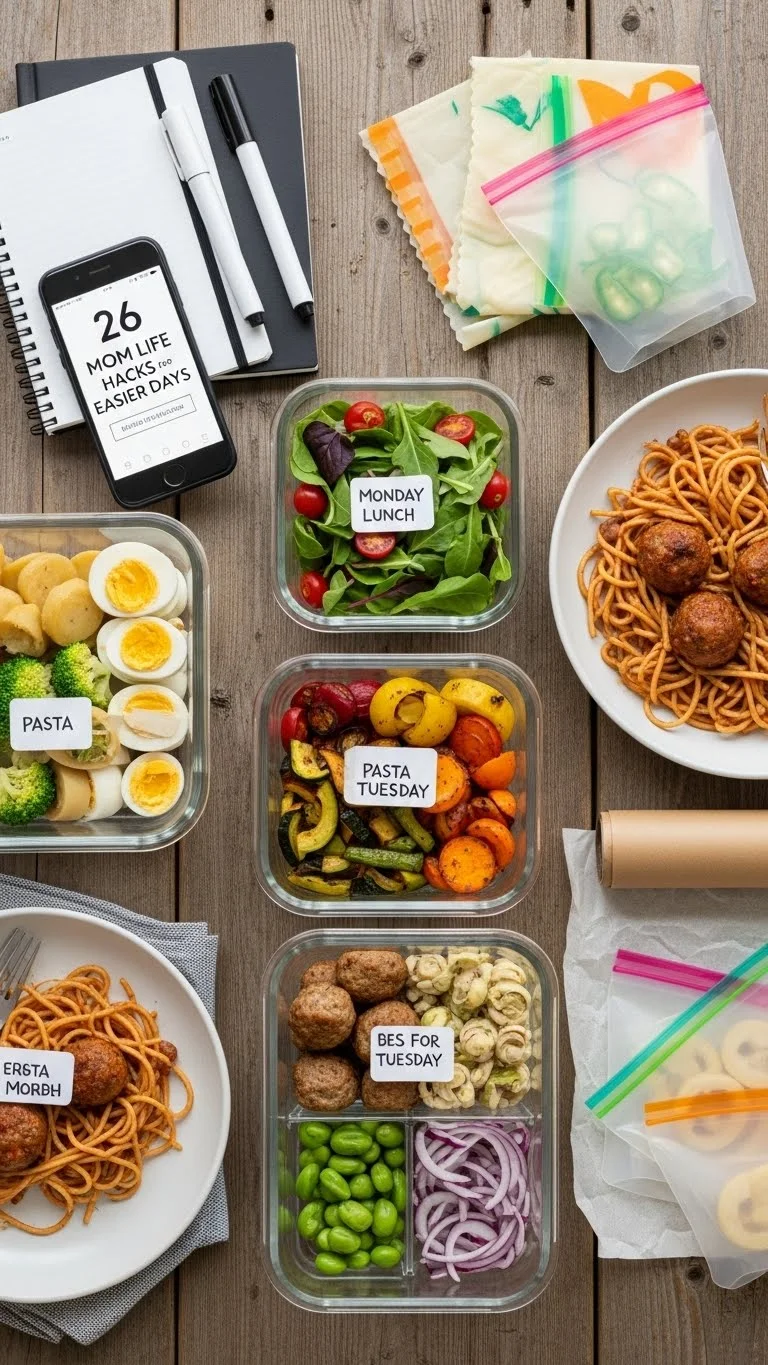
Cooking every day takes energy. Making extra food helps. Double simple meals like rice, pasta, or chicken. Serve leftovers the next day for lunch or dinner. Store food in clear containers so nothing gets missed. This habit saves time and money. It also reduces daily cooking stress. Leftovers can be mixed into new meals to keep things interesting. Even one extra portion makes a difference. Fewer cooking sessions free up time for rest or family moments.
- Keep Bags Packed
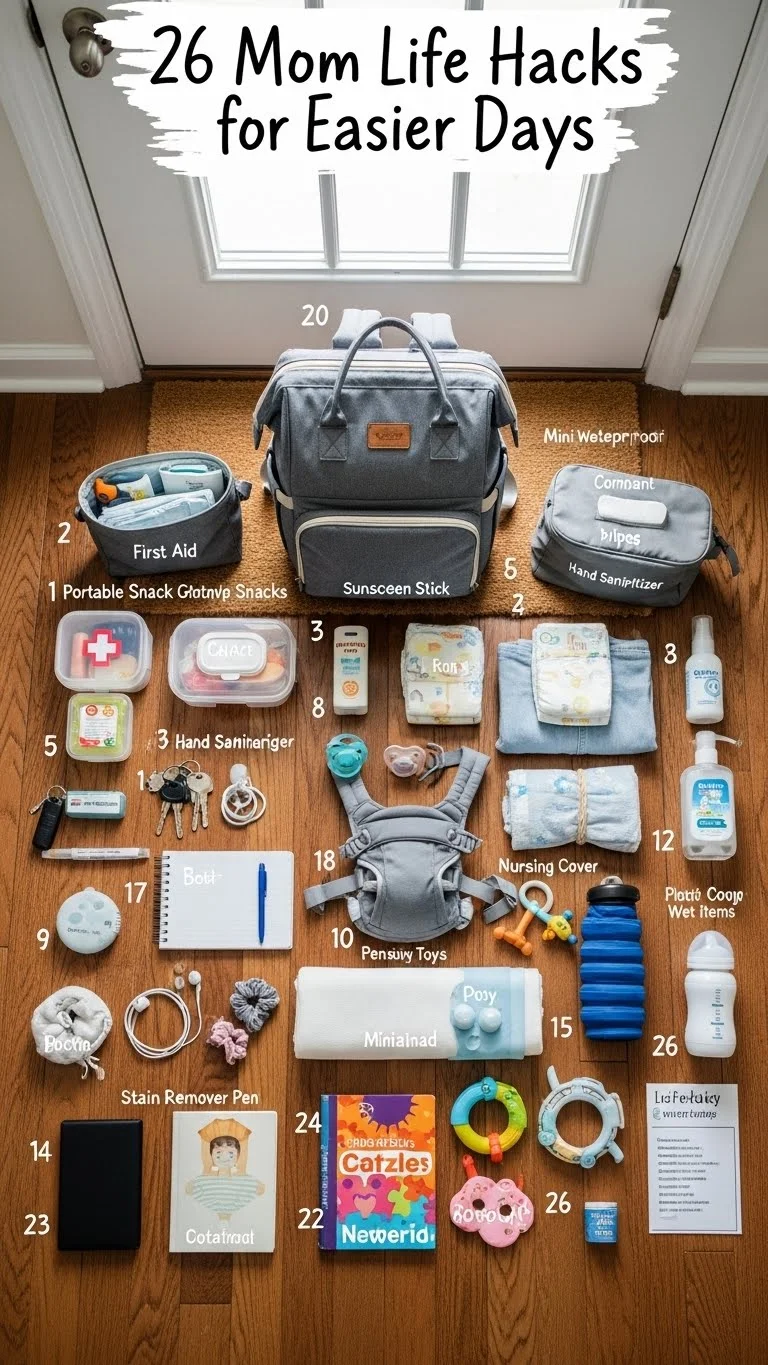
Packing bags each day causes delays. Restock bags right after use instead. Diaper bag, school bag, or sports bag should stay ready. Refill snacks, wipes, or supplies as soon as you get home. Store bags near the door. This avoids last-minute searches in the morning. Check bags once a week to remove clutter. A ready bag saves time and keeps outings calm. This small habit prevents forgotten items and rushed exits.
- Evening Clothes Check
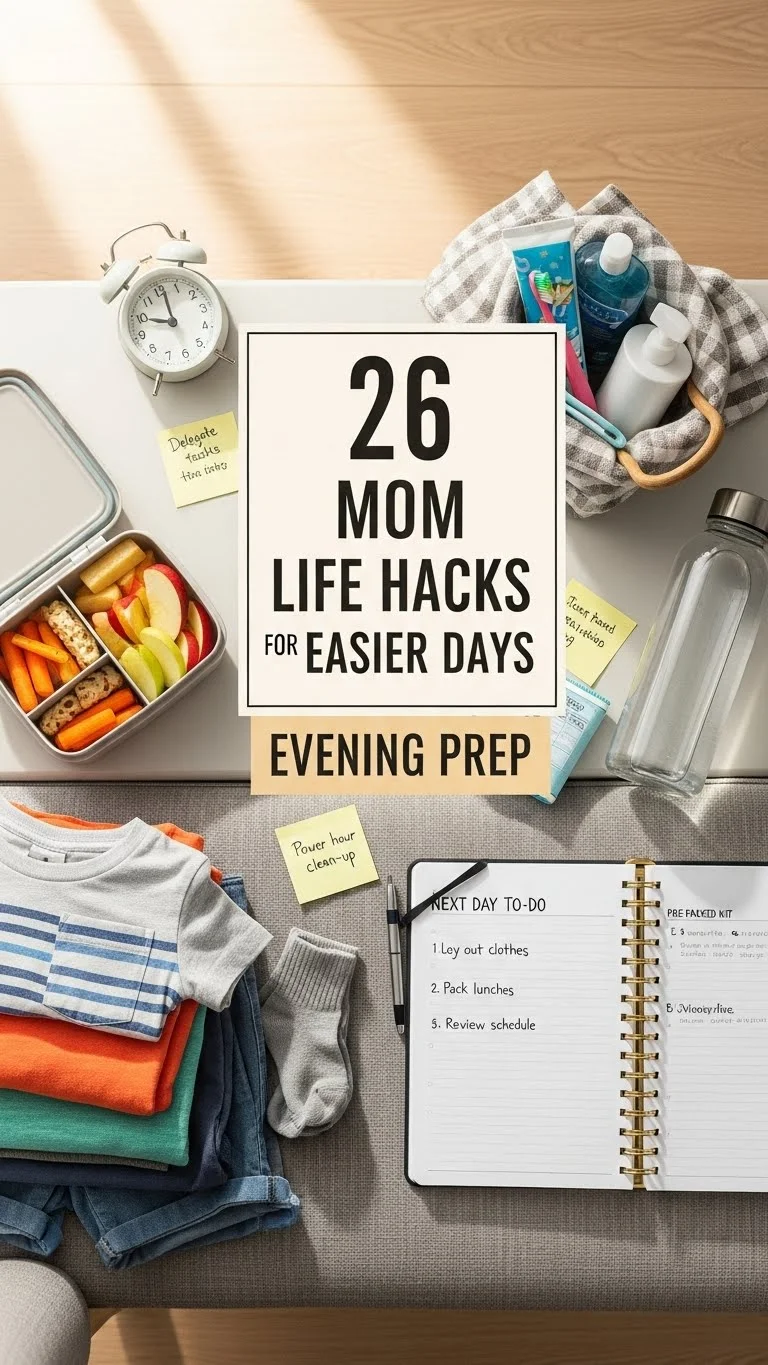
Evening prep saves morning stress. Check clothes before bed. Make sure outfits fit the weather. Place them on a chair or hanger. This avoids last-minute changes and laundry hunts. Kids wake up knowing what to wear. Mornings feel quieter and faster. This habit works best when paired with weekly outfit planning. Even checking one outfit helps. A few minutes at night can change the entire morning flow.
- End the Day with Three Wins

Days can feel heavy when focus stays on what went wrong. End the day by naming three wins. They can be small. Everyone ate. Laundry moved. You showed up. Write them in a notebook or phone note. This shifts attention toward progress. The habit takes less than two minutes but helps close the day on a calmer note. Over time, it builds a kinder view of daily effort. Small wins matter and deserve space.
Conclusion
Mom life runs on small choices made every day. The hacks shared above focus on easing pressure, not adding more work. Each idea works because it fits real homes, real budgets, and real energy levels. You do not have to try everything at once. Choose one habit that feels doable right now. Start there. When that feels natural, add another. Over time, these small systems reduce rushing, cut decision fatigue, and bring more calm into daily routines. A tidy corner, a planned meal, or a ready backpack can change the mood of an entire day. Progress matters more than perfection. Some days will still feel messy, and that’s okay. What counts is creating simple supports that help you show up with less stress.
