

How to Teach Kids Manners in Simple Daily Moments
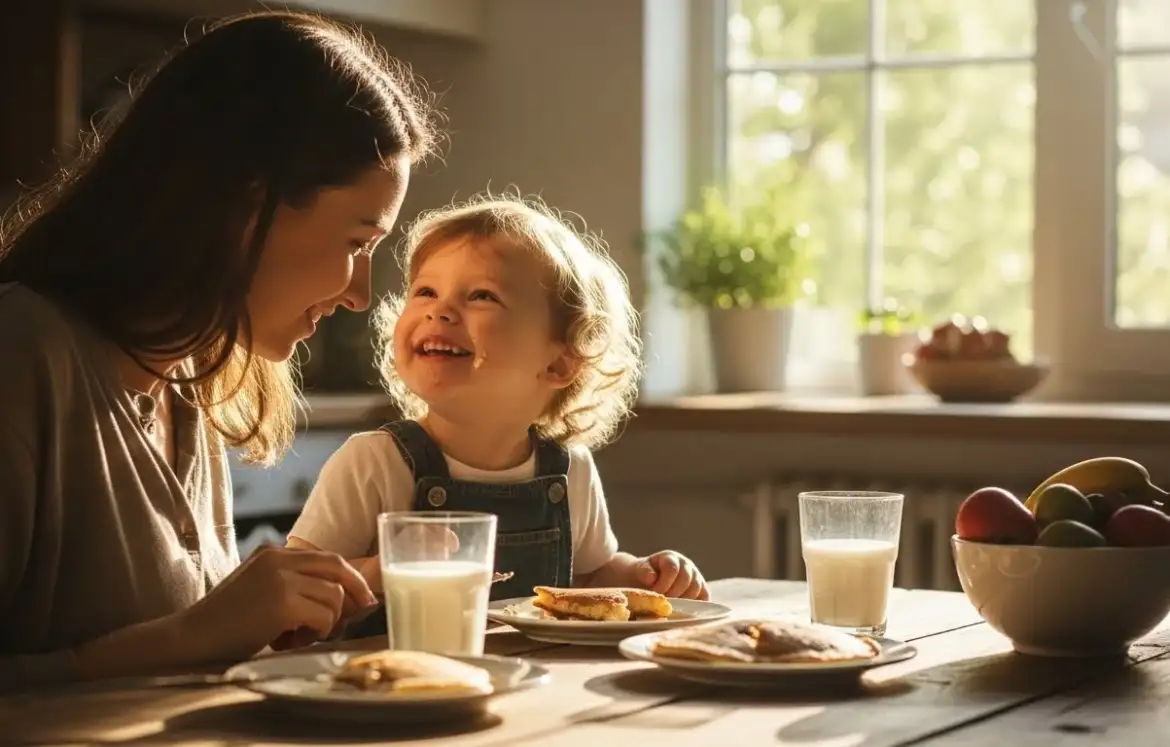
Teaching kids manners doesn’t have to feel like a never-ending lecture—or a battle you brace for every day. The truth? Some of the most powerful lessons happen in quiet, ordinary moments you’re already living through. From the breakfast table to bedtime routines, daily life is full of gentle opportunities to shape respectful, kind behaviour.
Let’s break down how you can teach manners naturally, without pressure, and in ways that actually stick.
Model the Manners You Want to See
Kids are incredible imitators. Long before they understand why manners matter, they’re watching how you treat others.
If you say “please” to the barista, thank your partner for help, or apologize when you’re wrong, your child notices. Those everyday actions quietly set the standard.
Try to:
- Say “please” and “thank you” consistently
- Greet people kindly, even during quick interactions
- Show respect when speaking about others, especially when frustrated
You don’t need perfection—just intention. When kids see manners in action, they’re far more likely to copy them than obey a reminder.
Use Daily Routines as Teaching Moments 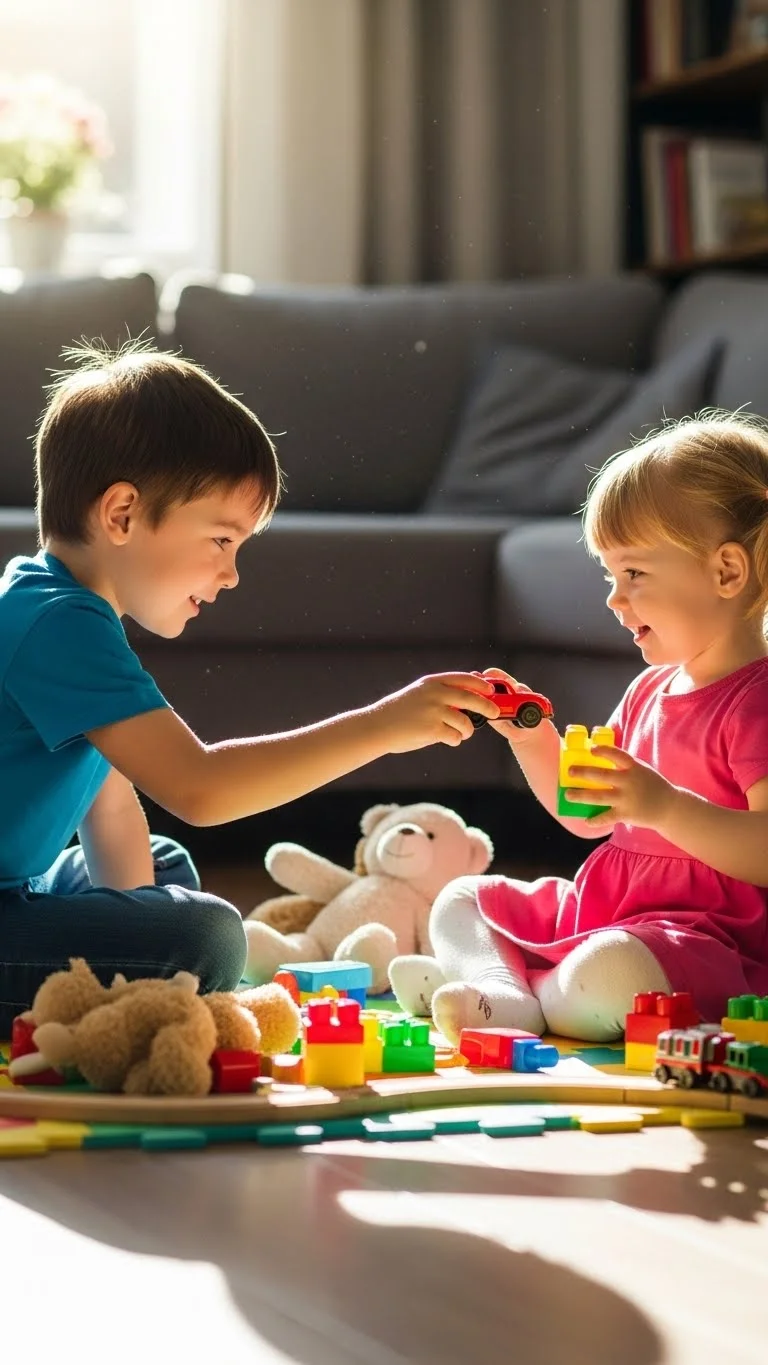
You don’t need a special “manners lesson.” The best practice happens during routines your child already knows.
Think about:
- Mealtimes: Waiting turns, chewing with mouths closed, saying thank you
- Getting dressed: Asking for help politely instead of demanding
- Playtime: Sharing, taking turns, and using kind words
When a moment comes up, gently point it out:
“Let’s try asking again with ‘please.’ That sounds kinder.”
Short, calm reminders work better than long explanations—especially for younger kids.
Keep Expectations Age-Appropriate
Manners look different at different ages. A toddler learning to say “please” is very different from a school-aged child remembering to thank a teacher.
Set realistic expectations:
- Toddlers: Simple words like “please,” “thank you,” and gentle touches
- Preschoolers: Waiting turns, greeting others, basic table manners
- Older kids: Respectful tone, empathy, and accountability
When expectations match your child’s developmental stage, you’ll both feel less frustrated—and progress will feel more natural.
Praise the Behaviour You Want Repeated 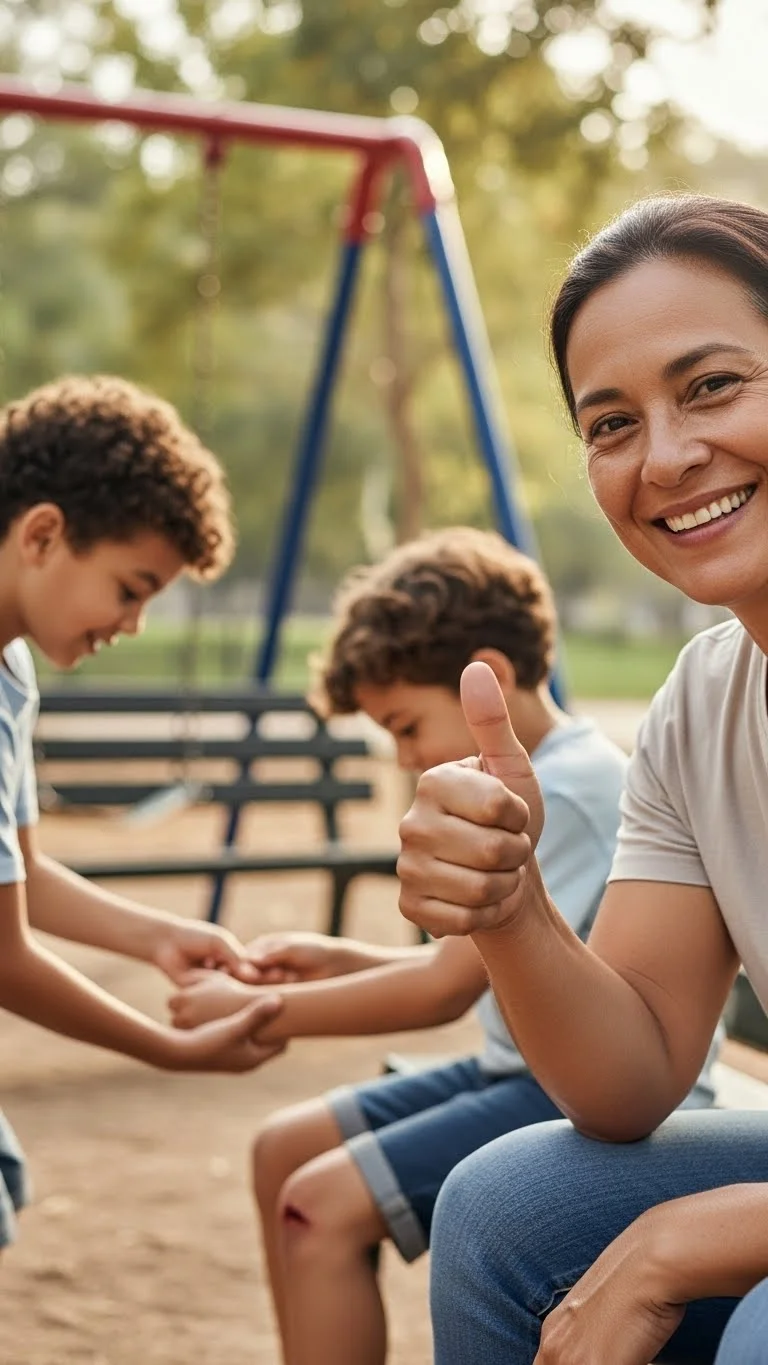
Kids thrive on positive attention. When you notice good manners, say so out loud.
Be specific:
- “I loved how you waited your turn.”
- “That was kind of you to say thank you.”
- “You handled that disagreement so respectfully.”
This kind of praise reinforces the behaviour without turning manners into a performance. It tells your child, This matters—and I see you.
Teach Empathy Alongside Manners
Manners aren’t just about rules—they’re about how our actions affect others. Helping kids understand feelings builds the foundation for genuine respect.
You can encourage empathy by:
- Naming emotions: “She looks sad. How could we help?”
- Asking reflective questions: “How would you feel if that happened to you?”
- Reading books or telling stories that highlight kindness
When kids connect manners to emotions, they’re more likely to use them even when no one is watching.
Correct Gently, Not Publicly 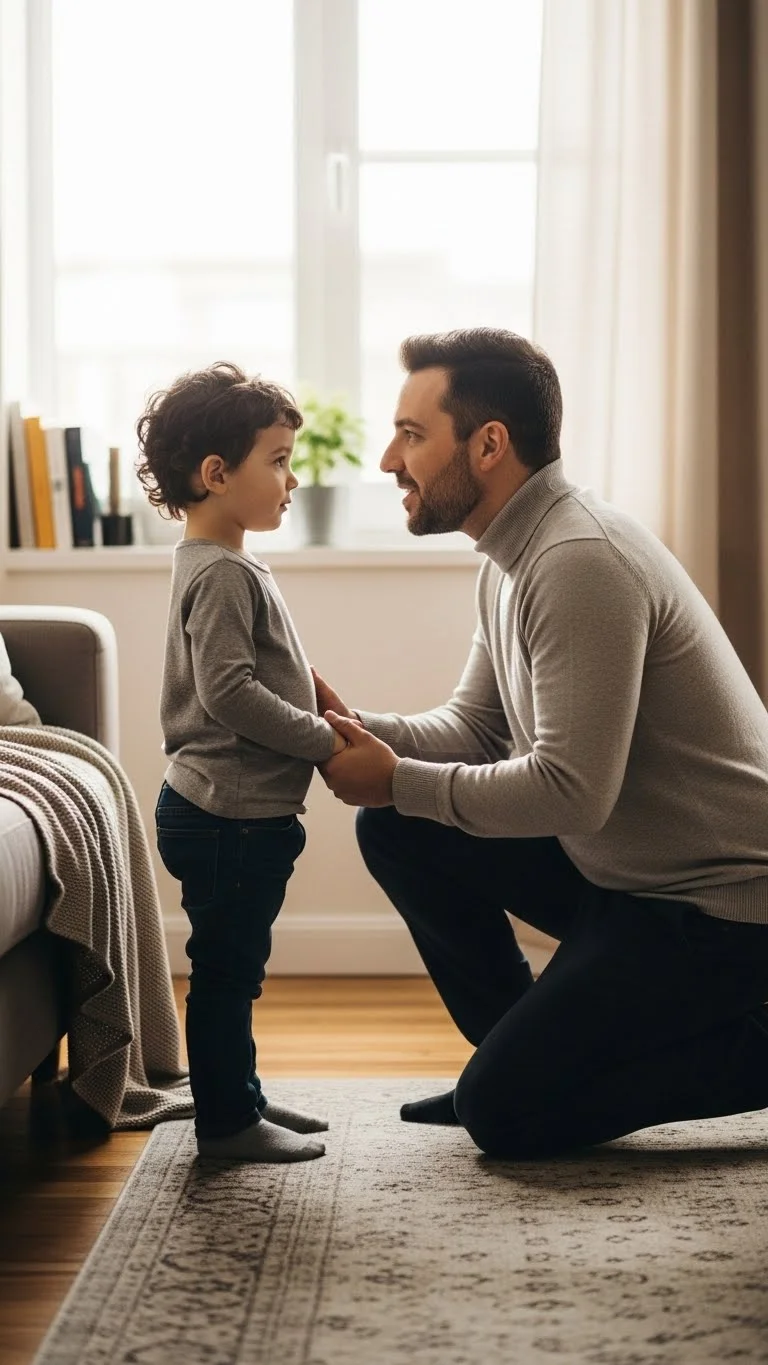
Every child slips up—it’s part of learning. When it happens, try to correct quietly and kindly instead of calling attention to the mistake.
A calm approach might sound like:
- “Let’s try that again with kinder words.”
- “Remember how we ask for things politely?”
This protects your child’s confidence while still reinforcing expectations. Respect goes both ways—and kids learn that, too.
Make Manners Part of Your Family Culture
When manners are woven into everyday family life, they stop feeling like rules and start feeling like habits.
You can:
- Thank each other openly at home
- Apologize when mistakes happen
- Talk about kindness as a shared family value
Over time, these small practices shape how your child interacts with the world—naturally and confidently.
Final Takeaway: Small Moments Matter Most
Teaching kids manners isn’t about perfect behaviour or constant reminders. It’s about showing, guiding, and reinforcing respect in the moments you already share every day.
Start small. Stay consistent. And remember—every “please,” every patient pause, and every kind word adds up.
Your next step: Pick one daily routine today and intentionally model the manners you want your child to learn. You might be surprised how quickly they follow your lead.
