

22 Powerful Parenting Quotes for Daily
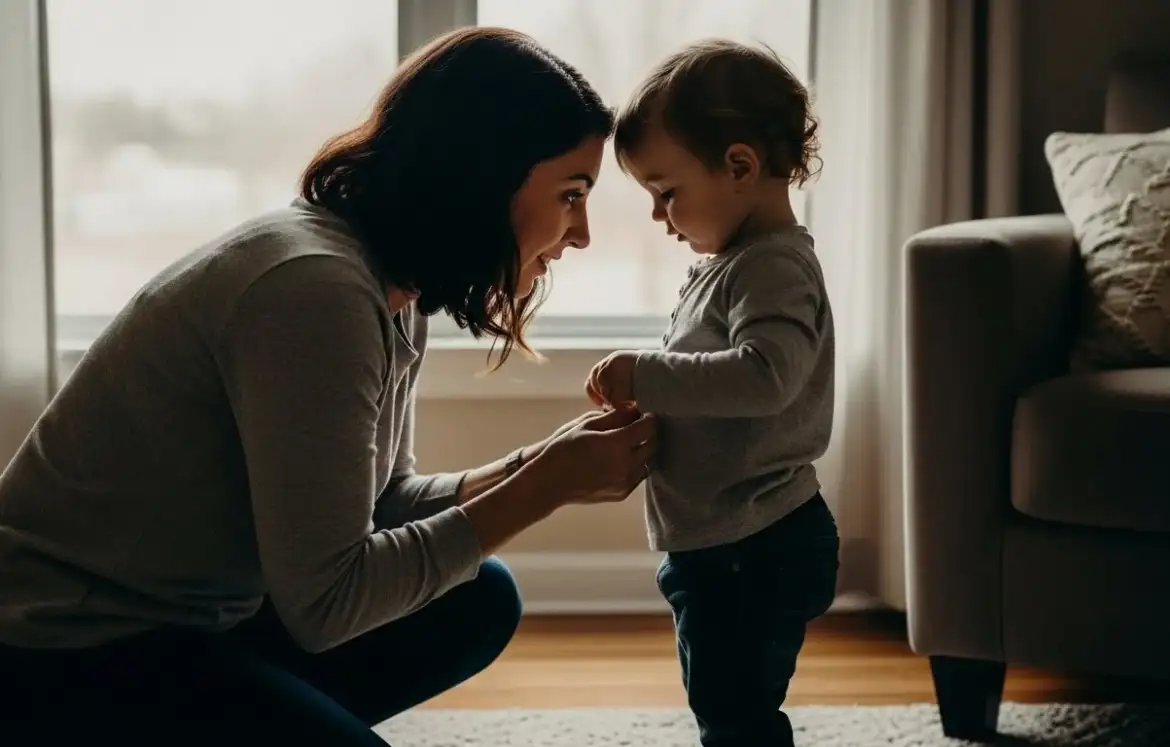
 Parenting days move fast. Some days feel calm. Others feel loud and long. Short quotes can steady your thoughts and guide small actions that fit real life. This list gathers practical parenting quotes paired with simple ways to use them every day. Each idea stays affordable and realistic. You will find gentle reminders you can post, repeat, or share with your child. Use them to shape habits, guide choices, and bring patience back into ordinary moments.
- “Your calm becomes their calm”

This quote works best when emotions run high. Children mirror tone, posture, and pace. When you slow down, they often follow. Start with a pause. Count to five before speaking. Lower your voice instead of raising it. Sit at the child’s level. These steps cost nothing and take seconds. Make the quote visible. Write it on a sticky note near the kitchen sink. Read it during hard moments. Practice a short breathing pattern together. Inhale through the nose. Exhale through the mouth. Keep it simple. Use daily routines as practice. Morning shoes. Bedtime brushing. If tension rises, return to calm actions. No lectures. Few words. Calm hands. DIY idea: draw a small “calm corner” using tape on the floor. Add a pillow and a book. Invite your child there with you. This quote turns into a habit through repetition, not perfection. Small calm choices add up across the day.
- “Connection comes before correction”

This reminder shifts how discipline feels. Before fixing behavior, build closeness. A hug. A shared laugh. A gentle question. These moments soften resistance. Try a quick check-in. Ask how their body feels. Name the feeling you see. Keep sentences short. This creates trust without extra tools. Budget-friendly tip: use time, not items. Five quiet minutes can reset the mood. Put the phone away. Sit close. Breathe together. DIY idea: create a simple “talk card” with three prompts: feeling, choice, next step. Use it after school or before bedtime. This quote helps you guide behavior without power struggles. Connection opens the door for listening.
- “Little eyes are watching”

Children learn more from what you do than what you say. This quote brings awareness to daily habits. Manners. Phone use. How you speak when tired. Pick one habit to model today. Saying sorry. Putting shoes away. Drinking water. Keep it doable. Post the quote near a mirror. Let it guide choices before reactions. When you slip, name it out loud. Apologize simply. That teaches repair. DIY idea: start a “watch me” list. Write three behaviors you want to show this week. Cross them off as you go. This quote turns everyday actions into quiet lessons without extra spending.
- “Progress over perfection”
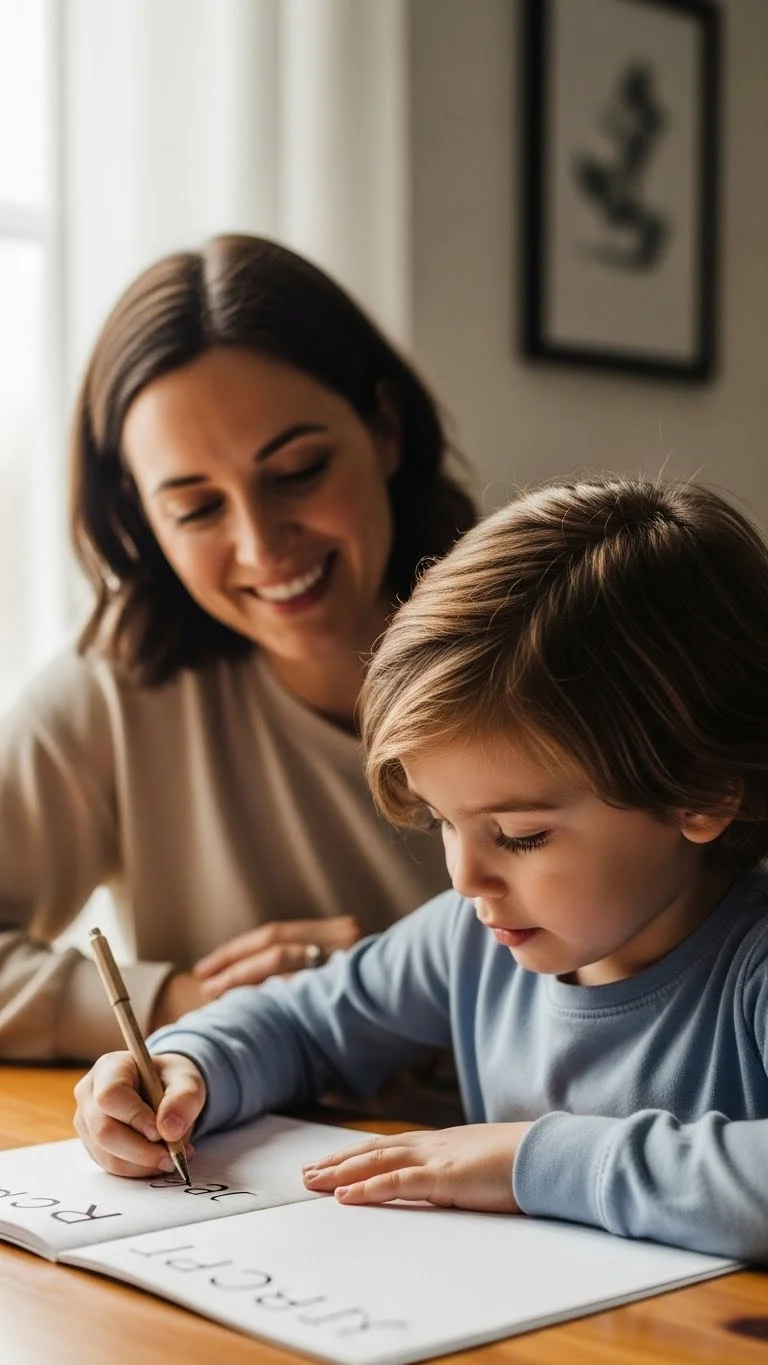
This quote gives parents permission to relax. Children learn step by step, not all at once. Small improvements matter more than flawless results. When a child tries, notice the effort instead of pointing out mistakes. Simple phrases work well. Say what you saw. “You kept going,” or “You tried again.” These words feel encouraging without pressure. Use everyday moments to show this idea. Homework. Getting dressed. Learning chores. Let practice look messy. That is normal. Avoid fixing things right away. Give space to try. A budget-friendly idea is using plain paper to track attempts. Draw a line. Add a mark for each try. No stickers required. You can also use a jar and drop in dry beans for effort shown during the day. This quote helps parents focus on growth, patience, and realistic expectations that fit daily life.
- “Feelings are allowed, actions are guided”

Children feel big emotions. This quote reminds parents that emotions are not the problem. Behavior is what needs direction. Start by naming what you see. “You look upset,” or “That felt frustrating.” Keep it short. Then guide the action. Avoid long talks during emotional moments. Offer simple choices. “You can stomp your feet or take a breath.” This gives control without chaos. Stay close. Stay calm. You can make emotion tools at home. Draw faces showing happy, sad, angry, and tired. Use scrap paper. Let your child point instead of explain. This helps younger kids communicate. Practice during calm times too. Role-play with toys. Show safe actions. Repeat often. Over time, children learn that feelings are welcome while actions still have limits. This builds trust and emotional awareness without extra cost.
- “Listen more than you speak”

This quote shifts the focus from fixing to hearing. Children open up when they feel heard. When they talk, pause your advice. Let them finish. Even silence helps. Nod. Make eye contact. Reflect one sentence back. Create a daily listening habit. Choose a short time. Ten minutes works. Same place. Same time. Put the phone away. Let your child lead the conversation. No teaching. No correcting. A simple DIY tool is a “talk object.” Use a spoon or small toy. Whoever holds it speaks. This keeps turn-taking clear and fair. Listening builds safety. It shows respect. Children who feel heard are more likely to share later. This quote helps parents slow down and build stronger communication using time, not money.
- “Play is how children speak”

Play is a child’s natural language. Through play, children show feelings they cannot explain yet. This quote reminds parents to join instead of direct. Sit on the floor. Follow their lead. Copy what they do. You do not need toys. Use what you have. Boxes become houses. Spoons become drums. Paper turns into roads. Keep play short. Ten minutes is enough to connect. Watch closely during play. Notice patterns. Repeated scenes often reflect thoughts or worries. Do not correct. Just be present. A simple habit is setting a daily play timer. When it rings, you play fully. No multitasking. This small routine builds connection and trust. Play opens conversation later. Children who feel understood during play often share more with words. This quote supports bonding without spending money.
- “Kind words shape kind hearts”

Words leave marks. This quote reminds parents that tone matters as much as rules. Children absorb how we speak, especially during stress. Use calm language even when correcting behavior. Short sentences help. Replace labels with descriptions. Instead of calling a child “lazy,” say what needs to happen next. This keeps dignity intact. Speak the way you want your child to speak to others. Make kind language visible. Write examples on paper and place them where everyone can see. Practice them during calm times. Use them with each other. A low-cost idea is a kind-words jar. Drop in a slip when someone speaks kindly. Read them together at the end of the week. Kind language builds safety and respect. This quote guides everyday communication in simple, practical ways.
- “Routines create safety”

Routines help children know what comes next. This quote reminds parents that predictability reduces stress. Keep routines simple and repeat them daily. Morning. After school. Bedtime. You do not need charts or apps. Draw pictures of each step on paper. Tape them to the wall. Point instead of reminding over and over. This supports independence. When routines change, explain briefly. Give a heads-up. Children handle change better when they know what to expect. A budget-friendly idea is using songs to mark transitions. Same song for cleanup. Same song for bedtime. Music cues help without words. Routines free up mental energy for connection. This quote helps families move through the day with fewer struggles and more calm moments.
- “Repair builds trust”

No parent stays calm all the time. This quote reminds us that repair matters more than perfection. When something goes wrong, come back and fix it. Say sorry clearly. Keep it simple. Name your part. “I raised my voice.” Avoid excuses. Then show the next step. “I will try again.” This teaches accountability. Invite your child to share feelings. Listen without defending. End with reassurance. A hug. A kind word. Practice repair during calm moments too. Role-play apologies with toys. This makes real moments easier later. Repair shows children that relationships can bend without breaking. Trust grows when mistakes are handled with honesty and care. This quote supports long-term emotional safety through everyday actions.
- “Consistency beats intensity”

Big reactions feel powerful but fade fast. This quote reminds parents that steady habits work better. Choose a few clear rules. Stick to them calmly. Say the rule the same way each time. Avoid adding new warnings. Predictable responses help children learn faster. Write rules on paper and review them together. Keep language simple. Refer back instead of arguing. A low-cost tracking idea is a weekly checklist. Use pencil marks. Focus on effort, not outcomes. Consistency creates clarity. Children feel safer when they know what to expect. This quote helps parents stay grounded even on hard days by choosing steady actions over emotional reactions.
- “Teach the skill, not the shame”
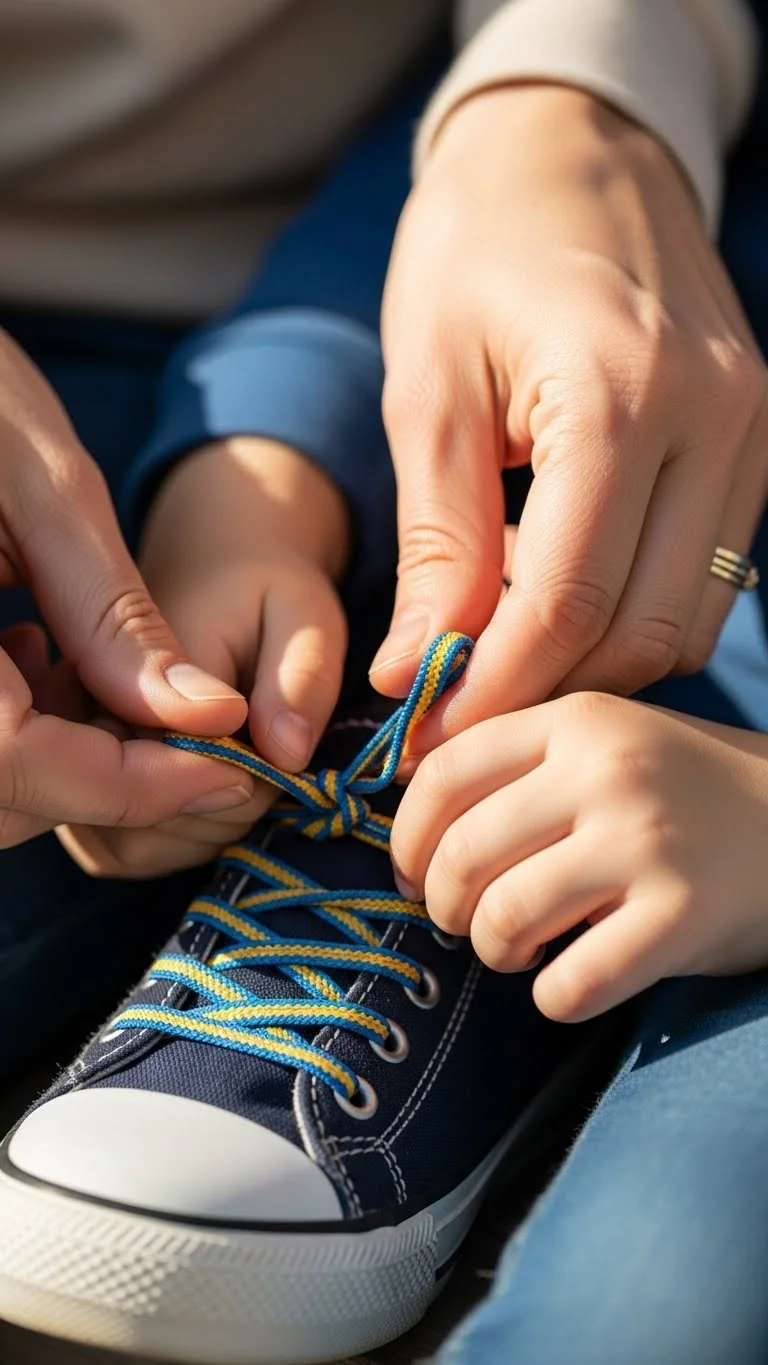
Mistakes show what a child is still learning. This quote shifts focus from blame to teaching. When something goes wrong, ask what skill is missing. Then show it step by step. Break tasks into small parts. Practice slowly. Repeat often. Avoid lectures. Use demonstration instead. Shame shuts children down. Teaching keeps them open. Speak kindly. Stay patient. You can create step cards at home. Draw simple pictures on paper. Tape them near the task area. This supports independence without reminders. Over time, children learn how to do things correctly because they were taught, not criticized. This quote supports learning through guidance and respect, using simple tools already at home.
- “Your presence matters”

Children remember how it felt to be with you more than what you bought or planned. This quote brings attention back to simple togetherness. Presence means showing up with your mind and body in the same place. Even short moments count when you are fully there. Use small pockets of time. A walk around the block. Sitting together during a snack. A quiet chat before bed. These moments build security without adding pressure to your schedule. Put the phone away for a few minutes. That small action sends a clear message. Presence also shows through attention. Listening without rushing. Watching them play. Sharing eye contact. These signals help children feel valued. A budget-friendly habit is choosing one daily routine to slow down. Breakfast. Bedtime. After school. Protect that time. No multitasking. You can also create a weekly “together time” ritual. Same day. Same activity. Keep it simple and free. This quote reminds parents that love is shown through consistency and attention, not big plans or perfect days.
- “Ask, don’t assume”

Assumptions often lead to conflict. This quote encourages curiosity instead of conclusions. When something goes wrong, pause and ask a question before reacting. Children often have reasons adults do not see. Use open questions. “What happened?” “How did that feel?” Keep your tone calm. Avoid stacking questions. One at a time works better. Listening first helps children feel respected. It also gives you better information. Many behavior issues shrink once children feel heard. You can practice this habit during calm moments. Ask about their day. Their thoughts. Their worries. This builds comfort with sharing before problems arise. A simple DIY idea is writing question starters on paper strips. Keep them in a jar. Pull one during dinner or car rides. This keeps conversations light and natural. Asking instead of assuming reduces power struggles. It replaces blame with understanding. This quote supports clearer communication and stronger trust through everyday conversations.
- “Praise effort, not labels”

Labels can limit children. This quote reminds parents to focus on actions instead of traits. When praise centers on effort, children learn that trying matters more than being “good” or “smart.” Use specific language. Say what you noticed. “You kept practicing.” “You tried again after it fell.” These phrases encourage persistence without pressure. Avoid comparisons. Focus on progress, not outcomes. This builds confidence rooted in action rather than approval. You can support this habit with a simple effort log. Use paper. Write down one effort you noticed each day. Read them together weekly. Another idea is modeling effort yourself. Say out loud when you try something hard. Let children see that adults learn too. Effort-based praise helps children handle mistakes with less fear. They learn that growth comes from practice. This quote supports steady confidence through honest, everyday feedback.
- “Boundaries show care”

Limits are part of love. This quote reminds parents that clear boundaries help children feel safe. Boundaries explain what is okay and what is not. They work best when stated calmly and repeated consistently. Keep rules simple. Short phrases help. Say what action is expected. Avoid long explanations during emotional moments. Follow through matters. When limits stay steady, children learn faster. This reduces testing and confusion. You can make boundaries visible. Draw simple symbols on paper. Tape them where needed. This supports memory without constant reminders. Practice limits during calm times. Role-play safe choices. This prepares children before real situations arise. Boundaries are not about control. They guide behavior while showing care. This quote helps parents stay firm without harshness and kind without confusion.
- “Teach by doing together”

Children learn best when they practice alongside adults. This quote highlights the power of shared tasks. Cooking. Cleaning. Fixing. Doing together turns chores into lessons. Start small. Invite your child to help for a few minutes. Show each step. Work side by side. Keep the mood light. Avoid correcting every detail. Focus on participation. Skills improve with time. A budget-friendly idea is creating a shared task list on paper. Choose one task per day to do together. Rotate roles. Talk during tasks. Share stories. Ask questions. This builds connection while work gets done. Doing together teaches responsibility, cooperation, and confidence. This quote helps parents turn daily routines into learning moments without extra effort or cost.
- “Slow down to connect”

Busy days create distance. This quote reminds parents to reduce pace so connection can grow. Slowing down does not require major changes. It starts with small pauses. Add buffer time between activities. Leave earlier. Sit for a minute before moving on. These pauses lower stress for everyone. Watch your body language. Move slower. Speak softer. Children follow these cues. A simple habit is choosing one part of the day to move gently. Morning wake-up. Bedtime. Keep lights soft. Voices low. You can also use visual reminders. A hand-drawn symbol taped near the door can prompt a pause. Slowing down helps children feel safe and seen. This quote supports calmer interactions through mindful pacing that fits real family life.
- “Respect teaches respect”

Children copy how they are treated. This quote reminds parents that respectful behavior starts with adults. Tone, words, and listening all matter. Speak to children the way you want them to speak to others. Avoid sarcasm. Use clear, kind language. Listen without interrupting. Offer choices when possible. This shows trust and encourages cooperation. You can create family agreements together. Write them on paper. Keep them visible. Review them often. Respect also shows during conflict. Stay calm. Address behavior, not character. When children feel respected, they are more willing to listen. This quote helps build mutual understanding and smoother communication through everyday interactions.
- “Small moments count”

Connection is built in brief moments. This quote shifts focus from big events to daily interactions. Smiles. Jokes. Shared glances. These shape relationships over time. Notice these moments. A laugh during chores. A comment in the car. A quiet sit on the couch. You can keep a small notebook to jot down moments that felt good. Read them later on hard days. Use routines to create moments. A special greeting. A bedtime phrase. These habits add warmth without effort. Small moments create a sense of belonging. This quote reminds parents that everyday interactions carry lasting meaning.
- “Guide, don’t control”

Children learn decision-making through guided choices. This quote encourages parents to offer direction without force. Set limits, then allow choice within them. Offer two options you can accept. Keep choices simple. This reduces resistance. Stay nearby as children decide. Support without taking over. You can make choice cards using paper drawings. Use them during routines like dressing or snacks. Guidance builds confidence. Control creates pushback. This quote helps parents support independence while staying involved.
- “Love shows up daily”

Love is shown through repeated actions. This quote centers on consistency. Daily affection builds security. Hugs. Kind words. Time together. Create small rituals. A morning greeting. A bedtime check-in. Keep them simple and steady. Say loving words out loud. Do not assume children already know. You can set reminders for affection moments. Notes. Alarms. Visual cues. Daily love strengthens bonds over time. This quote reminds parents that love is practiced, not saved for special days.
Conclusion
Parenting is shaped by small, repeated choices made every day. Quotes work best when they turn into action, not decoration. Each reminder in this list offers a simple way to pause, reflect, and respond with care. You do not have to change everything at once. Pick one quote that fits your family right now. Post it where you can see it. Practice one small habit connected to it. These quotes support real life. Busy mornings. Messy emotions. Long evenings. They encourage calm language, clear limits, shared time, and steady repair after mistakes. None of this requires special tools or extra spending. Time, attention, and consistency matter more than perfect plans. Children grow through what they experience daily. Your tone. Your presence. Your willingness to listen and try again. When parents act with patience and clarity, children feel safer and more understood. That safety shapes behavior, confidence, and connection over time. Return to these quotes when days feel heavy. Use them as gentle prompts, not rules. Let them guide small steps that fit your home and routine. Parenting is not about getting it right every time. It is about showing up, learning together, and choosing care again tomorrow.
