

23 Emotional Regulation Ideas for Calmer

 Emotional regulation is about handling daily feelings without feeling overwhelmed. Small habits practiced consistently can make emotional reactions softer and easier to manage. You don’t need expensive tools or complicated routines. Simple, affordable actions done at home or during everyday moments can help you feel more steady. These ideas focus on real life, busy schedules, and tight budgets. Each suggestion is practical, gentle, and easy to repeat when emotions feel heavy or unpredictable.
- Morning Grounding With Bare Feet

Start the day by standing barefoot on grass, soil, or a simple floor. This sensory contact helps your body wake up slowly. Spend two to three minutes noticing the temperature under your feet. Feel the pressure. Shift weight gently. This practice costs nothing and fits into busy mornings. If outdoor space isn’t available, stand on a textured mat or tile. Pair it with slow breathing. Inhale through the nose. Exhale through the mouth. This helps your nervous system settle early in the day. Over time, mornings feel less rushed. Emotional reactions later often soften because your body began calmly. This works well before checking your phone. It also helps kids and teens. Make it a family habit on weekends. Keep it simple. No special setup needed.
- Name the Feeling Out Loud

When emotions rise, say the feeling out loud. “I feel frustrated.” “I feel tired.” This small action creates space between you and the reaction. It reduces emotional overload. You can do this quietly or whisper. No journal required. Naming feelings helps the brain slow down. It also stops emotions from piling up. If words feel hard, use simple ones like sad, mad, tired, or worried. This practice works anywhere. In the car. In the kitchen. Even at work during a short break. Over time, emotional responses feel less intense. Kids can learn this too. Model it for them. It’s free and powerful through repetition.
- Five-Item Visual Scan
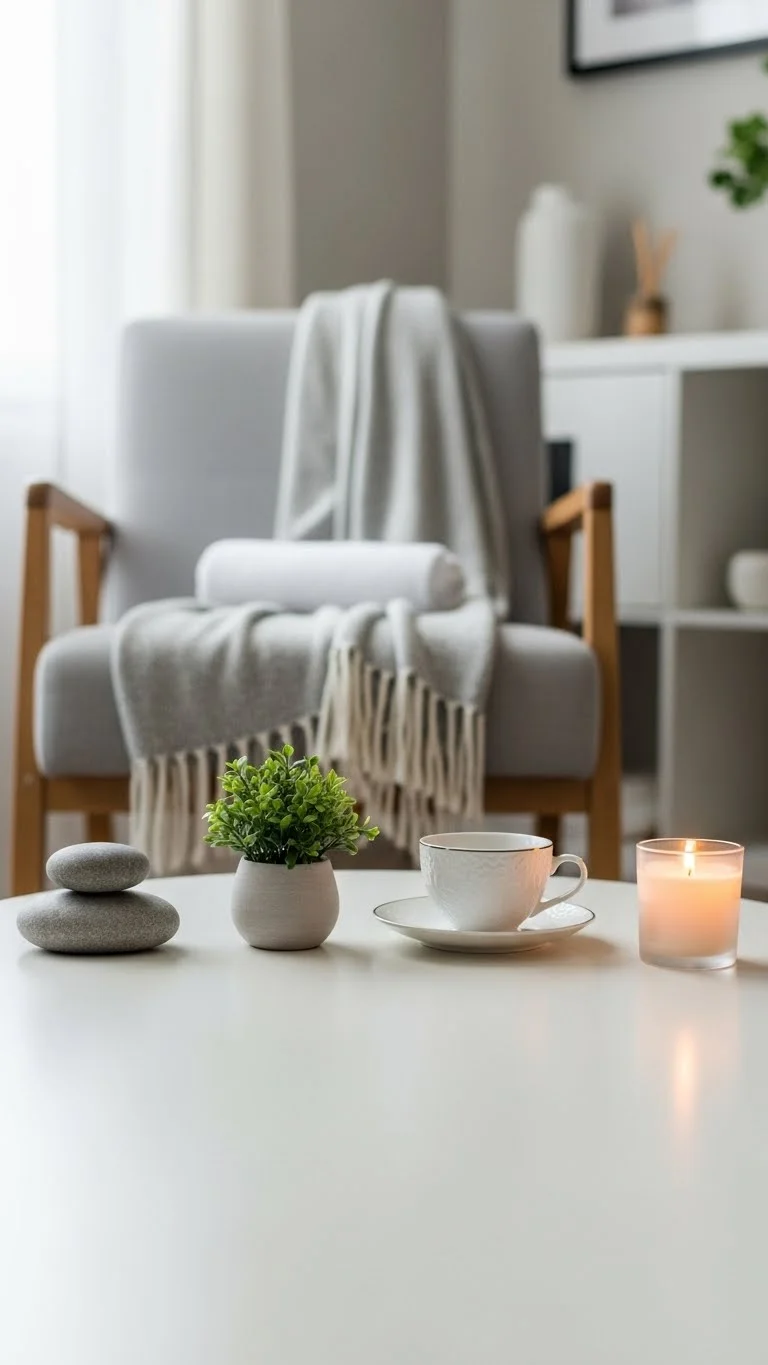
Pause and look around. Name five things you can see. Take your time. Notice colors, shapes, or light. This brings attention back to the present moment. It works during stress spikes. No tools needed. You can do it while standing in line or sitting at home. This simple scan helps emotions settle by redirecting focus. If five feels like too much, start with three. The key is slowing down your eyes. This habit trains your brain to step away from emotional spirals. Over time, reactions become easier to manage. This works well for adults and kids alike.
- Slow Sips of Water

Taking slow sips of water can gently calm emotional spikes. This works because it shifts attention to a simple physical action. Fill a glass or bottle with plain water. Sit or stand comfortably. Take one small sip at a time. Pause before the next sip. Feel the coolness. Notice how your throat moves. This short pause gives your body a break from emotional overload. You can use this during tense conversations, anxious moments, or when thoughts feel rushed. It costs nothing and fits into daily routines. Keep a bottle nearby while working or caring for family. Avoid gulping. The slowness is the key. You can add this habit to morning breaks or before bed. Kids can practice it too. Make it playful by counting sips. Over time, your body starts linking slow drinking with calm reactions. This simple habit is easy to repeat anywhere and requires no special setup.
- Shoulder Drop Reset

Tension often hides in the shoulders without us noticing. A shoulder drop reset helps release that stored stress quickly. Stand or sit comfortably. Slowly lift your shoulders toward your ears. Hold for three seconds. Then drop them down with control. Let them feel heavy. Repeat this two or three times. Pair it with a slow breath if possible. This movement tells your body that it is safe to relax. You can do this at your desk, in the kitchen, or even while waiting in line. No one will notice. It works well during busy days when emotions build quietly. Make it a habit after phone calls or screen time. This reset also helps reduce jaw and neck tension. Over time, you may notice your shoulders naturally staying lower. This small action supports steadier emotional reactions without effort or cost.
- One-Minute Tidy Spot

When emotions feel scattered, physical clutter can make things worse. Choose one tiny area to tidy for just one minute. Set a timer if needed. It could be a table corner, a bag, or a single drawer. Move items into simple order. Stop when the minute ends, even if it’s not perfect. This creates a quick sense of control without pressure. It’s affordable and realistic for busy days. Avoid turning it into a full cleaning session. The goal is calm, not perfection. This habit works well during emotional overwhelm or decision fatigue. Over time, your brain links small organization with emotional relief. You may feel lighter after just sixty seconds. This practice also works for kids. Give them a small space and a short timer. It builds calm through simple action.
- Hum a Familiar Tune

Humming is a quiet way to calm emotional tension. Choose a tune you already know well. It could be a childhood song or a simple melody. Hum softly. Let the sound flow naturally with your breath. This helps slow breathing without effort. You can hum while cooking, walking, or folding laundry. No music app needed. It’s subtle enough to use in public spaces. This practice works well during stress or irritability. Kids often respond positively to humming too. You can hum together during bedtime routines. Over time, your body starts to relax as soon as you begin. The vibration from humming creates a soothing effect. Keep it gentle and unforced. This habit is free, easy, and always available when emotions rise.
- Texture Touch Break

Touching textured items helps ground emotional energy. Choose something nearby. A soft blanket. A smooth stone. A wooden surface. Focus fully on how it feels. Notice temperature, softness, or firmness. This sensory focus pulls attention away from emotional noise. Keep a small object in your pocket or bag for quick access. It doesn’t need to be special or expensive. Even clothing fabric works. Use this break during stress or restlessness. Spend thirty seconds to one minute. Breathe naturally while touching the object. Over time, this habit trains your body to settle through sensory input. It’s helpful for adults and kids alike. This simple pause can be repeated many times a day without drawing attention.
- Write Three Honest Lines

Writing doesn’t have to be long or structured. Grab any paper. Write three honest lines about how you feel. No fixing words. No rereading. Stop after three lines. This keeps emotions from spilling over. It’s quick and manageable. You don’t need a fancy journal. This practice works during frustration, sadness, or mental overload. You can write single words or short sentences. Keep it private. Tear the paper if you want. Over time, this habit builds emotional clarity without pressure. It also helps reduce the urge to vent repeatedly. Make it part of your routine before bed or during breaks. This small writing habit supports calm through expression, not analysis.
- Sit With Both Feet Flat

Sitting with both feet flat on the floor creates physical stability. Choose a chair. Place your feet firmly on the ground. Sit upright but relaxed. Feel the support beneath you. This posture helps your body feel grounded. It works well during emotional conversations or stressful tasks. Take a slow breath while holding this position. This simple adjustment can reduce emotional reactivity. You can do it at work, home, or school. No one will notice. Over time, your body begins to associate this posture with calm awareness. It’s a quiet tool that supports steadier reactions throughout the day.
- Cold Water Face Splash

Splashing cool water on your face can interrupt emotional intensity quickly. Use clean, cool water. Splash gently. Focus on the sensation. This action helps reset your nervous system. It works well after arguments, anxiety spikes, or emotional overload. You can do this at home or work. No special products needed. Keep it brief. One or two splashes are enough. Over time, your body learns to calm faster with this signal. This habit is simple, fast, and free.
- Set a “Pause Word”
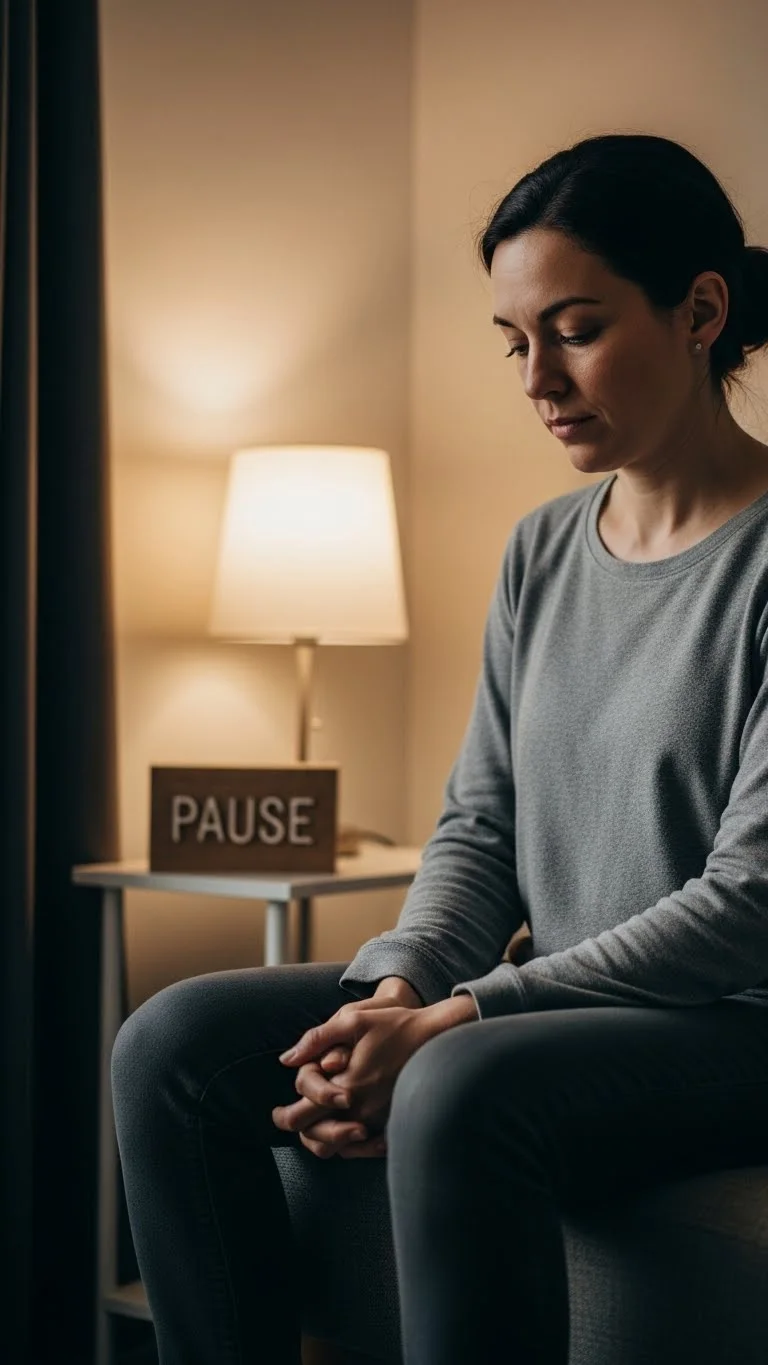
Choose a single word that signals a stop. Words like “pause” or “wait” work well. Say it silently when emotions rise. This creates a moment of choice before reacting. Practice the word during calm moments too. This builds familiarity. Over time, the word becomes a mental brake. You can use it during conversations or stressful tasks. It’s subtle and costs nothing. This small habit helps reduce impulsive reactions through awareness.
- Stretch Fingers and Hands

Hands often hold hidden tension. Open your hands slowly. Spread fingers wide. Hold for two seconds. Then close them gently. Repeat a few times. This releases stored stress. You can do it anywhere. While sitting. While standing. This movement supports emotional release through the body. It’s subtle and effective. Pair it with slow breathing if possible. Over time, this simple stretch helps emotions feel less tight.
- Watch Something Slow

Slow visuals help calm the mind. Watch clouds move. Observe rain falling. Look at tree branches swaying. Focus on the movement. Avoid screens if possible. Even two minutes can help. This practice gives your nervous system a break from fast input. It’s free and accessible. Use it during breaks or emotional overload. Over time, slow watching becomes a reliable way to settle emotions naturally.
- Gentle Self-Talk

The way you speak to yourself shapes how emotions settle or spiral. Gentle self-talk means choosing words that soften tension instead of adding pressure. When emotions rise, pause and say a short, kind phrase in your mind. Examples include “I’m allowed to feel this” or “This moment will pass.” Keep it simple and believable. Avoid forcing positivity. The goal is steadiness, not pretending everything is fine. This habit works well during mistakes, conflicts, or tired moments. You can practice it while looking in the mirror or sitting quietly. No journal or app required. If words feel awkward, place a hand on your chest and repeat the phrase slowly. Over time, your nervous system starts responding to your own voice as reassurance. This helps reduce harsh inner reactions that fuel emotional stress. Kids also benefit from hearing adults model gentle self-talk. It’s free, private, and easy to repeat throughout the day, especially when emotions feel close to the surface.
- Slow Counting Breath

Slow counting breaths help emotions settle through rhythm. Sit or stand comfortably. Inhale through your nose while counting to four. Exhale through your mouth while counting to six. Keep the count steady and quiet. The longer exhale signals calm to the body. Practice this for one to three minutes. You can do it anywhere. At your desk. In the car. Before sleep. No one needs to know. If counting feels distracting, count softly in your mind. This breathing style works well during anxiety, frustration, or racing thoughts. It doesn’t require deep breathing or special posture. Keep it gentle. Over time, your body learns this pattern and responds faster. You may notice emotional reactions easing sooner than before. This habit is free and easy to repeat many times a day. Even a few slow breaths can change how intense a moment feels.
- Light Movement Reset

Emotions often build when the body stays still too long. A light movement reset helps release that buildup. Stand up or stay seated. Roll your shoulders slowly. Stretch your arms overhead. Gently turn your neck side to side. Keep movements slow and comfortable. This isn’t exercise. It’s a release. Focus on how your body feels as it moves. This practice works well during long work hours or emotional fatigue. You don’t need equipment or space. Even one minute helps. Avoid rushing. Let your body guide the pace. Over time, this habit teaches your body that movement can reduce emotional pressure. It’s especially helpful when words feel hard to find. Kids can do this too between tasks or homework. Light movement resets emotional energy without effort or cost and fits easily into daily life.
- Limit Emotional Input

Constant emotional input can overload the mind. News, social media, and messages often add pressure without relief. Choose short breaks from these sources, especially on emotionally heavy days. Turn notifications off for an hour. Place your phone face down. Sit in quiet or do a simple task. This boundary protects your emotional space. It doesn’t require deleting apps or making big changes. Start small. Even ten minutes helps. Notice how your body feels without constant alerts. Over time, emotions become easier to manage when input slows down. This practice supports focus and calm reactions. It also helps with sleep if done in the evening. Limiting emotional input is free and fully within your control. It creates room for your own feelings without outside noise.
- Create a Calm Corner
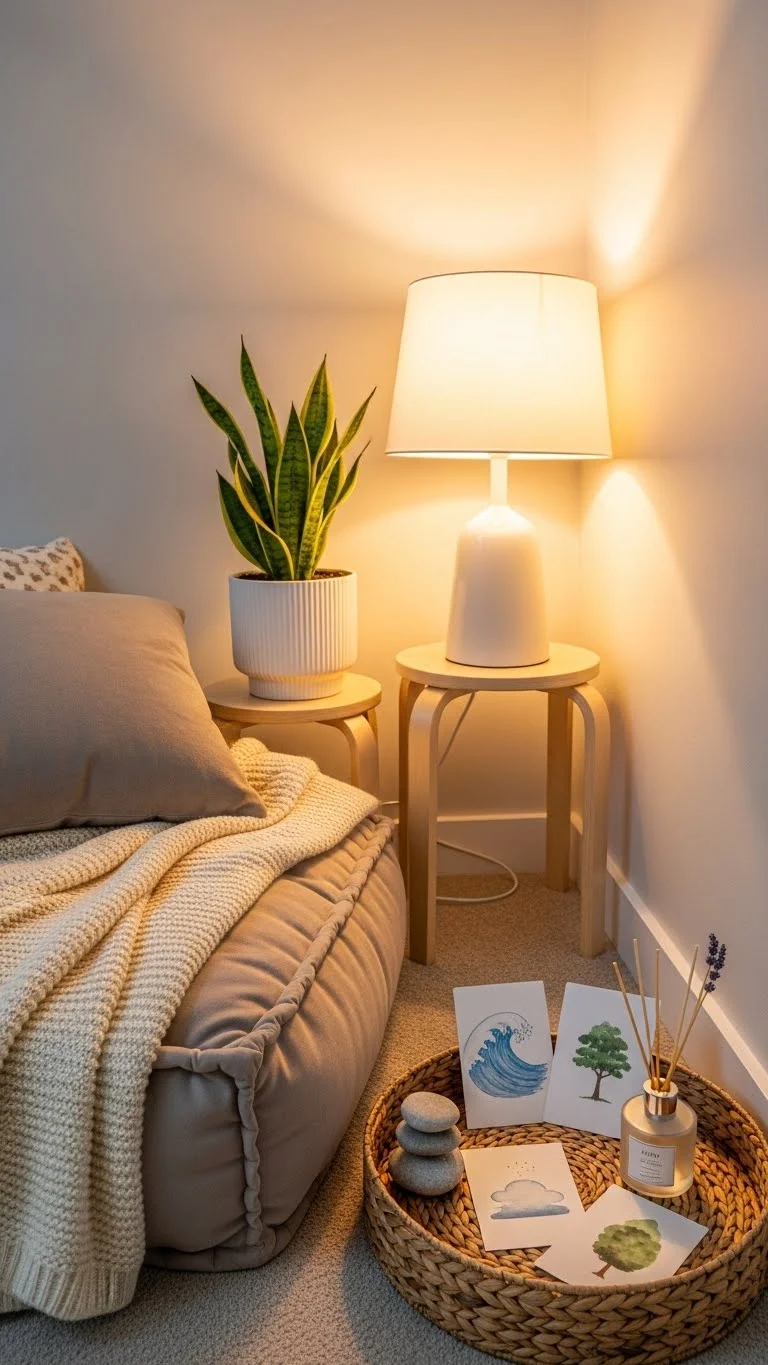
A calm corner is a small space that signals rest to your body. Choose a quiet spot at home. Add one cushion, a chair, or a folded blanket. Keep it simple. This isn’t about decoration. It’s about comfort. Use the space when emotions feel heavy. Sit there for a few minutes. Breathe naturally. No phone required. Over time, your body associates this spot with settling down. This makes emotional regulation easier with repetition. Kids benefit from calm corners too. Let them help choose items. The space doesn’t need to be large or perfect. Even a corner of a room works. This habit creates emotional safety through routine and familiarity without spending money.
- Repeat a Steady Phrase
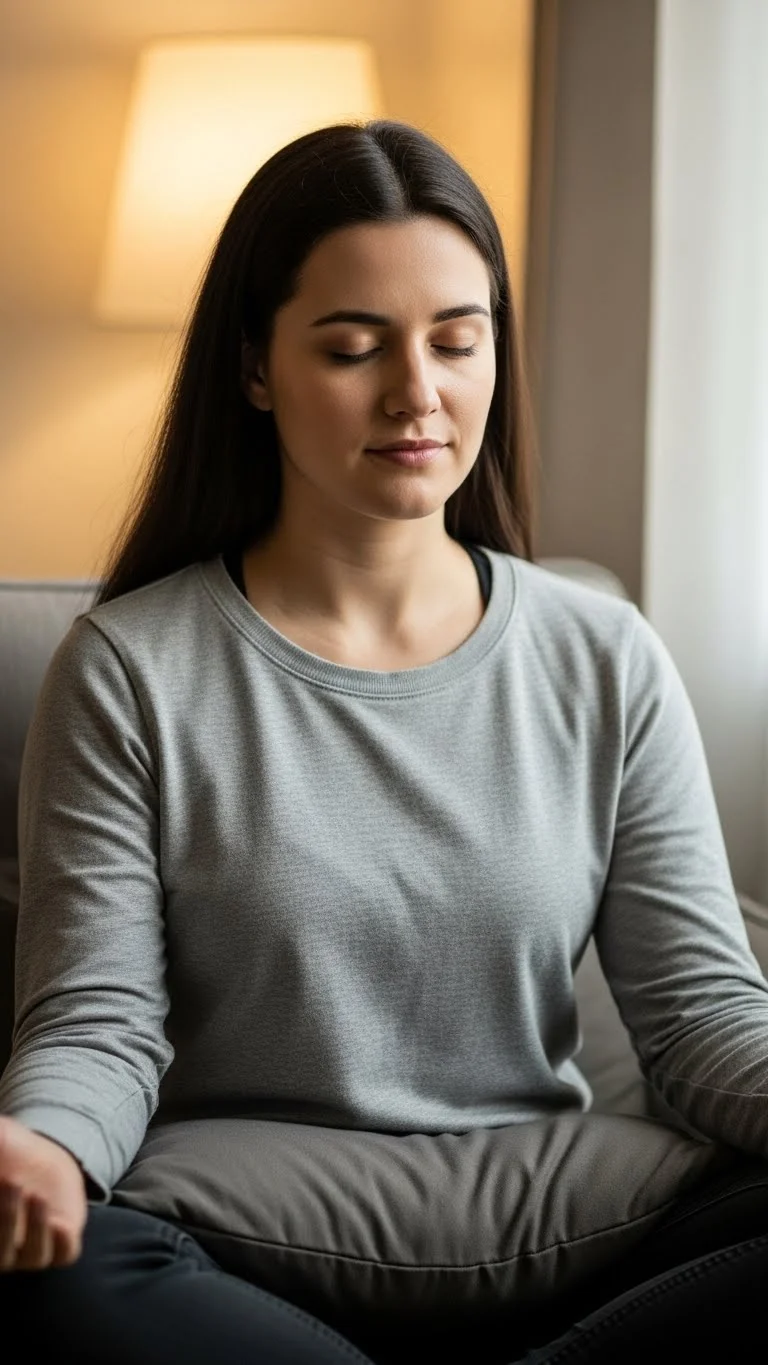
A steady phrase helps anchor emotions when thoughts race. Choose a short line that feels grounding. Examples include “I can handle this moment” or “I am safe right now.” Repeat it slowly in your mind. Match it with your breath if possible. This repetition reduces emotional intensity by giving the mind something stable to hold. Use the phrase during stress, conflict, or uncertainty. Keep it realistic and gentle. Avoid long sentences. Over time, your nervous system responds faster to the phrase. This habit costs nothing and travels with you everywhere. It’s especially helpful when you don’t have time for longer calming routines.
- Limit Multitasking
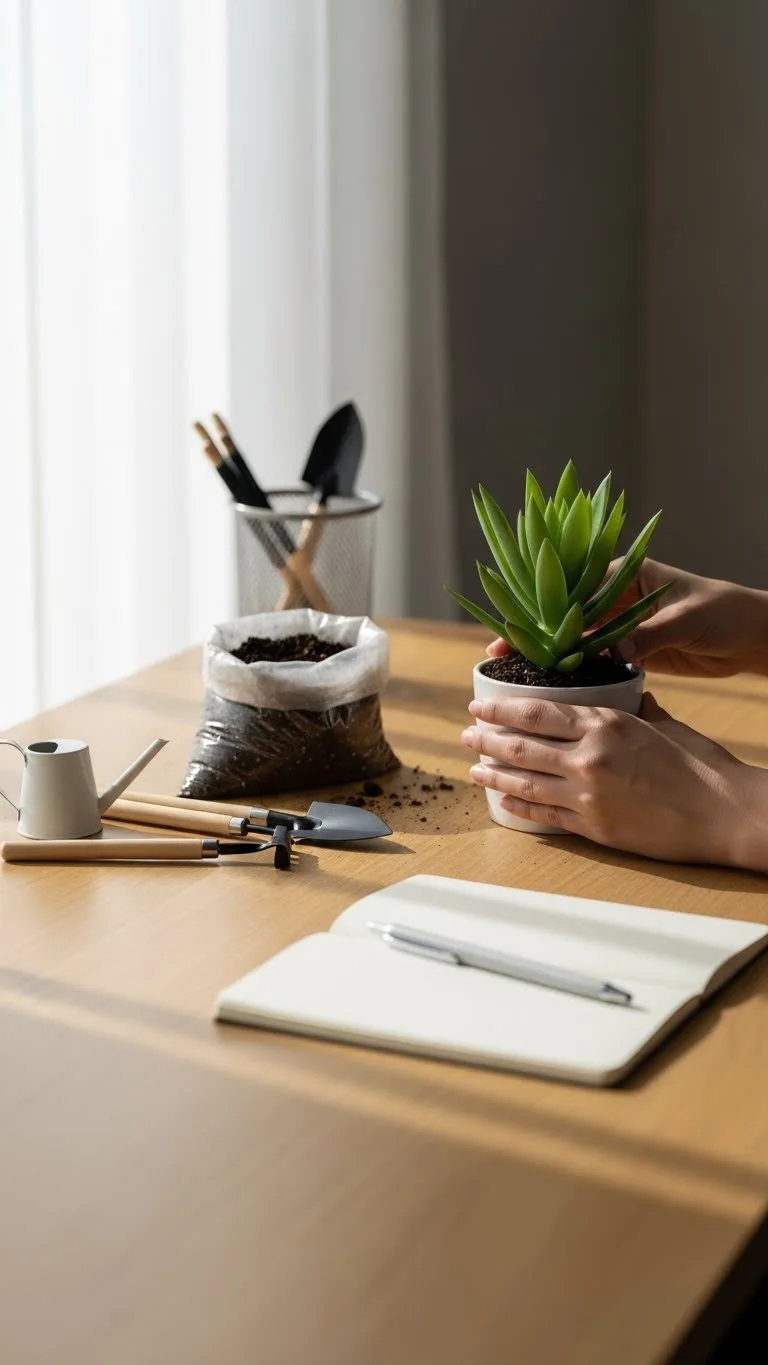
Doing too many things at once increases emotional strain. Choose one task and focus on it fully. Put other tasks aside briefly. This reduces mental noise. You don’t need to finish everything. Just give attention to one small action. This practice helps emotions feel less scattered. It works well during busy days or emotional overload. Start with short periods. Even five minutes of single-task focus helps. Over time, your mind feels calmer and more organized. This habit supports emotional steadiness without changing your schedule or spending money.
- End the Day With Quiet
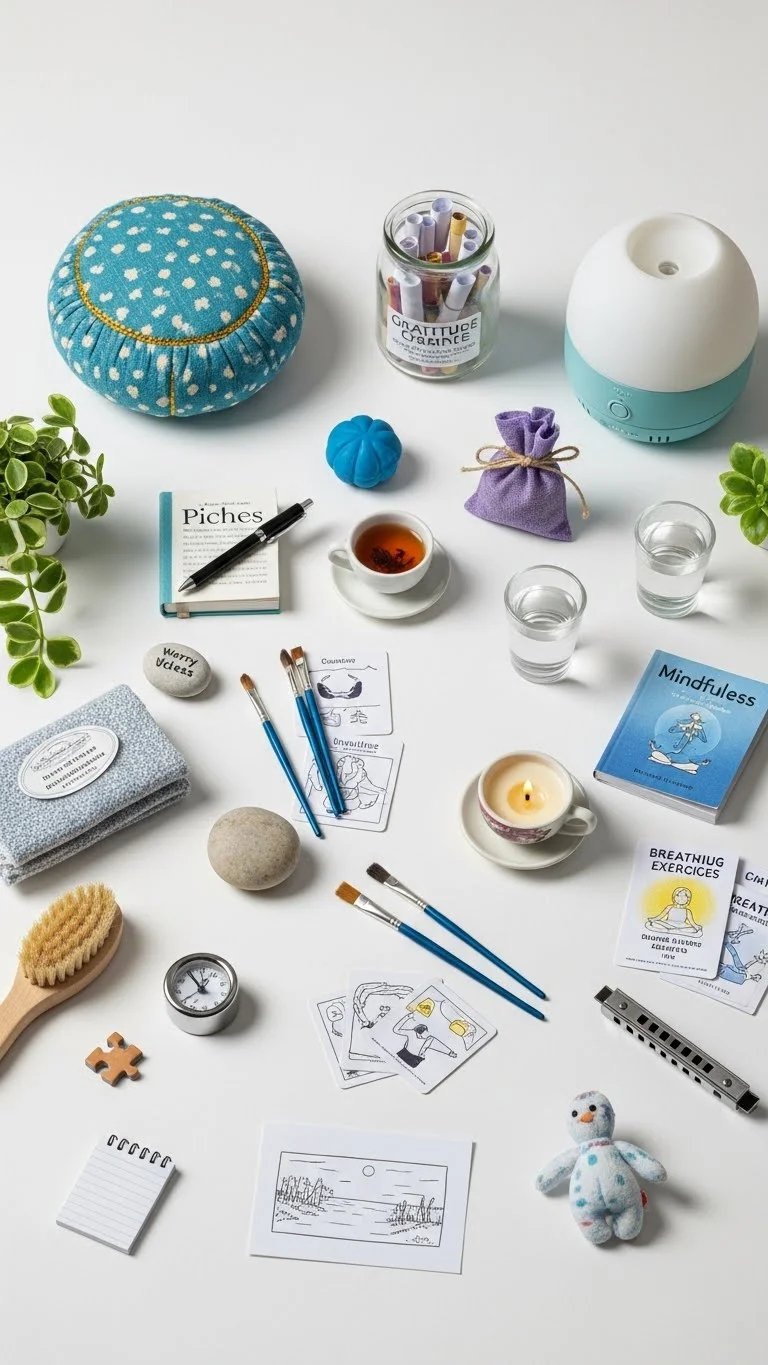
Ending the day with quiet helps emotions settle before sleep. Spend five minutes without screens, talking, or tasks. Sit or lie down comfortably. Let the day slow down naturally. This pause helps release emotional buildup. It also supports better rest. You don’t need meditation skills. Just stillness. Over time, this habit becomes a signal that the day is complete. It’s simple, free, and effective after busy or emotional days.
- Celebrate Small Emotional Wins

Small emotional wins often go unnoticed. Pausing instead of reacting. Taking a breath. Walking away from conflict. Acknowledge these moments. Say “I handled that well” quietly to yourself. This recognition reinforces healthy emotional habits. It builds confidence over time. You don’t need rewards or tracking systems. Awareness is enough. This practice helps shift focus from mistakes to progress. Over time, emotional regulation feels more natural and less forced.
Conclusion
Emotional regulation grows through small actions repeated often. Big changes are not required. What matters most is choosing a few simple practices and using them consistently during real moments of stress, fatigue, or frustration. Each idea in this list works because it fits into daily life without pressure. You can practice them at home, at work, or while caring for others. Start with one or two that feel natural. Practice them on calm days as well as hard ones. This builds familiarity, so they feel easier to use when emotions rise suddenly. Progress may feel slow at first. That’s normal. Emotional patterns shift gradually through repetition, not force. Some days will feel steadier than others. What counts is noticing when you pause, soften, or respond with more awareness than before. Those moments add up. Over time, emotions feel less overwhelming and easier to sit with. You may also notice better focus, improved rest, and calmer interactions with others.
