

21 Routine Chart Ideas for Smoother Mornings
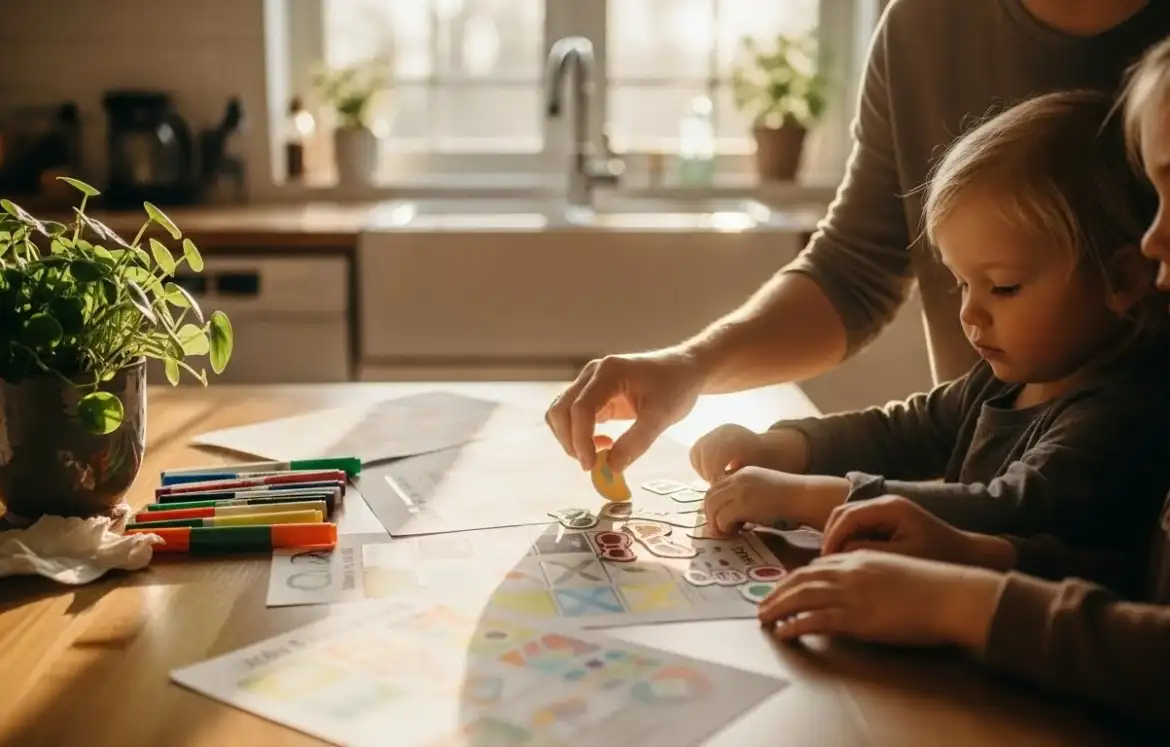
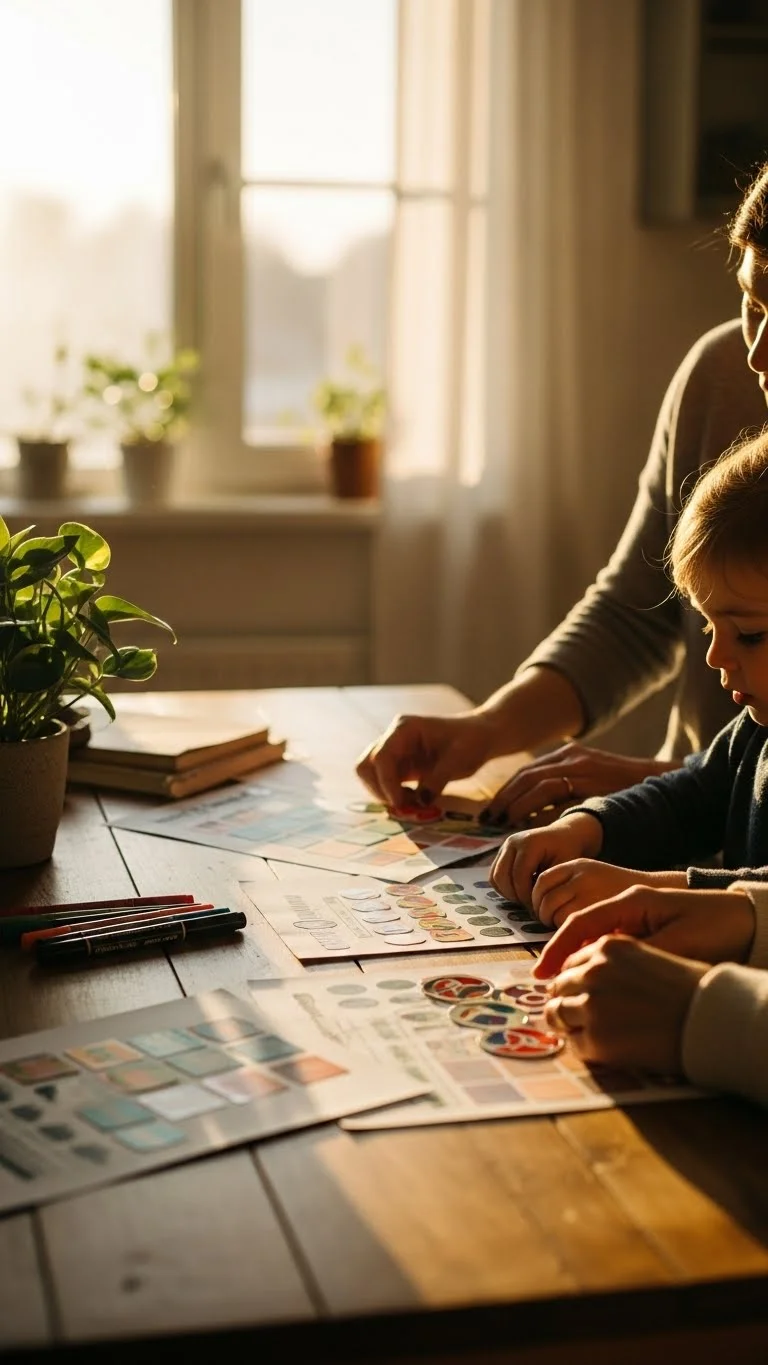 Routines can feel messy when everyone is rushing, forgetting, or guessing what comes next. A simple chart can turn daily habits into clear steps that kids and adults can follow without nagging or stress. This guide shares practical chart ideas that fit real homes and real budgets. You’ll find ways to set up small systems that keep mornings calm, homework steady, and evenings relaxed. Each idea uses everyday items, simple layouts, and flexible rules. Pick one or two, test them for a week, and adjust. Small visuals can change how a day flows.
1. Morning Kickoff Chart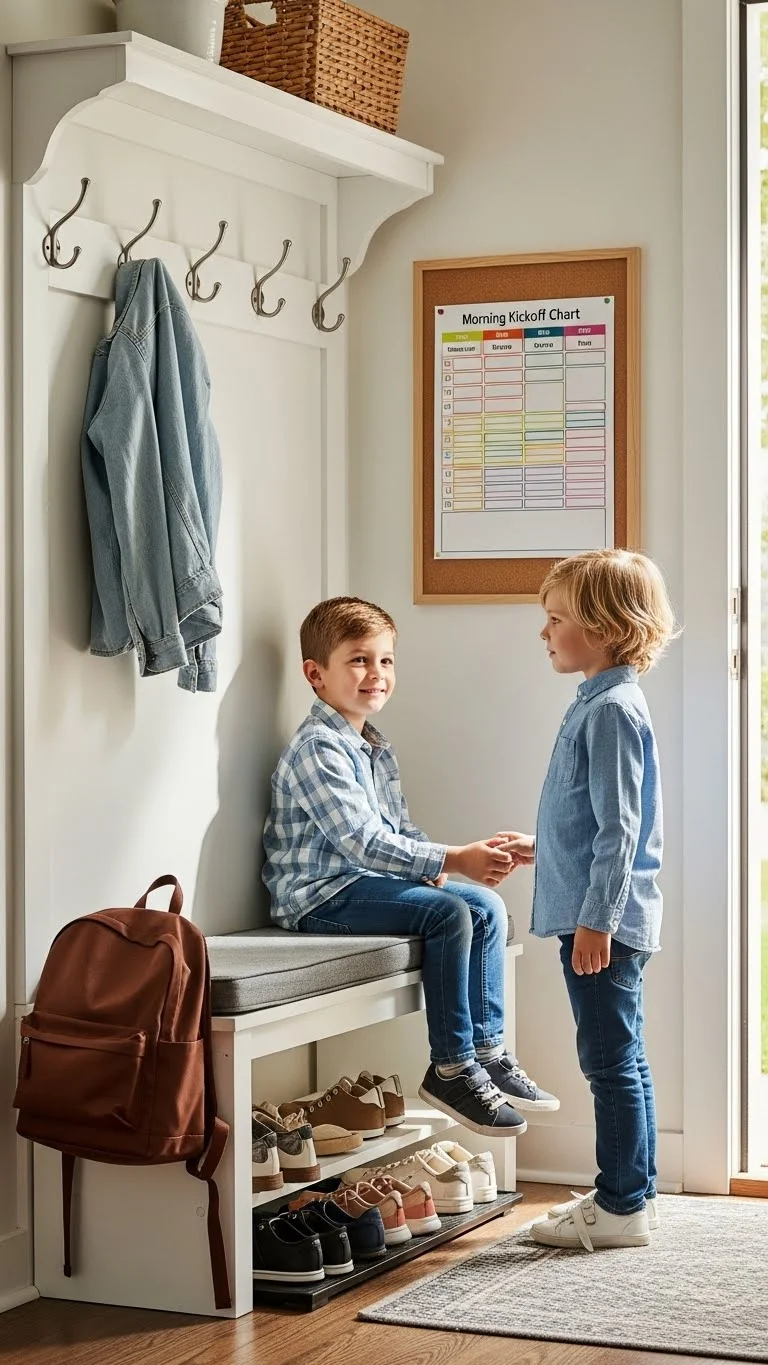
This chart sets the tone for the day. List simple steps like brushing teeth, getting dressed, eating breakfast, and packing a bag. Keep it visual with icons or small drawings. Kids can check off each step using stickers or a dry-erase marker. That tiny action builds momentum.
Make it budget-friendly by using a laminated sheet and a whiteboard marker. Tape it near the door or fridge where eyes land often.
Add a small “done” box at the end. That final check feels satisfying.
If mornings feel rushed, break steps into tiny pieces. “Put on socks” is clearer than “get ready.”
For older kids, add time blocks. Not strict rules—just gentle guides.
Keep it flexible. If something changes, rewrite it. A chart should help, not trap anyone.
2. Bedtime Wind-Down Chart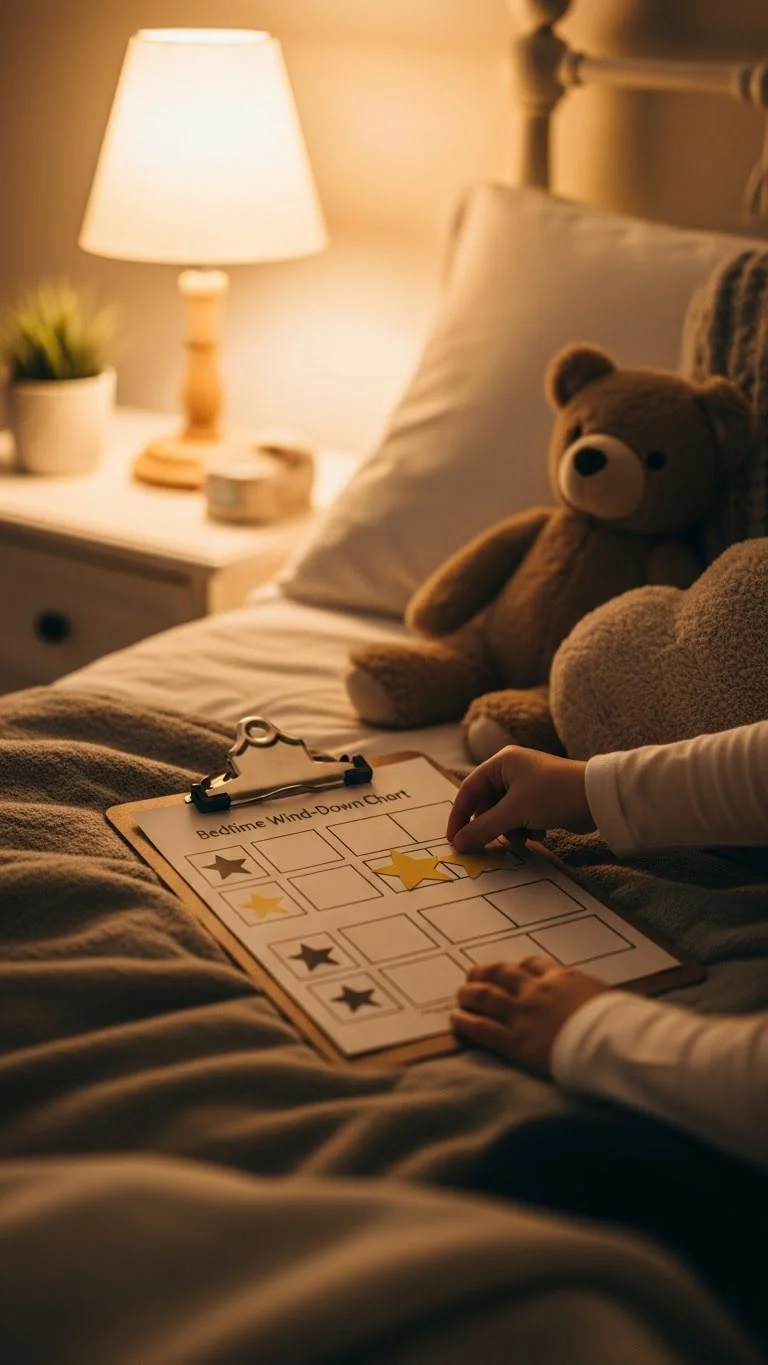
Evenings can spiral into chaos. A wind-down chart slows things gently. Add steps like bath, pajamas, story, and lights off. Place it near the bedroom door. Use calm colors to signal rest.
Keep the language simple. Fewer steps work better than long lists. Use stars, stamps, or smiley faces to mark each task. On tight budgets, draw boxes on paper and slip it into a plastic sleeve.
Let kids help design it. Ownership makes follow-through easier. If a step feels hard, split it into two smaller parts. A steady evening rhythm can make mornings easier too.
3. Homework Hub Chart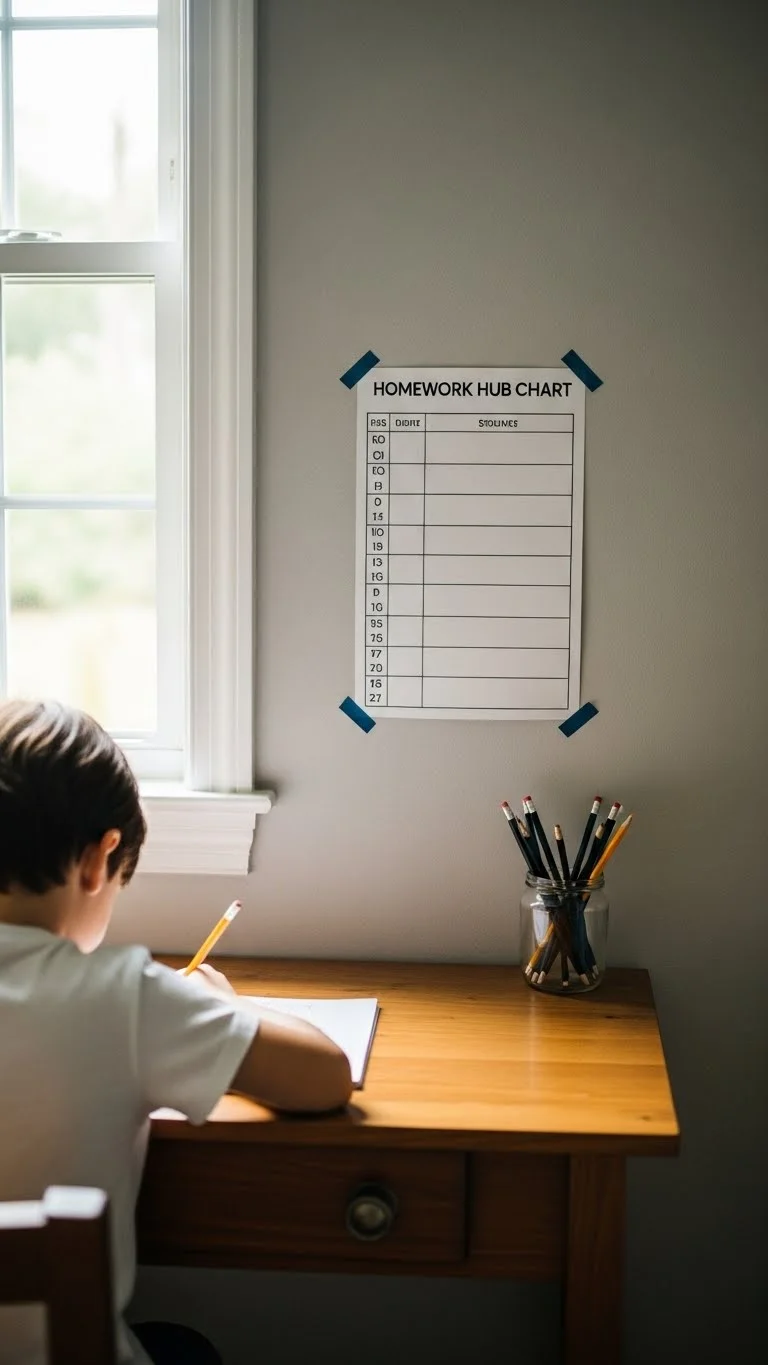
Homework gets easier when expectations are clear. This chart lists steps like unpack bag, snack, homework, review, and pack again. Hang it near the study area.
Use checkmarks or clips to show progress. Add a small reward at the end, like free play time.
DIY it with cardboard and sticky notes. Keep sessions short. Add break icons between tasks.
If a child feels stuck, include a “ask for help” step. This chart removes guesswork and saves arguments.
4. Chore Swap Board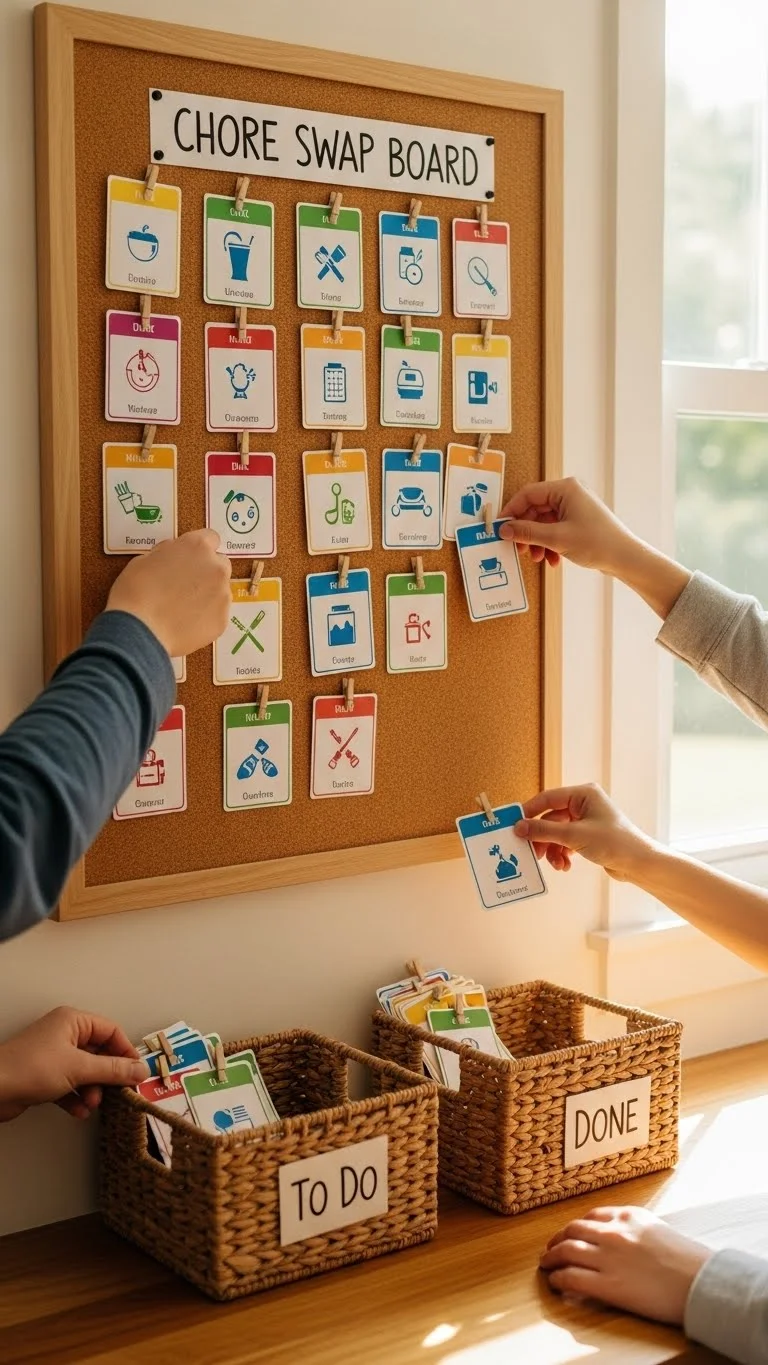
A chore swap board gives kids a sense of choice without losing structure. Instead of assigning tasks, write each chore on a small card or sticky note. Place them on a board, wall, or fridge. Each child picks what they want to do that day. When they finish, they move the card to a “done” section. This works well because choice lowers resistance. Folding laundry might feel easier than sweeping, and that’s okay. Over time, kids usually rotate tasks naturally. Use paper, tape, and markers—no special supplies needed. To keep things fair, rotate chores weekly or add point values. Bigger tasks earn more points. These can be traded for small rewards like picking dessert or choosing a movie. This board turns chores into decisions instead of commands, which often leads to better follow-through.
5. Screen Time Tracker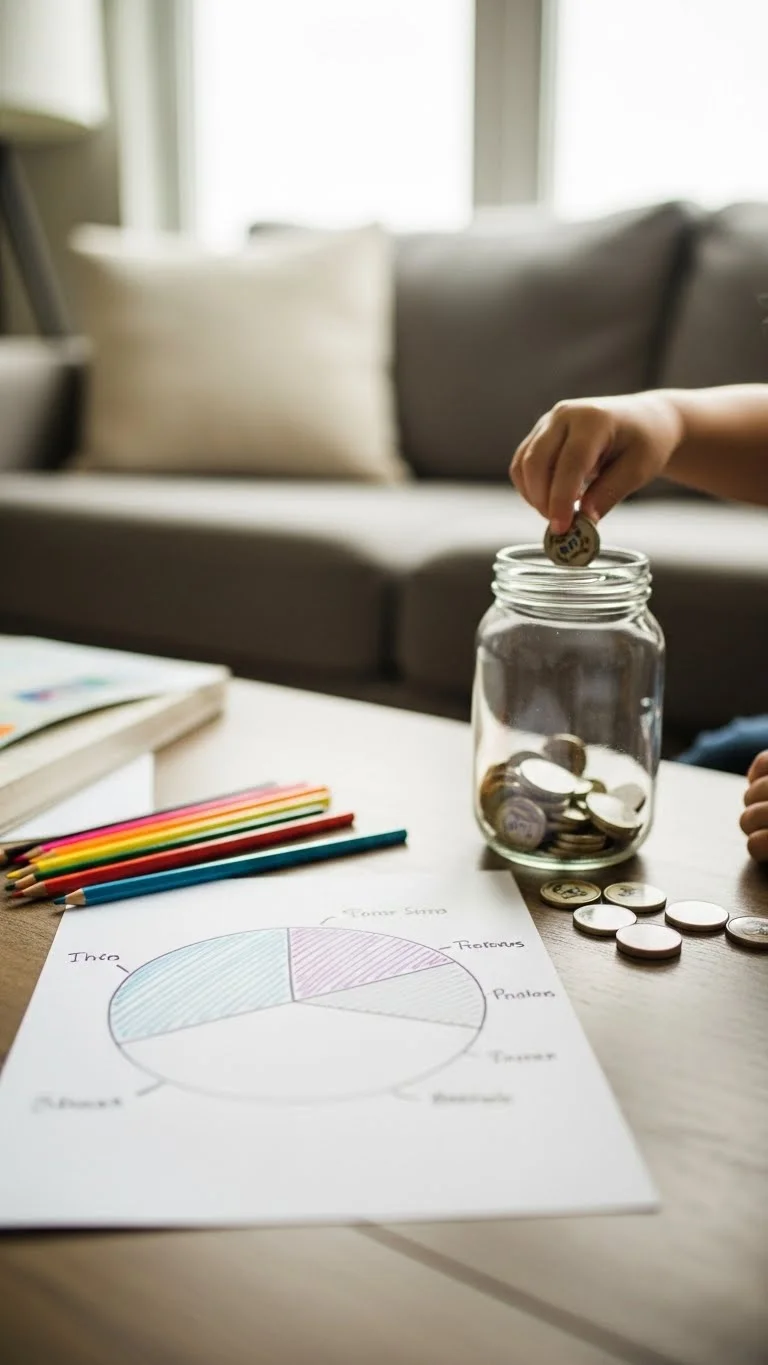
A screen time tracker makes limits clear without constant reminders. Draw boxes for each day of the week and divide them into small sections. Each section equals a set amount of screen time, like 15 or 20 minutes. Kids color in a box when they use a session. Place the chart near the TV, tablet, or charging station. This helps everyone stay aware of usage. It also removes arguments about “how long” someone has been watching. Use paper and crayons, or laminate the sheet and reuse it. You can also use coins, buttons, or beans as tokens.If a child wants extra time, offer simple trades like reading, outdoor play, or helping with dinner. This keeps balance without strict rules.
6. Meal Prep Planner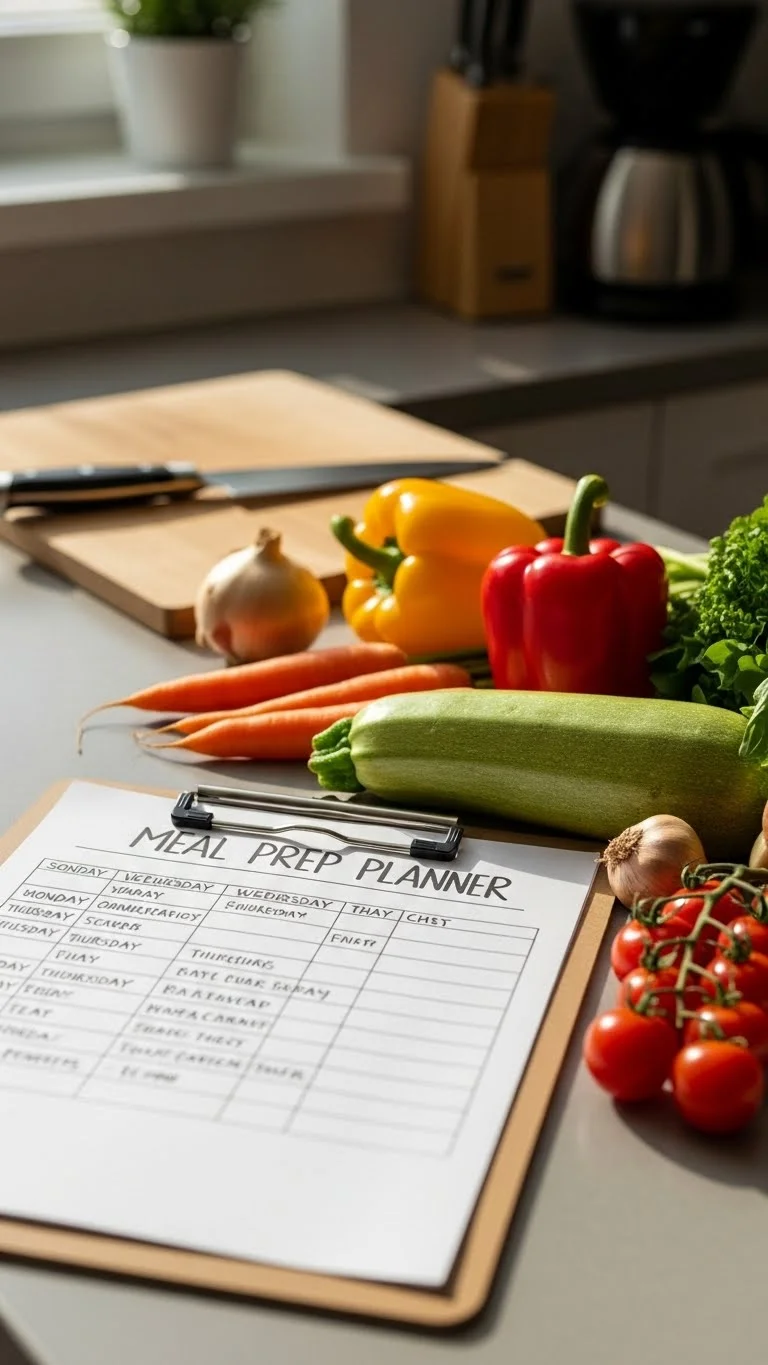
A meal prep planner removes daily guesswork. Create a simple weekly grid with days across the top and meal ideas below. It doesn’t need fancy recipes. Write things like “sandwich night,” “leftovers,” or “eggs and toast.” Hang it on the fridge or pantry door. Let kids help choose meals. They’re more likely to eat what they picked. Budget-friendly meals can repeat. No one needs a new dish every night. You can even color-code meals by type—pasta, rice, soup, or snack plates. This chart saves time, lowers food waste, and helps with grocery planning. When everyone knows what’s coming, evenings feel calmer and decisions get easier.
7. Water Break Chart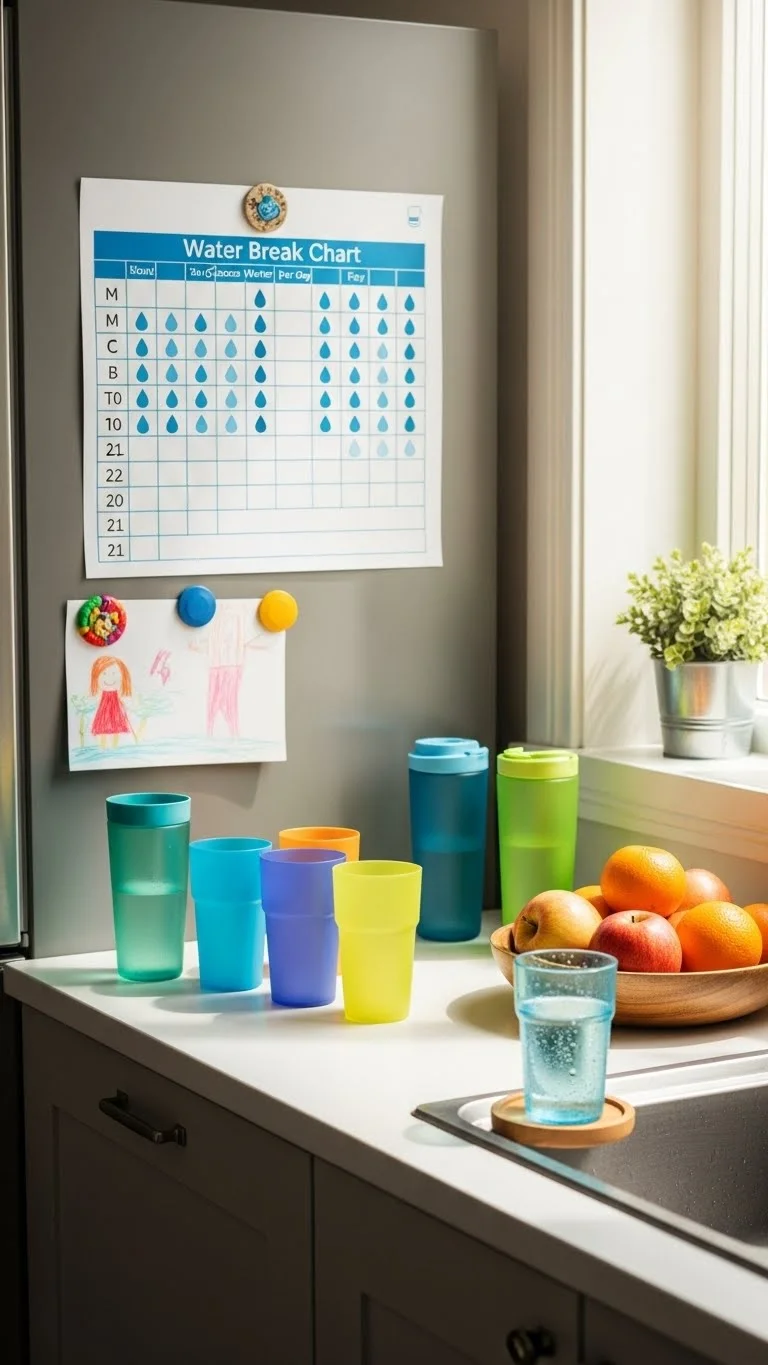
A water break chart helps kids remember to drink without reminders. Draw simple water drop shapes on paper. Each drop stands for one glass or bottle. When they finish one, they color in a drop. Hang it near the fridge or sink. Keep markers nearby. Make it playful with stickers or smiley faces. You can also use cups drawn in a row or circles to fill in. Younger kids love visuals, and this keeps it light. This chart works well during school breaks, hot days, or busy schedules when hydration gets forgotten. It turns a basic habit into a visible goal without pressure.
8. Pet Care Checklist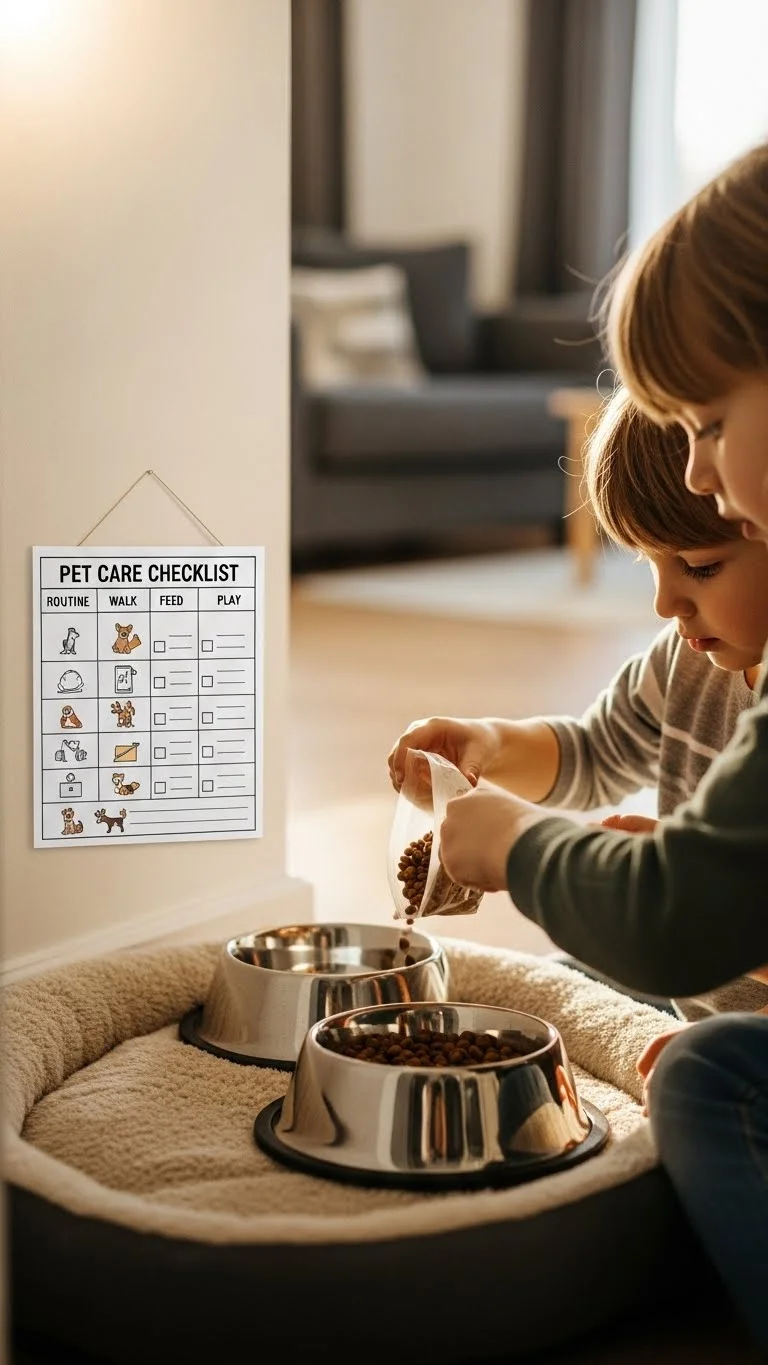
A pet care checklist teaches responsibility through daily action. Write down simple tasks like feeding, water, walks, playtime, and brushing. Add small icons or drawings for younger kid Place the chart near pet food or the door. Use checkmarks or stickers when a task is done. You can assign names to each task or rotate jobs weekly. This keeps things fair and avoids confusion. If something is skipped, it’s easy to spot and fix. Pets depend on routine, and this chart keeps everyone aware. Use scrap paper and tape if needed. No fancy board required. Over time, kids learn that care isn’t random—it’s daily and steady.
9. Self-Care Mini Chart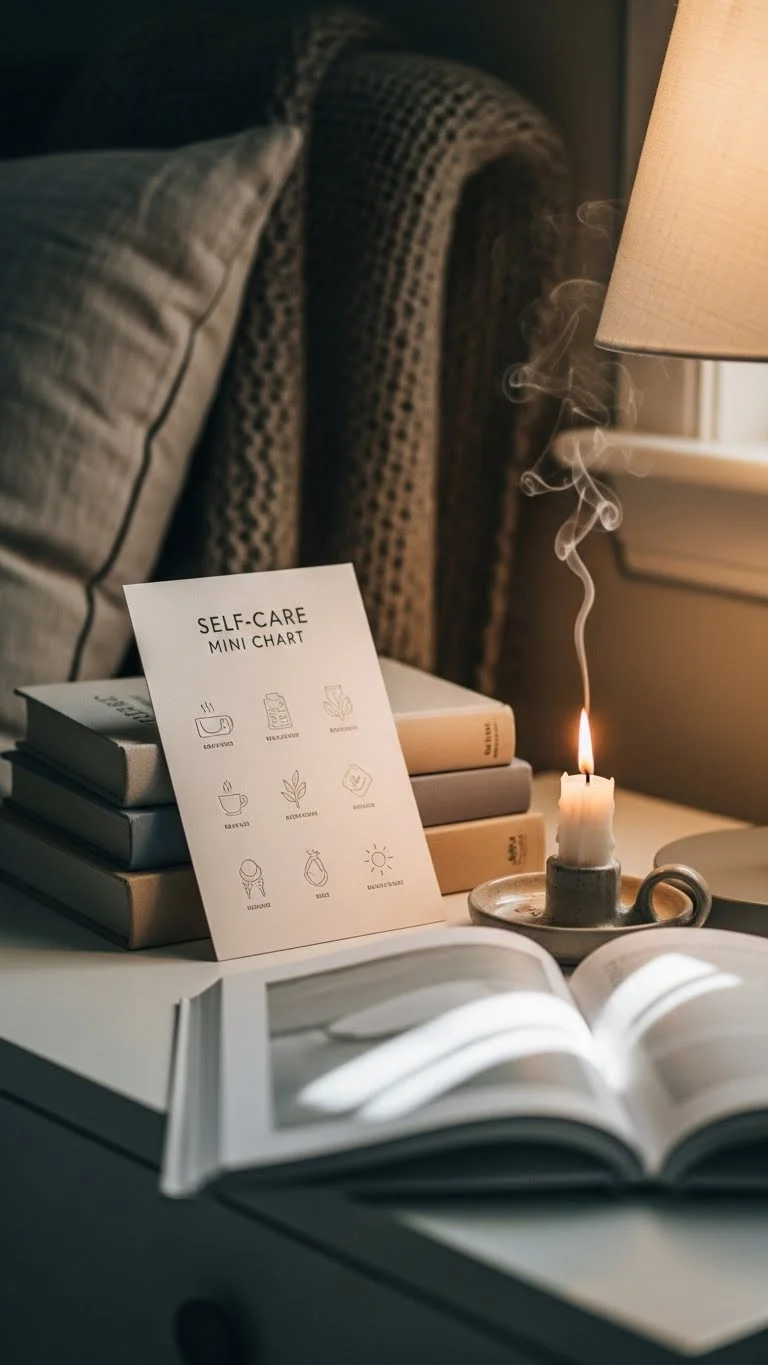
This chart is for adults, kids, or both. Keep it small and gentle. Write 3–5 simple actions like stretching, quiet time, reading, fresh air, or early sleep. Place it near your bed, desk, or bathroom mirror. Check off one thing per day. No pressure to do all of them. Use calming colors. Avoid clutter. This chart should feel light, not demanding. Self-care often gets pushed aside. Seeing it on paper makes it harder to ignore. Even small steps count. You can change the list weekly based on energy levels. This keeps the chart realistic and helpful.
10. Family Check-In Board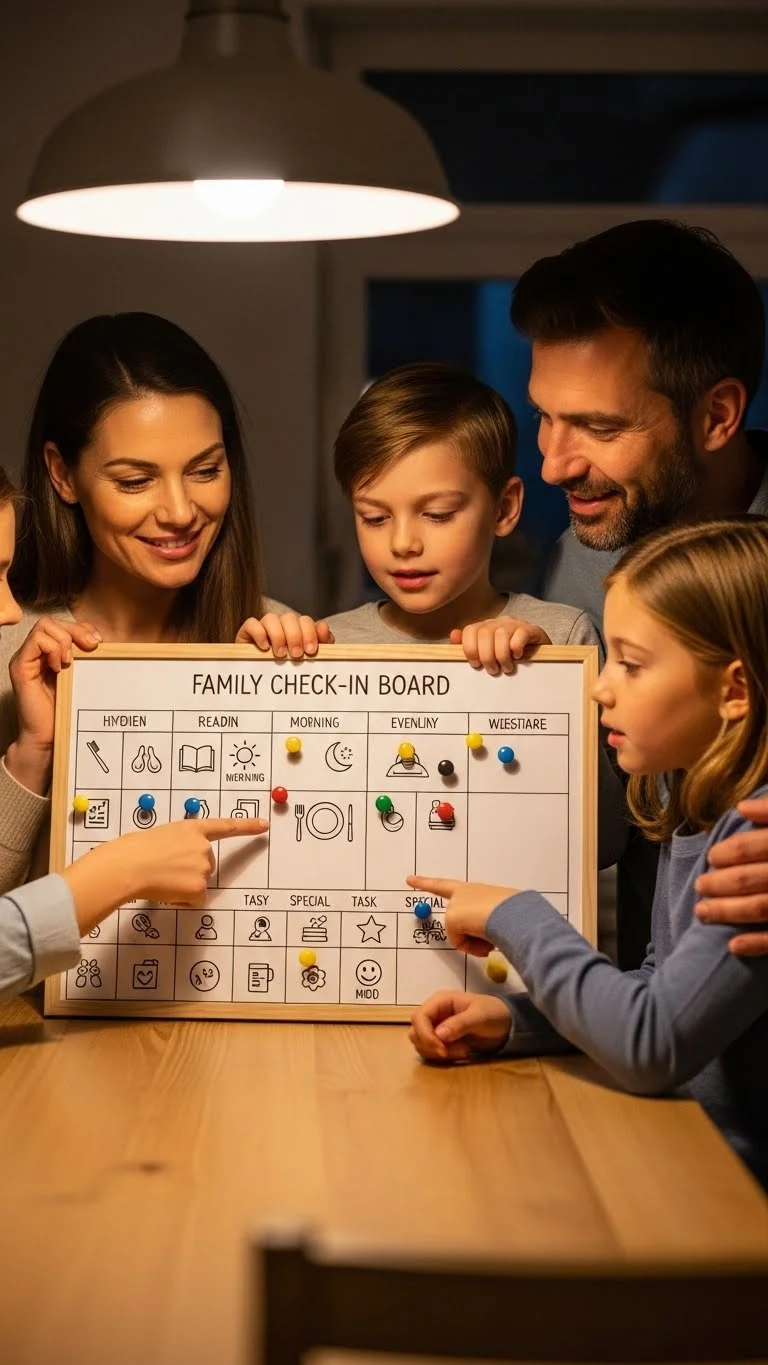
A family check-in board shows how everyone feels without long talks. Use colors, faces, or symbols. Each person moves their marker to match their mood. Place it in a shared space like the kitchen or hallway. This helps parents notice patterns, like tired days or stress before school. No one has to explain unless they want to. The board does the talking. You can make it with paper, pins, or magnets. Change the symbols weekly to keep it fun. This chart builds awareness and helps families respond with care instead of guesses.
11. Laundry Loop Chart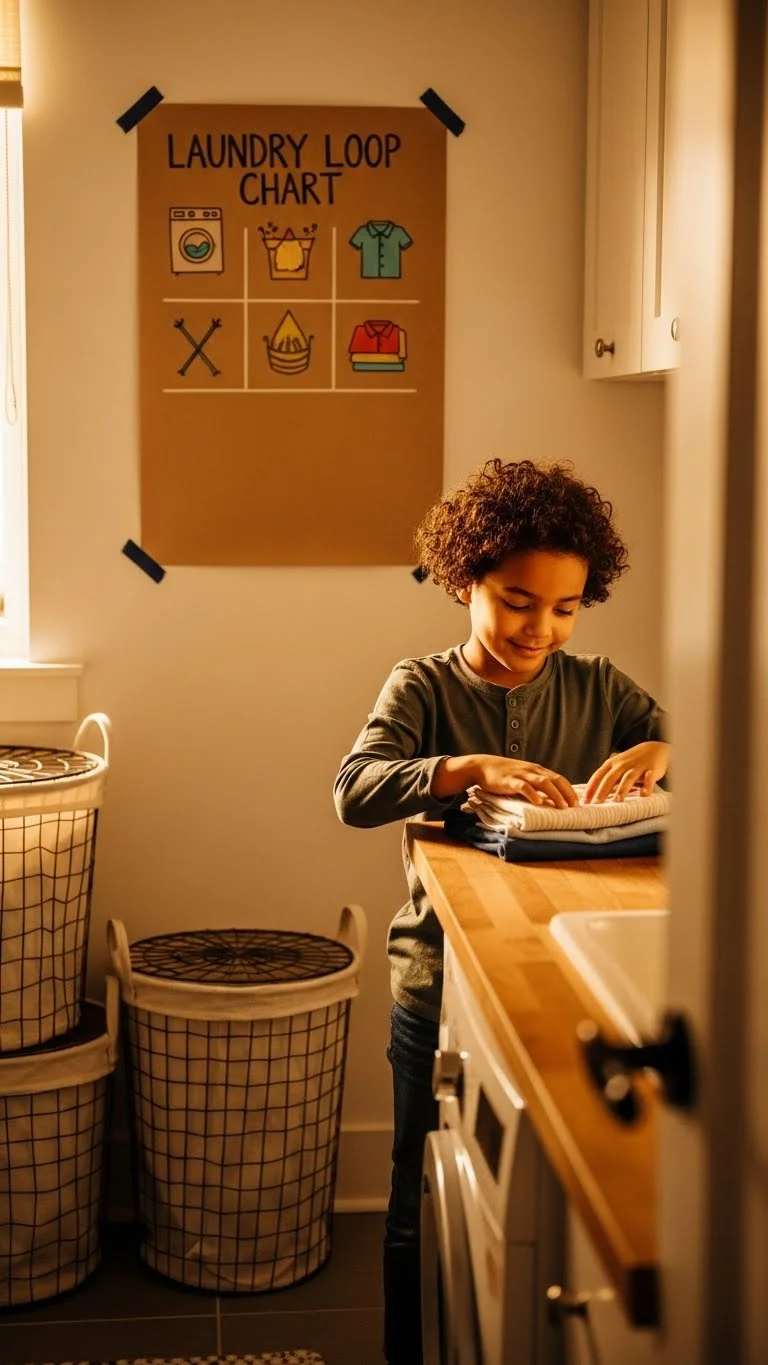
Laundry feels endless when steps get skipped or forgotten. A laundry loop chart breaks the job into clear parts: sort, wash, dry, fold, and put away. Each step gets its own box. When one step is done, it’s checked off before moving on. This keeps clean clothes from piling up in baskets for days. Hang the chart near the washer or inside a closet door. Use a marker and wipe it clean each week. For younger kids, draw small icons like shirts or socks next to each step. This makes it easier to follow. Share tasks among family members. One person sorts. Another folds. A third puts clothes away. This keeps work from landing on one person’s shoulders. This chart doesn’t rush anyone. It just keeps the flow moving. Over time, the full loop becomes a habit instead of a chore that drags on.
12. Reading Minutes Log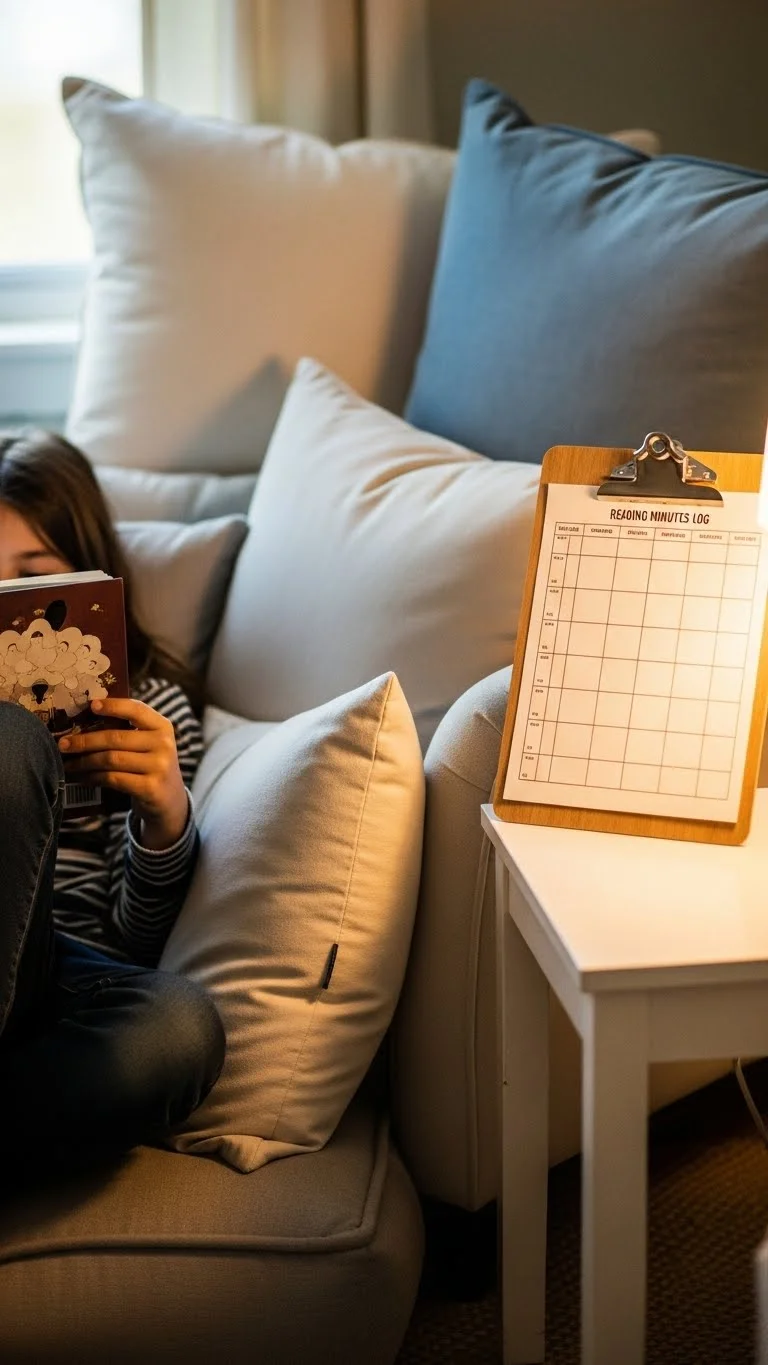
A reading minutes log keeps the focus on time spent with books, not page counts or speed. Draw a simple bar or row of boxes. Each box equals five or ten minutes. When a child finishes a reading session, they shade a box. Place the chart near bookshelves or the bed. Keep crayons or markers nearby. This makes logging feel easy and quick. This style helps kids who read slower or faster feel equal. Everyone fills time, not numbers. It removes pressure and keeps reading relaxed. You can add small goals, like filling one row per day. Rewards don’t have to cost money. Extra story time, choosing the next book, or picking a family movie works well. This chart shows progress in a gentle way. Over weeks, kids see how small sessions add up, and reading starts to feel like a normal part of daily life.
13. Outdoor Play Planner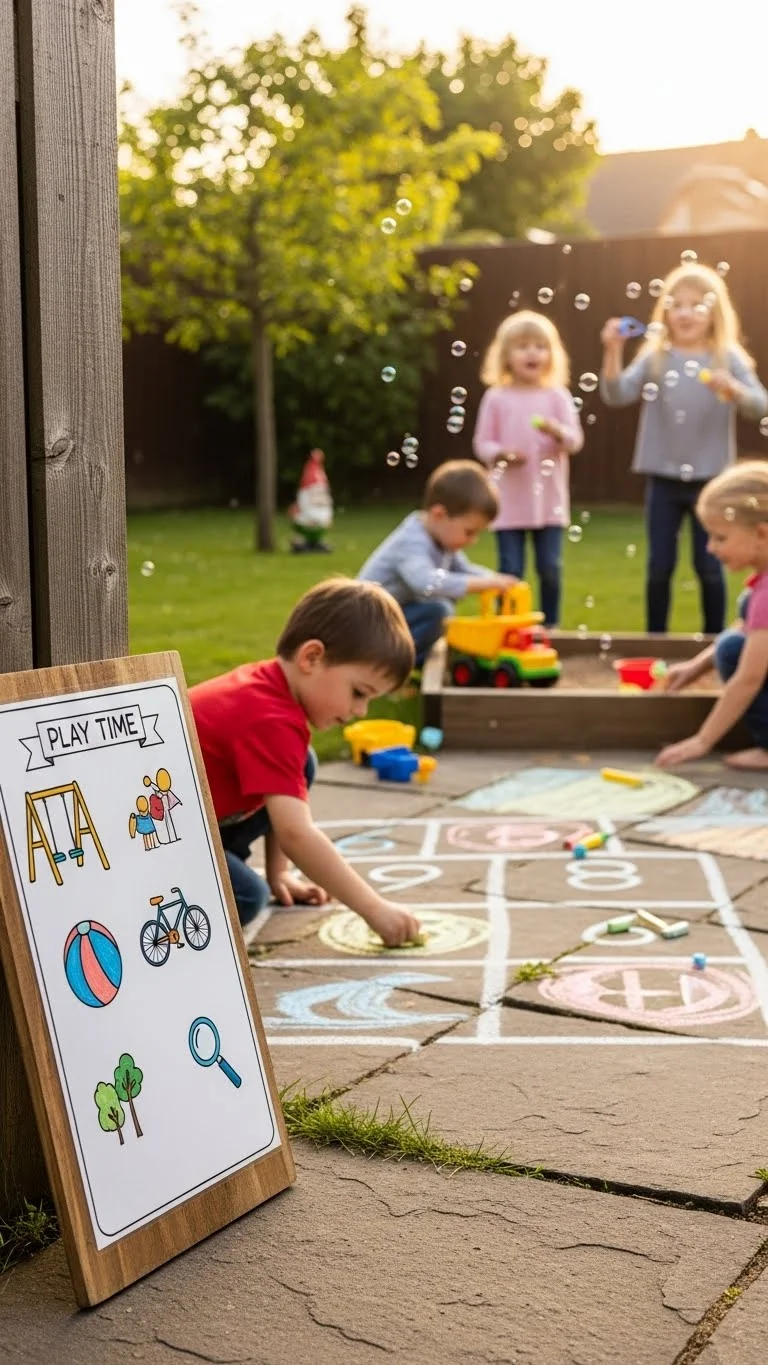
When kids say, “I’m bored,” they often just need ideas. An outdoor play planner gives them choices without screens. Write simple activities like bike riding, chalk art, ball games, or leaf collecting. Place them in a list or grid. Hang the chart near the back door. Each day, kids pick one idea and mark it when done. You can change the list weekly so it stays fun. This works even in small spaces. A balcony can host bubble play. A hallway can hold hopscotch tape lines. No fancy tools needed. Let kids add their own ideas. When they help build the chart, they use it more. This planner keeps movement part of daily life without turning it into a rule. It reminds kids that play doesn’t need much—just a little space and imagination.
14. Snack Station Guide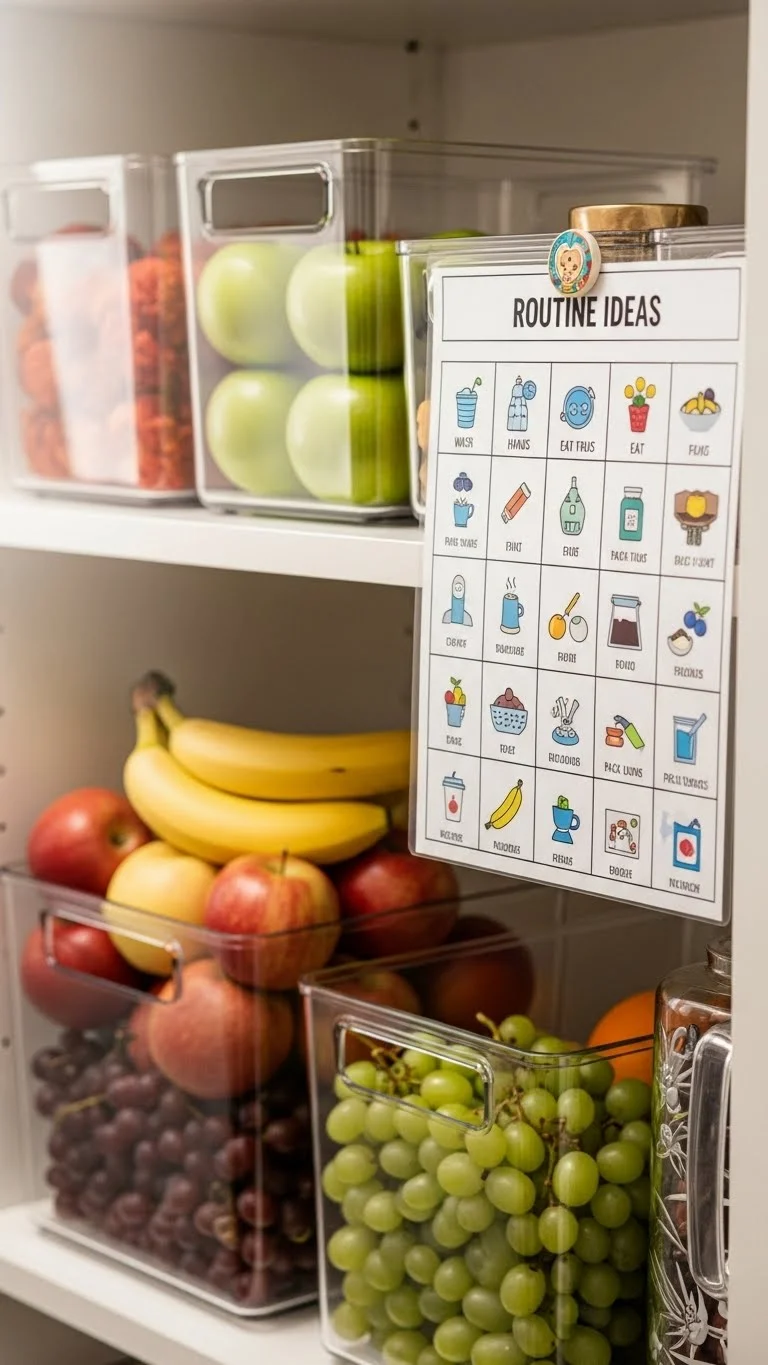
A snack station guide shows kids what they can eat without asking every time. Draw simple pictures of fruits, crackers, yogurt, or homemade treats. Place the guide inside the pantry or fridge door. This gives kids independence and lowers daily questions. It also helps with balance. You can show which snacks are for any time and which are for special moments. Use paper and tape. No labels needed. Update it when snacks change. You can add limits by drawing small circles next to each snack. Kids color one circle when they take something. This keeps sharing fair. This chart turns snack time into a calm moment instead of a debate. Kids learn choice within simple boundaries.
15. Pack-Your-Bag Chart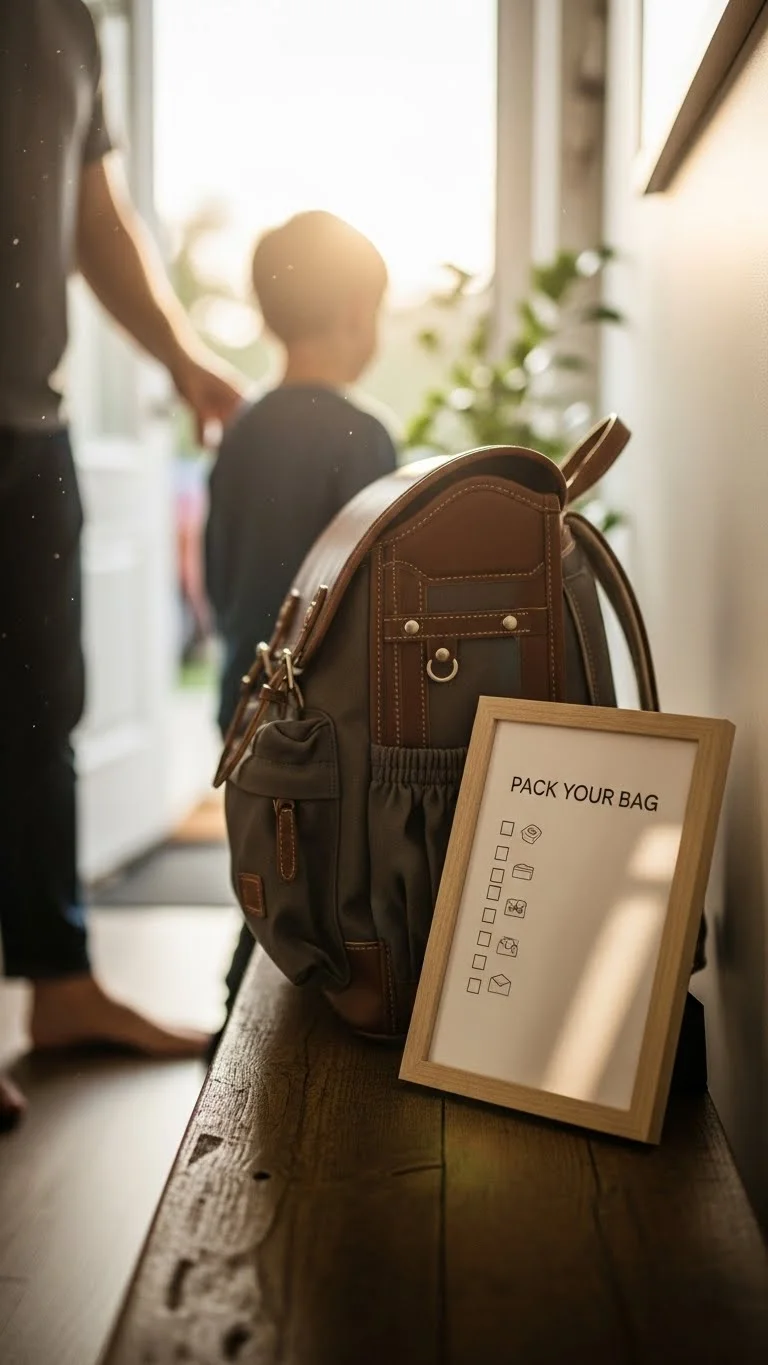
Rushed mornings often lead to forgotten items. A pack-your-bag chart fixes that. List daily basics like lunch, bottle, homework, library book, and jacket. Keep the list short and clear. Hang the chart near the door or backpack hooks. Before leaving, kids check each item. This builds a habit without nagging. Use a laminated sheet and a dry-erase marker. Wipe it clean each evening. For younger kids, add drawings instead of words. For older ones, let them write the list themselves. This chart saves time and stress. Over time, kids stop relying on reminders and start checking on their own
16. Toothbrushing Tracker
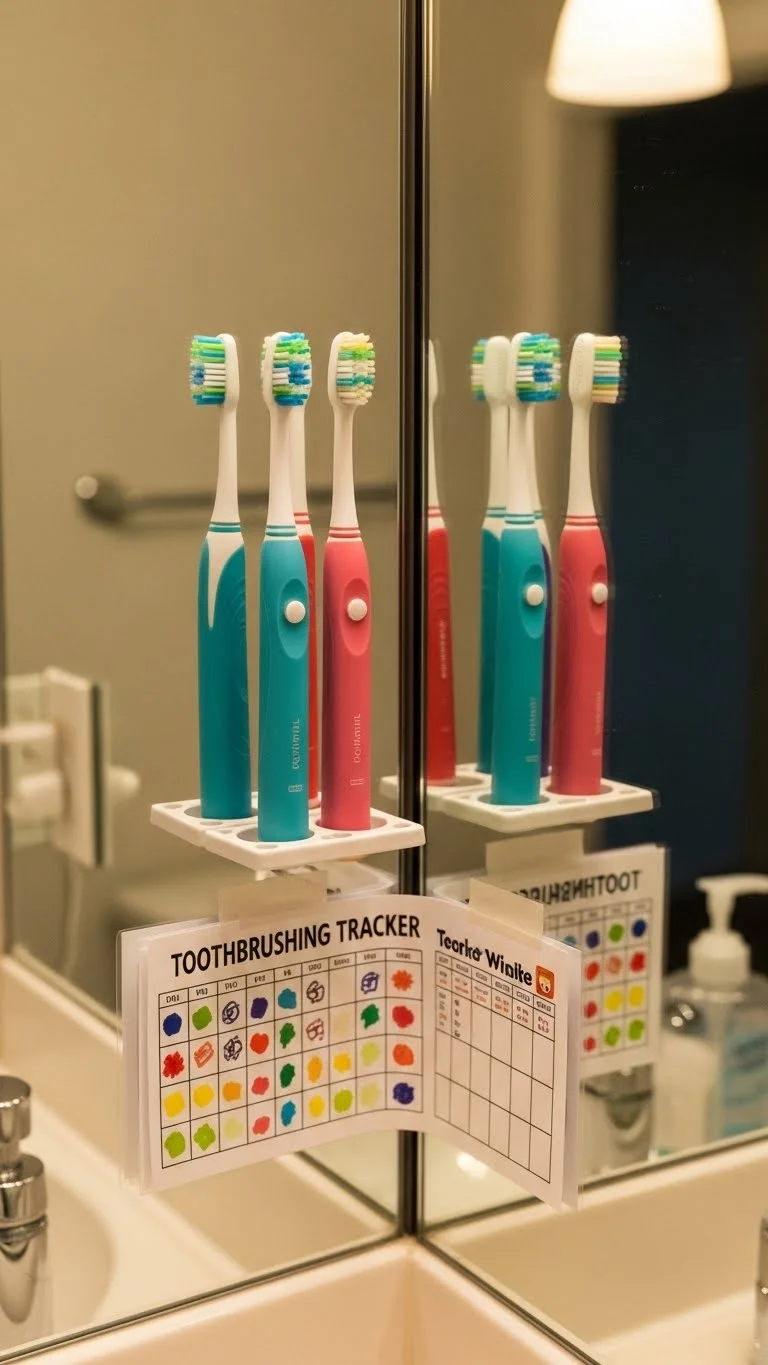 Brushing often gets rushed or skipped. A tracker makes it visible. Draw a grid with days across the top and morning and night on the side. Each time brushing is done, color a square. Tape the chart near the sink or mirror. Keep a marker nearby. This turns a daily task into a quick win. Kids love filling boxes. You can add small weekly rewards like choosing a dessert or bedtime story. No apps needed. Paper works just fine. This chart keeps routines steady without pressure. It’s simple, clear, and easy to follow.
17. Gratitude Notes Wall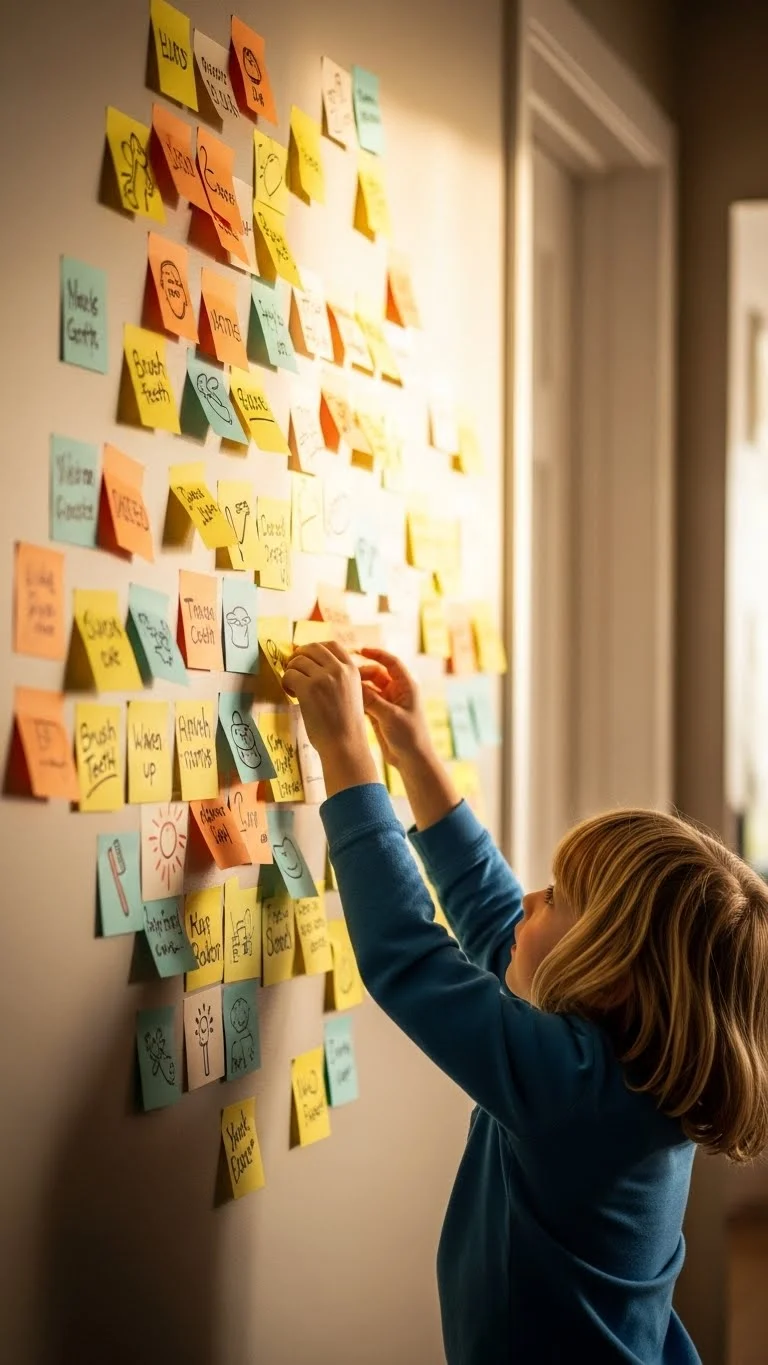
A gratitude wall shifts focus toward small good moments. Use sticky notes or small paper squares. Each day, everyone writes or draws one thing they liked about the day. Stick the notes on a wall, fridge, or board. Keep it casual. One word or picture is enough. Read them together once a week. This often sparks good talks without forcing them. You can use scrap paper and tape. No need for fancy boards. This habit builds awareness. Kids start spotting good moments during the day because they know they’ll write one later. Over time, this wall becomes a record of simple joys, hard days that passed, and memories worth keeping.
18. Weekly Reset Board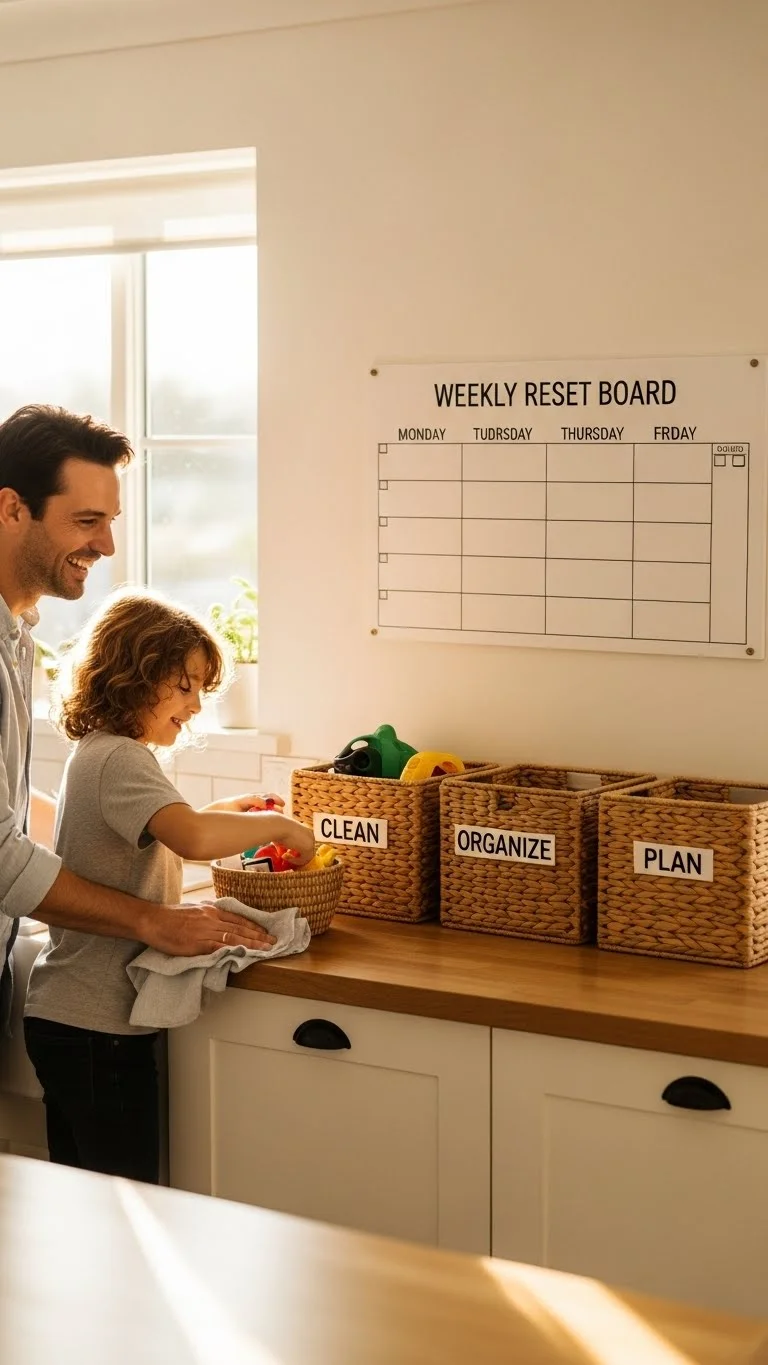
A weekly reset board helps families start the new week without feeling rushed or scattered. This chart lists a few light tasks that prepare everyone for the days ahead. Think simple: refilling water bottles, laying out clothes, clearing backpacks, and tidying shared spaces. Hang the board in the kitchen or hallway. Keep the list short so it feels doable. Each person can take one or two tasks. When a job is done, it gets checked off. You can make this with paper and tape. No special tools needed. Use bright colors so it stands out. This board works well on Sundays or any day that feels calm. It gives the week a soft start and cuts down on Monday stress. Over time, these small resets become second nature.
19. Quiet Time Timer Chart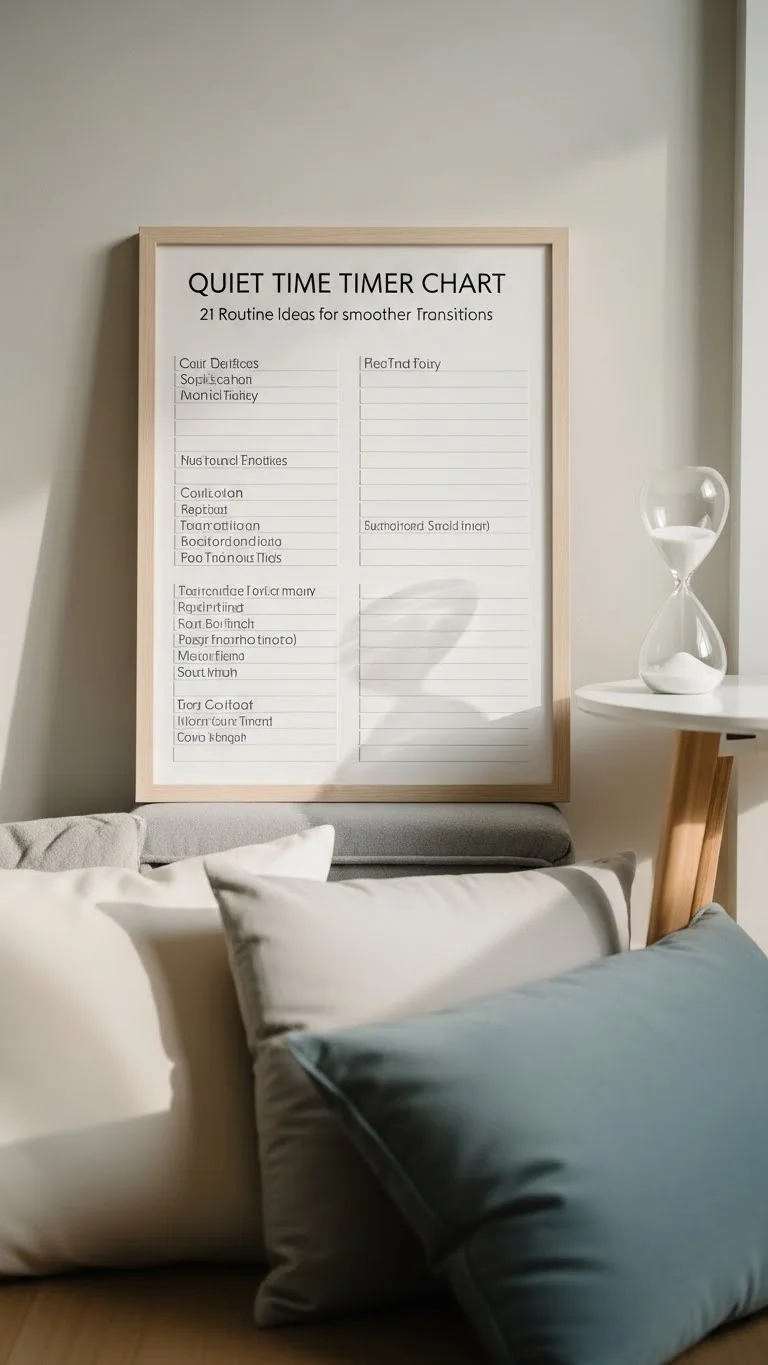
Quiet time can feel unclear for kids. A timer chart shows when it starts and when it ends. Draw a simple bar or circle and shade it as time passes. This helps kids see how long they need to rest, read, or play calmly. Place the chart where quiet time usually happens. Pair it with a sand timer, kitchen timer, or phone alarm. Add a few quiet activity ideas next to the chart, like drawing, puzzles, or looking at books. This removes constant questions like, “Is it over yet?” Kids feel more relaxed when they can see time moving. The chart also helps adults get short breaks without guilt. Everyone benefits from a little calm built into the day.
20. Budget Jar Planner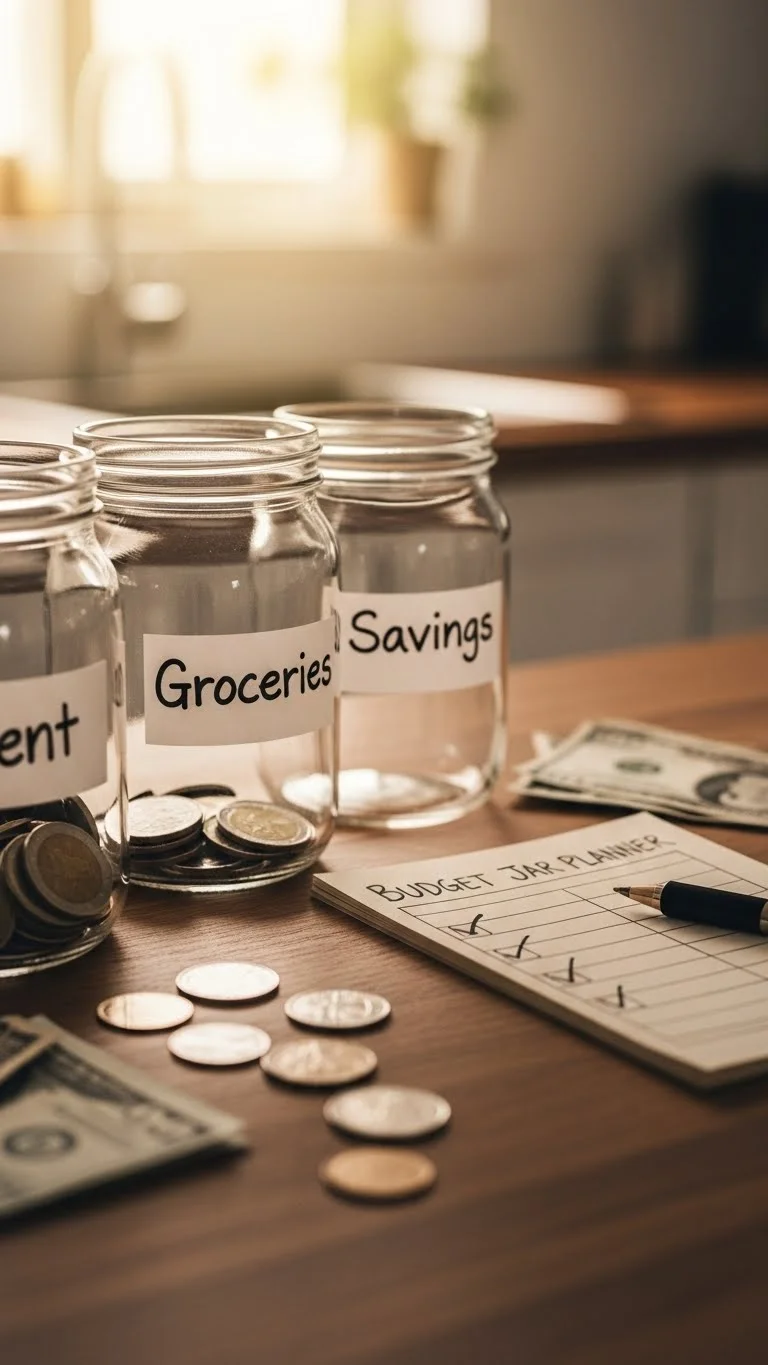
A budget jar planner teaches money habits in a hands-on way. Draw jars on paper or use real ones. Label them with simple goals like snacks, toys, gifts, or saving. Hang the chart near where you keep coins or wallets. Keep it visible so it stays in mind. This method works well for allowances, birthday money, or small rewards. It shows that money has choices, not just spending. Over time, kids learn patience. They see how small amounts grow. The chart keeps money talks simple, clear, and calm.
21. Sleep Log Chart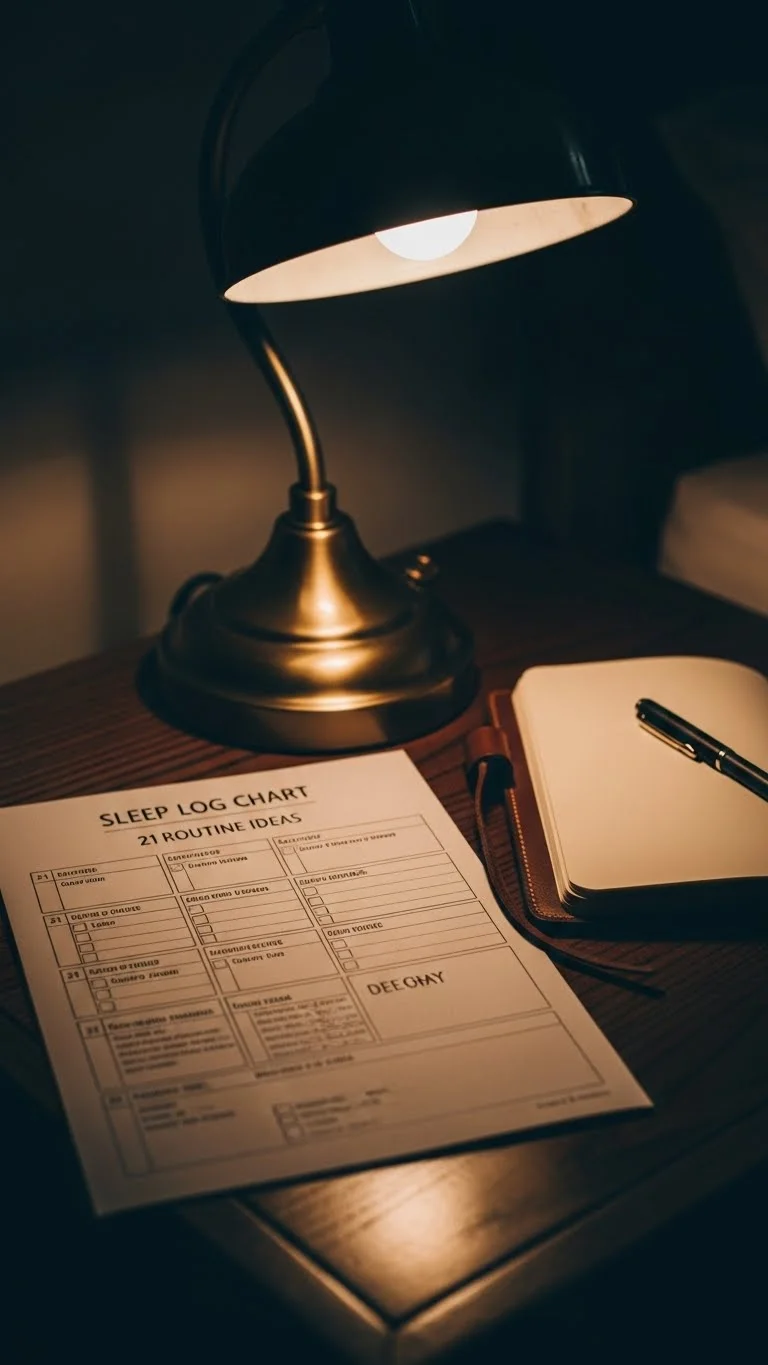
A sleep log chart helps families spot patterns without turning bedtime into a battle. Draw columns for bedtime, wake time, and how the day felt. Use smiley faces or simple symbols. Place the chart near the bed or in the hallway. Fill it in each morning. This makes it easier to notice trends, like late nights leading to cranky mornings. Once patterns are clear, small changes feel easier. You don’t need numbers unless you want them. Visual cues work just fine. This chart keeps sleep talks gentle. It shows that rest affects mood, focus, and energy without lectures. Over time, better sleep becomes a shared goal.
Conclusion
Routines don’t have to feel strict or heavy. When daily habits are shown in simple, visual ways, they become easier to follow and less stressful for everyone. These chart ideas turn common struggles—rushed mornings, forgotten tasks, uneven workloads—into clear steps that make sense at a glance. The best part is that none of them require special tools or extra spending. Paper, markers, and a little wall space are often enough. Start with one chart that fits your biggest pain point. Try it for a few days. Adjust it if needed. Let it grow with your family instead of forcing it to be perfect. Over time, these small systems create smoother days, fewer reminders, and more calm moments. Tiny changes can shape better rhythms, and those rhythms can make home life feel lighter, steadier, and easier to manage.
