

How to Get Kids to Listen the First Time You Ask

Ever feel like you’re repeating yourself all day long? “Put your shoes on.” “Brush your teeth.” “Turn off the TV.” And somehow… nothing happens. You start calm, then louder, then frustrated—until everyone’s upset. Sound familiar? The truth is, most kids can listen the first time. They just need the right cues, clarity, and connection to make it happen. In this guide, you’ll learn simple, practical ways to help your kids listen the first time you ask—without yelling, nagging, or power struggles.
Why Kids Don’t Always Listen the First Time
Before fixing the problem, it helps to understand it. Kids often don’t ignore instructions on purpose. They may be:
- Deeply focused on play
- Overstimulated or tired
- Confused about what you want
- Feeling controlled instead of guided
- Used to being asked multiple times
If your child expects you to repeat yourself, they’ll wait for the second or third reminder. That’s a learned habit—and the good news is, habits can change.
Step 1: Get Their Attention First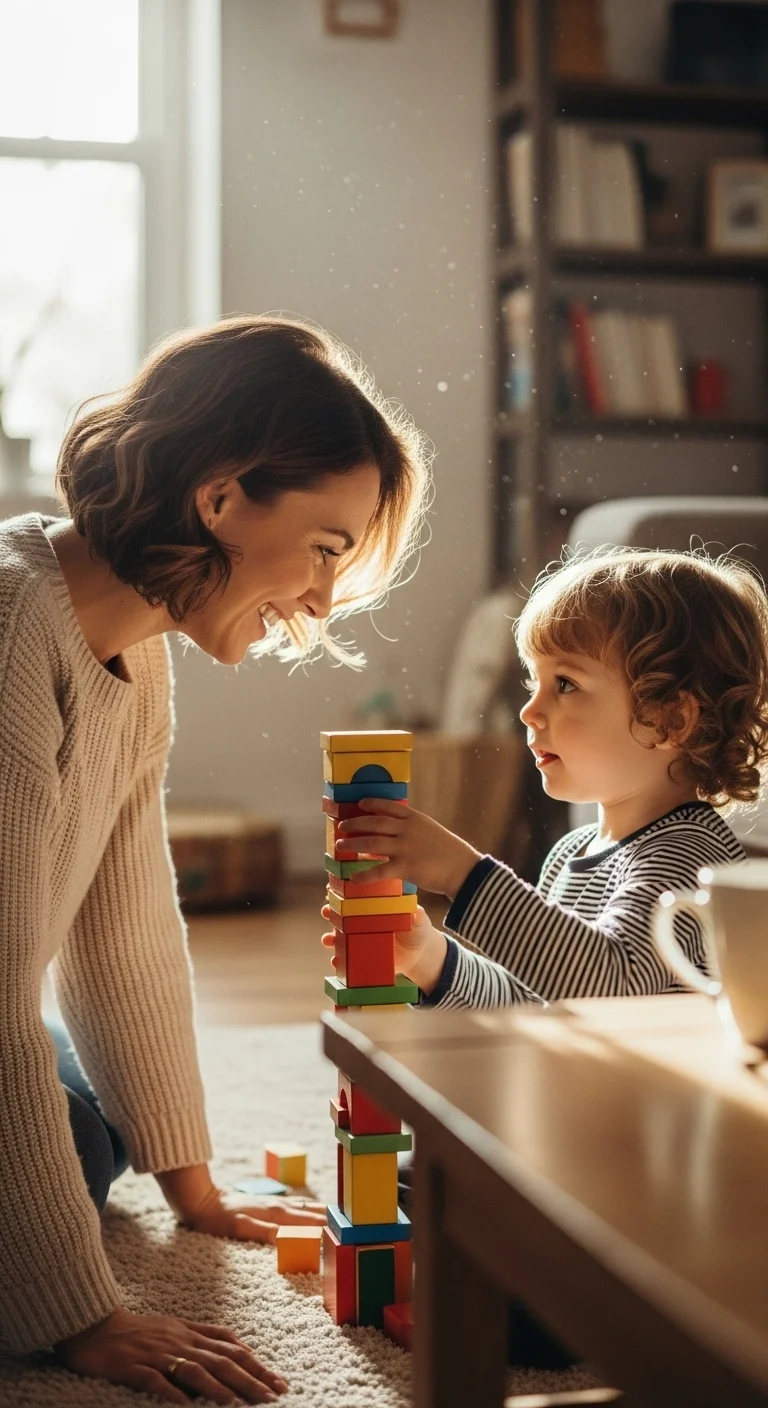
Shouting instructions from across the house rarely works. Kids need your presence before they can process your words.
Try this instead:
- Walk over to them
- Gently touch their shoulder or hand
- Make eye contact
- Say their name first
This small moment of connection makes a huge difference. When you have their attention, your words are far more likely to stick.
Step 2: Use Clear, Simple Language
Kids tune out long explanations. The clearer and shorter your request, the better.
Instead of:
❌ “Okay, so in a minute, I want you to stop what you’re doing, clean this whole area, and then we’ll talk about dinner.”
Try:
✅ “Please put the blocks in the bin now.”
Clear. Direct. Simple.
Bonus tip:
Tell them what to do, not just what not to do.
- ❌ “Don’t run.”
- ✅ “Walk, please.”
Step 3: Give One Instruction at a Time
Multiple instructions overwhelm kids. They might only hear the first part—or none at all.
Instead of:
“Put your shoes away, wash your hands, and come to the table.”
Break it down:
- “Put your shoes away.”
- (After that’s done) “Now wash your hands.”
This helps kids succeed instead of shutting down.
Step 4: Use a Calm, Confident Voice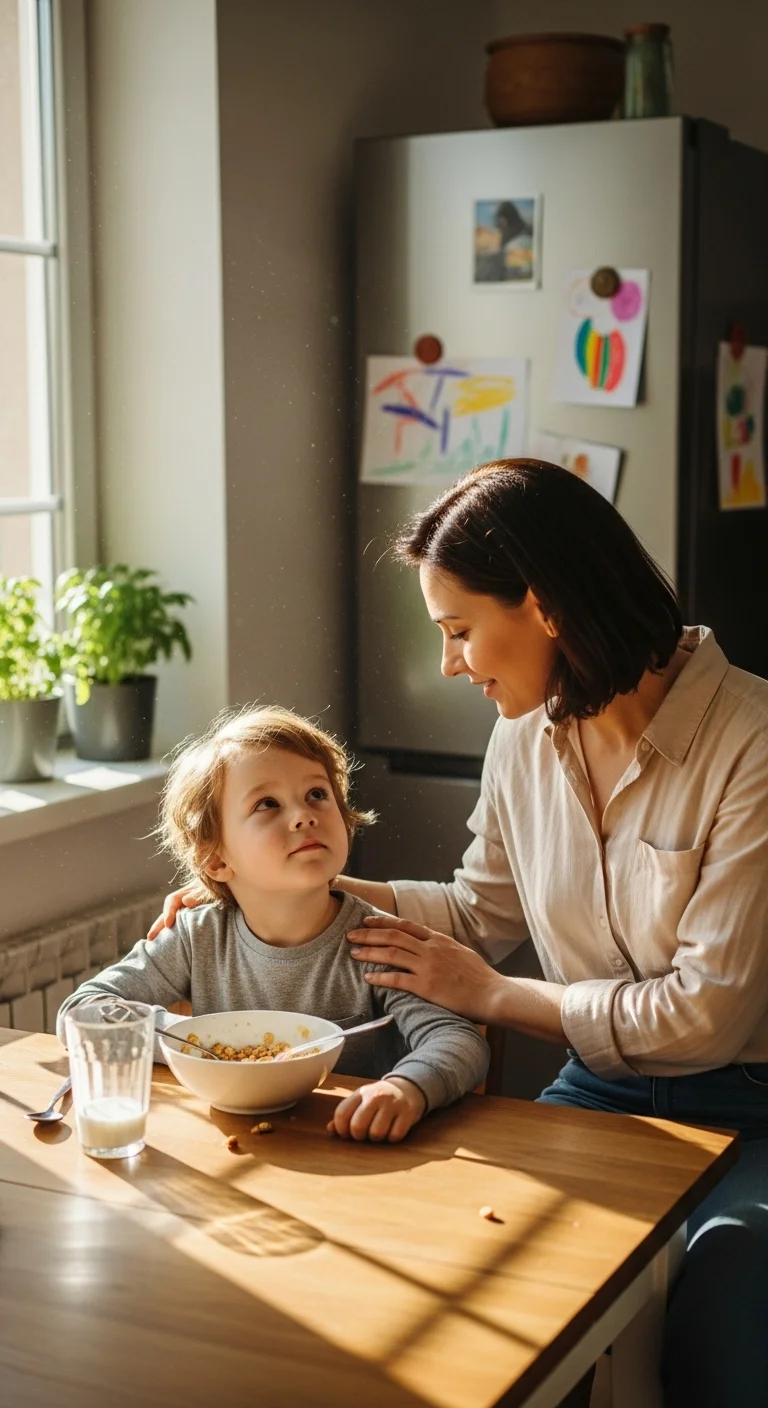
Yelling may get fast results, but it doesn’t teach good listening—it teaches fear, stress, and resistance. A calm, firm voice works better than a loud one.
Think:
“I expect you to listen, and I believe you can.”
Kids respond more to confidence than volume.
Step 5: Set Clear Expectations Ahead of Time
Kids listen better when they already know what’s coming.
Try giving a heads-up:
- “In 5 minutes, it’s time to clean up.”
- “After this episode, we’re turning off the TV.”
- “When we get home, shoes go on the rack.”
This reduces resistance because kids feel prepared—not surprised.
Step 6: Follow Through Consistently
If kids learn that you’ll eventually repeat yourself, they’ll wait.
The key? Follow through after the first ask.
That doesn’t mean punishment. It means:
- Walking them to the task
- Helping them start
- Removing distractions
For example:
If you ask them to put toys away and they don’t, walk over, point to the toy bin, and say, “It’s time to clean up now.” Consistency builds trust—and better listening.
Step 7: Use Positive Reinforcement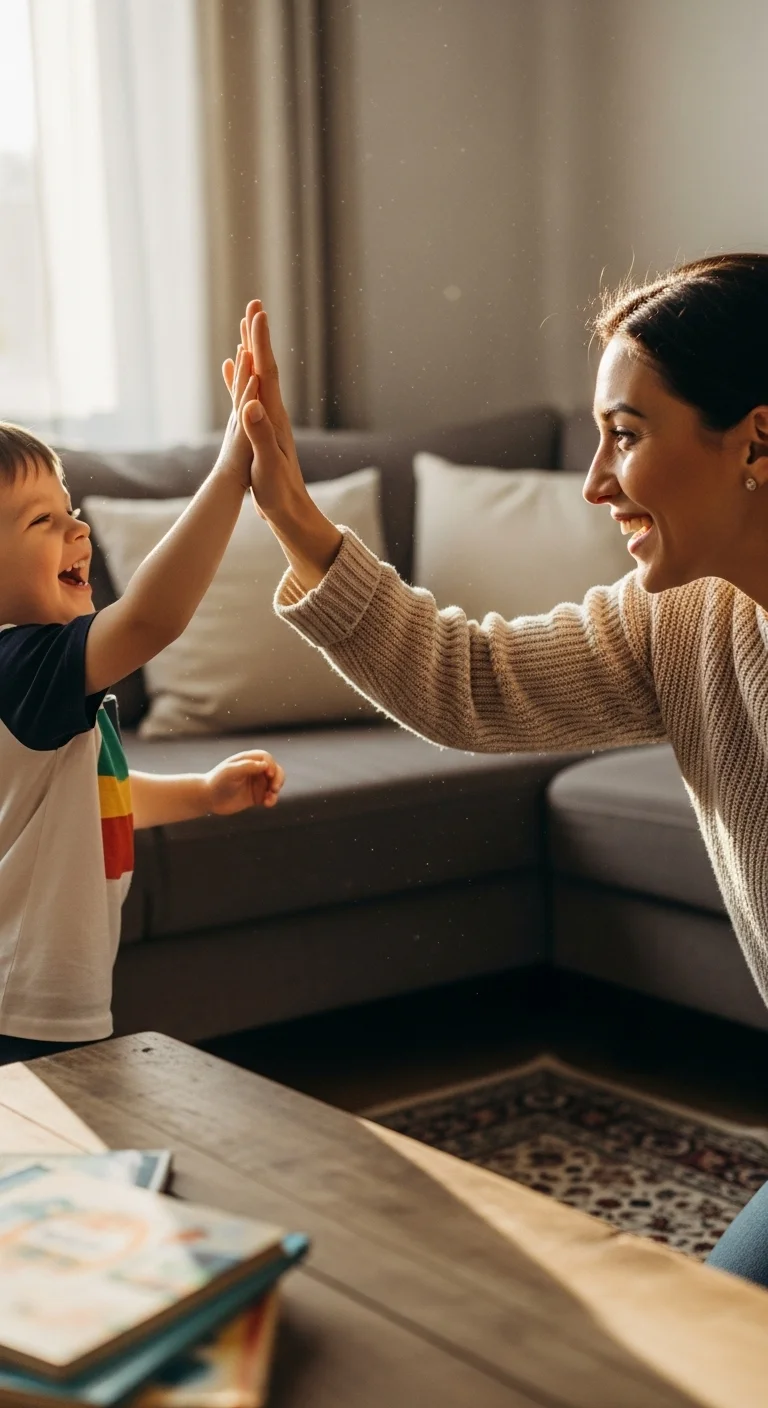
When kids listen the first time, notice it.
Say things like:
- “I love how you listened right away!”
- “Thank you for doing that the first time I asked.”
- “That was so responsible of you.”
This encourages them to repeat the behavior. Praise works best when it’s specific. Instead of just “Good job,” say what they did right.
Step 8: Turn Instructions Into Routines
Routines reduce the need for reminders.
Examples:
- Morning routine chart
- Bedtime sequence
- After-school routine
Step 9: Make It Fun When Possible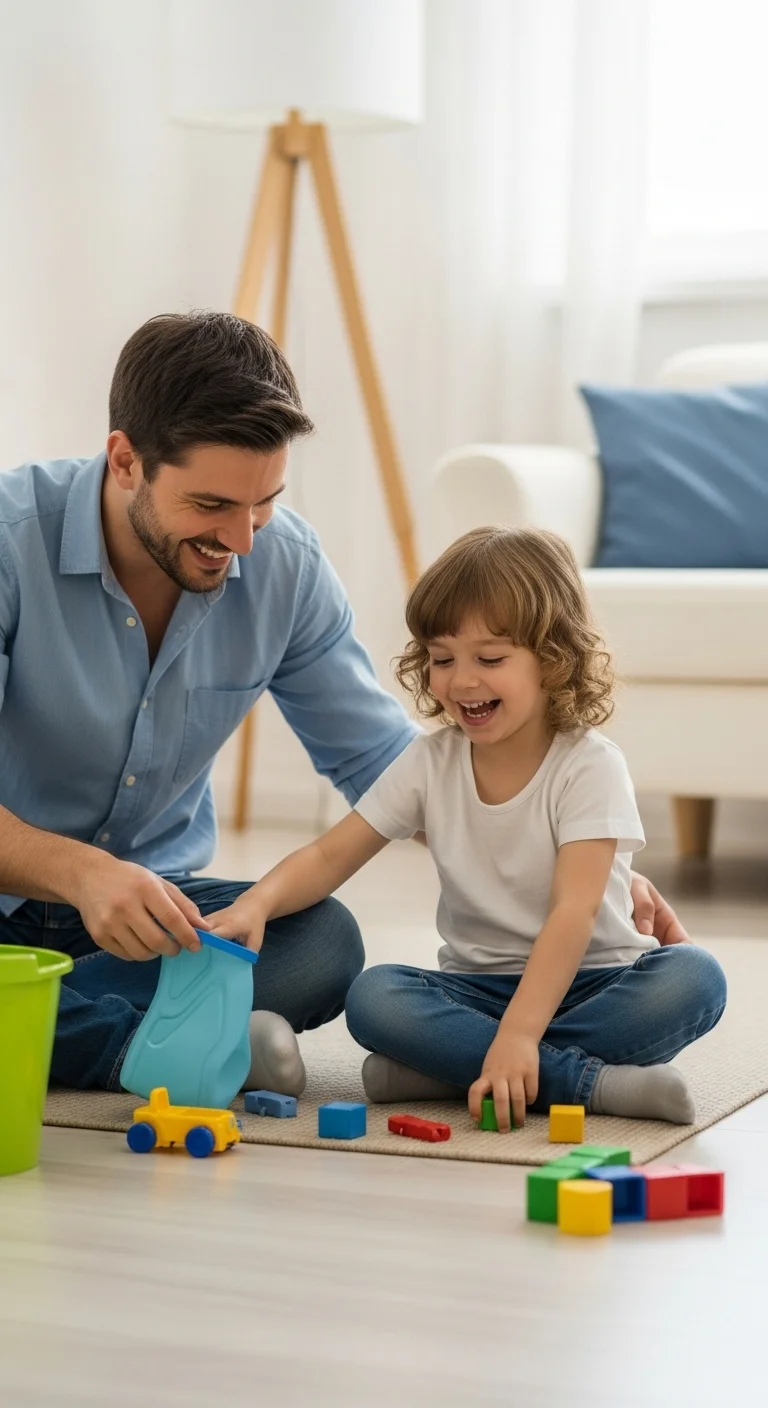
Not everything has to be serious.
You can:
- Race to clean up
- Sing a cleanup song
- Use silly voices
- Set a timer challenge
Fun lowers resistance and increases cooperation.
Step 10: Model the Behavior You Want
Kids copy what they see.
If you want calm listening, show calm speaking.
lass=”yoast-text-mark” />>If you want respect, show respect.
>If you want focus, limit distractions when talking to them.
Your actions teach more than your words.
Final Thoughts: Listening Is a Skill, Not a Switch
Kids aren’t born knowing how to listen the first time—it’s a skill they learn through guidance, connection, and consistency.
Start small:
✔ Get their attention
✔ Speak clearly
✔ Follow through
✔ Praise good listening
You don’t need to be perfect. Just consistent.
💡 Your Turn: Try one or two of these tips today. Notice what works best for your child—and build from there. Better listening starts with small, simple changes.
