

26 Baby Feeding Tips for Stress-Free Mealtimes

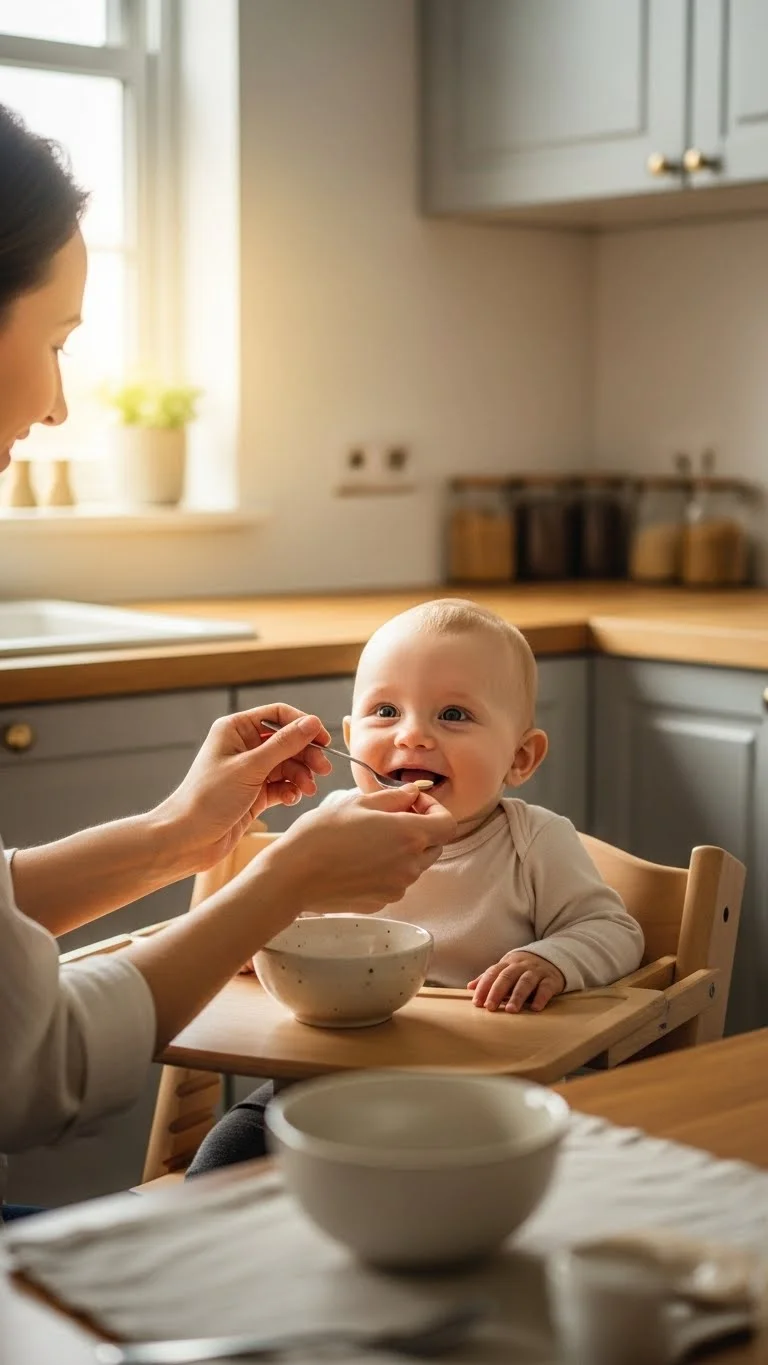 Mealtimes with a baby can feel messy, noisy, and full of guesswork. One day your little one loves mashed bananas. The next, they fling the spoon across the room. That’s completely normal. Feeding is about learning, not perfection. These tips focus on simple habits that help you stay calm, save money, and create happy food moments. No pressure. No fancy gear. Just small steps that fit real homes, real budgets, and real babies.
- Start with a Simple Routine
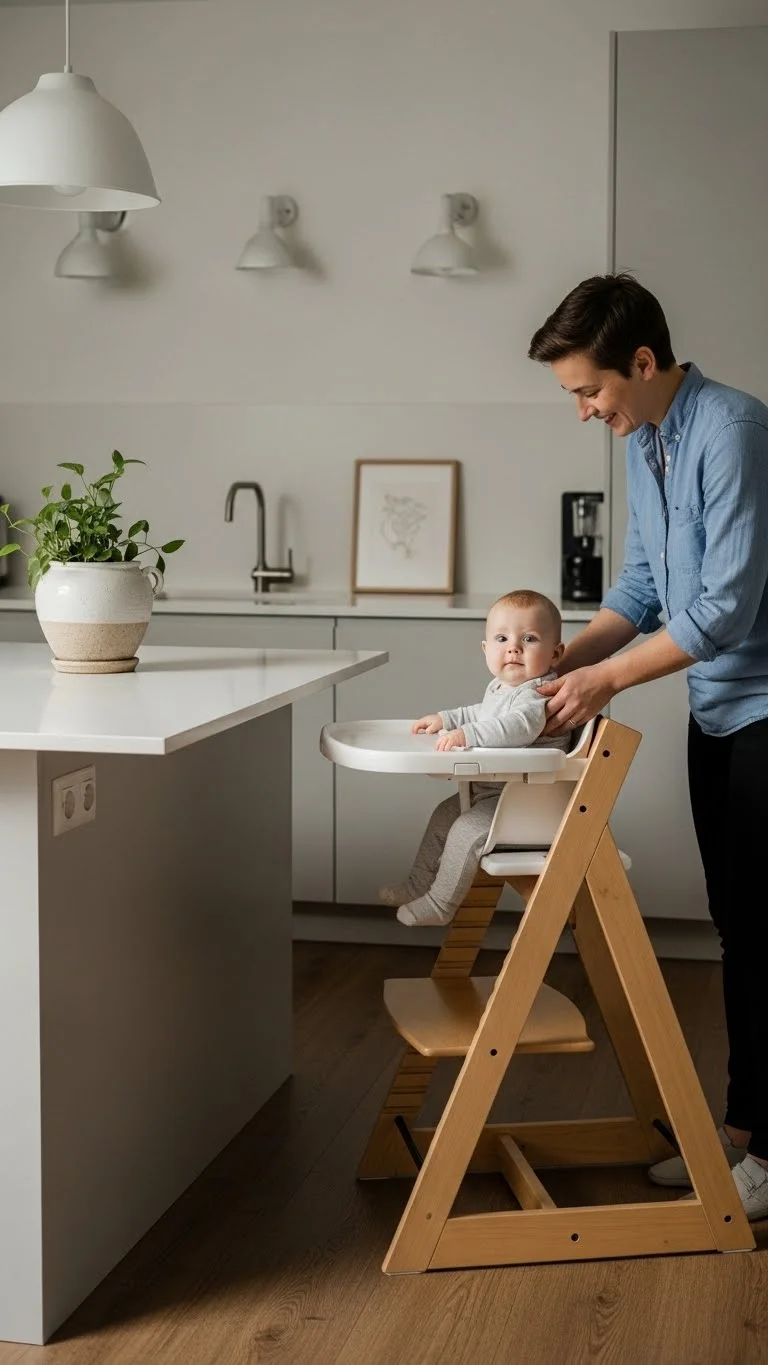
Babies thrive on patterns. A steady feeding time helps them relax. Try to serve meals around the same hour each day. You don’t need a strict clock—a loose rhythm works just fine. Use small cues like washing hands, wiping the table, and sitting together. Over time, your baby may fuss less because they know what’s coming. Missed routines? Don’t stress. Just return to it the next day. Routine doesn’t mean boring—you can change foods and textures, just keep the order of events consistent.
- Let Baby Touch the Food
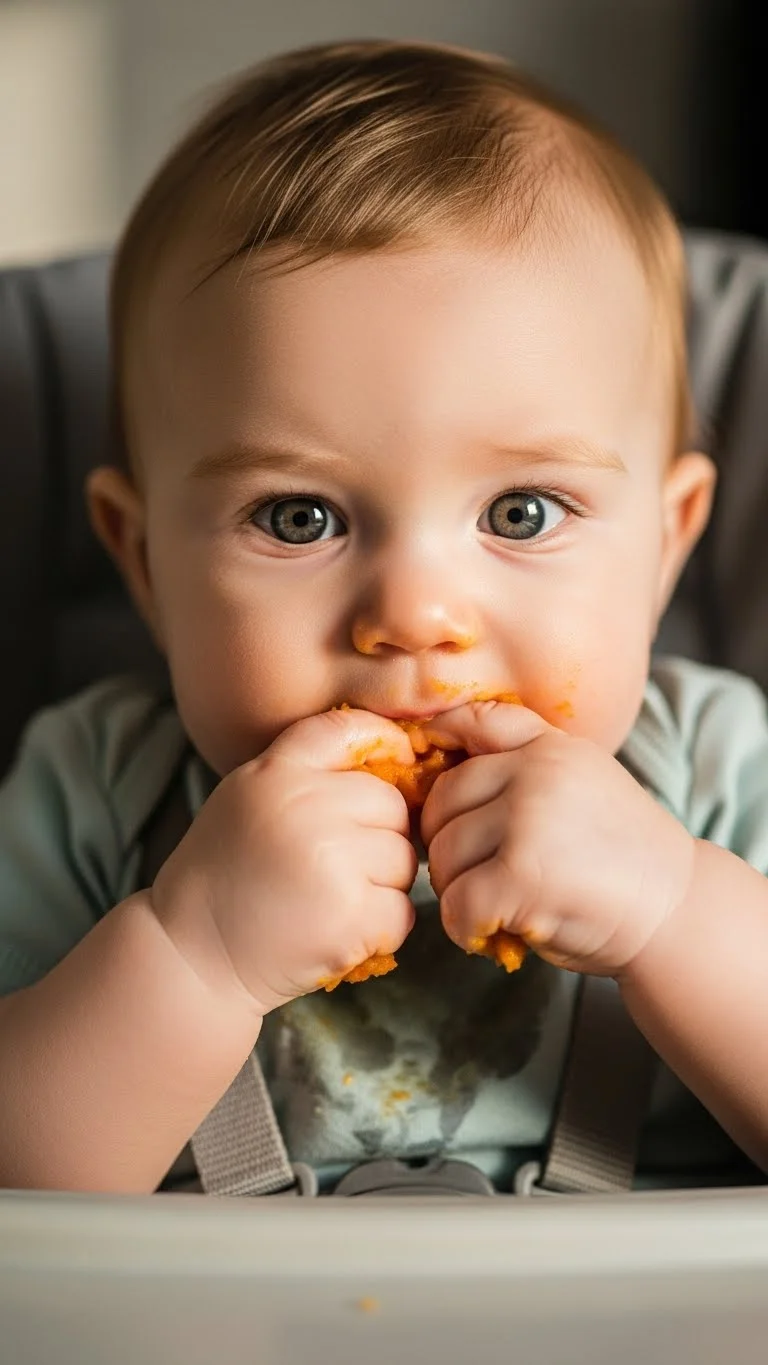
Mess is not a mistake—it’s part of how babies learn. When your baby touches food, they explore its texture, temperature, shape, and smell. This hands-on experience helps them feel more comfortable with new foods over time. A baby who is allowed to squish, smear, and grab is often less afraid to taste later. Start by placing a very small amount of food on the tray. A spoonful is enough. Let your baby poke it, flatten it, or even drop it. This is not wasted food—it’s learning. Keep a soft cloth nearby so you can wipe hands gently without interrupting their curiosity. If you worry about cleanup, place an old newspaper, towel, or washable mat under the chair. This makes the mess feel more manageable. Remember, neatness is not the goal right now. Confidence is. When babies are allowed to explore food freely, they feel less pressure to “perform.” Over time, this playful approach can reduce picky eating and food anxiety. Let curiosity guide the process.
- Keep Portions Tiny
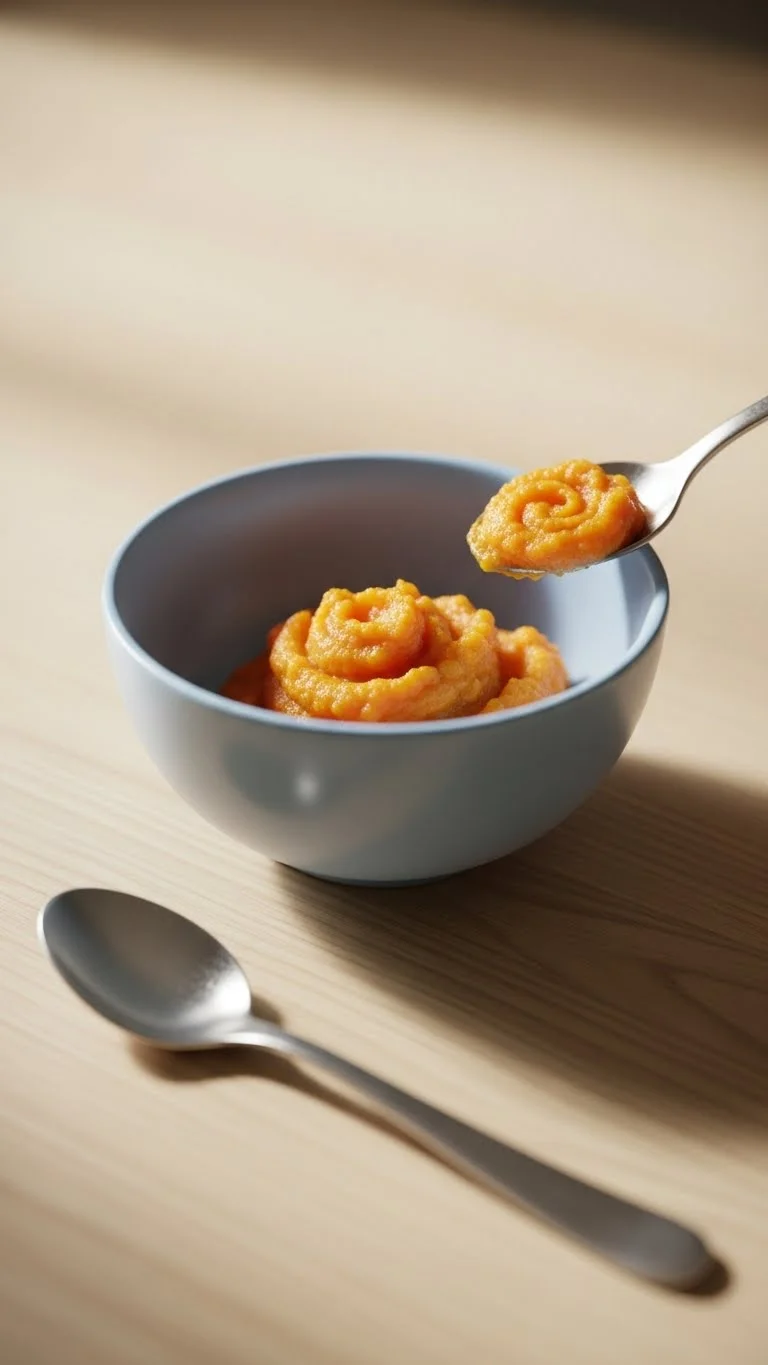
Large portions can feel overwhelming to a baby. A full bowl may look exciting to us, but to a new eater, it can be confusing or stressful. Tiny portions help your baby feel safe. Start with one or two spoonfuls at a time. This makes the experience feel gentle instead of demanding. Small portions also reduce waste. If your baby rejects the food, you haven’t thrown away much. If they like it, you can always add more. This gives you flexibility and keeps food fresh and warm. Using smaller bowls, lids, or cups can make a big difference. You don’t need special baby dishes—any small, clean container works. The goal is to make food feel approachable. Tiny servings also help you learn what your baby prefers. You’ll start to notice patterns: what textures they like, which flavors they accept, and when they get full. This builds trust between you and your baby. Remember, meals are about exploration, not finishing plates. Less pressure creates happier mealtimes.
- Eat Together When Possible

Babies learn by watching. When they see you eating, chewing, and enjoying food, they naturally want to copy you. This is one of the easiest ways to encourage healthy eating habits. You don’t need to sit down for a full meal—just being nearby with a snack or drink helps. Eating together also makes your baby feel included. Instead of feeling like feeding is something being done to them, it becomes something shared. This emotional connection can reduce fussiness and resistance. Talk gently about what you’re eating. Smile. Use calm movements. Babies pick up on your energy more than your words. If your schedule is busy, aim for at least one shared meal per day. Breakfast often works well because everyone is less tired. This small habit builds comfort, routine, and trust. Over time, your baby will associate food with warmth, connection, and safety—not pressure.
- Use Soft, Easy Textures
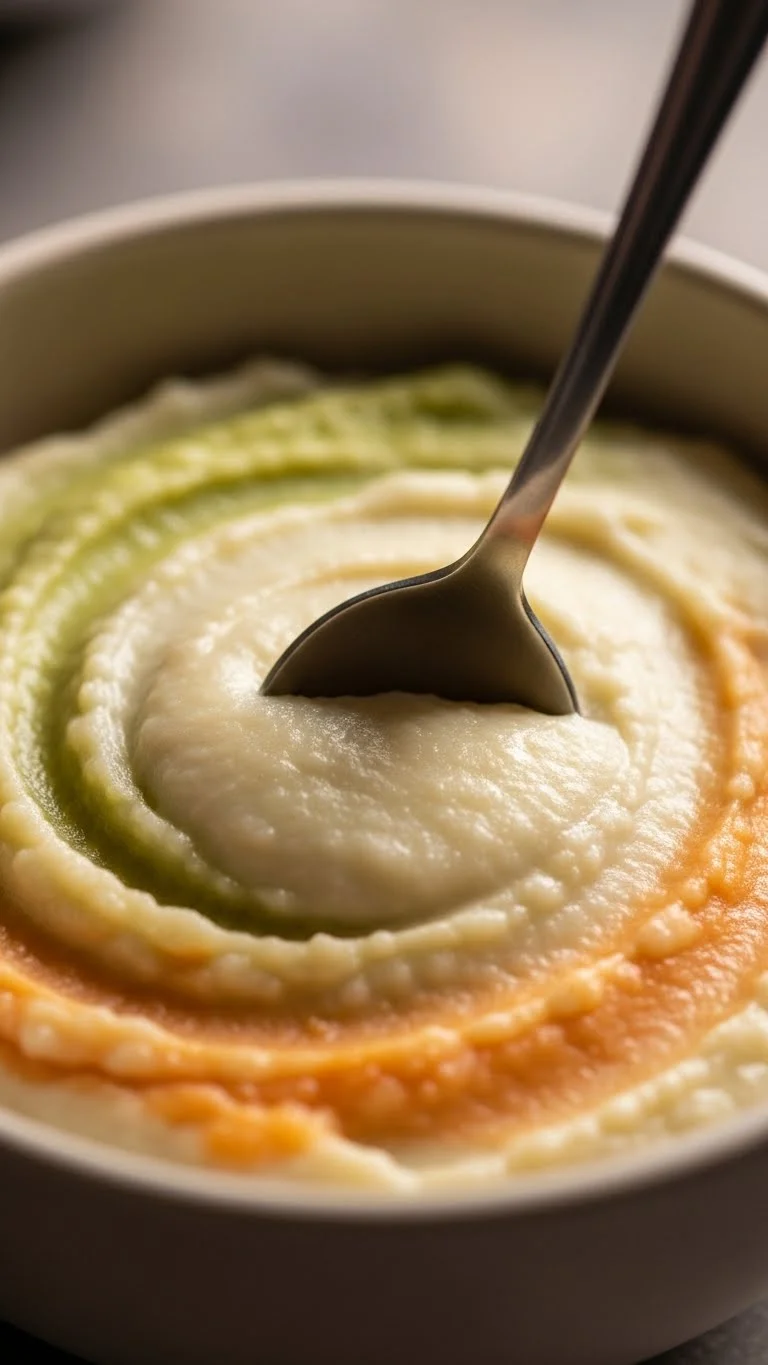
When babies first start eating solids, their mouths are still learning how to move food around. Soft textures make this process easier and safer. Foods like mashed banana, soft rice, yogurt, or mashed vegetables are great starters. You don’t need a blender or expensive tools. A simple fork works fine. If the food feels too thick, add a little warm water or milk to thin it out. Watch your baby’s reactions. Gagging doesn’t always mean dislike—it often means the texture is new. If it happens often, try smoother textures next time. Move slowly. Texture changes should happen gradually. For example, go from smooth mash to slightly lumpy before offering small soft chunks. Comfort builds confidence. When babies feel safe with texture, they’re more willing to try new flavors.
- Offer Water in a Small Cup
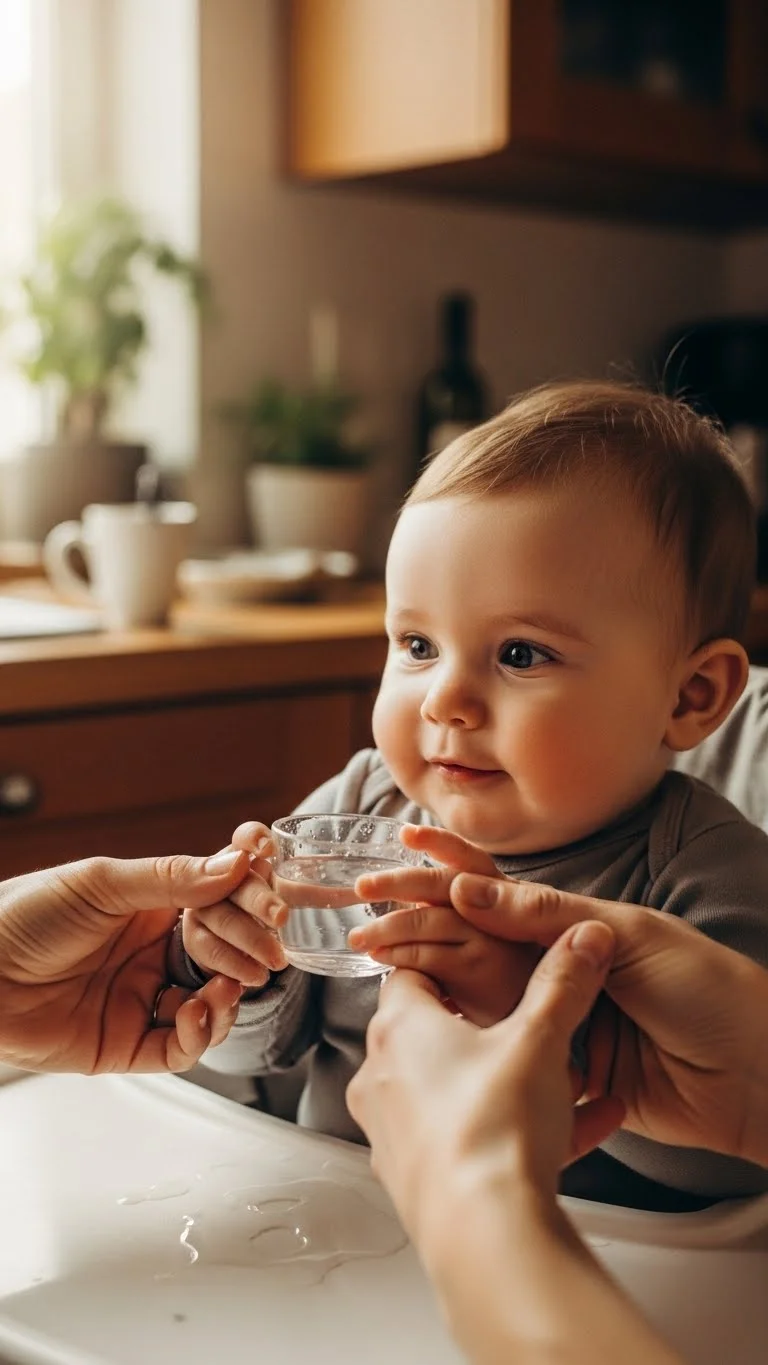
Learning to drink from a cup is a skill, and like all skills, it takes practice. Start with a small open cup instead of fancy sippy cups. Fill it with just a tiny amount of water. Spills will happen. That’s normal. Place a towel under the chair and expect some mess. The goal is learning—not perfection. Using a simple plastic or steel cup works just fine. There’s no need for expensive products. Offering water with meals helps babies get used to different tastes and supports healthy habits early on. It also helps rinse the mouth between bites. Be patient. Guide their hands gently if needed, but let them try. Confidence grows through experience.
- Stay Calm During Refusals
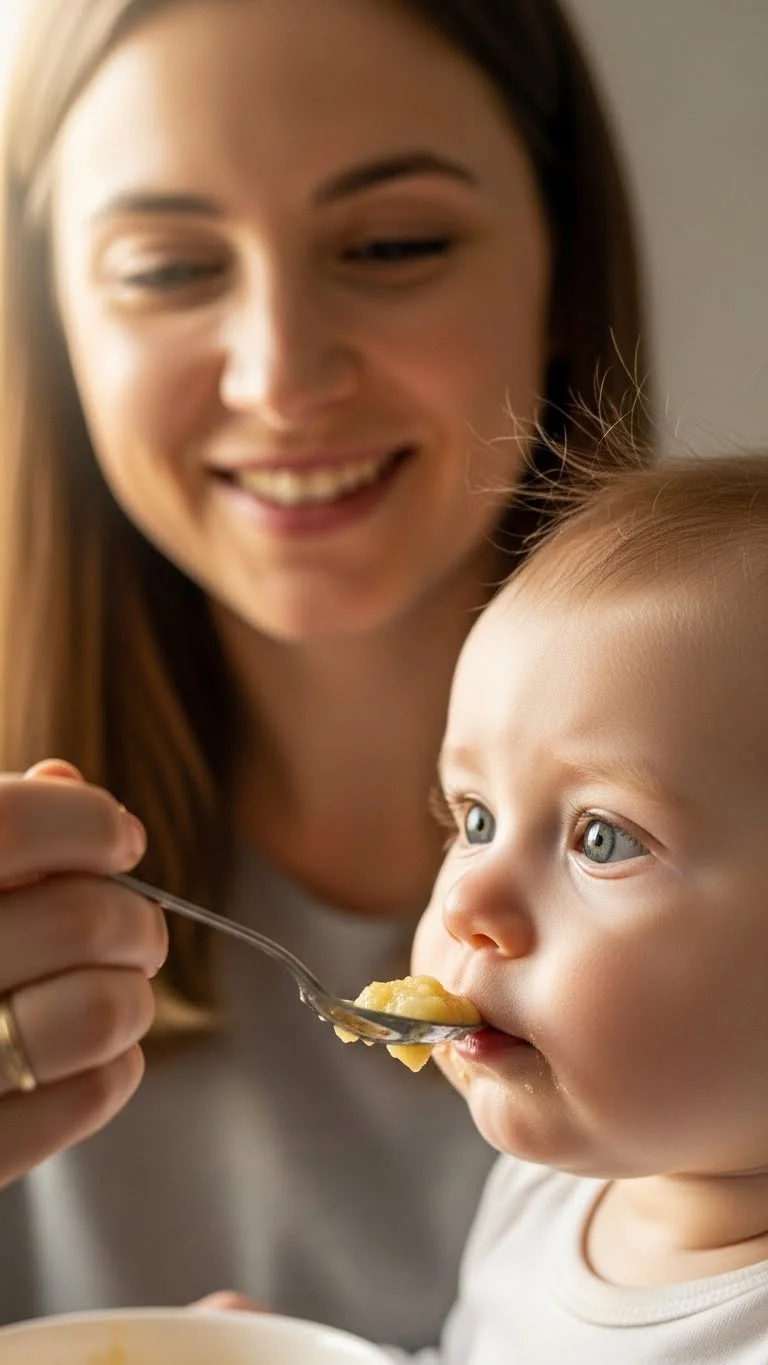
Food refusal is completely normal. One day your baby might love a food, and the next day they refuse it. This does not mean you are doing anything wrong. Babies are learning independence, and saying “no” is part of that process. When you stay calm, you teach your baby that food is safe, not stressful. If your baby turns away, closes their mouth, or pushes the spoon away, pause. Don’t force it. Try again later or another day. Pressure can make babies more resistant. A relaxed tone, gentle voice, and patient attitude can make a huge difference. Trust grows slowly. When babies feel respected, they become more open to trying new things over time.
- Try One New Food at a Time
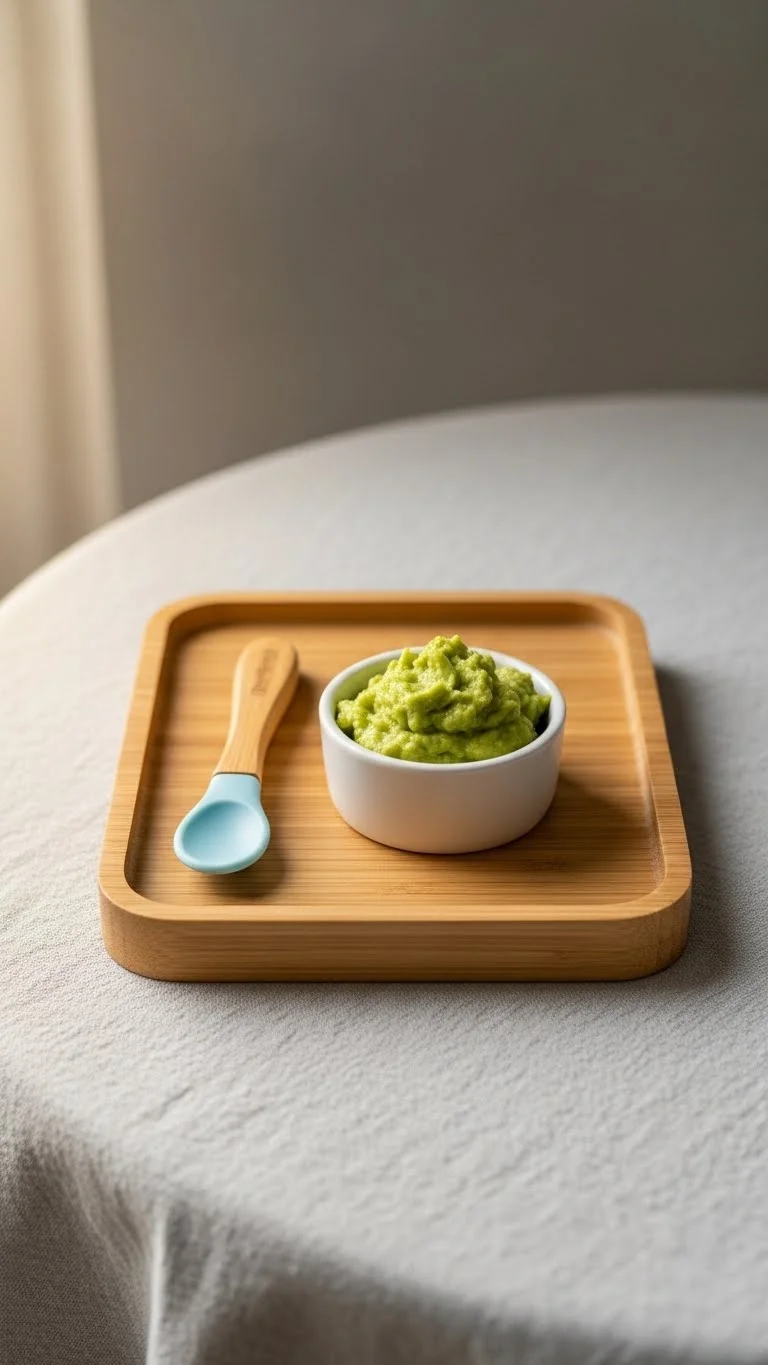
New foods can feel strange to a baby. Introducing one new item at a time makes it easier for them to adjust. It also helps you notice reactions—both physical and emotional. Pair new foods with familiar favorites. For example, offer a new vegetable alongside a food they already like. This makes the meal feel safer. If your baby refuses, don’t give up. Some babies need 8–15 tries before accepting a new food. Wait a few days and try again. Avoid mixing too many new flavors at once. Simple meals help babies focus and explore. Patience is powerful. Repeated gentle exposure builds comfort and curiosity.
- Use a Comfortable High Chair
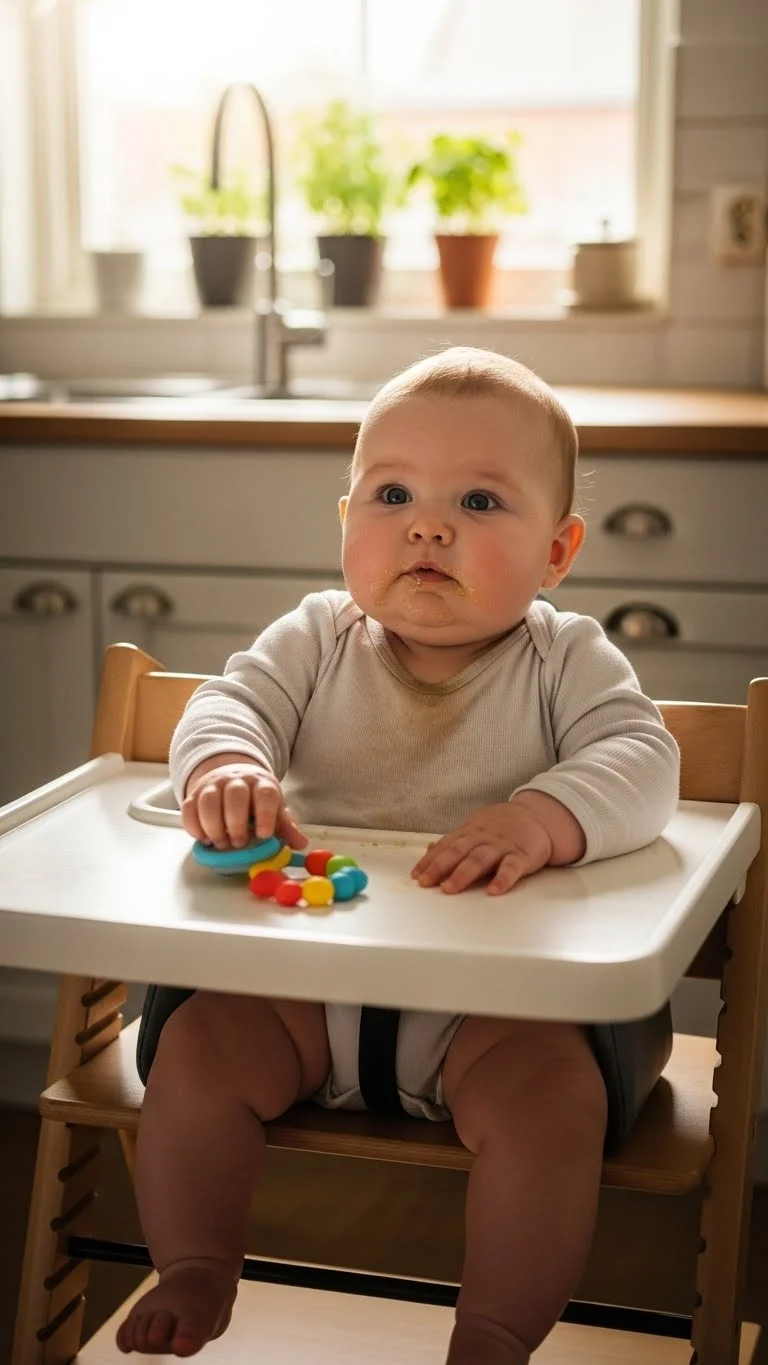
Comfort plays a big role in how well a baby eats. If your baby is slouching, slipping, or uncomfortable, they may fuss or lose interest quickly. A good feeding position means sitting upright, with feet supported. This helps with swallowing and focus. You don’t need an expensive chair. A rolled towel behind the back or under the feet can improve posture. Always check straps for safety. When babies feel stable, they can focus on learning how to eat instead of trying to balance. Comfort builds confidence—and confident babies explore more.
- Keep Mealtimes Short
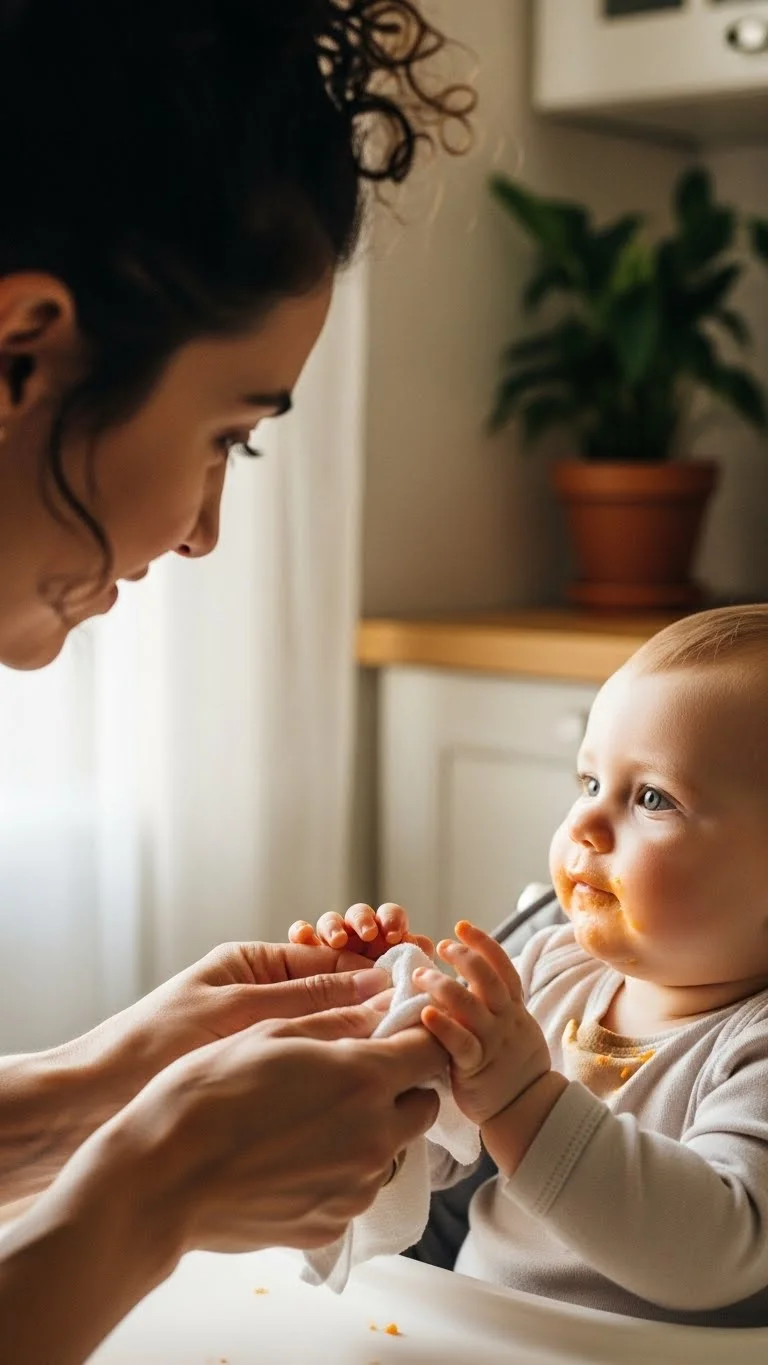
Babies have short attention spans, especially when they are learning a new skill like eating. Long meals can make them tired, cranky, or overwhelmed. A good goal is about 15–20 minutes per meal. This keeps things light, positive, and pressure-free. When your baby starts turning their head away, pushing food, or playing instead of eating, those are signs they may be done. Ending the meal at this point helps prevent frustration for both of you. Remember, stopping early does not mean failure. It simply means your baby has had enough for now. Short meals also make it easier for you to stay calm. You won’t feel stuck at the table trying to get “one more bite.” Instead, food becomes something enjoyable, not stressful. If your baby seems hungry later, you can always offer a small snack or another meal. Flexibility is key. Over time, your baby will naturally start eating a little more as their skills and appetite grow. Happy meals don’t need to be long—just peaceful.
- Let Baby Hold the Spoon
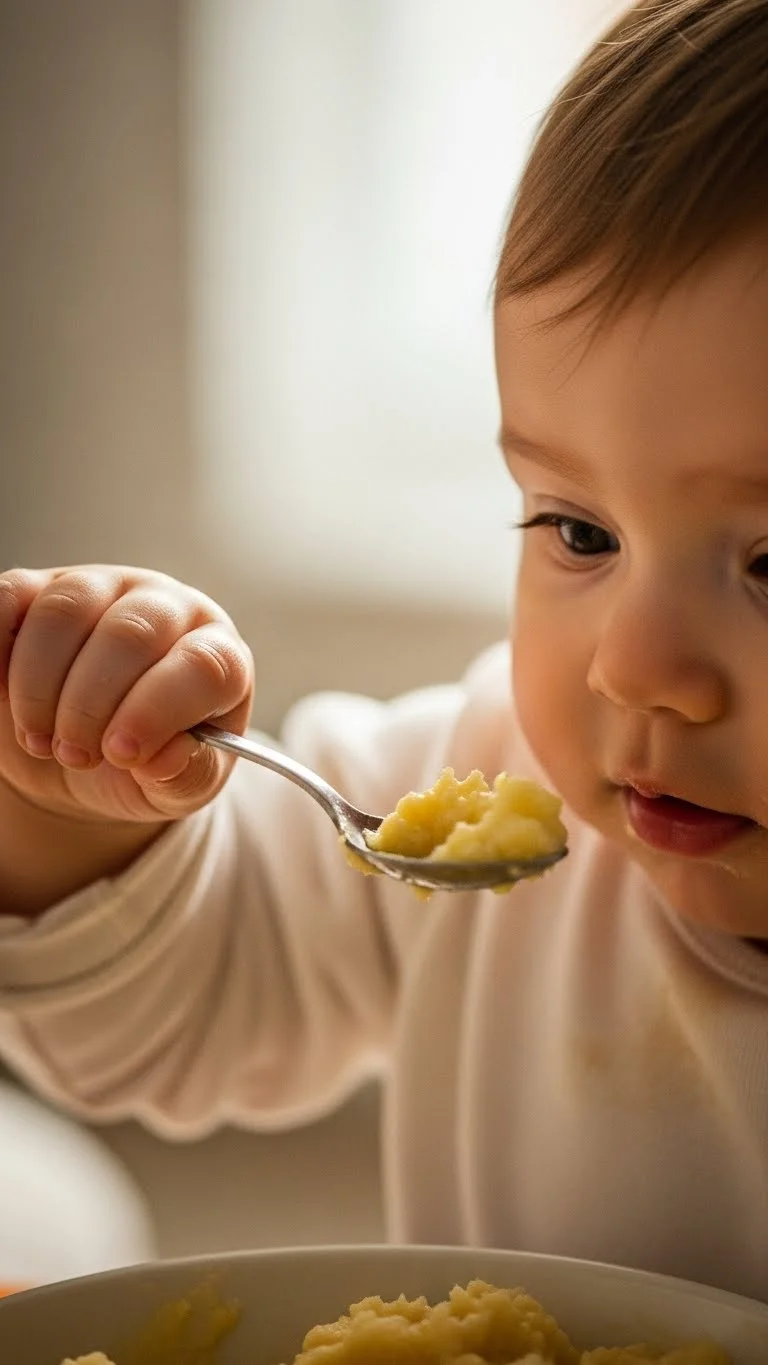
Giving your baby their own spoon builds confidence, independence, and curiosity. At first, they won’t use it correctly—and that’s okay. Learning how to hold, dip, and bring the spoon to their mouth takes time. Choose a small spoon with a soft tip. This is gentler on gums and easier to grip. Expect spills, drops, and messy hands. These moments are part of the learning process, not mistakes. When babies control the spoon, they feel more involved. This often makes them more interested in eating. Instead of feeling fed, they feel like active participants. You can still help with another spoon if needed. Many parents use a “two-spoon method”—one for the baby and one for you. This keeps the meal moving while encouraging independence.Over time, your baby will improve. Each small attempt builds coordination and confidence. Independence at the table often leads to fewer power struggles later.
- Watch for Hunger Signs
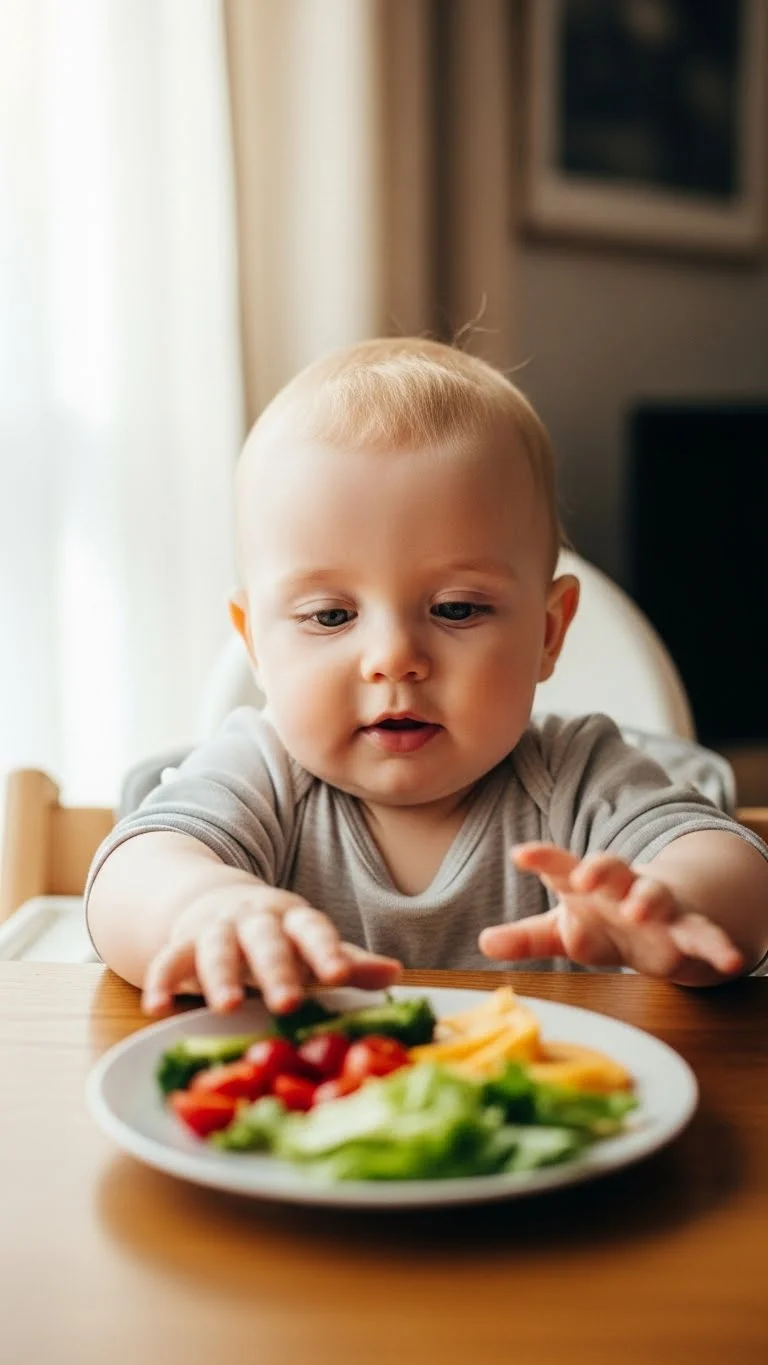
Crying is not the first sign of hunger—it’s often the last. Babies give many subtle cues before they become upset. These include leaning forward, opening their mouth, smacking lips, reaching for food, or watching you closely while you eat. Feeding your baby when you notice these early signs can make a big difference. Calm babies are more relaxed, more willing to try new foods, and less likely to resist. If you wait until your baby is overly hungry, they may be too upset to eat well. This can lead to fussiness, refusal, or rushed meals. Paying attention to hunger cues also helps you understand your baby better. Over time, you’ll start recognizing patterns—when they are naturally more hungry, when they get tired, and when they just want comfort. Responding gently to these signals builds trust. Your baby learns that their needs matter, and that mealtime is a safe, caring experience.
- Skip Distractions
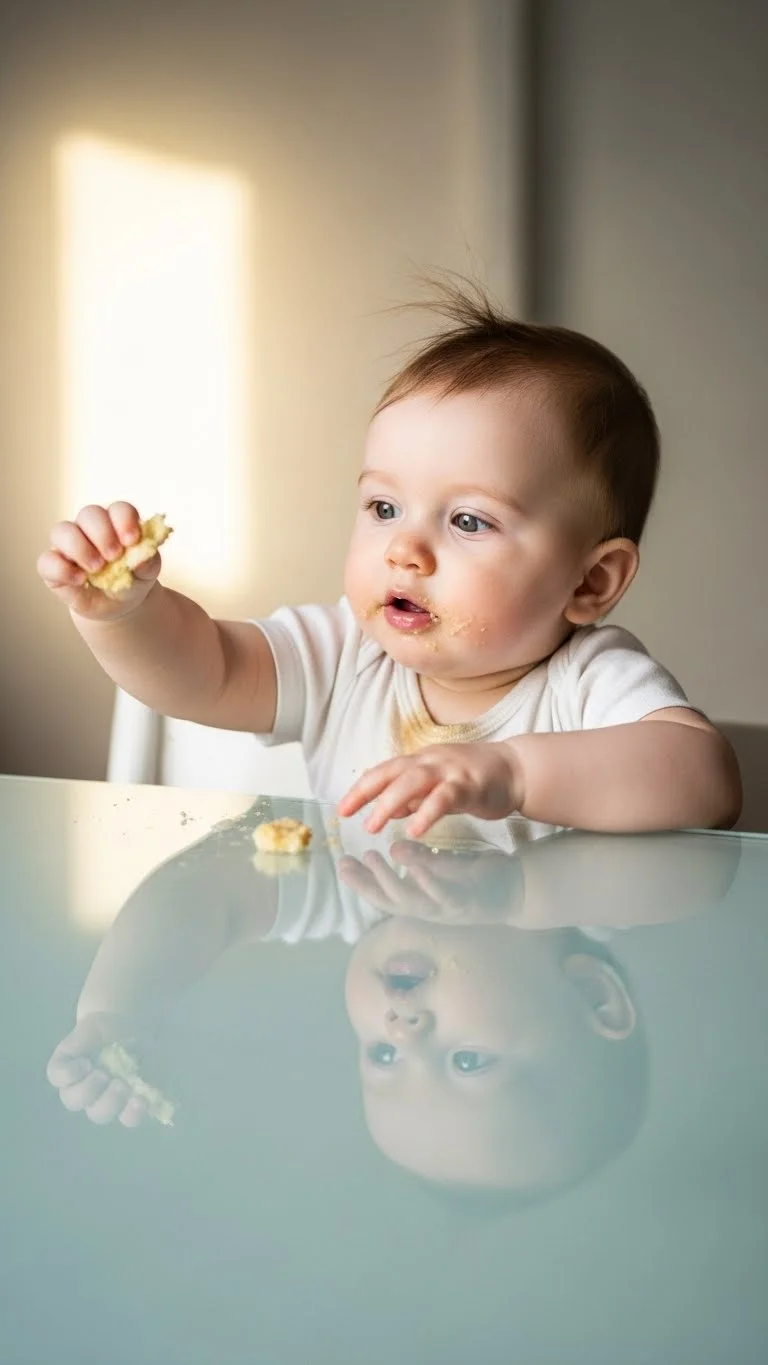
Distractions may seem helpful, but they often make feeding harder in the long run. Screens, loud toys, or background noise can pull your baby’s attention away from food. This makes it difficult for them to notice hunger, fullness, and taste. A calm environment helps babies focus. Turn off the TV, put toys aside, and keep the table simple. Quiet meals help babies feel safe and settled. When babies can focus on eating, they become more aware of textures, flavors, and their own body signals. This builds healthy eating habits early. Distraction-free meals also help you connect. You can make eye contact, talk softly, and respond to your baby’s cues more easily. You don’t need perfect silence—just a peaceful space. Over time, your baby will associate mealtimes with calmness, not chaos.
- Use Washable Bibs

Mess is unavoidable, but it doesn’t have to be stressful. Washable cloth bibs are a simple, budget-friendly solution. They can be cleaned easily and reused many times. You don’t need special baby bibs. Old towels, soft cloths, or even cut-up T-shirts can work. The goal is protection, not perfection. Using washable items saves money and reduces waste. It also makes cleanup faster, which helps you stay relaxed. When parents stress less about mess, babies feel less pressure too. They become more willing to explore, touch, and taste. Remember, mess means learning is happening. Food on the face, hands, and tray is normal. One day, these messy moments will become sweet memories.
- Serve Food at a Warm Temperature
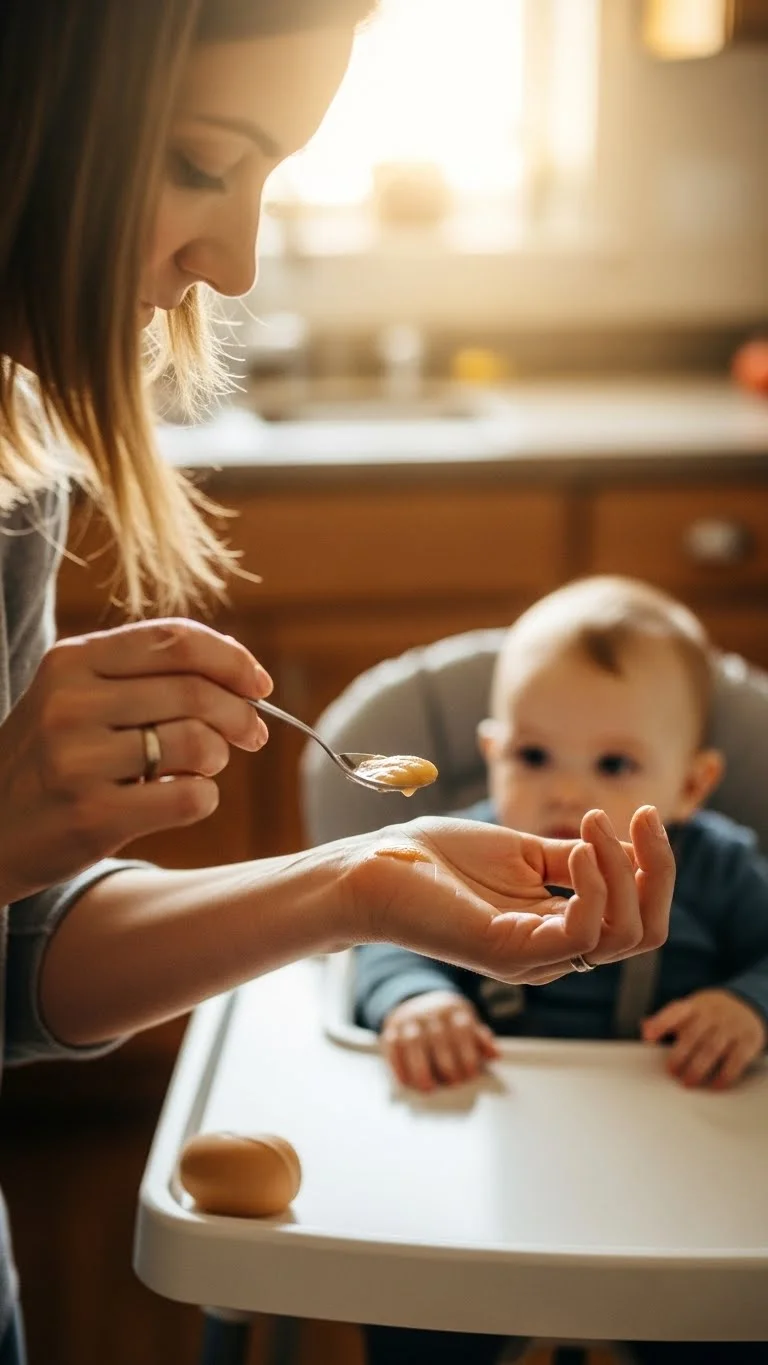
Temperature matters more than we often realize. Food that is too hot can hurt your baby’s mouth, while food that is too cold may feel unpleasant. Warm food feels comforting and familiar—similar to milk. Always test the temperature before serving. A small dab on your wrist works well. If it feels comfortable for you, it’s likely safe for your baby. Warm food also releases aroma, which can make it more appealing. Smell plays a big role in how babies experience taste. Avoid rushing meals straight from the fridge. Give food a few minutes to warm slightly. This small step helps create a cozy, positive eating experience. Comfort builds trust, and trust makes babies more open to trying new foods.
- Sit at Baby’s Eye Level

Sitting at your baby’s eye level helps them feel connected and safe. When they can see your face clearly, they read your expressions, tone, and mood. Smile often. Speak softly. Your calm presence reassures them that everything is okay. Babies are very sensitive to energy—if you are relaxed, they are more likely to relax too. Eye contact also helps with communication. Your baby learns to understand your cues, and you learn to recognize theirs. Instead of hovering or standing, try sitting nearby or kneeling. This makes feeding feel like a shared moment, not a task. These small emotional connections matter. When babies feel emotionally safe, they are more willing to explore food without fear.
- Offer Finger Foods When Ready
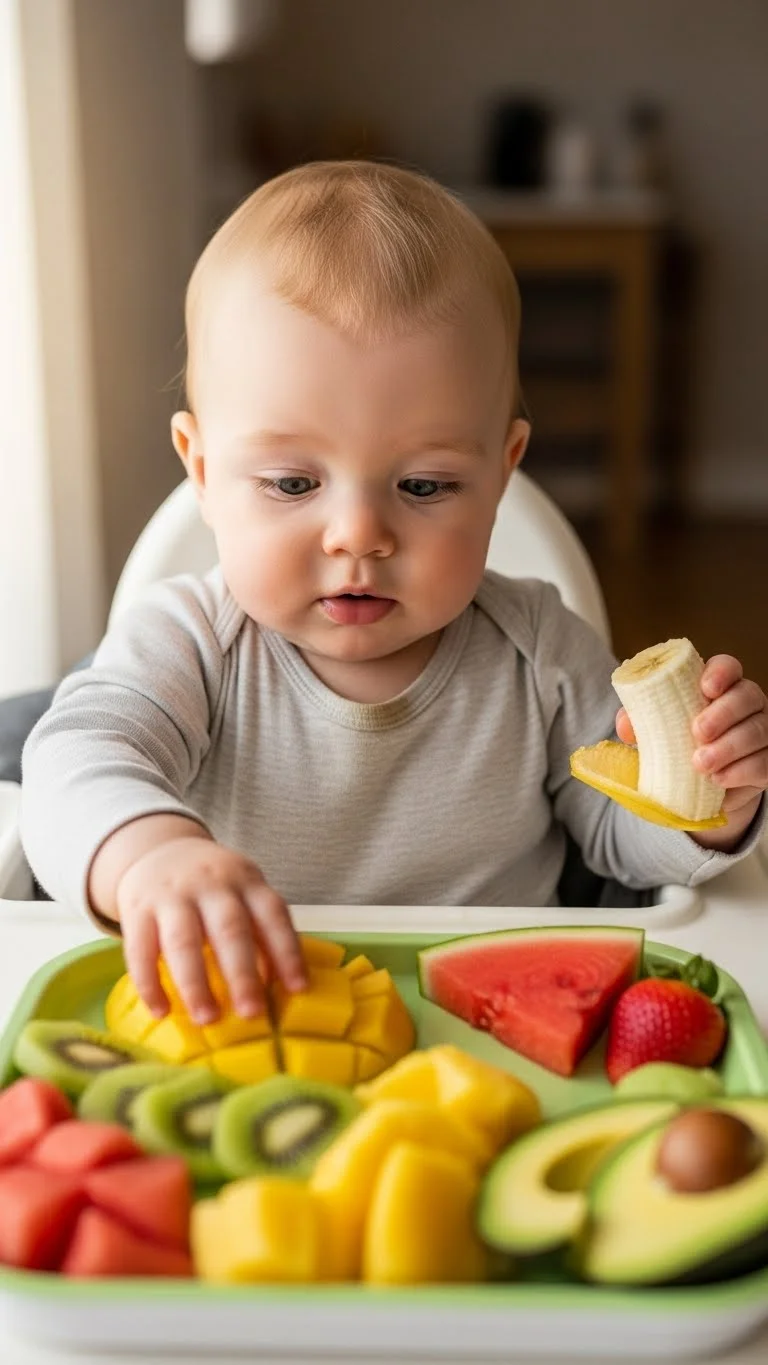
Finger foods are an exciting step in your baby’s feeding journey. They help build independence, coordination, and confidence. When babies pick up food on their own, they feel more in control, which often makes them more willing to eat. Start with soft, easy-to-hold shapes like banana slices, soft-cooked carrot sticks, avocado chunks, or small pieces of ripe fruit. The food should be soft enough to mash between your fingers. Always stay close and watch carefully. Babies are still learning how to chew and swallow safely. Sitting upright and taking small bites helps prevent choking. Finger foods also strengthen hand muscles and improve hand-eye coordination. These skills support many other areas of development. Some babies will play more than eat at first. That’s okay. Touching, squeezing, and dropping food is part of learning. This stage can feel messy, but it’s an important step toward self-feeding. Encourage exploration and trust the process.
- Use Simple Words

Talking to your baby during meals builds language skills and emotional connection. You don’t need long explanations—simple words work best. Saying things like “banana,” “warm,” “soft,” or “yum” helps babies associate words with experiences. When you point to food and name it, your baby begins to understand meaning. Over time, these small moments support early speech development. Use a gentle, happy tone. Your baby may not understand the words yet, but they understand your emotions. Repeating words often is helpful. Babies learn through repetition. You can say the same word many times without worry. Talking during meals also makes the experience feel warm and social. Instead of silence, your baby feels included. These tiny interactions build strong foundations for communication, trust, and learning—without any extra effort.
- Accept Spit-Out Food
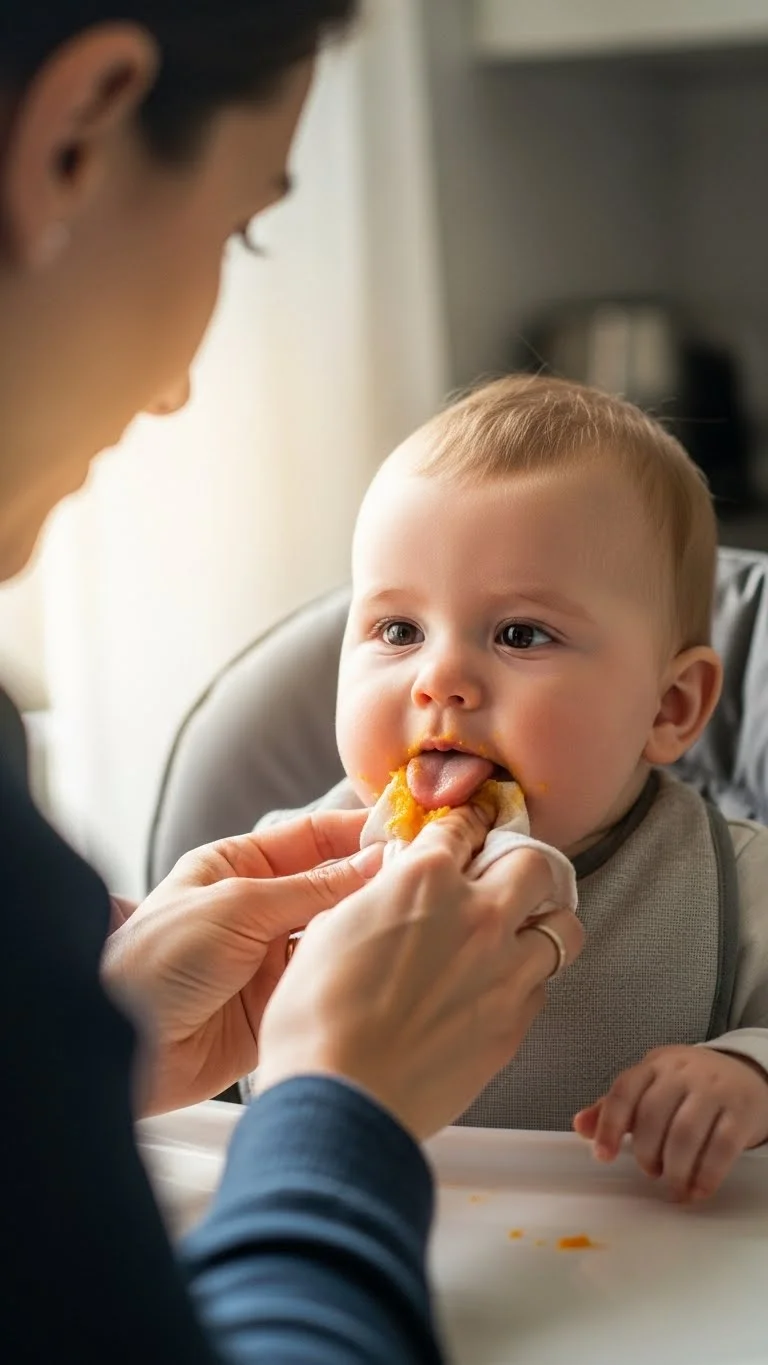
Spitting food out is part of learning. It doesn’t always mean your baby dislikes it. Sometimes they are figuring out texture, temperature, or how to move food around their mouth. Stay calm when this happens. Gently wipe their mouth and continue without showing frustration. Your reaction teaches your baby how to feel about food. If you show stress, your baby may start to associate meals with tension. But if you stay relaxed, they feel safe. You can offer the same food again later. Many babies need several tries before accepting something new. Spit-outs are not failure—they are practice. Every attempt helps your baby understand how eating works. Trust the process. Progress is not always neat or fast.
- Keep a Feeding Journal

A simple feeding journal can be very helpful. You don’t need anything fancy—just a notebook and a pen. Write down what your baby eats, what they like, and what they refuse. Over time, patterns appear. You might notice your baby prefers certain textures, flavors, or times of day. This helps you plan meals with less guesswork. A journal can also help when you feel unsure or stressed. Looking back reminds you how far your baby has come. It’s also useful if you ever need to share information with a doctor or caregiver. Writing things down gives you clarity and confidence. It turns confusion into understanding. Small notes can make a big difference.
- Rotate Foods Often
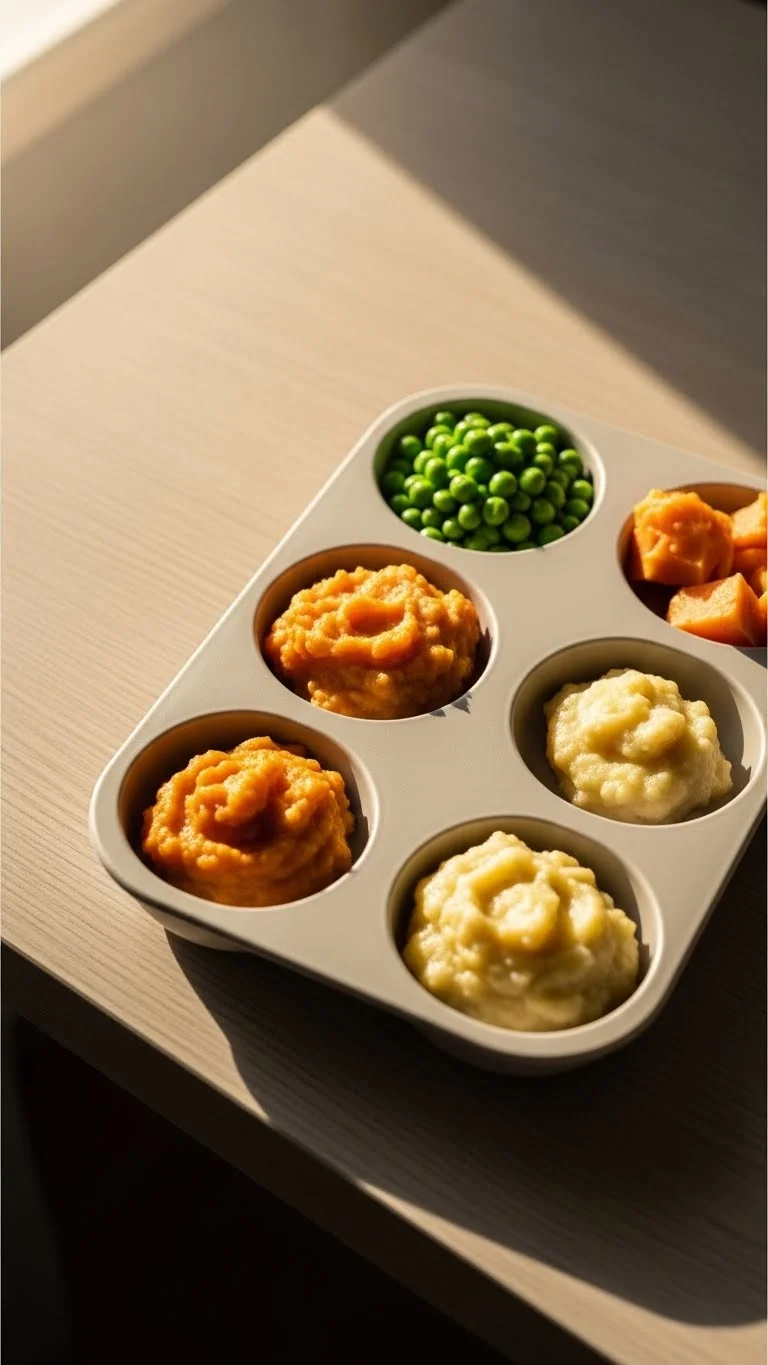
Offering variety helps your baby feel comfortable with many flavors and textures. This reduces picky eating later. You don’t need complicated recipes. Simply rotate between fruits, vegetables, grains, and soft proteins. Small portions make rotation easier and reduce waste. Seeing different foods teaches your baby that change is normal and safe. Even if they don’t eat everything, exposure still matters. Variety builds curiosity, not pressure.
- Cook Once, Use Twice
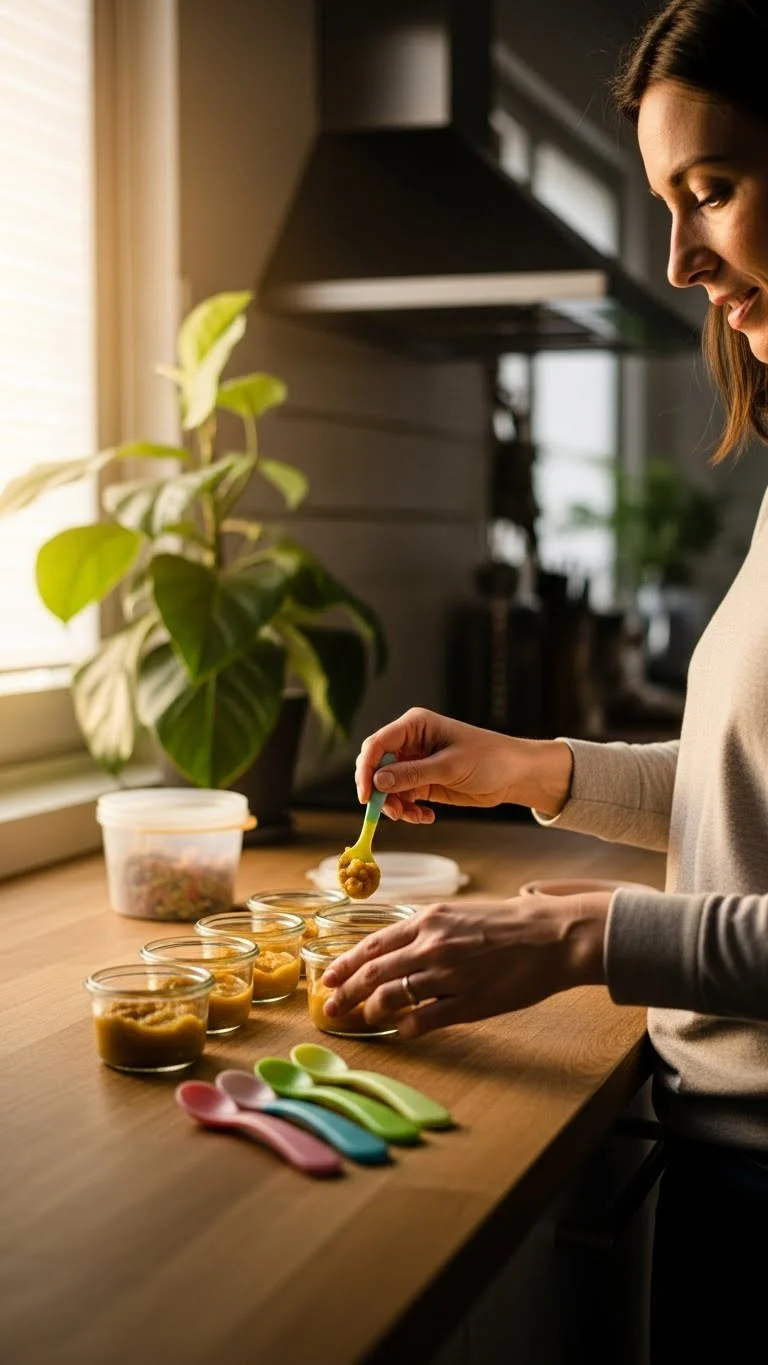
Preparing food can feel tiring, especially with a baby. Cooking extra and saving portions makes life easier.You can freeze small amounts in containers or ice cube trays. This saves time, money, and stress. On busy days, you’ll already have something ready. This method helps you stay consistent with meals without burning out. Less stress for you means calmer meals for your baby.
- Let Baby Decide How Much
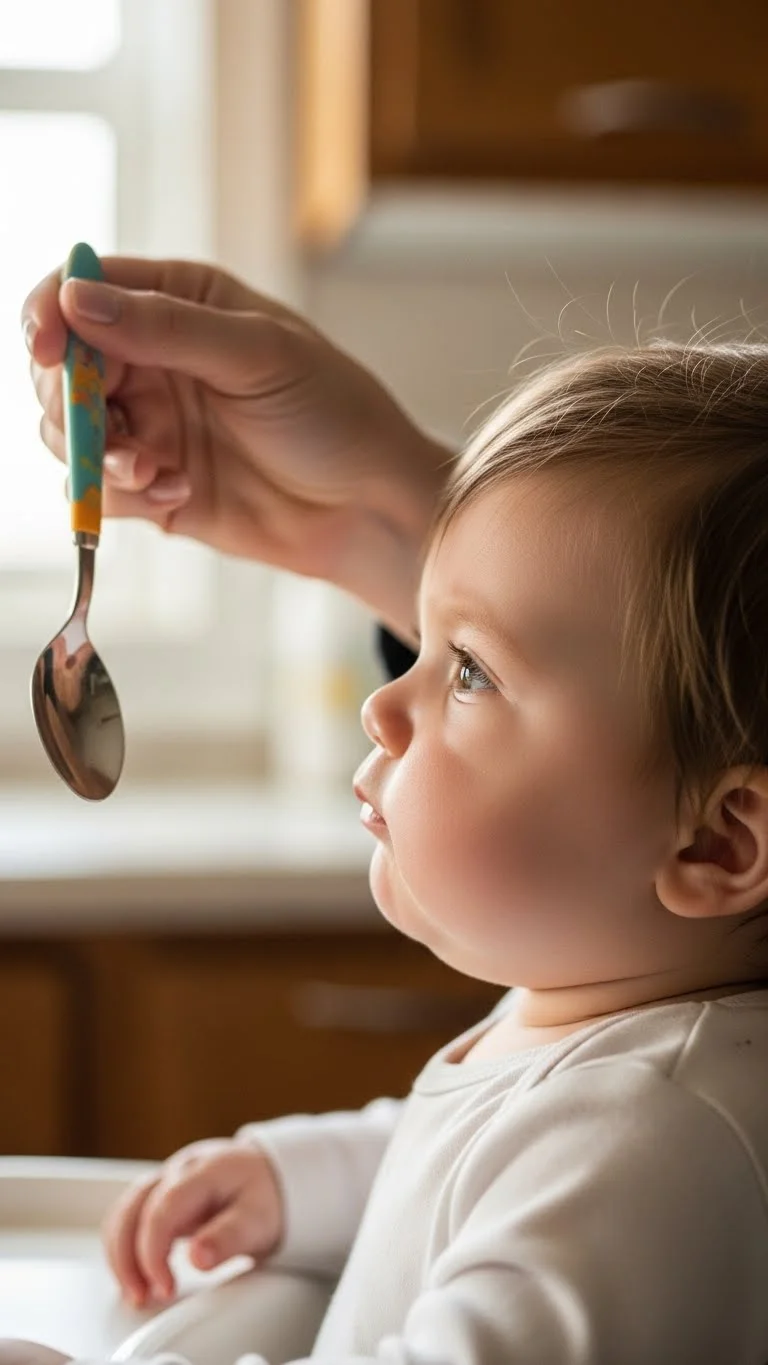
Babies are born with a natural ability to know when they are hungry and when they are full. This inner sense is something we want to protect, not override. When you let your baby decide how much to eat, you teach them to listen to their own body. This is an important skill that supports healthy eating habits later in life. If your baby turns their head away, closes their mouth, pushes the spoon, or loses interest, these are signs they may be done. Try not to push for “one more bite.” Forcing food can create stress and make babies resist meals in the future. Trusting your baby’s signals builds confidence and emotional safety. They learn that their feelings matter and that mealtime is not a battle. Some days they will eat more, other days less. That’s normal. Growth is not the same every day, and appetite changes often. Your job is to offer food. Your baby’s job is to decide how much. This balance keeps meals peaceful and positive.
- Keep Wipes Nearby

Having wipes or a damp cloth within reach can completely change how mealtime feels. When cleanup is easy, you stay calmer. And when you are calm, your baby feels safe. Babies are meant to be messy. Food will end up on hands, cheeks, hair, clothes, and sometimes the floor. This is not failure—it’s learning in action. You don’t need special baby wipes. A soft wet cloth, an old towel, or reusable wipes work just fine. Keep a small stack near the high chair so you don’t have to leave the table. Quick cleanups help you stay present instead of feeling frustrated. Instead of stressing about the mess, you can focus on your baby’s expressions, reactions, and small victories. When parents stop fighting the mess, mealtimes become lighter and happier. Remember, the goal is not a clean baby—it’s a confident one.
- Stay Flexible
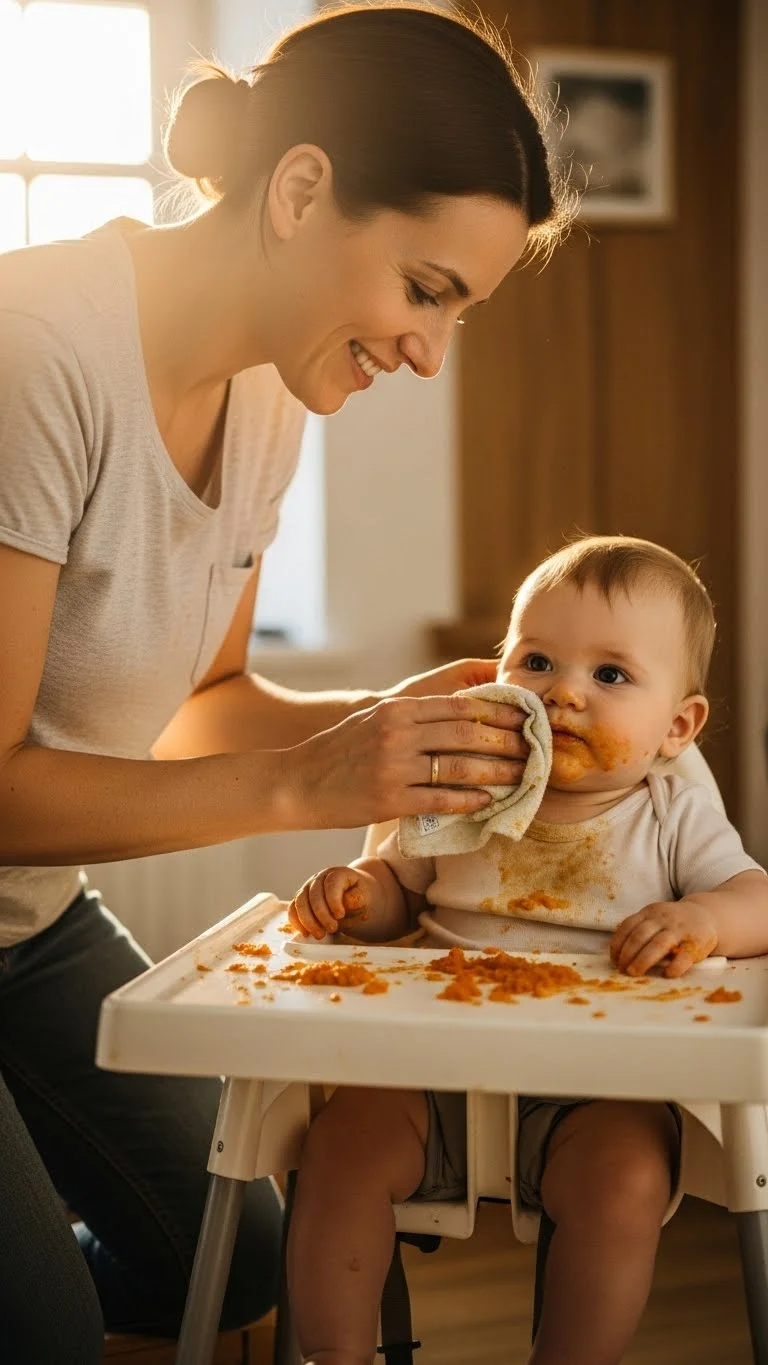
Flexibility is one of the most important skills in parenting—and especially in feeding. Some days your baby will eat well. Other days they may refuse everything. This doesn’t mean you are doing something wrong. It means your baby is human. Growth, teething, tiredness, mood, and curiosity all affect appetite. What worked yesterday might not work today. That’s okay. Instead of sticking rigidly to plans, try to adapt. If your baby refuses lunch, maybe they’ll eat more later. If a new food is rejected, try again another day. Being flexible helps you stay calm. And calm energy makes your baby feel safe. When babies feel safe, they explore more. Progress is not a straight line—it’s a gentle wave. Some steps forward, some pauses, and sometimes tiny steps back. Trust the process.
- End Meals with a Smile

How a meal ends can shape how your baby remembers it. Even if the meal was messy or short, ending it with warmth and calm makes a big difference. A gentle hug, a soft voice, or a smile helps your baby associate food with comfort and love. Babies remember emotions more than they remember bites. If a meal didn’t go as planned, don’t dwell on it. Wipe their hands, cuddle them, and move on. This teaches your baby that food is not something to fear or stress about. Ending meals positively also helps you reset. Instead of focusing on what didn’t happen, you focus on connection. These small moments of closeness build trust and emotional security. Over time, your baby will see mealtime as a safe, happy part of their day. And that is more important than any perfect bite.
Conclusion
Feeding your baby is not about perfection—it’s about connection, patience, and learning together. Some days will feel smooth, and others will feel messy, loud, or confusing. That’s all part of the journey. Every small step your baby takes, from touching food to holding a spoon, is a sign of growth. These simple habits are meant to support you, not pressure you. You don’t need expensive tools, strict schedules, or perfect meals. What matters most is your calm presence, gentle encouragement, and willingness to adapt. When your baby feels safe and supported, they naturally become more open to exploring food. Trust your baby’s pace. Trust your instincts. And remember—progress doesn’t always look neat. Sometimes it looks like food on the floor, smiles in between bites, and tiny hands learning new skills. Each mealtime is a chance to build comfort, confidence, and happy memories. Take it one meal at a time. You’re doing better than you think.
