

26 Baby Must-Haves Every New Parent
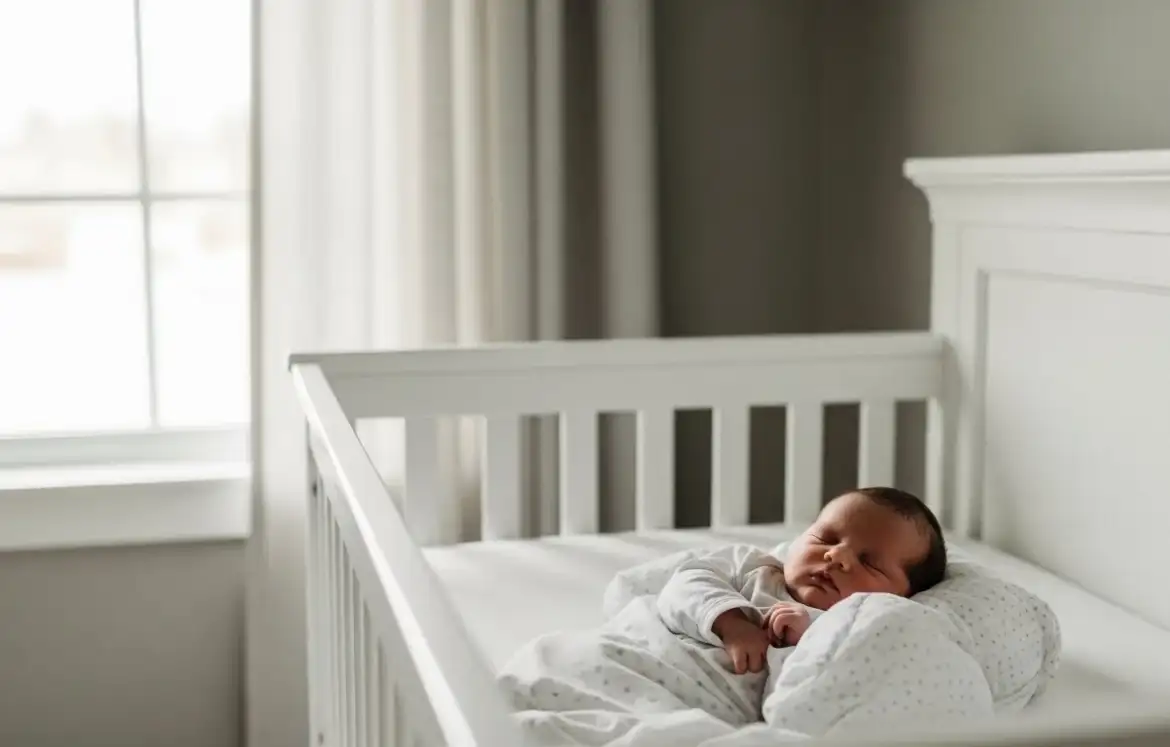
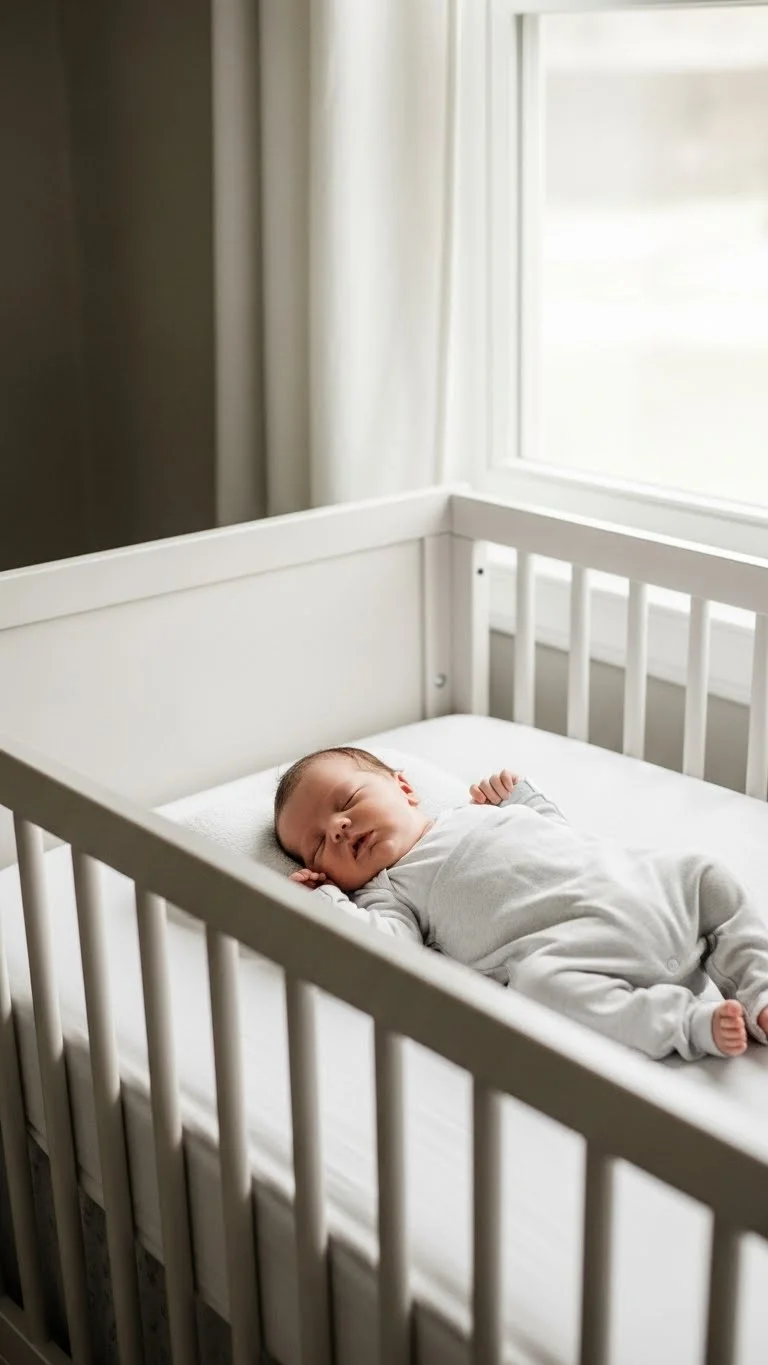
Becoming a new parent brings excitement, questions, and many shopping lists. It is easy to feel overwhelmed by products that promise comfort or ease. The truth is simpler. A few well-chosen baby items can support daily routines without stretching your budget. This guide focuses on practical baby must-haves that real parents rely on every day. Each item is easy to use, affordable, and helpful during those early months. You will also find simple DIY tips and money-saving ideas to make parenting smoother and more confident from day one.
1. Safe Sleeping Space
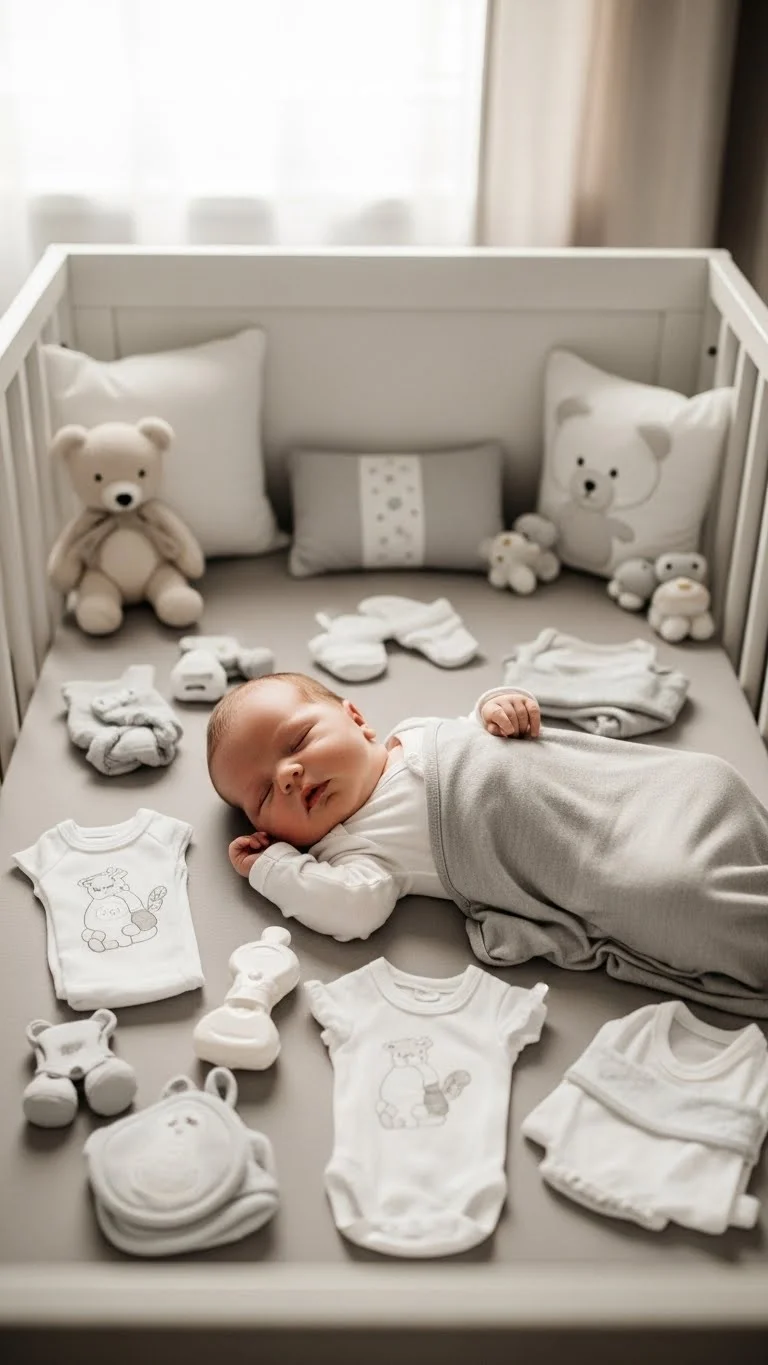
A safe sleeping space gives peace of mind during long nights. A basic crib or bassinet works well. It should have a firm mattress and fitted sheet. Skip pillows, toys, and heavy blankets. Simple is safer. You do not need an expensive setup. Many families choose second-hand cribs that meet safety standards. Just replace the mattress with a new one. That keeps costs low while staying practical. Place the crib in your room for early months. This makes nighttime care easier. Keep lighting soft and minimal.DIY tip: use breathable cotton sheets and rotate two sets instead of buying many. Wash often. Air dry to extend use. A calm sleep area supports better rest for both baby and parent. This item quickly becomes part of daily life.
2. Newborn Clothing Basics
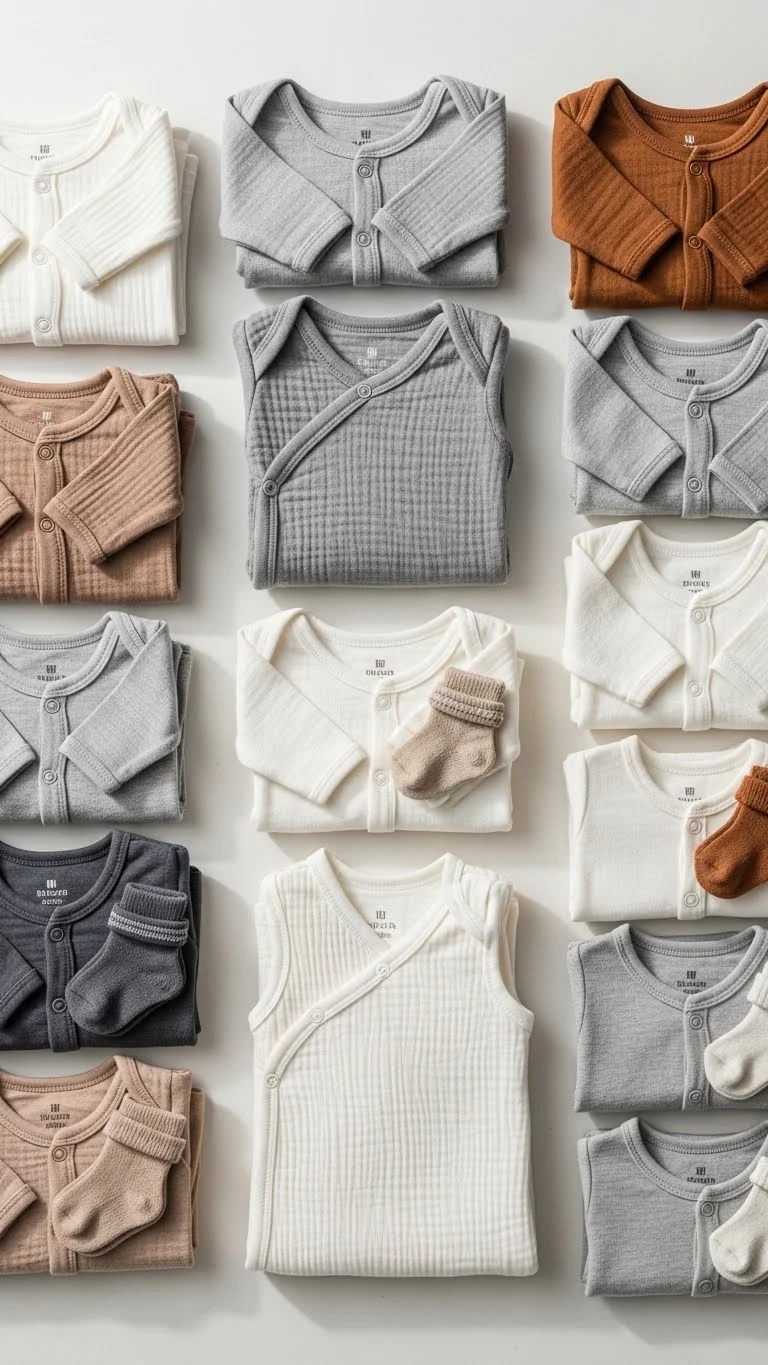
Newborn clothing should be soft and simple. Onesies, sleepers, and socks cover most situations. Choose easy snaps or zippers. This saves time during diaper changes. Babies outgrow clothes quickly. Avoid buying too many sizes. A few outfits per size is enough. Look for cotton fabric that feels gentle on skin. Hand-me-downs work well here. Accept them gladly. Wash before use. This keeps spending low. DIY tip: roll outfits together by set. One onesie, one sleeper, one pair of socks. Store them in small bins. This speeds up dressing during busy mornings. Comfort matters more than style. Practical clothing supports daily routines without stress.
3. Diapering Station
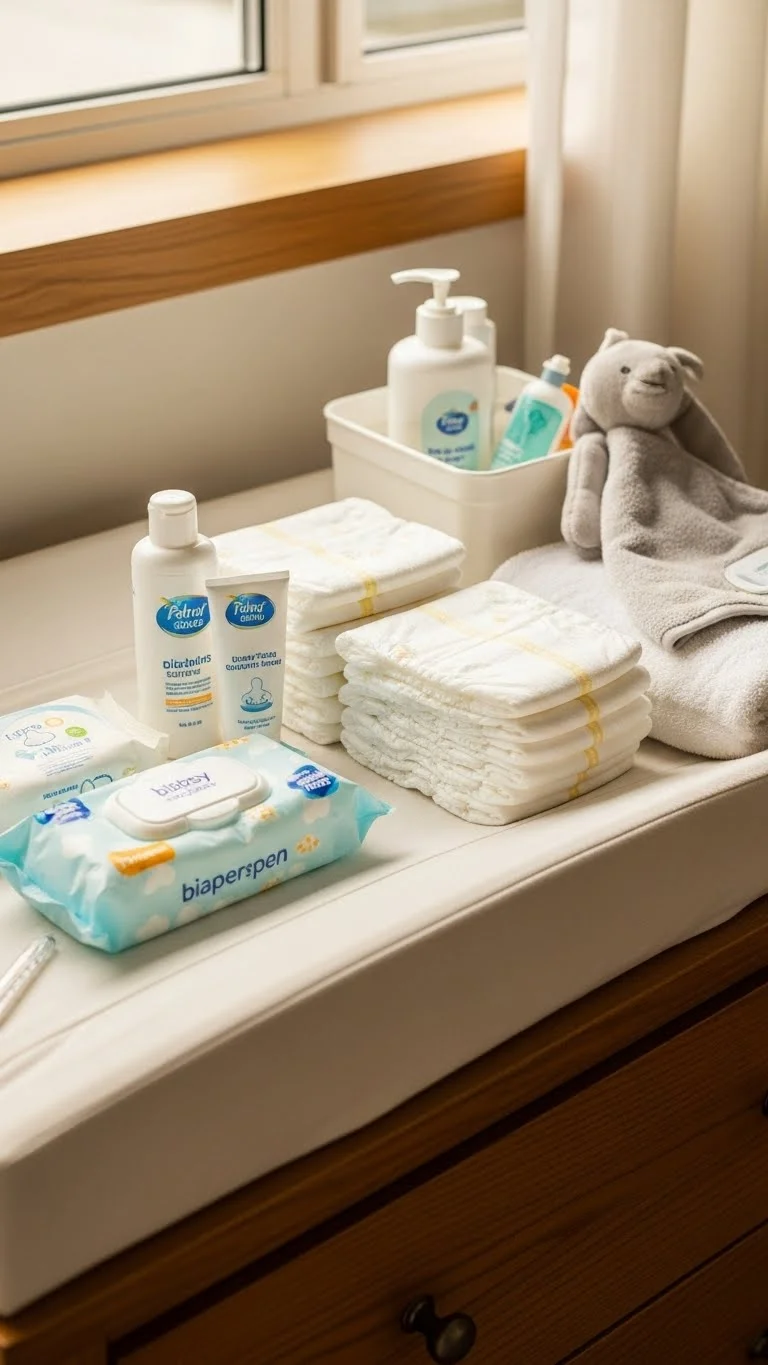
A diapering station keeps supplies within reach. It does not have to be fancy. A flat surface, diapers, wipes, and cream are enough. Set it up where you spend most time. Bedroom or living room works well. Use a washable mat instead of a large table. Budget tip: store supplies in a simple basket or drawer. No special furniture required. DIY idea: place an extra set of diapers and wipes in a small tote for quick changes around the house. This saves steps. A well-organized diaper area saves time and keeps daily care smoother.
4. Diapers That Fit Well
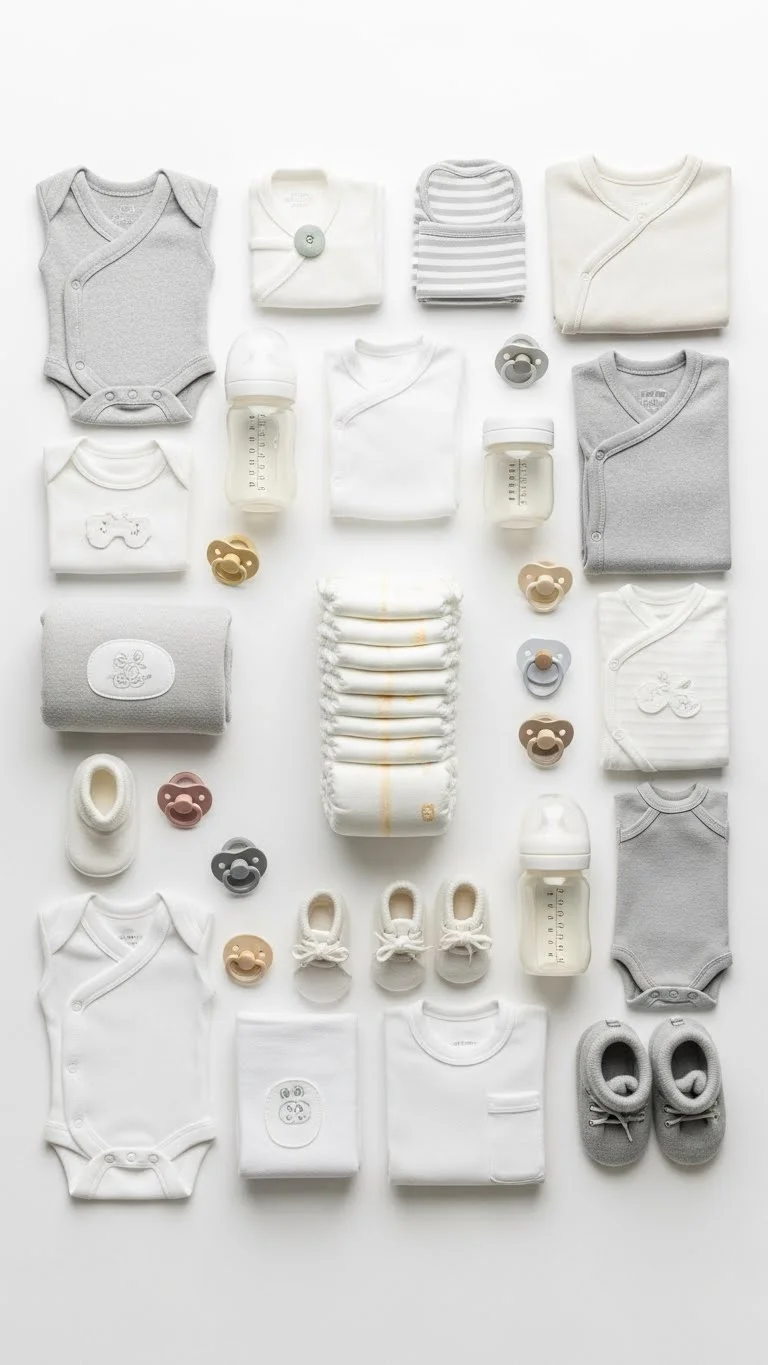
Diapers are used many times a day. Fit matters more than brand. A good fit reduces leaks and discomfort. Start with small packs. Babies grow fast. Adjust sizes as needed. Cloth diapers are another option if washing at home feels manageable. Money-saving tip: mix brands. Use premium diapers at night and budget ones during the day. DIY idea: keep a small bin for used cloth wipes or reusable cloths. Wash daily. This cuts down on disposable use. Reliable diapers make daily care easier and keep baby comfortable.
5. Gentle Baby Wipes
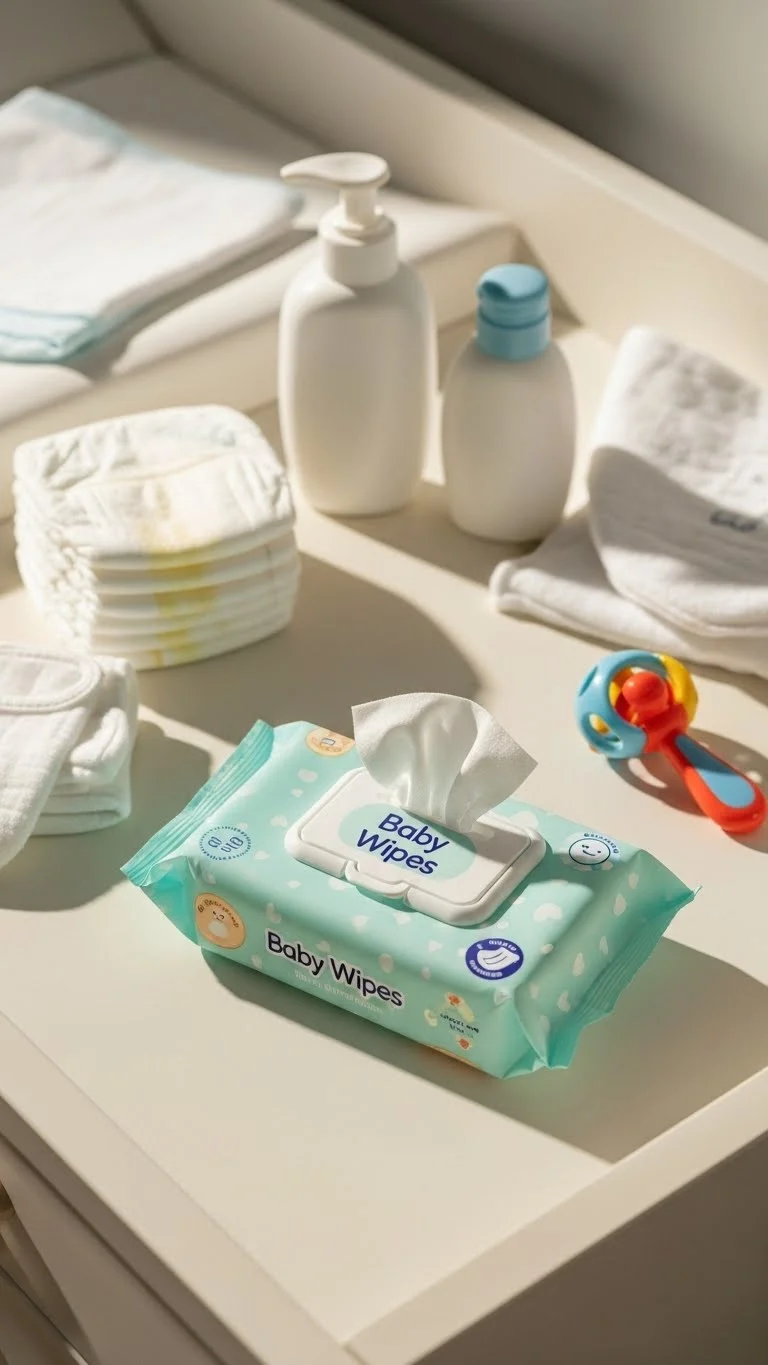
Baby wipes are useful beyond diaper changes. Look for unscented options. Fewer ingredients are better for sensitive skin. You can save money by buying in bulk or choosing store brands. Test a small pack first. DIY option: use soft cloths with warm water at home. Store them in a covered container. This works well and reduces waste. Keep wipes in multiple rooms. This avoids last-minute searching. Wipes support daily hygiene and small cleanups with ease.
6. Feeding Bottles
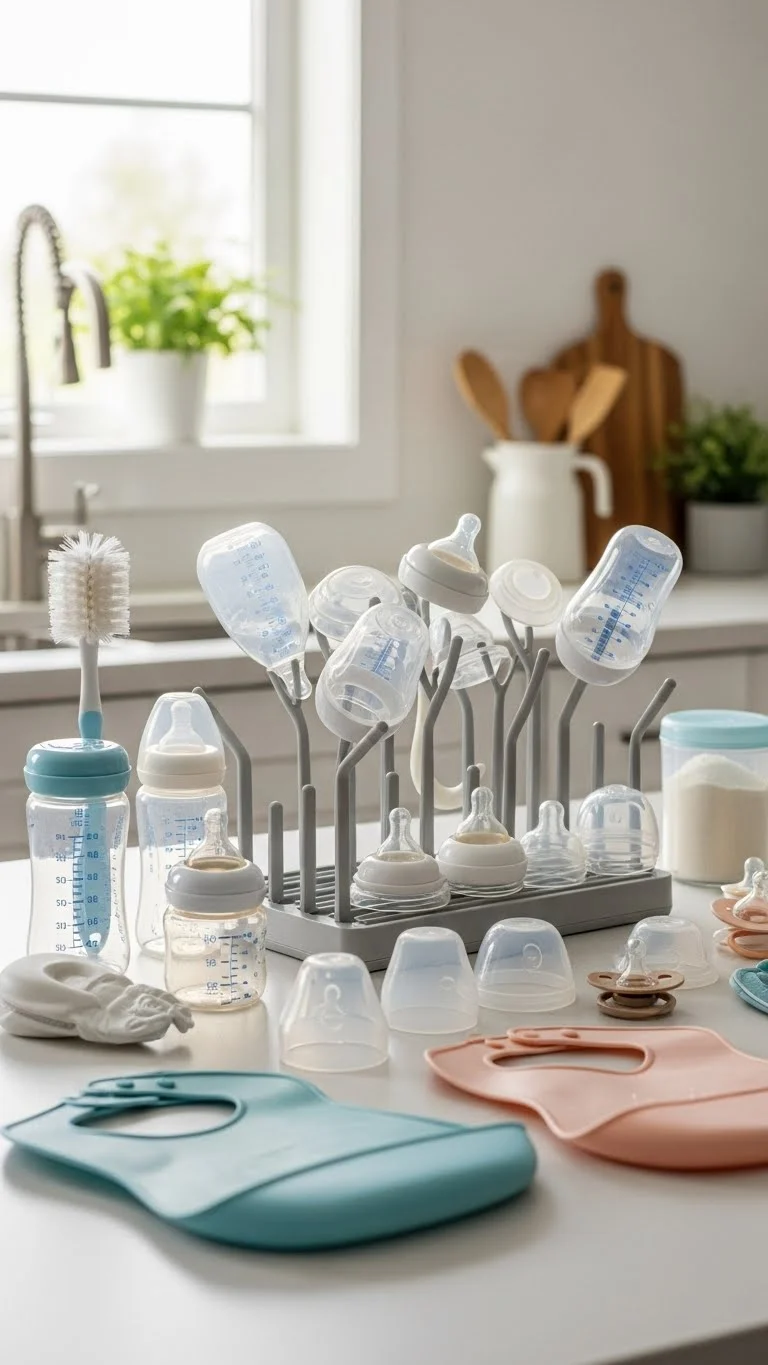
Feeding bottles support feeding routines whether using milk or formula. Start with a few. Babies show preferences over time. Choose bottles that are easy to clean. Simple shapes help. Avoid buying large sets at first. Budget tip: borrow or test one bottle before committing to more. DIY idea: air-dry bottles on a clean towel instead of buying a rack. Replace towels often. Having reliable bottles helps feeding time feel calmer and more organized.
7. Burp Cloths
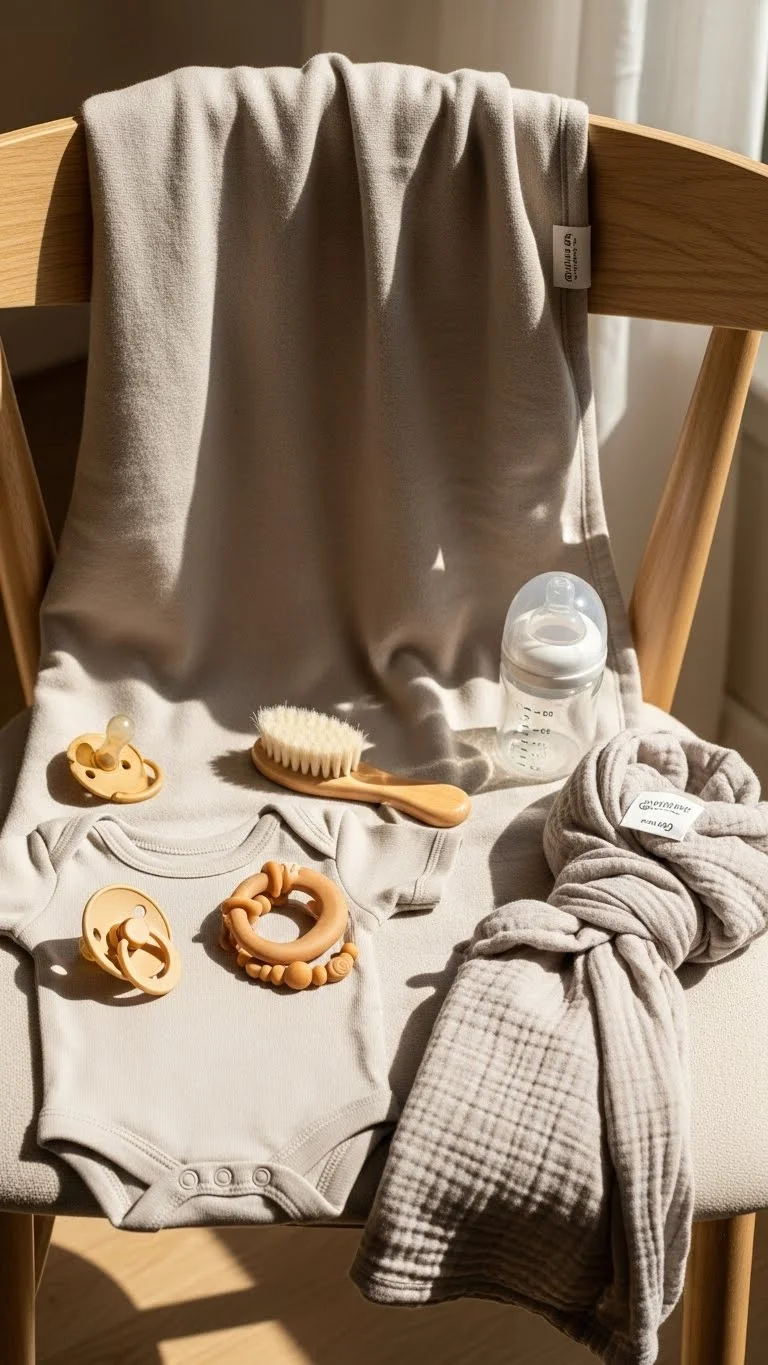
Burp cloths catch spills and messes. You will use them often. Soft cotton works best. You do not need special ones. Old towels or soft shirts can work just as well.DIY tip: cut large cloths into smaller squares. Hem edges or leave raw if fabric holds. Wash regularly. Keep burp cloths in every room. This saves time. Simple cloths protect clothes and furniture during feeding.
8. Baby Blanket
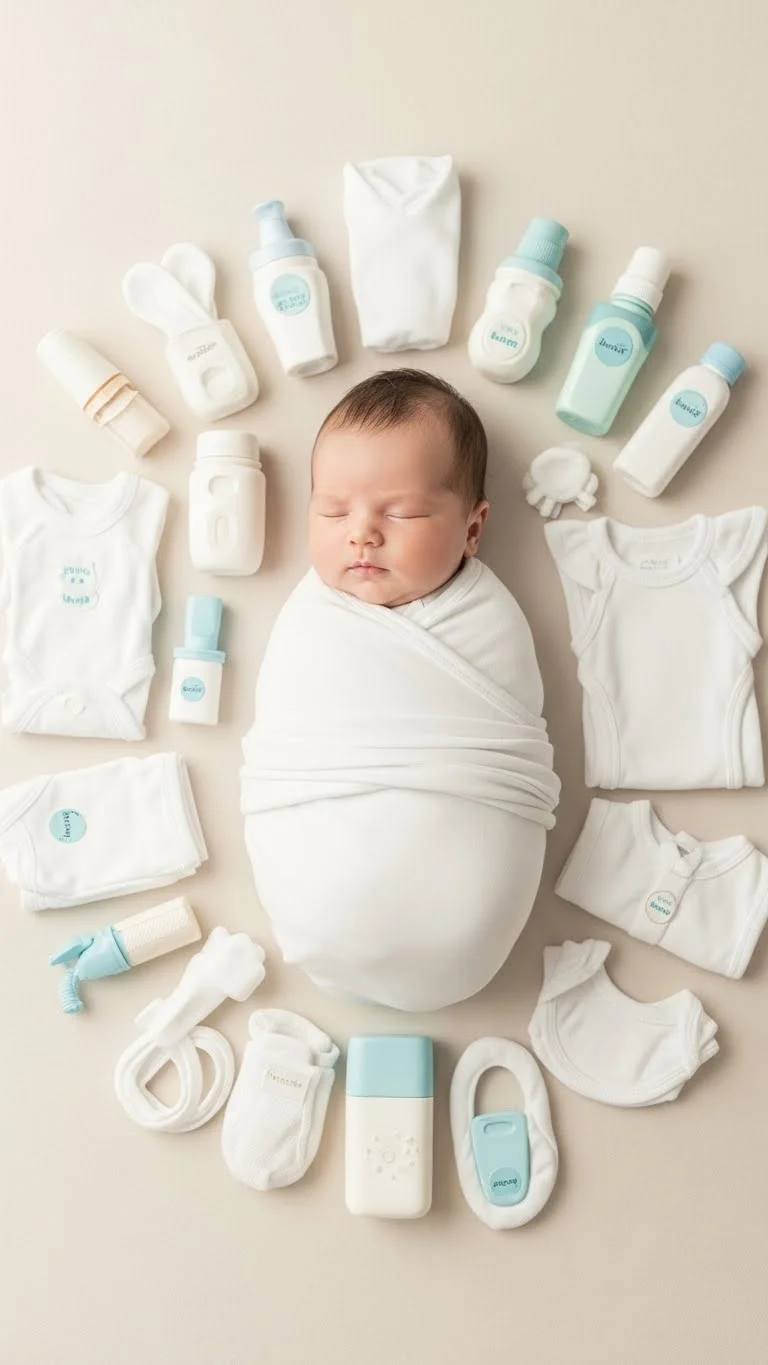
A lightweight baby blanket serves many purposes during the day. It works well for cuddles, tummy time, stroller shade, or floor play. Choose breathable fabric like cotton. Soft texture matters more than size or design. Avoid using blankets for sleep. Daytime use is enough and safer. One or two blankets can cover most situations. More than that often sit unused. Budget tip: repurpose a clean cotton throw from home. Wash it well and reserve it for baby use. This saves money and reduces clutter. DIY idea: fold the blanket into different thicknesses depending on weather. Keep one folded in the diaper bag for outings. A simple blanket brings comfort and flexibility without adding complexity to daily routines.
9. nfant Car Seat
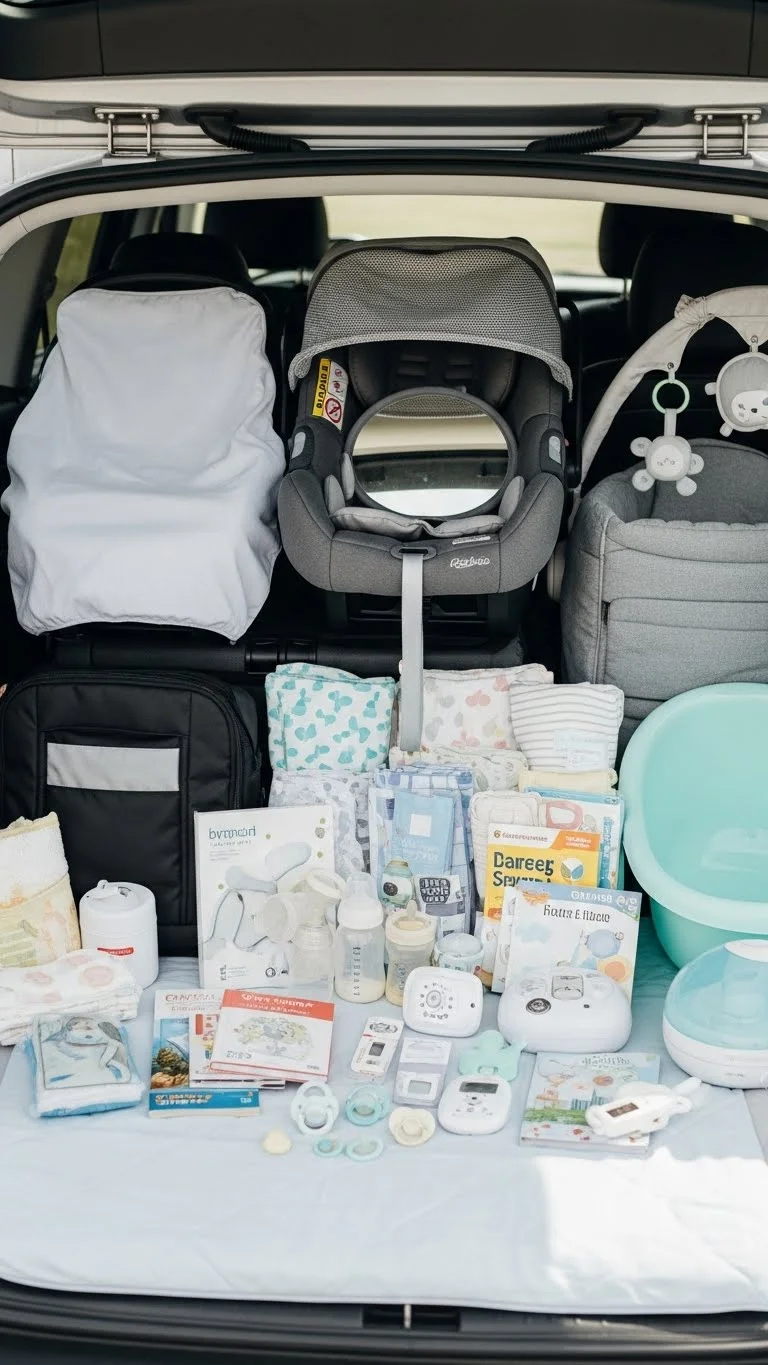
An infant car seat supports safe travel from the very first ride. Choose one that fits your vehicle well and feels easy to install. Clear instructions matter more than extra features. Avoid buying add-ons that did not come with the seat. Focus on correct installation and proper fit. Many local centers offer free seat checks. Budget tip: look for certified sales or trusted second-hand options that have not been in accidents. Always check expiry dates. DIY idea: keep a small checklist card in the glove box with install steps. This helps during quick adjustments. A properly fitted car seat supports peace of mind every time you leave home.
10. Baby Carrier or Wrap
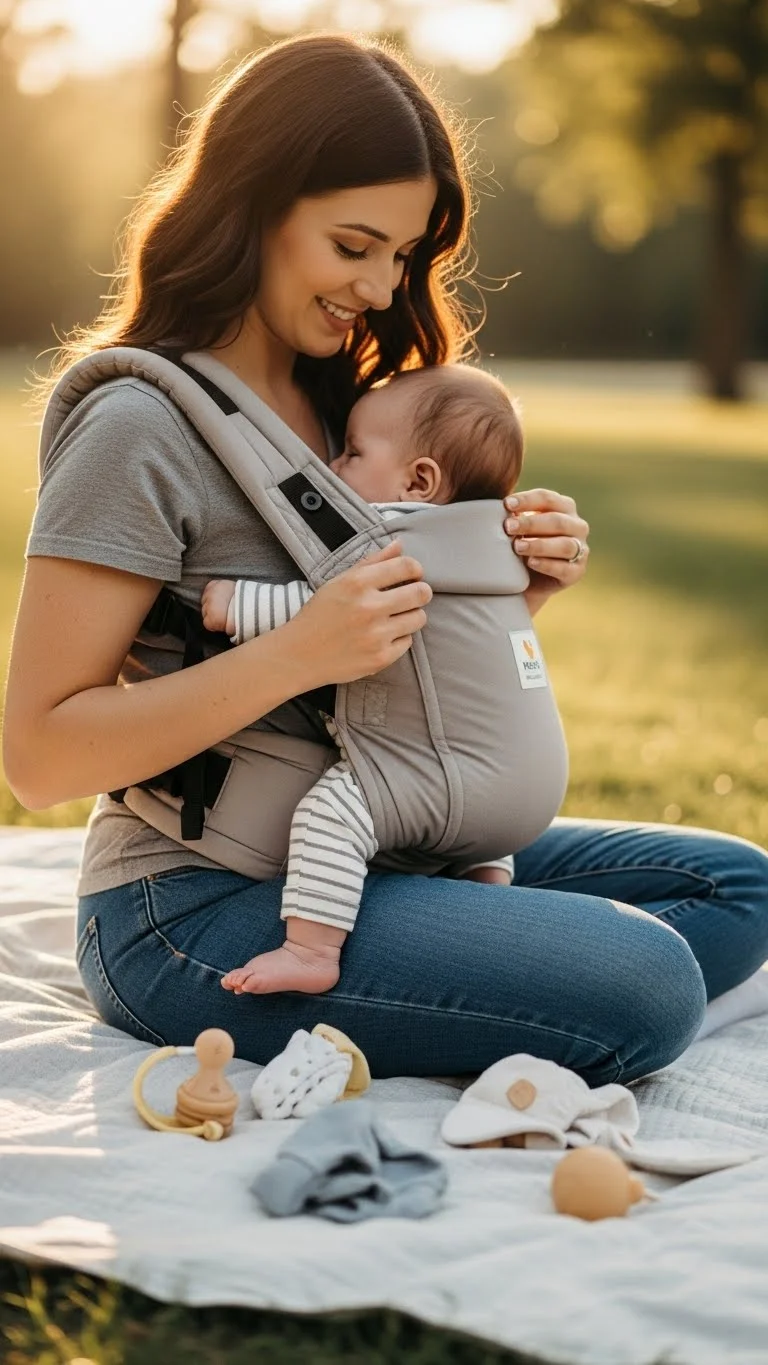
A baby carrier keeps your baby close while freeing your hands. Wraps and soft carriers both work well. Comfort for the wearer matters as much as support for the baby. Start with one style. Practice indoors before going out. Adjust straps slowly. A good fit feels snug but not tight Budget tip: borrow a carrier to test comfort before buying. Many parents happily lend theirs. DIY idea: use free online videos to learn safe positioning. Practice with a pillow first. Carriers support bonding and make daily tasks like cooking or short walks easier.
11. Basic Baby Bath Supplies
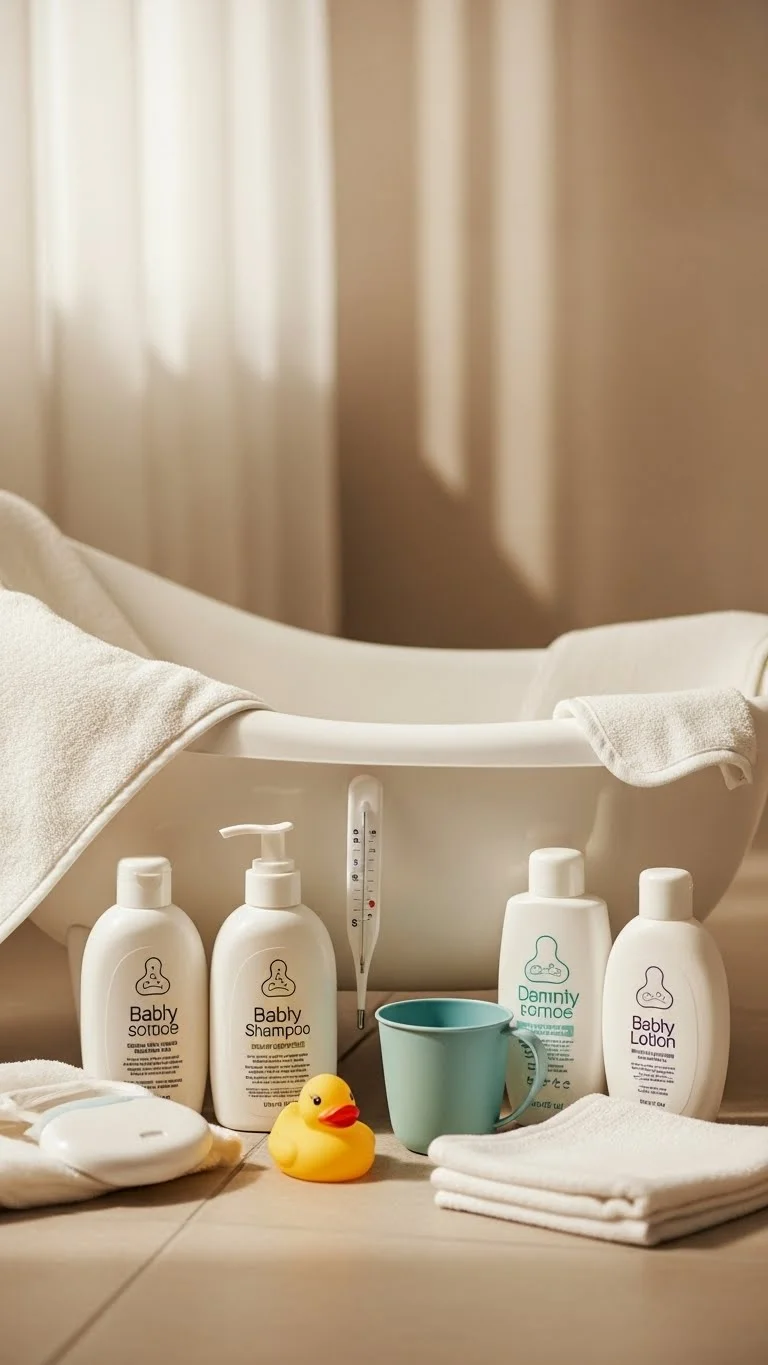
Baby bath time stays simple with just a few items. A small tub, gentle cleanser, and soft towel are enough. Babies do not need daily baths. Skip extras that clutter space. Warm water and a calm pace matter most. Budget tip: use a clean sink lined with a towel for support instead of buying a tub. DIY idea: keep bath items in a small basket. Bring it out only during bath time. Simple bath tools keep routines calm and manageable for both parent and baby.
12. Digital Thermometer
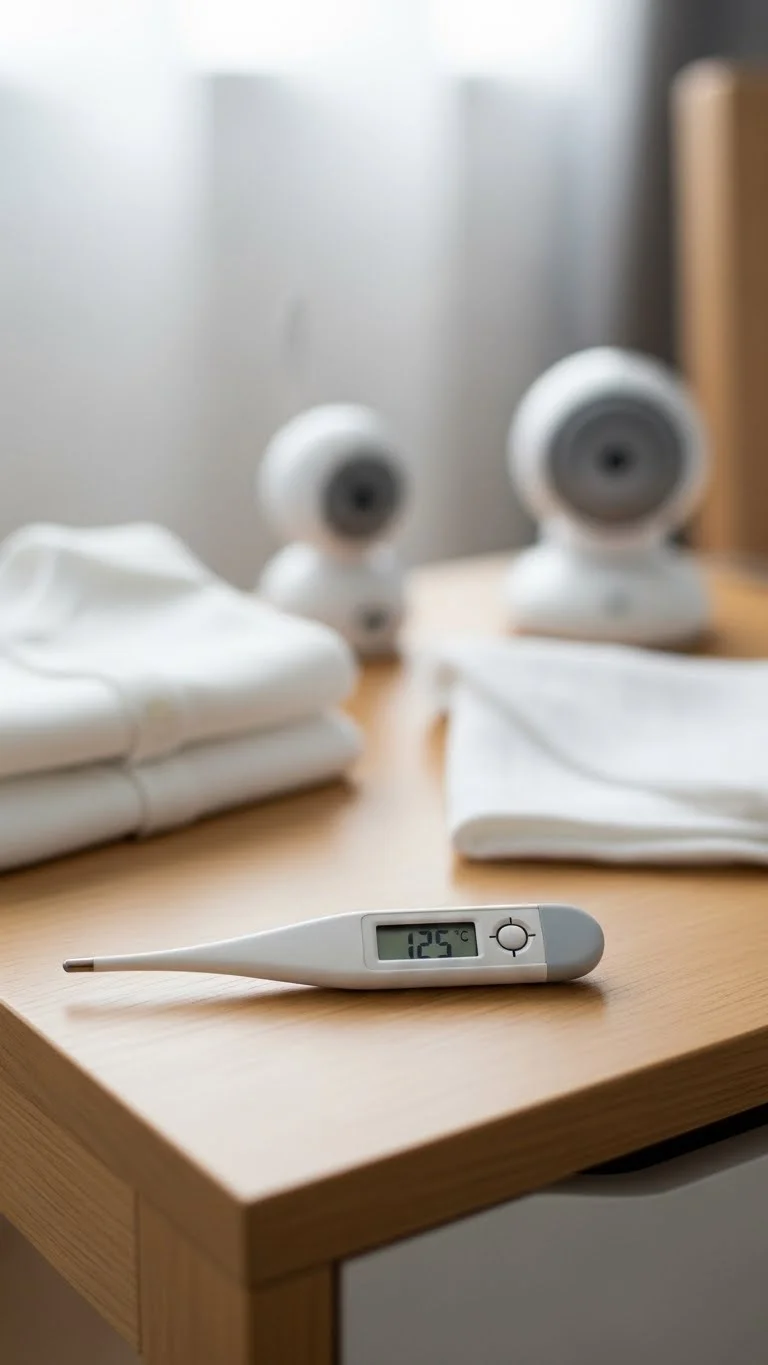
A digital thermometer helps check temperature quickly and clearly. Choose one with an easy-to-read display. Extra settings are rarely used. Store it in a known place so it is easy to find during late nights. Familiarity reduces stress. Budget tip: basic models work just as well as advanced ones. DIY idea: keep a small notebook nearby to note readings and times. This helps when sharing information with caregivers. A reliable thermometer supports confident decisions during illness.
13. Simple Storage Bins
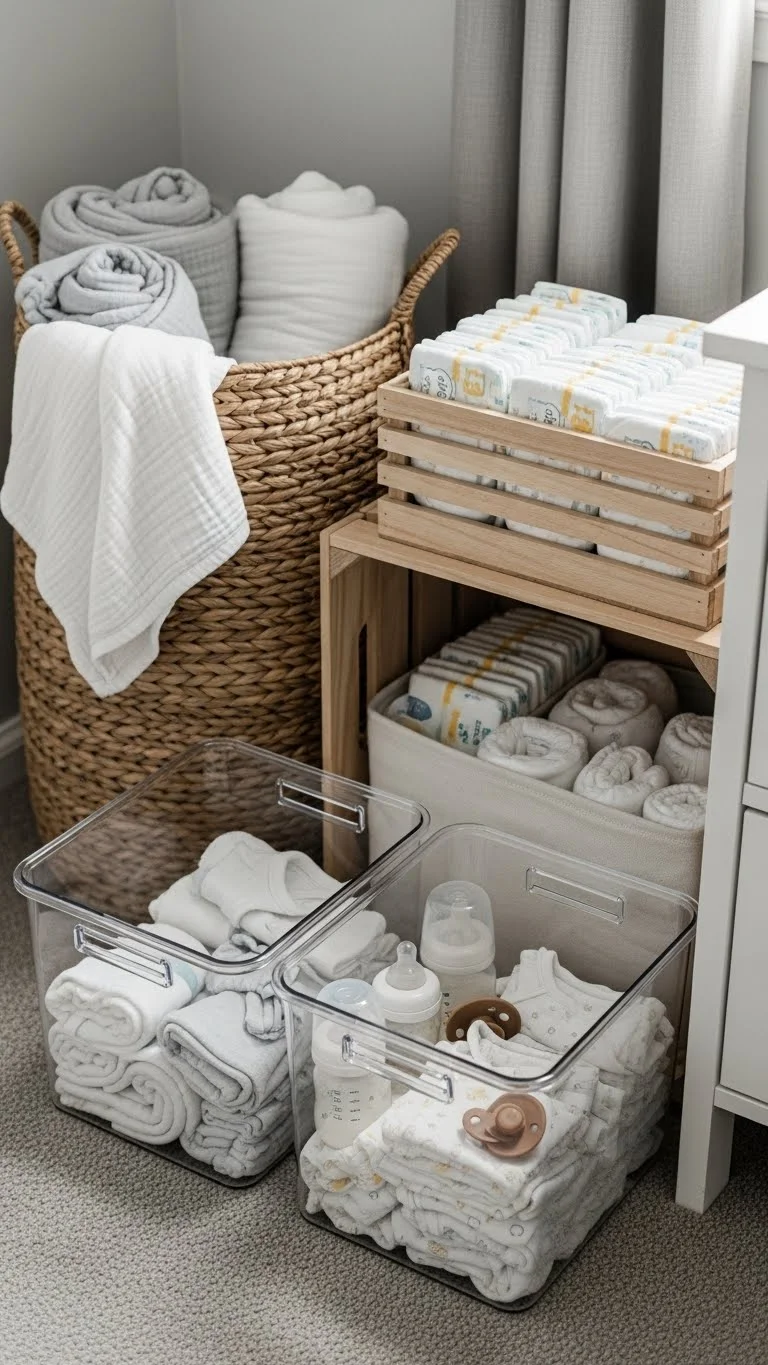
Storage bins help keep baby items organized and easy to reach. Use them for clothes, diapers, wipes, or toys. Matching sets are not required. Repurpose boxes or baskets you already have. Label with paper tags so items are easy to find. Budget tip: rotate bins by size or season instead of buying more storage. DIY idea: store frequently used items at waist height. Less bending saves time and energy. Simple storage reduces clutter and supports smoother daily routines.
14. Nail Care Tools for Tiny Fingers
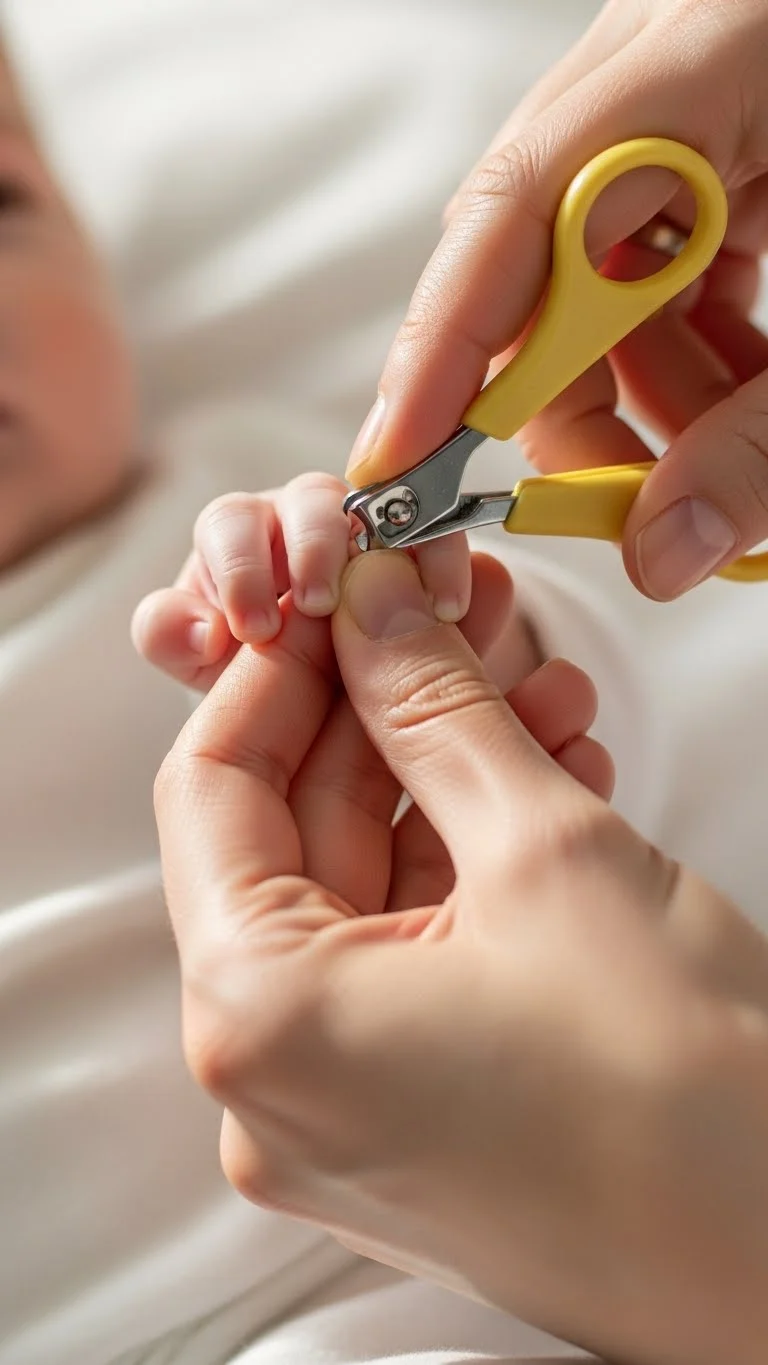
Baby nails grow fast and can scratch skin easily. A small clipper or soft file is usually enough. Choose tools that feel steady in your hand. Trim nails when the baby is relaxed. After feeding or during sleep often works well. Go slowly. One nail at a time is fine. Budget tip: avoid full grooming kits. One clipper does the job. DIY idea: trim near a window during daylight. Natural light helps visibility without harsh lamps. Regular nail care keeps hands comfortable and prevents small injuries.
15. Soft Baby Towels
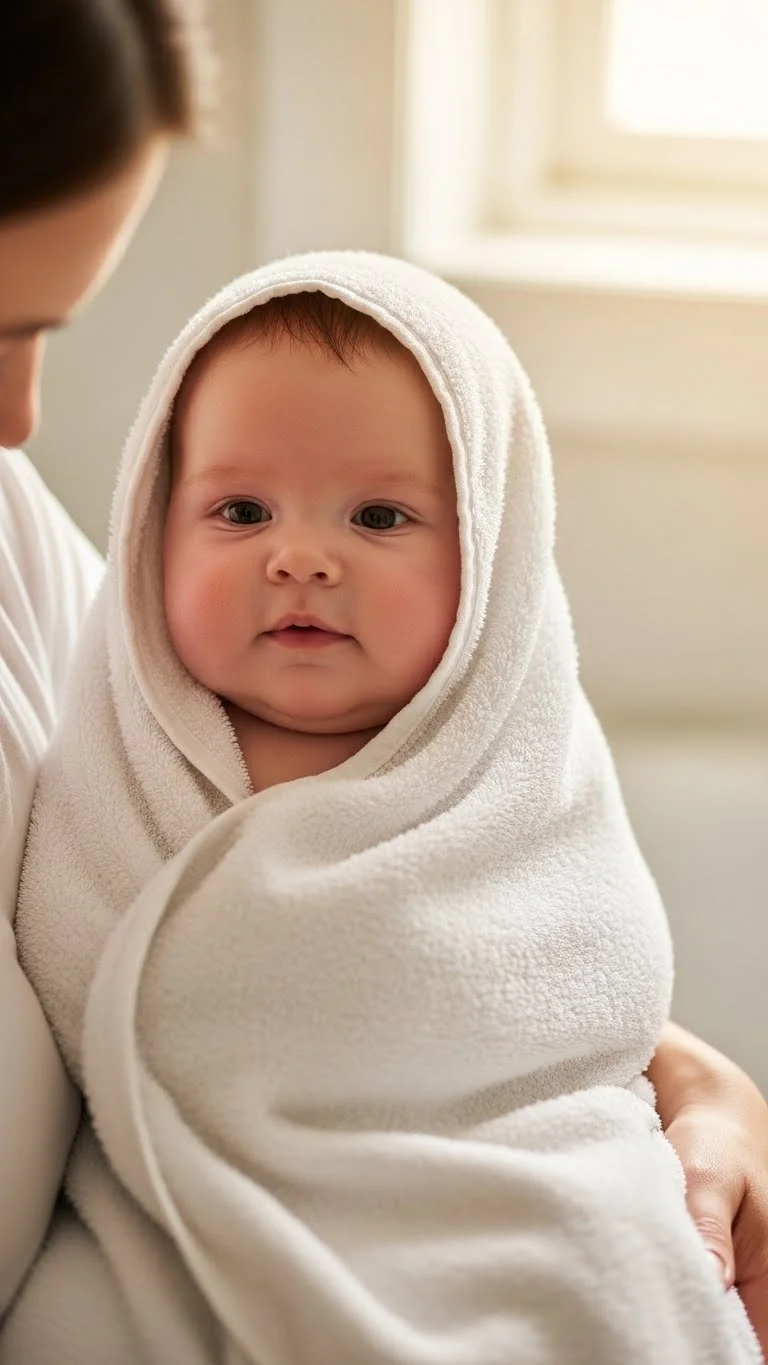
Soft towels make bath time more comfortable. Absorbent cotton works best. Hooded styles are optional. Two towels are usually enough. Wash often to keep them clean and gentle. Budget tip: use regular towels from home and reserve them for baby use only. DIY idea: fold a corner of a towel to form a simple hood. Stitch if desired. A cozy towel helps bath routines feel calm and warm.
16. Baby Skincare Basics
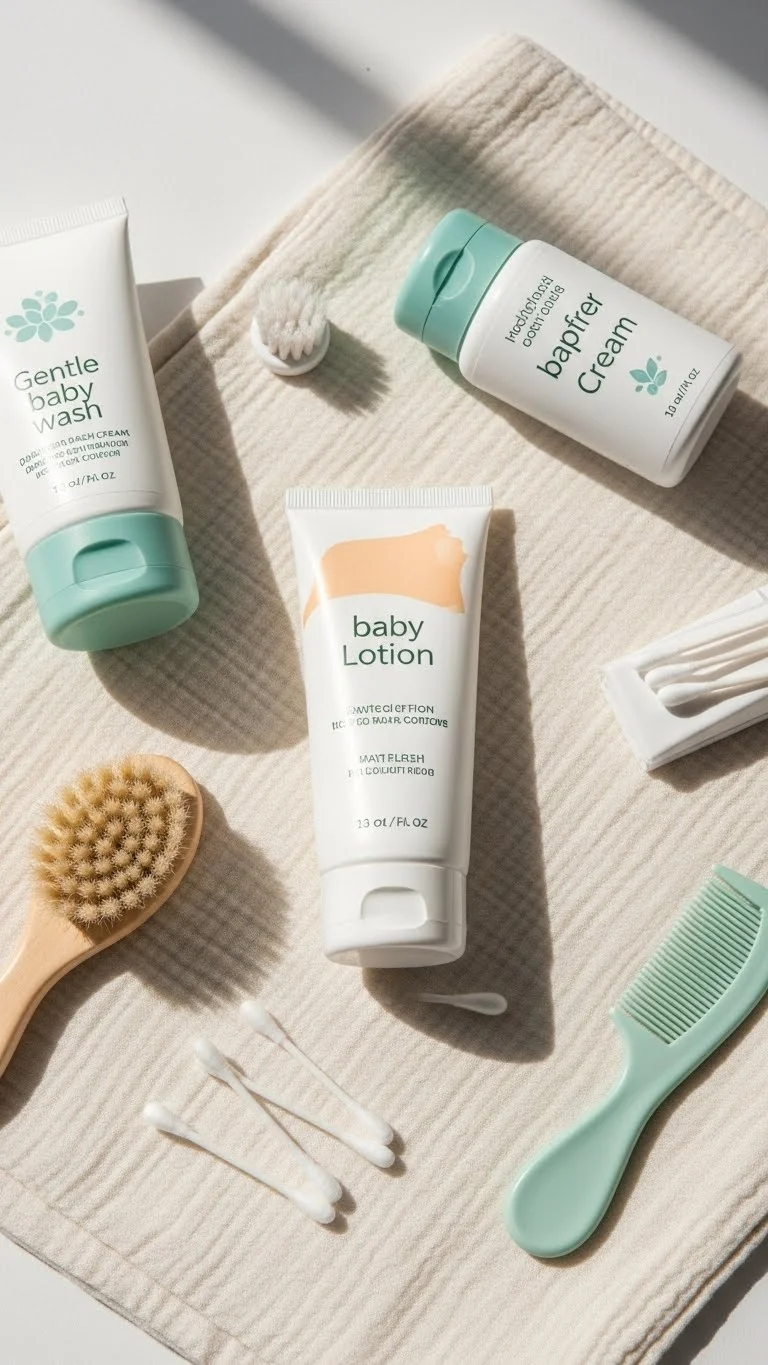
Baby skin does well with minimal products. A mild cleanser and simple moisturizer often cover daily care. Choose fragrance-free options. Apply lotion after baths or when skin feels dry. Use small amounts. Budget tip: buy small bottles first to test how your baby reacts. DIY idea: warm lotion between your hands before applying. This feels gentler. Keeping skincare simple supports comfort and avoids irritation.
17. Swaddles or Sleep Sacks
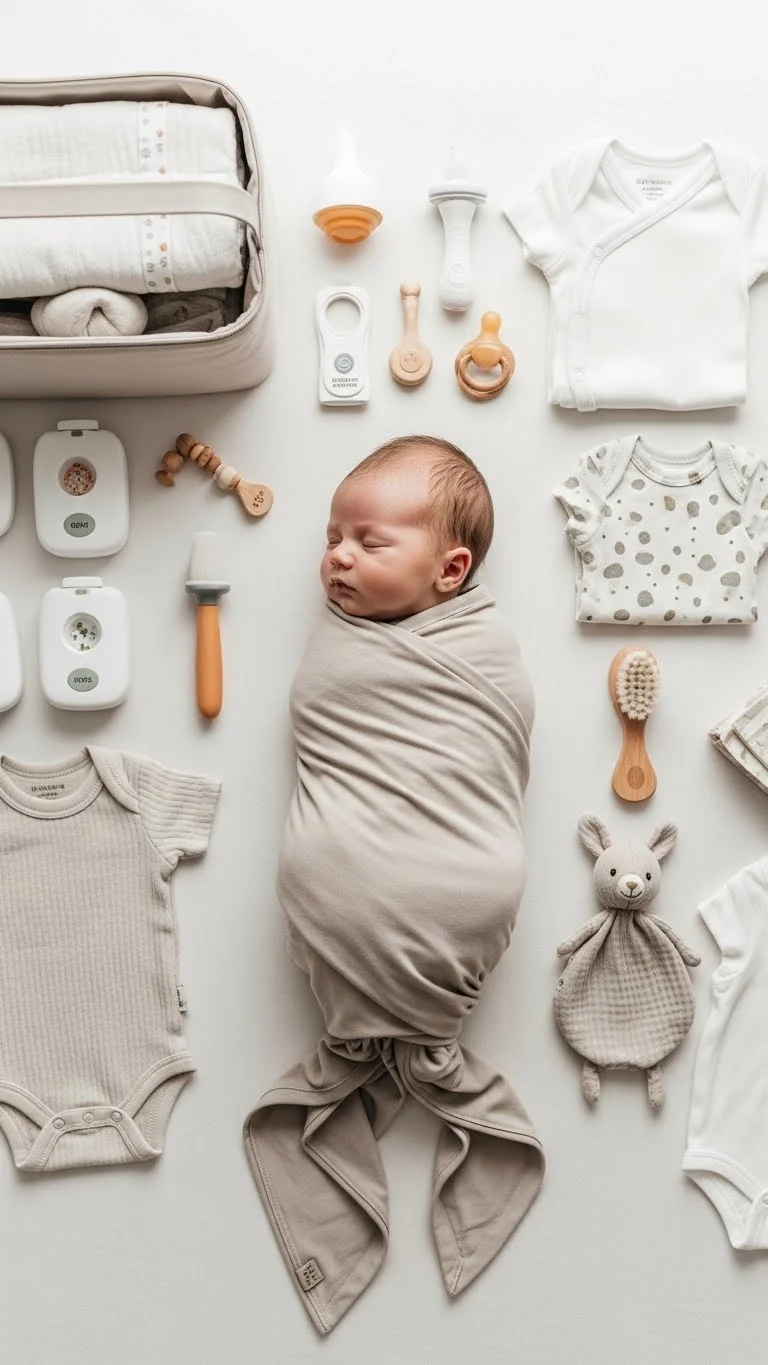
Swaddles and sleep sacks help babies feel secure during rest. Gentle pressure around the body can reduce sudden movements that wake them. Lightweight fabric works best, especially in warmer climates. Start with one or two options and observe how your baby responds. Some prefer arms tucked in. Others rest better with arms free. You do not need special designs right away. A simple cotton swaddle does the job. Focus on correct wrapping rather than brand names. Practice during daytime naps to gain confidence. Budget tip: use large cotton sheets or blankets already at home for daytime swaddling. They are breathable and easy to wash. DIY idea: mark folding points on the fabric with small stitches so wrapping stays consistent. This saves time during late nights. Swaddles support calmer rest when used safely and comfortably. Adjust as your baby grows and movements change.
18. Pacifiers
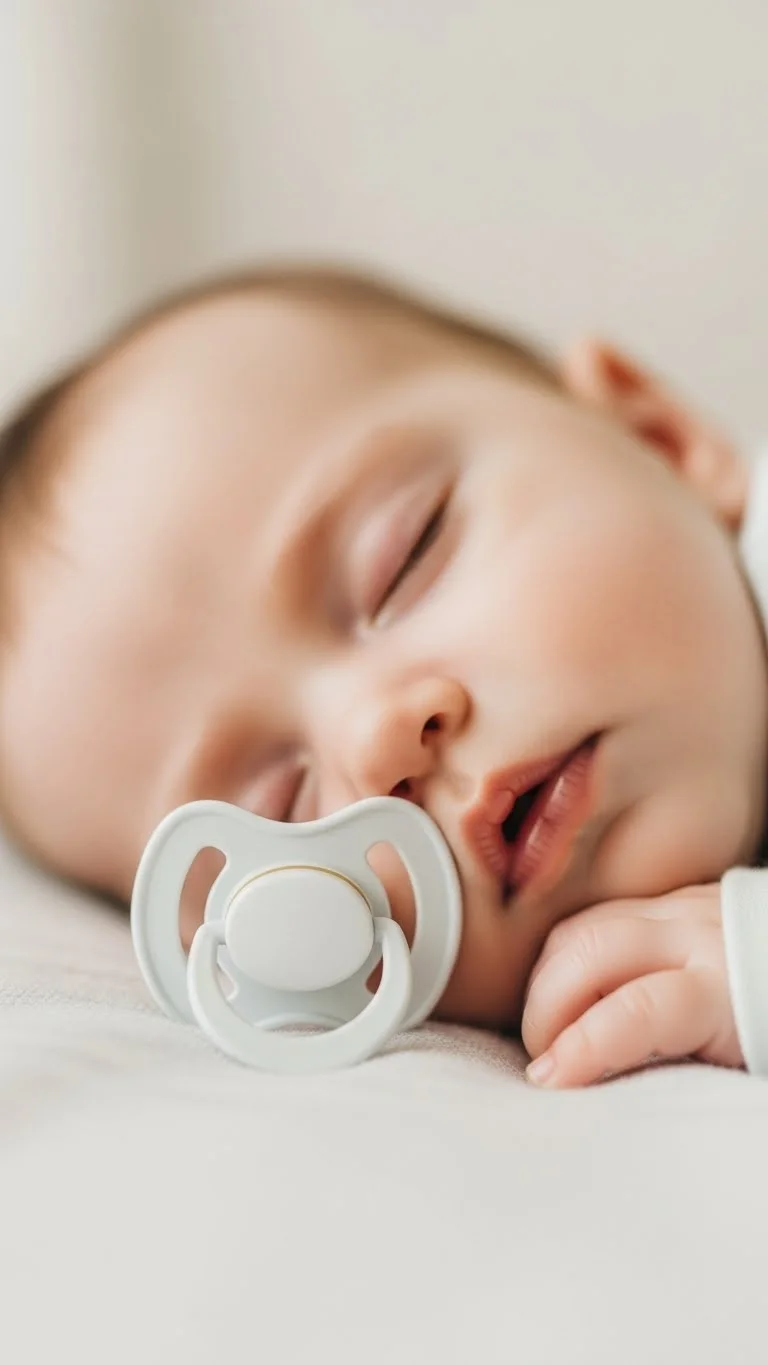
Pacifiers can help calm babies between feeds or during short fussing periods. Some babies accept them quickly. Others refuse. Offer gently and without pressure. Start with one style. Avoid buying large sets until you know what works. Clean pacifiers often and replace them when worn. Pacifiers should be used thoughtfully. Remove during sleep if your baby releases it naturally. Do not attach cords or clips during unsupervised rest. Budget tip: single-pack pacifiers cost less and reduce waste. DIY idea: keep pacifiers in a small clean container near feeding areas. This prevents drops and searching. Pacifiers can support soothing routines when used simply and safely, without relying on them for every moment.
19. Baby Monitor
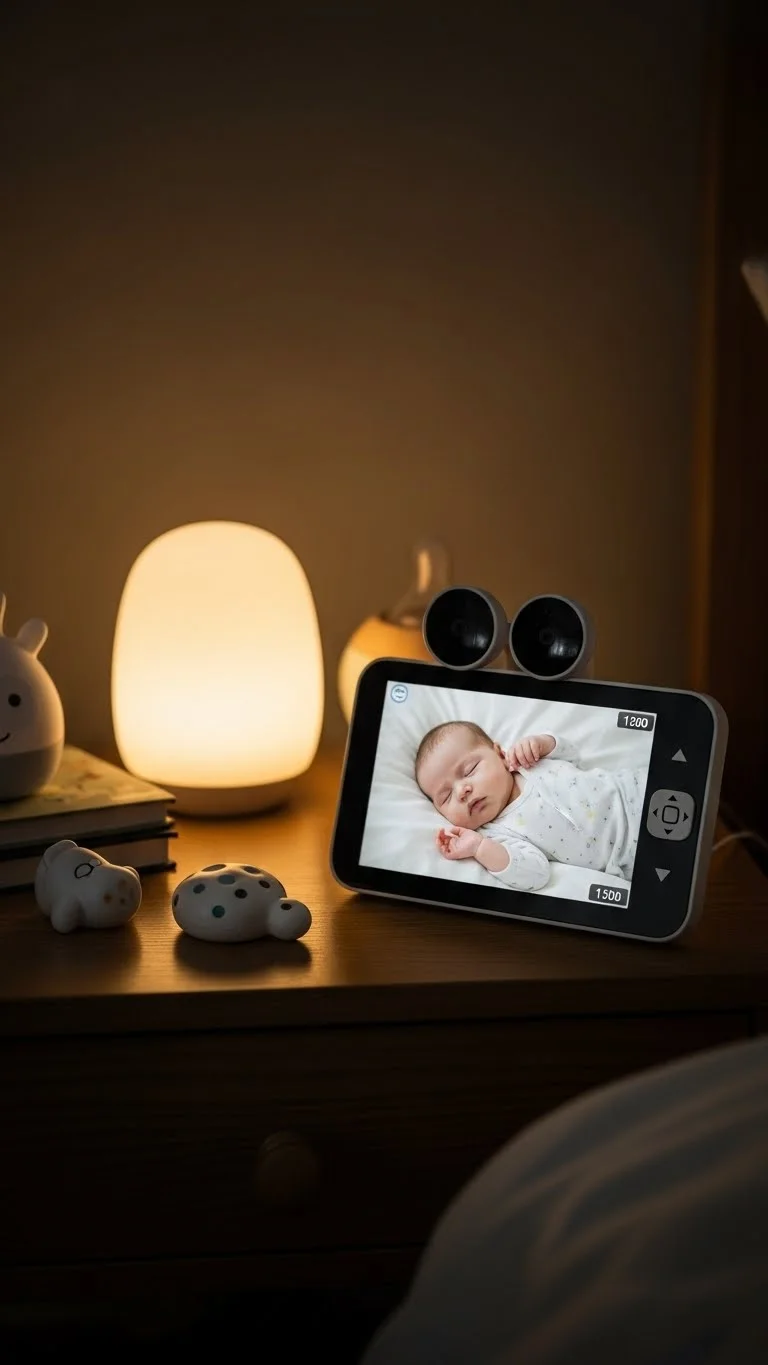
A baby monitor allows you to check on your baby while in another room. Audio monitors are often enough and easier to manage. Clear sound matters more than extra features. Place the monitor safely away from the crib. Test volume levels before regular use. Keep cords out of reach. Budget tip: choose basic models with good reviews instead of advanced systems. DIY idea: hang the receiver on a hook or wear it on a lanyard while moving around the house. Monitors support awareness and peace of mind, especially during naps and nighttime rest.
20. Stroller for Daily Walks
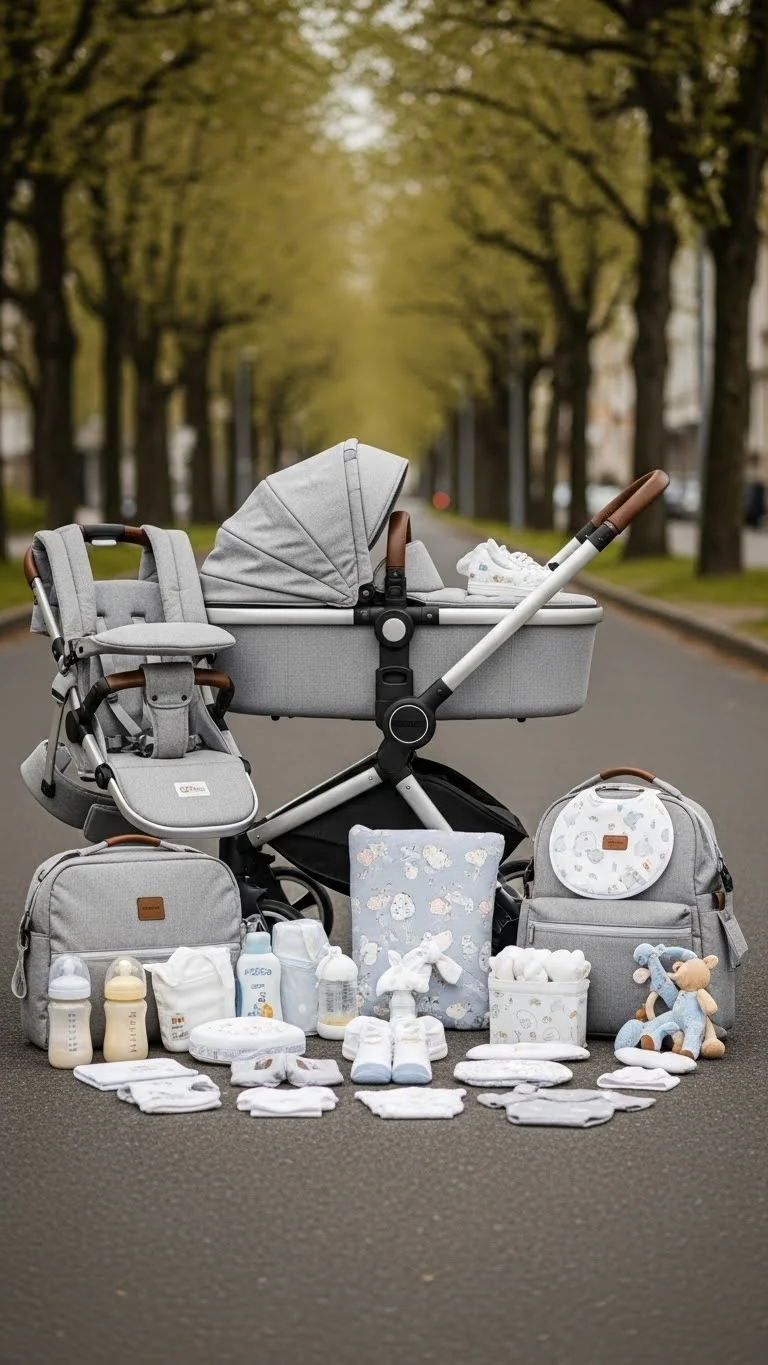
A stroller makes daily outings smoother. Walks help parents reset and babies relax. Choose a stroller that folds easily and fits your storage space. Focus on comfort and control. Smooth wheels and a secure seat matter more than accessories. Shade and a small storage basket are usually enough. Budget tip: buy second-hand from trusted sellers. Check brakes, wheels, and fabric before use. DIY idea: attach a reusable bag with clips for extra storage during short trips. A simple stroller supports fresh air, movement, and flexibility during busy days.
21. Baby-Friendly Laundry Supplies
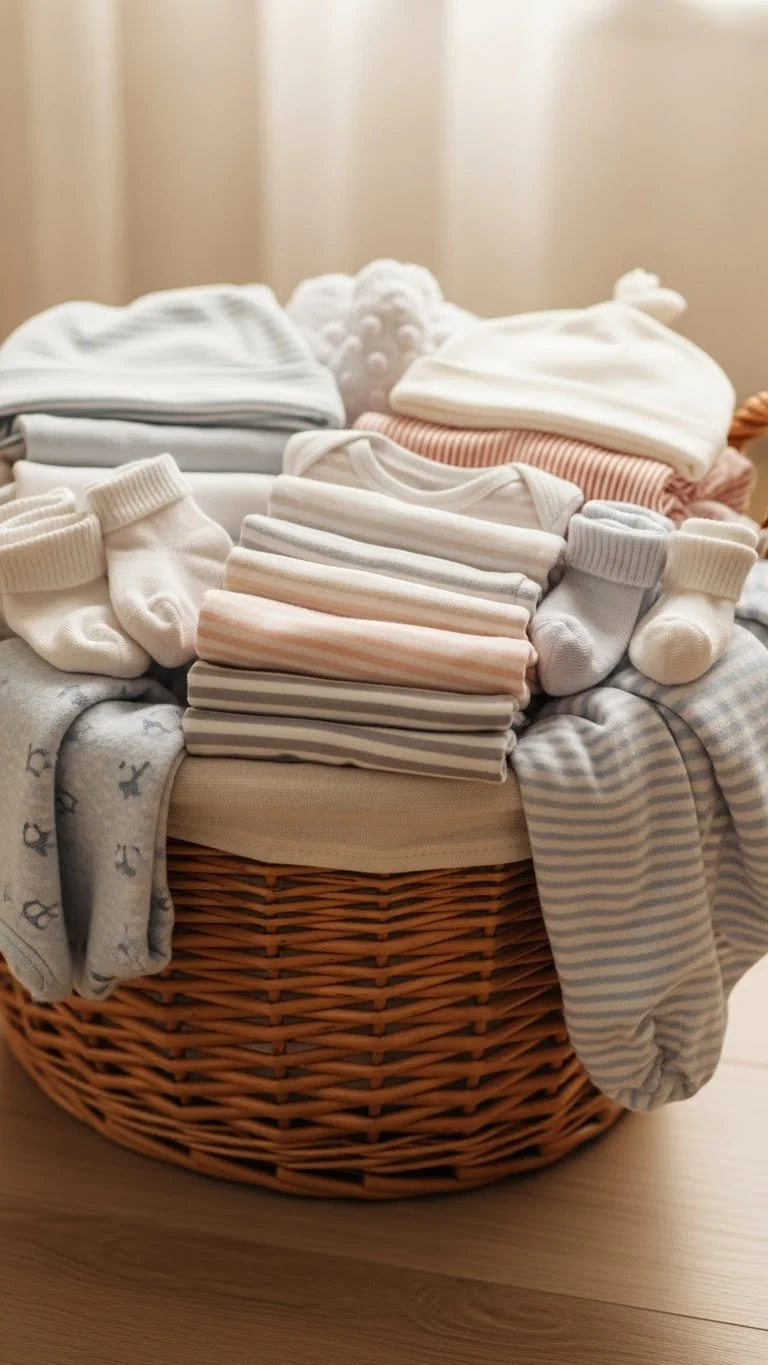
Baby clothes pile up quickly. Mild detergent helps keep fabrics gentle on skin. Choose simple formulas and use smaller amounts than recommended. Wash baby clothes regularly. Some parents prefer separate loads early on. Others wash together without issues. Budget tip: concentrated detergent lasts longer and saves money. DIY idea: air dry clothes when possible. Sunlight helps remove stains and keeps fabric soft. Simple laundry habits keep clothing clean without adding work or cost.
22. Feeding Pillow or Support Cushion
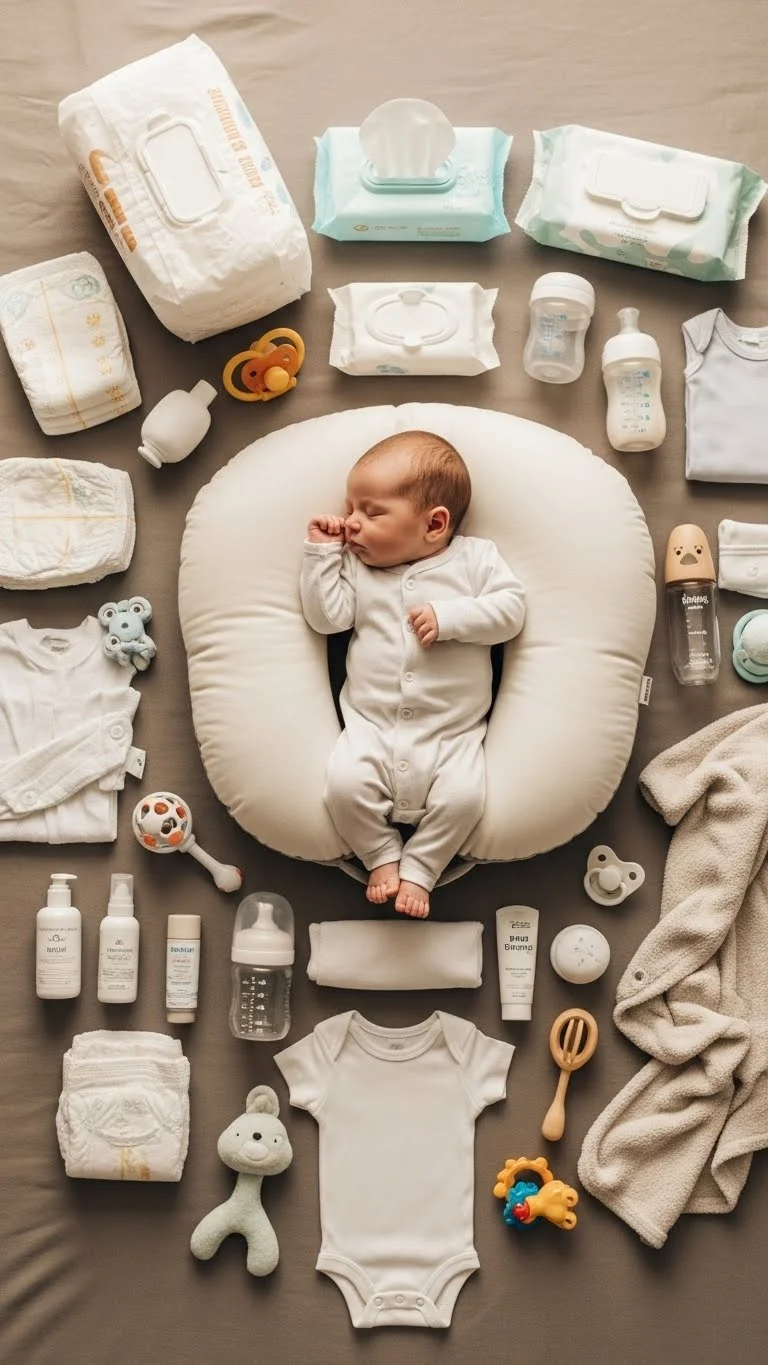
Feeding pillows support arms, shoulders, and back during feeds. Comfort helps reduce strain during long sessions. You do not need a special pillow. Regular pillows stacked together work well. Adjust height using folded towels if needed. Budget tip: use pillowcases that wash easily. Keep extras nearby. DIY idea: roll a towel inside a pillowcase for extra support. This creates a custom fit. Comfortable feeding positions support calmer routines and less fatigue.
23. Diaper Bag
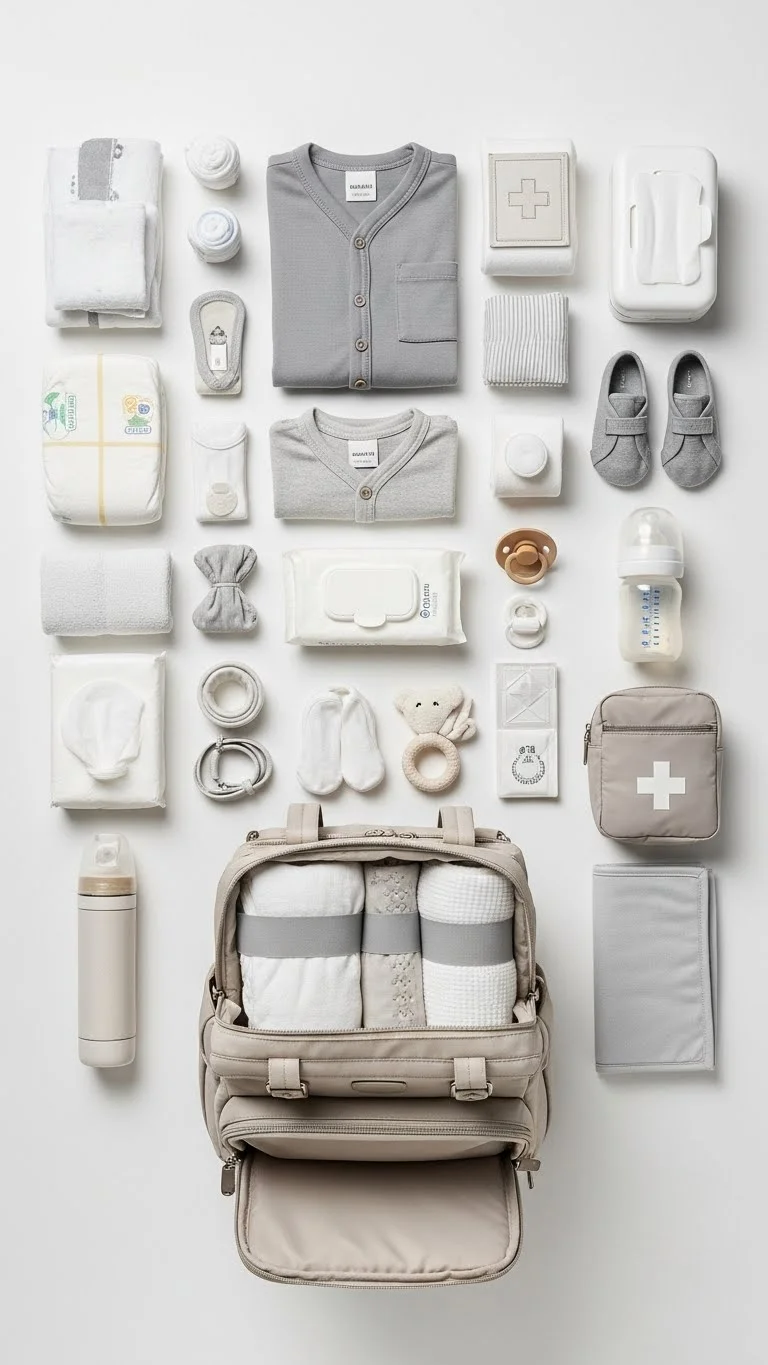
A diaper bag keeps essentials organized while away from home. Any sturdy bag works. Backpacks are popular for hands-free carrying. Pack only what you use. Diapers, wipes, a change of clothes, and a small mat cover most trips. Budget tip: use a backpack you already own instead of buying a new bag. DIY idea: use small pouches to group items. This speeds up packing and unpacking. A well-organized bag reduces stress during outings.
24. Baby Health Record Notebook
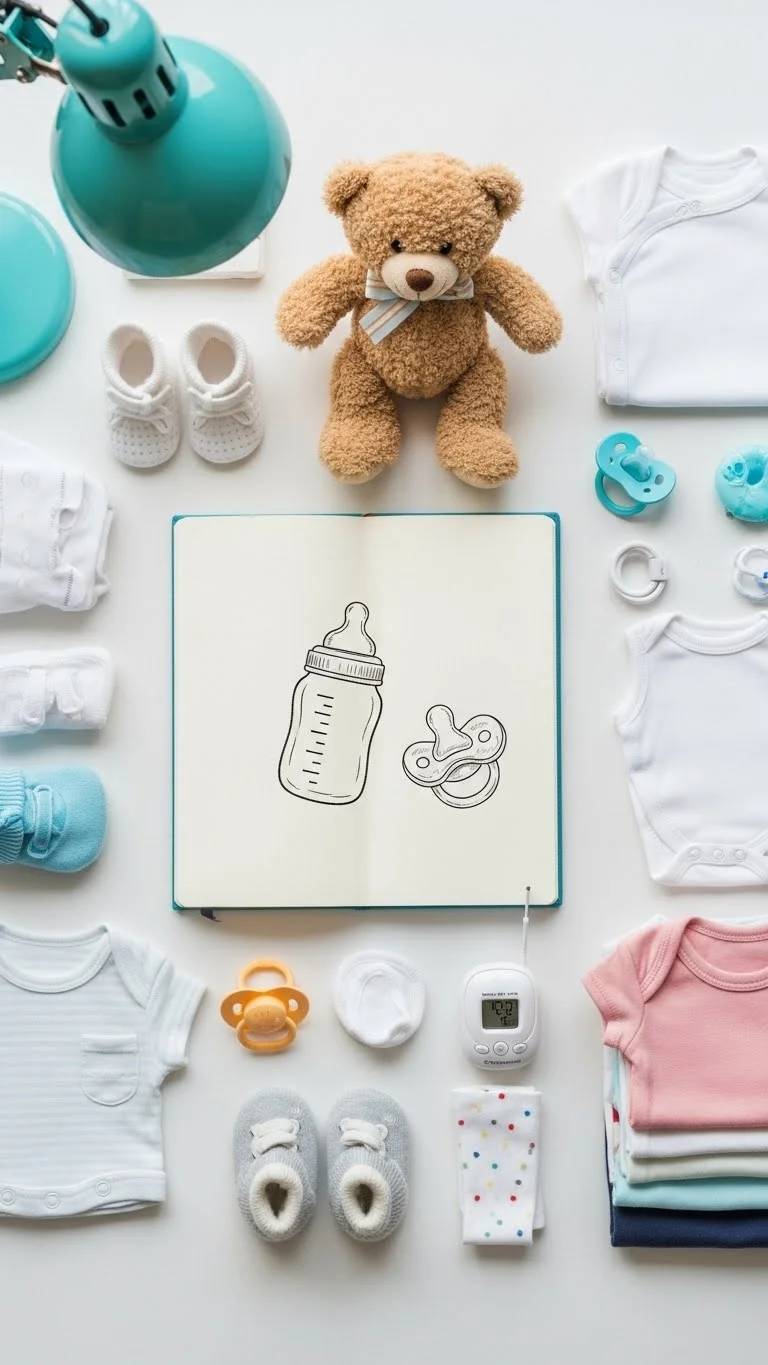
Tracking feeds, sleep, and health notes helps spot patterns. A simple notebook works well. Write short entries with time and date. You can also note diaper changes, medicine times, or questions for doctors. Keep entries brief. Budget tip: any notebook or notepad works. DIY idea: color-code pages or use symbols for quick scanning. Simple records support clearer communication with caregivers and health professionals.
25. Night Light
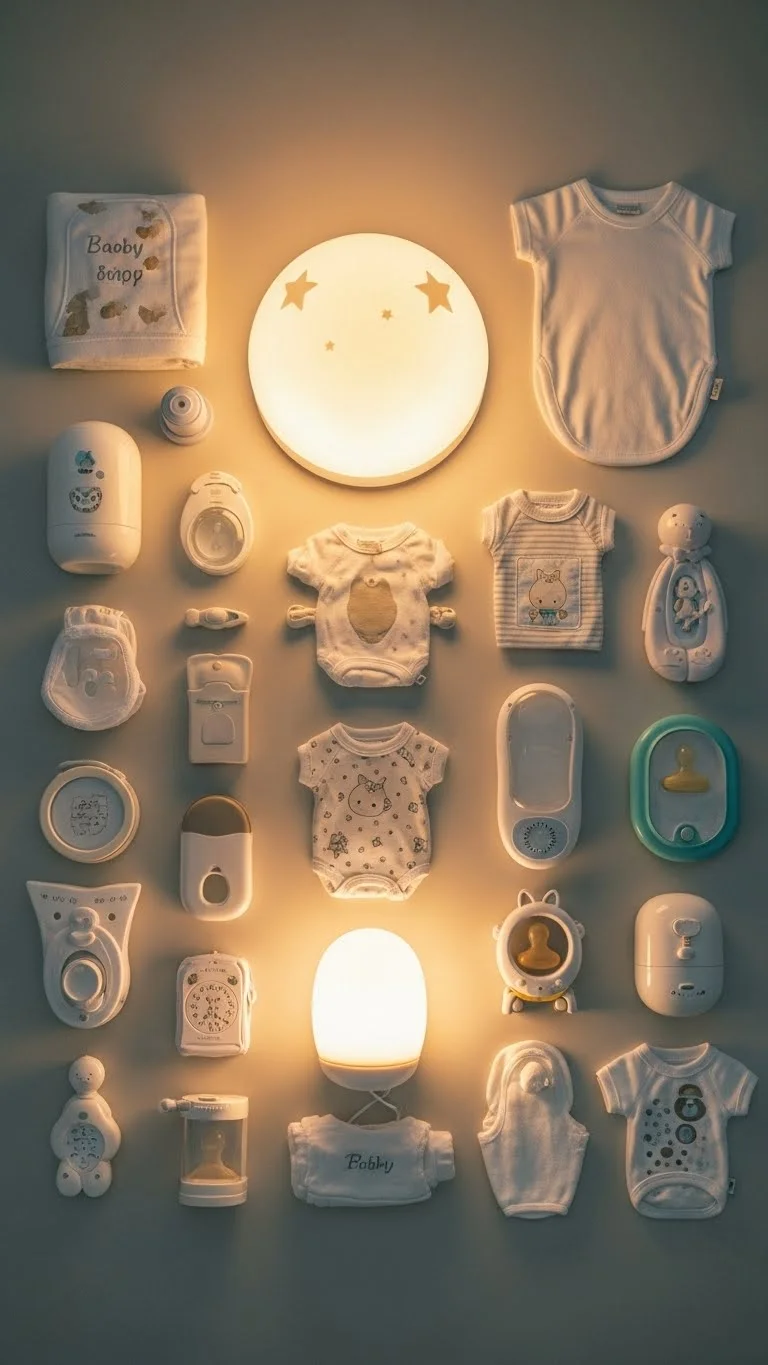
A soft night light supports nighttime care without harsh brightness. Warm light helps keep the room calm. Place the light where it provides enough visibility without shining directly toward the crib. Keep brightness low. Budget tip: use low-watt bulbs in table lamps instead of buying special lights. DIY idea: cover part of a lamp with fabric to soften glow. Keep fabric away from heat. Gentle lighting supports smoother nighttime routines.
26. Supportive Parenting Mindset
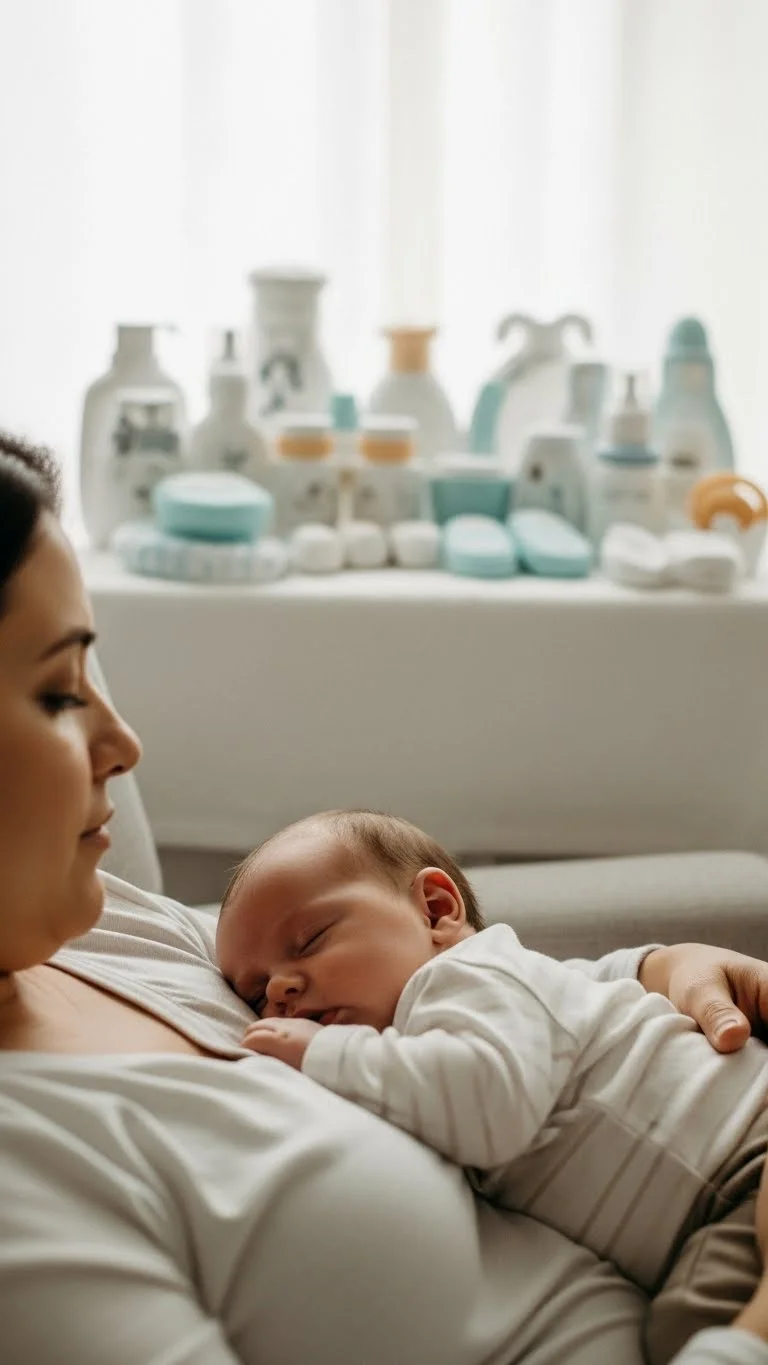
A calm mindset shapes daily experiences with a baby. Flexibility helps when plans change. Rest matters whenever possible. Share tasks when you can. Accept help. Short breaks support patience. Budget tip: trade childcare time with trusted friends or family. DIY idea: write gentle reminders on paper near your bed or mirror. A supportive mindset helps parents respond with care and confidence, even on challenging days.
Conclusion
Preparing for life with a new baby does not require endless shopping or complicated gear. A small group of thoughtful items can support daily routines, comfort, and care. Simple choices often work best. Focus on safety, comfort, and ease of use. Many items can be borrowed, reused, or created at home. This keeps spending manageable and reduces stress. As your baby grows, routines will change. Adjust items as needed. Trust your instincts. Pay attention to what truly helps during your day. The goal is not perfection. It is steady care, calm moments, and confidence built over time. Start with a few essentials. Add slowly. Let your family’s rhythm guide the rest.
