

21 Baby Safety Tips for Peace of Mind
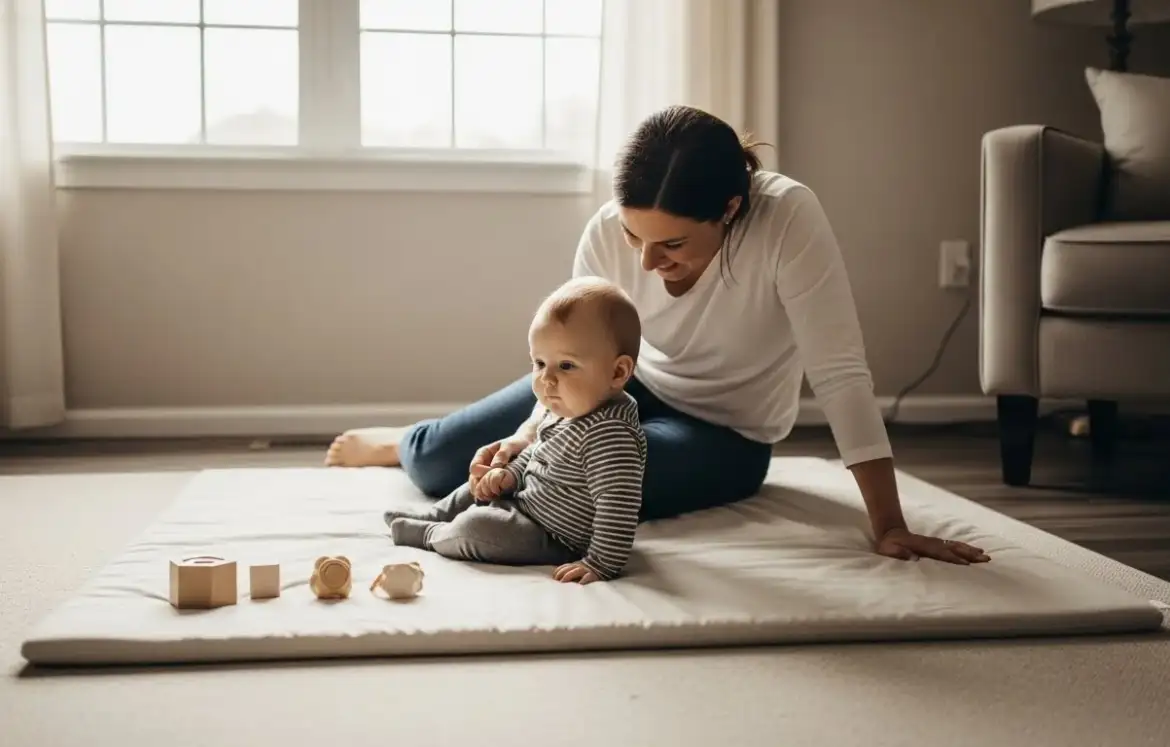
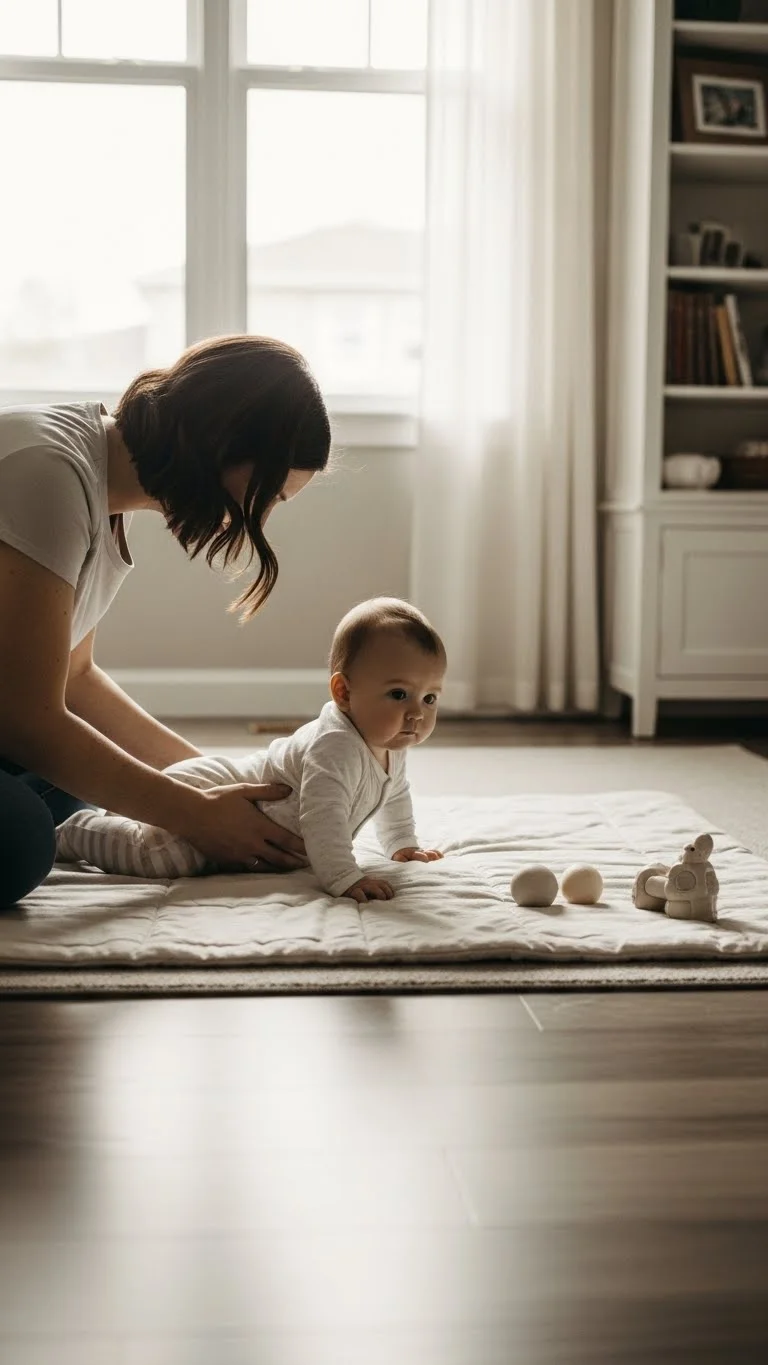
Welcoming a baby into your home brings joy, love, and a whole new set of daily habits. Many parents search for simple ways to keep their baby safe without stress or high costs. This guide focuses on practical actions you can start today. Each tip fits real homes, real budgets, and real routines. Small steps add up. When safety becomes part of everyday life, peace of mind follows naturally.
1. Create a Safe Sleep Space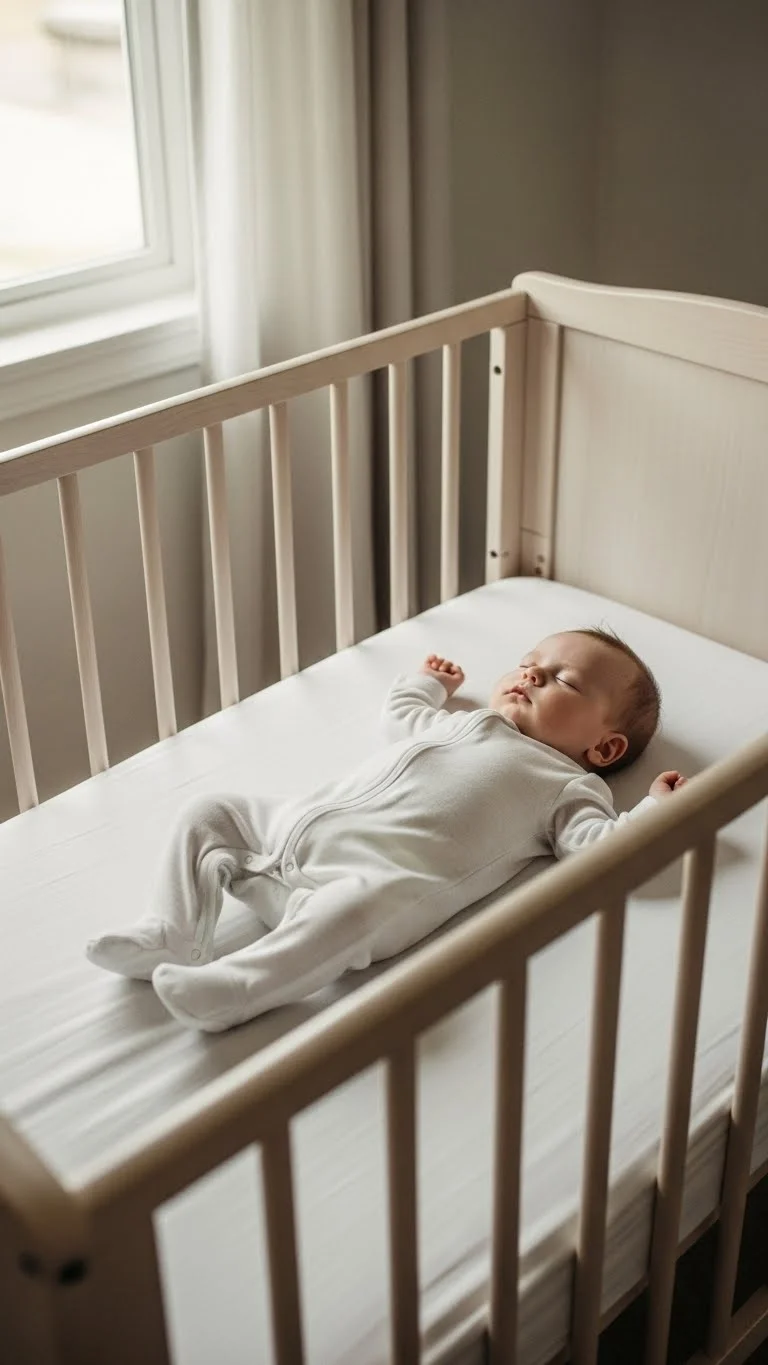
A safe sleep setup starts with simplicity. Use a firm mattress that fits the crib snugly. Add only a fitted sheet. Skip pillows, stuffed toys, and loose blankets. Babies move more than we think. Clear space lowers risk during naps and nighttime sleep. Place the crib away from cords, curtains, or shelves. Even a small pull can cause trouble. If a crib is not an option, a bassinet with a flat surface works well for the early months. Second-hand cribs are fine if they meet current safety rules and feel sturdy. For warmth, dress your baby in layered sleep clothing instead of adding bedding. Many budget-friendly sleep sacks work across seasons. At home, check the room temperature with your own comfort as a guide. If you feel fine in light clothing, your baby likely will too. Daily habit matters. Always place your baby on their back to sleep. This becomes automatic over time. Safe sleep does not require fancy gear. It relies on clear space, steady routines, and mindful placement.
2. Anchor Furniture to the Wall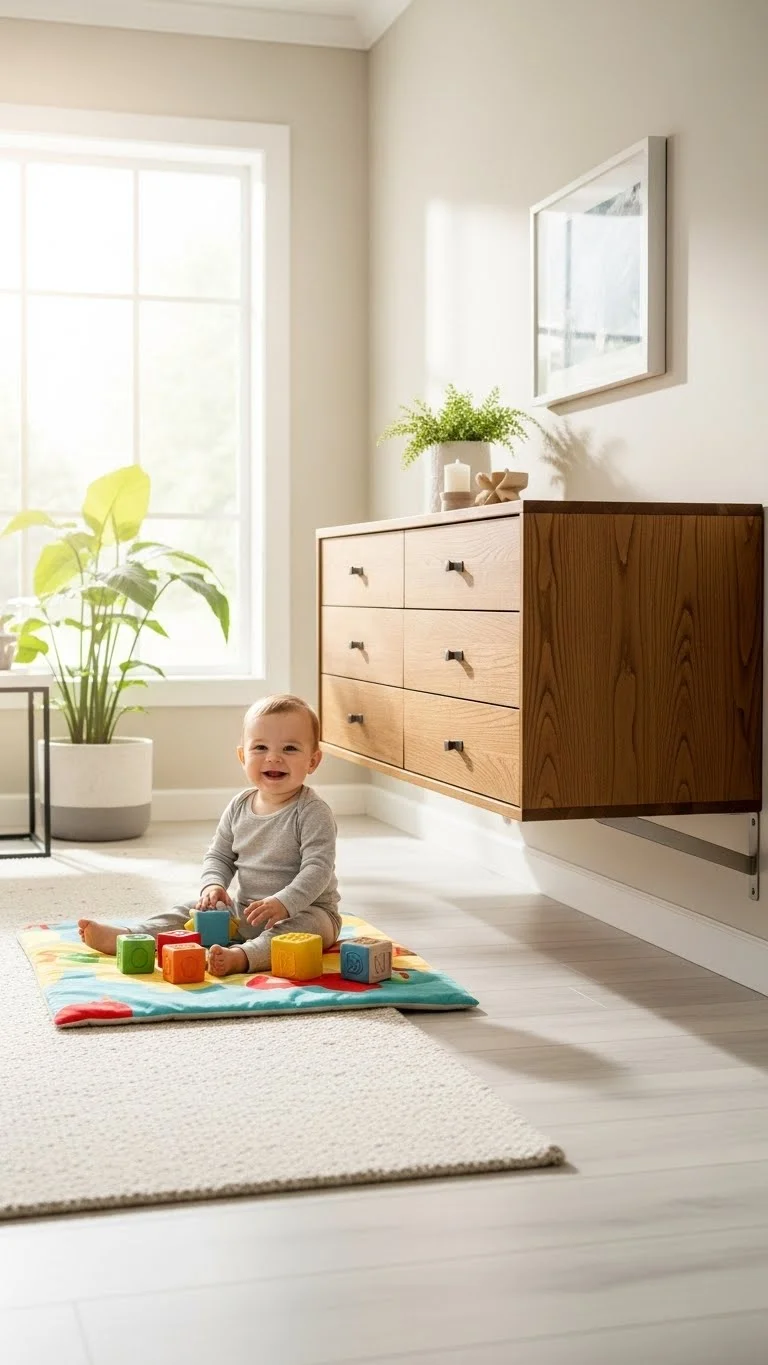
Babies grow fast. One day they roll, the next they pull up. Heavy furniture can tip with surprising ease. Anchoring items like dressers, bookshelves, and TV stands lowers this risk right away. Most hardware stores sell low-cost wall anchor kits. Many even come with clear instructions. A basic drill and screwdriver usually do the job. If tools are not available, ask a friend or neighbour. This task takes less than an hour but adds lasting relief. Focus first on items taller than your waist. Check the rooms where your baby spends time. Bedrooms and living areas matter most. Even furniture that feels stable can shift when climbed. Keep drawers closed and avoid placing tempting items on top. Babies love remote controls and toys. When these sit high, little hands try to reach. Anchoring furniture pairs well with mindful placement. This simple step blends into your home without changing the style. Once installed, you forget it is there. That quiet protection works every day without effort.
3. Cover Electrical Outlets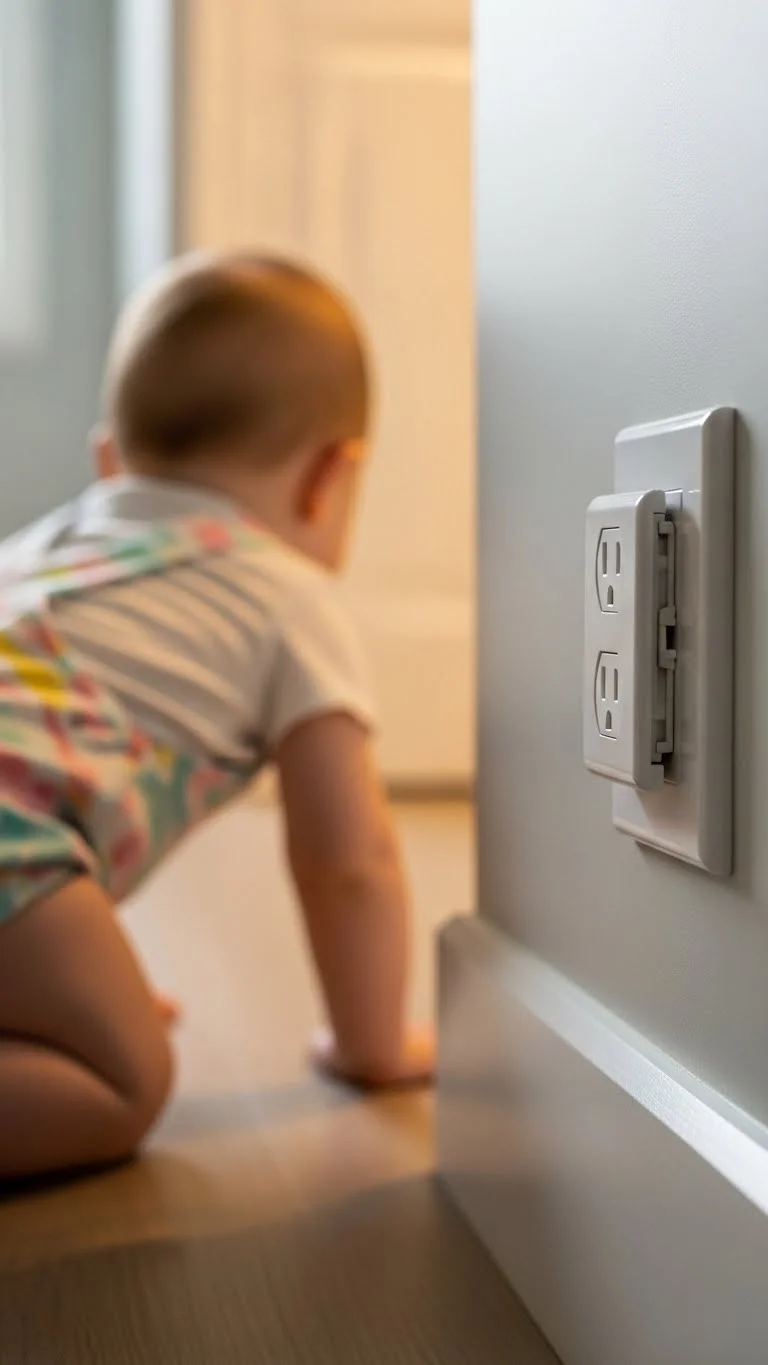
Electrical outlets sit right at eye level for crawling babies. Curious fingers explore quickly. Outlet covers act as a simple barrier that costs very little and installs in seconds. Basic plastic plugs work well for low-use outlets. For frequently used spots, sliding covers offer better convenience. Both options are widely available and affordable. Choose a snug fit that requires adult pressure to remove. Walk through your home from a baby’s height. This view changes how you see risks. Outlets behind couches or near beds still matter. Babies wiggle into tight spaces. If cords are plugged in, secure them with cord shorteners or tape them out of reach. Avoid dangling wires. Chargers attract attention and often end up in mouths. Outlet safety is not about fear. It is about blocking access before curiosity kicks in. Once covers are in place, they fade into the background while quietly doing their job.
4. Use Safety Gates Wisely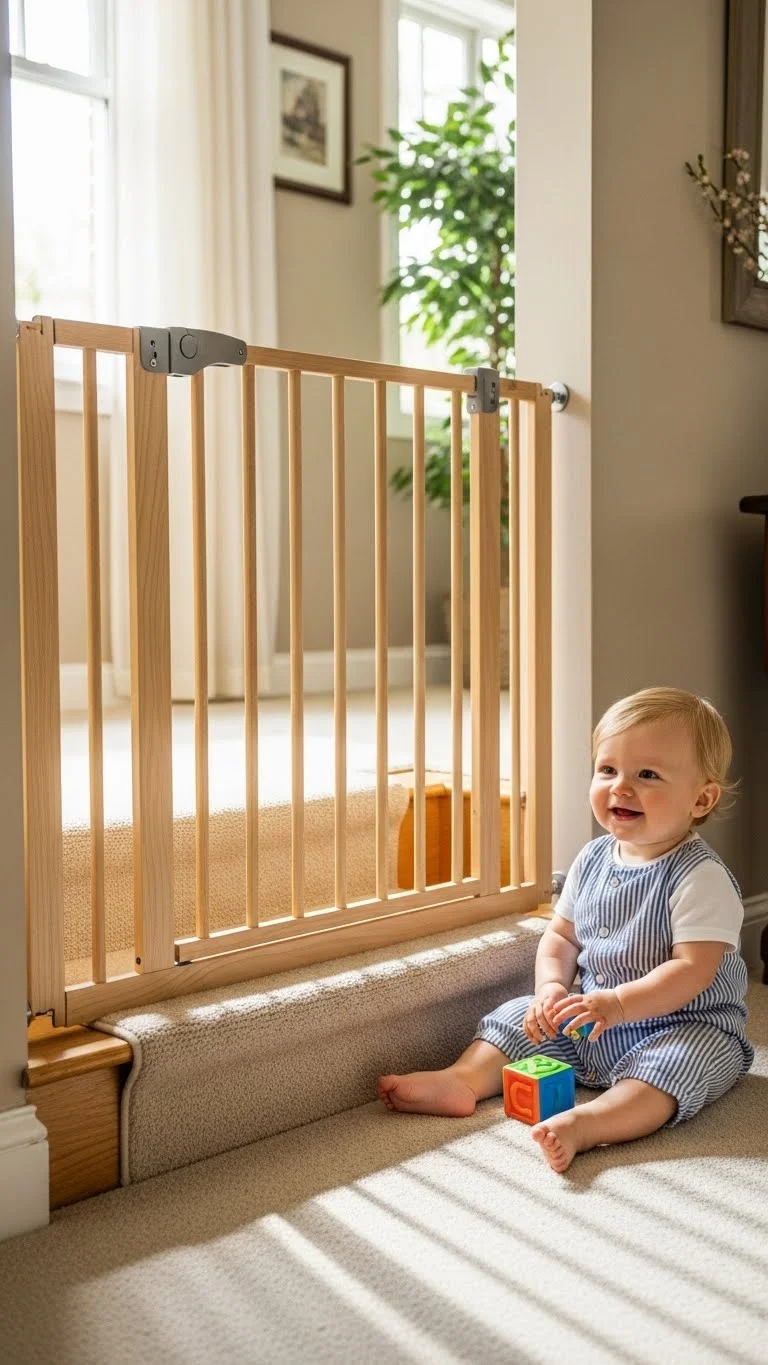
Safety gates help manage movement as babies start crawling. Stairs are the first priority. A gate at the top and bottom blocks sudden falls. Choose a hardware-mounted gate for stairs, as pressure-mounted styles can shift. Measure your doorway before buying. This avoids returns and saves time. Many budget gates adjust to fit common spaces. Installation often takes less than thirty minutes. Use gates to create safe zones, not cages. Block kitchens during cooking or offices with cords and sharp items. Open play areas still matter for growth and exploration. Check gates weekly. Tighten screws and test latches. Babies learn quickly and push limits. A gate that worked last month may feel loose today. When not needed, gates can come down easily. Their purpose shifts as your baby grows. Used thoughtfully, they guide movement while keeping your home flexible and calm.
5. Secure Cords and Cables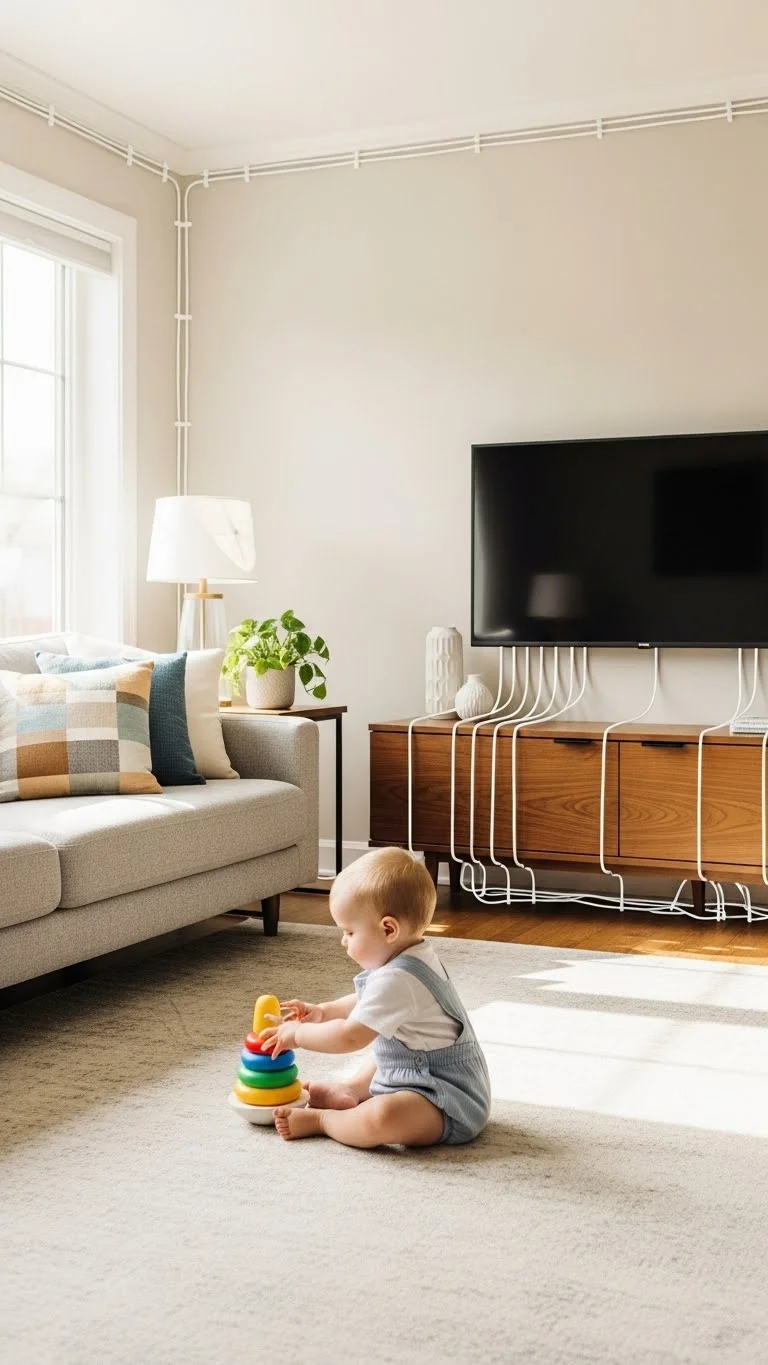
Loose cords hang like toys to a baby. They pull, chew, and twist. This can topple lamps or electronics. Simple cord management lowers this risk fast. Use cord clips, zip ties, or even reusable fabric ties. Many low-cost options work well. Bundle excess length and tuck it behind furniture. Keep cords off the floor when possible. Window blind cords deserve special focus. Use cord cleats to wrap them high and tight. Better yet, switch to cordless blinds if budget allows over time. Chargers should stay unplugged when not in use. A charging station on a high shelf keeps devices out of reach. This habit also reduces clutter. Cord safety blends organization with protection. A tidy setup looks better and feels calmer. Small changes here prevent big scares later.
6. Lock Cabinets and Drawers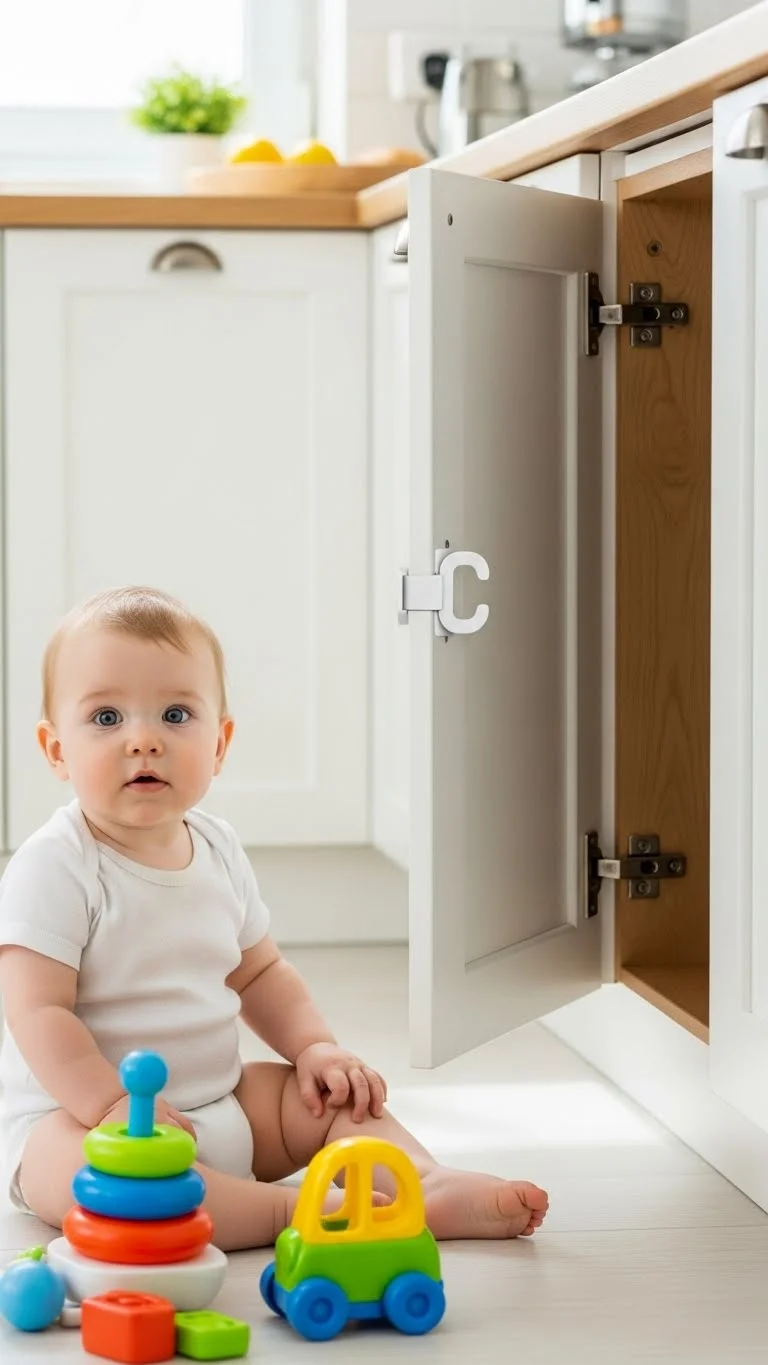
Cabinets hide cleaning supplies, sharp tools, and breakables. Babies love doors and handles. Locks block access without changing daily routines. Magnetic locks work well and stay hidden. Strap locks cost less and install without tools. Both styles suit renters and homeowners alike. Start with kitchens and bathrooms. These rooms hold the highest risks. Then check laundry areas and storage spaces. Even low drawers can hold heavy items. Keep only safe items in unlocked drawers. Plastic bowls and wooden spoons make fine exploration tools. This way, curiosity stays welcome in safe ways. Locks do not stop learning. They guide it. Babies still explore, just without reaching harmful items. Over time, opening cabinets becomes less tempting when there is nothing exciting inside.
7. Choose Non-Slip Bath Mats 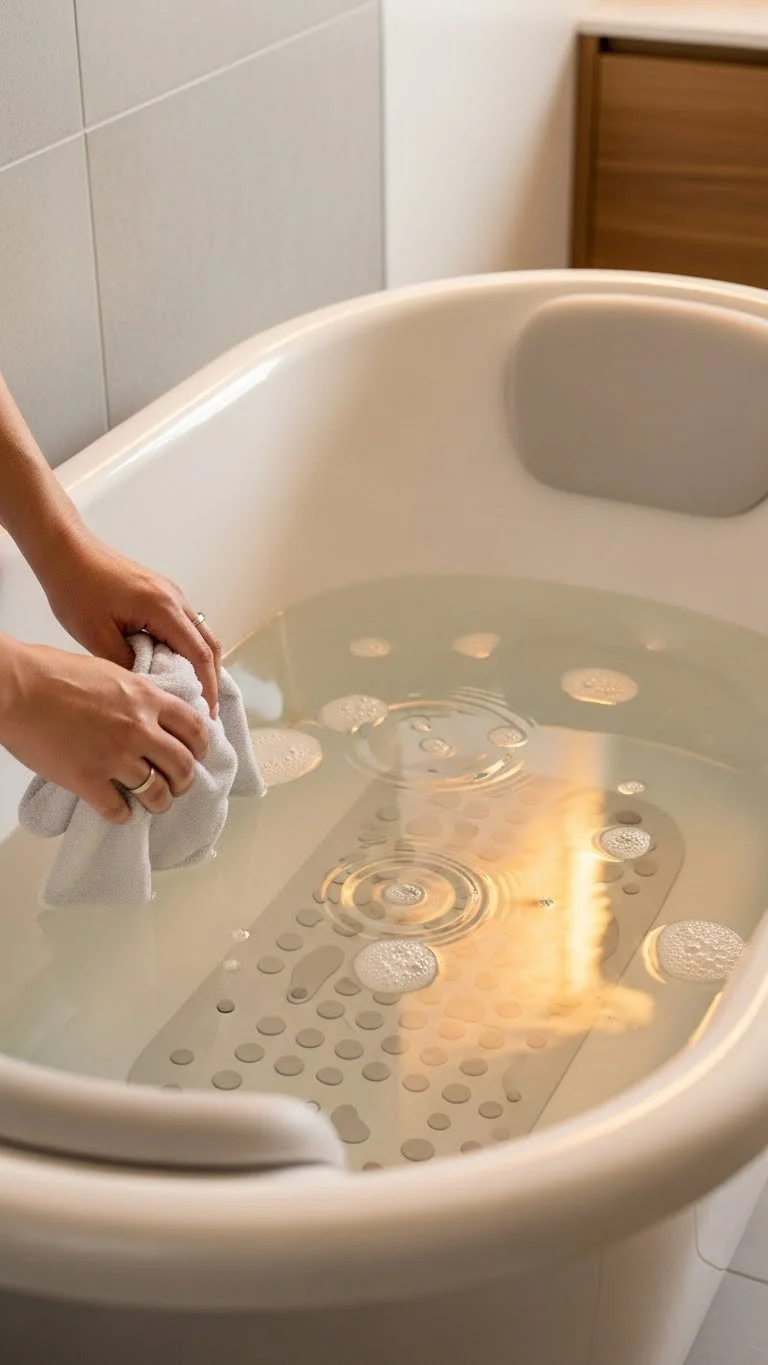
Bath time mixes water, soap, and movement. Slippery surfaces add risk. A non-slip mat inside the tub gives babies better grip while sitting or standing. Pick mats with strong suction cups. Test them before each bath by pressing down firmly. Rinse and hang to dry after use to avoid mildew. For extra safety, place a towel or bath mat on the floor outside the tub. This helps caregivers keep steady footing while lifting or leaning. Never rely on mats alone. Stay within arm’s reach at all times. Even shallow water can surprise. Keep soap and towels ready before starting. Bath safety does not require fancy tubs. Simple mats and steady habits turn daily washing into a calm, happy routine.
8. Keep Small Objects Off the Floor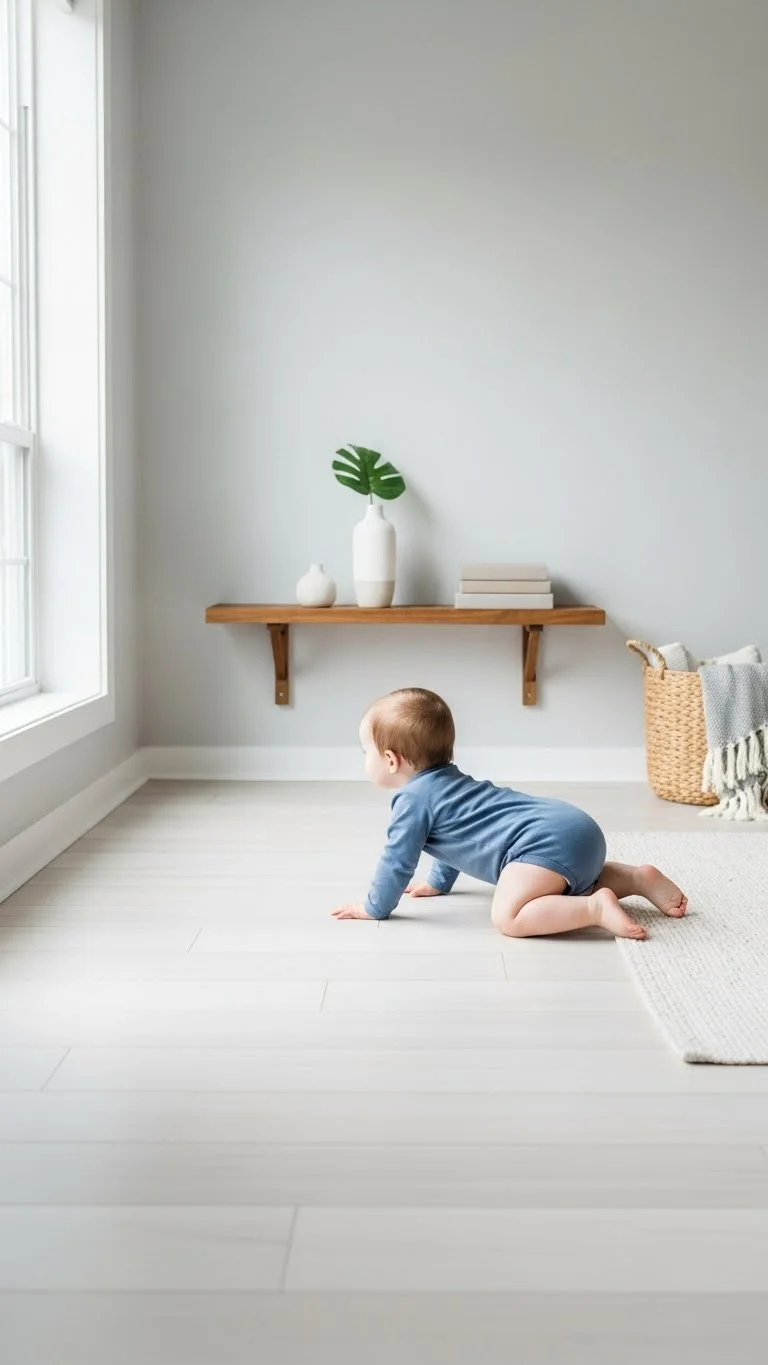
Babies explore with their mouths. Anything small enough to fit can end up there. Buttons, coins, and toy parts often fall unnoticed. Get into the habit of a quick floor scan each day. Focus on play areas and under furniture. This takes less than a minute once it becomes routine. Use storage bins with lids for older children’s toys. Separate baby-safe items from those with small parts. This saves time and reduces daily sorting. Visitors may drop items without realizing. After guests leave, do another scan. Bags and pockets carry surprises. Clear floors support safe play. Babies move freely without constant “no” reminders. This simple habit protects while keeping the mood relaxed.
9. Install Window Guards or Stops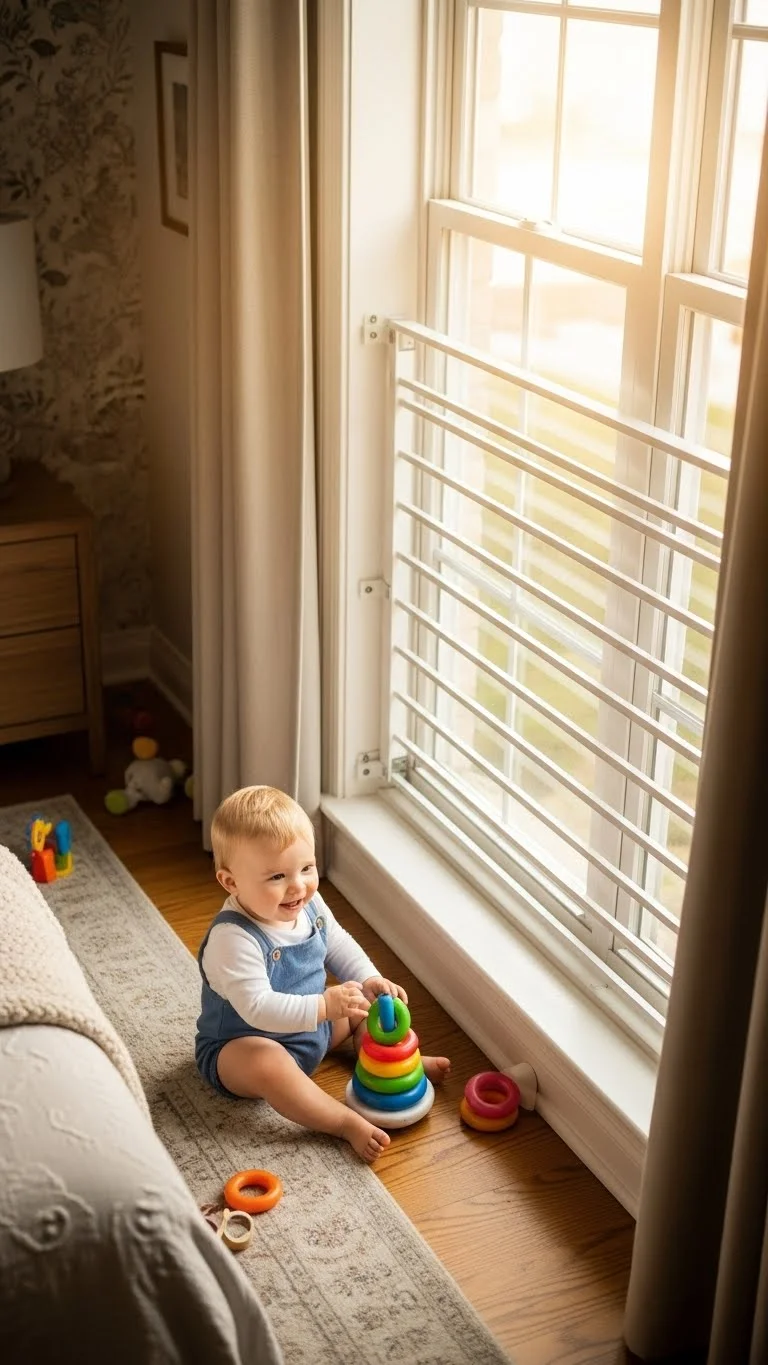
Windows attract attention. Light, views, and fresh air pull babies closer as they grow. Guards or stops limit how far windows open. Many options install with basic tools and cost little. Adjustable stops work well for sliding or hinged windows. They allow airflow while blocking wide openings. Check windows in all rooms, even those used less often. Babies travel quickly once mobile. Bedrooms and living rooms come first. Keep furniture away from windows. This removes climbing help. Curtains should hang short or be tied back to avoid pulling. Window safety works quietly in the background. Once set, it allows fresh air without constant worry.
10. Store Cleaning Products Up High 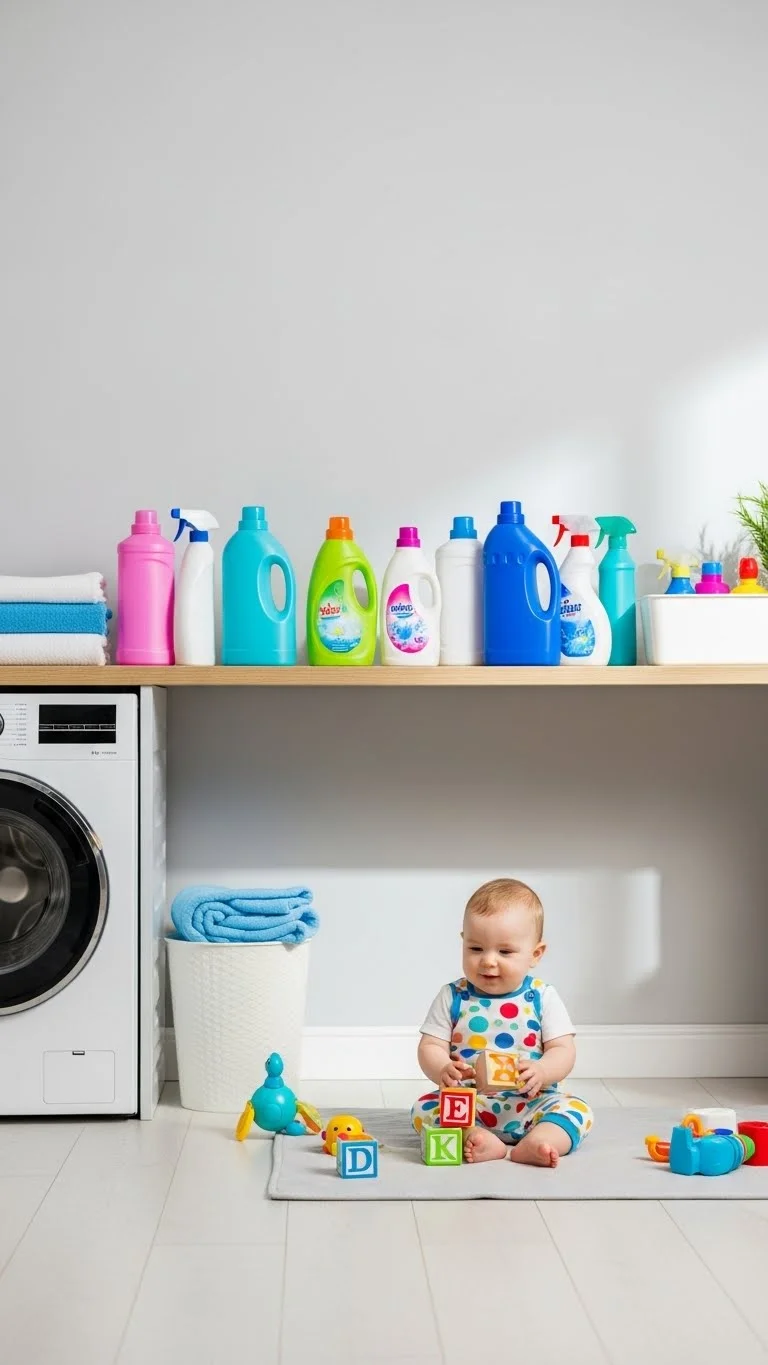
Cleaning supplies often come in bright bottles. Babies mistake them for toys. Storing these items high adds a strong layer of protection. Use a shelf above adult reach or a locked cabinet. Even if cabinets have locks, higher storage adds peace of mind. Double layers work well. Transfer products only if containers are clear and labeled. Never use food containers. Original packaging carries safety details. After cleaning, return items right away. Leaving bottles out “just for a moment” often turns into longer gaps. Safe storage becomes second nature. Over time, habits replace reminders, and your home stays ready for curious hands.
11. Check Toy Safety Regularly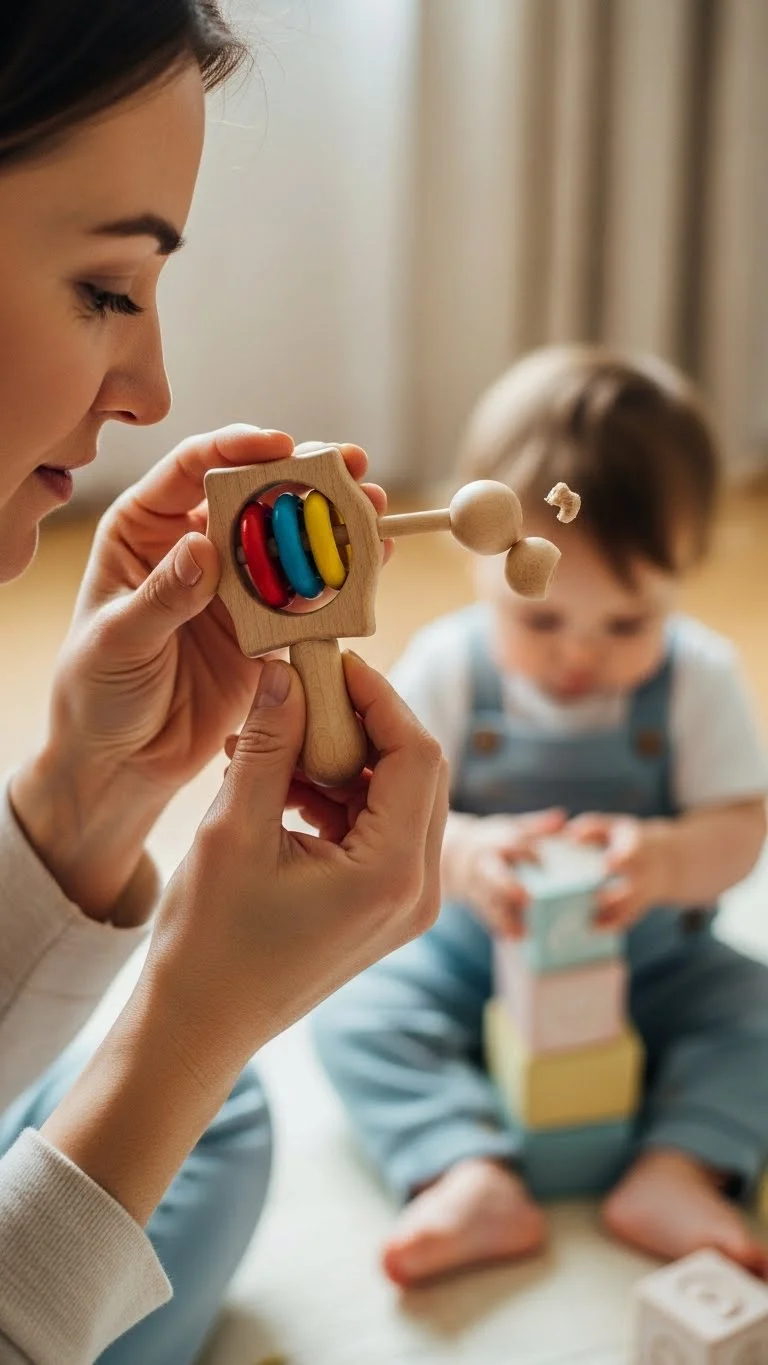
Toys wear out. Seams loosen, parts crack, and batteries shift. A quick weekly check keeps playtime safe. Focus on loose pieces, sharp edges, and peeling paint. Tug gently on parts. If something feels weak, remove the toy. Battery-powered toys deserve extra care. Secure battery compartments with screws. Tape alone is not enough for long-term use. Rotate toys instead of offering all at once. Fewer toys mean easier checks and less clutter. Babies enjoy variety even with small collections. Toy safety does not mean buying new items often. It means paying attention to what you already have.
12. Soften Sharp Furniture Edges 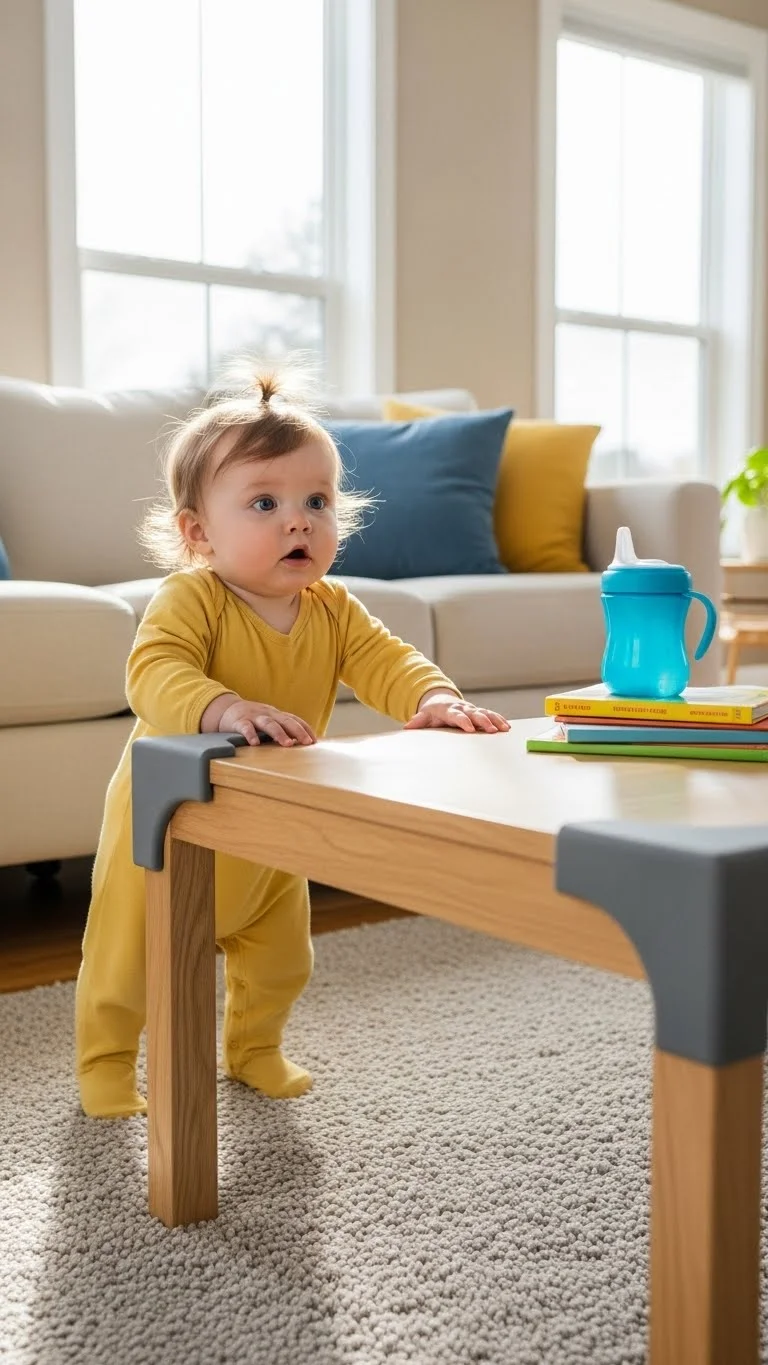
Low tables and sharp corners line up with the baby’s head height. As babies pull up and wobble, bumps happen. Corner protectors soften impact. Foam or silicone guards cost little and install quickly. Clear styles blend with furniture. Test adhesion and replace if loose. Focus on high-traffic areas. Coffee tables, TV stands, and low shelves matter most. You do not need to pad everything. Rearranging furniture can also help. Move sharp items out of main play zones when possible. These small cushions reduce tears and panic. They buy time while babies learn balance and control.
13. Keep Hot Drinks Out of Reach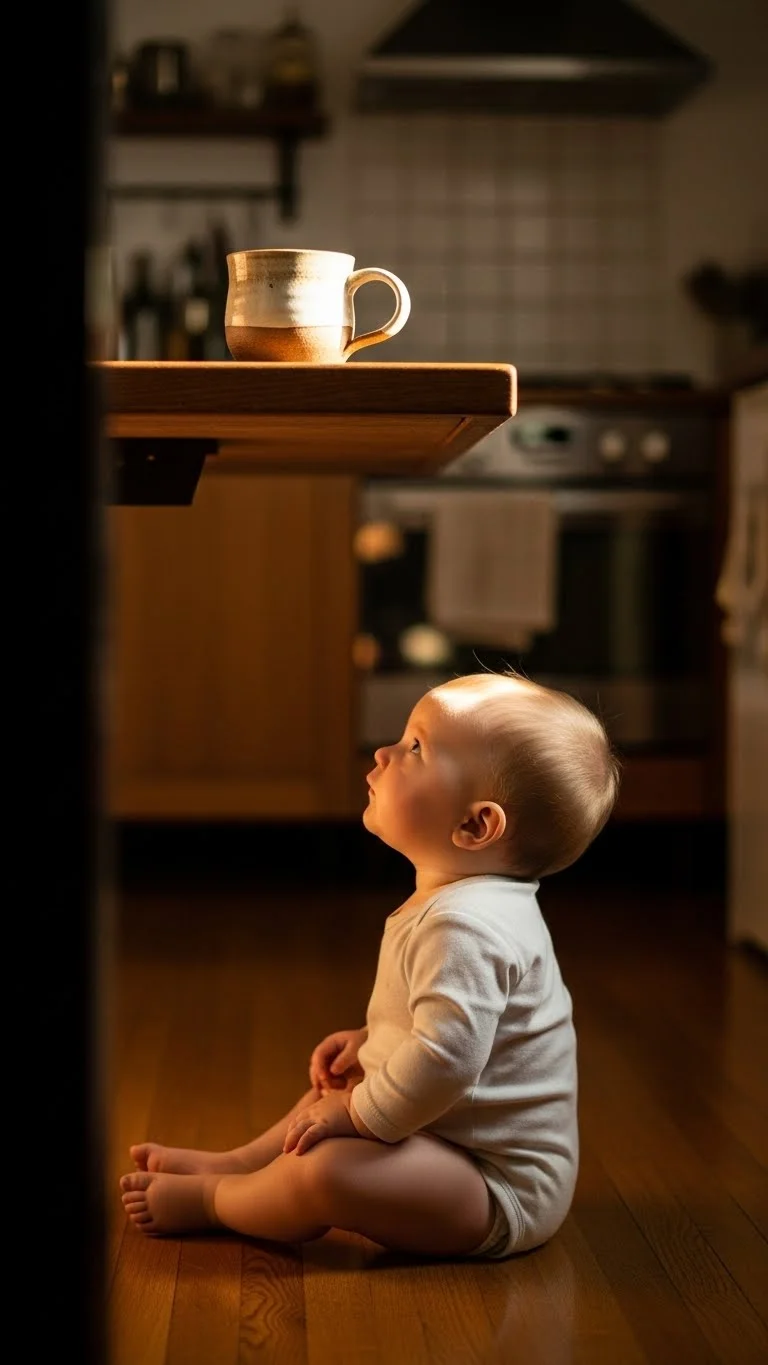
Hot drinks spill easily. Babies grab fast. Burns can happen in seconds. Simple placement habits lower this risk. Place mugs and teapots far from the edges. Avoid tablecloths that can be pulled down. Use travel mugs with lids when possible. Never hold a hot drink while carrying your baby. Even careful adults trip. Set the cup down first. Teach other caregivers and guests the same habit. Consistency matters. One lapse can cause harm. Hot drink safety blends awareness with routine. Once practiced daily, it feels natural and effortless.
14. Use a Firm, Flat Changing Area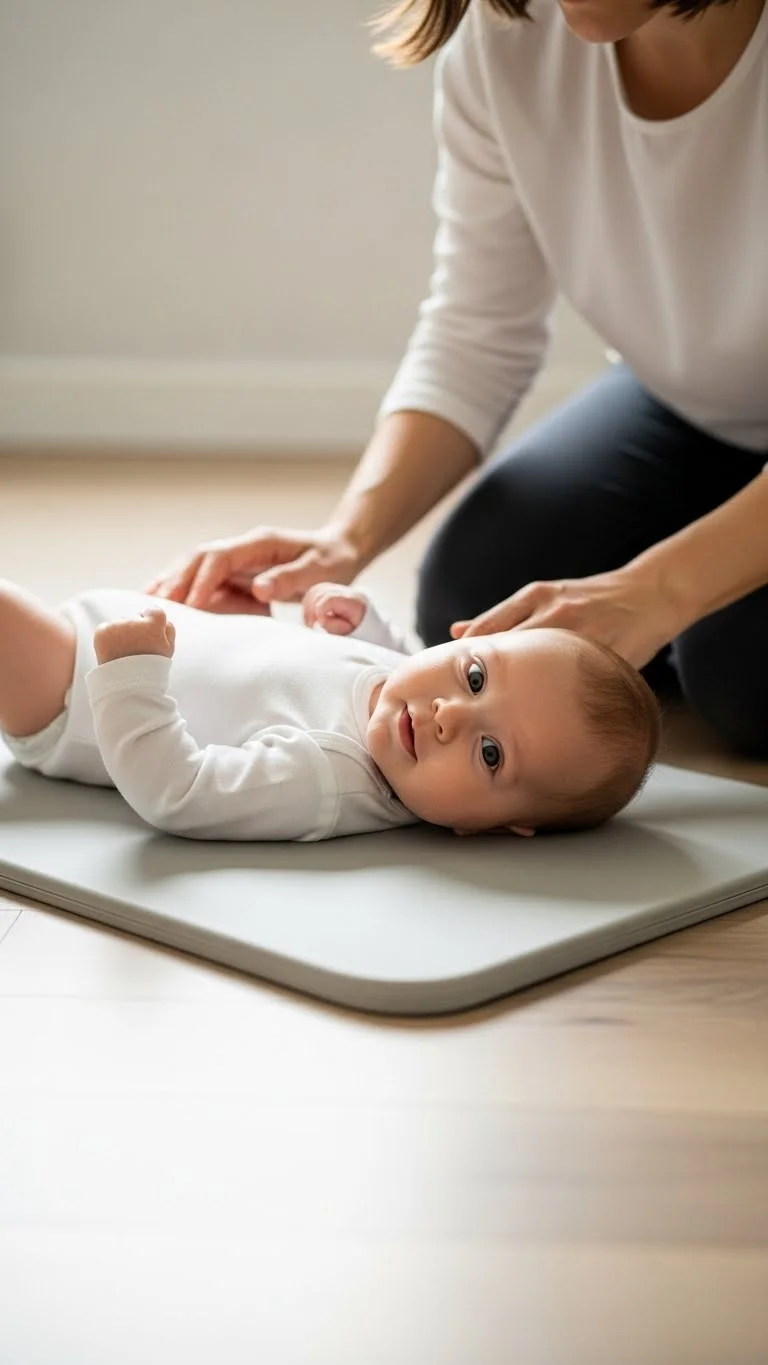
Falls happen during changes. Babies roll suddenly. A firm, flat surface close to the floor lowers risk. Floor changes work well and cost nothing. Use a wipeable mat or thick towel. Keep supplies within arm’s reach. If using a changing table, secure the straps and stay close. One hand on the baby at all times helps. Avoid distractions during changes. Phones and doorbells can wait. This short moment deserves full attention. Safe changing setups rely on placement and focus, not expensive furniture.
15. Keep Plants Baby-Safe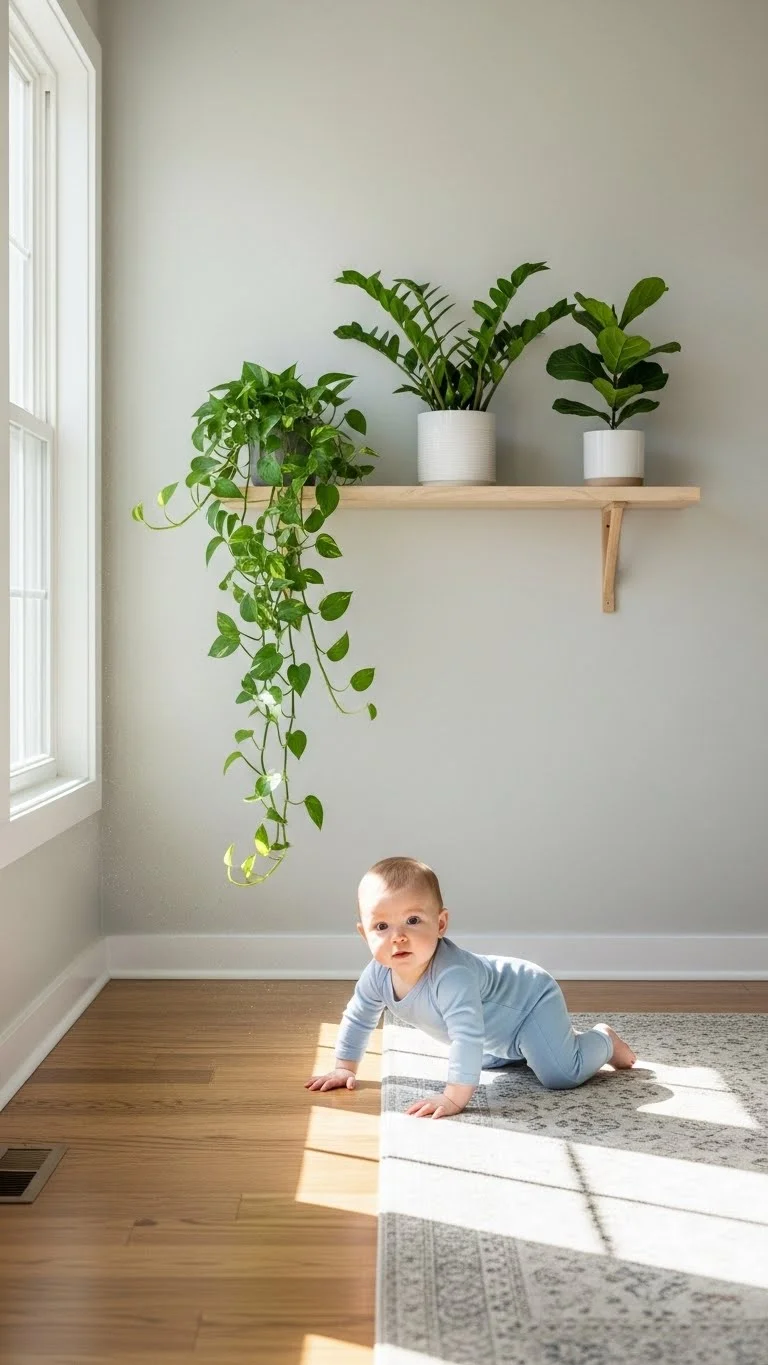
Some houseplants irritate the skin or cause stomach upset. Babies chew leaves when exploring. Knowing your plants helps. Move plants out of reach or hang them. Use plant stands or shelves. This keeps greenery without risk. If you are unsure about a plant, treat it as if it were unsafe. Many free online lists help identify common types. Check the soil too. Pebbles and fertilizer pellets attract hands and mouths. Plant safety blends home style with simple placement choices.
16. Secure Trash Cans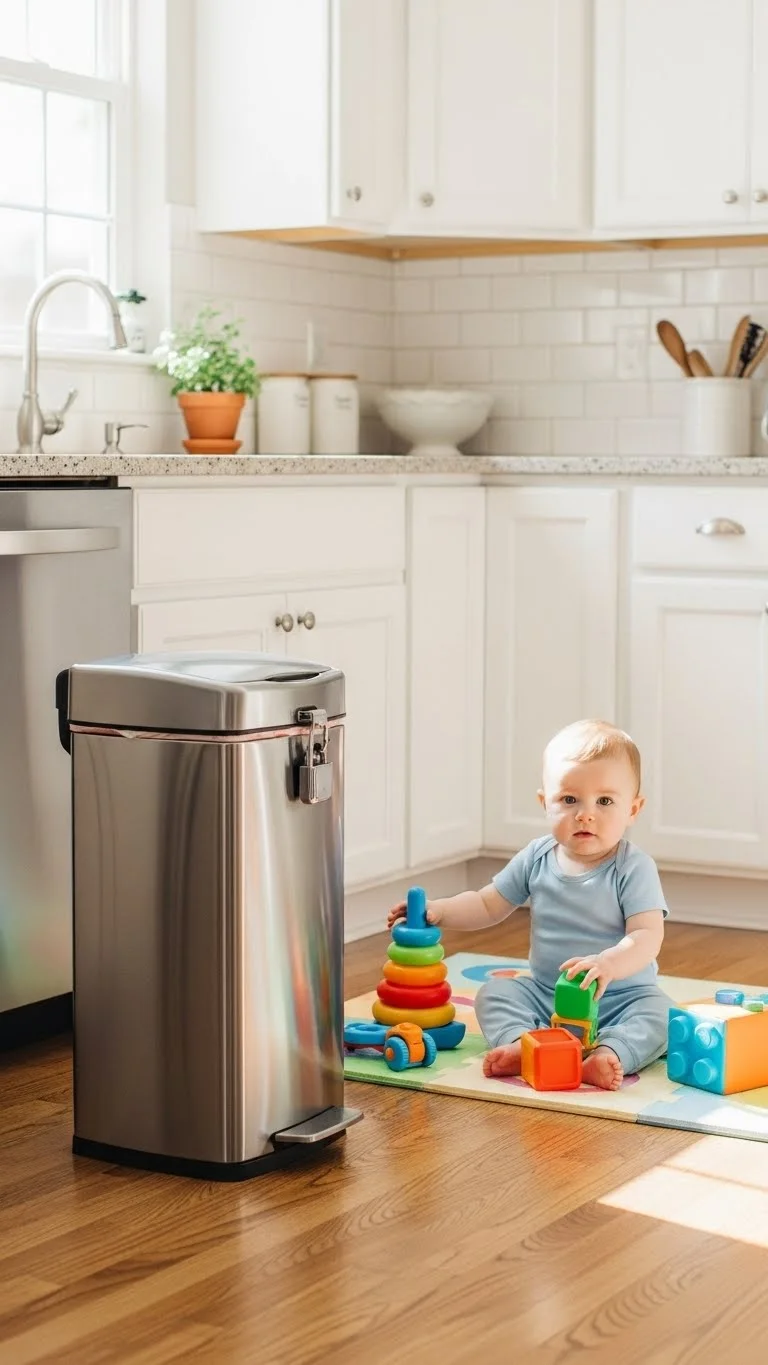
Trash holds sharp, messy, and choking hazards. Babies love lids and crinkly sounds. Locking cans block access. Choose a can with a foot pedal and tight lid. Add a strap lock if needed. Even basic models work well. Empty trash regularly. Overflow attracts attention and smells. A clean can is less tempting. Keep recycling sorted and covered too. Bottles and cans pose risks. Trash safety removes hidden dangers from daily reach.
17. Watch Water Sources Closely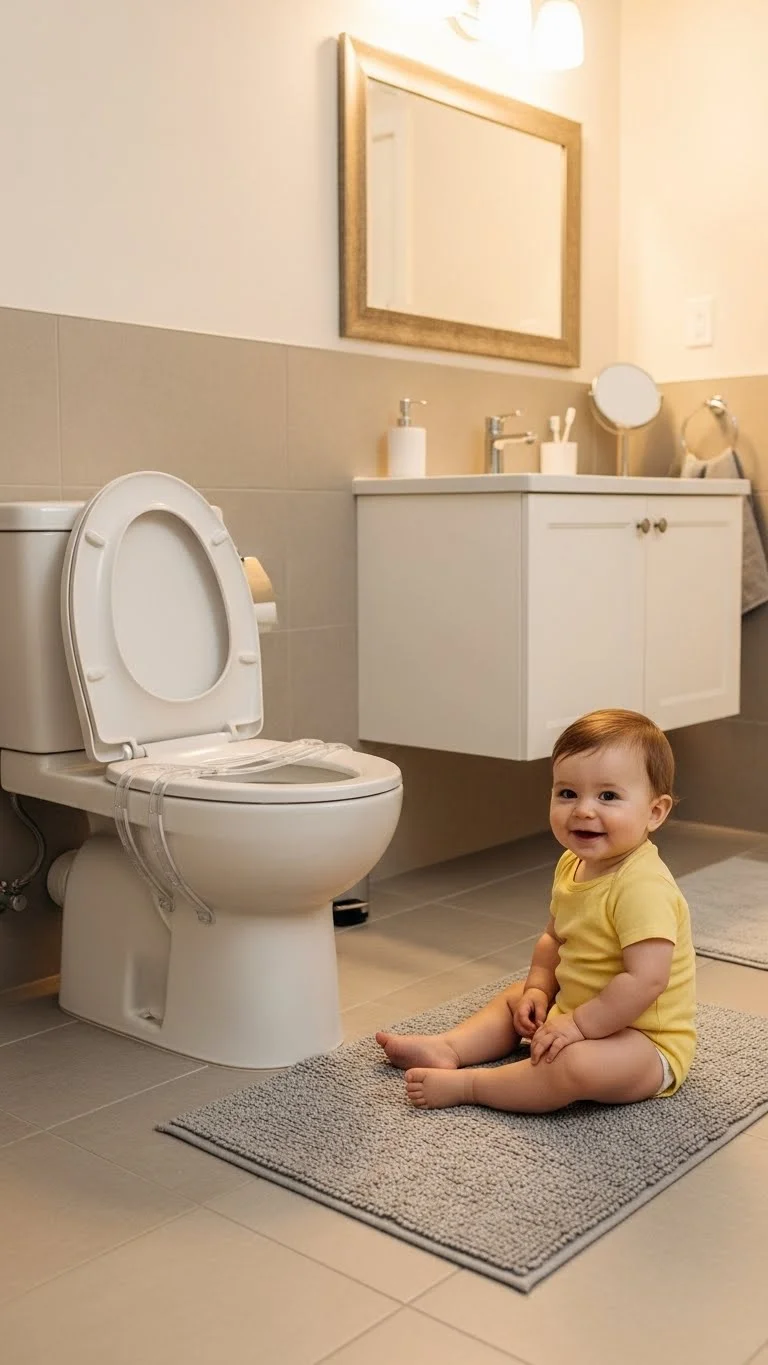
Water draws babies in. Toilets, buckets, and pet bowls all matter. Even small amounts pose risk. Use toilet lid locks. They install easily and stay out of sight. Empty buckets right after use. Pet bowls should stay raised or behind gates. Refill only when supervised. Outdoor water features also matter. Drain kiddie pools after play. Water awareness becomes habit through repetition and shared rules.
18. Keep Medication Locked Away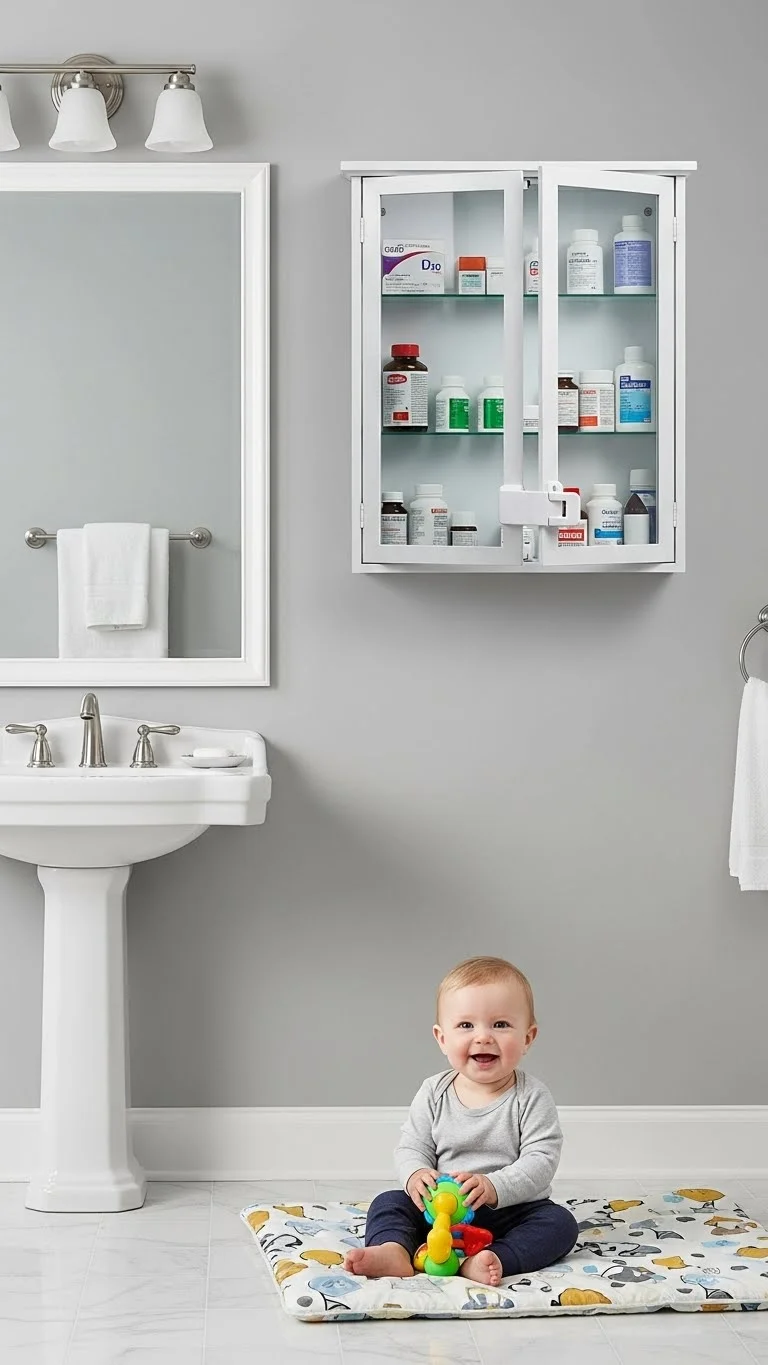
Medicine often looks like candy. Bright colors attract attention. Locking storage blocks access. Store all pills, vitamins, and creams together in one locked spot. High placement adds another layer. Never leave medicine on counters, even briefly. Babies move faster than expected. Check bags and purses after visitors arrive. Many carry medication unknowingly. Medication safety relies on consistent storage, not memory alone.
19. Test Smoke and Carbon Monoxide Alarms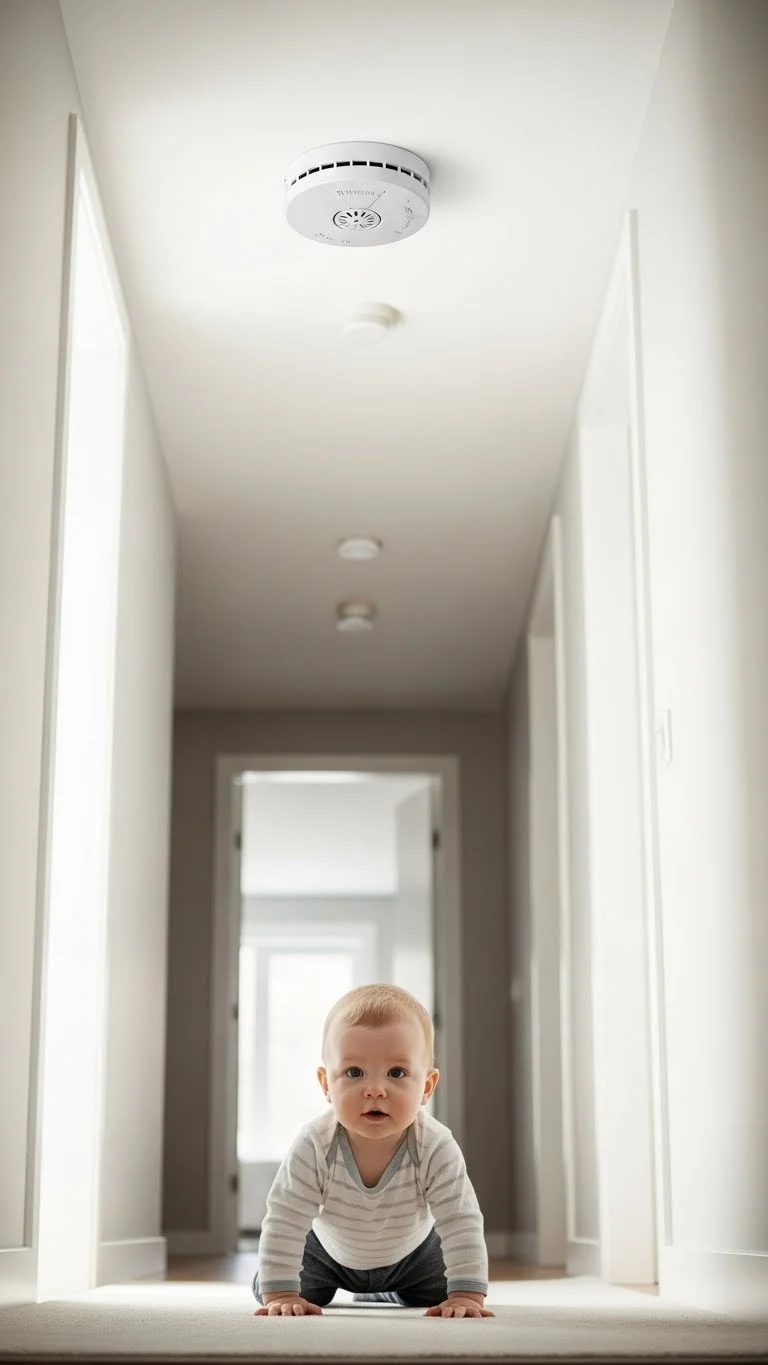
Alarms protect everyone in the home. Test them monthly. Replace batteries when needed. Install alarms near sleeping areas and on each level. Carbon monoxide alarms matter if you use gas or fuel appliances. Testing takes seconds. Make it part of a monthly routine, like bill payments. Teach older children what the sound means over time. Working alarms quietly guard your home day and night.
20. Keep Baby Gear in Good Shape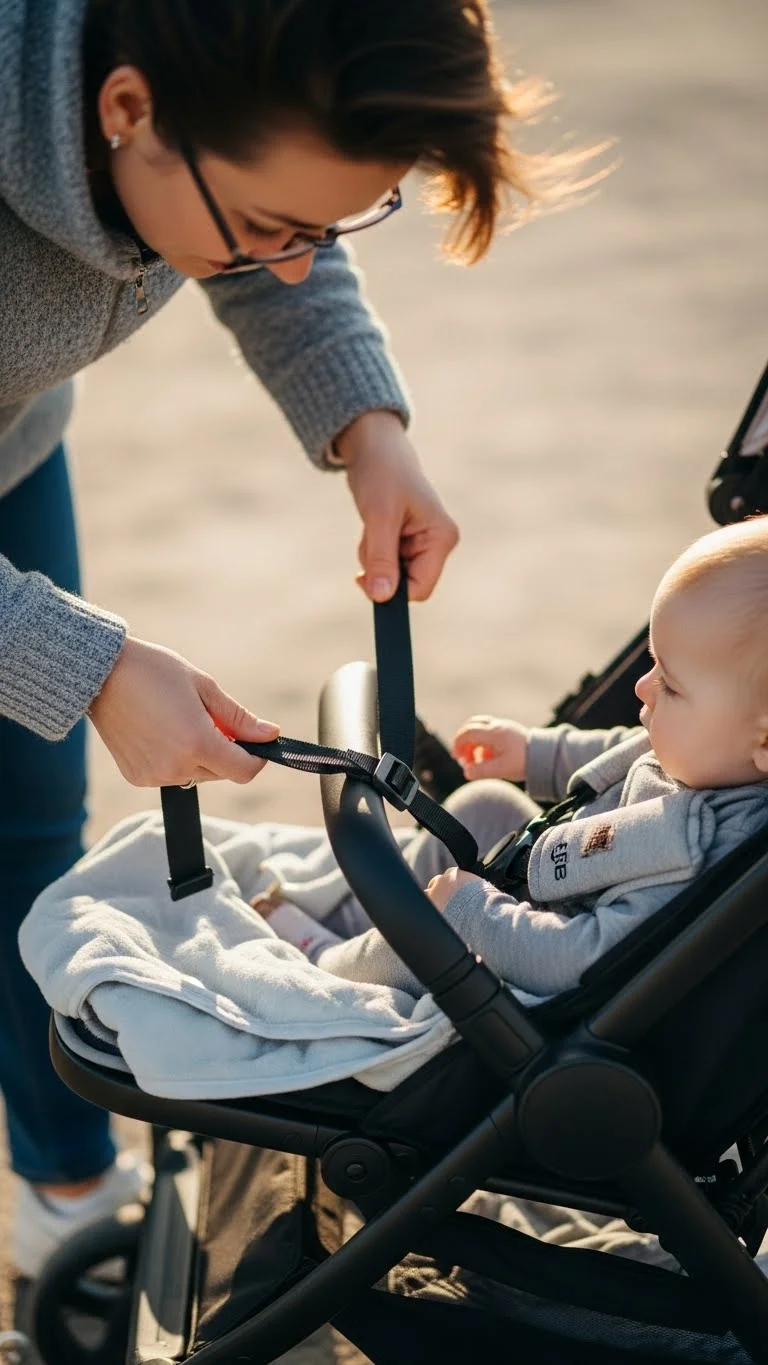
Strollers, high chairs, and carriers get daily use. Wear shows up slowly. Regular checks catch issues early.Look at straps, buckles, and wheels. Tighten screws and clean debris. Replace worn parts if needed. Follow weight limits listed by the maker. Overloading stresses frames. Second-hand gear works well when checked carefully. Many issues fix easily. Well-kept gear supports safe outings and smooth routines.
21. Trust Simple Daily Habits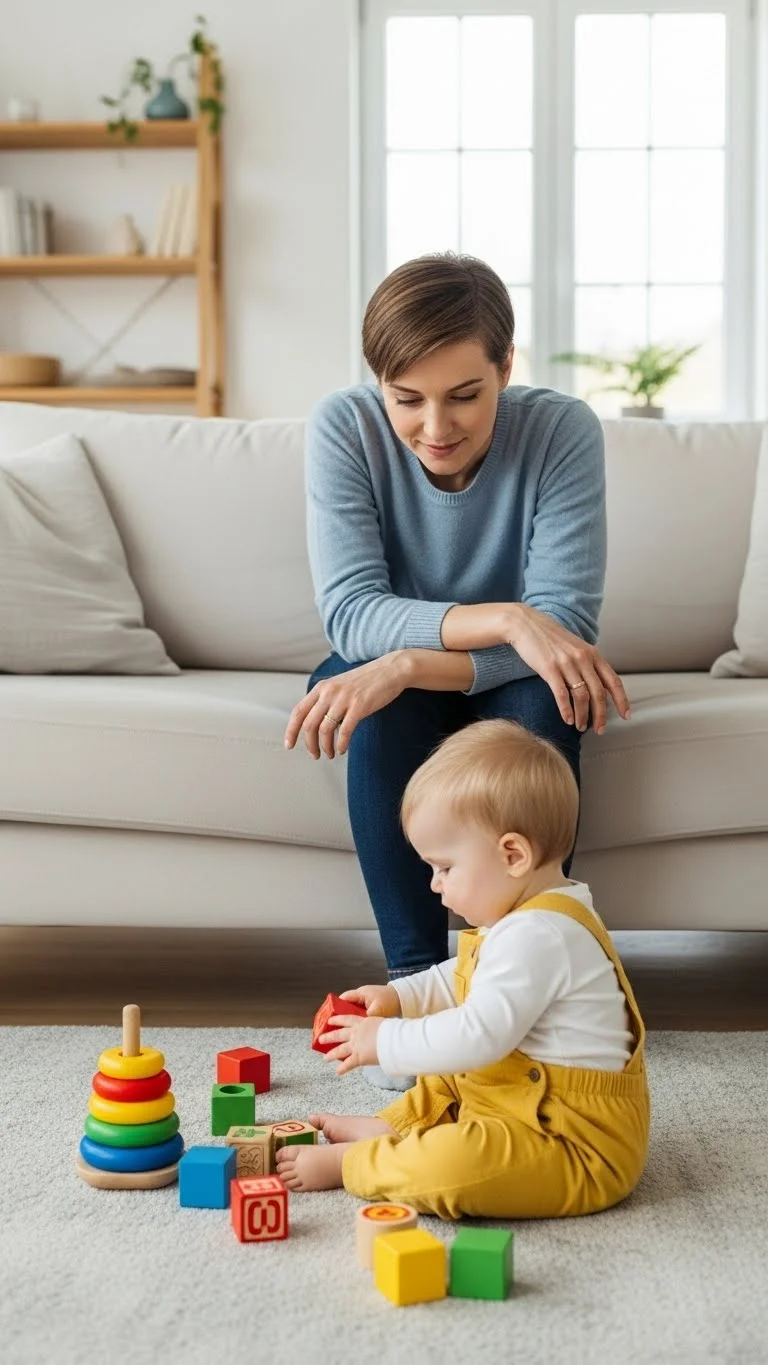
Safety grows from daily habits. Small actions repeat quietly. Over time, they shape a secure environment. You do not need to watch every second with worry. Setup and routine do much of the work. Adjust as your baby grows. What worked at six months changes at one year. Share habits with caregivers. Consistency builds confidence for everyone. Simple choices, repeated daily, create calm and steady protection.
Conclusion
A safe home isn’t created overnight, and it doesn’t require expensive upgrades or overwhelming changes. True safety comes from small, intentional steps that fit your daily routine, your space, and your budget. When you focus on one simple improvement at a time, the process feels manageable and empowering instead of stressful. Start with something easy today—cover an outlet, secure a cabinet, or clear a cluttered floor. Tomorrow, take another step. Over time, these thoughtful actions add up to meaningful protection.
